

bigfunzd
47 貼文

bigfunzd
舉報
封鎖用戶
BP-82F3985C1140
25 關注
18 粉絲
53 點讚數
貼文
全部
引用
·
--
看漲
$MU 的業績可能比標題數字所暗示的更重要,關係到內存週期。
美光指引 2024Q4 營收爲 500 億美元 ± 10 億美元,毛利率約 86%。2023Q3 已實現每股收益 25.11 美元,而其雲端內存毛利率達到 83%。
對我而言,關鍵問題是管理層如何談論 DRAM 定價、HBM 需求以及 2027 財年利潤率。
如果利潤率能夠維持在指引之上且展望保持強勁,內存超級週期的敘事將獲得更多支持。若價格勢頭放緩,市場可能會轉而關注這些數字的可持續性。
我會比關注“是否超預期”的標題表現,更關注指引。
#EarningsSeason $MUB
$MU 的業績可能比標題數字所暗示的更重要,關係到內存週期。
美光指引 2024Q4 營收爲 500 億美元 ± 10 億美元,毛利率約 86%。2023Q3 已實現每股收益 25.11 美元,而其雲端內存毛利率達到 83%。
對我而言,關鍵問題是管理層如何談論 DRAM 定價、HBM 需求以及 2027 財年利潤率。
如果利潤率能夠維持在指引之上且展望保持強勁,內存超級週期的敘事將獲得更多支持。若價格勢頭放緩,市場可能會轉而關注這些數字的可持續性。
我會比關注“是否超預期”的標題表現,更關注指引。
#EarningsSeason $MUB
美光指引 2024Q4 營收爲 500 億美元 ± 10 億美元,毛利率約 86%。2023Q3 已實現每股收益 25.11 美元,而其雲端內存毛利率達到 83%。
對我而言,關鍵問題是管理層如何談論 DRAM 定價、HBM 需求以及 2027 財年利潤率。
如果利潤率能夠維持在指引之上且展望保持強勁,內存超級週期的敘事將獲得更多支持。若價格勢頭放緩,市場可能會轉而關注這些數字的可持續性。
我會比關注“是否超預期”的標題表現,更關注指引。
#EarningsSeason $MUB


Binance Square Official
·
--
財報季:Micron 第四季度財報——看多還是看空?
Binance Square 正在啓動財報季!加入我們,在最熱門股票的財報發佈前後,對市場數據進行拆解。
Micron 的 2026 財年第四季度財報本週即將公佈。這些結果不僅僅與 $MU 的股價有關,它還是對“整個存儲器超級週期”這一敘事能否站得住腳的關鍵測試。
敬請關注 Binance Square 的財報季——成爲第一時間瞭解並行動的人,抓住最重磅的財報機會!
議程上有什麼?
9 月 28 日 — Micron FY2026 Q4 earnings preview:本季度需要關注的要點速覽
Micron 的 2026 財年第四季度財報本週即將公佈。這些結果不僅僅與 $MU 的股價有關,它還是對“整個存儲器超級週期”這一敘事能否站得住腳的關鍵測試。
敬請關注 Binance Square 的財報季——成爲第一時間瞭解並行動的人,抓住最重磅的財報機會!
議程上有什麼?
9 月 28 日 — Micron FY2026 Q4 earnings preview:本季度需要關注的要點速覽

1
191
·
--

文章
查看翻譯
Where is your USDT right now, and where do you need it?Your USDT has been sitting on Ethereum, but the mini-app you actually want to use lives on TON. Or, perhaps, you are holding USDT on TON, but the farm you want to enter is on Base. This is one of the most common situations in multichain crypto: the networks are different, and that changes everything.
Why you cannot just “send” USDT across chains
What is the most recognizable asset for users of various blockchains? For many users, that asset is USDT. Tether alone accounts for around 59% of the entire stablecoin market — more than every other stablecoin put together.
USDT on TON, USDT on TRON, and USDT on Ethereum may share the same name and the same dollar peg, but they are not the same technical object.
Each network has its own addresses, token contracts, wallet standards, gas rules, and settlement environment. A normal token transfer only works inside a single blockchain — it moves the token between two addresses on the same network. It cannot carry that token out of one network and into another.
This is where the most common beginner mistake happens. Many wallets and exchanges support several networks, and the interface may let you send USDT on one network to an address on a completely different one. On the screen it looks like one action. In reality, the transfer is broadcast on the wrong network, the receiving address does not exist there, and in most cases the funds are unrecoverable.
That is why sending assets across networks requires a special mechanism. There are several, and they work in different ways. Let’s walk through the main options
1. Centralized exchange
You deposit USDT from one network, trade or convert if needed, and withdraw to another network.
The benefit is familiarity. Many users already know this flow, and exchanges often support many networks.
The trade-off is custody. During the process, your funds sit on the exchange. You may also deal with KYC, withdrawal fees, maintenance windows, limits, or delays.
👍 Good for: users who are comfortable with exchanges, custodial flows, and sharing personal data for KYC.
👎 Less ideal for: users who want a self-custodial DeFi flow.
2. Bridge and bridge aggregators
A bridge helps move assets between blockchains. In many cases, this means locking or holding an asset on one side and creating a representation of it on another side. That representation is often called a wrapped token.
A bridge aggregator searches across several bridges and providers to find a route. This improves the experience because users do not have to manually compare every bridge themselves. The aggregator may help find a better option by cost, speed, or supported networks.
The trade-off is that waiting times vary, some routes depend on wrapped assets. Beside this, bridges hold pooled liquidity across chains, which makes them one of the most concentrated attack surfaces in DeFi. According to DeFiLlama, cross-chain bridge exploits account for over $345 million in cumulative losses since 2022.
👍 Good for: specific transfer needs and route discovery. 👎 Less ideal for: users who do not want to research the differences between bridges, and those who prefer to avoid the bridge security risk.
3. Cross-chain atomic swap
A cross-chain atomic swap lets you exchange an asset on one blockchain directly for an asset on another blockchain. For example:
USDT on TON → USDC on Base USDT on TRON → USDT on TON USDC on Ethereum → USDT on TRON
What does "atomic" mean? The swap is one indivisible action. Both sides are cryptographically linked, so either the transaction completes as quoted, or neither happens and your funds stay where they started.
What this changes compared to the other options:
No custody. The swap is self-custodial from start to finish. Your funds stay in your wallet until the moment they leave for the destination — no account or KYC needed.
No bridge attack surface. The largest bridge exploits drained pooled reserves of locked assets. Atomic swaps do not hold funds in that shape — each swap is a direct paired exchange, not a withdrawal from a shared pool.
No wrapped token. You receive the native asset on the destination chain.
The quote is the fill. The price shown at confirmation is the price that executes.
With STONfi cross-chain swaps, the process happens inside one self-custodial interface. You choose the asset, choose the destination, review the amount, confirm — and that’s it!
Behind the swap is Omniston, STONfi’s protocol that unifies TON's fragmented liquidity across DEXs and RFQ resolvers and serves as a cross-chain execution layer. It coordinates the cross-chain flow so that the user does not have to manually manage bridges, separate swaps, or intermediate steps.
Ready to explore simple and secure routes across chains? Join the STONfi’s cross-chain campaign and learn how to move assets: complete tasks, collect miles, and unlock weekly
#STONfi
Where is your USDT right now, and where do you need it?
Your USDT has been sitting on Ethereum, but the mini-app you actually want to use lives on TON. Or, perhaps, you are holding USDT on TON, but the farm you want to enter is on Base. This is one of the most common situations in multichain crypto: the networks are different, and that changes everything.
Why you cannot just “send” USDT across chains
What is the most recognizable asset for users of various blockchains? For many users, that asset is USDT. Tether alone accounts for around 59% of the entire stablecoin market — more than every other stablecoin put together.
USDT on TON, USDT on TRON, and USDT on Ethereum may share the same name and the same dollar peg, but they are not the same technical object.
Each network has its own addresses, token contracts, wallet standards, gas rules, and settlement environment. A normal token transfer only works inside a single blockchain — it moves the token between two addresses on the same network. It cannot carry that token out of one network and into another.
This is where the most common beginner mistake happens. Many wallets and exchanges support several networks, and the interface may let you send USDT on one network to an address on a completely different one. On the screen it looks like one action. In reality, the transfer is broadcast on the wrong network, the receiving address does not exist there, and in most cases the funds are unrecoverable.
That is why sending assets across networks requires a special mechanism. There are several, and they work in different ways. Let’s walk through the main options
1. Centralized exchange
You deposit USDT from one network, trade or convert if needed, and withdraw to another network.
The benefit is familiarity. Many users already know this flow, and exchanges often support many networks.
The trade-off is custody. During the process, your funds sit on the exchange. You may also deal with KYC, withdrawal fees, maintenance windows, limits, or delays.
👍 Good for: users who are comfortable with exchanges, custodial flows, and sharing personal data for KYC.
👎 Less ideal for: users who want a self-custodial DeFi flow.
2. Bridge and bridge aggregators
A bridge helps move assets between blockchains. In many cases, this means locking or holding an asset on one side and creating a representation of it on another side. That representation is often called a wrapped token.
A bridge aggregator searches across several bridges and providers to find a route. This improves the experience because users do not have to manually compare every bridge themselves. The aggregator may help find a better option by cost, speed, or supported networks.
The trade-off is that waiting times vary, some routes depend on wrapped assets. Beside this, bridges hold pooled liquidity across chains, which makes them one of the most concentrated attack surfaces in DeFi. According to DeFiLlama, cross-chain bridge exploits account for over $345 million in cumulative losses since 2022.
👍 Good for: specific transfer needs and route discovery. 👎 Less ideal for: users who do not want to research the differences between bridges, and those who prefer to avoid the bridge security risk.
3. Cross-chain atomic swap
A cross-chain atomic swap lets you exchange an asset on one blockchain directly for an asset on another blockchain. For example:
USDT on TON → USDC on Base USDT on TRON → USDT on TON USDC on Ethereum → USDT on TRON
What does "atomic" mean? The swap is one indivisible action. Both sides are cryptographically linked, so either the transaction completes as quoted, or neither happens and your funds stay where they started.
What this changes compared to the other options:
No custody. The swap is self-custodial from start to finish. Your funds stay in your wallet until the moment they leave for the destination — no account or KYC needed.
No bridge attack surface. The largest bridge exploits drained pooled reserves of locked assets. Atomic swaps do not hold funds in that shape — each swap is a direct paired exchange, not a withdrawal from a shared pool.
No wrapped token. You receive the native asset on the destination chain.
The quote is the fill. The price shown at confirmation is the price that executes.
With STONfi cross-chain swaps, the process happens inside one self-custodial interface. You choose the asset, choose the destination, review the amount, confirm — and that’s it!
Behind the swap is Omniston, STONfi’s protocol that unifies TON's fragmented liquidity across DEXs and RFQ resolvers and serves as a cross-chain execution layer. It coordinates the cross-chain flow so that the user does not have to manually manage bridges, separate swaps, or intermediate steps.
Ready to explore simple and secure routes across chains? Join the STONfi’s cross-chain campaign and learn how to move assets: complete tasks, collect miles, and unlock weekly
#STONfi
Why you cannot just “send” USDT across chains
What is the most recognizable asset for users of various blockchains? For many users, that asset is USDT. Tether alone accounts for around 59% of the entire stablecoin market — more than every other stablecoin put together.
USDT on TON, USDT on TRON, and USDT on Ethereum may share the same name and the same dollar peg, but they are not the same technical object.
Each network has its own addresses, token contracts, wallet standards, gas rules, and settlement environment. A normal token transfer only works inside a single blockchain — it moves the token between two addresses on the same network. It cannot carry that token out of one network and into another.
This is where the most common beginner mistake happens. Many wallets and exchanges support several networks, and the interface may let you send USDT on one network to an address on a completely different one. On the screen it looks like one action. In reality, the transfer is broadcast on the wrong network, the receiving address does not exist there, and in most cases the funds are unrecoverable.
That is why sending assets across networks requires a special mechanism. There are several, and they work in different ways. Let’s walk through the main options
1. Centralized exchange
You deposit USDT from one network, trade or convert if needed, and withdraw to another network.
The benefit is familiarity. Many users already know this flow, and exchanges often support many networks.
The trade-off is custody. During the process, your funds sit on the exchange. You may also deal with KYC, withdrawal fees, maintenance windows, limits, or delays.
👍 Good for: users who are comfortable with exchanges, custodial flows, and sharing personal data for KYC.
👎 Less ideal for: users who want a self-custodial DeFi flow.
2. Bridge and bridge aggregators
A bridge helps move assets between blockchains. In many cases, this means locking or holding an asset on one side and creating a representation of it on another side. That representation is often called a wrapped token.
A bridge aggregator searches across several bridges and providers to find a route. This improves the experience because users do not have to manually compare every bridge themselves. The aggregator may help find a better option by cost, speed, or supported networks.
The trade-off is that waiting times vary, some routes depend on wrapped assets. Beside this, bridges hold pooled liquidity across chains, which makes them one of the most concentrated attack surfaces in DeFi. According to DeFiLlama, cross-chain bridge exploits account for over $345 million in cumulative losses since 2022.
👍 Good for: specific transfer needs and route discovery. 👎 Less ideal for: users who do not want to research the differences between bridges, and those who prefer to avoid the bridge security risk.
3. Cross-chain atomic swap
A cross-chain atomic swap lets you exchange an asset on one blockchain directly for an asset on another blockchain. For example:
USDT on TON → USDC on Base USDT on TRON → USDT on TON USDC on Ethereum → USDT on TRON
What does "atomic" mean? The swap is one indivisible action. Both sides are cryptographically linked, so either the transaction completes as quoted, or neither happens and your funds stay where they started.
What this changes compared to the other options:
No custody. The swap is self-custodial from start to finish. Your funds stay in your wallet until the moment they leave for the destination — no account or KYC needed.
No bridge attack surface. The largest bridge exploits drained pooled reserves of locked assets. Atomic swaps do not hold funds in that shape — each swap is a direct paired exchange, not a withdrawal from a shared pool.
No wrapped token. You receive the native asset on the destination chain.
The quote is the fill. The price shown at confirmation is the price that executes.
With STONfi cross-chain swaps, the process happens inside one self-custodial interface. You choose the asset, choose the destination, review the amount, confirm — and that’s it!
Behind the swap is Omniston, STONfi’s protocol that unifies TON's fragmented liquidity across DEXs and RFQ resolvers and serves as a cross-chain execution layer. It coordinates the cross-chain flow so that the user does not have to manually manage bridges, separate swaps, or intermediate steps.
Ready to explore simple and secure routes across chains? Join the STONfi’s cross-chain campaign and learn how to move assets: complete tasks, collect miles, and unlock weekly
#STONfi
1
53
·
--
看漲
穩定幣正不再只是加密貨幣中儲存美元價值的一種方式。它們越來越成爲連接不同生態系統的流動性層。
這就是爲什麼我對 STON.fi 與 Arc 的整合產生了興趣。
Arc 的設計圍繞穩定幣金融展開,而 USDC 作爲其原生燃氣代幣。將這種環境帶入 Omniston,將爲穩定幣流動性與受支持的跨鏈資產互動開闢另一條路徑。
我覺得有意思的是更大的基礎設施轉變。
與其讓流動性侷限在各自的獨立生態系統中,跨鏈系統可以幫助讓這部分流動性更容易被獲取,同時無需強迫用戶分別管理每一條網絡。
在這裏,我認爲跨鏈基礎設施真正的價值會更清晰:這不只是增加更多鏈條,而是讓流動性更加互聯,並且更有用。
另外,也值得留意 Arc 整合的最初 1,000 美元交易限額。採用是通過實際使用建立起來的,實際的限制同樣與技術一樣重要。
@ston_fi #STONfi #Omniston #Arc #USDC #DeFi
#STONfi
穩定幣正不再只是加密貨幣中儲存美元價值的一種方式。它們越來越成爲連接不同生態系統的流動性層。
這就是爲什麼我對 STON.fi 與 Arc 的整合產生了興趣。
Arc 的設計圍繞穩定幣金融展開,而 USDC 作爲其原生燃氣代幣。將這種環境帶入 Omniston,將爲穩定幣流動性與受支持的跨鏈資產互動開闢另一條路徑。
我覺得有意思的是更大的基礎設施轉變。
與其讓流動性侷限在各自的獨立生態系統中,跨鏈系統可以幫助讓這部分流動性更容易被獲取,同時無需強迫用戶分別管理每一條網絡。
在這裏,我認爲跨鏈基礎設施真正的價值會更清晰:這不只是增加更多鏈條,而是讓流動性更加互聯,並且更有用。
另外,也值得留意 Arc 整合的最初 1,000 美元交易限額。採用是通過實際使用建立起來的,實際的限制同樣與技術一樣重要。
@ston_fi #STONfi #Omniston #Arc #USDC #DeFi
#STONfi
這就是爲什麼我對 STON.fi 與 Arc 的整合產生了興趣。
Arc 的設計圍繞穩定幣金融展開,而 USDC 作爲其原生燃氣代幣。將這種環境帶入 Omniston,將爲穩定幣流動性與受支持的跨鏈資產互動開闢另一條路徑。
我覺得有意思的是更大的基礎設施轉變。
與其讓流動性侷限在各自的獨立生態系統中,跨鏈系統可以幫助讓這部分流動性更容易被獲取,同時無需強迫用戶分別管理每一條網絡。
在這裏,我認爲跨鏈基礎設施真正的價值會更清晰:這不只是增加更多鏈條,而是讓流動性更加互聯,並且更有用。
另外,也值得留意 Arc 整合的最初 1,000 美元交易限額。採用是通過實際使用建立起來的,實際的限制同樣與技術一樣重要。
@ston_fi #STONfi #Omniston #Arc #USDC #DeFi
#STONfi

2
162
·
--
看漲
查看翻譯
I like how $CASH is building a simple way to bring more utility into crypto payments. The idea is practical, and I’m interested to see how the ecosystem develops over time.
SR-2EC0409A17488137D9BA78EA
I like how $CASH is building a simple way to bring more utility into crypto payments. The idea is practical, and I’m interested to see how the ecosystem develops over time.
SR-2EC0409A17488137D9BA78EA
SR-2EC0409A17488137D9BA78EA
1
44
·
--
看漲
幣安讓加密貨幣交易變得簡單。
從買入和賣出到行情追蹤,你需要的一切都在同一個應用中完成。
簡單。快速。爲加密貨幣而打造。
SR-2EC0409A17488137D9BA78EA
$CASHCAT
幣安讓加密貨幣交易變得簡單。
從買入和賣出到行情追蹤,你需要的一切都在同一個應用中完成。
簡單。快速。爲加密貨幣而打造。
SR-2EC0409A17488137D9BA78EA
$CASHCAT
從買入和賣出到行情追蹤,你需要的一切都在同一個應用中完成。
簡單。快速。爲加密貨幣而打造。
SR-2EC0409A17488137D9BA78EA
$CASHCAT
77
·
--
看漲
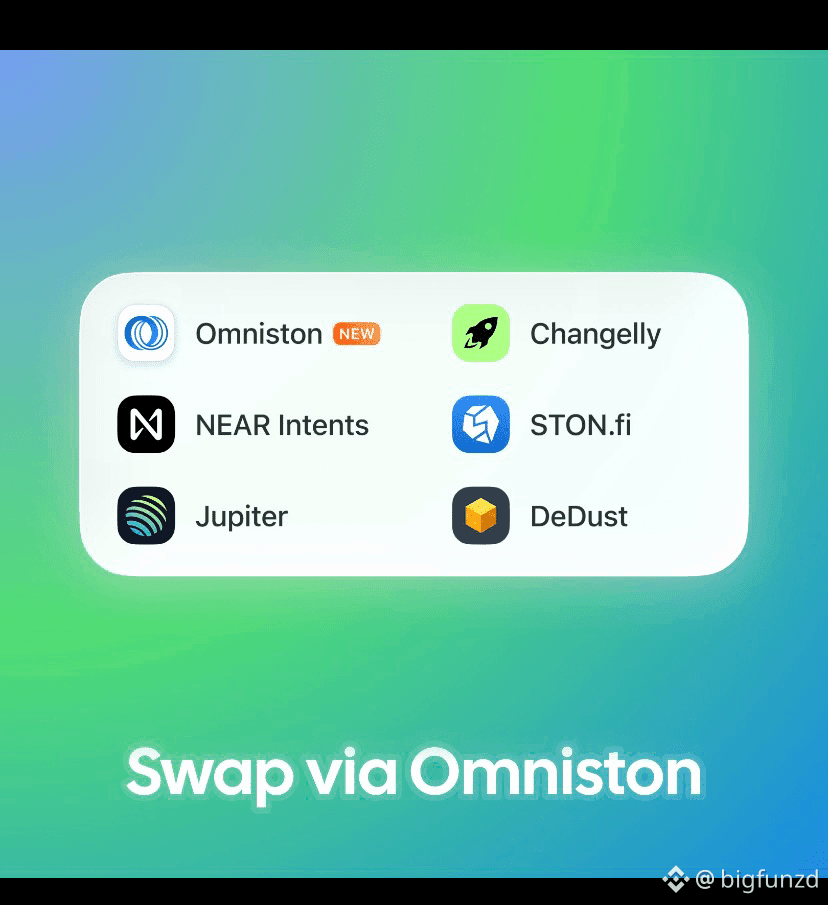
通過 Omniston 進行交換 🔍
這張圖片講的是讓跨鏈交換變得更簡單。
Omniston 提供交換基礎設施,將用戶和應用連接到不同區塊鏈生態中的流動性。
NEAR Intents 讓用戶專注於他們想要的結果,而不是手動選擇橋、DEX 和交易路徑。
圖片中展示的其他平臺——Jupiter、STON.fi、DeDust 和 Changelly——代表不同的交易與流動性生態系統。
更大的理念是:
不同的鏈 + 不同的流動性來源 → 一種更簡單的交換體驗。
不再是:
橋接 → 尋找流動性 → 交換 → 管理 Gas
目標只是:
“我有這個資產。我想要那個資產。”
基礎設施與流動性提供方會在幕後處理複雜性。
這就是“通過 Omniston 進行交換”背後的更大故事。🚀
#STONfi
@stonfi
#GlobalStockFundsSee$18.62BInflow
通過 Omniston 進行交換 🔍
這張圖片講的是讓跨鏈交換變得更簡單。
Omniston 提供交換基礎設施,將用戶和應用連接到不同區塊鏈生態中的流動性。
NEAR Intents 讓用戶專注於他們想要的結果,而不是手動選擇橋、DEX 和交易路徑。
圖片中展示的其他平臺——Jupiter、STON.fi、DeDust 和 Changelly——代表不同的交易與流動性生態系統。
更大的理念是:
不同的鏈 + 不同的流動性來源 → 一種更簡單的交換體驗。
不再是:
橋接 → 尋找流動性 → 交換 → 管理 Gas
目標只是:
“我有這個資產。我想要那個資產。”
基礎設施與流動性提供方會在幕後處理複雜性。
這就是“通過 Omniston 進行交換”背後的更大故事。🚀
#STONfi
@STONfi DEX
#GlobalStockFundsSee$18.62BInflow
這張圖片講的是讓跨鏈交換變得更簡單。
Omniston 提供交換基礎設施,將用戶和應用連接到不同區塊鏈生態中的流動性。
NEAR Intents 讓用戶專注於他們想要的結果,而不是手動選擇橋、DEX 和交易路徑。
圖片中展示的其他平臺——Jupiter、STON.fi、DeDust 和 Changelly——代表不同的交易與流動性生態系統。
更大的理念是:
不同的鏈 + 不同的流動性來源 → 一種更簡單的交換體驗。
不再是:
橋接 → 尋找流動性 → 交換 → 管理 Gas
目標只是:
“我有這個資產。我想要那個資產。”
基礎設施與流動性提供方會在幕後處理複雜性。
這就是“通過 Omniston 進行交換”背後的更大故事。🚀
#STONfi
@STONfi DEX
#GlobalStockFundsSee$18.62BInflow
1
148
·
--
看漲
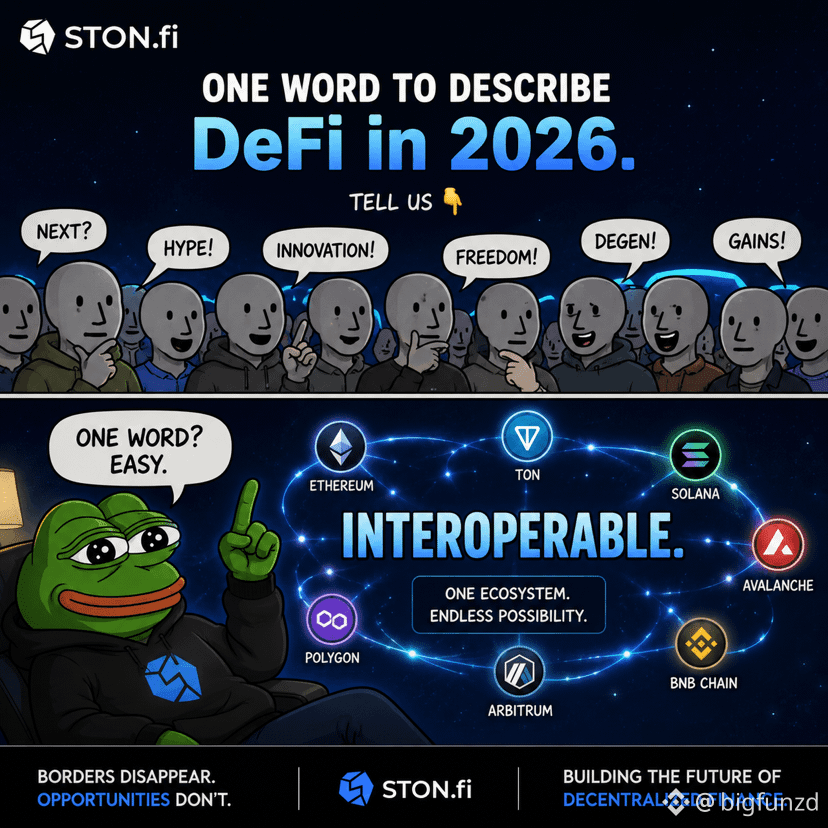
資產管理不該讓人覺得複雜。
Affluent 正在打造可信任、無縫的資產管理基礎設施——旨在讓鏈上金融更容易被存取、管理與擴展。
更大的願景很簡單:移除不必要的摩擦,打造一種體驗,讓管理數位資產對每個人來說都覺得自然、安心且易於取得。
更好的基礎設施。更聰明的資產管理。為大規模採用而建。
#STONfi
@stonfi
#STONfi✅
資產管理不該讓人覺得複雜。
Affluent 正在打造可信任、無縫的資產管理基礎設施——旨在讓鏈上金融更容易被存取、管理與擴展。
更大的願景很簡單:移除不必要的摩擦,打造一種體驗,讓管理數位資產對每個人來說都覺得自然、安心且易於取得。
更好的基礎設施。更聰明的資產管理。為大規模採用而建。
#STONfi
@STONfi DEX
#STONfi✅
Affluent 正在打造可信任、無縫的資產管理基礎設施——旨在讓鏈上金融更容易被存取、管理與擴展。
更大的願景很簡單:移除不必要的摩擦,打造一種體驗,讓管理數位資產對每個人來說都覺得自然、安心且易於取得。
更好的基礎設施。更聰明的資產管理。為大規模採用而建。
#STONfi
@STONfi DEX
#STONfi✅
1
96
·
--
看漲
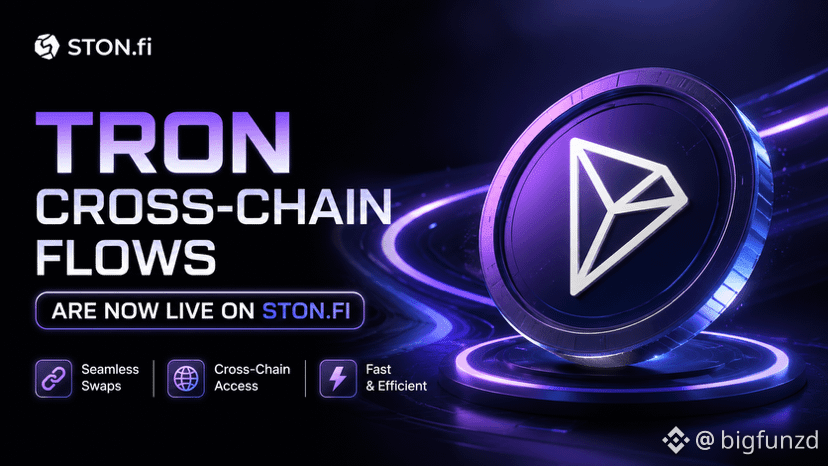
TRON 跨鏈流量現已在 STON.fi 上上線
DeFi 的未來建立在無縫連接之上,而此次整合又邁出了邁向真正互聯區塊鏈生態的重要一步。
隨着 TRON 現已支持 STON.fi 的跨鏈流(Cross-Chain Flow),用戶可以以更高效率在不同網絡間調轉資產,解鎖更快的交易、更深的流動性,並帶來更順暢的跨鏈體驗。
當區塊鏈之間的壁壘不斷消失,互操作性正成爲 Web3 創新的基礎。每一次新的整合都會強化生態、拓展用戶與開發者的機會,並讓去中心化金融更接近大衆採用。
跨鏈不再只是一個功能——它就是未來。而隨着 TRON 加入 STON.fi 的跨鏈流,那一未來已經開始成形。🚀
#STONfi
@stonfi
TRON 跨鏈流量現已在 STON.fi 上上線
DeFi 的未來建立在無縫連接之上,而此次整合又邁出了邁向真正互聯區塊鏈生態的重要一步。
隨着 TRON 現已支持 STON.fi 的跨鏈流(Cross-Chain Flow),用戶可以以更高效率在不同網絡間調轉資產,解鎖更快的交易、更深的流動性,並帶來更順暢的跨鏈體驗。
當區塊鏈之間的壁壘不斷消失,互操作性正成爲 Web3 創新的基礎。每一次新的整合都會強化生態、拓展用戶與開發者的機會,並讓去中心化金融更接近大衆採用。
跨鏈不再只是一個功能——它就是未來。而隨着 TRON 加入 STON.fi 的跨鏈流,那一未來已經開始成形。🚀
#STONfi
@STONfi DEX
DeFi 的未來建立在無縫連接之上,而此次整合又邁出了邁向真正互聯區塊鏈生態的重要一步。
隨着 TRON 現已支持 STON.fi 的跨鏈流(Cross-Chain Flow),用戶可以以更高效率在不同網絡間調轉資產,解鎖更快的交易、更深的流動性,並帶來更順暢的跨鏈體驗。
當區塊鏈之間的壁壘不斷消失,互操作性正成爲 Web3 創新的基礎。每一次新的整合都會強化生態、拓展用戶與開發者的機會,並讓去中心化金融更接近大衆採用。
跨鏈不再只是一個功能——它就是未來。而隨着 TRON 加入 STON.fi 的跨鏈流,那一未來已經開始成形。🚀
#STONfi
@STONfi DEX
1
93
·
--
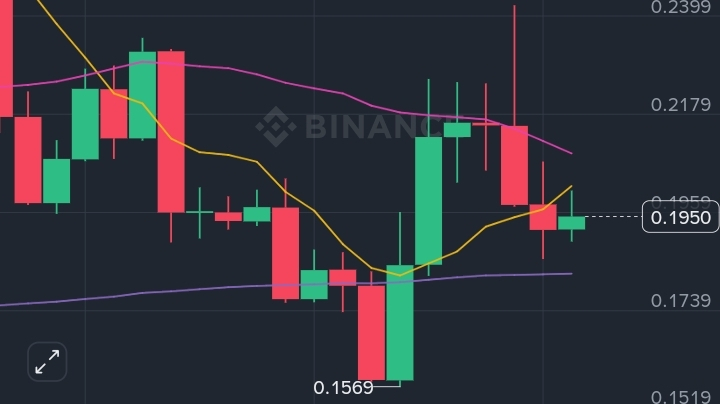
文章
📈 — 穩定的上升趨勢💡OPEN/USDT — 在失敗的突破嘗試後下跌(1D)
價格走勢:
當前交易於0.1950(-4.46%),在0.2067的局部高點遭到拒絕
之前的突破動能在MA25阻力附近失去力量
日線蠟燭圖現在顯示出看漲持續性減弱和上升的不確定性
趨勢結構:
市場仍處於復甦模式,但上漲動能減緩
未能保持在MA25(0.2091)之上使得宏觀結構保持中性偏謹慎
價格目前位於短期支撐和長期趨勢支撐之間
📈 — 穩定的上升趨勢
💡OPEN/USDT — 在失敗的突破嘗試後下跌(1D)
價格走勢:
當前交易於0.1950(-4.46%),在0.2067的局部高點遭到拒絕
之前的突破動能在MA25阻力附近失去力量
日線蠟燭圖現在顯示出看漲持續性減弱和上升的不確定性
趨勢結構:
市場仍處於復甦模式,但上漲動能減緩
未能保持在MA25(0.2091)之上使得宏觀結構保持中性偏謹慎
價格目前位於短期支撐和長期趨勢支撐之間
價格走勢:
當前交易於0.1950(-4.46%),在0.2067的局部高點遭到拒絕
之前的突破動能在MA25阻力附近失去力量
日線蠟燭圖現在顯示出看漲持續性減弱和上升的不確定性
趨勢結構:
市場仍處於復甦模式,但上漲動能減緩
未能保持在MA25(0.2091)之上使得宏觀結構保持中性偏謹慎
價格目前位於短期支撐和長期趨勢支撐之間
1
18
·
--
看漲
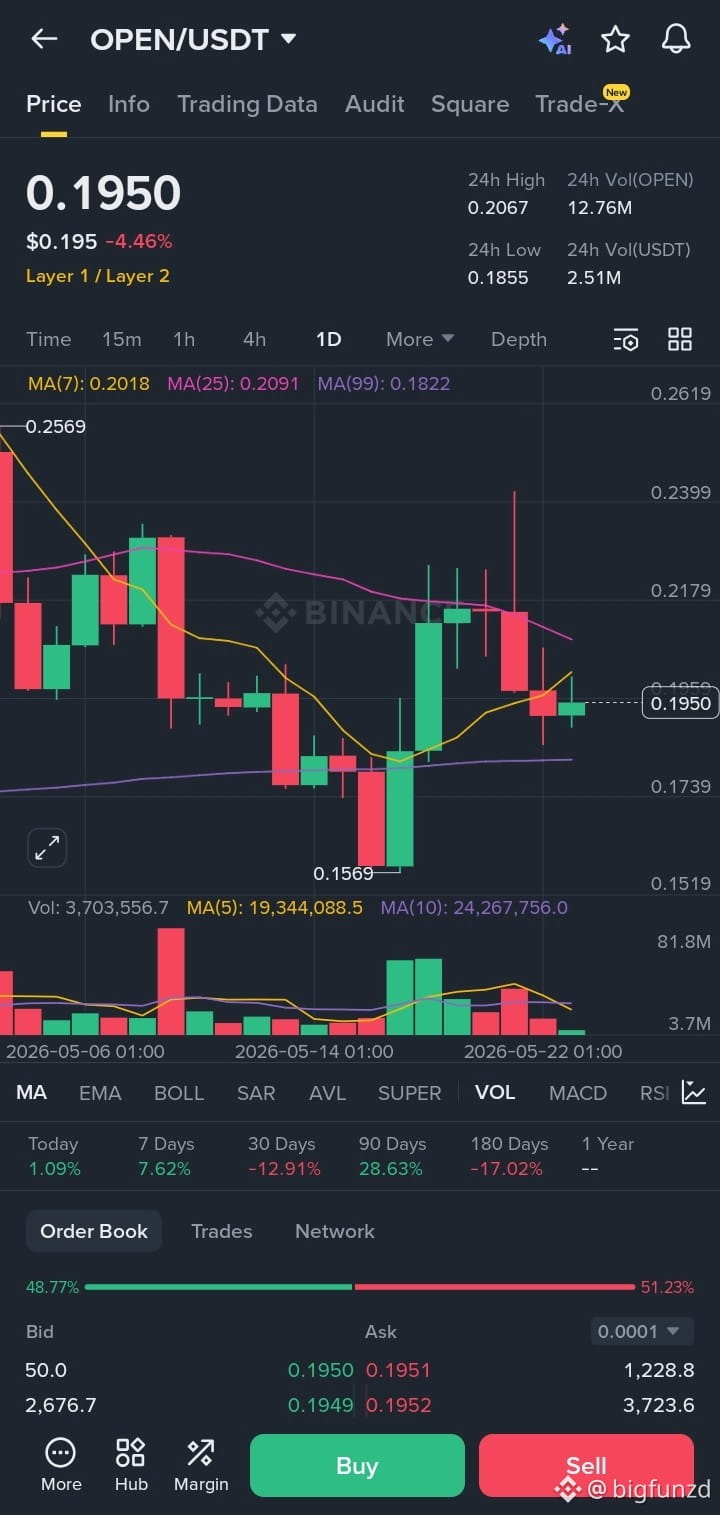
#openledger $OPEN
💡OPEN/USDT — 在失敗突破嘗試後回調 (1D)
價格動態:
當前交易價格爲0.1950(-4.46%),在0.2067局部高點遭遇拒絕
之前的突破動能在MA25阻力附近減弱
日線蠟燭圖現在顯示出看漲延續減弱和上升的不確定性
趨勢結構:
市場仍處於復甦模式,但上漲動能減緩
未能維持在MA25(0.2091)之上使得宏觀結構保持中性至謹慎
價格目前處於短期支撐和長期趨勢支撐之間
移動平均信號:
MA7(0.2018):價格低於短期動能線 → 短期看跌壓力
MA25(0.2091):主要阻力區拒絕價格擴張
MA99(0.1822):長期支撐依然保持結構完整
成交量與參與度:
24小時成交量:12.76M OPEN (~$2.51M)
與突破階段相比,成交量下降 → 動能冷卻
在最近的反彈嘗試後,未見積極的後續買入
訂單簿情緒:
買方:48.77%
賣方:51.23%
略顯賣方主導暗示獲利了結和弱勢延續需求
關鍵水平:
水平 類型 重要性
0.2067 阻力 復甦延續觸發點
0.2091 MA25 阻力 關鍵宏觀回收水平
0.1950 當前區域 短期決策區域
0.1822 MA99 支撐 結構防禦水平
0.1569 擺動低點 主要失效區
戰略洞察:
當前結構看起來像是在失敗突破延續後的冷卻階段
保持在0.1822之上可讓更廣泛的復甦結構繼續生存
失去這個支撐可能會使動能迴歸看跌控制
定位邏輯:
強烈的看漲確認僅在0.2091–0.2067回收區之上返回
在此之前,預計範圍波動或弱勢整合
風險/回報目前更偏向於耐心而非激進追逐
優勢洞察:
這裏重要的信號不是回調本身,而是突破嘗試後缺乏強勁買家的跟進。強趨勢會迅速吸引延續成交量。當價格
$OPEN
$BNB
#openledger $OPEN
💡OPEN/USDT — 在失敗突破嘗試後回調 (1D)
價格動態:
當前交易價格爲0.1950(-4.46%),在0.2067局部高點遭遇拒絕
之前的突破動能在MA25阻力附近減弱
日線蠟燭圖現在顯示出看漲延續減弱和上升的不確定性
趨勢結構:
市場仍處於復甦模式,但上漲動能減緩
未能維持在MA25(0.2091)之上使得宏觀結構保持中性至謹慎
價格目前處於短期支撐和長期趨勢支撐之間
移動平均信號:
MA7(0.2018):價格低於短期動能線 → 短期看跌壓力
MA25(0.2091):主要阻力區拒絕價格擴張
MA99(0.1822):長期支撐依然保持結構完整
成交量與參與度:
24小時成交量:12.76M OPEN (~$2.51M)
與突破階段相比,成交量下降 → 動能冷卻
在最近的反彈嘗試後,未見積極的後續買入
訂單簿情緒:
買方:48.77%
賣方:51.23%
略顯賣方主導暗示獲利了結和弱勢延續需求
關鍵水平:
水平 類型 重要性
0.2067 阻力 復甦延續觸發點
0.2091 MA25 阻力 關鍵宏觀回收水平
0.1950 當前區域 短期決策區域
0.1822 MA99 支撐 結構防禦水平
0.1569 擺動低點 主要失效區
戰略洞察:
當前結構看起來像是在失敗突破延續後的冷卻階段
保持在0.1822之上可讓更廣泛的復甦結構繼續生存
失去這個支撐可能會使動能迴歸看跌控制
定位邏輯:
強烈的看漲確認僅在0.2091–0.2067回收區之上返回
在此之前,預計範圍波動或弱勢整合
風險/回報目前更偏向於耐心而非激進追逐
優勢洞察:
這裏重要的信號不是回調本身,而是突破嘗試後缺乏強勁買家的跟進。強趨勢會迅速吸引延續成交量。當價格
$OPEN
$BNB
💡OPEN/USDT — 在失敗突破嘗試後回調 (1D)
價格動態:
當前交易價格爲0.1950(-4.46%),在0.2067局部高點遭遇拒絕
之前的突破動能在MA25阻力附近減弱
日線蠟燭圖現在顯示出看漲延續減弱和上升的不確定性
趨勢結構:
市場仍處於復甦模式,但上漲動能減緩
未能維持在MA25(0.2091)之上使得宏觀結構保持中性至謹慎
價格目前處於短期支撐和長期趨勢支撐之間
移動平均信號:
MA7(0.2018):價格低於短期動能線 → 短期看跌壓力
MA25(0.2091):主要阻力區拒絕價格擴張
MA99(0.1822):長期支撐依然保持結構完整
成交量與參與度:
24小時成交量:12.76M OPEN (~$2.51M)
與突破階段相比,成交量下降 → 動能冷卻
在最近的反彈嘗試後,未見積極的後續買入
訂單簿情緒:
買方:48.77%
賣方:51.23%
略顯賣方主導暗示獲利了結和弱勢延續需求
關鍵水平:
水平 類型 重要性
0.2067 阻力 復甦延續觸發點
0.2091 MA25 阻力 關鍵宏觀回收水平
0.1950 當前區域 短期決策區域
0.1822 MA99 支撐 結構防禦水平
0.1569 擺動低點 主要失效區
戰略洞察:
當前結構看起來像是在失敗突破延續後的冷卻階段
保持在0.1822之上可讓更廣泛的復甦結構繼續生存
失去這個支撐可能會使動能迴歸看跌控制
定位邏輯:
強烈的看漲確認僅在0.2091–0.2067回收區之上返回
在此之前,預計範圍波動或弱勢整合
風險/回報目前更偏向於耐心而非激進追逐
優勢洞察:
這裏重要的信號不是回調本身,而是突破嘗試後缺乏強勁買家的跟進。強趨勢會迅速吸引延續成交量。當價格
$OPEN
$BNB
1
15
·
--
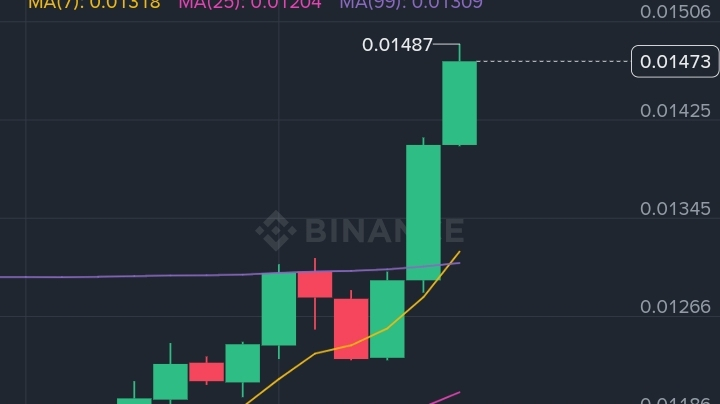
文章
🚀 — 突破 / 擴張 $PLUME
💡PLUME/USDT — 動能擴張,附近賣壓 (4H)
價格行爲:
交易於0.01473 (+21.23%),在0.01200整合區強勢突破後
連續的看漲蠟燭推高價格至0.01487阻力位
結構保持看漲,創出更高的高點,動能擴展
趨勢結構:
市場從整合階段過渡到激進擴張
突破長期趨勢水平,信號可能的宏觀反轉
當前走勢受動能驅動,但接近短期疲勞區
🚀 — 突破 / 擴張
$PLUME
💡PLUME/USDT — 動能擴張,附近賣壓 (4H)
價格行爲:
交易於0.01473 (+21.23%),在0.01200整合區強勢突破後
連續的看漲蠟燭推高價格至0.01487阻力位
結構保持看漲,創出更高的高點,動能擴展
趨勢結構:
市場從整合階段過渡到激進擴張
突破長期趨勢水平,信號可能的宏觀反轉
當前走勢受動能驅動,但接近短期疲勞區
💡PLUME/USDT — 動能擴張,附近賣壓 (4H)
價格行爲:
交易於0.01473 (+21.23%),在0.01200整合區強勢突破後
連續的看漲蠟燭推高價格至0.01487阻力位
結構保持看漲,創出更高的高點,動能擴展
趨勢結構:
市場從整合階段過渡到激進擴張
突破長期趨勢水平,信號可能的宏觀反轉
當前走勢受動能驅動,但接近短期疲勞區
1
142
·
--
看漲
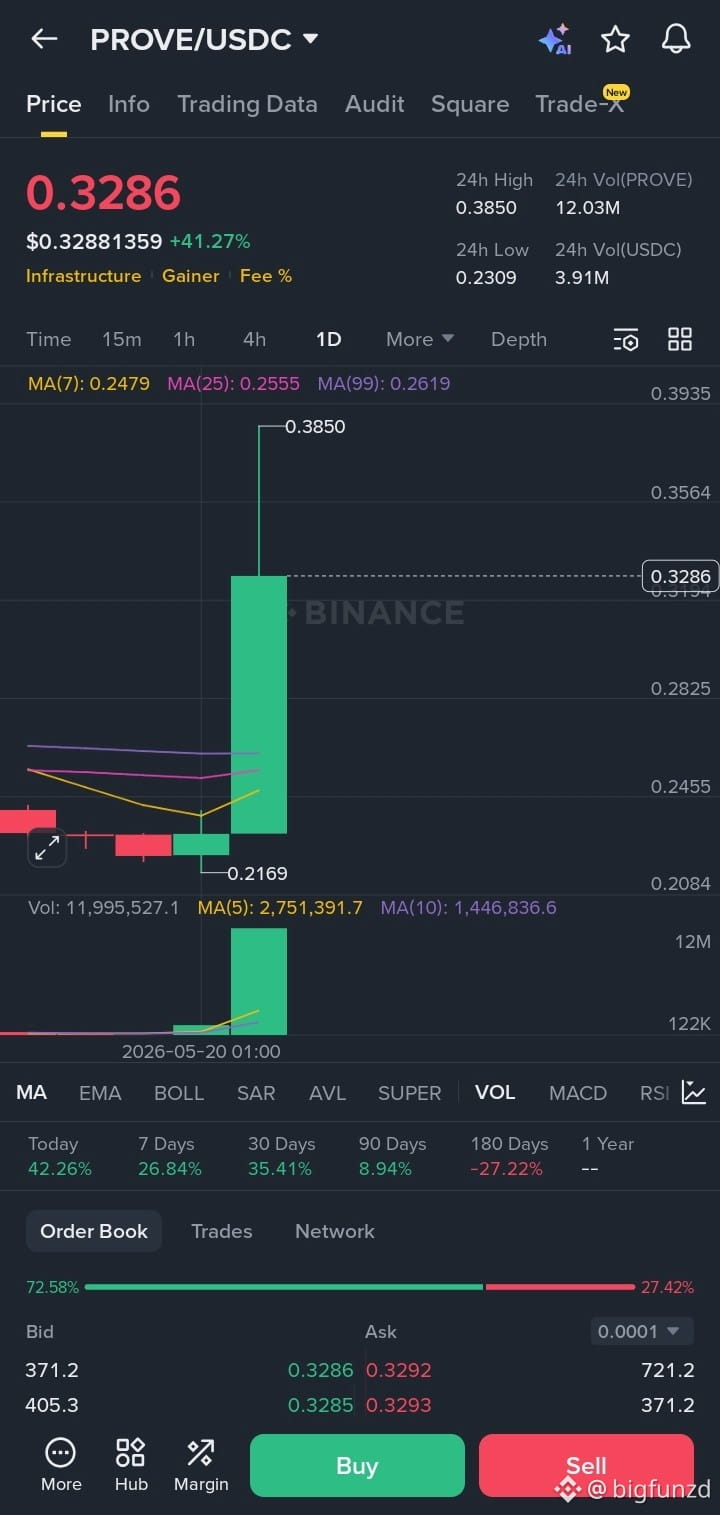
$PROVE
💡PROVE/USDC — 波動擴張突破 (1D)
價格走勢:
在重大日內突破後,價格爲 0.3286 (+41.27%)
從壓縮階段爆發出強勁走勢,完全進入動量擴張
上影線觸及 0.3850 後出現初步獲利回吐
市場結構:
長期橫盤/下行趨勢結構已被打破
日線蠟燭一次性收復所有主要移動平均線
當前設置反映出激進的價格發現,而非正常趨勢延續
移動平均信號:
MA7: 0.2479
MA25: 0.2555
MA99: 0.2619
價格激進地脫離移動平均集羣 → 短期超擴展風險增加
成交量與參與度:
交易 12.03M PROVE (~$3.91M)
巨量成交擴張確認了背後真實的參與
這不是低流動性漂移;資本輪換顯而易見
訂單簿情緒:
買家主導,買入佔比 72.58% 對抗 27.42% 賣出
表明強烈的抄底行爲和稀薄的上方供應
關鍵水平:
水平 類型 重要性
0.3850 阻力 突破繼續觸發
0.3000 持倉區 動量維護區域
0.2800–0.2600 重測區 健康的冷卻支撐
0.2169 擺動低點 突破起點基礎
戰略洞察:
動量依然強勁看漲,但日線蠟燭過熱
垂直擴張通常需要鞏固才能持續延續
持穩在 0.3000 以上讓買家在下一次上漲嘗試中保持控制
定位邏輯: $PROVE
追逐 40%+ 的日線蠟燭風險不對稱
更好的設置來自於鞏固或控制回調進入支撐區
成功重測 MA 集羣將增強宏觀反轉的概率
優勢洞察:
這裏的真實信號是從壓縮 → 擴張的轉變,以及激進的訂單簿失衡。強勁趨勢始於流動性、成交量和結構性突破同時對齊。PROVE 目前顯示出這三者,但可持續性取決於買家是否能夠在初次衝動後捍衛更高的價格接受
#openledger $OPEN
$PROVE
💡PROVE/USDC — 波動擴張突破 (1D)
價格走勢:
在重大日內突破後,價格爲 0.3286 (+41.27%)
從壓縮階段爆發出強勁走勢,完全進入動量擴張
上影線觸及 0.3850 後出現初步獲利回吐
市場結構:
長期橫盤/下行趨勢結構已被打破
日線蠟燭一次性收復所有主要移動平均線
當前設置反映出激進的價格發現,而非正常趨勢延續
移動平均信號:
MA7: 0.2479
MA25: 0.2555
MA99: 0.2619
價格激進地脫離移動平均集羣 → 短期超擴展風險增加
成交量與參與度:
交易 12.03M PROVE (~$3.91M)
巨量成交擴張確認了背後真實的參與
這不是低流動性漂移;資本輪換顯而易見
訂單簿情緒:
買家主導,買入佔比 72.58% 對抗 27.42% 賣出
表明強烈的抄底行爲和稀薄的上方供應
關鍵水平:
水平 類型 重要性
0.3850 阻力 突破繼續觸發
0.3000 持倉區 動量維護區域
0.2800–0.2600 重測區 健康的冷卻支撐
0.2169 擺動低點 突破起點基礎
戰略洞察:
動量依然強勁看漲,但日線蠟燭過熱
垂直擴張通常需要鞏固才能持續延續
持穩在 0.3000 以上讓買家在下一次上漲嘗試中保持控制
定位邏輯: $PROVE
追逐 40%+ 的日線蠟燭風險不對稱
更好的設置來自於鞏固或控制回調進入支撐區
成功重測 MA 集羣將增強宏觀反轉的概率
優勢洞察:
這裏的真實信號是從壓縮 → 擴張的轉變,以及激進的訂單簿失衡。強勁趨勢始於流動性、成交量和結構性突破同時對齊。PROVE 目前顯示出這三者,但可持續性取決於買家是否能夠在初次衝動後捍衛更高的價格接受
#openledger $OPEN
💡PROVE/USDC — 波動擴張突破 (1D)
價格走勢:
在重大日內突破後,價格爲 0.3286 (+41.27%)
從壓縮階段爆發出強勁走勢,完全進入動量擴張
上影線觸及 0.3850 後出現初步獲利回吐
市場結構:
長期橫盤/下行趨勢結構已被打破
日線蠟燭一次性收復所有主要移動平均線
當前設置反映出激進的價格發現,而非正常趨勢延續
移動平均信號:
MA7: 0.2479
MA25: 0.2555
MA99: 0.2619
價格激進地脫離移動平均集羣 → 短期超擴展風險增加
成交量與參與度:
交易 12.03M PROVE (~$3.91M)
巨量成交擴張確認了背後真實的參與
這不是低流動性漂移;資本輪換顯而易見
訂單簿情緒:
買家主導,買入佔比 72.58% 對抗 27.42% 賣出
表明強烈的抄底行爲和稀薄的上方供應
關鍵水平:
水平 類型 重要性
0.3850 阻力 突破繼續觸發
0.3000 持倉區 動量維護區域
0.2800–0.2600 重測區 健康的冷卻支撐
0.2169 擺動低點 突破起點基礎
戰略洞察:
動量依然強勁看漲,但日線蠟燭過熱
垂直擴張通常需要鞏固才能持續延續
持穩在 0.3000 以上讓買家在下一次上漲嘗試中保持控制
定位邏輯: $PROVE
追逐 40%+ 的日線蠟燭風險不對稱
更好的設置來自於鞏固或控制回調進入支撐區
成功重測 MA 集羣將增強宏觀反轉的概率
優勢洞察:
這裏的真實信號是從壓縮 → 擴張的轉變,以及激進的訂單簿失衡。強勁趨勢始於流動性、成交量和結構性突破同時對齊。PROVE 目前顯示出這三者,但可持續性取決於買家是否能夠在初次衝動後捍衛更高的價格接受
#openledger $OPEN
1
176
·
--
文章
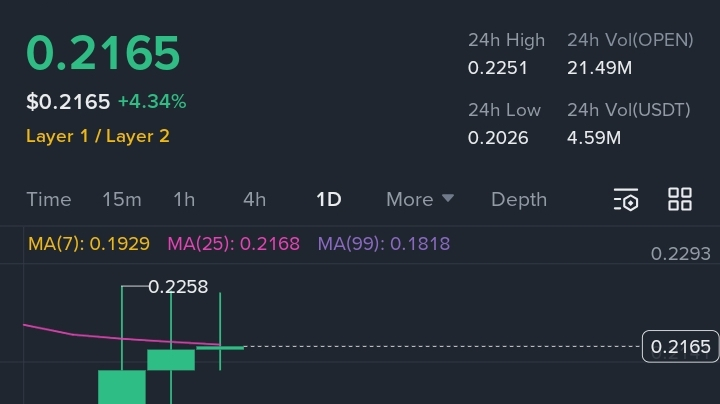
📈 — 穩定上升趨勢 $OPEN
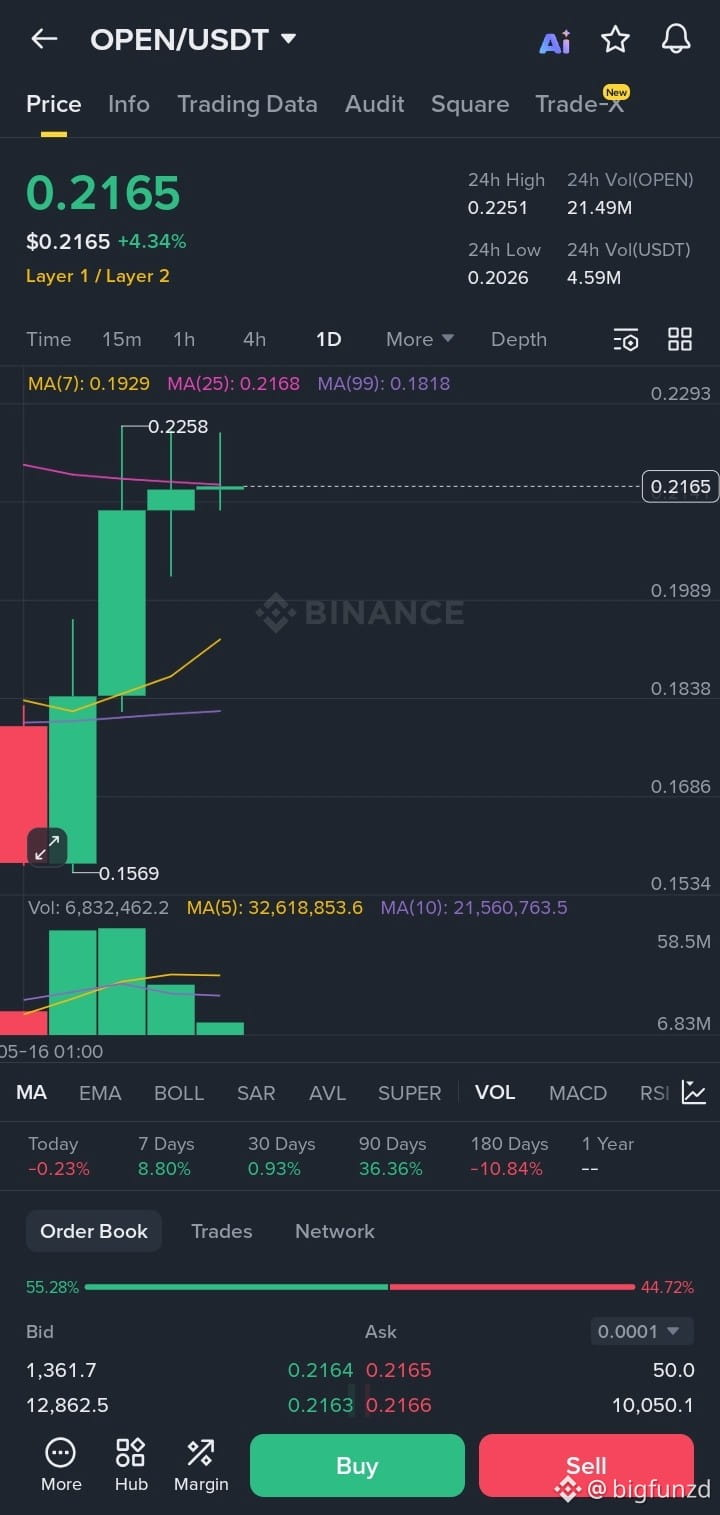
OPEN/USDT — 突破後的整合(1D)
價格:$0.2165 (+4.34%)
價格在高成交量突破後整合,從$0.1569 → $0.2258。當前區間直接位於關鍵阻力下方。
結構:
看漲反轉結構正在形成
每日蠟燭圖壓縮表明暫停,而非疲軟
市場正在測試MA25阻力位$0.2168
移動平均線:
MA7 ($0.1929):強勁的短期支撐
MA25 ($0.2168):即時突破障礙
MA99 ($0.1818):宏觀結構支撐
成交量與情緒:
📈 — 穩定上升趨勢
$OPEN
OPEN/USDT — 突破後的整合(1D)
價格:$0.2165 (+4.34%)
價格在高成交量突破後整合,從$0.1569 → $0.2258。當前區間直接位於關鍵阻力下方。
結構:
看漲反轉結構正在形成
每日蠟燭圖壓縮表明暫停,而非疲軟
市場正在測試MA25阻力位$0.2168
移動平均線:
MA7 ($0.1929):強勁的短期支撐
MA25 ($0.2168):即時突破障礙
MA99 ($0.1818):宏觀結構支撐
成交量與情緒:
OPEN/USDT — 突破後的整合(1D)
價格:$0.2165 (+4.34%)
價格在高成交量突破後整合,從$0.1569 → $0.2258。當前區間直接位於關鍵阻力下方。
結構:
看漲反轉結構正在形成
每日蠟燭圖壓縮表明暫停,而非疲軟
市場正在測試MA25阻力位$0.2168
移動平均線:
MA7 ($0.1929):強勁的短期支撐
MA25 ($0.2168):即時突破障礙
MA99 ($0.1818):宏觀結構支撐
成交量與情緒:
1
43
·
--
看漲
#openledger $OPEN
💡OPEN/USDT — 突破後的整合 (1D)
價格: $0.2165 (+4.34%)
價格在從 $0.1569 → $0.2258 的高成交量突破後進行整合。目前的區間直接位於關鍵阻力下方。
結構:
看漲反轉結構正在形成
日線蠟燭壓縮表明暫停,而非弱勢
市場正在測試 MA25 阻力位 $0.2168
移動平均:
MA7 ($0.1929): 強勁的短期支撐
MA25 ($0.2168): 立即的突破障礙
MA99 ($0.1818): 宏觀結構支撐
成交量與情緒:
突破成交量確認強勁參與
當前較低的成交量 = 健康的冷卻階段
訂單簿略顯看漲: 買家佔 55.28% 對賣家 44.72%
關鍵水平:
阻力: $0.2258 → 突破繼續觸發
支撐: $0.1929 → 動能防守區
戰略洞察:
保持在 $0.19 以上維持看漲結構。若日線收盤在 $0.2258 以上,可能會開啓向 $0.25–$0.28 的擴張。
邊際洞察:
重要信號不是拉昇 — 而是價格能否在突破後在 MA25 之上建立認可。強勁的趨勢通過整合維持,而非不斷的蠟燭
$OPEN
{future}(OPENUSDT)
#OP #OpenNetwork
#openledger $OPEN
💡OPEN/USDT — 突破後的整合 (1D)
價格: $0.2165 (+4.34%)
價格在從 $0.1569 → $0.2258 的高成交量突破後進行整合。目前的區間直接位於關鍵阻力下方。
結構:
看漲反轉結構正在形成
日線蠟燭壓縮表明暫停,而非弱勢
市場正在測試 MA25 阻力位 $0.2168
移動平均:
MA7 ($0.1929): 強勁的短期支撐
MA25 ($0.2168): 立即的突破障礙
MA99 ($0.1818): 宏觀結構支撐
成交量與情緒:
突破成交量確認強勁參與
當前較低的成交量 = 健康的冷卻階段
訂單簿略顯看漲: 買家佔 55.28% 對賣家 44.72%
關鍵水平:
阻力: $0.2258 → 突破繼續觸發
支撐: $0.1929 → 動能防守區
戰略洞察:
保持在 $0.19 以上維持看漲結構。若日線收盤在 $0.2258 以上,可能會開啓向 $0.25–$0.28 的擴張。
邊際洞察:
重要信號不是拉昇 — 而是價格能否在突破後在 MA25 之上建立認可。強勁的趨勢通過整合維持,而非不斷的蠟燭
$OPEN
#OP #OpenNetwork
💡OPEN/USDT — 突破後的整合 (1D)
價格: $0.2165 (+4.34%)
價格在從 $0.1569 → $0.2258 的高成交量突破後進行整合。目前的區間直接位於關鍵阻力下方。
結構:
看漲反轉結構正在形成
日線蠟燭壓縮表明暫停,而非弱勢
市場正在測試 MA25 阻力位 $0.2168
移動平均:
MA7 ($0.1929): 強勁的短期支撐
MA25 ($0.2168): 立即的突破障礙
MA99 ($0.1818): 宏觀結構支撐
成交量與情緒:
突破成交量確認強勁參與
當前較低的成交量 = 健康的冷卻階段
訂單簿略顯看漲: 買家佔 55.28% 對賣家 44.72%
關鍵水平:
阻力: $0.2258 → 突破繼續觸發
支撐: $0.1929 → 動能防守區
戰略洞察:
保持在 $0.19 以上維持看漲結構。若日線收盤在 $0.2258 以上,可能會開啓向 $0.25–$0.28 的擴張。
邊際洞察:
重要信號不是拉昇 — 而是價格能否在突破後在 MA25 之上建立認可。強勁的趨勢通過整合維持,而非不斷的蠟燭
$OPEN
#OP #OpenNetwork
1
49
·
--
看漲
$BANANAS31
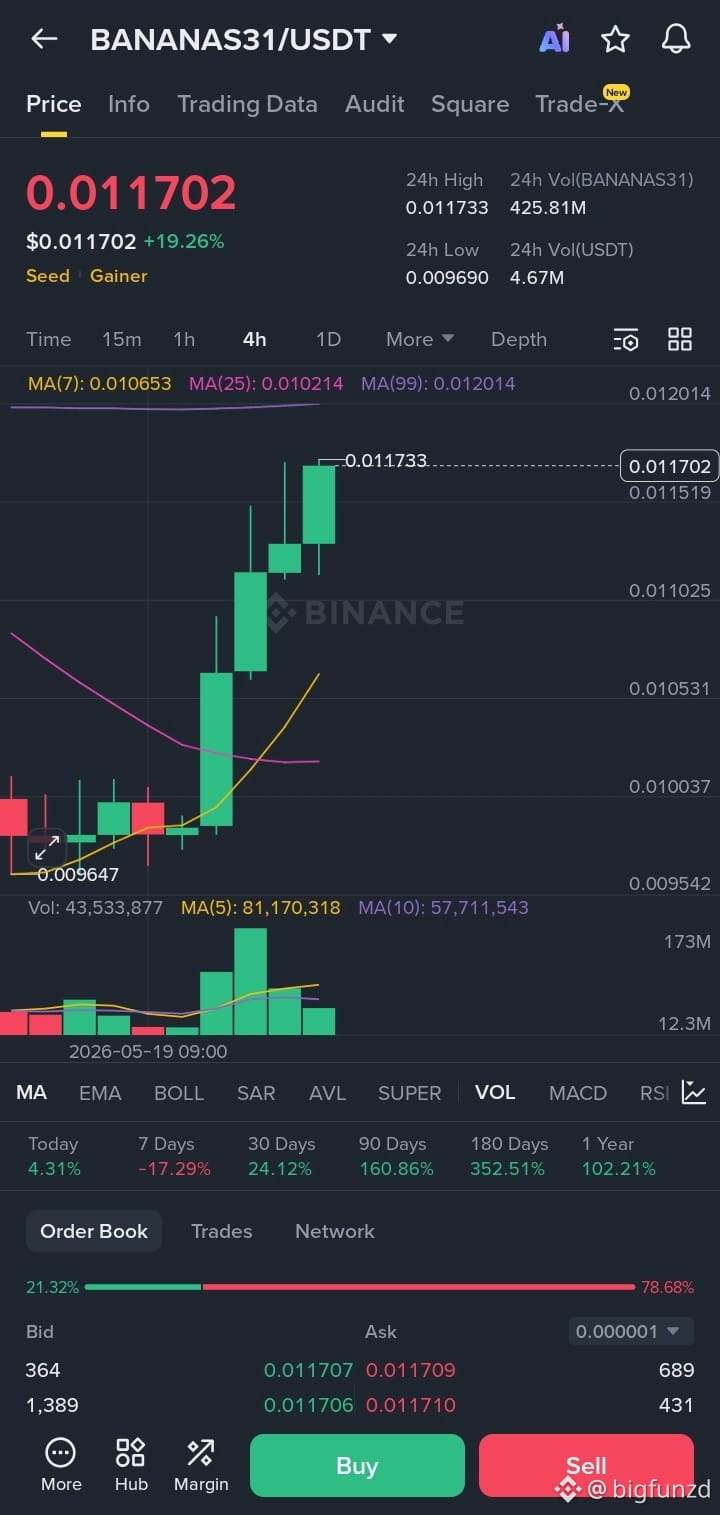
💡BANANAS31/USDT — 動能突破遇重壓(4H)
價格走勢:
當前交易於 0.011702 (+19.26%),在 0.0096 整理區間後出現尖銳突破
連續三根看漲的 4H 蠟燭確認了激進的動能擴張
價格徘徊在日內高點 0.011733 附近 → 突破壓力仍然活躍
趨勢結構:
市場從整理轉向迅速擴張
短期結構看漲,但價格接近關鍵的上方阻力集羣
當前走勢反映的是投機性動能加速,而非穩定的趨勢成熟
移動平均信號:
MA7 (0.010653):強勢迴歸確認短期看漲動能
MA25 (0.010214):潛在看漲交叉形成中
MA99 (0.012014):主要宏觀阻力直接在上方
交易量與參與度:
425.81M BANANAS31 被交易(約 $4.67M 交易量)
強勁的綠色交易量峯值驗證了突破活動
流動性參與是真實的,而非低交易量漂移
表現背景:
時間框架 表現
7D -17.29%
30D +24.12%
90D +160.86%
180D +352.51%
1Y +102.21%
市場情緒:
訂單簿嚴重賣方傾斜:
21.32% 買單
78.68% 賣單
表明當前水平附近有強大的上方供應和活躍的獲利回吐壓力
關鍵水平:
水平 類型 重要性
0.011733 即時阻力 局部突破天花板
0.012014 MA99 阻力 主要宏觀障礙
0.010653 MA7 支持 動能防守區
0.009690 突破基點 主要支撐源頭
戰略洞察:
動能保持看漲,但價格正進入高風險追逐區
在阻力附近的賣方不平衡提高了短期拒絕或冷卻的概率
健康的市場結構可能需要在再次擴張前進行整理
定位邏輯:
在阻力處的激進進場在垂直蠟燭後承擔較差的風險/收益比
更強的設置通常在突破回測或供應吸收後出現
持續接受 0.012014 以上將確認繼續的潛力
風險層
$BANANAS31
#BANAAS31USDT
#SECProposesIPORuleOverhaul
$BANANAS31
💡BANANAS31/USDT — 動能突破遇重壓(4H)
價格走勢:
當前交易於 0.011702 (+19.26%),在 0.0096 整理區間後出現尖銳突破
連續三根看漲的 4H 蠟燭確認了激進的動能擴張
價格徘徊在日內高點 0.011733 附近 → 突破壓力仍然活躍
趨勢結構:
市場從整理轉向迅速擴張
短期結構看漲,但價格接近關鍵的上方阻力集羣
當前走勢反映的是投機性動能加速,而非穩定的趨勢成熟
移動平均信號:
MA7 (0.010653):強勢迴歸確認短期看漲動能
MA25 (0.010214):潛在看漲交叉形成中
MA99 (0.012014):主要宏觀阻力直接在上方
交易量與參與度:
425.81M BANANAS31 被交易(約 $4.67M 交易量)
強勁的綠色交易量峯值驗證了突破活動
流動性參與是真實的,而非低交易量漂移
表現背景:
時間框架 表現
7D -17.29%
30D +24.12%
90D +160.86%
180D +352.51%
1Y +102.21%
市場情緒:
訂單簿嚴重賣方傾斜:
21.32% 買單
78.68% 賣單
表明當前水平附近有強大的上方供應和活躍的獲利回吐壓力
關鍵水平:
水平 類型 重要性
0.011733 即時阻力 局部突破天花板
0.012014 MA99 阻力 主要宏觀障礙
0.010653 MA7 支持 動能防守區
0.009690 突破基點 主要支撐源頭
戰略洞察:
動能保持看漲,但價格正進入高風險追逐區
在阻力附近的賣方不平衡提高了短期拒絕或冷卻的概率
健康的市場結構可能需要在再次擴張前進行整理
定位邏輯:
在阻力處的激進進場在垂直蠟燭後承擔較差的風險/收益比
更強的設置通常在突破回測或供應吸收後出現
持續接受 0.012014 以上將確認繼續的潛力
風險層
$BANANAS31
#BANAAS31USDT
#SECProposesIPORuleOverhaul
💡BANANAS31/USDT — 動能突破遇重壓(4H)
價格走勢:
當前交易於 0.011702 (+19.26%),在 0.0096 整理區間後出現尖銳突破
連續三根看漲的 4H 蠟燭確認了激進的動能擴張
價格徘徊在日內高點 0.011733 附近 → 突破壓力仍然活躍
趨勢結構:
市場從整理轉向迅速擴張
短期結構看漲,但價格接近關鍵的上方阻力集羣
當前走勢反映的是投機性動能加速,而非穩定的趨勢成熟
移動平均信號:
MA7 (0.010653):強勢迴歸確認短期看漲動能
MA25 (0.010214):潛在看漲交叉形成中
MA99 (0.012014):主要宏觀阻力直接在上方
交易量與參與度:
425.81M BANANAS31 被交易(約 $4.67M 交易量)
強勁的綠色交易量峯值驗證了突破活動
流動性參與是真實的,而非低交易量漂移
表現背景:
時間框架 表現
7D -17.29%
30D +24.12%
90D +160.86%
180D +352.51%
1Y +102.21%
市場情緒:
訂單簿嚴重賣方傾斜:
21.32% 買單
78.68% 賣單
表明當前水平附近有強大的上方供應和活躍的獲利回吐壓力
關鍵水平:
水平 類型 重要性
0.011733 即時阻力 局部突破天花板
0.012014 MA99 阻力 主要宏觀障礙
0.010653 MA7 支持 動能防守區
0.009690 突破基點 主要支撐源頭
戰略洞察:
動能保持看漲,但價格正進入高風險追逐區
在阻力附近的賣方不平衡提高了短期拒絕或冷卻的概率
健康的市場結構可能需要在再次擴張前進行整理
定位邏輯:
在阻力處的激進進場在垂直蠟燭後承擔較差的風險/收益比
更強的設置通常在突破回測或供應吸收後出現
持續接受 0.012014 以上將確認繼續的潛力
風險層
$BANANAS31
#BANAAS31USDT
#SECProposesIPORuleOverhaul
5
1
201
·
--
文章
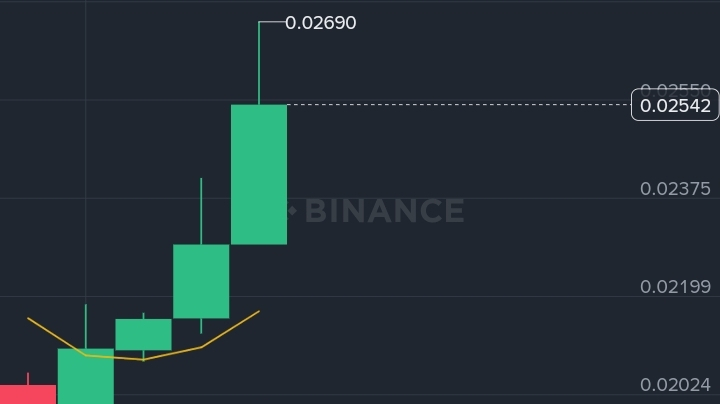
🔥 — 強勁動量 $FIDA
💡FIDA/USDT — 垂直擴張階段 (4H)
價格行爲:
在0.01973基準激進突破後,交易於0.02542 (+22.86%)
連續三根看漲4小時蠟燭確認強勁動量加速
價格在0.02690觸頂後首次出現獲利回吐的跡象
市場結構:
從壓縮轉變爲拋物線擴張
結構從積累轉向動量發現
當前走勢反映出強勁的突破延續,而非隨機波動
移動平均線對齊:
🔥 — 強勁動量
$FIDA
💡FIDA/USDT — 垂直擴張階段 (4H)
價格行爲:
在0.01973基準激進突破後,交易於0.02542 (+22.86%)
連續三根看漲4小時蠟燭確認強勁動量加速
價格在0.02690觸頂後首次出現獲利回吐的跡象
市場結構:
從壓縮轉變爲拋物線擴張
結構從積累轉向動量發現
當前走勢反映出強勁的突破延續,而非隨機波動
移動平均線對齊:
💡FIDA/USDT — 垂直擴張階段 (4H)
價格行爲:
在0.01973基準激進突破後,交易於0.02542 (+22.86%)
連續三根看漲4小時蠟燭確認強勁動量加速
價格在0.02690觸頂後首次出現獲利回吐的跡象
市場結構:
從壓縮轉變爲拋物線擴張
結構從積累轉向動量發現
當前走勢反映出強勁的突破延續,而非隨機波動
移動平均線對齊:
5
1
171
·
--
看漲
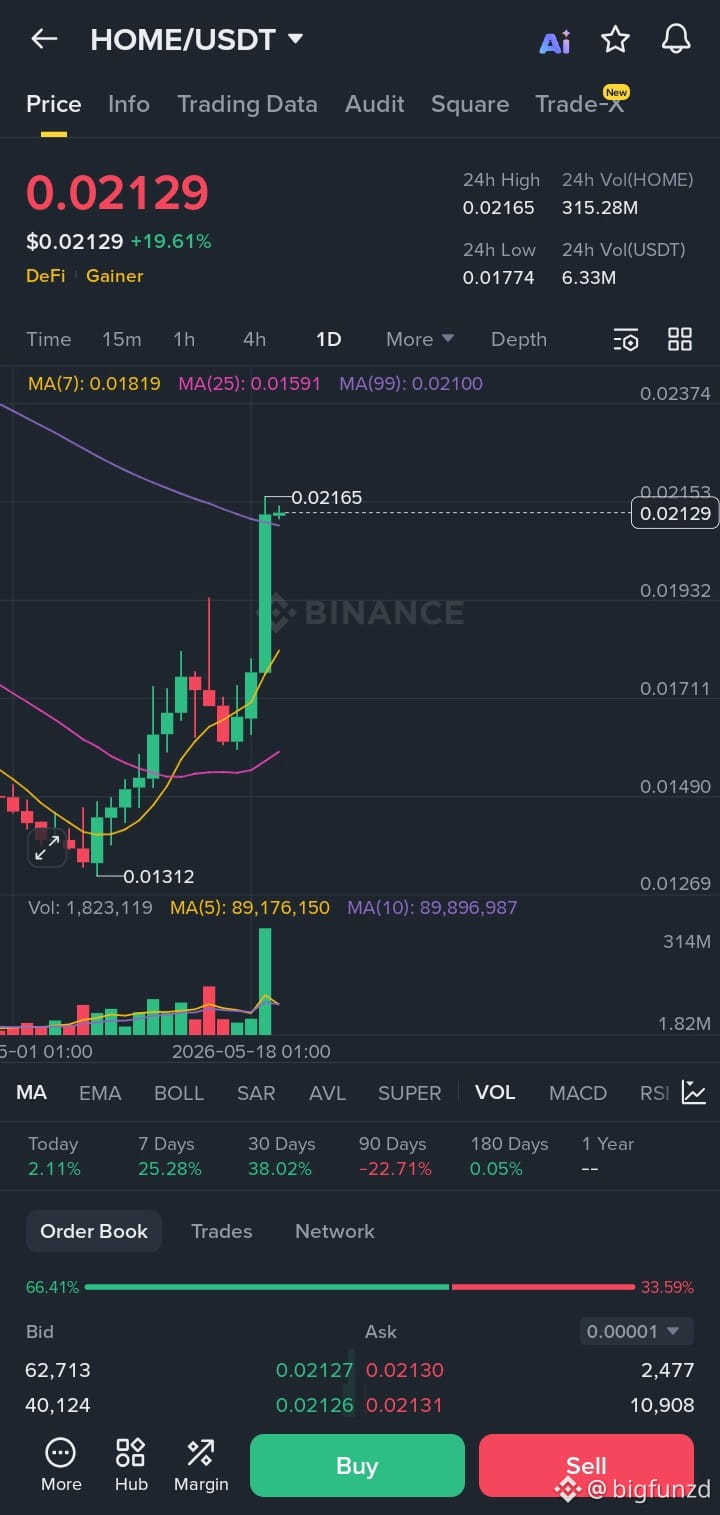
$HOME
💡HOME/USDT — 宏觀突破進行中 (1D)
價格行動:
當前交易價格爲 0.02129 (+19.61%),伴隨強勁的全身蠟燭
價格已突破主要的 0.02100 阻力區
24小時高點爲 0.02165 → 立即的突破阻力
趨勢結構:
市場從橫盤壓縮轉向激進擴張
突破長期阻力暗示早期宏觀反轉嘗試
最近在 0.01312 附近的基礎現在作爲強大的結構支撐
移動平均信號:
MA7 (0.01819): 強勁上升斜率 → 短期動能加速
MA25 (0.01591): 牛市交叉確認趨勢延續
MA99 (0.02100): 關鍵的宏觀障礙現在正在被重新奪回
交易量與參與度:
巨大的交易量激增 (315M HOME / ~$6.3M) 驗證了突破的強度
訂單流 heavily 買方主導:
66.41% 買單
33.59% 賣單
這不是低流動性漂移 → 真實參與正在進入
關鍵水平:
級別 類型 重要性
0.02165 阻力 突破確認延續腿
0.02100 翻轉區 主要突破確認水平
0.01819 支撐 短期動能支撐
0.01312 基礎支撐 強勁需求來源
戰略洞察:
每日收盤高於 0.02100 是關鍵確認信號
動能仍然看漲,但蠟燭擴張開始過熱
健康的延續可能包括整合或重新測試,然後再向上走
定位邏輯:
在價格保持在重新奪回的阻力上方時,看漲偏見仍然有效
追逐擴展蠟燭會增加風險/回報不平衡
最強的進場通常在突破重新測試之後,而不是情緒化的擴張蠟燭
優勢洞察:
這裏重要的信號不僅僅是價格上漲 — 而是宏觀 MA 重新奪回 + 爆炸性參與交易量的結合。大多數虛假突破缺少這兩個元素中的一個。當前 HOME 同時具備這兩個條件,這使得這個情況從簡單的拉昇轉變爲潛在的趨勢轉變
#SolanaAIAgentEconomicImpact
#PolymarketNasdaqPredictionMarketPartnership
#SolanaAIAgentEconomicImpact
$BNB
$HOME
💡HOME/USDT — 宏觀突破進行中 (1D)
價格行動:
當前交易價格爲 0.02129 (+19.61%),伴隨強勁的全身蠟燭
價格已突破主要的 0.02100 阻力區
24小時高點爲 0.02165 → 立即的突破阻力
趨勢結構:
市場從橫盤壓縮轉向激進擴張
突破長期阻力暗示早期宏觀反轉嘗試
最近在 0.01312 附近的基礎現在作爲強大的結構支撐
移動平均信號:
MA7 (0.01819): 強勁上升斜率 → 短期動能加速
MA25 (0.01591): 牛市交叉確認趨勢延續
MA99 (0.02100): 關鍵的宏觀障礙現在正在被重新奪回
交易量與參與度:
巨大的交易量激增 (315M HOME / ~$6.3M) 驗證了突破的強度
訂單流 heavily 買方主導:
66.41% 買單
33.59% 賣單
這不是低流動性漂移 → 真實參與正在進入
關鍵水平:
級別 類型 重要性
0.02165 阻力 突破確認延續腿
0.02100 翻轉區 主要突破確認水平
0.01819 支撐 短期動能支撐
0.01312 基礎支撐 強勁需求來源
戰略洞察:
每日收盤高於 0.02100 是關鍵確認信號
動能仍然看漲,但蠟燭擴張開始過熱
健康的延續可能包括整合或重新測試,然後再向上走
定位邏輯:
在價格保持在重新奪回的阻力上方時,看漲偏見仍然有效
追逐擴展蠟燭會增加風險/回報不平衡
最強的進場通常在突破重新測試之後,而不是情緒化的擴張蠟燭
優勢洞察:
這裏重要的信號不僅僅是價格上漲 — 而是宏觀 MA 重新奪回 + 爆炸性參與交易量的結合。大多數虛假突破缺少這兩個元素中的一個。當前 HOME 同時具備這兩個條件,這使得這個情況從簡單的拉昇轉變爲潛在的趨勢轉變
#SolanaAIAgentEconomicImpact
#PolymarketNasdaqPredictionMarketPartnership
#SolanaAIAgentEconomicImpact
$BNB
💡HOME/USDT — 宏觀突破進行中 (1D)
價格行動:
當前交易價格爲 0.02129 (+19.61%),伴隨強勁的全身蠟燭
價格已突破主要的 0.02100 阻力區
24小時高點爲 0.02165 → 立即的突破阻力
趨勢結構:
市場從橫盤壓縮轉向激進擴張
突破長期阻力暗示早期宏觀反轉嘗試
最近在 0.01312 附近的基礎現在作爲強大的結構支撐
移動平均信號:
MA7 (0.01819): 強勁上升斜率 → 短期動能加速
MA25 (0.01591): 牛市交叉確認趨勢延續
MA99 (0.02100): 關鍵的宏觀障礙現在正在被重新奪回
交易量與參與度:
巨大的交易量激增 (315M HOME / ~$6.3M) 驗證了突破的強度
訂單流 heavily 買方主導:
66.41% 買單
33.59% 賣單
這不是低流動性漂移 → 真實參與正在進入
關鍵水平:
級別 類型 重要性
0.02165 阻力 突破確認延續腿
0.02100 翻轉區 主要突破確認水平
0.01819 支撐 短期動能支撐
0.01312 基礎支撐 強勁需求來源
戰略洞察:
每日收盤高於 0.02100 是關鍵確認信號
動能仍然看漲,但蠟燭擴張開始過熱
健康的延續可能包括整合或重新測試,然後再向上走
定位邏輯:
在價格保持在重新奪回的阻力上方時,看漲偏見仍然有效
追逐擴展蠟燭會增加風險/回報不平衡
最強的進場通常在突破重新測試之後,而不是情緒化的擴張蠟燭
優勢洞察:
這裏重要的信號不僅僅是價格上漲 — 而是宏觀 MA 重新奪回 + 爆炸性參與交易量的結合。大多數虛假突破缺少這兩個元素中的一個。當前 HOME 同時具備這兩個條件,這使得這個情況從簡單的拉昇轉變爲潛在的趨勢轉變
#SolanaAIAgentEconomicImpact
#PolymarketNasdaqPredictionMarketPartnership
#SolanaAIAgentEconomicImpact
$BNB
3
1
99
·
--
不要錯過這個生態系統隱私正逐漸成爲區塊鏈中最重要的層面之一。這就是 @MidnightNetwork 介入的地方。
@MidnightNetwork 午夜正在建立一個專爲保密智能合約設計的網絡,讓開發者能夠創建應用程序,使數據在保持可驗證的同時保持受保護。
$NIGHT
隨著生態系統的增長,$NIGHT 將在推動整個網絡的活動中發揮關鍵作用。
邁向保護隱私的 Web3 的重要一步。
#NİGHT
不要錯過這個生態系統
隱私正逐漸成爲區塊鏈中最重要的層面之一。這就是 @MidnightNetwork 介入的地方。
@MidnightNetwork 午夜正在建立一個專爲保密智能合約設計的網絡,讓開發者能夠創建應用程序,使數據在保持可驗證的同時保持受保護。
$NIGHT
隨著生態系統的增長,$NIGHT 將在推動整個網絡的活動中發揮關鍵作用。
邁向保護隱私的 Web3 的重要一步。
#NİGHT
@MidnightNetwork 午夜正在建立一個專爲保密智能合約設計的網絡,讓開發者能夠創建應用程序,使數據在保持可驗證的同時保持受保護。
$NIGHT
隨著生態系統的增長,$NIGHT 將在推動整個網絡的活動中發揮關鍵作用。
邁向保護隱私的 Web3 的重要一步。
#NİGHT
2
19
·
--
看漲
#night $NIGHT
隱私正成爲區塊鏈中最重要的層之一。這就是@MidnightNetwork MidnightNetwork發揮作用的地方。
Midnight正在構建一個旨在保護機密智能合約的網絡,使開發者能夠創建應用程序,確保數據在保護的同時仍然可以在鏈上驗證。
隨着生態系統的增長,$NIGHT 將發揮關鍵作用,推動整個網絡的活動。
朝着保護隱私的Web3邁出堅實的一步。
#N ight
#night $NIGHT
隱私正成爲區塊鏈中最重要的層之一。這就是@MidnightNetwork MidnightNetwork發揮作用的地方。
Midnight正在構建一個旨在保護機密智能合約的網絡,使開發者能夠創建應用程序,確保數據在保護的同時仍然可以在鏈上驗證。
隨着生態系統的增長,$NIGHT 將發揮關鍵作用,推動整個網絡的活動。
朝着保護隱私的Web3邁出堅實的一步。
#N ight
隱私正成爲區塊鏈中最重要的層之一。這就是@MidnightNetwork MidnightNetwork發揮作用的地方。
Midnight正在構建一個旨在保護機密智能合約的網絡,使開發者能夠創建應用程序,確保數據在保護的同時仍然可以在鏈上驗證。
隨着生態系統的增長,$NIGHT 將發揮關鍵作用,推動整個網絡的活動。
朝着保護隱私的Web3邁出堅實的一步。
#N ight
3
55
登入以探索更多內容
加入幣安廣場中的全球加密貨幣用戶
⚡️ 獲取加密貨幣的最新和實用資訊。
💬 受到全球最大加密貨幣交易所的信任。
👍 發掘來自經過驗證創作者的真實見解。
電子郵件 / 電話號碼