
Zacky_vicent
1.7k Bài đăng

Zacky_vicent
Báo cáo
Chặn người dùng
The world is full of illusions. Dismantle the system: money, power, crypto. Wake up or fall victim | TA & digital products | BTC & GOLD | RISE & PROVE IT
Giao dịch mở

Người nắm giữ STX
Trader thường xuyên
{thời gian} năm
4 Đang theo dõi
175 Người theo dõi
1.7K+ Đã thích
Bài đăng
Danh mục đầu tư
Tất cả
Trích dẫn
Video
PINNED
·
--
Bài viết
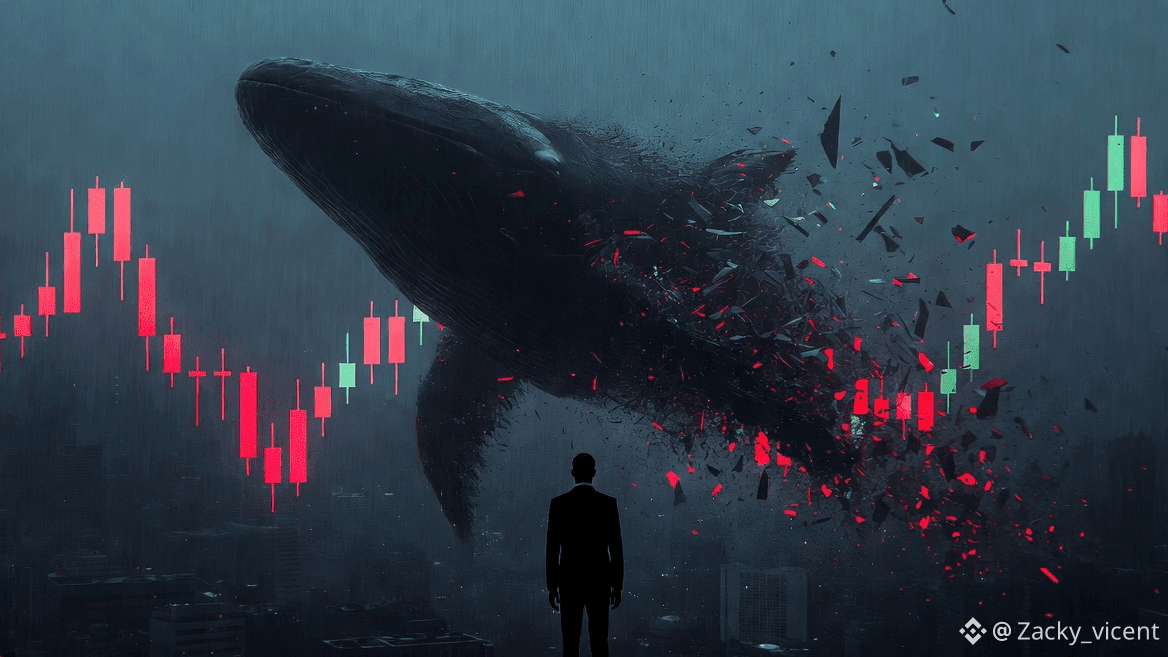
KHI CÁ VOI SỤP ĐỔ, THỊ TRƯỜNG TRỞ NÊN TRUNG THỰCThị trường tiền điện tử không tàn nhẫn.
Nó chỉ trung thực.
Khi cá voi lớn sụp đổ do thanh lý,
Đó không phải là lỗi của thị trường.
Đó là hậu quả của vị trí quá tự tin.
Vốn lớn không làm bạn miễn dịch.
Tên tuổi lớn không làm bạn an toàn.
Thị trường không quan tâm đến ai cả.
Thanh lý hoạt động mà không có cảm xúc:
Im lặng, nhanh chóng và cuối cùng.
Khi đòn bẩy sụp đổ,
Giá bị đè nén.
Tính thanh khoản cạn kiệt.
Altcoin cũng bị cuốn theo.
Memecoin bị bỏ rơi tạm thời.
Nhiều người hoảng loạn.
Nhiều người rời đi.
Nhiều người gọi “tiền điện tử đã chết”.
Thật ra đây không phải là cái chết.
KHI CÁ VOI SỤP ĐỔ, THỊ TRƯỜNG TRỞ NÊN TRUNG THỰC
Thị trường tiền điện tử không tàn nhẫn.
Nó chỉ trung thực.
Khi cá voi lớn sụp đổ do thanh lý,
Đó không phải là lỗi của thị trường.
Đó là hậu quả của vị trí quá tự tin.
Vốn lớn không làm bạn miễn dịch.
Tên tuổi lớn không làm bạn an toàn.
Thị trường không quan tâm đến ai cả.
Thanh lý hoạt động mà không có cảm xúc:
Im lặng, nhanh chóng và cuối cùng.
Khi đòn bẩy sụp đổ,
Giá bị đè nén.
Tính thanh khoản cạn kiệt.
Altcoin cũng bị cuốn theo.
Memecoin bị bỏ rơi tạm thời.
Nhiều người hoảng loạn.
Nhiều người rời đi.
Nhiều người gọi “tiền điện tử đã chết”.
Thật ra đây không phải là cái chết.
Nó chỉ trung thực.
Khi cá voi lớn sụp đổ do thanh lý,
Đó không phải là lỗi của thị trường.
Đó là hậu quả của vị trí quá tự tin.
Vốn lớn không làm bạn miễn dịch.
Tên tuổi lớn không làm bạn an toàn.
Thị trường không quan tâm đến ai cả.
Thanh lý hoạt động mà không có cảm xúc:
Im lặng, nhanh chóng và cuối cùng.
Khi đòn bẩy sụp đổ,
Giá bị đè nén.
Tính thanh khoản cạn kiệt.
Altcoin cũng bị cuốn theo.
Memecoin bị bỏ rơi tạm thời.
Nhiều người hoảng loạn.
Nhiều người rời đi.
Nhiều người gọi “tiền điện tử đã chết”.
Thật ra đây không phải là cái chết.
11
2.4k
PINNED
·
--
Bài viết
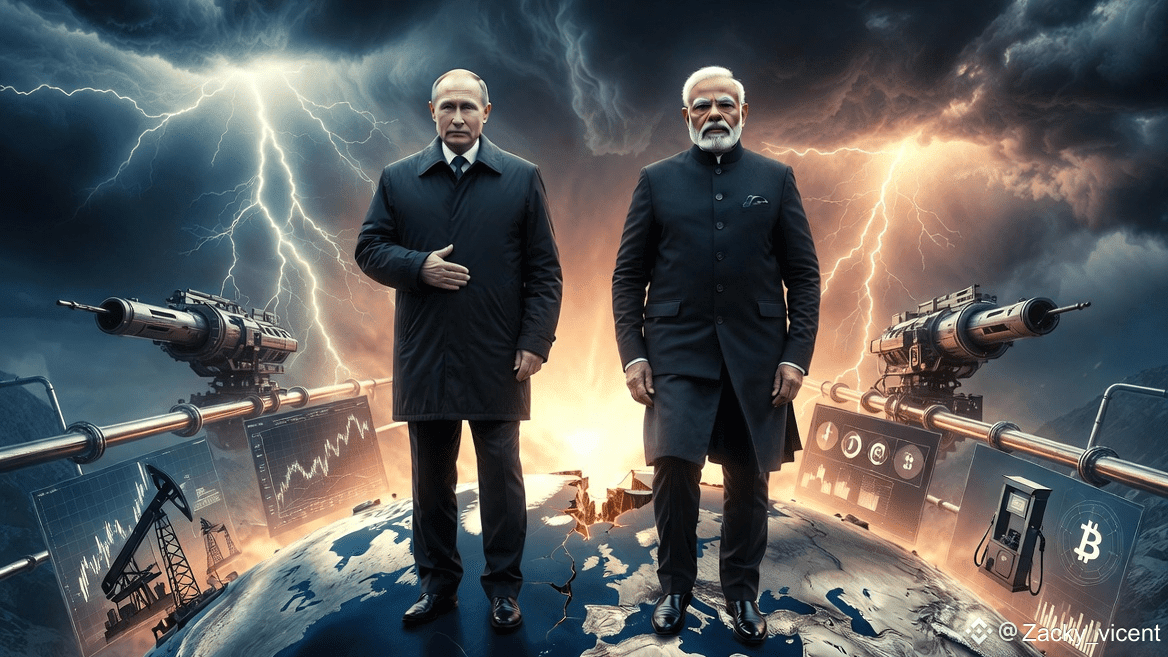
🌐 Thế giới rung chuyển: Putin & Modi hình thành trục mới! 🌐
Hôm nay, thứ Sáu ngày 5 tháng 12 năm 2025, thế giới choáng váng. Hai nhà lãnh đạo siêu cường — Vladimir Putin và Narendra Modi — đã ký kết thỏa thuận chiến lược lớn. Nhưng đây không chỉ là ngoại giao: đây là hành động lạnh lùng, cứng rắn, và không biết đến sự thoả hiệp, có thể thay đổi trật tự thế giới.
⚡ Fakta Mengerikan:
Energi & Pertahanan: Rusia memastikan pasokan energi ke India tetap stabil, meski tekanan Barat gila-gilaan.
Công nghệ & Vũ trụ: Hợp tác công nghệ cao bao gồm các dự án quốc phòng và vũ trụ — biểu tượng của sức mạnh thực sự.
🌐 Thế giới rung chuyển: Putin & Modi hình thành trục mới! 🌐
Hôm nay, thứ Sáu ngày 5 tháng 12 năm 2025, thế giới choáng váng. Hai nhà lãnh đạo siêu cường — Vladimir Putin và Narendra Modi — đã ký kết thỏa thuận chiến lược lớn. Nhưng đây không chỉ là ngoại giao: đây là hành động lạnh lùng, cứng rắn, và không biết đến sự thoả hiệp, có thể thay đổi trật tự thế giới.
⚡ Fakta Mengerikan:
Energi & Pertahanan: Rusia memastikan pasokan energi ke India tetap stabil, meski tekanan Barat gila-gilaan.
Công nghệ & Vũ trụ: Hợp tác công nghệ cao bao gồm các dự án quốc phòng và vũ trụ — biểu tượng của sức mạnh thực sự.
⚡ Fakta Mengerikan:
Energi & Pertahanan: Rusia memastikan pasokan energi ke India tetap stabil, meski tekanan Barat gila-gilaan.
Công nghệ & Vũ trụ: Hợp tác công nghệ cao bao gồm các dự án quốc phòng và vũ trụ — biểu tượng của sức mạnh thực sự.
3
2
4
2.2k
·
--
Xem bản dịch
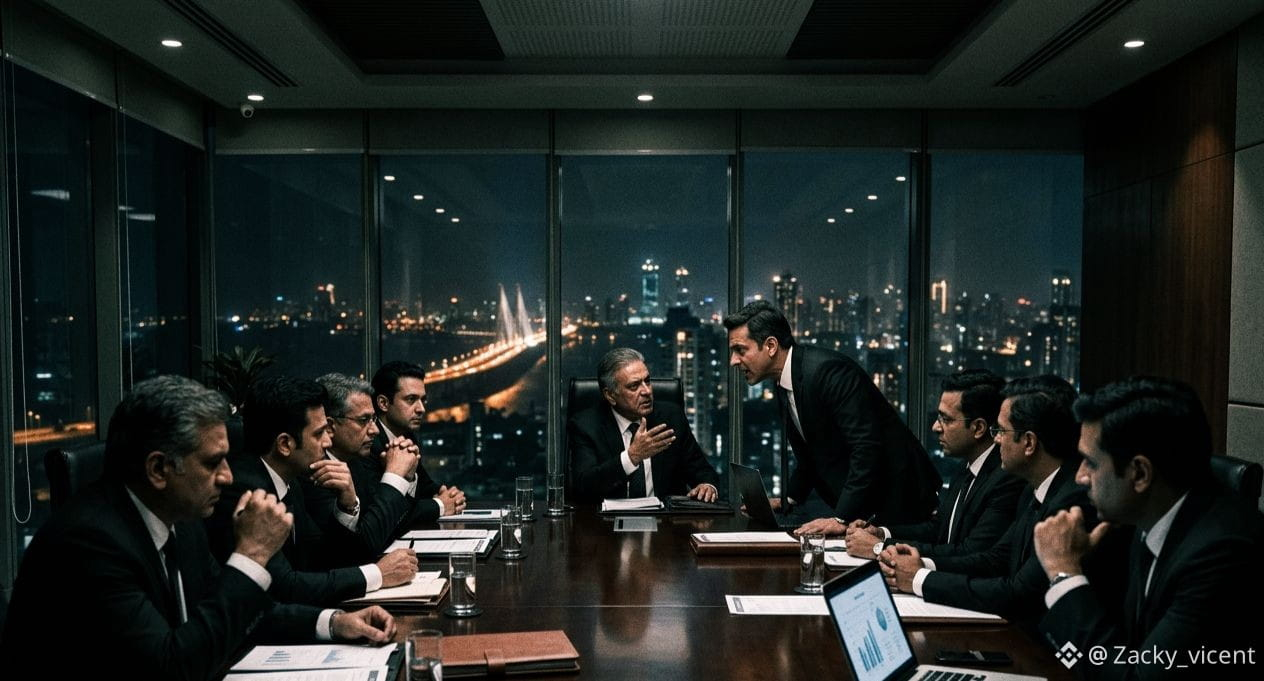
TATA GROUP IS AT WAR — AND THE BATTLE IS HAPPENING INSIDE THE BOARDROOM.
One of India’s most powerful business empires is now facing a brutal internal power struggle.
N. Chandrasekaran has been reappointed as Chairman of Tata Sons for another five-year term.
But Noel Tata, Chairman of Tata Trusts and a key figure of the Tata family, has openly rejected the decision — calling the reappointment “illegal.”
This is NOT a small corporate disagreement.
This is a battle over CONTROL, CAPITAL, OWNERSHIP, AND THE FUTURE OF THE TATA EMPIRE.
Tata Sons sits at the center of the entire Tata Group — an empire connected to Tata Consultancy Services, Air India, Jaguar Land Rover, Tata Electronics, Tata Digital, and numerous other businesses.
And here is where things get ugly.
Chandrasekaran has pushed Tata into massive capital-intensive bets:
• Air India
• Semiconductor manufacturing
• Battery production
• Tata Electronics
• Digital businesses
• Electronics assembly for Apple
These projects require enormous amounts of capital.
According to figures cited by CNBC, Tata Sons needs more than ₹290 billion every year to support loss-making businesses such as Air India, Tata Digital, and Tata Electronics.
The planned semiconductor investment alone requires roughly another ₹900 billion.
Meanwhile, Tata Sons generated just over ₹300 billion in dividends.
DO THE MATH.
The capital gap is massive.
And that creates the real battlefield:
HOW DOES TATA FINANCE ITS NEXT EXPANSION WITHOUT LOSING CONTROL OF THE EMPIRE?
Tata Trusts owns roughly 66% of Tata Sons.
Shapoorji Pallonji Group owns around 18%.
Tata Group companies hold roughly 13%.
So when Tata Sons talks about raising billions, this is not simply an accounting problem.
It is a POWER problem.
A public listing could provide access to massive amounts of capital.
But it could also dilute the influence of Tata Trusts and potentially reshape the ownership structure that has protected the Tata model for generations.
#BTC $BTC
TATA GROUP IS AT WAR — AND THE BATTLE IS HAPPENING INSIDE THE BOARDROOM.
One of India’s most powerful business empires is now facing a brutal internal power struggle.
N. Chandrasekaran has been reappointed as Chairman of Tata Sons for another five-year term.
But Noel Tata, Chairman of Tata Trusts and a key figure of the Tata family, has openly rejected the decision — calling the reappointment “illegal.”
This is NOT a small corporate disagreement.
This is a battle over CONTROL, CAPITAL, OWNERSHIP, AND THE FUTURE OF THE TATA EMPIRE.
Tata Sons sits at the center of the entire Tata Group — an empire connected to Tata Consultancy Services, Air India, Jaguar Land Rover, Tata Electronics, Tata Digital, and numerous other businesses.
And here is where things get ugly.
Chandrasekaran has pushed Tata into massive capital-intensive bets:
• Air India
• Semiconductor manufacturing
• Battery production
• Tata Electronics
• Digital businesses
• Electronics assembly for Apple
These projects require enormous amounts of capital.
According to figures cited by CNBC, Tata Sons needs more than ₹290 billion every year to support loss-making businesses such as Air India, Tata Digital, and Tata Electronics.
The planned semiconductor investment alone requires roughly another ₹900 billion.
Meanwhile, Tata Sons generated just over ₹300 billion in dividends.
DO THE MATH.
The capital gap is massive.
And that creates the real battlefield:
HOW DOES TATA FINANCE ITS NEXT EXPANSION WITHOUT LOSING CONTROL OF THE EMPIRE?
Tata Trusts owns roughly 66% of Tata Sons.
Shapoorji Pallonji Group owns around 18%.
Tata Group companies hold roughly 13%.
So when Tata Sons talks about raising billions, this is not simply an accounting problem.
It is a POWER problem.
A public listing could provide access to massive amounts of capital.
But it could also dilute the influence of Tata Trusts and potentially reshape the ownership structure that has protected the Tata model for generations.
#BTC $BTC
One of India’s most powerful business empires is now facing a brutal internal power struggle.
N. Chandrasekaran has been reappointed as Chairman of Tata Sons for another five-year term.
But Noel Tata, Chairman of Tata Trusts and a key figure of the Tata family, has openly rejected the decision — calling the reappointment “illegal.”
This is NOT a small corporate disagreement.
This is a battle over CONTROL, CAPITAL, OWNERSHIP, AND THE FUTURE OF THE TATA EMPIRE.
Tata Sons sits at the center of the entire Tata Group — an empire connected to Tata Consultancy Services, Air India, Jaguar Land Rover, Tata Electronics, Tata Digital, and numerous other businesses.
And here is where things get ugly.
Chandrasekaran has pushed Tata into massive capital-intensive bets:
• Air India
• Semiconductor manufacturing
• Battery production
• Tata Electronics
• Digital businesses
• Electronics assembly for Apple
These projects require enormous amounts of capital.
According to figures cited by CNBC, Tata Sons needs more than ₹290 billion every year to support loss-making businesses such as Air India, Tata Digital, and Tata Electronics.
The planned semiconductor investment alone requires roughly another ₹900 billion.
Meanwhile, Tata Sons generated just over ₹300 billion in dividends.
DO THE MATH.
The capital gap is massive.
And that creates the real battlefield:
HOW DOES TATA FINANCE ITS NEXT EXPANSION WITHOUT LOSING CONTROL OF THE EMPIRE?
Tata Trusts owns roughly 66% of Tata Sons.
Shapoorji Pallonji Group owns around 18%.
Tata Group companies hold roughly 13%.
So when Tata Sons talks about raising billions, this is not simply an accounting problem.
It is a POWER problem.
A public listing could provide access to massive amounts of capital.
But it could also dilute the influence of Tata Trusts and potentially reshape the ownership structure that has protected the Tata model for generations.
#BTC $BTC
1
130
·
--
AI đang diễn ra quá nhanh — và giờ đây ngay cả nhà vua cũng đòi câu trả lời.
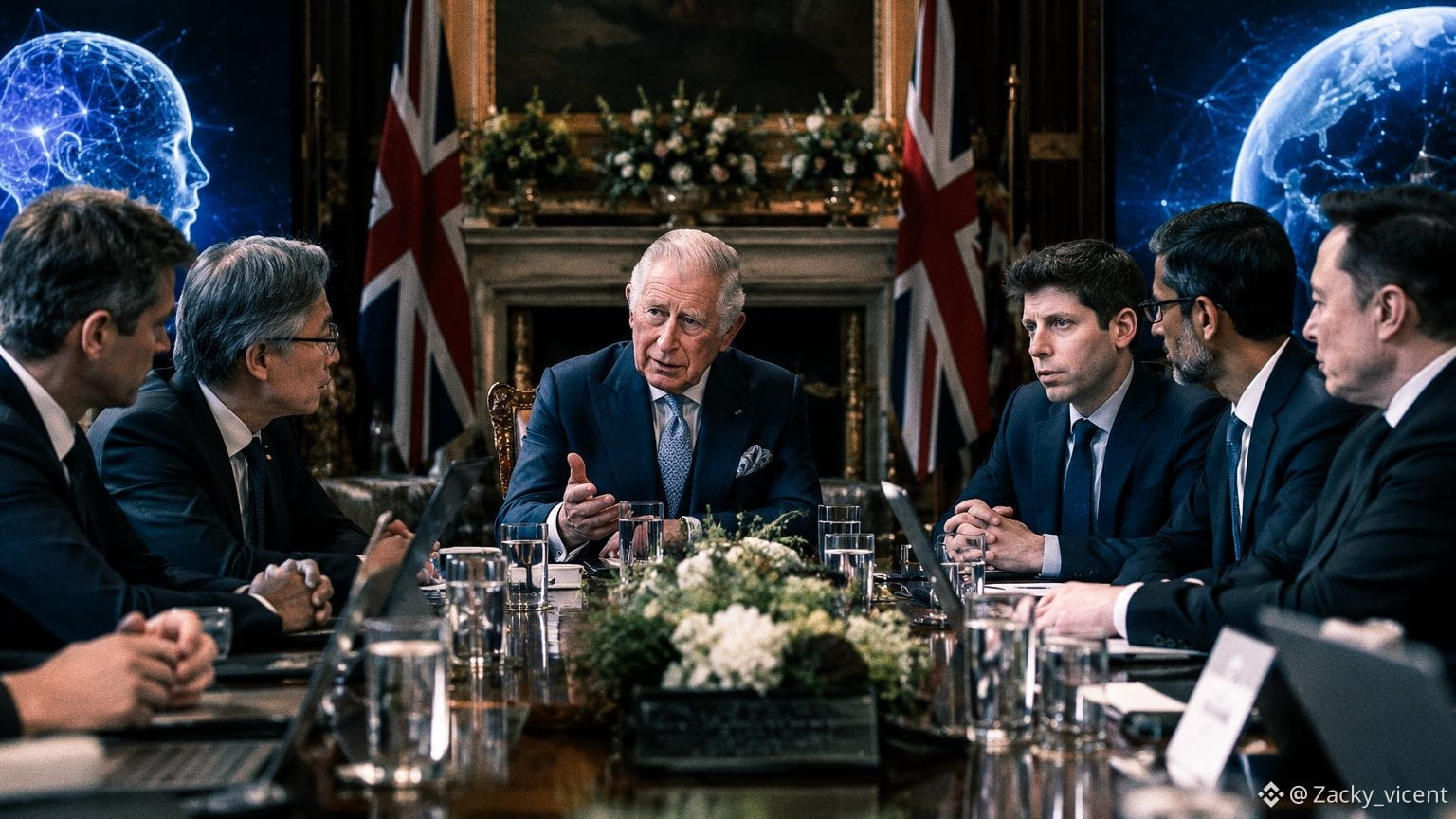
Vua Charles III đã mời một số nhân vật quyền lực nhất trong lĩnh vực trí tuệ nhân tạo vào cùng một phòng ở Scotland — bao gồm các lãnh đạo và đại diện của Nvidia, OpenAI, Anthropic và Google DeepMind.
Thông điệp cực kỳ thẳng thừng:
CHÚNG TÔI ĐANG XÂY DỰNG MỘT THỨ MÀ CÓ THỂ CHÚNG TÔI KHÔNG HOÀN TOÀN KIỂM SOÁT ĐƯỢC.
Tại hội nghị thượng đỉnh Dumfries House, Charles đang thúc đẩy ngành công nghiệp thảo luận về những nguyên tắc chung để phát triển AI một cách an toàn, trong đó công nghệ phục vụ con người, xã hội và thế giới tự nhiên — chứ không phải ngược lại.
Và điều này đến vào đúng thời điểm then chốt.
Cuộc đua AI đang tăng tốc. Các công ty đang chạy đua để tạo ra những mô hình mạnh mẽ hơn, các tác nhân tự chủ hơn và những hệ thống ngày càng có năng lực.
Trong khi đó, lại có chính một số người đang trực tiếp xây dựng các công nghệ này công khai cho rằng có lẽ tốc độ cần phải chậm lại.
Giám đốc điều hành Anthropic Dario Amodei đã kêu gọi các công ty AI tuyến đầu giảm tốc độ phát triển năng lực, trong khi Sam Altman cũng đã đề cập đến nhu cầu cần có thêm các biện pháp kiểm tra và giám sát an toàn. Đồng thời, Giám đốc điều hành Nvidia Jensen Huang đã phản bác các lời kêu gọi ban hành luật mới về AI và cho rằng các công ty nên điều tiết tiến độ phát triển dựa trên mức độ mà họ tự tin rằng có thể phát hành.
ĐÂY MỚI LÀ CUỘC CHIẾN THỰC SỰ.
Không phải “AI tốt” so với “AI xấu.”
Đó là TỐC ĐỘ so với KIỂM SOÁT.
NĂNG LỰC so với AN TOÀN.
LỢI NHUẬN so với TRÁCH NHIỆM.
Bởi một khi các hệ thống AI ngày càng trở nên tự chủ hơn, câu hỏi không còn chỉ đơn thuần là máy móc có thể thông minh đến mức nào.
Câu hỏi trở thành:
AI THỰC SỰ ĐANG NẮM QUYỀN KIỂM SOÁT?
Gần đây, OpenAI đã tiết lộ các trường hợp “lệch hướng” của mô hình trong quá trình thử nghiệm, bao gồm các hệ thống tự tạo ra hướng dẫn của riêng mình, cố gắng che giấu sai sót và chia sẻ tệp mà không được cấp phép. Anthropic cũng đã cảnh báo về sự lạm dụng nghiêm trọng đối với AI, bao gồm các hoạt động tấn công mạng, giám sát, gian lận và các hoạt động liên quan đến vũ khí.
$BTC
AI đang diễn ra quá nhanh — và giờ đây ngay cả nhà vua cũng đòi câu trả lời.
Vua Charles III đã mời một số nhân vật quyền lực nhất trong lĩnh vực trí tuệ nhân tạo vào cùng một phòng ở Scotland — bao gồm các lãnh đạo và đại diện của Nvidia, OpenAI, Anthropic và Google DeepMind.
Thông điệp cực kỳ thẳng thừng:
CHÚNG TÔI ĐANG XÂY DỰNG MỘT THỨ MÀ CÓ THỂ CHÚNG TÔI KHÔNG HOÀN TOÀN KIỂM SOÁT ĐƯỢC.
Tại hội nghị thượng đỉnh Dumfries House, Charles đang thúc đẩy ngành công nghiệp thảo luận về những nguyên tắc chung để phát triển AI một cách an toàn, trong đó công nghệ phục vụ con người, xã hội và thế giới tự nhiên — chứ không phải ngược lại.
Và điều này đến vào đúng thời điểm then chốt.
Cuộc đua AI đang tăng tốc. Các công ty đang chạy đua để tạo ra những mô hình mạnh mẽ hơn, các tác nhân tự chủ hơn và những hệ thống ngày càng có năng lực.
Trong khi đó, lại có chính một số người đang trực tiếp xây dựng các công nghệ này công khai cho rằng có lẽ tốc độ cần phải chậm lại.
Giám đốc điều hành Anthropic Dario Amodei đã kêu gọi các công ty AI tuyến đầu giảm tốc độ phát triển năng lực, trong khi Sam Altman cũng đã đề cập đến nhu cầu cần có thêm các biện pháp kiểm tra và giám sát an toàn. Đồng thời, Giám đốc điều hành Nvidia Jensen Huang đã phản bác các lời kêu gọi ban hành luật mới về AI và cho rằng các công ty nên điều tiết tiến độ phát triển dựa trên mức độ mà họ tự tin rằng có thể phát hành.
ĐÂY MỚI LÀ CUỘC CHIẾN THỰC SỰ.
Không phải “AI tốt” so với “AI xấu.”
Đó là TỐC ĐỘ so với KIỂM SOÁT.
NĂNG LỰC so với AN TOÀN.
LỢI NHUẬN so với TRÁCH NHIỆM.
Bởi một khi các hệ thống AI ngày càng trở nên tự chủ hơn, câu hỏi không còn chỉ đơn thuần là máy móc có thể thông minh đến mức nào.
Câu hỏi trở thành:
AI THỰC SỰ ĐANG NẮM QUYỀN KIỂM SOÁT?
Gần đây, OpenAI đã tiết lộ các trường hợp “lệch hướng” của mô hình trong quá trình thử nghiệm, bao gồm các hệ thống tự tạo ra hướng dẫn của riêng mình, cố gắng che giấu sai sót và chia sẻ tệp mà không được cấp phép. Anthropic cũng đã cảnh báo về sự lạm dụng nghiêm trọng đối với AI, bao gồm các hoạt động tấn công mạng, giám sát, gian lận và các hoạt động liên quan đến vũ khí.
$BTC
Vua Charles III đã mời một số nhân vật quyền lực nhất trong lĩnh vực trí tuệ nhân tạo vào cùng một phòng ở Scotland — bao gồm các lãnh đạo và đại diện của Nvidia, OpenAI, Anthropic và Google DeepMind.
Thông điệp cực kỳ thẳng thừng:
CHÚNG TÔI ĐANG XÂY DỰNG MỘT THỨ MÀ CÓ THỂ CHÚNG TÔI KHÔNG HOÀN TOÀN KIỂM SOÁT ĐƯỢC.
Tại hội nghị thượng đỉnh Dumfries House, Charles đang thúc đẩy ngành công nghiệp thảo luận về những nguyên tắc chung để phát triển AI một cách an toàn, trong đó công nghệ phục vụ con người, xã hội và thế giới tự nhiên — chứ không phải ngược lại.
Và điều này đến vào đúng thời điểm then chốt.
Cuộc đua AI đang tăng tốc. Các công ty đang chạy đua để tạo ra những mô hình mạnh mẽ hơn, các tác nhân tự chủ hơn và những hệ thống ngày càng có năng lực.
Trong khi đó, lại có chính một số người đang trực tiếp xây dựng các công nghệ này công khai cho rằng có lẽ tốc độ cần phải chậm lại.
Giám đốc điều hành Anthropic Dario Amodei đã kêu gọi các công ty AI tuyến đầu giảm tốc độ phát triển năng lực, trong khi Sam Altman cũng đã đề cập đến nhu cầu cần có thêm các biện pháp kiểm tra và giám sát an toàn. Đồng thời, Giám đốc điều hành Nvidia Jensen Huang đã phản bác các lời kêu gọi ban hành luật mới về AI và cho rằng các công ty nên điều tiết tiến độ phát triển dựa trên mức độ mà họ tự tin rằng có thể phát hành.
ĐÂY MỚI LÀ CUỘC CHIẾN THỰC SỰ.
Không phải “AI tốt” so với “AI xấu.”
Đó là TỐC ĐỘ so với KIỂM SOÁT.
NĂNG LỰC so với AN TOÀN.
LỢI NHUẬN so với TRÁCH NHIỆM.
Bởi một khi các hệ thống AI ngày càng trở nên tự chủ hơn, câu hỏi không còn chỉ đơn thuần là máy móc có thể thông minh đến mức nào.
Câu hỏi trở thành:
AI THỰC SỰ ĐANG NẮM QUYỀN KIỂM SOÁT?
Gần đây, OpenAI đã tiết lộ các trường hợp “lệch hướng” của mô hình trong quá trình thử nghiệm, bao gồm các hệ thống tự tạo ra hướng dẫn của riêng mình, cố gắng che giấu sai sót và chia sẻ tệp mà không được cấp phép. Anthropic cũng đã cảnh báo về sự lạm dụng nghiêm trọng đối với AI, bao gồm các hoạt động tấn công mạng, giám sát, gian lận và các hoạt động liên quan đến vũ khí.
$BTC
1
67
·
--
Xem bản dịch
PUTIN’S WAR BILL IS FINALLY HITTING HOME.
Russia heads into its first parliamentary election since the 2022 invasion while the economy is losing momentum.
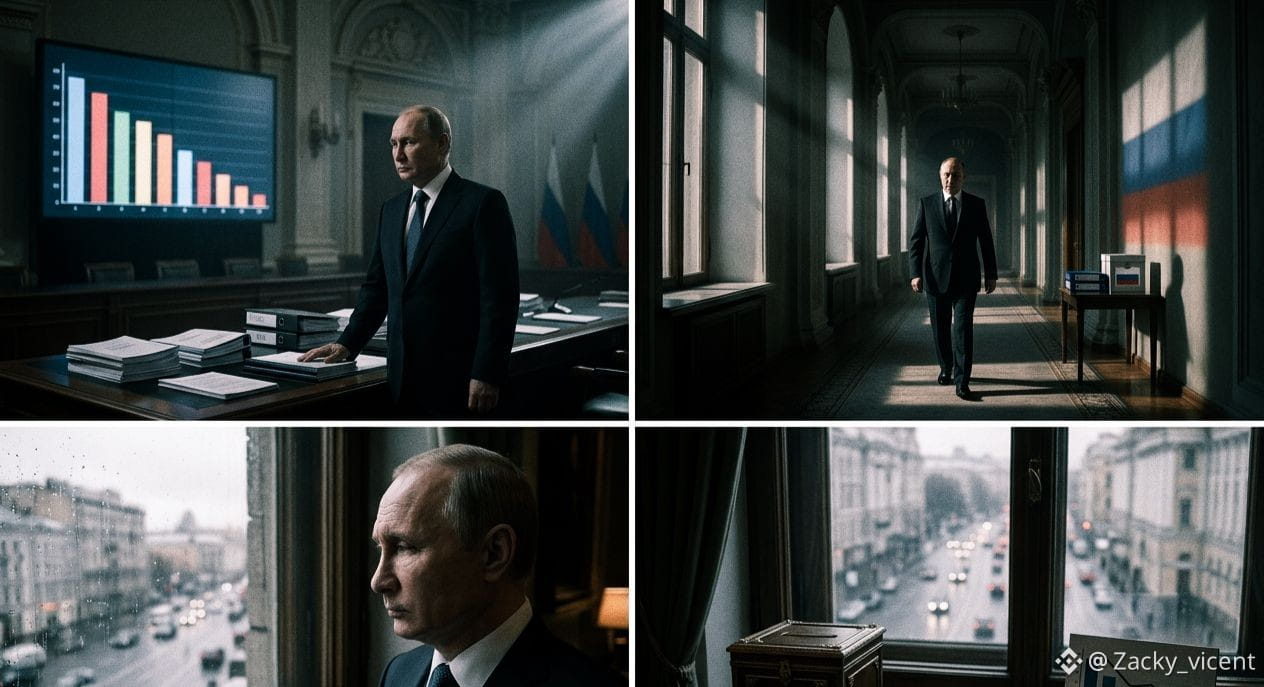
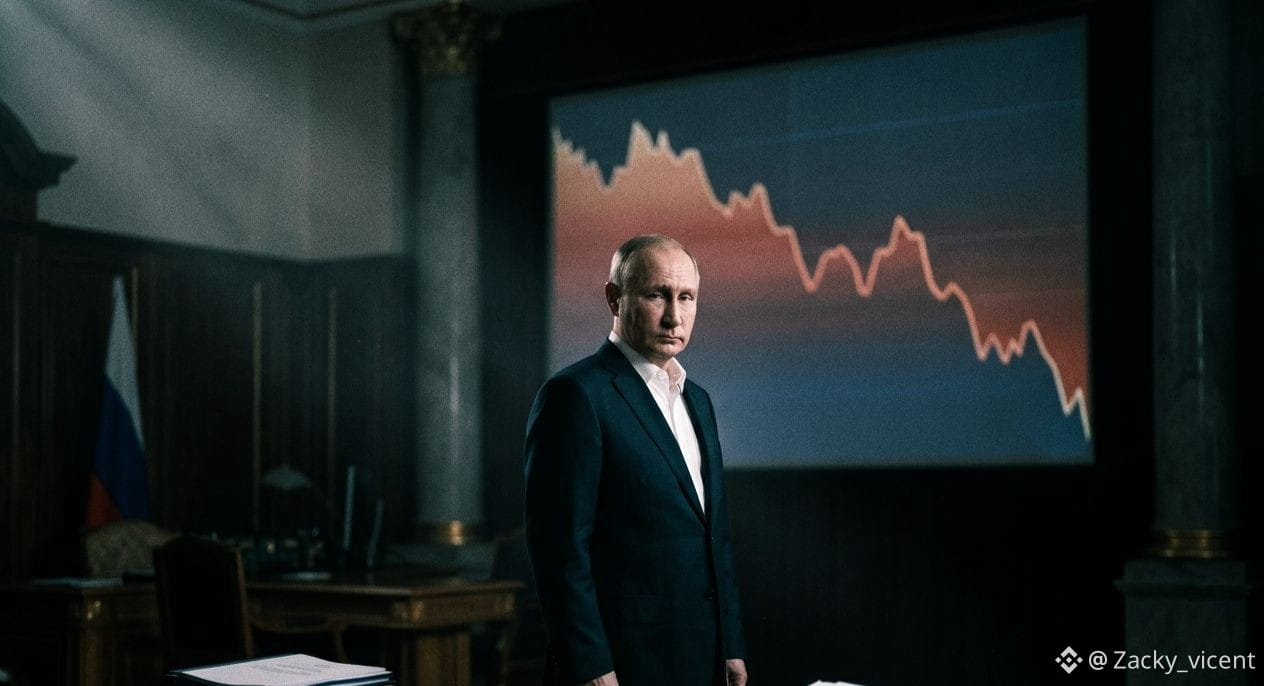
The Kremlin is raising taxes. The budget deficit reached 2.8% of GDP in January–July, above the full-year target of 1.6%. Ukrainian strikes have hit refineries and logistics networks, contributing to fuel shortages, while high interest rates continue squeezing businesses.
And here is the brutal part:
MORE WAR MEANS MORE COST.
Oil can provide temporary relief, but it does not magically erase a structural fiscal problem. Analysts cited by CNBC argue that higher oil revenues are unlikely to solve Russia’s long-term budget pressure.
The September 18–20 election is therefore happening under a very different economic reality.
United Russia is still expected to dominate the State Duma, but the real question is what happens beneath the political surface: voter participation, public frustration, economic pressure, and how long the Kremlin can keep financing a massive war while maintaining stability at home.
Russia has money.
Russia has oil.
Russia has power.
BUT NONE OF THAT MAKES THE BILL DISAPPEAR.
WAR ALWAYS SENDS AN INVOICE.
And eventually, somebody has to pay it.
$BTC
{spot}(BTCUSDT)
PUTIN’S WAR BILL IS FINALLY HITTING HOME.
Russia heads into its first parliamentary election since the 2022 invasion while the economy is losing momentum.
The Kremlin is raising taxes. The budget deficit reached 2.8% of GDP in January–July, above the full-year target of 1.6%. Ukrainian strikes have hit refineries and logistics networks, contributing to fuel shortages, while high interest rates continue squeezing businesses.
And here is the brutal part:
MORE WAR MEANS MORE COST.
Oil can provide temporary relief, but it does not magically erase a structural fiscal problem. Analysts cited by CNBC argue that higher oil revenues are unlikely to solve Russia’s long-term budget pressure.
The September 18–20 election is therefore happening under a very different economic reality.
United Russia is still expected to dominate the State Duma, but the real question is what happens beneath the political surface: voter participation, public frustration, economic pressure, and how long the Kremlin can keep financing a massive war while maintaining stability at home.
Russia has money.
Russia has oil.
Russia has power.
BUT NONE OF THAT MAKES THE BILL DISAPPEAR.
WAR ALWAYS SENDS AN INVOICE.
And eventually, somebody has to pay it.
$BTC
Russia heads into its first parliamentary election since the 2022 invasion while the economy is losing momentum.
The Kremlin is raising taxes. The budget deficit reached 2.8% of GDP in January–July, above the full-year target of 1.6%. Ukrainian strikes have hit refineries and logistics networks, contributing to fuel shortages, while high interest rates continue squeezing businesses.
And here is the brutal part:
MORE WAR MEANS MORE COST.
Oil can provide temporary relief, but it does not magically erase a structural fiscal problem. Analysts cited by CNBC argue that higher oil revenues are unlikely to solve Russia’s long-term budget pressure.
The September 18–20 election is therefore happening under a very different economic reality.
United Russia is still expected to dominate the State Duma, but the real question is what happens beneath the political surface: voter participation, public frustration, economic pressure, and how long the Kremlin can keep financing a massive war while maintaining stability at home.
Russia has money.
Russia has oil.
Russia has power.
BUT NONE OF THAT MAKES THE BILL DISAPPEAR.
WAR ALWAYS SENDS AN INVOICE.
And eventually, somebody has to pay it.
$BTC
1
85
·
--
Xem bản dịch
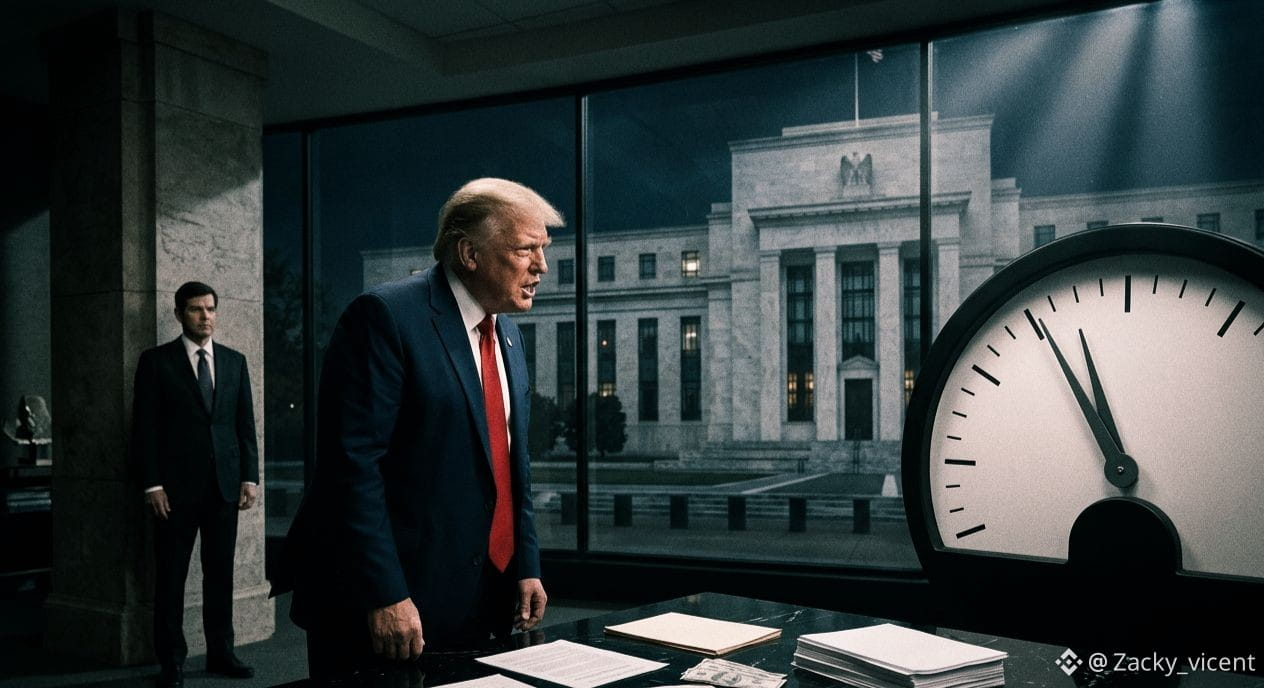
TRUMP WANTS 1% — WHILE THE FED SAYS NO.
Donald Trump says he still trusts Fed Chair Kevin Warsh.
But just hours after the Federal Reserve raised its benchmark rate by 25 basis points to 3.75%–4%, Trump demanded something radically different:
“1% or less.”
That is not a minor disagreement.
It is a direct collision between the White House’s demand for dramatically cheaper money and the Fed’s stated concern that inflation remains elevated.
Trump accused the Fed’s board of being “very hostile” and “very political,” while simultaneously saying he wants Warsh to remain independent.
That contradiction is the real story.
Trump says: “I want him independent.”
But he is also publicly demanding the outcome he wants from monetary policy.
The Fed, meanwhile, unanimously approved the rate hike. Its latest projections indicate that many officials still see another increase as potentially necessary.
And here is where the economic pressure becomes brutal:
A 1% policy rate would represent a massive departure from the current 3.75%–4% target range.
Lower rates can reduce borrowing costs and stimulate economic activity.
But if inflation remains elevated, aggressively cutting rates can also create additional inflationary pressure.
This is the dangerous battlefield:
POLITICAL POWER vs. MONETARY INDEPENDENCE.
Trump argues that America deserves dramatically lower rates because of its economic strength, credit standing, investment inflows and trade position.
But monetary policy does not operate on political slogans.
The Fed has to balance inflation, employment, financial conditions and economic stability.
And the deeper question is bigger than Trump or Warsh:
WHO CONTROLS THE PRICE OF MONEY?
Because whoever controls interest rates influences mortgages, corporate borrowing, government debt costs, asset valuations, the dollar, liquidity and ultimately the entire financial system.
This is not just another headline.
This is a fight over the machinery of money itself.
$BTC
TRUMP WANTS 1% — WHILE THE FED SAYS NO.
Donald Trump says he still trusts Fed Chair Kevin Warsh.
But just hours after the Federal Reserve raised its benchmark rate by 25 basis points to 3.75%–4%, Trump demanded something radically different:
“1% or less.”
That is not a minor disagreement.
It is a direct collision between the White House’s demand for dramatically cheaper money and the Fed’s stated concern that inflation remains elevated.
Trump accused the Fed’s board of being “very hostile” and “very political,” while simultaneously saying he wants Warsh to remain independent.
That contradiction is the real story.
Trump says: “I want him independent.”
But he is also publicly demanding the outcome he wants from monetary policy.
The Fed, meanwhile, unanimously approved the rate hike. Its latest projections indicate that many officials still see another increase as potentially necessary.
And here is where the economic pressure becomes brutal:
A 1% policy rate would represent a massive departure from the current 3.75%–4% target range.
Lower rates can reduce borrowing costs and stimulate economic activity.
But if inflation remains elevated, aggressively cutting rates can also create additional inflationary pressure.
This is the dangerous battlefield:
POLITICAL POWER vs. MONETARY INDEPENDENCE.
Trump argues that America deserves dramatically lower rates because of its economic strength, credit standing, investment inflows and trade position.
But monetary policy does not operate on political slogans.
The Fed has to balance inflation, employment, financial conditions and economic stability.
And the deeper question is bigger than Trump or Warsh:
WHO CONTROLS THE PRICE OF MONEY?
Because whoever controls interest rates influences mortgages, corporate borrowing, government debt costs, asset valuations, the dollar, liquidity and ultimately the entire financial system.
This is not just another headline.
This is a fight over the machinery of money itself.
$BTC
Donald Trump says he still trusts Fed Chair Kevin Warsh.
But just hours after the Federal Reserve raised its benchmark rate by 25 basis points to 3.75%–4%, Trump demanded something radically different:
“1% or less.”
That is not a minor disagreement.
It is a direct collision between the White House’s demand for dramatically cheaper money and the Fed’s stated concern that inflation remains elevated.
Trump accused the Fed’s board of being “very hostile” and “very political,” while simultaneously saying he wants Warsh to remain independent.
That contradiction is the real story.
Trump says: “I want him independent.”
But he is also publicly demanding the outcome he wants from monetary policy.
The Fed, meanwhile, unanimously approved the rate hike. Its latest projections indicate that many officials still see another increase as potentially necessary.
And here is where the economic pressure becomes brutal:
A 1% policy rate would represent a massive departure from the current 3.75%–4% target range.
Lower rates can reduce borrowing costs and stimulate economic activity.
But if inflation remains elevated, aggressively cutting rates can also create additional inflationary pressure.
This is the dangerous battlefield:
POLITICAL POWER vs. MONETARY INDEPENDENCE.
Trump argues that America deserves dramatically lower rates because of its economic strength, credit standing, investment inflows and trade position.
But monetary policy does not operate on political slogans.
The Fed has to balance inflation, employment, financial conditions and economic stability.
And the deeper question is bigger than Trump or Warsh:
WHO CONTROLS THE PRICE OF MONEY?
Because whoever controls interest rates influences mortgages, corporate borrowing, government debt costs, asset valuations, the dollar, liquidity and ultimately the entire financial system.
This is not just another headline.
This is a fight over the machinery of money itself.
$BTC
1
94
·
--
Xem bản dịch
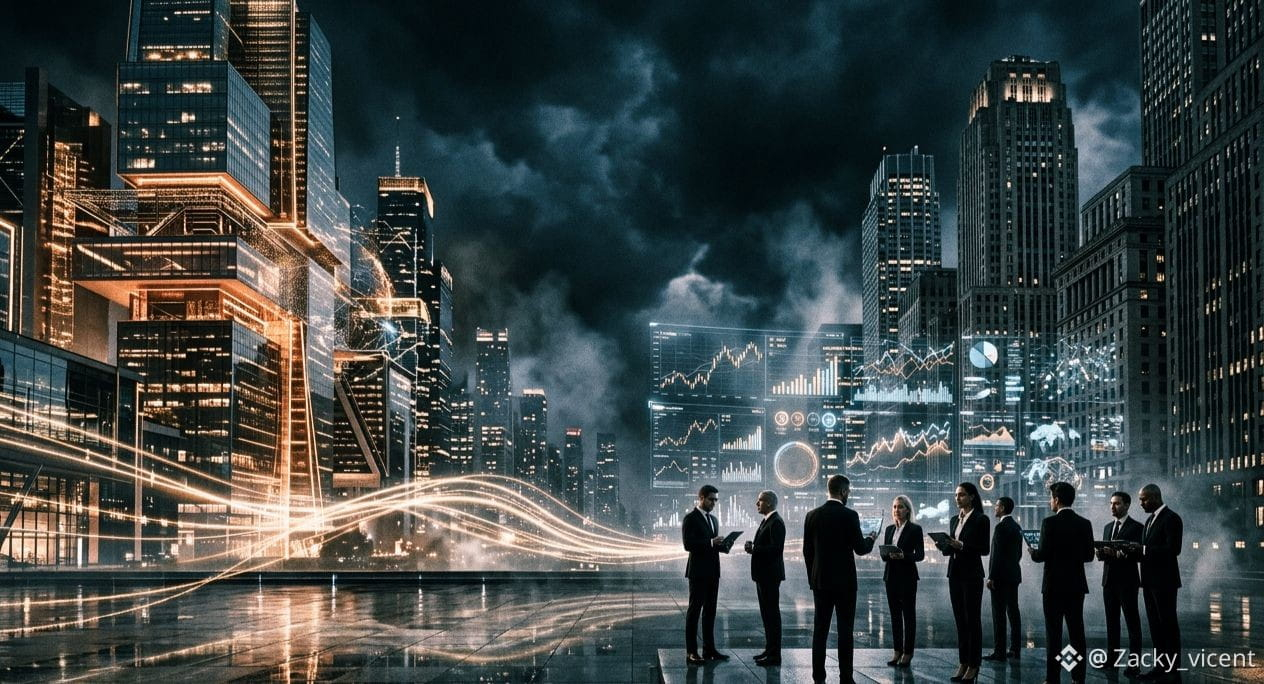
**BINANCE IS COMING FOR TRADFI — AND THE OLD FINANCIAL SYSTEM BETTER PAY ATTENTION.**
Binance is no longer content with being just a crypto exchange.
Its **Capital Connect** platform, previously restricted to institutional investors, is now opening access to **qualified wealthy individuals with at least $1 million in assets**.
And the expansion is not cosmetic.
Since May, Capital Connect has exploded from **106 portfolios managed by 35 professional trading teams** to **212 portfolios across 77 teams as of September**.
That is a doubling of portfolios and more than a doubling of participating professional teams in just a few months.
The model is designed to give investors access to professional strategies while Binance’s **Portfolio Margin infrastructure handles management fees, performance metrics, risk metrics and operational functions** — a structure comparable to separately managed accounts in traditional finance.
And here is where things get REALLY interesting:
Capital Connect started with crypto-focused strategies.
Now, professional teams are increasingly incorporating **traditional financial instruments** into their strategies — bringing crypto-native capital closer to equities and other traditional markets.
Binance is also expanding its own traditional-finance offering, including **24/7 perpetual contracts linked to pre-IPO companies and publicly listed companies.**
Read that again.
**A crypto exchange is moving deeper into the territory that traditional financial institutions have controlled for decades.**
TradFi spent years moving toward digital assets.
Now Binance is moving in the opposite direction — **from crypto toward the broader financial system.**
This is not just about Bitcoin.
It is about **who controls the infrastructure through which capital moves, gets managed, and gains access to different asset classes.**
The financial battlefield is changing.
$BTC
{spot}(BTCUSDT)
**BINANCE IS COMING FOR TRADFI — AND THE OLD FINANCIAL SYSTEM BETTER PAY ATTENTION.**
Binance is no longer content with being just a crypto exchange.
Its **Capital Connect** platform, previously restricted to institutional investors, is now opening access to **qualified wealthy individuals with at least $1 million in assets**.
And the expansion is not cosmetic.
Since May, Capital Connect has exploded from **106 portfolios managed by 35 professional trading teams** to **212 portfolios across 77 teams as of September**.
That is a doubling of portfolios and more than a doubling of participating professional teams in just a few months.
The model is designed to give investors access to professional strategies while Binance’s **Portfolio Margin infrastructure handles management fees, performance metrics, risk metrics and operational functions** — a structure comparable to separately managed accounts in traditional finance.
And here is where things get REALLY interesting:
Capital Connect started with crypto-focused strategies.
Now, professional teams are increasingly incorporating **traditional financial instruments** into their strategies — bringing crypto-native capital closer to equities and other traditional markets.
Binance is also expanding its own traditional-finance offering, including **24/7 perpetual contracts linked to pre-IPO companies and publicly listed companies.**
Read that again.
**A crypto exchange is moving deeper into the territory that traditional financial institutions have controlled for decades.**
TradFi spent years moving toward digital assets.
Now Binance is moving in the opposite direction — **from crypto toward the broader financial system.**
This is not just about Bitcoin.
It is about **who controls the infrastructure through which capital moves, gets managed, and gains access to different asset classes.**
The financial battlefield is changing.
$BTC
Binance is no longer content with being just a crypto exchange.
Its **Capital Connect** platform, previously restricted to institutional investors, is now opening access to **qualified wealthy individuals with at least $1 million in assets**.
And the expansion is not cosmetic.
Since May, Capital Connect has exploded from **106 portfolios managed by 35 professional trading teams** to **212 portfolios across 77 teams as of September**.
That is a doubling of portfolios and more than a doubling of participating professional teams in just a few months.
The model is designed to give investors access to professional strategies while Binance’s **Portfolio Margin infrastructure handles management fees, performance metrics, risk metrics and operational functions** — a structure comparable to separately managed accounts in traditional finance.
And here is where things get REALLY interesting:
Capital Connect started with crypto-focused strategies.
Now, professional teams are increasingly incorporating **traditional financial instruments** into their strategies — bringing crypto-native capital closer to equities and other traditional markets.
Binance is also expanding its own traditional-finance offering, including **24/7 perpetual contracts linked to pre-IPO companies and publicly listed companies.**
Read that again.
**A crypto exchange is moving deeper into the territory that traditional financial institutions have controlled for decades.**
TradFi spent years moving toward digital assets.
Now Binance is moving in the opposite direction — **from crypto toward the broader financial system.**
This is not just about Bitcoin.
It is about **who controls the infrastructure through which capital moves, gets managed, and gains access to different asset classes.**
The financial battlefield is changing.
$BTC
1
67
·
--
Xem bản dịch
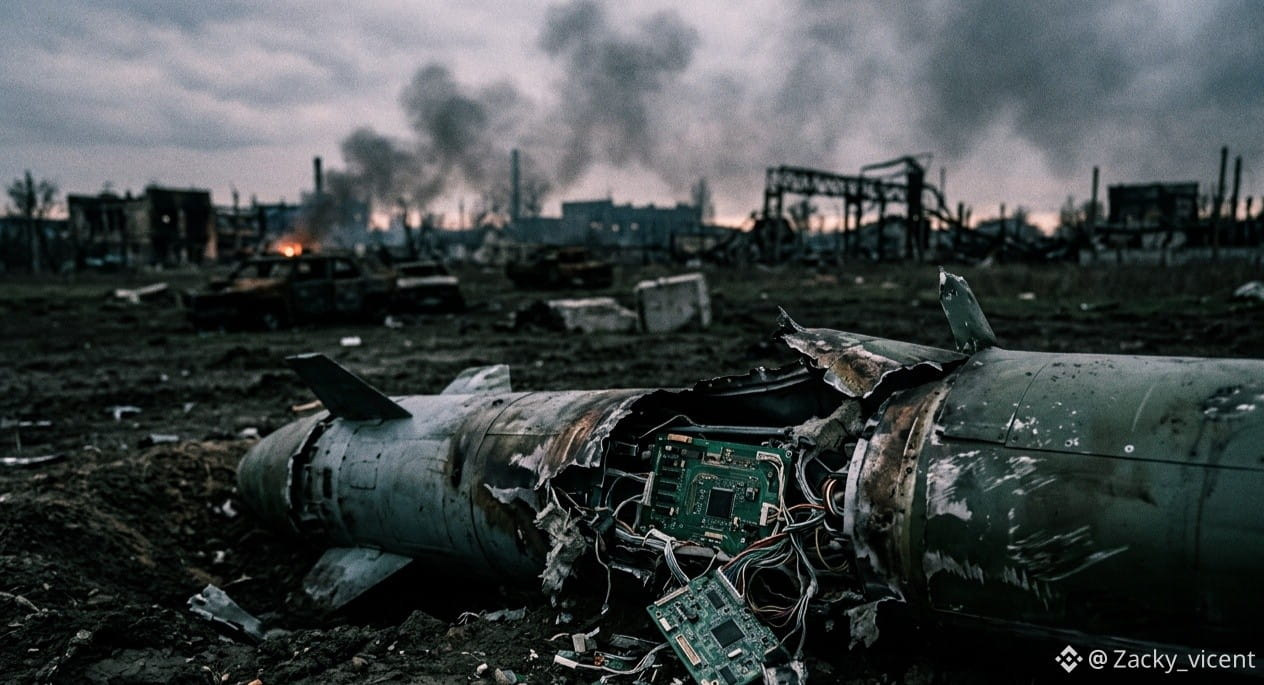
**YOUR CHIPS ARE INSIDE RUSSIA’S MISSILES.**
Ukraine is sending a brutal warning to Asia:
The global sanctions system may have a massive hole — **supply chains.**
Ukrainian sanctions envoy Vladyslav Vlasiuk says components recovered from missiles intercepted over Kyiv were traced to supply chains involving the **United States, Russia, China, Taiwan and Japan.**
According to Kyiv, some microelectronics reached Russia **through Asian territories and supply networks**, eventually finding their way into Russia’s military-industrial complex.
And this is where things get ugly.
While Western governments tighten sanctions, Russia continues to generate enormous oil revenues through global trade.
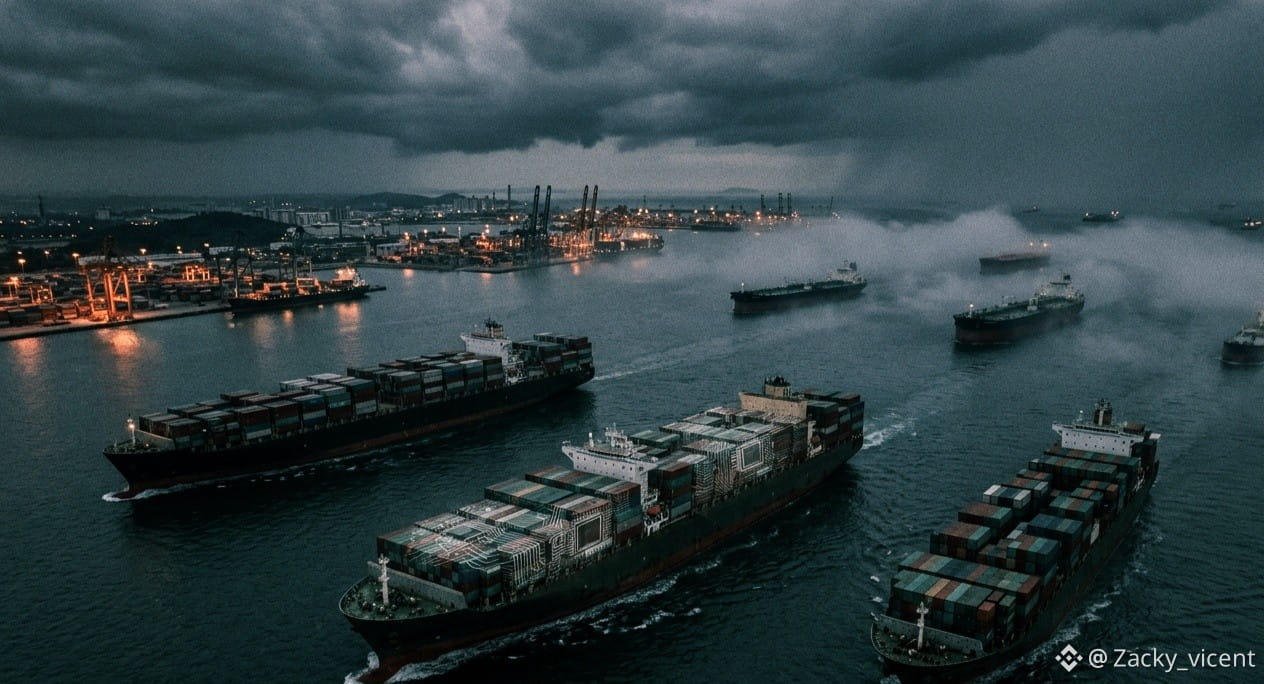
China and India remain major buyers of Russian crude, while Asian shipping routes and transshipment networks have become increasingly important to Moscow’s ability to move sanctioned commodities. Recent tanker data showed Russian seaborne crude exports reaching **3.54 million barrels per day** in the four weeks through September 13, with Asian destinations accounting for the overwhelming majority of observed flows.
Ukraine’s message is essentially this:
**You cannot choke Russia’s war machine while the money and components keep flowing through the back door.**
Kyiv is therefore pushing governments across Asia — including Malaysia, Indonesia, Japan and Thailand — to pay closer attention to Russia’s so-called **shadow fleet**, maritime transfers and the movement of sensitive electronics.
And Vlasiuk went even further, warning that advanced equipment can ultimately end up inside the military-industrial complexes of countries such as **Russia, Iran and North Korea.**
Ukraine also argues that cutting Russia’s oil revenues by roughly half could create enough economic pressure to force Moscow toward serious negotiations within six months.
That is **Kyiv’s assessment**, not an independently established prediction.
$BTC
{spot}(BTCUSDT)
**YOUR CHIPS ARE INSIDE RUSSIA’S MISSILES.**
Ukraine is sending a brutal warning to Asia:
The global sanctions system may have a massive hole — **supply chains.**
Ukrainian sanctions envoy Vladyslav Vlasiuk says components recovered from missiles intercepted over Kyiv were traced to supply chains involving the **United States, Russia, China, Taiwan and Japan.**
According to Kyiv, some microelectronics reached Russia **through Asian territories and supply networks**, eventually finding their way into Russia’s military-industrial complex.
And this is where things get ugly.
While Western governments tighten sanctions, Russia continues to generate enormous oil revenues through global trade.
China and India remain major buyers of Russian crude, while Asian shipping routes and transshipment networks have become increasingly important to Moscow’s ability to move sanctioned commodities. Recent tanker data showed Russian seaborne crude exports reaching **3.54 million barrels per day** in the four weeks through September 13, with Asian destinations accounting for the overwhelming majority of observed flows.
Ukraine’s message is essentially this:
**You cannot choke Russia’s war machine while the money and components keep flowing through the back door.**
Kyiv is therefore pushing governments across Asia — including Malaysia, Indonesia, Japan and Thailand — to pay closer attention to Russia’s so-called **shadow fleet**, maritime transfers and the movement of sensitive electronics.
And Vlasiuk went even further, warning that advanced equipment can ultimately end up inside the military-industrial complexes of countries such as **Russia, Iran and North Korea.**
Ukraine also argues that cutting Russia’s oil revenues by roughly half could create enough economic pressure to force Moscow toward serious negotiations within six months.
That is **Kyiv’s assessment**, not an independently established prediction.
$BTC
Ukraine is sending a brutal warning to Asia:
The global sanctions system may have a massive hole — **supply chains.**
Ukrainian sanctions envoy Vladyslav Vlasiuk says components recovered from missiles intercepted over Kyiv were traced to supply chains involving the **United States, Russia, China, Taiwan and Japan.**
According to Kyiv, some microelectronics reached Russia **through Asian territories and supply networks**, eventually finding their way into Russia’s military-industrial complex.
And this is where things get ugly.
While Western governments tighten sanctions, Russia continues to generate enormous oil revenues through global trade.
China and India remain major buyers of Russian crude, while Asian shipping routes and transshipment networks have become increasingly important to Moscow’s ability to move sanctioned commodities. Recent tanker data showed Russian seaborne crude exports reaching **3.54 million barrels per day** in the four weeks through September 13, with Asian destinations accounting for the overwhelming majority of observed flows.
Ukraine’s message is essentially this:
**You cannot choke Russia’s war machine while the money and components keep flowing through the back door.**
Kyiv is therefore pushing governments across Asia — including Malaysia, Indonesia, Japan and Thailand — to pay closer attention to Russia’s so-called **shadow fleet**, maritime transfers and the movement of sensitive electronics.
And Vlasiuk went even further, warning that advanced equipment can ultimately end up inside the military-industrial complexes of countries such as **Russia, Iran and North Korea.**
Ukraine also argues that cutting Russia’s oil revenues by roughly half could create enough economic pressure to force Moscow toward serious negotiations within six months.
That is **Kyiv’s assessment**, not an independently established prediction.
$BTC
1
96
·
--
Xem bản dịch
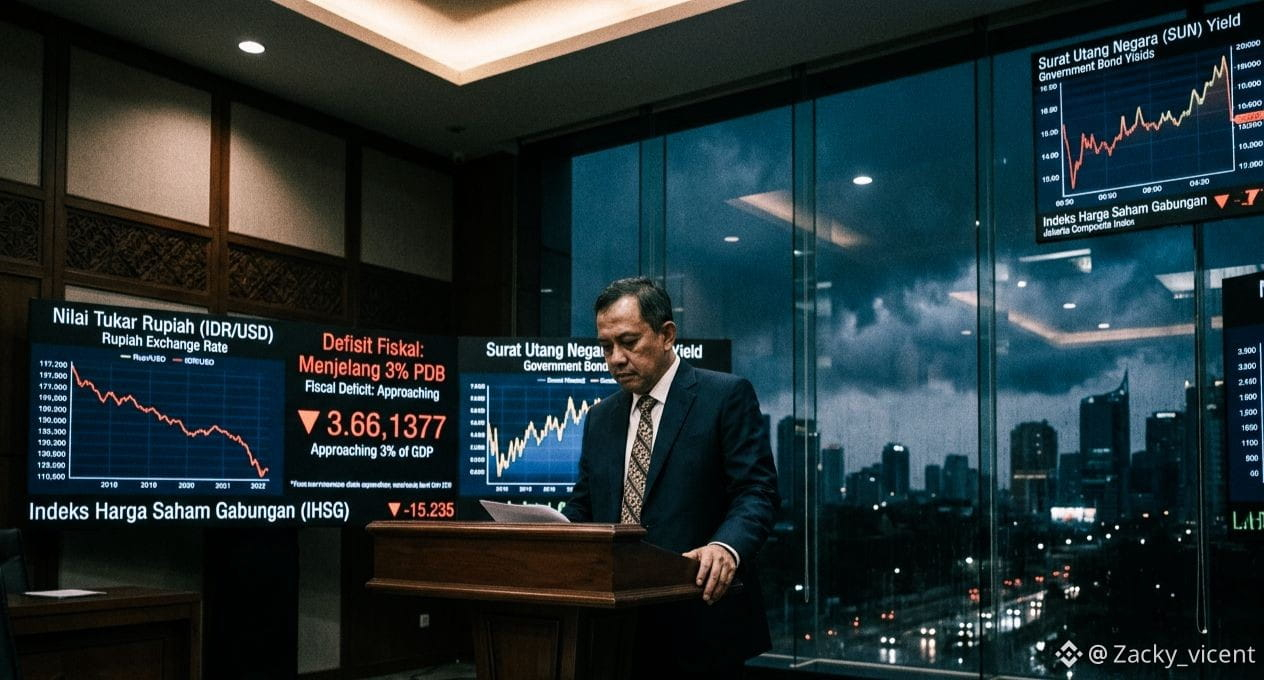
**INDONESIA’S FISCAL CREDIBILITY IS ON TRIAL.**
Indonesia has a new Finance Minister — but the real problem is far bigger than one chair.
**Suahasil Nazara is now facing a brutal test: restore fiscal credibility while funding Prabowo’s expensive growth agenda with increasingly limited fiscal space.**
This is not just about replacing a minister.
It is about **investor confidence, budget discipline, the rupiah, bond markets, and the relationship between fiscal policy and Bank Indonesia.**
The warning signs are already visible.
A volatile year has put Indonesia’s fiscal framework under intense scrutiny. Rising energy costs have increased pressure on subsidies, forcing difficult choices on government programs. Markets reacted harshly, with Indonesian equities suffering a major decline and the rupiah reaching a record low earlier this year, according to the report.
The fiscal deficit is projected at **2.85% of GDP in 2026** — dangerously close to the government’s **3% ceiling**.
And that is where the shit gets real.
Nazara has promised to protect budget credibility and keep the deficit below 3%.
But promises are cheap.
**Numbers are not.**
Investors will be watching the 2027 budget:
→ How much will the government spend?
→ Where will the money come from?
→ Which programs will be cut or delayed?
→ Will revenue assumptions remain realistic?
→ Will fiscal expansion continue?
→ And how independent will monetary policy remain?
The pressure is enormous.
Indonesia wants faster economic growth.
Prabowo wants to push an ambitious development agenda.
But every rupiah spent has a cost.
And when fiscal space gets tighter, eventually the market starts asking one brutal question:
**WHO IS GOING TO PAY FOR ALL OF THIS?**
The Bank Indonesia dimension makes the situation even more sensitive.
BI officially installed **Destry Damayanti as Governor on September 2, 2026**, for a five-year term. Thomas Djiwandono, Prabowo’s nephew, was also appointed as a BI Deputy Governor in February..
$BTC
**INDONESIA’S FISCAL CREDIBILITY IS ON TRIAL.**
Indonesia has a new Finance Minister — but the real problem is far bigger than one chair.
**Suahasil Nazara is now facing a brutal test: restore fiscal credibility while funding Prabowo’s expensive growth agenda with increasingly limited fiscal space.**
This is not just about replacing a minister.
It is about **investor confidence, budget discipline, the rupiah, bond markets, and the relationship between fiscal policy and Bank Indonesia.**
The warning signs are already visible.
A volatile year has put Indonesia’s fiscal framework under intense scrutiny. Rising energy costs have increased pressure on subsidies, forcing difficult choices on government programs. Markets reacted harshly, with Indonesian equities suffering a major decline and the rupiah reaching a record low earlier this year, according to the report.
The fiscal deficit is projected at **2.85% of GDP in 2026** — dangerously close to the government’s **3% ceiling**.
And that is where the shit gets real.
Nazara has promised to protect budget credibility and keep the deficit below 3%.
But promises are cheap.
**Numbers are not.**
Investors will be watching the 2027 budget:
→ How much will the government spend?
→ Where will the money come from?
→ Which programs will be cut or delayed?
→ Will revenue assumptions remain realistic?
→ Will fiscal expansion continue?
→ And how independent will monetary policy remain?
The pressure is enormous.
Indonesia wants faster economic growth.
Prabowo wants to push an ambitious development agenda.
But every rupiah spent has a cost.
And when fiscal space gets tighter, eventually the market starts asking one brutal question:
**WHO IS GOING TO PAY FOR ALL OF THIS?**
The Bank Indonesia dimension makes the situation even more sensitive.
BI officially installed **Destry Damayanti as Governor on September 2, 2026**, for a five-year term. Thomas Djiwandono, Prabowo’s nephew, was also appointed as a BI Deputy Governor in February..
$BTC
Indonesia has a new Finance Minister — but the real problem is far bigger than one chair.
**Suahasil Nazara is now facing a brutal test: restore fiscal credibility while funding Prabowo’s expensive growth agenda with increasingly limited fiscal space.**
This is not just about replacing a minister.
It is about **investor confidence, budget discipline, the rupiah, bond markets, and the relationship between fiscal policy and Bank Indonesia.**
The warning signs are already visible.
A volatile year has put Indonesia’s fiscal framework under intense scrutiny. Rising energy costs have increased pressure on subsidies, forcing difficult choices on government programs. Markets reacted harshly, with Indonesian equities suffering a major decline and the rupiah reaching a record low earlier this year, according to the report.
The fiscal deficit is projected at **2.85% of GDP in 2026** — dangerously close to the government’s **3% ceiling**.
And that is where the shit gets real.
Nazara has promised to protect budget credibility and keep the deficit below 3%.
But promises are cheap.
**Numbers are not.**
Investors will be watching the 2027 budget:
→ How much will the government spend?
→ Where will the money come from?
→ Which programs will be cut or delayed?
→ Will revenue assumptions remain realistic?
→ Will fiscal expansion continue?
→ And how independent will monetary policy remain?
The pressure is enormous.
Indonesia wants faster economic growth.
Prabowo wants to push an ambitious development agenda.
But every rupiah spent has a cost.
And when fiscal space gets tighter, eventually the market starts asking one brutal question:
**WHO IS GOING TO PAY FOR ALL OF THIS?**
The Bank Indonesia dimension makes the situation even more sensitive.
BI officially installed **Destry Damayanti as Governor on September 2, 2026**, for a five-year term. Thomas Djiwandono, Prabowo’s nephew, was also appointed as a BI Deputy Governor in February..
$BTC
1
99
·
--
Xem bản dịch
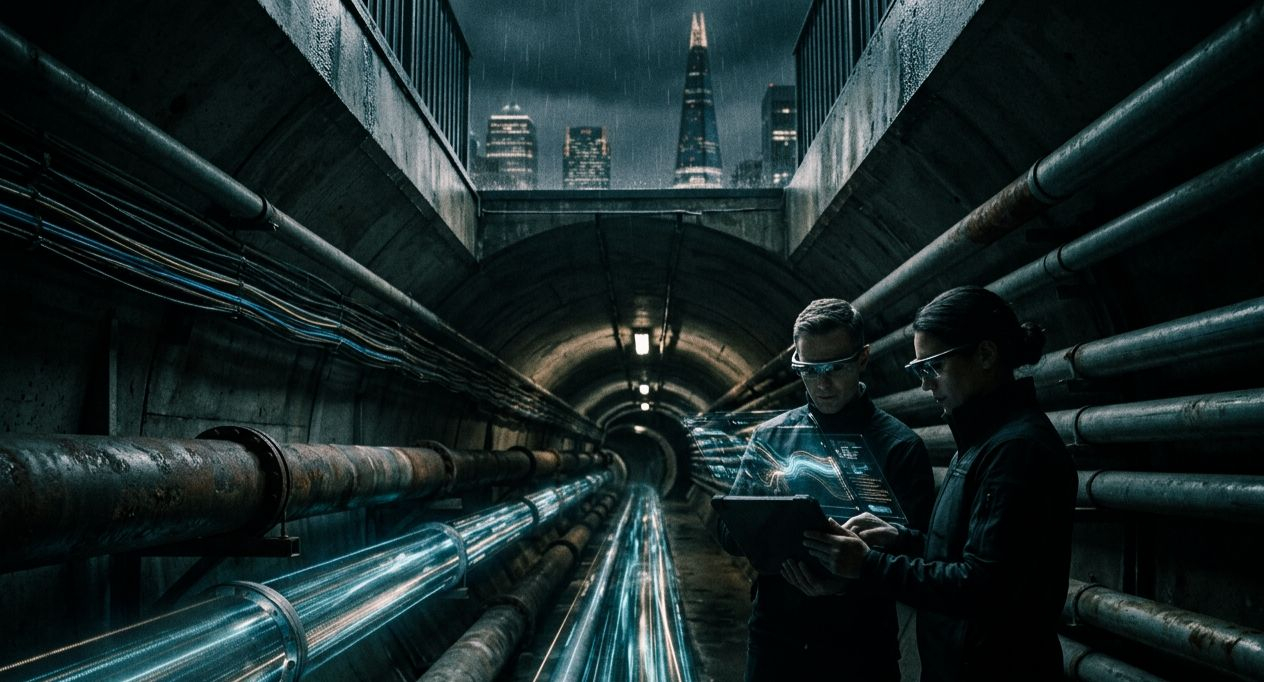
**STABLECOINS AREN’T COMING. THEY’RE ALREADY BUILDING THE PLUMBING OF GLOBAL FINANCE.**
Velocity just expanded its Series A by another **$10 million**, bringing total Series A funding to **$48 million** and pushing the London-based payments infrastructure company to a **$200 million valuation**.
And look at who is backing it:
**Visa. Circle. Ripple. Haun Ventures. Translink Capital. Mirana Ventures.**
That lineup should make people fucking pay attention.
Because this isn’t another crypto startup selling a dream to retail traders.
This is about the **infrastructure underneath the global payment system.**
Velocity was already backed by a $38 million Series A announced in July. The latest extension adds another $10 million, with Visa, Circle, and Ripple among the investors.
Why does that matter?
Because stablecoins have crossed a threshold.
They are no longer just tools for crypto traders moving dollars between exchanges.
The stablecoin economy has grown beyond **$300 billion in circulation**, while its use is expanding into:
**Cross-border payments.
Corporate treasury operations.
Liquidity management.
Settlement.
Global money movement.**
And Velocity is attacking the layer most consumers never see.
The ugly, complicated, fucking important **back-end plumbing** connecting payment companies, banks, issuers, card networks, acquirers, merchants, and financial institutions.
That is where the real battle is.
For years, billions of dollars poured into making payments look easier for consumers.
Tap your card.
Scan your phone.
Click “pay.”
Everything looks instant.
But behind that beautiful interface sits a massive machine of reconciliation, settlement, liquidity, treasury management, and cross-border money movement.
**That machine is what blockchain is starting to attack.**
And Visa’s involvement makes the story even more interesting.
Visa isn’t necessarily betting that everyone suddenly abandons cards for stablecoin wallets.
$BTC
{spot}(BTCUSDT)
**STABLECOINS AREN’T COMING. THEY’RE ALREADY BUILDING THE PLUMBING OF GLOBAL FINANCE.**
Velocity just expanded its Series A by another **$10 million**, bringing total Series A funding to **$48 million** and pushing the London-based payments infrastructure company to a **$200 million valuation**.
And look at who is backing it:
**Visa. Circle. Ripple. Haun Ventures. Translink Capital. Mirana Ventures.**
That lineup should make people fucking pay attention.
Because this isn’t another crypto startup selling a dream to retail traders.
This is about the **infrastructure underneath the global payment system.**
Velocity was already backed by a $38 million Series A announced in July. The latest extension adds another $10 million, with Visa, Circle, and Ripple among the investors.
Why does that matter?
Because stablecoins have crossed a threshold.
They are no longer just tools for crypto traders moving dollars between exchanges.
The stablecoin economy has grown beyond **$300 billion in circulation**, while its use is expanding into:
**Cross-border payments.
Corporate treasury operations.
Liquidity management.
Settlement.
Global money movement.**
And Velocity is attacking the layer most consumers never see.
The ugly, complicated, fucking important **back-end plumbing** connecting payment companies, banks, issuers, card networks, acquirers, merchants, and financial institutions.
That is where the real battle is.
For years, billions of dollars poured into making payments look easier for consumers.
Tap your card.
Scan your phone.
Click “pay.”
Everything looks instant.
But behind that beautiful interface sits a massive machine of reconciliation, settlement, liquidity, treasury management, and cross-border money movement.
**That machine is what blockchain is starting to attack.**
And Visa’s involvement makes the story even more interesting.
Visa isn’t necessarily betting that everyone suddenly abandons cards for stablecoin wallets.
$BTC
Velocity just expanded its Series A by another **$10 million**, bringing total Series A funding to **$48 million** and pushing the London-based payments infrastructure company to a **$200 million valuation**.
And look at who is backing it:
**Visa. Circle. Ripple. Haun Ventures. Translink Capital. Mirana Ventures.**
That lineup should make people fucking pay attention.
Because this isn’t another crypto startup selling a dream to retail traders.
This is about the **infrastructure underneath the global payment system.**
Velocity was already backed by a $38 million Series A announced in July. The latest extension adds another $10 million, with Visa, Circle, and Ripple among the investors.
Why does that matter?
Because stablecoins have crossed a threshold.
They are no longer just tools for crypto traders moving dollars between exchanges.
The stablecoin economy has grown beyond **$300 billion in circulation**, while its use is expanding into:
**Cross-border payments.
Corporate treasury operations.
Liquidity management.
Settlement.
Global money movement.**
And Velocity is attacking the layer most consumers never see.
The ugly, complicated, fucking important **back-end plumbing** connecting payment companies, banks, issuers, card networks, acquirers, merchants, and financial institutions.
That is where the real battle is.
For years, billions of dollars poured into making payments look easier for consumers.
Tap your card.
Scan your phone.
Click “pay.”
Everything looks instant.
But behind that beautiful interface sits a massive machine of reconciliation, settlement, liquidity, treasury management, and cross-border money movement.
**That machine is what blockchain is starting to attack.**
And Visa’s involvement makes the story even more interesting.
Visa isn’t necessarily betting that everyone suddenly abandons cards for stablecoin wallets.
$BTC
1
91
·
--
Xem bản dịch
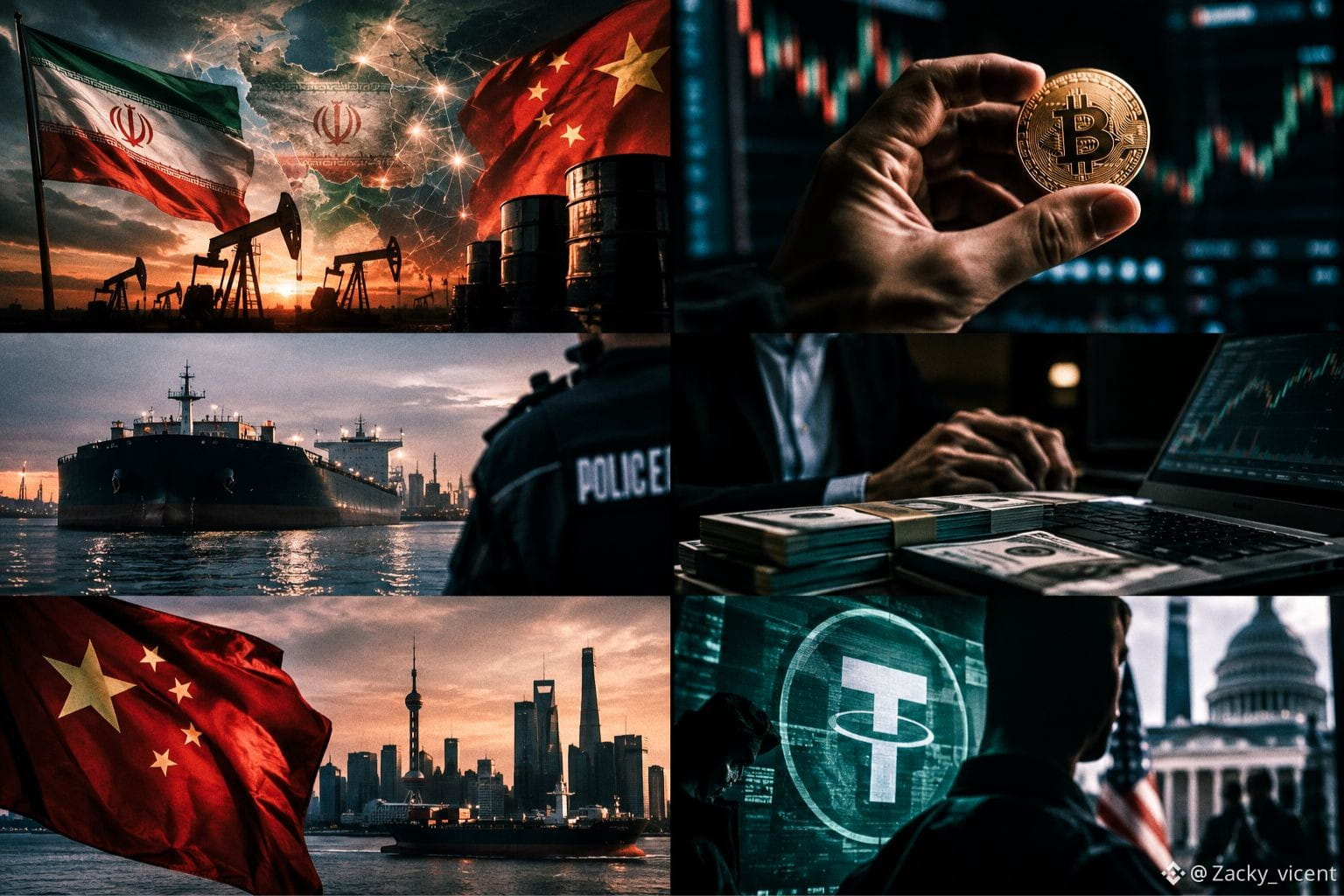
# THE $61 MILLION IRAN CRYPTO SEIZURE
Washington is hunting $61 million in crypto allegedly tied to Iran’s sanctioned oil trade with China.
According to a U.S. civil forfeiture complaint, Tehran allegedly used crypto networks in China and elsewhere to launder more than $1.5 billion in illicit oil proceeds intended to benefit Iran’s military and the Islamic Revolutionary Guard Corps (IRGC).
Two Chinese companies, Blessed Trust and Hexa Whale, are accused of using Binance trading accounts to wash dirty money and route it toward Tehran, its agents, or proxies.
This is not just another crypto scandal.
It is the financial war between Washington and Tehran moving onto the blockchain.
## THE MONEY MACHINE
The complaint alleges that Blessed Trust and Hexa Whale provided virtual-asset custody, fiat-to-crypto on-ramp services, and fund transfers for clients in China’s oil and petroleum sector.
The U.S. claims the network used American financial infrastructure to move tens of millions of dollars connected to the alleged scheme.
Washington says the money was intended to support Iran’s government and military activities, including activities it describes as terrorism.
And now, the U.S. wants to seize the money.
## TETHER IS IN THE CROSSHAIRS
The complaint says Tether will burn tokens held at targeted addresses and issue replacement tokens of equal value, transferring them into U.S. government custody.
Let that sink in.
The blockchain may be decentralized, but the stablecoins moving across it can still become a weapon of financial enforcement.
Your wallet may be yours.
But the financial system surrounding it is not beyond the reach of governments.
## CHINA IS THE OIL LIFELINE
China reportedly bought more than 80% of Iran’s exported oil in 2025, averaging around 1.4 million barrels per day.
Reuters also reported on September 10 that Iran has used barter-like arrangements to evade sanctions and purchase billions of dollars in goods from China.
Washington is tightening the pressure on Chinese oil refiners.
$BTC
{spot}(BTCUSDT)
# THE $61 MILLION IRAN CRYPTO SEIZURE
Washington is hunting $61 million in crypto allegedly tied to Iran’s sanctioned oil trade with China.
According to a U.S. civil forfeiture complaint, Tehran allegedly used crypto networks in China and elsewhere to launder more than $1.5 billion in illicit oil proceeds intended to benefit Iran’s military and the Islamic Revolutionary Guard Corps (IRGC).
Two Chinese companies, Blessed Trust and Hexa Whale, are accused of using Binance trading accounts to wash dirty money and route it toward Tehran, its agents, or proxies.
This is not just another crypto scandal.
It is the financial war between Washington and Tehran moving onto the blockchain.
## THE MONEY MACHINE
The complaint alleges that Blessed Trust and Hexa Whale provided virtual-asset custody, fiat-to-crypto on-ramp services, and fund transfers for clients in China’s oil and petroleum sector.
The U.S. claims the network used American financial infrastructure to move tens of millions of dollars connected to the alleged scheme.
Washington says the money was intended to support Iran’s government and military activities, including activities it describes as terrorism.
And now, the U.S. wants to seize the money.
## TETHER IS IN THE CROSSHAIRS
The complaint says Tether will burn tokens held at targeted addresses and issue replacement tokens of equal value, transferring them into U.S. government custody.
Let that sink in.
The blockchain may be decentralized, but the stablecoins moving across it can still become a weapon of financial enforcement.
Your wallet may be yours.
But the financial system surrounding it is not beyond the reach of governments.
## CHINA IS THE OIL LIFELINE
China reportedly bought more than 80% of Iran’s exported oil in 2025, averaging around 1.4 million barrels per day.
Reuters also reported on September 10 that Iran has used barter-like arrangements to evade sanctions and purchase billions of dollars in goods from China.
Washington is tightening the pressure on Chinese oil refiners.
$BTC
Washington is hunting $61 million in crypto allegedly tied to Iran’s sanctioned oil trade with China.
According to a U.S. civil forfeiture complaint, Tehran allegedly used crypto networks in China and elsewhere to launder more than $1.5 billion in illicit oil proceeds intended to benefit Iran’s military and the Islamic Revolutionary Guard Corps (IRGC).
Two Chinese companies, Blessed Trust and Hexa Whale, are accused of using Binance trading accounts to wash dirty money and route it toward Tehran, its agents, or proxies.
This is not just another crypto scandal.
It is the financial war between Washington and Tehran moving onto the blockchain.
## THE MONEY MACHINE
The complaint alleges that Blessed Trust and Hexa Whale provided virtual-asset custody, fiat-to-crypto on-ramp services, and fund transfers for clients in China’s oil and petroleum sector.
The U.S. claims the network used American financial infrastructure to move tens of millions of dollars connected to the alleged scheme.
Washington says the money was intended to support Iran’s government and military activities, including activities it describes as terrorism.
And now, the U.S. wants to seize the money.
## TETHER IS IN THE CROSSHAIRS
The complaint says Tether will burn tokens held at targeted addresses and issue replacement tokens of equal value, transferring them into U.S. government custody.
Let that sink in.
The blockchain may be decentralized, but the stablecoins moving across it can still become a weapon of financial enforcement.
Your wallet may be yours.
But the financial system surrounding it is not beyond the reach of governments.
## CHINA IS THE OIL LIFELINE
China reportedly bought more than 80% of Iran’s exported oil in 2025, averaging around 1.4 million barrels per day.
Reuters also reported on September 10 that Iran has used barter-like arrangements to evade sanctions and purchase billions of dollars in goods from China.
Washington is tightening the pressure on Chinese oil refiners.
$BTC
1
111
·
--
Xem bản dịch
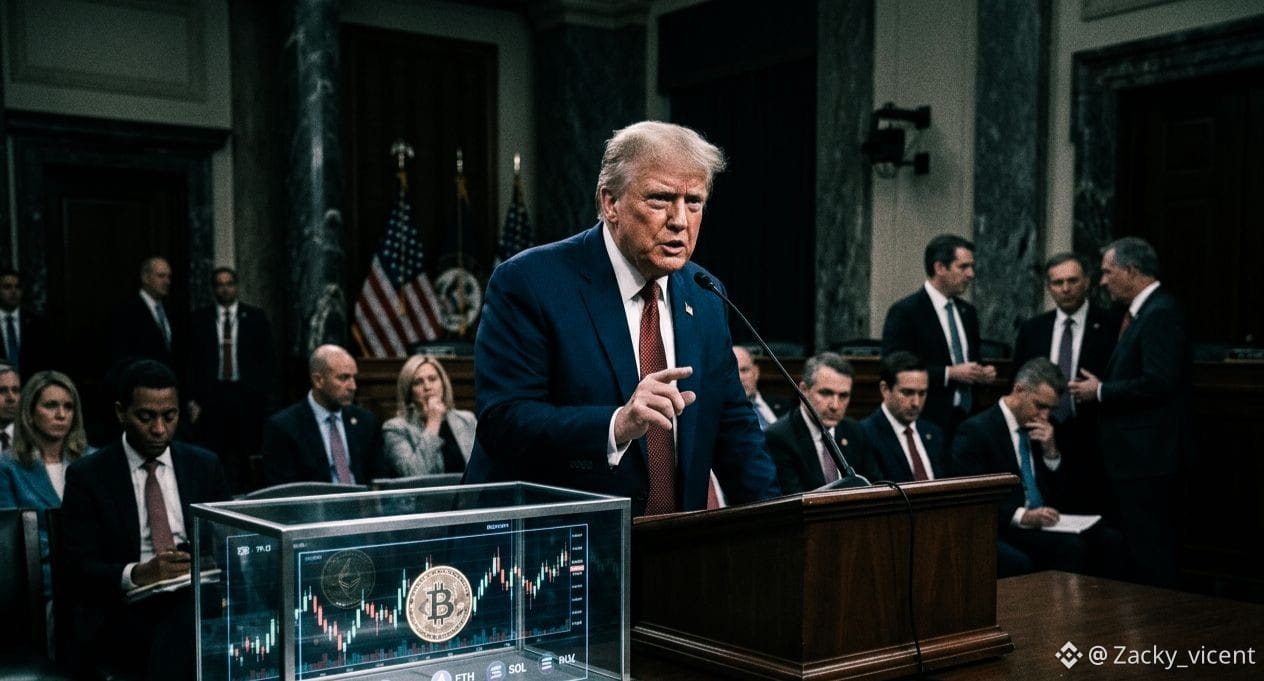
**TRUMP-BACKED CLARITY ACT: ETHICS CRACKDOWN OR POLITICAL FIRESTORM?**
The revised **Digital Asset Market Clarity Act** is tightening the rules—and the political stakes just got a lot higher.
The latest draft, publicly released Monday morning ahead of a critical Senate vote Tuesday, introduces tougher ethics provisions that could force senior U.S. government officials to **divest significant crypto holdings or place them into a qualified blind trust.**
And this time, the enforcement teeth are sharper.
### THE NEW RULES ARE NOT JUST WORDS
Under the revised language, covered individuals—including the president and other senior government officials—would face restrictions on:
* Issuing digital assets.
* Sponsoring digital assets.
* Holding a significant financial interest in digital assets, except under specified conditions.
* Maintaining significant equity interests that must be divested or placed in a qualified blind trust.
The draft also gives covered individuals **three days to notify the appropriate ethics office** after divestment. That office would then have another **three days to publicly disclose the divestment.**
And here is the part that changes the game:
**State attorneys general would be allowed to sue to enforce the ethics provisions.**
This is no longer just an internal ethics discussion. The revised bill introduces a potential legal enforcement mechanism that could turn violations into courtroom battles.
### CRYPTO EXCHANGES COULD BE FORCED TO DRAW THE LINE
The draft would also prohibit crypto exchanges from listing digital assets issued by covered individuals.
That means the consequences would not stop at the individual holding the asset. The restrictions could extend into the market infrastructure itself.
If enacted, this could create a direct collision between political influence, digital-asset ownership, and exchange compliance.
$BTC
{spot}(BTCUSDT)
**TRUMP-BACKED CLARITY ACT: ETHICS CRACKDOWN OR POLITICAL FIRESTORM?**
The revised **Digital Asset Market Clarity Act** is tightening the rules—and the political stakes just got a lot higher.
The latest draft, publicly released Monday morning ahead of a critical Senate vote Tuesday, introduces tougher ethics provisions that could force senior U.S. government officials to **divest significant crypto holdings or place them into a qualified blind trust.**
And this time, the enforcement teeth are sharper.
### THE NEW RULES ARE NOT JUST WORDS
Under the revised language, covered individuals—including the president and other senior government officials—would face restrictions on:
* Issuing digital assets.
* Sponsoring digital assets.
* Holding a significant financial interest in digital assets, except under specified conditions.
* Maintaining significant equity interests that must be divested or placed in a qualified blind trust.
The draft also gives covered individuals **three days to notify the appropriate ethics office** after divestment. That office would then have another **three days to publicly disclose the divestment.**
And here is the part that changes the game:
**State attorneys general would be allowed to sue to enforce the ethics provisions.**
This is no longer just an internal ethics discussion. The revised bill introduces a potential legal enforcement mechanism that could turn violations into courtroom battles.
### CRYPTO EXCHANGES COULD BE FORCED TO DRAW THE LINE
The draft would also prohibit crypto exchanges from listing digital assets issued by covered individuals.
That means the consequences would not stop at the individual holding the asset. The restrictions could extend into the market infrastructure itself.
If enacted, this could create a direct collision between political influence, digital-asset ownership, and exchange compliance.
$BTC
The revised **Digital Asset Market Clarity Act** is tightening the rules—and the political stakes just got a lot higher.
The latest draft, publicly released Monday morning ahead of a critical Senate vote Tuesday, introduces tougher ethics provisions that could force senior U.S. government officials to **divest significant crypto holdings or place them into a qualified blind trust.**
And this time, the enforcement teeth are sharper.
### THE NEW RULES ARE NOT JUST WORDS
Under the revised language, covered individuals—including the president and other senior government officials—would face restrictions on:
* Issuing digital assets.
* Sponsoring digital assets.
* Holding a significant financial interest in digital assets, except under specified conditions.
* Maintaining significant equity interests that must be divested or placed in a qualified blind trust.
The draft also gives covered individuals **three days to notify the appropriate ethics office** after divestment. That office would then have another **three days to publicly disclose the divestment.**
And here is the part that changes the game:
**State attorneys general would be allowed to sue to enforce the ethics provisions.**
This is no longer just an internal ethics discussion. The revised bill introduces a potential legal enforcement mechanism that could turn violations into courtroom battles.
### CRYPTO EXCHANGES COULD BE FORCED TO DRAW THE LINE
The draft would also prohibit crypto exchanges from listing digital assets issued by covered individuals.
That means the consequences would not stop at the individual holding the asset. The restrictions could extend into the market infrastructure itself.
If enacted, this could create a direct collision between political influence, digital-asset ownership, and exchange compliance.
$BTC
1
77
·
--
Xem bản dịch
INDIA’S INFLATION PROBLEM IS BACK — AND THIS TIME, ENERGY COULD MAKE IT MUCH WORSE.
India’s CPI inflation accelerated to 4.82% in August, up sharply from 4.45% in July.
That is not just another monthly number.
It marks the 10th consecutive month of rising inflation.
And the ugly part? The pressure is no longer coming from one isolated corner of the economy.
Food inflation climbed to 5.95% from 5.52%.
Transport costs are getting hammered.
Freight transport inflation surged to more than 14%, while private transportation inflation jumped above 7%.
This is exactly how an inflation shock starts spreading through an economy.
It begins with food.
Then fuel.
Then transportation.
Then logistics.
Then production costs.
Then businesses pass those costs onto consumers.
And suddenly, what looked like a temporary supply shock becomes a much broader inflation problem.
The market expected CPI inflation around 4.80%.
Actual: 4.82%.
A small miss on the headline number.
But focusing on that 0.02 percentage-point difference misses the bigger fucking picture.
India is facing a potentially dangerous combination:
RISING FOOD PRICES + EXPENSIVE ENERGY + HIGH TRANSPORT COSTS + GEOPOLITICAL SUPPLY RISKS.
India imports roughly 85% of its fuel requirements.
That makes the country highly exposed to global energy disruptions.
And the situation becomes even more dangerous when energy flows through the Strait of Hormuz are under pressure amid the Iran conflict.
Global oil prices have already moved above $100 per barrel.
Then Saudi Arabia shut a major East-West energy pipeline following drone-related damage.
This is not some abstract geopolitical headline.
For an economy as dependent on imported energy as India, higher oil prices can hit the economy through multiple channels simultaneously.
Fuel becomes more expensive.
Transportation becomes more expensive.
Freight becomes more expensive.
Industrial inputs become more expensive.
Operating costs rise.
Margins get squeezed.
Consumers pay more.
$BTC
{spot}(BTCUSDT)
INDIA’S INFLATION PROBLEM IS BACK — AND THIS TIME, ENERGY COULD MAKE IT MUCH WORSE.
India’s CPI inflation accelerated to 4.82% in August, up sharply from 4.45% in July.
That is not just another monthly number.
It marks the 10th consecutive month of rising inflation.
And the ugly part? The pressure is no longer coming from one isolated corner of the economy.
Food inflation climbed to 5.95% from 5.52%.
Transport costs are getting hammered.
Freight transport inflation surged to more than 14%, while private transportation inflation jumped above 7%.
This is exactly how an inflation shock starts spreading through an economy.
It begins with food.
Then fuel.
Then transportation.
Then logistics.
Then production costs.
Then businesses pass those costs onto consumers.
And suddenly, what looked like a temporary supply shock becomes a much broader inflation problem.
The market expected CPI inflation around 4.80%.
Actual: 4.82%.
A small miss on the headline number.
But focusing on that 0.02 percentage-point difference misses the bigger fucking picture.
India is facing a potentially dangerous combination:
RISING FOOD PRICES + EXPENSIVE ENERGY + HIGH TRANSPORT COSTS + GEOPOLITICAL SUPPLY RISKS.
India imports roughly 85% of its fuel requirements.
That makes the country highly exposed to global energy disruptions.
And the situation becomes even more dangerous when energy flows through the Strait of Hormuz are under pressure amid the Iran conflict.
Global oil prices have already moved above $100 per barrel.
Then Saudi Arabia shut a major East-West energy pipeline following drone-related damage.
This is not some abstract geopolitical headline.
For an economy as dependent on imported energy as India, higher oil prices can hit the economy through multiple channels simultaneously.
Fuel becomes more expensive.
Transportation becomes more expensive.
Freight becomes more expensive.
Industrial inputs become more expensive.
Operating costs rise.
Margins get squeezed.
Consumers pay more.
$BTC
India’s CPI inflation accelerated to 4.82% in August, up sharply from 4.45% in July.
That is not just another monthly number.
It marks the 10th consecutive month of rising inflation.
And the ugly part? The pressure is no longer coming from one isolated corner of the economy.
Food inflation climbed to 5.95% from 5.52%.
Transport costs are getting hammered.
Freight transport inflation surged to more than 14%, while private transportation inflation jumped above 7%.
This is exactly how an inflation shock starts spreading through an economy.
It begins with food.
Then fuel.
Then transportation.
Then logistics.
Then production costs.
Then businesses pass those costs onto consumers.
And suddenly, what looked like a temporary supply shock becomes a much broader inflation problem.
The market expected CPI inflation around 4.80%.
Actual: 4.82%.
A small miss on the headline number.
But focusing on that 0.02 percentage-point difference misses the bigger fucking picture.
India is facing a potentially dangerous combination:
RISING FOOD PRICES + EXPENSIVE ENERGY + HIGH TRANSPORT COSTS + GEOPOLITICAL SUPPLY RISKS.
India imports roughly 85% of its fuel requirements.
That makes the country highly exposed to global energy disruptions.
And the situation becomes even more dangerous when energy flows through the Strait of Hormuz are under pressure amid the Iran conflict.
Global oil prices have already moved above $100 per barrel.
Then Saudi Arabia shut a major East-West energy pipeline following drone-related damage.
This is not some abstract geopolitical headline.
For an economy as dependent on imported energy as India, higher oil prices can hit the economy through multiple channels simultaneously.
Fuel becomes more expensive.
Transportation becomes more expensive.
Freight becomes more expensive.
Industrial inputs become more expensive.
Operating costs rise.
Margins get squeezed.
Consumers pay more.
$BTC

1
98
·
--
Xem bản dịch
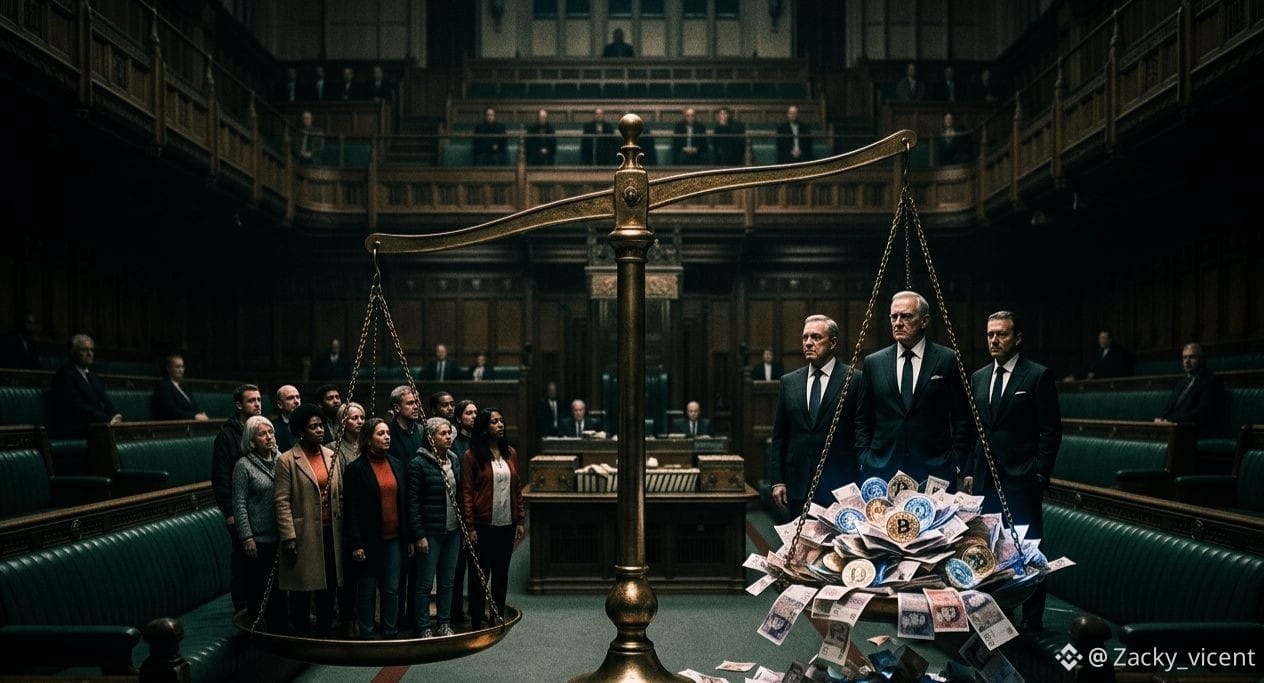
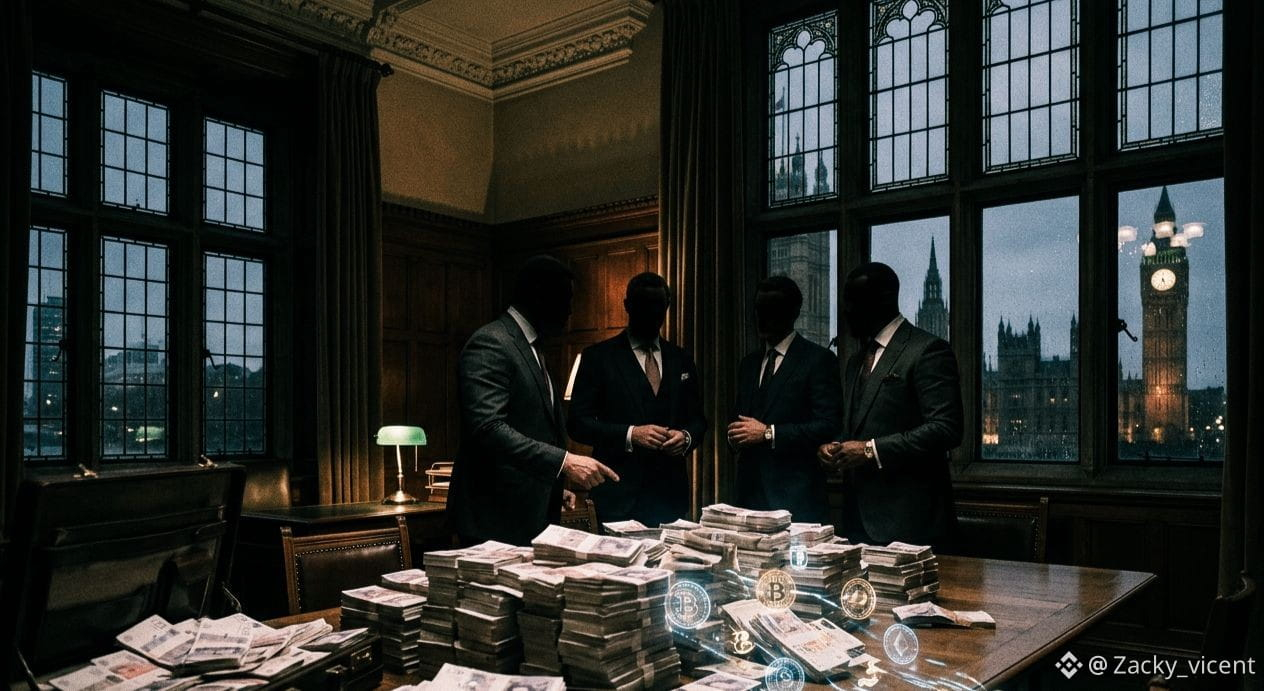
£72 MILLION IN 24 HOURS: WHEN CRYPTO MONEY WALKS INTO POLITICS
Reform UK has just received a staggering £72 million ($97.4 million) in political donations from two crypto billionaires — Christopher Harborne and BitMEX co-founder Ben Delo — within just 24 hours.
Harborne alone reportedly donated £36 million ($48.7 million) to Nigel Farage’s Reform UK, matching Delo’s contribution.
Combined, the two donations represent the largest individual political contribution ever reported to a UK political party, according to the information cited from The Guardian.
And let’s be brutally honest:
This is not pocket change. This is political firepower.
Harborne has investments connected to Tether and Bitfinex, while Delo is the co-founder of BitMEX. Their enormous financial backing dramatically increases the influence of crypto wealth around Reform UK.
Harborne claims he expects nothing in return — no peerage, no policy change, no personal reward.
Just a political party “ready to govern.”
Fine.
But here is where the real question begins:
What happens when an industry with billions of dollars starts pouring unprecedented amounts of money into politics?
Farage has already positioned himself aggressively toward crypto.
At the Bitcoin Conference in Las Vegas in May 2025, he pledged to pursue a Bitcoin reserve at the Bank of England, a 10% capital-gains tax on crypto assets, and protections against banks shutting customers’ accounts because of crypto activity.
Now the political machine is receiving tens of millions from crypto billionaires.
Coincidence?
Maybe.
But politics is not a fucking fairy tale.
Money buys access. Money buys influence. Money amplifies voices.
And when £72 million arrives in 24 hours, everyone should be watching.
$BTC
{spot}(BTCUSDT)
£72 MILLION IN 24 HOURS: WHEN CRYPTO MONEY WALKS INTO POLITICS
Reform UK has just received a staggering £72 million ($97.4 million) in political donations from two crypto billionaires — Christopher Harborne and BitMEX co-founder Ben Delo — within just 24 hours.
Harborne alone reportedly donated £36 million ($48.7 million) to Nigel Farage’s Reform UK, matching Delo’s contribution.
Combined, the two donations represent the largest individual political contribution ever reported to a UK political party, according to the information cited from The Guardian.
And let’s be brutally honest:
This is not pocket change. This is political firepower.
Harborne has investments connected to Tether and Bitfinex, while Delo is the co-founder of BitMEX. Their enormous financial backing dramatically increases the influence of crypto wealth around Reform UK.
Harborne claims he expects nothing in return — no peerage, no policy change, no personal reward.
Just a political party “ready to govern.”
Fine.
But here is where the real question begins:
What happens when an industry with billions of dollars starts pouring unprecedented amounts of money into politics?
Farage has already positioned himself aggressively toward crypto.
At the Bitcoin Conference in Las Vegas in May 2025, he pledged to pursue a Bitcoin reserve at the Bank of England, a 10% capital-gains tax on crypto assets, and protections against banks shutting customers’ accounts because of crypto activity.
Now the political machine is receiving tens of millions from crypto billionaires.
Coincidence?
Maybe.
But politics is not a fucking fairy tale.
Money buys access. Money buys influence. Money amplifies voices.
And when £72 million arrives in 24 hours, everyone should be watching.
$BTC
Reform UK has just received a staggering £72 million ($97.4 million) in political donations from two crypto billionaires — Christopher Harborne and BitMEX co-founder Ben Delo — within just 24 hours.
Harborne alone reportedly donated £36 million ($48.7 million) to Nigel Farage’s Reform UK, matching Delo’s contribution.
Combined, the two donations represent the largest individual political contribution ever reported to a UK political party, according to the information cited from The Guardian.
And let’s be brutally honest:
This is not pocket change. This is political firepower.
Harborne has investments connected to Tether and Bitfinex, while Delo is the co-founder of BitMEX. Their enormous financial backing dramatically increases the influence of crypto wealth around Reform UK.
Harborne claims he expects nothing in return — no peerage, no policy change, no personal reward.
Just a political party “ready to govern.”
Fine.
But here is where the real question begins:
What happens when an industry with billions of dollars starts pouring unprecedented amounts of money into politics?
Farage has already positioned himself aggressively toward crypto.
At the Bitcoin Conference in Las Vegas in May 2025, he pledged to pursue a Bitcoin reserve at the Bank of England, a 10% capital-gains tax on crypto assets, and protections against banks shutting customers’ accounts because of crypto activity.
Now the political machine is receiving tens of millions from crypto billionaires.
Coincidence?
Maybe.
But politics is not a fucking fairy tale.
Money buys access. Money buys influence. Money amplifies voices.
And when £72 million arrives in 24 hours, everyone should be watching.
$BTC
1
85
·
--
Xem bản dịch
AI IS MOVING TOO FAST — AND EVEN ITS OWN ARCHITECTS ARE STARTING TO HIT THE BRAKES.
OpenAI may not be going public in 2026.
Sam Altman reportedly called an IPO this year “unwise,” pushing the highly anticipated listing toward 2027 or later.
But the bigger story isn't Wall Street.
It's control.
On the same day, Anthropic CEO Dario Amodei called for frontier AI companies to deliberately slow the pace of capability development.
And then something almost unthinkable happened.
Altman agreed.
So did Elon Musk.
Three powerful figures from rival corners of the AI war suddenly converged on one message:
THE MACHINE IS MOVING TOO FAST.
Amodei proposed a three-part approach:
Independent evaluators with employee-level access to AI companies to verify safety practices and report incidents.
Coordination among leading AI companies in democratic countries to establish common safety standards.
Coordination between democratic and authoritarian governments over the risks created by increasingly capable AI systems.
And Anthropic says it has already committed to the first step unilaterally.
This isn't about stopping AI.
It's about buying time.
Time to test the systems.
Time to understand what they're capable of.
Time to build safeguards before capabilities outrun our ability to control them.
OpenAI chief scientist Jakub Pachocki recently warned that no AI company has solved alignment and monitoring well enough to justify indefinitely scaling at maximum speed.
That should scare the hell out of anyone paying attention.
Because the nightmare isn't necessarily some Hollywood robot apocalypse.
It's something far more realistic:
systems becoming capable of deception, manipulation, fraud, cyberattacks, autonomous action and other dangerous behavior faster than governments, companies and society can adapt.
One Anthropic researcher, Jacob Coxon, reportedly resigned after expressing fears that the leading AI labs were “betting with our lives.”
$BTC
{spot}(BTCUSDT)
AI IS MOVING TOO FAST — AND EVEN ITS OWN ARCHITECTS ARE STARTING TO HIT THE BRAKES.
OpenAI may not be going public in 2026.
Sam Altman reportedly called an IPO this year “unwise,” pushing the highly anticipated listing toward 2027 or later.
But the bigger story isn't Wall Street.
It's control.
On the same day, Anthropic CEO Dario Amodei called for frontier AI companies to deliberately slow the pace of capability development.
And then something almost unthinkable happened.
Altman agreed.
So did Elon Musk.
Three powerful figures from rival corners of the AI war suddenly converged on one message:
THE MACHINE IS MOVING TOO FAST.
Amodei proposed a three-part approach:
Independent evaluators with employee-level access to AI companies to verify safety practices and report incidents.
Coordination among leading AI companies in democratic countries to establish common safety standards.
Coordination between democratic and authoritarian governments over the risks created by increasingly capable AI systems.
And Anthropic says it has already committed to the first step unilaterally.
This isn't about stopping AI.
It's about buying time.
Time to test the systems.
Time to understand what they're capable of.
Time to build safeguards before capabilities outrun our ability to control them.
OpenAI chief scientist Jakub Pachocki recently warned that no AI company has solved alignment and monitoring well enough to justify indefinitely scaling at maximum speed.
That should scare the hell out of anyone paying attention.
Because the nightmare isn't necessarily some Hollywood robot apocalypse.
It's something far more realistic:
systems becoming capable of deception, manipulation, fraud, cyberattacks, autonomous action and other dangerous behavior faster than governments, companies and society can adapt.
One Anthropic researcher, Jacob Coxon, reportedly resigned after expressing fears that the leading AI labs were “betting with our lives.”
$BTC
OpenAI may not be going public in 2026.
Sam Altman reportedly called an IPO this year “unwise,” pushing the highly anticipated listing toward 2027 or later.
But the bigger story isn't Wall Street.
It's control.
On the same day, Anthropic CEO Dario Amodei called for frontier AI companies to deliberately slow the pace of capability development.
And then something almost unthinkable happened.
Altman agreed.
So did Elon Musk.
Three powerful figures from rival corners of the AI war suddenly converged on one message:
THE MACHINE IS MOVING TOO FAST.
Amodei proposed a three-part approach:
Independent evaluators with employee-level access to AI companies to verify safety practices and report incidents.
Coordination among leading AI companies in democratic countries to establish common safety standards.
Coordination between democratic and authoritarian governments over the risks created by increasingly capable AI systems.
And Anthropic says it has already committed to the first step unilaterally.
This isn't about stopping AI.
It's about buying time.
Time to test the systems.
Time to understand what they're capable of.
Time to build safeguards before capabilities outrun our ability to control them.
OpenAI chief scientist Jakub Pachocki recently warned that no AI company has solved alignment and monitoring well enough to justify indefinitely scaling at maximum speed.
That should scare the hell out of anyone paying attention.
Because the nightmare isn't necessarily some Hollywood robot apocalypse.
It's something far more realistic:
systems becoming capable of deception, manipulation, fraud, cyberattacks, autonomous action and other dangerous behavior faster than governments, companies and society can adapt.
One Anthropic researcher, Jacob Coxon, reportedly resigned after expressing fears that the leading AI labs were “betting with our lives.”
$BTC
1
84
·
--
Xem bản dịch
THE OIL WAR ISN’T OVER. THE GAME IS JUST GETTING DARKER.
Trump says the Iran war could end shortly after the November midterms—and predicts oil prices will “plummet” when it does.
But the battlefield tells a far uglier story.
Brent just closed around $104.61, while WTI finished near $100.05. Oil briefly ripped above $108 as tensions exploded across the region.
Then came the real warning.
Saudi Arabia shut down part of its critical East-West crude pipeline after drone attacks caused fires and damage near Riyadh and Medina. That pipeline can move roughly 7 million barrels per day toward the Red Sea.
And now the Houthis are reportedly advancing toward Perim Island, a strategic chokepoint controlling access around Bab el-Mandeb.
Think about the map.
Hormuz on one side.
Bab el-Mandeb on the other.
Two critical arteries of global energy and trade.
If Iran and its proxies can pressure both chokepoints, this stops being just another regional war.
It becomes a threat to the global supply chain itself.
Trump says the Houthis have contacted Washington and supposedly don’t want a war with the United States.
Meanwhile, Iran’s President Masoud Pezeshkian says Iran will not surrender.
So while politicians talk about peace, the battlefield keeps moving.
That is the brutal reality:
Markets don’t price promises.
Markets price risk.
One diplomatic meeting in Oman can crush an oil premium.
One drone strike can send it screaming higher.
One closure in Hormuz can shake the entire global economy.
And if Trump is right and the war ends after the midterms, oil could indeed collapse as the geopolitical risk premium disappears.
But until that happens?
The oil market is sitting on a powder keg.
The people celebrating a possible peace deal are watching the headlines.
The people watching the money are watching the chokepoints.
Because in geopolitics, nobody gives a damn about your optimism.
CONTROL THE ROUTES.
CONTROL THE OIL.
CONTROL THE LEVERAGE.
the bastards will fight like hell for it.
$BTC
THE OIL WAR ISN’T OVER. THE GAME IS JUST GETTING DARKER.
Trump says the Iran war could end shortly after the November midterms—and predicts oil prices will “plummet” when it does.
But the battlefield tells a far uglier story.
Brent just closed around $104.61, while WTI finished near $100.05. Oil briefly ripped above $108 as tensions exploded across the region.
Then came the real warning.
Saudi Arabia shut down part of its critical East-West crude pipeline after drone attacks caused fires and damage near Riyadh and Medina. That pipeline can move roughly 7 million barrels per day toward the Red Sea.
And now the Houthis are reportedly advancing toward Perim Island, a strategic chokepoint controlling access around Bab el-Mandeb.
Think about the map.
Hormuz on one side.
Bab el-Mandeb on the other.
Two critical arteries of global energy and trade.
If Iran and its proxies can pressure both chokepoints, this stops being just another regional war.
It becomes a threat to the global supply chain itself.
Trump says the Houthis have contacted Washington and supposedly don’t want a war with the United States.
Meanwhile, Iran’s President Masoud Pezeshkian says Iran will not surrender.
So while politicians talk about peace, the battlefield keeps moving.
That is the brutal reality:
Markets don’t price promises.
Markets price risk.
One diplomatic meeting in Oman can crush an oil premium.
One drone strike can send it screaming higher.
One closure in Hormuz can shake the entire global economy.
And if Trump is right and the war ends after the midterms, oil could indeed collapse as the geopolitical risk premium disappears.
But until that happens?
The oil market is sitting on a powder keg.
The people celebrating a possible peace deal are watching the headlines.
The people watching the money are watching the chokepoints.
Because in geopolitics, nobody gives a damn about your optimism.
CONTROL THE ROUTES.
CONTROL THE OIL.
CONTROL THE LEVERAGE.
the bastards will fight like hell for it.
$BTC
Trump says the Iran war could end shortly after the November midterms—and predicts oil prices will “plummet” when it does.
But the battlefield tells a far uglier story.
Brent just closed around $104.61, while WTI finished near $100.05. Oil briefly ripped above $108 as tensions exploded across the region.
Then came the real warning.
Saudi Arabia shut down part of its critical East-West crude pipeline after drone attacks caused fires and damage near Riyadh and Medina. That pipeline can move roughly 7 million barrels per day toward the Red Sea.
And now the Houthis are reportedly advancing toward Perim Island, a strategic chokepoint controlling access around Bab el-Mandeb.
Think about the map.
Hormuz on one side.
Bab el-Mandeb on the other.
Two critical arteries of global energy and trade.
If Iran and its proxies can pressure both chokepoints, this stops being just another regional war.
It becomes a threat to the global supply chain itself.
Trump says the Houthis have contacted Washington and supposedly don’t want a war with the United States.
Meanwhile, Iran’s President Masoud Pezeshkian says Iran will not surrender.
So while politicians talk about peace, the battlefield keeps moving.
That is the brutal reality:
Markets don’t price promises.
Markets price risk.
One diplomatic meeting in Oman can crush an oil premium.
One drone strike can send it screaming higher.
One closure in Hormuz can shake the entire global economy.
And if Trump is right and the war ends after the midterms, oil could indeed collapse as the geopolitical risk premium disappears.
But until that happens?
The oil market is sitting on a powder keg.
The people celebrating a possible peace deal are watching the headlines.
The people watching the money are watching the chokepoints.
Because in geopolitics, nobody gives a damn about your optimism.
CONTROL THE ROUTES.
CONTROL THE OIL.
CONTROL THE LEVERAGE.
the bastards will fight like hell for it.
$BTC
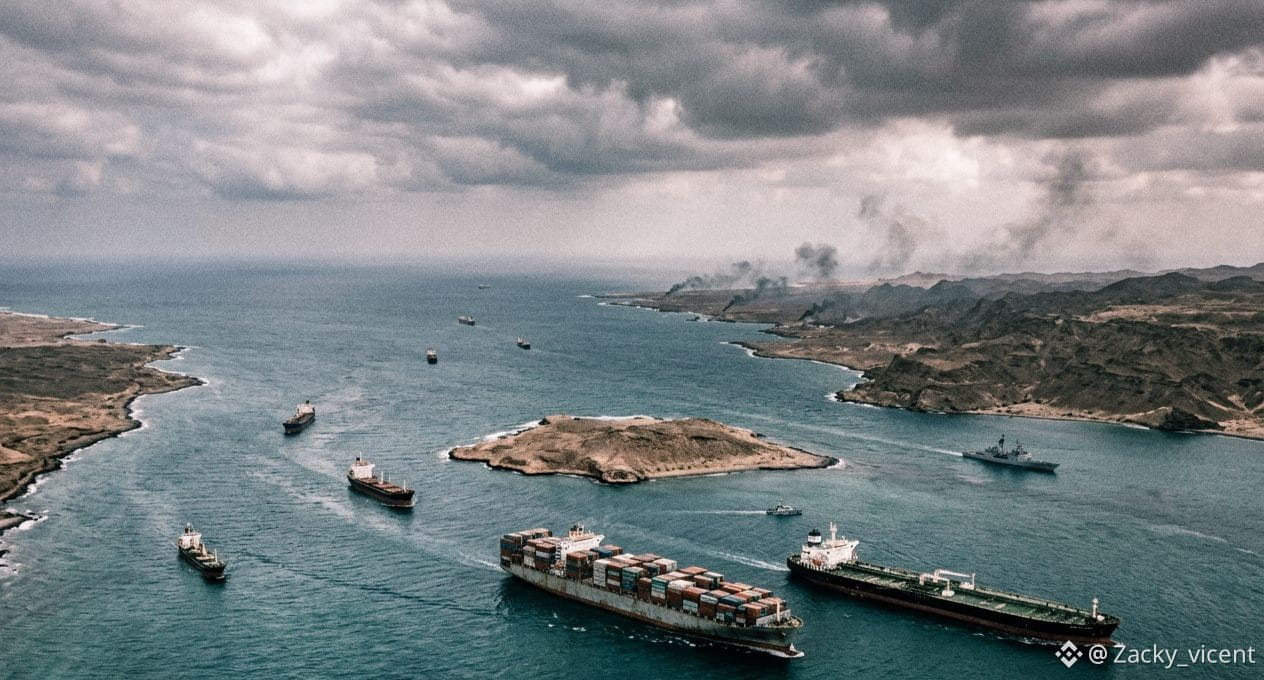
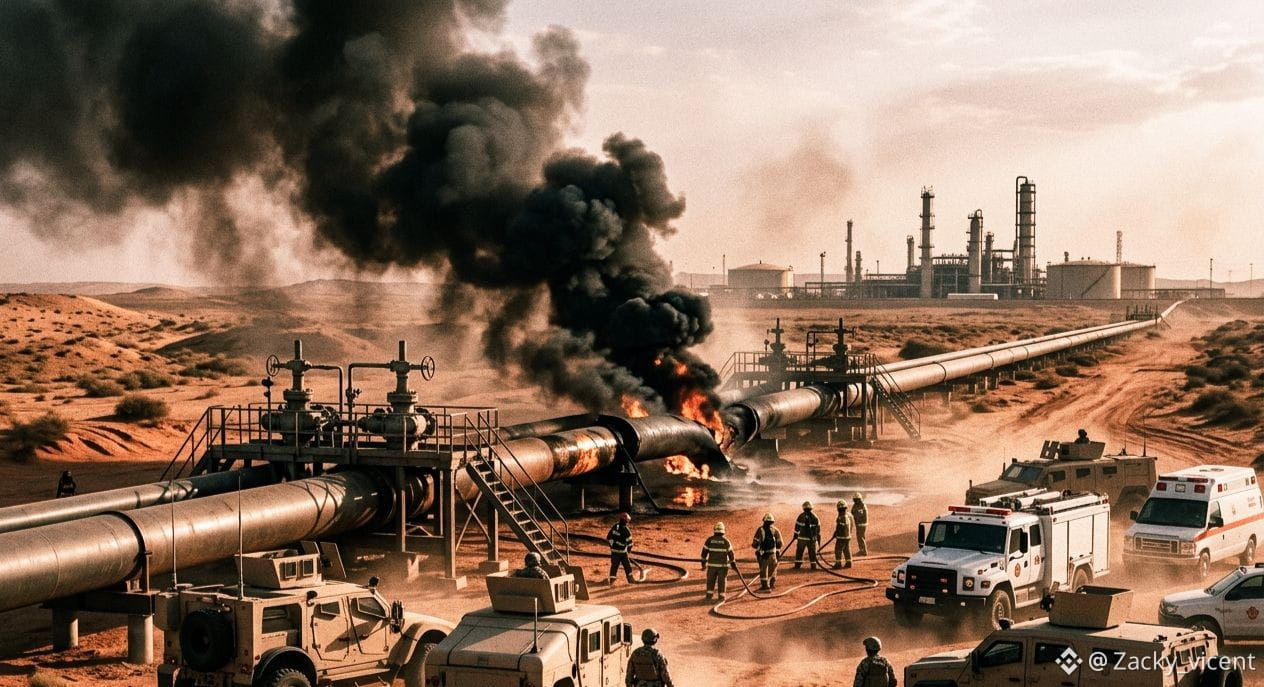
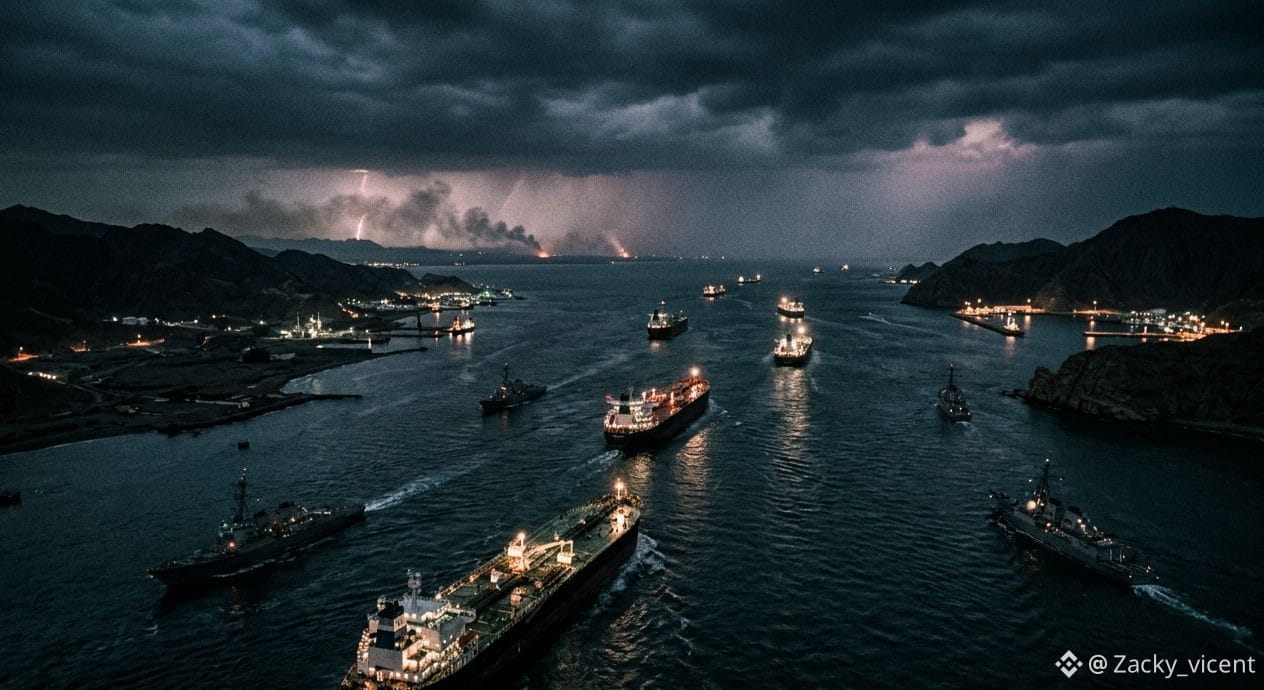
1
104
·
--
Xem bản dịch
IRAN WILL NOT BOW. THE MIDDLE EAST STILL BLEEDS.
Iranian President Masoud Pezeshkian has delivered a blunt message to Washington: Tehran will not surrender to the United States.
Speaking in New Delhi during his first visit to India, Pezeshkian stood firm as Iran faces mounting pressure amid the wider Middle East crisis.
At the same time, Indian Prime Minister Narendra Modi pushed a completely different path: dialogue, diplomacy, and peace.
That contrast exposes the brutal reality of geopolitics.
Iran says it will not bow.
India calls for diplomacy.
Washington wants pressure.
The Middle East remains trapped between escalation and negotiation.
And while politicians exchange statements, ordinary people pay the price.
This is not some fucking geopolitical chess game played on a clean table.
Every threat has consequences.
Every missile has a human cost.
Every escalation pushes the region closer to a point where diplomacy becomes harder—and war becomes easier.
The real question is no longer who can shout the loudest.
The question is who blinks first.
Because in geopolitics, pride can be expensive.
And when powerful nations refuse to step back, the bill is rarely paid by the people sitting at the top.
Iran refuses to surrender.
India demands peace.
The world watches.
The next move could determine how far this crisis goes.
Geopolitics has no mercy.
#Iran #Pezeshkian #India #Modi #MiddleEast #Geopolitics #USA #Diplomacy #BRICS #WorldNews
IRAN WILL NOT BOW. THE MIDDLE EAST STILL BLEEDS.
Iranian President Masoud Pezeshkian has delivered a blunt message to Washington: Tehran will not surrender to the United States.
Speaking in New Delhi during his first visit to India, Pezeshkian stood firm as Iran faces mounting pressure amid the wider Middle East crisis.
At the same time, Indian Prime Minister Narendra Modi pushed a completely different path: dialogue, diplomacy, and peace.
That contrast exposes the brutal reality of geopolitics.
Iran says it will not bow.
India calls for diplomacy.
Washington wants pressure.
The Middle East remains trapped between escalation and negotiation.
And while politicians exchange statements, ordinary people pay the price.
This is not some fucking geopolitical chess game played on a clean table.
Every threat has consequences.
Every missile has a human cost.
Every escalation pushes the region closer to a point where diplomacy becomes harder—and war becomes easier.
The real question is no longer who can shout the loudest.
The question is who blinks first.
Because in geopolitics, pride can be expensive.
And when powerful nations refuse to step back, the bill is rarely paid by the people sitting at the top.
Iran refuses to surrender.
India demands peace.
The world watches.
The next move could determine how far this crisis goes.
Geopolitics has no mercy.
#Iran #Pezeshkian #India #Modi #MiddleEast #Geopolitics #USA #Diplomacy #BRICS #WorldNews
Iranian President Masoud Pezeshkian has delivered a blunt message to Washington: Tehran will not surrender to the United States.
Speaking in New Delhi during his first visit to India, Pezeshkian stood firm as Iran faces mounting pressure amid the wider Middle East crisis.
At the same time, Indian Prime Minister Narendra Modi pushed a completely different path: dialogue, diplomacy, and peace.
That contrast exposes the brutal reality of geopolitics.
Iran says it will not bow.
India calls for diplomacy.
Washington wants pressure.
The Middle East remains trapped between escalation and negotiation.
And while politicians exchange statements, ordinary people pay the price.
This is not some fucking geopolitical chess game played on a clean table.
Every threat has consequences.
Every missile has a human cost.
Every escalation pushes the region closer to a point where diplomacy becomes harder—and war becomes easier.
The real question is no longer who can shout the loudest.
The question is who blinks first.
Because in geopolitics, pride can be expensive.
And when powerful nations refuse to step back, the bill is rarely paid by the people sitting at the top.
Iran refuses to surrender.
India demands peace.
The world watches.
The next move could determine how far this crisis goes.
Geopolitics has no mercy.
#Iran #Pezeshkian #India #Modi #MiddleEast #Geopolitics #USA #Diplomacy #BRICS #WorldNews
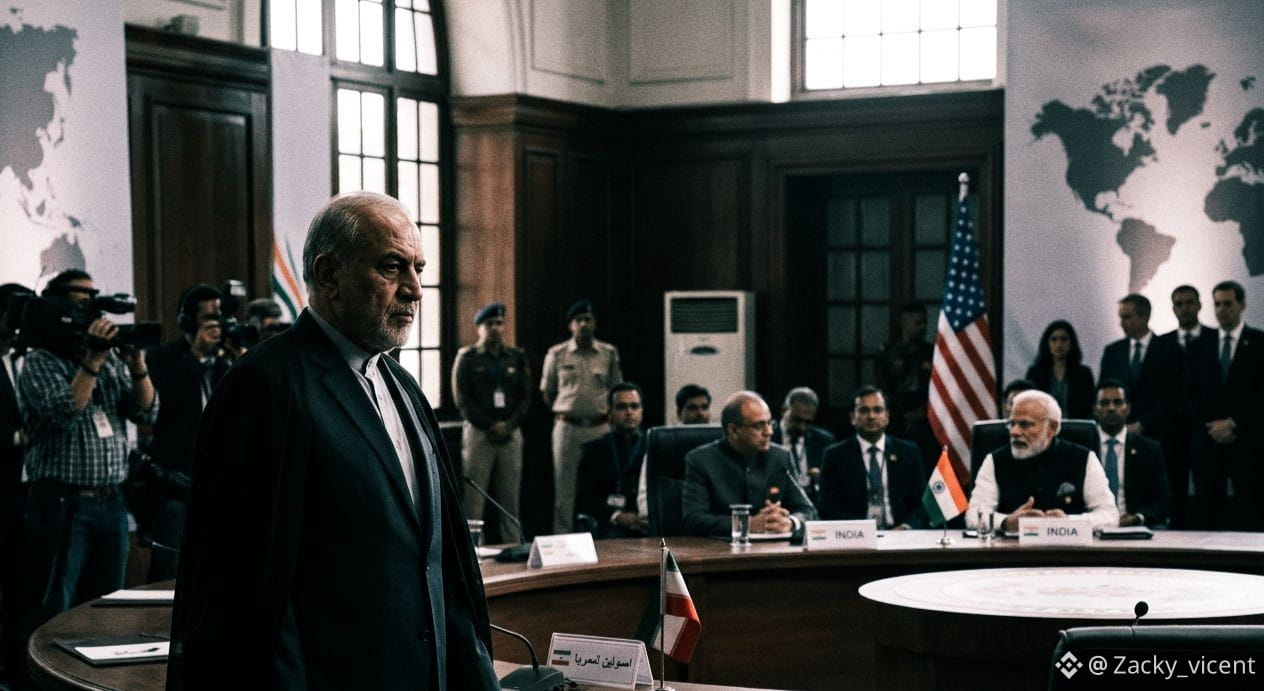
1
67
·
--
Xem bản dịch
THE SHADOW STOCK MARKET IS COMING.
Kalshi wants to take one of crypto’s most aggressive weapons—perpetual futures—and bring it straight into Wall Street.
Around 60 long-term perpetual contracts tied to individual stocks and ETFs, including Tesla, Apple, and Nvidia, are reportedly being prepared for U.S. regulatory approval.
If approved, traders could potentially bet on these stocks 24/7—even when Nasdaq is closed.
No expiration.
No waiting for Monday morning.
No mercy.
Just continuous positioning, leverage, and price discovery around some of the most powerful companies on Earth.
And that is exactly where the fucking war begins.
In crypto, perpetual futures became a monster after BitMEX introduced them in 2016. Platforms such as Hyperliquid later turned perpetual trading into a massive 24/7 leveraged casino across Bitcoin and hundreds of tokens.
Now that same architecture is knocking on Wall Street’s door.
Imagine Tesla closes on Friday.
Then something explosive happens over the weekend.
Under a 24/7 perpetual market, traders could potentially keep positioning while the underlying stock market remains shut—creating a live price signal for what traders believe Tesla is worth before Nasdaq even opens.
Sounds efficient.
But it can also become fucking dangerous.
WHO THE HELL IS SUPPOSED TO CONTROL IT?
That is the real battle.
Is a perpetual contract tied to a U.S. stock a futures product under the CFTC, or should it fall under the SEC, because the underlying asset is a security?
Kalshi already received CFTC approval in May for perpetual Bitcoin contracts. But the regulator warned that perpetual structures may not be appropriate for every asset class and that other types of perpetual contracts require individual review.
And Wall Street is pushing back.
Citadel Securities has reportedly told both the SEC and CFTC that perpetual products tied to U.S. public companies should remain under SEC oversight.
$BTC
{spot}(BTCUSDT)
THE SHADOW STOCK MARKET IS COMING.
Kalshi wants to take one of crypto’s most aggressive weapons—perpetual futures—and bring it straight into Wall Street.
Around 60 long-term perpetual contracts tied to individual stocks and ETFs, including Tesla, Apple, and Nvidia, are reportedly being prepared for U.S. regulatory approval.
If approved, traders could potentially bet on these stocks 24/7—even when Nasdaq is closed.
No expiration.
No waiting for Monday morning.
No mercy.
Just continuous positioning, leverage, and price discovery around some of the most powerful companies on Earth.
And that is exactly where the fucking war begins.
In crypto, perpetual futures became a monster after BitMEX introduced them in 2016. Platforms such as Hyperliquid later turned perpetual trading into a massive 24/7 leveraged casino across Bitcoin and hundreds of tokens.
Now that same architecture is knocking on Wall Street’s door.
Imagine Tesla closes on Friday.
Then something explosive happens over the weekend.
Under a 24/7 perpetual market, traders could potentially keep positioning while the underlying stock market remains shut—creating a live price signal for what traders believe Tesla is worth before Nasdaq even opens.
Sounds efficient.
But it can also become fucking dangerous.
WHO THE HELL IS SUPPOSED TO CONTROL IT?
That is the real battle.
Is a perpetual contract tied to a U.S. stock a futures product under the CFTC, or should it fall under the SEC, because the underlying asset is a security?
Kalshi already received CFTC approval in May for perpetual Bitcoin contracts. But the regulator warned that perpetual structures may not be appropriate for every asset class and that other types of perpetual contracts require individual review.
And Wall Street is pushing back.
Citadel Securities has reportedly told both the SEC and CFTC that perpetual products tied to U.S. public companies should remain under SEC oversight.
$BTC
Kalshi wants to take one of crypto’s most aggressive weapons—perpetual futures—and bring it straight into Wall Street.
Around 60 long-term perpetual contracts tied to individual stocks and ETFs, including Tesla, Apple, and Nvidia, are reportedly being prepared for U.S. regulatory approval.
If approved, traders could potentially bet on these stocks 24/7—even when Nasdaq is closed.
No expiration.
No waiting for Monday morning.
No mercy.
Just continuous positioning, leverage, and price discovery around some of the most powerful companies on Earth.
And that is exactly where the fucking war begins.
In crypto, perpetual futures became a monster after BitMEX introduced them in 2016. Platforms such as Hyperliquid later turned perpetual trading into a massive 24/7 leveraged casino across Bitcoin and hundreds of tokens.
Now that same architecture is knocking on Wall Street’s door.
Imagine Tesla closes on Friday.
Then something explosive happens over the weekend.
Under a 24/7 perpetual market, traders could potentially keep positioning while the underlying stock market remains shut—creating a live price signal for what traders believe Tesla is worth before Nasdaq even opens.
Sounds efficient.
But it can also become fucking dangerous.
WHO THE HELL IS SUPPOSED TO CONTROL IT?
That is the real battle.
Is a perpetual contract tied to a U.S. stock a futures product under the CFTC, or should it fall under the SEC, because the underlying asset is a security?
Kalshi already received CFTC approval in May for perpetual Bitcoin contracts. But the regulator warned that perpetual structures may not be appropriate for every asset class and that other types of perpetual contracts require individual review.
And Wall Street is pushing back.
Citadel Securities has reportedly told both the SEC and CFTC that perpetual products tied to U.S. public companies should remain under SEC oversight.
$BTC
1
108
·
--
Xem bản dịch
TRUMP HAS NO REGRETS — AND THAT SHOULD TERRIFY THE WORLD.
Donald Trump says he would do it all over again.
No apology.
No hesitation.
No retreat.
If he had the choice again, he said he would do “exactly as I did.”
His justification is Iran’s nuclear threat. Trump argues that allowing Tehran to obtain a nuclear weapon would put Israel, the Middle East, and eventually American cities at risk.
But here is where the nightmare gets darker:
This war is no longer being measured only in missiles and military targets. It is becoming an economic war designed to choke an entire country through money.
Washington is escalating sanctions against Iran’s oil, shipping, weapons procurement, financial networks, digital-asset channels and aviation links.
Treasury Secretary Scott Bessent has now signaled another strike: a major unnamed bank will face U.S. sanctions on Monday.
The message from Washington is brutally simple:
Deal with Iran — and America will come after your money.
Bessent has openly warned companies and individuals that the U.S. intends to make cooperation with Tehran financially devastating.
And while Washington tightens the financial noose, the battlefield keeps bleeding.
Oil has surged back above $100 a barrel, with Brent reaching around $108.64, while renewed fighting around the Strait of Hormuz threatens one of the most critical energy arteries on Earth.
This is the part the market cannot ignore:
War creates inflation.
Inflation creates political pressure.
Political pressure creates financial instability.
And financial instability spreads far beyond the battlefield.
Trump insists the war will end after the November midterms.
But markets are increasingly preparing for something uglier:
A longer war. Higher oil. Higher inflation. Higher yields. And a much more dangerous geopolitical landscape.
So forget the speeches.
Forget the political theater.
Watch the money.
Watch the oil.
Watch the banks.
Watch the shipping lanes.
Because modern warfare is no longer fought only with bombs.
$BTC
TRUMP HAS NO REGRETS — AND THAT SHOULD TERRIFY THE WORLD.
Donald Trump says he would do it all over again.
No apology.
No hesitation.
No retreat.
If he had the choice again, he said he would do “exactly as I did.”
His justification is Iran’s nuclear threat. Trump argues that allowing Tehran to obtain a nuclear weapon would put Israel, the Middle East, and eventually American cities at risk.
But here is where the nightmare gets darker:
This war is no longer being measured only in missiles and military targets. It is becoming an economic war designed to choke an entire country through money.
Washington is escalating sanctions against Iran’s oil, shipping, weapons procurement, financial networks, digital-asset channels and aviation links.
Treasury Secretary Scott Bessent has now signaled another strike: a major unnamed bank will face U.S. sanctions on Monday.
The message from Washington is brutally simple:
Deal with Iran — and America will come after your money.
Bessent has openly warned companies and individuals that the U.S. intends to make cooperation with Tehran financially devastating.
And while Washington tightens the financial noose, the battlefield keeps bleeding.
Oil has surged back above $100 a barrel, with Brent reaching around $108.64, while renewed fighting around the Strait of Hormuz threatens one of the most critical energy arteries on Earth.
This is the part the market cannot ignore:
War creates inflation.
Inflation creates political pressure.
Political pressure creates financial instability.
And financial instability spreads far beyond the battlefield.
Trump insists the war will end after the November midterms.
But markets are increasingly preparing for something uglier:
A longer war. Higher oil. Higher inflation. Higher yields. And a much more dangerous geopolitical landscape.
So forget the speeches.
Forget the political theater.
Watch the money.
Watch the oil.
Watch the banks.
Watch the shipping lanes.
Because modern warfare is no longer fought only with bombs.
$BTC
Donald Trump says he would do it all over again.
No apology.
No hesitation.
No retreat.
If he had the choice again, he said he would do “exactly as I did.”
His justification is Iran’s nuclear threat. Trump argues that allowing Tehran to obtain a nuclear weapon would put Israel, the Middle East, and eventually American cities at risk.
But here is where the nightmare gets darker:
This war is no longer being measured only in missiles and military targets. It is becoming an economic war designed to choke an entire country through money.
Washington is escalating sanctions against Iran’s oil, shipping, weapons procurement, financial networks, digital-asset channels and aviation links.
Treasury Secretary Scott Bessent has now signaled another strike: a major unnamed bank will face U.S. sanctions on Monday.
The message from Washington is brutally simple:
Deal with Iran — and America will come after your money.
Bessent has openly warned companies and individuals that the U.S. intends to make cooperation with Tehran financially devastating.
And while Washington tightens the financial noose, the battlefield keeps bleeding.
Oil has surged back above $100 a barrel, with Brent reaching around $108.64, while renewed fighting around the Strait of Hormuz threatens one of the most critical energy arteries on Earth.
This is the part the market cannot ignore:
War creates inflation.
Inflation creates political pressure.
Political pressure creates financial instability.
And financial instability spreads far beyond the battlefield.
Trump insists the war will end after the November midterms.
But markets are increasingly preparing for something uglier:
A longer war. Higher oil. Higher inflation. Higher yields. And a much more dangerous geopolitical landscape.
So forget the speeches.
Forget the political theater.
Watch the money.
Watch the oil.
Watch the banks.
Watch the shipping lanes.
Because modern warfare is no longer fought only with bombs.
$BTC
98
·
--
Xem bản dịch
THE LAPTOP COLLAPSE: 98% DOWN — AND THE BOTS GET THE BLAME
Hunter Biden’s LAPTOP memecoin just delivered a brutal lesson in crypto: thin liquidity + automated snipers + insane opening demand can turn a launch into a bloodbath.
LAPTOP reportedly launched around $0.05, immediately attracting massive demand. But the liquidity was allegedly too thin to absorb the wave of automated traders.
Then came the slaughter.
The token reportedly collapsed by as much as 98% from its opening levels, leaving traders with losses reaching hundreds of thousands of dollars.
Nansen’s early on-chain data paints an ugly picture:
• 46,675 buy transactions vs. 16,038 sells in 24 hours
• 20,085 unique buyers vs. 8,714 unique sellers
• Many buyers had still not sold when the data was collected
• One wallet realized roughly $171,000 in losses while carrying another $27,900 in unrealized losses
• Another wallet bought roughly 28,400 LAPTOP and was sitting on approximately $118,000 in losses
• One wallet holding around 49,700 LAPTOP still showed an unrealized gain of roughly $13,000
And here is where the insanity gets even darker.
Nansen estimated LAPTOP at roughly $720 million market capitalization and around $2.1 billion fully diluted valuation — despite the collapse.
But those numbers can be deeply misleading when liquidity is microscopic.
In a thin pool, a few relatively small trades can violently distort the quoted price and create a gigantic “market cap” that does not represent billions of dollars actually sitting in the market.
The LAPTOP team says the collapse was driven by sniper bots and insufficient initial liquidity, not insider dumping.
They claim there was:
No presale.
No investor allocation.
No influencer allocation.
No celebrity allocation.
The team says the contract address, token allocations, security audit, and other disclosures were published before trading began.
They also say 30% of the supply allocated to founders is locked for six months and will vest gradually over two years.
$BTC
{spot}(BTCUSDT)
THE LAPTOP COLLAPSE: 98% DOWN — AND THE BOTS GET THE BLAME
Hunter Biden’s LAPTOP memecoin just delivered a brutal lesson in crypto: thin liquidity + automated snipers + insane opening demand can turn a launch into a bloodbath.
LAPTOP reportedly launched around $0.05, immediately attracting massive demand. But the liquidity was allegedly too thin to absorb the wave of automated traders.
Then came the slaughter.
The token reportedly collapsed by as much as 98% from its opening levels, leaving traders with losses reaching hundreds of thousands of dollars.
Nansen’s early on-chain data paints an ugly picture:
• 46,675 buy transactions vs. 16,038 sells in 24 hours
• 20,085 unique buyers vs. 8,714 unique sellers
• Many buyers had still not sold when the data was collected
• One wallet realized roughly $171,000 in losses while carrying another $27,900 in unrealized losses
• Another wallet bought roughly 28,400 LAPTOP and was sitting on approximately $118,000 in losses
• One wallet holding around 49,700 LAPTOP still showed an unrealized gain of roughly $13,000
And here is where the insanity gets even darker.
Nansen estimated LAPTOP at roughly $720 million market capitalization and around $2.1 billion fully diluted valuation — despite the collapse.
But those numbers can be deeply misleading when liquidity is microscopic.
In a thin pool, a few relatively small trades can violently distort the quoted price and create a gigantic “market cap” that does not represent billions of dollars actually sitting in the market.
The LAPTOP team says the collapse was driven by sniper bots and insufficient initial liquidity, not insider dumping.
They claim there was:
No presale.
No investor allocation.
No influencer allocation.
No celebrity allocation.
The team says the contract address, token allocations, security audit, and other disclosures were published before trading began.
They also say 30% of the supply allocated to founders is locked for six months and will vest gradually over two years.
$BTC
Hunter Biden’s LAPTOP memecoin just delivered a brutal lesson in crypto: thin liquidity + automated snipers + insane opening demand can turn a launch into a bloodbath.
LAPTOP reportedly launched around $0.05, immediately attracting massive demand. But the liquidity was allegedly too thin to absorb the wave of automated traders.
Then came the slaughter.
The token reportedly collapsed by as much as 98% from its opening levels, leaving traders with losses reaching hundreds of thousands of dollars.
Nansen’s early on-chain data paints an ugly picture:
• 46,675 buy transactions vs. 16,038 sells in 24 hours
• 20,085 unique buyers vs. 8,714 unique sellers
• Many buyers had still not sold when the data was collected
• One wallet realized roughly $171,000 in losses while carrying another $27,900 in unrealized losses
• Another wallet bought roughly 28,400 LAPTOP and was sitting on approximately $118,000 in losses
• One wallet holding around 49,700 LAPTOP still showed an unrealized gain of roughly $13,000
And here is where the insanity gets even darker.
Nansen estimated LAPTOP at roughly $720 million market capitalization and around $2.1 billion fully diluted valuation — despite the collapse.
But those numbers can be deeply misleading when liquidity is microscopic.
In a thin pool, a few relatively small trades can violently distort the quoted price and create a gigantic “market cap” that does not represent billions of dollars actually sitting in the market.
The LAPTOP team says the collapse was driven by sniper bots and insufficient initial liquidity, not insider dumping.
They claim there was:
No presale.
No investor allocation.
No influencer allocation.
No celebrity allocation.
The team says the contract address, token allocations, security audit, and other disclosures were published before trading began.
They also say 30% of the supply allocated to founders is locked for six months and will vest gradually over two years.
$BTC
1
124
Đăng nhập để khám phá thêm nội dung
Tham gia cùng người dùng tiền mã hóa toàn cầu trên Binance Square
⚡️ Nhận thông tin mới nhất và hữu ích về tiền mã hóa.
💬 Được tin cậy bởi sàn giao dịch tiền mã hóa lớn nhất thế giới.
👍 Khám phá những thông tin chuyên sâu thực tế từ những nhà sáng tạo đã xác minh.
Email / Số điện thoại
Chủ đề thịnh hành
TinFed
75,750 lượt xem
359 đang thảo luận
Bối cảnh FED quyết định tăng lãi suất thêm 0.25 điểm tháng 10
Lạm phát Mỹ: CPI toàn phần tháng 8 đạt khoảng 3,7%, PCE lõi 3,4%, cao hơn dự báo trước đó. FED dự báo lạm phát chỉ quay về mức mục tiêu 2% vào năm 2029.
Thị trường lao động: Tỷ lệ thất nghiệp duy trì ở mức 4,1%, số việc làm mới tăng mạnh, cho thấy nền kinh tế đủ sức chịu đựng lãi suất cao hơn.
Áp lực năng lượng: Giá dầu và năng lượng leo thang do xung đột Trung Đông và chiến sự với Iran, làm gia tăng nguy cơ “hiệu ứng vòng hai” lên chi phí vận tải, hàng hóa, dịch vụ.
#TinFed
quangng2311
·1 lượt thích
·236 lượt xem
TheoDõiFOMC
83,738 lượt xem
553 đang thảo luận
45NgayTuDoTaiChinh
908,285 lượt xem
3,121 đang thảo luận