
Wirelesswrs
42 Bài đăng

Wirelesswrs
Báo cáo
Chặn người dùng
Giao dịch mở
Trader thường xuyên
{thời gian} năm
8 Đang theo dõi
26 Người theo dõi
32 Đã thích
Bài đăng
Danh mục đầu tư
Tất cả
Trích dẫn
Video
·
--
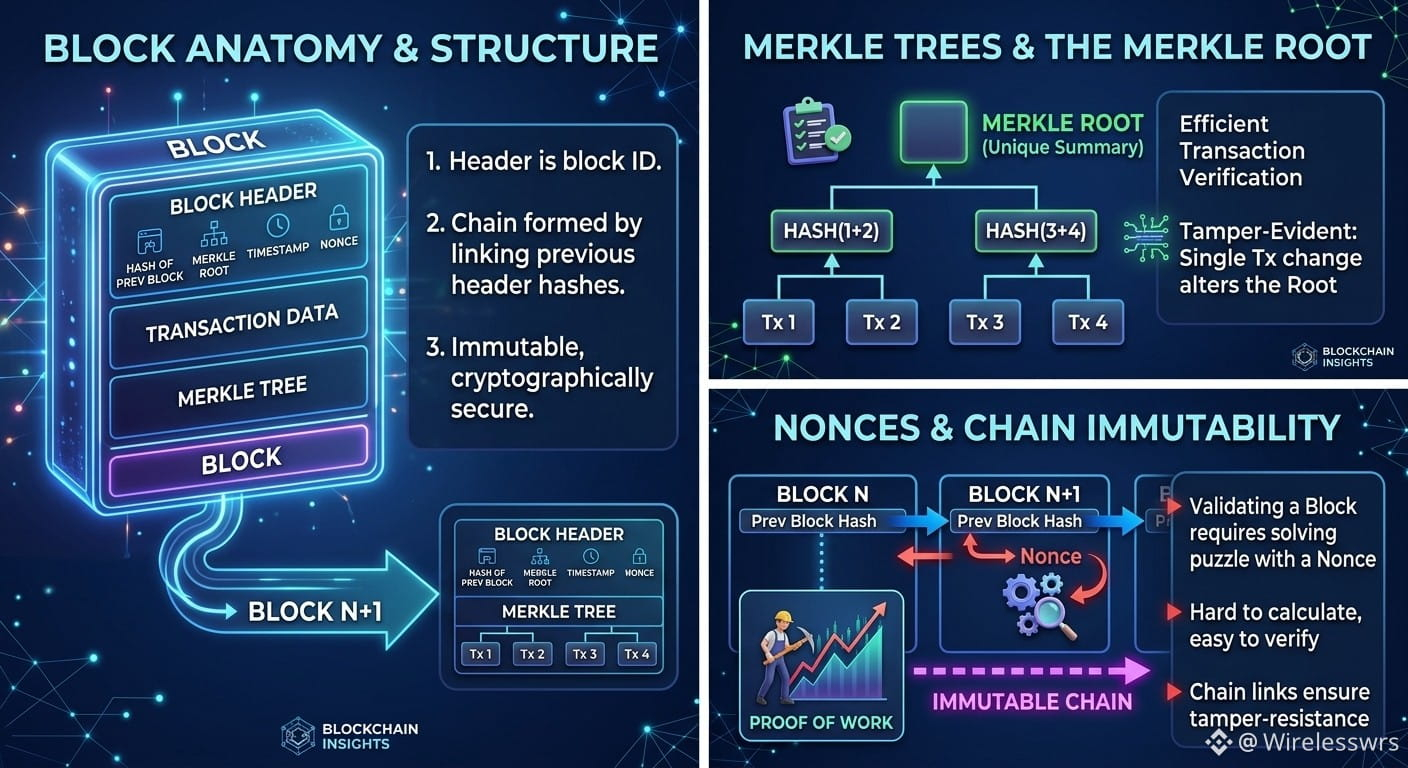
Giải phẫu một block blockchain bất biến:
▪️ Block Header: Chứa siêu dữ liệu & mã băm của block trước ▪️ Merkle Root: Gom hàng nghìn giao dịch vào một mã băm chống giả mạo ▪️ Nonce: Số ngẫu nhiên mà thợ đào đoán để giải Proof of Work ▪️ Tính bất biến: Viết lại lịch sử đòi hỏi phải vượt qua toàn bộ mạng
Toán học > Niềm tin. 🔐 #Web3 #Blockchain #Crypto
Giải phẫu một block blockchain bất biến:
▪️ Block Header: Chứa siêu dữ liệu & mã băm của block trước ▪️ Merkle Root: Gom hàng nghìn giao dịch vào một mã băm chống giả mạo ▪️ Nonce: Số ngẫu nhiên mà thợ đào đoán để giải Proof of Work ▪️ Tính bất biến: Viết lại lịch sử đòi hỏi phải vượt qua toàn bộ mạng
Toán học > Niềm tin. 🔐 #Web3 #Blockchain #Crypto
▪️ Block Header: Chứa siêu dữ liệu & mã băm của block trước ▪️ Merkle Root: Gom hàng nghìn giao dịch vào một mã băm chống giả mạo ▪️ Nonce: Số ngẫu nhiên mà thợ đào đoán để giải Proof of Work ▪️ Tính bất biến: Viết lại lịch sử đòi hỏi phải vượt qua toàn bộ mạng
Toán học > Niềm tin. 🔐 #Web3 #Blockchain #Crypto
6
·
--
Sự Tiến Hóa của Sổ Cái: Từ cơ sở dữ liệu tập trung đến các máy trạng thái phi tập trung trên Cryptocurrency
Trong nhiều thế kỷ, kế toán rất đơn giản: một sổ cái trung tâm, một cơ quan quản lý trung tâm. Dù được ghi trên bảng đất sét, trong sổ nhật ký giấy hay lưu trữ trên máy chủ đám mây, quy tắc luôn rõ ràng—hãy tin vào bên trung gian.
Sự trỗi dậy của tiền mã hóa đã âm thầm khơi mào một cuộc cách mạng kiến trúc lớn:
1️⃣ Cơ sở dữ liệu tập trung (Tin vào máy chủ)
Các mạng truyền thống dựa vào cơ sở dữ liệu quan hệ hoặc NoSQL do ngân hàng hay nền tảng đám mây quản lý. Hiệu suất thông lượng cao và độ trễ thấp, nhưng có một “điểm chết” lớn: rủi ro một điểm lỗi, dễ tổn thương trước sự cố ngừng hoạt động, các lần di chuyển dữ liệu lỗi, hoặc sự kiểm soát bởi một thực thể duy nhất.
2️⃣ Sổ cái chỉ thêm (Tin vào mật mã học)
Năm 2008, Bitcoin giới thiệu mô hình UTXO (Unspent Transaction Output). Thay vì chỉnh sửa số dư tại chỗ, các giao dịch được thêm vào một chuỗi ngang hàng được liên kết bằng mật mã. Hoàn hảo cho việc chuyển giá trị, nhưng về bản chất lại bị giới hạn trong logic lập trình.
3️⃣ Máy trạng thái phi tập trung (Tin vào mã lệnh)
Các mạng như Ethereum đã biến sổ cái phân tán thành những “máy tính” toàn cầu. Thông qua mô hình dựa trên tài khoản, mỗi giao dịch sẽ dịch chuyển trạng thái toàn mạng từ $S$ to $S'$ thông qua một môi trường thực thi xác định (như EVM). Sổ cái không còn là những sổ chi phiếu số nữa mà trở thành các động cơ lập trình cho hợp đồng thông minh và DeFi.
🚀 Chặng tiếp theo là gì?
Giờ đây chúng ta đang bước vào kỷ nguyên mô-đun. Các máy trạng thái thế hệ mới đang mở rộng bằng “môi trường thực thi song song” (xử lý giao dịch đồng thời thay vì tuần tự) và “Zero-Knowledge Rollups” (chuyển thực thi ra ngoài chuỗi trong khi đăng các bằng chứng mật mã lên chuỗi).
Chúng ta đã chuyển từ việc tin vào các cơ quan thẩm quyền tập trung sang tin vào các nhật ký chỉ thêm, và cuối cùng là chạy mã trên một công cụ thực thi toàn cầu với mô hình zero-trust.
Bạn thấy nút thắt lớn nhất trong các máy trạng thái phi tập trung hiện nay nằm ở đâu—tốc độ thực thi, lưu trữ hay trải nghiệm người phát triển (developer UX)?
#crypto #bitcoin #BTC
Sự Tiến Hóa của Sổ Cái: Từ cơ sở dữ liệu tập trung đến các máy trạng thái phi tập trung trên Cryptocurrency
Trong nhiều thế kỷ, kế toán rất đơn giản: một sổ cái trung tâm, một cơ quan quản lý trung tâm. Dù được ghi trên bảng đất sét, trong sổ nhật ký giấy hay lưu trữ trên máy chủ đám mây, quy tắc luôn rõ ràng—hãy tin vào bên trung gian.
Sự trỗi dậy của tiền mã hóa đã âm thầm khơi mào một cuộc cách mạng kiến trúc lớn:
1️⃣ Cơ sở dữ liệu tập trung (Tin vào máy chủ)
Các mạng truyền thống dựa vào cơ sở dữ liệu quan hệ hoặc NoSQL do ngân hàng hay nền tảng đám mây quản lý. Hiệu suất thông lượng cao và độ trễ thấp, nhưng có một “điểm chết” lớn: rủi ro một điểm lỗi, dễ tổn thương trước sự cố ngừng hoạt động, các lần di chuyển dữ liệu lỗi, hoặc sự kiểm soát bởi một thực thể duy nhất.
2️⃣ Sổ cái chỉ thêm (Tin vào mật mã học)
Năm 2008, Bitcoin giới thiệu mô hình UTXO (Unspent Transaction Output). Thay vì chỉnh sửa số dư tại chỗ, các giao dịch được thêm vào một chuỗi ngang hàng được liên kết bằng mật mã. Hoàn hảo cho việc chuyển giá trị, nhưng về bản chất lại bị giới hạn trong logic lập trình.
3️⃣ Máy trạng thái phi tập trung (Tin vào mã lệnh)
Các mạng như Ethereum đã biến sổ cái phân tán thành những “máy tính” toàn cầu. Thông qua mô hình dựa trên tài khoản, mỗi giao dịch sẽ dịch chuyển trạng thái toàn mạng từ $S$ to $S'$ thông qua một môi trường thực thi xác định (như EVM). Sổ cái không còn là những sổ chi phiếu số nữa mà trở thành các động cơ lập trình cho hợp đồng thông minh và DeFi.
🚀 Chặng tiếp theo là gì?
Giờ đây chúng ta đang bước vào kỷ nguyên mô-đun. Các máy trạng thái thế hệ mới đang mở rộng bằng “môi trường thực thi song song” (xử lý giao dịch đồng thời thay vì tuần tự) và “Zero-Knowledge Rollups” (chuyển thực thi ra ngoài chuỗi trong khi đăng các bằng chứng mật mã lên chuỗi).
Chúng ta đã chuyển từ việc tin vào các cơ quan thẩm quyền tập trung sang tin vào các nhật ký chỉ thêm, và cuối cùng là chạy mã trên một công cụ thực thi toàn cầu với mô hình zero-trust.
Bạn thấy nút thắt lớn nhất trong các máy trạng thái phi tập trung hiện nay nằm ở đâu—tốc độ thực thi, lưu trữ hay trải nghiệm người phát triển (developer UX)?
#crypto #bitcoin #BTC
Trong nhiều thế kỷ, kế toán rất đơn giản: một sổ cái trung tâm, một cơ quan quản lý trung tâm. Dù được ghi trên bảng đất sét, trong sổ nhật ký giấy hay lưu trữ trên máy chủ đám mây, quy tắc luôn rõ ràng—hãy tin vào bên trung gian.
Sự trỗi dậy của tiền mã hóa đã âm thầm khơi mào một cuộc cách mạng kiến trúc lớn:
1️⃣ Cơ sở dữ liệu tập trung (Tin vào máy chủ)
Các mạng truyền thống dựa vào cơ sở dữ liệu quan hệ hoặc NoSQL do ngân hàng hay nền tảng đám mây quản lý. Hiệu suất thông lượng cao và độ trễ thấp, nhưng có một “điểm chết” lớn: rủi ro một điểm lỗi, dễ tổn thương trước sự cố ngừng hoạt động, các lần di chuyển dữ liệu lỗi, hoặc sự kiểm soát bởi một thực thể duy nhất.
2️⃣ Sổ cái chỉ thêm (Tin vào mật mã học)
Năm 2008, Bitcoin giới thiệu mô hình UTXO (Unspent Transaction Output). Thay vì chỉnh sửa số dư tại chỗ, các giao dịch được thêm vào một chuỗi ngang hàng được liên kết bằng mật mã. Hoàn hảo cho việc chuyển giá trị, nhưng về bản chất lại bị giới hạn trong logic lập trình.
3️⃣ Máy trạng thái phi tập trung (Tin vào mã lệnh)
Các mạng như Ethereum đã biến sổ cái phân tán thành những “máy tính” toàn cầu. Thông qua mô hình dựa trên tài khoản, mỗi giao dịch sẽ dịch chuyển trạng thái toàn mạng từ $S$ to $S'$ thông qua một môi trường thực thi xác định (như EVM). Sổ cái không còn là những sổ chi phiếu số nữa mà trở thành các động cơ lập trình cho hợp đồng thông minh và DeFi.
🚀 Chặng tiếp theo là gì?
Giờ đây chúng ta đang bước vào kỷ nguyên mô-đun. Các máy trạng thái thế hệ mới đang mở rộng bằng “môi trường thực thi song song” (xử lý giao dịch đồng thời thay vì tuần tự) và “Zero-Knowledge Rollups” (chuyển thực thi ra ngoài chuỗi trong khi đăng các bằng chứng mật mã lên chuỗi).
Chúng ta đã chuyển từ việc tin vào các cơ quan thẩm quyền tập trung sang tin vào các nhật ký chỉ thêm, và cuối cùng là chạy mã trên một công cụ thực thi toàn cầu với mô hình zero-trust.
Bạn thấy nút thắt lớn nhất trong các máy trạng thái phi tập trung hiện nay nằm ở đâu—tốc độ thực thi, lưu trữ hay trải nghiệm người phát triển (developer UX)?
#crypto #bitcoin #BTC
72
·
--
Xem bản dịch
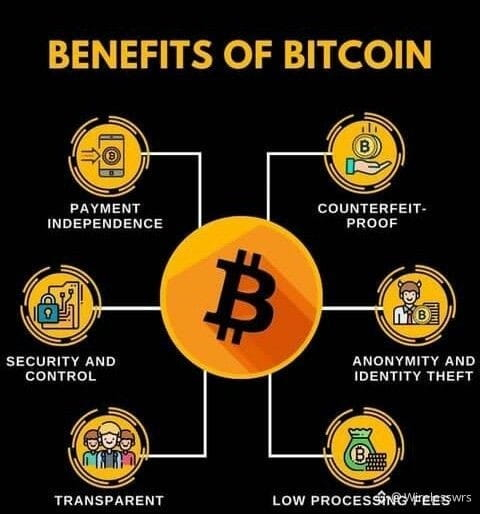
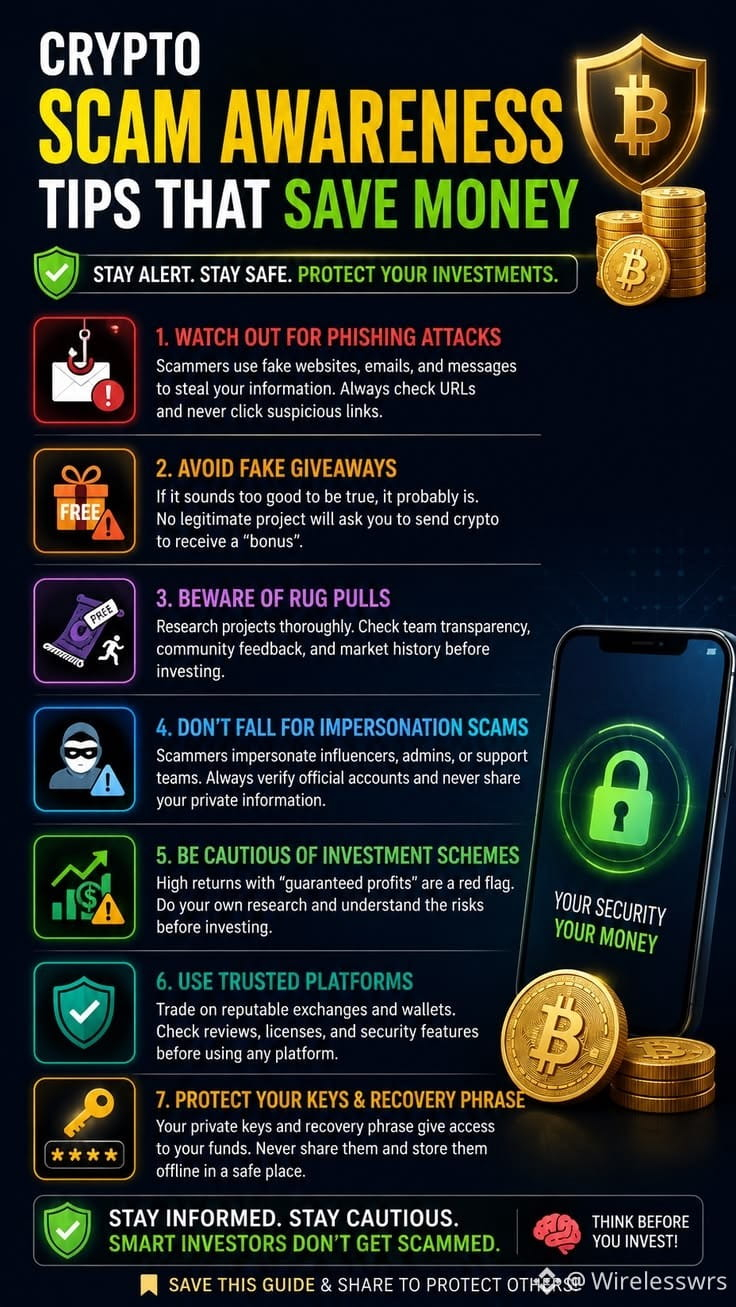
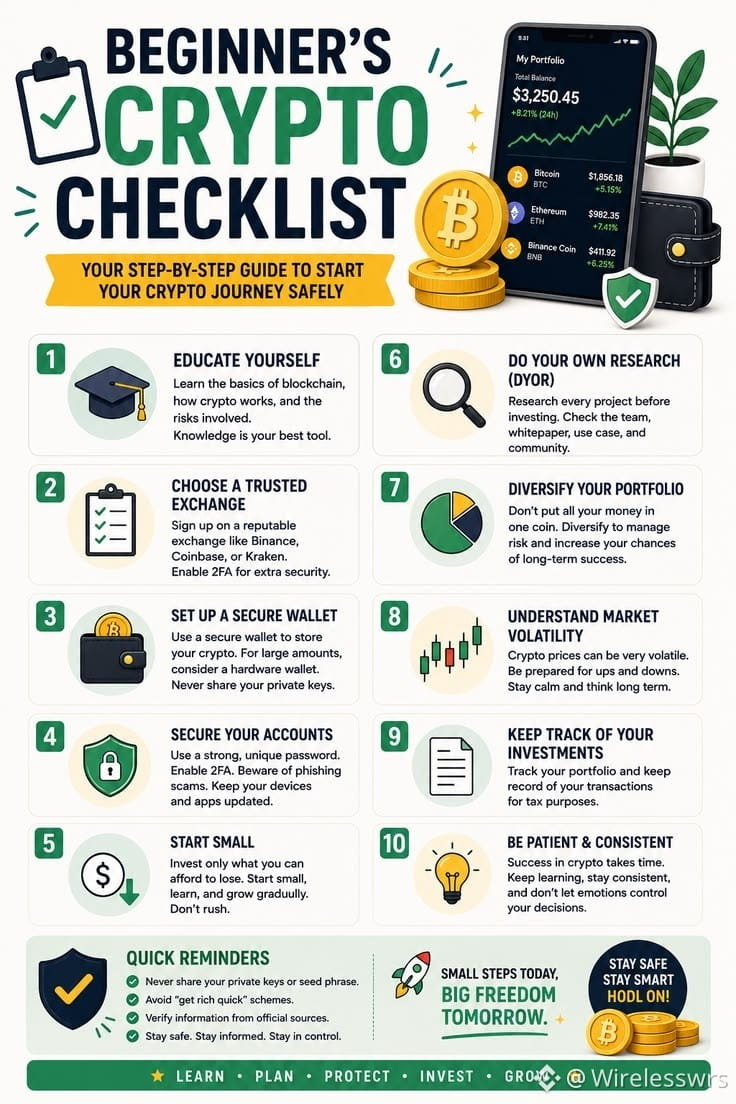
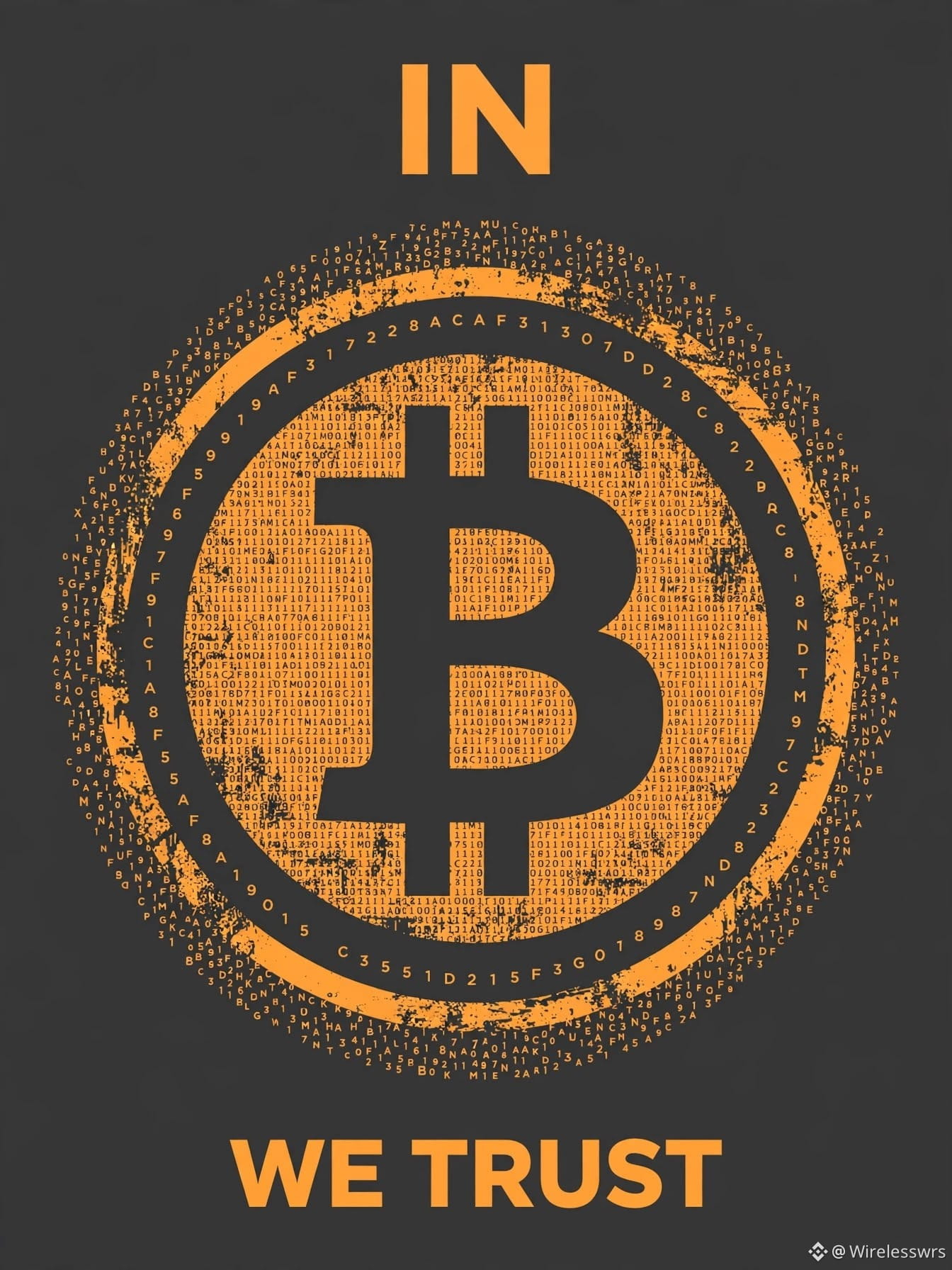
The modality of cryptocurrency refers to the different forms, operational frameworks, and functional dimensions through which digital assets exist, validate value, and execute transactions.
Cryptocurrency does not operate under a single mode; rather, its modality can be analyzed across four primary layers:
1. Asset Modality (Token Classification)
How the cryptocurrency is structured financially and functionally:
Native Cryptocurrencies (Layer 1 Coins): Digital currencies that operate on their own independent blockchain protocol (e.g., Bitcoin, Ethereum, Solana). They serve as the primary medium to pay transaction fees (gas) and secure the underlying network.
Tokens (Layer 2 / DApp Tokens): Digital assets built on top of an existing blockchain platform via smart contracts (e.g., ERC-20 tokens on Ethereum). They typically represent utility, governance rights, or access within a specific application.
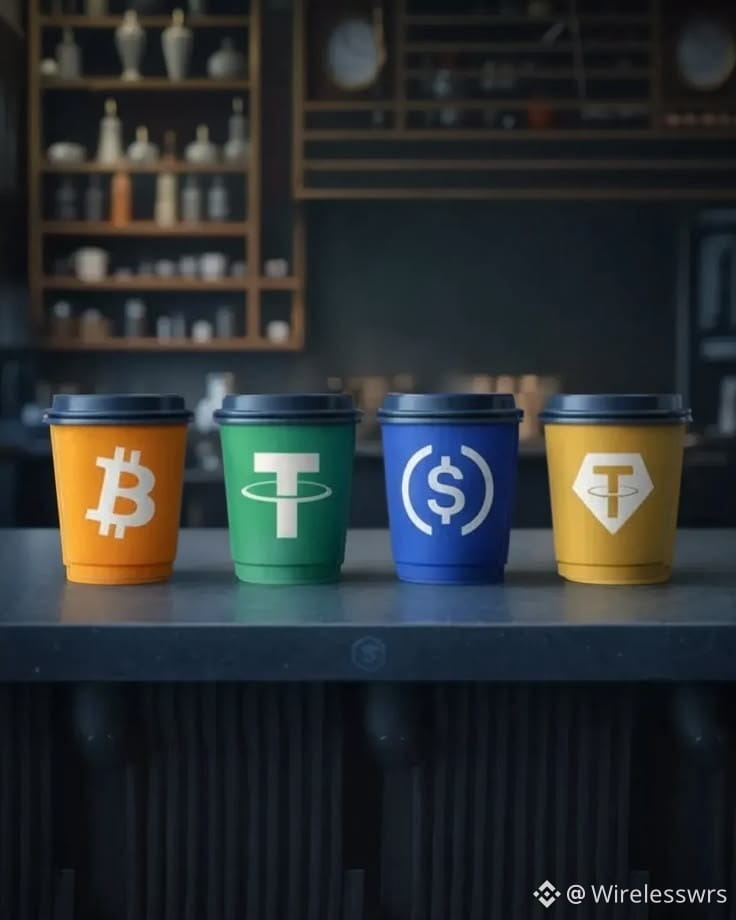
Stablecoins: Cryptocurrencies pegged to an underlying real-world asset (such as fiat currencies like the USD, or commodities like gold) to minimize price volatility (e.g., USDT, USDC). They can be fiat-backed, crypto-collateralized, or algorithmic.
Non-Fungible Tokens (NFTs): Cryptographic assets representing unique ownership of a specific item or piece of data (e.g., digital art, domain names, real-world asset tokenization). Unlike fungible coins, each NFT is distinct and non-interchangeable 1:1.
2. Structural & Consensus Modality (Architecture)
How transactions are verified and maintained in a decentralized, trustless environment:
Proof-of-Work (PoW): Requires computational energy and hardware ("miners") to solve cryptographic puzzles, securing the network and validating transactions (e.g., Bitcoin).
Proof-of-Stake (PoS): Replaces energy-intensive mining with validator nodes that "stake" (lock up) native tokens as collateral to validate transactions (e.g., Ethereum, Cardano).
Hybrid & Alternative Models: Includes mechanisms like Proof-of-History (PoH), Delegated Proof-of-Stake (DPoS), and Proof-of-Authority (PoA), optimized for speed, scalability
The modality of cryptocurrency refers to the different forms, operational frameworks, and functional dimensions through which digital assets exist, validate value, and execute transactions.
Cryptocurrency does not operate under a single mode; rather, its modality can be analyzed across four primary layers:
1. Asset Modality (Token Classification)
How the cryptocurrency is structured financially and functionally:
Native Cryptocurrencies (Layer 1 Coins): Digital currencies that operate on their own independent blockchain protocol (e.g., Bitcoin, Ethereum, Solana). They serve as the primary medium to pay transaction fees (gas) and secure the underlying network.
Tokens (Layer 2 / DApp Tokens): Digital assets built on top of an existing blockchain platform via smart contracts (e.g., ERC-20 tokens on Ethereum). They typically represent utility, governance rights, or access within a specific application.
Stablecoins: Cryptocurrencies pegged to an underlying real-world asset (such as fiat currencies like the USD, or commodities like gold) to minimize price volatility (e.g., USDT, USDC). They can be fiat-backed, crypto-collateralized, or algorithmic.
Non-Fungible Tokens (NFTs): Cryptographic assets representing unique ownership of a specific item or piece of data (e.g., digital art, domain names, real-world asset tokenization). Unlike fungible coins, each NFT is distinct and non-interchangeable 1:1.
2. Structural & Consensus Modality (Architecture)
How transactions are verified and maintained in a decentralized, trustless environment:
Proof-of-Work (PoW): Requires computational energy and hardware ("miners") to solve cryptographic puzzles, securing the network and validating transactions (e.g., Bitcoin).
Proof-of-Stake (PoS): Replaces energy-intensive mining with validator nodes that "stake" (lock up) native tokens as collateral to validate transactions (e.g., Ethereum, Cardano).
Hybrid & Alternative Models: Includes mechanisms like Proof-of-History (PoH), Delegated Proof-of-Stake (DPoS), and Proof-of-Authority (PoA), optimized for speed, scalability
Cryptocurrency does not operate under a single mode; rather, its modality can be analyzed across four primary layers:
1. Asset Modality (Token Classification)
How the cryptocurrency is structured financially and functionally:
Native Cryptocurrencies (Layer 1 Coins): Digital currencies that operate on their own independent blockchain protocol (e.g., Bitcoin, Ethereum, Solana). They serve as the primary medium to pay transaction fees (gas) and secure the underlying network.
Tokens (Layer 2 / DApp Tokens): Digital assets built on top of an existing blockchain platform via smart contracts (e.g., ERC-20 tokens on Ethereum). They typically represent utility, governance rights, or access within a specific application.
Stablecoins: Cryptocurrencies pegged to an underlying real-world asset (such as fiat currencies like the USD, or commodities like gold) to minimize price volatility (e.g., USDT, USDC). They can be fiat-backed, crypto-collateralized, or algorithmic.
Non-Fungible Tokens (NFTs): Cryptographic assets representing unique ownership of a specific item or piece of data (e.g., digital art, domain names, real-world asset tokenization). Unlike fungible coins, each NFT is distinct and non-interchangeable 1:1.
2. Structural & Consensus Modality (Architecture)
How transactions are verified and maintained in a decentralized, trustless environment:
Proof-of-Work (PoW): Requires computational energy and hardware ("miners") to solve cryptographic puzzles, securing the network and validating transactions (e.g., Bitcoin).
Proof-of-Stake (PoS): Replaces energy-intensive mining with validator nodes that "stake" (lock up) native tokens as collateral to validate transactions (e.g., Ethereum, Cardano).
Hybrid & Alternative Models: Includes mechanisms like Proof-of-History (PoH), Delegated Proof-of-Stake (DPoS), and Proof-of-Authority (PoA), optimized for speed, scalability

73
·
--
CZ vừa mới thả cái này tại Bitcoin Asia 2026
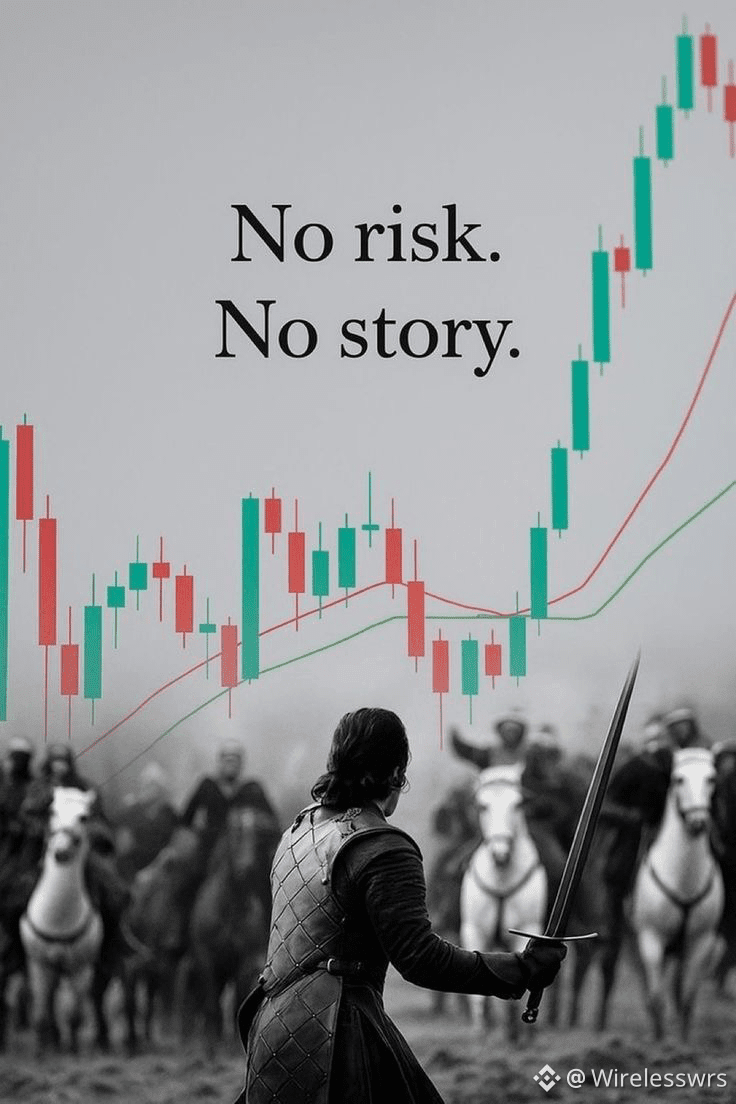
“Tôi nghĩ việc Bitcoin chạm mốc 1.000.000 USD sẽ là điều tốt. Và điều đó sẽ xảy ra. Tôi không nghĩ chúng ta cần đến 25 năm. Tôi nghĩ nó sẽ đến nhanh hơn nhiều.” 🚀 Anh ấy không chỉ chạy theo một con số. Cựu CEO Binance nhấn mạnh rằng giá cả chỉ là thứ yếu — giá trị sử dụng thực sự (thanh toán khối lượng lớn + quỹ hưu trí/nghỉ hưu) mới là điều quan trọng, và anh ấy kỳ vọng các mảnh ghép cốt lõi của hạ tầng đó sẽ xuất hiện trong khoảng ~10 năm.
#bitcoin #BTC
CZ vừa mới thả cái này tại Bitcoin Asia 2026
“Tôi nghĩ việc Bitcoin chạm mốc 1.000.000 USD sẽ là điều tốt. Và điều đó sẽ xảy ra. Tôi không nghĩ chúng ta cần đến 25 năm. Tôi nghĩ nó sẽ đến nhanh hơn nhiều.” 🚀 Anh ấy không chỉ chạy theo một con số. Cựu CEO Binance nhấn mạnh rằng giá cả chỉ là thứ yếu — giá trị sử dụng thực sự (thanh toán khối lượng lớn + quỹ hưu trí/nghỉ hưu) mới là điều quan trọng, và anh ấy kỳ vọng các mảnh ghép cốt lõi của hạ tầng đó sẽ xuất hiện trong khoảng ~10 năm.
#bitcoin #BTC
“Tôi nghĩ việc Bitcoin chạm mốc 1.000.000 USD sẽ là điều tốt. Và điều đó sẽ xảy ra. Tôi không nghĩ chúng ta cần đến 25 năm. Tôi nghĩ nó sẽ đến nhanh hơn nhiều.” 🚀 Anh ấy không chỉ chạy theo một con số. Cựu CEO Binance nhấn mạnh rằng giá cả chỉ là thứ yếu — giá trị sử dụng thực sự (thanh toán khối lượng lớn + quỹ hưu trí/nghỉ hưu) mới là điều quan trọng, và anh ấy kỳ vọng các mảnh ghép cốt lõi của hạ tầng đó sẽ xuất hiện trong khoảng ~10 năm.
#bitcoin #BTC
72
·
--
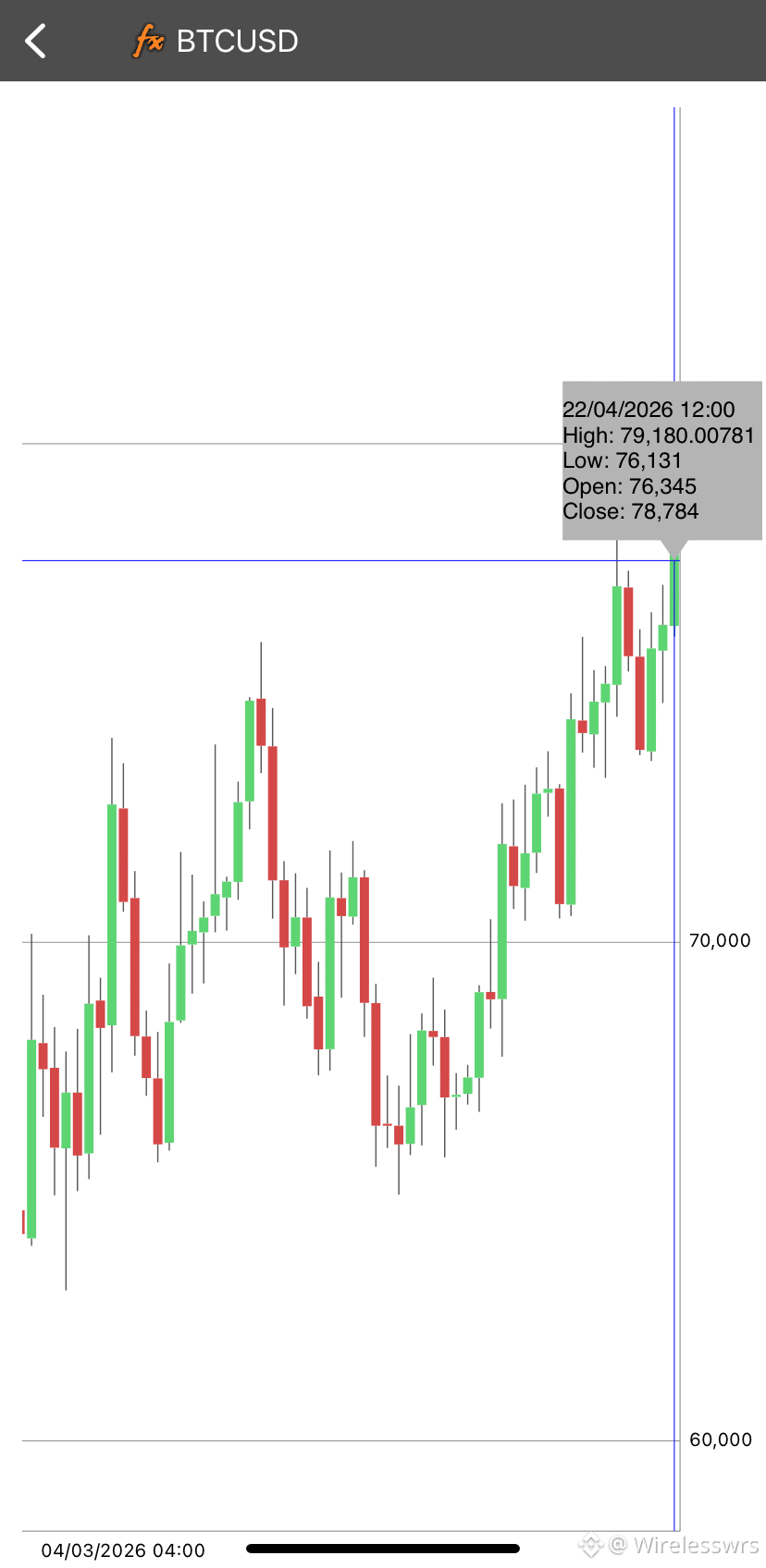
Bitcoin đang chuẩn bị giữ vững trên $80,000#Btc
Bitcoin đang chuẩn bị giữ vững trên $80,000#Btc
17


·
--
Xem bản dịch
Hackers using the ClickFix technique are now posing as venture capitalists (VCs) and hijacking browser extensions like QuickLens in a wave of cryptocurrency theft attacks.
The ClickFix method, which surged in popularity among crypto scammers last year, tricks victims into manually executing malicious code—often by copying and pasting commands under the pretense of a verification, browser update, or CAPTCHA check. This social engineering bypasses many traditional security defenses, as users unwittingly become the execution mechanism.
Security researchers have monitored ClickFix since 2024, initially seeing it target various sectors beyond just crypto. In the latest incidents, attackers have evolved their tactics in two notable ways:
- Impersonating VCs — Fraudsters create fake firms (e.g., SolidBit, MegaBit, and Lumax Capital) to reach out via LinkedIn with enticing partnership or investment offers. Victims are then directed to bogus Zoom or Google Meet links, setting the stage for further compromise and ClickFix deployment to steal crypto assets.
- Hijacking QuickLens — The previously legitimate Chrome extension "QuickLens - Search Screen with Google Lens" (which had around 7,000 users and once earned a Google featured badge) was compromised after a change in ownership. A malicious update (version 5.8, released around February 17, 2026) introduced info-stealing capabilities and ClickFix prompts. It stripped browser security features, communicated with attacker-controlled servers, displayed fake Google Update alerts, and ultimately targeted cryptocurrency wallets, credentials, seed phrases, and more. The extension has since been removed from the Chrome Web Store.
These attacks highlight how threat actors combine supply-chain compromises (like extension takeovers) with targeted phishing and user manipulation to drain crypto holdings effectively. Users in the crypto space should remain vigilant against unsolicited VC outreach, avoid running unknown commands, and regularly audit installed browser extensions.
#Clickfix #cryptothreat #CryptoAttacks
Hackers using the ClickFix technique are now posing as venture capitalists (VCs) and hijacking browser extensions like QuickLens in a wave of cryptocurrency theft attacks.
The ClickFix method, which surged in popularity among crypto scammers last year, tricks victims into manually executing malicious code—often by copying and pasting commands under the pretense of a verification, browser update, or CAPTCHA check. This social engineering bypasses many traditional security defenses, as users unwittingly become the execution mechanism.
Security researchers have monitored ClickFix since 2024, initially seeing it target various sectors beyond just crypto. In the latest incidents, attackers have evolved their tactics in two notable ways:
- Impersonating VCs — Fraudsters create fake firms (e.g., SolidBit, MegaBit, and Lumax Capital) to reach out via LinkedIn with enticing partnership or investment offers. Victims are then directed to bogus Zoom or Google Meet links, setting the stage for further compromise and ClickFix deployment to steal crypto assets.
- Hijacking QuickLens — The previously legitimate Chrome extension "QuickLens - Search Screen with Google Lens" (which had around 7,000 users and once earned a Google featured badge) was compromised after a change in ownership. A malicious update (version 5.8, released around February 17, 2026) introduced info-stealing capabilities and ClickFix prompts. It stripped browser security features, communicated with attacker-controlled servers, displayed fake Google Update alerts, and ultimately targeted cryptocurrency wallets, credentials, seed phrases, and more. The extension has since been removed from the Chrome Web Store.
These attacks highlight how threat actors combine supply-chain compromises (like extension takeovers) with targeted phishing and user manipulation to drain crypto holdings effectively. Users in the crypto space should remain vigilant against unsolicited VC outreach, avoid running unknown commands, and regularly audit installed browser extensions.
#Clickfix #cryptothreat #CryptoAttacks
The ClickFix method, which surged in popularity among crypto scammers last year, tricks victims into manually executing malicious code—often by copying and pasting commands under the pretense of a verification, browser update, or CAPTCHA check. This social engineering bypasses many traditional security defenses, as users unwittingly become the execution mechanism.
Security researchers have monitored ClickFix since 2024, initially seeing it target various sectors beyond just crypto. In the latest incidents, attackers have evolved their tactics in two notable ways:
- Impersonating VCs — Fraudsters create fake firms (e.g., SolidBit, MegaBit, and Lumax Capital) to reach out via LinkedIn with enticing partnership or investment offers. Victims are then directed to bogus Zoom or Google Meet links, setting the stage for further compromise and ClickFix deployment to steal crypto assets.
- Hijacking QuickLens — The previously legitimate Chrome extension "QuickLens - Search Screen with Google Lens" (which had around 7,000 users and once earned a Google featured badge) was compromised after a change in ownership. A malicious update (version 5.8, released around February 17, 2026) introduced info-stealing capabilities and ClickFix prompts. It stripped browser security features, communicated with attacker-controlled servers, displayed fake Google Update alerts, and ultimately targeted cryptocurrency wallets, credentials, seed phrases, and more. The extension has since been removed from the Chrome Web Store.
These attacks highlight how threat actors combine supply-chain compromises (like extension takeovers) with targeted phishing and user manipulation to drain crypto holdings effectively. Users in the crypto space should remain vigilant against unsolicited VC outreach, avoid running unknown commands, and regularly audit installed browser extensions.
#Clickfix #cryptothreat #CryptoAttacks
1
3
25
·
--
2
103
·
--
Xem bản dịch
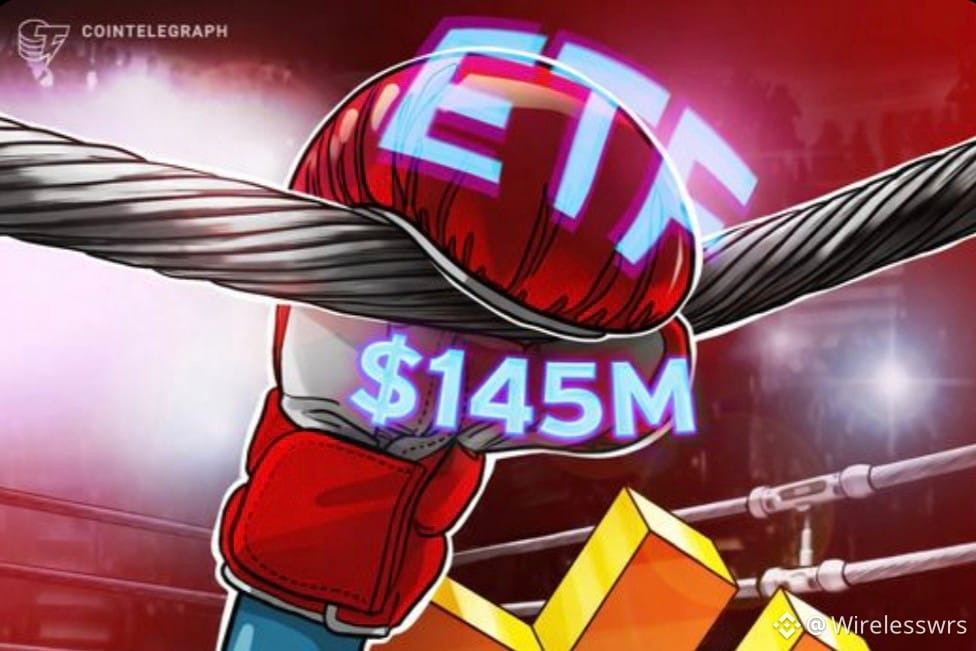
Bitcoin ETFs extend rebound as $145M in fresh inflows hit market
The Bitcoin ETF rebound comes as analysts flag slowing outflows. Early BTC holders trim positions rather than exit as BTC hovers near $70,000,
Bitcoin ETFs extend rebound as $145M in fresh inflows hit market
The Bitcoin ETF rebound comes as analysts flag slowing outflows. Early BTC holders trim positions rather than exit as BTC hovers near $70,000,
The Bitcoin ETF rebound comes as analysts flag slowing outflows. Early BTC holders trim positions rather than exit as BTC hovers near $70,000,
1
87
·
--
Xem bản dịch
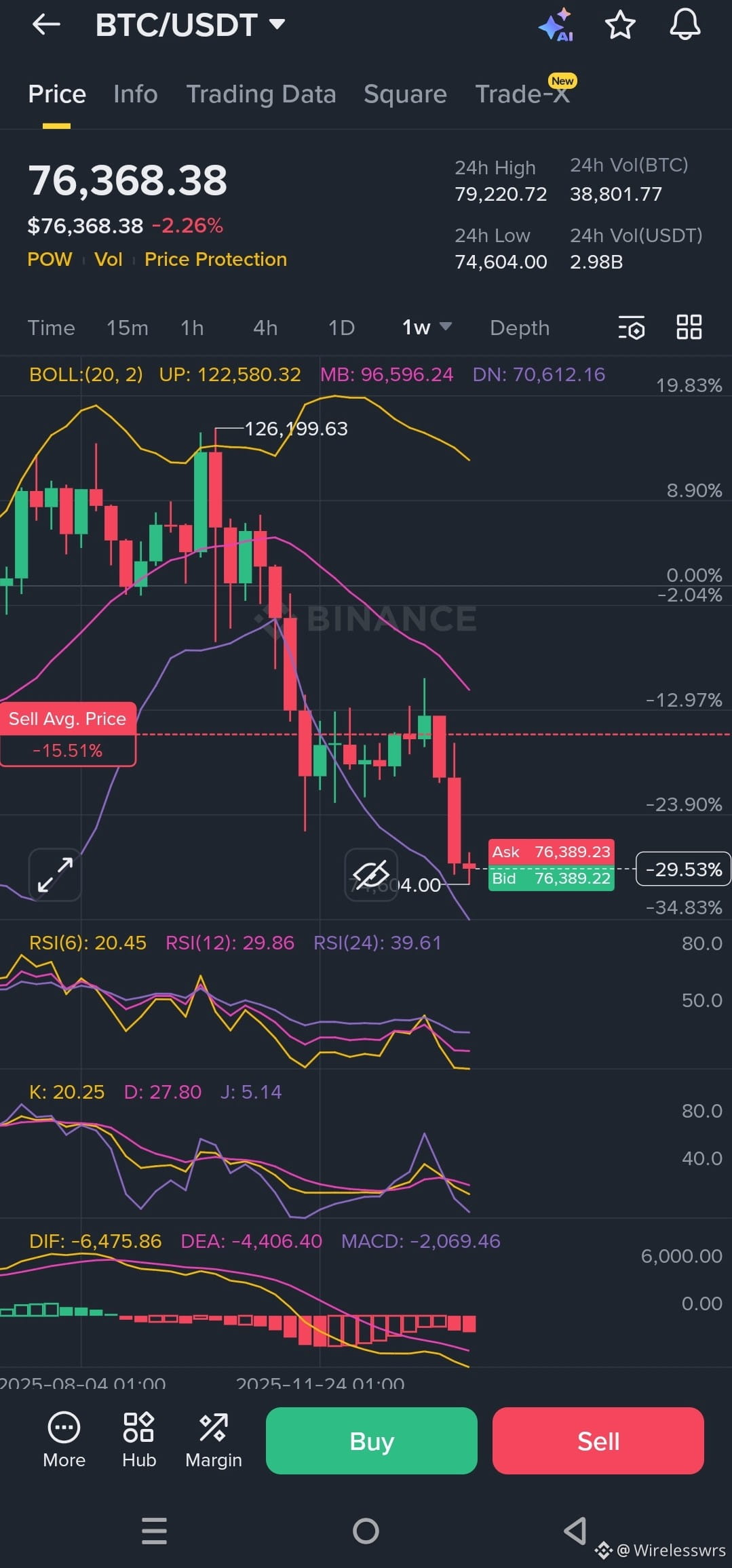
BTC makes it first all time low (ATL) in 2026 last week with a bearish price below $77,000, what do you think it cause the market price the whole last week and what do you think could be the progress of market this week, should we be expecting bearish market this week or bullish market this week.
comment your idea below
#Binance #BinanceSquareFamily #BTC
BTC makes it first all time low (ATL) in 2026 last week with a bearish price below $77,000, what do you think it cause the market price the whole last week and what do you think could be the progress of market this week, should we be expecting bearish market this week or bullish market this week.
comment your idea below
#Binance #BinanceSquareFamily #BTC
comment your idea below
#Binance #BinanceSquareFamily #BTC
1
26
Đăng nhập để khám phá thêm nội dung
Tham gia cùng người dùng tiền mã hóa toàn cầu trên Binance Square
⚡️ Nhận thông tin mới nhất và hữu ích về tiền mã hóa.
💬 Được tin cậy bởi sàn giao dịch tiền mã hóa lớn nhất thế giới.
👍 Khám phá những thông tin chuyên sâu thực tế từ những nhà sáng tạo đã xác minh.
Email / Số điện thoại
Chủ đề thịnh hành
45NgayTuDoTaiChinh
895,472 lượt xem
3,040 đang thảo luận
Ngày 4/45: Đừng để FOMO cuốn mình đi!
Ngày thứ tư trong hành trình 45 ngày tự do tài chính, mình vẫn đều đặn bỏ 50u để mua thêm Bitcoin ($BTC). Hôm nay thị trường có vẻ hơi chững lại một chút, Bitcoin giảm nhẹ 0.72% nhưng cảm giác vẫn còn chút hơi ấm từ những ngày tăng trưởng trước.
Cái cảm giác FOMO (sợ bỏ lỡ) nó cứ len lỏi đâu đó mỗi khi thấy giá xanh rực, nhưng mình biết, đó là lúc phải bình tĩnh nhất. Mục tiêu của mình không phải là kiếm tiền nhanh chóng, mà là xây dựng một thói quen bền vững và rèn luyện sự kiên nhẫn. Mình tin vào sức mạnh của việc tích lũy đều đặn, dù thị trường lên hay xuống.
Thông tin tham khảo, không phải lời khuyên đầu tư. DYOR.
#45ngaytudotaichinh #BitcoinOpenInterestShareRisesTo42.1%
HotLike Team
·0 lượt thích
·43 lượt xem
TheoDõiFOMC
74,858 lượt xem
494 đang thảo luận
TinFed
65,953 lượt xem
296 đang thảo luận