

Tiur_eth
66 Bài đăng

Tiur_eth
Báo cáo
Chặn người dùng
BP-5026F36E3032
2.0K+ Đang theo dõi
773 Người theo dõi
206 Đã thích
Bài đăng
·
--
Tăng giá
Đã xác minh
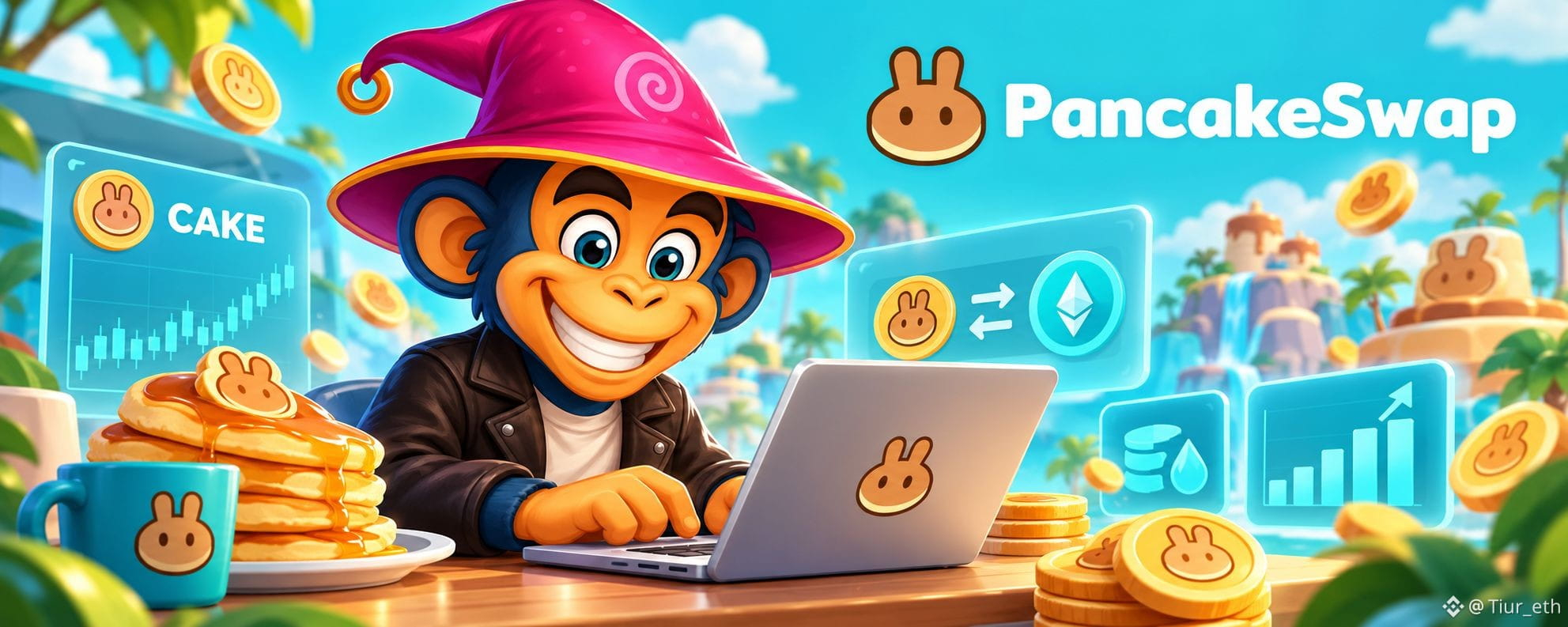
CAKE đang âm thầm trở thành nhiều hơn hẳn một token #DEX
PancakeSwap bắt đầu với những giao dịch hoán đổi token đơn giản.
Ngày nay, hệ sinh thái này đã hoàn toàn khác.
Hoán đổi trên 11 chuỗi. Thanh khoản. Giao dịch hợp đồng vĩnh cửu. Giao dịch xuyên chuỗi. Thị trường dự đoán. Và thậm chí hơn 500 cổ phiếu, ETF, trái phiếu, vàng cùng các tài sản thực khác được token hóa.
$CAKE nằm ở trung tâm của hệ sinh thái đó.
Và quy mô của nền tảng này đã rất đáng kể.
Đến giữa năm 2026, PancakeSwap báo cáo tổng khối lượng giao dịch lũy kế vượt 4,2 nghìn tỷ USD và hơn 190 triệu người dùng tính từ trước đến nay. CAKE cũng duy trì trạng thái giảm phát trong 34 tháng liên tiếp.
Luận điểm rất đơn giản.
#defi bên chiến thắng có thể không phải là những giao thức chỉ cung cấp một sản phẩm.
Đó có thể là các nền tảng nơi người dùng có thể làm gần như mọi thứ trên chuỗi.
Và PancakeSwap ngày càng tiến gần hơn đến hướng đi đó.
CAKE đang âm thầm trở thành nhiều hơn hẳn một token #DEX
PancakeSwap bắt đầu với những giao dịch hoán đổi token đơn giản.
Ngày nay, hệ sinh thái này đã hoàn toàn khác.
Hoán đổi trên 11 chuỗi. Thanh khoản. Giao dịch hợp đồng vĩnh cửu. Giao dịch xuyên chuỗi. Thị trường dự đoán. Và thậm chí hơn 500 cổ phiếu, ETF, trái phiếu, vàng cùng các tài sản thực khác được token hóa.
$CAKE nằm ở trung tâm của hệ sinh thái đó.
Và quy mô của nền tảng này đã rất đáng kể.
Đến giữa năm 2026, PancakeSwap báo cáo tổng khối lượng giao dịch lũy kế vượt 4,2 nghìn tỷ USD và hơn 190 triệu người dùng tính từ trước đến nay. CAKE cũng duy trì trạng thái giảm phát trong 34 tháng liên tiếp.
Luận điểm rất đơn giản.
#defi bên chiến thắng có thể không phải là những giao thức chỉ cung cấp một sản phẩm.
Đó có thể là các nền tảng nơi người dùng có thể làm gần như mọi thứ trên chuỗi.
Và PancakeSwap ngày càng tiến gần hơn đến hướng đi đó.
PancakeSwap bắt đầu với những giao dịch hoán đổi token đơn giản.
Ngày nay, hệ sinh thái này đã hoàn toàn khác.
Hoán đổi trên 11 chuỗi. Thanh khoản. Giao dịch hợp đồng vĩnh cửu. Giao dịch xuyên chuỗi. Thị trường dự đoán. Và thậm chí hơn 500 cổ phiếu, ETF, trái phiếu, vàng cùng các tài sản thực khác được token hóa.
$CAKE nằm ở trung tâm của hệ sinh thái đó.
Và quy mô của nền tảng này đã rất đáng kể.
Đến giữa năm 2026, PancakeSwap báo cáo tổng khối lượng giao dịch lũy kế vượt 4,2 nghìn tỷ USD và hơn 190 triệu người dùng tính từ trước đến nay. CAKE cũng duy trì trạng thái giảm phát trong 34 tháng liên tiếp.
Luận điểm rất đơn giản.
#defi bên chiến thắng có thể không phải là những giao thức chỉ cung cấp một sản phẩm.
Đó có thể là các nền tảng nơi người dùng có thể làm gần như mọi thứ trên chuỗi.
Và PancakeSwap ngày càng tiến gần hơn đến hướng đi đó.
2
1.8k
·
--
Tăng giá
Đã xác minh
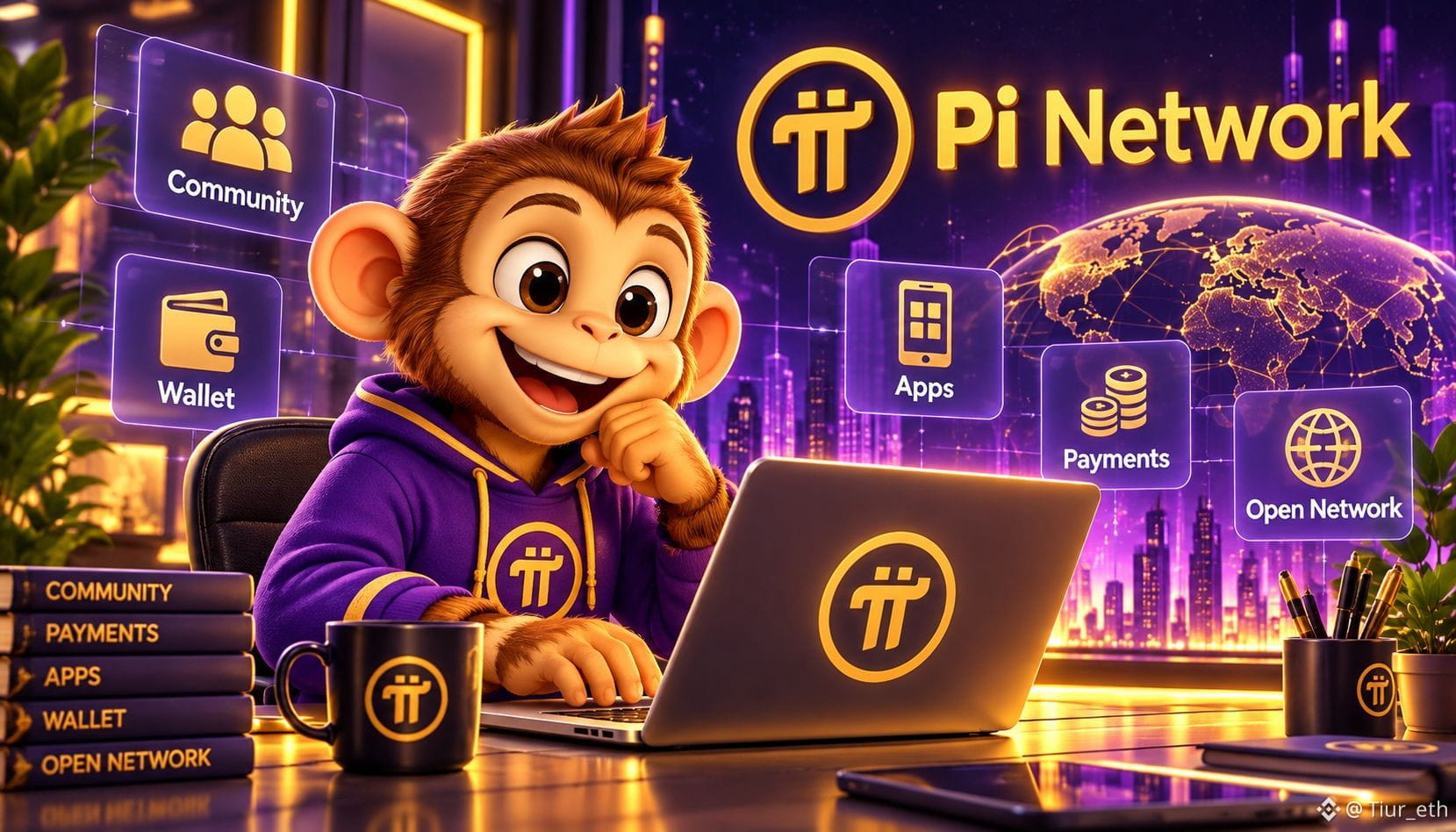
Pi Network là một trong những “cược” áp dụng tiền mã hóa khác thường nhất của hệ sinh thái
Hầu hết các dự án crypto đều xây dựng mạng lưới trước, rồi mới tìm người dùng sau.
Pi Network lại bắt đầu theo hướng ngược lại.
Dự án đã mất nhiều năm để xây dựng một cộng đồng khổng lồ đã được xác minh danh tính trước khi mở mạng lưới của mình cho nền kinh tế crypto rộng lớn hơn.
Ngày nay, Pi có Mainnet mở, ví riêng, trình duyệt, hệ sinh thái ứng dụng và hơn 16 triệu người dùng đã di chuyển sang Mainnet.
Điều đó tạo nên một luận điểm thú vị cho PI.
Việc phân phối đã tồn tại.
Giờ thách thức là biến những người dùng đó thành hoạt động kinh tế thực sự.
Thanh toán.
Ứng dụng.
Thương mại.
AI.
Danh tính kỹ thuật số.
Pi ngày càng được xây dựng xoay quanh tất cả các yếu tố đó, bao gồm cả các công cụ mới cho điện toán AI và tính năng đăng nhập bên ngoài được phát hành vào năm 2026.
Tất nhiên, vẫn còn rủi ro. Tiện ích cần phải tăng trưởng, nguồn cung token có ý nghĩa quan trọng, và một cộng đồng lớn không tự động tạo ra nhu cầu bền vững.
Nhưng nếu Pi có thể chuyển đổi cơ sở người dùng hiện có của mình thành người dùng onchain tích cực, PI có thể trở thành một trong những câu chuyện crypto dành cho người tiêu dùng đáng theo dõi hơn cả.
Pi Network là một trong những “cược” áp dụng tiền mã hóa khác thường nhất của hệ sinh thái
Hầu hết các dự án crypto đều xây dựng mạng lưới trước, rồi mới tìm người dùng sau.
Pi Network lại bắt đầu theo hướng ngược lại.
Dự án đã mất nhiều năm để xây dựng một cộng đồng khổng lồ đã được xác minh danh tính trước khi mở mạng lưới của mình cho nền kinh tế crypto rộng lớn hơn.
Ngày nay, Pi có Mainnet mở, ví riêng, trình duyệt, hệ sinh thái ứng dụng và hơn 16 triệu người dùng đã di chuyển sang Mainnet.
Điều đó tạo nên một luận điểm thú vị cho PI.
Việc phân phối đã tồn tại.
Giờ thách thức là biến những người dùng đó thành hoạt động kinh tế thực sự.
Thanh toán.
Ứng dụng.
Thương mại.
AI.
Danh tính kỹ thuật số.
Pi ngày càng được xây dựng xoay quanh tất cả các yếu tố đó, bao gồm cả các công cụ mới cho điện toán AI và tính năng đăng nhập bên ngoài được phát hành vào năm 2026.
Tất nhiên, vẫn còn rủi ro. Tiện ích cần phải tăng trưởng, nguồn cung token có ý nghĩa quan trọng, và một cộng đồng lớn không tự động tạo ra nhu cầu bền vững.
Nhưng nếu Pi có thể chuyển đổi cơ sở người dùng hiện có của mình thành người dùng onchain tích cực, PI có thể trở thành một trong những câu chuyện crypto dành cho người tiêu dùng đáng theo dõi hơn cả.
Hầu hết các dự án crypto đều xây dựng mạng lưới trước, rồi mới tìm người dùng sau.
Pi Network lại bắt đầu theo hướng ngược lại.
Dự án đã mất nhiều năm để xây dựng một cộng đồng khổng lồ đã được xác minh danh tính trước khi mở mạng lưới của mình cho nền kinh tế crypto rộng lớn hơn.
Ngày nay, Pi có Mainnet mở, ví riêng, trình duyệt, hệ sinh thái ứng dụng và hơn 16 triệu người dùng đã di chuyển sang Mainnet.
Điều đó tạo nên một luận điểm thú vị cho PI.
Việc phân phối đã tồn tại.
Giờ thách thức là biến những người dùng đó thành hoạt động kinh tế thực sự.
Thanh toán.
Ứng dụng.
Thương mại.
AI.
Danh tính kỹ thuật số.
Pi ngày càng được xây dựng xoay quanh tất cả các yếu tố đó, bao gồm cả các công cụ mới cho điện toán AI và tính năng đăng nhập bên ngoài được phát hành vào năm 2026.
Tất nhiên, vẫn còn rủi ro. Tiện ích cần phải tăng trưởng, nguồn cung token có ý nghĩa quan trọng, và một cộng đồng lớn không tự động tạo ra nhu cầu bền vững.
Nhưng nếu Pi có thể chuyển đổi cơ sở người dùng hiện có của mình thành người dùng onchain tích cực, PI có thể trở thành một trong những câu chuyện crypto dành cho người tiêu dùng đáng theo dõi hơn cả.
1
4
1k
·
--
Tăng giá
Đã xác minh
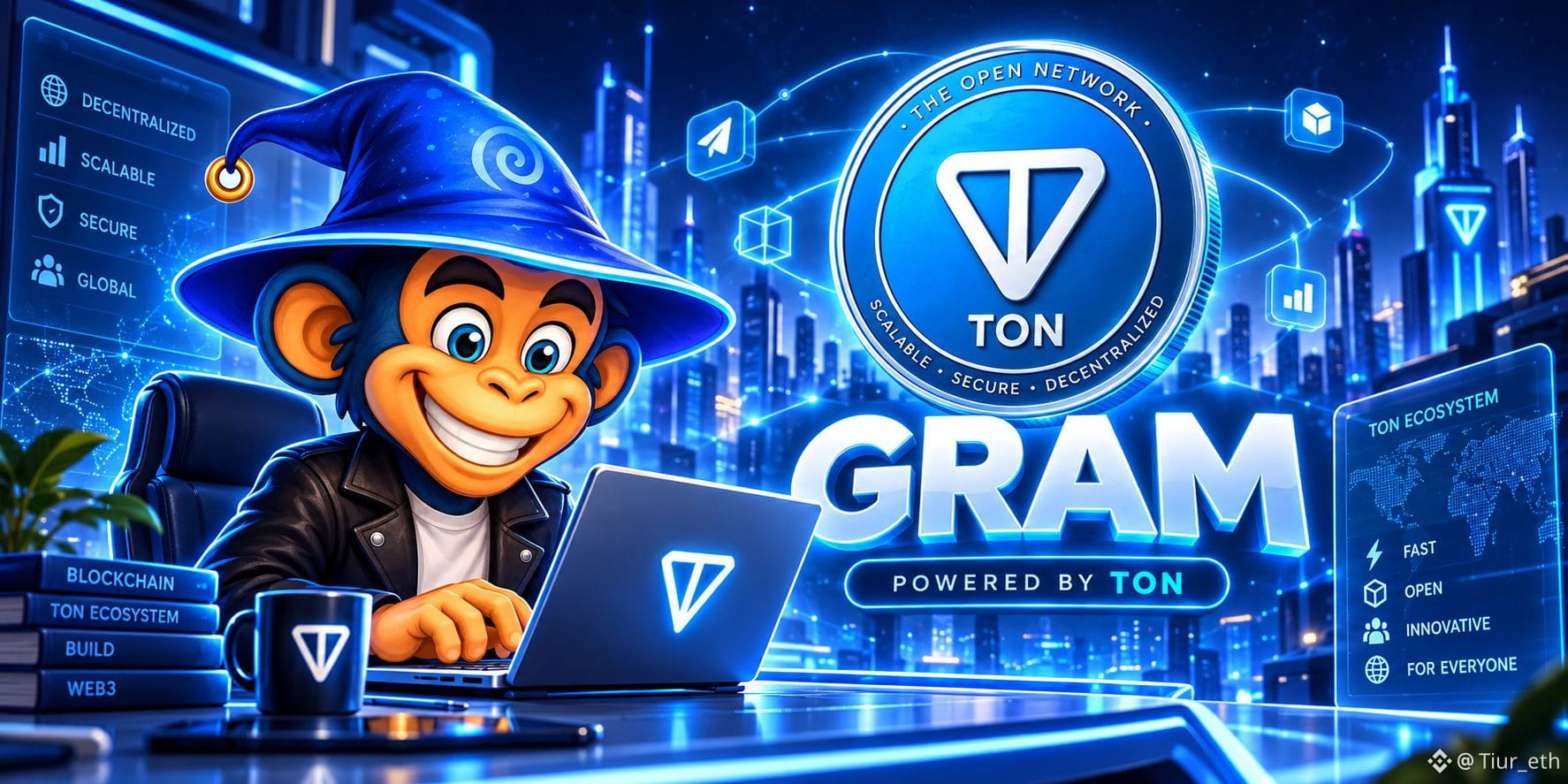
GRAM Có Thể Là Một Trong Những Cược Đặt Trụ Tích Lũy Người Dùng Lớn Nhất Của Ngành Crypto
Phần lớn các blockchain đều vướng phải một vấn đề.
$GRAM đã có gì đó khác biệt: quyền truy cập trực tiếp vào hệ sinh thái Telegram.
#TON cơ sở hạ tầng kết nối thanh toán, tài sản kỹ thuật số, ví và Mini Apps với lượng khán giả hơn 1 tỷ người dùng Telegram.
Điều đó tạo nên một luận điểm mạnh mẽ.
Người dùng không cần phải tự tìm hiểu một nền tảng crypto phức tạp khác.
Các sản phẩm blockchain có thể đến với họ ngay trong một ứng dụng mà họ đã sử dụng.
Thanh toán.
Stablecoins.
Mini Apps.
Sưu tầm kỹ thuật số.
Kiếm tiền cho người sáng tạo.
GRAM nằm ngay trong hoạt động đó.
Cạnh tranh vẫn rất gay gắt và việc được áp dụng vẫn cần chuyển hóa thành nhu cầu onchain bền vững.
Nhưng nếu crypto cuối cùng tiếp cận được hàng trăm triệu người dùng phổ thông, kênh phân phối có thể quan trọng hơn một cải tiến kỹ thuật nhỏ khác.
Và GRAM có một trong những kênh phân phối mạnh nhất trong crypto.
GRAM Có Thể Là Một Trong Những Cược Đặt Trụ Tích Lũy Người Dùng Lớn Nhất Của Ngành Crypto
Phần lớn các blockchain đều vướng phải một vấn đề.
$GRAM đã có gì đó khác biệt: quyền truy cập trực tiếp vào hệ sinh thái Telegram.
#TON cơ sở hạ tầng kết nối thanh toán, tài sản kỹ thuật số, ví và Mini Apps với lượng khán giả hơn 1 tỷ người dùng Telegram.
Điều đó tạo nên một luận điểm mạnh mẽ.
Người dùng không cần phải tự tìm hiểu một nền tảng crypto phức tạp khác.
Các sản phẩm blockchain có thể đến với họ ngay trong một ứng dụng mà họ đã sử dụng.
Thanh toán.
Stablecoins.
Mini Apps.
Sưu tầm kỹ thuật số.
Kiếm tiền cho người sáng tạo.
GRAM nằm ngay trong hoạt động đó.
Cạnh tranh vẫn rất gay gắt và việc được áp dụng vẫn cần chuyển hóa thành nhu cầu onchain bền vững.
Nhưng nếu crypto cuối cùng tiếp cận được hàng trăm triệu người dùng phổ thông, kênh phân phối có thể quan trọng hơn một cải tiến kỹ thuật nhỏ khác.
Và GRAM có một trong những kênh phân phối mạnh nhất trong crypto.
Phần lớn các blockchain đều vướng phải một vấn đề.
$GRAM đã có gì đó khác biệt: quyền truy cập trực tiếp vào hệ sinh thái Telegram.
#TON cơ sở hạ tầng kết nối thanh toán, tài sản kỹ thuật số, ví và Mini Apps với lượng khán giả hơn 1 tỷ người dùng Telegram.
Điều đó tạo nên một luận điểm mạnh mẽ.
Người dùng không cần phải tự tìm hiểu một nền tảng crypto phức tạp khác.
Các sản phẩm blockchain có thể đến với họ ngay trong một ứng dụng mà họ đã sử dụng.
Thanh toán.
Stablecoins.
Mini Apps.
Sưu tầm kỹ thuật số.
Kiếm tiền cho người sáng tạo.
GRAM nằm ngay trong hoạt động đó.
Cạnh tranh vẫn rất gay gắt và việc được áp dụng vẫn cần chuyển hóa thành nhu cầu onchain bền vững.
Nhưng nếu crypto cuối cùng tiếp cận được hàng trăm triệu người dùng phổ thông, kênh phân phối có thể quan trọng hơn một cải tiến kỹ thuật nhỏ khác.
Và GRAM có một trong những kênh phân phối mạnh nhất trong crypto.
1
3
2.6k
·
--
Tăng giá
Đã xác minh
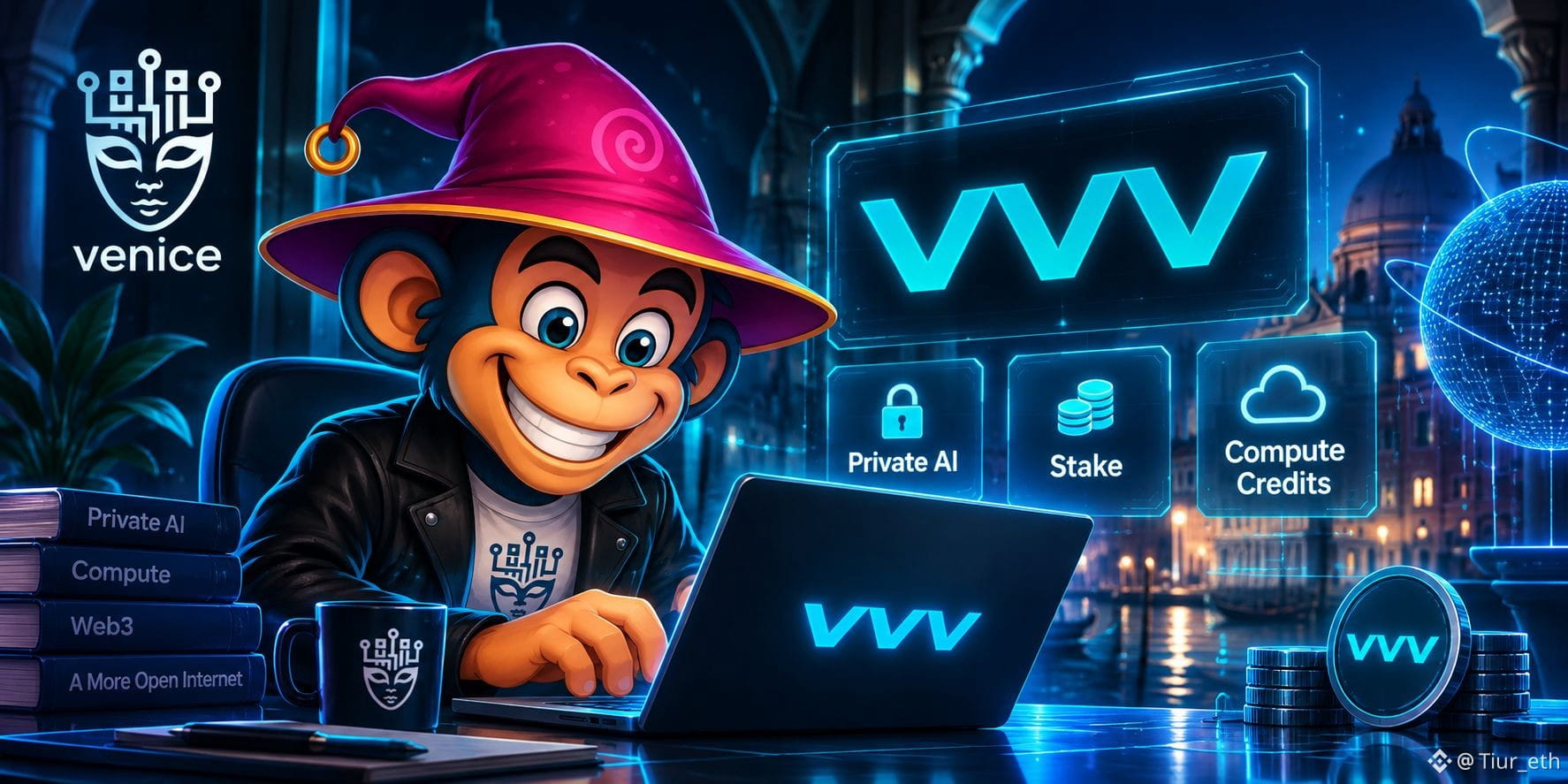
VVV là một trong những cơ hội cược AI + Crypto thú vị nhất ngay bây giờ
AI đang ngày càng mạnh mẽ hơn.
Nhưng nó cũng đang ngày càng trở nên tập trung hơn.
Đó là nơi Venice chọn một hướng đi khác.
Venice tập trung vào AI riêng tư, trong khi $VVV đóng vai trò là tài sản cốt lõi của hệ sinh thái của mình. Người dùng có thể stake VVV, truy cập Venice Pro và mint DIEM—một token gắn với các khoản tín dụng điện toán AI đang diễn ra.
Điều đó mang lại cho VVV một câu chuyện rất rõ ràng.
Điện toán AI trở thành một tài sản onchain.
Quyền riêng tư trở thành một phần của sản phẩm.
Và tiện ích token được kết nối trực tiếp với việc sử dụng AI thực tế.
Venice cho biết hiện nay họ phục vụ hàng triệu người dùng đã đăng ký và xử lý khối lượng hoạt động AI lớn mỗi tháng.
Tất nhiên, #AI token vẫn biến động mạnh và mức độ cạnh tranh rất khốc liệt.
Nhưng luận điểm thì rất đáng để cân nhắc.
Nếu AI trở thành một nền kinh tế số mới, điện toán và quyền riêng tư có thể trở thành hai trong số những nguồn lực có giá trị nhất của nó.
Và VVV đứng trực tiếp giữa cả hai.
VVV là một trong những cơ hội cược AI + Crypto thú vị nhất ngay bây giờ
AI đang ngày càng mạnh mẽ hơn.
Nhưng nó cũng đang ngày càng trở nên tập trung hơn.
Đó là nơi Venice chọn một hướng đi khác.
Venice tập trung vào AI riêng tư, trong khi $VVV đóng vai trò là tài sản cốt lõi của hệ sinh thái của mình. Người dùng có thể stake VVV, truy cập Venice Pro và mint DIEM—một token gắn với các khoản tín dụng điện toán AI đang diễn ra.
Điều đó mang lại cho VVV một câu chuyện rất rõ ràng.
Điện toán AI trở thành một tài sản onchain.
Quyền riêng tư trở thành một phần của sản phẩm.
Và tiện ích token được kết nối trực tiếp với việc sử dụng AI thực tế.
Venice cho biết hiện nay họ phục vụ hàng triệu người dùng đã đăng ký và xử lý khối lượng hoạt động AI lớn mỗi tháng.
Tất nhiên, #AI token vẫn biến động mạnh và mức độ cạnh tranh rất khốc liệt.
Nhưng luận điểm thì rất đáng để cân nhắc.
Nếu AI trở thành một nền kinh tế số mới, điện toán và quyền riêng tư có thể trở thành hai trong số những nguồn lực có giá trị nhất của nó.
Và VVV đứng trực tiếp giữa cả hai.
AI đang ngày càng mạnh mẽ hơn.
Nhưng nó cũng đang ngày càng trở nên tập trung hơn.
Đó là nơi Venice chọn một hướng đi khác.
Venice tập trung vào AI riêng tư, trong khi $VVV đóng vai trò là tài sản cốt lõi của hệ sinh thái của mình. Người dùng có thể stake VVV, truy cập Venice Pro và mint DIEM—một token gắn với các khoản tín dụng điện toán AI đang diễn ra.
Điều đó mang lại cho VVV một câu chuyện rất rõ ràng.
Điện toán AI trở thành một tài sản onchain.
Quyền riêng tư trở thành một phần của sản phẩm.
Và tiện ích token được kết nối trực tiếp với việc sử dụng AI thực tế.
Venice cho biết hiện nay họ phục vụ hàng triệu người dùng đã đăng ký và xử lý khối lượng hoạt động AI lớn mỗi tháng.
Tất nhiên, #AI token vẫn biến động mạnh và mức độ cạnh tranh rất khốc liệt.
Nhưng luận điểm thì rất đáng để cân nhắc.
Nếu AI trở thành một nền kinh tế số mới, điện toán và quyền riêng tư có thể trở thành hai trong số những nguồn lực có giá trị nhất của nó.
Và VVV đứng trực tiếp giữa cả hai.
1
2
1k
·
--
Tăng giá
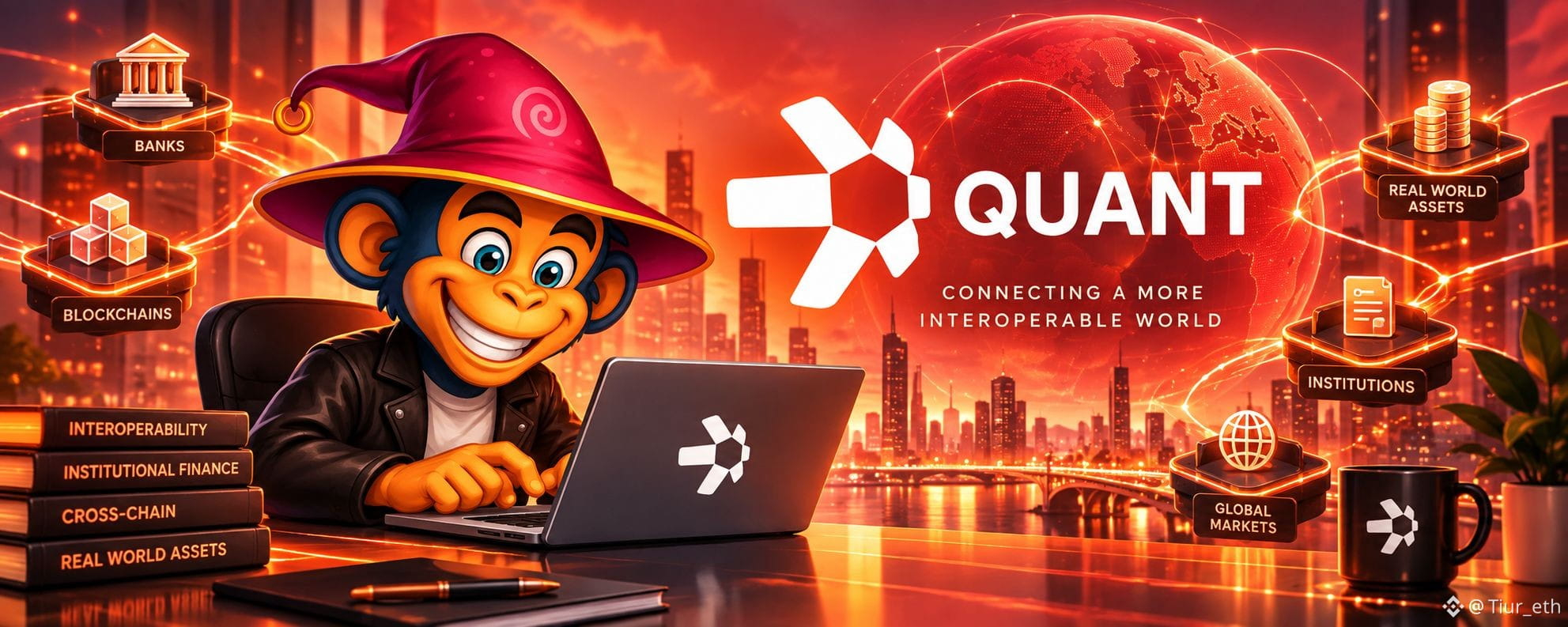
Quant là một trong những khoản cược liên thông (interoperability) thú vị nhất của Crypto
Crypto có hàng nghìn mạng lưới.
Vấn đề là làm sao để chúng có thể hoạt động cùng nhau.
Đó là lúc Quant trở nên thú vị.
Nền tảng Overledger của hãng kết nối các blockchain khác nhau với hạ tầng ngân hàng và thanh toán hiện có thông qua một lớp API chung. Nó được thiết kế cho các giao dịch xuyên chuỗi (cross-chain), tài sản được token hóa, thanh toán và các ứng dụng tài chính.
$QNT nằm trong câu chuyện liên thông đó.
Luận điểm rất đơn giản.
Nhiều blockchain hơn tạo ra nhiều sự phân mảnh hơn.
Nhiều tài sản được token hóa hơn tạo ra nhiều nhu cầu về khả năng kết nối hơn.
Và các tổ chức cần hạ tầng có thể kết nối các “đường ray” tài chính cũ với các “đường ray” mới.
Cạnh tranh vẫn mạnh, và việc doanh nghiệp áp dụng diễn ra chậm rãi.
Nhưng nếu tài chính ngày càng trở nên đa chuỗi, thì khả năng liên thông có thể trở thành một trong những lớp giá trị nhất nằm bên dưới nó.
Và #Quant đang xây dựng trực tiếp cho tương lai đó.
Quant là một trong những khoản cược liên thông (interoperability) thú vị nhất của Crypto
Crypto có hàng nghìn mạng lưới.
Vấn đề là làm sao để chúng có thể hoạt động cùng nhau.
Đó là lúc Quant trở nên thú vị.
Nền tảng Overledger của hãng kết nối các blockchain khác nhau với hạ tầng ngân hàng và thanh toán hiện có thông qua một lớp API chung. Nó được thiết kế cho các giao dịch xuyên chuỗi (cross-chain), tài sản được token hóa, thanh toán và các ứng dụng tài chính.
$QNT nằm trong câu chuyện liên thông đó.
Luận điểm rất đơn giản.
Nhiều blockchain hơn tạo ra nhiều sự phân mảnh hơn.
Nhiều tài sản được token hóa hơn tạo ra nhiều nhu cầu về khả năng kết nối hơn.
Và các tổ chức cần hạ tầng có thể kết nối các “đường ray” tài chính cũ với các “đường ray” mới.
Cạnh tranh vẫn mạnh, và việc doanh nghiệp áp dụng diễn ra chậm rãi.
Nhưng nếu tài chính ngày càng trở nên đa chuỗi, thì khả năng liên thông có thể trở thành một trong những lớp giá trị nhất nằm bên dưới nó.
Và #Quant đang xây dựng trực tiếp cho tương lai đó.
Crypto có hàng nghìn mạng lưới.
Vấn đề là làm sao để chúng có thể hoạt động cùng nhau.
Đó là lúc Quant trở nên thú vị.
Nền tảng Overledger của hãng kết nối các blockchain khác nhau với hạ tầng ngân hàng và thanh toán hiện có thông qua một lớp API chung. Nó được thiết kế cho các giao dịch xuyên chuỗi (cross-chain), tài sản được token hóa, thanh toán và các ứng dụng tài chính.
$QNT nằm trong câu chuyện liên thông đó.
Luận điểm rất đơn giản.
Nhiều blockchain hơn tạo ra nhiều sự phân mảnh hơn.
Nhiều tài sản được token hóa hơn tạo ra nhiều nhu cầu về khả năng kết nối hơn.
Và các tổ chức cần hạ tầng có thể kết nối các “đường ray” tài chính cũ với các “đường ray” mới.
Cạnh tranh vẫn mạnh, và việc doanh nghiệp áp dụng diễn ra chậm rãi.
Nhưng nếu tài chính ngày càng trở nên đa chuỗi, thì khả năng liên thông có thể trở thành một trong những lớp giá trị nhất nằm bên dưới nó.
Và #Quant đang xây dựng trực tiếp cho tương lai đó.
1
2
865
·
--
Tăng giá
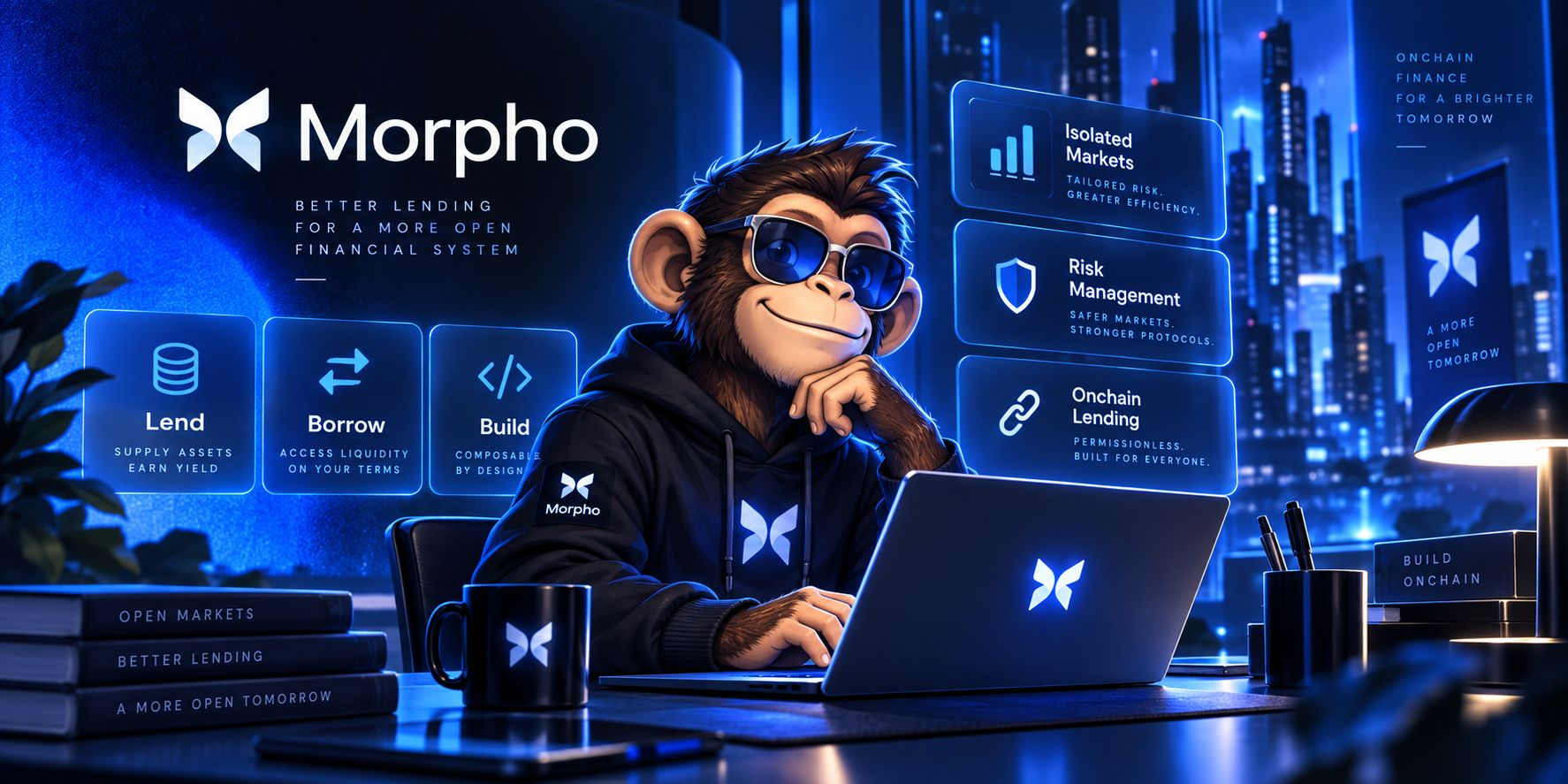
Morpho là một trong những kèo cho vay DeFi thú vị nhất
Cho vay DeFi đang trở nên linh hoạt hơn.
Và Morpho là một trong những giao thức đang thúc đẩy hướng đi đó.
Thay vì dựa vào một hồ bơi cho vay dùng chung quy mô lớn, #Morpho cho phép tạo các thị trường cho vay tách biệt một cách không cần cấp phép, với tài sản thế chấp, tài sản vay, oracle và các tham số rủi ro riêng.
Điều đó mang lại cho $MORPHO một câu chuyện rõ ràng.
Các nhà xây dựng có thể tạo các thị trường cho vay mới.
Người dùng có thể cho vay vốn.
Người đi vay có thể tiếp cận thanh khoản.
Và rủi ro có thể được tách riêng giữa các thị trường khác nhau.
Tất nhiên, các giao thức cho vay vẫn phụ thuộc vào chất lượng tài sản thế chấp, thanh khoản, bảo mật oracle và quản lý rủi ro phù hợp.
Nhưng luận điểm thì thật đơn giản.
Nếu nhiều hoạt động tài chính hơn chuyển sang onchain, hạ tầng cho vay sẽ trở nên có giá trị hơn.
Và Morpho là một trong những #defi cái tên đáng theo dõi sát sao.
Morpho là một trong những kèo cho vay DeFi thú vị nhất
Cho vay DeFi đang trở nên linh hoạt hơn.
Và Morpho là một trong những giao thức đang thúc đẩy hướng đi đó.
Thay vì dựa vào một hồ bơi cho vay dùng chung quy mô lớn, #Morpho cho phép tạo các thị trường cho vay tách biệt một cách không cần cấp phép, với tài sản thế chấp, tài sản vay, oracle và các tham số rủi ro riêng.
Điều đó mang lại cho $MORPHO một câu chuyện rõ ràng.
Các nhà xây dựng có thể tạo các thị trường cho vay mới.
Người dùng có thể cho vay vốn.
Người đi vay có thể tiếp cận thanh khoản.
Và rủi ro có thể được tách riêng giữa các thị trường khác nhau.
Tất nhiên, các giao thức cho vay vẫn phụ thuộc vào chất lượng tài sản thế chấp, thanh khoản, bảo mật oracle và quản lý rủi ro phù hợp.
Nhưng luận điểm thì thật đơn giản.
Nếu nhiều hoạt động tài chính hơn chuyển sang onchain, hạ tầng cho vay sẽ trở nên có giá trị hơn.
Và Morpho là một trong những #defi cái tên đáng theo dõi sát sao.
Cho vay DeFi đang trở nên linh hoạt hơn.
Và Morpho là một trong những giao thức đang thúc đẩy hướng đi đó.
Thay vì dựa vào một hồ bơi cho vay dùng chung quy mô lớn, #Morpho cho phép tạo các thị trường cho vay tách biệt một cách không cần cấp phép, với tài sản thế chấp, tài sản vay, oracle và các tham số rủi ro riêng.
Điều đó mang lại cho $MORPHO một câu chuyện rõ ràng.
Các nhà xây dựng có thể tạo các thị trường cho vay mới.
Người dùng có thể cho vay vốn.
Người đi vay có thể tiếp cận thanh khoản.
Và rủi ro có thể được tách riêng giữa các thị trường khác nhau.
Tất nhiên, các giao thức cho vay vẫn phụ thuộc vào chất lượng tài sản thế chấp, thanh khoản, bảo mật oracle và quản lý rủi ro phù hợp.
Nhưng luận điểm thì thật đơn giản.
Nếu nhiều hoạt động tài chính hơn chuyển sang onchain, hạ tầng cho vay sẽ trở nên có giá trị hơn.
Và Morpho là một trong những #defi cái tên đáng theo dõi sát sao.
5
771
·
--
Tăng giá
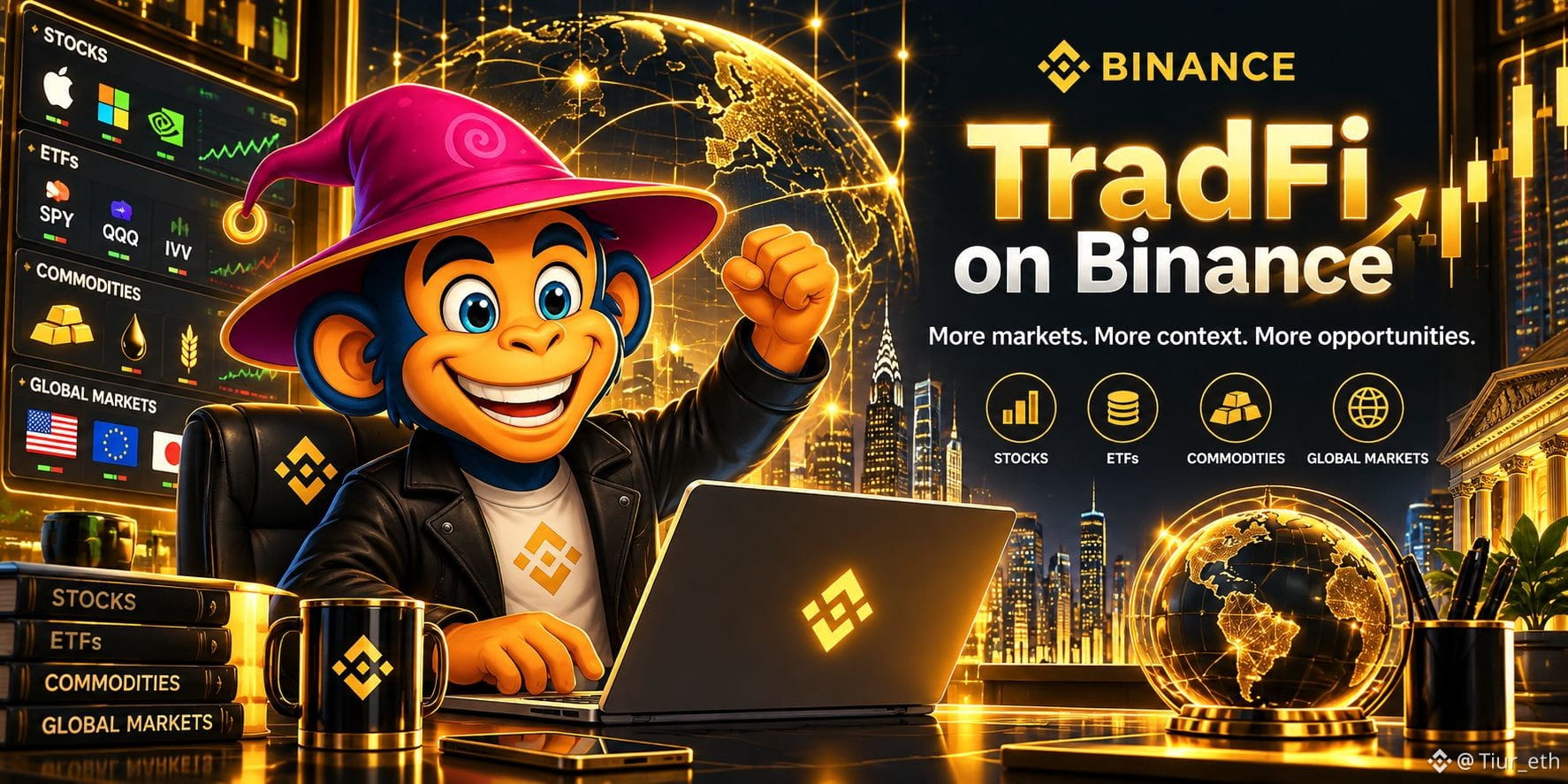
TradFi trên Binance đang trở nên hữu ích hơn khi các thị trường toàn cầu bắt đầu chuyển động cùng nhau.
Một ngày, câu chuyện chính là Bitcoin. Ngày tiếp theo là vàng, cổ phiếu công nghệ, lãi suất hoặc một sự kiện vĩ mô lớn.
Việc có thể tiếp cận các kịch bản thị trường khác nhau từ cùng một hệ sinh thái giúp trải nghiệm giao dịch trở nên linh hoạt hơn rất nhiều.
Điều tôi thích nhất là khả năng chuyển trọng tâm mà không cần thay đổi hoàn toàn nền tảng hay quy trình làm việc.
Crypto có thể vẫn là trung tâm, trong khi các thị trường truyền thống bổ sung thêm nhiều cách để phản ứng, phòng ngừa rủi ro, đa dạng hóa và bám theo nơi thanh khoản đang di chuyển.
Với tôi, đó chính là giá trị thực của TradFi trên Binance.
Nhiều thị trường hơn, nhiều bối cảnh hơn, nhiều cách để định vị theo những gì đang diễn ra trên toàn cầu.
TradFi trên Binance đang trở nên hữu ích hơn khi các thị trường toàn cầu bắt đầu chuyển động cùng nhau.
Một ngày, câu chuyện chính là Bitcoin. Ngày tiếp theo là vàng, cổ phiếu công nghệ, lãi suất hoặc một sự kiện vĩ mô lớn.
Việc có thể tiếp cận các kịch bản thị trường khác nhau từ cùng một hệ sinh thái giúp trải nghiệm giao dịch trở nên linh hoạt hơn rất nhiều.
Điều tôi thích nhất là khả năng chuyển trọng tâm mà không cần thay đổi hoàn toàn nền tảng hay quy trình làm việc.
Crypto có thể vẫn là trung tâm, trong khi các thị trường truyền thống bổ sung thêm nhiều cách để phản ứng, phòng ngừa rủi ro, đa dạng hóa và bám theo nơi thanh khoản đang di chuyển.
Với tôi, đó chính là giá trị thực của TradFi trên Binance.
Nhiều thị trường hơn, nhiều bối cảnh hơn, nhiều cách để định vị theo những gì đang diễn ra trên toàn cầu.
Một ngày, câu chuyện chính là Bitcoin. Ngày tiếp theo là vàng, cổ phiếu công nghệ, lãi suất hoặc một sự kiện vĩ mô lớn.
Việc có thể tiếp cận các kịch bản thị trường khác nhau từ cùng một hệ sinh thái giúp trải nghiệm giao dịch trở nên linh hoạt hơn rất nhiều.
Điều tôi thích nhất là khả năng chuyển trọng tâm mà không cần thay đổi hoàn toàn nền tảng hay quy trình làm việc.
Crypto có thể vẫn là trung tâm, trong khi các thị trường truyền thống bổ sung thêm nhiều cách để phản ứng, phòng ngừa rủi ro, đa dạng hóa và bám theo nơi thanh khoản đang di chuyển.
Với tôi, đó chính là giá trị thực của TradFi trên Binance.
Nhiều thị trường hơn, nhiều bối cảnh hơn, nhiều cách để định vị theo những gì đang diễn ra trên toàn cầu.
1
3
1.7k
·
--
Tăng giá
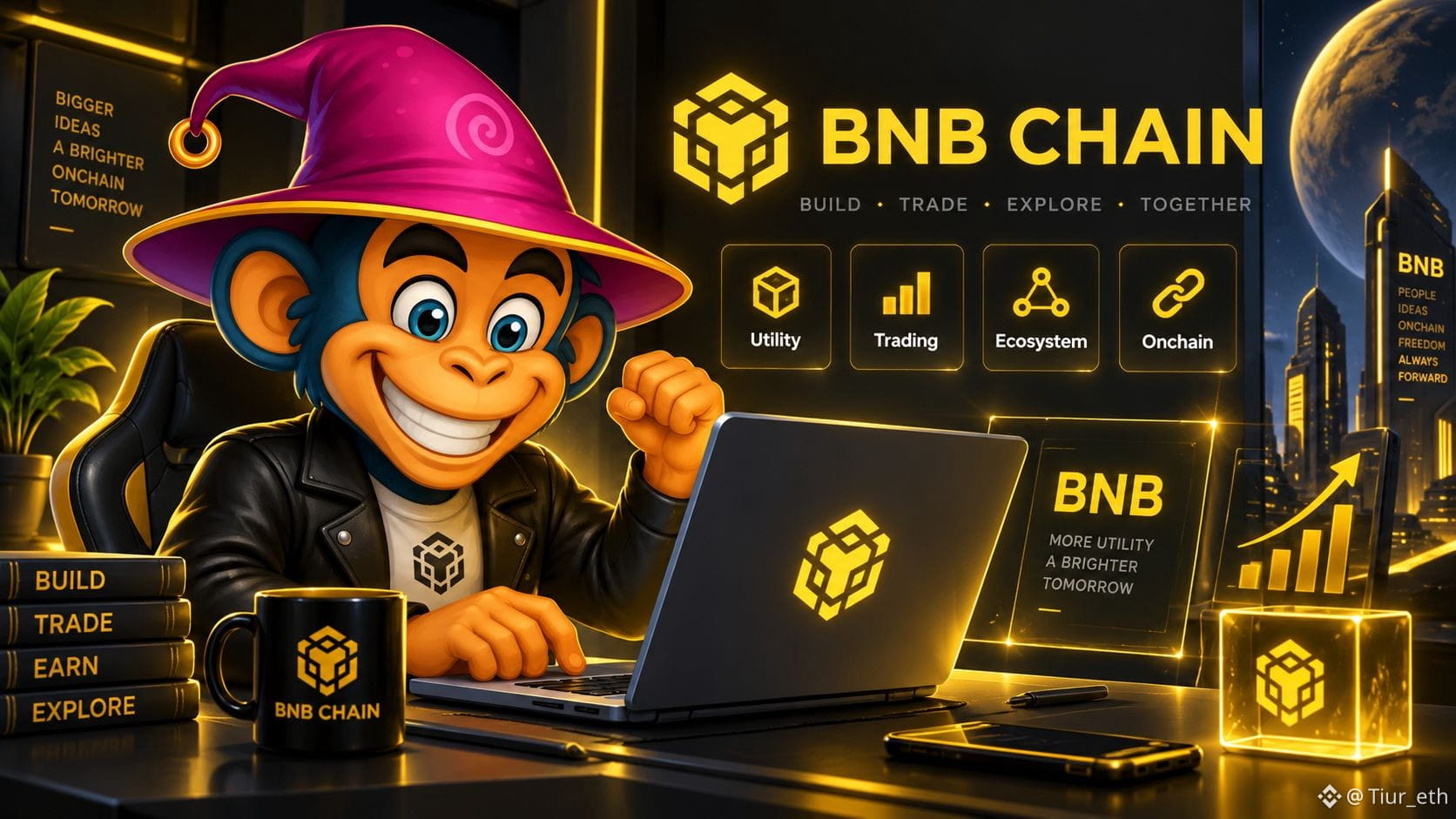
BNB Vẫn Là Một Trong Những Tài Sản Hệ Sinh Thái Mạnh Nhất Của Crypto
$BNB rất dễ bị đánh giá thấp vì nó đã tồn tại trong nhiều năm.
Nhưng hãy xem nó đang ở vị trí nào.
Giao dịch. #defi . Thanh toán. Ứng dụng onchain. Phát hành token. BNB Chain.
#bnb được cài sẵn trong một hệ sinh thái đã có người dùng, thanh khoản, nhà phát triển và dòng giao dịch thực tế.
Điều đó quan trọng.
Một token không cần một câu chuyện mới mỗi tháng khi mọi người đã cần nó để tương tác với hệ sinh thái xung quanh.
Sự cạnh tranh giữa các L1 rất khốc liệt và hoạt động có thể xoay chuyển nhanh chóng.
Nhưng BNB có thứ mà nhiều tài sản mới hơn vẫn đang cố gắng xây dựng.
Phân phối.
Nếu BNB Chain tiếp tục thu hút vốn, ứng dụng và người dùng, thì BNB vẫn là một trong những tài sản vốn hóa lớn đáng theo dõi sát sao.
BNB Vẫn Là Một Trong Những Tài Sản Hệ Sinh Thái Mạnh Nhất Của Crypto
$BNB rất dễ bị đánh giá thấp vì nó đã tồn tại trong nhiều năm.
Nhưng hãy xem nó đang ở vị trí nào.
Giao dịch. #defi . Thanh toán. Ứng dụng onchain. Phát hành token. BNB Chain.
#bnb được cài sẵn trong một hệ sinh thái đã có người dùng, thanh khoản, nhà phát triển và dòng giao dịch thực tế.
Điều đó quan trọng.
Một token không cần một câu chuyện mới mỗi tháng khi mọi người đã cần nó để tương tác với hệ sinh thái xung quanh.
Sự cạnh tranh giữa các L1 rất khốc liệt và hoạt động có thể xoay chuyển nhanh chóng.
Nhưng BNB có thứ mà nhiều tài sản mới hơn vẫn đang cố gắng xây dựng.
Phân phối.
Nếu BNB Chain tiếp tục thu hút vốn, ứng dụng và người dùng, thì BNB vẫn là một trong những tài sản vốn hóa lớn đáng theo dõi sát sao.
$BNB rất dễ bị đánh giá thấp vì nó đã tồn tại trong nhiều năm.
Nhưng hãy xem nó đang ở vị trí nào.
Giao dịch. #defi . Thanh toán. Ứng dụng onchain. Phát hành token. BNB Chain.
#bnb được cài sẵn trong một hệ sinh thái đã có người dùng, thanh khoản, nhà phát triển và dòng giao dịch thực tế.
Điều đó quan trọng.
Một token không cần một câu chuyện mới mỗi tháng khi mọi người đã cần nó để tương tác với hệ sinh thái xung quanh.
Sự cạnh tranh giữa các L1 rất khốc liệt và hoạt động có thể xoay chuyển nhanh chóng.
Nhưng BNB có thứ mà nhiều tài sản mới hơn vẫn đang cố gắng xây dựng.
Phân phối.
Nếu BNB Chain tiếp tục thu hút vốn, ứng dụng và người dùng, thì BNB vẫn là một trong những tài sản vốn hóa lớn đáng theo dõi sát sao.
2
5
453
·
--
Tăng giá
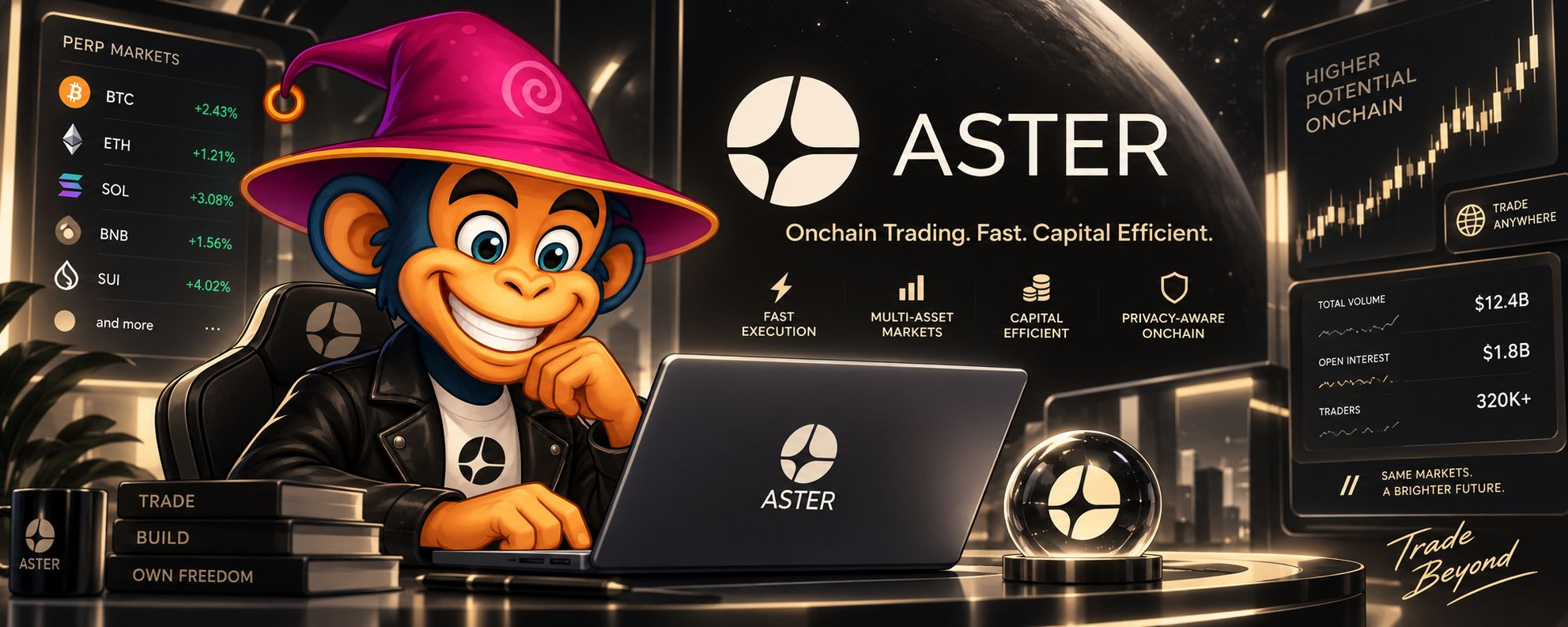
Aster Đang Trở Thành Một Trong Những Lựa Chọn Giao Dịch Onchain Thú Vị Nhất
Trận chiến tiếp theo trong #defi không chỉ liên quan đến thanh khoản.
Mà là về nơi mà các trader thực sự muốn giao dịch.
Đó là lúc Aster trở nên hấp dẫn.
Aster kết hợp giao dịch hợp đồng vĩnh viễn với khả năng tiếp cận crypto, cổ phiếu, forex, hàng hóa và thị trường dự đoán, đồng thời tập trung vào hiệu quả sử dụng vốn và quyền riêng tư.
$ASTER nằm ngay bên trong nền kinh tế giao dịch onchain đang phát triển.
Luận điểm rất đơn giản.
Các trader muốn thị trường sâu.
Họ muốn thực thi nhanh.
Họ muốn vốn tiếp tục phát huy hiệu quả.
Và ngày càng muốn nhiều quyền kiểm soát hơn đối với chiến lược và dữ liệu của mình.
Tất nhiên, sự cạnh tranh giữa các perp #DEX là khốc liệt và thanh khoản có thể chuyển đi rất nhanh.
Nhưng nếu giao dịch tiếp tục dịch chuyển sang onchain, những nền tảng có thể mang lại trải nghiệm giống sàn CEX trong khi vẫn giữ được các lợi thế gốc crypto có thể thu hút lượng hoạt động đáng kể.
Aster là một trong những cái tên đáng theo dõi trong cuộc đua đó.
Aster Đang Trở Thành Một Trong Những Lựa Chọn Giao Dịch Onchain Thú Vị Nhất
Trận chiến tiếp theo trong #defi không chỉ liên quan đến thanh khoản.
Mà là về nơi mà các trader thực sự muốn giao dịch.
Đó là lúc Aster trở nên hấp dẫn.
Aster kết hợp giao dịch hợp đồng vĩnh viễn với khả năng tiếp cận crypto, cổ phiếu, forex, hàng hóa và thị trường dự đoán, đồng thời tập trung vào hiệu quả sử dụng vốn và quyền riêng tư.
$ASTER nằm ngay bên trong nền kinh tế giao dịch onchain đang phát triển.
Luận điểm rất đơn giản.
Các trader muốn thị trường sâu.
Họ muốn thực thi nhanh.
Họ muốn vốn tiếp tục phát huy hiệu quả.
Và ngày càng muốn nhiều quyền kiểm soát hơn đối với chiến lược và dữ liệu của mình.
Tất nhiên, sự cạnh tranh giữa các perp #DEX là khốc liệt và thanh khoản có thể chuyển đi rất nhanh.
Nhưng nếu giao dịch tiếp tục dịch chuyển sang onchain, những nền tảng có thể mang lại trải nghiệm giống sàn CEX trong khi vẫn giữ được các lợi thế gốc crypto có thể thu hút lượng hoạt động đáng kể.
Aster là một trong những cái tên đáng theo dõi trong cuộc đua đó.
Trận chiến tiếp theo trong #defi không chỉ liên quan đến thanh khoản.
Mà là về nơi mà các trader thực sự muốn giao dịch.
Đó là lúc Aster trở nên hấp dẫn.
Aster kết hợp giao dịch hợp đồng vĩnh viễn với khả năng tiếp cận crypto, cổ phiếu, forex, hàng hóa và thị trường dự đoán, đồng thời tập trung vào hiệu quả sử dụng vốn và quyền riêng tư.
$ASTER nằm ngay bên trong nền kinh tế giao dịch onchain đang phát triển.
Luận điểm rất đơn giản.
Các trader muốn thị trường sâu.
Họ muốn thực thi nhanh.
Họ muốn vốn tiếp tục phát huy hiệu quả.
Và ngày càng muốn nhiều quyền kiểm soát hơn đối với chiến lược và dữ liệu của mình.
Tất nhiên, sự cạnh tranh giữa các perp #DEX là khốc liệt và thanh khoản có thể chuyển đi rất nhanh.
Nhưng nếu giao dịch tiếp tục dịch chuyển sang onchain, những nền tảng có thể mang lại trải nghiệm giống sàn CEX trong khi vẫn giữ được các lợi thế gốc crypto có thể thu hút lượng hoạt động đáng kể.
Aster là một trong những cái tên đáng theo dõi trong cuộc đua đó.
2
924
·
--
Tăng giá
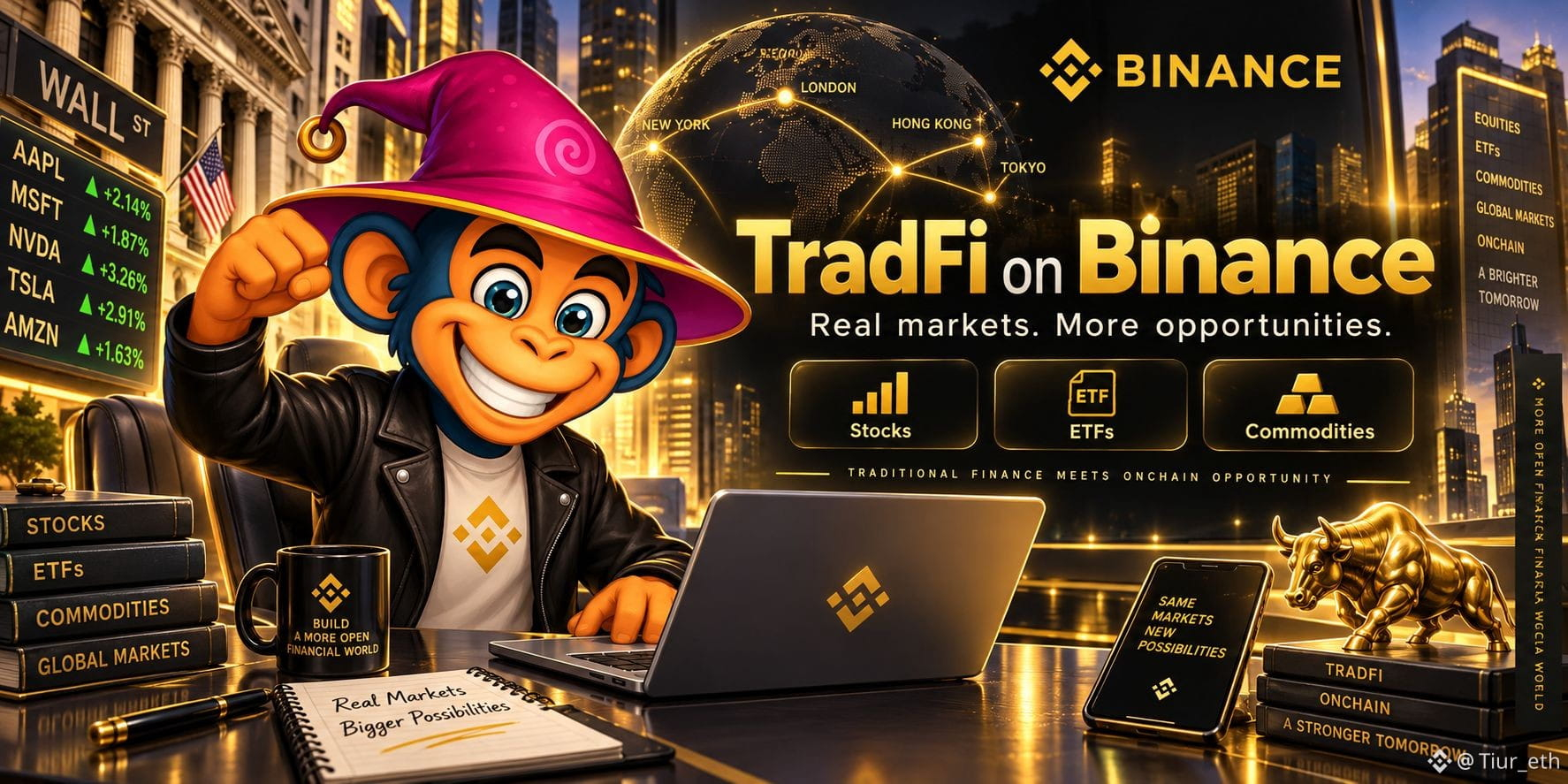
TradFi đang dần trở nên gần gũi hơn với crypto trên Binance.
Điều trước đây từng được hiểu là các nhà môi giới tách biệt, tài khoản khác nhau và quy trình hoàn toàn khác biệt giờ đây đang được đưa vào cùng một môi trường mà các trader đã sử dụng mỗi ngày.
Cổ phiếu, hàng hóa và các thị trường truyền thống khác đang trở thành một phần của trải nghiệm giao dịch rộng lớn hơn.
Đó là điều tôi thấy thú vị nhất.
Các trader crypto không còn bị giới hạn trong biến động giá của crypto nữa. Họ có thể phản ứng với kết quả kinh doanh, dữ liệu vĩ mô, kim loại, cổ phiếu và các câu chuyện của thị trường toàn cầu mà không cần thay đổi hoàn toàn cách họ giao dịch.
Binance đang dần biến một tài khoản giao dịch thành cánh cổng để làm được nhiều hơn thế so với chỉ crypto.
Và tôi nghĩ sự hội tụ giữa TradFi và tài sản số này mới chỉ bắt đầu.
TradFi đang dần trở nên gần gũi hơn với crypto trên Binance.
Điều trước đây từng được hiểu là các nhà môi giới tách biệt, tài khoản khác nhau và quy trình hoàn toàn khác biệt giờ đây đang được đưa vào cùng một môi trường mà các trader đã sử dụng mỗi ngày.
Cổ phiếu, hàng hóa và các thị trường truyền thống khác đang trở thành một phần của trải nghiệm giao dịch rộng lớn hơn.
Đó là điều tôi thấy thú vị nhất.
Các trader crypto không còn bị giới hạn trong biến động giá của crypto nữa. Họ có thể phản ứng với kết quả kinh doanh, dữ liệu vĩ mô, kim loại, cổ phiếu và các câu chuyện của thị trường toàn cầu mà không cần thay đổi hoàn toàn cách họ giao dịch.
Binance đang dần biến một tài khoản giao dịch thành cánh cổng để làm được nhiều hơn thế so với chỉ crypto.
Và tôi nghĩ sự hội tụ giữa TradFi và tài sản số này mới chỉ bắt đầu.
Điều trước đây từng được hiểu là các nhà môi giới tách biệt, tài khoản khác nhau và quy trình hoàn toàn khác biệt giờ đây đang được đưa vào cùng một môi trường mà các trader đã sử dụng mỗi ngày.
Cổ phiếu, hàng hóa và các thị trường truyền thống khác đang trở thành một phần của trải nghiệm giao dịch rộng lớn hơn.
Đó là điều tôi thấy thú vị nhất.
Các trader crypto không còn bị giới hạn trong biến động giá của crypto nữa. Họ có thể phản ứng với kết quả kinh doanh, dữ liệu vĩ mô, kim loại, cổ phiếu và các câu chuyện của thị trường toàn cầu mà không cần thay đổi hoàn toàn cách họ giao dịch.
Binance đang dần biến một tài khoản giao dịch thành cánh cổng để làm được nhiều hơn thế so với chỉ crypto.
Và tôi nghĩ sự hội tụ giữa TradFi và tài sản số này mới chỉ bắt đầu.
1
329
·
--
Tăng giá
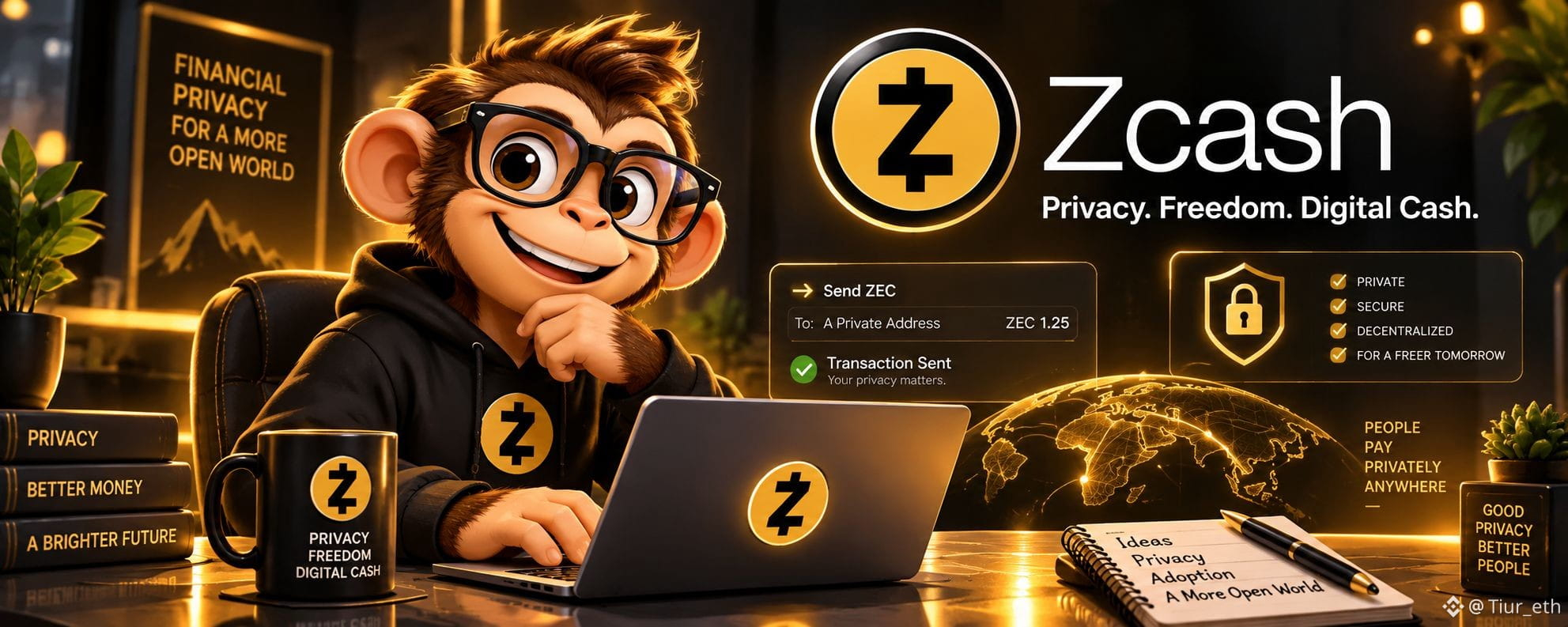
Zcash đang đưa quyền riêng tư trở lại cuộc trò chuyện về tiền mã hóa
Các blockchain công khai có một điểm không mấy thoải mái.
Hầu hết mọi thứ đều có thể bị lần ra.
Số dư ví, chuyển tiền, đối tác và lịch sử giao dịch có thể trở nên hiển thị cho bất kỳ ai.
Đó là lý do vì sao #zcash trở nên thú vị.
$ZEC được xây dựng dựa trên các khoản thanh toán kỹ thuật số riêng tư bằng mật mã mật tri thức không (zero-knowledge), đồng thời vẫn cho phép người dùng chọn mức độ minh bạch khi cần.
Luận điểm rất đơn giản.
Khi ngày càng nhiều tiền được chuyển trên chuỗi, quyền riêng tư càng trở nên có giá trị.
Mọi người muốn quyền sở hữu.
Doanh nghiệp cần sự bảo mật.
Người dùng không nhất thiết muốn toàn bộ lịch sử tài chính của họ bị công khai vĩnh viễn.
Tất nhiên, các rủi ro như quy định, mức độ chấp nhận và khả năng tiếp cận sàn giao dịch vẫn rất quan trọng.
Nhưng có một điều đang ngày càng khó để bỏ qua.
Một hệ thống tài chính minh bạch vẫn cần một lớp quyền riêng tư.
Và Zcash là một trong những cái tên mạnh nhất trong nhóm đó.
Zcash đang đưa quyền riêng tư trở lại cuộc trò chuyện về tiền mã hóa
Các blockchain công khai có một điểm không mấy thoải mái.
Hầu hết mọi thứ đều có thể bị lần ra.
Số dư ví, chuyển tiền, đối tác và lịch sử giao dịch có thể trở nên hiển thị cho bất kỳ ai.
Đó là lý do vì sao #zcash trở nên thú vị.
$ZEC được xây dựng dựa trên các khoản thanh toán kỹ thuật số riêng tư bằng mật mã mật tri thức không (zero-knowledge), đồng thời vẫn cho phép người dùng chọn mức độ minh bạch khi cần.
Luận điểm rất đơn giản.
Khi ngày càng nhiều tiền được chuyển trên chuỗi, quyền riêng tư càng trở nên có giá trị.
Mọi người muốn quyền sở hữu.
Doanh nghiệp cần sự bảo mật.
Người dùng không nhất thiết muốn toàn bộ lịch sử tài chính của họ bị công khai vĩnh viễn.
Tất nhiên, các rủi ro như quy định, mức độ chấp nhận và khả năng tiếp cận sàn giao dịch vẫn rất quan trọng.
Nhưng có một điều đang ngày càng khó để bỏ qua.
Một hệ thống tài chính minh bạch vẫn cần một lớp quyền riêng tư.
Và Zcash là một trong những cái tên mạnh nhất trong nhóm đó.
Các blockchain công khai có một điểm không mấy thoải mái.
Hầu hết mọi thứ đều có thể bị lần ra.
Số dư ví, chuyển tiền, đối tác và lịch sử giao dịch có thể trở nên hiển thị cho bất kỳ ai.
Đó là lý do vì sao #zcash trở nên thú vị.
$ZEC được xây dựng dựa trên các khoản thanh toán kỹ thuật số riêng tư bằng mật mã mật tri thức không (zero-knowledge), đồng thời vẫn cho phép người dùng chọn mức độ minh bạch khi cần.
Luận điểm rất đơn giản.
Khi ngày càng nhiều tiền được chuyển trên chuỗi, quyền riêng tư càng trở nên có giá trị.
Mọi người muốn quyền sở hữu.
Doanh nghiệp cần sự bảo mật.
Người dùng không nhất thiết muốn toàn bộ lịch sử tài chính của họ bị công khai vĩnh viễn.
Tất nhiên, các rủi ro như quy định, mức độ chấp nhận và khả năng tiếp cận sàn giao dịch vẫn rất quan trọng.
Nhưng có một điều đang ngày càng khó để bỏ qua.
Một hệ thống tài chính minh bạch vẫn cần một lớp quyền riêng tư.
Và Zcash là một trong những cái tên mạnh nhất trong nhóm đó.
2
3
387
·
--
Tăng giá
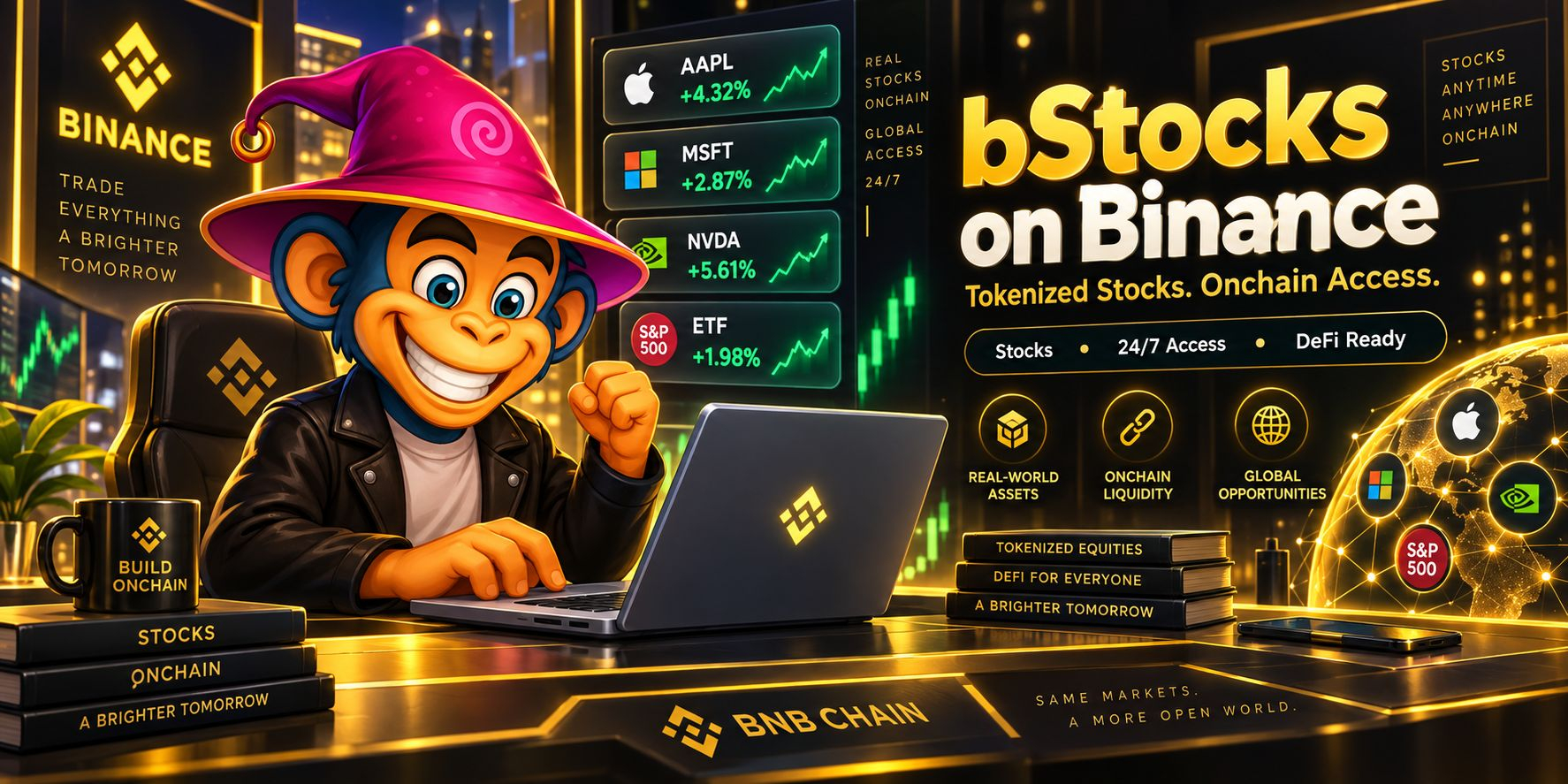
bStocks trên Binance là một trong những diễn biến TradFi thú vị nhất mà tôi đang theo dõi ngay lúc này.
Chúng mang đến khả năng tiếp xúc token hóa với cổ phiếu Mỹ trực tiếp vào môi trường crypto.
Mỗi bStock được hỗ trợ 1:1 bởi chứng khoán cơ sở, có thể giao dịch 24/7 trên Binance Spot và có thể được rút về ví tự lưu ký trên BNB Chain. Các tài sản đủ điều kiện cũng có thể di chuyển on-chain và tương tác với DeFi thay vì bị giữ cố định trong một tài khoản môi giới truyền thống.
Điểm nổi bật với tôi là tính linh hoạt.
Giờ đây, cổ phiếu có thể tồn tại trong cùng hệ sinh thái nơi tôi đã giao dịch crypto, sử dụng stablecoin và tương tác với DeFi.
bStocks là một ví dụ mạnh mẽ cho thấy ranh giới giữa thị trường truyền thống và tài chính on-chain đang dần mờ đi.
bStocks trên Binance là một trong những diễn biến TradFi thú vị nhất mà tôi đang theo dõi ngay lúc này.
Chúng mang đến khả năng tiếp xúc token hóa với cổ phiếu Mỹ trực tiếp vào môi trường crypto.
Mỗi bStock được hỗ trợ 1:1 bởi chứng khoán cơ sở, có thể giao dịch 24/7 trên Binance Spot và có thể được rút về ví tự lưu ký trên BNB Chain. Các tài sản đủ điều kiện cũng có thể di chuyển on-chain và tương tác với DeFi thay vì bị giữ cố định trong một tài khoản môi giới truyền thống.
Điểm nổi bật với tôi là tính linh hoạt.
Giờ đây, cổ phiếu có thể tồn tại trong cùng hệ sinh thái nơi tôi đã giao dịch crypto, sử dụng stablecoin và tương tác với DeFi.
bStocks là một ví dụ mạnh mẽ cho thấy ranh giới giữa thị trường truyền thống và tài chính on-chain đang dần mờ đi.
Chúng mang đến khả năng tiếp xúc token hóa với cổ phiếu Mỹ trực tiếp vào môi trường crypto.
Mỗi bStock được hỗ trợ 1:1 bởi chứng khoán cơ sở, có thể giao dịch 24/7 trên Binance Spot và có thể được rút về ví tự lưu ký trên BNB Chain. Các tài sản đủ điều kiện cũng có thể di chuyển on-chain và tương tác với DeFi thay vì bị giữ cố định trong một tài khoản môi giới truyền thống.
Điểm nổi bật với tôi là tính linh hoạt.
Giờ đây, cổ phiếu có thể tồn tại trong cùng hệ sinh thái nơi tôi đã giao dịch crypto, sử dụng stablecoin và tương tác với DeFi.
bStocks là một ví dụ mạnh mẽ cho thấy ranh giới giữa thị trường truyền thống và tài chính on-chain đang dần mờ đi.
1
167
·
--
Tăng giá
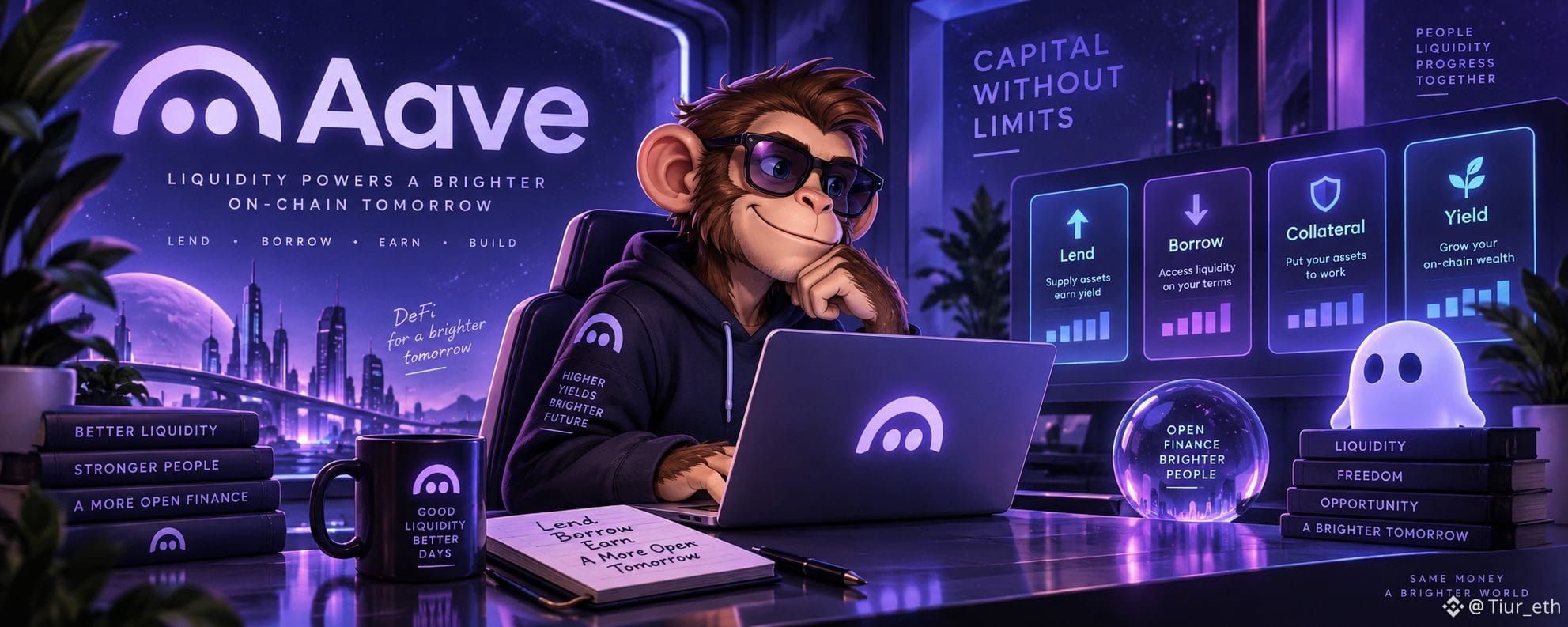
Aave Vẫn Là Một Trong Những “Cược” Cho Vay Mạnh Nhất Của DeFi
DeFi không chỉ là giao dịch.
DeFi còn xoay quanh tính thanh khoản, vay mượn, cho vay, tài sản thế chấp và lợi suất.
Đó là lý do Aave vẫn rất quan trọng.
#AAVE là một giao thức thanh khoản phi tập trung, không cần ký gửi, nơi người dùng có thể cung cấp tài sản hoặc vay dựa trên tài sản thế chấp.
$AAVE nằm trong một trong những trường hợp sử dụng #defi rõ ràng nhất: mở các thị trường tiền tệ.
Điều này quan trọng vì crypto cần những sản phẩm tài chính thực sự hoạt động trên chuỗi (onchain).
Người dùng muốn kiếm lợi.
Người vay cần thanh khoản.
Những người xây dựng cần các thị trường sâu.
Tất nhiên, vẫn có rủi ro. Cho vay trong DeFi phụ thuộc vào quản lý rủi ro, tính thanh khoản, chất lượng tài sản thế chấp và điều kiện thị trường.
Nhưng luận điểm thì rất rõ ràng.
Nếu tài chính trên chuỗi tiếp tục phát triển, các giao thức cho vay sẽ vẫn giữ vai trò quan trọng.
Và Aave vẫn là một trong những cái tên mạnh nhất trong nhóm đó.
Aave Vẫn Là Một Trong Những “Cược” Cho Vay Mạnh Nhất Của DeFi
DeFi không chỉ là giao dịch.
DeFi còn xoay quanh tính thanh khoản, vay mượn, cho vay, tài sản thế chấp và lợi suất.
Đó là lý do Aave vẫn rất quan trọng.
#AAVE là một giao thức thanh khoản phi tập trung, không cần ký gửi, nơi người dùng có thể cung cấp tài sản hoặc vay dựa trên tài sản thế chấp.
$AAVE nằm trong một trong những trường hợp sử dụng #defi rõ ràng nhất: mở các thị trường tiền tệ.
Điều này quan trọng vì crypto cần những sản phẩm tài chính thực sự hoạt động trên chuỗi (onchain).
Người dùng muốn kiếm lợi.
Người vay cần thanh khoản.
Những người xây dựng cần các thị trường sâu.
Tất nhiên, vẫn có rủi ro. Cho vay trong DeFi phụ thuộc vào quản lý rủi ro, tính thanh khoản, chất lượng tài sản thế chấp và điều kiện thị trường.
Nhưng luận điểm thì rất rõ ràng.
Nếu tài chính trên chuỗi tiếp tục phát triển, các giao thức cho vay sẽ vẫn giữ vai trò quan trọng.
Và Aave vẫn là một trong những cái tên mạnh nhất trong nhóm đó.
DeFi không chỉ là giao dịch.
DeFi còn xoay quanh tính thanh khoản, vay mượn, cho vay, tài sản thế chấp và lợi suất.
Đó là lý do Aave vẫn rất quan trọng.
#AAVE là một giao thức thanh khoản phi tập trung, không cần ký gửi, nơi người dùng có thể cung cấp tài sản hoặc vay dựa trên tài sản thế chấp.
$AAVE nằm trong một trong những trường hợp sử dụng #defi rõ ràng nhất: mở các thị trường tiền tệ.
Điều này quan trọng vì crypto cần những sản phẩm tài chính thực sự hoạt động trên chuỗi (onchain).
Người dùng muốn kiếm lợi.
Người vay cần thanh khoản.
Những người xây dựng cần các thị trường sâu.
Tất nhiên, vẫn có rủi ro. Cho vay trong DeFi phụ thuộc vào quản lý rủi ro, tính thanh khoản, chất lượng tài sản thế chấp và điều kiện thị trường.
Nhưng luận điểm thì rất rõ ràng.
Nếu tài chính trên chuỗi tiếp tục phát triển, các giao thức cho vay sẽ vẫn giữ vai trò quan trọng.
Và Aave vẫn là một trong những cái tên mạnh nhất trong nhóm đó.
1
143
·
--
Tăng giá
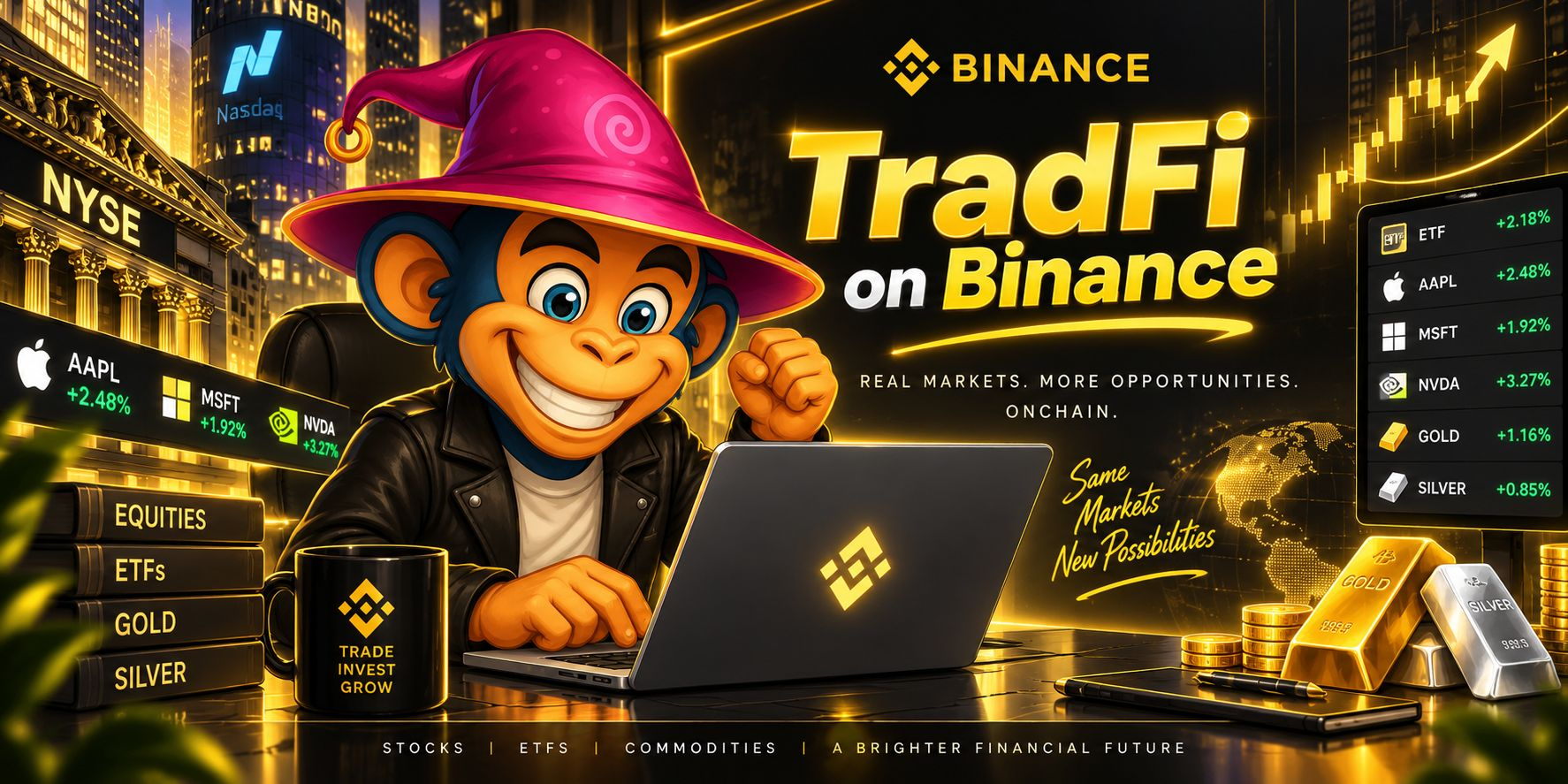
TradFi trên Binance đang trở nên thực sự thú vị.
Vàng, bạc, cổ phiếu, ETF và các thị trường lớn trên toàn cầu giờ đây có thể đặt cạnh crypto trong cùng một môi trường giao dịch.
Không cần phải nhảy giữa các nền tảng khác nhau. Một tài khoản, thanh toán bằng USDT và quyền truy cập vào danh sách ngày càng tăng các tài sản truyền thống.
Tôi thích hướng đi mà Binance đang triển khai. Các nhà giao dịch crypto đang có một sân chơi rộng hơn rất nhiều, trong khi các thị trường TradFi trở nên dễ tiếp cận hơn.
TradFi trên Binance đang trở nên thực sự thú vị.
Vàng, bạc, cổ phiếu, ETF và các thị trường lớn trên toàn cầu giờ đây có thể đặt cạnh crypto trong cùng một môi trường giao dịch.
Không cần phải nhảy giữa các nền tảng khác nhau. Một tài khoản, thanh toán bằng USDT và quyền truy cập vào danh sách ngày càng tăng các tài sản truyền thống.
Tôi thích hướng đi mà Binance đang triển khai. Các nhà giao dịch crypto đang có một sân chơi rộng hơn rất nhiều, trong khi các thị trường TradFi trở nên dễ tiếp cận hơn.
Vàng, bạc, cổ phiếu, ETF và các thị trường lớn trên toàn cầu giờ đây có thể đặt cạnh crypto trong cùng một môi trường giao dịch.
Không cần phải nhảy giữa các nền tảng khác nhau. Một tài khoản, thanh toán bằng USDT và quyền truy cập vào danh sách ngày càng tăng các tài sản truyền thống.
Tôi thích hướng đi mà Binance đang triển khai. Các nhà giao dịch crypto đang có một sân chơi rộng hơn rất nhiều, trong khi các thị trường TradFi trở nên dễ tiếp cận hơn.
1
112
·
--
Tăng giá
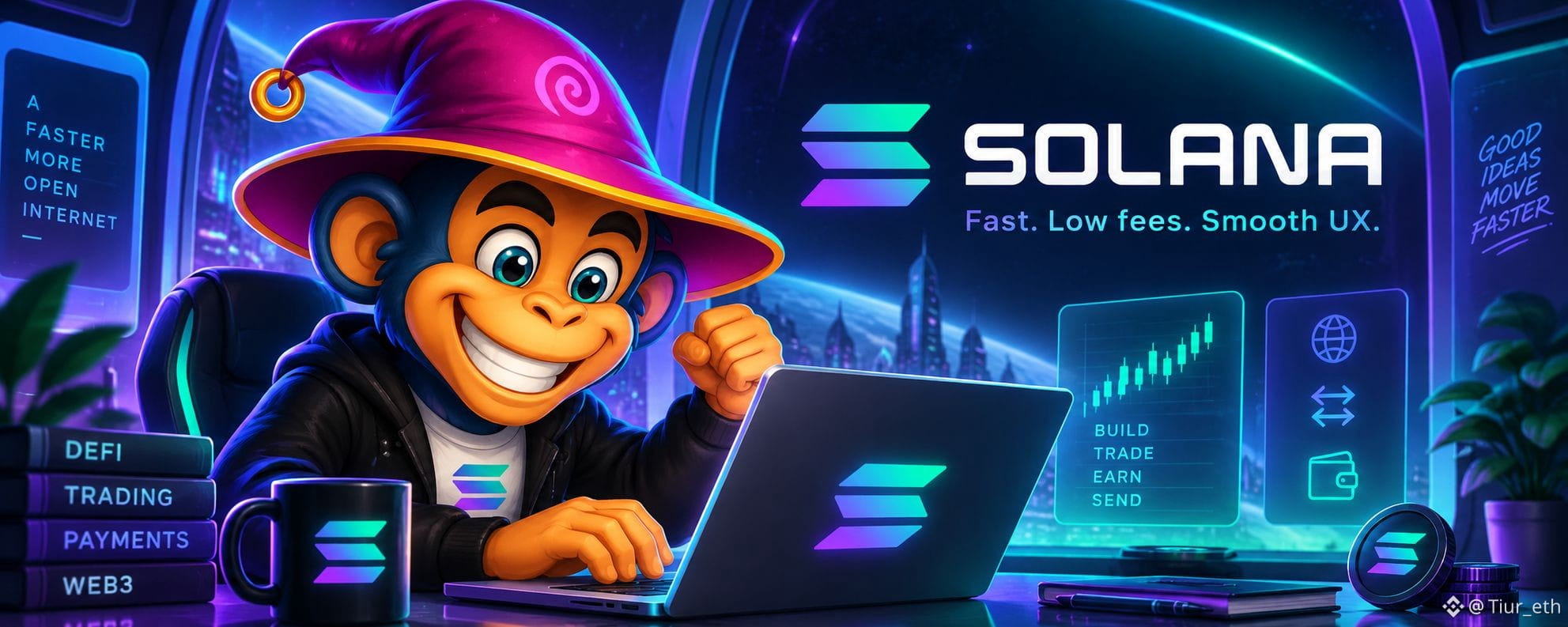
Solana Vẫn Là Một Trong Những Cược Đáng Tin Nhất Cho Ứng Dụng Tiêu Dùng Trong Crypto
Việc người dùng tiếp cận crypto sẽ không chỉ đến từ các biểu đồ.
Nó sẽ đến từ những ứng dụng mà người ta thực sự sử dụng.
Đó là lý do vì sao #solana vẫn rất đáng chú ý.
$SOL nằm trong một trong những hệ sinh thái hoạt động sôi nổi nhất cho giao dịch, #defi , #nft s, #memecoins , thanh toán, ứng dụng di động và các sản phẩm tiêu dùng.
Luận điểm rất đơn giản.
Người dùng muốn tốc độ.
Họ muốn phí thấp.
Họ muốn những ứng dụng cảm giác mượt mà.
Và Solana tiếp tục xây dựng theo đúng hướng đó. Tài liệu chính thức của Solana cũng định vị mạng lưới hướng tới các ứng dụng phức tạp hơn với tốc độ cao và chi phí thấp.
Tất nhiên, vẫn còn rủi ro. Cạnh tranh rất mạnh, độ tin cậy của mạng lưới là điều quan trọng và thanh khoản có thể luân chuyển nhanh chóng.
Nhưng bức tranh tổng thể là rõ ràng.
Crypto cần những hệ sinh thái nơi người dùng không cảm thấy bị cản trở liên tục.
Và Solana vẫn là một trong những cái tên mạnh nhất trong cuộc trao đổi đó.
Solana Vẫn Là Một Trong Những Cược Đáng Tin Nhất Cho Ứng Dụng Tiêu Dùng Trong Crypto
Việc người dùng tiếp cận crypto sẽ không chỉ đến từ các biểu đồ.
Nó sẽ đến từ những ứng dụng mà người ta thực sự sử dụng.
Đó là lý do vì sao #solana vẫn rất đáng chú ý.
$SOL nằm trong một trong những hệ sinh thái hoạt động sôi nổi nhất cho giao dịch, #defi , #nft s, #memecoins , thanh toán, ứng dụng di động và các sản phẩm tiêu dùng.
Luận điểm rất đơn giản.
Người dùng muốn tốc độ.
Họ muốn phí thấp.
Họ muốn những ứng dụng cảm giác mượt mà.
Và Solana tiếp tục xây dựng theo đúng hướng đó. Tài liệu chính thức của Solana cũng định vị mạng lưới hướng tới các ứng dụng phức tạp hơn với tốc độ cao và chi phí thấp.
Tất nhiên, vẫn còn rủi ro. Cạnh tranh rất mạnh, độ tin cậy của mạng lưới là điều quan trọng và thanh khoản có thể luân chuyển nhanh chóng.
Nhưng bức tranh tổng thể là rõ ràng.
Crypto cần những hệ sinh thái nơi người dùng không cảm thấy bị cản trở liên tục.
Và Solana vẫn là một trong những cái tên mạnh nhất trong cuộc trao đổi đó.
Việc người dùng tiếp cận crypto sẽ không chỉ đến từ các biểu đồ.
Nó sẽ đến từ những ứng dụng mà người ta thực sự sử dụng.
Đó là lý do vì sao #solana vẫn rất đáng chú ý.
$SOL nằm trong một trong những hệ sinh thái hoạt động sôi nổi nhất cho giao dịch, #defi , #nft s, #memecoins , thanh toán, ứng dụng di động và các sản phẩm tiêu dùng.
Luận điểm rất đơn giản.
Người dùng muốn tốc độ.
Họ muốn phí thấp.
Họ muốn những ứng dụng cảm giác mượt mà.
Và Solana tiếp tục xây dựng theo đúng hướng đó. Tài liệu chính thức của Solana cũng định vị mạng lưới hướng tới các ứng dụng phức tạp hơn với tốc độ cao và chi phí thấp.
Tất nhiên, vẫn còn rủi ro. Cạnh tranh rất mạnh, độ tin cậy của mạng lưới là điều quan trọng và thanh khoản có thể luân chuyển nhanh chóng.
Nhưng bức tranh tổng thể là rõ ràng.
Crypto cần những hệ sinh thái nơi người dùng không cảm thấy bị cản trở liên tục.
Và Solana vẫn là một trong những cái tên mạnh nhất trong cuộc trao đổi đó.
1
164
·
--
Tăng giá
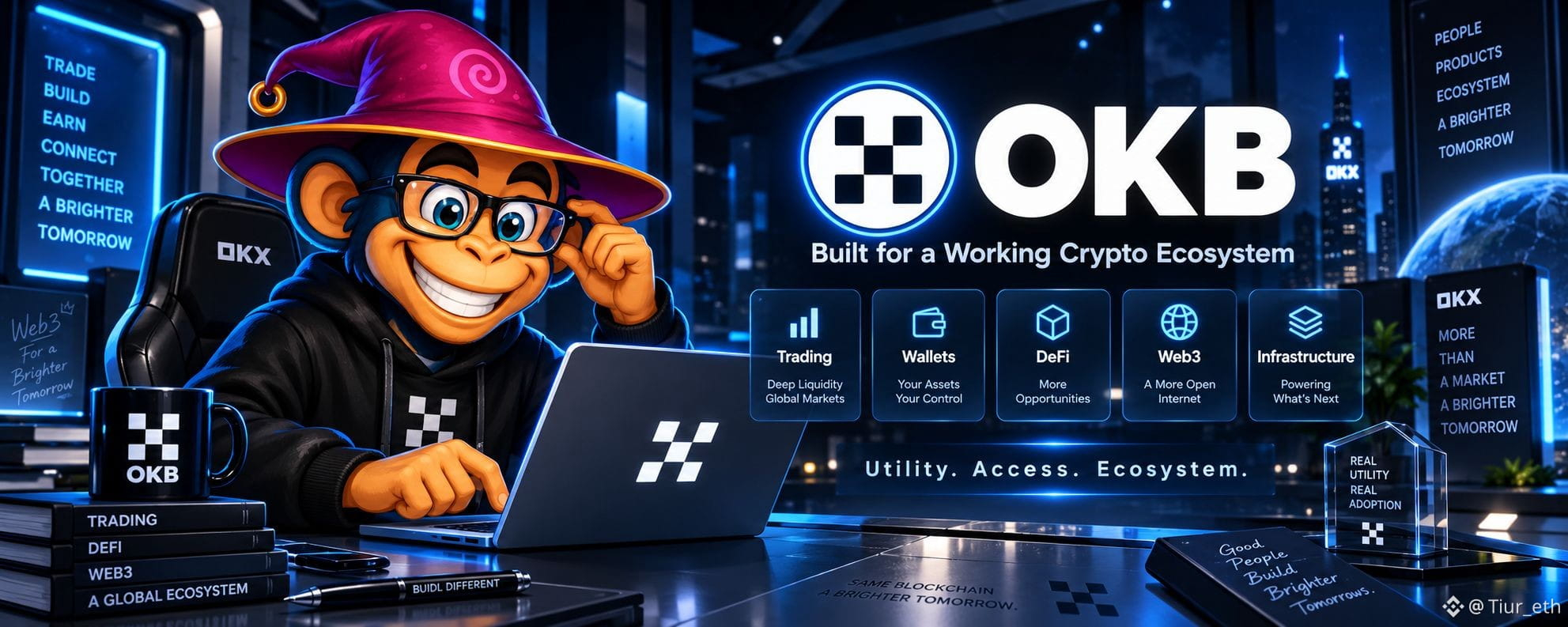
OKB Là Một Trong Những Cược Đặt Hệ Sinh Thái Sàn Giao Dịch Thực Dụng Nhất
Crypto thường tìm kiếm những cơ hội mới, nhưng đôi khi một tài sản mạnh lại được xây dựng song song với một hạ tầng đã vận hành tốt.
#OKB thuộc vào nhóm này.
Nó được kết nối với #OKX và hệ sinh thái X Layer, nơi OKB được sử dụng như một native gas token cho các giao dịch on-chain.
Điều này giúp token có một vai trò rõ ràng.
Không chỉ là một biểu đồ.
Không chỉ là một thương hiệu.
Mà là quyền truy cập vào một hệ sinh thái bao gồm giao dịch, Web3, #defi , ví, ứng dụng và hạ tầng xoay quanh một trong những nền tảng crypto lớn nhất.
Tất nhiên, vẫn còn những rủi ro. Token sàn giao dịch phụ thuộc vào niềm tin, môi trường pháp lý, tính thanh khoản và sự phát triển của chính hệ sinh thái đó.
Nhưng vấn đề rất đơn giản.
Nếu crypto tiếp tục hướng đến các sản phẩm được sử dụng thực sự mỗi ngày, thì các token từ những hệ sinh thái lớn đang hoạt động sẽ vẫn được chú ý.
Và OKB là một trong số những tài sản như vậy.
OKB Là Một Trong Những Cược Đặt Hệ Sinh Thái Sàn Giao Dịch Thực Dụng Nhất
Crypto thường tìm kiếm những cơ hội mới, nhưng đôi khi một tài sản mạnh lại được xây dựng song song với một hạ tầng đã vận hành tốt.
#OKB thuộc vào nhóm này.
Nó được kết nối với #OKX và hệ sinh thái X Layer, nơi OKB được sử dụng như một native gas token cho các giao dịch on-chain.
Điều này giúp token có một vai trò rõ ràng.
Không chỉ là một biểu đồ.
Không chỉ là một thương hiệu.
Mà là quyền truy cập vào một hệ sinh thái bao gồm giao dịch, Web3, #defi , ví, ứng dụng và hạ tầng xoay quanh một trong những nền tảng crypto lớn nhất.
Tất nhiên, vẫn còn những rủi ro. Token sàn giao dịch phụ thuộc vào niềm tin, môi trường pháp lý, tính thanh khoản và sự phát triển của chính hệ sinh thái đó.
Nhưng vấn đề rất đơn giản.
Nếu crypto tiếp tục hướng đến các sản phẩm được sử dụng thực sự mỗi ngày, thì các token từ những hệ sinh thái lớn đang hoạt động sẽ vẫn được chú ý.
Và OKB là một trong số những tài sản như vậy.
Crypto thường tìm kiếm những cơ hội mới, nhưng đôi khi một tài sản mạnh lại được xây dựng song song với một hạ tầng đã vận hành tốt.
#OKB thuộc vào nhóm này.
Nó được kết nối với #OKX và hệ sinh thái X Layer, nơi OKB được sử dụng như một native gas token cho các giao dịch on-chain.
Điều này giúp token có một vai trò rõ ràng.
Không chỉ là một biểu đồ.
Không chỉ là một thương hiệu.
Mà là quyền truy cập vào một hệ sinh thái bao gồm giao dịch, Web3, #defi , ví, ứng dụng và hạ tầng xoay quanh một trong những nền tảng crypto lớn nhất.
Tất nhiên, vẫn còn những rủi ro. Token sàn giao dịch phụ thuộc vào niềm tin, môi trường pháp lý, tính thanh khoản và sự phát triển của chính hệ sinh thái đó.
Nhưng vấn đề rất đơn giản.
Nếu crypto tiếp tục hướng đến các sản phẩm được sử dụng thực sự mỗi ngày, thì các token từ những hệ sinh thái lớn đang hoạt động sẽ vẫn được chú ý.
Và OKB là một trong số những tài sản như vậy.
2
9
·
--
Tăng giá
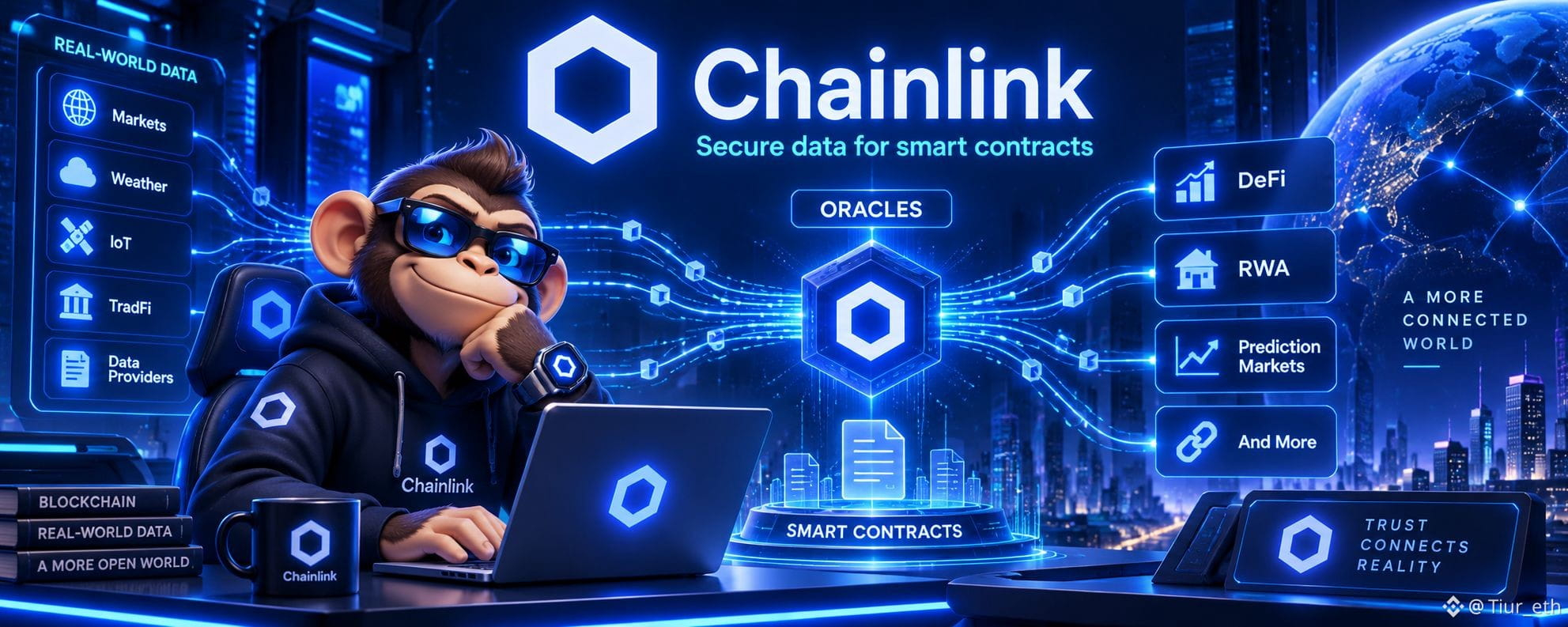
Chainlink vẫn là một trong những khoản cược hạ tầng quan trọng nhất của Crypto
Các ứng dụng crypto không thể hoạt động trong cô lập.
DeFi cần có giá.
#RWA cần bằng chứng.
Các thị trường dự đoán cần kết quả.
Các tổ chức cần dữ liệu đáng tin cậy.
Đó là lý do #Chainlink vẫn còn quan trọng.
$LINK nằm trong một trong những câu chuyện hạ tầng rõ ràng nhất trong crypto: kết nối các smart contract với dữ liệu thế giới thực, các thị trường và hệ thống tài chính.
Đây không phải là câu chuyện gây ồn ào nhất, nhưng lại là một trong những câu chuyện thiết thực nhất.
Không có dữ liệu đáng tin cậy, tài chính onchain sẽ trở nên mù mờ.
Không có oracles, nhiều sản phẩm #defi đơn giản là không thể hoạt động.
Tất nhiên, rủi ro vẫn còn đó. Cạnh tranh mạnh, việc áp dụng cần thời gian, và token hạ tầng cần có mức sử dụng thực sự.
Nhưng luận điểm là rõ ràng.
Khi tài chính dịch chuyển nhiều hơn lên onchain, dữ liệu đáng tin cậy càng trở nên quan trọng.
Và Chainlink vẫn là một trong những cái tên mạnh nhất trong nhóm đó.
Chainlink vẫn là một trong những khoản cược hạ tầng quan trọng nhất của Crypto
Các ứng dụng crypto không thể hoạt động trong cô lập.
DeFi cần có giá.
#RWA cần bằng chứng.
Các thị trường dự đoán cần kết quả.
Các tổ chức cần dữ liệu đáng tin cậy.
Đó là lý do #Chainlink vẫn còn quan trọng.
$LINK nằm trong một trong những câu chuyện hạ tầng rõ ràng nhất trong crypto: kết nối các smart contract với dữ liệu thế giới thực, các thị trường và hệ thống tài chính.
Đây không phải là câu chuyện gây ồn ào nhất, nhưng lại là một trong những câu chuyện thiết thực nhất.
Không có dữ liệu đáng tin cậy, tài chính onchain sẽ trở nên mù mờ.
Không có oracles, nhiều sản phẩm #defi đơn giản là không thể hoạt động.
Tất nhiên, rủi ro vẫn còn đó. Cạnh tranh mạnh, việc áp dụng cần thời gian, và token hạ tầng cần có mức sử dụng thực sự.
Nhưng luận điểm là rõ ràng.
Khi tài chính dịch chuyển nhiều hơn lên onchain, dữ liệu đáng tin cậy càng trở nên quan trọng.
Và Chainlink vẫn là một trong những cái tên mạnh nhất trong nhóm đó.
Các ứng dụng crypto không thể hoạt động trong cô lập.
DeFi cần có giá.
#RWA cần bằng chứng.
Các thị trường dự đoán cần kết quả.
Các tổ chức cần dữ liệu đáng tin cậy.
Đó là lý do #Chainlink vẫn còn quan trọng.
$LINK nằm trong một trong những câu chuyện hạ tầng rõ ràng nhất trong crypto: kết nối các smart contract với dữ liệu thế giới thực, các thị trường và hệ thống tài chính.
Đây không phải là câu chuyện gây ồn ào nhất, nhưng lại là một trong những câu chuyện thiết thực nhất.
Không có dữ liệu đáng tin cậy, tài chính onchain sẽ trở nên mù mờ.
Không có oracles, nhiều sản phẩm #defi đơn giản là không thể hoạt động.
Tất nhiên, rủi ro vẫn còn đó. Cạnh tranh mạnh, việc áp dụng cần thời gian, và token hạ tầng cần có mức sử dụng thực sự.
Nhưng luận điểm là rõ ràng.
Khi tài chính dịch chuyển nhiều hơn lên onchain, dữ liệu đáng tin cậy càng trở nên quan trọng.
Và Chainlink vẫn là một trong những cái tên mạnh nhất trong nhóm đó.
1
122
·
--
Tăng giá
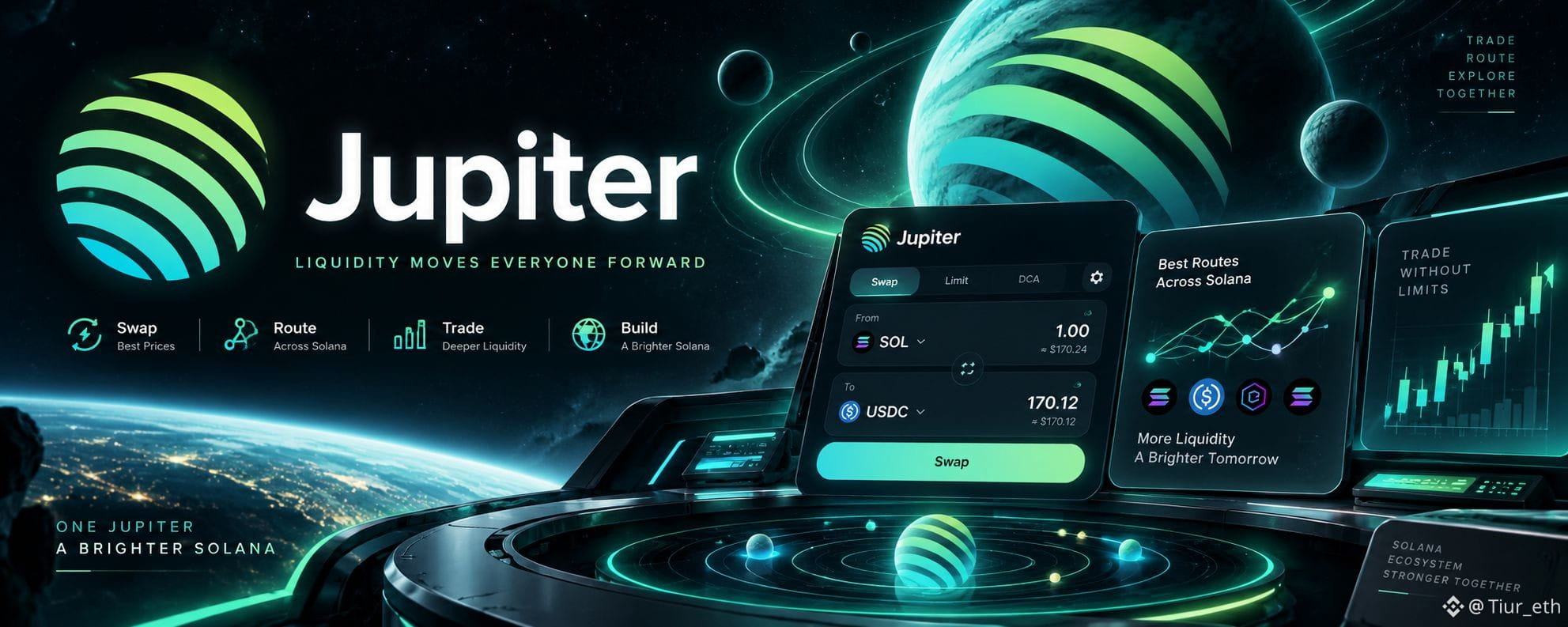
Jupiter là một trong những lựa chọn DeFi mạnh nhất của Solana
Solana cần nhiều hơn tốc độ.
Nó cần thanh khoản, cơ chế định tuyến, công cụ giao dịch, cho vay, hợp đồng tương lai vĩnh viễn (perps), quản lý danh mục và các sản phẩm mà người dùng mở mỗi ngày.
Đó là lúc Jupiter trở nên thú vị.
Jupiter tự mô tả mình là một sàn giao dịch cho #solana nơi người dùng có thể hoán đổi token, cho vay, vay mượn, giao dịch perps và quản lý #defi vị thế chỉ trong một nơi.
$JUP nằm trong lớp hoạt động đó.
Luận điểm rất đơn giản.
Nếu Solana tiếp tục thu hút các nhà giao dịch, nhà phát triển, memecoin, ứng dụng DeFi và dòng thanh khoản lẻ, thì hạ tầng như Jupiter sẽ càng khó bị bỏ qua.
Tất nhiên, rủi ro vẫn còn đó. Cạnh tranh rất mạnh, thanh khoản dịch chuyển nhanh và hoạt động của Solana có thể mang tính chu kỳ.
Nhưng hướng đi là rõ ràng.
Crypto cần những sản phẩm mà người ta thực sự sử dụng.
Và #jupiter là một trong những cái tên đứng gần dòng DeFi hằng ngày của Solana.
Jupiter là một trong những lựa chọn DeFi mạnh nhất của Solana
Solana cần nhiều hơn tốc độ.
Nó cần thanh khoản, cơ chế định tuyến, công cụ giao dịch, cho vay, hợp đồng tương lai vĩnh viễn (perps), quản lý danh mục và các sản phẩm mà người dùng mở mỗi ngày.
Đó là lúc Jupiter trở nên thú vị.
Jupiter tự mô tả mình là một sàn giao dịch cho #solana nơi người dùng có thể hoán đổi token, cho vay, vay mượn, giao dịch perps và quản lý #defi vị thế chỉ trong một nơi.
$JUP nằm trong lớp hoạt động đó.
Luận điểm rất đơn giản.
Nếu Solana tiếp tục thu hút các nhà giao dịch, nhà phát triển, memecoin, ứng dụng DeFi và dòng thanh khoản lẻ, thì hạ tầng như Jupiter sẽ càng khó bị bỏ qua.
Tất nhiên, rủi ro vẫn còn đó. Cạnh tranh rất mạnh, thanh khoản dịch chuyển nhanh và hoạt động của Solana có thể mang tính chu kỳ.
Nhưng hướng đi là rõ ràng.
Crypto cần những sản phẩm mà người ta thực sự sử dụng.
Và #jupiter là một trong những cái tên đứng gần dòng DeFi hằng ngày của Solana.
Solana cần nhiều hơn tốc độ.
Nó cần thanh khoản, cơ chế định tuyến, công cụ giao dịch, cho vay, hợp đồng tương lai vĩnh viễn (perps), quản lý danh mục và các sản phẩm mà người dùng mở mỗi ngày.
Đó là lúc Jupiter trở nên thú vị.
Jupiter tự mô tả mình là một sàn giao dịch cho #solana nơi người dùng có thể hoán đổi token, cho vay, vay mượn, giao dịch perps và quản lý #defi vị thế chỉ trong một nơi.
$JUP nằm trong lớp hoạt động đó.
Luận điểm rất đơn giản.
Nếu Solana tiếp tục thu hút các nhà giao dịch, nhà phát triển, memecoin, ứng dụng DeFi và dòng thanh khoản lẻ, thì hạ tầng như Jupiter sẽ càng khó bị bỏ qua.
Tất nhiên, rủi ro vẫn còn đó. Cạnh tranh rất mạnh, thanh khoản dịch chuyển nhanh và hoạt động của Solana có thể mang tính chu kỳ.
Nhưng hướng đi là rõ ràng.
Crypto cần những sản phẩm mà người ta thực sự sử dụng.
Và #jupiter là một trong những cái tên đứng gần dòng DeFi hằng ngày của Solana.
1
161
·
--
Tăng giá
Shiba Inu Vẫn Là Một Trong Những Tài Sản Cộng Đồng Mạnh Nhất Của Crypto
Crypto không chỉ là về công nghệ.
Nó còn là về sự chú ý, văn hóa, thanh khoản, và những cộng đồng không chịu biến mất.
Đó là lý do $SHIB vẫn còn thú vị.
Shiba Inu bắt đầu như một tài sản meme, nhưng nó đã tồn tại lâu hơn hầu hết mọi người dự đoán. Và trong crypto, sự sống sót là rất quan trọng.
Nhiều token chỉ có một chu kỳ chú ý rồi biến mất.
#SHIB vẫn dễ nhận biết.
Nó giữ được cộng đồng của mình.
Nó vẫn có thanh khoản.
Nó trở thành một trong số ít #memecoins mà gần như ai trong crypto cũng biết tên.
Tất nhiên, rủi ro vẫn còn. Tài sản meme rất biến động, sự chú ý có thể thay đổi rất nhanh, và cộng đồng thôi thì không đủ mãi mãi.
Nhưng luận điểm thì rất rõ ràng.
Văn hóa crypto tạo ra thị trường.
Thị trường tạo ra thanh khoản.
Thanh khoản giữ cho sự chú ý tiếp tục tồn tại.
Và SHIB vẫn là một trong những ví dụ mạnh nhất của vòng lặp đó.
Shiba Inu Vẫn Là Một Trong Những Tài Sản Cộng Đồng Mạnh Nhất Của Crypto
Crypto không chỉ là về công nghệ.
Nó còn là về sự chú ý, văn hóa, thanh khoản, và những cộng đồng không chịu biến mất.
Đó là lý do $SHIB vẫn còn thú vị.
Shiba Inu bắt đầu như một tài sản meme, nhưng nó đã tồn tại lâu hơn hầu hết mọi người dự đoán. Và trong crypto, sự sống sót là rất quan trọng.
Nhiều token chỉ có một chu kỳ chú ý rồi biến mất.
#SHIB vẫn dễ nhận biết.
Nó giữ được cộng đồng của mình.
Nó vẫn có thanh khoản.
Nó trở thành một trong số ít #memecoins mà gần như ai trong crypto cũng biết tên.
Tất nhiên, rủi ro vẫn còn. Tài sản meme rất biến động, sự chú ý có thể thay đổi rất nhanh, và cộng đồng thôi thì không đủ mãi mãi.
Nhưng luận điểm thì rất rõ ràng.
Văn hóa crypto tạo ra thị trường.
Thị trường tạo ra thanh khoản.
Thanh khoản giữ cho sự chú ý tiếp tục tồn tại.
Và SHIB vẫn là một trong những ví dụ mạnh nhất của vòng lặp đó.
Crypto không chỉ là về công nghệ.
Nó còn là về sự chú ý, văn hóa, thanh khoản, và những cộng đồng không chịu biến mất.
Đó là lý do $SHIB vẫn còn thú vị.
Shiba Inu bắt đầu như một tài sản meme, nhưng nó đã tồn tại lâu hơn hầu hết mọi người dự đoán. Và trong crypto, sự sống sót là rất quan trọng.
Nhiều token chỉ có một chu kỳ chú ý rồi biến mất.
#SHIB vẫn dễ nhận biết.
Nó giữ được cộng đồng của mình.
Nó vẫn có thanh khoản.
Nó trở thành một trong số ít #memecoins mà gần như ai trong crypto cũng biết tên.
Tất nhiên, rủi ro vẫn còn. Tài sản meme rất biến động, sự chú ý có thể thay đổi rất nhanh, và cộng đồng thôi thì không đủ mãi mãi.
Nhưng luận điểm thì rất rõ ràng.
Văn hóa crypto tạo ra thị trường.
Thị trường tạo ra thanh khoản.
Thanh khoản giữ cho sự chú ý tiếp tục tồn tại.
Và SHIB vẫn là một trong những ví dụ mạnh nhất của vòng lặp đó.

2
171
·
--
Tăng giá
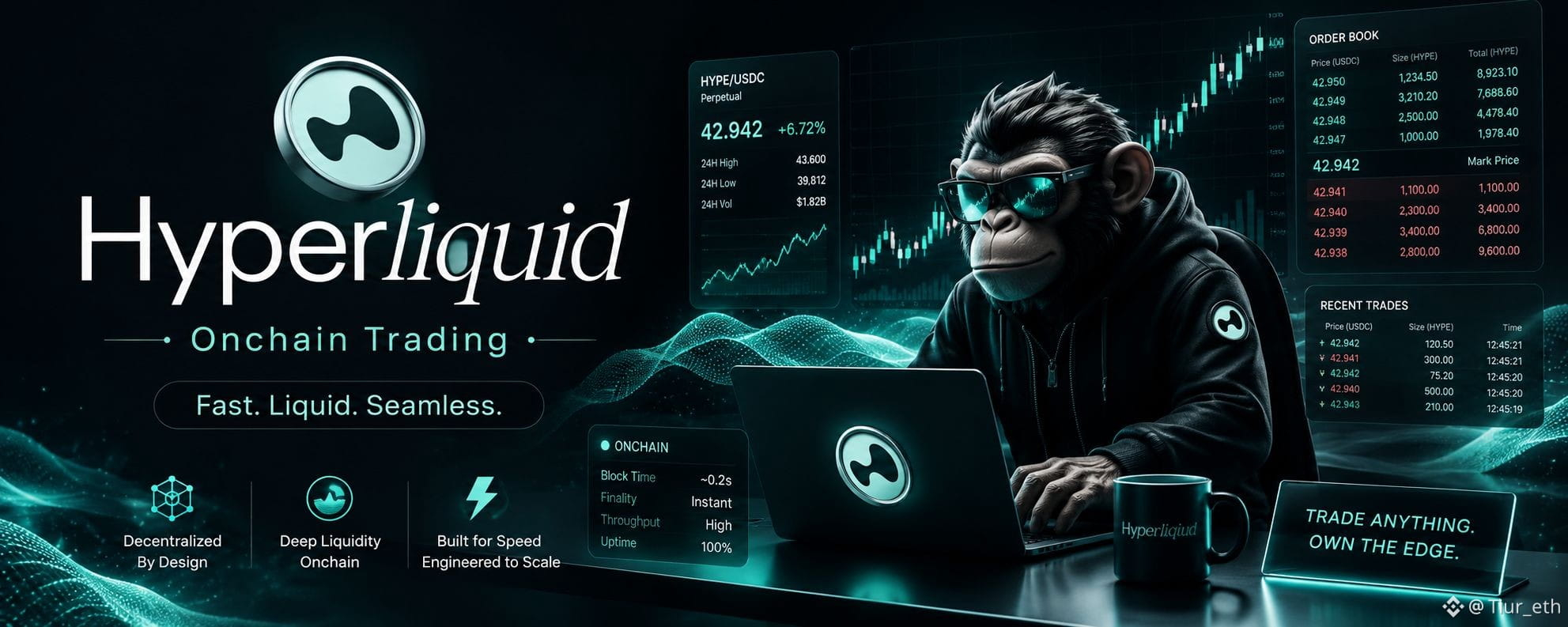
Hyperliquid là một trong những “kèo” giao dịch onchain sạch nhất
Giao dịch crypto vẫn chưa hạ nhiệt.
Người dùng muốn tốc độ, thanh khoản, ít cản trở và những thị trường vận hành mượt mà mà vẫn giữ được tính minh bạch onchain.
Đó là lúc #Hyperliquid trở nên đáng chú ý.
$HYPE nằm trong một hệ sinh thái được xây dựng xoay quanh giao dịch phi tập trung, perps, thanh khoản và năng lực thực thi onchain hiệu năng cao.
Luận điểm rất đơn giản.
Nếu #defi tiếp tục tiến xa hơn các giao dịch swap và cho vay cơ bản, thì hạ tầng giao dịch sẽ càng trở nên quan trọng.
Perps cần thanh khoản sâu.
Traders cần thực thi nhanh.
Nhà phát triển cần những thị trường có thể hỗ trợ hoạt động thực sự.
Tất nhiên, rủi ro vẫn còn. Cạnh tranh rất mạnh, thanh khoản có thể luân chuyển nhanh chóng, và các câu chuyện/thị trường giao dịch biến động liên tục.
Nhưng Hyperliquid đã trở thành một trong những cái tên được theo dõi nhiều nhất trong các thị trường onchain.
Và nếu giao dịch phi tập trung tiếp tục phát triển, #hype xứng đáng được chú ý nghiêm túc.
Hyperliquid là một trong những “kèo” giao dịch onchain sạch nhất
Giao dịch crypto vẫn chưa hạ nhiệt.
Người dùng muốn tốc độ, thanh khoản, ít cản trở và những thị trường vận hành mượt mà mà vẫn giữ được tính minh bạch onchain.
Đó là lúc #Hyperliquid trở nên đáng chú ý.
$HYPE nằm trong một hệ sinh thái được xây dựng xoay quanh giao dịch phi tập trung, perps, thanh khoản và năng lực thực thi onchain hiệu năng cao.
Luận điểm rất đơn giản.
Nếu #defi tiếp tục tiến xa hơn các giao dịch swap và cho vay cơ bản, thì hạ tầng giao dịch sẽ càng trở nên quan trọng.
Perps cần thanh khoản sâu.
Traders cần thực thi nhanh.
Nhà phát triển cần những thị trường có thể hỗ trợ hoạt động thực sự.
Tất nhiên, rủi ro vẫn còn. Cạnh tranh rất mạnh, thanh khoản có thể luân chuyển nhanh chóng, và các câu chuyện/thị trường giao dịch biến động liên tục.
Nhưng Hyperliquid đã trở thành một trong những cái tên được theo dõi nhiều nhất trong các thị trường onchain.
Và nếu giao dịch phi tập trung tiếp tục phát triển, #hype xứng đáng được chú ý nghiêm túc.
Giao dịch crypto vẫn chưa hạ nhiệt.
Người dùng muốn tốc độ, thanh khoản, ít cản trở và những thị trường vận hành mượt mà mà vẫn giữ được tính minh bạch onchain.
Đó là lúc #Hyperliquid trở nên đáng chú ý.
$HYPE nằm trong một hệ sinh thái được xây dựng xoay quanh giao dịch phi tập trung, perps, thanh khoản và năng lực thực thi onchain hiệu năng cao.
Luận điểm rất đơn giản.
Nếu #defi tiếp tục tiến xa hơn các giao dịch swap và cho vay cơ bản, thì hạ tầng giao dịch sẽ càng trở nên quan trọng.
Perps cần thanh khoản sâu.
Traders cần thực thi nhanh.
Nhà phát triển cần những thị trường có thể hỗ trợ hoạt động thực sự.
Tất nhiên, rủi ro vẫn còn. Cạnh tranh rất mạnh, thanh khoản có thể luân chuyển nhanh chóng, và các câu chuyện/thị trường giao dịch biến động liên tục.
Nhưng Hyperliquid đã trở thành một trong những cái tên được theo dõi nhiều nhất trong các thị trường onchain.
Và nếu giao dịch phi tập trung tiếp tục phát triển, #hype xứng đáng được chú ý nghiêm túc.
2
132
Đăng nhập để khám phá thêm nội dung
Tham gia cùng người dùng tiền mã hóa toàn cầu trên Binance Square
⚡️ Nhận thông tin mới nhất và hữu ích về tiền mã hóa.
💬 Được tin cậy bởi sàn giao dịch tiền mã hóa lớn nhất thế giới.
👍 Khám phá những thông tin chuyên sâu thực tế từ những nhà sáng tạo đã xác minh.
Email / Số điện thoại
Chủ đề thịnh hành
TheoDõiFOMC
121,429 lượt xem
686 đang thảo luận
#TheoDõiFOMC
🔥 FOMC lại bắt đầu trở thành tâm điểm của crypto
Bitcoin vừa bước vào tháng 10, nhưng câu chuyện lớn phía sau thị trường lúc này không chỉ là giá.
Các trader đang bắt đầu hướng sự chú ý về cuộc họp FOMC ngày 27–28/10. Sau một loạt phát biểu mới từ quan chức Fed, kỳ vọng về việc tăng lãi suất ngay trong tháng 10 đã giảm đáng kể.
Điều thú vị là trước đó thị trường từng đặt cược khá cao vào một đợt tăng tiếp theo.
Giờ thì mọi thứ lại quay sang chờ dữ liệu kinh tế và những phát biểu tiếp theo của Fed.
Với crypto, chỉ cần kỳ vọng lãi suất thay đổi mạnh là $BTC có thể lập tức biến động, rồi kéo theo cả thị trường altcoin.
Tháng 10 mới bắt đầu mà macro đã có chuyện để hóng rồi 👀
#Bitcoin #Crypto #Macro #Fed #BinanceSquare
X LEI
·0 lượt thích
·164 lượt xem
TinFed
105,924 lượt xem
491 đang thảo luận
ADAGains10%Above$0.27
14,319 lượt xem
175 đang thảo luận