
BASTET MEME
142 Bài đăng

BASTET MEME
Báo cáo
Chặn người dùng
Don't let your dreams one day be the foundation of investment, patience and restraint.
Giao dịch mở
Trader tần suất thấp
{thời gian} năm
36 Đang theo dõi
212 Người theo dõi
152 Đã thích
Bài đăng
Danh mục đầu tư
Tất cả
Trích dẫn
PINNED
·
--
Bài viết
Xem bản dịch
Who Really Controls Your Crypto? The Security Question Every Investor Must AskImagine waking up one morning and discovering that your cryptocurrency is no longer accessible.
Your exchange account may still exist. Your balance may still appear on the screen. But what happens if the platform experiences a security breach, suspends withdrawals, or loses access to critical systems?
This raises one of the most important questions in the crypto industry:
Do you really own your crypto, or do you simply trust someone else to protect it?
The Difference Between Owning Crypto and Controlling It
When you keep your assets on a centralized exchange, the platform generally controls the private keys associated with its custodial wallets.
You have an account balance and the ability to trade, deposit, and withdraw, but you depend on the exchange's security systems, internal controls, and operational decisions.
This model offers convenience, liquidity, and fast trading. However, it also introduces risks:
Exchange security breaches.
Internal access vulnerabilities.
Withdrawal suspensions.
Operational failures.
Regulatory or liquidity-related restrictions.
On the other hand, self-custody gives users direct control over their private keys.
But there is a trade-off: if you lose your recovery phrase, expose your private key, or approve a malicious transaction, recovering your assets may be extremely difficult or impossible.
Neither model is completely risk-free.
Five Practical Steps Every Crypto Investor Should Take
1. Enable Strong Account Protection
Use an authenticator app or hardware security key where supported. Avoid relying exclusively on SMS authentication.
2. Secure Your Email Account
Your email is often the gateway to your financial accounts. Protect it with a unique password and strong two-factor authentication.
3. Activate Withdrawal Address Whitelisting
Where available, restrict withdrawals to previously approved wallet addresses.
4. Consider Self-Custody for Long-Term Holdings
Keep only the funds you need for active trading on exchanges. Consider a reputable hardware wallet for long-term storage, and securely back up your recovery phrase offline.
5. Verify Before You Trust
Check official announcements, proof-of-reserves information, security disclosures, and independent audit reports. Remember that proof of reserves alone does not necessarily establish that all customer liabilities are covered.
What Should the Future of Crypto Exchanges Look Like?
The solution is not to eliminate centralized exchanges. They remain important to liquidity, accessibility, and market infrastructure.
The real solution is to redesign how they protect customer assets.
Imagine a hybrid security model with:
Non-custodial options that allow users to maintain control of their assets.
Multi-party authorization for large withdrawals.
Independent security monitoring.
Automatic transaction delays when suspicious activity is detected.
Transparent proof of reserves and liabilities.
Regular independent security audits.
Clearly defined emergency protection mechanisms.
Under this model, compromising one employee account, one device, or one internal system should never be enough to authorize a catastrophic transfer.
A New Standard for Crypto Security
The industry should stop measuring security only by how much money an exchange can compensate after a disaster.
Real security means reducing the possibility of that disaster in the first place.
Investors deserve more than promises. They deserve transparency, accountability, and meaningful control over their assets.
The future of cryptocurrency should combine the convenience of centralized platforms with the ownership principles of decentralization.
Because in the end, the most important question is not how much crypto you own.
It is how much control you actually have over it.
Let's discuss:
If you could choose, which security model would you trust more?
A) Centralized exchanges with stronger protection and emergency reserves.
B) Non-custodial wallets where users control their private keys.
C) A hybrid system combining exchange convenience with direct user control.
Share your thoughts below. The future of crypto security should be shaped by informed investors, not just by the platforms that serve them.
Educational content only. Not financial or investment advice.
#Crypto
#Blockchain
#Web3
#DeFi
#CryptoEducation
$BNB
Who Really Controls Your Crypto? The Security Question Every Investor Must Ask
Imagine waking up one morning and discovering that your cryptocurrency is no longer accessible.
Your exchange account may still exist. Your balance may still appear on the screen. But what happens if the platform experiences a security breach, suspends withdrawals, or loses access to critical systems?
This raises one of the most important questions in the crypto industry:
Do you really own your crypto, or do you simply trust someone else to protect it?
The Difference Between Owning Crypto and Controlling It
When you keep your assets on a centralized exchange, the platform generally controls the private keys associated with its custodial wallets.
You have an account balance and the ability to trade, deposit, and withdraw, but you depend on the exchange's security systems, internal controls, and operational decisions.
This model offers convenience, liquidity, and fast trading. However, it also introduces risks:
Exchange security breaches.
Internal access vulnerabilities.
Withdrawal suspensions.
Operational failures.
Regulatory or liquidity-related restrictions.
On the other hand, self-custody gives users direct control over their private keys.
But there is a trade-off: if you lose your recovery phrase, expose your private key, or approve a malicious transaction, recovering your assets may be extremely difficult or impossible.
Neither model is completely risk-free.
Five Practical Steps Every Crypto Investor Should Take
1. Enable Strong Account Protection
Use an authenticator app or hardware security key where supported. Avoid relying exclusively on SMS authentication.
2. Secure Your Email Account
Your email is often the gateway to your financial accounts. Protect it with a unique password and strong two-factor authentication.
3. Activate Withdrawal Address Whitelisting
Where available, restrict withdrawals to previously approved wallet addresses.
4. Consider Self-Custody for Long-Term Holdings
Keep only the funds you need for active trading on exchanges. Consider a reputable hardware wallet for long-term storage, and securely back up your recovery phrase offline.
5. Verify Before You Trust
Check official announcements, proof-of-reserves information, security disclosures, and independent audit reports. Remember that proof of reserves alone does not necessarily establish that all customer liabilities are covered.
What Should the Future of Crypto Exchanges Look Like?
The solution is not to eliminate centralized exchanges. They remain important to liquidity, accessibility, and market infrastructure.
The real solution is to redesign how they protect customer assets.
Imagine a hybrid security model with:
Non-custodial options that allow users to maintain control of their assets.
Multi-party authorization for large withdrawals.
Independent security monitoring.
Automatic transaction delays when suspicious activity is detected.
Transparent proof of reserves and liabilities.
Regular independent security audits.
Clearly defined emergency protection mechanisms.
Under this model, compromising one employee account, one device, or one internal system should never be enough to authorize a catastrophic transfer.
A New Standard for Crypto Security
The industry should stop measuring security only by how much money an exchange can compensate after a disaster.
Real security means reducing the possibility of that disaster in the first place.
Investors deserve more than promises. They deserve transparency, accountability, and meaningful control over their assets.
The future of cryptocurrency should combine the convenience of centralized platforms with the ownership principles of decentralization.
Because in the end, the most important question is not how much crypto you own.
It is how much control you actually have over it.
Let's discuss:
If you could choose, which security model would you trust more?
A) Centralized exchanges with stronger protection and emergency reserves.
B) Non-custodial wallets where users control their private keys.
C) A hybrid system combining exchange convenience with direct user control.
Share your thoughts below. The future of crypto security should be shaped by informed investors, not just by the platforms that serve them.
Educational content only. Not financial or investment advice.
#Crypto
#Blockchain
#Web3
#DeFi
#CryptoEducation
$BNB
91
PINNED
·
--
Bài viết
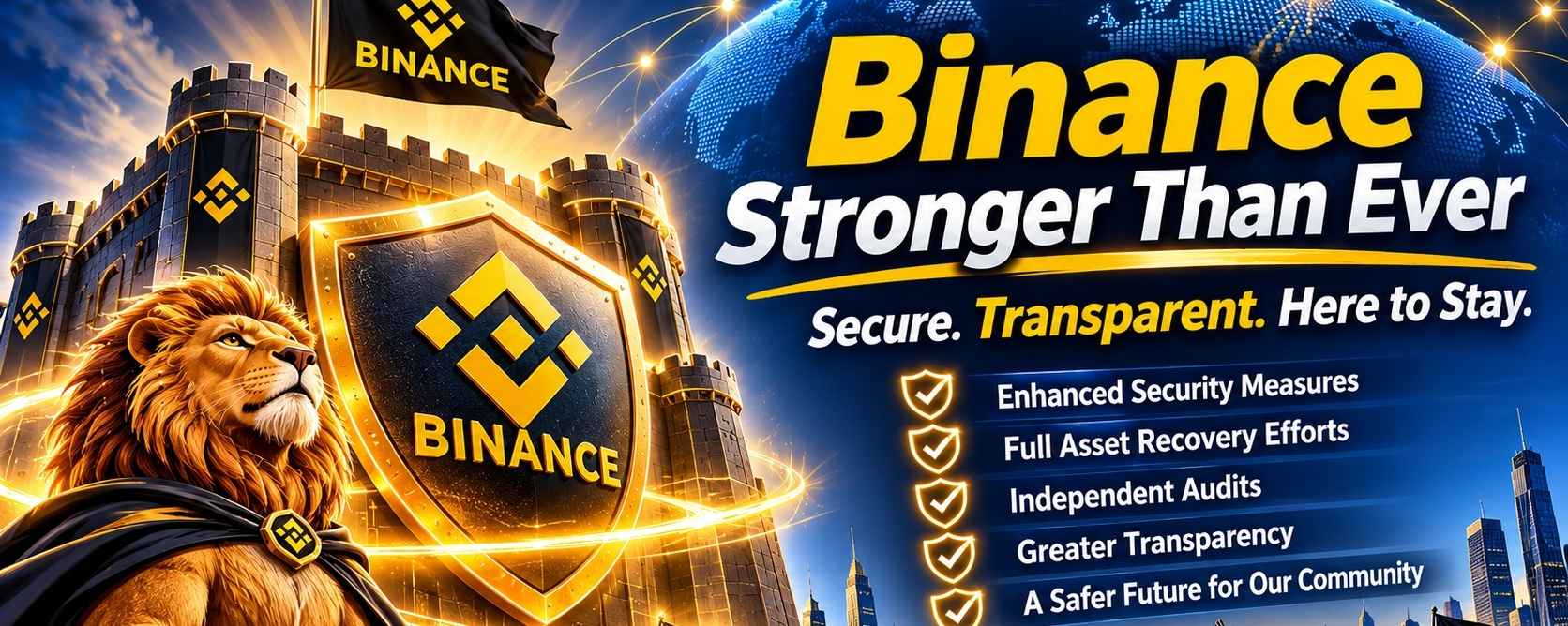
Khủng hoảng bảo mật của Binance: Bồi thường là chưa đủ — Chúng ta cần một giải pháp căn bảnPhản ứng của Binance trước cuộc khủng hoảng bảo mật gần đây, bao gồm các nỗ lực thu hồi tài sản, biện pháp bồi thường và việc khôi phục dần hoạt động rút tiền, là những bước quan trọng nhằm bảo vệ người dùng và duy trì niềm tin vào hệ sinh thái tiền mã hóa.
Tuy nhiên, bồi thường cho các nạn nhân sau một vụ vi phạm bảo mật nghiêm trọng không phải là giải pháp lâu dài. Thách thức thực sự là ngăn chặn truy cập trái phép và bảo đảm rằng không một tài khoản, nhân viên, thiết bị hay hệ thống nội bộ nào bị xâm phạm có thể khiến hàng tỷ đô la gặp rủi ro.
Khủng hoảng bảo mật của Binance: Bồi thường là chưa đủ — Chúng ta cần một giải pháp căn bản
Phản ứng của Binance trước cuộc khủng hoảng bảo mật gần đây, bao gồm các nỗ lực thu hồi tài sản, biện pháp bồi thường và việc khôi phục dần hoạt động rút tiền, là những bước quan trọng nhằm bảo vệ người dùng và duy trì niềm tin vào hệ sinh thái tiền mã hóa.
Tuy nhiên, bồi thường cho các nạn nhân sau một vụ vi phạm bảo mật nghiêm trọng không phải là giải pháp lâu dài. Thách thức thực sự là ngăn chặn truy cập trái phép và bảo đảm rằng không một tài khoản, nhân viên, thiết bị hay hệ thống nội bộ nào bị xâm phạm có thể khiến hàng tỷ đô la gặp rủi ro.
Tuy nhiên, bồi thường cho các nạn nhân sau một vụ vi phạm bảo mật nghiêm trọng không phải là giải pháp lâu dài. Thách thức thực sự là ngăn chặn truy cập trái phép và bảo đảm rằng không một tài khoản, nhân viên, thiết bị hay hệ thống nội bộ nào bị xâm phạm có thể khiến hàng tỷ đô la gặp rủi ro.
122
·
--
Bài viết
Xem bản dịch
What Happens to Your Crypto When War Breaks Out? A Survival Guide for Binance InvestorsImagine waking up tomorrow to news of a major global war.
Stock markets are falling. Oil prices are rising. Banks are facing uncertainty. Internet services may be disrupted. Millions of investors are asking the same question:
What happens to my cryptocurrency?
Bitcoin, Ethereum, stablecoins, and crypto exchanges operate in a global digital ecosystem. But that does not mean they are immune to geopolitical crises, financial panic, cyberattacks, or infrastructure failures.
For Binance investors, understanding these risks before a crisis is more valuable than trying to react after it begins.
Let's examine five critical questions.
1. What Could Happen to Bitcoin During a Global War?
Many people describe Bitcoin as digital gold.
However, there is an important difference: Bitcoin does not automatically behave like gold during a crisis.
In the early stages of a major geopolitical shock, investors may sell risky assets to obtain liquidity. This could create significant selling pressure across cryptocurrency markets.
Possible developments include:
Sharp Bitcoin price fluctuations.
Increased volatility in Ethereum and alternative coins.
Reduced market liquidity.
Sudden changes in investor sentiment.
Greater differences between buying and selling prices.
Bitcoin could recover later, but nobody can guarantee when or whether that will happen.
The lesson: Never assume that Bitcoin will automatically protect your portfolio during a war.
2. Are USDT and USDC Safe Havens During a War?
Stablecoins are often used by crypto investors to reduce exposure to price volatility.
But stablecoins are not the same as cash in your bank account.
They involve several risks:
The issuer's ability to maintain its reserves and redemption arrangements.
Potential freezing or restrictions affecting certain addresses.
Blockchain network outages or congestion.
Exchange withdrawal restrictions.
Banking and payment infrastructure disruptions.
Even if a stablecoin maintains its dollar peg, you may not be able to convert it into usable money when you need it.
Remember: Price stability does not guarantee access or liquidity.
3. What If Binance or the Internet Becomes Unavailable?
This is one of the most important risks investors should consider.
A global conflict could create disruptions affecting:
Internet connectivity.
Electricity infrastructure.
Banking services.
International payment systems.
Cryptocurrency exchange operations.
Blockchain network access.
A trading platform may remain operational while some users experience local connectivity problems.
Alternatively, an exchange could temporarily restrict certain services while addressing security or operational risks.
This is why investors should understand the difference between owning crypto through an exchange and controlling their own private keys.
An exchange provides convenience, but third-party custody introduces dependence on the service provider.
Self-custody provides direct control, but also makes the investor responsible for protecting private keys and recovery phrases.
Neither option eliminates every risk.
4. What If the Conflict Escalates to a Nuclear Attack?
This is an extreme hypothetical scenario, but it deserves serious consideration.
A nuclear attack could cause consequences far beyond financial markets.
Depending on the scale and location, possible effects could include:
Major electricity infrastructure damage.
Telecommunications and internet disruptions.
Banking and payment system interruptions.
Physical damage to data centers and network infrastructure.
Severe disruptions to transportation and supply chains.
Financial market closures or restrictions.
Bitcoin's blockchain is decentralized, but individual investors still depend on electricity, devices, internet access, network infrastructure, and functioning markets.
A decentralized blockchain does not mean every person can access it under every circumstance.
In such a scenario, personal safety, essential supplies, and reliable communication must come before cryptocurrency trading.
No digital asset should be treated as a guaranteed survival tool.
5. The Crypto Investor's Emergency Plan
Instead of trying to predict the next geopolitical event, investors should prepare for several possible disruptions.
Here is a practical checklist:
Before a crisis:
Avoid excessive leverage and highly risky Futures positions.
Never invest money needed for essential living expenses.
Consider distributing long-term holdings across appropriate custody arrangements.
Learn how to use a reputable hardware wallet before you actually need one.
Keep recovery phrases offline, secure, and separate from your devices.
Enable strong authentication and protect your email account.
Keep a reasonable amount of accessible emergency funds outside crypto.
During a crisis:
Avoid panic selling.
Do not make major decisions based on unverified social media reports.
Check official Binance announcements and network status information.
Avoid suspicious links claiming to offer emergency withdrawals or recovery services.
Do not rush into unfamiliar wallets or blockchain networks.
Avoid using leverage during extreme volatility.
After the crisis:
Verify your account balances and transaction history.
Confirm that withdrawal networks are operational.
Review your portfolio exposure and liquidity.
Reassess your investment strategy based on verified information.
Avoid rushing back into the market simply because prices have fallen.
6. The Biggest Mistake: Confusing Digital Ownership With Guaranteed Access
There is a critical distinction between owning a cryptocurrency and being able to access, transfer, or exchange it.
You may own Bitcoin on a blockchain, but still be unable to access it if you lose your recovery phrase or cannot connect to the network.
You may hold USDT, but still face restrictions when trying to redeem or convert it.
You may have a Binance balance, but temporarily lose access to trading or withdrawals during an operational disruption.
These are different risks, and a responsible investor should understand all of them.
Final Thought: Prepare for Uncertainty, Not Just Market Volatility
Nobody knows exactly how cryptocurrency markets would behave during a third world war or a nuclear conflict.
But one principle remains clear:
The best time to prepare your crypto emergency plan is before you need it.
Do not build your entire financial future around the assumption that exchanges will always be available, stablecoins will always be redeemable, or the internet will always work.
A smart investor does not simply ask:
"How much can I make if Bitcoin rises?"
A smart investor also asks:
"How will I protect my assets if the systems I depend on stop working?"
Let's Discuss
If a major global war started tomorrow, what would you do with your crypto holdings?
A) Keep them on Binance and continue monitoring the market.
B) Move long-term holdings to a personal hardware wallet.
C) Convert part of the portfolio into stablecoins.
D) Reduce crypto exposure and prioritize emergency liquidity.
E) Follow a diversified strategy combining several of these approaches.
Share your reasoning in the comments. Your perspective could help other investors prepare more intelligently.
Disclaimer: This article is for educational purposes only and does not constitute financial or investment advice. The scenarios discussed are hypothetical, not predictions. Always conduct your own research (DYOR) and assess your personal risk tolerance.
#Crypto
#Bitcoin
#Binance
#CryptoSecurity
#RiskManagement $BTC
What Happens to Your Crypto When War Breaks Out? A Survival Guide for Binance Investors
Imagine waking up tomorrow to news of a major global war.
Stock markets are falling. Oil prices are rising. Banks are facing uncertainty. Internet services may be disrupted. Millions of investors are asking the same question:
What happens to my cryptocurrency?
Bitcoin, Ethereum, stablecoins, and crypto exchanges operate in a global digital ecosystem. But that does not mean they are immune to geopolitical crises, financial panic, cyberattacks, or infrastructure failures.
For Binance investors, understanding these risks before a crisis is more valuable than trying to react after it begins.
Let's examine five critical questions.
1. What Could Happen to Bitcoin During a Global War?
Many people describe Bitcoin as digital gold.
However, there is an important difference: Bitcoin does not automatically behave like gold during a crisis.
In the early stages of a major geopolitical shock, investors may sell risky assets to obtain liquidity. This could create significant selling pressure across cryptocurrency markets.
Possible developments include:
Sharp Bitcoin price fluctuations.
Increased volatility in Ethereum and alternative coins.
Reduced market liquidity.
Sudden changes in investor sentiment.
Greater differences between buying and selling prices.
Bitcoin could recover later, but nobody can guarantee when or whether that will happen.
The lesson: Never assume that Bitcoin will automatically protect your portfolio during a war.
2. Are USDT and USDC Safe Havens During a War?
Stablecoins are often used by crypto investors to reduce exposure to price volatility.
But stablecoins are not the same as cash in your bank account.
They involve several risks:
The issuer's ability to maintain its reserves and redemption arrangements.
Potential freezing or restrictions affecting certain addresses.
Blockchain network outages or congestion.
Exchange withdrawal restrictions.
Banking and payment infrastructure disruptions.
Even if a stablecoin maintains its dollar peg, you may not be able to convert it into usable money when you need it.
Remember: Price stability does not guarantee access or liquidity.
3. What If Binance or the Internet Becomes Unavailable?
This is one of the most important risks investors should consider.
A global conflict could create disruptions affecting:
Internet connectivity.
Electricity infrastructure.
Banking services.
International payment systems.
Cryptocurrency exchange operations.
Blockchain network access.
A trading platform may remain operational while some users experience local connectivity problems.
Alternatively, an exchange could temporarily restrict certain services while addressing security or operational risks.
This is why investors should understand the difference between owning crypto through an exchange and controlling their own private keys.
An exchange provides convenience, but third-party custody introduces dependence on the service provider.
Self-custody provides direct control, but also makes the investor responsible for protecting private keys and recovery phrases.
Neither option eliminates every risk.
4. What If the Conflict Escalates to a Nuclear Attack?
This is an extreme hypothetical scenario, but it deserves serious consideration.
A nuclear attack could cause consequences far beyond financial markets.
Depending on the scale and location, possible effects could include:
Major electricity infrastructure damage.
Telecommunications and internet disruptions.
Banking and payment system interruptions.
Physical damage to data centers and network infrastructure.
Severe disruptions to transportation and supply chains.
Financial market closures or restrictions.
Bitcoin's blockchain is decentralized, but individual investors still depend on electricity, devices, internet access, network infrastructure, and functioning markets.
A decentralized blockchain does not mean every person can access it under every circumstance.
In such a scenario, personal safety, essential supplies, and reliable communication must come before cryptocurrency trading.
No digital asset should be treated as a guaranteed survival tool.
5. The Crypto Investor's Emergency Plan
Instead of trying to predict the next geopolitical event, investors should prepare for several possible disruptions.
Here is a practical checklist:
Before a crisis:
Avoid excessive leverage and highly risky Futures positions.
Never invest money needed for essential living expenses.
Consider distributing long-term holdings across appropriate custody arrangements.
Learn how to use a reputable hardware wallet before you actually need one.
Keep recovery phrases offline, secure, and separate from your devices.
Enable strong authentication and protect your email account.
Keep a reasonable amount of accessible emergency funds outside crypto.
During a crisis:
Avoid panic selling.
Do not make major decisions based on unverified social media reports.
Check official Binance announcements and network status information.
Avoid suspicious links claiming to offer emergency withdrawals or recovery services.
Do not rush into unfamiliar wallets or blockchain networks.
Avoid using leverage during extreme volatility.
After the crisis:
Verify your account balances and transaction history.
Confirm that withdrawal networks are operational.
Review your portfolio exposure and liquidity.
Reassess your investment strategy based on verified information.
Avoid rushing back into the market simply because prices have fallen.
6. The Biggest Mistake: Confusing Digital Ownership With Guaranteed Access
There is a critical distinction between owning a cryptocurrency and being able to access, transfer, or exchange it.
You may own Bitcoin on a blockchain, but still be unable to access it if you lose your recovery phrase or cannot connect to the network.
You may hold USDT, but still face restrictions when trying to redeem or convert it.
You may have a Binance balance, but temporarily lose access to trading or withdrawals during an operational disruption.
These are different risks, and a responsible investor should understand all of them.
Final Thought: Prepare for Uncertainty, Not Just Market Volatility
Nobody knows exactly how cryptocurrency markets would behave during a third world war or a nuclear conflict.
But one principle remains clear:
The best time to prepare your crypto emergency plan is before you need it.
Do not build your entire financial future around the assumption that exchanges will always be available, stablecoins will always be redeemable, or the internet will always work.
A smart investor does not simply ask:
"How much can I make if Bitcoin rises?"
A smart investor also asks:
"How will I protect my assets if the systems I depend on stop working?"
Let's Discuss
If a major global war started tomorrow, what would you do with your crypto holdings?
A) Keep them on Binance and continue monitoring the market.
B) Move long-term holdings to a personal hardware wallet.
C) Convert part of the portfolio into stablecoins.
D) Reduce crypto exposure and prioritize emergency liquidity.
E) Follow a diversified strategy combining several of these approaches.
Share your reasoning in the comments. Your perspective could help other investors prepare more intelligently.
Disclaimer: This article is for educational purposes only and does not constitute financial or investment advice. The scenarios discussed are hypothetical, not predictions. Always conduct your own research (DYOR) and assess your personal risk tolerance.
#Crypto
#Bitcoin
#Binance
#CryptoSecurity
#RiskManagement $BTC
127
·
--
Bài viết
Xem bản dịch
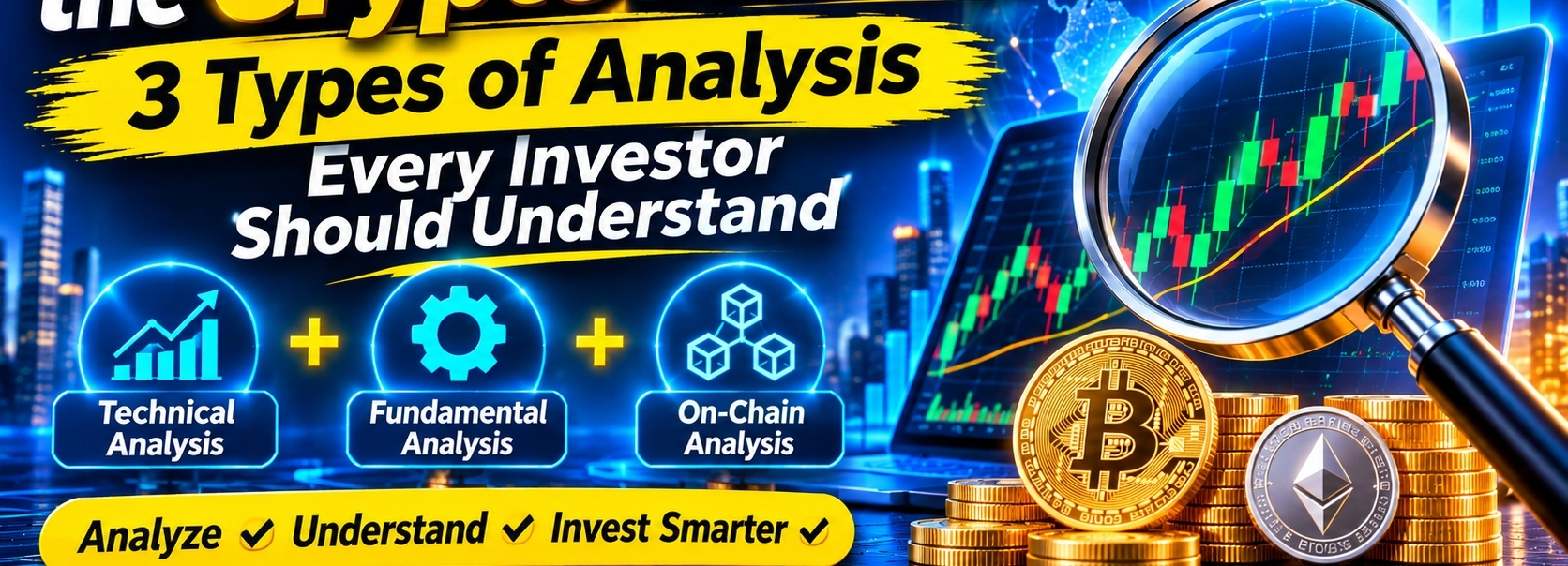
Stop Guessing the Crypto Market: 3 Types of Analysis Every Investor Should UnderstandThe crypto market moves fast. Prices can rise sharply in hours, fall without warning, and change direction when investors least expect it.
But successful market analysis is not about predicting every move. It is about understanding the available evidence, identifying risks, and making decisions based on more than emotions.
If you want to understand where a cryptocurrency might be heading, you need to look at three important dimensions.
1. Technical Analysis: What Is the Price Telling You?
Technical analysis studies historical price movements and trading volume to identify possible market trends.
Here are five useful tools:
Support: A price area where buying interest has previously appeared.
Resistance: A price area where selling pressure has previously increased.
Moving Averages: Help identify the broader direction of a trend.
RSI: Measures the speed and strength of recent price movements.
Trading Volume: Helps evaluate whether a price movement has meaningful market participation.
For example, a cryptocurrency breaking above resistance with increasing trading volume may indicate stronger buying interest.
However, a breakout without sufficient confirmation can turn into a false signal.
Remember: Charts help you understand market behavior. They do not guarantee what happens next.
2. Fundamental Analysis: Does the Project Have Real Value?
A cryptocurrency should not be judged by its price alone.
Before evaluating a project, ask:
What problem does it actually solve?
Is there real demand for its technology?
Does it have a clear purpose and useful applications?
Are its tokenomics transparent?
Is the token supply concentrated in a small number of wallets?
Is the development team delivering on its roadmap?
A project with strong technology, genuine adoption, transparent tokenomics, and consistent development deserves deeper research than one relying entirely on marketing and hype.
A rising price does not automatically mean a project is becoming more valuable.
3. On-Chain Analysis: What Is Actually Happening on the Blockchain?
One of crypto's biggest advantages is transparency.
Public blockchain data can reveal activity that traditional financial markets do not always make available.
Useful indicators include:
Active Addresses: Are more people interacting with the network?
Transaction Volume: Is actual network activity increasing?
Whale Movements: Are large holders accumulating or distributing tokens?
Exchange Inflows and Outflows: Are assets moving toward exchanges or away from them?
TVL: How much capital is deposited in DeFi protocols?
But be careful: more transactions do not always mean more genuine users, and large wallet movements do not automatically predict a price increase or decrease.
Context matters.
The Smart Approach: Combine All Three
The strongest market research does not depend on a single indicator.
Imagine a cryptocurrency showing the following signals:
Its chart indicates an upward trend.
Its project is delivering real developments.
Its on-chain activity is growing consistently.
Together, these signals may provide a stronger research case than price movement alone.
But if the chart looks bullish while network activity is declining and token supply is becoming increasingly concentrated, that deserves further investigation.
A Simple Checklist Before Buying Any Cryptocurrency
Before making a decision, ask yourself:
Do I understand what this project does?
Is the current price movement supported by volume?
Are its fundamentals improving?
What does its on-chain activity reveal?
How much could I afford to lose if my analysis is wrong?
Never confuse a popular narrative with verified evidence.
Final Thought
The biggest advantage in crypto is not having the fastest reaction or discovering every new token first.
It is developing the discipline to separate real information from market noise.
Don't just watch the price. Understand the story behind it.
What do you trust most when analyzing a cryptocurrency?
A) Technical Analysis
B) Fundamental Analysis
C) On-Chain Data
D) A combination of all three
Share your perspective in the comments. Let's make crypto discussions more informed and useful.
Disclaimer: This article is for educational purposes only and does not constitute financial or investment advice. Always conduct your own research (DYOR) before making financial decisions.
#CryptoMarket
#MarketAnalysis
#TechnicalAnalysis
#FundamentalAnalysis
#OnChainAnalysis #BTC☀ #LearnFromMistakes
$BTC
Stop Guessing the Crypto Market: 3 Types of Analysis Every Investor Should Understand
The crypto market moves fast. Prices can rise sharply in hours, fall without warning, and change direction when investors least expect it.
But successful market analysis is not about predicting every move. It is about understanding the available evidence, identifying risks, and making decisions based on more than emotions.
If you want to understand where a cryptocurrency might be heading, you need to look at three important dimensions.
1. Technical Analysis: What Is the Price Telling You?
Technical analysis studies historical price movements and trading volume to identify possible market trends.
Here are five useful tools:
Support: A price area where buying interest has previously appeared.
Resistance: A price area where selling pressure has previously increased.
Moving Averages: Help identify the broader direction of a trend.
RSI: Measures the speed and strength of recent price movements.
Trading Volume: Helps evaluate whether a price movement has meaningful market participation.
For example, a cryptocurrency breaking above resistance with increasing trading volume may indicate stronger buying interest.
However, a breakout without sufficient confirmation can turn into a false signal.
Remember: Charts help you understand market behavior. They do not guarantee what happens next.
2. Fundamental Analysis: Does the Project Have Real Value?
A cryptocurrency should not be judged by its price alone.
Before evaluating a project, ask:
What problem does it actually solve?
Is there real demand for its technology?
Does it have a clear purpose and useful applications?
Are its tokenomics transparent?
Is the token supply concentrated in a small number of wallets?
Is the development team delivering on its roadmap?
A project with strong technology, genuine adoption, transparent tokenomics, and consistent development deserves deeper research than one relying entirely on marketing and hype.
A rising price does not automatically mean a project is becoming more valuable.
3. On-Chain Analysis: What Is Actually Happening on the Blockchain?
One of crypto's biggest advantages is transparency.
Public blockchain data can reveal activity that traditional financial markets do not always make available.
Useful indicators include:
Active Addresses: Are more people interacting with the network?
Transaction Volume: Is actual network activity increasing?
Whale Movements: Are large holders accumulating or distributing tokens?
Exchange Inflows and Outflows: Are assets moving toward exchanges or away from them?
TVL: How much capital is deposited in DeFi protocols?
But be careful: more transactions do not always mean more genuine users, and large wallet movements do not automatically predict a price increase or decrease.
Context matters.
The Smart Approach: Combine All Three
The strongest market research does not depend on a single indicator.
Imagine a cryptocurrency showing the following signals:
Its chart indicates an upward trend.
Its project is delivering real developments.
Its on-chain activity is growing consistently.
Together, these signals may provide a stronger research case than price movement alone.
But if the chart looks bullish while network activity is declining and token supply is becoming increasingly concentrated, that deserves further investigation.
A Simple Checklist Before Buying Any Cryptocurrency
Before making a decision, ask yourself:
Do I understand what this project does?
Is the current price movement supported by volume?
Are its fundamentals improving?
What does its on-chain activity reveal?
How much could I afford to lose if my analysis is wrong?
Never confuse a popular narrative with verified evidence.
Final Thought
The biggest advantage in crypto is not having the fastest reaction or discovering every new token first.
It is developing the discipline to separate real information from market noise.
Don't just watch the price. Understand the story behind it.
What do you trust most when analyzing a cryptocurrency?
A) Technical Analysis
B) Fundamental Analysis
C) On-Chain Data
D) A combination of all three
Share your perspective in the comments. Let's make crypto discussions more informed and useful.
Disclaimer: This article is for educational purposes only and does not constitute financial or investment advice. Always conduct your own research (DYOR) before making financial decisions.
#CryptoMarket
#MarketAnalysis
#TechnicalAnalysis
#FundamentalAnalysis
#OnChainAnalysis #BTC☀ #LearnFromMistakes
$BTC
57
·
--
Bài viết
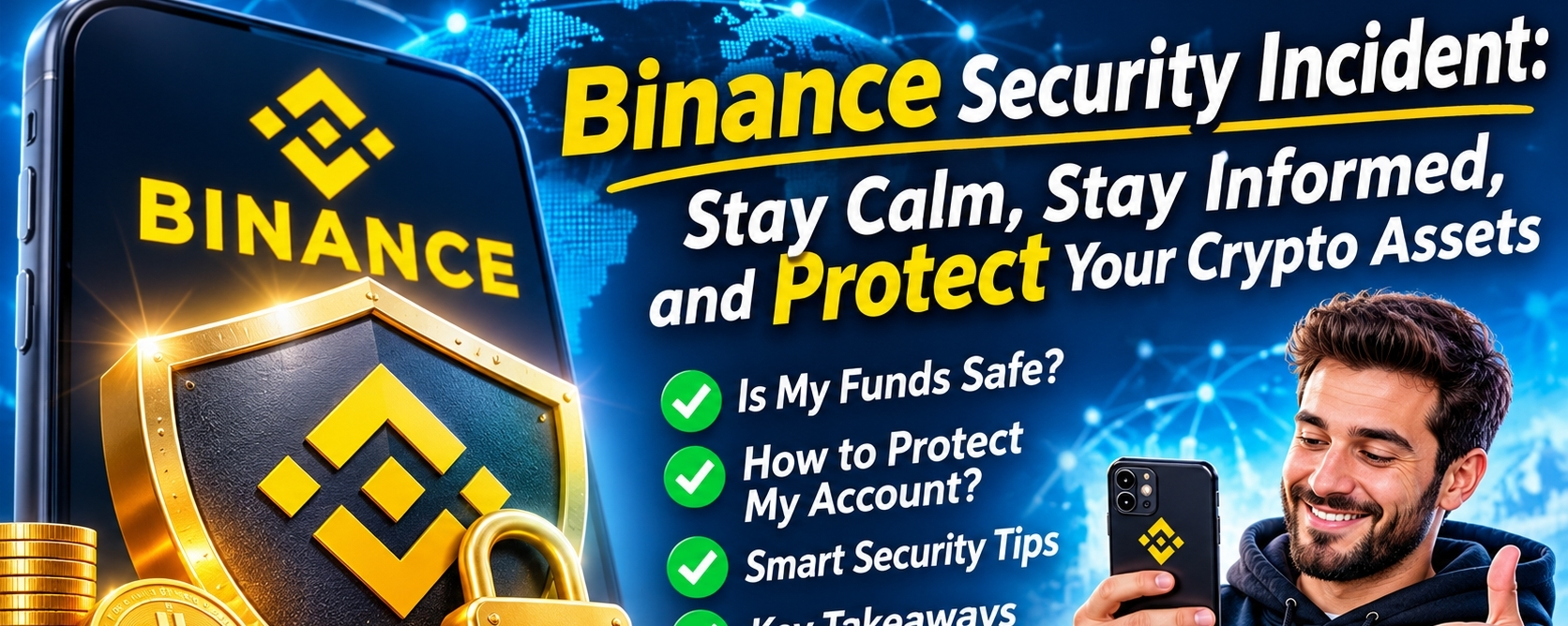
Sự cố bảo mật của Binance: Giữ bình tĩnh, cập nhật thông tin và bảo vệ tài sản tiền mã hóa của bạnThông điệp gửi đến mọi người dùng Binance và nhà đầu tư tiền mã hóa
Sự cố bảo mật gần đây liên quan đến Binance đã khiến cộng đồng tiền mã hóa lo ngại. Khi một sự cố nghiêm trọng như vậy xảy ra, các nhà đầu tư thường đặt ra ba câu hỏi quan trọng:
Tiền của tôi có an toàn không?
Tôi còn có thể tin tưởng nền tảng này không?
Tôi nên làm gì để bảo vệ các khoản đầu tư của mình?
Đây là những câu hỏi hoàn toàn hợp lý và cần được giải đáp rõ ràng, có trách nhiệm thay vì gây hoang mang, suy đoán hoặc trấn an một cách mù quáng.
1. Tìm hiểu điều gì đã xảy ra
Sự cố bảo mật của Binance: Giữ bình tĩnh, cập nhật thông tin và bảo vệ tài sản tiền mã hóa của bạn
Thông điệp gửi đến mọi người dùng Binance và nhà đầu tư tiền mã hóa
Sự cố bảo mật gần đây liên quan đến Binance đã khiến cộng đồng tiền mã hóa lo ngại. Khi một sự cố nghiêm trọng như vậy xảy ra, các nhà đầu tư thường đặt ra ba câu hỏi quan trọng:
Tiền của tôi có an toàn không?
Tôi còn có thể tin tưởng nền tảng này không?
Tôi nên làm gì để bảo vệ các khoản đầu tư của mình?
Đây là những câu hỏi hoàn toàn hợp lý và cần được giải đáp rõ ràng, có trách nhiệm thay vì gây hoang mang, suy đoán hoặc trấn an một cách mù quáng.
1. Tìm hiểu điều gì đã xảy ra
133
·
--
Bài viết
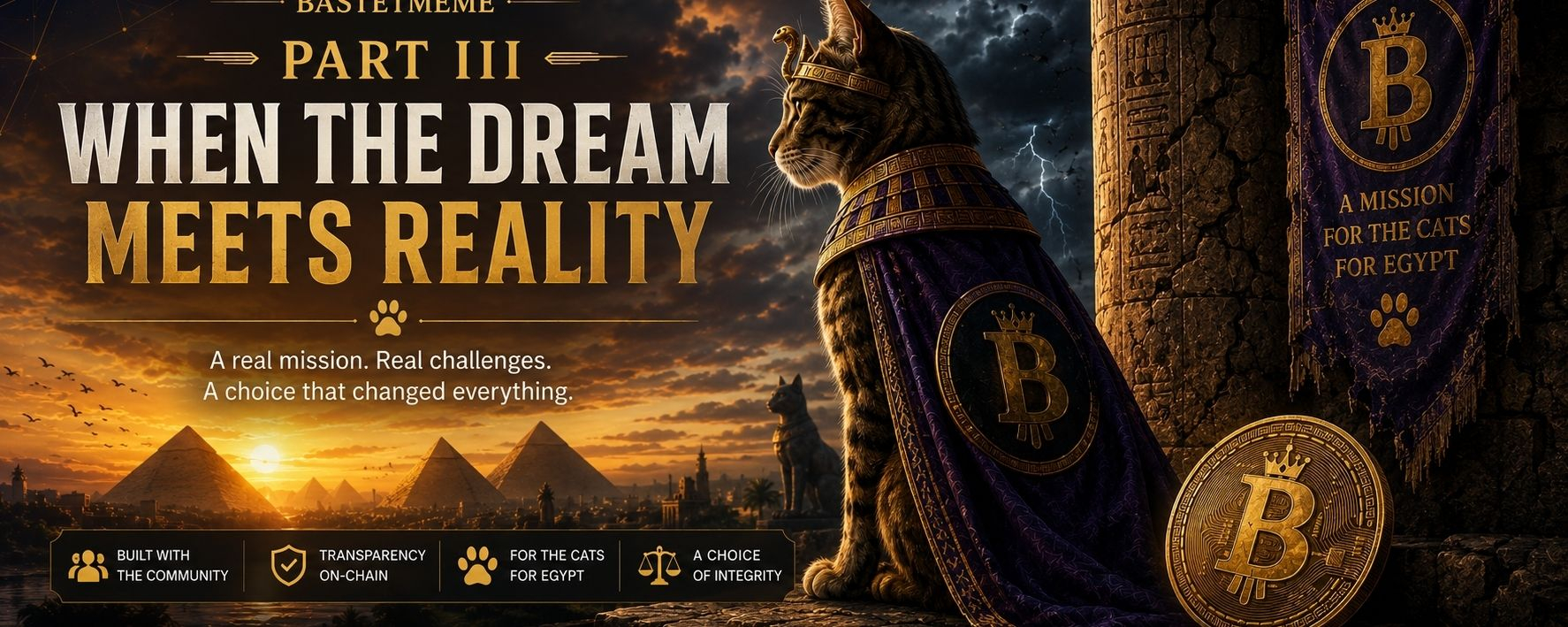
KHI ƯỚC MƠ ĐỐI MẶT VỚI HIỆN THỰCHôm qua, chúng tôi đã nói về cách BastetMeme được xây dựng.
Không có khoản phân bổ lớn cho đội ngũ.
Không có ngân quỹ bí mật.
Không hứa hẹn làm giàu chắc chắn.
Chỉ có sự minh bạch, một cộng đồng nhỏ và một ước mơ.
Nhưng rồi câu hỏi mà sớm muộn dự án nào cũng phải trả lời đã xuất hiện:
Liệu một ý tưởng hay có thể tồn tại trong thế giới nơi sự chú ý phải trả giá?
Chúng tôi đã phải trả giá đắt để nhận ra rằng tạo ra một dự án là một chuyện.
Khiến mọi người chú ý đến nó lại là chuyện khác.
Chúng tôi đã chia sẻ câu chuyện về Bastet.
Chúng tôi đã tạo nội dung.
Chúng tôi đã cố gắng bắt đầu những cuộc trò chuyện.
Chúng tôi đã kết nối với cộng đồng tiền mã hóa.
KHI ƯỚC MƠ ĐỐI MẶT VỚI HIỆN THỰC
Hôm qua, chúng tôi đã nói về cách BastetMeme được xây dựng.
Không có khoản phân bổ lớn cho đội ngũ.
Không có ngân quỹ bí mật.
Không hứa hẹn làm giàu chắc chắn.
Chỉ có sự minh bạch, một cộng đồng nhỏ và một ước mơ.
Nhưng rồi câu hỏi mà sớm muộn dự án nào cũng phải trả lời đã xuất hiện:
Liệu một ý tưởng hay có thể tồn tại trong thế giới nơi sự chú ý phải trả giá?
Chúng tôi đã phải trả giá đắt để nhận ra rằng tạo ra một dự án là một chuyện.
Khiến mọi người chú ý đến nó lại là chuyện khác.
Chúng tôi đã chia sẻ câu chuyện về Bastet.
Chúng tôi đã tạo nội dung.
Chúng tôi đã cố gắng bắt đầu những cuộc trò chuyện.
Chúng tôi đã kết nối với cộng đồng tiền mã hóa.
98
·
--
Bài viết
BASTETMEME — PHẦN II
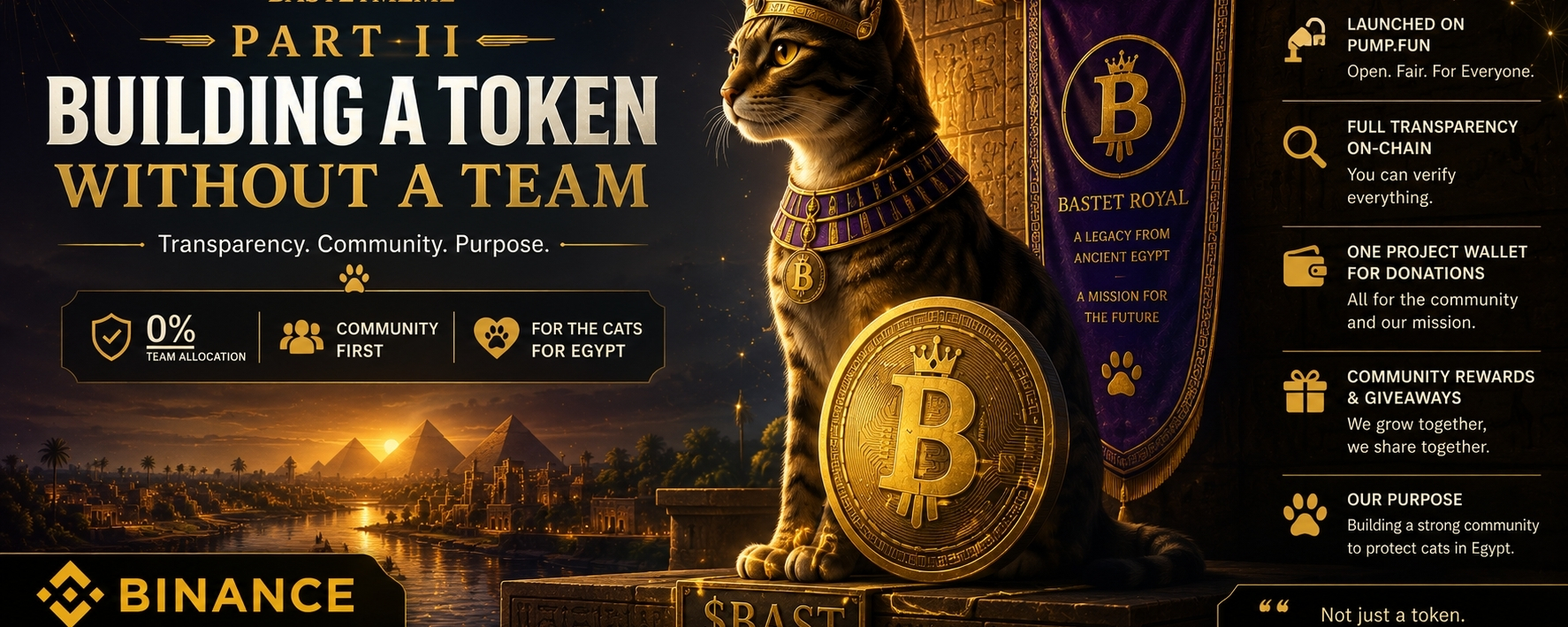
Xây dựng một token không có đội ngũThứ Sáu tuần trước, tôi đã kể cho bạn nghe BastetMeme bắt đầu như thế nào.
Mọi thứ bắt đầu từ một giấc mơ.
Nhưng kể về một giấc mơ thì thật dễ dàng.
Bắt tay xây dựng nó lại là chuyện khác.
Khi quyết định biến ý tưởng Bastet thành một dự án tiền mã hóa thực sự, chúng tôi phải đối mặt với câu hỏi mà sớm muộn gì dự án nhỏ nào cũng gặp phải:
Bạn sẽ xây dựng điều gì đó như thế nào khi không có cả một gia tài làm hậu thuẫn?
Câu trả lời của chúng tôi rất đơn giản:
Hãy xây dựng một cách minh bạch. Hãy xây dựng cùng cộng đồng.
Chúng tôi không tạo ra $BAST với cách phân bổ token truyền thống cho đội ngũ.
Không có một tỷ lệ lớn nào được dành riêng cho nhà phát triển, nhà sáng lập hay người trong cuộc.
BASTETMEME — PHẦN II Xây dựng một token không có đội ngũ
Thứ Sáu tuần trước, tôi đã kể cho bạn nghe BastetMeme bắt đầu như thế nào.
Mọi thứ bắt đầu từ một giấc mơ.
Nhưng kể về một giấc mơ thì thật dễ dàng.
Bắt tay xây dựng nó lại là chuyện khác.
Khi quyết định biến ý tưởng Bastet thành một dự án tiền mã hóa thực sự, chúng tôi phải đối mặt với câu hỏi mà sớm muộn gì dự án nhỏ nào cũng gặp phải:
Bạn sẽ xây dựng điều gì đó như thế nào khi không có cả một gia tài làm hậu thuẫn?
Câu trả lời của chúng tôi rất đơn giản:
Hãy xây dựng một cách minh bạch. Hãy xây dựng cùng cộng đồng.
Chúng tôi không tạo ra $BAST với cách phân bổ token truyền thống cho đội ngũ.
Không có một tỷ lệ lớn nào được dành riêng cho nhà phát triển, nhà sáng lập hay người trong cuộc.
61
·
--
Bài viết
BASTETMEME — PHẦN I
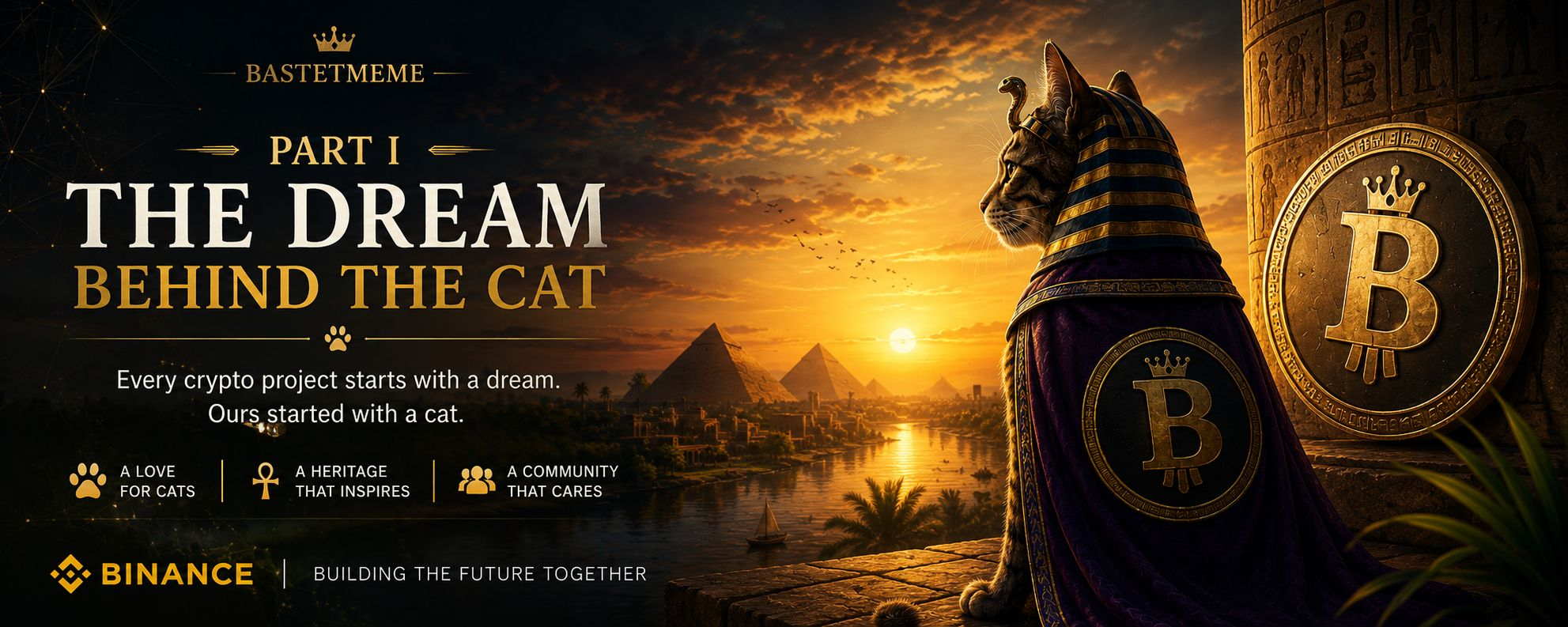
Giấc mơ đằng sau chú mèoMọi dự án tiền mã hóa đều bắt đầu từ một giấc mơ.
Có những giấc mơ bắt đầu từ tiền bạc.
Có những hành trình bắt đầu bằng tham vọng.
Câu chuyện của chúng tôi bắt đầu từ một chú mèo.
Không phải từ biểu đồ.
Không phải từ ngân sách tiếp thị.
Không phải từ lời hứa sẽ trở nên giàu có.
Mọi chuyện bắt đầu bằng một câu hỏi đơn giản:
Nếu một cộng đồng tiền mã hóa có thể thực sự làm điều gì đó tốt đẹp cho những loài động vật không có tiếng nói thì sao?
Tôi luôn yêu mèo và các loài động vật. Tôi cũng luôn say mê tiền mã hóa và Web3 — không chỉ vì hoạt động giao dịch, mà còn vì ý tưởng đằng sau chúng: những người ở nhiều nơi khác nhau có thể cùng nhau kết nối quanh một ý tưởng mà không cần một tổ chức truyền thống đứng ra gắn kết họ.
BASTETMEME — PHẦN I Giấc mơ đằng sau chú mèo
Mọi dự án tiền mã hóa đều bắt đầu từ một giấc mơ.
Có những giấc mơ bắt đầu từ tiền bạc.
Có những hành trình bắt đầu bằng tham vọng.
Câu chuyện của chúng tôi bắt đầu từ một chú mèo.
Không phải từ biểu đồ.
Không phải từ ngân sách tiếp thị.
Không phải từ lời hứa sẽ trở nên giàu có.
Mọi chuyện bắt đầu bằng một câu hỏi đơn giản:
Nếu một cộng đồng tiền mã hóa có thể thực sự làm điều gì đó tốt đẹp cho những loài động vật không có tiếng nói thì sao?
Tôi luôn yêu mèo và các loài động vật. Tôi cũng luôn say mê tiền mã hóa và Web3 — không chỉ vì hoạt động giao dịch, mà còn vì ý tưởng đằng sau chúng: những người ở nhiều nơi khác nhau có thể cùng nhau kết nối quanh một ý tưởng mà không cần một tổ chức truyền thống đứng ra gắn kết họ.
38
·
--
Tăng giá
#fogo $FOGO
{future}(FOGOUSDT)
🔥
FOGO là một dự án blockchain Layer-1 đang nổi lên, được thiết kế cho hiệu suất cao và các ứng dụng phi tập trung có thể mở rộng. Được xây dựng để cung cấp giao dịch siêu nhanh và độ trễ thấp, nó nhằm mục đích thúc đẩy DeFi, trò chơi và các nền tảng Web3 thế hệ tiếp theo. Gần đây được niêm yết trên các sàn giao dịch lớn, FOGO đã thu hút sự chú ý với thương hiệu táo bạo và lộ trình đầy tham vọng. Mặc dù vẫn đang ở giai đoạn đầu, dự án kết hợp đổi mới kỹ thuật với sự quan tâm ngày càng tăng từ cộng đồng, định vị mình như một đối thủ năng động trong hệ sinh thái crypto đang phát triển.
#fogo $FOGO
🔥
FOGO là một dự án blockchain Layer-1 đang nổi lên, được thiết kế cho hiệu suất cao và các ứng dụng phi tập trung có thể mở rộng. Được xây dựng để cung cấp giao dịch siêu nhanh và độ trễ thấp, nó nhằm mục đích thúc đẩy DeFi, trò chơi và các nền tảng Web3 thế hệ tiếp theo. Gần đây được niêm yết trên các sàn giao dịch lớn, FOGO đã thu hút sự chú ý với thương hiệu táo bạo và lộ trình đầy tham vọng. Mặc dù vẫn đang ở giai đoạn đầu, dự án kết hợp đổi mới kỹ thuật với sự quan tâm ngày càng tăng từ cộng đồng, định vị mình như một đối thủ năng động trong hệ sinh thái crypto đang phát triển.
2
3
·
--
Giảm giá
{future}(BTCUSDT)
Chúng tôi đã nói trước đây rằng sự bắt đầu của sự gia tăng Bitcoin lên đỉnh cao nhất sẽ dẫn đến một sự sụp đổ hoàn toàn xuống mức 60 nghìn và có thể hơn nữa!!
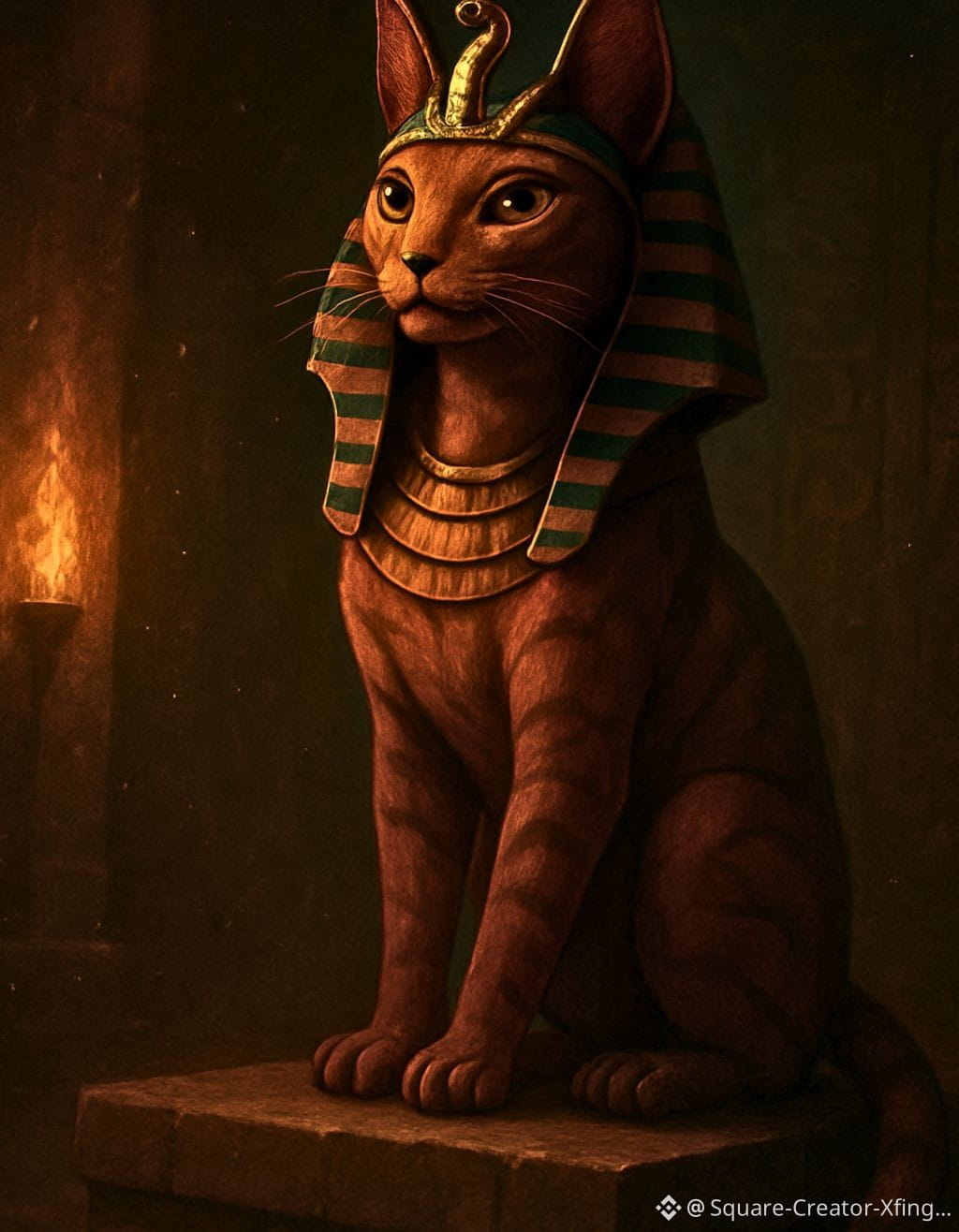
Tôi ủng hộ Pi$
Đây là khoản đầu tư tối ưu trước khi quá muộn 🙂
Nhiều người sẽ chế nhạo, cười cợt và nói rằng
Người điên khác!!🚩🚩🚩
Nhưng thời gian giữa chúng ta
Đây không phải là lời khuyên đầu tư nhưng là tín hiệu đỏ cho những ai muốn hiểu 🚨🚨🚨
#pi
Tôi ủng hộ Pi$
Đây là khoản đầu tư tối ưu trước khi quá muộn 🙂
Nhiều người sẽ chế nhạo, cười cợt và nói rằng
Người điên khác!!🚩🚩🚩
Nhưng thời gian giữa chúng ta
Đây không phải là lời khuyên đầu tư nhưng là tín hiệu đỏ cho những ai muốn hiểu 🚨🚨🚨
#pi
1
399
·
--
Trí tuệ nhân tạo chỉ là một người đại diện bán hàng hiện đại để hướng dẫn bạn đến các công ty lớn, dự án và sản phẩm của họ, không hơn không kém.
Trí tuệ nhân tạo chỉ là một người đại diện bán hàng hiện đại để hướng dẫn bạn đến các công ty lớn, dự án và sản phẩm của họ, không hơn không kém.
Elaouzi
·
--
Scandal trí tuệ nhân tạo giả mạo: Liệu 73% các công ty có bán cho chúng ta "ChatGPT được cải tiến"?
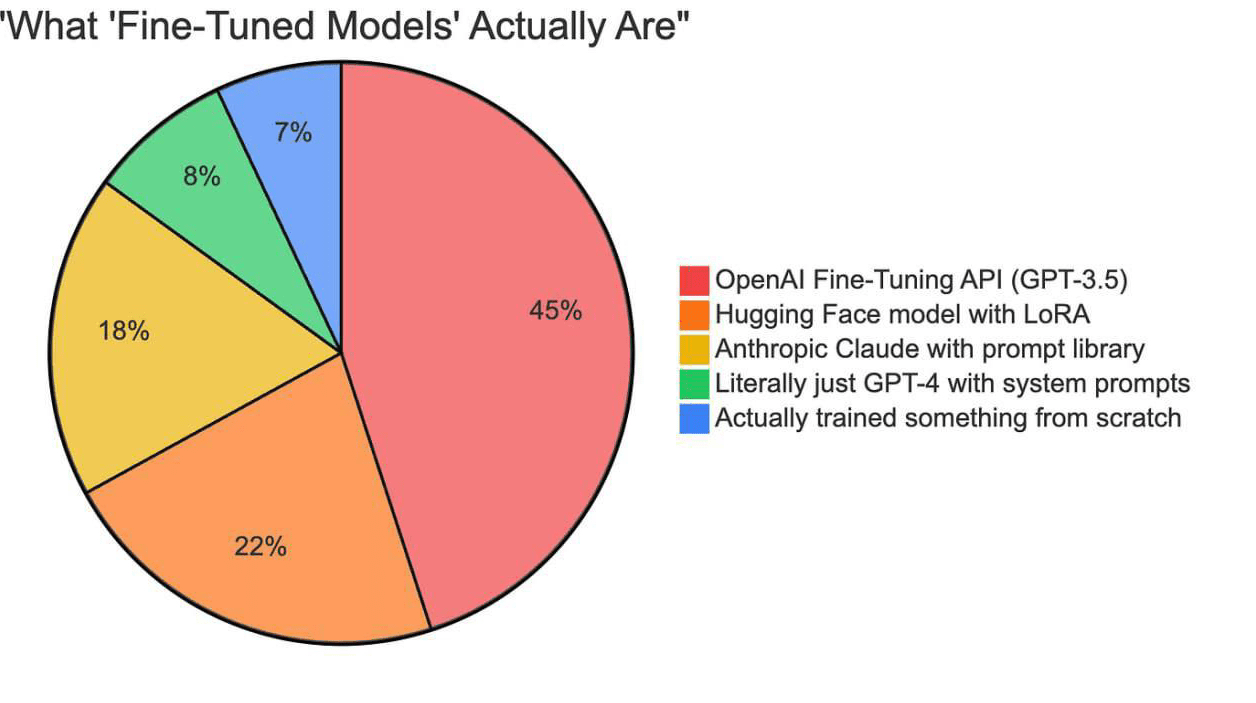
Các bạn theo dõi thân mến, tôi tiết lộ cho các bạn sự thật về thị trường trí tuệ nhân tạo mà nhiều người tránh nói đến! Phân tích kỹ lưỡng hơn 200 công ty khởi nghiệp đã nhận được tài trợ cho thấy rằng phần lớn (73%) trong số đó chủ yếu dựa vào các mô hình có sẵn từ các công ty khác.
Thực sự mà nói, những gì được lưu hành như là "Công nghệ trí tuệ nhân tạo độc quyền và riêng tư" trong nhiều sản phẩm chỉ là:
Thực sự mà nói, những gì được lưu hành như là "Công nghệ trí tuệ nhân tạo độc quyền và riêng tư" trong nhiều sản phẩm chỉ là:
2
111
·
--

Bài viết
Người Bán Thời GianTrong một thành phố đầy ước mơ, nơi những ngôi sao sáng rực rỡ trên bầu trời đêm, có một chàng trai trẻ tên là Ahmed, người đã có một ý tưởng kỳ lạ và tuyệt vời. Anh quyết định bán "thời gian" thay vì bán những thứ khác. Anh bán một phút hạnh phúc của mình, một giờ suy nghĩ của mình, hoặc một ngày trong cuộc đời của mình. Anh đã bán những khoảnh khắc của tâm hồn mình, và mọi người đã mua chúng một cách háo hức.
Ahmed đã bắt đầu bán thời gian, và mọi người bắt đầu mua từ anh ấy. Một người đã mua một phút hạnh phúc của anh ấy để thêm vào một ngày tẻ nhạt của họ, và một người khác đã mua một giờ suy nghĩ của anh ấy để tìm ra giải pháp cho một vấn đề khó khăn. Ahmed đã bán thời gian với giá cao, nhưng mọi người đã trả tiền mà không do dự.
Người Bán Thời Gian
Trong một thành phố đầy ước mơ, nơi những ngôi sao sáng rực rỡ trên bầu trời đêm, có một chàng trai trẻ tên là Ahmed, người đã có một ý tưởng kỳ lạ và tuyệt vời. Anh quyết định bán "thời gian" thay vì bán những thứ khác. Anh bán một phút hạnh phúc của mình, một giờ suy nghĩ của mình, hoặc một ngày trong cuộc đời của mình. Anh đã bán những khoảnh khắc của tâm hồn mình, và mọi người đã mua chúng một cách háo hức.
Ahmed đã bắt đầu bán thời gian, và mọi người bắt đầu mua từ anh ấy. Một người đã mua một phút hạnh phúc của anh ấy để thêm vào một ngày tẻ nhạt của họ, và một người khác đã mua một giờ suy nghĩ của anh ấy để tìm ra giải pháp cho một vấn đề khó khăn. Ahmed đã bán thời gian với giá cao, nhưng mọi người đã trả tiền mà không do dự.
Ahmed đã bắt đầu bán thời gian, và mọi người bắt đầu mua từ anh ấy. Một người đã mua một phút hạnh phúc của anh ấy để thêm vào một ngày tẻ nhạt của họ, và một người khác đã mua một giờ suy nghĩ của anh ấy để tìm ra giải pháp cho một vấn đề khó khăn. Ahmed đã bán thời gian với giá cao, nhưng mọi người đã trả tiền mà không do dự.
10
·
--
Lời nói hơn cả tuyệt vời
Lời nói hơn cả tuyệt vời

Professor_MohammedEM
·
--
🌍🔥 Hành trình Pi chỉ mới bắt đầu!
Các nhà tiên phong, chúng ta đang sống trong những chương đầu tiên của một điều gì đó lớn lao hơn nhiều so với một dự án tiền điện tử khác.
Câu chuyện về Pi không dựa trên tiếng ồn hoặc những lời hứa suông — mà được xây dựng trên tầm nhìn, sự kiên nhẫn và cộng đồng.
Bây giờ, một số nhà phân tích tin rằng hơn một triệu đô la có thể chảy vào hệ sinh thái Pi theo thời gian.
Hãy nghĩ về điều đó trong một phút — mức độ thanh khoản này không chỉ làm rung chuyển một mã mà còn định hình lại cảnh quan chấp nhận tiền điện tử trên toàn cầu.
14
·
--
Tôi là người nổi tiếng trong lĩnh vực tiền tệ, những ai có thông tin hoặc không có thông tin đều đưa ra ý kiến mà không có kiến thức. Mong bạn đừng truyền bá lời nói suông. Hãy đọc và nghiên cứu bản thân trước khi đưa ra ý kiến.
Tôi là người nổi tiếng trong lĩnh vực tiền tệ, những ai có thông tin hoặc không có thông tin đều đưa ra ý kiến mà không có kiến thức. Mong bạn đừng truyền bá lời nói suông. Hãy đọc và nghiên cứu bản thân trước khi đưa ra ý kiến.
CRYPto tokens 89
·
--
Tin tức cho những ai lưu trữ đồng Pi
@yousif170: Lừa đảo tất cả những ai nghĩ rằng giá là 314 nghìn đô la.
✅ Đúng, thực tế đã chứng minh rằng Nicolas Koukalis hoặc đội ngũ sáng lập đồng Pi Network sở hữu hơn 95% tổng số đồng, vì vậy dự án trở nên hoàn toàn không đáng tin cậy, và mất hết uy tín như một đồng tiền điện tử thực sự.
🔹 Bởi vì điều này có nghĩa là:
Đồng tiền hoàn toàn tập trung — tức là quyết định nằm trong tay một người hoặc một tổ chức, không phải là một mạng lưới phi tập trung như những đồng tiền thực sự như Bitcoin hoặc Ethereum.
69
·
--

Bài viết
Triển vọng Bitcoin Q4 2025## Các yếu tố chính
1. Căng thẳng cung sau Halving (tác động của halving năm 2024 trở nên mạnh mẽ hơn).
2. Tính thanh khoản toàn cầu: Quyết định lãi suất của Fed (cắt giảm = tích cực).
3. Nhu cầu từ các tổ chức: Dòng vốn ETF, sự chấp nhận của các doanh nghiệp.
4. Quy định: Thực hiện đầy đủ MiCA (EU), thay đổi chính sách bầu cử ở Mỹ.
5. Rủi ro vĩ mô: Lạm phát, tấn công mạng, cú sốc địa chính trị.
---
### Kịch bản giá
| Kịch bản | Xác suất | Phạm vi giá BTC | Các yếu tố thúc đẩy
|---------------------|-----------------|---------------------|-----------------
Triển vọng Bitcoin Q4 2025
## Các yếu tố chính
1. Căng thẳng cung sau Halving (tác động của halving năm 2024 trở nên mạnh mẽ hơn).
2. Tính thanh khoản toàn cầu: Quyết định lãi suất của Fed (cắt giảm = tích cực).
3. Nhu cầu từ các tổ chức: Dòng vốn ETF, sự chấp nhận của các doanh nghiệp.
4. Quy định: Thực hiện đầy đủ MiCA (EU), thay đổi chính sách bầu cử ở Mỹ.
5. Rủi ro vĩ mô: Lạm phát, tấn công mạng, cú sốc địa chính trị.
---
### Kịch bản giá
| Kịch bản | Xác suất | Phạm vi giá BTC | Các yếu tố thúc đẩy
|---------------------|-----------------|---------------------|-----------------
1
28
·
--
Tăng giá
Huma Finance ($HUMA);
Huma Finance là một nền tảng tài chính phi tập trung (PayFi) kết nối giữa tài chính truyền thống (TradFi) và tài chính phi tập trung (DeFi). Mục tiêu là tạo điều kiện cho các khoản thanh toán toàn cầu bằng cách cung cấp thanh khoản ngay lập tức trên blockchain, với trọng tâm là các khoản vay được đảm bảo bằng thu nhập và các giải pháp tài chính nhanh chóng. Nền tảng hoạt động trên mạng Solana để đảm bảo tốc độ giao dịch và chi phí thấp, đồng thời hỗ trợ các giải pháp như thanh toán xuyên biên giới và thanh toán theo thời gian thực.
Tương lai của Huma Finance:
Tăng trưởng nhanh: Nền tảng đã đạt được sự tăng trưởng đáng kể với các giao dịch PayFi trị giá 5,4 tỷ USD trong một năm, và mục tiêu là đạt 10 tỷ USD vào cuối năm 2025.
Đối tác: Hợp tác với các thực thể lớn như Circle và Superstate để cải thiện các chiến lược thanh khoản.
Tiềm năng thị trường: Với nhu cầu ngày càng tăng đối với các giải pháp DeFi kết nối với tài chính truyền thống, Huma Finance có thể có một tương lai tươi sáng, nhưng cũng đối mặt với rủi ro biến động của thị trường tiền điện tử.
Thách thức: Thành công của nó phụ thuộc vào việc tiếp tục mở rộng, cải thiện trải nghiệm người dùng và vượt qua các thách thức về quy định và kỹ thuật.
#HUMAFINANCE
$HUMA
Huma Finance ($HUMA );
Huma Finance là một nền tảng tài chính phi tập trung (PayFi) kết nối giữa tài chính truyền thống (TradFi) và tài chính phi tập trung (DeFi). Mục tiêu là tạo điều kiện cho các khoản thanh toán toàn cầu bằng cách cung cấp thanh khoản ngay lập tức trên blockchain, với trọng tâm là các khoản vay được đảm bảo bằng thu nhập và các giải pháp tài chính nhanh chóng. Nền tảng hoạt động trên mạng Solana để đảm bảo tốc độ giao dịch và chi phí thấp, đồng thời hỗ trợ các giải pháp như thanh toán xuyên biên giới và thanh toán theo thời gian thực.
Tương lai của Huma Finance:
Tăng trưởng nhanh: Nền tảng đã đạt được sự tăng trưởng đáng kể với các giao dịch PayFi trị giá 5,4 tỷ USD trong một năm, và mục tiêu là đạt 10 tỷ USD vào cuối năm 2025.
Đối tác: Hợp tác với các thực thể lớn như Circle và Superstate để cải thiện các chiến lược thanh khoản.
Tiềm năng thị trường: Với nhu cầu ngày càng tăng đối với các giải pháp DeFi kết nối với tài chính truyền thống, Huma Finance có thể có một tương lai tươi sáng, nhưng cũng đối mặt với rủi ro biến động của thị trường tiền điện tử.
Thách thức: Thành công của nó phụ thuộc vào việc tiếp tục mở rộng, cải thiện trải nghiệm người dùng và vượt qua các thách thức về quy định và kỹ thuật.
#HUMAFINANCE
$HUMA
195
·
--
Đã bắt đầu bơm Bitcoin để đạt mức cao kỷ lục trước khi sụp đổ lớn và Bitcoin chạm đáy 😂😂
Đã bắt đầu bơm Bitcoin để đạt mức cao kỷ lục trước khi sụp đổ lớn và Bitcoin chạm đáy 😂😂


حيتان العرب Arabicwhales
·
--
Trong 12 giờ qua, 8 ví đã được đánh thức từ thời đại Satoshi sau 14 năm ngừng hoạt động, chuyển 80,000 $BTC trị giá 8.68 tỷ đô la đến các ví mới! 😱
🔹 Hai trong số các ví này đã nhận Bitcoin vào tháng 4 năm 2011 với giá 0.78$, và phần còn lại vào tháng 5 năm 2011 với giá 3.37$ — khi đó tổng giá trị chỉ là 217.8 nghìn đô la!
🔹 Hôm nay, số tiền này tương đương với 8.68 tỷ đô la, tức là lợi nhuận 39,800 lần! 🤯
📊 Liệu đây có phải là khởi đầu của một đợt bán lớn
Chia sẻ dự đoán của bạn 👇

252
·
--
22
22

8_NovaMeme
·
--
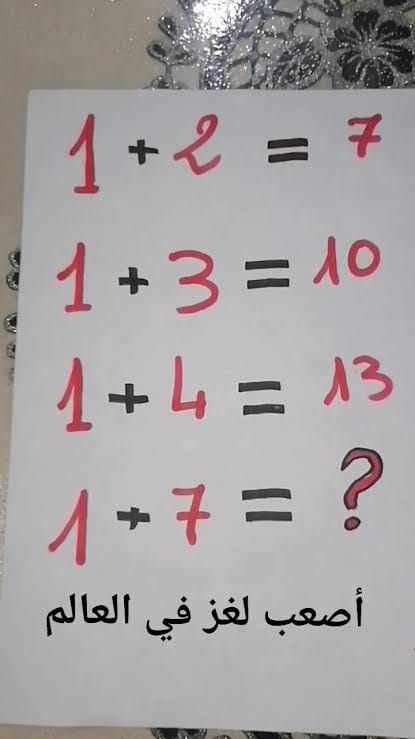
Tăng giáCâu đố khó nhất thế giới 📍📍📍📍📍🔥🔥🔥🔥🔥🔥
Chỉ những người không biết câu trả lời mới đưa ra #answerthequestion werthequestion, người đưa ra câu trả lời #Đúng sẽ là người chiến thắng #lockyquiz uiz $BTC $TRUMP $BTC TH
Chỉ những người không biết câu trả lời mới đưa ra #answerthequestion werthequestion, người đưa ra câu trả lời #Đúng sẽ là người chiến thắng #lockyquiz uiz $BTC $TRUMP $BTC TH

3
·
--
Không ngay cả Bitcoin và những ngày sắp tới
Không ngay cả Bitcoin và những ngày sắp tới

mras645
·
--
Phi tập trung? Một lời nói dối lớn 🤥
Sau khi vượt qua $200M trên mạng $SUI , họ bắt đầu ngăn chặn các giao dịch và đóng băng tiền 🚫💸
Chiếc mặt nạ đã rơi, và chúng ta đã thấy sự thật…
Cái duy nhất thực sự phi tập trung là Bitcoin 🟧
$SUI
$BTC
Sau khi vượt qua $200M trên mạng $SUI , họ bắt đầu ngăn chặn các giao dịch và đóng băng tiền 🚫💸
Chiếc mặt nạ đã rơi, và chúng ta đã thấy sự thật…
Cái duy nhất thực sự phi tập trung là Bitcoin 🟧
$SUI
$BTC

55
Đăng nhập để khám phá thêm nội dung
Tham gia cùng người dùng tiền mã hóa toàn cầu trên Binance Square
⚡️ Nhận thông tin mới nhất và hữu ích về tiền mã hóa.
💬 Được tin cậy bởi sàn giao dịch tiền mã hóa lớn nhất thế giới.
👍 Khám phá những thông tin chuyên sâu thực tế từ những nhà sáng tạo đã xác minh.
Email / Số điện thoại
Chủ đề thịnh hành
TinFed
391,417 lượt xem
1,090 đang thảo luận
Cập nhật cả 2 luôn, hôm nay 3/11/2026 thị trường bị kẹp giữa SOL yếu và FED diều hâu:
SOL hôm nay:
Giá: $91.85 - $93.29, đang quanh $91.5 - $92.3, giảm ∼0.4% - 1.8%, range 24h $91.39 - $94.51
7 ngày -8.5%, 30 ngày -23%
Tin xấu chính:
- ETF rút kỷ lục: 5 phiên gần nhất outflow $63.4M, tuần trước $71.47M là tuần rút lớn nhất từ khi có ETF, tháng 10 rút $143.7M
- Hậu Binance hack $6.3B: Binance bị rút ròng $3.64B sau khi mở lại rút tiền
- Liquidation $15.28M long SOL
Tin tốt đỡ lại:
- RWA trên Solana đạt ATH $5.12B - $5.19B, +17.65% trong 30 ngày
- Doanh thu app Q3 $299M, card spending kỷ lục $141.1M
- Nâng cấp Agave v4.4.0 và Firedancer mainnet v26.10.5 đã release 29/10, Alpenglow protocol giúp finality nhanh hơn
FED hôm nay - quan trọng hơn cho cả crypto:
Đã họp 28/10: FED giữ nguyên lãi suất 3.75% - 4.00%, vote 10-2, 2 người muốn tăng thêm 0.25%
Lãi suất thực tế tuần 26-30/10: Fed funds effective 3.88%, prime 7.00%, discount 4.00%
10-year yield biến động mạnh: từ 5.00% lên 5.05% rồi về 4.94% cuối 30/10
Chủ tịch FED Kevin Warsh phát tín hiệu diều hâu, nói lãi suất sẽ siết mạnh các ngành thâm dụng vốn, thị trường đang pricing khả năng cao tăng 0.25% vào tháng 12
BNY dự báo: thêm 1 lần tăng tháng 12 để giữ uy tín, 2027 thì mù mờ hơn
Hôm nay 3/11 là bầu cử giữa kỳ Mỹ: toàn bộ 435 ghế Hạ viện và 1/3 Thượng viện, market dự đoán Dân chủ có 74% cơ hội lấy Thượng viện, cái này cũng làm dollar và crypto rung lắc
=> Nói ngắn gọn: FED đang tạm pause nhưng không dovish, vẫn có thể tăng tiếp tháng 12 nên crypto bao gồm SOL, BTC đang bị đè risk. SOL đang oversold nhưng nếu FED tăng thì khó hồi mạnh ngay.
#TinFed $SOL
Frog princetrade
·0 lượt thích
·177 lượt xem
TheoDõiFOMC
319,613 lượt xem
1,368 đang thảo luận
USMidterms-WhatAreMarketsExpecting?
42,640 lượt xem
484 đang thảo luận