
Billy bright 09
138 Bài đăng

Billy bright 09
Báo cáo
Chặn người dùng
post are personal opinions
812 Đang theo dõi
271 Người theo dõi
85 Đã thích
Bài đăng
Tất cả
Trích dẫn

Bài viết
Ngày mọi thứ đồng loạt lao dốcVào thứ Sáu, ngày 20 tháng 11 năm 2026, chứng khoán Mỹ, vàng và Bitcoin đồng loạt lao dốc trong cùng một ngày — một sự kiện hiếm gặp khiến nhiều nhà đầu tư bối rối. Sau đây là những gì thực sự đã xảy ra và lý do vì sao.
### Tác nhân: Tăng lãi suất, không phải giảm
Thị trường từng hy vọng Cục Dự trữ Liên bang sẽ giảm lãi suất để hỗ trợ tăng trưởng. Thay vào đó, số liệu lạm phát tháng 10 nóng hơn dự kiến (CPI tăng 0,4%, lạm phát lõi tăng 0,3% trong tháng thứ ba liên tiếp) đã đảo ngược kỳ vọng. Đến thứ Sáu, các nhà giao dịch dự đoán xác suất Fed tăng lãi suất vào ngày 9 tháng 12 là 97%.
Lãi suất cao hơn là chất độc đối với những tài sản không tạo ra thu nhập — vàng, Bitcoin và cổ phiếu tăng trưởng đều mất sức hấp dẫn chỉ sau một đêm.
Ngày mọi thứ đồng loạt lao dốc
Vào thứ Sáu, ngày 20 tháng 11 năm 2026, chứng khoán Mỹ, vàng và Bitcoin đồng loạt lao dốc trong cùng một ngày — một sự kiện hiếm gặp khiến nhiều nhà đầu tư bối rối. Sau đây là những gì thực sự đã xảy ra và lý do vì sao.
### Tác nhân: Tăng lãi suất, không phải giảm
Thị trường từng hy vọng Cục Dự trữ Liên bang sẽ giảm lãi suất để hỗ trợ tăng trưởng. Thay vào đó, số liệu lạm phát tháng 10 nóng hơn dự kiến (CPI tăng 0,4%, lạm phát lõi tăng 0,3% trong tháng thứ ba liên tiếp) đã đảo ngược kỳ vọng. Đến thứ Sáu, các nhà giao dịch dự đoán xác suất Fed tăng lãi suất vào ngày 9 tháng 12 là 97%.
Lãi suất cao hơn là chất độc đối với những tài sản không tạo ra thu nhập — vàng, Bitcoin và cổ phiếu tăng trưởng đều mất sức hấp dẫn chỉ sau một đêm.
215
Đúng một phần
#BonkCoinFundamentals Thị phần thống trị của BONK đang tăng vọt nhờ chiến dịch "BURNMAS" nhằm tiêu hủy 1 nghìn tỷ token, những tin đồn sôi nổi về việc niêm yết trên các sàn giao dịch Hàn Quốc và hoạt động tích lũy mạnh mẽ của cá voi. Sự kết hợp này tạo ra áp lực giảm phát cực lớn và thúc đẩy dòng vốn chuyển mạnh sang đồng meme hàng đầu của Solana.
$1000BONK
{future}(1000BONKUSDT)
#BonkCoinFundamentals Thị phần thống trị của BONK đang tăng vọt nhờ chiến dịch "BURNMAS" nhằm tiêu hủy 1 nghìn tỷ token, những tin đồn sôi nổi về việc niêm yết trên các sàn giao dịch Hàn Quốc và hoạt động tích lũy mạnh mẽ của cá voi. Sự kết hợp này tạo ra áp lực giảm phát cực lớn và thúc đẩy dòng vốn chuyển mạnh sang đồng meme hàng đầu của Solana.
$1000BONK
$1000BONK
375
Xem bản dịch
you are right bro
you are right bro


BlockchainBaller
·
--
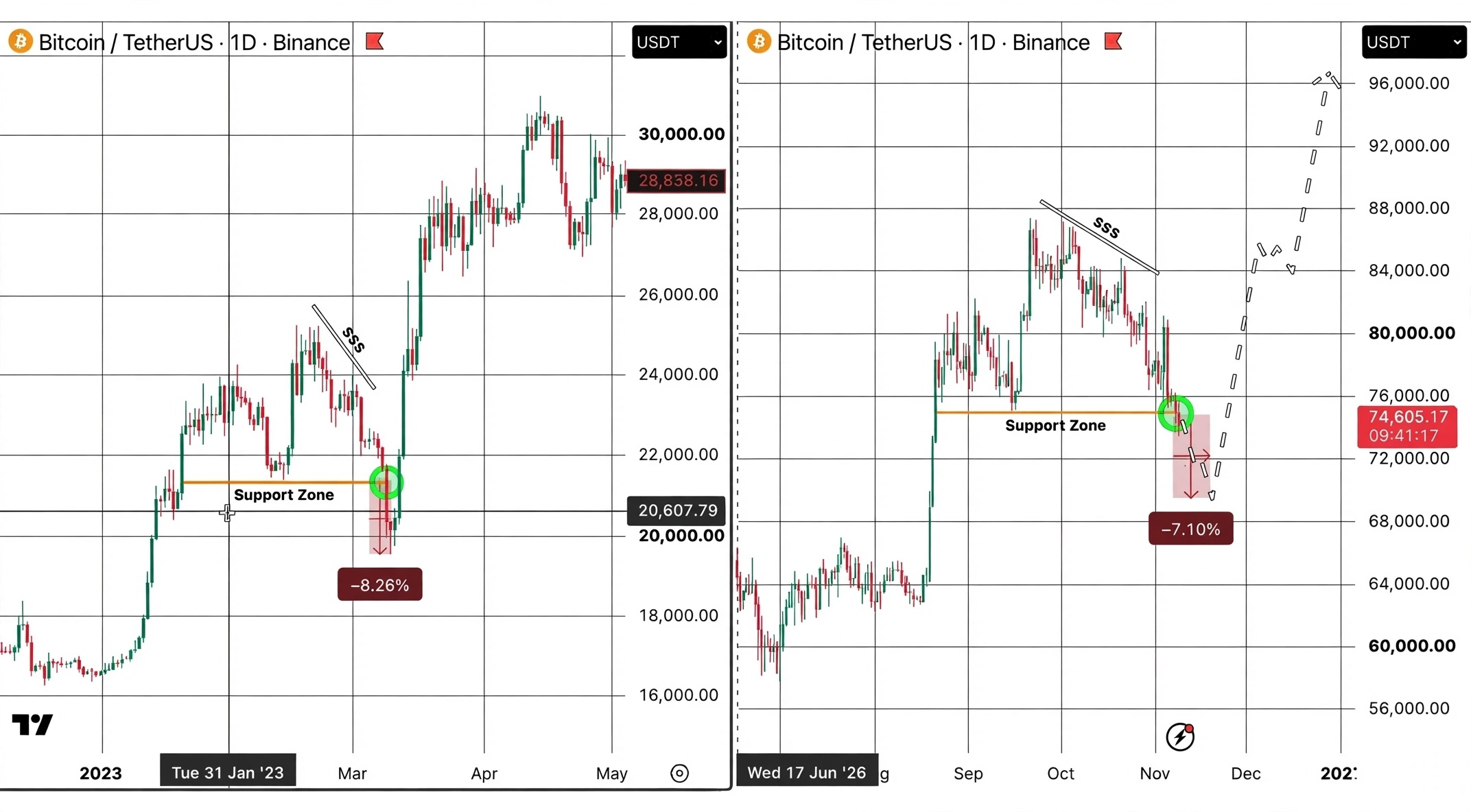
Liệu $BTC có lại làm điều tương tự như đã làm vào năm 2023 không?
Xem bản dịch
don't make this mistake
don't make this mistake
Billy bright 09
·
--
Điều gì đang xảy ra với thị trường tiền mã hóa NGAY LÚC NÀY?
Ghép tất cả lại:
1. BTC đang cố trụ vững, altcoin thì đang lao dốc.
BTC đang cố tăng giá/trụ vững vì tỷ trọng thống trị của BTC đang tăng. OTHERS/BTC giảm là bằng chứng cho điều đó. Các nhà giao dịch đang bán altcoin để đổi lấy BTC, và bán BTC để đổi lấy USDT. BTC là đồng tiền duy nhất còn trụ lại.
2. Thanh khoản đang bị mắc kẹt.
USDT.D ở mức 7% = cứ mỗi 100 USD trong thị trường tiền mã hóa thì có 7 USD nằm yên trong USDT, không được sử dụng. Đó là nguồn vốn dự phòng, nhưng cũng cho thấy sự sợ hãi. Không ai muốn giải ngân khi DXY đang ở vùng cung.
3. Thị trường đang lưỡng lự tại vùng cung.
DXY ở vùng cung, USDT.D ở ngưỡng kháng cự, TOTAL3 ở ngưỡng hỗ trợ (730 tỷ USD), US10Y đang giảm. Tất cả đều đang ở những ngưỡng quan trọng. 2–3 phiên đóng cửa ngày tiếp theo sẽ quyết định biến động 20% kế tiếp.
53
Bài viết
Điều gì đang xảy ra với thị trường tiền mã hóa NGAY LÚC NÀY?
Ghép tất cả lại:
1. BTC đang cố trụ vững, altcoin thì đang lao dốc.
BTC đang cố tăng giá/trụ vững vì tỷ trọng thống trị của BTC đang tăng. OTHERS/BTC giảm là bằng chứng cho điều đó. Các nhà giao dịch đang bán altcoin để đổi lấy BTC, và bán BTC để đổi lấy USDT. BTC là đồng tiền duy nhất còn trụ lại.
2. Thanh khoản đang bị mắc kẹt.
USDT.D ở mức 7% = cứ mỗi 100 USD trong thị trường tiền mã hóa thì có 7 USD nằm yên trong USDT, không được sử dụng. Đó là nguồn vốn dự phòng, nhưng cũng cho thấy sự sợ hãi. Không ai muốn giải ngân khi DXY đang ở vùng cung.
3. Thị trường đang lưỡng lự tại vùng cung.
DXY ở vùng cung, USDT.D ở ngưỡng kháng cự, TOTAL3 ở ngưỡng hỗ trợ (730 tỷ USD), US10Y đang giảm. Tất cả đều đang ở những ngưỡng quan trọng. 2–3 phiên đóng cửa ngày tiếp theo sẽ quyết định biến động 20% kế tiếp.
1
504
Xem bản dịch
#BinancePick
[is there anyone to tell me in detail what it's about?](https://app.binance.com/uni-qr/prophet?from=share&seasonId=prophet_1019_s1&ref=810292465)
[https://app.binance.com/uni-qr/prophet?from=share&seasonId=prophet_1019_s1&ref=810292465](https://app.binance.com/uni-qr/prophet?from=share&seasonId=prophet_1019_s1&ref=810292465)
#BinancePick
is there anyone to tell me in detail what it's about?
https://app.binance.com/uni-qr/prophet?from=share&seasonId=prophet_1019_s1&ref=810292465
is there anyone to tell me in detail what it's about?
https://app.binance.com/uni-qr/prophet?from=share&seasonId=prophet_1019_s1&ref=810292465

Xem bản dịch
This week (Oct 25–31, 2026) global markets are bracing for multiple central bank decisions, surging oil prices, and sticky inflation. The Fed’s October 27–28 meeting is expected to hold rates steady at 3.75–4.00% with an ~88–90% probability of no hike, while markets anticipate another increase in December. Rising Treasury yields (~5%), Brent crude above $116, and Bitcoin consolidating near $81K highlight the tension between inflation risks and growth resilience.
This week (Oct 25–31, 2026) global markets are bracing for multiple central bank decisions, surging oil prices, and sticky inflation. The Fed’s October 27–28 meeting is expected to hold rates steady at 3.75–4.00% with an ~88–90% probability of no hike, while markets anticipate another increase in December. Rising Treasury yields (~5%), Brent crude above $116, and Bitcoin consolidating near $81K highlight the tension between inflation risks and growth resilience.
113
Xem bản dịch
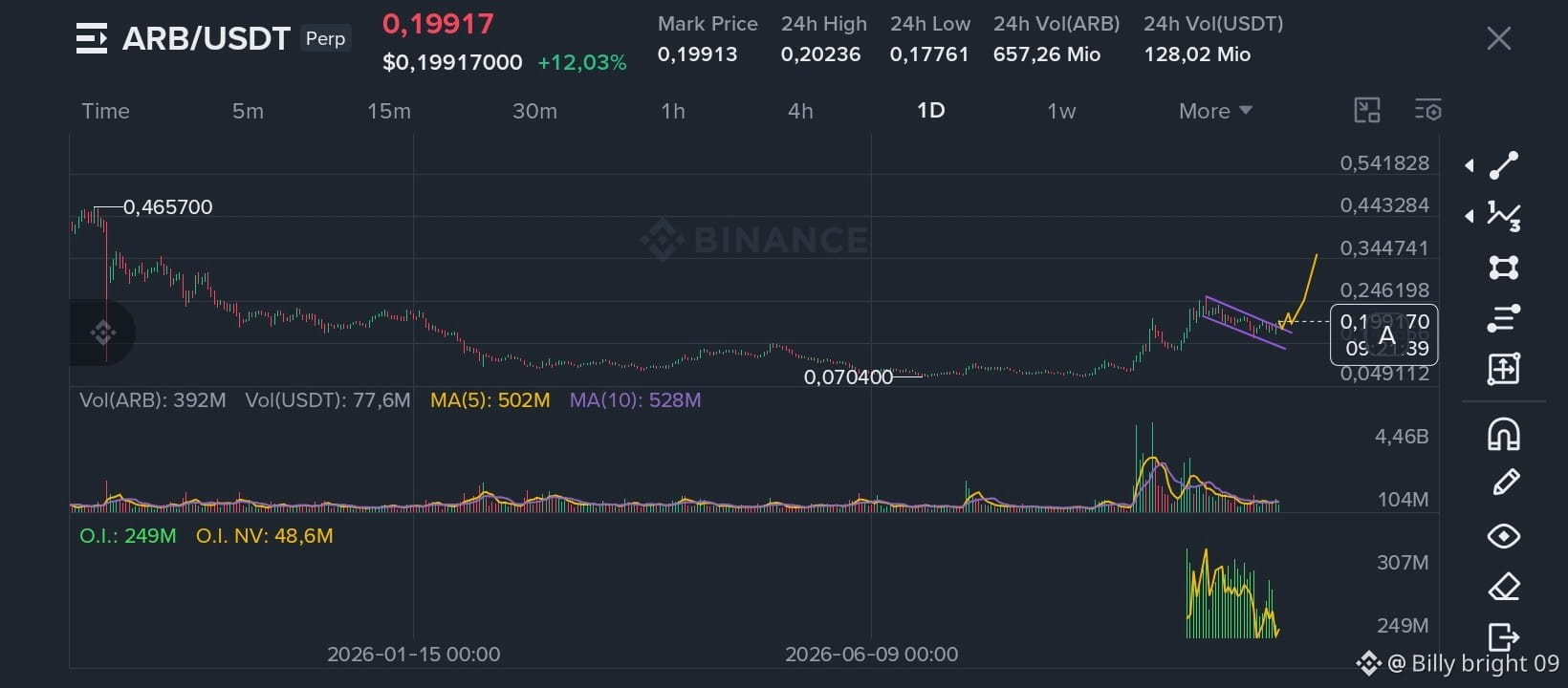
$ARB is about to make a big move don't miss it
{spot}(ARBUSDT)
{future}(1000BONKUSDT)
$ARB is about to make a big move don't miss it

586
Biên bản cuộc họp FOMC hôm nay (ngày 7 tháng 10 năm 2026) cho thấy Cục Dự trữ Liên bang đang chia rẽ: mặc dù ủy ban nhất trí tăng lãi suất vào tháng 9 (+25 điểm cơ bản lên 3,75–4,00%), biên bản cho thấy có bất đồng về việc liệu có cần tăng lãi suất thêm hay không. Thị trường phản ứng khi Chỉ số Đô la (DXY) kiểm định mức 102.535, và hiện các nhà giao dịch chỉ đánh giá xác suất Fed tăng lãi suất thêm trong tháng 10 là khoảng 20%.
Điều này có ý nghĩa gì với nhà giao dịch
Đồng USD mạnh lên: Giọng điệu cứng rắn trong biên bản hỗ trợ đồng đô la, đặc biệt so với EUR và JPY.
Tiền mã hóa và tài sản rủi ro: Fed cứng rắn → BTC/ETH suy yếu; Fed ôn hòa → có thể xuất hiện đợt phục hồi nhờ tâm lý nhẹ nhõm.Trai phiếu: Lợi suất tăng xác nhận thị trường tin rằng chính sách sẽ thắt chặt hơn, gây sức ép lên cổ phiếu.
Triển vọng ngắn hạn: Khả năng tăng lãi suất vào tháng 10 thấp, nhưng phương án tăng vào tháng 12 vẫn còn bỏ ngỏ, tùy thuộc vào dữ liệu lạm phát.$BTC $CL $DXC.US #FedMinutesFocusOnOctoberPause
1
4.3k
Nợ toàn cầu
Lợi suất trái phiếu Kho bạc Mỹ đã tăng vọt lên mức cao nhất trong nhiều thập kỷ, đẩy khoản thanh toán lãi hằng năm vượt quá 1 nghìn tỷ USD—hiện ngang với các khoản chi ngân sách lớn như Medicare và quốc phòng.
Trên toàn thế giới, nợ đã phình lên 365 nghìn tỷ USD, trong khi lợi suất trái phiếu ở mức cao nhất trong nhiều thập kỷ.
$QQQB Các chính phủ thường dựa vào việc phá giá tiền tệ, một kiểu “vỡ nợ ngấm ngầm” làm xói mòn sức mua thay vì công khai tuyên bố vỡ nợ.
Các nhà phân tích cảnh báo vòng xoáy này làm suy giảm niềm tin vào hệ thống tài chính. Để phòng ngừa rủi ro, nhiều người tìm đến vàng và bạc vật chất, vốn không có rủi ro đối tác và trong lịch sử đã giúp bảo toàn tài sản trong các cuộc khủng hoảng tiền tệ.
551
Xem bản dịch
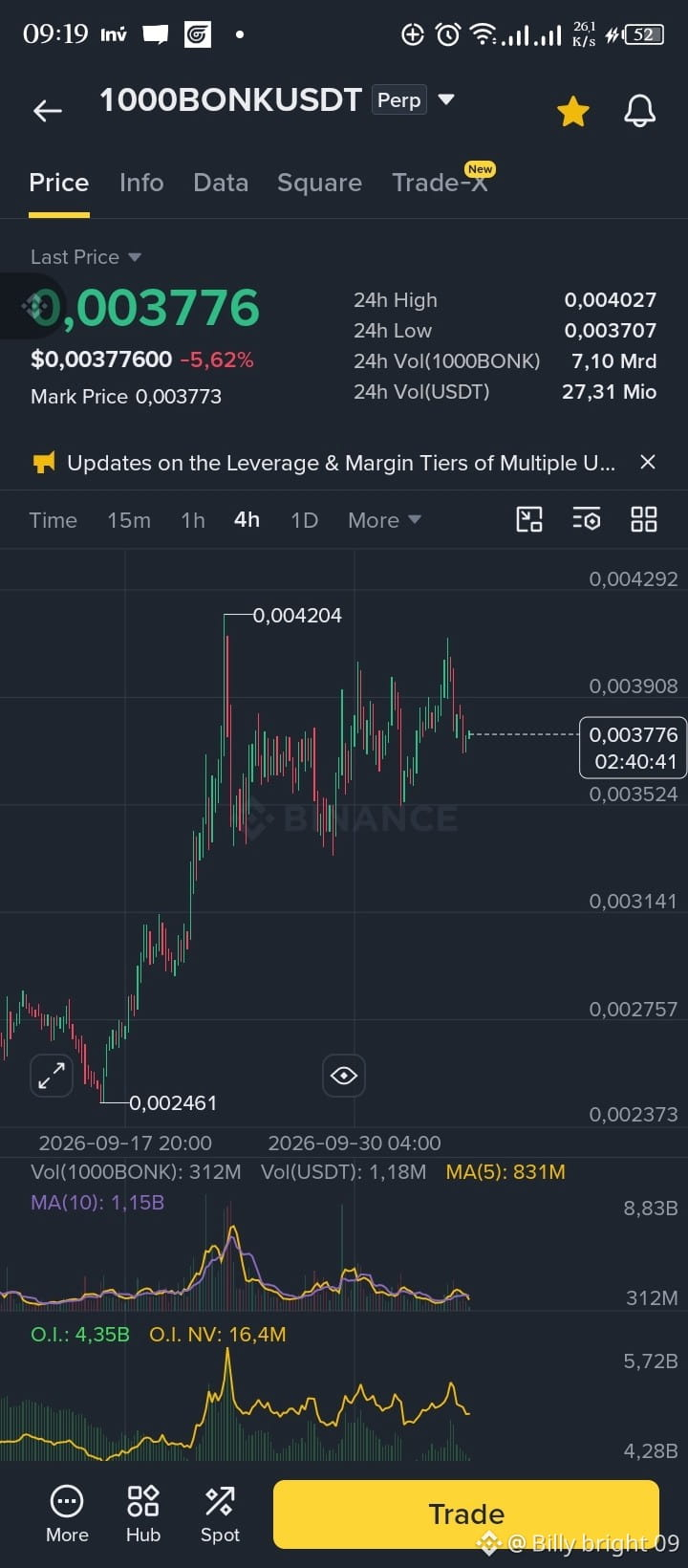
1000BONKUSDT Analysis — Intraday Setup
BONK is still holding above the 0.0031 resistance, showing strength and potential for the next markup phase.
Entry zone: 0.0037 – 0.0036
Stop‑loss: below the previous swing low
Take‑profit targets: 0.0041 – 0.00454
1000BONKUSDT Analysis — Intraday Setup
BONK is still holding above the 0.0031 resistance, showing strength and potential for the next markup phase.
Entry zone: 0.0037 – 0.0036
Stop‑loss: below the previous swing low
Take‑profit targets: 0.0041 – 0.00454
BONK is still holding above the 0.0031 resistance, showing strength and potential for the next markup phase.
Entry zone: 0.0037 – 0.0036
Stop‑loss: below the previous swing low
Take‑profit targets: 0.0041 – 0.00454
151
Xem bản dịch
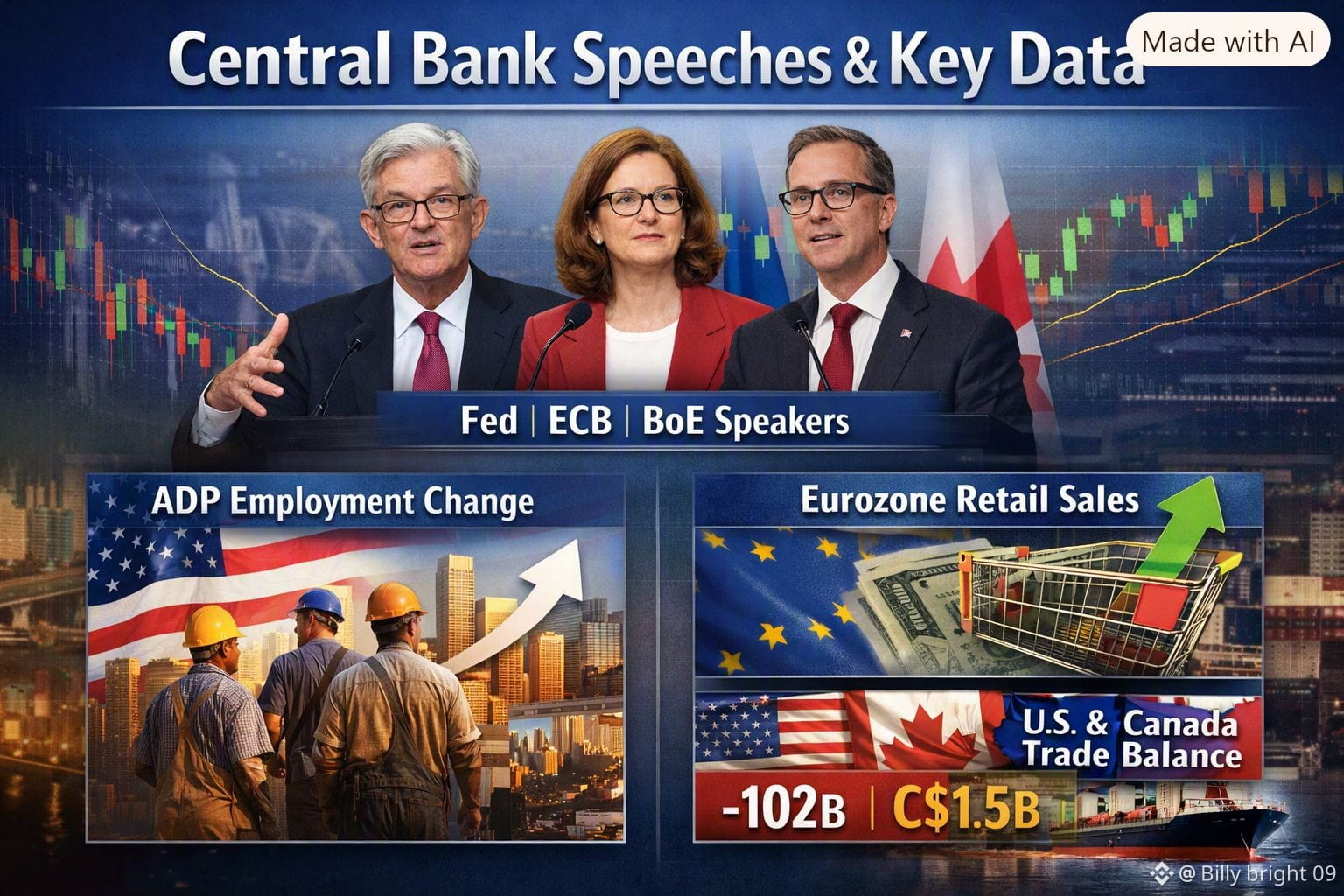
Today’s economic calendar (October 6, 2026) is dominated by central bank speeches and medium-tier data like the U.S. ADP employment change, Eurozone retail sales, and U.S./Canada trade balances.
The key interpretation:
stronger-than-expected data signals economic resilience (hawkish for rates, bullish for USD yields), while weaker prints reinforce easing expectations (dovish, bearish for USD).
The key interpretation:
stronger-than-expected data signals economic resilience (hawkish for rates, bullish for USD yields), while weaker prints reinforce easing expectations (dovish, bearish for USD).
57
Bài viết
Xem bản dịch
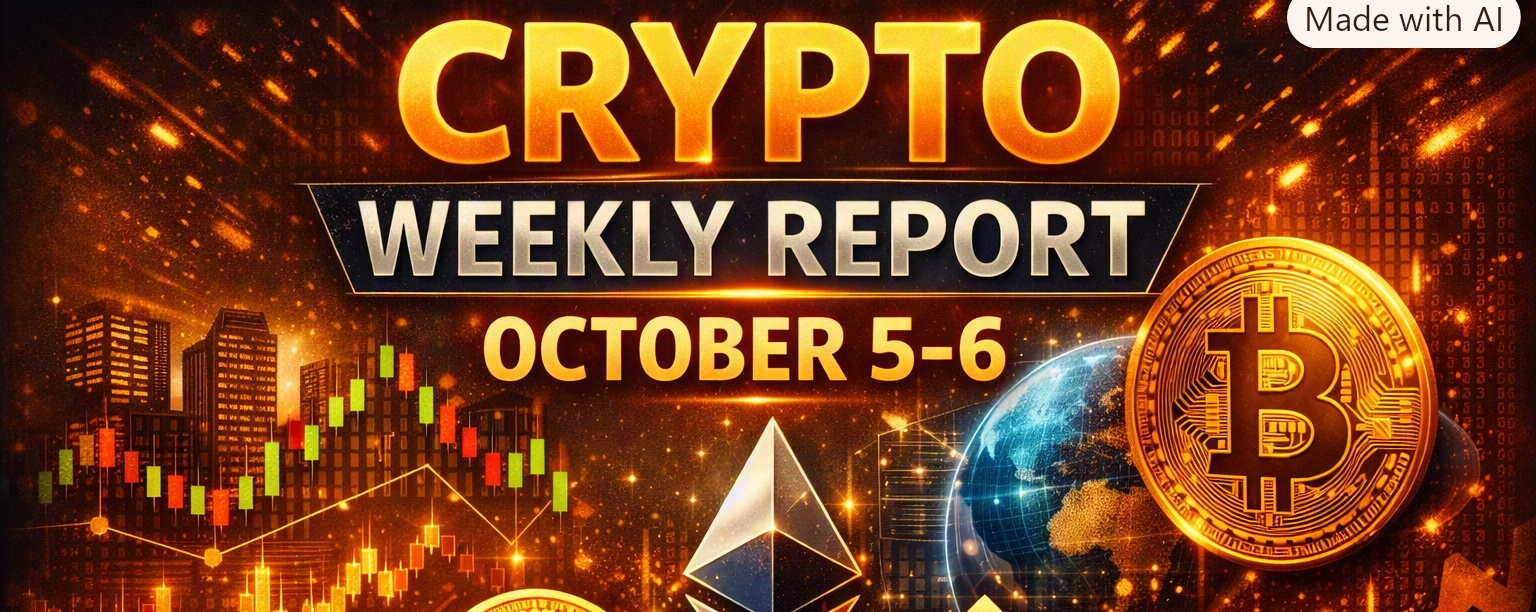
Cryptocurrency Weekly ReportPeriod: October 5–6, 2026
Focus: Regulatory shifts, Ethereum upgrade, security breaches, institutional adoption, macroeconomic factors
🔹 Regulatory Developments
SEC custody rules proposed; Commissioner Hester Peirce’s departure reduces pro-crypto voices.
CFTC vs SEC jurisdiction battle escalates to the White House.UK licensing framework opens, encouraging institutional participation.
Impact Today: U.S. uncertainty may weigh on sentiment, while UK clarity could attract institutional inflows.
🔹 Ethereum Glamsterdam Upgrade
Testnet activation on October 6, 2026 (Sepolia).
Introduces proposer-builder separation, block-level access lists, revised gas pricing.
Impact Today: ETH volatility expected; successful testnet could trigger bullish momentum.
🔹 Security Breaches
Bitget hack: $387M stolen, linked to North Korean actors.
Liquid Network breach: Adds to September’s $766M losses.
Impact Today: Heightened distrust in centralized exchanges; possible shift toward decentralized custody
🔹 Institutional Tokenization
Franklin Templeton tokenized fund accepted as collateral on Bybit.
Goldman Sachs integrates $100B Treasury fund into crypto rails.
Petrobras tests Cardano for sustainable fuel tracking.
Impact Today: Expands real-world asset (RWA) adoption, boosting tokenization-linked projects.
🔹 Macro & ETFs
SEC approves 3x leveraged BTC & ETH ETFs.Weak U.S. payrolls (29,000 jobs) increase safe-haven demand.$27.5M in bearish positions liquidated.
Impact Today: Leveraged ETF trading may amplify volatility; BTC benefits from safe-haven narrative.
⚠️ Risks & Watchpoints
Security breaches undermine trust in centralized exchanges.
Regulatory tightening in the U.S. may weigh on sentiment.
Macro headwinds (Treasury yields at 2007 highs, weak jobs data) drive volatility.
ETF leverage exaggerates intraday swings in BTC/ETH.
✨ Conclusion
This week’s crypto landscape is defined by regulatory uncertainty, Ethereum’s technical upgrade, and institutional tokenization momentum.
Short-term volatility is likely, especially around ETH’s testnet and leveraged ETF trading, while long-term adoption trends remain positive.
Cryptocurrency Weekly Report
Period: October 5–6, 2026
Focus: Regulatory shifts, Ethereum upgrade, security breaches, institutional adoption, macroeconomic factors
🔹 Regulatory Developments
SEC custody rules proposed; Commissioner Hester Peirce’s departure reduces pro-crypto voices.
CFTC vs SEC jurisdiction battle escalates to the White House.UK licensing framework opens, encouraging institutional participation.
Impact Today: U.S. uncertainty may weigh on sentiment, while UK clarity could attract institutional inflows.
🔹 Ethereum Glamsterdam Upgrade
Testnet activation on October 6, 2026 (Sepolia).
Introduces proposer-builder separation, block-level access lists, revised gas pricing.
Impact Today: ETH volatility expected; successful testnet could trigger bullish momentum.
🔹 Security Breaches
Bitget hack: $387M stolen, linked to North Korean actors.
Liquid Network breach: Adds to September’s $766M losses.
Impact Today: Heightened distrust in centralized exchanges; possible shift toward decentralized custody
🔹 Institutional Tokenization
Franklin Templeton tokenized fund accepted as collateral on Bybit.
Goldman Sachs integrates $100B Treasury fund into crypto rails.
Petrobras tests Cardano for sustainable fuel tracking.
Impact Today: Expands real-world asset (RWA) adoption, boosting tokenization-linked projects.
🔹 Macro & ETFs
SEC approves 3x leveraged BTC & ETH ETFs.Weak U.S. payrolls (29,000 jobs) increase safe-haven demand.$27.5M in bearish positions liquidated.
Impact Today: Leveraged ETF trading may amplify volatility; BTC benefits from safe-haven narrative.
⚠️ Risks & Watchpoints
Security breaches undermine trust in centralized exchanges.
Regulatory tightening in the U.S. may weigh on sentiment.
Macro headwinds (Treasury yields at 2007 highs, weak jobs data) drive volatility.
ETF leverage exaggerates intraday swings in BTC/ETH.
✨ Conclusion
This week’s crypto landscape is defined by regulatory uncertainty, Ethereum’s technical upgrade, and institutional tokenization momentum.
Short-term volatility is likely, especially around ETH’s testnet and leveraged ETF trading, while long-term adoption trends remain positive.
99
Xem bản dịch
Key Figures (October 2, 2026)
Unemployment Rate: 4.2% (slightly higher than forecast 4.1%)
Nonfarm Payrolls: 29K (well below forecast 90K, previous 133K)
Private Payrolls: 46K (below forecast 85K)
Manufacturing Payrolls: 9K (weaker than forecast 10K, previous 15K)
Participation Rate: 61.8% (slightly up from 61.6%)U-6 Unemployment: 7.6% (improved from 7.7%)
Interpretation
Weak job creation: Nonfarm payrolls came in far below expectations, showing hiring slowed sharply.
Stable unemployment rate: Despite weak payrolls, unemployment only ticked up slightly, suggesting fewer layoffs but slower new hiring.
Participation rising: More people are entering the labor force, which can temporarily push unemployment higher.
U-6 improvement: Broader unemployment (including underemployment) fell, hinting at fewer part-time workers seeking full-time jobs.
59
Bài viết
Xem bản dịch
what is going on and expectations this weekYesterday’s U.S. Job Openings report showed vacancies slipping to about 7.1 million — the lowest since spring which is shaping today’s news by signaling a cooling labor market, lowering expectations of aggressive Fed tightening, and influencing risk sentiment in stocks, bonds, and crypto.
Key Data from the JOLTS Report
Job openings: Fell to 7.08 million in August, down from 7.34 million in July.
Hiring: Slight uptick to 5.2 million, showing modest labor demand.Layoffs: Dropped to 1.6 million, historically low — employers are reluctant to cut staff.
Quit rate: Stable at 1.9%, suggesting workers are cautious about switching jobs.
How It Affects Today’s News
Fed policy outlook: Fewer openings reduce pressure on the Fed to hike rates aggressively, shifting focus to inflation data.
Market sentiment: Stocks may stabilize after recent volatility, as investors see less risk of overheating labor markets.
Bond yields: Could ease slightly, reflecting softer labor demand.
Dollar strength: A weaker jobs demand outlook may soften USD, supporting gold and crypto.
Crypto impact: Cooling labor data often boosts risk appetite, giving Bitcoin and altcoins short-term support.
what is going on and expectations this week
Yesterday’s U.S. Job Openings report showed vacancies slipping to about 7.1 million — the lowest since spring which is shaping today’s news by signaling a cooling labor market, lowering expectations of aggressive Fed tightening, and influencing risk sentiment in stocks, bonds, and crypto.
Key Data from the JOLTS Report
Job openings: Fell to 7.08 million in August, down from 7.34 million in July.
Hiring: Slight uptick to 5.2 million, showing modest labor demand.Layoffs: Dropped to 1.6 million, historically low — employers are reluctant to cut staff.
Quit rate: Stable at 1.9%, suggesting workers are cautious about switching jobs.
How It Affects Today’s News
Fed policy outlook: Fewer openings reduce pressure on the Fed to hike rates aggressively, shifting focus to inflation data.
Market sentiment: Stocks may stabilize after recent volatility, as investors see less risk of overheating labor markets.
Bond yields: Could ease slightly, reflecting softer labor demand.
Dollar strength: A weaker jobs demand outlook may soften USD, supporting gold and crypto.
Crypto impact: Cooling labor data often boosts risk appetite, giving Bitcoin and altcoins short-term support.
92

Bài viết
Xem bản dịch
📑 Report — CFTC Crypto
Rules
1. Political and Institutional Context
The CLARITY Act, a bill intended to clarify the division of roles between the SEC and the CFTC, failed in the Senate (49–50).The CFTC decided to move forward independently by filing a draft rule (prerule) with the Office of Information and Regulatory Affairs (OIRA) on September 17, 2026.
Goal: demonstrate its ability to regulate the crypto market even without Congressional legislation.
2. Nature of the Filing
Status: Prerule → regulatory intent, not yet binding.Process:
Review by OIRA.Return to the CFTC for internal vote.Publication of an official draft → public comment period.Final Commission vote (expected end of 2027).
Legal basis: existing authority under the Dodd-Frank Act, without legislative expansion.
3. Expected Content
Creation of a new market category:
DCM (Designated Contract Market) tailored to crypto platforms.Potential authorization of leveraged trading for certain digital assets (e.g., Bitcoin, XRP).Regulation of derivatives and futures contracts on crypto.
4. Comparison:
Law vs. CFTC RuleLegal frameworkDurabilityScopeProcess
CLARITY Act (law)Strong, hard to overturnClear definition SEC/CFTC
Congressional vote + presidential signatureCFTC rules (prerule)More fragile, revocableLimited to existing authority
OIRA + internal votes + public comments
5. Potential Impacts
Crypto exchanges: possibility of obtaining regulated status without going through the SEC.
US markets: more clarity for crypto derivatives products.
Investors: better protection, but ongoing legal uncertainty.SEC–CFTC coordination: risk of overlap or regulatory conflict.
6. Risks and Limits
Possible court challenges regarding the legitimacy of CFTC authority.
Political fragility: a future Commission or administration could repeal or amend these rules.
Absence of a comprehensive legislative framework → uncertainty for international actors.
7. Projection
Short term (2026–2027): public debates and intense lobbying.Medium term (2028): possible adoption of rules, depending on political climate.
Long term: an eventual law is almost inevitable to stabilize the framework.
78
Xem bản dịch
1st Year: 4.1% (vs. 3.6%) → Fed expects to keep rates higher short term.2nd Year: 3.9% (vs. 3.4%) → Slower pace of cuts than markets hoped.3rd Year: 3.6% (vs. 3.1%) → Long-term rates still elevated.Current: 4.1% (vs. 3.8%) → Reinforces “higher for longer” stance.
1st Year: 4.1% (vs. 3.6%) → Fed expects to keep rates higher short term.2nd Year: 3.9% (vs. 3.4%) → Slower pace of cuts than markets hoped.3rd Year: 3.6% (vs. 3.1%) → Long-term rates still elevated.Current: 4.1% (vs. 3.8%) → Reinforces “higher for longer” stance.
42
Xem bản dịch
yes
75%
no sell now
25%
4 phiếu bầu • Cuộc bỏ phiếu đã kết thúc
192
Xem bản dịch
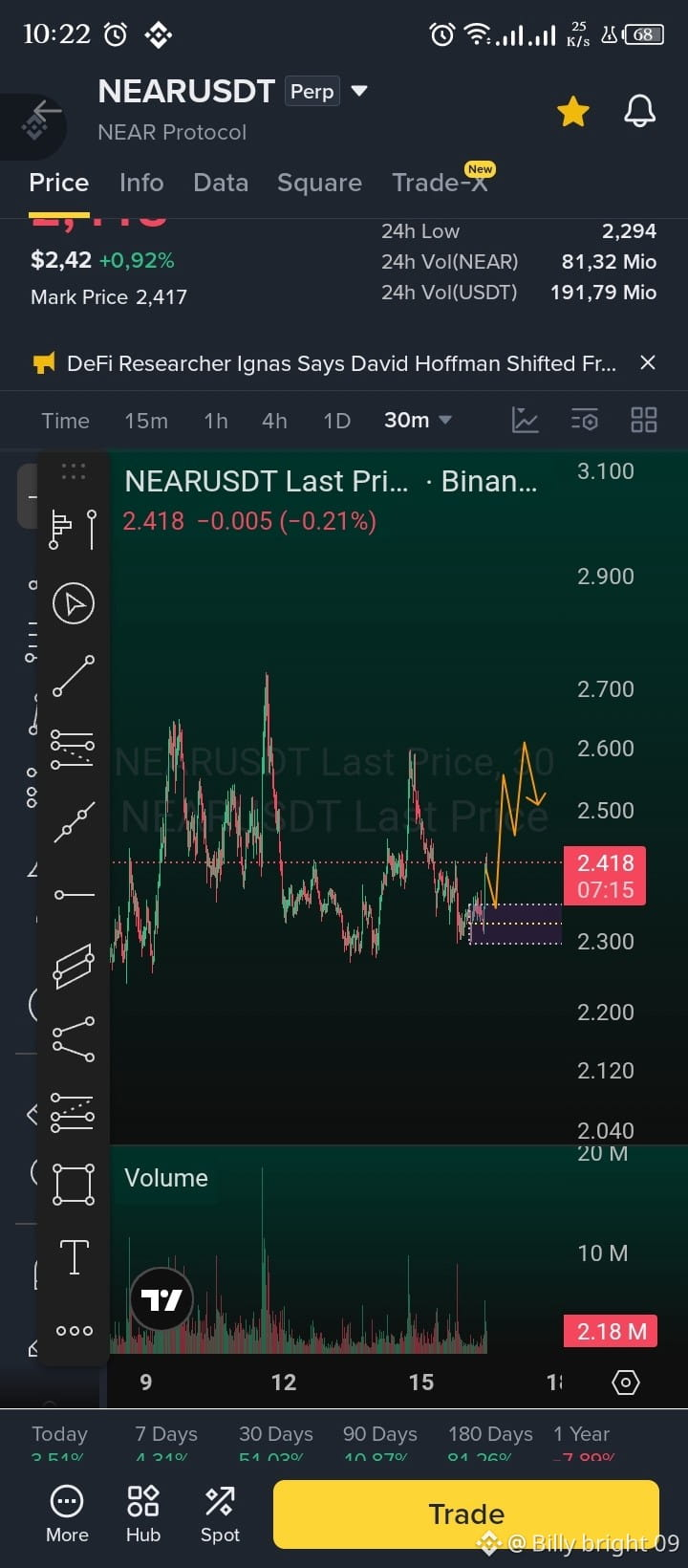
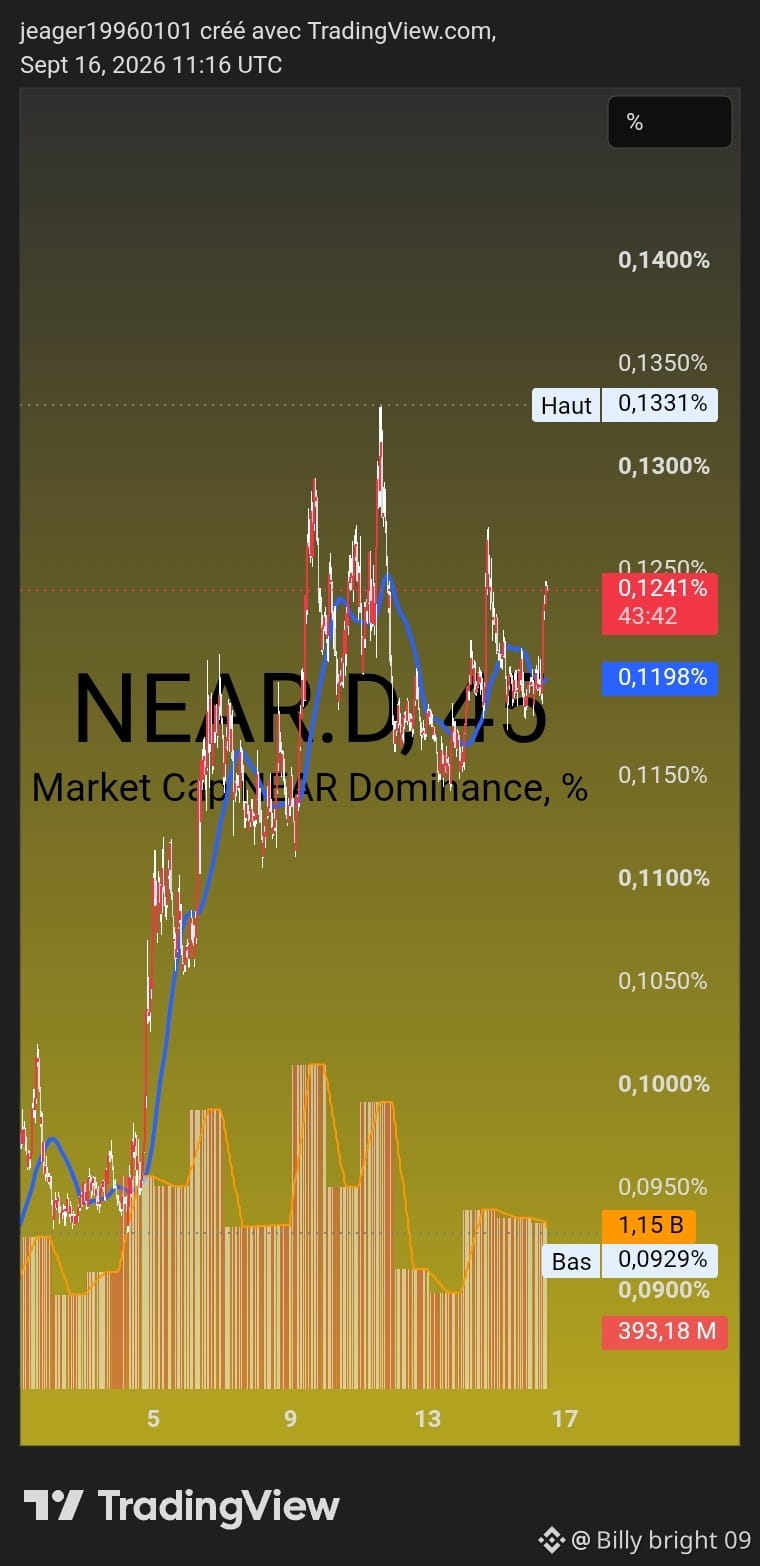
NEAR Protocol is showing strong technical fundamentals in September 2026, but its token demand remains speculative, while global macroeconomic conditions are marked by rising bond yields, resilient growth, and renewed inflation risks. Together, this creates both opportunity and volatility for NEAR investors.
NEAR Protocol is showing strong technical fundamentals in September 2026, but its token demand remains speculative, while global macroeconomic conditions are marked by rising bond yields, resilient growth, and renewed inflation risks. Together, this creates both opportunity and volatility for NEAR investors.
108
Đăng nhập để khám phá thêm nội dung
Tham gia cùng người dùng tiền mã hóa toàn cầu trên Binance Square
⚡️ Nhận thông tin mới nhất và hữu ích về tiền mã hóa.
💬 Được tin cậy bởi sàn giao dịch tiền mã hóa lớn nhất thế giới.
👍 Khám phá những thông tin chuyên sâu thực tế từ những nhà sáng tạo đã xác minh.
Email / Số điện thoại
Chủ đề thịnh hành
EvolveAtBinanceBlockchainWeek
2.4M lượt xem
20,112 đang thảo luận
Binance Blockchain Week chính thức khởi động! 🌍
Trong hai ngày 28–29 tháng 11, dù bạn đang ở Bangkok hay tham gia từ xa, hãy theo dõi các buổi phát trực tiếp và cùng trò chuyện trên Binance Square!
Cùng xem có gì nhé 👇
📺 Theo dõi main stage live
Đón xem trong cả hai ngày để lắng nghe các diễn giả trong ngành chia sẻ góc nhìn về chủ đề năm nay, “Phát triển”. Từ đổi mới công nghệ đến các ứng dụng thực tế, hãy khám phá những bước tiếp theo của tiền mã hóa.
⚔️ Theo dõi hai cuộc thi giao dịch
Aster Open Qualifier và Binance Trading Master Tournament sẽ được phát trực tiếp. Hãy theo dõi các nhà giao dịch trổ tài.
🏆 Theo dõi Blockchain 100 Awards Ceremony
Danh sách Blockchain 100 do cộng đồng bình chọn. Hãy cùng chúng tôi tôn vinh những nhà sáng tạo và các ý tưởng họ chia sẻ!
💬 Tham gia trò chuyện cùng cộng đồng
Dùng #EvolveAtBinanceBlockchainWeek trong bài đăng kèm ảnh để chia sẻ điều bạn mong chờ, quan điểm của bạn về ngành hoặc những khoảnh khắc yêu thích tại sự kiện.
event page hiện đã phát trực tiếp! Đăng ký theo dõi tất cả các buổi phát trực tiếp chỉ với một cú nhấp chuột để không bỏ lỡ khoảnh khắc nào 👏
Binance Blockchain Week
·600 lượt thích
·919.4k lượt xem
WorldLibertyActsToCutLiquidationRisk
19,841 lượt xem
229 đang thảo luận
LiquidHackerMoves598BTC
16,546 lượt xem
160 đang thảo luận