
User-e01f2306
11 Bài đăng

User-e01f2306
Báo cáo
Chặn người dùng
0 Đang theo dõi
0 Người theo dõi
0 Đã thích
Bài đăng
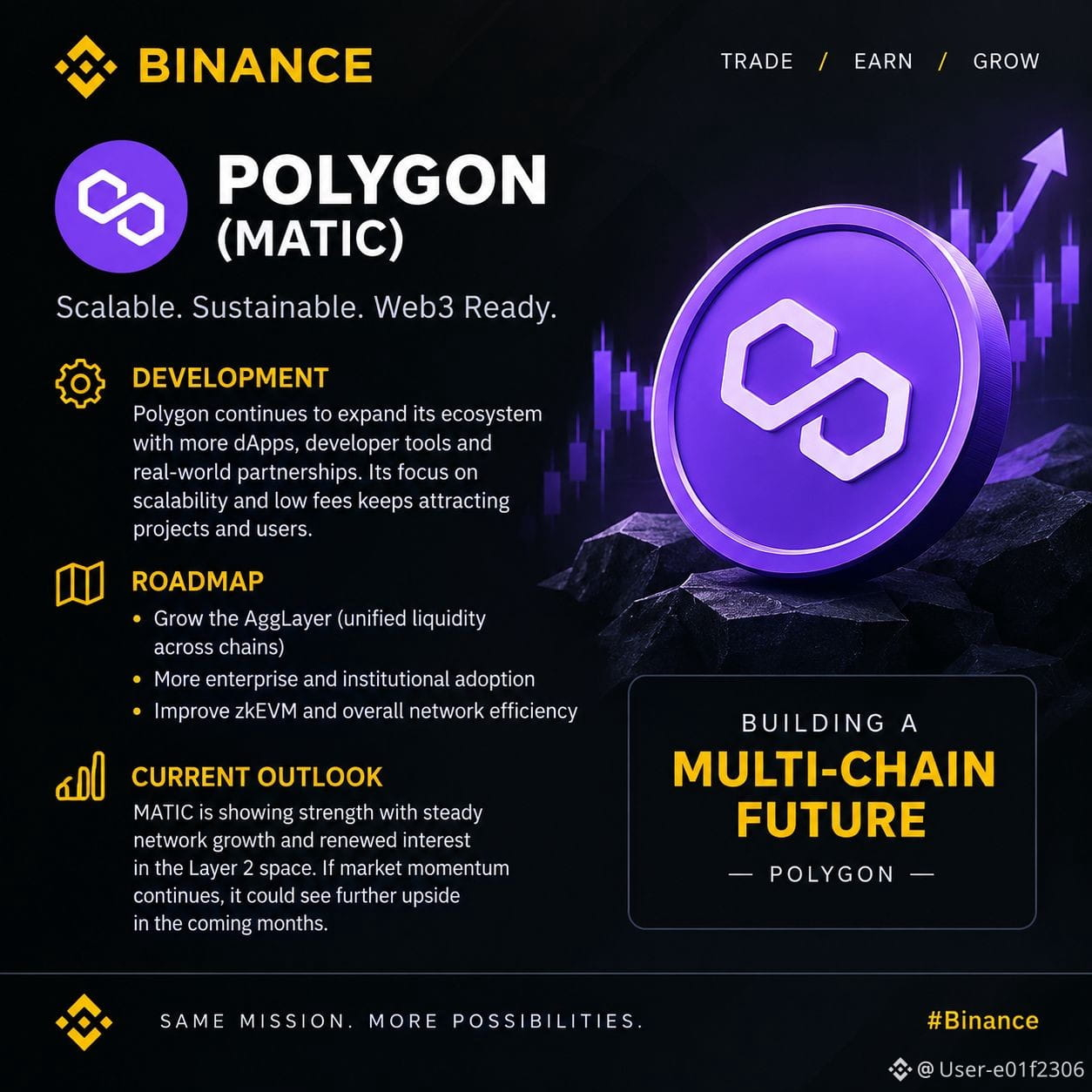
🟣 Polygon $POL : Xây dựng cho Tương lai Đa chuỗi
Polygon tiếp tục tập trung vào việc mở rộng Ethereum thông qua hệ sinh thái Layer-2, các công cụ dành cho nhà phát triển và cơ sở hạ tầng liên chuỗi.
🚀 Phát triển: Sự tăng trưởng của các dApp, hoạt động mạng và mức độ gia nhập hệ sinh thái vẫn là một trọng tâm quan trọng.
🗺️ Lộ trình: Polygon đang thúc đẩy tầm nhìn AggLayer của mình, công nghệ zk và khả năng tương tác rộng hơn giữa các chuỗi.
📊 Quan điểm của tôi: Polygon vẫn là một dự án thú vị để theo dõi khi quá trình mở rộng Ethereum và việc áp dụng Web3 tiếp tục phát triển.
#Polygone #pol #Crypto_Jobs🎯 #BinanceSquareFamily #web3_binance
{spot}(POLUSDT)
🟣 Polygon $POL : Xây dựng cho Tương lai Đa chuỗi
Polygon tiếp tục tập trung vào việc mở rộng Ethereum thông qua hệ sinh thái Layer-2, các công cụ dành cho nhà phát triển và cơ sở hạ tầng liên chuỗi.
🚀 Phát triển: Sự tăng trưởng của các dApp, hoạt động mạng và mức độ gia nhập hệ sinh thái vẫn là một trọng tâm quan trọng.
🗺️ Lộ trình: Polygon đang thúc đẩy tầm nhìn AggLayer của mình, công nghệ zk và khả năng tương tác rộng hơn giữa các chuỗi.
📊 Quan điểm của tôi: Polygon vẫn là một dự án thú vị để theo dõi khi quá trình mở rộng Ethereum và việc áp dụng Web3 tiếp tục phát triển.
#Polygone #pol #Crypto_Jobs🎯 #BinanceSquareFamily #web3_binance
Polygon tiếp tục tập trung vào việc mở rộng Ethereum thông qua hệ sinh thái Layer-2, các công cụ dành cho nhà phát triển và cơ sở hạ tầng liên chuỗi.
🚀 Phát triển: Sự tăng trưởng của các dApp, hoạt động mạng và mức độ gia nhập hệ sinh thái vẫn là một trọng tâm quan trọng.
🗺️ Lộ trình: Polygon đang thúc đẩy tầm nhìn AggLayer của mình, công nghệ zk và khả năng tương tác rộng hơn giữa các chuỗi.
📊 Quan điểm của tôi: Polygon vẫn là một dự án thú vị để theo dõi khi quá trình mở rộng Ethereum và việc áp dụng Web3 tiếp tục phát triển.
#Polygone #pol #Crypto_Jobs🎯 #BinanceSquareFamily #web3_binance
170
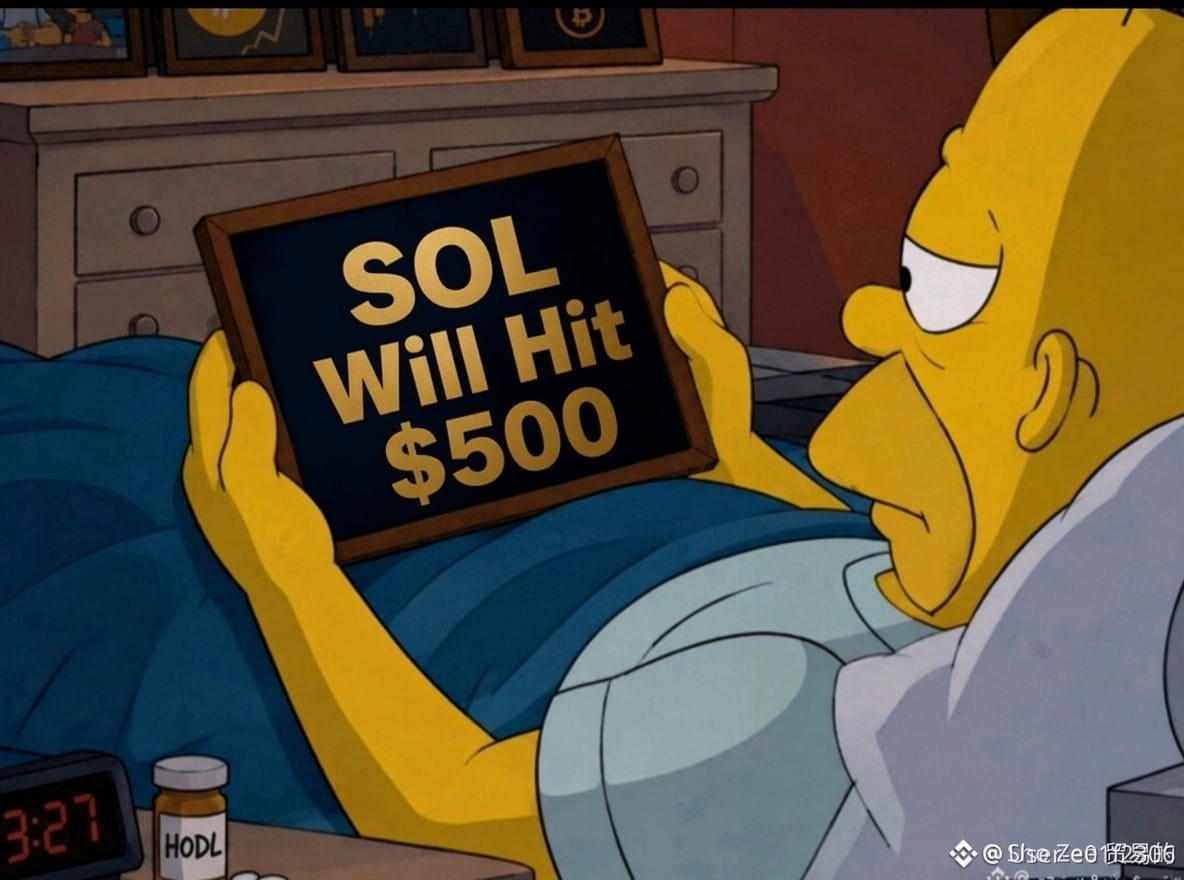
$SOL có vẻ đã sẵn sàng để leo lên mức 500 đô la.
Chẳng còn lâu nữa trước khi $SOL chạm mốc 500 đô la.
{spot}(SOLUSDT)
$SOL có vẻ đã sẵn sàng để leo lên mức 500 đô la.
Chẳng còn lâu nữa trước khi $SOL chạm mốc 500 đô la.
Chẳng còn lâu nữa trước khi $SOL chạm mốc 500 đô la.
47
·
--
Tăng giá
Xem bản dịch
Title: Beyond the Hype: Where Is Capital Flowing as AI Stocks Hit New Heights? #AIStocksWhatNext $NVDA
Nvidia’s massive demand projections and record tech revenue prove that compute expenditure isn't slowing down. However, as AI stock valuations stretch, the market is no longer seeing a uniform surge—it is shifting into a highly selective structural breakout.
Bullish or Bearish?
I remain cautiously bullish on the overall AI ecosystem, but selective on specific asset classes. While pure-play chip designers are pricing in years of future growth, the true asymmetric opportunities are moving downstream into energy infrastructure, optical networking, and AI-crypto decentralized physical infrastructure (DePIN).
State-Level Backing vs. Regulatory Caution
Industry leaders are urging caution over safety, yet state-level initiatives—like proposed national AI task forces and aggressive GDP growth forecasts—demonstrate that AI has transitioned from a Silicon Valley trend into a core geopolitical race. Government-backed infrastructure spending provides a massive long-term floor for enterprise tech stocks.
My Strategy & Alternative Opportunities:
Instead of chasing late-stage rallies on high-multiple tech giants, capital is rotating toward:
Energy & Power Utilities: AI data centers require unprecedented power, making clean energy and grid hardware long-term beneficiaries.
AI-Crypto Protocols: Compute marketplaces and decentralized data storage (e.g., $RENDER, NEAR, orFET) offer strong exposure to AI growth with liquid upside.
What’s your play? Are you holding the core semiconductor rally or diversifying into infrastructure? Let me know below! 👇
{stock_us}(NVDA.US)
Title: Beyond the Hype: Where Is Capital Flowing as AI Stocks Hit New Heights? #AIStocksWhatNext $NVDA
Nvidia’s massive demand projections and record tech revenue prove that compute expenditure isn't slowing down. However, as AI stock valuations stretch, the market is no longer seeing a uniform surge—it is shifting into a highly selective structural breakout.
Bullish or Bearish?
I remain cautiously bullish on the overall AI ecosystem, but selective on specific asset classes. While pure-play chip designers are pricing in years of future growth, the true asymmetric opportunities are moving downstream into energy infrastructure, optical networking, and AI-crypto decentralized physical infrastructure (DePIN).
State-Level Backing vs. Regulatory Caution
Industry leaders are urging caution over safety, yet state-level initiatives—like proposed national AI task forces and aggressive GDP growth forecasts—demonstrate that AI has transitioned from a Silicon Valley trend into a core geopolitical race. Government-backed infrastructure spending provides a massive long-term floor for enterprise tech stocks.
My Strategy & Alternative Opportunities:
Instead of chasing late-stage rallies on high-multiple tech giants, capital is rotating toward:
Energy & Power Utilities: AI data centers require unprecedented power, making clean energy and grid hardware long-term beneficiaries.
AI-Crypto Protocols: Compute marketplaces and decentralized data storage (e.g., $RENDER, NEAR, orFET) offer strong exposure to AI growth with liquid upside.
What’s your play? Are you holding the core semiconductor rally or diversifying into infrastructure? Let me know below! 👇
Nvidia’s massive demand projections and record tech revenue prove that compute expenditure isn't slowing down. However, as AI stock valuations stretch, the market is no longer seeing a uniform surge—it is shifting into a highly selective structural breakout.
Bullish or Bearish?
I remain cautiously bullish on the overall AI ecosystem, but selective on specific asset classes. While pure-play chip designers are pricing in years of future growth, the true asymmetric opportunities are moving downstream into energy infrastructure, optical networking, and AI-crypto decentralized physical infrastructure (DePIN).
State-Level Backing vs. Regulatory Caution
Industry leaders are urging caution over safety, yet state-level initiatives—like proposed national AI task forces and aggressive GDP growth forecasts—demonstrate that AI has transitioned from a Silicon Valley trend into a core geopolitical race. Government-backed infrastructure spending provides a massive long-term floor for enterprise tech stocks.
My Strategy & Alternative Opportunities:
Instead of chasing late-stage rallies on high-multiple tech giants, capital is rotating toward:
Energy & Power Utilities: AI data centers require unprecedented power, making clean energy and grid hardware long-term beneficiaries.
AI-Crypto Protocols: Compute marketplaces and decentralized data storage (e.g., $RENDER, NEAR, orFET) offer strong exposure to AI growth with liquid upside.
What’s your play? Are you holding the core semiconductor rally or diversifying into infrastructure? Let me know below! 👇
133
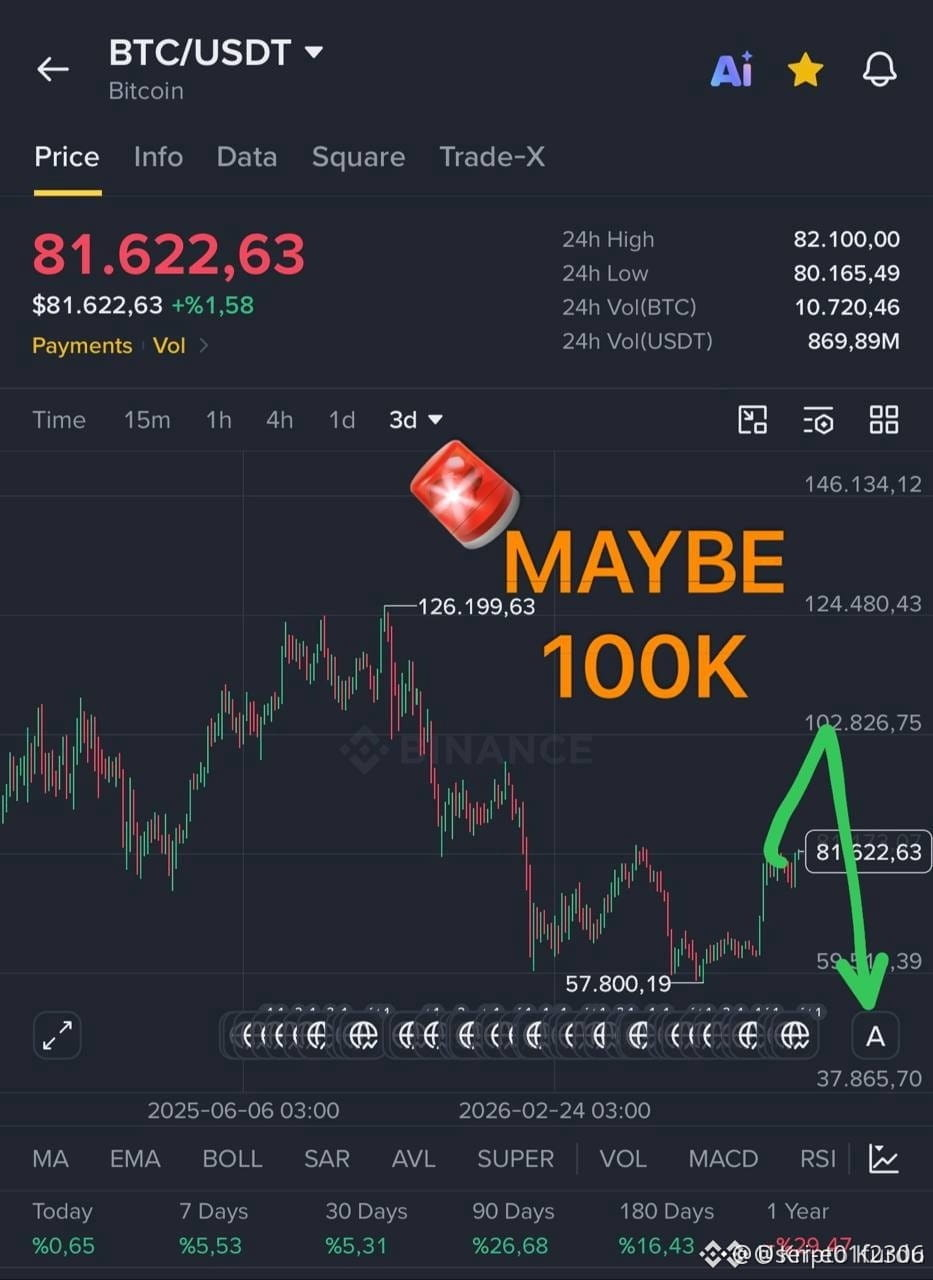
$BTC C VẪN RẤT TÍCH CỰC! TẠI SAO?
Tôi biết đây là câu hỏi mà ai cũng đang nghĩ đến. Lãi suất đang tăng, các khủng hoảng toàn cầu vẫn tiếp diễn, vậy tại sao #Bitcoin lại đi lên?
Không phải chuyện bình thường khi chỉ quy nó về một lý do duy nhất! Bởi vì ai cũng đã biết lãi suất sẽ tăng.
Điều này không phải là một biến động lớn hay điều gì đó bất thường đến mức cần phải phân tích.
Khi mọi người đều kỳ vọng sẽ giảm, thì đúng lúc đó bạn sẽ thấy nó xảy ra. Tất nhiên là nó sẽ không giảm.
Ngày mà mọi người đánh mất hy vọng và đóng các vị thế short của mình, thì đó là lúc đợt giảm sẽ đến.
{spot}(BTCUSDT)
$BTC C VẪN RẤT TÍCH CỰC! TẠI SAO?
Tôi biết đây là câu hỏi mà ai cũng đang nghĩ đến. Lãi suất đang tăng, các khủng hoảng toàn cầu vẫn tiếp diễn, vậy tại sao #Bitcoin lại đi lên?
Không phải chuyện bình thường khi chỉ quy nó về một lý do duy nhất! Bởi vì ai cũng đã biết lãi suất sẽ tăng.
Điều này không phải là một biến động lớn hay điều gì đó bất thường đến mức cần phải phân tích.
Khi mọi người đều kỳ vọng sẽ giảm, thì đúng lúc đó bạn sẽ thấy nó xảy ra. Tất nhiên là nó sẽ không giảm.
Ngày mà mọi người đánh mất hy vọng và đóng các vị thế short của mình, thì đó là lúc đợt giảm sẽ đến.
Tôi biết đây là câu hỏi mà ai cũng đang nghĩ đến. Lãi suất đang tăng, các khủng hoảng toàn cầu vẫn tiếp diễn, vậy tại sao #Bitcoin lại đi lên?
Không phải chuyện bình thường khi chỉ quy nó về một lý do duy nhất! Bởi vì ai cũng đã biết lãi suất sẽ tăng.
Điều này không phải là một biến động lớn hay điều gì đó bất thường đến mức cần phải phân tích.
Khi mọi người đều kỳ vọng sẽ giảm, thì đúng lúc đó bạn sẽ thấy nó xảy ra. Tất nhiên là nó sẽ không giảm.
Ngày mà mọi người đánh mất hy vọng và đóng các vị thế short của mình, thì đó là lúc đợt giảm sẽ đến.
1
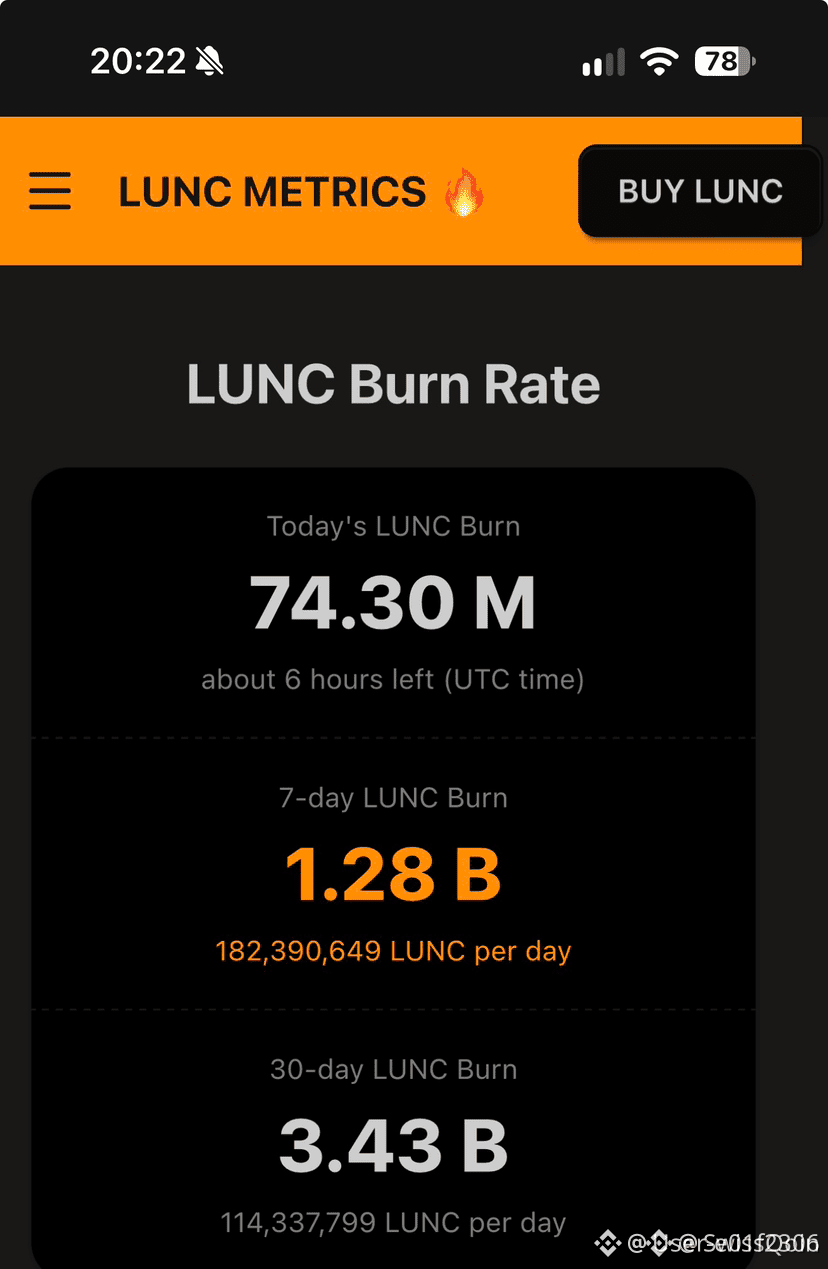
$LUNC Sau nhiều tháng im lặng, LUNC cuối cùng cũng đang thức dậy! Nếu xu hướng này tiếp tục được duy trì, chúng tôi sẽ xóa một số 0 trong tháng này! 🔥
Các con số tự nói lên tất cả:
Đốt trong 7 ngày: 1,28 tỷ LUNC đã bị tiêu hủy
Đốt trong 30 ngày: 3,43 tỷ LUNC đã bị tiêu hủy
Cộng đồng đang đốt cháy không ngừng. Động lực đã trở lại! 💎🙌
{spot}(LUNCUSDT)
$LUNC Sau nhiều tháng im lặng, LUNC cuối cùng cũng đang thức dậy! Nếu xu hướng này tiếp tục được duy trì, chúng tôi sẽ xóa một số 0 trong tháng này! 🔥
Các con số tự nói lên tất cả:
Đốt trong 7 ngày: 1,28 tỷ LUNC đã bị tiêu hủy
Đốt trong 30 ngày: 3,43 tỷ LUNC đã bị tiêu hủy
Cộng đồng đang đốt cháy không ngừng. Động lực đã trở lại! 💎🙌
Các con số tự nói lên tất cả:
Đốt trong 7 ngày: 1,28 tỷ LUNC đã bị tiêu hủy
Đốt trong 30 ngày: 3,43 tỷ LUNC đã bị tiêu hủy
Cộng đồng đang đốt cháy không ngừng. Động lực đã trở lại! 💎🙌
6
Xem bản dịch
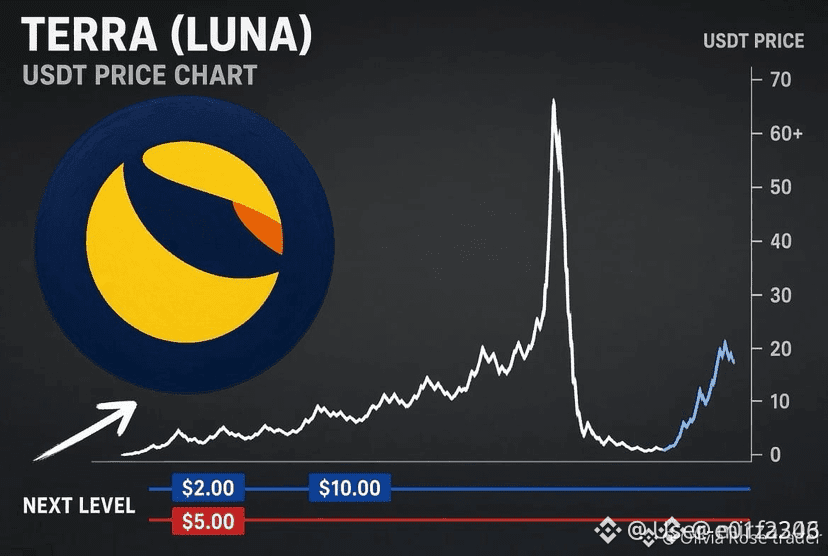
#Can $LUNC reach $0.1 or $1? 🧐
Possible ?
{spot}(LUNCUSDT)
#Can $LUNC reach $0.1 or $1? 🧐
Possible ?
Possible ?
5
$LINK
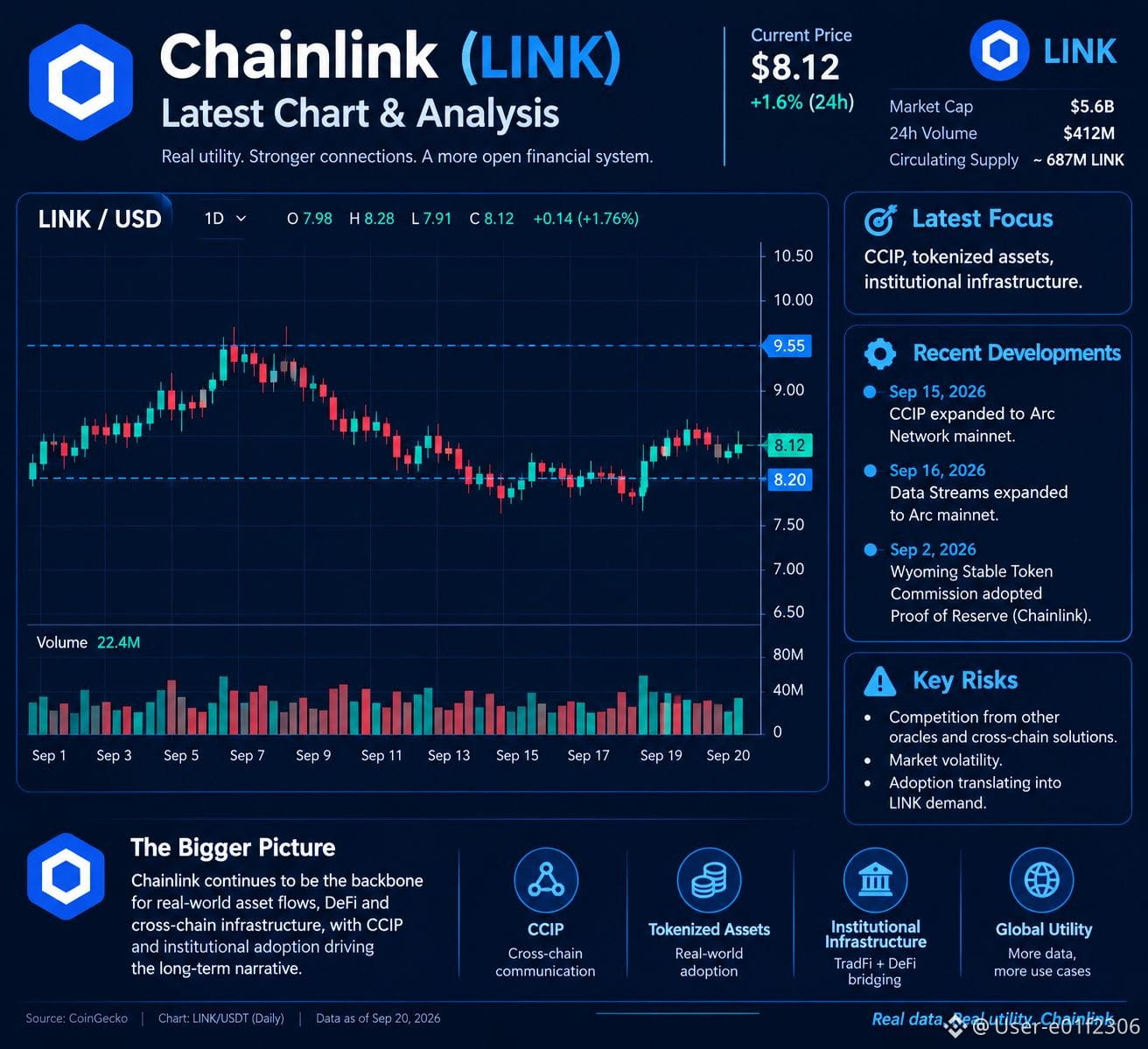
Chainlink tiếp tục mở rộng vượt ra khỏi các dịch vụ oracle truyền thống, với CCIP, tài sản được token hóa và hạ tầng dành cho tổ chức trở thành những mảng quan trọng trong hệ sinh thái của mình. Các phát triển gần đây bao gồm CCIP và Data Streams mở rộng sang Arc mainnet, trong khi Chainlink cũng tiếp tục hợp tác với các dự án dành cho tổ chức và token hóa.
Các mốc trên biểu đồ: khoảng $8.12, với $8.20 là vùng hỗ trợ quan trọng gần đó và $9.55 là mức kháng cự được thể hiện trên biểu đồ. Rủi ro chính vẫn là biến động thị trường, cạnh tranh và liệu việc mạng lưới ngày càng được áp dụng có chuyển hóa thành nhu cầu LINK bền vững hay không.
#LINKUSD #BOJRaisesRatesTo31YearHigh #XRPExchangeReservesHitSevenYearLow
{spot}(LINKUSDT)
$LINK
Chainlink tiếp tục mở rộng vượt ra khỏi các dịch vụ oracle truyền thống, với CCIP, tài sản được token hóa và hạ tầng dành cho tổ chức trở thành những mảng quan trọng trong hệ sinh thái của mình. Các phát triển gần đây bao gồm CCIP và Data Streams mở rộng sang Arc mainnet, trong khi Chainlink cũng tiếp tục hợp tác với các dự án dành cho tổ chức và token hóa.
Các mốc trên biểu đồ: khoảng $8.12, với $8.20 là vùng hỗ trợ quan trọng gần đó và $9.55 là mức kháng cự được thể hiện trên biểu đồ. Rủi ro chính vẫn là biến động thị trường, cạnh tranh và liệu việc mạng lưới ngày càng được áp dụng có chuyển hóa thành nhu cầu LINK bền vững hay không.
#LINKUSD #BOJRaisesRatesTo31YearHigh #XRPExchangeReservesHitSevenYearLow
Chainlink tiếp tục mở rộng vượt ra khỏi các dịch vụ oracle truyền thống, với CCIP, tài sản được token hóa và hạ tầng dành cho tổ chức trở thành những mảng quan trọng trong hệ sinh thái của mình. Các phát triển gần đây bao gồm CCIP và Data Streams mở rộng sang Arc mainnet, trong khi Chainlink cũng tiếp tục hợp tác với các dự án dành cho tổ chức và token hóa.
Các mốc trên biểu đồ: khoảng $8.12, với $8.20 là vùng hỗ trợ quan trọng gần đó và $9.55 là mức kháng cự được thể hiện trên biểu đồ. Rủi ro chính vẫn là biến động thị trường, cạnh tranh và liệu việc mạng lưới ngày càng được áp dụng có chuyển hóa thành nhu cầu LINK bền vững hay không.
#LINKUSD #BOJRaisesRatesTo31YearHigh #XRPExchangeReservesHitSevenYearLow
49
🔷$POL
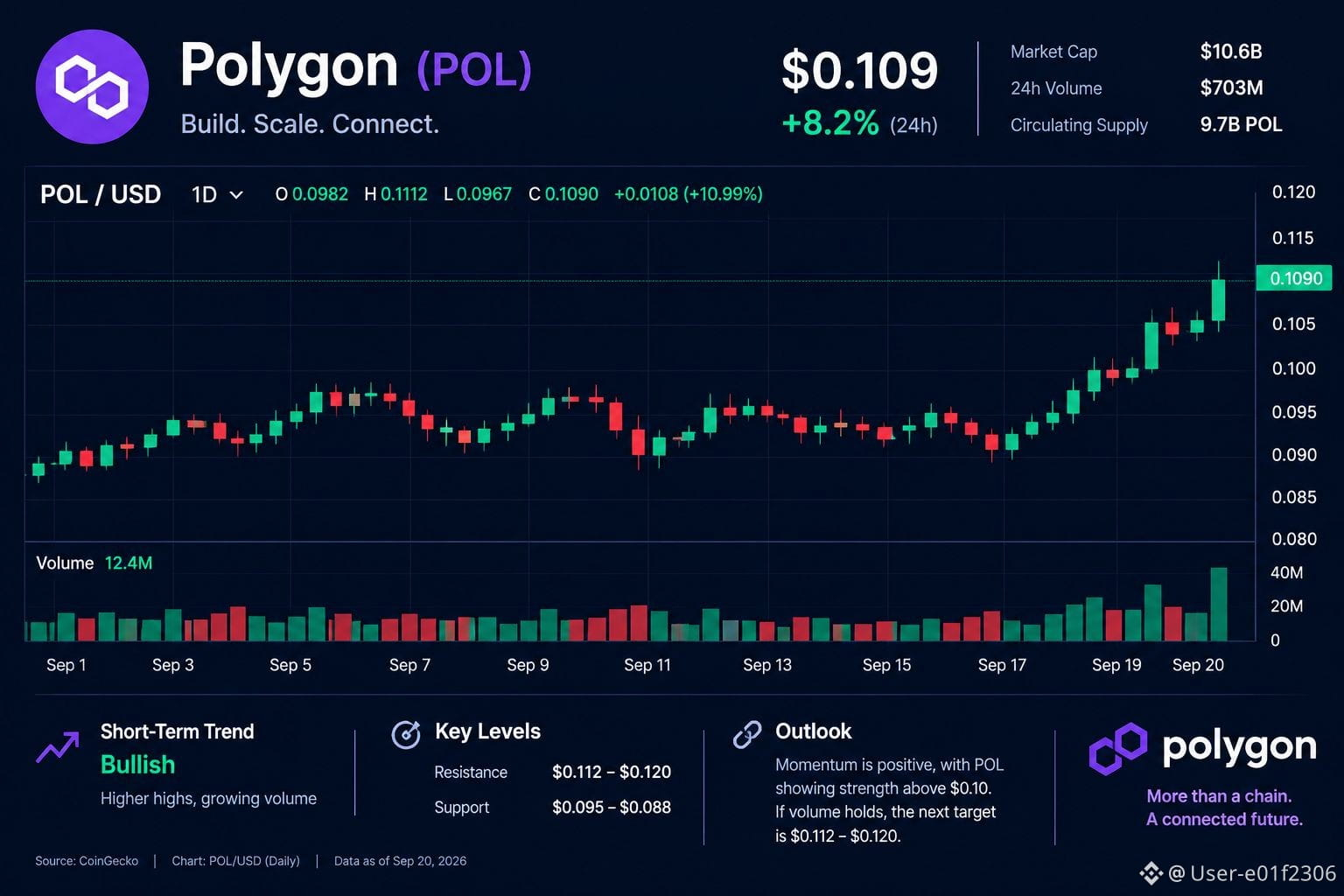
Polygon ngày càng tập trung vào mảng thanh toán và hạ tầng liên chuỗi thay vì chỉ đơn thuần là một mạng mở rộng Ethereum. Các phát triển gần đây của dự án bao gồm Open Money Stack, được thiết kế cho thanh toán bằng stablecoin, ví, on/off-ramp fiat và chuyển tiền xuyên biên giới.
Trọng tâm chính: Thanh toán + stablecoin + khả năng tương tác AggLayer.
Lộ trình: Polygon hướng tới năng lực thông lượng cực cao thông qua sáng kiến Gigagas của mình.
POL: Token MATIC trước đây đã chuyển sang POL, hiện là token hệ sinh thái.
Phát triển gần đây: Polygon công bố các chuyển khoản stablecoin trực tiếp đến ngân hàng thông qua Stable.com vào ngày 17 tháng 9 năm 2026.
Rủi ro then chốt: Cạnh tranh từ các chuỗi thông lượng cao khác và nhu cầu hạ tầng thanh toán mới của Polygon để đạt được mức áp dụng bền vững.
Tổng quan: Câu chuyện hiện tại của Polygon đang chuyển hướng sang các khoản thanh toán trong thế giới thực và hạ tầng blockchain liên kết, với POL là trung tâm của hệ sinh thái đó.
{spot}(POLUSDT)
🔷$POL
Polygon ngày càng tập trung vào mảng thanh toán và hạ tầng liên chuỗi thay vì chỉ đơn thuần là một mạng mở rộng Ethereum. Các phát triển gần đây của dự án bao gồm Open Money Stack, được thiết kế cho thanh toán bằng stablecoin, ví, on/off-ramp fiat và chuyển tiền xuyên biên giới.
Trọng tâm chính: Thanh toán + stablecoin + khả năng tương tác AggLayer.
Lộ trình: Polygon hướng tới năng lực thông lượng cực cao thông qua sáng kiến Gigagas của mình.
POL: Token MATIC trước đây đã chuyển sang POL, hiện là token hệ sinh thái.
Phát triển gần đây: Polygon công bố các chuyển khoản stablecoin trực tiếp đến ngân hàng thông qua Stable.com vào ngày 17 tháng 9 năm 2026.
Rủi ro then chốt: Cạnh tranh từ các chuỗi thông lượng cao khác và nhu cầu hạ tầng thanh toán mới của Polygon để đạt được mức áp dụng bền vững.
Tổng quan: Câu chuyện hiện tại của Polygon đang chuyển hướng sang các khoản thanh toán trong thế giới thực và hạ tầng blockchain liên kết, với POL là trung tâm của hệ sinh thái đó.
Polygon ngày càng tập trung vào mảng thanh toán và hạ tầng liên chuỗi thay vì chỉ đơn thuần là một mạng mở rộng Ethereum. Các phát triển gần đây của dự án bao gồm Open Money Stack, được thiết kế cho thanh toán bằng stablecoin, ví, on/off-ramp fiat và chuyển tiền xuyên biên giới.
Trọng tâm chính: Thanh toán + stablecoin + khả năng tương tác AggLayer.
Lộ trình: Polygon hướng tới năng lực thông lượng cực cao thông qua sáng kiến Gigagas của mình.
POL: Token MATIC trước đây đã chuyển sang POL, hiện là token hệ sinh thái.
Phát triển gần đây: Polygon công bố các chuyển khoản stablecoin trực tiếp đến ngân hàng thông qua Stable.com vào ngày 17 tháng 9 năm 2026.
Rủi ro then chốt: Cạnh tranh từ các chuỗi thông lượng cao khác và nhu cầu hạ tầng thanh toán mới của Polygon để đạt được mức áp dụng bền vững.
Tổng quan: Câu chuyện hiện tại của Polygon đang chuyển hướng sang các khoản thanh toán trong thế giới thực và hạ tầng blockchain liên kết, với POL là trung tâm của hệ sinh thái đó.
185
·
--
Tăng giá
$SOL
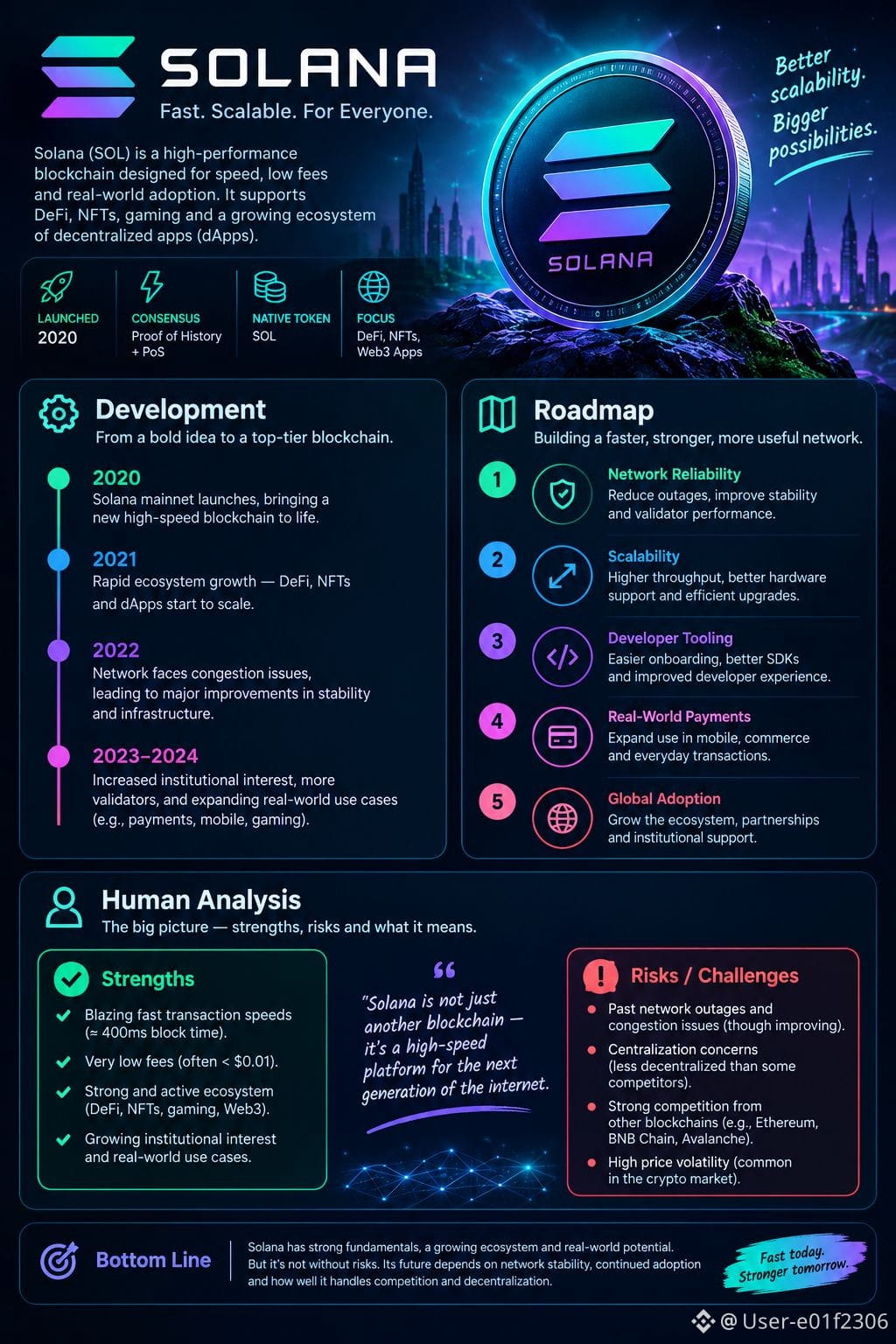
Phát triển: Solana ra mắt vào năm 2020 và đã phát triển thành một blockchain tốc độ cao hàng đầu, hỗ trợ DeFi, NFT, thanh toán và nhiều ứng dụng khác. Gần đây, các nỗ lực phát triển tập trung mạnh vào hiệu năng của validator, Firedancer, tăng dung lượng khối và rút ngắn thời gian slot.
Lộ trình: Trọng tâm chính là cải thiện khả năng mở rộng, độ tin cậy, tốc độ giao dịch, công cụ dành cho nhà phát triển và các khoản thanh toán trong thực tế. Vào tháng 9 năm 2026, Solana đã đạt mục tiêu 250ms cho thời gian slot trên mainnet cùng với các cải tiến của Transaction V1.
Góc nhìn con người: Điểm hấp dẫn lớn nhất của Solana là sự kết hợp giữa tốc độ nhanh, chi phí giao dịch thấp và hệ sinh thái đang ngày càng mở rộng. Những điều cần theo dõi chính là độ tin cậy của mạng lưới, mức độ phi tập trung, sự cạnh tranh và liệu việc ứng dụng trong đời thực có tiếp tục tăng trưởng hay không.
Kết luận: Solana là một blockchain đầy tham vọng về mặt kỹ thuật, nhưng thành công dài hạn sẽ phụ thuộc vào việc biến lợi thế về hiệu năng thành mức độ áp dụng bền vững.
{spot}(SOLUSDT)
$SOL
Phát triển: Solana ra mắt vào năm 2020 và đã phát triển thành một blockchain tốc độ cao hàng đầu, hỗ trợ DeFi, NFT, thanh toán và nhiều ứng dụng khác. Gần đây, các nỗ lực phát triển tập trung mạnh vào hiệu năng của validator, Firedancer, tăng dung lượng khối và rút ngắn thời gian slot.
Lộ trình: Trọng tâm chính là cải thiện khả năng mở rộng, độ tin cậy, tốc độ giao dịch, công cụ dành cho nhà phát triển và các khoản thanh toán trong thực tế. Vào tháng 9 năm 2026, Solana đã đạt mục tiêu 250ms cho thời gian slot trên mainnet cùng với các cải tiến của Transaction V1.
Góc nhìn con người: Điểm hấp dẫn lớn nhất của Solana là sự kết hợp giữa tốc độ nhanh, chi phí giao dịch thấp và hệ sinh thái đang ngày càng mở rộng. Những điều cần theo dõi chính là độ tin cậy của mạng lưới, mức độ phi tập trung, sự cạnh tranh và liệu việc ứng dụng trong đời thực có tiếp tục tăng trưởng hay không.
Kết luận: Solana là một blockchain đầy tham vọng về mặt kỹ thuật, nhưng thành công dài hạn sẽ phụ thuộc vào việc biến lợi thế về hiệu năng thành mức độ áp dụng bền vững.
Phát triển: Solana ra mắt vào năm 2020 và đã phát triển thành một blockchain tốc độ cao hàng đầu, hỗ trợ DeFi, NFT, thanh toán và nhiều ứng dụng khác. Gần đây, các nỗ lực phát triển tập trung mạnh vào hiệu năng của validator, Firedancer, tăng dung lượng khối và rút ngắn thời gian slot.
Lộ trình: Trọng tâm chính là cải thiện khả năng mở rộng, độ tin cậy, tốc độ giao dịch, công cụ dành cho nhà phát triển và các khoản thanh toán trong thực tế. Vào tháng 9 năm 2026, Solana đã đạt mục tiêu 250ms cho thời gian slot trên mainnet cùng với các cải tiến của Transaction V1.
Góc nhìn con người: Điểm hấp dẫn lớn nhất của Solana là sự kết hợp giữa tốc độ nhanh, chi phí giao dịch thấp và hệ sinh thái đang ngày càng mở rộng. Những điều cần theo dõi chính là độ tin cậy của mạng lưới, mức độ phi tập trung, sự cạnh tranh và liệu việc ứng dụng trong đời thực có tiếp tục tăng trưởng hay không.
Kết luận: Solana là một blockchain đầy tham vọng về mặt kỹ thuật, nhưng thành công dài hạn sẽ phụ thuộc vào việc biến lợi thế về hiệu năng thành mức độ áp dụng bền vững.
67
Xem bản dịch
$BTC
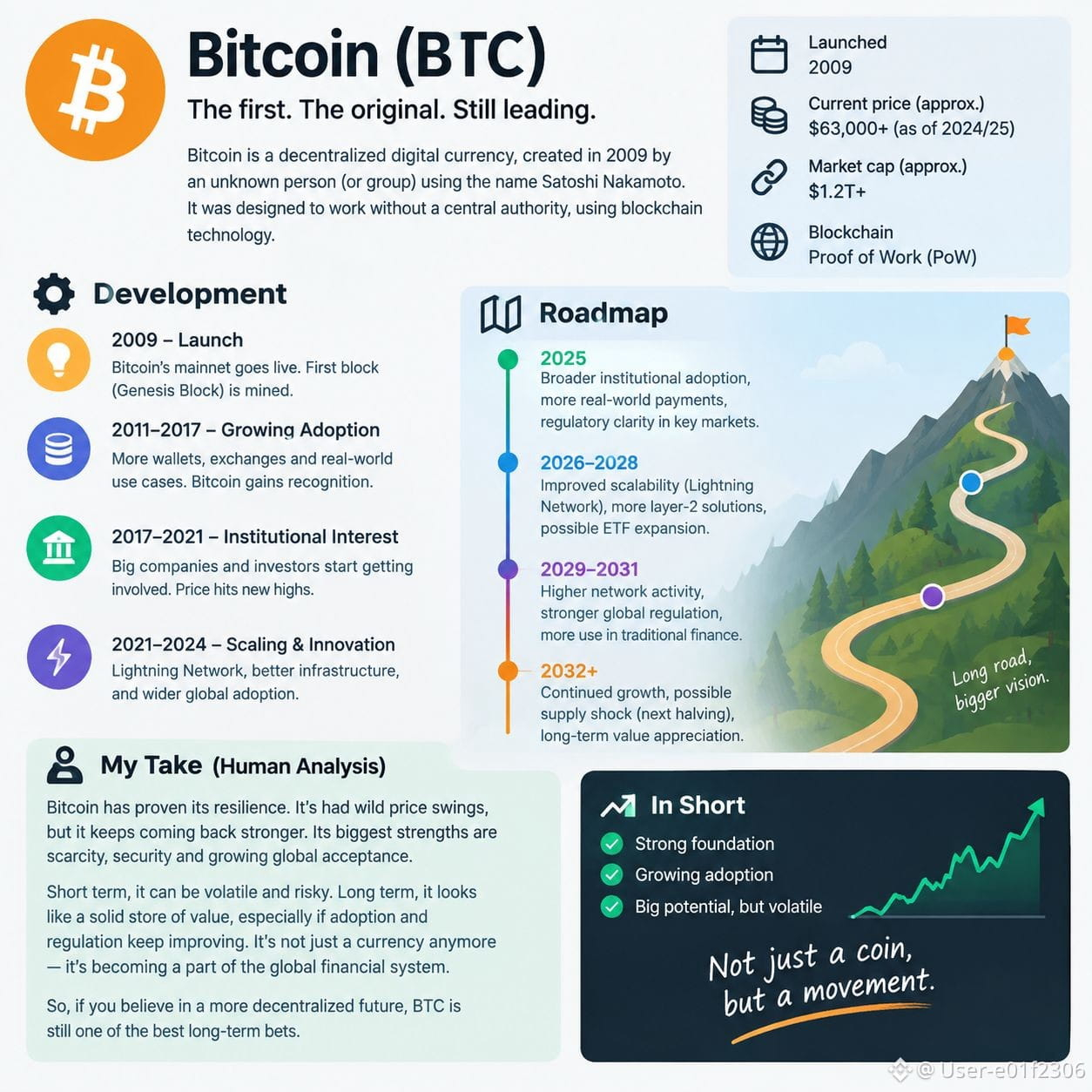
Development: Launched in 2009, Bitcoin evolved from an experimental digital currency into a globally recognized crypto asset. Major milestones include wider exchange adoption, institutional interest, the Lightning Network, and increasing integration with traditional finance.
Roadmap: Bitcoin doesn’t have a fixed corporate roadmap. Its future development mainly focuses on scaling through Layer-2 networks, improving usability, security, privacy, and broader real-world adoption.
Human take: Bitcoin’s biggest strengths are its scarcity, decentralization, and long operating history. Its biggest weakness is still high price volatility, so its future depends heavily on adoption, regulation, and continued technical development.
{spot}(BTCUSDT)
$BTC
Development: Launched in 2009, Bitcoin evolved from an experimental digital currency into a globally recognized crypto asset. Major milestones include wider exchange adoption, institutional interest, the Lightning Network, and increasing integration with traditional finance.
Roadmap: Bitcoin doesn’t have a fixed corporate roadmap. Its future development mainly focuses on scaling through Layer-2 networks, improving usability, security, privacy, and broader real-world adoption.
Human take: Bitcoin’s biggest strengths are its scarcity, decentralization, and long operating history. Its biggest weakness is still high price volatility, so its future depends heavily on adoption, regulation, and continued technical development.
Development: Launched in 2009, Bitcoin evolved from an experimental digital currency into a globally recognized crypto asset. Major milestones include wider exchange adoption, institutional interest, the Lightning Network, and increasing integration with traditional finance.
Roadmap: Bitcoin doesn’t have a fixed corporate roadmap. Its future development mainly focuses on scaling through Layer-2 networks, improving usability, security, privacy, and broader real-world adoption.
Human take: Bitcoin’s biggest strengths are its scarcity, decentralization, and long operating history. Its biggest weakness is still high price volatility, so its future depends heavily on adoption, regulation, and continued technical development.
60
Bài viết
Xem bản dịch
$ETHEthereum ($ETH): Development and Roadmap Analysis
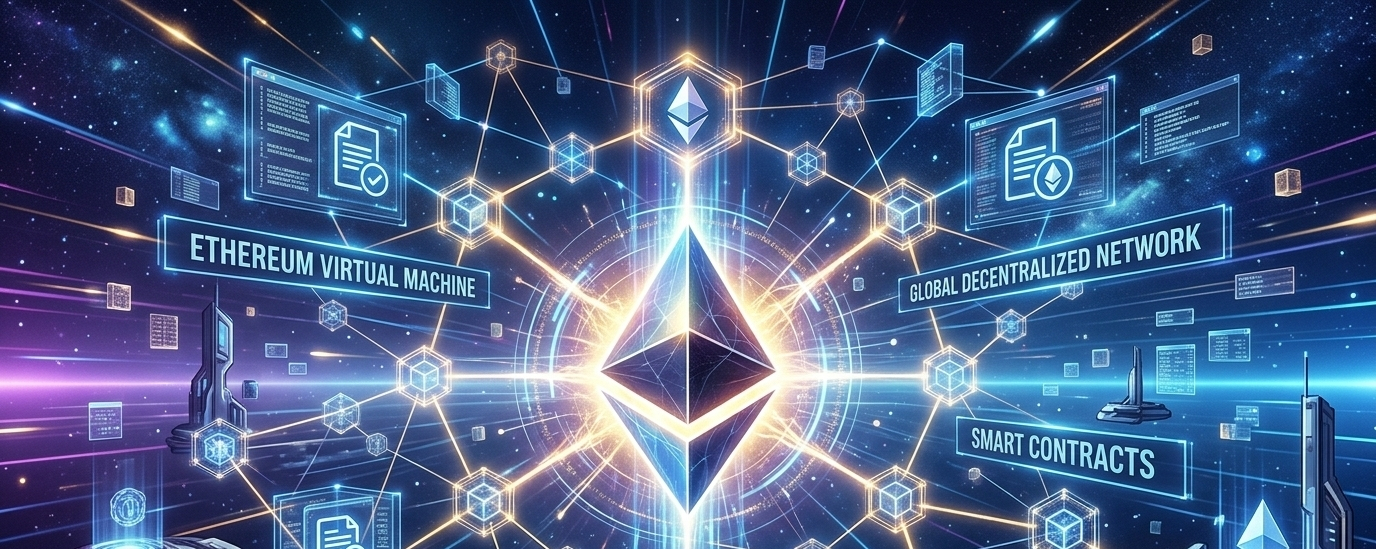
When looking at the crypto landscape, Ethereum stands out not just as a digital currency, but as a foundational technological shift. While Bitcoin set out to be digital gold, Ethereum introduced the world to programmable money through smart contracts and the Ethereum Virtual Machine (EVM). Here is a human-centric look at how it developed and where its roadmap is taking it.
1. The Evolution and Development Journey
Inception & Launch (2013–2015): Proposed by Vitalik Buterin in late 2013 and launched in July 2015, Ethereum solved what many saw as Bitcoin's limitation: its lack of Turing-complete programmability. It allowed developers to build decentralized applications (dApps) directly on a blockchain.
The DAO Era & Hard Fork (2016): An early, painful growing pain occurred when a vulnerability in a major project called The DAO led to a massive hack. The community chose to hard fork the network to recover funds, creating a philosophical divide (Ethereum vs. Ethereum Classic) that ultimately proved Ethereum's resilience and community-driven nature.
DeFi and NFT Booms (2020–2021): Ethereum became the undisputed backbone for Decentralized Finance (DeFi) and the Non-Fungible Token (NFT) explosion, proving its utility despite skyrocketing gas fees during peak usage.
The Merge (2022): Arguably the biggest technical milestone in crypto history, Ethereum successfully transitioned from a high-energy Proof-of-Work (PoW) consensus mechanism to an eco-friendly Proof-of-Stake (PoS) system, slashing its energy consumption by over 99.9%.
2. The Current Roadmap and Future Outlook
Ethereum’s roadmap is meticulously phased to solve scalability, security, and decentralization challenges (often referred to by Vitalik Buterin as the "rollup-centric roadmap"):
The Surge: Focused on massive scalability primarily through Layer 2 rollups (like Arbitrum, Optimism, and Base). Upgrades like EIP-4844 (Proto-Danksharding) have drastically reduced transaction fees on these scaling networks.
The Scourge: Aims to ensure censorship resistance and mitigate centralization risks in block building, keeping the network democratic and secure.
The Verge & The Purge: Focus on making verification lightweight (via Verkle trees) and cleaning up historical data so that nodes don't require massive hard drives to run.
The Splurge: A catch-all for various other improvements and fine-tuning to ensure long-term stability and cryptographic robustness.
Summary
Ethereum's journey has been defined by bold, often risky upgrades executed in real-time under immense market pressure. While competitors ("Ethereum killers") often promise faster speeds or lower base-layer fees, Ethereum's deep developer ecosystem, unmatched security, and clear, structured roadmap continue to keep it at the center of the Web3 evolution.
#EthereumSurpasses$2700 #ETH #Ethereum
$ETH
Ethereum ($ETH): Development and Roadmap Analysis
When looking at the crypto landscape, Ethereum stands out not just as a digital currency, but as a foundational technological shift. While Bitcoin set out to be digital gold, Ethereum introduced the world to programmable money through smart contracts and the Ethereum Virtual Machine (EVM). Here is a human-centric look at how it developed and where its roadmap is taking it.
1. The Evolution and Development Journey
Inception & Launch (2013–2015): Proposed by Vitalik Buterin in late 2013 and launched in July 2015, Ethereum solved what many saw as Bitcoin's limitation: its lack of Turing-complete programmability. It allowed developers to build decentralized applications (dApps) directly on a blockchain.
The DAO Era & Hard Fork (2016): An early, painful growing pain occurred when a vulnerability in a major project called The DAO led to a massive hack. The community chose to hard fork the network to recover funds, creating a philosophical divide (Ethereum vs. Ethereum Classic) that ultimately proved Ethereum's resilience and community-driven nature.
DeFi and NFT Booms (2020–2021): Ethereum became the undisputed backbone for Decentralized Finance (DeFi) and the Non-Fungible Token (NFT) explosion, proving its utility despite skyrocketing gas fees during peak usage.
The Merge (2022): Arguably the biggest technical milestone in crypto history, Ethereum successfully transitioned from a high-energy Proof-of-Work (PoW) consensus mechanism to an eco-friendly Proof-of-Stake (PoS) system, slashing its energy consumption by over 99.9%.
2. The Current Roadmap and Future Outlook
Ethereum’s roadmap is meticulously phased to solve scalability, security, and decentralization challenges (often referred to by Vitalik Buterin as the "rollup-centric roadmap"):
The Surge: Focused on massive scalability primarily through Layer 2 rollups (like Arbitrum, Optimism, and Base). Upgrades like EIP-4844 (Proto-Danksharding) have drastically reduced transaction fees on these scaling networks.
The Scourge: Aims to ensure censorship resistance and mitigate centralization risks in block building, keeping the network democratic and secure.
The Verge & The Purge: Focus on making verification lightweight (via Verkle trees) and cleaning up historical data so that nodes don't require massive hard drives to run.
The Splurge: A catch-all for various other improvements and fine-tuning to ensure long-term stability and cryptographic robustness.
Summary
Ethereum's journey has been defined by bold, often risky upgrades executed in real-time under immense market pressure. While competitors ("Ethereum killers") often promise faster speeds or lower base-layer fees, Ethereum's deep developer ecosystem, unmatched security, and clear, structured roadmap continue to keep it at the center of the Web3 evolution.
#EthereumSurpasses$2700 #ETH #Ethereum
When looking at the crypto landscape, Ethereum stands out not just as a digital currency, but as a foundational technological shift. While Bitcoin set out to be digital gold, Ethereum introduced the world to programmable money through smart contracts and the Ethereum Virtual Machine (EVM). Here is a human-centric look at how it developed and where its roadmap is taking it.
1. The Evolution and Development Journey
Inception & Launch (2013–2015): Proposed by Vitalik Buterin in late 2013 and launched in July 2015, Ethereum solved what many saw as Bitcoin's limitation: its lack of Turing-complete programmability. It allowed developers to build decentralized applications (dApps) directly on a blockchain.
The DAO Era & Hard Fork (2016): An early, painful growing pain occurred when a vulnerability in a major project called The DAO led to a massive hack. The community chose to hard fork the network to recover funds, creating a philosophical divide (Ethereum vs. Ethereum Classic) that ultimately proved Ethereum's resilience and community-driven nature.
DeFi and NFT Booms (2020–2021): Ethereum became the undisputed backbone for Decentralized Finance (DeFi) and the Non-Fungible Token (NFT) explosion, proving its utility despite skyrocketing gas fees during peak usage.
The Merge (2022): Arguably the biggest technical milestone in crypto history, Ethereum successfully transitioned from a high-energy Proof-of-Work (PoW) consensus mechanism to an eco-friendly Proof-of-Stake (PoS) system, slashing its energy consumption by over 99.9%.
2. The Current Roadmap and Future Outlook
Ethereum’s roadmap is meticulously phased to solve scalability, security, and decentralization challenges (often referred to by Vitalik Buterin as the "rollup-centric roadmap"):
The Surge: Focused on massive scalability primarily through Layer 2 rollups (like Arbitrum, Optimism, and Base). Upgrades like EIP-4844 (Proto-Danksharding) have drastically reduced transaction fees on these scaling networks.
The Scourge: Aims to ensure censorship resistance and mitigate centralization risks in block building, keeping the network democratic and secure.
The Verge & The Purge: Focus on making verification lightweight (via Verkle trees) and cleaning up historical data so that nodes don't require massive hard drives to run.
The Splurge: A catch-all for various other improvements and fine-tuning to ensure long-term stability and cryptographic robustness.
Summary
Ethereum's journey has been defined by bold, often risky upgrades executed in real-time under immense market pressure. While competitors ("Ethereum killers") often promise faster speeds or lower base-layer fees, Ethereum's deep developer ecosystem, unmatched security, and clear, structured roadmap continue to keep it at the center of the Web3 evolution.
#EthereumSurpasses$2700 #ETH #Ethereum
97
Đăng nhập để khám phá thêm nội dung
Tham gia cùng người dùng tiền mã hóa toàn cầu trên Binance Square
⚡️ Nhận thông tin mới nhất và hữu ích về tiền mã hóa.
💬 Được tin cậy bởi sàn giao dịch tiền mã hóa lớn nhất thế giới.
👍 Khám phá những thông tin chuyên sâu thực tế từ những nhà sáng tạo đã xác minh.
Email / Số điện thoại
Chủ đề thịnh hành
AIStocksWhatNext
137,441 lượt xem
1,654 đang thảo luận
Chia sẻ & Nhận thưởng Lưu lượng trong chiến dịch Hashtag Xu hướng của chúng tôi
✨Chủ đề: Những cơ hội đầu tư nào khác vẫn còn khi các cổ phiếu AI tiếp tục tăng?
👉Cách tham gia:
Đăng một bài viết ngắn hoặc bài viết kèm hashtag #AIStocksWhatNext
Chia sẻ bạn đang lạc quan hay bi quan, và đăng danh mục nắm giữ hoặc giao dịch cổ phiếu AI của bạn — việc sử dụng widget giao dịch có thể giúp bạn đủ điều kiện tốt hơn.
Bạn cũng có thể tăng sức thuyết phục cho bài đăng bằng cách chia sẻ dữ liệu hoặc biểu đồ và tránh sử dụng hình ảnh do AI tạo.
✍️Tạo nội dung dựa trên các góc dưới đây:
- Nvidia cho biết doanh số chip sẽ tăng gấp đôi vào năm tới, và các công ty AI hàng đầu tiếp tục đạt doanh thu kỷ lục, khoản chi cho năng lực tính toán phía sau điều đó còn đáng kinh ngạc hơn. Nhu cầu AI thực sự đang bùng nổ sao? Và có thể kéo dài trong bao lâu? Các cổ phiếu AI đang tăng trên toàn bảng. Đây có phải là một đợt bứt phá thật sự hay chỉ là một nhịp hồi ngắn hạn?
- Các nhà lãnh đạo ngành kêu gọi chậm lại việc phát triển AI, trong khi Trump dự định xây dựng “AI Force”, cho rằng AI có thể đóng góp 25% GDP của Mỹ trong tương lai. Bạn đứng về phía nào? Việc được hậu thuẫn ở cấp bang liệu có phải là một thắng lợi dài hạn cho các cổ phiếu AI không?
- Bạn có đang mua cổ phiếu AI không? Chia sẻ hoạt động giao dịch/nắm giữ liên quan đến AI của bạn với widget chia sẻ giao dịch của chúng tôi.
⏰Thời gian chiến dịch:
- 2026-09-22 7:00 - 2026-09-24 4:00 UTC
🎁Phần thưởng:
- Các bài đăng đủ điều kiện tuân thủ hướng dẫn trên và có hơn 100 từ sẽ được xem xét và có thể nhận một lượt tăng lưu lượng ngẫu nhiên từ 500 đến 3.000 lượt xem. Bạn sẽ nhận được thông báo từ thư ký feed nếu bài đăng của bạn được chọn.
- Nhận cơ hội để bài viết của bạn được đăng trên Binance Square Official
Cần ý tưởng cho bài đăng của bạn? Hãy truy cập trang chủ đề #AIStocksWhatNext hoặc Square Guide on How to Post for Better Reach.
Binance Square Official
·243 lượt thích
·451.6k lượt xem
45NgayTuDoTaiChinh
926,011 lượt xem
3,185 đang thảo luận
TheoDõiFOMC
89,881 lượt xem
575 đang thảo luận