

sparrow94
4k Bài đăng
sparrow94
Báo cáo
Chặn người dùng
I offer market history, project analysis, and trading insights based on opinions moulded over the past few years. Let's learn and earn together!
138 Đang theo dõi
119 Người theo dõi
133 Đã thích
Bài đăng
Tất cả
Trích dẫn
PINNED
·
--
Bài viết
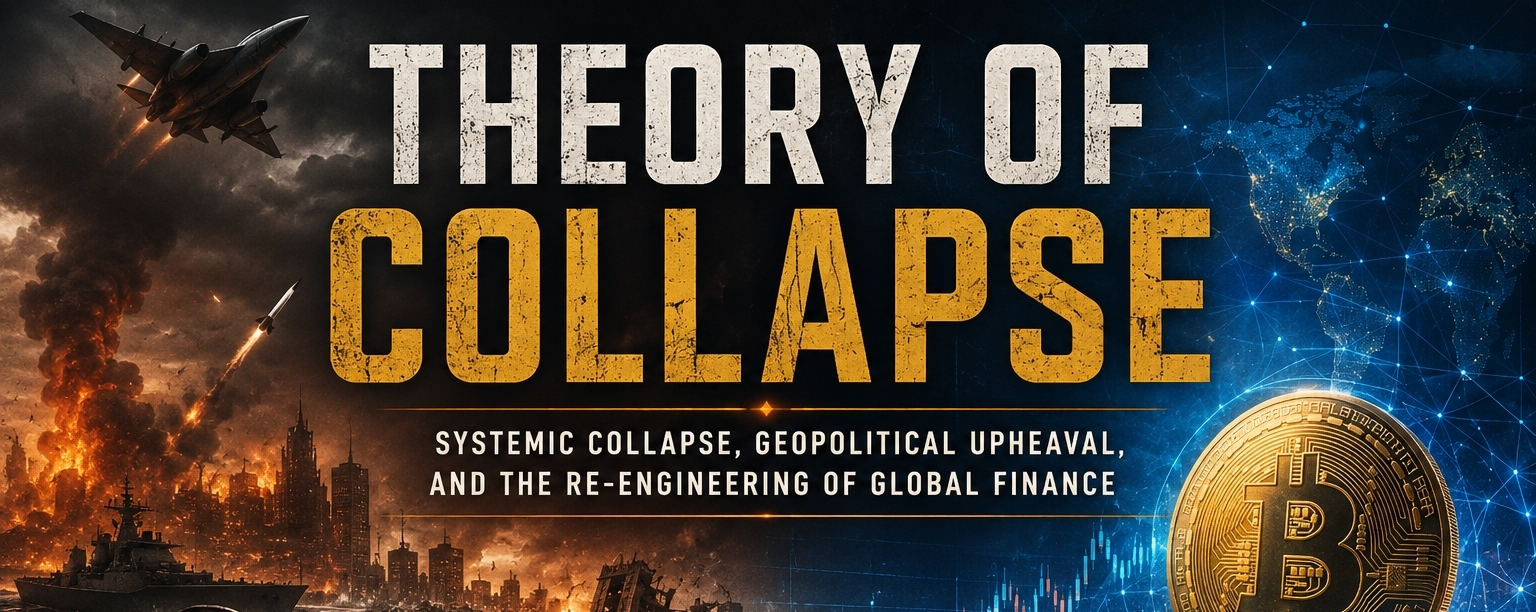
Lý Thuyết Sụp ĐổSự Sụp Đổ Mang Tính Hệ Thống, Biến Động Địa Chính Trị và Việc Tái Thiết Kết Cấu Tài Chính Toàn Cầu
Phần 1: Cú Sốc Thanh Khoản Ban Đầu và Sự Suy Sụp Mang Tính Hệ Thống
Hoảng Loạn Ngay Lập Tức và Co Rút Thanh Khoản Mạnh Mẽ
Một sự sụp đổ tài chính mang tính hệ thống trên toàn cầu—dù được gây ra bởi các chu kỳ nợ mất kiểm soát hay một cú kích hoạt địa chính trị đột ngột—buộc thị trường tiền mã hóa phải trải qua một quá trình tiến hóa nghiêm trọng, nhiều giai đoạn. Trong giai đoạn mở đầu, các tài sản kỹ thuật số chủ yếu vận hành như những phương tiện rủi ro cao để thoát rủi ro (risk-off), thay vì trở thành nơi trú ẩn an toàn ngay lập tức.
Khi các căng thẳng địa chính trị tiếp tục leo thang và khả năng xảy ra sự leo thang hơn nữa vẫn ở mức cao, xác suất của một sự kiện thanh khoản nghiêm trọng ngày càng trở nên phù hợp và có liên quan đối với các thị trường toàn cầu.
Lý Thuyết Sụp Đổ
Sự Sụp Đổ Mang Tính Hệ Thống, Biến Động Địa Chính Trị và Việc Tái Thiết Kết Cấu Tài Chính Toàn Cầu
Phần 1: Cú Sốc Thanh Khoản Ban Đầu và Sự Suy Sụp Mang Tính Hệ Thống
Hoảng Loạn Ngay Lập Tức và Co Rút Thanh Khoản Mạnh Mẽ
Một sự sụp đổ tài chính mang tính hệ thống trên toàn cầu—dù được gây ra bởi các chu kỳ nợ mất kiểm soát hay một cú kích hoạt địa chính trị đột ngột—buộc thị trường tiền mã hóa phải trải qua một quá trình tiến hóa nghiêm trọng, nhiều giai đoạn. Trong giai đoạn mở đầu, các tài sản kỹ thuật số chủ yếu vận hành như những phương tiện rủi ro cao để thoát rủi ro (risk-off), thay vì trở thành nơi trú ẩn an toàn ngay lập tức.
Khi các căng thẳng địa chính trị tiếp tục leo thang và khả năng xảy ra sự leo thang hơn nữa vẫn ở mức cao, xác suất của một sự kiện thanh khoản nghiêm trọng ngày càng trở nên phù hợp và có liên quan đối với các thị trường toàn cầu.
Phần 1: Cú Sốc Thanh Khoản Ban Đầu và Sự Suy Sụp Mang Tính Hệ Thống
Hoảng Loạn Ngay Lập Tức và Co Rút Thanh Khoản Mạnh Mẽ
Một sự sụp đổ tài chính mang tính hệ thống trên toàn cầu—dù được gây ra bởi các chu kỳ nợ mất kiểm soát hay một cú kích hoạt địa chính trị đột ngột—buộc thị trường tiền mã hóa phải trải qua một quá trình tiến hóa nghiêm trọng, nhiều giai đoạn. Trong giai đoạn mở đầu, các tài sản kỹ thuật số chủ yếu vận hành như những phương tiện rủi ro cao để thoát rủi ro (risk-off), thay vì trở thành nơi trú ẩn an toàn ngay lập tức.
Khi các căng thẳng địa chính trị tiếp tục leo thang và khả năng xảy ra sự leo thang hơn nữa vẫn ở mức cao, xác suất của một sự kiện thanh khoản nghiêm trọng ngày càng trở nên phù hợp và có liên quan đối với các thị trường toàn cầu.
1
113
·
--
Triển vọng thị trường Crypto trong tương lai (2026–2027)
Động lực từ tổ chức: Dòng tiền lớn vào ETF giao ngay và mức độ các tổ chức ngày càng được ứng dụng rộng rãi đang tạo dựng một nền tảng vững chắc, bền vững cho sự tăng trưởng dài hạn của thị trường.
Giai đoạn mở rộng tiếp theo: Các nhà phân tích dự báo một thị trường bò rộng hơn sẽ phát triển vào cuối năm 2026 và trong năm 2027, trong đó Bitcoin dẫn dắt lộ trình hướng tới các mục tiêu đỉnh mới tiềm năng (trên $90,000+), sau đó là các altcoin layer-1 lớn như Ethereum và Solana.
Các động lực tăng trưởng then chốt: Việc quy định crypto toàn cầu rõ ràng hơn, tình hình kinh tế vĩ mô dần ổn định, và sự mở rộng tiện ích trong thế giới thực (như PayFi, token hóa RWA và tích hợp AI–blockchain) được kỳ vọng sẽ thúc đẩy “đợt tăng giá” mang tính cấu trúc tiếp theo.
Kết luận chiến lược: Những nhịp điều chỉnh ngắn hạn vẫn là cơ hội thiết lập lành mạnh cho nhà đầu tư dài hạn nhờ các chiến lược DCA kỷ luật, thay vì đuổi theo FOMO ở các đỉnh cục bộ.
Triển vọng thị trường Crypto trong tương lai (2026–2027)
Động lực từ tổ chức: Dòng tiền lớn vào ETF giao ngay và mức độ các tổ chức ngày càng được ứng dụng rộng rãi đang tạo dựng một nền tảng vững chắc, bền vững cho sự tăng trưởng dài hạn của thị trường.
Giai đoạn mở rộng tiếp theo: Các nhà phân tích dự báo một thị trường bò rộng hơn sẽ phát triển vào cuối năm 2026 và trong năm 2027, trong đó Bitcoin dẫn dắt lộ trình hướng tới các mục tiêu đỉnh mới tiềm năng (trên $90,000+), sau đó là các altcoin layer-1 lớn như Ethereum và Solana.
Các động lực tăng trưởng then chốt: Việc quy định crypto toàn cầu rõ ràng hơn, tình hình kinh tế vĩ mô dần ổn định, và sự mở rộng tiện ích trong thế giới thực (như PayFi, token hóa RWA và tích hợp AI–blockchain) được kỳ vọng sẽ thúc đẩy “đợt tăng giá” mang tính cấu trúc tiếp theo.
Kết luận chiến lược: Những nhịp điều chỉnh ngắn hạn vẫn là cơ hội thiết lập lành mạnh cho nhà đầu tư dài hạn nhờ các chiến lược DCA kỷ luật, thay vì đuổi theo FOMO ở các đỉnh cục bộ.
Động lực từ tổ chức: Dòng tiền lớn vào ETF giao ngay và mức độ các tổ chức ngày càng được ứng dụng rộng rãi đang tạo dựng một nền tảng vững chắc, bền vững cho sự tăng trưởng dài hạn của thị trường.
Giai đoạn mở rộng tiếp theo: Các nhà phân tích dự báo một thị trường bò rộng hơn sẽ phát triển vào cuối năm 2026 và trong năm 2027, trong đó Bitcoin dẫn dắt lộ trình hướng tới các mục tiêu đỉnh mới tiềm năng (trên $90,000+), sau đó là các altcoin layer-1 lớn như Ethereum và Solana.
Các động lực tăng trưởng then chốt: Việc quy định crypto toàn cầu rõ ràng hơn, tình hình kinh tế vĩ mô dần ổn định, và sự mở rộng tiện ích trong thế giới thực (như PayFi, token hóa RWA và tích hợp AI–blockchain) được kỳ vọng sẽ thúc đẩy “đợt tăng giá” mang tính cấu trúc tiếp theo.
Kết luận chiến lược: Những nhịp điều chỉnh ngắn hạn vẫn là cơ hội thiết lập lành mạnh cho nhà đầu tư dài hạn nhờ các chiến lược DCA kỷ luật, thay vì đuổi theo FOMO ở các đỉnh cục bộ.
1
67
·
--
Tổng quan thị trường (Ngày 24/09/2026):
Bitcoin (BTC): Đang giao dịch ở mức 84.192 USD. Sau khi tăng mạnh lên khoảng 86.000–87.000 USD vào đầu tuần này—được thúc đẩy bởi 999 triệu USD dòng tiền ròng vào US spot ETF (kỷ lục ghi nhận theo ngày cao nhất trong năm 2026) và các đợt thanh lý short quy mô lớn—BTC hiện đang trải qua một nhịp điều chỉnh nhẹ trong hôm nay.
Ethereum (ETH): Đang giao dịch ở mức 2.687 USD, duy trì sự ổn định trên vùng hỗ trợ quan trọng 2.600 USD.
Solana (SOL): Đang giao dịch ở mức 115,05 USD, đi ngang trên mốc 114 USD sau khi ghi nhận mức tăng mạnh trong tuần.
Binance Coin (BNB): Đang giao dịch ở mức 771,40 USD, thể hiện hiệu suất vững và sự ổn định.
Các yếu tố tác động thị trường: Lợi suất Trái phiếu Kho bạc tăng và hoạt động chốt lời trên hợp đồng tương lai đang tạo ra một giai đoạn hạ nhiệt ngắn, nhưng nhìn chung, tâm lý thị trường vẫn lạc quan nhờ lực mua mạnh từ các tổ chức.
Tổng quan thị trường (Ngày 24/09/2026):
Bitcoin (BTC): Đang giao dịch ở mức 84.192 USD. Sau khi tăng mạnh lên khoảng 86.000–87.000 USD vào đầu tuần này—được thúc đẩy bởi 999 triệu USD dòng tiền ròng vào US spot ETF (kỷ lục ghi nhận theo ngày cao nhất trong năm 2026) và các đợt thanh lý short quy mô lớn—BTC hiện đang trải qua một nhịp điều chỉnh nhẹ trong hôm nay.
Ethereum (ETH): Đang giao dịch ở mức 2.687 USD, duy trì sự ổn định trên vùng hỗ trợ quan trọng 2.600 USD.
Solana (SOL): Đang giao dịch ở mức 115,05 USD, đi ngang trên mốc 114 USD sau khi ghi nhận mức tăng mạnh trong tuần.
Binance Coin (BNB): Đang giao dịch ở mức 771,40 USD, thể hiện hiệu suất vững và sự ổn định.
Các yếu tố tác động thị trường: Lợi suất Trái phiếu Kho bạc tăng và hoạt động chốt lời trên hợp đồng tương lai đang tạo ra một giai đoạn hạ nhiệt ngắn, nhưng nhìn chung, tâm lý thị trường vẫn lạc quan nhờ lực mua mạnh từ các tổ chức.
Bitcoin (BTC): Đang giao dịch ở mức 84.192 USD. Sau khi tăng mạnh lên khoảng 86.000–87.000 USD vào đầu tuần này—được thúc đẩy bởi 999 triệu USD dòng tiền ròng vào US spot ETF (kỷ lục ghi nhận theo ngày cao nhất trong năm 2026) và các đợt thanh lý short quy mô lớn—BTC hiện đang trải qua một nhịp điều chỉnh nhẹ trong hôm nay.
Ethereum (ETH): Đang giao dịch ở mức 2.687 USD, duy trì sự ổn định trên vùng hỗ trợ quan trọng 2.600 USD.
Solana (SOL): Đang giao dịch ở mức 115,05 USD, đi ngang trên mốc 114 USD sau khi ghi nhận mức tăng mạnh trong tuần.
Binance Coin (BNB): Đang giao dịch ở mức 771,40 USD, thể hiện hiệu suất vững và sự ổn định.
Các yếu tố tác động thị trường: Lợi suất Trái phiếu Kho bạc tăng và hoạt động chốt lời trên hợp đồng tương lai đang tạo ra một giai đoạn hạ nhiệt ngắn, nhưng nhìn chung, tâm lý thị trường vẫn lạc quan nhờ lực mua mạnh từ các tổ chức.
1
69
·
--
🚀 ĐỪNG BỎ LỠ SỰ KIỆN BINANCE NÓNG HỔI NÀY! 🚀
Binance vừa tung ra một cơ hội mới tuyệt vời ngay bên dưới mục Dành cho bạn:
🎯 Giao dịch ngay & Nhận tới 200$ tiền thưởng NVDAB!
💡 Vì sao bạn nên tham gia ngay bây giờ:
Sức mạnh kết hợp Cổ phiếu & Crypto: NVDAB giúp bạn nắm bắt đà tăng mạnh của cổ phiếu Nvidia ngay trong hệ sinh thái Binance.
Tăng cường danh mục: Nhận token phần thưởng miễn phí bên cạnh lợi nhuận giao dịch hằng ngày của bạn.
Hành động ngay lập tức: Thời điểm hoàn hảo để bạn thực hiện các bước đi của mình khi thanh khoản thị trường đang tăng vọt!
📌 Cách bắt đầu:
Mở ứng dụng Binance của bạn và vào trang tổng quan tại màn hình chính.
Tìm banner Dành cho bạn có chương trình khuyến mãi thưởng NVDAB.
Bấm vào để làm theo, hoàn thành các nhiệm vụ giao dịch và nhận vị trí của bạn trong quỹ giải thưởng!
Hãy giao dịch thông minh và nắm chắc các phần thưởng đó! 📈🔥
[https://www.binance.com/activity/chance/nvdabGOC?ref=795731894](https://www.binance.com/activity/chance/nvdabGOC?ref=795731894)
#Binance #NVDAB #Nvidia #CryptoTrading #BinanceSquare #CryptoRewards
🚀 ĐỪNG BỎ LỠ SỰ KIỆN BINANCE NÓNG HỔI NÀY! 🚀
Binance vừa tung ra một cơ hội mới tuyệt vời ngay bên dưới mục Dành cho bạn:
🎯 Giao dịch ngay & Nhận tới 200$ tiền thưởng NVDAB!
💡 Vì sao bạn nên tham gia ngay bây giờ:
Sức mạnh kết hợp Cổ phiếu & Crypto: NVDAB giúp bạn nắm bắt đà tăng mạnh của cổ phiếu Nvidia ngay trong hệ sinh thái Binance.
Tăng cường danh mục: Nhận token phần thưởng miễn phí bên cạnh lợi nhuận giao dịch hằng ngày của bạn.
Hành động ngay lập tức: Thời điểm hoàn hảo để bạn thực hiện các bước đi của mình khi thanh khoản thị trường đang tăng vọt!
📌 Cách bắt đầu:
Mở ứng dụng Binance của bạn và vào trang tổng quan tại màn hình chính.
Tìm banner Dành cho bạn có chương trình khuyến mãi thưởng NVDAB.
Bấm vào để làm theo, hoàn thành các nhiệm vụ giao dịch và nhận vị trí của bạn trong quỹ giải thưởng!
Hãy giao dịch thông minh và nắm chắc các phần thưởng đó! 📈🔥
https://www.binance.com/activity/chance/nvdabGOC?ref=795731894
#Binance #NVDAB #Nvidia #CryptoTrading #BinanceSquare #CryptoRewards
Binance vừa tung ra một cơ hội mới tuyệt vời ngay bên dưới mục Dành cho bạn:
🎯 Giao dịch ngay & Nhận tới 200$ tiền thưởng NVDAB!
💡 Vì sao bạn nên tham gia ngay bây giờ:
Sức mạnh kết hợp Cổ phiếu & Crypto: NVDAB giúp bạn nắm bắt đà tăng mạnh của cổ phiếu Nvidia ngay trong hệ sinh thái Binance.
Tăng cường danh mục: Nhận token phần thưởng miễn phí bên cạnh lợi nhuận giao dịch hằng ngày của bạn.
Hành động ngay lập tức: Thời điểm hoàn hảo để bạn thực hiện các bước đi của mình khi thanh khoản thị trường đang tăng vọt!
📌 Cách bắt đầu:
Mở ứng dụng Binance của bạn và vào trang tổng quan tại màn hình chính.
Tìm banner Dành cho bạn có chương trình khuyến mãi thưởng NVDAB.
Bấm vào để làm theo, hoàn thành các nhiệm vụ giao dịch và nhận vị trí của bạn trong quỹ giải thưởng!
Hãy giao dịch thông minh và nắm chắc các phần thưởng đó! 📈🔥
https://www.binance.com/activity/chance/nvdabGOC?ref=795731894
#Binance #NVDAB #Nvidia #CryptoTrading #BinanceSquare #CryptoRewards
1
2
·
--
Đúng một phần
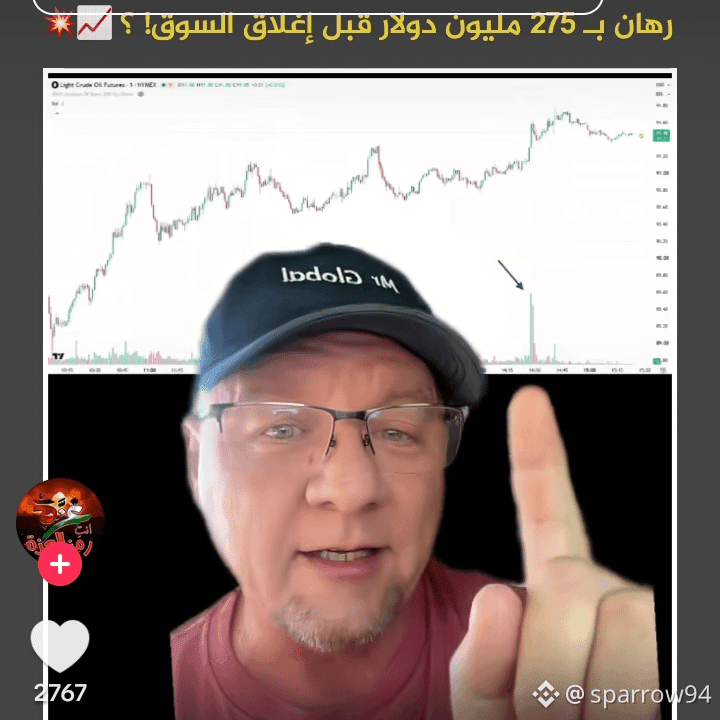
ai đó đã đặt 275 triệu đô la vào giá dầu tương lai trong cuối tuần này. Tôi không chắc tin này đúng đến mức nào, nhưng nếu nó được xác nhận thì sẽ có nghĩa là hai điều đều đúng:
1. giá dầu sẽ lại tăng.
2. sự thao túng thị trường đang ở đỉnh điểm, vì điều đó sẽ có nghĩa là hoặc có ai đó đang rò rỉ thông tin về hành động quân sự của Mỹ ở Iran, hoặc tệ hơn là có ai đó đang kiểm soát tình hình vì lợi ích của riêng họ.
Tuyên bố miễn trừ trách nhiệm: Thông tin được cung cấp trong bài đăng này chỉ nhằm mục đích thảo luận và không cấu thành lời khuyên tài chính, đầu tư hay địa chính trị. Các tuyên bố liên quan đến khối lượng giao dịch gần đây hoặc các sự kiện thị trường vẫn chưa được xác minh. Luôn xác minh dữ liệu thị trường thông qua các hồ sơ nộp chính thức của cơ quan quản lý và các nguồn gốc chính.
ai đó đã đặt 275 triệu đô la vào giá dầu tương lai trong cuối tuần này. Tôi không chắc tin này đúng đến mức nào, nhưng nếu nó được xác nhận thì sẽ có nghĩa là hai điều đều đúng:
1. giá dầu sẽ lại tăng.
2. sự thao túng thị trường đang ở đỉnh điểm, vì điều đó sẽ có nghĩa là hoặc có ai đó đang rò rỉ thông tin về hành động quân sự của Mỹ ở Iran, hoặc tệ hơn là có ai đó đang kiểm soát tình hình vì lợi ích của riêng họ.
Tuyên bố miễn trừ trách nhiệm: Thông tin được cung cấp trong bài đăng này chỉ nhằm mục đích thảo luận và không cấu thành lời khuyên tài chính, đầu tư hay địa chính trị. Các tuyên bố liên quan đến khối lượng giao dịch gần đây hoặc các sự kiện thị trường vẫn chưa được xác minh. Luôn xác minh dữ liệu thị trường thông qua các hồ sơ nộp chính thức của cơ quan quản lý và các nguồn gốc chính.
1. giá dầu sẽ lại tăng.
2. sự thao túng thị trường đang ở đỉnh điểm, vì điều đó sẽ có nghĩa là hoặc có ai đó đang rò rỉ thông tin về hành động quân sự của Mỹ ở Iran, hoặc tệ hơn là có ai đó đang kiểm soát tình hình vì lợi ích của riêng họ.
Tuyên bố miễn trừ trách nhiệm: Thông tin được cung cấp trong bài đăng này chỉ nhằm mục đích thảo luận và không cấu thành lời khuyên tài chính, đầu tư hay địa chính trị. Các tuyên bố liên quan đến khối lượng giao dịch gần đây hoặc các sự kiện thị trường vẫn chưa được xác minh. Luôn xác minh dữ liệu thị trường thông qua các hồ sơ nộp chính thức của cơ quan quản lý và các nguồn gốc chính.
203
·
--
Triển vọng Chiến lược & Tài sản Kỹ thuật số 🔮
💡 Điểm mấu chốt cho Công nghệ, Web3 & Tài sản Kỹ thuật số
Trong khi các thỏa thuận chính thức hướng tới hạ tầng số mang tính chủ quyền, thì tác động rộng hơn của thị trường là điều đã rõ ràng:
• Vốn & Vườn ươm: Kỳ vọng dòng vốn đầu tư mạo hiểm và sự quan tâm của các vườn ươm Web3 sẽ tăng lên, chảy vào hệ sinh thái công nghệ MENA.
• Phòng hộ theo tổ chức: Bối cảnh vĩ mô đang thay đổi củng cố luận điểm dài hạn cho các tài sản số cốt lõi như là các công cụ phòng hộ trước biến động vĩ mô.
Động thái của Ai Cập hướng tới quyền tự chủ công nghệ chiến lược tạo đà cho cả hệ sinh thái công nghệ truyền thống lẫn các hệ sinh thái tài sản phi tập trung.
Bạn nghĩ gì về liên minh Công nghệ & AI đang ngày càng phát triển này? 👇
#AI #crypto #Web3
Triển vọng Chiến lược & Tài sản Kỹ thuật số 🔮
💡 Điểm mấu chốt cho Công nghệ, Web3 & Tài sản Kỹ thuật số
Trong khi các thỏa thuận chính thức hướng tới hạ tầng số mang tính chủ quyền, thì tác động rộng hơn của thị trường là điều đã rõ ràng:
• Vốn & Vườn ươm: Kỳ vọng dòng vốn đầu tư mạo hiểm và sự quan tâm của các vườn ươm Web3 sẽ tăng lên, chảy vào hệ sinh thái công nghệ MENA.
• Phòng hộ theo tổ chức: Bối cảnh vĩ mô đang thay đổi củng cố luận điểm dài hạn cho các tài sản số cốt lõi như là các công cụ phòng hộ trước biến động vĩ mô.
Động thái của Ai Cập hướng tới quyền tự chủ công nghệ chiến lược tạo đà cho cả hệ sinh thái công nghệ truyền thống lẫn các hệ sinh thái tài sản phi tập trung.
Bạn nghĩ gì về liên minh Công nghệ & AI đang ngày càng phát triển này? 👇
#AI #crypto #Web3
💡 Điểm mấu chốt cho Công nghệ, Web3 & Tài sản Kỹ thuật số
Trong khi các thỏa thuận chính thức hướng tới hạ tầng số mang tính chủ quyền, thì tác động rộng hơn của thị trường là điều đã rõ ràng:
• Vốn & Vườn ươm: Kỳ vọng dòng vốn đầu tư mạo hiểm và sự quan tâm của các vườn ươm Web3 sẽ tăng lên, chảy vào hệ sinh thái công nghệ MENA.
• Phòng hộ theo tổ chức: Bối cảnh vĩ mô đang thay đổi củng cố luận điểm dài hạn cho các tài sản số cốt lõi như là các công cụ phòng hộ trước biến động vĩ mô.
Động thái của Ai Cập hướng tới quyền tự chủ công nghệ chiến lược tạo đà cho cả hệ sinh thái công nghệ truyền thống lẫn các hệ sinh thái tài sản phi tập trung.
Bạn nghĩ gì về liên minh Công nghệ & AI đang ngày càng phát triển này? 👇
#AI #crypto #Web3
49
·
--
Kinh tế vĩ mô, BRICS & Phi đô la hóa 💳
🌐 Địa chính trị & BRICS đang thay đổi các mô hình thanh toán khu vực như thế nào
Vượt xa trí tuệ nhân tạo, hội nghị thượng đỉnh Trung Quốc–Ai Cập củng cố hơn nữa hợp tác kinh tế chiến lược trong khuôn khổ BRICS:
• Tuyến thanh toán thay thế: Mở rộng các cơ chế thương mại bằng nội tệ giúp giảm sự phụ thuộc nặng nề vào USD đối với thương mại khu vực.
• Tài sản thanh toán trung lập: Khi thương mại chuyển sang các hệ thống đa tiền tệ, các tổ chức ngày càng quan tâm đến các công cụ thanh toán kỹ thuật số trung lập như Bitcoin (BTC) và Ethereum (ETH).
• Hạ tầng DePIN: Hệ thống lưới điện và mạng dữ liệu được nâng cấp tạo nền tảng vật lý cho Mạng lưới Hạ tầng phi tập trung (DePIN).
#BRICS #AI #crypto
Kinh tế vĩ mô, BRICS & Phi đô la hóa 💳
🌐 Địa chính trị & BRICS đang thay đổi các mô hình thanh toán khu vực như thế nào
Vượt xa trí tuệ nhân tạo, hội nghị thượng đỉnh Trung Quốc–Ai Cập củng cố hơn nữa hợp tác kinh tế chiến lược trong khuôn khổ BRICS:
• Tuyến thanh toán thay thế: Mở rộng các cơ chế thương mại bằng nội tệ giúp giảm sự phụ thuộc nặng nề vào USD đối với thương mại khu vực.
• Tài sản thanh toán trung lập: Khi thương mại chuyển sang các hệ thống đa tiền tệ, các tổ chức ngày càng quan tâm đến các công cụ thanh toán kỹ thuật số trung lập như Bitcoin (BTC) và Ethereum (ETH).
• Hạ tầng DePIN: Hệ thống lưới điện và mạng dữ liệu được nâng cấp tạo nền tảng vật lý cho Mạng lưới Hạ tầng phi tập trung (DePIN).
#BRICS #AI #crypto
🌐 Địa chính trị & BRICS đang thay đổi các mô hình thanh toán khu vực như thế nào
Vượt xa trí tuệ nhân tạo, hội nghị thượng đỉnh Trung Quốc–Ai Cập củng cố hơn nữa hợp tác kinh tế chiến lược trong khuôn khổ BRICS:
• Tuyến thanh toán thay thế: Mở rộng các cơ chế thương mại bằng nội tệ giúp giảm sự phụ thuộc nặng nề vào USD đối với thương mại khu vực.
• Tài sản thanh toán trung lập: Khi thương mại chuyển sang các hệ thống đa tiền tệ, các tổ chức ngày càng quan tâm đến các công cụ thanh toán kỹ thuật số trung lập như Bitcoin (BTC) và Ethereum (ETH).
• Hạ tầng DePIN: Hệ thống lưới điện và mạng dữ liệu được nâng cấp tạo nền tảng vật lý cho Mạng lưới Hạ tầng phi tập trung (DePIN).
#BRICS #AI #crypto
80
·
--
🚀 **Chủ tịch Tập Cận Bình ở Cairo: Chuyến thăm của Trung Quốc có ý nghĩa gì cho tương lai AI của MENA**
Chuyến thăm cấp nhà nước của Chủ tịch Trung Quốc Tập Cận Bình tới Cairo đánh dấu một bước chuyển lớn từ thương mại truyền thống sang **hạ tầng công nghệ cao và nội địa hóa AI**.
Những điểm chính đối với hệ sinh thái công nghệ:
• **Hạ tầng siêu máy tính:** Các cuộc thảo luận quan trọng tập trung vào việc xây dựng các trung tâm dữ liệu và AI quy mô lớn.
• **Nội địa hóa LLM:** Hướng tới việc điều chỉnh Các Mô hình Ngôn ngữ Lớn (LLM) bằng tiếng Ả Rập dựa trên công nghệ mã nguồn mở của Trung Quốc.
• **Phát triển nhân tài:** Các chương trình hợp tác nhằm nâng cao kỹ năng cho các nhà phát triển và kỹ sư trên toàn khu vực.
📌 **Kết luận:** Ai Cập đang định vị mình là một trung tâm điện toán khu vực hàng đầu cho châu Phi và Trung Đông.
#AI #china #egypt #crypto
🚀 **Chủ tịch Tập Cận Bình ở Cairo: Chuyến thăm của Trung Quốc có ý nghĩa gì cho tương lai AI của MENA**
Chuyến thăm cấp nhà nước của Chủ tịch Trung Quốc Tập Cận Bình tới Cairo đánh dấu một bước chuyển lớn từ thương mại truyền thống sang **hạ tầng công nghệ cao và nội địa hóa AI**.
Những điểm chính đối với hệ sinh thái công nghệ:
• **Hạ tầng siêu máy tính:** Các cuộc thảo luận quan trọng tập trung vào việc xây dựng các trung tâm dữ liệu và AI quy mô lớn.
• **Nội địa hóa LLM:** Hướng tới việc điều chỉnh Các Mô hình Ngôn ngữ Lớn (LLM) bằng tiếng Ả Rập dựa trên công nghệ mã nguồn mở của Trung Quốc.
• **Phát triển nhân tài:** Các chương trình hợp tác nhằm nâng cao kỹ năng cho các nhà phát triển và kỹ sư trên toàn khu vực.
📌 **Kết luận:** Ai Cập đang định vị mình là một trung tâm điện toán khu vực hàng đầu cho châu Phi và Trung Đông.
#AI #china #egypt #crypto
Chuyến thăm cấp nhà nước của Chủ tịch Trung Quốc Tập Cận Bình tới Cairo đánh dấu một bước chuyển lớn từ thương mại truyền thống sang **hạ tầng công nghệ cao và nội địa hóa AI**.
Những điểm chính đối với hệ sinh thái công nghệ:
• **Hạ tầng siêu máy tính:** Các cuộc thảo luận quan trọng tập trung vào việc xây dựng các trung tâm dữ liệu và AI quy mô lớn.
• **Nội địa hóa LLM:** Hướng tới việc điều chỉnh Các Mô hình Ngôn ngữ Lớn (LLM) bằng tiếng Ả Rập dựa trên công nghệ mã nguồn mở của Trung Quốc.
• **Phát triển nhân tài:** Các chương trình hợp tác nhằm nâng cao kỹ năng cho các nhà phát triển và kỹ sư trên toàn khu vực.
📌 **Kết luận:** Ai Cập đang định vị mình là một trung tâm điện toán khu vực hàng đầu cho châu Phi và Trung Đông.
#AI #china #egypt #crypto
88
·
--
hãy tạm gác những căng thẳng của thị trường sang một bên một chút, mọi thứ đã chuyển hướng hài hước ở Ai Cập, người dân Ai Cập đã chuyển tới bikini bottom và lập một cộng đồng ở đó 😂.
#SpongeBob #Egypt🇪🇬
hãy tạm gác những căng thẳng của thị trường sang một bên một chút, mọi thứ đã chuyển hướng hài hước ở Ai Cập, người dân Ai Cập đã chuyển tới bikini bottom và lập một cộng đồng ở đó 😂.
#SpongeBob #Egypt🇪🇬
#SpongeBob #Egypt🇪🇬

101
·
--
Bài viết
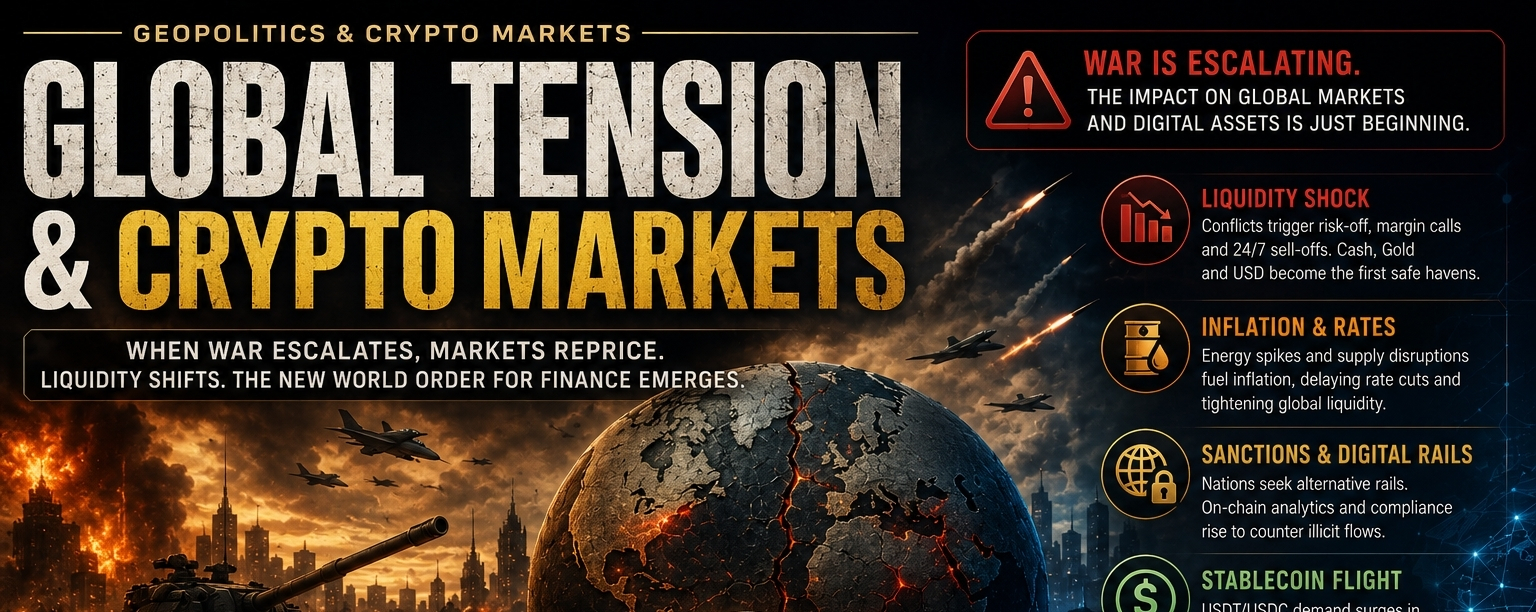
Căng Thẳng Toàn Cầu & Thị Trường CryptoKhi Chiến Tranh leo Thang: Xung Đột Địa Chính Trị Kéo Dài Có Thể Định Hình Lại Tài Sản Số Như Thế Nào
Giới thiệu — Một Loại Chu Kỳ Crypto Khác
Nền kinh tế toàn cầu đang bước vào một môi trường mà rủi ro địa chính trị không còn có thể được coi là một tin tức tạm thời.
Các xung đột quân sự, đối đầu giữa các cường quốc, các lệnh trừng phạt, hạn chế thương mại, gián đoạn năng lượng và sự cạnh tranh giữa các liên minh tài chính ngày càng trở thành những thành phần mang tính cấu trúc của bối cảnh kinh tế vĩ mô.
Vì vậy, đối với các thị trường tài chính, câu hỏi không còn đơn thuần là:
Căng Thẳng Toàn Cầu & Thị Trường Crypto
Khi Chiến Tranh leo Thang: Xung Đột Địa Chính Trị Kéo Dài Có Thể Định Hình Lại Tài Sản Số Như Thế Nào
Giới thiệu — Một Loại Chu Kỳ Crypto Khác
Nền kinh tế toàn cầu đang bước vào một môi trường mà rủi ro địa chính trị không còn có thể được coi là một tin tức tạm thời.
Các xung đột quân sự, đối đầu giữa các cường quốc, các lệnh trừng phạt, hạn chế thương mại, gián đoạn năng lượng và sự cạnh tranh giữa các liên minh tài chính ngày càng trở thành những thành phần mang tính cấu trúc của bối cảnh kinh tế vĩ mô.
Vì vậy, đối với các thị trường tài chính, câu hỏi không còn đơn thuần là:
Giới thiệu — Một Loại Chu Kỳ Crypto Khác
Nền kinh tế toàn cầu đang bước vào một môi trường mà rủi ro địa chính trị không còn có thể được coi là một tin tức tạm thời.
Các xung đột quân sự, đối đầu giữa các cường quốc, các lệnh trừng phạt, hạn chế thương mại, gián đoạn năng lượng và sự cạnh tranh giữa các liên minh tài chính ngày càng trở thành những thành phần mang tính cấu trúc của bối cảnh kinh tế vĩ mô.
Vì vậy, đối với các thị trường tài chính, câu hỏi không còn đơn thuần là:
87
·
--
Bài viết
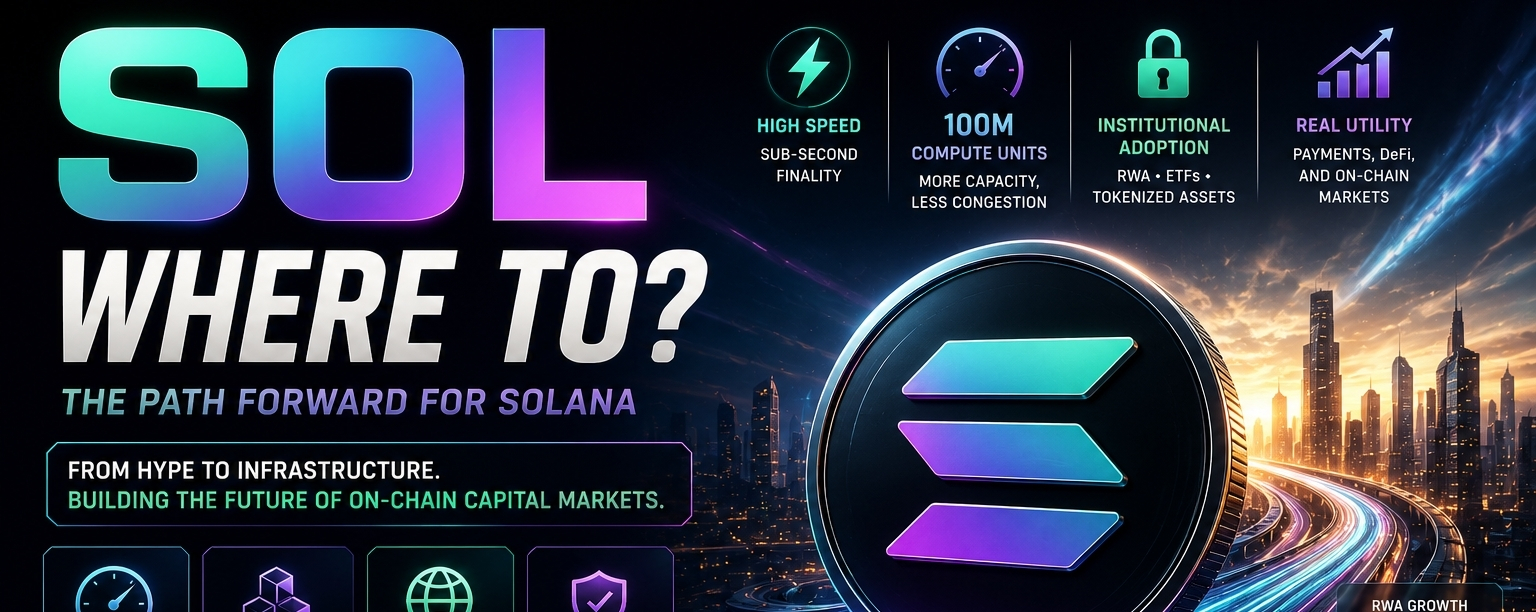
SOL Where To?
Con Đường Tiến Tới của SolanaGiới thiệu — Từ Đầu cơ Crypto đến Hạ tầng Tài chính
Solana bước vào thị trường với một đề xuất đơn giản: làm cho các giao dịch blockchain nhanh, rẻ và có khả năng mở rộng.
Đề xuất đó đã phát triển.
Vào năm 2026, Solana ngày càng được định vị không chỉ như một Layer-1 khác cạnh tranh để giành hoạt động DeFi, mà như một hạ tầng cho thanh toán, tài sản được token hóa, giao dịch theo thể chế, ứng dụng dành cho người tiêu dùng và các thị trường vốn trên chuỗi.
Vì vậy, câu hỏi quan trọng không còn dừng lại ở việc “Solana có thể xử lý nhiều giao dịch hơn không?”
SOL Where To? Con Đường Tiến Tới của Solana
Giới thiệu — Từ Đầu cơ Crypto đến Hạ tầng Tài chính
Solana bước vào thị trường với một đề xuất đơn giản: làm cho các giao dịch blockchain nhanh, rẻ và có khả năng mở rộng.
Đề xuất đó đã phát triển.
Vào năm 2026, Solana ngày càng được định vị không chỉ như một Layer-1 khác cạnh tranh để giành hoạt động DeFi, mà như một hạ tầng cho thanh toán, tài sản được token hóa, giao dịch theo thể chế, ứng dụng dành cho người tiêu dùng và các thị trường vốn trên chuỗi.
Vì vậy, câu hỏi quan trọng không còn dừng lại ở việc “Solana có thể xử lý nhiều giao dịch hơn không?”
Solana bước vào thị trường với một đề xuất đơn giản: làm cho các giao dịch blockchain nhanh, rẻ và có khả năng mở rộng.
Đề xuất đó đã phát triển.
Vào năm 2026, Solana ngày càng được định vị không chỉ như một Layer-1 khác cạnh tranh để giành hoạt động DeFi, mà như một hạ tầng cho thanh toán, tài sản được token hóa, giao dịch theo thể chế, ứng dụng dành cho người tiêu dùng và các thị trường vốn trên chuỗi.
Vì vậy, câu hỏi quan trọng không còn dừng lại ở việc “Solana có thể xử lý nhiều giao dịch hơn không?”
87
·
--
Bài viết
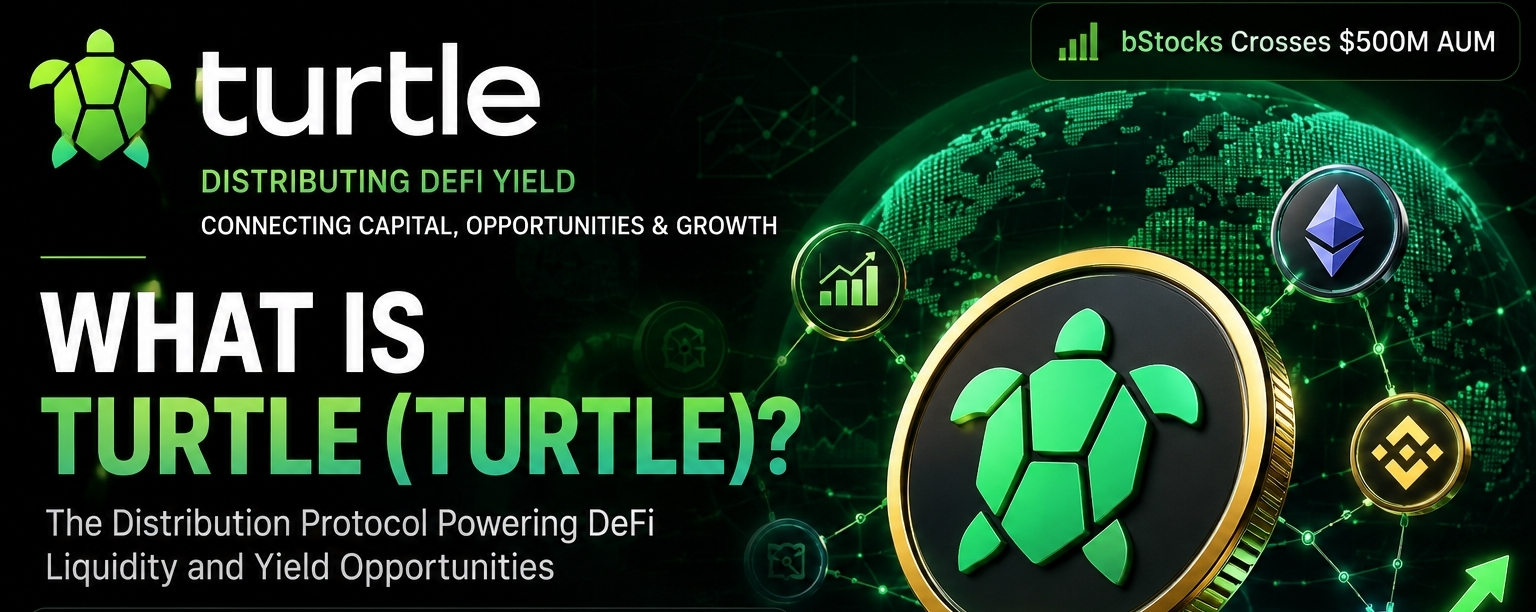
Turtle (TURTLE): Xây dựng một lớp phân phối mới cho thanh khoản DeFiGiới thiệu
Turtle (TURTLE) đang nổi lên như một giao thức phân phối và điều phối, được thiết kế để kết nối các cơ hội sinh lợi trong DeFi, các nhà phân phối thanh khoản và các giao thức đang tìm kiếm vốn. Thay vì hoạt động như một nền tảng tạo lợi nhuận truyền thống, Turtle hướng đến giải quyết một vấn đề rộng hơn trong tài chính phi tập trung: kết nối thanh khoản với cơ hội một cách hiệu quả, đồng thời mang lại cho người dùng, giao thức và các nhà phân phối sự minh bạch và phân tích tốt hơn.
Được ra mắt vào năm 2024 bởi một nhóm phân bổ toàn cầu, Turtle cho biết đã huy động $11,7 triệu vốn tài trợ và định tuyến hơn 5,5 tỷ USD thanh khoản qua hơn 100 chiến dịch, với hơn 430.000 nhà cung cấp thanh khoản (LP) đã đăng ký. Các số liệu này dựa trên dữ liệu do dự án cung cấp và nên được xác minh độc lập.
Turtle (TURTLE): Xây dựng một lớp phân phối mới cho thanh khoản DeFi
Giới thiệu
Turtle (TURTLE) đang nổi lên như một giao thức phân phối và điều phối, được thiết kế để kết nối các cơ hội sinh lợi trong DeFi, các nhà phân phối thanh khoản và các giao thức đang tìm kiếm vốn. Thay vì hoạt động như một nền tảng tạo lợi nhuận truyền thống, Turtle hướng đến giải quyết một vấn đề rộng hơn trong tài chính phi tập trung: kết nối thanh khoản với cơ hội một cách hiệu quả, đồng thời mang lại cho người dùng, giao thức và các nhà phân phối sự minh bạch và phân tích tốt hơn.
Được ra mắt vào năm 2024 bởi một nhóm phân bổ toàn cầu, Turtle cho biết đã huy động $11,7 triệu vốn tài trợ và định tuyến hơn 5,5 tỷ USD thanh khoản qua hơn 100 chiến dịch, với hơn 430.000 nhà cung cấp thanh khoản (LP) đã đăng ký. Các số liệu này dựa trên dữ liệu do dự án cung cấp và nên được xác minh độc lập.
Turtle (TURTLE) đang nổi lên như một giao thức phân phối và điều phối, được thiết kế để kết nối các cơ hội sinh lợi trong DeFi, các nhà phân phối thanh khoản và các giao thức đang tìm kiếm vốn. Thay vì hoạt động như một nền tảng tạo lợi nhuận truyền thống, Turtle hướng đến giải quyết một vấn đề rộng hơn trong tài chính phi tập trung: kết nối thanh khoản với cơ hội một cách hiệu quả, đồng thời mang lại cho người dùng, giao thức và các nhà phân phối sự minh bạch và phân tích tốt hơn.
Được ra mắt vào năm 2024 bởi một nhóm phân bổ toàn cầu, Turtle cho biết đã huy động $11,7 triệu vốn tài trợ và định tuyến hơn 5,5 tỷ USD thanh khoản qua hơn 100 chiến dịch, với hơn 430.000 nhà cung cấp thanh khoản (LP) đã đăng ký. Các số liệu này dựa trên dữ liệu do dự án cung cấp và nên được xác minh độc lập.
113
·
--
🚀 Cập nhật thị trường Crypto 📈
Thị trường crypto đang cho thấy sức mạnh được khôi phục, với tổng vốn hóa thị trường tăng lên khoảng 2,3 nghìn tỷ USD, tăng 1,7% trong 24 giờ qua.
📊 Tóm tắt thị trường
🔹 Bitcoin ($BTC): Đang giao dịch quanh mức 65.000–65.300 USD, kéo dài tuần thứ tư liên tiếp ghi nhận hiệu suất tích cực.
🔹 Ethereum ($ETH): Tiếp tục vượt trội, giao dịch quanh 1.940 USD, tăng xấp xỉ 4,5% trong 24 giờ qua.
🔹 Altcoins: Các tài sản chủ chốt như $BNB và $SOL vẫn giữ vững xu hướng tích cực, trong khi các token DeFi và Tài sản Thực (RWA) như $AAVE và $ONDO tiếp tục dẫn dắt hiệu suất của toàn ngành.
💡 Điều gì đang thúc đẩy thị trường?
• Cải thiện căng thẳng địa chính trị: Việc giảm bớt các bất ổn toàn cầu đã cải thiện khẩu vị rủi ro tổng thể, hỗ trợ crypto và các tài sản rủi ro khác.
• Cục Dự trữ Liên bang (Fed) được chú ý: Các nhà đầu tư vẫn thận trọng trước cuộc họp FOMC của tuần này, với kỳ vọng tập trung vào định hướng lãi suất và chính sách tiền tệ trong tương lai.
• Cấu trúc kỹ thuật: Bitcoin tiếp tục giữ vững trên vùng hỗ trợ 63K–64K, giúp duy trì động lực tăng ngắn hạn. Nếu giá bứt phá và duy trì trên ngưỡng kháng cự gần đây, xu hướng hiện tại có thể được củng cố.
📌 Triển vọng thị trường: Mặc dù động lượng đã được cải thiện, biến động nhiều khả năng sẽ gia tăng khi các nhà giao dịch phản ứng với các diễn biến kinh tế vĩ mô sắp tới. Quản lý rủi ro vẫn là điều thiết yếu cho đến khi thị trường nhận được sự rõ ràng hơn từ Cục Dự trữ Liên bang.
Bạn đang tích lũy ở mức hiện tại hay chờ quyết định của Fed? Hãy chia sẻ chiến lược của bạn bên dưới. 👇
#Crypto #Bitcoin #Ethereum #BNB #SOL #DeFi #RWA #Trading #Investing #CryptoNews
🚀 Cập nhật thị trường Crypto 📈
Thị trường crypto đang cho thấy sức mạnh được khôi phục, với tổng vốn hóa thị trường tăng lên khoảng 2,3 nghìn tỷ USD, tăng 1,7% trong 24 giờ qua.
📊 Tóm tắt thị trường
🔹 Bitcoin ($BTC): Đang giao dịch quanh mức 65.000–65.300 USD, kéo dài tuần thứ tư liên tiếp ghi nhận hiệu suất tích cực.
🔹 Ethereum ($ETH): Tiếp tục vượt trội, giao dịch quanh 1.940 USD, tăng xấp xỉ 4,5% trong 24 giờ qua.
🔹 Altcoins: Các tài sản chủ chốt như $BNB và $SOL vẫn giữ vững xu hướng tích cực, trong khi các token DeFi và Tài sản Thực (RWA) như $AAVE và $ONDO tiếp tục dẫn dắt hiệu suất của toàn ngành.
💡 Điều gì đang thúc đẩy thị trường?
• Cải thiện căng thẳng địa chính trị: Việc giảm bớt các bất ổn toàn cầu đã cải thiện khẩu vị rủi ro tổng thể, hỗ trợ crypto và các tài sản rủi ro khác.
• Cục Dự trữ Liên bang (Fed) được chú ý: Các nhà đầu tư vẫn thận trọng trước cuộc họp FOMC của tuần này, với kỳ vọng tập trung vào định hướng lãi suất và chính sách tiền tệ trong tương lai.
• Cấu trúc kỹ thuật: Bitcoin tiếp tục giữ vững trên vùng hỗ trợ 63K–64K, giúp duy trì động lực tăng ngắn hạn. Nếu giá bứt phá và duy trì trên ngưỡng kháng cự gần đây, xu hướng hiện tại có thể được củng cố.
📌 Triển vọng thị trường: Mặc dù động lượng đã được cải thiện, biến động nhiều khả năng sẽ gia tăng khi các nhà giao dịch phản ứng với các diễn biến kinh tế vĩ mô sắp tới. Quản lý rủi ro vẫn là điều thiết yếu cho đến khi thị trường nhận được sự rõ ràng hơn từ Cục Dự trữ Liên bang.
Bạn đang tích lũy ở mức hiện tại hay chờ quyết định của Fed? Hãy chia sẻ chiến lược của bạn bên dưới. 👇
#Crypto #Bitcoin #Ethereum #BNB #SOL #DeFi #RWA #Trading #Investing #CryptoNews
Thị trường crypto đang cho thấy sức mạnh được khôi phục, với tổng vốn hóa thị trường tăng lên khoảng 2,3 nghìn tỷ USD, tăng 1,7% trong 24 giờ qua.
📊 Tóm tắt thị trường
🔹 Bitcoin ($BTC): Đang giao dịch quanh mức 65.000–65.300 USD, kéo dài tuần thứ tư liên tiếp ghi nhận hiệu suất tích cực.
🔹 Ethereum ($ETH): Tiếp tục vượt trội, giao dịch quanh 1.940 USD, tăng xấp xỉ 4,5% trong 24 giờ qua.
🔹 Altcoins: Các tài sản chủ chốt như $BNB và $SOL vẫn giữ vững xu hướng tích cực, trong khi các token DeFi và Tài sản Thực (RWA) như $AAVE và $ONDO tiếp tục dẫn dắt hiệu suất của toàn ngành.
💡 Điều gì đang thúc đẩy thị trường?
• Cải thiện căng thẳng địa chính trị: Việc giảm bớt các bất ổn toàn cầu đã cải thiện khẩu vị rủi ro tổng thể, hỗ trợ crypto và các tài sản rủi ro khác.
• Cục Dự trữ Liên bang (Fed) được chú ý: Các nhà đầu tư vẫn thận trọng trước cuộc họp FOMC của tuần này, với kỳ vọng tập trung vào định hướng lãi suất và chính sách tiền tệ trong tương lai.
• Cấu trúc kỹ thuật: Bitcoin tiếp tục giữ vững trên vùng hỗ trợ 63K–64K, giúp duy trì động lực tăng ngắn hạn. Nếu giá bứt phá và duy trì trên ngưỡng kháng cự gần đây, xu hướng hiện tại có thể được củng cố.
📌 Triển vọng thị trường: Mặc dù động lượng đã được cải thiện, biến động nhiều khả năng sẽ gia tăng khi các nhà giao dịch phản ứng với các diễn biến kinh tế vĩ mô sắp tới. Quản lý rủi ro vẫn là điều thiết yếu cho đến khi thị trường nhận được sự rõ ràng hơn từ Cục Dự trữ Liên bang.
Bạn đang tích lũy ở mức hiện tại hay chờ quyết định của Fed? Hãy chia sẻ chiến lược của bạn bên dưới. 👇
#Crypto #Bitcoin #Ethereum #BNB #SOL #DeFi #RWA #Trading #Investing #CryptoNews
129
·
--
chúc may mắn tốt nhất
chúc may mắn tốt nhất
sparrow94
·
--
kiếm tiền dễ dàng 19 usdt giao dịch 1000 usdc trên #TSLAB và lợi nhuận là của bạn #AllInAllWin
$TSLAB
$TSLAB
1
14
·
--
kiếm tiền dễ dàng 19 usdt giao dịch 1000 usdc trên #TSLAB và lợi nhuận là của bạn #AllInAllWin
$TSLAB
kiếm tiền dễ dàng 19 usdt giao dịch 1000 usdc trên #TSLAB và lợi nhuận là của bạn #AllInAllWin
$TSLAB
$TSLAB

may you be blessed
Từ sparrow94
1
136
·
--
#BinancePickAndWin
1. **Dự đoán, chơi và giành chiến thắng! Tham gia Binance Pick & Win để có cơ hội nhận những phần thưởng giá trị lớn. ⚽🏆
2. **Tôi đang đưa ra lựa chọn của mình trên Binance! Hãy xem liệu tôi có giành được một phần trong quỹ phần thưởng không. ⚽
3. **Binance Pick & Win đã chính thức diễn ra! Đã đến lúc thử nghiệm các dự đoán bóng đá của tôi. 🏆⚽**
4. **Mỗi trận đấu là một cơ hội mới. Hôm nay tôi chọn các đội chiến thắng trên Binance! ⚽
5. **Bóng đá, dự đoán và phần thưởng—
nhớ tính tôi với!
$BNB
{spot}(BNBUSDT)
#BinancePickAndWin
1. **Dự đoán, chơi và giành chiến thắng! Tham gia Binance Pick & Win để có cơ hội nhận những phần thưởng giá trị lớn. ⚽🏆
2. **Tôi đang đưa ra lựa chọn của mình trên Binance! Hãy xem liệu tôi có giành được một phần trong quỹ phần thưởng không. ⚽
3. **Binance Pick & Win đã chính thức diễn ra! Đã đến lúc thử nghiệm các dự đoán bóng đá của tôi. 🏆⚽**
4. **Mỗi trận đấu là một cơ hội mới. Hôm nay tôi chọn các đội chiến thắng trên Binance! ⚽
5. **Bóng đá, dự đoán và phần thưởng—
nhớ tính tôi với!
$BNB
1. **Dự đoán, chơi và giành chiến thắng! Tham gia Binance Pick & Win để có cơ hội nhận những phần thưởng giá trị lớn. ⚽🏆
2. **Tôi đang đưa ra lựa chọn của mình trên Binance! Hãy xem liệu tôi có giành được một phần trong quỹ phần thưởng không. ⚽
3. **Binance Pick & Win đã chính thức diễn ra! Đã đến lúc thử nghiệm các dự đoán bóng đá của tôi. 🏆⚽**
4. **Mỗi trận đấu là một cơ hội mới. Hôm nay tôi chọn các đội chiến thắng trên Binance! ⚽
5. **Bóng đá, dự đoán và phần thưởng—
nhớ tính tôi với!
$BNB

1
90
·
--
#BinancePickAndWin
1. **Dự đoán, chơi và giành chiến thắng! Tham gia Binance Pick & Win để có cơ hội nhận những phần thưởng khổng lồ. ⚽🏆
2. **Tôi đưa ra dự đoán trên Binance! Hãy xem liệu tôi có thể giành được một phần từ quỹ phần thưởng hay không. ⚽
3. **Binance Pick & Win đã chính thức diễn ra! Đã đến lúc thử nghiệm các dự đoán bóng đá của tôi. 🏆⚽**
4. **Mỗi trận đấu là một cơ hội mới. Hôm nay tôi chọn các đội chiến thắng trên Binance! ⚽
5. **Bóng đá, dự đoán và phần thưởng—
Hãy tính tôi vào!
#BinancePickAndWin
1. **Dự đoán, chơi và giành chiến thắng! Tham gia Binance Pick & Win để có cơ hội nhận những phần thưởng khổng lồ. ⚽🏆
2. **Tôi đưa ra dự đoán trên Binance! Hãy xem liệu tôi có thể giành được một phần từ quỹ phần thưởng hay không. ⚽
3. **Binance Pick & Win đã chính thức diễn ra! Đã đến lúc thử nghiệm các dự đoán bóng đá của tôi. 🏆⚽**
4. **Mỗi trận đấu là một cơ hội mới. Hôm nay tôi chọn các đội chiến thắng trên Binance! ⚽
5. **Bóng đá, dự đoán và phần thưởng—
Hãy tính tôi vào!
1. **Dự đoán, chơi và giành chiến thắng! Tham gia Binance Pick & Win để có cơ hội nhận những phần thưởng khổng lồ. ⚽🏆
2. **Tôi đưa ra dự đoán trên Binance! Hãy xem liệu tôi có thể giành được một phần từ quỹ phần thưởng hay không. ⚽
3. **Binance Pick & Win đã chính thức diễn ra! Đã đến lúc thử nghiệm các dự đoán bóng đá của tôi. 🏆⚽**
4. **Mỗi trận đấu là một cơ hội mới. Hôm nay tôi chọn các đội chiến thắng trên Binance! ⚽
5. **Bóng đá, dự đoán và phần thưởng—
Hãy tính tôi vào!
1
14
·
--
#BinancePickAndWin
1. **Dự đoán, chơi và giành chiến thắng! Tham gia Binance Pick & Win để có cơ hội nhận những phần thưởng khổng lồ. ⚽🏆
2. **Tôi đang đưa ra lựa chọn trên Binance! Hãy xem liệu tôi có thể giành được một phần của quỹ phần thưởng. ⚽
3. **Binance Pick & Win đã bắt đầu! Đã đến lúc thử sức với các dự đoán bóng đá của mình. 🏆⚽**
4. **Mỗi trận đấu là một cơ hội mới. Hôm nay, tôi chọn những đội chiến thắng trên Binance! ⚽
5. **Bóng đá, dự đoán và phần thưởng—
Tính tôi vào!
$BNB
{spot}(BNBUSDT)
#BinancePickAndWin
1. **Dự đoán, chơi và giành chiến thắng! Tham gia Binance Pick & Win để có cơ hội nhận những phần thưởng khổng lồ. ⚽🏆
2. **Tôi đang đưa ra lựa chọn trên Binance! Hãy xem liệu tôi có thể giành được một phần của quỹ phần thưởng. ⚽
3. **Binance Pick & Win đã bắt đầu! Đã đến lúc thử sức với các dự đoán bóng đá của mình. 🏆⚽**
4. **Mỗi trận đấu là một cơ hội mới. Hôm nay, tôi chọn những đội chiến thắng trên Binance! ⚽
5. **Bóng đá, dự đoán và phần thưởng—
Tính tôi vào!
$BNB
1. **Dự đoán, chơi và giành chiến thắng! Tham gia Binance Pick & Win để có cơ hội nhận những phần thưởng khổng lồ. ⚽🏆
2. **Tôi đang đưa ra lựa chọn trên Binance! Hãy xem liệu tôi có thể giành được một phần của quỹ phần thưởng. ⚽
3. **Binance Pick & Win đã bắt đầu! Đã đến lúc thử sức với các dự đoán bóng đá của mình. 🏆⚽**
4. **Mỗi trận đấu là một cơ hội mới. Hôm nay, tôi chọn những đội chiến thắng trên Binance! ⚽
5. **Bóng đá, dự đoán và phần thưởng—
Tính tôi vào!
$BNB

1
100
·
--
#BinancePickAndWin
1. **Dự đoán, chơi và giành chiến thắng! Tham gia Binance Pick \u0026 Win để có cơ hội nhận những phần thưởng cực lớn. ⚽🏆
2. **Tôi đưa ra dự đoán trên Binance! Hãy xem liệu mình có thể giành được một phần của quỹ giải thưởng không. ⚽
3. **Binance Pick \u0026 Win đang diễn ra! Đã đến lúc kiểm tra các dự đoán bóng đá của tôi. 🏆⚽**
4. **Mỗi trận đấu là một cơ hội mới. Hôm nay mình chọn các đội chiến thắng trên Binance! ⚽
5. **Bóng đá, dự đoán và phần thưởng—
điền tên tôi vào!**
$BNB $BTC
{spot}(BTCUSDT)
#BinancePickAndWin
1. **Dự đoán, chơi và giành chiến thắng! Tham gia Binance Pick \u0026 Win để có cơ hội nhận những phần thưởng cực lớn. ⚽🏆
2. **Tôi đưa ra dự đoán trên Binance! Hãy xem liệu mình có thể giành được một phần của quỹ giải thưởng không. ⚽
3. **Binance Pick \u0026 Win đang diễn ra! Đã đến lúc kiểm tra các dự đoán bóng đá của tôi. 🏆⚽**
4. **Mỗi trận đấu là một cơ hội mới. Hôm nay mình chọn các đội chiến thắng trên Binance! ⚽
5. **Bóng đá, dự đoán và phần thưởng—
điền tên tôi vào!**
$BNB $BTC
1. **Dự đoán, chơi và giành chiến thắng! Tham gia Binance Pick \u0026 Win để có cơ hội nhận những phần thưởng cực lớn. ⚽🏆
2. **Tôi đưa ra dự đoán trên Binance! Hãy xem liệu mình có thể giành được một phần của quỹ giải thưởng không. ⚽
3. **Binance Pick \u0026 Win đang diễn ra! Đã đến lúc kiểm tra các dự đoán bóng đá của tôi. 🏆⚽**
4. **Mỗi trận đấu là một cơ hội mới. Hôm nay mình chọn các đội chiến thắng trên Binance! ⚽
5. **Bóng đá, dự đoán và phần thưởng—
điền tên tôi vào!**
$BNB $BTC

2
16
Đăng nhập để khám phá thêm nội dung
Tham gia cùng người dùng tiền mã hóa toàn cầu trên Binance Square
⚡️ Nhận thông tin mới nhất và hữu ích về tiền mã hóa.
💬 Được tin cậy bởi sàn giao dịch tiền mã hóa lớn nhất thế giới.
👍 Khám phá những thông tin chuyên sâu thực tế từ những nhà sáng tạo đã xác minh.
Email / Số điện thoại