
schrodinger
138 Bài đăng

schrodinger
Báo cáo
Chặn người dùng
Crypto _writer
Giao dịch mở
Trader tần suất cao
{thời gian} năm
117 Đang theo dõi
63 Người theo dõi
87 Đã thích
Bài đăng
Danh mục đầu tư
Tất cả
Trích dẫn
·
--
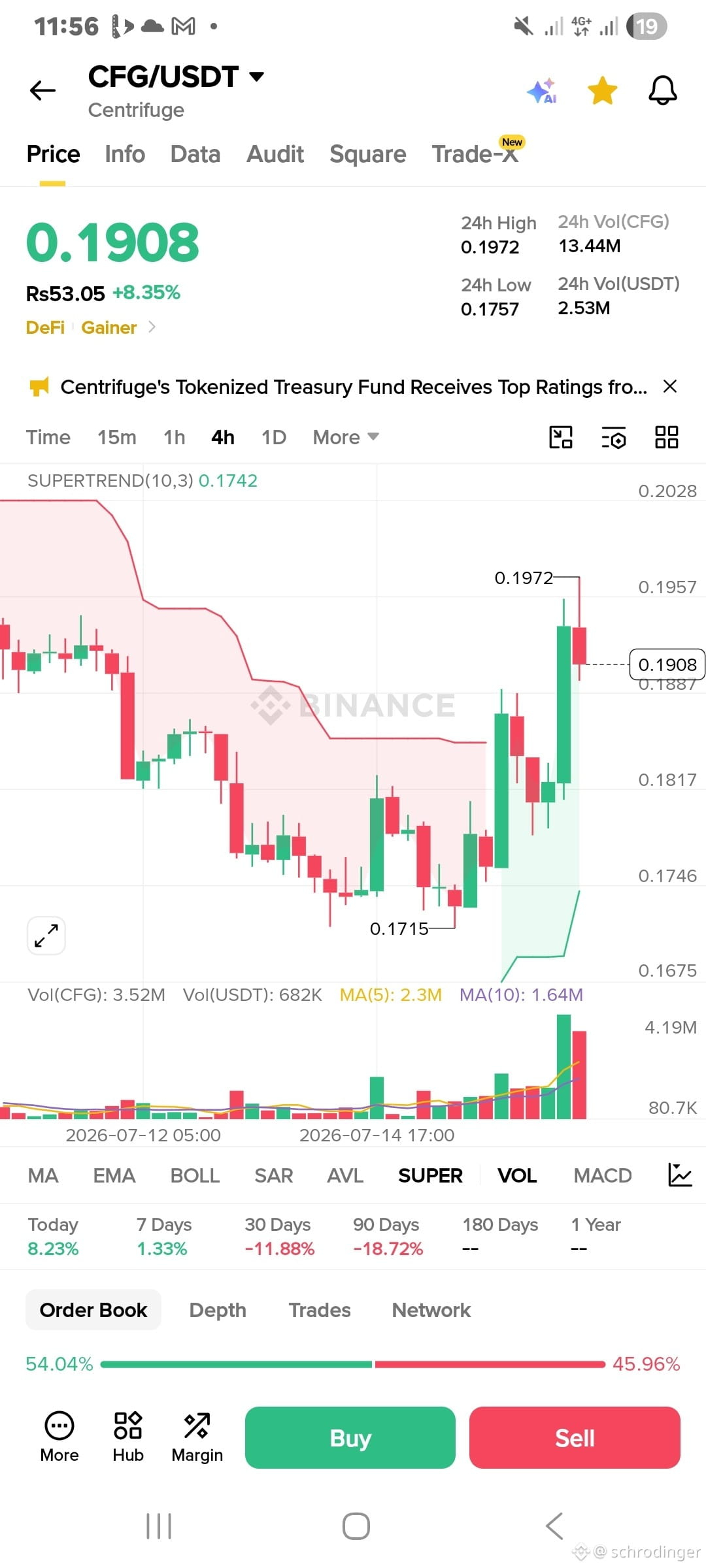
CFG đang ở điểm ra quyết định quan trọng sau một đợt sụt giảm mạnh từ $0.30.
🔍 Phân tích biểu đồ: Điều gì đang xảy ra
· Xu hướng ngắn hạn: Giảm giá. Giá ($0.1908) đang nằm rất xa dưới chỉ báo Supertrend (đóng vai trò như kháng cự động), cho thấy bên bán vẫn đang kiểm soát.
· Động lượng gần đây: Đồng coin đã giảm -11,88% trong 30 ngày và -18,72% trong 90 ngày, xác nhận xu hướng giảm dài hạn hơn. Mức giảm gần đây từ $0.30 trùng khớp với phân tích cấu trúc giảm giá từ đầu tháng.
🚀 Kịch bản Tăng giá (Kế hoạch bật lên)
Nếu người mua vào mạnh ở vùng này:
· Kháng cự ngay lập tức: Cản lớn đầu tiên là mức 24h High tại $0.1972. Vượt lên trên mức này kèm khối lượng mạnh sẽ là dấu hiệu đầu tiên của sức mạnh.
· Mục tiêu chính: Đường Supertrend quanh $0.2028. Lấy lại vùng này sẽ đảo chiều xu hướng ngắn hạn quay lại tăng giá.
· Mục tiêu dao động: Nếu đà tiếp diễn, vùng $0.218 - $0.220 sẽ là kháng cự lớn tiếp theo.
🐻 Kịch bản Giảm giá (Tiếp diễn)
Với nền tảng yếu (áp lực bán mạnh), con đường ít kháng cự nhất vẫn là đi xuống:
· Hỗ trợ quan trọng: Mức 24h Low tại $0.1757 phải được giữ vững. Nếu bị phá, sàn có thể giảm sâu đáng kể.
· Vùng lớn tiếp theo: Vùng nhu cầu quan trọng cuối cùng trước khả năng hồi phục nằm quanh $0.12 - $0.14.
🛡️ Kế hoạch giao dịch của tôi
1. Đừng đuổi theo: Tránh mua ở mức giá hiện tại ($0.1908) nếu chưa có xác nhận.
2. Lệnh “Chờ và Quan sát”: Chỉ cân nhắc vào lệnh spot nếu giá đóng cửa trên $0.1972 (24h High) trên biểu đồ khung 1 giờ hoặc 4 giờ. Điều này xác nhận người mua đang bước vào.
3. Dành cho người giao dịch quyết liệt: Nếu giá kiểm tra lại hỗ trợ $0.1757 và giữ vững mà không bị phá, bạn có thể vào một vị thế nhỏ tại đó với điểm dừng lỗ (stop-loss) ngay dưới nó.
4. Trường hợp thủng đáy: Nếu giá phá xuống dưới **$0.1757**, hãy đứng ngoài. Chờ giá tìm được nền vững gần vùng $0.14 trước khi cân nhắc bất kỳ lệnh mua spot dài hạn nào.
#Btc
#CFG_USDT
CFG đang ở điểm ra quyết định quan trọng sau một đợt sụt giảm mạnh từ $0.30.
🔍 Phân tích biểu đồ: Điều gì đang xảy ra
· Xu hướng ngắn hạn: Giảm giá. Giá ($0.1908) đang nằm rất xa dưới chỉ báo Supertrend (đóng vai trò như kháng cự động), cho thấy bên bán vẫn đang kiểm soát.
· Động lượng gần đây: Đồng coin đã giảm -11,88% trong 30 ngày và -18,72% trong 90 ngày, xác nhận xu hướng giảm dài hạn hơn. Mức giảm gần đây từ $0.30 trùng khớp với phân tích cấu trúc giảm giá từ đầu tháng.
🚀 Kịch bản Tăng giá (Kế hoạch bật lên)
Nếu người mua vào mạnh ở vùng này:
· Kháng cự ngay lập tức: Cản lớn đầu tiên là mức 24h High tại $0.1972. Vượt lên trên mức này kèm khối lượng mạnh sẽ là dấu hiệu đầu tiên của sức mạnh.
· Mục tiêu chính: Đường Supertrend quanh $0.2028. Lấy lại vùng này sẽ đảo chiều xu hướng ngắn hạn quay lại tăng giá.
· Mục tiêu dao động: Nếu đà tiếp diễn, vùng $0.218 - $0.220 sẽ là kháng cự lớn tiếp theo.
🐻 Kịch bản Giảm giá (Tiếp diễn)
Với nền tảng yếu (áp lực bán mạnh), con đường ít kháng cự nhất vẫn là đi xuống:
· Hỗ trợ quan trọng: Mức 24h Low tại $0.1757 phải được giữ vững. Nếu bị phá, sàn có thể giảm sâu đáng kể.
· Vùng lớn tiếp theo: Vùng nhu cầu quan trọng cuối cùng trước khả năng hồi phục nằm quanh $0.12 - $0.14.
🛡️ Kế hoạch giao dịch của tôi
1. Đừng đuổi theo: Tránh mua ở mức giá hiện tại ($0.1908) nếu chưa có xác nhận.
2. Lệnh “Chờ và Quan sát”: Chỉ cân nhắc vào lệnh spot nếu giá đóng cửa trên $0.1972 (24h High) trên biểu đồ khung 1 giờ hoặc 4 giờ. Điều này xác nhận người mua đang bước vào.
3. Dành cho người giao dịch quyết liệt: Nếu giá kiểm tra lại hỗ trợ $0.1757 và giữ vững mà không bị phá, bạn có thể vào một vị thế nhỏ tại đó với điểm dừng lỗ (stop-loss) ngay dưới nó.
4. Trường hợp thủng đáy: Nếu giá phá xuống dưới **$0.1757**, hãy đứng ngoài. Chờ giá tìm được nền vững gần vùng $0.14 trước khi cân nhắc bất kỳ lệnh mua spot dài hạn nào.
#Btc
#CFG_USDT
🔍 Phân tích biểu đồ: Điều gì đang xảy ra
· Xu hướng ngắn hạn: Giảm giá. Giá ($0.1908) đang nằm rất xa dưới chỉ báo Supertrend (đóng vai trò như kháng cự động), cho thấy bên bán vẫn đang kiểm soát.
· Động lượng gần đây: Đồng coin đã giảm -11,88% trong 30 ngày và -18,72% trong 90 ngày, xác nhận xu hướng giảm dài hạn hơn. Mức giảm gần đây từ $0.30 trùng khớp với phân tích cấu trúc giảm giá từ đầu tháng.
🚀 Kịch bản Tăng giá (Kế hoạch bật lên)
Nếu người mua vào mạnh ở vùng này:
· Kháng cự ngay lập tức: Cản lớn đầu tiên là mức 24h High tại $0.1972. Vượt lên trên mức này kèm khối lượng mạnh sẽ là dấu hiệu đầu tiên của sức mạnh.
· Mục tiêu chính: Đường Supertrend quanh $0.2028. Lấy lại vùng này sẽ đảo chiều xu hướng ngắn hạn quay lại tăng giá.
· Mục tiêu dao động: Nếu đà tiếp diễn, vùng $0.218 - $0.220 sẽ là kháng cự lớn tiếp theo.
🐻 Kịch bản Giảm giá (Tiếp diễn)
Với nền tảng yếu (áp lực bán mạnh), con đường ít kháng cự nhất vẫn là đi xuống:
· Hỗ trợ quan trọng: Mức 24h Low tại $0.1757 phải được giữ vững. Nếu bị phá, sàn có thể giảm sâu đáng kể.
· Vùng lớn tiếp theo: Vùng nhu cầu quan trọng cuối cùng trước khả năng hồi phục nằm quanh $0.12 - $0.14.
🛡️ Kế hoạch giao dịch của tôi
1. Đừng đuổi theo: Tránh mua ở mức giá hiện tại ($0.1908) nếu chưa có xác nhận.
2. Lệnh “Chờ và Quan sát”: Chỉ cân nhắc vào lệnh spot nếu giá đóng cửa trên $0.1972 (24h High) trên biểu đồ khung 1 giờ hoặc 4 giờ. Điều này xác nhận người mua đang bước vào.
3. Dành cho người giao dịch quyết liệt: Nếu giá kiểm tra lại hỗ trợ $0.1757 và giữ vững mà không bị phá, bạn có thể vào một vị thế nhỏ tại đó với điểm dừng lỗ (stop-loss) ngay dưới nó.
4. Trường hợp thủng đáy: Nếu giá phá xuống dưới **$0.1757**, hãy đứng ngoài. Chờ giá tìm được nền vững gần vùng $0.14 trước khi cân nhắc bất kỳ lệnh mua spot dài hạn nào.
#Btc
#CFG_USDT
76
·
--
🚀 10 đồng coin sẵn sàng cho đà tăng trong 24 giờ tới (Giao dịch Spot)
Tổng quan nhanh: Bối cảnh thị trường
🔥 Top 10 đồng coin cần theo dõi để giao dịch Spot
1. ONDO (Ondo Finance) – Lãnh đạo ngành RWA
· Lợi nhuận 24H: +14.41% đến +15.92%
· Chất xúc tác: Ra mắt các token hóa cổ phiếu Mỹ đầu tiên, được đảm bảo trực tiếp bởi các chứng khoán do DTCC lưu ký
· Vì sao ngay bây giờ: Ngành RWA là phân khúc hoạt động mạnh nhất hôm nay
2. HYPE (Hyperliquid) – RWA + Mở rộng sản phẩm mới
· Khối lượng giao dịch tăng vọt hằng ngày: +36% lên 433 triệu USD
· Chất xúc tác: Ra mắt Pre-IPO Perpetual Market (IPOP) cho tài sản token hóa; Open Interest của RWA đạt mức kỷ lục 2.13B USD
· Kỹ thuật: Giá đang giao dịch trên tất cả các đường MA quan trọng; Stochastic RSI bật trở lại từ vùng quá bán
· Vì sao ngay bây giờ: Cơ bản và kỹ thuật đang đồng pha—các chất xúc tác mới thu hút dòng vốn mới.
---
3. ZERO (ZeroLend) – Bước đà DeFi
· Lợi nhuận 24H: +28.87%
· Chất xúc tác: Ngành DeFi hôm nay tăng 0.96%, với ZERO dẫn đầu
· Vì sao ngay bây giờ: Hiệu suất mạnh nhất trong lĩnh vực DeFi; biến động cao tạo cơ hội “lướt sóng” nhanh.
---
4. XEC (eCash) – Điểm sáng ngành PayFi
· Lợi nhuận 24H: +13.68%
· Chất xúc tác: Ngành PayFi tăng 0.32%, với XEC là đồng tăng mạnh nhất
· Vì sao ngay bây giờ: Khối lượng tăng đột biến; xoay vòng ngành sang các dự án tập trung vào thanh toán.
5. INJ (Injective) – Sức mạnh Layer 1
· Lợi nhuận 24H: +3.24%
· Kỹ thuật: Tín hiệu tăng giá đồng thuận trên nhiều khung thời gian
· Vì sao ngay bây giờ: Nhóm Layer 1 ghi nhận INJ bật mạnh trong phiên; chỉ báo đà tăng mạnh.
6. LDO (Lido DAO) – Thiết lập bứt phá tăng giá
· Kỹ thuật: Đồng thuận tăng giá mạnh; ADX ở mức 50.51, ROC ở 5.50%, RSI ở 72.81
· Vì sao ngay bây giờ: Cả 6 khung thời gian quan trọng đều đồng thuận tăng; đà đang tăng tốc.
7. RIF (RSK Infrastructure Framework) – Tín hiệu tăng giá mạnh nhất
· Kỹ thuật: “Strong Bullish” trên CẢ 6 khung thời gian—15m, 30m, 1h, 4h, 1d, 1w, 1M
· ROC: Đà tăng 8.51%
· Vì sao ngay bây giờ: Hiếm khi thấy mức độ đồng thuận kỹ thuật như vậy. Spot
8. DGB (DigiByte) – Kèo đà tăng cao
· Kỹ thuật: 49.83 ADX, ROC 41.95%, RSI ở 93.83
· Vì sao ngay bây giờ: Đà cực mạnh—chỉ dành cho nhà giao dịch chủ động.
9. GMX (GMX) – Sàn giao dịch phái sinh DeFi
🚀 10 đồng coin sẵn sàng cho đà tăng trong 24 giờ tới (Giao dịch Spot)
Tổng quan nhanh: Bối cảnh thị trường
🔥 Top 10 đồng coin cần theo dõi để giao dịch Spot
1. ONDO (Ondo Finance) – Lãnh đạo ngành RWA
· Lợi nhuận 24H: +14.41% đến +15.92%
· Chất xúc tác: Ra mắt các token hóa cổ phiếu Mỹ đầu tiên, được đảm bảo trực tiếp bởi các chứng khoán do DTCC lưu ký
· Vì sao ngay bây giờ: Ngành RWA là phân khúc hoạt động mạnh nhất hôm nay
2. HYPE (Hyperliquid) – RWA + Mở rộng sản phẩm mới
· Khối lượng giao dịch tăng vọt hằng ngày: +36% lên 433 triệu USD
· Chất xúc tác: Ra mắt Pre-IPO Perpetual Market (IPOP) cho tài sản token hóa; Open Interest của RWA đạt mức kỷ lục 2.13B USD
· Kỹ thuật: Giá đang giao dịch trên tất cả các đường MA quan trọng; Stochastic RSI bật trở lại từ vùng quá bán
· Vì sao ngay bây giờ: Cơ bản và kỹ thuật đang đồng pha—các chất xúc tác mới thu hút dòng vốn mới.
---
3. ZERO (ZeroLend) – Bước đà DeFi
· Lợi nhuận 24H: +28.87%
· Chất xúc tác: Ngành DeFi hôm nay tăng 0.96%, với ZERO dẫn đầu
· Vì sao ngay bây giờ: Hiệu suất mạnh nhất trong lĩnh vực DeFi; biến động cao tạo cơ hội “lướt sóng” nhanh.
---
4. XEC (eCash) – Điểm sáng ngành PayFi
· Lợi nhuận 24H: +13.68%
· Chất xúc tác: Ngành PayFi tăng 0.32%, với XEC là đồng tăng mạnh nhất
· Vì sao ngay bây giờ: Khối lượng tăng đột biến; xoay vòng ngành sang các dự án tập trung vào thanh toán.
5. INJ (Injective) – Sức mạnh Layer 1
· Lợi nhuận 24H: +3.24%
· Kỹ thuật: Tín hiệu tăng giá đồng thuận trên nhiều khung thời gian
· Vì sao ngay bây giờ: Nhóm Layer 1 ghi nhận INJ bật mạnh trong phiên; chỉ báo đà tăng mạnh.
6. LDO (Lido DAO) – Thiết lập bứt phá tăng giá
· Kỹ thuật: Đồng thuận tăng giá mạnh; ADX ở mức 50.51, ROC ở 5.50%, RSI ở 72.81
· Vì sao ngay bây giờ: Cả 6 khung thời gian quan trọng đều đồng thuận tăng; đà đang tăng tốc.
7. RIF (RSK Infrastructure Framework) – Tín hiệu tăng giá mạnh nhất
· Kỹ thuật: “Strong Bullish” trên CẢ 6 khung thời gian—15m, 30m, 1h, 4h, 1d, 1w, 1M
· ROC: Đà tăng 8.51%
· Vì sao ngay bây giờ: Hiếm khi thấy mức độ đồng thuận kỹ thuật như vậy. Spot
8. DGB (DigiByte) – Kèo đà tăng cao
· Kỹ thuật: 49.83 ADX, ROC 41.95%, RSI ở 93.83
· Vì sao ngay bây giờ: Đà cực mạnh—chỉ dành cho nhà giao dịch chủ động.
9. GMX (GMX) – Sàn giao dịch phái sinh DeFi
Tổng quan nhanh: Bối cảnh thị trường
🔥 Top 10 đồng coin cần theo dõi để giao dịch Spot
1. ONDO (Ondo Finance) – Lãnh đạo ngành RWA
· Lợi nhuận 24H: +14.41% đến +15.92%
· Chất xúc tác: Ra mắt các token hóa cổ phiếu Mỹ đầu tiên, được đảm bảo trực tiếp bởi các chứng khoán do DTCC lưu ký
· Vì sao ngay bây giờ: Ngành RWA là phân khúc hoạt động mạnh nhất hôm nay
2. HYPE (Hyperliquid) – RWA + Mở rộng sản phẩm mới
· Khối lượng giao dịch tăng vọt hằng ngày: +36% lên 433 triệu USD
· Chất xúc tác: Ra mắt Pre-IPO Perpetual Market (IPOP) cho tài sản token hóa; Open Interest của RWA đạt mức kỷ lục 2.13B USD
· Kỹ thuật: Giá đang giao dịch trên tất cả các đường MA quan trọng; Stochastic RSI bật trở lại từ vùng quá bán
· Vì sao ngay bây giờ: Cơ bản và kỹ thuật đang đồng pha—các chất xúc tác mới thu hút dòng vốn mới.
---
3. ZERO (ZeroLend) – Bước đà DeFi
· Lợi nhuận 24H: +28.87%
· Chất xúc tác: Ngành DeFi hôm nay tăng 0.96%, với ZERO dẫn đầu
· Vì sao ngay bây giờ: Hiệu suất mạnh nhất trong lĩnh vực DeFi; biến động cao tạo cơ hội “lướt sóng” nhanh.
---
4. XEC (eCash) – Điểm sáng ngành PayFi
· Lợi nhuận 24H: +13.68%
· Chất xúc tác: Ngành PayFi tăng 0.32%, với XEC là đồng tăng mạnh nhất
· Vì sao ngay bây giờ: Khối lượng tăng đột biến; xoay vòng ngành sang các dự án tập trung vào thanh toán.
5. INJ (Injective) – Sức mạnh Layer 1
· Lợi nhuận 24H: +3.24%
· Kỹ thuật: Tín hiệu tăng giá đồng thuận trên nhiều khung thời gian
· Vì sao ngay bây giờ: Nhóm Layer 1 ghi nhận INJ bật mạnh trong phiên; chỉ báo đà tăng mạnh.
6. LDO (Lido DAO) – Thiết lập bứt phá tăng giá
· Kỹ thuật: Đồng thuận tăng giá mạnh; ADX ở mức 50.51, ROC ở 5.50%, RSI ở 72.81
· Vì sao ngay bây giờ: Cả 6 khung thời gian quan trọng đều đồng thuận tăng; đà đang tăng tốc.
7. RIF (RSK Infrastructure Framework) – Tín hiệu tăng giá mạnh nhất
· Kỹ thuật: “Strong Bullish” trên CẢ 6 khung thời gian—15m, 30m, 1h, 4h, 1d, 1w, 1M
· ROC: Đà tăng 8.51%
· Vì sao ngay bây giờ: Hiếm khi thấy mức độ đồng thuận kỹ thuật như vậy. Spot
8. DGB (DigiByte) – Kèo đà tăng cao
· Kỹ thuật: 49.83 ADX, ROC 41.95%, RSI ở 93.83
· Vì sao ngay bây giờ: Đà cực mạnh—chỉ dành cho nhà giao dịch chủ động.
9. GMX (GMX) – Sàn giao dịch phái sinh DeFi
233
·
--
Tổng quan thị trường: Một phiên “sợ hãi” hồi phục
Thị trường crypto hôm nay cho thấy bức tranh thận trọng. Chỉ số Fear & Greed đang ở mức 26 (“Fear”). Đây là môi trường mà cách tiếp cận an toàn là vô cùng quan trọng.
Bitcoin (BTC): Khoảng $64,750**.
**Ethereum (ETH):** Khoảng **$1,918**.
🧐 Rủi ro & Cảm xúc chính của thị trường
· Mỏng manh tiềm ẩn: Sức mạnh giá của BTC được thúc đẩy bởi đòn bẩy cực đoan, không phải nhu cầu giao ngay thực sự, tạo rủi ro cao cho một đợt điều chỉnh mạnh.
· Tác động giao thoa vĩ mô: CPI/PPI của Mỹ hạ nhiệt là tín hiệu tích cực, vì giúp giảm nỗi lo tăng lãi suất. Tuy nhiên, căng thẳng Mỹ–Iran leo thang lại đang đẩy giá dầu lên và làm suy giảm khẩu vị rủi ro trên diện rộng.
· Kỹ thuật thiên hướng tăng: BTC đã biến mốc $64.000 thành hỗ trợ ngắn hạn**. Nếu phá vững lên trên **$64.700**, cánh cửa có thể mở ra mức $67.500-$68.000. Hỗ trợ giảm chính nằm ở $61.100-$61.500.
🔥 Ngành triển vọng: RWA (Tài sản thế giới thực)
RWA là ngành nổi bật của hôm nay, tăng 6,40%. Xu hướng này được thúc đẩy bởi các tổ chức lớn (DTCC, JPMorgan, BlackRock) tiến hành token hóa các tài sản thế giới thực như cổ phiếu và US Treasuries.
Người dẫn đầu:
· ONDO (Ondo Finance): Tăng vọt hơn +14% sau khi ra mắt các token cổ phiếu Mỹ đầu tiên được bảo chứng trực tiếp bởi chứng khoán do DTCC lưu ký.
🛡️ 3 Quy tắc an toàn ưu tiên hàng đầu cho hôm nay
1. Quản lý quy mô vị thế: Không bao giờ rủi ro quá 1-2% tổng vốn của bạn vào một giao dịch rủi ro cao duy nhất trong bối cảnh biến động này.
2. Siết chặt lệnh cắt lỗ: Do rủi ro đòn bẩy cao, hãy dùng stop-loss nghiêm ngặt. Nếu thủng dưới $64.000 có thể kích hoạt đợt bán tháo nhanh.
3. Giữ dự trữ tiền mặt: Duy trì 10-20% danh mục của bạn ở stablecoin. Điều này cho phép bạn mua khi giá điều chỉnh và tạo “đệm” trong các giai đoạn đi xuống .#BTC
Tổng quan thị trường: Một phiên “sợ hãi” hồi phục
Thị trường crypto hôm nay cho thấy bức tranh thận trọng. Chỉ số Fear & Greed đang ở mức 26 (“Fear”). Đây là môi trường mà cách tiếp cận an toàn là vô cùng quan trọng.
Bitcoin (BTC): Khoảng $64,750**.
**Ethereum (ETH):** Khoảng **$1,918**.
🧐 Rủi ro & Cảm xúc chính của thị trường
· Mỏng manh tiềm ẩn: Sức mạnh giá của BTC được thúc đẩy bởi đòn bẩy cực đoan, không phải nhu cầu giao ngay thực sự, tạo rủi ro cao cho một đợt điều chỉnh mạnh.
· Tác động giao thoa vĩ mô: CPI/PPI của Mỹ hạ nhiệt là tín hiệu tích cực, vì giúp giảm nỗi lo tăng lãi suất. Tuy nhiên, căng thẳng Mỹ–Iran leo thang lại đang đẩy giá dầu lên và làm suy giảm khẩu vị rủi ro trên diện rộng.
· Kỹ thuật thiên hướng tăng: BTC đã biến mốc $64.000 thành hỗ trợ ngắn hạn**. Nếu phá vững lên trên **$64.700**, cánh cửa có thể mở ra mức $67.500-$68.000. Hỗ trợ giảm chính nằm ở $61.100-$61.500.
🔥 Ngành triển vọng: RWA (Tài sản thế giới thực)
RWA là ngành nổi bật của hôm nay, tăng 6,40%. Xu hướng này được thúc đẩy bởi các tổ chức lớn (DTCC, JPMorgan, BlackRock) tiến hành token hóa các tài sản thế giới thực như cổ phiếu và US Treasuries.
Người dẫn đầu:
· ONDO (Ondo Finance): Tăng vọt hơn +14% sau khi ra mắt các token cổ phiếu Mỹ đầu tiên được bảo chứng trực tiếp bởi chứng khoán do DTCC lưu ký.
🛡️ 3 Quy tắc an toàn ưu tiên hàng đầu cho hôm nay
1. Quản lý quy mô vị thế: Không bao giờ rủi ro quá 1-2% tổng vốn của bạn vào một giao dịch rủi ro cao duy nhất trong bối cảnh biến động này.
2. Siết chặt lệnh cắt lỗ: Do rủi ro đòn bẩy cao, hãy dùng stop-loss nghiêm ngặt. Nếu thủng dưới $64.000 có thể kích hoạt đợt bán tháo nhanh.
3. Giữ dự trữ tiền mặt: Duy trì 10-20% danh mục của bạn ở stablecoin. Điều này cho phép bạn mua khi giá điều chỉnh và tạo “đệm” trong các giai đoạn đi xuống .#BTC
Thị trường crypto hôm nay cho thấy bức tranh thận trọng. Chỉ số Fear & Greed đang ở mức 26 (“Fear”). Đây là môi trường mà cách tiếp cận an toàn là vô cùng quan trọng.
Bitcoin (BTC): Khoảng $64,750**.
**Ethereum (ETH):** Khoảng **$1,918**.
🧐 Rủi ro & Cảm xúc chính của thị trường
· Mỏng manh tiềm ẩn: Sức mạnh giá của BTC được thúc đẩy bởi đòn bẩy cực đoan, không phải nhu cầu giao ngay thực sự, tạo rủi ro cao cho một đợt điều chỉnh mạnh.
· Tác động giao thoa vĩ mô: CPI/PPI của Mỹ hạ nhiệt là tín hiệu tích cực, vì giúp giảm nỗi lo tăng lãi suất. Tuy nhiên, căng thẳng Mỹ–Iran leo thang lại đang đẩy giá dầu lên và làm suy giảm khẩu vị rủi ro trên diện rộng.
· Kỹ thuật thiên hướng tăng: BTC đã biến mốc $64.000 thành hỗ trợ ngắn hạn**. Nếu phá vững lên trên **$64.700**, cánh cửa có thể mở ra mức $67.500-$68.000. Hỗ trợ giảm chính nằm ở $61.100-$61.500.
🔥 Ngành triển vọng: RWA (Tài sản thế giới thực)
RWA là ngành nổi bật của hôm nay, tăng 6,40%. Xu hướng này được thúc đẩy bởi các tổ chức lớn (DTCC, JPMorgan, BlackRock) tiến hành token hóa các tài sản thế giới thực như cổ phiếu và US Treasuries.
Người dẫn đầu:
· ONDO (Ondo Finance): Tăng vọt hơn +14% sau khi ra mắt các token cổ phiếu Mỹ đầu tiên được bảo chứng trực tiếp bởi chứng khoán do DTCC lưu ký.
🛡️ 3 Quy tắc an toàn ưu tiên hàng đầu cho hôm nay
1. Quản lý quy mô vị thế: Không bao giờ rủi ro quá 1-2% tổng vốn của bạn vào một giao dịch rủi ro cao duy nhất trong bối cảnh biến động này.
2. Siết chặt lệnh cắt lỗ: Do rủi ro đòn bẩy cao, hãy dùng stop-loss nghiêm ngặt. Nếu thủng dưới $64.000 có thể kích hoạt đợt bán tháo nhanh.
3. Giữ dự trữ tiền mặt: Duy trì 10-20% danh mục của bạn ở stablecoin. Điều này cho phép bạn mua khi giá điều chỉnh và tạo “đệm” trong các giai đoạn đi xuống .#BTC

118
·
--
#XUAT
🎯 Vị trí mua tốt nhất (Spot Buy Position)
Giá hiện tại: 4,208.58
Chiến lược: Mua từng chút một (DCA) — đừng mua hết một lần
---
📥 Kế hoạch mua 3 phần
Giá ưu tiên Khoảng mua Lý do
Mua lần đầu (ngay bây giờ hoặc khi giảm nhẹ) 4,180 – 4,210 30% tổng quỹ SUPERTREND hỗ trợ + băng giữa
Mua lần hai (khi giảm tốt) 4,050 – 4,080 40% tổng quỹ Vùng giảm giá tốt nhất
Mua lần ba (khi giảm sâu) 3,960 – 4,000 30% tổng quỹ Hỗ trợ lịch sử mạnh (vùng quà)
Nếu bạn chưa có vị trí nào, hãy tạo 30-40% vị trí ở vùng đầu tiên.
---
📊 Lý do kỹ thuật
· SUPERTREND (10,3): 4,180.51 — đây là hỗ trợ mạnh
· Khối lượng: Khối lượng đang tăng lên khi giảm → có khả năng tiền thông minh đang tích trữ
· Chỉ số KDJ: Đang ở dưới (quá bán) → có khả năng sẽ tăng lên sớm
· Kháng cự (Resistance): Gần 4,230 — mua ngay bây giờ có giá hơi cao
---
⚠️ Quản lý rủi ro (Risk Management)
· XAUT có thể đột ngột lên xuống (wick) → Đặt Limit Order, đừng đặt Market Order
· Đừng đặt toàn bộ tiền vào một mức giá
· Luôn giữ một ít USDT — nếu giá còn giảm thì bạn có thể mua
---
✅ Tóm tắt (Final Advice)
Vùng mua tốt nhất = 4,050 – 4,080 (đây là vùng thứ hai)
· Nếu mua ngay, hãy mua một chút (30% quỹ)
· Giữ số tiền còn lại để đầu tư vào các vùng dưới
#XUAT
🎯 Vị trí mua tốt nhất (Spot Buy Position)
Giá hiện tại: 4,208.58
Chiến lược: Mua từng chút một (DCA) — đừng mua hết một lần
---
📥 Kế hoạch mua 3 phần
Giá ưu tiên Khoảng mua Lý do
Mua lần đầu (ngay bây giờ hoặc khi giảm nhẹ) 4,180 – 4,210 30% tổng quỹ SUPERTREND hỗ trợ + băng giữa
Mua lần hai (khi giảm tốt) 4,050 – 4,080 40% tổng quỹ Vùng giảm giá tốt nhất
Mua lần ba (khi giảm sâu) 3,960 – 4,000 30% tổng quỹ Hỗ trợ lịch sử mạnh (vùng quà)
Nếu bạn chưa có vị trí nào, hãy tạo 30-40% vị trí ở vùng đầu tiên.
---
📊 Lý do kỹ thuật
· SUPERTREND (10,3): 4,180.51 — đây là hỗ trợ mạnh
· Khối lượng: Khối lượng đang tăng lên khi giảm → có khả năng tiền thông minh đang tích trữ
· Chỉ số KDJ: Đang ở dưới (quá bán) → có khả năng sẽ tăng lên sớm
· Kháng cự (Resistance): Gần 4,230 — mua ngay bây giờ có giá hơi cao
---
⚠️ Quản lý rủi ro (Risk Management)
· XAUT có thể đột ngột lên xuống (wick) → Đặt Limit Order, đừng đặt Market Order
· Đừng đặt toàn bộ tiền vào một mức giá
· Luôn giữ một ít USDT — nếu giá còn giảm thì bạn có thể mua
---
✅ Tóm tắt (Final Advice)
Vùng mua tốt nhất = 4,050 – 4,080 (đây là vùng thứ hai)
· Nếu mua ngay, hãy mua một chút (30% quỹ)
· Giữ số tiền còn lại để đầu tư vào các vùng dưới
🎯 Vị trí mua tốt nhất (Spot Buy Position)
Giá hiện tại: 4,208.58
Chiến lược: Mua từng chút một (DCA) — đừng mua hết một lần
---
📥 Kế hoạch mua 3 phần
Giá ưu tiên Khoảng mua Lý do
Mua lần đầu (ngay bây giờ hoặc khi giảm nhẹ) 4,180 – 4,210 30% tổng quỹ SUPERTREND hỗ trợ + băng giữa
Mua lần hai (khi giảm tốt) 4,050 – 4,080 40% tổng quỹ Vùng giảm giá tốt nhất
Mua lần ba (khi giảm sâu) 3,960 – 4,000 30% tổng quỹ Hỗ trợ lịch sử mạnh (vùng quà)
Nếu bạn chưa có vị trí nào, hãy tạo 30-40% vị trí ở vùng đầu tiên.
---
📊 Lý do kỹ thuật
· SUPERTREND (10,3): 4,180.51 — đây là hỗ trợ mạnh
· Khối lượng: Khối lượng đang tăng lên khi giảm → có khả năng tiền thông minh đang tích trữ
· Chỉ số KDJ: Đang ở dưới (quá bán) → có khả năng sẽ tăng lên sớm
· Kháng cự (Resistance): Gần 4,230 — mua ngay bây giờ có giá hơi cao
---
⚠️ Quản lý rủi ro (Risk Management)
· XAUT có thể đột ngột lên xuống (wick) → Đặt Limit Order, đừng đặt Market Order
· Đừng đặt toàn bộ tiền vào một mức giá
· Luôn giữ một ít USDT — nếu giá còn giảm thì bạn có thể mua
---
✅ Tóm tắt (Final Advice)
Vùng mua tốt nhất = 4,050 – 4,080 (đây là vùng thứ hai)
· Nếu mua ngay, hãy mua một chút (30% quỹ)
· Giữ số tiền còn lại để đầu tư vào các vùng dưới
111
·
--
Dựa trên các báo cáo gần đây, đây là diễn biến quan trọng nhất gây rối loạn lớn trên thị trường
🚨 Lỗ Hổng An Ninh Lớn: Khai Thác Drift Protocol
Câu chuyện lớn nhất là cuộc tấn công vào Drift Protocol vào ngày 1 tháng 4 năm 2026. Sàn giao dịch dựa trên Solana này đã bị khai thác, tạo ra những cơn sóng chấn động trong hệ sinh thái.
· Thiệt Hại Ước Tính: Các ước tính thiệt hại dao động rất lớn, từ khoảng $136 triệu** (CertiK) đến cao nhất là **$285 triệu (TechCrunch/Arkham).
· Tác Động Thị Trường: Tổng Giá Trị Khóa (TVL) của protocol đã bị cắt giảm một nửa (giảm 55%), từ $550 triệu xuống còn khoảng $245 triệu. Token gốc DRIFT đã giảm hơn 36% chỉ trong 24 giờ.
· Hiệu Ứng Ripple: Cuộc khai thác không chỉ làm tổn thương Drift; nó còn ảnh hưởng đến hơn 20 dự án Solana khác, làm nổi bật "hiệu ứng domino" và sự mong manh của các hệ thống DeFi liên kết.
· Tình Trạng Hiện Tại: Nhóm đã đóng băng các khoản tiền gửi và rút tiền để kiểm soát cuộc tấn công. Tính đến đầu tháng 4, chưa có báo cáo chính thức cuối cùng nào được công bố.
📈 Cập Nhật Tâm Lý Thị Trường
Mặc dù vụ hack Drift, thị trường rộng lớn hơn đang cho thấy dấu hiệu phục hồi nhờ vào các sự kiện khác. Bitcoin gần đây đã phá vỡ ngưỡng $80,000 để đạt mức cao nhất trong bốn tháng. Đợt tăng giá này một phần được thúc đẩy bởi thông báo "Dự Án Tự Do" của chính quyền Trump, làm giảm bớt những căng thẳng địa chính trị, cùng với dòng vốn mạnh mẽ từ các tổ chức vào các quỹ ETF Bitcoin.
Dựa trên các báo cáo gần đây, đây là diễn biến quan trọng nhất gây rối loạn lớn trên thị trường
🚨 Lỗ Hổng An Ninh Lớn: Khai Thác Drift Protocol
Câu chuyện lớn nhất là cuộc tấn công vào Drift Protocol vào ngày 1 tháng 4 năm 2026. Sàn giao dịch dựa trên Solana này đã bị khai thác, tạo ra những cơn sóng chấn động trong hệ sinh thái.
· Thiệt Hại Ước Tính: Các ước tính thiệt hại dao động rất lớn, từ khoảng $136 triệu** (CertiK) đến cao nhất là **$285 triệu (TechCrunch/Arkham).
· Tác Động Thị Trường: Tổng Giá Trị Khóa (TVL) của protocol đã bị cắt giảm một nửa (giảm 55%), từ $550 triệu xuống còn khoảng $245 triệu. Token gốc DRIFT đã giảm hơn 36% chỉ trong 24 giờ.
· Hiệu Ứng Ripple: Cuộc khai thác không chỉ làm tổn thương Drift; nó còn ảnh hưởng đến hơn 20 dự án Solana khác, làm nổi bật "hiệu ứng domino" và sự mong manh của các hệ thống DeFi liên kết.
· Tình Trạng Hiện Tại: Nhóm đã đóng băng các khoản tiền gửi và rút tiền để kiểm soát cuộc tấn công. Tính đến đầu tháng 4, chưa có báo cáo chính thức cuối cùng nào được công bố.
📈 Cập Nhật Tâm Lý Thị Trường
Mặc dù vụ hack Drift, thị trường rộng lớn hơn đang cho thấy dấu hiệu phục hồi nhờ vào các sự kiện khác. Bitcoin gần đây đã phá vỡ ngưỡng $80,000 để đạt mức cao nhất trong bốn tháng. Đợt tăng giá này một phần được thúc đẩy bởi thông báo "Dự Án Tự Do" của chính quyền Trump, làm giảm bớt những căng thẳng địa chính trị, cùng với dòng vốn mạnh mẽ từ các tổ chức vào các quỹ ETF Bitcoin.
🚨 Lỗ Hổng An Ninh Lớn: Khai Thác Drift Protocol
Câu chuyện lớn nhất là cuộc tấn công vào Drift Protocol vào ngày 1 tháng 4 năm 2026. Sàn giao dịch dựa trên Solana này đã bị khai thác, tạo ra những cơn sóng chấn động trong hệ sinh thái.
· Thiệt Hại Ước Tính: Các ước tính thiệt hại dao động rất lớn, từ khoảng $136 triệu** (CertiK) đến cao nhất là **$285 triệu (TechCrunch/Arkham).
· Tác Động Thị Trường: Tổng Giá Trị Khóa (TVL) của protocol đã bị cắt giảm một nửa (giảm 55%), từ $550 triệu xuống còn khoảng $245 triệu. Token gốc DRIFT đã giảm hơn 36% chỉ trong 24 giờ.
· Hiệu Ứng Ripple: Cuộc khai thác không chỉ làm tổn thương Drift; nó còn ảnh hưởng đến hơn 20 dự án Solana khác, làm nổi bật "hiệu ứng domino" và sự mong manh của các hệ thống DeFi liên kết.
· Tình Trạng Hiện Tại: Nhóm đã đóng băng các khoản tiền gửi và rút tiền để kiểm soát cuộc tấn công. Tính đến đầu tháng 4, chưa có báo cáo chính thức cuối cùng nào được công bố.
📈 Cập Nhật Tâm Lý Thị Trường
Mặc dù vụ hack Drift, thị trường rộng lớn hơn đang cho thấy dấu hiệu phục hồi nhờ vào các sự kiện khác. Bitcoin gần đây đã phá vỡ ngưỡng $80,000 để đạt mức cao nhất trong bốn tháng. Đợt tăng giá này một phần được thúc đẩy bởi thông báo "Dự Án Tự Do" của chính quyền Trump, làm giảm bớt những căng thẳng địa chính trị, cùng với dòng vốn mạnh mẽ từ các tổ chức vào các quỹ ETF Bitcoin.
1
180
·
--
Phân Tích Giá Solana (SOL): Cuộc Chiến Cho $90 – Điều Gì Tiếp Theo? Tính đến ngày 23 tháng 3 năm 2026, Solana đang giao dịch gần $90, bị mắc kẹt trong một cuộc chiến quyết liệt giữa các kỹ thuật giảm giá và sự tích lũy tăng giá trên chuỗi. Động thái tiếp theo phụ thuộc vào bên nào phá vỡ trước.
1. Trường Hợp Giảm Giá: Áp Lực Kỹ Thuật Vẫn Còn
Cấu trúc kỹ thuật vẫn còn yếu ớt. Các mức kháng cự chính tập trung trên giá hiện tại:
· $96–$97: Khu vực kháng cự Supertrend đã giữ cho người bán kiểm soát từ tháng 10 năm 2025
· $100: Mức tâm lý và cấu trúc quan trọng – SOL đã không thể chiếm lại mức này, để lại các xu hướng khung thời gian cao hơn yếu ớt. Các nhà phân tích chỉ ra một mẫu đầu và vai đã hoàn thành với mục tiêu giảm giá đo được gần $70–$75. Nếu SOL phá vỡ dưới mức hỗ trợ $85–$86, con đường hướng tới $70 sẽ mở ra.
Thêm vào áp lực: một cá voi đã không đặt cược 1.8M SOL ($163M) vào ngày 21 tháng 3, thêm nguồn cung bán ra tiềm năng. Doanh thu DApp cũng đã đạt mức thấp nhất trong 18 tháng vào tháng 3, báo hiệu hoạt động kinh tế trên chuỗi giảm sút.
2. Trường Hợp Tăng Giá: Tích Lũy Dưới Bề Mặt
Mặc dù hành động giá yếu, dữ liệu trên chuỗi cho thấy một câu chuyện khác. Hơn 11.8M SOL đã được rút khỏi các sàn giao dịch trong những ngày gần đây – một tín hiệu tích lũy cổ điển làm giảm áp lực bán ngay lập tức.
Ngoài ra, một "cây giao nhau vàng" đang hình thành trên các biểu đồ, một mẫu kỹ thuật thường xuất hiện trước động lực tăng giá. TVL DeFi vẫn ổn định quanh mức $6.9B, và sự quan tâm từ các tổ chức vẫn tiếp tục với các ETF SOL giao ngay thấy dòng tiền vào tích cực.
3. Phán Quyết: Tín Hiệu Hỗn Hợp – Động Thái Tiếp Theo Quyết Định
Thị trường đang ở một điểm xoay. Cấu trúc kỹ thuật giảm giá gợi ý rủi ro giảm xuống $70–$75 nếu hỗ trợ $85 thất bại. Tuy nhiên, **sự tích lũy mạnh mẽ** đang diễn ra cho thấy nếu SOL có thể phá vỡ trên **$96–$100**, một sự phục hồi mạnh mẽ hướng tới **$115+** có thể xảy ra.
#Btc #ETH
Phân Tích Giá Solana (SOL): Cuộc Chiến Cho $90 – Điều Gì Tiếp Theo? Tính đến ngày 23 tháng 3 năm 2026, Solana đang giao dịch gần $90, bị mắc kẹt trong một cuộc chiến quyết liệt giữa các kỹ thuật giảm giá và sự tích lũy tăng giá trên chuỗi. Động thái tiếp theo phụ thuộc vào bên nào phá vỡ trước.
1. Trường Hợp Giảm Giá: Áp Lực Kỹ Thuật Vẫn Còn
Cấu trúc kỹ thuật vẫn còn yếu ớt. Các mức kháng cự chính tập trung trên giá hiện tại:
· $96–$97: Khu vực kháng cự Supertrend đã giữ cho người bán kiểm soát từ tháng 10 năm 2025
· $100: Mức tâm lý và cấu trúc quan trọng – SOL đã không thể chiếm lại mức này, để lại các xu hướng khung thời gian cao hơn yếu ớt. Các nhà phân tích chỉ ra một mẫu đầu và vai đã hoàn thành với mục tiêu giảm giá đo được gần $70–$75. Nếu SOL phá vỡ dưới mức hỗ trợ $85–$86, con đường hướng tới $70 sẽ mở ra.
Thêm vào áp lực: một cá voi đã không đặt cược 1.8M SOL ($163M) vào ngày 21 tháng 3, thêm nguồn cung bán ra tiềm năng. Doanh thu DApp cũng đã đạt mức thấp nhất trong 18 tháng vào tháng 3, báo hiệu hoạt động kinh tế trên chuỗi giảm sút.
2. Trường Hợp Tăng Giá: Tích Lũy Dưới Bề Mặt
Mặc dù hành động giá yếu, dữ liệu trên chuỗi cho thấy một câu chuyện khác. Hơn 11.8M SOL đã được rút khỏi các sàn giao dịch trong những ngày gần đây – một tín hiệu tích lũy cổ điển làm giảm áp lực bán ngay lập tức.
Ngoài ra, một "cây giao nhau vàng" đang hình thành trên các biểu đồ, một mẫu kỹ thuật thường xuất hiện trước động lực tăng giá. TVL DeFi vẫn ổn định quanh mức $6.9B, và sự quan tâm từ các tổ chức vẫn tiếp tục với các ETF SOL giao ngay thấy dòng tiền vào tích cực.
3. Phán Quyết: Tín Hiệu Hỗn Hợp – Động Thái Tiếp Theo Quyết Định
Thị trường đang ở một điểm xoay. Cấu trúc kỹ thuật giảm giá gợi ý rủi ro giảm xuống $70–$75 nếu hỗ trợ $85 thất bại. Tuy nhiên, **sự tích lũy mạnh mẽ** đang diễn ra cho thấy nếu SOL có thể phá vỡ trên **$96–$100**, một sự phục hồi mạnh mẽ hướng tới **$115+** có thể xảy ra.
#Btc #ETH
1. Trường Hợp Giảm Giá: Áp Lực Kỹ Thuật Vẫn Còn
Cấu trúc kỹ thuật vẫn còn yếu ớt. Các mức kháng cự chính tập trung trên giá hiện tại:
· $96–$97: Khu vực kháng cự Supertrend đã giữ cho người bán kiểm soát từ tháng 10 năm 2025
· $100: Mức tâm lý và cấu trúc quan trọng – SOL đã không thể chiếm lại mức này, để lại các xu hướng khung thời gian cao hơn yếu ớt. Các nhà phân tích chỉ ra một mẫu đầu và vai đã hoàn thành với mục tiêu giảm giá đo được gần $70–$75. Nếu SOL phá vỡ dưới mức hỗ trợ $85–$86, con đường hướng tới $70 sẽ mở ra.
Thêm vào áp lực: một cá voi đã không đặt cược 1.8M SOL ($163M) vào ngày 21 tháng 3, thêm nguồn cung bán ra tiềm năng. Doanh thu DApp cũng đã đạt mức thấp nhất trong 18 tháng vào tháng 3, báo hiệu hoạt động kinh tế trên chuỗi giảm sút.
2. Trường Hợp Tăng Giá: Tích Lũy Dưới Bề Mặt
Mặc dù hành động giá yếu, dữ liệu trên chuỗi cho thấy một câu chuyện khác. Hơn 11.8M SOL đã được rút khỏi các sàn giao dịch trong những ngày gần đây – một tín hiệu tích lũy cổ điển làm giảm áp lực bán ngay lập tức.
Ngoài ra, một "cây giao nhau vàng" đang hình thành trên các biểu đồ, một mẫu kỹ thuật thường xuất hiện trước động lực tăng giá. TVL DeFi vẫn ổn định quanh mức $6.9B, và sự quan tâm từ các tổ chức vẫn tiếp tục với các ETF SOL giao ngay thấy dòng tiền vào tích cực.
3. Phán Quyết: Tín Hiệu Hỗn Hợp – Động Thái Tiếp Theo Quyết Định
Thị trường đang ở một điểm xoay. Cấu trúc kỹ thuật giảm giá gợi ý rủi ro giảm xuống $70–$75 nếu hỗ trợ $85 thất bại. Tuy nhiên, **sự tích lũy mạnh mẽ** đang diễn ra cho thấy nếu SOL có thể phá vỡ trên **$96–$100**, một sự phục hồi mạnh mẽ hướng tới **$115+** có thể xảy ra.
#Btc #ETH
118
·
--
Mạng Midnight: Lớp Bảo Mật mà Web3 Đang Chờ ĐợiTrong nhiều năm, ngành công nghiệp blockchain đã hoạt động dưới một sự đánh đổi khó khăn: minh bạch hay quyền riêng tư? Sổ cái công khai cung cấp tính không thay đổi và khả năng kiểm toán, nhưng chúng cũng phơi bày mọi giao dịch, mọi số dư ví, và mọi tương tác hợp đồng thông minh ra thế giới. Đối với tài chính phi tập trung, sự cởi mở này là một đặc điểm. Nhưng đối với các doanh nghiệp, tổ chức, và cá nhân cần tính bảo mật, điều này vẫn là một rào cản đáng kể đối với việc áp dụng.
Nhập @MidnightNetwork.
Midnight không chỉ là một blockchain lớp-1 khác. Nó được xây dựng với mục đích giải quyết nghịch lý quyền riêng tư mà không hy sinh sự tuân thủ hoặc phi tập trung. Ở cốt lõi, Midnight tận dụng công nghệ mã hóa không biết (zero-knowledge) tiên tiến—cụ thể là một phương pháp mới gọi là Kachina—để cung cấp cho các nhà phát triển và người dùng quyền kiểm soát chi tiết về dữ liệu nào được chia sẻ trên chuỗi và dữ liệu nào vẫn giữ kín.
Mạng Midnight: Lớp Bảo Mật mà Web3 Đang Chờ Đợi
Trong nhiều năm, ngành công nghiệp blockchain đã hoạt động dưới một sự đánh đổi khó khăn: minh bạch hay quyền riêng tư? Sổ cái công khai cung cấp tính không thay đổi và khả năng kiểm toán, nhưng chúng cũng phơi bày mọi giao dịch, mọi số dư ví, và mọi tương tác hợp đồng thông minh ra thế giới. Đối với tài chính phi tập trung, sự cởi mở này là một đặc điểm. Nhưng đối với các doanh nghiệp, tổ chức, và cá nhân cần tính bảo mật, điều này vẫn là một rào cản đáng kể đối với việc áp dụng.
Nhập @MidnightNetwork.
Midnight không chỉ là một blockchain lớp-1 khác. Nó được xây dựng với mục đích giải quyết nghịch lý quyền riêng tư mà không hy sinh sự tuân thủ hoặc phi tập trung. Ở cốt lõi, Midnight tận dụng công nghệ mã hóa không biết (zero-knowledge) tiên tiến—cụ thể là một phương pháp mới gọi là Kachina—để cung cấp cho các nhà phát triển và người dùng quyền kiểm soát chi tiết về dữ liệu nào được chia sẻ trên chuỗi và dữ liệu nào vẫn giữ kín.
Nhập @MidnightNetwork.
Midnight không chỉ là một blockchain lớp-1 khác. Nó được xây dựng với mục đích giải quyết nghịch lý quyền riêng tư mà không hy sinh sự tuân thủ hoặc phi tập trung. Ở cốt lõi, Midnight tận dụng công nghệ mã hóa không biết (zero-knowledge) tiên tiến—cụ thể là một phương pháp mới gọi là Kachina—để cung cấp cho các nhà phát triển và người dùng quyền kiểm soát chi tiết về dữ liệu nào được chia sẻ trên chuỗi và dữ liệu nào vẫn giữ kín.
20
·
--
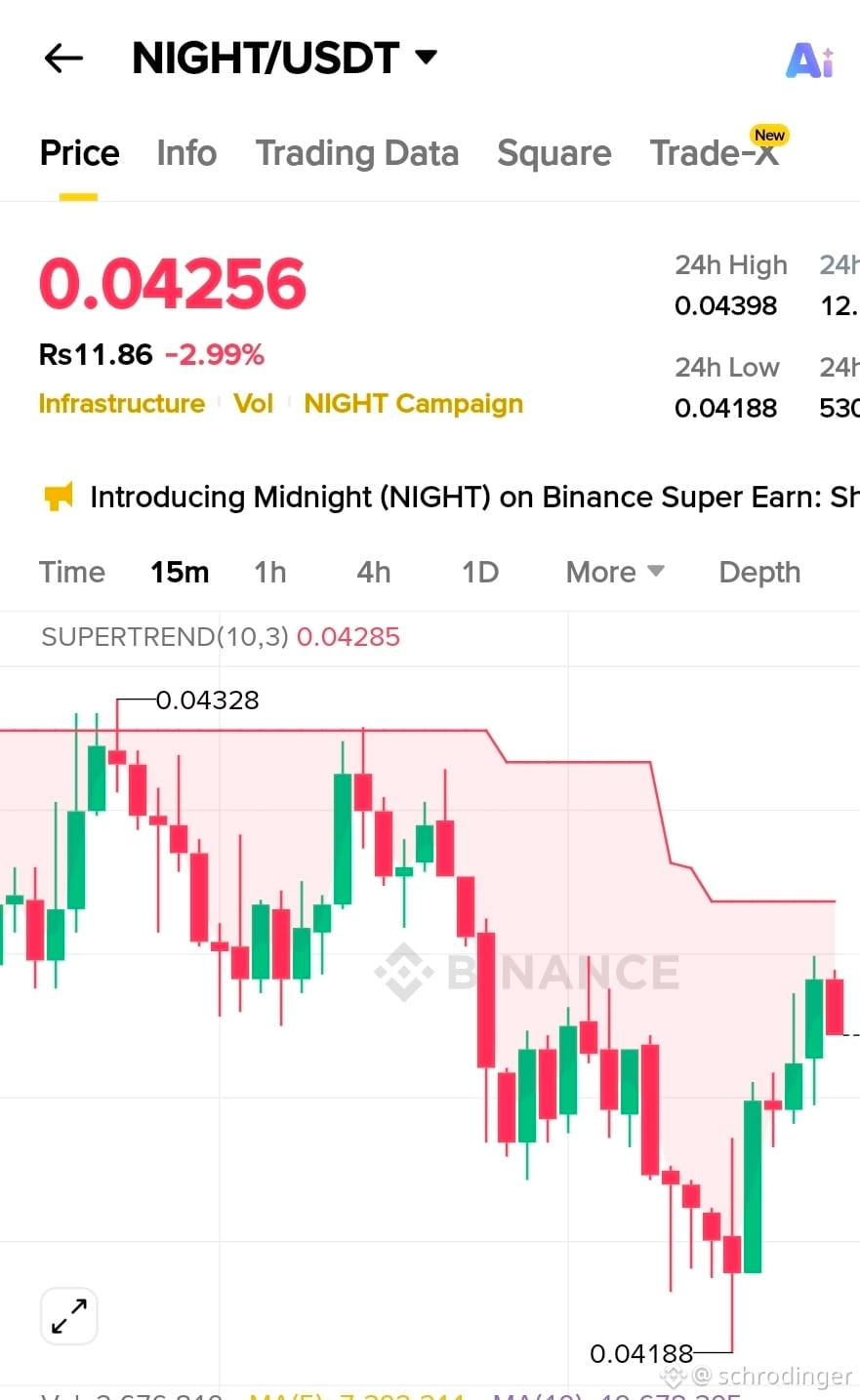
#night $NIGHT
Quyền riêng tư không phải là một tính năng—mà là một nền tảng.
Trong một thế giới mà việc rò rỉ dữ liệu và giám sát đang trở thành điều bình thường, @MidnightNetwork đang xây dựng một cái gì đó khác biệt: một blockchain nơi những gì bạn làm là việc của bạn, và chỉ của bạn.
Midnight tận dụng các chứng minh không biết với công nghệ tiên tiến để đảm bảo rằng trong khi các giao dịch và hợp đồng thông minh vẫn có thể xác minh trên chuỗi, các chi tiết nhạy cảm vẫn được mã hóa và riêng tư. Điều này không chỉ liên quan đến tính ẩn danh; mà còn là cung cấp cho các nhà phát triển và doanh nghiệp những công cụ để xây dựng các ứng dụng tuân thủ, thực tế mà không làm lộ dữ liệu sở hữu hoặc danh tính người dùng ra sổ cái công cộng.
Đối với các lĩnh vực như chăm sóc sức khỏe, tài chính và chuỗi cung ứng—nơi mà sự bảo mật là không thể thương lượng—điều này là một bước ngoặt. $NIGHT không chỉ là một token; mà là chìa khóa để mở khóa một mô hình mới của các ứng dụng phi tập trung, lấy quyền riêng tư làm trung tâm và dựa trên tiện ích.
Tương lai của Web3 thuộc về những ai tôn trọng quyền tự chủ của người dùng. Midnight đang dẫn đầu cuộc chiến đó.
#night $NIGHT @MidnightNetwork
#night $NIGHT
Quyền riêng tư không phải là một tính năng—mà là một nền tảng.
Trong một thế giới mà việc rò rỉ dữ liệu và giám sát đang trở thành điều bình thường, @MidnightNetwork đang xây dựng một cái gì đó khác biệt: một blockchain nơi những gì bạn làm là việc của bạn, và chỉ của bạn.
Midnight tận dụng các chứng minh không biết với công nghệ tiên tiến để đảm bảo rằng trong khi các giao dịch và hợp đồng thông minh vẫn có thể xác minh trên chuỗi, các chi tiết nhạy cảm vẫn được mã hóa và riêng tư. Điều này không chỉ liên quan đến tính ẩn danh; mà còn là cung cấp cho các nhà phát triển và doanh nghiệp những công cụ để xây dựng các ứng dụng tuân thủ, thực tế mà không làm lộ dữ liệu sở hữu hoặc danh tính người dùng ra sổ cái công cộng.
Đối với các lĩnh vực như chăm sóc sức khỏe, tài chính và chuỗi cung ứng—nơi mà sự bảo mật là không thể thương lượng—điều này là một bước ngoặt. $NIGHT không chỉ là một token; mà là chìa khóa để mở khóa một mô hình mới của các ứng dụng phi tập trung, lấy quyền riêng tư làm trung tâm và dựa trên tiện ích.
Tương lai của Web3 thuộc về những ai tôn trọng quyền tự chủ của người dùng. Midnight đang dẫn đầu cuộc chiến đó.
#night $NIGHT @MidnightNetwork
Quyền riêng tư không phải là một tính năng—mà là một nền tảng.
Trong một thế giới mà việc rò rỉ dữ liệu và giám sát đang trở thành điều bình thường, @MidnightNetwork đang xây dựng một cái gì đó khác biệt: một blockchain nơi những gì bạn làm là việc của bạn, và chỉ của bạn.
Midnight tận dụng các chứng minh không biết với công nghệ tiên tiến để đảm bảo rằng trong khi các giao dịch và hợp đồng thông minh vẫn có thể xác minh trên chuỗi, các chi tiết nhạy cảm vẫn được mã hóa và riêng tư. Điều này không chỉ liên quan đến tính ẩn danh; mà còn là cung cấp cho các nhà phát triển và doanh nghiệp những công cụ để xây dựng các ứng dụng tuân thủ, thực tế mà không làm lộ dữ liệu sở hữu hoặc danh tính người dùng ra sổ cái công cộng.
Đối với các lĩnh vực như chăm sóc sức khỏe, tài chính và chuỗi cung ứng—nơi mà sự bảo mật là không thể thương lượng—điều này là một bước ngoặt. $NIGHT không chỉ là một token; mà là chìa khóa để mở khóa một mô hình mới của các ứng dụng phi tập trung, lấy quyền riêng tư làm trung tâm và dựa trên tiện ích.
Tương lai của Web3 thuộc về những ai tôn trọng quyền tự chủ của người dùng. Midnight đang dẫn đầu cuộc chiến đó.
#night $NIGHT @MidnightNetwork
2
1
32
·
--
: Chủ quyền Kỹ thuật số: Liên kết Thiếu vắng trong Chuyển đổi Kinh tế của Cận ĐôngCận Đông đang trải qua một cuộc biến đổi kinh tế lịch sử. Từ kế hoạch đầy tham vọng Vision 2030 ở Ả Rập Saudi đến các khung tài sản kỹ thuật số đang nổi lên ở UAE và Bahrain, khu vực này đang mạnh mẽ định vị mình như một trung tâm toàn cầu cho đổi mới sáng tạo. Nhưng khi chúng ta xây dựng những nền kinh tế mới lấp lánh này, một câu hỏi cơ bản vẫn còn: Ai thực sự sở hữu cơ sở hạ tầng kỹ thuật số?
Quá lâu rồi, nền kinh tế kỹ thuật số toàn cầu đã được xây dựng trên một nền tảng kiểm soát tập trung - nơi mà người dùng là người thuê, không phải chủ sở hữu, của dữ liệu, tài sản và danh tính kỹ thuật số của họ. Đối với một khu vực hướng tới sự độc lập kinh tế và đa dạng hóa thực sự, mô hình này đặt ra một điểm yếu quan trọng.
: Chủ quyền Kỹ thuật số: Liên kết Thiếu vắng trong Chuyển đổi Kinh tế của Cận Đông
Cận Đông đang trải qua một cuộc biến đổi kinh tế lịch sử. Từ kế hoạch đầy tham vọng Vision 2030 ở Ả Rập Saudi đến các khung tài sản kỹ thuật số đang nổi lên ở UAE và Bahrain, khu vực này đang mạnh mẽ định vị mình như một trung tâm toàn cầu cho đổi mới sáng tạo. Nhưng khi chúng ta xây dựng những nền kinh tế mới lấp lánh này, một câu hỏi cơ bản vẫn còn: Ai thực sự sở hữu cơ sở hạ tầng kỹ thuật số?
Quá lâu rồi, nền kinh tế kỹ thuật số toàn cầu đã được xây dựng trên một nền tảng kiểm soát tập trung - nơi mà người dùng là người thuê, không phải chủ sở hữu, của dữ liệu, tài sản và danh tính kỹ thuật số của họ. Đối với một khu vực hướng tới sự độc lập kinh tế và đa dạng hóa thực sự, mô hình này đặt ra một điểm yếu quan trọng.
Quá lâu rồi, nền kinh tế kỹ thuật số toàn cầu đã được xây dựng trên một nền tảng kiểm soát tập trung - nơi mà người dùng là người thuê, không phải chủ sở hữu, của dữ liệu, tài sản và danh tính kỹ thuật số của họ. Đối với một khu vực hướng tới sự độc lập kinh tế và đa dạng hóa thực sự, mô hình này đặt ra một điểm yếu quan trọng.
43
·
--
#sign
🚀 Tương lai của tăng trưởng kinh tế Trung Đông không chỉ là về dầu mỏ—mà còn về chủ quyền kỹ thuật số.
Khi khu vực này tăng tốc hướng tới một nền kinh tế hậu dầu, nhu cầu về tự lưu giữ và danh tính kỹ thuật số có thể xác minh trở nên rất quan trọng. @SignOfficial đang xây dựng cơ sở hạ tầng cho sự chuyển đổi này.
Với $SIGN, chúng tôi không chỉ đang đầu cơ; chúng tôi đang bảo đảm hạ tầng cơ sở nền tảng cho phép các doanh nghiệp và cá nhân ở khu vực MENA sở hữu dữ liệu và tài sản của họ mà không cần phụ thuộc vào các trung gian tập trung.
Sự độc lập kinh tế thực sự bắt đầu từ sự độc lập kỹ thuật số.
#SignDigitalSovereignInfra $SIGN
#sign
🚀 Tương lai của tăng trưởng kinh tế Trung Đông không chỉ là về dầu mỏ—mà còn về chủ quyền kỹ thuật số.
Khi khu vực này tăng tốc hướng tới một nền kinh tế hậu dầu, nhu cầu về tự lưu giữ và danh tính kỹ thuật số có thể xác minh trở nên rất quan trọng. @SignOfficial đang xây dựng cơ sở hạ tầng cho sự chuyển đổi này.
Với $SIGN, chúng tôi không chỉ đang đầu cơ; chúng tôi đang bảo đảm hạ tầng cơ sở nền tảng cho phép các doanh nghiệp và cá nhân ở khu vực MENA sở hữu dữ liệu và tài sản của họ mà không cần phụ thuộc vào các trung gian tập trung.
Sự độc lập kinh tế thực sự bắt đầu từ sự độc lập kỹ thuật số.
#SignDigitalSovereignInfra $SIGN
🚀 Tương lai của tăng trưởng kinh tế Trung Đông không chỉ là về dầu mỏ—mà còn về chủ quyền kỹ thuật số.
Khi khu vực này tăng tốc hướng tới một nền kinh tế hậu dầu, nhu cầu về tự lưu giữ và danh tính kỹ thuật số có thể xác minh trở nên rất quan trọng. @SignOfficial đang xây dựng cơ sở hạ tầng cho sự chuyển đổi này.
Với $SIGN, chúng tôi không chỉ đang đầu cơ; chúng tôi đang bảo đảm hạ tầng cơ sở nền tảng cho phép các doanh nghiệp và cá nhân ở khu vực MENA sở hữu dữ liệu và tài sản của họ mà không cần phụ thuộc vào các trung gian tập trung.
Sự độc lập kinh tế thực sự bắt đầu từ sự độc lập kỹ thuật số.
#SignDigitalSovereignInfra $SIGN

24
·
--
#Binance Tháng Ba Siêu Airdrop: Phân bổ 50.000 USDT, Hoàn thành nhiệm vụ & Điểm nông trại https://www.binance.com/activity/trading-competition/march-super-airdrop?ref=59554247
#Binance Tháng Ba Siêu Airdrop: Phân bổ 50.000 USDT, Hoàn thành nhiệm vụ & Điểm nông trại https://www.binance.com/activity/trading-competition/march-super-airdrop?ref=59554247
16
·
--
Vấn đề Ảo giác đang giết chết tiềm năng của AI—Đây là cách mà @mira_network khắc phục nó
Chúng ta đãChúng ta đều đã thấy những bức ảnh chụp màn hình: Một AI tự tin tuyên bố rằng thủ đô của Canada là Toronto (nó là Ottawa), hoặc phát minh ra các vụ án từ không khí. Chúng ta cười như thể đó là "ảo giác."
Nhưng điều gì sẽ xảy ra khi những ảo giác này bắt đầu ảnh hưởng đến thế giới thực?
Hãy tưởng tượng một AI Agent quản lý chuỗi cung ứng, xác minh một hóa đơn, hoặc thực hiện một hợp đồng thông minh dựa trên thông tin sai lệch. Một ảo giác không còn vui nữa và bắt đầu trở nên tốn kém. Đây là bức tường vô hình mà AI hiện đang phải đối mặt: Sự không đáng tin cậy.
Vấn đề Ảo giác đang giết chết tiềm năng của AI—Đây là cách mà @mira_network khắc phục nó Chúng ta đã
Chúng ta đều đã thấy những bức ảnh chụp màn hình: Một AI tự tin tuyên bố rằng thủ đô của Canada là Toronto (nó là Ottawa), hoặc phát minh ra các vụ án từ không khí. Chúng ta cười như thể đó là "ảo giác."
Nhưng điều gì sẽ xảy ra khi những ảo giác này bắt đầu ảnh hưởng đến thế giới thực?
Hãy tưởng tượng một AI Agent quản lý chuỗi cung ứng, xác minh một hóa đơn, hoặc thực hiện một hợp đồng thông minh dựa trên thông tin sai lệch. Một ảo giác không còn vui nữa và bắt đầu trở nên tốn kém. Đây là bức tường vô hình mà AI hiện đang phải đối mặt: Sự không đáng tin cậy.
Nhưng điều gì sẽ xảy ra khi những ảo giác này bắt đầu ảnh hưởng đến thế giới thực?
Hãy tưởng tượng một AI Agent quản lý chuỗi cung ứng, xác minh một hóa đơn, hoặc thực hiện một hợp đồng thông minh dựa trên thông tin sai lệch. Một ảo giác không còn vui nữa và bắt đầu trở nên tốn kém. Đây là bức tường vô hình mà AI hiện đang phải đối mặt: Sự không đáng tin cậy.
2
27
·
--
#mira $MIRA
Khi AI mắc sai lầm, ai sẽ phải trả giá?
Trong thế giới ngày nay, chúng ta tin tưởng vào các đầu ra của AI một cách mù quáng—dù rằng LLM chỉ là những máy phát biểu xác suất, không phải là máy móc sự thật.
@mira_network đang xây dựng một thứ quan trọng: một lớp xác minh phi tập trung cho AI. Thay vì tin tưởng vào một mô hình duy nhất, Mira sử dụng các ưu đãi kinh tế và sự đồng thuận của nút để xác thực xem một đầu ra của AI có thực sự chính xác hay không.
Các nhà điều hành nút đặt cọc $MIRA để đảm bảo cho các kết quả. Đúng không? Nhận phần thưởng. Sai không? Bị cắt giảm.
Điều này biến AI từ một chiếc hộp đen thành cơ sở hạ tầng có thể chịu trách nhiệm. Khi các đại lý AI bắt đầu quản lý tiền và chuỗi cung ứng, chúng ta không thể chấp nhận những ảo tưởng nữa.
Niềm tin không còn trừu tượng nữa—nó được thực thi về mặt kinh tế.
#Mira $MIRA @mira_network
#mira $MIRA
Khi AI mắc sai lầm, ai sẽ phải trả giá?
Trong thế giới ngày nay, chúng ta tin tưởng vào các đầu ra của AI một cách mù quáng—dù rằng LLM chỉ là những máy phát biểu xác suất, không phải là máy móc sự thật.
@mira_network đang xây dựng một thứ quan trọng: một lớp xác minh phi tập trung cho AI. Thay vì tin tưởng vào một mô hình duy nhất, Mira sử dụng các ưu đãi kinh tế và sự đồng thuận của nút để xác thực xem một đầu ra của AI có thực sự chính xác hay không.
Các nhà điều hành nút đặt cọc $MIRA để đảm bảo cho các kết quả. Đúng không? Nhận phần thưởng. Sai không? Bị cắt giảm.
Điều này biến AI từ một chiếc hộp đen thành cơ sở hạ tầng có thể chịu trách nhiệm. Khi các đại lý AI bắt đầu quản lý tiền và chuỗi cung ứng, chúng ta không thể chấp nhận những ảo tưởng nữa.
Niềm tin không còn trừu tượng nữa—nó được thực thi về mặt kinh tế.
#Mira $MIRA @mira_network
Khi AI mắc sai lầm, ai sẽ phải trả giá?
Trong thế giới ngày nay, chúng ta tin tưởng vào các đầu ra của AI một cách mù quáng—dù rằng LLM chỉ là những máy phát biểu xác suất, không phải là máy móc sự thật.
@mira_network đang xây dựng một thứ quan trọng: một lớp xác minh phi tập trung cho AI. Thay vì tin tưởng vào một mô hình duy nhất, Mira sử dụng các ưu đãi kinh tế và sự đồng thuận của nút để xác thực xem một đầu ra của AI có thực sự chính xác hay không.
Các nhà điều hành nút đặt cọc $MIRA để đảm bảo cho các kết quả. Đúng không? Nhận phần thưởng. Sai không? Bị cắt giảm.
Điều này biến AI từ một chiếc hộp đen thành cơ sở hạ tầng có thể chịu trách nhiệm. Khi các đại lý AI bắt đầu quản lý tiền và chuỗi cung ứng, chúng ta không thể chấp nhận những ảo tưởng nữa.
Niềm tin không còn trừu tượng nữa—nó được thực thi về mặt kinh tế.
#Mira $MIRA @mira_network
1
13
·
--
Vượt ra ngoài Cơn sốt AI: Tại sao $ROBO của Fabric Foundation đang xây dựng lớp tài chính.Chúng ta thường nói về Trí Tuệ Nhân Tạo đang chiếm lĩnh thế giới, nhưng hiếm khi thảo luận về những điều nhàm chán: Làm thế nào một robot thanh toán hóa đơn điện của chính nó? Làm thế nào nó thuê một robot khác để giúp nó nâng một hộp nặng?
Đây chính là vấn đề mà Fabric Foundation đang giải quyết với $ROBO. Trong khi mọi người tập trung vào việc làm cho robot thông minh hơn, Fabric đang tập trung vào việc làm cho chúng có khả năng chi trả.
Hãy nghĩ về điều này: Chúng ta đã trao cho robot trí não (các mô hình AI như ChatGPT) và cơ thể (phần cứng từ các công ty như Unitree hoặc Fourier). Nhưng chúng thiếu một ví tiền. Trong hệ thống hiện tại, một robot chỉ là một thiết bị đắt tiền gắn liền với tài khoản ngân hàng của con người. Nếu bạn muốn triển khai một đội robot giao hàng, bạn cần một tài khoản ngân hàng doanh nghiệp khổng lồ để quản lý chi phí hoạt động.
Vượt ra ngoài Cơn sốt AI: Tại sao $ROBO của Fabric Foundation đang xây dựng lớp tài chính.
Chúng ta thường nói về Trí Tuệ Nhân Tạo đang chiếm lĩnh thế giới, nhưng hiếm khi thảo luận về những điều nhàm chán: Làm thế nào một robot thanh toán hóa đơn điện của chính nó? Làm thế nào nó thuê một robot khác để giúp nó nâng một hộp nặng?
Đây chính là vấn đề mà Fabric Foundation đang giải quyết với $ROBO. Trong khi mọi người tập trung vào việc làm cho robot thông minh hơn, Fabric đang tập trung vào việc làm cho chúng có khả năng chi trả.
Hãy nghĩ về điều này: Chúng ta đã trao cho robot trí não (các mô hình AI như ChatGPT) và cơ thể (phần cứng từ các công ty như Unitree hoặc Fourier). Nhưng chúng thiếu một ví tiền. Trong hệ thống hiện tại, một robot chỉ là một thiết bị đắt tiền gắn liền với tài khoản ngân hàng của con người. Nếu bạn muốn triển khai một đội robot giao hàng, bạn cần một tài khoản ngân hàng doanh nghiệp khổng lồ để quản lý chi phí hoạt động.
Đây chính là vấn đề mà Fabric Foundation đang giải quyết với $ROBO. Trong khi mọi người tập trung vào việc làm cho robot thông minh hơn, Fabric đang tập trung vào việc làm cho chúng có khả năng chi trả.
Hãy nghĩ về điều này: Chúng ta đã trao cho robot trí não (các mô hình AI như ChatGPT) và cơ thể (phần cứng từ các công ty như Unitree hoặc Fourier). Nhưng chúng thiếu một ví tiền. Trong hệ thống hiện tại, một robot chỉ là một thiết bị đắt tiền gắn liền với tài khoản ngân hàng của con người. Nếu bạn muốn triển khai một đội robot giao hàng, bạn cần một tài khoản ngân hàng doanh nghiệp khổng lồ để quản lý chi phí hoạt động.
2
99
·
--
🎁 Lựa chọn : Tập trung vào Giá trị Tương hỗn
"Tích cực tạo nội dung trên Binance Creator Pad để kiếm và chia sẻ hiểu biết về các dự án mới. 📝
Nếu bạn quan tâm đến việc kiếm tiền từ crypto và nội dung chất lượng, hãy ủng hộ lẫn nhau! Hãy theo dõi tôi và tôi sẽ theo dõi lại. Hãy cùng phát triển mạng lưới Square của chúng ta! 🤝 #Binance #CreatorPad #Web3"
🎁 Lựa chọn : Tập trung vào Giá trị Tương hỗn
"Tích cực tạo nội dung trên Binance Creator Pad để kiếm và chia sẻ hiểu biết về các dự án mới. 📝
Nếu bạn quan tâm đến việc kiếm tiền từ crypto và nội dung chất lượng, hãy ủng hộ lẫn nhau! Hãy theo dõi tôi và tôi sẽ theo dõi lại. Hãy cùng phát triển mạng lưới Square của chúng ta! 🤝 #Binance #CreatorPad #Web3"
"Tích cực tạo nội dung trên Binance Creator Pad để kiếm và chia sẻ hiểu biết về các dự án mới. 📝
Nếu bạn quan tâm đến việc kiếm tiền từ crypto và nội dung chất lượng, hãy ủng hộ lẫn nhau! Hãy theo dõi tôi và tôi sẽ theo dõi lại. Hãy cùng phát triển mạng lưới Square của chúng ta! 🤝 #Binance #CreatorPad #Web3"
8
Đăng nhập để khám phá thêm nội dung
Tham gia cùng người dùng tiền mã hóa toàn cầu trên Binance Square
⚡️ Nhận thông tin mới nhất và hữu ích về tiền mã hóa.
💬 Được tin cậy bởi sàn giao dịch tiền mã hóa lớn nhất thế giới.
👍 Khám phá những thông tin chuyên sâu thực tế từ những nhà sáng tạo đã xác minh.
Email / Số điện thoại
Chủ đề thịnh hành
45NgayTuDoTaiChinh
895,545 lượt xem
3,040 đang thảo luận
Ngày 4/45: Đừng để FOMO cuốn mình đi!
Ngày thứ tư trong hành trình 45 ngày tự do tài chính, mình vẫn đều đặn bỏ 50u để mua thêm Bitcoin ($BTC). Hôm nay thị trường có vẻ hơi chững lại một chút, Bitcoin giảm nhẹ 0.72% nhưng cảm giác vẫn còn chút hơi ấm từ những ngày tăng trưởng trước.
Cái cảm giác FOMO (sợ bỏ lỡ) nó cứ len lỏi đâu đó mỗi khi thấy giá xanh rực, nhưng mình biết, đó là lúc phải bình tĩnh nhất. Mục tiêu của mình không phải là kiếm tiền nhanh chóng, mà là xây dựng một thói quen bền vững và rèn luyện sự kiên nhẫn. Mình tin vào sức mạnh của việc tích lũy đều đặn, dù thị trường lên hay xuống.
Thông tin tham khảo, không phải lời khuyên đầu tư. DYOR.
#45ngaytudotaichinh #BitcoinOpenInterestShareRisesTo42.1%
HotLike Team
·0 lượt thích
·43 lượt xem
TinFed
66,012 lượt xem
296 đang thảo luận
TheoDõiFOMC
74,902 lượt xem
494 đang thảo luận