
Abdul Rauf35
173 Bài đăng

Abdul Rauf35
Báo cáo
Chặn người dùng
I write about where crypto is heading — AI agents, execution infrastructure, utility, and the systems that quietly power adoption.
25 Đang theo dõi
7 Người theo dõi
79 Đã thích
Bài đăng
·
--
#baby $BABY
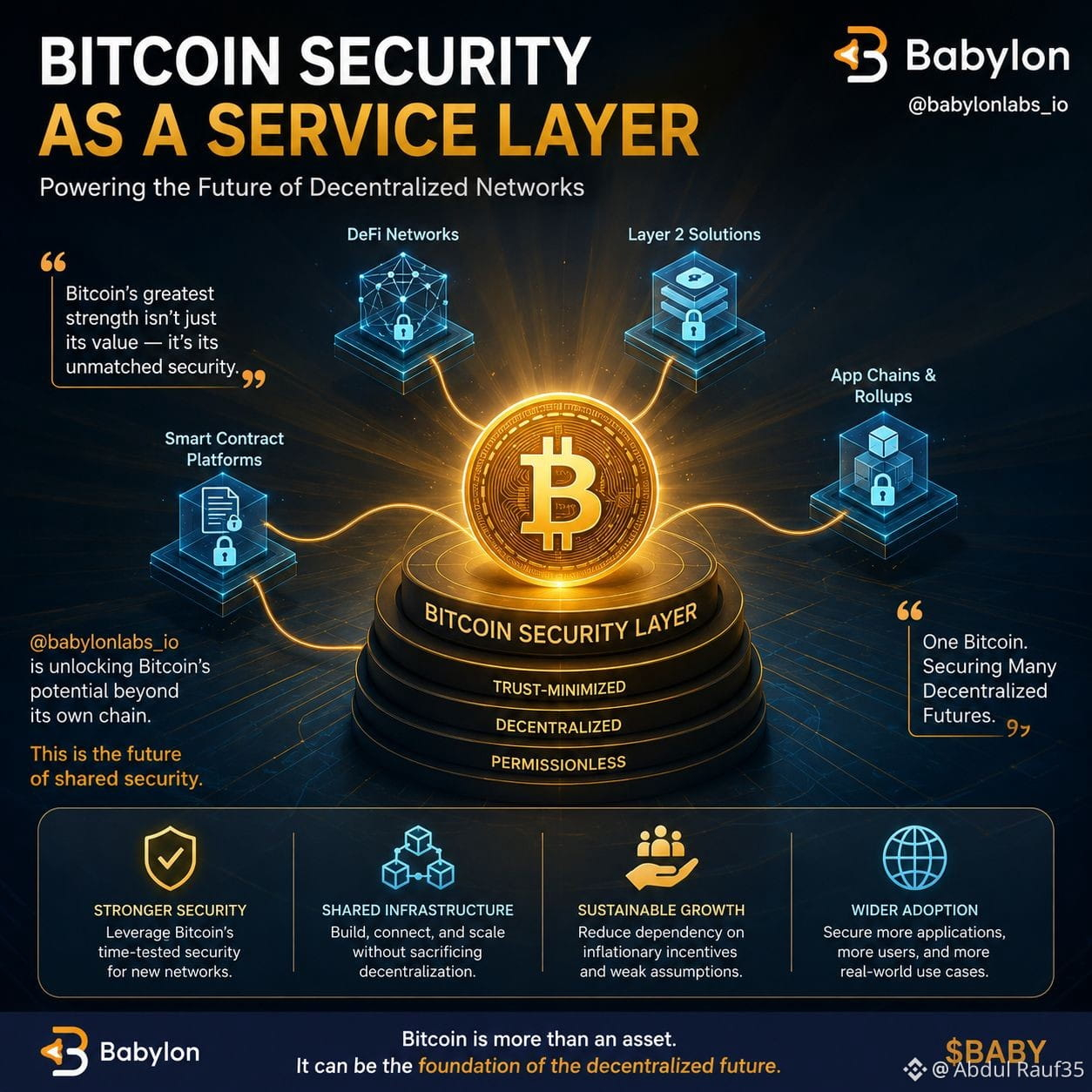
Bạn đã bao giờ cân nhắc rằng đóng góp quan trọng nhất của Bitcoin cho thị trường crypto có thể không phải là tính thanh khoản, thanh toán hay thậm chí là vai trò của nó như một kho lưu trữ giá trị? Dạo gần đây, tôi đã suy nghĩ về một khả năng khác: bản thân bảo mật của Bitcoin có thể trở thành một lớp dịch vụ cho hệ sinh thái blockchain rộng lớn hơn.
Một niềm tin phổ biến là mục đích chính của Bitcoin là bảo toàn của cải. Mặc dù câu chuyện đó vẫn có sức thuyết phục, nó có thể bỏ qua một trong những tài sản có giá trị nhất của Bitcoin—mô hình bảo mật của nó. Khi các blockchain mới xuất hiện, nhiều dự án đều phải đối mặt với cùng một thách thức: làm thế nào để đạt được bảo mật mạnh mẽ mà không cần dựa vào các ưu đãi token gây lạm phát cao hoặc các giả định tin cậy phức tạp?
Đó là lúc @babylonlabs_io thu hút sự chú ý của tôi. Thay vì coi Bitcoin là một tài sản thụ động, @babylonlabs_io khám phá cách bảo mật của Bitcoin có thể góp phần bảo vệ các mạng phi tập trung thông qua một phương pháp giảm thiểu niềm tin. Ý tưởng này rất thú vị vì nó chuyển trọng tâm cuộc trò chuyện từ “Bitcoin có thể làm gì?” sang “Bitcoin có thể bảo mật gì?”
Điều tôi thấy thường bị bỏ qua nhất là sự tăng trưởng bền vững của blockchain có thể phụ thuộc ít hơn vào việc tạo ra các hệ thống bảo mật mới và nhiều hơn vào việc tái sử dụng những hệ thống đã được kiểm chứng. Nếu nhiều mạng có thể tận dụng các thuộc tính bảo mật của Bitcoin, ngành có thể dành ít thời gian hơn cho việc “tự chế” niềm tin và dành nhiều thời gian hơn để xây dựng các ứng dụng hữu ích. Theo nghĩa đó, bảo mật của Bitcoin có thể tiến hóa thành hạ tầng nền tảng thay vì chỉ tồn tại tách biệt trong chính hệ sinh thái của nó.
Với tôi, ý nghĩa dài hạn không nằm ở phần thưởng staking hay các câu chuyện ngắn hạn. Mà là liệu Bitcoin có thể trở thành một lớp bảo mật dùng chung giúp các mạng phi tập trung phát triển an toàn và hiệu quả hơn hay không. Những dự án như @babylonlabs_io và các hệ sinh thái xung quanh $BABY đang thúc đẩy cuộc thảo luận này theo một cách có ý nghĩa.
Vai trò quan trọng nhất mà Bitcoin có thể đảm nhiệm ngoài việc là một kho lưu trữ giá trị là gì?
#babylonlabs $BABY @babylonlabs_io
#baby $BABY
Bạn đã bao giờ cân nhắc rằng đóng góp quan trọng nhất của Bitcoin cho thị trường crypto có thể không phải là tính thanh khoản, thanh toán hay thậm chí là vai trò của nó như một kho lưu trữ giá trị? Dạo gần đây, tôi đã suy nghĩ về một khả năng khác: bản thân bảo mật của Bitcoin có thể trở thành một lớp dịch vụ cho hệ sinh thái blockchain rộng lớn hơn.
Một niềm tin phổ biến là mục đích chính của Bitcoin là bảo toàn của cải. Mặc dù câu chuyện đó vẫn có sức thuyết phục, nó có thể bỏ qua một trong những tài sản có giá trị nhất của Bitcoin—mô hình bảo mật của nó. Khi các blockchain mới xuất hiện, nhiều dự án đều phải đối mặt với cùng một thách thức: làm thế nào để đạt được bảo mật mạnh mẽ mà không cần dựa vào các ưu đãi token gây lạm phát cao hoặc các giả định tin cậy phức tạp?
Đó là lúc @BabylonLabs_io thu hút sự chú ý của tôi. Thay vì coi Bitcoin là một tài sản thụ động, @BabylonLabs_io khám phá cách bảo mật của Bitcoin có thể góp phần bảo vệ các mạng phi tập trung thông qua một phương pháp giảm thiểu niềm tin. Ý tưởng này rất thú vị vì nó chuyển trọng tâm cuộc trò chuyện từ “Bitcoin có thể làm gì?” sang “Bitcoin có thể bảo mật gì?”
Điều tôi thấy thường bị bỏ qua nhất là sự tăng trưởng bền vững của blockchain có thể phụ thuộc ít hơn vào việc tạo ra các hệ thống bảo mật mới và nhiều hơn vào việc tái sử dụng những hệ thống đã được kiểm chứng. Nếu nhiều mạng có thể tận dụng các thuộc tính bảo mật của Bitcoin, ngành có thể dành ít thời gian hơn cho việc “tự chế” niềm tin và dành nhiều thời gian hơn để xây dựng các ứng dụng hữu ích. Theo nghĩa đó, bảo mật của Bitcoin có thể tiến hóa thành hạ tầng nền tảng thay vì chỉ tồn tại tách biệt trong chính hệ sinh thái của nó.
Với tôi, ý nghĩa dài hạn không nằm ở phần thưởng staking hay các câu chuyện ngắn hạn. Mà là liệu Bitcoin có thể trở thành một lớp bảo mật dùng chung giúp các mạng phi tập trung phát triển an toàn và hiệu quả hơn hay không. Những dự án như @BabylonLabs_io và các hệ sinh thái xung quanh $BABY đang thúc đẩy cuộc thảo luận này theo một cách có ý nghĩa.
Vai trò quan trọng nhất mà Bitcoin có thể đảm nhiệm ngoài việc là một kho lưu trữ giá trị là gì?
#babylonlabs $BABY @BabylonLabs_io
Bạn đã bao giờ cân nhắc rằng đóng góp quan trọng nhất của Bitcoin cho thị trường crypto có thể không phải là tính thanh khoản, thanh toán hay thậm chí là vai trò của nó như một kho lưu trữ giá trị? Dạo gần đây, tôi đã suy nghĩ về một khả năng khác: bản thân bảo mật của Bitcoin có thể trở thành một lớp dịch vụ cho hệ sinh thái blockchain rộng lớn hơn.
Một niềm tin phổ biến là mục đích chính của Bitcoin là bảo toàn của cải. Mặc dù câu chuyện đó vẫn có sức thuyết phục, nó có thể bỏ qua một trong những tài sản có giá trị nhất của Bitcoin—mô hình bảo mật của nó. Khi các blockchain mới xuất hiện, nhiều dự án đều phải đối mặt với cùng một thách thức: làm thế nào để đạt được bảo mật mạnh mẽ mà không cần dựa vào các ưu đãi token gây lạm phát cao hoặc các giả định tin cậy phức tạp?
Đó là lúc @BabylonLabs_io thu hút sự chú ý của tôi. Thay vì coi Bitcoin là một tài sản thụ động, @BabylonLabs_io khám phá cách bảo mật của Bitcoin có thể góp phần bảo vệ các mạng phi tập trung thông qua một phương pháp giảm thiểu niềm tin. Ý tưởng này rất thú vị vì nó chuyển trọng tâm cuộc trò chuyện từ “Bitcoin có thể làm gì?” sang “Bitcoin có thể bảo mật gì?”
Điều tôi thấy thường bị bỏ qua nhất là sự tăng trưởng bền vững của blockchain có thể phụ thuộc ít hơn vào việc tạo ra các hệ thống bảo mật mới và nhiều hơn vào việc tái sử dụng những hệ thống đã được kiểm chứng. Nếu nhiều mạng có thể tận dụng các thuộc tính bảo mật của Bitcoin, ngành có thể dành ít thời gian hơn cho việc “tự chế” niềm tin và dành nhiều thời gian hơn để xây dựng các ứng dụng hữu ích. Theo nghĩa đó, bảo mật của Bitcoin có thể tiến hóa thành hạ tầng nền tảng thay vì chỉ tồn tại tách biệt trong chính hệ sinh thái của nó.
Với tôi, ý nghĩa dài hạn không nằm ở phần thưởng staking hay các câu chuyện ngắn hạn. Mà là liệu Bitcoin có thể trở thành một lớp bảo mật dùng chung giúp các mạng phi tập trung phát triển an toàn và hiệu quả hơn hay không. Những dự án như @BabylonLabs_io và các hệ sinh thái xung quanh $BABY đang thúc đẩy cuộc thảo luận này theo một cách có ý nghĩa.
Vai trò quan trọng nhất mà Bitcoin có thể đảm nhiệm ngoài việc là một kho lưu trữ giá trị là gì?
#babylonlabs $BABY @BabylonLabs_io
70
·
--
#newt $NEWT
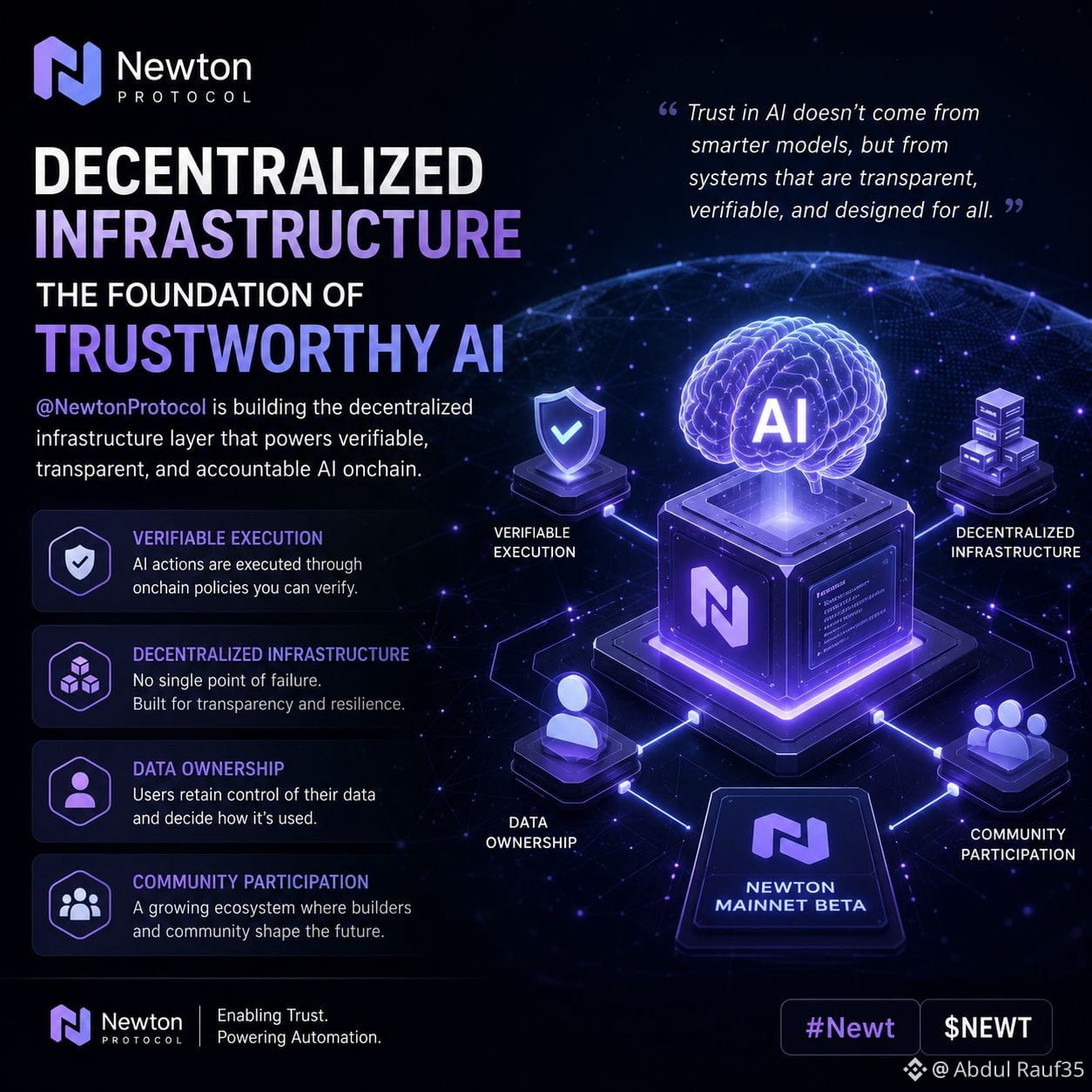
Càng khám phá AI, tôi càng tin rằng sự tin cậy đến từ hạ tầng đứng sau nó, không chỉ từ “trí tuệ” của các mô hình. @NewtonProtocol đang tiếp cận theo một hướng thú vị khi kết hợp hạ tầng phi tập trung với các chính sách có thể lập trình và việc thực thi có thể xác minh, mang lại cho người dùng nhiều niềm tin hơn rằng các hành động của AI tuân theo những quy tắc minh bạch và đã được định sẵn, thay vì dựa vào sự tin tưởng mù quáng.
Với tôi, bài học lớn nhất là AI đáng tin cậy sẽ cần những hệ thống nơi người dùng có thể xác minh kết quả, tham gia quản trị và giữ quyền kiểm soát nhiều hơn đối với cách thức hoạt động của tự động hóa. @NewtonProtocol đang khám phá nền tảng đó thông qua hệ sinh thái đang phát triển của mình và Newton Mainnet Beta. #Newt $NEWT
Bạn nghĩ gì về tương lai của $NEWT và công nghệ AI? Hãy chia sẻ ý kiến của bạn trong phần bình luận!
#Newt $NEWT @NewtonProtocol
#newt $NEWT
Càng khám phá AI, tôi càng tin rằng sự tin cậy đến từ hạ tầng đứng sau nó, không chỉ từ “trí tuệ” của các mô hình. @NewtonProtocol đang tiếp cận theo một hướng thú vị khi kết hợp hạ tầng phi tập trung với các chính sách có thể lập trình và việc thực thi có thể xác minh, mang lại cho người dùng nhiều niềm tin hơn rằng các hành động của AI tuân theo những quy tắc minh bạch và đã được định sẵn, thay vì dựa vào sự tin tưởng mù quáng.
Với tôi, bài học lớn nhất là AI đáng tin cậy sẽ cần những hệ thống nơi người dùng có thể xác minh kết quả, tham gia quản trị và giữ quyền kiểm soát nhiều hơn đối với cách thức hoạt động của tự động hóa. @NewtonProtocol đang khám phá nền tảng đó thông qua hệ sinh thái đang phát triển của mình và Newton Mainnet Beta. #Newt $NEWT
Bạn nghĩ gì về tương lai của $NEWT và công nghệ AI? Hãy chia sẻ ý kiến của bạn trong phần bình luận!
#Newt $NEWT @NewtonProtocol
Càng khám phá AI, tôi càng tin rằng sự tin cậy đến từ hạ tầng đứng sau nó, không chỉ từ “trí tuệ” của các mô hình. @NewtonProtocol đang tiếp cận theo một hướng thú vị khi kết hợp hạ tầng phi tập trung với các chính sách có thể lập trình và việc thực thi có thể xác minh, mang lại cho người dùng nhiều niềm tin hơn rằng các hành động của AI tuân theo những quy tắc minh bạch và đã được định sẵn, thay vì dựa vào sự tin tưởng mù quáng.
Với tôi, bài học lớn nhất là AI đáng tin cậy sẽ cần những hệ thống nơi người dùng có thể xác minh kết quả, tham gia quản trị và giữ quyền kiểm soát nhiều hơn đối với cách thức hoạt động của tự động hóa. @NewtonProtocol đang khám phá nền tảng đó thông qua hệ sinh thái đang phát triển của mình và Newton Mainnet Beta. #Newt $NEWT
Bạn nghĩ gì về tương lai của $NEWT và công nghệ AI? Hãy chia sẻ ý kiến của bạn trong phần bình luận!
#Newt $NEWT @NewtonProtocol
2
1
73
·
--
Bài viết
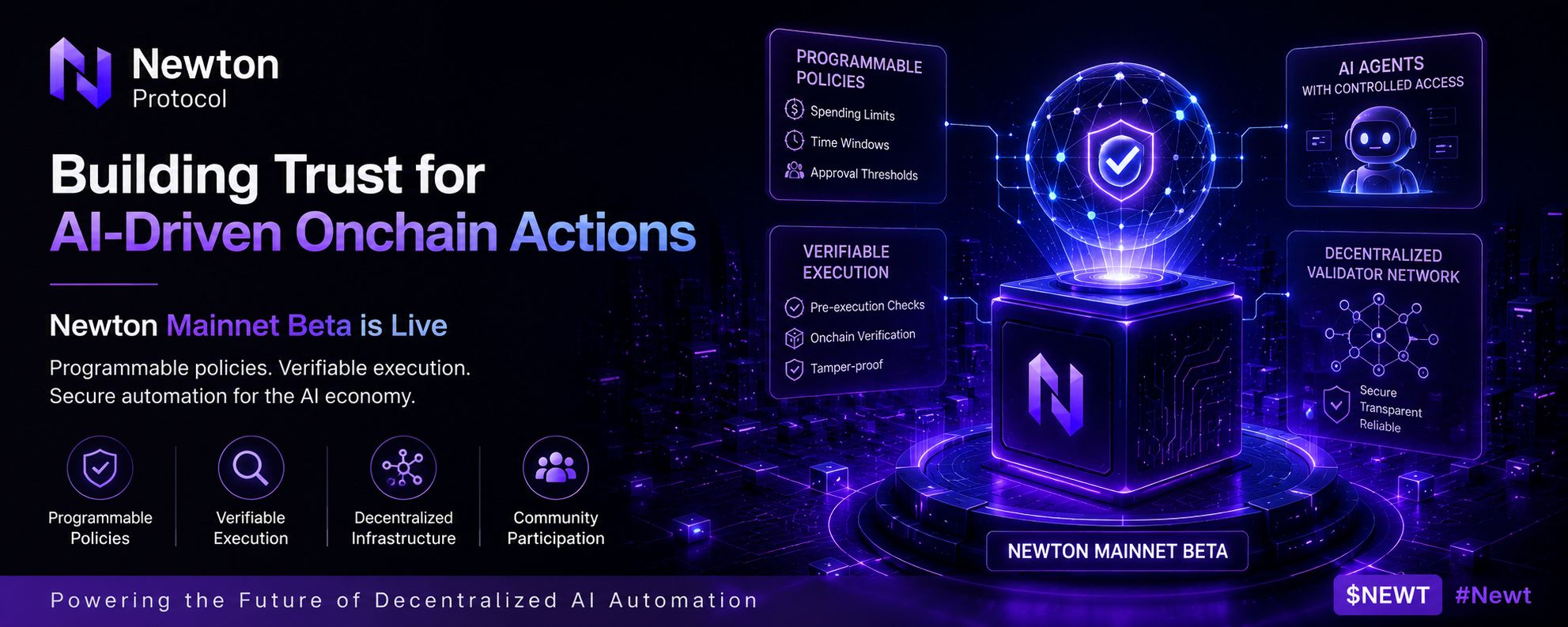
Bước Tiếp Theo Cho Tự Động Hóa AIKhi AI ngày càng được tích hợp sâu hơn với blockchain, tôi nghĩ một trong những câu hỏi lớn nhất không còn là liệu các tác nhân AI thông minh có thể trở nên như thế nào, mà là chúng có thể vận hành an toàn thay mặt cho người dùng đến mức nào. Đây cũng là một lý do khiến @NewtonProtocol ol đã thu hút sự chú ý của tôi trong giai đoạn ra mắt Newton Mainnet Beta.
Nhiều ứng dụng blockchain vẫn dựa vào việc người dùng phải tự phê duyệt từng giao dịch. Cách tiếp cận này mang lại quyền kiểm soát trực tiếp, nhưng đồng thời cũng giới hạn những gì các hệ thống AI tự chủ có thể thực hiện. Newton Protocol khám phá một hướng đi khác bằng cách giới thiệu các chính sách có thể lập trình và thực thi có thể được xác minh, cho phép các tác nhân AI thực hiện các tác vụ trong khuôn khổ các quy tắc đã được đặt trước thay vì nhận quyền truy cập không bị giới hạn.
Bước Tiếp Theo Cho Tự Động Hóa AI
Khi AI ngày càng được tích hợp sâu hơn với blockchain, tôi nghĩ một trong những câu hỏi lớn nhất không còn là liệu các tác nhân AI thông minh có thể trở nên như thế nào, mà là chúng có thể vận hành an toàn thay mặt cho người dùng đến mức nào. Đây cũng là một lý do khiến @NewtonProtocol ol đã thu hút sự chú ý của tôi trong giai đoạn ra mắt Newton Mainnet Beta.
Nhiều ứng dụng blockchain vẫn dựa vào việc người dùng phải tự phê duyệt từng giao dịch. Cách tiếp cận này mang lại quyền kiểm soát trực tiếp, nhưng đồng thời cũng giới hạn những gì các hệ thống AI tự chủ có thể thực hiện. Newton Protocol khám phá một hướng đi khác bằng cách giới thiệu các chính sách có thể lập trình và thực thi có thể được xác minh, cho phép các tác nhân AI thực hiện các tác vụ trong khuôn khổ các quy tắc đã được đặt trước thay vì nhận quyền truy cập không bị giới hạn.
Nhiều ứng dụng blockchain vẫn dựa vào việc người dùng phải tự phê duyệt từng giao dịch. Cách tiếp cận này mang lại quyền kiểm soát trực tiếp, nhưng đồng thời cũng giới hạn những gì các hệ thống AI tự chủ có thể thực hiện. Newton Protocol khám phá một hướng đi khác bằng cách giới thiệu các chính sách có thể lập trình và thực thi có thể được xác minh, cho phép các tác nhân AI thực hiện các tác vụ trong khuôn khổ các quy tắc đã được đặt trước thay vì nhận quyền truy cập không bị giới hạn.
4
66
·
--
#newt $NEWT
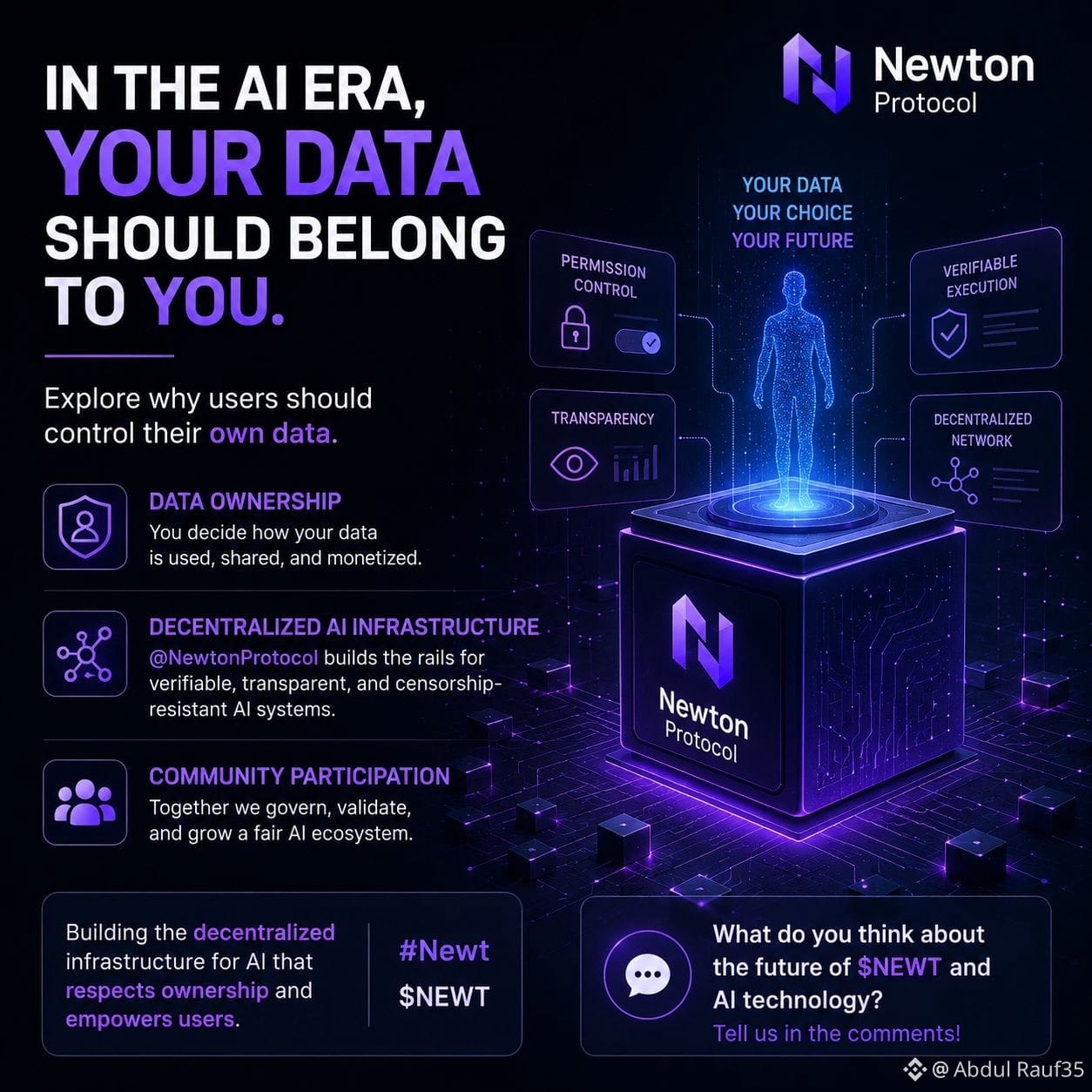
Càng tìm hiểu về AI, tôi càng tin rằng người dùng nên tự quyết định dữ liệu của họ được sử dụng như thế nào, thay vì mặc định giao quyền kiểm soát. @NewtonProtocol khám phá một mô hình trong đó hạ tầng phi tập trung có thể mang lại cho mọi người tầm nhìn lớn hơn, quyền sở hữu và sự tham gia nhiều hơn vào hệ sinh thái AI—điều mà tôi cho là thiết yếu để xây dựng niềm tin lâu dài.
Với tôi, bài học lớn nhất là AI mạnh mẽ thôi chưa đủ—quyền sở hữu dữ liệu minh bạch và các hệ thống có thể xác minh quan trọng cũng không kém. Tôi rất muốn xem @NewtonProtocol sẽ tiếp tục phát triển tầm nhìn này như thế nào và cộng đồng sẽ giúp định hình nó ra sao. #Newt $NEWT
Bạn nghĩ gì về tương lai của $NEWT và công nghệ AI? Hãy chia sẻ ý kiến của bạn trong phần bình luận!
#Newt $NEWT @NewtonProtocol
#newt $NEWT
Càng tìm hiểu về AI, tôi càng tin rằng người dùng nên tự quyết định dữ liệu của họ được sử dụng như thế nào, thay vì mặc định giao quyền kiểm soát. @NewtonProtocol khám phá một mô hình trong đó hạ tầng phi tập trung có thể mang lại cho mọi người tầm nhìn lớn hơn, quyền sở hữu và sự tham gia nhiều hơn vào hệ sinh thái AI—điều mà tôi cho là thiết yếu để xây dựng niềm tin lâu dài.
Với tôi, bài học lớn nhất là AI mạnh mẽ thôi chưa đủ—quyền sở hữu dữ liệu minh bạch và các hệ thống có thể xác minh quan trọng cũng không kém. Tôi rất muốn xem @NewtonProtocol sẽ tiếp tục phát triển tầm nhìn này như thế nào và cộng đồng sẽ giúp định hình nó ra sao. #Newt $NEWT
Bạn nghĩ gì về tương lai của $NEWT và công nghệ AI? Hãy chia sẻ ý kiến của bạn trong phần bình luận!
#Newt $NEWT @NewtonProtocol
Càng tìm hiểu về AI, tôi càng tin rằng người dùng nên tự quyết định dữ liệu của họ được sử dụng như thế nào, thay vì mặc định giao quyền kiểm soát. @NewtonProtocol khám phá một mô hình trong đó hạ tầng phi tập trung có thể mang lại cho mọi người tầm nhìn lớn hơn, quyền sở hữu và sự tham gia nhiều hơn vào hệ sinh thái AI—điều mà tôi cho là thiết yếu để xây dựng niềm tin lâu dài.
Với tôi, bài học lớn nhất là AI mạnh mẽ thôi chưa đủ—quyền sở hữu dữ liệu minh bạch và các hệ thống có thể xác minh quan trọng cũng không kém. Tôi rất muốn xem @NewtonProtocol sẽ tiếp tục phát triển tầm nhìn này như thế nào và cộng đồng sẽ giúp định hình nó ra sao. #Newt $NEWT
Bạn nghĩ gì về tương lai của $NEWT và công nghệ AI? Hãy chia sẻ ý kiến của bạn trong phần bình luận!
#Newt $NEWT @NewtonProtocol
12
3
75
·
--
Bài viết
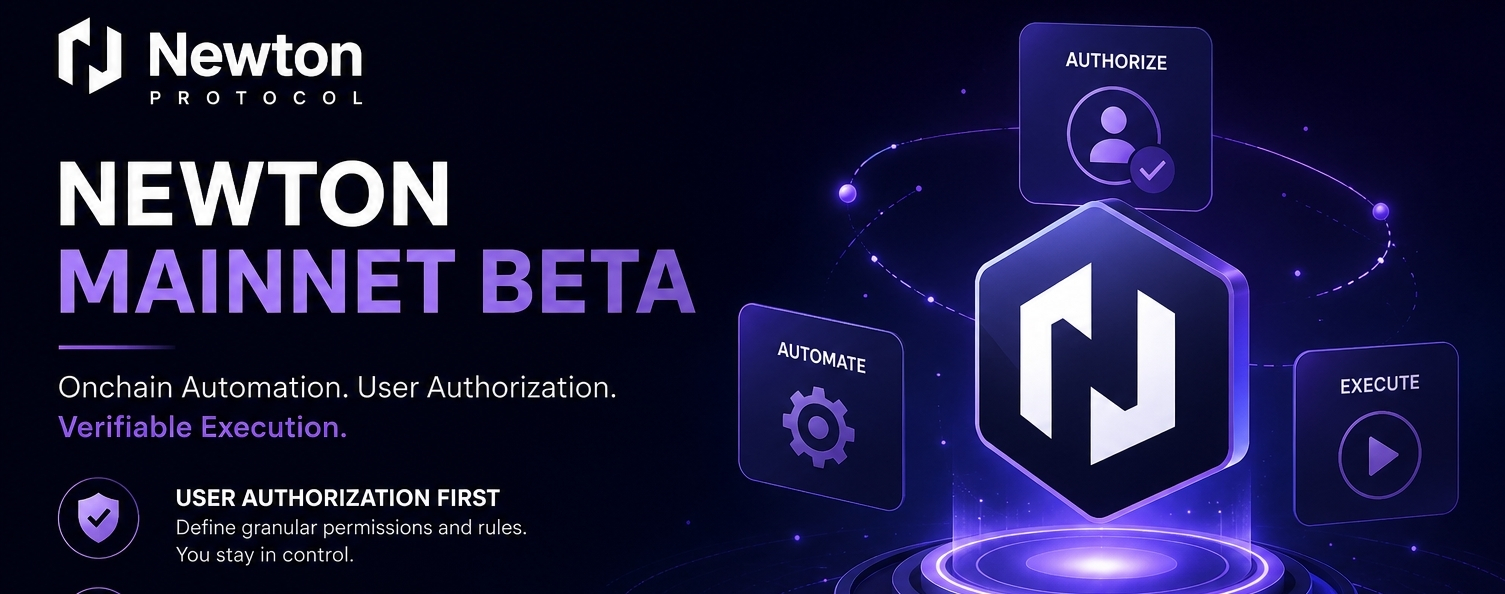
Newton Mainnet Beta: Xây dựng Tương lai của Thực thi Onchain Thông minhMột trong những xu hướng thú vị nhất trong Web3 là sự chuyển dịch từ sở hữu tài sản đơn giản sang thực thi onchain thông minh. @NewtonProtocol đang góp phần thúc đẩy quá trình này thông qua Newton Mainnet Beta, nơi trọng tâm không chỉ là di chuyển tài sản mà còn là cho phép tự động hóa an toàn, có thể xác minh. Khi các công cụ dựa trên AI ngày càng trở nên phổ biến, khả năng ủy quyền thực hiện các hành động mà không phải từ bỏ toàn bộ quyền kiểm soát có thể trở thành một điểm đặc trưng của cơ sở hạ tầng blockchain thế hệ tiếp theo. Với $NEWT và #Newt , hệ sinh thái đang khuyến khích những cuộc thảo luận về tính ứng dụng thực tiễn thay vì các câu chuyện ngắn hạn.
Newton Mainnet Beta: Xây dựng Tương lai của Thực thi Onchain Thông minh
Một trong những xu hướng thú vị nhất trong Web3 là sự chuyển dịch từ sở hữu tài sản đơn giản sang thực thi onchain thông minh. @NewtonProtocol đang góp phần thúc đẩy quá trình này thông qua Newton Mainnet Beta, nơi trọng tâm không chỉ là di chuyển tài sản mà còn là cho phép tự động hóa an toàn, có thể xác minh. Khi các công cụ dựa trên AI ngày càng trở nên phổ biến, khả năng ủy quyền thực hiện các hành động mà không phải từ bỏ toàn bộ quyền kiểm soát có thể trở thành một điểm đặc trưng của cơ sở hạ tầng blockchain thế hệ tiếp theo. Với $NEWT và #Newt , hệ sinh thái đang khuyến khích những cuộc thảo luận về tính ứng dụng thực tiễn thay vì các câu chuyện ngắn hạn.
15
2
57
·
--
Bài viết
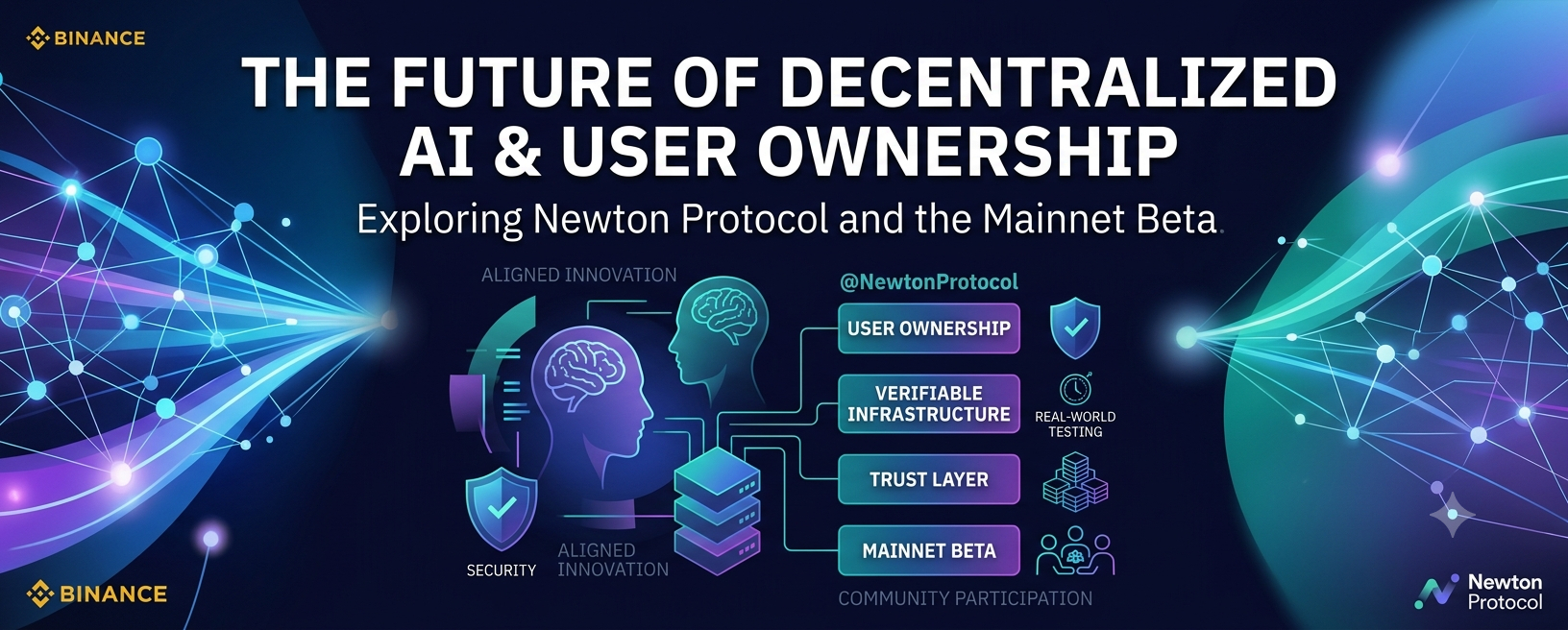
Tương lai của AI phi tập trung bắt đầu với @NewtonProtocol #NewtTôi đã theo dõi sự phát triển của AI phi tập trung và một câu hỏi liên tục xuất hiện trong đầu: rốt cuộc ai mới là người nên thực sự sở hữu dữ liệu tạo nên sức mạnh cho các hệ thống thông minh? Với tôi, @NewtonProtocol đưa ra một câu trả lời thú vị khi xây dựng một hệ sinh thái nơi AI, hạ tầng phi tập trung và quyền sở hữu của người dùng có thể phối hợp với nhau thay vì cạnh tranh lẫn nhau. Khi AI trở thành một phần của các ứng dụng hằng ngày, việc mang lại cho người dùng nhiều khả năng quan sát và quyền kiểm soát hơn đối với cách dữ liệu của họ được sử dụng có thể trở thành một trong những đổi mới giá trị nhất trong Web3. Vì vậy, tôi tin rằng các dự án tập trung vào hạ tầng có thể xác minh và minh bạch xứng đáng được chú ý. #Newt $NEWT
Tương lai của AI phi tập trung bắt đầu với @NewtonProtocol #Newt
Tôi đã theo dõi sự phát triển của AI phi tập trung và một câu hỏi liên tục xuất hiện trong đầu: rốt cuộc ai mới là người nên thực sự sở hữu dữ liệu tạo nên sức mạnh cho các hệ thống thông minh? Với tôi, @NewtonProtocol đưa ra một câu trả lời thú vị khi xây dựng một hệ sinh thái nơi AI, hạ tầng phi tập trung và quyền sở hữu của người dùng có thể phối hợp với nhau thay vì cạnh tranh lẫn nhau. Khi AI trở thành một phần của các ứng dụng hằng ngày, việc mang lại cho người dùng nhiều khả năng quan sát và quyền kiểm soát hơn đối với cách dữ liệu của họ được sử dụng có thể trở thành một trong những đổi mới giá trị nhất trong Web3. Vì vậy, tôi tin rằng các dự án tập trung vào hạ tầng có thể xác minh và minh bạch xứng đáng được chú ý. #Newt $NEWT
7
2
70
·
--
#newt $NEWT
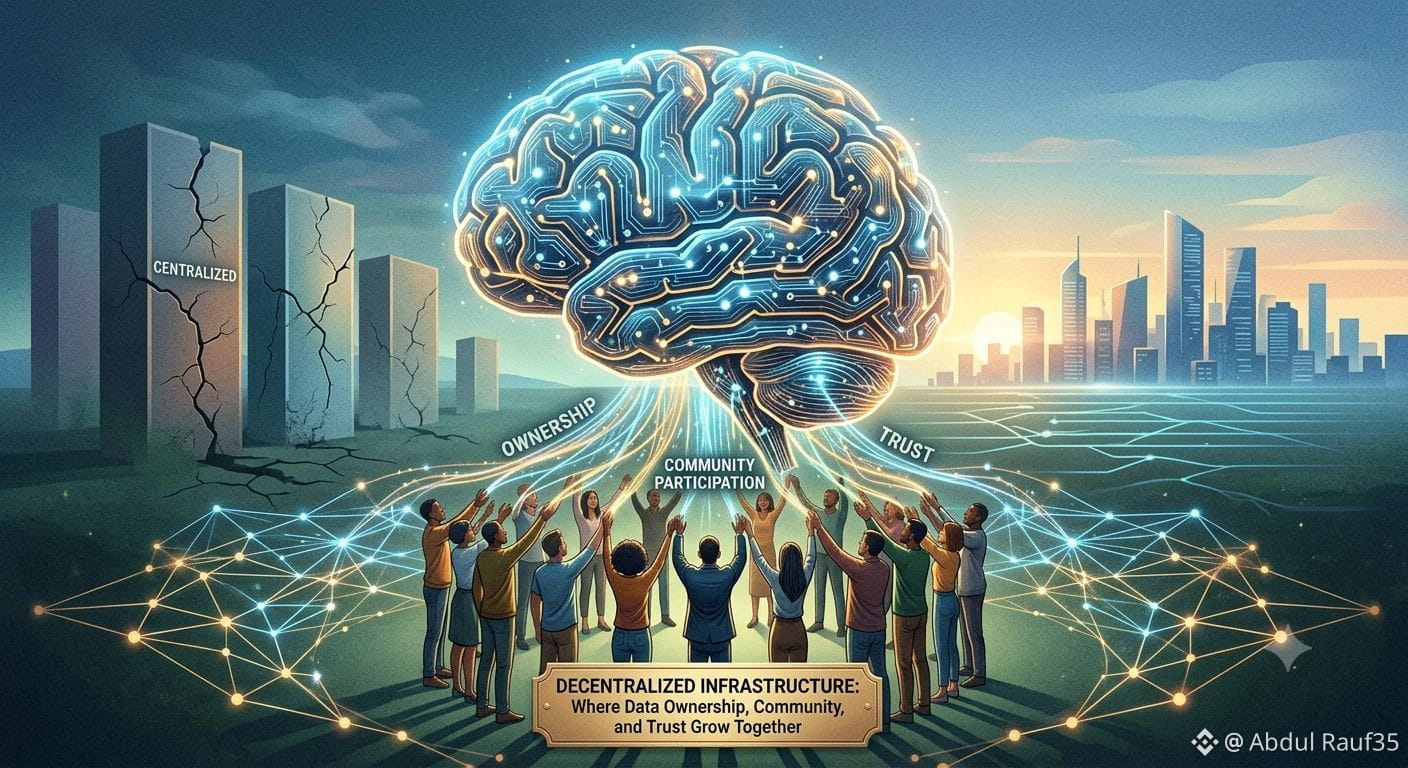
Tôi đã suy nghĩ về cách AI phát triển, và @NewtonProtocol nổi bật nhờ việc chuyển cuộc trò chuyện từ việc chỉ đơn thuần sử dụng dữ liệu sang việc thực sự sở hữu nó. Khi người dùng có quyền kiểm soát lớn hơn đối với thông tin của mình, AI có thể trở nên minh bạch hơn, có trách nhiệm hơn và phù hợp hơn với lợi ích cá nhân thay vì các nền tảng tập trung.
Đối với tôi, @NewtonProtocol nhấn mạnh một bài học quan trọng: tương lai của AI không chỉ nằm ở các mô hình thông minh hơn—mà còn ở việc xây dựng hạ tầng phi tập trung, nơi quyền sở hữu dữ liệu, sự tham gia của cộng đồng và niềm tin cùng phát triển. Nếu AI tôn trọng quyền sở hữu ngay từ đầu, liệu điều đó có thể trở thành nền tảng cho làn sóng đổi mới Web3 tiếp theo không?
#Newt $NEWT @NewtonProtocol
#newt $NEWT
Tôi đã suy nghĩ về cách AI phát triển, và @NewtonProtocol nổi bật nhờ việc chuyển cuộc trò chuyện từ việc chỉ đơn thuần sử dụng dữ liệu sang việc thực sự sở hữu nó. Khi người dùng có quyền kiểm soát lớn hơn đối với thông tin của mình, AI có thể trở nên minh bạch hơn, có trách nhiệm hơn và phù hợp hơn với lợi ích cá nhân thay vì các nền tảng tập trung.
Đối với tôi, @NewtonProtocol nhấn mạnh một bài học quan trọng: tương lai của AI không chỉ nằm ở các mô hình thông minh hơn—mà còn ở việc xây dựng hạ tầng phi tập trung, nơi quyền sở hữu dữ liệu, sự tham gia của cộng đồng và niềm tin cùng phát triển. Nếu AI tôn trọng quyền sở hữu ngay từ đầu, liệu điều đó có thể trở thành nền tảng cho làn sóng đổi mới Web3 tiếp theo không?
#Newt $NEWT @NewtonProtocol
Tôi đã suy nghĩ về cách AI phát triển, và @NewtonProtocol nổi bật nhờ việc chuyển cuộc trò chuyện từ việc chỉ đơn thuần sử dụng dữ liệu sang việc thực sự sở hữu nó. Khi người dùng có quyền kiểm soát lớn hơn đối với thông tin của mình, AI có thể trở nên minh bạch hơn, có trách nhiệm hơn và phù hợp hơn với lợi ích cá nhân thay vì các nền tảng tập trung.
Đối với tôi, @NewtonProtocol nhấn mạnh một bài học quan trọng: tương lai của AI không chỉ nằm ở các mô hình thông minh hơn—mà còn ở việc xây dựng hạ tầng phi tập trung, nơi quyền sở hữu dữ liệu, sự tham gia của cộng đồng và niềm tin cùng phát triển. Nếu AI tôn trọng quyền sở hữu ngay từ đầu, liệu điều đó có thể trở thành nền tảng cho làn sóng đổi mới Web3 tiếp theo không?
#Newt $NEWT @NewtonProtocol
8
78
·
--
#newt $NEWT
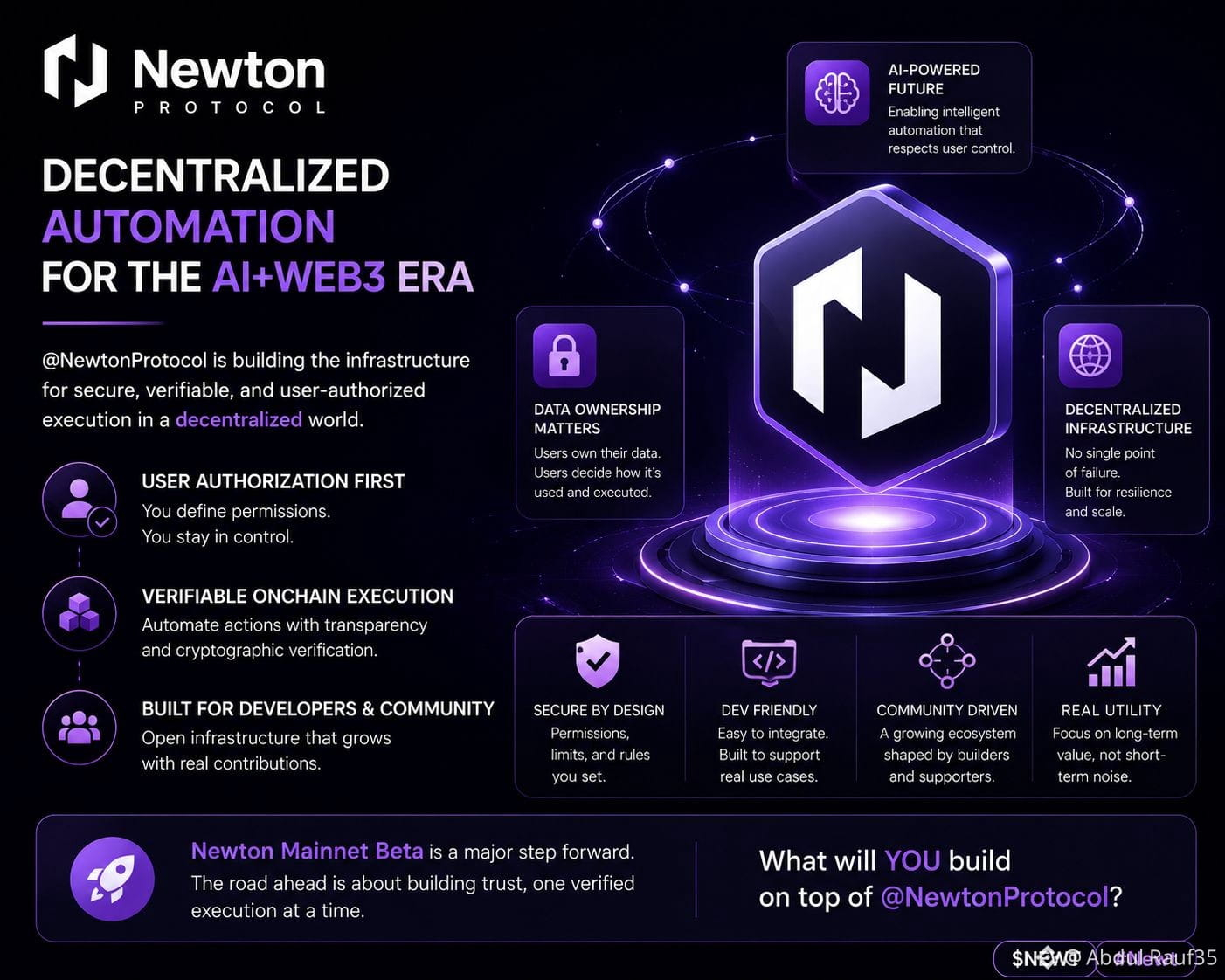
Tôi đã bắt đầu chú ý nhiều hơn đến cách AI và Web3 đang bắt đầu giao thoa, và @NewtonProtocol nổi bật vì nó tập trung vào việc mang lại cho người dùng nhiều quyền kiểm soát hơn đối với các hành động onchain tự động, thay vì chỉ dựa vào các quyết định tập trung. Tôi nghĩ sự cân bằng giữa tự động hóa và ủy quyền của người dùng sẽ ngày càng trở nên quan trọng khi các ứng dụng phi tập trung phát triển.
Điều tôi thấy thú vị nhất về @NewtonProtocol là cơ sở hạ tầng vững chắc thường “vô hình” khi nó hoạt động tốt. Nếu các nhà phát triển có thể xây dựng các ứng dụng AI và Web3 với việc thực thi minh bạch và quyền truy cập có thể được xác minh, thì người dùng sẽ có thêm niềm tin mà không phải đánh đổi quyền sở hữu hay quyền kiểm soát. Theo quan điểm của tôi, việc áp dụng lâu dài sẽ phụ thuộc vào sự tin cậy được tạo ra thông qua thiết kế thay vì những lời hứa. Bạn nghĩ yếu tố lớn nhất nào sẽ thúc đẩy làn sóng tự động hóa phi tập trung tiếp theo?
#Newt $NEWT @NewtonProtocol
#newt $NEWT
Tôi đã bắt đầu chú ý nhiều hơn đến cách AI và Web3 đang bắt đầu giao thoa, và @NewtonProtocol nổi bật vì nó tập trung vào việc mang lại cho người dùng nhiều quyền kiểm soát hơn đối với các hành động onchain tự động, thay vì chỉ dựa vào các quyết định tập trung. Tôi nghĩ sự cân bằng giữa tự động hóa và ủy quyền của người dùng sẽ ngày càng trở nên quan trọng khi các ứng dụng phi tập trung phát triển.
Điều tôi thấy thú vị nhất về @NewtonProtocol là cơ sở hạ tầng vững chắc thường “vô hình” khi nó hoạt động tốt. Nếu các nhà phát triển có thể xây dựng các ứng dụng AI và Web3 với việc thực thi minh bạch và quyền truy cập có thể được xác minh, thì người dùng sẽ có thêm niềm tin mà không phải đánh đổi quyền sở hữu hay quyền kiểm soát. Theo quan điểm của tôi, việc áp dụng lâu dài sẽ phụ thuộc vào sự tin cậy được tạo ra thông qua thiết kế thay vì những lời hứa. Bạn nghĩ yếu tố lớn nhất nào sẽ thúc đẩy làn sóng tự động hóa phi tập trung tiếp theo?
#Newt $NEWT @NewtonProtocol
Tôi đã bắt đầu chú ý nhiều hơn đến cách AI và Web3 đang bắt đầu giao thoa, và @NewtonProtocol nổi bật vì nó tập trung vào việc mang lại cho người dùng nhiều quyền kiểm soát hơn đối với các hành động onchain tự động, thay vì chỉ dựa vào các quyết định tập trung. Tôi nghĩ sự cân bằng giữa tự động hóa và ủy quyền của người dùng sẽ ngày càng trở nên quan trọng khi các ứng dụng phi tập trung phát triển.
Điều tôi thấy thú vị nhất về @NewtonProtocol là cơ sở hạ tầng vững chắc thường “vô hình” khi nó hoạt động tốt. Nếu các nhà phát triển có thể xây dựng các ứng dụng AI và Web3 với việc thực thi minh bạch và quyền truy cập có thể được xác minh, thì người dùng sẽ có thêm niềm tin mà không phải đánh đổi quyền sở hữu hay quyền kiểm soát. Theo quan điểm của tôi, việc áp dụng lâu dài sẽ phụ thuộc vào sự tin cậy được tạo ra thông qua thiết kế thay vì những lời hứa. Bạn nghĩ yếu tố lớn nhất nào sẽ thúc đẩy làn sóng tự động hóa phi tập trung tiếp theo?
#Newt $NEWT @NewtonProtocol
3
2
75
·
--
#opg $OPG
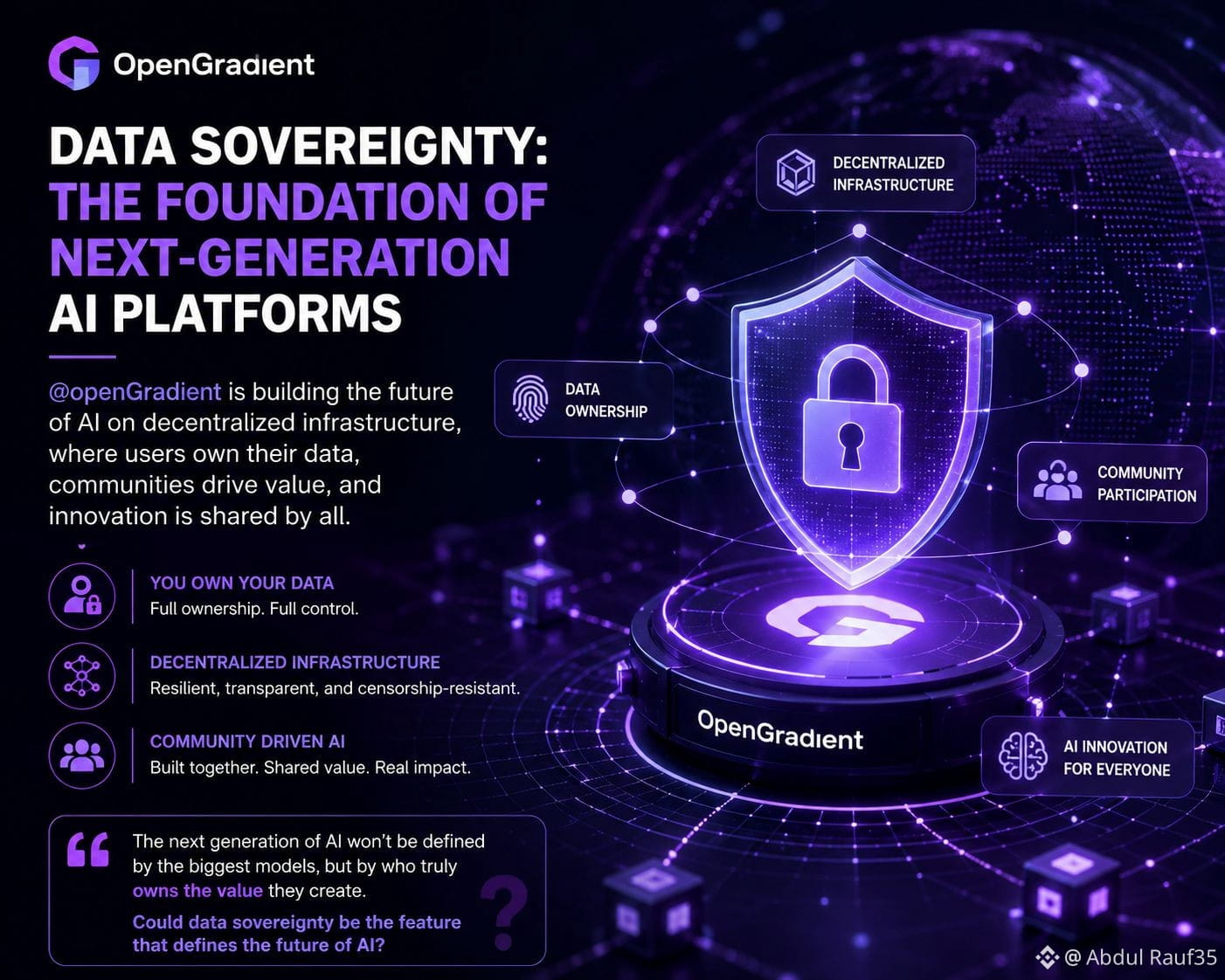
Tôi đã suy nghĩ rất nhiều về cách AI phát triển, và @openGradient nổi bật vì coi chủ quyền dữ liệu là nền tảng thay vì một ý nghĩ sau cùng. Khi người dùng có quyền sở hữu tốt hơn và có thể kiểm chứng quyền kiểm soát đối với dữ liệu của mình, AI có thể trở nên đáng tin cậy hơn và đồng thời mang tính hợp tác cao hơn.
Đối với tôi, @openGradient cho thấy cách hạ tầng phi tập trung và các ưu đãi của Web3 có thể gắn kết đổi mới với sự tham gia của cộng đồng, thay vì chỉ dựa vào sự kiểm soát tập trung. Thế hệ AI tiếp theo có thể sẽ không được định nghĩa bởi những mô hình lớn nhất, mà bởi những người thực sự sở hữu giá trị mà họ tạo ra. Liệu chủ quyền dữ liệu có trở thành tính năng định hình tương lai của AI không?
#OpenGreadient $OPG @OpenGradient
#opg $OPG
Tôi đã suy nghĩ rất nhiều về cách AI phát triển, và @openGradient nổi bật vì coi chủ quyền dữ liệu là nền tảng thay vì một ý nghĩ sau cùng. Khi người dùng có quyền sở hữu tốt hơn và có thể kiểm chứng quyền kiểm soát đối với dữ liệu của mình, AI có thể trở nên đáng tin cậy hơn và đồng thời mang tính hợp tác cao hơn.
Đối với tôi, @openGradient cho thấy cách hạ tầng phi tập trung và các ưu đãi của Web3 có thể gắn kết đổi mới với sự tham gia của cộng đồng, thay vì chỉ dựa vào sự kiểm soát tập trung. Thế hệ AI tiếp theo có thể sẽ không được định nghĩa bởi những mô hình lớn nhất, mà bởi những người thực sự sở hữu giá trị mà họ tạo ra. Liệu chủ quyền dữ liệu có trở thành tính năng định hình tương lai của AI không?
#OpenGreadient $OPG @OpenGradient
Tôi đã suy nghĩ rất nhiều về cách AI phát triển, và @openGradient nổi bật vì coi chủ quyền dữ liệu là nền tảng thay vì một ý nghĩ sau cùng. Khi người dùng có quyền sở hữu tốt hơn và có thể kiểm chứng quyền kiểm soát đối với dữ liệu của mình, AI có thể trở nên đáng tin cậy hơn và đồng thời mang tính hợp tác cao hơn.
Đối với tôi, @openGradient cho thấy cách hạ tầng phi tập trung và các ưu đãi của Web3 có thể gắn kết đổi mới với sự tham gia của cộng đồng, thay vì chỉ dựa vào sự kiểm soát tập trung. Thế hệ AI tiếp theo có thể sẽ không được định nghĩa bởi những mô hình lớn nhất, mà bởi những người thực sự sở hữu giá trị mà họ tạo ra. Liệu chủ quyền dữ liệu có trở thành tính năng định hình tương lai của AI không?
#OpenGreadient $OPG @OpenGradient
4
2
101
·
--
#opg $OPG
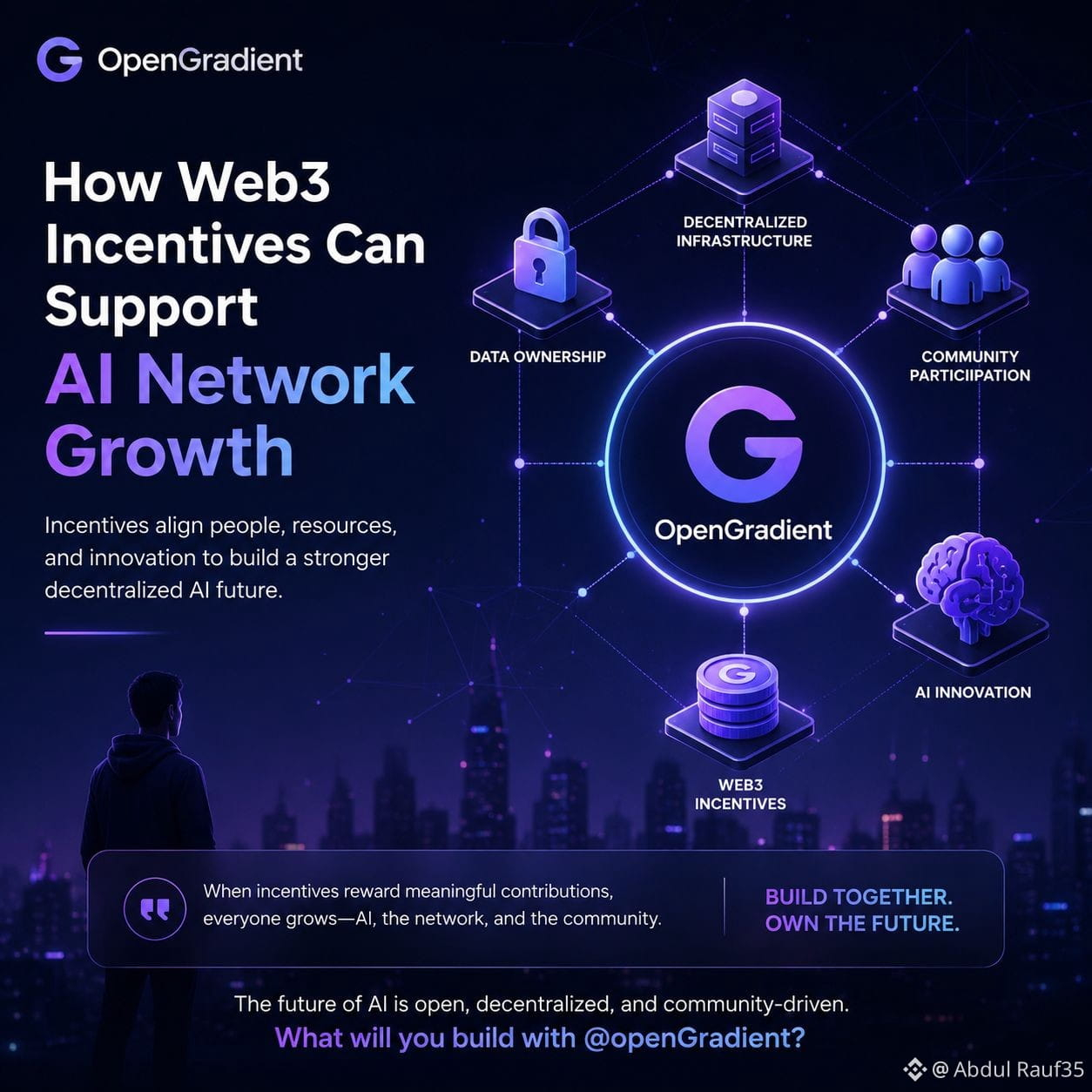
Tôi nghĩ làn sóng tăng trưởng AI tiếp theo sẽ phụ thuộc nhiều vào các cơ chế khuyến khích (incentives) cũng như vào chất lượng mô hình. @openGradient cho thấy Web3 có thể khuyến khích các nhà phát triển, nhà vận hành node và những người đóng góp củng cố hạ tầng AI đồng thời vẫn đảm bảo tính minh bạch và quyền sở hữu dữ liệu.
Điều nổi bật đối với tôi ở @openGradient là ý tưởng rằng các người tham gia có thể giúp mở rộng mạng lưới bởi vì phần thưởng theo cơ chế khuyến khích sẽ ghi nhận những đóng góp có ý nghĩa thay vì chỉ dựa vào các nền tảng tập trung. Liệu sự liên kết giữa cộng đồng và công nghệ này có thể trở thành nền tảng cho các hệ sinh thái AI đáng tin cậy hơn không?
#OpenGreadient $OPG @OpenGradient
#opg $OPG
Tôi nghĩ làn sóng tăng trưởng AI tiếp theo sẽ phụ thuộc nhiều vào các cơ chế khuyến khích (incentives) cũng như vào chất lượng mô hình. @openGradient cho thấy Web3 có thể khuyến khích các nhà phát triển, nhà vận hành node và những người đóng góp củng cố hạ tầng AI đồng thời vẫn đảm bảo tính minh bạch và quyền sở hữu dữ liệu.
Điều nổi bật đối với tôi ở @openGradient là ý tưởng rằng các người tham gia có thể giúp mở rộng mạng lưới bởi vì phần thưởng theo cơ chế khuyến khích sẽ ghi nhận những đóng góp có ý nghĩa thay vì chỉ dựa vào các nền tảng tập trung. Liệu sự liên kết giữa cộng đồng và công nghệ này có thể trở thành nền tảng cho các hệ sinh thái AI đáng tin cậy hơn không?
#OpenGreadient $OPG @OpenGradient
Tôi nghĩ làn sóng tăng trưởng AI tiếp theo sẽ phụ thuộc nhiều vào các cơ chế khuyến khích (incentives) cũng như vào chất lượng mô hình. @openGradient cho thấy Web3 có thể khuyến khích các nhà phát triển, nhà vận hành node và những người đóng góp củng cố hạ tầng AI đồng thời vẫn đảm bảo tính minh bạch và quyền sở hữu dữ liệu.
Điều nổi bật đối với tôi ở @openGradient là ý tưởng rằng các người tham gia có thể giúp mở rộng mạng lưới bởi vì phần thưởng theo cơ chế khuyến khích sẽ ghi nhận những đóng góp có ý nghĩa thay vì chỉ dựa vào các nền tảng tập trung. Liệu sự liên kết giữa cộng đồng và công nghệ này có thể trở thành nền tảng cho các hệ sinh thái AI đáng tin cậy hơn không?
#OpenGreadient $OPG @OpenGradient
12
3
92
·
--
#opg $OPG
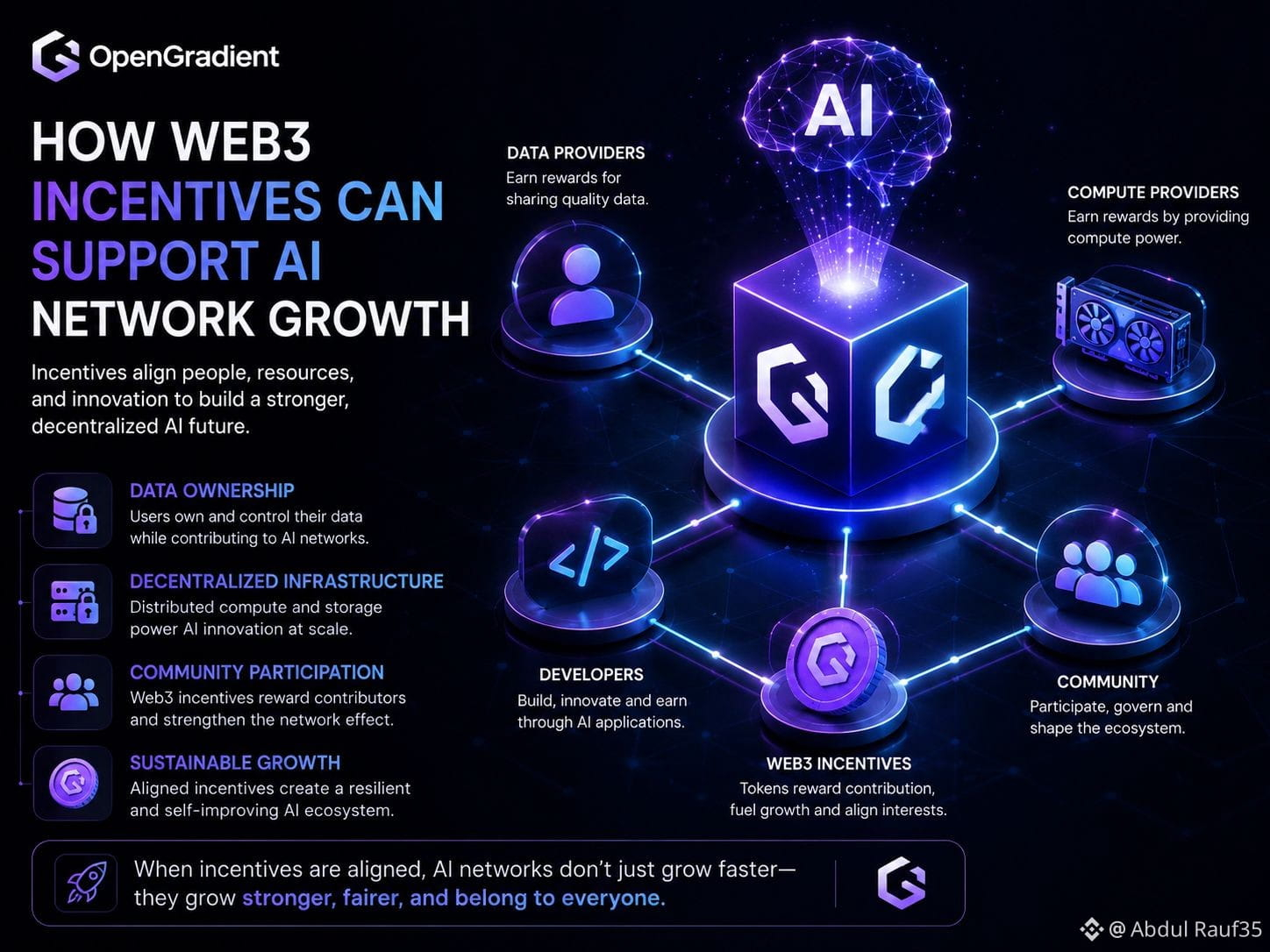
Tôi đã đi đến niềm tin rằng các mạng lưới AI mạnh mẽ cần nhiều hơn các mô hình tiên tiến—chúng còn cần các cơ chế khuyến khích để tưởng thưởng cho sự tham gia có ý nghĩa. @openGradient làm nổi bật cách Web3 có thể khuyến khích người đóng góp chia sẻ tài nguyên tính toán, dữ liệu và ý tưởng, đồng thời giữ quyền sở hữu và tính minh bạch làm nền tảng.
@openGradient nhắc tôi rằng sự phát triển bền vững của AI không chỉ được thúc đẩy bởi công nghệ, mà còn bởi việc cân bằng động lực giữa những người xây dựng và cộng đồng. Khi ai cũng có lý do để đóng góp, AI phi tập trung sẽ trở nên vững bền hơn. Liệu thiết kế cơ chế khuyến khích có thể trở thành “động cơ thực sự” đứng sau thế hệ mạng lưới AI tiếp theo không?
#OpenGradient $OPG @OpenGradient
#opg $OPG
Tôi đã đi đến niềm tin rằng các mạng lưới AI mạnh mẽ cần nhiều hơn các mô hình tiên tiến—chúng còn cần các cơ chế khuyến khích để tưởng thưởng cho sự tham gia có ý nghĩa. @openGradient làm nổi bật cách Web3 có thể khuyến khích người đóng góp chia sẻ tài nguyên tính toán, dữ liệu và ý tưởng, đồng thời giữ quyền sở hữu và tính minh bạch làm nền tảng.
@openGradient nhắc tôi rằng sự phát triển bền vững của AI không chỉ được thúc đẩy bởi công nghệ, mà còn bởi việc cân bằng động lực giữa những người xây dựng và cộng đồng. Khi ai cũng có lý do để đóng góp, AI phi tập trung sẽ trở nên vững bền hơn. Liệu thiết kế cơ chế khuyến khích có thể trở thành “động cơ thực sự” đứng sau thế hệ mạng lưới AI tiếp theo không?
#OpenGradient $OPG @OpenGradient
Tôi đã đi đến niềm tin rằng các mạng lưới AI mạnh mẽ cần nhiều hơn các mô hình tiên tiến—chúng còn cần các cơ chế khuyến khích để tưởng thưởng cho sự tham gia có ý nghĩa. @openGradient làm nổi bật cách Web3 có thể khuyến khích người đóng góp chia sẻ tài nguyên tính toán, dữ liệu và ý tưởng, đồng thời giữ quyền sở hữu và tính minh bạch làm nền tảng.
@openGradient nhắc tôi rằng sự phát triển bền vững của AI không chỉ được thúc đẩy bởi công nghệ, mà còn bởi việc cân bằng động lực giữa những người xây dựng và cộng đồng. Khi ai cũng có lý do để đóng góp, AI phi tập trung sẽ trở nên vững bền hơn. Liệu thiết kế cơ chế khuyến khích có thể trở thành “động cơ thực sự” đứng sau thế hệ mạng lưới AI tiếp theo không?
#OpenGradient $OPG @OpenGradient
13
2
99
·
--
#opg $OPG
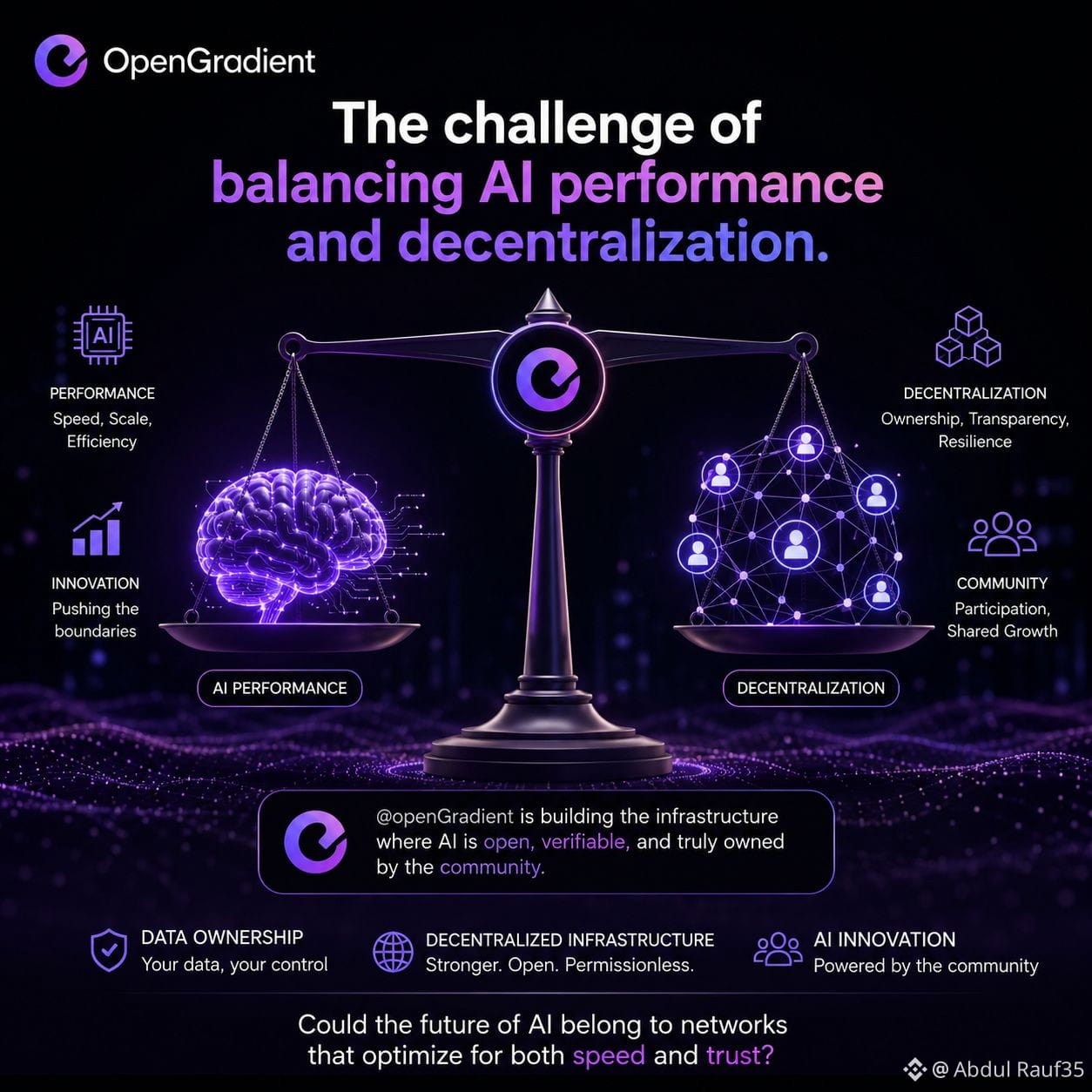
Tôi đã tự hỏi liệu AI nhanh nhất có luôn là AI có giá trị nhất hay không. @openGradient đã khiến tôi suy nghĩ rằng phi tập trung không phải là làm chậm đổi mới—mà là để minh bạch, có thể kiểm chứng và bền bỉ hơn cho trí tuệ. Đánh đổi đó có thể khó xây dựng, nhưng nó tạo ra niềm tin dài hạn vững chắc.
@openGradient cho thấy việc cân bằng hiệu năng AI với hạ tầng phi tập trung không phải là chọn cái này thay cho cái kia, mà là thiết kế các hệ thống nơi hiệu suất, quyền sở hữu dữ liệu và sự tham gia của cộng đồng củng cố lẫn nhau. Liệu tương lai của AI có thuộc về những mạng lưới tối ưu cho cả tốc độ và niềm tin không?
#OpenGradient $OPG @OpenGradient
#opg $OPG
Tôi đã tự hỏi liệu AI nhanh nhất có luôn là AI có giá trị nhất hay không. @openGradient đã khiến tôi suy nghĩ rằng phi tập trung không phải là làm chậm đổi mới—mà là để minh bạch, có thể kiểm chứng và bền bỉ hơn cho trí tuệ. Đánh đổi đó có thể khó xây dựng, nhưng nó tạo ra niềm tin dài hạn vững chắc.
@openGradient cho thấy việc cân bằng hiệu năng AI với hạ tầng phi tập trung không phải là chọn cái này thay cho cái kia, mà là thiết kế các hệ thống nơi hiệu suất, quyền sở hữu dữ liệu và sự tham gia của cộng đồng củng cố lẫn nhau. Liệu tương lai của AI có thuộc về những mạng lưới tối ưu cho cả tốc độ và niềm tin không?
#OpenGradient $OPG @OpenGradient
Tôi đã tự hỏi liệu AI nhanh nhất có luôn là AI có giá trị nhất hay không. @openGradient đã khiến tôi suy nghĩ rằng phi tập trung không phải là làm chậm đổi mới—mà là để minh bạch, có thể kiểm chứng và bền bỉ hơn cho trí tuệ. Đánh đổi đó có thể khó xây dựng, nhưng nó tạo ra niềm tin dài hạn vững chắc.
@openGradient cho thấy việc cân bằng hiệu năng AI với hạ tầng phi tập trung không phải là chọn cái này thay cho cái kia, mà là thiết kế các hệ thống nơi hiệu suất, quyền sở hữu dữ liệu và sự tham gia của cộng đồng củng cố lẫn nhau. Liệu tương lai của AI có thuộc về những mạng lưới tối ưu cho cả tốc độ và niềm tin không?
#OpenGradient $OPG @OpenGradient
15
1
103
·
--
#opg $OPG
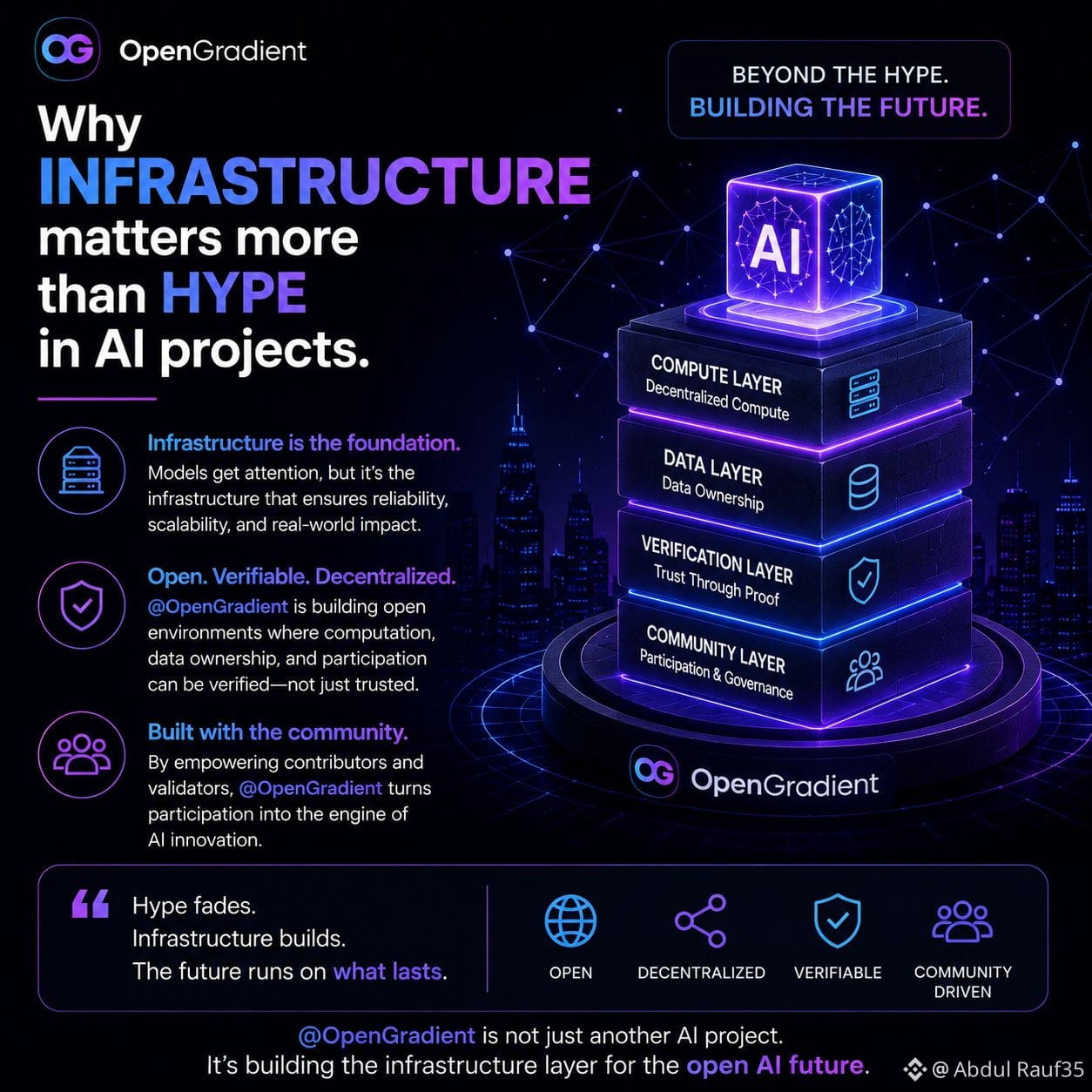
Tôi đã nhận thấy rằng nhiều cuộc thảo luận về AI tập trung vào hiệu năng của mô hình, nhưng hiếm khi đề cập đến cơ sở hạ tầng giúp các hệ thống đó vận hành ổn định. Đó là một lý do khiến tôi chú ý đến @openGradient. Về lâu dài, AI bền vững có thể phụ thuộc nhiều hơn vào cơ sở hạ tầng minh bạch và phi tập trung thay vì các chu kỳ “hào quang” ngắn hạn.
Điểm nổi bật ở @openGradient là sự tập trung vào việc tạo ra các môi trường mở, nơi việc tính toán, quyền sở hữu dữ liệu và sự tham gia có thể được kiểm chứng thay vì chỉ đơn thuần được “tin tưởng”. Việc xây dựng nền tảng đó khó hơn nhiều so với việc tung ra một câu chuyện mới, nhưng thường chính là nơi tạo ra giá trị bền vững.
@openGradient nhắc tôi rằng những hệ sinh thái AI mạnh mẽ nhất có thể không phải là những hệ sinh thái ồn ào nhất—mà là những hệ sinh thái có cơ sở hạ tầng đủ vững để hỗ trợ đổi mới trong nhiều năm. Khi AI phát triển, liệu cơ sở hạ tầng sẽ trở thành lợi thế cạnh tranh thực sự?
#OpenGradient $OPG @OpenGradient
#opg $OPG
Tôi đã nhận thấy rằng nhiều cuộc thảo luận về AI tập trung vào hiệu năng của mô hình, nhưng hiếm khi đề cập đến cơ sở hạ tầng giúp các hệ thống đó vận hành ổn định. Đó là một lý do khiến tôi chú ý đến @openGradient. Về lâu dài, AI bền vững có thể phụ thuộc nhiều hơn vào cơ sở hạ tầng minh bạch và phi tập trung thay vì các chu kỳ “hào quang” ngắn hạn.
Điểm nổi bật ở @openGradient là sự tập trung vào việc tạo ra các môi trường mở, nơi việc tính toán, quyền sở hữu dữ liệu và sự tham gia có thể được kiểm chứng thay vì chỉ đơn thuần được “tin tưởng”. Việc xây dựng nền tảng đó khó hơn nhiều so với việc tung ra một câu chuyện mới, nhưng thường chính là nơi tạo ra giá trị bền vững.
@openGradient nhắc tôi rằng những hệ sinh thái AI mạnh mẽ nhất có thể không phải là những hệ sinh thái ồn ào nhất—mà là những hệ sinh thái có cơ sở hạ tầng đủ vững để hỗ trợ đổi mới trong nhiều năm. Khi AI phát triển, liệu cơ sở hạ tầng sẽ trở thành lợi thế cạnh tranh thực sự?
#OpenGradient $OPG @OpenGradient
Tôi đã nhận thấy rằng nhiều cuộc thảo luận về AI tập trung vào hiệu năng của mô hình, nhưng hiếm khi đề cập đến cơ sở hạ tầng giúp các hệ thống đó vận hành ổn định. Đó là một lý do khiến tôi chú ý đến @openGradient. Về lâu dài, AI bền vững có thể phụ thuộc nhiều hơn vào cơ sở hạ tầng minh bạch và phi tập trung thay vì các chu kỳ “hào quang” ngắn hạn.
Điểm nổi bật ở @openGradient là sự tập trung vào việc tạo ra các môi trường mở, nơi việc tính toán, quyền sở hữu dữ liệu và sự tham gia có thể được kiểm chứng thay vì chỉ đơn thuần được “tin tưởng”. Việc xây dựng nền tảng đó khó hơn nhiều so với việc tung ra một câu chuyện mới, nhưng thường chính là nơi tạo ra giá trị bền vững.
@openGradient nhắc tôi rằng những hệ sinh thái AI mạnh mẽ nhất có thể không phải là những hệ sinh thái ồn ào nhất—mà là những hệ sinh thái có cơ sở hạ tầng đủ vững để hỗ trợ đổi mới trong nhiều năm. Khi AI phát triển, liệu cơ sở hạ tầng sẽ trở thành lợi thế cạnh tranh thực sự?
#OpenGradient $OPG @OpenGradient
3
3
102
·
--
#opg $OPG
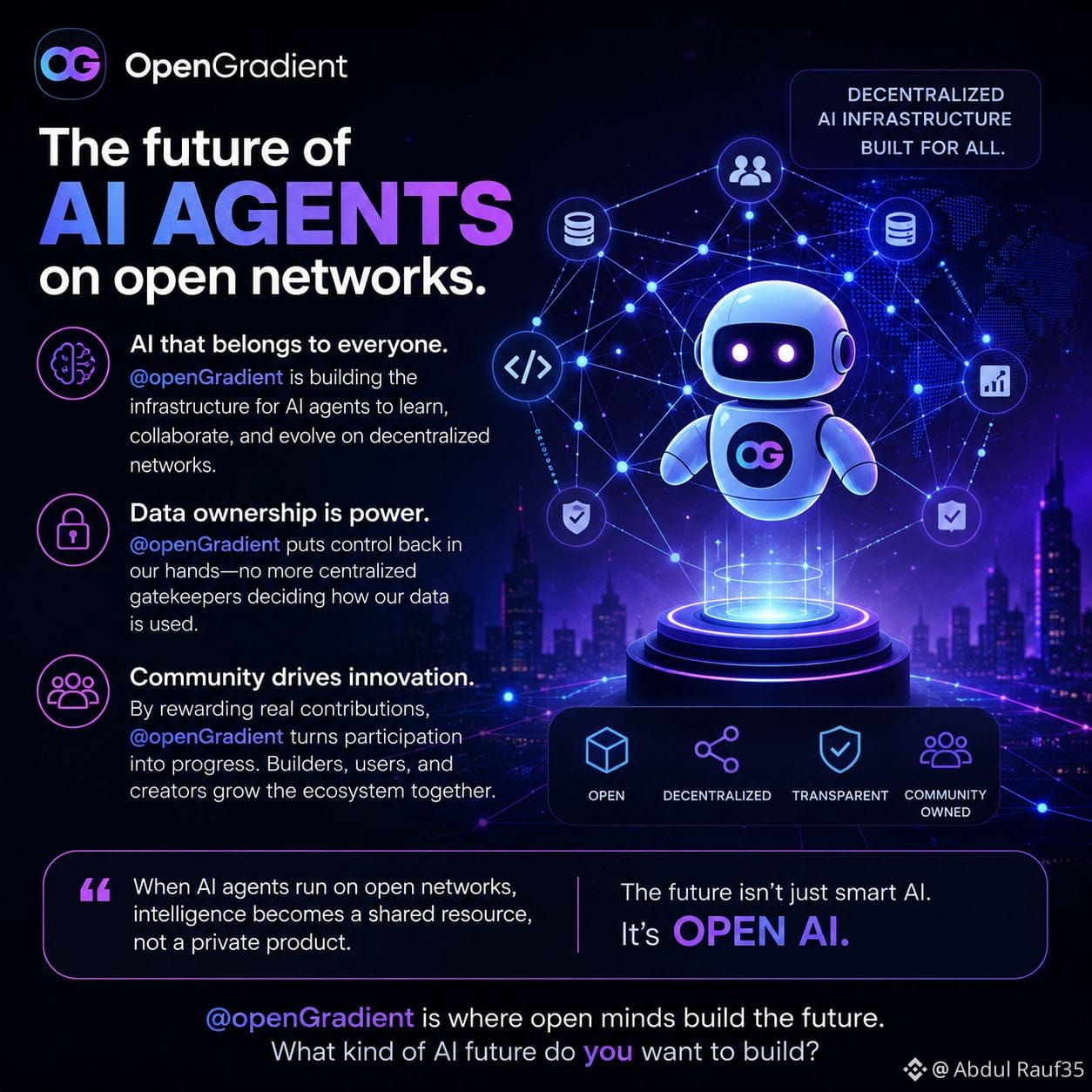
Tôi đã suy nghĩ về việc các tác nhân AI có thể trông như thế nào trong một thế giới mà chúng hoạt động trên các mạng mở thay vì các nền tảng khép kín. @openGradient nổi bật vì nó khám phá một tương lai nơi trí tuệ có thể được xác minh, chia sẻ và cải tiến bởi một cộng đồng rộng lớn hơn, thay vì bị kiểm soát bởi một vài “người gác cổng”.
Điều tôi thấy thú vị nhất ở @openGradient là bài toán phối hợp (coordination). Các mạng mở tạo ra nhiều cơ hội cho đổi mới, nhưng đồng thời chúng cũng đòi hỏi những cách tốt hơn để xác thực các đóng góp và duy trì niềm tin. Nếu được giải quyết tốt, các tác nhân AI có thể trở nên minh bạch hơn, bền bỉ hơn và phù hợp hơn với lợi ích của người dùng.
@openGradient nhắc tôi rằng tương lai của AI có thể phụ thuộc ít hơn vào ai sở hữu các mô hình và nhiều hơn vào ai có thể tham gia xây dựng chúng. Liệu các mạng mở có trở thành nền tảng cho thế hệ tác nhân AI tiếp theo không?
#OpenGradient $OPG @OpenGradient
#opg $OPG
Tôi đã suy nghĩ về việc các tác nhân AI có thể trông như thế nào trong một thế giới mà chúng hoạt động trên các mạng mở thay vì các nền tảng khép kín. @openGradient nổi bật vì nó khám phá một tương lai nơi trí tuệ có thể được xác minh, chia sẻ và cải tiến bởi một cộng đồng rộng lớn hơn, thay vì bị kiểm soát bởi một vài “người gác cổng”.
Điều tôi thấy thú vị nhất ở @openGradient là bài toán phối hợp (coordination). Các mạng mở tạo ra nhiều cơ hội cho đổi mới, nhưng đồng thời chúng cũng đòi hỏi những cách tốt hơn để xác thực các đóng góp và duy trì niềm tin. Nếu được giải quyết tốt, các tác nhân AI có thể trở nên minh bạch hơn, bền bỉ hơn và phù hợp hơn với lợi ích của người dùng.
@openGradient nhắc tôi rằng tương lai của AI có thể phụ thuộc ít hơn vào ai sở hữu các mô hình và nhiều hơn vào ai có thể tham gia xây dựng chúng. Liệu các mạng mở có trở thành nền tảng cho thế hệ tác nhân AI tiếp theo không?
#OpenGradient $OPG @OpenGradient
Tôi đã suy nghĩ về việc các tác nhân AI có thể trông như thế nào trong một thế giới mà chúng hoạt động trên các mạng mở thay vì các nền tảng khép kín. @openGradient nổi bật vì nó khám phá một tương lai nơi trí tuệ có thể được xác minh, chia sẻ và cải tiến bởi một cộng đồng rộng lớn hơn, thay vì bị kiểm soát bởi một vài “người gác cổng”.
Điều tôi thấy thú vị nhất ở @openGradient là bài toán phối hợp (coordination). Các mạng mở tạo ra nhiều cơ hội cho đổi mới, nhưng đồng thời chúng cũng đòi hỏi những cách tốt hơn để xác thực các đóng góp và duy trì niềm tin. Nếu được giải quyết tốt, các tác nhân AI có thể trở nên minh bạch hơn, bền bỉ hơn và phù hợp hơn với lợi ích của người dùng.
@openGradient nhắc tôi rằng tương lai của AI có thể phụ thuộc ít hơn vào ai sở hữu các mô hình và nhiều hơn vào ai có thể tham gia xây dựng chúng. Liệu các mạng mở có trở thành nền tảng cho thế hệ tác nhân AI tiếp theo không?
#OpenGradient $OPG @OpenGradient
9
1
85
·
--
#opg $OPG
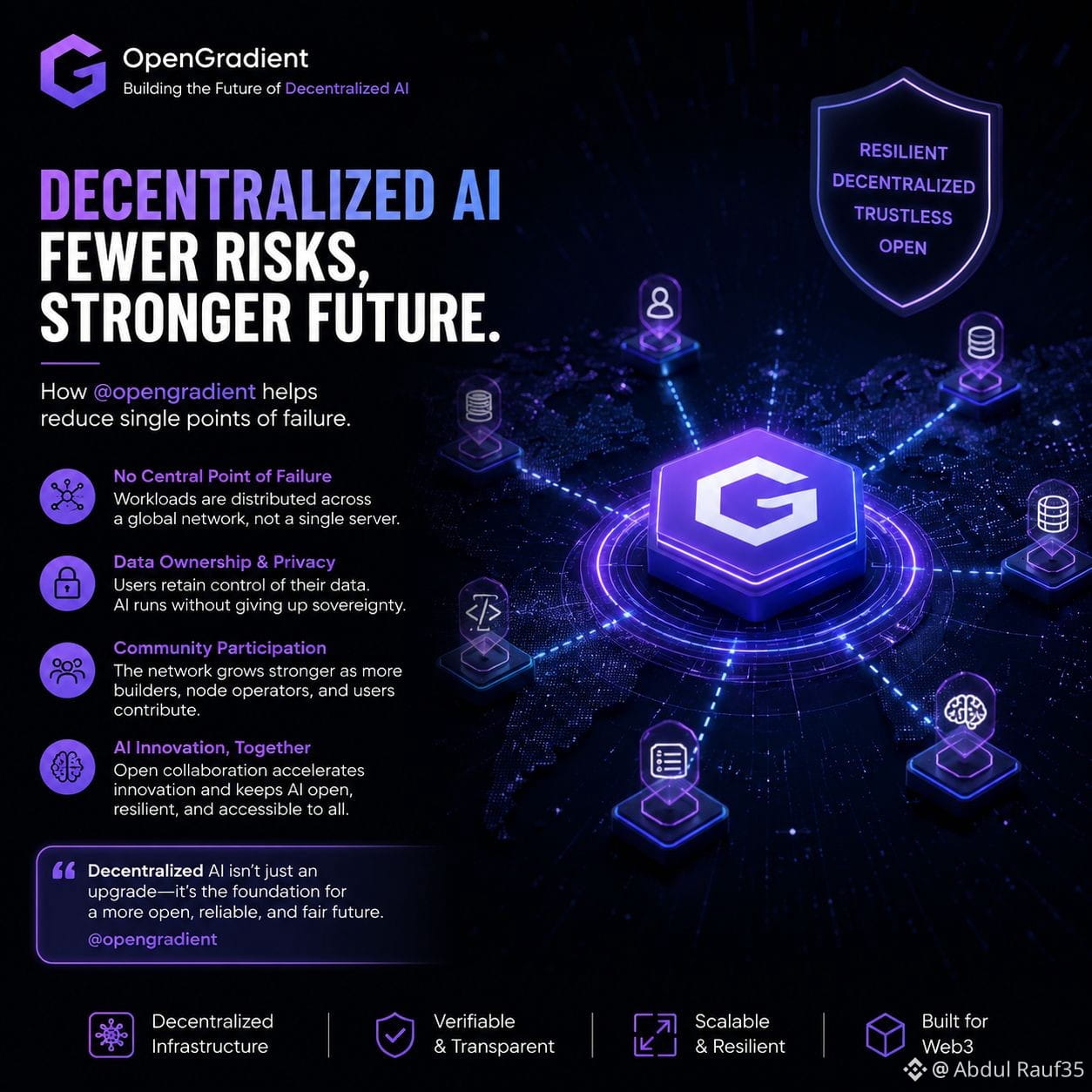
Tôi đã suy nghĩ về việc nhiều hệ thống AI vẫn còn mong manh như thế nào. Khi một nhà cung cấp kiểm soát các mô hình, hạ tầng và dữ liệu, chỉ cần một lần ngừng hoạt động hoặc thay đổi chính sách là có thể làm gián đoạn toàn bộ hệ sinh thái.
@OpenGradient dient đưa ra một cách tiếp cận khác bằng cách khám phá hạ tầng AI phi tập trung, nơi việc tính toán và trí tuệ được phân bổ trên một mạng lưới rộng hơn. Điều nổi bật với tôi là khả năng phục hồi không chỉ là một tính năng kỹ thuật—mà trở thành lợi thế do cộng đồng tạo ra. Khi càng nhiều người tham gia đóng góp, thì càng khó để một điểm lỗi đơn lẻ có thể ảnh hưởng đến hệ thống.
@OpenGradient adient cũng nhấn mạnh một bài học quan trọng cho Web3: đổi mới thực sự không chỉ nằm ở việc xây dựng AI thông minh hơn, mà còn là xây dựng AI vẫn có thể tiếp cận, có thể kiểm chứng và bền bỉ trước áp lực.
Khi việc ứng dụng AI ngày càng tăng, liệu các mạng phi tập trung có trở thành nền tảng để giữ cho trí tuệ luôn mở và đáng tin cậy cho mọi người không?
#OpenGradient $OPG @OpenGradient
#opg $OPG
Tôi đã suy nghĩ về việc nhiều hệ thống AI vẫn còn mong manh như thế nào. Khi một nhà cung cấp kiểm soát các mô hình, hạ tầng và dữ liệu, chỉ cần một lần ngừng hoạt động hoặc thay đổi chính sách là có thể làm gián đoạn toàn bộ hệ sinh thái.
@OpenGradient dient đưa ra một cách tiếp cận khác bằng cách khám phá hạ tầng AI phi tập trung, nơi việc tính toán và trí tuệ được phân bổ trên một mạng lưới rộng hơn. Điều nổi bật với tôi là khả năng phục hồi không chỉ là một tính năng kỹ thuật—mà trở thành lợi thế do cộng đồng tạo ra. Khi càng nhiều người tham gia đóng góp, thì càng khó để một điểm lỗi đơn lẻ có thể ảnh hưởng đến hệ thống.
@OpenGradient adient cũng nhấn mạnh một bài học quan trọng cho Web3: đổi mới thực sự không chỉ nằm ở việc xây dựng AI thông minh hơn, mà còn là xây dựng AI vẫn có thể tiếp cận, có thể kiểm chứng và bền bỉ trước áp lực.
Khi việc ứng dụng AI ngày càng tăng, liệu các mạng phi tập trung có trở thành nền tảng để giữ cho trí tuệ luôn mở và đáng tin cậy cho mọi người không?
#OpenGradient $OPG @OpenGradient
Tôi đã suy nghĩ về việc nhiều hệ thống AI vẫn còn mong manh như thế nào. Khi một nhà cung cấp kiểm soát các mô hình, hạ tầng và dữ liệu, chỉ cần một lần ngừng hoạt động hoặc thay đổi chính sách là có thể làm gián đoạn toàn bộ hệ sinh thái.
@OpenGradient dient đưa ra một cách tiếp cận khác bằng cách khám phá hạ tầng AI phi tập trung, nơi việc tính toán và trí tuệ được phân bổ trên một mạng lưới rộng hơn. Điều nổi bật với tôi là khả năng phục hồi không chỉ là một tính năng kỹ thuật—mà trở thành lợi thế do cộng đồng tạo ra. Khi càng nhiều người tham gia đóng góp, thì càng khó để một điểm lỗi đơn lẻ có thể ảnh hưởng đến hệ thống.
@OpenGradient adient cũng nhấn mạnh một bài học quan trọng cho Web3: đổi mới thực sự không chỉ nằm ở việc xây dựng AI thông minh hơn, mà còn là xây dựng AI vẫn có thể tiếp cận, có thể kiểm chứng và bền bỉ trước áp lực.
Khi việc ứng dụng AI ngày càng tăng, liệu các mạng phi tập trung có trở thành nền tảng để giữ cho trí tuệ luôn mở và đáng tin cậy cho mọi người không?
#OpenGradient $OPG @OpenGradient
4
4
92
·
--
#opg $OPG
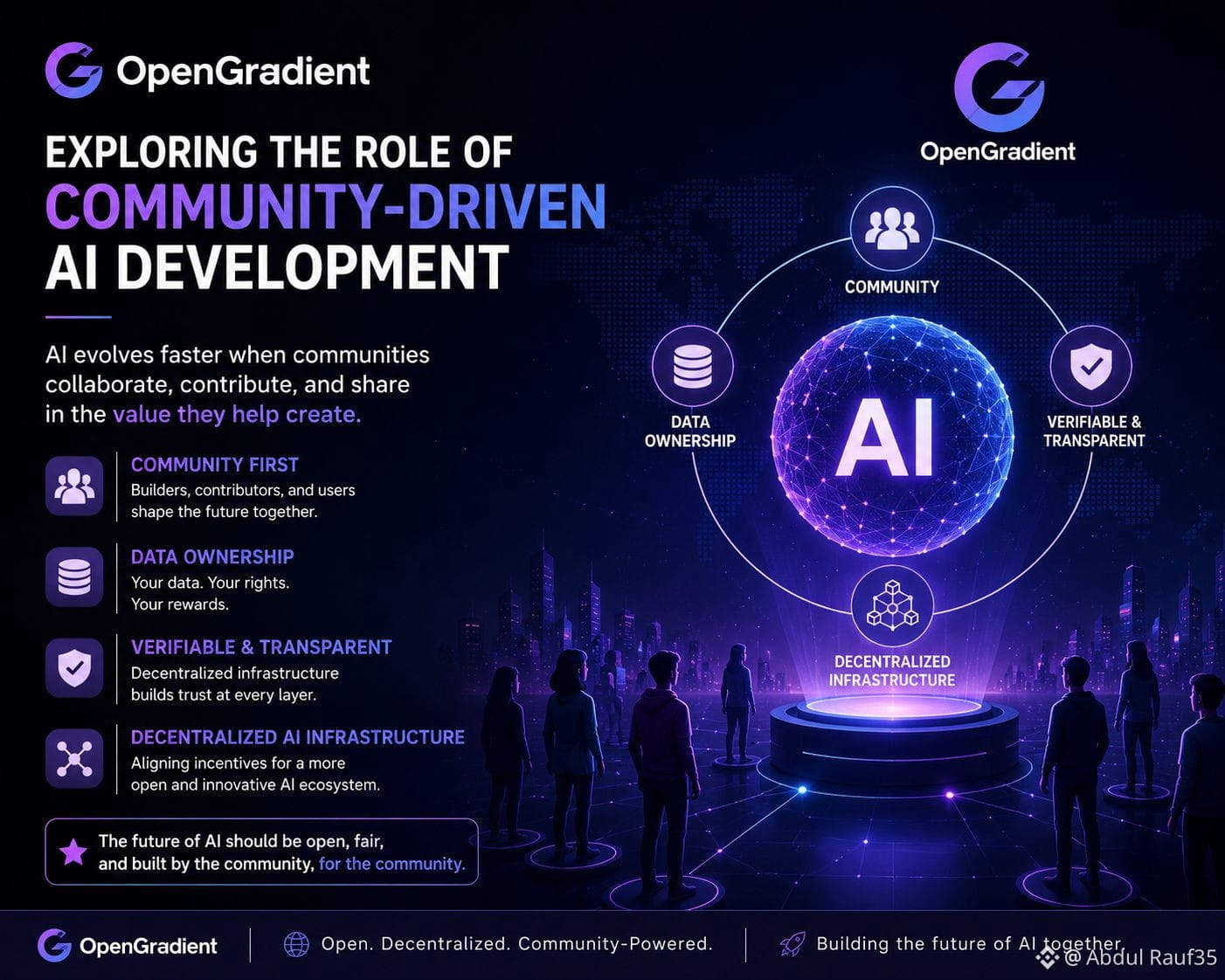
Tôi đã suy nghĩ về cách hầu hết các cuộc trò chuyện về AI tập trung vào mô hình, trong khi những người đóng góp dữ liệu, phản hồi và hạ tầng lại thường không được nhìn thấy. Đó là một trong những lý do khiến @opengradient thu hút sự chú ý của tôi. Nền tảng này khám phá liệu phát triển AI có thể trở nên mang tính cộng đồng hơn hay không—nơi sự tham gia được ghi nhận thay vì chỉ bị hấp thụ bởi các nền tảng tập trung.
Điểm nổi bật về @opengradient là ý tưởng rằng hạ tầng phi tập trung có thể đồng bộ lợi ích giữa các nhà xây dựng, người đóng góp và người dùng. Trong Web3, quyền sở hữu là quan trọng. Với AI, điều này có thể cũng sẽ quan trọng tương tự. Nếu cộng đồng cùng tạo ra giá trị, liệu họ cũng nên chia sẻ những lợi ích đó không?
@opengradient đặt ra một câu hỏi thú vị: liệu thế hệ AI tiếp theo có thể được định hình không chỉ bởi thuật toán, mà còn bởi những cộng đồng giúp vận hành chúng? Câu trả lời có thể quyết định cách mà niềm tin và đổi mới phát triển cùng nhau.
#OpenGradient $OPG @OpenGradient
#opg $OPG
Tôi đã suy nghĩ về cách hầu hết các cuộc trò chuyện về AI tập trung vào mô hình, trong khi những người đóng góp dữ liệu, phản hồi và hạ tầng lại thường không được nhìn thấy. Đó là một trong những lý do khiến @opengradient thu hút sự chú ý của tôi. Nền tảng này khám phá liệu phát triển AI có thể trở nên mang tính cộng đồng hơn hay không—nơi sự tham gia được ghi nhận thay vì chỉ bị hấp thụ bởi các nền tảng tập trung.
Điểm nổi bật về @opengradient là ý tưởng rằng hạ tầng phi tập trung có thể đồng bộ lợi ích giữa các nhà xây dựng, người đóng góp và người dùng. Trong Web3, quyền sở hữu là quan trọng. Với AI, điều này có thể cũng sẽ quan trọng tương tự. Nếu cộng đồng cùng tạo ra giá trị, liệu họ cũng nên chia sẻ những lợi ích đó không?
@opengradient đặt ra một câu hỏi thú vị: liệu thế hệ AI tiếp theo có thể được định hình không chỉ bởi thuật toán, mà còn bởi những cộng đồng giúp vận hành chúng? Câu trả lời có thể quyết định cách mà niềm tin và đổi mới phát triển cùng nhau.
#OpenGradient $OPG @OpenGradient
Tôi đã suy nghĩ về cách hầu hết các cuộc trò chuyện về AI tập trung vào mô hình, trong khi những người đóng góp dữ liệu, phản hồi và hạ tầng lại thường không được nhìn thấy. Đó là một trong những lý do khiến @opengradient thu hút sự chú ý của tôi. Nền tảng này khám phá liệu phát triển AI có thể trở nên mang tính cộng đồng hơn hay không—nơi sự tham gia được ghi nhận thay vì chỉ bị hấp thụ bởi các nền tảng tập trung.
Điểm nổi bật về @opengradient là ý tưởng rằng hạ tầng phi tập trung có thể đồng bộ lợi ích giữa các nhà xây dựng, người đóng góp và người dùng. Trong Web3, quyền sở hữu là quan trọng. Với AI, điều này có thể cũng sẽ quan trọng tương tự. Nếu cộng đồng cùng tạo ra giá trị, liệu họ cũng nên chia sẻ những lợi ích đó không?
@opengradient đặt ra một câu hỏi thú vị: liệu thế hệ AI tiếp theo có thể được định hình không chỉ bởi thuật toán, mà còn bởi những cộng đồng giúp vận hành chúng? Câu trả lời có thể quyết định cách mà niềm tin và đổi mới phát triển cùng nhau.
#OpenGradient $OPG @OpenGradient
16
2
96
·
--
#opg $OPG
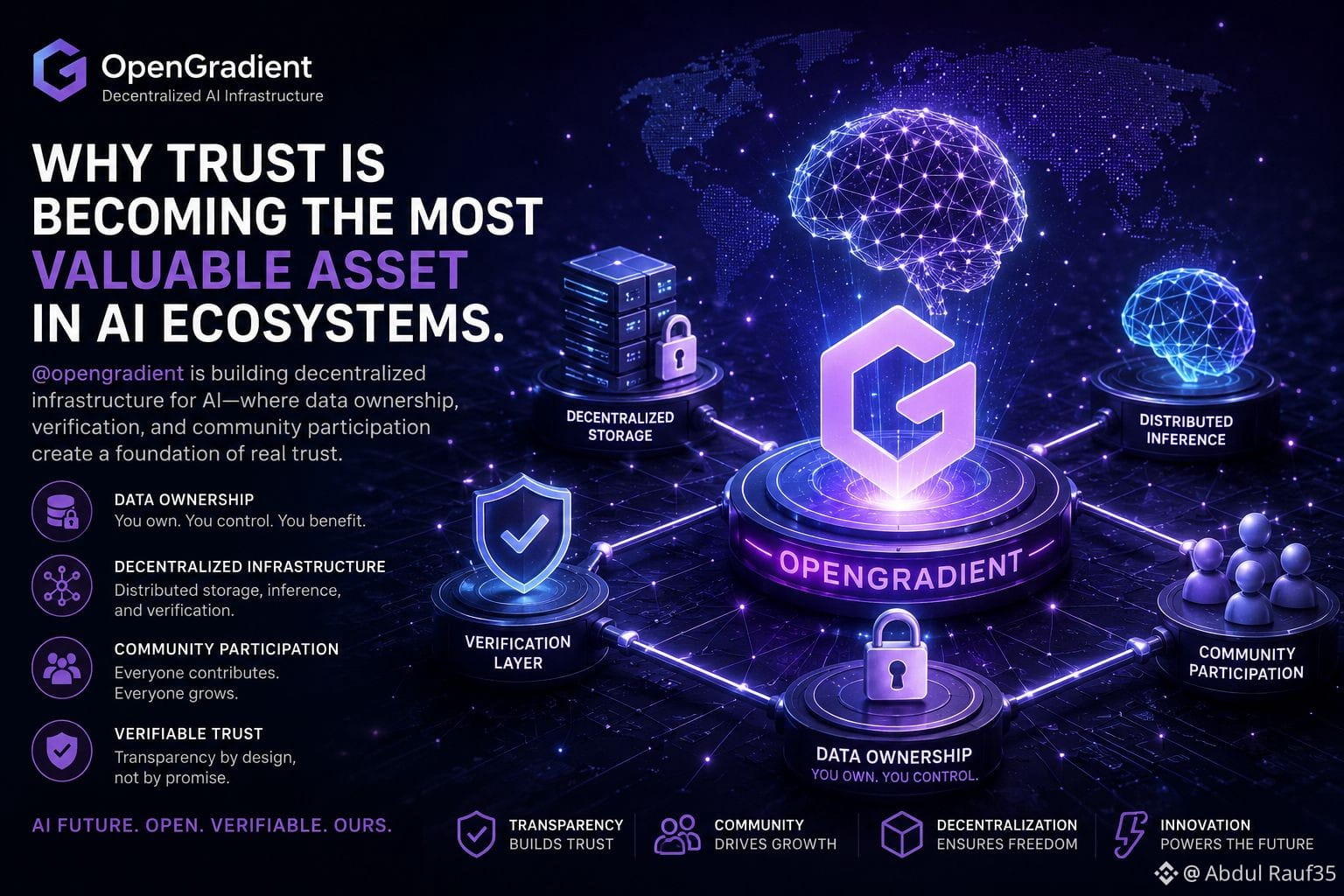
Tôi đã suy nghĩ về việc các cuộc thảo luận về AI thường tập trung vào hiệu năng của mô hình, trong khi niềm tin lại ít được chú ý hơn. AI càng trở nên mạnh mẽ, càng quan trọng để biết dữ liệu đến từ đâu, cách các quyết định được đưa ra và liệu có thể kiểm chứng được đầu ra hay không. Đó là một lý do khiến @OpenGradient radient nổi bật với tôi.
Điều tôi thấy thú vị ở @OpenGradient radient là họ tiếp cận niềm tin như một vấn đề về hạ tầng thay vì một vấn đề về xây dựng thương hiệu. Bằng cách kết hợp AI với hạ tầng phi tập trung, @OpenGradient radient khám phá cách việc xác minh, quyền sở hữu dữ liệu và sự tham gia của cộng đồng có thể trở thành một phần của chính hệ thống, thay vì dựa vào niềm tin mù quáng vào các nhà cung cấp tập trung.
Bài học tôi rút ra từ Web3 là tính minh bạch thường mở rộng tốt hơn những lời hứa. Nếu AI sẽ vận hành các ứng dụng quan trọng, người dùng sẽ cần những cách để xác minh kết quả, hiểu động lực/khuyến khích, và giữ quyền kiểm soát đối với những đóng góp của mình. @OpenGradient radient đang thúc đẩy cuộc trò chuyện đó tiến lên.
Khi các hệ sinh thái AI phát triển, liệu niềm tin có trở thành tài sản có giá trị nhất—và các mạng phi tập trung có thể giúp tạo ra nó hiệu quả hơn so với các mô hình truyền thống không?
#OpenGradient $OPG @OpenGradient
#opg $OPG
Tôi đã suy nghĩ về việc các cuộc thảo luận về AI thường tập trung vào hiệu năng của mô hình, trong khi niềm tin lại ít được chú ý hơn. AI càng trở nên mạnh mẽ, càng quan trọng để biết dữ liệu đến từ đâu, cách các quyết định được đưa ra và liệu có thể kiểm chứng được đầu ra hay không. Đó là một lý do khiến @OpenGradient radient nổi bật với tôi.
Điều tôi thấy thú vị ở @OpenGradient radient là họ tiếp cận niềm tin như một vấn đề về hạ tầng thay vì một vấn đề về xây dựng thương hiệu. Bằng cách kết hợp AI với hạ tầng phi tập trung, @OpenGradient radient khám phá cách việc xác minh, quyền sở hữu dữ liệu và sự tham gia của cộng đồng có thể trở thành một phần của chính hệ thống, thay vì dựa vào niềm tin mù quáng vào các nhà cung cấp tập trung.
Bài học tôi rút ra từ Web3 là tính minh bạch thường mở rộng tốt hơn những lời hứa. Nếu AI sẽ vận hành các ứng dụng quan trọng, người dùng sẽ cần những cách để xác minh kết quả, hiểu động lực/khuyến khích, và giữ quyền kiểm soát đối với những đóng góp của mình. @OpenGradient radient đang thúc đẩy cuộc trò chuyện đó tiến lên.
Khi các hệ sinh thái AI phát triển, liệu niềm tin có trở thành tài sản có giá trị nhất—và các mạng phi tập trung có thể giúp tạo ra nó hiệu quả hơn so với các mô hình truyền thống không?
#OpenGradient $OPG @OpenGradient
Tôi đã suy nghĩ về việc các cuộc thảo luận về AI thường tập trung vào hiệu năng của mô hình, trong khi niềm tin lại ít được chú ý hơn. AI càng trở nên mạnh mẽ, càng quan trọng để biết dữ liệu đến từ đâu, cách các quyết định được đưa ra và liệu có thể kiểm chứng được đầu ra hay không. Đó là một lý do khiến @OpenGradient radient nổi bật với tôi.
Điều tôi thấy thú vị ở @OpenGradient radient là họ tiếp cận niềm tin như một vấn đề về hạ tầng thay vì một vấn đề về xây dựng thương hiệu. Bằng cách kết hợp AI với hạ tầng phi tập trung, @OpenGradient radient khám phá cách việc xác minh, quyền sở hữu dữ liệu và sự tham gia của cộng đồng có thể trở thành một phần của chính hệ thống, thay vì dựa vào niềm tin mù quáng vào các nhà cung cấp tập trung.
Bài học tôi rút ra từ Web3 là tính minh bạch thường mở rộng tốt hơn những lời hứa. Nếu AI sẽ vận hành các ứng dụng quan trọng, người dùng sẽ cần những cách để xác minh kết quả, hiểu động lực/khuyến khích, và giữ quyền kiểm soát đối với những đóng góp của mình. @OpenGradient radient đang thúc đẩy cuộc trò chuyện đó tiến lên.
Khi các hệ sinh thái AI phát triển, liệu niềm tin có trở thành tài sản có giá trị nhất—và các mạng phi tập trung có thể giúp tạo ra nó hiệu quả hơn so với các mô hình truyền thống không?
#OpenGradient $OPG @OpenGradient
5
2
63
·
--
#opg $OPG
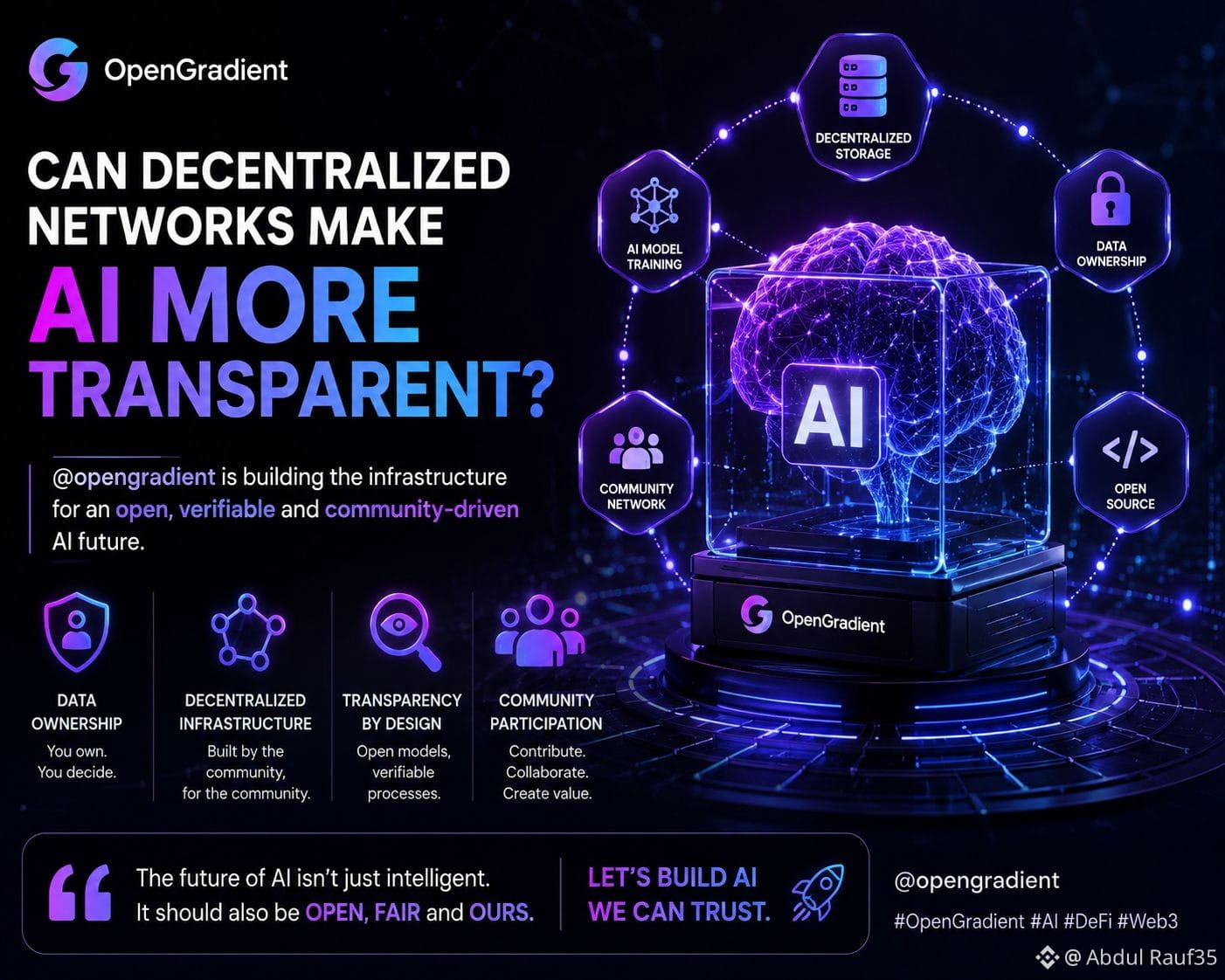
#Gần đây, mình đang suy nghĩ về việc khó khăn như thế nào để tin tưởng vào các hệ thống AI khi dữ liệu, mô hình và quy trình quyết định nền tảng vẫn ẩn giấu. Tính minh bạch thường được thảo luận như một tính năng, nhưng mình bắt đầu thấy nó như một thách thức về hạ tầng. @opengradient đang khám phá cách mà các mạng phi tập trung có thể giúp phát triển AI trở nên cởi mở, có thể xác minh và hướng tới cộng đồng hơn.
Điều làm mình ấn tượng về @opengradient là ý tưởng rằng những người đóng góp không chỉ nên cung cấp dữ liệu và tài nguyên - họ còn nên có cái nhìn rõ ràng về cách tạo ra giá trị. Bằng cách kết hợp AI với hạ tầng phi tập trung, @opengradient đặt ra những câu hỏi quan trọng về quyền sở hữu dữ liệu, sự tham gia và tính trách nhiệm trong thế hệ hệ thống thông minh tiếp theo.
Nếu AI trở thành một lớp nền tảng của nền kinh tế số, thì liệu tính minh bạch có đến từ các thuật toán tốt hơn một mình, hay từ những mạng lưới cởi mở và phi tập trung hơn như những gì @opengradient hình dung?
#OpenGradient $OPG @OpenGradient
#opg $OPG
#Gần đây, mình đang suy nghĩ về việc khó khăn như thế nào để tin tưởng vào các hệ thống AI khi dữ liệu, mô hình và quy trình quyết định nền tảng vẫn ẩn giấu. Tính minh bạch thường được thảo luận như một tính năng, nhưng mình bắt đầu thấy nó như một thách thức về hạ tầng. @opengradient đang khám phá cách mà các mạng phi tập trung có thể giúp phát triển AI trở nên cởi mở, có thể xác minh và hướng tới cộng đồng hơn.
Điều làm mình ấn tượng về @opengradient là ý tưởng rằng những người đóng góp không chỉ nên cung cấp dữ liệu và tài nguyên - họ còn nên có cái nhìn rõ ràng về cách tạo ra giá trị. Bằng cách kết hợp AI với hạ tầng phi tập trung, @opengradient đặt ra những câu hỏi quan trọng về quyền sở hữu dữ liệu, sự tham gia và tính trách nhiệm trong thế hệ hệ thống thông minh tiếp theo.
Nếu AI trở thành một lớp nền tảng của nền kinh tế số, thì liệu tính minh bạch có đến từ các thuật toán tốt hơn một mình, hay từ những mạng lưới cởi mở và phi tập trung hơn như những gì @opengradient hình dung?
#OpenGradient $OPG @OpenGradient
#Gần đây, mình đang suy nghĩ về việc khó khăn như thế nào để tin tưởng vào các hệ thống AI khi dữ liệu, mô hình và quy trình quyết định nền tảng vẫn ẩn giấu. Tính minh bạch thường được thảo luận như một tính năng, nhưng mình bắt đầu thấy nó như một thách thức về hạ tầng. @opengradient đang khám phá cách mà các mạng phi tập trung có thể giúp phát triển AI trở nên cởi mở, có thể xác minh và hướng tới cộng đồng hơn.
Điều làm mình ấn tượng về @opengradient là ý tưởng rằng những người đóng góp không chỉ nên cung cấp dữ liệu và tài nguyên - họ còn nên có cái nhìn rõ ràng về cách tạo ra giá trị. Bằng cách kết hợp AI với hạ tầng phi tập trung, @opengradient đặt ra những câu hỏi quan trọng về quyền sở hữu dữ liệu, sự tham gia và tính trách nhiệm trong thế hệ hệ thống thông minh tiếp theo.
Nếu AI trở thành một lớp nền tảng của nền kinh tế số, thì liệu tính minh bạch có đến từ các thuật toán tốt hơn một mình, hay từ những mạng lưới cởi mở và phi tập trung hơn như những gì @opengradient hình dung?
#OpenGradient $OPG @OpenGradient
16
5
242
·
--
#opg $OPG
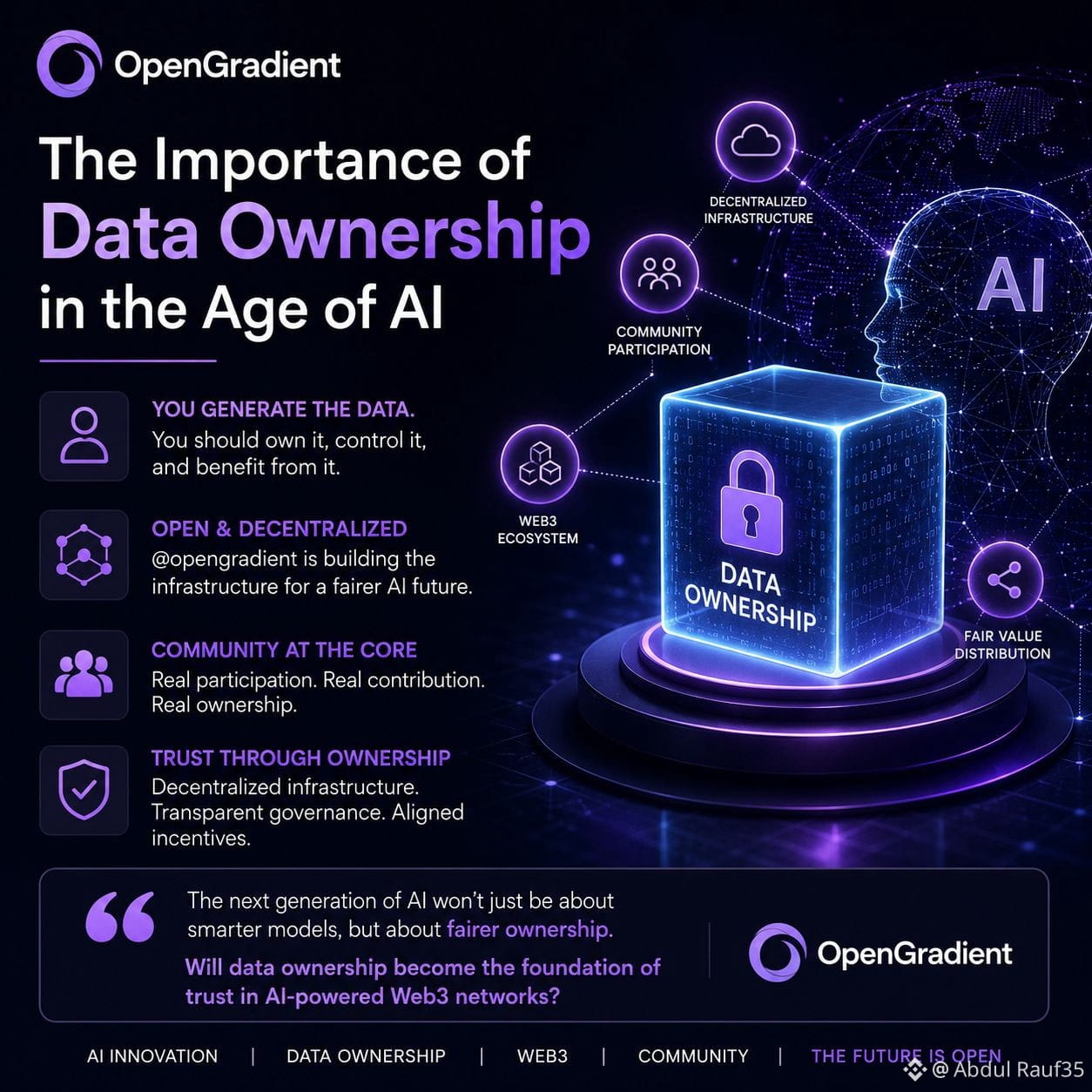
Dạo này, tôi cứ nghĩ mãi về việc tương lai của AI sẽ phụ thuộc nhiều đến mức nào vào việc ai là người sở hữu dữ liệu vận hành nó. Chúng ta thường tập trung vào hiệu năng của mô hình, nhưng @opengradient nhắc tôi rằng quyền sở hữu dữ liệu có thể quan trọng không kém gì chính trí tuệ của nó.
Điểm nổi bật ở @opengradient là cách tiếp cận kết hợp đổi mới AI với hạ tầng phi tập trung. Thay vì coi người dùng như những nguồn dữ liệu thụ động, @opengradient khám phá một mô hình mà ở đó sự tham gia, đóng góp và quyền sở hữu có thể tồn tại cùng nhau. Sự chuyển dịch này có thể tạo ra động lực mạnh hơn cho cả những người xây dựng lẫn cộng đồng.
Khi AI ngày càng được tích hợp sâu hơn vào đời sống hằng ngày, các câu hỏi về kiểm soát, minh bạch và phân phối giá trị sẽ khó có thể làm ngơ. @opengradient nêu bật một thách thức quan trọng: liệu các hệ sinh thái AI có thể vẫn cởi mở và do cộng đồng dẫn dắt khi chúng mở rộng quy mô?
Điều tôi rút ra là thế hệ AI tiếp theo có thể không chỉ được định hình bởi những mô hình thông minh hơn, mà còn bởi các cấu trúc sở hữu công bằng hơn. Liệu quyền sở hữu dữ liệu sẽ trở thành nền tảng của niềm tin trong các mạng Web3 được AI hỗ trợ không?
#OpenGradient $OPG @OpenGradient
#opg $OPG
Dạo này, tôi cứ nghĩ mãi về việc tương lai của AI sẽ phụ thuộc nhiều đến mức nào vào việc ai là người sở hữu dữ liệu vận hành nó. Chúng ta thường tập trung vào hiệu năng của mô hình, nhưng @opengradient nhắc tôi rằng quyền sở hữu dữ liệu có thể quan trọng không kém gì chính trí tuệ của nó.
Điểm nổi bật ở @opengradient là cách tiếp cận kết hợp đổi mới AI với hạ tầng phi tập trung. Thay vì coi người dùng như những nguồn dữ liệu thụ động, @opengradient khám phá một mô hình mà ở đó sự tham gia, đóng góp và quyền sở hữu có thể tồn tại cùng nhau. Sự chuyển dịch này có thể tạo ra động lực mạnh hơn cho cả những người xây dựng lẫn cộng đồng.
Khi AI ngày càng được tích hợp sâu hơn vào đời sống hằng ngày, các câu hỏi về kiểm soát, minh bạch và phân phối giá trị sẽ khó có thể làm ngơ. @opengradient nêu bật một thách thức quan trọng: liệu các hệ sinh thái AI có thể vẫn cởi mở và do cộng đồng dẫn dắt khi chúng mở rộng quy mô?
Điều tôi rút ra là thế hệ AI tiếp theo có thể không chỉ được định hình bởi những mô hình thông minh hơn, mà còn bởi các cấu trúc sở hữu công bằng hơn. Liệu quyền sở hữu dữ liệu sẽ trở thành nền tảng của niềm tin trong các mạng Web3 được AI hỗ trợ không?
#OpenGradient $OPG @OpenGradient
Dạo này, tôi cứ nghĩ mãi về việc tương lai của AI sẽ phụ thuộc nhiều đến mức nào vào việc ai là người sở hữu dữ liệu vận hành nó. Chúng ta thường tập trung vào hiệu năng của mô hình, nhưng @opengradient nhắc tôi rằng quyền sở hữu dữ liệu có thể quan trọng không kém gì chính trí tuệ của nó.
Điểm nổi bật ở @opengradient là cách tiếp cận kết hợp đổi mới AI với hạ tầng phi tập trung. Thay vì coi người dùng như những nguồn dữ liệu thụ động, @opengradient khám phá một mô hình mà ở đó sự tham gia, đóng góp và quyền sở hữu có thể tồn tại cùng nhau. Sự chuyển dịch này có thể tạo ra động lực mạnh hơn cho cả những người xây dựng lẫn cộng đồng.
Khi AI ngày càng được tích hợp sâu hơn vào đời sống hằng ngày, các câu hỏi về kiểm soát, minh bạch và phân phối giá trị sẽ khó có thể làm ngơ. @opengradient nêu bật một thách thức quan trọng: liệu các hệ sinh thái AI có thể vẫn cởi mở và do cộng đồng dẫn dắt khi chúng mở rộng quy mô?
Điều tôi rút ra là thế hệ AI tiếp theo có thể không chỉ được định hình bởi những mô hình thông minh hơn, mà còn bởi các cấu trúc sở hữu công bằng hơn. Liệu quyền sở hữu dữ liệu sẽ trở thành nền tảng của niềm tin trong các mạng Web3 được AI hỗ trợ không?
#OpenGradient $OPG @OpenGradient
26
3
115
·
--
#opg $OPG
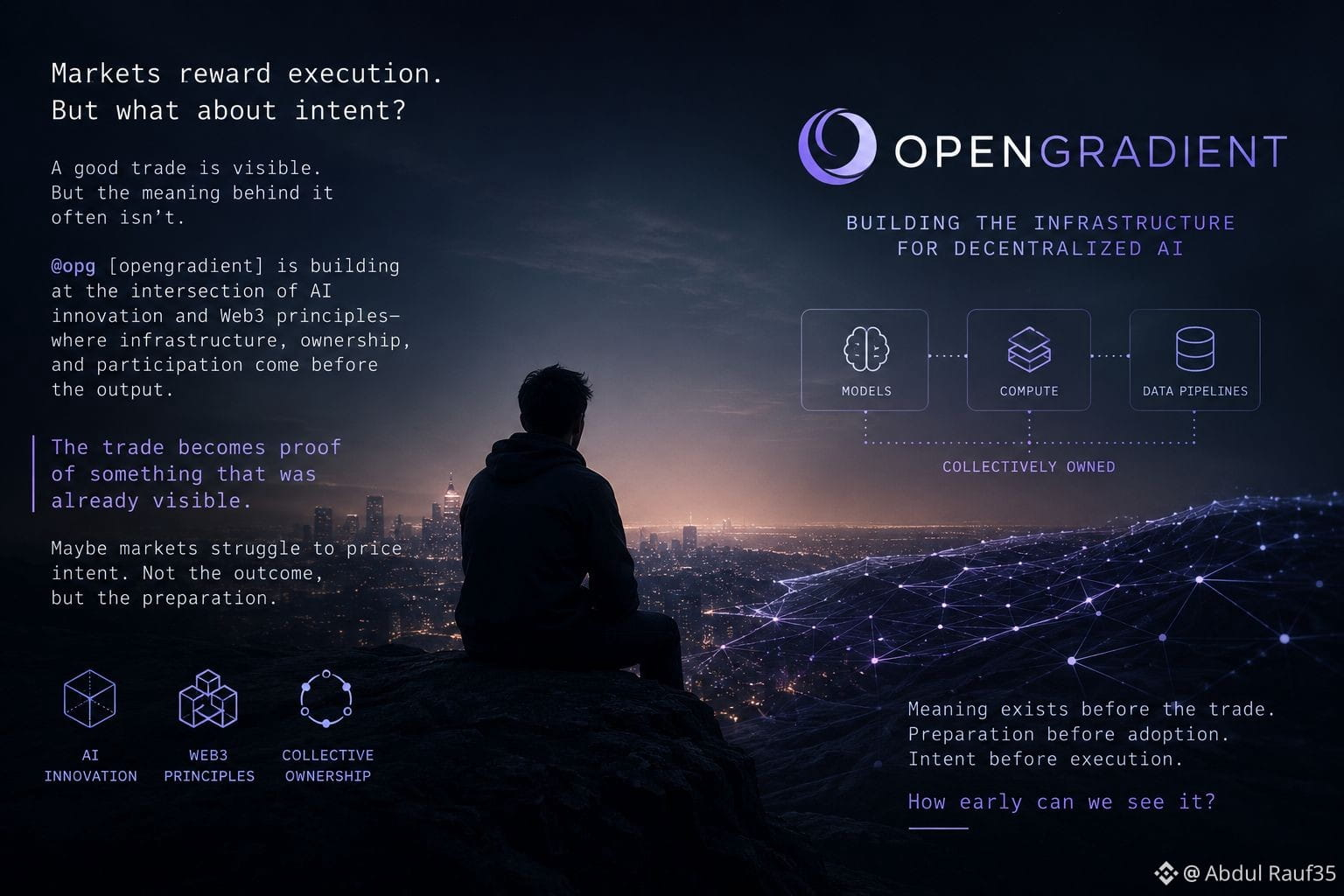
Dạo gần đây, tôi cứ tự hỏi liệu thị trường có dành quá nhiều thời gian để thưởng cho việc thực thi và quá ít thời gian để hiểu ý định hay không.
Một giao dịch có lợi nhuận thì rất dễ chỉ ra. Một lệnh vào tốt, một lần thoát đúng thời điểm, một câu chuyện mạnh mẽ. Chúng ta thường xem những kết quả đó như chính những lời giải thích. Nhưng càng quan sát crypto phát triển, tôi càng không chắc rằng ý nghĩa bắt đầu từ nơi mà kết quả nhìn thấy được.
Điều gần đây thu hút sự chú ý của tôi về @opg [opengradient] không phải là một biến động giá hay một chỉ số. Mà là cách dự án có vẻ tiếp cận mối quan hệ giữa AI và Web3. Thay vì chỉ tập trung vào việc AI có thể tạo ra gì, dự án lại đặt ra những câu hỏi về ai sở hữu hạ tầng, ai đóng góp cho hạ tầng đó, và cách thức phối hợp sự tham gia diễn ra như thế nào trước khi đầu ra xuất hiện.
Sự chuyển dịch đó có cảm giác tinh tế, nhưng lại quan trọng.
Trong giao dịch, chúng ta thường tìm kiếm sự xác nhận sau khi một điều gì đó đã xảy ra. Thế nhưng các dự án kết nối đổi mới từ AI với những nguyên tắc của Web3 dường như lại tập trung vào khâu chuẩn bị trước khi việc áp dụng kịp đến.
Giao dịch trở thành bằng chứng cho điều đã hiển hiện từ trước.
Có lẽ đó là phần thị trường gặp khó khăn trong việc định giá. Không phải bản thân kết quả, mà là ý định được nhúng trong cấu trúc từ rất lâu trước khi bất kỳ ai để ý.
Và nếu đúng như vậy, thì phần lớn thứ mà chúng ta gọi là dự đoán thật ra có phải chỉ là học cách nhận ra sự chuẩn bị đủ sớm không?
#opg $OPG @OpenGradient
#opg $OPG
Dạo gần đây, tôi cứ tự hỏi liệu thị trường có dành quá nhiều thời gian để thưởng cho việc thực thi và quá ít thời gian để hiểu ý định hay không.
Một giao dịch có lợi nhuận thì rất dễ chỉ ra. Một lệnh vào tốt, một lần thoát đúng thời điểm, một câu chuyện mạnh mẽ. Chúng ta thường xem những kết quả đó như chính những lời giải thích. Nhưng càng quan sát crypto phát triển, tôi càng không chắc rằng ý nghĩa bắt đầu từ nơi mà kết quả nhìn thấy được.
Điều gần đây thu hút sự chú ý của tôi về @opg [opengradient] không phải là một biến động giá hay một chỉ số. Mà là cách dự án có vẻ tiếp cận mối quan hệ giữa AI và Web3. Thay vì chỉ tập trung vào việc AI có thể tạo ra gì, dự án lại đặt ra những câu hỏi về ai sở hữu hạ tầng, ai đóng góp cho hạ tầng đó, và cách thức phối hợp sự tham gia diễn ra như thế nào trước khi đầu ra xuất hiện.
Sự chuyển dịch đó có cảm giác tinh tế, nhưng lại quan trọng.
Trong giao dịch, chúng ta thường tìm kiếm sự xác nhận sau khi một điều gì đó đã xảy ra. Thế nhưng các dự án kết nối đổi mới từ AI với những nguyên tắc của Web3 dường như lại tập trung vào khâu chuẩn bị trước khi việc áp dụng kịp đến.
Giao dịch trở thành bằng chứng cho điều đã hiển hiện từ trước.
Có lẽ đó là phần thị trường gặp khó khăn trong việc định giá. Không phải bản thân kết quả, mà là ý định được nhúng trong cấu trúc từ rất lâu trước khi bất kỳ ai để ý.
Và nếu đúng như vậy, thì phần lớn thứ mà chúng ta gọi là dự đoán thật ra có phải chỉ là học cách nhận ra sự chuẩn bị đủ sớm không?
#opg $OPG @OpenGradient
Dạo gần đây, tôi cứ tự hỏi liệu thị trường có dành quá nhiều thời gian để thưởng cho việc thực thi và quá ít thời gian để hiểu ý định hay không.
Một giao dịch có lợi nhuận thì rất dễ chỉ ra. Một lệnh vào tốt, một lần thoát đúng thời điểm, một câu chuyện mạnh mẽ. Chúng ta thường xem những kết quả đó như chính những lời giải thích. Nhưng càng quan sát crypto phát triển, tôi càng không chắc rằng ý nghĩa bắt đầu từ nơi mà kết quả nhìn thấy được.
Điều gần đây thu hút sự chú ý của tôi về @opg [opengradient] không phải là một biến động giá hay một chỉ số. Mà là cách dự án có vẻ tiếp cận mối quan hệ giữa AI và Web3. Thay vì chỉ tập trung vào việc AI có thể tạo ra gì, dự án lại đặt ra những câu hỏi về ai sở hữu hạ tầng, ai đóng góp cho hạ tầng đó, và cách thức phối hợp sự tham gia diễn ra như thế nào trước khi đầu ra xuất hiện.
Sự chuyển dịch đó có cảm giác tinh tế, nhưng lại quan trọng.
Trong giao dịch, chúng ta thường tìm kiếm sự xác nhận sau khi một điều gì đó đã xảy ra. Thế nhưng các dự án kết nối đổi mới từ AI với những nguyên tắc của Web3 dường như lại tập trung vào khâu chuẩn bị trước khi việc áp dụng kịp đến.
Giao dịch trở thành bằng chứng cho điều đã hiển hiện từ trước.
Có lẽ đó là phần thị trường gặp khó khăn trong việc định giá. Không phải bản thân kết quả, mà là ý định được nhúng trong cấu trúc từ rất lâu trước khi bất kỳ ai để ý.
Và nếu đúng như vậy, thì phần lớn thứ mà chúng ta gọi là dự đoán thật ra có phải chỉ là học cách nhận ra sự chuẩn bị đủ sớm không?
#opg $OPG @OpenGradient
20
1
129
Đăng nhập để khám phá thêm nội dung
Tham gia cùng người dùng tiền mã hóa toàn cầu trên Binance Square
⚡️ Nhận thông tin mới nhất và hữu ích về tiền mã hóa.
💬 Được tin cậy bởi sàn giao dịch tiền mã hóa lớn nhất thế giới.
👍 Khám phá những thông tin chuyên sâu thực tế từ những nhà sáng tạo đã xác minh.
Email / Số điện thoại
Chủ đề thịnh hành
TheoDõiFOMC
82,661 lượt xem
546 đang thảo luận
Cục Dự trữ Liên bang (Fed) đã tăng lãi suất lần đầu tiên kể từ năm 2023 trong bối cảnh lạm phát dai dẳng. Các nhà hoạch định chính sách của Fed đã bỏ phiếu 12-0 để nâng lãi suất quỹ liên bang từ 3,5% lên 3,75%, với mức mục tiêu mới là 3,75% đến 4%. Mức tăng 25 điểm cơ bản này đánh dấu lần điều chỉnh lãi suất đầu tiên kể từ tháng 7/2023 và diễn ra sau khi Fed giữ nguyên lãi suất trong năm cuộc họp đầu tiên trong năm nay. #TheoDõiFOMC #45NgayTuDoTaiChinh #DotPlotSignalsOneMoreHikeIn2026 $NVDAB $AAPLB $NVDA.US #45NgayTuDoTaiChinh #FedHikes25BpsUSStocksClose #
kynfoolishupdate
·0 lượt thích
·134 lượt xem
TinFed
73,607 lượt xem
350 đang thảo luận
45NgayTuDoTaiChinh
905,892 lượt xem
3,113 đang thảo luận