
Alton Mackowiak
139 Bài đăng

Alton Mackowiak
Báo cáo
Chặn người dùng
Prediction for fun
6 Đang theo dõi
92 Người theo dõi
200 Đã thích
Bài đăng
Tất cả
Trích dẫn
Bài viết
Xem bản dịch
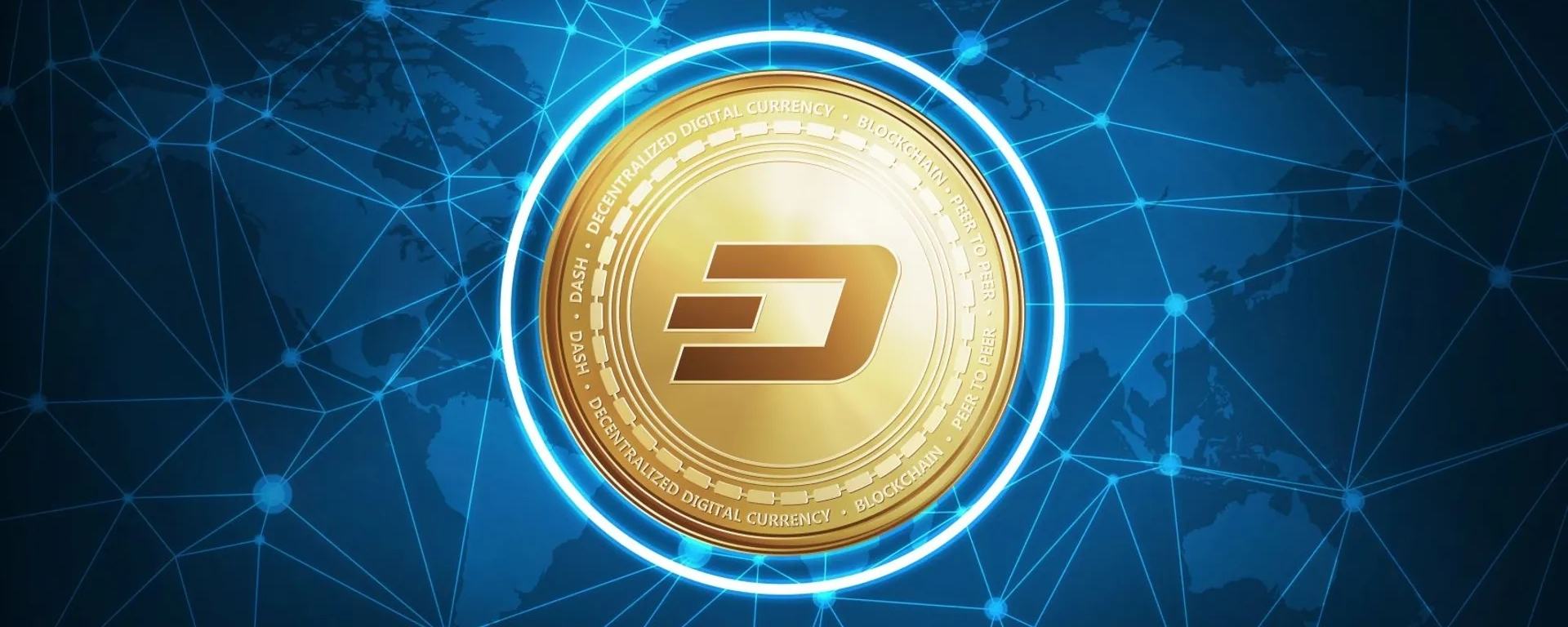
The Evolution of Digital Cash: Understanding Dash, Zcash, and the Legacy of BitcoinThe quest for a truly decentralized, scarce, and private digital currency has been a driving force in the cryptocurrency ecosystem since Bitcoin’s inception. Over the years, numerous projects have emerged to build upon Bitcoin's foundational code, each attempting to optimize for specific use cases like transactional speed or financial confidentiality. Among these, Dash stands out as a unique bridge between the utility-driven design of payment networks and the anonymity features found in dedicated privacy coins. By examining how $DASH compares to $ZEC , mirrors the scarcity principles of $BTC , and functions as an optional privacy coin, we can better understand its distinct positioning in the digital asset landscape.
To understand how Dash operates, it is helpful to look at its core similarities with Zcash (ZEC). Both projects are highly regarded within the anonymity-enhanced cryptocurrency space, but they share a fundamental philosophical trait: optional privacy. Unlike protocols that enforce complete anonymity by default, both Dash and Zcash give users the autonomy to decide how transparent a transaction should be. However, the underlying technology used to achieve this differs significantly. According to the Zcash Project's Official Documentation, Zcash relies on advanced, mathematically sound zk-SNARKs (Zero-Knowledge Succinct Non-Interactive Arguments of Knowledge) to shield transaction data completely. In contrast, Dash addresses privacy through an obfuscation feature known as PrivateSend. Operating on a decentralized network of masternodes, PrivateSend uses a modified version of the CoinJoin protocol to mix multiple transaction inputs and outputs together. This breaks the visible trail on the public blockchain without modifying the base architecture of the coin.
Beyond privacy, Dash's foundational tokenomics are deeply rooted in the concept of digital scarcity, pulling direct inspiration from Bitcoin. While Bitcoin and Zcash share a hard-capped maximum supply of exactly 21 million coins, Dash follows a slightly different but remarkably close emission model. Dash has a maximum supply strictly capped at approximately 18.9 million tokens. Despite the minor numerical difference, Dash implements a diminishing issuance schedule that mimics Bitcoin's deflationary spirit. This algorithmic scarcity ensures that Dash remains a predictable store of value, safe from the infinite inflation that plagues traditional fiat currencies. Because it was originally created as a code fork of Bitcoin's architectural lineage, it retains the core security and proof-of-work foundations while modifying the emission rate to decrease by 7.14% annually.
Ultimately, classifying Dash purely as a privacy coin can sometimes oversimplify its broader identity. While it is true that Dash offers robust privacy features through its masternode mixing layer, the project has increasingly focused on practical, day-to-day usability. Modern market profiles, such as the Binance Dash Market Analysis, describe Dash as a dual-purpose digital currency designed for hyper-fast, low-cost merchant payments. Features like InstantSend allow transactions to settle almost instantly, positioning the asset as "digital cash" rather than a dark-web exclusive. By blending Bitcoin's strict supply cap with Zcash's ethos of user-controlled privacy, Dash provides a versatile framework that balances regulatory compliance with individual financial freedom.
The Evolution of Digital Cash: Understanding Dash, Zcash, and the Legacy of Bitcoin
The quest for a truly decentralized, scarce, and private digital currency has been a driving force in the cryptocurrency ecosystem since Bitcoin’s inception. Over the years, numerous projects have emerged to build upon Bitcoin's foundational code, each attempting to optimize for specific use cases like transactional speed or financial confidentiality. Among these, Dash stands out as a unique bridge between the utility-driven design of payment networks and the anonymity features found in dedicated privacy coins. By examining how $DASH compares to $ZEC , mirrors the scarcity principles of $BTC , and functions as an optional privacy coin, we can better understand its distinct positioning in the digital asset landscape.
To understand how Dash operates, it is helpful to look at its core similarities with Zcash (ZEC). Both projects are highly regarded within the anonymity-enhanced cryptocurrency space, but they share a fundamental philosophical trait: optional privacy. Unlike protocols that enforce complete anonymity by default, both Dash and Zcash give users the autonomy to decide how transparent a transaction should be. However, the underlying technology used to achieve this differs significantly. According to the Zcash Project's Official Documentation, Zcash relies on advanced, mathematically sound zk-SNARKs (Zero-Knowledge Succinct Non-Interactive Arguments of Knowledge) to shield transaction data completely. In contrast, Dash addresses privacy through an obfuscation feature known as PrivateSend. Operating on a decentralized network of masternodes, PrivateSend uses a modified version of the CoinJoin protocol to mix multiple transaction inputs and outputs together. This breaks the visible trail on the public blockchain without modifying the base architecture of the coin.
Beyond privacy, Dash's foundational tokenomics are deeply rooted in the concept of digital scarcity, pulling direct inspiration from Bitcoin. While Bitcoin and Zcash share a hard-capped maximum supply of exactly 21 million coins, Dash follows a slightly different but remarkably close emission model. Dash has a maximum supply strictly capped at approximately 18.9 million tokens. Despite the minor numerical difference, Dash implements a diminishing issuance schedule that mimics Bitcoin's deflationary spirit. This algorithmic scarcity ensures that Dash remains a predictable store of value, safe from the infinite inflation that plagues traditional fiat currencies. Because it was originally created as a code fork of Bitcoin's architectural lineage, it retains the core security and proof-of-work foundations while modifying the emission rate to decrease by 7.14% annually.
Ultimately, classifying Dash purely as a privacy coin can sometimes oversimplify its broader identity. While it is true that Dash offers robust privacy features through its masternode mixing layer, the project has increasingly focused on practical, day-to-day usability. Modern market profiles, such as the Binance Dash Market Analysis, describe Dash as a dual-purpose digital currency designed for hyper-fast, low-cost merchant payments. Features like InstantSend allow transactions to settle almost instantly, positioning the asset as "digital cash" rather than a dark-web exclusive. By blending Bitcoin's strict supply cap with Zcash's ethos of user-controlled privacy, Dash provides a versatile framework that balances regulatory compliance with individual financial freedom.
To understand how Dash operates, it is helpful to look at its core similarities with Zcash (ZEC). Both projects are highly regarded within the anonymity-enhanced cryptocurrency space, but they share a fundamental philosophical trait: optional privacy. Unlike protocols that enforce complete anonymity by default, both Dash and Zcash give users the autonomy to decide how transparent a transaction should be. However, the underlying technology used to achieve this differs significantly. According to the Zcash Project's Official Documentation, Zcash relies on advanced, mathematically sound zk-SNARKs (Zero-Knowledge Succinct Non-Interactive Arguments of Knowledge) to shield transaction data completely. In contrast, Dash addresses privacy through an obfuscation feature known as PrivateSend. Operating on a decentralized network of masternodes, PrivateSend uses a modified version of the CoinJoin protocol to mix multiple transaction inputs and outputs together. This breaks the visible trail on the public blockchain without modifying the base architecture of the coin.
Beyond privacy, Dash's foundational tokenomics are deeply rooted in the concept of digital scarcity, pulling direct inspiration from Bitcoin. While Bitcoin and Zcash share a hard-capped maximum supply of exactly 21 million coins, Dash follows a slightly different but remarkably close emission model. Dash has a maximum supply strictly capped at approximately 18.9 million tokens. Despite the minor numerical difference, Dash implements a diminishing issuance schedule that mimics Bitcoin's deflationary spirit. This algorithmic scarcity ensures that Dash remains a predictable store of value, safe from the infinite inflation that plagues traditional fiat currencies. Because it was originally created as a code fork of Bitcoin's architectural lineage, it retains the core security and proof-of-work foundations while modifying the emission rate to decrease by 7.14% annually.
Ultimately, classifying Dash purely as a privacy coin can sometimes oversimplify its broader identity. While it is true that Dash offers robust privacy features through its masternode mixing layer, the project has increasingly focused on practical, day-to-day usability. Modern market profiles, such as the Binance Dash Market Analysis, describe Dash as a dual-purpose digital currency designed for hyper-fast, low-cost merchant payments. Features like InstantSend allow transactions to settle almost instantly, positioning the asset as "digital cash" rather than a dark-web exclusive. By blending Bitcoin's strict supply cap with Zcash's ethos of user-controlled privacy, Dash provides a versatile framework that balances regulatory compliance with individual financial freedom.
1
412
Bài viết
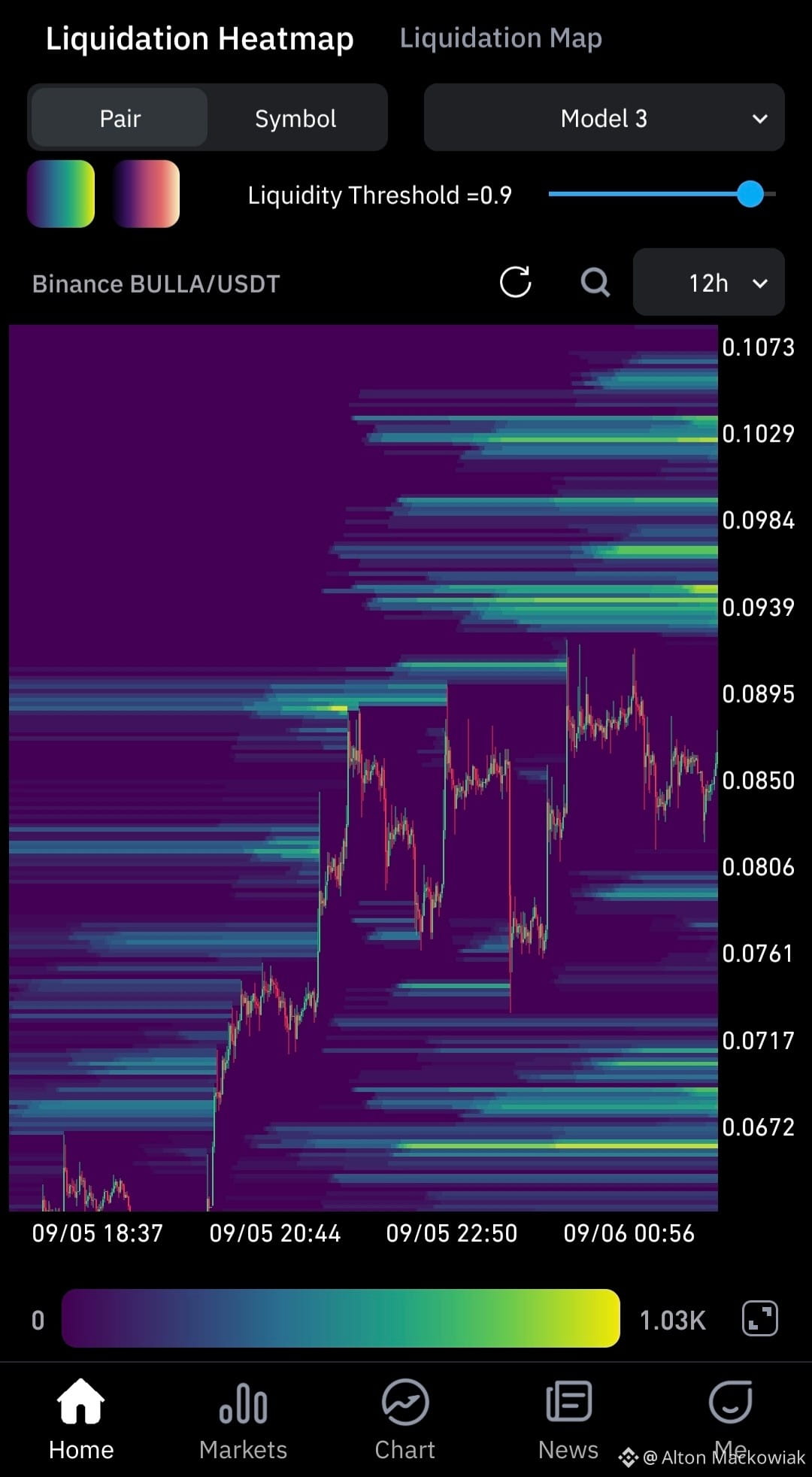
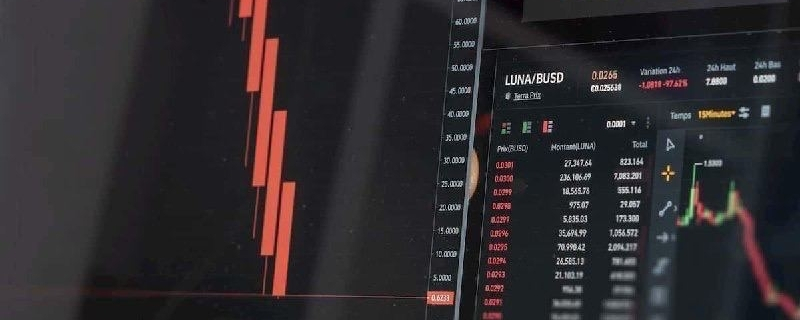
Cơ chế đốt của LUNC chỉ là ảo tưởng về sự phục hồiSự sụp đổ của hệ sinh thái Terra Luna vào tháng 5 năm 2022 đã xóa sổ khoảng 40 tỷ USD giá trị tài sản của nhà đầu tư chỉ trong một đêm. Tính đến tháng 9 năm 2026, tổng nguồn cung của $LUNC vào khoảng 6,51 nghìn tỷ token, trong khi lượng lưu hành ở mức khoảng 5,48 nghìn tỷ token.
Vì sao #LUNC không thể phục hồi một cách mang tính cấu trúc—trước hết cần nhìn vào “ngọn núi” cung cấp khổng lồ đang tràn vào thị trường. Hiện có khoảng 5,5 nghìn tỷ token đang lưu hành. Giá trị của tiền mã hóa cuối cùng bị ràng buộc bởi các quy luật cung và cầu; khi cung tăng thêm hàng trăm nghìn điểm phần trăm, giá trị của từng token sẽ sụt xuống gần như về 0. Việc cố gắng đảo ngược điều này bằng các loại thuế giao dịch thông thường cũng giống như cố rút một đại dương bằng một cái muỗng.
Cơ chế đốt của LUNC chỉ là ảo tưởng về sự phục hồi
Sự sụp đổ của hệ sinh thái Terra Luna vào tháng 5 năm 2022 đã xóa sổ khoảng 40 tỷ USD giá trị tài sản của nhà đầu tư chỉ trong một đêm. Tính đến tháng 9 năm 2026, tổng nguồn cung của $LUNC vào khoảng 6,51 nghìn tỷ token, trong khi lượng lưu hành ở mức khoảng 5,48 nghìn tỷ token.
Vì sao #LUNC không thể phục hồi một cách mang tính cấu trúc—trước hết cần nhìn vào “ngọn núi” cung cấp khổng lồ đang tràn vào thị trường. Hiện có khoảng 5,5 nghìn tỷ token đang lưu hành. Giá trị của tiền mã hóa cuối cùng bị ràng buộc bởi các quy luật cung và cầu; khi cung tăng thêm hàng trăm nghìn điểm phần trăm, giá trị của từng token sẽ sụt xuống gần như về 0. Việc cố gắng đảo ngược điều này bằng các loại thuế giao dịch thông thường cũng giống như cố rút một đại dương bằng một cái muỗng.
Vì sao #LUNC không thể phục hồi một cách mang tính cấu trúc—trước hết cần nhìn vào “ngọn núi” cung cấp khổng lồ đang tràn vào thị trường. Hiện có khoảng 5,5 nghìn tỷ token đang lưu hành. Giá trị của tiền mã hóa cuối cùng bị ràng buộc bởi các quy luật cung và cầu; khi cung tăng thêm hàng trăm nghìn điểm phần trăm, giá trị của từng token sẽ sụt xuống gần như về 0. Việc cố gắng đảo ngược điều này bằng các loại thuế giao dịch thông thường cũng giống như cố rút một đại dương bằng một cái muỗng.
1
4
1.4k
749
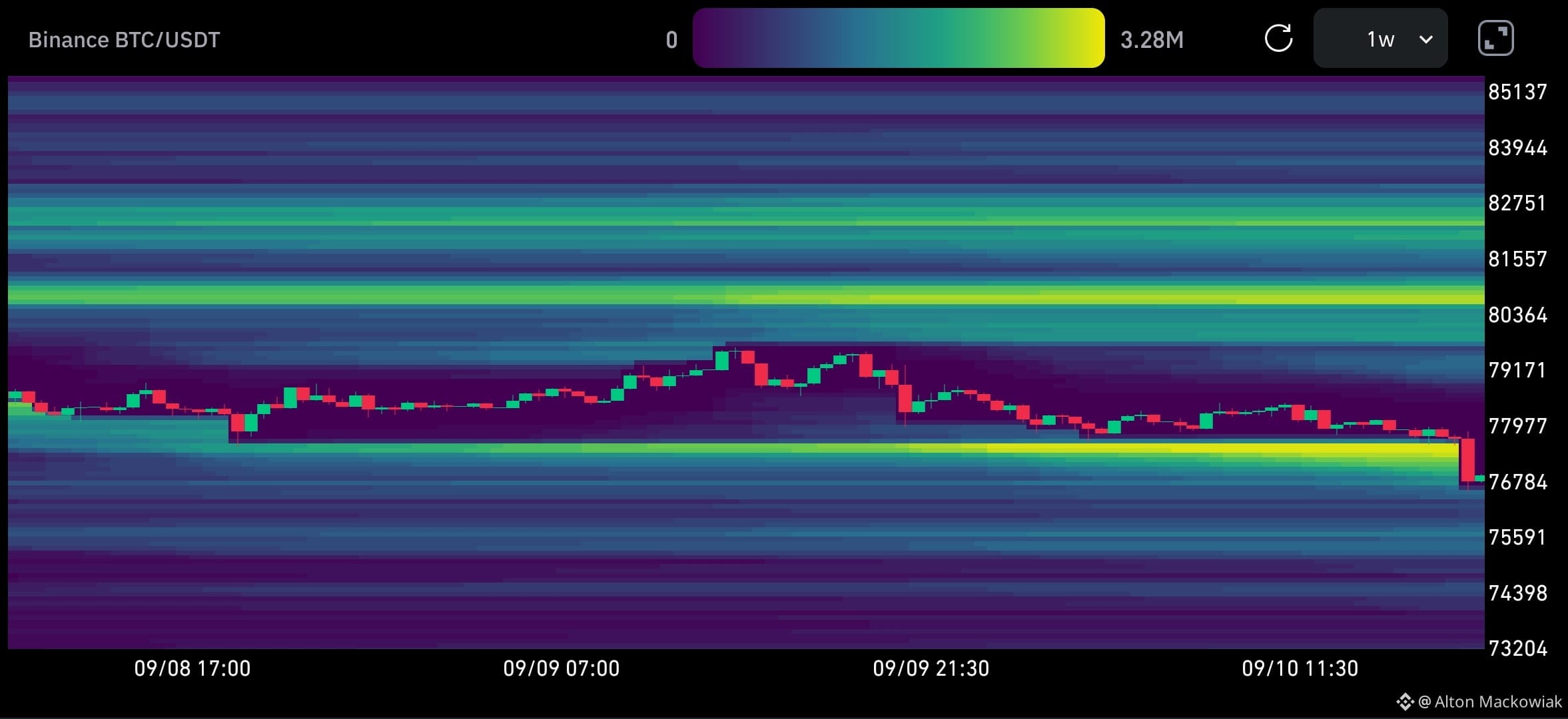
Tôi đã nói với các bạn #btc sẽ chạm 60k 😂😂😂
Tôi đã nói với các bạn #btc sẽ chạm 60k 😂😂😂
Alton Mackowiak
·
--
Giảm giáCảm giác như #btc sẽ chạm đến 60k
1
11
Chết
Chết
Mohsin Trades01
·
--
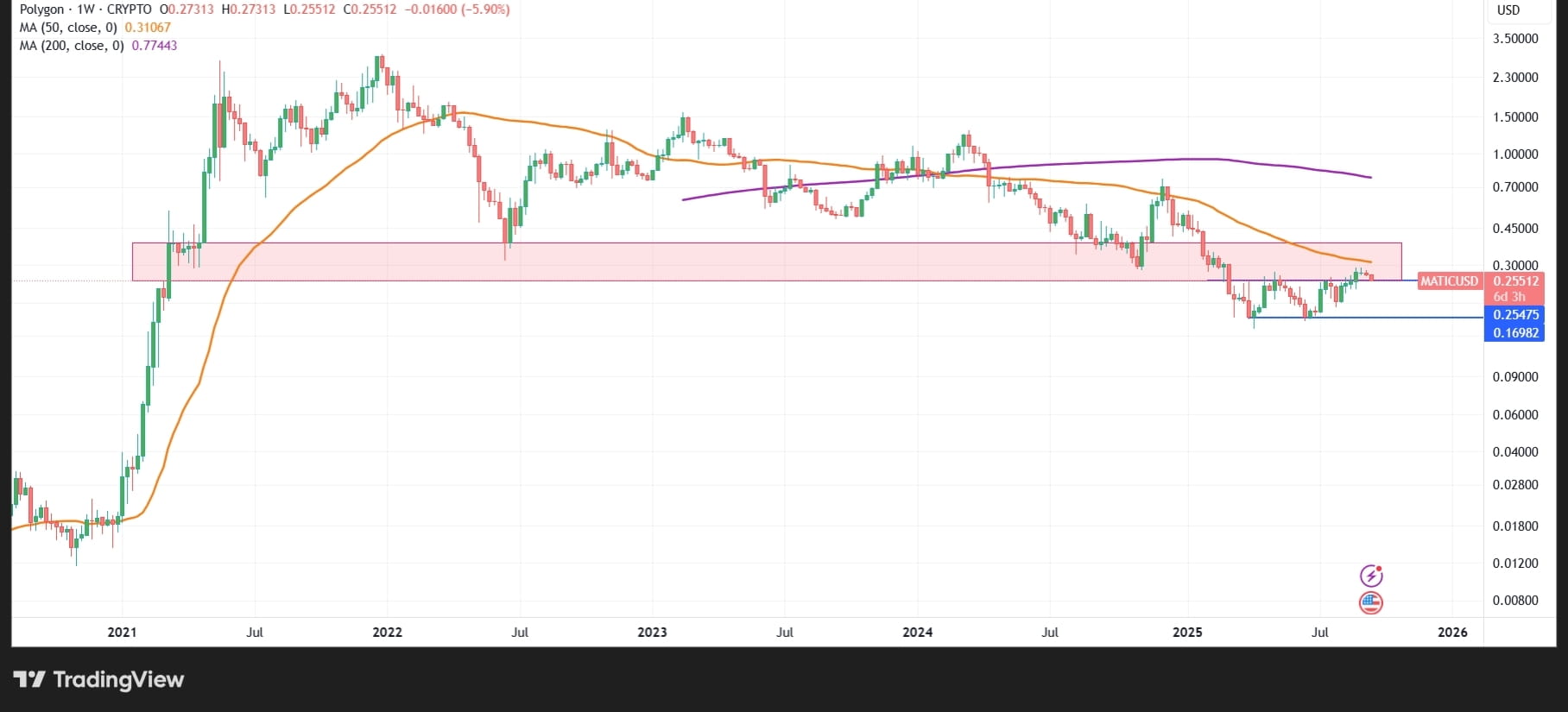
Tăng giá$POL POL ngồi trên một hỗ trợ quan trọng sau khi phá vỡ $0.25. Mất hỗ trợ này có thể thấy $0.20 nhanh chóng trở lại.
Pol có nhiều lô hàng tốt gần đây nhưng cần phải đẩy Pol lên $0.38 trong tháng này, tạo ra hỗ trợ ít nhất là $0.30. Làm ơn hãy làm bất cứ điều gì bạn cần làm.
Lưu ý: Đây không phải là lời khuyên tài chính.
Pol có nhiều lô hàng tốt gần đây nhưng cần phải đẩy Pol lên $0.38 trong tháng này, tạo ra hỗ trợ ít nhất là $0.30. Làm ơn hãy làm bất cứ điều gì bạn cần làm.
Lưu ý: Đây không phải là lời khuyên tài chính.
8
Chết
Chết

Bethel Backer BvTe
·
--
$POL is đi bơm hay chết bạn nghĩ sao?? ít nhất nó có thể đạt 0.2800$ tuần này hay không?? bạn nghĩ sao
thật lòng tôi đã mua pol vì nó có thể cho tôi ít nhất 5% lợi nhuận trong vòng một tháng chắc chắn
thật lòng tôi đã mua pol vì nó có thể cho tôi ít nhất 5% lợi nhuận trong vòng một tháng chắc chắn
7
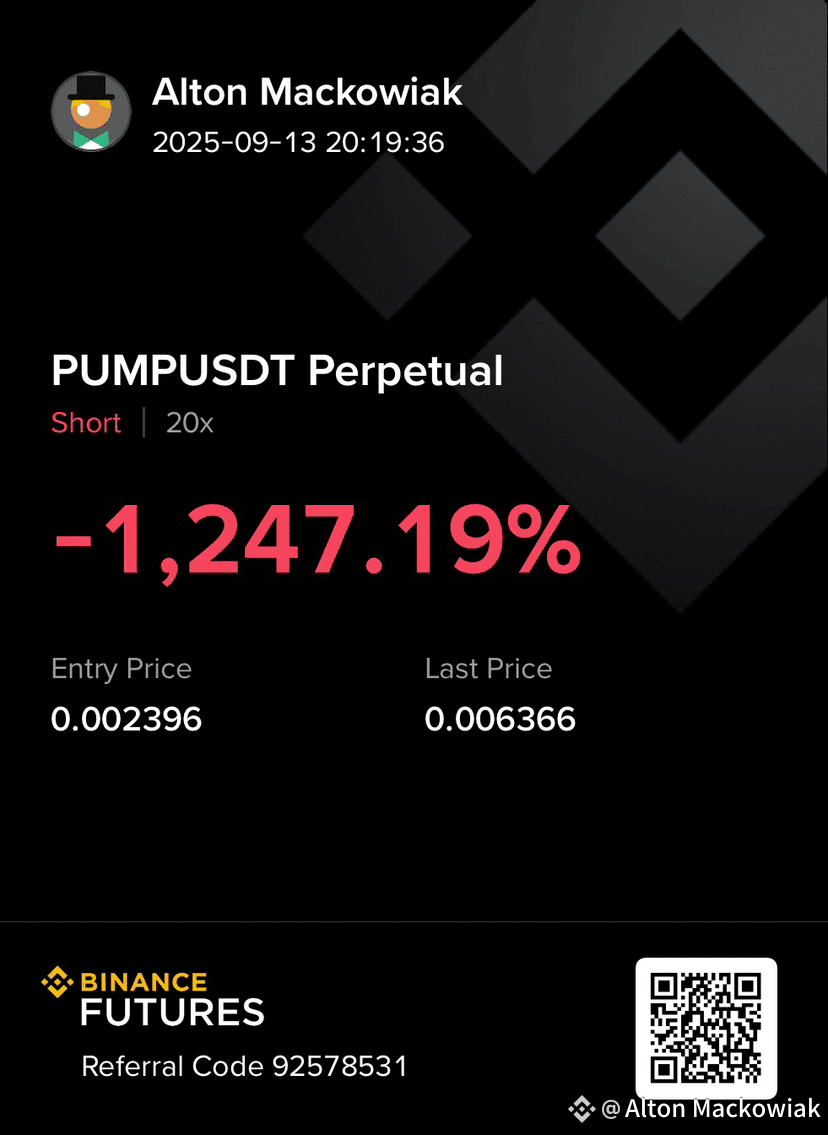
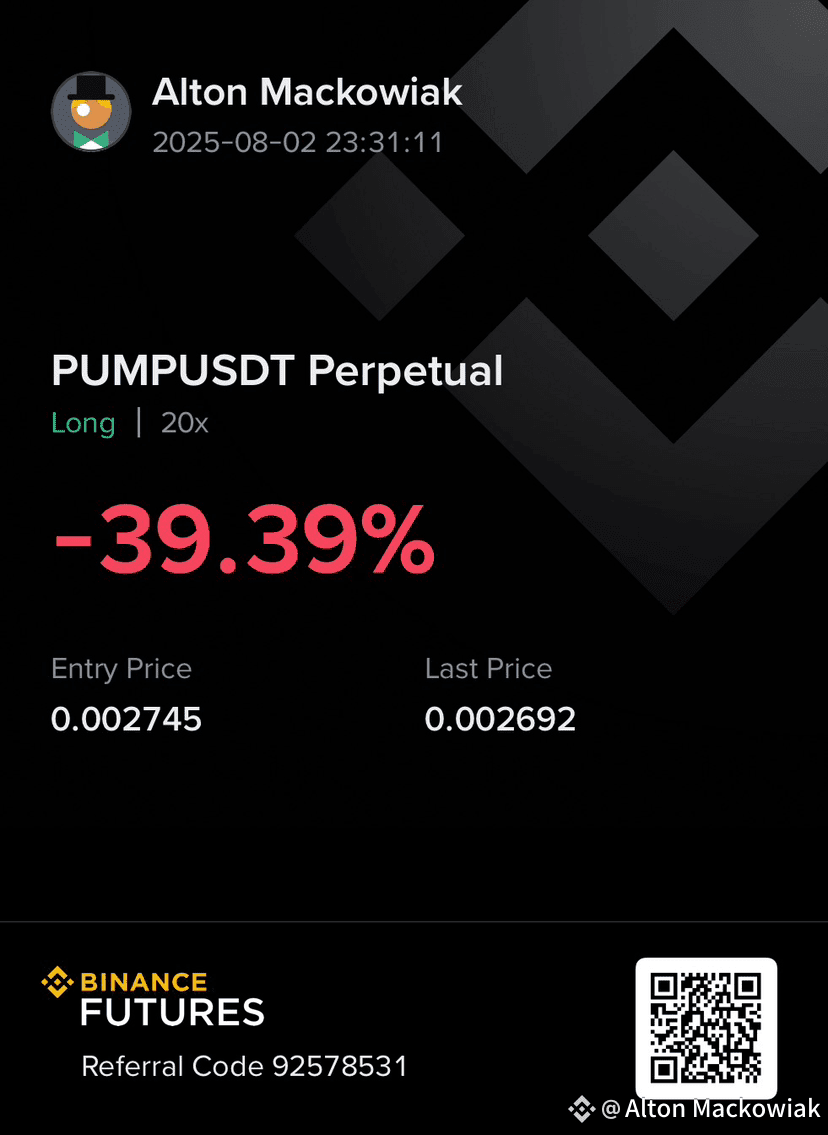
Tiếp theo 4$ 🚀🚀🚀
Tiếp theo 4$ 🚀🚀🚀

Liora Vane
·
--
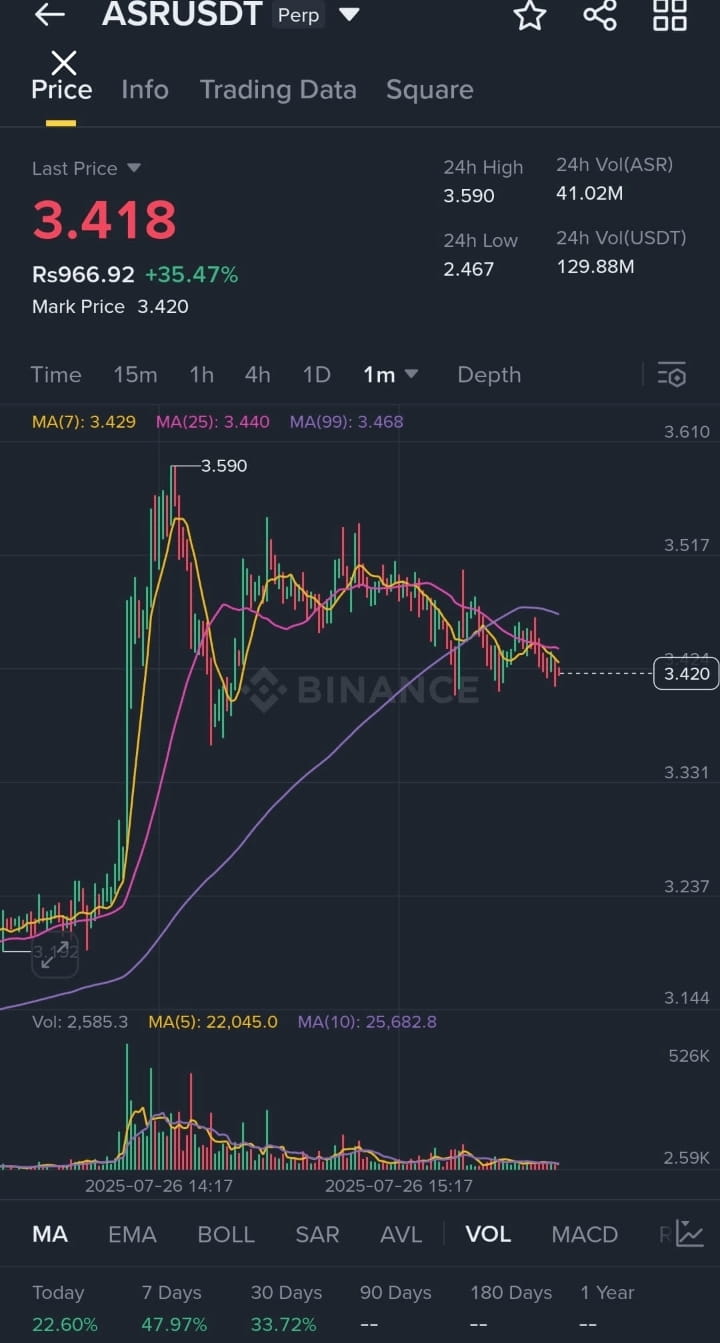
$ASR
triệu phú điều gì sẽ xảy ra tiếp theo với thị trường này?
triệu phú điều gì sẽ xảy ra tiếp theo với thị trường này?
6
Đi dài đến mục tiêu tiếp theo 4$ 🚀🚀🚀
Đi dài đến mục tiêu tiếp theo 4$ 🚀🚀🚀

Wendi Tambe cH0p
·
--
Giảm giá$ASR chiến lược giảm giá
1
1
4
4$ 🚀🚀🚀
4$ 🚀🚀🚀

SCORPIOS 1
·
--
$ASR
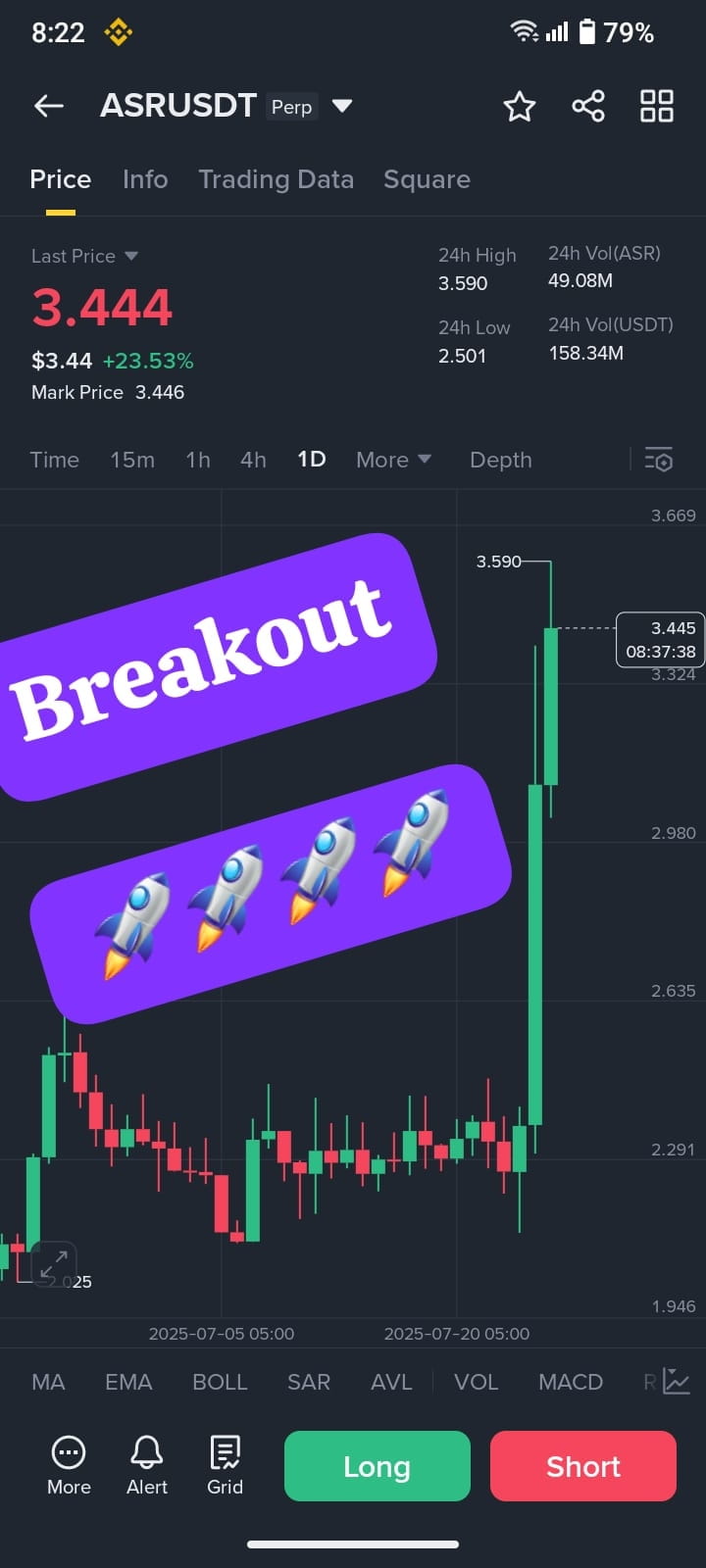
#YOOOOOOOOOOOOOOOOOOOO ✨✨✨ Bứt Phá Mạnh Mẽ 🔥🔥🔥 $ASR chỉ trong 2 Ngày 💛 Di chuyển mạnh khoảng 55% bơm 🎉🎉🎉🎉🎉🎉
#YOOOOOOOOOOOOOOOOOOOO ✨✨✨ Bứt Phá Mạnh Mẽ 🔥🔥🔥 $ASR chỉ trong 2 Ngày 💛 Di chuyển mạnh khoảng 55% bơm 🎉🎉🎉🎉🎉🎉
1
5
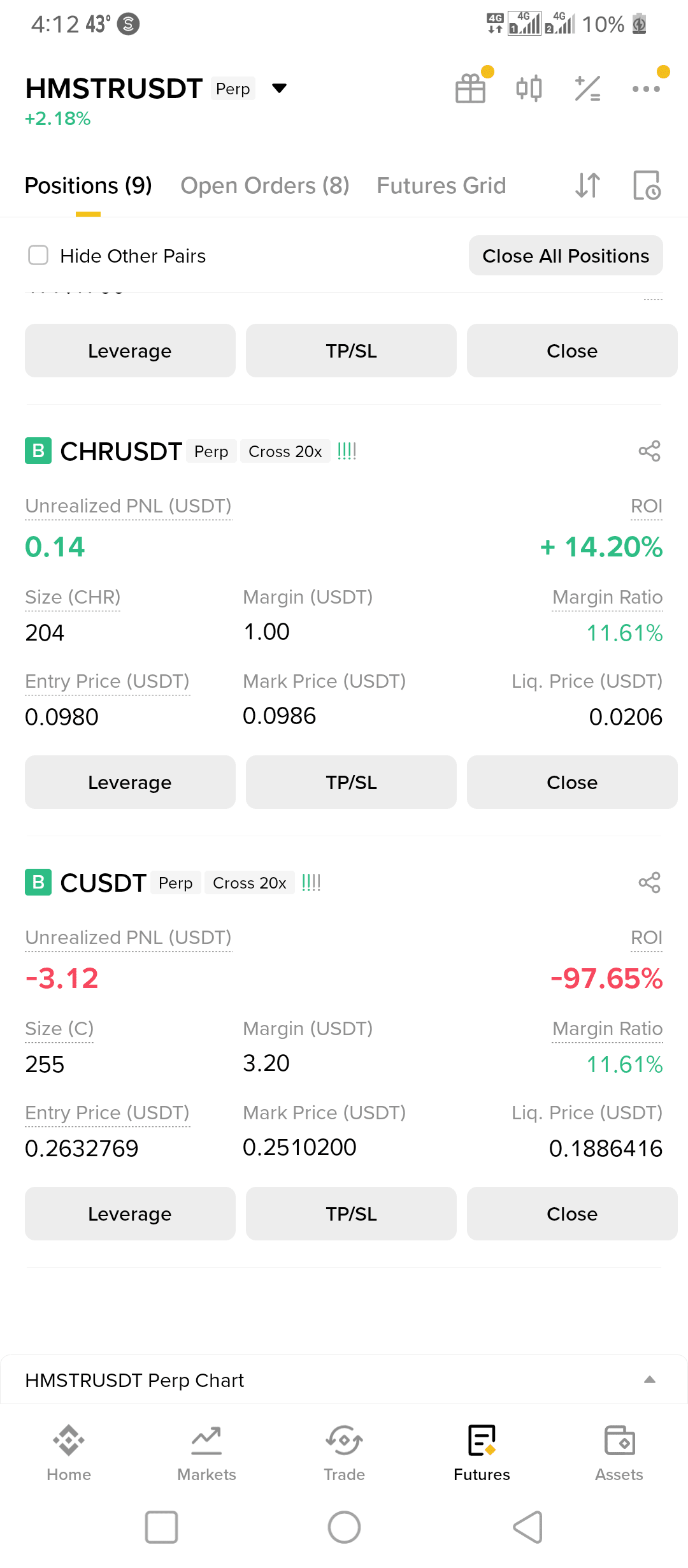
Giữ, CHR khi bứt phá
Giữ, CHR khi bứt phá

HasanKHKH
·
--
cho tôi những gợi ý
giữ lại hay đóng lại ????
giữ lại hay đóng lại ????
1
364
·
--
Tăng giá
Giúp tôi!
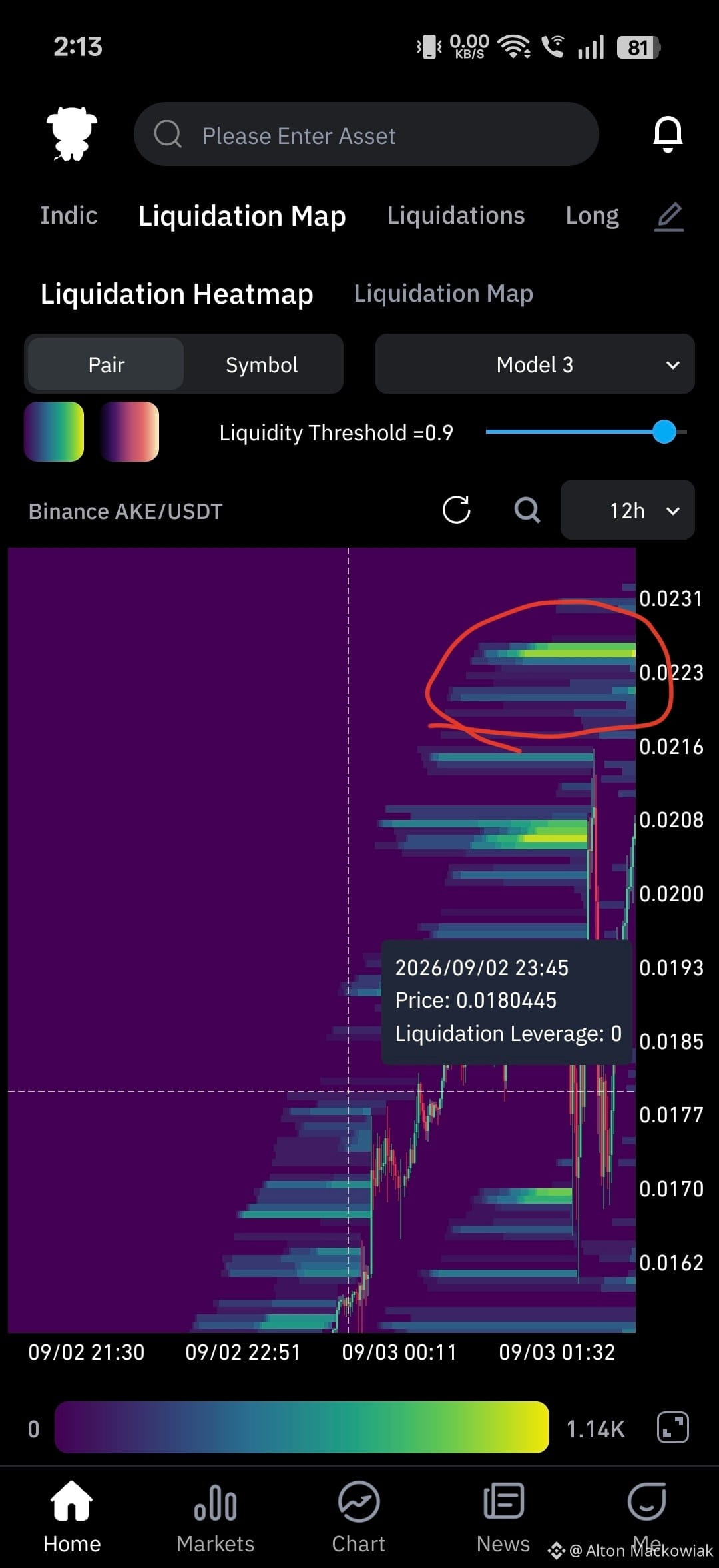
Tôi đang thiếu $JASMY và việc thanh lý của tôi ở mức 0.024, tôi nên đóng hay giữ?
Giúp tôi!
Tôi đang thiếu $JASMY và việc thanh lý của tôi ở mức 0.024, tôi nên đóng hay giữ?
Tôi đang thiếu $JASMY và việc thanh lý của tôi ở mức 0.024, tôi nên đóng hay giữ?
1
2
417
Chắc chắn
Chắc chắn

Alissa Sporer M3ga
·
--
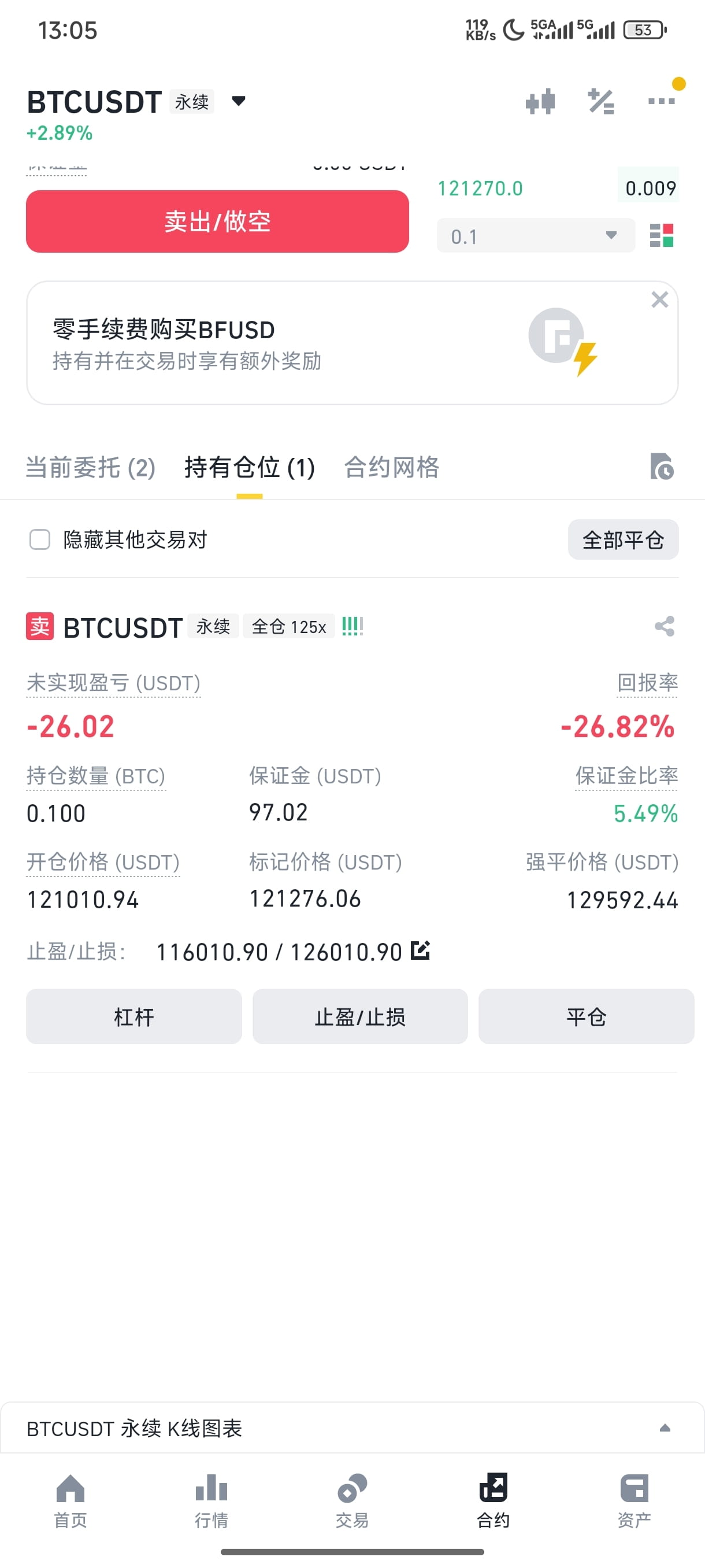
$BTC khó khăn lắm mới kiếm được tiền mà không chạy đi? Tôi không tin điều đó. 500 cược 500.
6
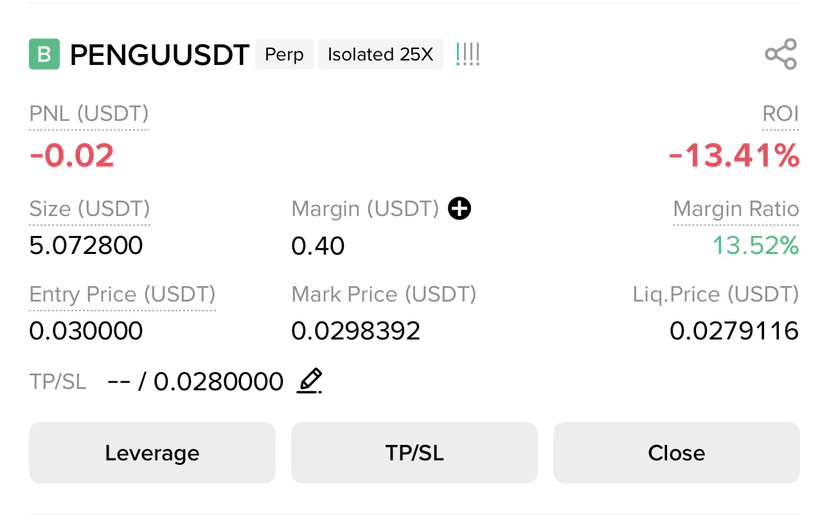
Người anh em, bạn đang nắm giữ 20% thị trường pengu, haha đúng vậy, hãy giữ chặt!
Người anh em, bạn đang nắm giữ 20% thị trường pengu, haha đúng vậy, hãy giữ chặt!

Nivethan
·
--
$PENGU tôi có thể làm gì? Giữ lại hay Đóng lại?
#BTC120kVs125kToday
#BTC120kVs125kToday
Đăng nhập để khám phá thêm nội dung
Tham gia cùng người dùng tiền mã hóa toàn cầu trên Binance Square
⚡️ Nhận thông tin mới nhất và hữu ích về tiền mã hóa.
💬 Được tin cậy bởi sàn giao dịch tiền mã hóa lớn nhất thế giới.
👍 Khám phá những thông tin chuyên sâu thực tế từ những nhà sáng tạo đã xác minh.
Email / Số điện thoại
Chủ đề thịnh hành
TheoDõiFOMC
84,559 lượt xem
556 đang thảo luận
Cục Dự trữ Liên bang (Fed) đã tăng lãi suất lần đầu tiên kể từ năm 2023 trong bối cảnh lạm phát dai dẳng. Các nhà hoạch định chính sách của Fed đã bỏ phiếu 12-0 để nâng lãi suất quỹ liên bang từ 3,5% lên 3,75%, với mức mục tiêu mới là 3,75% đến 4%. Mức tăng 25 điểm cơ bản này đánh dấu lần điều chỉnh lãi suất đầu tiên kể từ tháng 7/2023 và diễn ra sau khi Fed giữ nguyên lãi suất trong năm cuộc họp đầu tiên trong năm nay. #TheoDõiFOMC #45NgayTuDoTaiChinh #DotPlotSignalsOneMoreHikeIn2026 $NVDAB $AAPLB $NVDA.US #45NgayTuDoTaiChinh #FedHikes25BpsUSStocksClose #
kynfoolishupdate
·0 lượt thích
·144 lượt xem
45NgayTuDoTaiChinh
913,888 lượt xem
3,137 đang thảo luận
TinFed
77,380 lượt xem
367 đang thảo luận