
Aftab Nawaz
914 Bài đăng

Aftab Nawaz
Báo cáo
Chặn người dùng
crypto currency is the future " passion is the key of success " . $ btc $xrp $ETH
BE POSITIVE
Giao dịch mở
Trader tần suất thấp
{thời gian} năm
211 Đang theo dõi
287 Người theo dõi
1.5K+ Đã thích
Bài đăng
Danh mục đầu tư
Tất cả
Trích dẫn
Video
Live
·
--
🚨 Sự gia nhập crypto theo hình thức doanh nghiệp của Nhật Bản đang tăng tốc
SBI VC Trade vừa vượt mốc 2 TRIỆU tài khoản đã đăng ký — và nhu cầu BTC & XRP từ các công ty đang bùng nổ.
Tại sao? Các doanh nghiệp Nhật đang đa dạng hóa dự trữ trước tình trạng đồng yên tiếp tục suy yếu, và một số còn đưa BTC/XRP vào các chương trình khuyến khích dành cho cổ đông.
Nhật Bản doanh nghiệp đang lặng lẽ đi vào crypto. 🇯🇵📈
#Bitcoin #XRP #SBIVCTrade #CryptoAdoption #Japan
🚨 Sự gia nhập crypto theo hình thức doanh nghiệp của Nhật Bản đang tăng tốc
SBI VC Trade vừa vượt mốc 2 TRIỆU tài khoản đã đăng ký — và nhu cầu BTC & XRP từ các công ty đang bùng nổ.
Tại sao? Các doanh nghiệp Nhật đang đa dạng hóa dự trữ trước tình trạng đồng yên tiếp tục suy yếu, và một số còn đưa BTC/XRP vào các chương trình khuyến khích dành cho cổ đông.
Nhật Bản doanh nghiệp đang lặng lẽ đi vào crypto. 🇯🇵📈
#Bitcoin #XRP #SBIVCTrade #CryptoAdoption #Japan
SBI VC Trade vừa vượt mốc 2 TRIỆU tài khoản đã đăng ký — và nhu cầu BTC & XRP từ các công ty đang bùng nổ.
Tại sao? Các doanh nghiệp Nhật đang đa dạng hóa dự trữ trước tình trạng đồng yên tiếp tục suy yếu, và một số còn đưa BTC/XRP vào các chương trình khuyến khích dành cho cổ đông.
Nhật Bản doanh nghiệp đang lặng lẽ đi vào crypto. 🇯🇵📈
#Bitcoin #XRP #SBIVCTrade #CryptoAdoption #Japan
1
344
·
--
[reward for my followers](https://www.binance.com/referral/earn-together/refer2earn-usdc/claim?hl=en&ref=GRO_28502_12KYG&utm_source=referral_entrance)
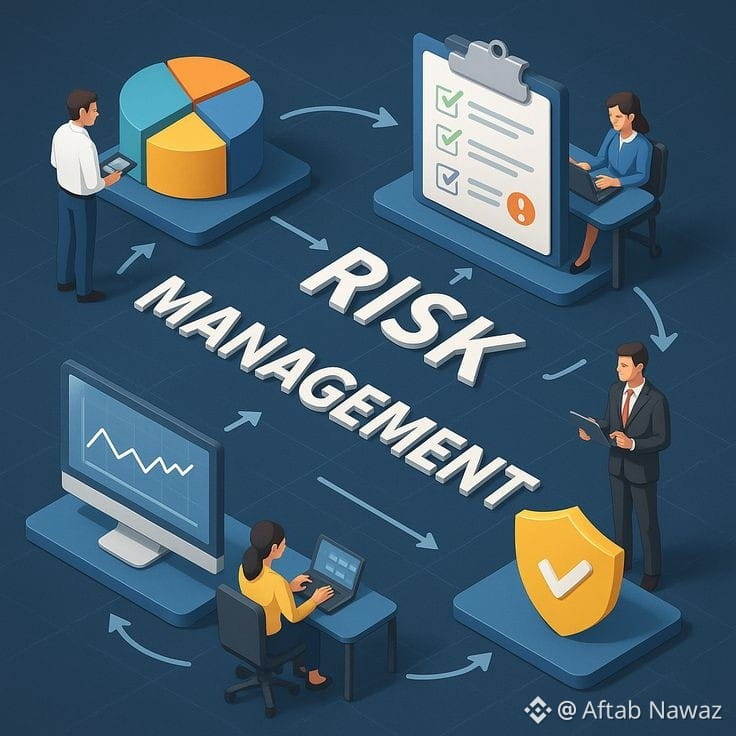
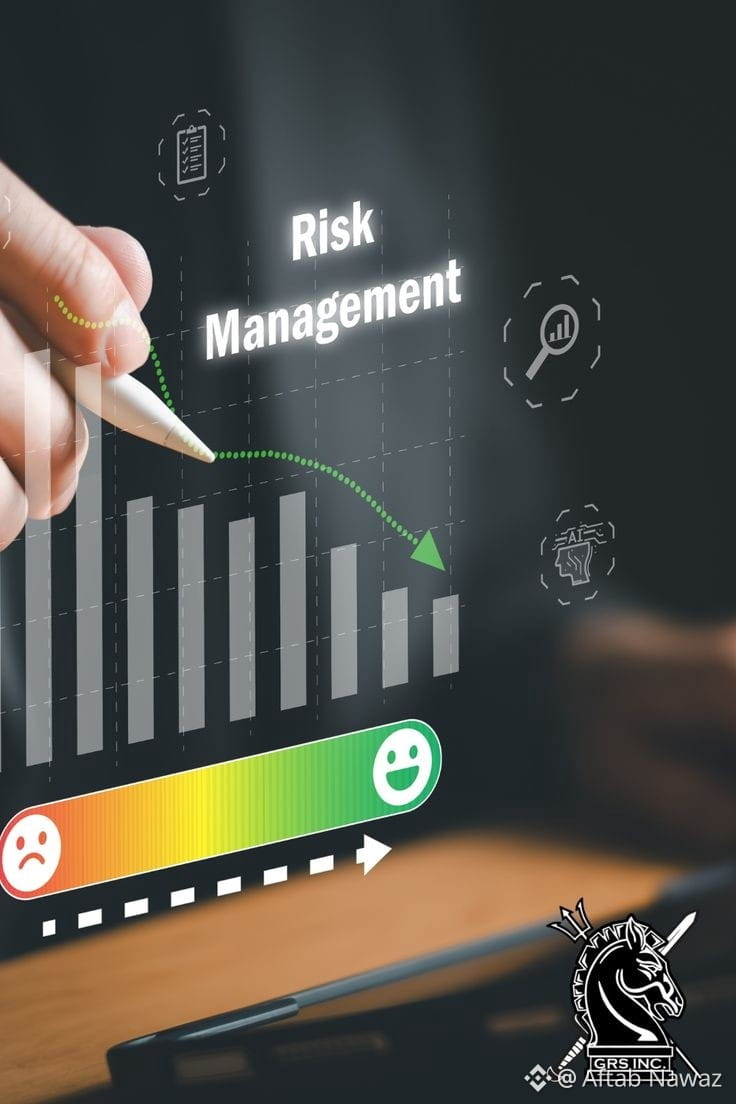
Quản lý rủi ro là rất quan trọng 📊
Sự khác biệt giữa các trader thành công và những người gặp khó khăn thường nằm ở quản lý rủi ro. Một chiến lược tốt có thể thất bại nếu bỏ qua rủi ro. Các trader chuyên nghiệp tập trung vào việc bảo vệ vốn trước khi theo đuổi lợi nhuận. Thiết lập điểm dừng lỗ, kiểm soát kích thước vị thế, và tránh giao dịch quá nhiều là những thói quen thiết yếu để thành công lâu dài. Thị trường crypto có thể biến động nhanh chóng, tạo ra cả cơ hội và rủi ro. Thay vì cố gắng thắng trong mọi giao dịch, hãy tập trung vào việc ra quyết định nhất quán và kỷ luật. Những khoản thua nhỏ là một phần của trò chơi, nhưng bảo vệ tài khoản của bạn cho phép bạn ở lại thị trường và hưởng lợi từ những cơ hội trong tương lai. $NVDAB
{spot}(NVDABUSDT)
$TSLAB
{spot}(TSLABUSDT)
$SPCXB
{spot}(SPCXBUSDT)
reward for my followers
Quản lý rủi ro là rất quan trọng 📊
Sự khác biệt giữa các trader thành công và những người gặp khó khăn thường nằm ở quản lý rủi ro. Một chiến lược tốt có thể thất bại nếu bỏ qua rủi ro. Các trader chuyên nghiệp tập trung vào việc bảo vệ vốn trước khi theo đuổi lợi nhuận. Thiết lập điểm dừng lỗ, kiểm soát kích thước vị thế, và tránh giao dịch quá nhiều là những thói quen thiết yếu để thành công lâu dài. Thị trường crypto có thể biến động nhanh chóng, tạo ra cả cơ hội và rủi ro. Thay vì cố gắng thắng trong mọi giao dịch, hãy tập trung vào việc ra quyết định nhất quán và kỷ luật. Những khoản thua nhỏ là một phần của trò chơi, nhưng bảo vệ tài khoản của bạn cho phép bạn ở lại thị trường và hưởng lợi từ những cơ hội trong tương lai. $NVDAB
$TSLAB
$SPCXB
Quản lý rủi ro là rất quan trọng 📊
Sự khác biệt giữa các trader thành công và những người gặp khó khăn thường nằm ở quản lý rủi ro. Một chiến lược tốt có thể thất bại nếu bỏ qua rủi ro. Các trader chuyên nghiệp tập trung vào việc bảo vệ vốn trước khi theo đuổi lợi nhuận. Thiết lập điểm dừng lỗ, kiểm soát kích thước vị thế, và tránh giao dịch quá nhiều là những thói quen thiết yếu để thành công lâu dài. Thị trường crypto có thể biến động nhanh chóng, tạo ra cả cơ hội và rủi ro. Thay vì cố gắng thắng trong mọi giao dịch, hãy tập trung vào việc ra quyết định nhất quán và kỷ luật. Những khoản thua nhỏ là một phần của trò chơi, nhưng bảo vệ tài khoản của bạn cho phép bạn ở lại thị trường và hưởng lợi từ những cơ hội trong tương lai. $NVDAB
$TSLAB
$SPCXB
1
5
·
--
[Reward 🏆](https://www.binance.com/referral/earn-together/refer2earn-usdc/claim?hl=en&ref=GRO_28502_12KYG&utm_source=referral_entrance)
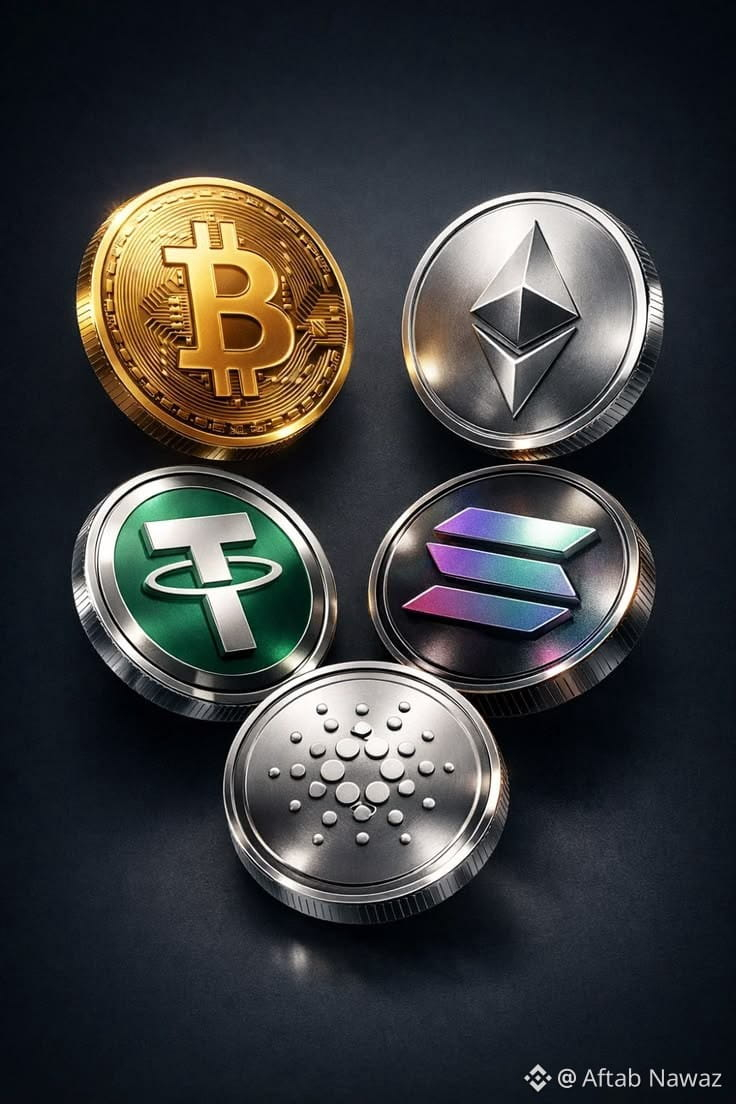
AI Coins vào năm 2026 🤖
Trí tuệ nhân tạo và blockchain ngày càng có sự kết nối chặt chẽ. Các dự án crypto tập trung vào AI đang thu hút sự chú ý vì chúng kết hợp tự động hóa, phân tích dữ liệu và công nghệ phi tập trung. Nhiều nhà đầu tư tin rằng AI có thể là một trong những câu chuyện mạnh mẽ nhất của chu kỳ này. Tuy nhiên, không phải đồng coin AI nào cũng sẽ thành công. Việc đánh giá tính hữu dụng của dự án, đội ngũ, tokenomics và tỷ lệ chấp nhận là rất quan trọng. Chỉ có hype thôi thì không đủ cho sự tăng trưởng lâu dài. Trước khi đầu tư, hãy nghiên cứu kỹ lưỡng và hiểu rõ các rủi ro liên quan. Những cơ hội tốt nhất thường đến từ các yếu tố cơ bản mạnh mẽ hơn là sự phấn khích từ mạng xã hội.
#AICrypto #CryptoNews #blockchain #BİNANCESQUARE $SPCXB
{spot}(SPCXBUSDT)
$TSLAB
{spot}(TSLABUSDT)
$MUB
{spot}(MUBUSDT)
Reward 🏆
AI Coins vào năm 2026 🤖
Trí tuệ nhân tạo và blockchain ngày càng có sự kết nối chặt chẽ. Các dự án crypto tập trung vào AI đang thu hút sự chú ý vì chúng kết hợp tự động hóa, phân tích dữ liệu và công nghệ phi tập trung. Nhiều nhà đầu tư tin rằng AI có thể là một trong những câu chuyện mạnh mẽ nhất của chu kỳ này. Tuy nhiên, không phải đồng coin AI nào cũng sẽ thành công. Việc đánh giá tính hữu dụng của dự án, đội ngũ, tokenomics và tỷ lệ chấp nhận là rất quan trọng. Chỉ có hype thôi thì không đủ cho sự tăng trưởng lâu dài. Trước khi đầu tư, hãy nghiên cứu kỹ lưỡng và hiểu rõ các rủi ro liên quan. Những cơ hội tốt nhất thường đến từ các yếu tố cơ bản mạnh mẽ hơn là sự phấn khích từ mạng xã hội.
#AICrypto #CryptoNews #blockchain #BİNANCESQUARE $SPCXB
$TSLAB
$MUB
AI Coins vào năm 2026 🤖
Trí tuệ nhân tạo và blockchain ngày càng có sự kết nối chặt chẽ. Các dự án crypto tập trung vào AI đang thu hút sự chú ý vì chúng kết hợp tự động hóa, phân tích dữ liệu và công nghệ phi tập trung. Nhiều nhà đầu tư tin rằng AI có thể là một trong những câu chuyện mạnh mẽ nhất của chu kỳ này. Tuy nhiên, không phải đồng coin AI nào cũng sẽ thành công. Việc đánh giá tính hữu dụng của dự án, đội ngũ, tokenomics và tỷ lệ chấp nhận là rất quan trọng. Chỉ có hype thôi thì không đủ cho sự tăng trưởng lâu dài. Trước khi đầu tư, hãy nghiên cứu kỹ lưỡng và hiểu rõ các rủi ro liên quan. Những cơ hội tốt nhất thường đến từ các yếu tố cơ bản mạnh mẽ hơn là sự phấn khích từ mạng xã hội.
#AICrypto #CryptoNews #blockchain #BİNANCESQUARE $SPCXB
$TSLAB
$MUB
1
8
·
--
[binance earning link free](https://www.binance.com/referral/earn-together/refer2earn-usdc/claim?hl=en&ref=GRO_28502_12KYG&utm_source=referral_entrance)
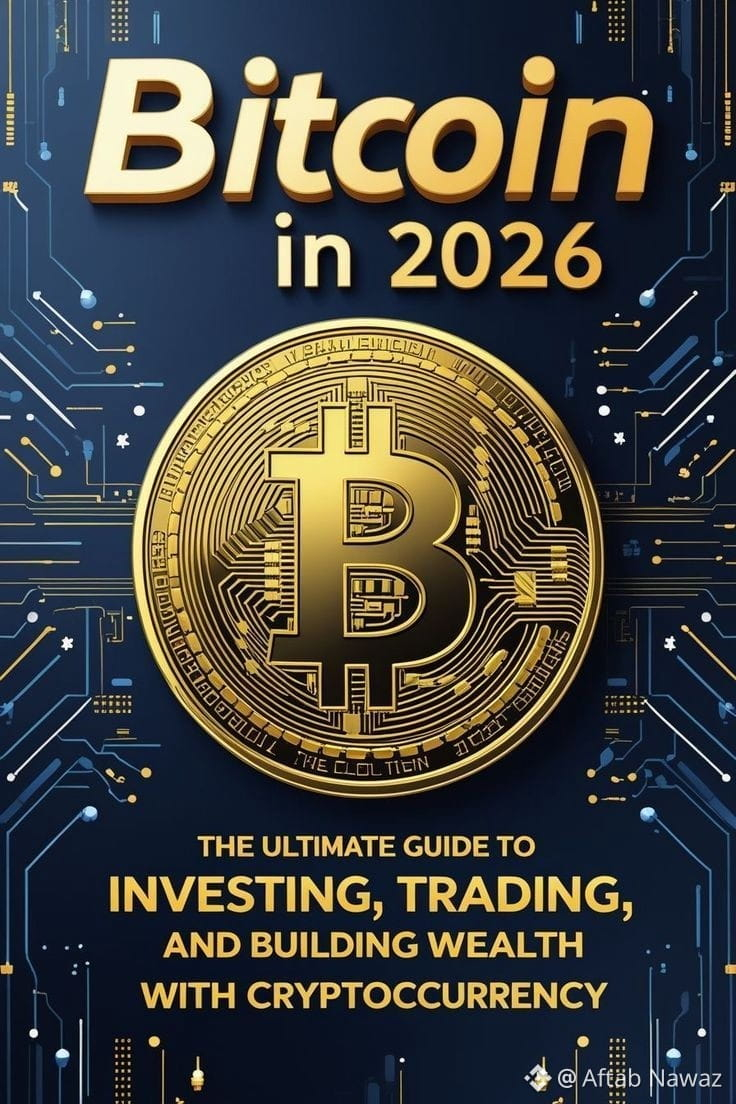
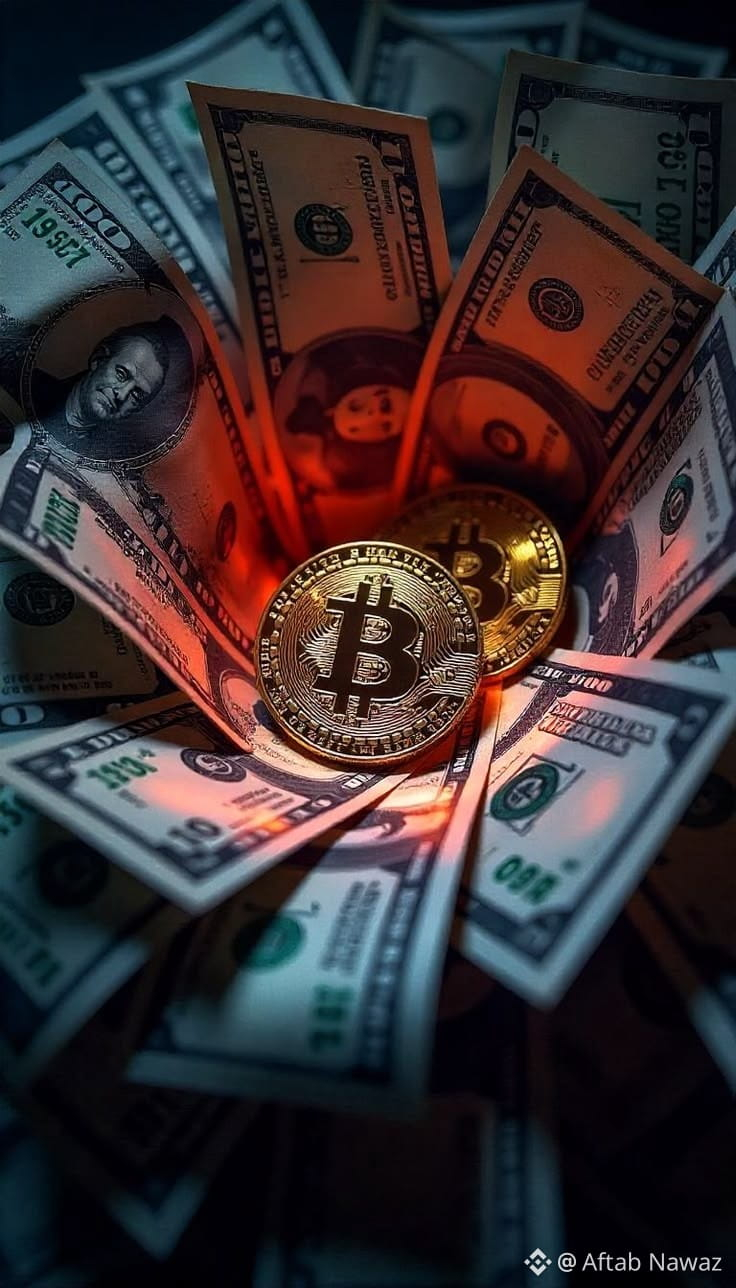
Triển vọng Bitcoin 🚀
Bitcoin vẫn tiếp tục thể hiện động lực mạnh mẽ khi việc áp dụng từ các tổ chức ngày càng tăng và sự tự tin của thị trường cũng cải thiện. Nhiều trader đang theo dõi các mức hỗ trợ và kháng cự quan trọng để xác định động thái lớn tiếp theo. Trong khi sự biến động ngắn hạn là điều bình thường, xu hướng dài hạn vẫn là tiêu điểm cho các nhà đầu tư. Quản lý rủi ro là điều thiết yếu, và không có giao dịch nào được đảm bảo. Các trader thông minh theo dõi cấu trúc thị trường, khối lượng giao dịch, và tin tức vĩ mô trước khi đưa ra quyết định. Dù bạn là người mới bắt đầu hay là một nhà đầu tư dày dạn kinh nghiệm, luôn tự mình nghiên cứu và tránh giao dịch dựa trên cảm xúc. Thị trường crypto thưởng cho sự kiên nhẫn, kỷ luật, và một chiến lược được lên kế hoạch tốt theo thời gian.
#bitcoin #crypto #trading #BİNANCESQUARE $BTC $NVDAB $SPCXB
binance earning link free
Triển vọng Bitcoin 🚀
Bitcoin vẫn tiếp tục thể hiện động lực mạnh mẽ khi việc áp dụng từ các tổ chức ngày càng tăng và sự tự tin của thị trường cũng cải thiện. Nhiều trader đang theo dõi các mức hỗ trợ và kháng cự quan trọng để xác định động thái lớn tiếp theo. Trong khi sự biến động ngắn hạn là điều bình thường, xu hướng dài hạn vẫn là tiêu điểm cho các nhà đầu tư. Quản lý rủi ro là điều thiết yếu, và không có giao dịch nào được đảm bảo. Các trader thông minh theo dõi cấu trúc thị trường, khối lượng giao dịch, và tin tức vĩ mô trước khi đưa ra quyết định. Dù bạn là người mới bắt đầu hay là một nhà đầu tư dày dạn kinh nghiệm, luôn tự mình nghiên cứu và tránh giao dịch dựa trên cảm xúc. Thị trường crypto thưởng cho sự kiên nhẫn, kỷ luật, và một chiến lược được lên kế hoạch tốt theo thời gian.
#bitcoin #crypto #trading #BİNANCESQUARE $BTC $NVDAB $SPCXB
Triển vọng Bitcoin 🚀
Bitcoin vẫn tiếp tục thể hiện động lực mạnh mẽ khi việc áp dụng từ các tổ chức ngày càng tăng và sự tự tin của thị trường cũng cải thiện. Nhiều trader đang theo dõi các mức hỗ trợ và kháng cự quan trọng để xác định động thái lớn tiếp theo. Trong khi sự biến động ngắn hạn là điều bình thường, xu hướng dài hạn vẫn là tiêu điểm cho các nhà đầu tư. Quản lý rủi ro là điều thiết yếu, và không có giao dịch nào được đảm bảo. Các trader thông minh theo dõi cấu trúc thị trường, khối lượng giao dịch, và tin tức vĩ mô trước khi đưa ra quyết định. Dù bạn là người mới bắt đầu hay là một nhà đầu tư dày dạn kinh nghiệm, luôn tự mình nghiên cứu và tránh giao dịch dựa trên cảm xúc. Thị trường crypto thưởng cho sự kiên nhẫn, kỷ luật, và một chiến lược được lên kế hoạch tốt theo thời gian.
#bitcoin #crypto #trading #BİNANCESQUARE $BTC $NVDAB $SPCXB
1
12
·
--
Cúp Các Quốc Gia MENA - Airdrop Điểm Fan <a>...</a> https://www.binance.com/activity/trading-competition/menanationscup?ref=KP1IMP6S
Cúp Các Quốc Gia MENA - Airdrop Điểm Fan <a>...</a> https://www.binance.com/activity/trading-competition/menanationscup?ref=KP1IMP6S
2
·
--
[Mena national cup Fan points airdrop](https://www.binance.com/activity/trading-competition/menanationscup?ref=KP1IMP6S)
Mena national cup Fan points airdrop
2
·
--
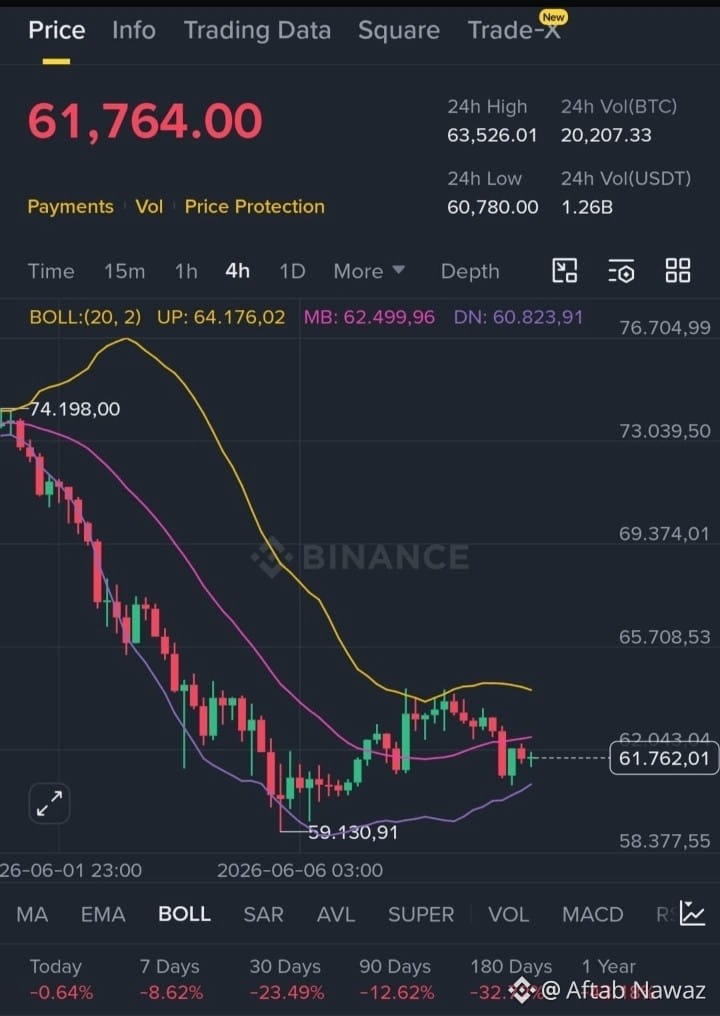
Tôi đã nói rằng nếu $BTC
{spot}(BTCUSDT)
giảm xuống $62,000, tôi sẽ tặng $6,200 bằng Bitcoin cho 5 người.
Chà, chúng ta đã làm được rồi.
Như đã hứa, hôm nay tôi sẽ tặng $6,200 bằng $BTC cho 5 người may mắn.
Để tham gia:
✅ Thích
✅ Retweet
✅ Bình luận “Bitxoin” 🔔
Thời gian tham gia kết thúc sau 24 giờ. Chúc may mắn!
Tôi đã nói rằng nếu $BTC
giảm xuống $62,000, tôi sẽ tặng $6,200 bằng Bitcoin cho 5 người.
Chà, chúng ta đã làm được rồi.
Như đã hứa, hôm nay tôi sẽ tặng $6,200 bằng $BTC cho 5 người may mắn.
Để tham gia:
✅ Thích
✅ Retweet
✅ Bình luận “Bitxoin” 🔔
Thời gian tham gia kết thúc sau 24 giờ. Chúc may mắn!
giảm xuống $62,000, tôi sẽ tặng $6,200 bằng Bitcoin cho 5 người.
Chà, chúng ta đã làm được rồi.
Như đã hứa, hôm nay tôi sẽ tặng $6,200 bằng $BTC cho 5 người may mắn.
Để tham gia:
✅ Thích
✅ Retweet
✅ Bình luận “Bitxoin” 🔔
Thời gian tham gia kết thúc sau 24 giờ. Chúc may mắn!
5
·
--
$BTC các kịch bản đáy mà tôi đã chuẩn bị:
200W: $62,024 (Bạn đang ở đây bây giờ)
250W: $57,747 (Có khả năng sẽ chạm tới)
300W: $54,091 (Có thể xảy ra)
350W: $47,615 (Không chắc nhưng là CƠ HỘI LỚN)
Nếu Bitcoin giảm xuống thấp hơn, tôi sẽ mua thêm.
Nhưng lịch sử cho thấy điều đó sẽ không xảy ra.
Tôi có hơn $20,000,000 trong các lệnh giới hạn dài $BTC đang chờ ở những vùng này.
$BTC các kịch bản đáy mà tôi đã chuẩn bị:
200W: $62,024 (Bạn đang ở đây bây giờ)
250W: $57,747 (Có khả năng sẽ chạm tới)
300W: $54,091 (Có thể xảy ra)
350W: $47,615 (Không chắc nhưng là CƠ HỘI LỚN)
Nếu Bitcoin giảm xuống thấp hơn, tôi sẽ mua thêm.
Nhưng lịch sử cho thấy điều đó sẽ không xảy ra.
Tôi có hơn $20,000,000 trong các lệnh giới hạn dài $BTC đang chờ ở những vùng này.
200W: $62,024 (Bạn đang ở đây bây giờ)
250W: $57,747 (Có khả năng sẽ chạm tới)
300W: $54,091 (Có thể xảy ra)
350W: $47,615 (Không chắc nhưng là CƠ HỘI LỚN)
Nếu Bitcoin giảm xuống thấp hơn, tôi sẽ mua thêm.
Nhưng lịch sử cho thấy điều đó sẽ không xảy ra.
Tôi có hơn $20,000,000 trong các lệnh giới hạn dài $BTC đang chờ ở những vùng này.
1
85
·
--
#bedrock $BR Bedrock đang thu hút sự chú ý khi BTCFi phát triển, mang đến staking, thanh khoản và tiện ích DeFi cho Bitcoin.
#bedrock $BR Bedrock đang thu hút sự chú ý khi BTCFi phát triển, mang đến staking, thanh khoản và tiện ích DeFi cho Bitcoin.
63
·
--
bulish
0%
bearish
0%
0 phiếu bầu • Cuộc bỏ phiếu đã kết thúc
1
8
·
--
Bài viết
Thông báo
Trung tâm hỗ trợ[binance square earning link](https://www.binance.info/en/support/announcement/detail/e99478de2ee44582b8486a037a749c16?utm_source=new_share&ref=cpa_0071aj2o2r)
Thông báo
Hoạt động mới nhất
Giữ US...-05-15)
Giữ 1 USD trong tài khoản Spot, Funding, Margin và Futures của Binance để chia sẻ $13 triệu phần thưởng trong WLFI (2026-05-15)
Được xuất bản vào 2026-05-14 13:00
Cập nhật vào 2026-06-05 10:02
biểu tượng
BTC/USDC
60,975.30
-2.6802%
Thông báo: Theo yêu cầu của MiCA, các stablecoin không được ủy quyền sẽ chịu một số hạn chế đối với người dùng EEA. Để biết thêm thông tin, vui lòng nhấn vào đây. Đây là một thông báo chung và thông điệp tiếp thị. Các sản phẩm và dịch vụ được đề cập ở đây có thể không có sẵn ở khu vực của bạn.
Thông báo Trung tâm hỗ trợ
binance square earning link
Thông báo
Hoạt động mới nhất
Giữ US...-05-15)
Giữ 1 USD trong tài khoản Spot, Funding, Margin và Futures của Binance để chia sẻ $13 triệu phần thưởng trong WLFI (2026-05-15)
Được xuất bản vào 2026-05-14 13:00
Cập nhật vào 2026-06-05 10:02
biểu tượng
BTC/USDC
60,975.30
-2.6802%
Thông báo: Theo yêu cầu của MiCA, các stablecoin không được ủy quyền sẽ chịu một số hạn chế đối với người dùng EEA. Để biết thêm thông tin, vui lòng nhấn vào đây. Đây là một thông báo chung và thông điệp tiếp thị. Các sản phẩm và dịch vụ được đề cập ở đây có thể không có sẵn ở khu vực của bạn.
Thông báo
Hoạt động mới nhất
Giữ US...-05-15)
Giữ 1 USD trong tài khoản Spot, Funding, Margin và Futures của Binance để chia sẻ $13 triệu phần thưởng trong WLFI (2026-05-15)
Được xuất bản vào 2026-05-14 13:00
Cập nhật vào 2026-06-05 10:02
biểu tượng
BTC/USDC
60,975.30
-2.6802%
Thông báo: Theo yêu cầu của MiCA, các stablecoin không được ủy quyền sẽ chịu một số hạn chế đối với người dùng EEA. Để biết thêm thông tin, vui lòng nhấn vào đây. Đây là một thông báo chung và thông điệp tiếp thị. Các sản phẩm và dịch vụ được đề cập ở đây có thể không có sẵn ở khu vực của bạn.
242
·
--

Bài viết
Một vài mẹo để kiếm thêm trên Binance Square Write[Earn more to this link](https://www.binance.com/referral/earn-together/refer2earn-usdc/claim?hl=en&ref=GRO_28502_12KYG&utm_source=referral_entrance)
Để kiếm thêm trên Binance Square Write to Earn, hãy tập trung vào những gì thực sự kích hoạt hoa hồng:
Đảm bảo đã xác minh KYC và đăng bài trên Square
Kể từ ngày 2 tháng 2 năm 2026, người dùng đã xác minh KYC tự động đủ điều kiện sau khi đăng bài đầu tiên trên Square. Không cần lựa chọn tham gia.
Square có thể không khả dụng ở mọi khu vực.
Nguồn: [https://www.binance.com/en/support/faq/detail/3f4940d27ff04748a13e0fc1d3f1598d](https://www.binance.com/en/support/faq/detail/3f4940d27ff04748a13e0fc1d3f1598d)
Sử dụng cashtags coin hoặc widget giao dịch trong mọi bài viết
Người đọc của bạn phải nhấp vào một cashtag coin như $BTC hoặc một widget giao dịch trong nội dung của bạn, sau đó hoàn thành một giao dịch đủ điều kiện.
Một vài mẹo để kiếm thêm trên Binance Square Write
Earn more to this link
Để kiếm thêm trên Binance Square Write to Earn, hãy tập trung vào những gì thực sự kích hoạt hoa hồng:
Đảm bảo đã xác minh KYC và đăng bài trên Square
Kể từ ngày 2 tháng 2 năm 2026, người dùng đã xác minh KYC tự động đủ điều kiện sau khi đăng bài đầu tiên trên Square. Không cần lựa chọn tham gia.
Square có thể không khả dụng ở mọi khu vực.
Nguồn: https://www.binance.com/en/support/faq/detail/3f4940d27ff04748a13e0fc1d3f1598d
Sử dụng cashtags coin hoặc widget giao dịch trong mọi bài viết
Người đọc của bạn phải nhấp vào một cashtag coin như $BTC hoặc một widget giao dịch trong nội dung của bạn, sau đó hoàn thành một giao dịch đủ điều kiện.
Để kiếm thêm trên Binance Square Write to Earn, hãy tập trung vào những gì thực sự kích hoạt hoa hồng:
Đảm bảo đã xác minh KYC và đăng bài trên Square
Kể từ ngày 2 tháng 2 năm 2026, người dùng đã xác minh KYC tự động đủ điều kiện sau khi đăng bài đầu tiên trên Square. Không cần lựa chọn tham gia.
Square có thể không khả dụng ở mọi khu vực.
Nguồn: https://www.binance.com/en/support/faq/detail/3f4940d27ff04748a13e0fc1d3f1598d
Sử dụng cashtags coin hoặc widget giao dịch trong mọi bài viết
Người đọc của bạn phải nhấp vào một cashtag coin như $BTC hoặc một widget giao dịch trong nội dung của bạn, sau đó hoàn thành một giao dịch đủ điều kiện.
1
5
·
--
Đây là một phân tích ngắn gọn về thị trường BTC dựa trên dữ liệu giao dịch trực tiếp từ Binance và bối cảnh tín hiệu smart-money hiện tại.
Chụp nhanh BTC giao ngay
BTC/USDT: $61,181.50
Mở cửa 24h: $62,742.97
Cao/thấp 24h: $62,895.18 / $60,755.00
Biến động 24h: khoảng -2.49% so với mức mở
Ý nghĩa kỹ thuật
Động lực ngắn hạn yếu. BTC đang giao dịch dưới mức mở 24h và gần với mức thấp của ngày hơn là mức cao, điều này thường cho thấy những người bán đã kiểm soát trong phiên này.
Khu vực hỗ trợ ngay lập tức: khoảng $60.8K — đó là khu vực thấp 24h hiện tại. Nếu BTC mất khu vực này một cách rõ ràng, áp lực giảm có thể kéo dài.
Khu vực kháng cự gần: khoảng $62.7K–$62.9K — BTC cần phải lấy lại khu vực này để cải thiện cấu trúc ngắn hạn.
Biên độ trong ngày tương đối chặt chẽ cho BTC, vì vậy sự bứt phá tiếp theo từ khoảng $60.8K đến $62.9K có thể thiết lập động thái ngắn hạn tiếp theo.
Đọc thị trường
Bây giờ, BTC trông giống như một cấu trúc ngắn hạn từ vùng tích lũy đến giảm hơn là một xu hướng bứt phá mạnh mẽ.
Các bên mua vẫn có cơ hội nếu giá lấy lại $62.7K+, nhưng miễn là BTC vẫn ở dưới mức mở và dưới mức cao của phiên, động lực vẫn giữ ở mức thận trọng.
Việc giữ trên $60.8K sẽ giữ cho cấu trúc không bị xấu đi hơn nữa.
Bối cảnh tín hiệu smart-money / tâm lý rủi ro
Tôi cũng đã kiểm tra nguồn tín hiệu smart-money hiện tại của Binance. Các tín hiệu mạnh mẽ gần đây tập trung vào các token BSC và Solana vốn hóa nhỏ, không phải BTC. Hầu hết các tín hiệu đó được đánh dấu timeout/exitRate nặng, điều này gợi ý về sự quay vòng đầu cơ hơn là sự thuyết phục rủi ro rộng rãi và sạch sẽ. Điều đó thường có nghĩa là BTC có thể vẫn dao động trừ khi có một chất xúc tác vĩ mô mạnh hơn xuất hiện.
Kịch bản thực tế
Trường hợp tăng giá: BTC lấy lại $62.7K–$62.9K và giữ trên đó.
Trường hợp trung lập: BTC tiếp tục dao động giữa $BTC {spot}(BTCUSDT) $ETH {spot}(ETHUSDT) $BNB {spot}(BNBUSDT)
Đây là một phân tích ngắn gọn về thị trường BTC dựa trên dữ liệu giao dịch trực tiếp từ Binance và bối cảnh tín hiệu smart-money hiện tại.
Chụp nhanh BTC giao ngay
BTC/USDT: $61,181.50
Mở cửa 24h: $62,742.97
Cao/thấp 24h: $62,895.18 / $60,755.00
Biến động 24h: khoảng -2.49% so với mức mở
Ý nghĩa kỹ thuật
Động lực ngắn hạn yếu. BTC đang giao dịch dưới mức mở 24h và gần với mức thấp của ngày hơn là mức cao, điều này thường cho thấy những người bán đã kiểm soát trong phiên này.
Khu vực hỗ trợ ngay lập tức: khoảng $60.8K — đó là khu vực thấp 24h hiện tại. Nếu BTC mất khu vực này một cách rõ ràng, áp lực giảm có thể kéo dài.
Khu vực kháng cự gần: khoảng $62.7K–$62.9K — BTC cần phải lấy lại khu vực này để cải thiện cấu trúc ngắn hạn.
Biên độ trong ngày tương đối chặt chẽ cho BTC, vì vậy sự bứt phá tiếp theo từ khoảng $60.8K đến $62.9K có thể thiết lập động thái ngắn hạn tiếp theo.
Đọc thị trường
Bây giờ, BTC trông giống như một cấu trúc ngắn hạn từ vùng tích lũy đến giảm hơn là một xu hướng bứt phá mạnh mẽ.
Các bên mua vẫn có cơ hội nếu giá lấy lại $62.7K+, nhưng miễn là BTC vẫn ở dưới mức mở và dưới mức cao của phiên, động lực vẫn giữ ở mức thận trọng.
Việc giữ trên $60.8K sẽ giữ cho cấu trúc không bị xấu đi hơn nữa.
Bối cảnh tín hiệu smart-money / tâm lý rủi ro
Tôi cũng đã kiểm tra nguồn tín hiệu smart-money hiện tại của Binance. Các tín hiệu mạnh mẽ gần đây tập trung vào các token BSC và Solana vốn hóa nhỏ, không phải BTC. Hầu hết các tín hiệu đó được đánh dấu timeout/exitRate nặng, điều này gợi ý về sự quay vòng đầu cơ hơn là sự thuyết phục rủi ro rộng rãi và sạch sẽ. Điều đó thường có nghĩa là BTC có thể vẫn dao động trừ khi có một chất xúc tác vĩ mô mạnh hơn xuất hiện.
Kịch bản thực tế
Trường hợp tăng giá: BTC lấy lại $62.7K–$62.9K và giữ trên đó.
Trường hợp trung lập: BTC tiếp tục dao động giữa $BTC $ETH $BNB
Chụp nhanh BTC giao ngay
BTC/USDT: $61,181.50
Mở cửa 24h: $62,742.97
Cao/thấp 24h: $62,895.18 / $60,755.00
Biến động 24h: khoảng -2.49% so với mức mở
Ý nghĩa kỹ thuật
Động lực ngắn hạn yếu. BTC đang giao dịch dưới mức mở 24h và gần với mức thấp của ngày hơn là mức cao, điều này thường cho thấy những người bán đã kiểm soát trong phiên này.
Khu vực hỗ trợ ngay lập tức: khoảng $60.8K — đó là khu vực thấp 24h hiện tại. Nếu BTC mất khu vực này một cách rõ ràng, áp lực giảm có thể kéo dài.
Khu vực kháng cự gần: khoảng $62.7K–$62.9K — BTC cần phải lấy lại khu vực này để cải thiện cấu trúc ngắn hạn.
Biên độ trong ngày tương đối chặt chẽ cho BTC, vì vậy sự bứt phá tiếp theo từ khoảng $60.8K đến $62.9K có thể thiết lập động thái ngắn hạn tiếp theo.
Đọc thị trường
Bây giờ, BTC trông giống như một cấu trúc ngắn hạn từ vùng tích lũy đến giảm hơn là một xu hướng bứt phá mạnh mẽ.
Các bên mua vẫn có cơ hội nếu giá lấy lại $62.7K+, nhưng miễn là BTC vẫn ở dưới mức mở và dưới mức cao của phiên, động lực vẫn giữ ở mức thận trọng.
Việc giữ trên $60.8K sẽ giữ cho cấu trúc không bị xấu đi hơn nữa.
Bối cảnh tín hiệu smart-money / tâm lý rủi ro
Tôi cũng đã kiểm tra nguồn tín hiệu smart-money hiện tại của Binance. Các tín hiệu mạnh mẽ gần đây tập trung vào các token BSC và Solana vốn hóa nhỏ, không phải BTC. Hầu hết các tín hiệu đó được đánh dấu timeout/exitRate nặng, điều này gợi ý về sự quay vòng đầu cơ hơn là sự thuyết phục rủi ro rộng rãi và sạch sẽ. Điều đó thường có nghĩa là BTC có thể vẫn dao động trừ khi có một chất xúc tác vĩ mô mạnh hơn xuất hiện.
Kịch bản thực tế
Trường hợp tăng giá: BTC lấy lại $62.7K–$62.9K và giữ trên đó.
Trường hợp trung lập: BTC tiếp tục dao động giữa $BTC $ETH $BNB
1
139
·
--
Giá trị lâu dài của một dự án blockchain thường phụ thuộc vào việc áp dụng và tiện ích. @Bedrock đang tập trung xây dựng một hệ sinh thái restaking thanh khoản phục vụ cho các thành viên Ethereum, Bitcoin và DePIN. Nếu giao thức tiếp tục mở rộng tích hợp và số lượng người dùng, các yếu tố cơ bản đứng sau $BR có thể trở nên mạnh mẽ hơn nữa. #Bedrock $BR
Giá trị lâu dài của một dự án blockchain thường phụ thuộc vào việc áp dụng và tiện ích. @Bedrock đang tập trung xây dựng một hệ sinh thái restaking thanh khoản phục vụ cho các thành viên Ethereum, Bitcoin và DePIN. Nếu giao thức tiếp tục mở rộng tích hợp và số lượng người dùng, các yếu tố cơ bản đứng sau $BR có thể trở nên mạnh mẽ hơn nữa. #Bedrock $BR
1
23
·
--
Về cơ bản, @Bedrock nổi bật vì nó kết hợp tính thanh khoản, tạo lợi suất và cơ hội đa chuỗi trong một giao thức. Khi DeFi tiếp tục phát triển, các nền tảng cải thiện hiệu quả vốn có thể trở nên quan trọng hơn. Bedrock 2.0 và tiện ích ngày càng tăng của $BR khiến dự án này trở nên thú vị để theo dõi trong những năm tới. #Bedrock $BR
Về cơ bản, @Bedrock nổi bật vì nó kết hợp tính thanh khoản, tạo lợi suất và cơ hội đa chuỗi trong một giao thức. Khi DeFi tiếp tục phát triển, các nền tảng cải thiện hiệu quả vốn có thể trở nên quan trọng hơn. Bedrock 2.0 và tiện ích ngày càng tăng của $BR khiến dự án này trở nên thú vị để theo dõi trong những năm tới. #Bedrock $BR
1
4
·
--
Khi đánh giá một dự án, tôi nhìn vào vấn đề mà nó giải quyết. @Bedrock giải quyết sự không hiệu quả về vốn trong việc staking bằng cách cho phép restaking lỏng lẻo qua nhiều loại tài sản. Bedrock 2.0 củng cố tầm nhìn này với một hạ tầng có khả năng mở rộng, có thể thu hút nhiều người dùng, đối tác và cơ hội hơn cho hệ sinh thái $BR . #Bedrock $BR
Khi đánh giá một dự án, tôi nhìn vào vấn đề mà nó giải quyết. @Bedrock giải quyết sự không hiệu quả về vốn trong việc staking bằng cách cho phép restaking lỏng lẻo qua nhiều loại tài sản. Bedrock 2.0 củng cố tầm nhìn này với một hạ tầng có khả năng mở rộng, có thể thu hút nhiều người dùng, đối tác và cơ hội hơn cho hệ sinh thái $BR . #Bedrock $BR
1
4
·
--
Sự đổi mới trong việc staking không còn bị giới hạn ở một blockchain duy nhất. @Bedrock kết nối nhiều loại tài sản thông qua mô hình restaking lỏng, tạo ra cơ hội cho phần thưởng được cải thiện và tính thanh khoản cao hơn. Với Bedrock 2.0 tiếp tục phát triển, $BR có thể đóng vai trò ngày càng quan trọng trong tương lai của tài chính phi tập trung. #Bedrock $BR
Sự đổi mới trong việc staking không còn bị giới hạn ở một blockchain duy nhất. @Bedrock kết nối nhiều loại tài sản thông qua mô hình restaking lỏng, tạo ra cơ hội cho phần thưởng được cải thiện và tính thanh khoản cao hơn. Với Bedrock 2.0 tiếp tục phát triển, $BR có thể đóng vai trò ngày càng quan trọng trong tương lai của tài chính phi tập trung. #Bedrock $BR
1
35
·
--
Tại sao giao dịch giao ngay vượt trội hơn hợp đồng tương lai cho 90% mọi người 👇
Hợp đồng tương lai có thể làm tăng tài khoản nhanh chóng…
Nhưng chúng cũng có thể phá hủy tài khoản nhanh hơn nữa.
Tại sao tôi thích giao dịch giao ngay:
✅ Không có rủi ro thanh lý
✅ Ít căng thẳng cảm xúc hơn
✅ Dễ dàng giữ qua những biến động
✅ Tốt hơn cho sự nhất quán lâu dài
Hầu hết các trader không thất bại vì phân tích kém.
Họ thất bại vì đòn bẩy khuếch đại cảm xúc.
Giao dịch giao ngay có thể trông “chậm hơn”…
Nhưng tồn tại trên thị trường trong nhiều năm > bị xóa sổ trong vài tuần. 📉
Bạn muốn phát triển chậm hay đánh cược nhanh? 👀
#GiaoDịchGiaoNgay #Crypto #BTC #BinanceSquare #GiaoDịch
$ETH
{spot}(ETHUSDT)
$BNB $
{spot}(BNBUSDT)
{spot}(USDCUSDT)
Tại sao giao dịch giao ngay vượt trội hơn hợp đồng tương lai cho 90% mọi người 👇
Hợp đồng tương lai có thể làm tăng tài khoản nhanh chóng…
Nhưng chúng cũng có thể phá hủy tài khoản nhanh hơn nữa.
Tại sao tôi thích giao dịch giao ngay:
✅ Không có rủi ro thanh lý
✅ Ít căng thẳng cảm xúc hơn
✅ Dễ dàng giữ qua những biến động
✅ Tốt hơn cho sự nhất quán lâu dài
Hầu hết các trader không thất bại vì phân tích kém.
Họ thất bại vì đòn bẩy khuếch đại cảm xúc.
Giao dịch giao ngay có thể trông “chậm hơn”…
Nhưng tồn tại trên thị trường trong nhiều năm > bị xóa sổ trong vài tuần. 📉
Bạn muốn phát triển chậm hay đánh cược nhanh? 👀
#GiaoDịchGiaoNgay #Crypto #BTC #BinanceSquare #GiaoDịch
$ETH
$BNB $
Hợp đồng tương lai có thể làm tăng tài khoản nhanh chóng…
Nhưng chúng cũng có thể phá hủy tài khoản nhanh hơn nữa.
Tại sao tôi thích giao dịch giao ngay:
✅ Không có rủi ro thanh lý
✅ Ít căng thẳng cảm xúc hơn
✅ Dễ dàng giữ qua những biến động
✅ Tốt hơn cho sự nhất quán lâu dài
Hầu hết các trader không thất bại vì phân tích kém.
Họ thất bại vì đòn bẩy khuếch đại cảm xúc.
Giao dịch giao ngay có thể trông “chậm hơn”…
Nhưng tồn tại trên thị trường trong nhiều năm > bị xóa sổ trong vài tuần. 📉
Bạn muốn phát triển chậm hay đánh cược nhanh? 👀
#GiaoDịchGiaoNgay #Crypto #BTC #BinanceSquare #GiaoDịch
$ETH
$BNB $
1
119
·
--
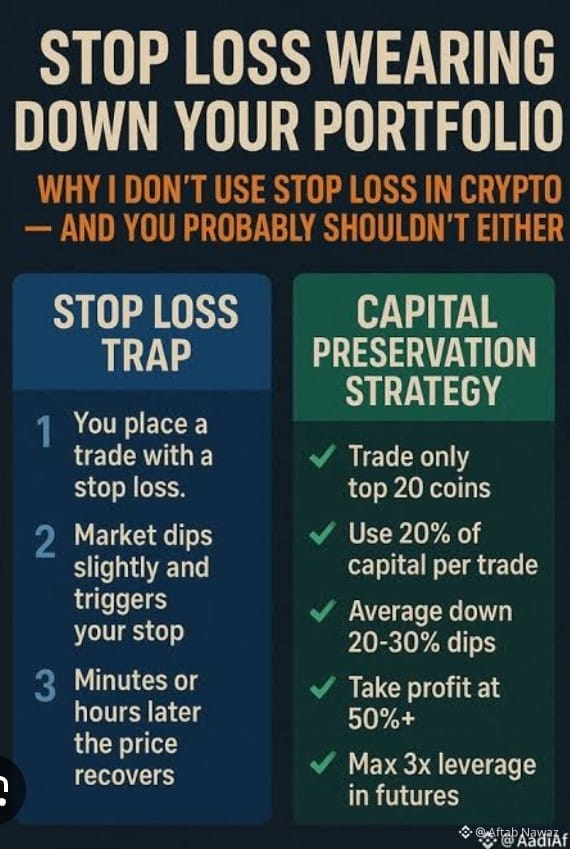
Cắt lỗ cho các trader giao ngay 👇
(Có, giao ngay cũng cần có điểm thoát.)
Một trong những huyền thoại lớn nhất trong crypto:
“Giao ngay không thể thanh lý tôi, nên tôi sẽ giữ mãi.”
Tư duy đó phá hủy danh mục đầu tư.
Nguyên tắc của tôi:
✅ Mỗi giao dịch giao ngay đều có mức không hợp lệ
✅ Nếu setup bị phá vỡ, tôi sẽ thoát
✅ Tôi luôn có thể vào lại sau
Tại sao?
Bởi vì lỗ -10% có thể phục hồi.
Một túi -70% biến thành đầu tư theo cảm xúc.
Giữ một cách mù quáng không phải là “tay kim cương.”
Đó là từ chối quản lý rủi ro.
Bảo vệ vốn > cái tôi. 📉
Bạn có sử dụng cắt lỗ trong giao dịch giao ngay không? 👀
#GiaoNgay #Crypto #BTC #QuảnLýRủiRo #BinanceSquare
$BTC
{spot}(BTCUSDT)
$U
{spot}(UUSDT)
$RED
{spot}(REDUSDT)
Cắt lỗ cho các trader giao ngay 👇
(Có, giao ngay cũng cần có điểm thoát.)
Một trong những huyền thoại lớn nhất trong crypto:
“Giao ngay không thể thanh lý tôi, nên tôi sẽ giữ mãi.”
Tư duy đó phá hủy danh mục đầu tư.
Nguyên tắc của tôi:
✅ Mỗi giao dịch giao ngay đều có mức không hợp lệ
✅ Nếu setup bị phá vỡ, tôi sẽ thoát
✅ Tôi luôn có thể vào lại sau
Tại sao?
Bởi vì lỗ -10% có thể phục hồi.
Một túi -70% biến thành đầu tư theo cảm xúc.
Giữ một cách mù quáng không phải là “tay kim cương.”
Đó là từ chối quản lý rủi ro.
Bảo vệ vốn > cái tôi. 📉
Bạn có sử dụng cắt lỗ trong giao dịch giao ngay không? 👀
#GiaoNgay #Crypto #BTC #QuảnLýRủiRo #BinanceSquare
$BTC
$U
$RED
(Có, giao ngay cũng cần có điểm thoát.)
Một trong những huyền thoại lớn nhất trong crypto:
“Giao ngay không thể thanh lý tôi, nên tôi sẽ giữ mãi.”
Tư duy đó phá hủy danh mục đầu tư.
Nguyên tắc của tôi:
✅ Mỗi giao dịch giao ngay đều có mức không hợp lệ
✅ Nếu setup bị phá vỡ, tôi sẽ thoát
✅ Tôi luôn có thể vào lại sau
Tại sao?
Bởi vì lỗ -10% có thể phục hồi.
Một túi -70% biến thành đầu tư theo cảm xúc.
Giữ một cách mù quáng không phải là “tay kim cương.”
Đó là từ chối quản lý rủi ro.
Bảo vệ vốn > cái tôi. 📉
Bạn có sử dụng cắt lỗ trong giao dịch giao ngay không? 👀
#GiaoNgay #Crypto #BTC #QuảnLýRủiRo #BinanceSquare
$BTC
$U
$RED
1
115
Đăng nhập để khám phá thêm nội dung
Tham gia cùng người dùng tiền mã hóa toàn cầu trên Binance Square
⚡️ Nhận thông tin mới nhất và hữu ích về tiền mã hóa.
💬 Được tin cậy bởi sàn giao dịch tiền mã hóa lớn nhất thế giới.
👍 Khám phá những thông tin chuyên sâu thực tế từ những nhà sáng tạo đã xác minh.
Email / Số điện thoại
Chủ đề thịnh hành
45NgayTuDoTaiChinh
908,022 lượt xem
3,121 đang thảo luận
Ngày 5/45: Sức mạnh đến từ sự kiên trì từng chút một
Ngày thứ 5 của hành trình 45 ngày tự do tài chính, mình vẫn tiếp tục duy trì thói quen mua 50 USD Bitcoin. Hôm nay $BTC có giảm nhẹ gần 1% nhưng thật sự không còn khiến mình quá bận tâm nữa. Cái cảm giác kiên trì làm điều đúng đắn, dù nhỏ thôi, nó tạo ra một sự bình yên lạ.
Nhìn lại 5 ngày đã qua, mỗi ngày một chút, mình nhận ra sức mạnh không nằm ở việc đoán đỉnh hay đáy, mà nằm ở sự đều đặn. Cứ túc tắc tích lũy, chẳng cần quá để ý bảng giá xanh đỏ làm gì. Cái cảm giác mình đang xây dựng một cái gì đó bền vững, từng viên gạch một, nó hay lắm.
Đôi khi chỉ cần kiên nhẫn làm đúng một việc nhỏ mỗi ngày, mình tin kết quả sẽ đến. Bạn có thấy thế không, những người bạn đồng hành của mình?
Thông tin tham khảo, không phải lời khuyên đầu tư. DYOR.
#45ngaytudotaichinh #BigBangThesis
HotLike Team
·0 lượt thích
·150 lượt xem
TheoDõiFOMC
83,607 lượt xem
553 đang thảo luận
TinFed
75,539 lượt xem
359 đang thảo luận