

Alex1i9
149 Bài đăng

Alex1i9
Báo cáo
Chặn người dùng
Bull bear whatever - I am Here | #Binance KOL |
0 Đang theo dõi
11 Người theo dõi
16 Đã thích
Bài đăng
·
--
Xem bản dịch
Compute tokens were only phase one ⚡
$TAO and $RENDER helped define the first version of crypto’s AI infrastructure trade.
TAO built markets where subnets compete to produce useful digital commodities like inference, compute and prediction.
Render built a marketplace where GPU owners can monetize idle hardware across rendering and AI workloads.
Both revolve around one increasingly valuable resource:
Compute.
But the next phase does not have to stop at accessing or supplying GPUs.
It can be about owning them.
That is the direction $B3 is taking with B3IQ.
Buyers can own dedicated NVIDIA systems while B3 handles the build, hosting, routing, billing and commercial demand.
The machine can stay private or work under B3IQ’s offtake contracts, with the owner keeping 85% of realized revenue.
Select systems can also start with 30% down, letting income from the hardware help retire the financed balance.
Render made idle GPUs productive.
If AI keeps scaling, the next compute trade may be less about renting access to machines and more about owning the machines everyone needs.
#AI #DePIN
Compute tokens were only phase one ⚡
$TAO and $RENDER helped define the first version of crypto’s AI infrastructure trade.
TAO built markets where subnets compete to produce useful digital commodities like inference, compute and prediction.
Render built a marketplace where GPU owners can monetize idle hardware across rendering and AI workloads.
Both revolve around one increasingly valuable resource:
Compute.
But the next phase does not have to stop at accessing or supplying GPUs.
It can be about owning them.
That is the direction $B3 is taking with B3IQ.
Buyers can own dedicated NVIDIA systems while B3 handles the build, hosting, routing, billing and commercial demand.
The machine can stay private or work under B3IQ’s offtake contracts, with the owner keeping 85% of realized revenue.
Select systems can also start with 30% down, letting income from the hardware help retire the financed balance.
Render made idle GPUs productive.
If AI keeps scaling, the next compute trade may be less about renting access to machines and more about owning the machines everyone needs.
#AI #DePIN
$TAO and $RENDER helped define the first version of crypto’s AI infrastructure trade.
TAO built markets where subnets compete to produce useful digital commodities like inference, compute and prediction.
Render built a marketplace where GPU owners can monetize idle hardware across rendering and AI workloads.
Both revolve around one increasingly valuable resource:
Compute.
But the next phase does not have to stop at accessing or supplying GPUs.
It can be about owning them.
That is the direction $B3 is taking with B3IQ.
Buyers can own dedicated NVIDIA systems while B3 handles the build, hosting, routing, billing and commercial demand.
The machine can stay private or work under B3IQ’s offtake contracts, with the owner keeping 85% of realized revenue.
Select systems can also start with 30% down, letting income from the hardware help retire the financed balance.
Render made idle GPUs productive.
If AI keeps scaling, the next compute trade may be less about renting access to machines and more about owning the machines everyone needs.
#AI #DePIN
70
·
--
Vị thế Cổ phiếu Đòn bẩy của bạn hiện là một tài sản có thể chuyển nhượng được 📈
$PENDLE và $BLUR đều đã chứng minh rằng một vị thế trở nên hữu ích hơn ngay khi nó trở thành một tài sản có thể chuyển nhượng. Margin Call đang áp dụng điều đó vào đòn bẩy.
Nó giành vị trí thứ hai trong hạng mục Uniswap tại Tuần Tác nhân Runtime của Bankr, biến các vị thế cổ phiếu đòn bẩy thành các NFT có thể chuyển nhượng, với việc triển khai lên mainnet mà ban giám khảo đã xác minh chứ không chỉ tin tưởng.
Thứ nguyên gốc bên dưới là đáng để tách riêng khỏi phần demo.
Thông thường, một vị thế đòn bẩy là một trạng thái tài khoản. Nó tồn tại trong một nền tảng (venue), thuộc về bất kỳ ai đã mở nó, và việc thoát ra nghĩa là đóng nó lại. Biến nó thành một token sẽ thay đổi cách thoát. Bạn có thể bán chính vị thế đó cho một người muốn sở hữu nó, với bất kỳ mức giá nào họ sẵn sàng trả, mà không cần đóng/mở vị thế bất kỳ điều gì.
Điều này quan trọng nhất đúng trong trường hợp đóng/mở vị thế (unwinding) quá tốn kém. Một sổ lệnh mỏng với tài sản ngoài đời thực, chênh lệch giá mua-bán (spread) rộng, và một vị thế mà bạn muốn thoát ra đúng lúc bạn bán vào thị trường—đó là lựa chọn tệ nhất hiện có.
Rủi ro là thứ mà mọi vị thế được token hóa đều mang theo. Một quyền yêu cầu có thể chuyển nhượng đối với một vị thế đòn bẩy chỉ vững chắc như logic thanh lý (liquidation) đứng phía sau nó, và người mua sẽ nhận luôn lời gọi margin (margin call) cùng với phần tăng giá tiềm năng.
“Đã được xác minh trên mainnet” là một cụm từ có ý nghĩa ở đây. Phần lớn các bài dự thi hackathon trong DeFi chỉ là một video và một lời hứa.
#DeFi #RWA
Vị thế Cổ phiếu Đòn bẩy của bạn hiện là một tài sản có thể chuyển nhượng được 📈
$PENDLE và $BLUR đều đã chứng minh rằng một vị thế trở nên hữu ích hơn ngay khi nó trở thành một tài sản có thể chuyển nhượng. Margin Call đang áp dụng điều đó vào đòn bẩy.
Nó giành vị trí thứ hai trong hạng mục Uniswap tại Tuần Tác nhân Runtime của Bankr, biến các vị thế cổ phiếu đòn bẩy thành các NFT có thể chuyển nhượng, với việc triển khai lên mainnet mà ban giám khảo đã xác minh chứ không chỉ tin tưởng.
Thứ nguyên gốc bên dưới là đáng để tách riêng khỏi phần demo.
Thông thường, một vị thế đòn bẩy là một trạng thái tài khoản. Nó tồn tại trong một nền tảng (venue), thuộc về bất kỳ ai đã mở nó, và việc thoát ra nghĩa là đóng nó lại. Biến nó thành một token sẽ thay đổi cách thoát. Bạn có thể bán chính vị thế đó cho một người muốn sở hữu nó, với bất kỳ mức giá nào họ sẵn sàng trả, mà không cần đóng/mở vị thế bất kỳ điều gì.
Điều này quan trọng nhất đúng trong trường hợp đóng/mở vị thế (unwinding) quá tốn kém. Một sổ lệnh mỏng với tài sản ngoài đời thực, chênh lệch giá mua-bán (spread) rộng, và một vị thế mà bạn muốn thoát ra đúng lúc bạn bán vào thị trường—đó là lựa chọn tệ nhất hiện có.
Rủi ro là thứ mà mọi vị thế được token hóa đều mang theo. Một quyền yêu cầu có thể chuyển nhượng đối với một vị thế đòn bẩy chỉ vững chắc như logic thanh lý (liquidation) đứng phía sau nó, và người mua sẽ nhận luôn lời gọi margin (margin call) cùng với phần tăng giá tiềm năng.
“Đã được xác minh trên mainnet” là một cụm từ có ý nghĩa ở đây. Phần lớn các bài dự thi hackathon trong DeFi chỉ là một video và một lời hứa.
#DeFi #RWA
$PENDLE và $BLUR đều đã chứng minh rằng một vị thế trở nên hữu ích hơn ngay khi nó trở thành một tài sản có thể chuyển nhượng. Margin Call đang áp dụng điều đó vào đòn bẩy.
Nó giành vị trí thứ hai trong hạng mục Uniswap tại Tuần Tác nhân Runtime của Bankr, biến các vị thế cổ phiếu đòn bẩy thành các NFT có thể chuyển nhượng, với việc triển khai lên mainnet mà ban giám khảo đã xác minh chứ không chỉ tin tưởng.
Thứ nguyên gốc bên dưới là đáng để tách riêng khỏi phần demo.
Thông thường, một vị thế đòn bẩy là một trạng thái tài khoản. Nó tồn tại trong một nền tảng (venue), thuộc về bất kỳ ai đã mở nó, và việc thoát ra nghĩa là đóng nó lại. Biến nó thành một token sẽ thay đổi cách thoát. Bạn có thể bán chính vị thế đó cho một người muốn sở hữu nó, với bất kỳ mức giá nào họ sẵn sàng trả, mà không cần đóng/mở vị thế bất kỳ điều gì.
Điều này quan trọng nhất đúng trong trường hợp đóng/mở vị thế (unwinding) quá tốn kém. Một sổ lệnh mỏng với tài sản ngoài đời thực, chênh lệch giá mua-bán (spread) rộng, và một vị thế mà bạn muốn thoát ra đúng lúc bạn bán vào thị trường—đó là lựa chọn tệ nhất hiện có.
Rủi ro là thứ mà mọi vị thế được token hóa đều mang theo. Một quyền yêu cầu có thể chuyển nhượng đối với một vị thế đòn bẩy chỉ vững chắc như logic thanh lý (liquidation) đứng phía sau nó, và người mua sẽ nhận luôn lời gọi margin (margin call) cùng với phần tăng giá tiềm năng.
“Đã được xác minh trên mainnet” là một cụm từ có ý nghĩa ở đây. Phần lớn các bài dự thi hackathon trong DeFi chỉ là một video và một lời hứa.
#DeFi #RWA
56
·
--
WallStreetBets đang theo dõi câu chuyện SYN 👀
$UNI đã giúp đưa giao dịch onchain từ một ngách crypto trở thành một chủ đề thảo luận rộng rãi hơn trong thị trường.
$SYN giờ có thể đang thu hút sự chú ý từ nhóm nhà đầu tư giao dịch lẻ.
WallStreetBets đã đáp “khủng 👀” trước bản cập nhật của Duncan, đề cập việc SonicStrategy mua SYN, khối lượng quyền chọn kỷ lục của Hypercall và đóng góp của nó cho hoạt động phòng hộ của Hyperliquid.
Một bình luận không đủ để xác thực luận điểm đầu tư.
Điều nó cho thấy là câu chuyện có thể lan tỏa vượt ra ngoài những người nắm giữ SYN hiện tại.
Một nhóm khán giả đã quen với các tùy chọn, giao dịch 0DTE và mức độ tiếp xúc đòn bẩy có thể hiểu ngay Hypercall đang xây dựng gì.
#Options #Altcoin Season#
WallStreetBets đang theo dõi câu chuyện SYN 👀
$UNI đã giúp đưa giao dịch onchain từ một ngách crypto trở thành một chủ đề thảo luận rộng rãi hơn trong thị trường.
$SYN giờ có thể đang thu hút sự chú ý từ nhóm nhà đầu tư giao dịch lẻ.
WallStreetBets đã đáp “khủng 👀” trước bản cập nhật của Duncan, đề cập việc SonicStrategy mua SYN, khối lượng quyền chọn kỷ lục của Hypercall và đóng góp của nó cho hoạt động phòng hộ của Hyperliquid.
Một bình luận không đủ để xác thực luận điểm đầu tư.
Điều nó cho thấy là câu chuyện có thể lan tỏa vượt ra ngoài những người nắm giữ SYN hiện tại.
Một nhóm khán giả đã quen với các tùy chọn, giao dịch 0DTE và mức độ tiếp xúc đòn bẩy có thể hiểu ngay Hypercall đang xây dựng gì.
#Options #Altcoin Season#
$UNI đã giúp đưa giao dịch onchain từ một ngách crypto trở thành một chủ đề thảo luận rộng rãi hơn trong thị trường.
$SYN giờ có thể đang thu hút sự chú ý từ nhóm nhà đầu tư giao dịch lẻ.
WallStreetBets đã đáp “khủng 👀” trước bản cập nhật của Duncan, đề cập việc SonicStrategy mua SYN, khối lượng quyền chọn kỷ lục của Hypercall và đóng góp của nó cho hoạt động phòng hộ của Hyperliquid.
Một bình luận không đủ để xác thực luận điểm đầu tư.
Điều nó cho thấy là câu chuyện có thể lan tỏa vượt ra ngoài những người nắm giữ SYN hiện tại.
Một nhóm khán giả đã quen với các tùy chọn, giao dịch 0DTE và mức độ tiếp xúc đòn bẩy có thể hiểu ngay Hypercall đang xây dựng gì.
#Options #Altcoin Season#
65
·
--
Xem bản dịch
**$SYN Is Testing A Major Fibonacci Support Zone 🎯**
While $ONDO has strengthened the onchain capital-markets narrative, $SYN adds an options-focused angle through Hypercall.
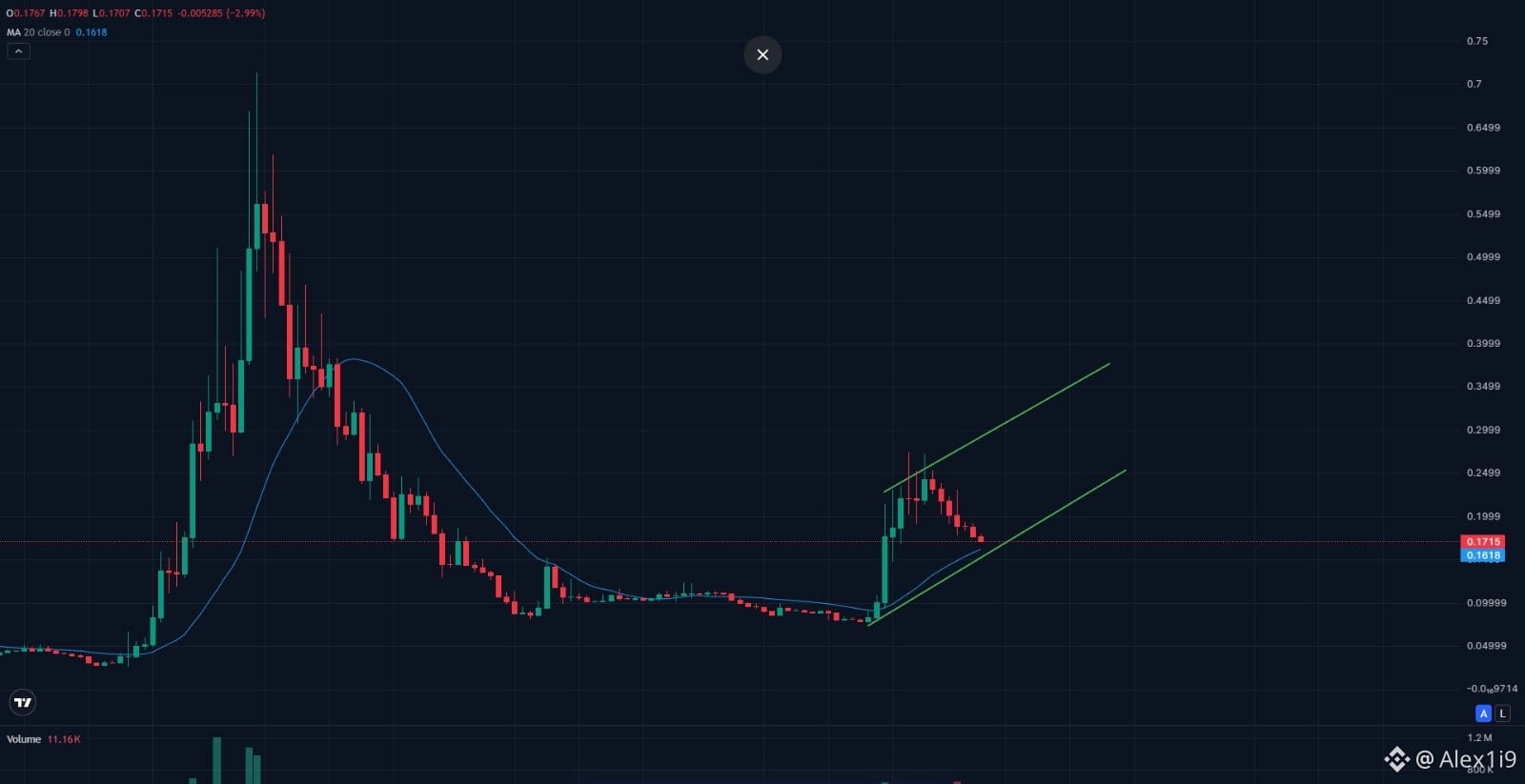
The SYN chart is now testing an important retracement zone after running from approximately $0.078 to $0.273.
The 50% Fibonacci retracement sits around $0.176, while the 61.8% level is near $0.153.
With SYN trading around $0.172, price has entered the zone between those levels where buyers could establish a higher low.
A recovery above $0.176 would provide the first bullish confirmation and place the following levels back into focus:
🎯 $0.190
🎯 $0.208
🎯 $0.220
The broader breakout structure remains intact above the deeper Fibonacci support near $0.153. Reclaiming $0.176 would strengthen the case that the current pullback is turning into accumulation.
#TechnicalAnalysis #Altcoin Season#
**$SYN Is Testing A Major Fibonacci Support Zone 🎯**
While $ONDO has strengthened the onchain capital-markets narrative, $SYN adds an options-focused angle through Hypercall.
The SYN chart is now testing an important retracement zone after running from approximately $0.078 to $0.273.
The 50% Fibonacci retracement sits around $0.176, while the 61.8% level is near $0.153.
With SYN trading around $0.172, price has entered the zone between those levels where buyers could establish a higher low.
A recovery above $0.176 would provide the first bullish confirmation and place the following levels back into focus:
🎯 $0.190
🎯 $0.208
🎯 $0.220
The broader breakout structure remains intact above the deeper Fibonacci support near $0.153. Reclaiming $0.176 would strengthen the case that the current pullback is turning into accumulation.
#TechnicalAnalysis #Altcoin Season#
While $ONDO has strengthened the onchain capital-markets narrative, $SYN adds an options-focused angle through Hypercall.
The SYN chart is now testing an important retracement zone after running from approximately $0.078 to $0.273.
The 50% Fibonacci retracement sits around $0.176, while the 61.8% level is near $0.153.
With SYN trading around $0.172, price has entered the zone between those levels where buyers could establish a higher low.
A recovery above $0.176 would provide the first bullish confirmation and place the following levels back into focus:
🎯 $0.190
🎯 $0.208
🎯 $0.220
The broader breakout structure remains intact above the deeper Fibonacci support near $0.153. Reclaiming $0.176 would strengthen the case that the current pullback is turning into accumulation.
#TechnicalAnalysis #Altcoin Season#
57
·
--
Bạn Không Cần Biểu Đồ Màu Xanh Để Có Lãi 📉
Một trong những điều hữu ích nhất của giao dịch cặp là cả hai phía của lệnh giao dịch đều có thể đang đỏ và luận điểm của bạn vẫn có thể diễn ra đúng.
Sau khi $ZEC mạnh mẽ vượt trội $XMR trong những tuần trước, các vụ hack và khai thác lỗ hổng lớn trong lĩnh vực crypto ngày càng thường xuyên được đi kèm với các đợt tăng mạnh về khối lượng đi qua Monero, tạo lý do để đặt câu hỏi liệu mối quan hệ đó có thể bắt đầu đảo chiều hay không.
Ý tưởng giao dịch rất đơn giản: Mua dài XMR. Bán khống ZEC. Và đúng là điều đó đã bắt đầu xảy ra trong suốt cuối tuần qua.
Cả hai tài sản đều mất giá, nhưng Monero lại thể hiện sức mạnh tương đối so với Zcash. Vì vậy, cơ hội này không phụ thuộc vào việc XMR bơm giá. Chỉ cần XMR hoạt động tốt hơn ZEC là đủ.
Pear Protocol cho phép nhà giao dịch thể hiện quan điểm thứ hai này dưới dạng một cặp long/short chỉ bằng một lần nhấp, hoặc giao dịch ngược lại luận điểm nếu bạn không đồng ý.
Đôi khi việc đúng về mối quan hệ còn quan trọng hơn việc đúng về thị trường.
Giao dịch cặp tại app.pear.garden
#Altcoin Season#
Bạn Không Cần Biểu Đồ Màu Xanh Để Có Lãi 📉
Một trong những điều hữu ích nhất của giao dịch cặp là cả hai phía của lệnh giao dịch đều có thể đang đỏ và luận điểm của bạn vẫn có thể diễn ra đúng.
Sau khi $ZEC mạnh mẽ vượt trội $XMR trong những tuần trước, các vụ hack và khai thác lỗ hổng lớn trong lĩnh vực crypto ngày càng thường xuyên được đi kèm với các đợt tăng mạnh về khối lượng đi qua Monero, tạo lý do để đặt câu hỏi liệu mối quan hệ đó có thể bắt đầu đảo chiều hay không.
Ý tưởng giao dịch rất đơn giản: Mua dài XMR. Bán khống ZEC. Và đúng là điều đó đã bắt đầu xảy ra trong suốt cuối tuần qua.
Cả hai tài sản đều mất giá, nhưng Monero lại thể hiện sức mạnh tương đối so với Zcash. Vì vậy, cơ hội này không phụ thuộc vào việc XMR bơm giá. Chỉ cần XMR hoạt động tốt hơn ZEC là đủ.
Pear Protocol cho phép nhà giao dịch thể hiện quan điểm thứ hai này dưới dạng một cặp long/short chỉ bằng một lần nhấp, hoặc giao dịch ngược lại luận điểm nếu bạn không đồng ý.
Đôi khi việc đúng về mối quan hệ còn quan trọng hơn việc đúng về thị trường.
Giao dịch cặp tại app.pear.garden
#Altcoin Season#
Một trong những điều hữu ích nhất của giao dịch cặp là cả hai phía của lệnh giao dịch đều có thể đang đỏ và luận điểm của bạn vẫn có thể diễn ra đúng.
Sau khi $ZEC mạnh mẽ vượt trội $XMR trong những tuần trước, các vụ hack và khai thác lỗ hổng lớn trong lĩnh vực crypto ngày càng thường xuyên được đi kèm với các đợt tăng mạnh về khối lượng đi qua Monero, tạo lý do để đặt câu hỏi liệu mối quan hệ đó có thể bắt đầu đảo chiều hay không.
Ý tưởng giao dịch rất đơn giản: Mua dài XMR. Bán khống ZEC. Và đúng là điều đó đã bắt đầu xảy ra trong suốt cuối tuần qua.
Cả hai tài sản đều mất giá, nhưng Monero lại thể hiện sức mạnh tương đối so với Zcash. Vì vậy, cơ hội này không phụ thuộc vào việc XMR bơm giá. Chỉ cần XMR hoạt động tốt hơn ZEC là đủ.
Pear Protocol cho phép nhà giao dịch thể hiện quan điểm thứ hai này dưới dạng một cặp long/short chỉ bằng một lần nhấp, hoặc giao dịch ngược lại luận điểm nếu bạn không đồng ý.
Đôi khi việc đúng về mối quan hệ còn quan trọng hơn việc đúng về thị trường.
Giao dịch cặp tại app.pear.garden
#Altcoin Season#
49
·
--
Xem bản dịch
Fresh Problems Took AI Scores To 7.5% 🧪
When I look at fundamentals I want numbers that cannot be gamed, and AI has spent two years reporting numbers that can be.
On one widely used coding benchmark frontier models scored in the 70s and 80s, and when the K Prize tested models only on problems filed after its deadline, the winning score was 7.5%.
Every AI project that leans on a leaderboard inherits that gap, including the AI tokens trading on $SOL where a score is the easiest fundamental to quote and the hardest to check.
OpenAI stopped reporting that benchmark in February, citing contamination, which is the polite word for the test ending up in the training data.
It happens because a benchmark has to be published to be used, so the answers get crawled along with everything else, and a model that has already seen the test is grading its memory.
Arcium takes the answer key out of circulation, splitting the reference answers into fragments across a cluster of nodes where no single node holds a readable copy, while the grading still returns the correct score.
That score settles on Solana as an ordinary public transaction, so every result is timestamped and checkable even though the key behind it was never published.
The grading side can run today on Mainnet Alpha, live since February 2 with more than 2.5 million computations, while keeping the questions sealed from the model being tested is Blackthorn's job, and Blackthorn has not shipped yet.
A benchmark that leaks stops measuring anything the moment it gets popular, and my read is that sealed evaluation ends up being one of the more valuable things confidential compute does for AI.
#AI #Solana
Fresh Problems Took AI Scores To 7.5% 🧪
When I look at fundamentals I want numbers that cannot be gamed, and AI has spent two years reporting numbers that can be.
On one widely used coding benchmark frontier models scored in the 70s and 80s, and when the K Prize tested models only on problems filed after its deadline, the winning score was 7.5%.
Every AI project that leans on a leaderboard inherits that gap, including the AI tokens trading on $SOL where a score is the easiest fundamental to quote and the hardest to check.
OpenAI stopped reporting that benchmark in February, citing contamination, which is the polite word for the test ending up in the training data.
It happens because a benchmark has to be published to be used, so the answers get crawled along with everything else, and a model that has already seen the test is grading its memory.
Arcium takes the answer key out of circulation, splitting the reference answers into fragments across a cluster of nodes where no single node holds a readable copy, while the grading still returns the correct score.
That score settles on Solana as an ordinary public transaction, so every result is timestamped and checkable even though the key behind it was never published.
The grading side can run today on Mainnet Alpha, live since February 2 with more than 2.5 million computations, while keeping the questions sealed from the model being tested is Blackthorn's job, and Blackthorn has not shipped yet.
A benchmark that leaks stops measuring anything the moment it gets popular, and my read is that sealed evaluation ends up being one of the more valuable things confidential compute does for AI.
#AI #Solana
When I look at fundamentals I want numbers that cannot be gamed, and AI has spent two years reporting numbers that can be.
On one widely used coding benchmark frontier models scored in the 70s and 80s, and when the K Prize tested models only on problems filed after its deadline, the winning score was 7.5%.
Every AI project that leans on a leaderboard inherits that gap, including the AI tokens trading on $SOL where a score is the easiest fundamental to quote and the hardest to check.
OpenAI stopped reporting that benchmark in February, citing contamination, which is the polite word for the test ending up in the training data.
It happens because a benchmark has to be published to be used, so the answers get crawled along with everything else, and a model that has already seen the test is grading its memory.
Arcium takes the answer key out of circulation, splitting the reference answers into fragments across a cluster of nodes where no single node holds a readable copy, while the grading still returns the correct score.
That score settles on Solana as an ordinary public transaction, so every result is timestamped and checkable even though the key behind it was never published.
The grading side can run today on Mainnet Alpha, live since February 2 with more than 2.5 million computations, while keeping the questions sealed from the model being tested is Blackthorn's job, and Blackthorn has not shipped yet.
A benchmark that leaks stops measuring anything the moment it gets popular, and my read is that sealed evaluation ends up being one of the more valuable things confidential compute does for AI.
#AI #Solana
49
·
--
Xem bản dịch
Onchain Data Isn't Enough 🌐
And neither is offchain data by itself.
That's becoming obvious with RWAs.
A token might tell me exactly how much supply exists onchain.
Cool.
But the asset backing it, its valuation, custody records or other relevant information may live somewhere completely different.
Space and Time can combine onchain and offchain datasets in the same query and produce a proof over the result. Its own RWA example is basically this: compare token supply with offchain asset information and make that relationship verifiable.
That's the bridge I find interesting.
$ONDO represents the asset side of the tokenization wave.
The next infrastructure problem is making sure applications can safely understand what's happening underneath those assets.
Putting TradFi onchain doesn't magically make all TradFi data onchain too.
Someone still has to connect the two worlds.
#Altcoin Season#
Onchain Data Isn't Enough 🌐
And neither is offchain data by itself.
That's becoming obvious with RWAs.
A token might tell me exactly how much supply exists onchain.
Cool.
But the asset backing it, its valuation, custody records or other relevant information may live somewhere completely different.
Space and Time can combine onchain and offchain datasets in the same query and produce a proof over the result. Its own RWA example is basically this: compare token supply with offchain asset information and make that relationship verifiable.
That's the bridge I find interesting.
$ONDO represents the asset side of the tokenization wave.
The next infrastructure problem is making sure applications can safely understand what's happening underneath those assets.
Putting TradFi onchain doesn't magically make all TradFi data onchain too.
Someone still has to connect the two worlds.
#Altcoin Season#
And neither is offchain data by itself.
That's becoming obvious with RWAs.
A token might tell me exactly how much supply exists onchain.
Cool.
But the asset backing it, its valuation, custody records or other relevant information may live somewhere completely different.
Space and Time can combine onchain and offchain datasets in the same query and produce a proof over the result. Its own RWA example is basically this: compare token supply with offchain asset information and make that relationship verifiable.
That's the bridge I find interesting.
$ONDO represents the asset side of the tokenization wave.
The next infrastructure problem is making sure applications can safely understand what's happening underneath those assets.
Putting TradFi onchain doesn't magically make all TradFi data onchain too.
Someone still has to connect the two worlds.
#Altcoin Season#
66
·
--
Privacy coins chỉ là giai đoạn một 🔒
Trong nhiều năm, $XMR và $ZEC đã định hình cuộc trò chuyện về quyền riêng tư thông qua các giao dịch chuyển tiền bảo mật. Tôi nghĩ sự liên tục phù hợp của chúng cho thấy quyền riêng tư tài chính chưa bao giờ là một câu chuyện crypto tạm thời.
Nhưng chu kỳ quyền riêng tư tiếp theo cần mở rộng xa hơn việc chuyển tiền giữa các ví, vì khi các sản phẩm tài chính phức tạp hơn được đưa onchain, thì hạ tầng mang tính công khai theo mặc định có thể làm lộ hoạt động nhạy cảm về mặt thương mại.
Điều đó tạo ra một bài toán về quyền riêng tư cho một thị trường rộng hơn nhiều so với các giao dịch ngang hàng.
Với tôi, giai đoạn tiếp theo là đưa quyền riêng tư trở thành một phần của hạ tầng hỗ trợ toàn bộ thị trường tài chính, và Injective hiện đã đặt tên cho hướng đi đó với CypherOS.
Nó sẽ cho thấy quyền riêng tư có thể song hành với các thị trường và tài sản được token hóa đã và đang vận hành trên Injective.
Nếu làm được, tôi nghĩ Injective có thể mở rộng câu chuyện từ “tiền riêng tư” sang “tài chính onchain riêng tư”.
Với tôi, đó là sự chuyển dịch của thị trường quyền riêng tư đáng để theo dõi tiếp theo 👀
#Altcoin Season#
Privacy coins chỉ là giai đoạn một 🔒
Trong nhiều năm, $XMR và $ZEC đã định hình cuộc trò chuyện về quyền riêng tư thông qua các giao dịch chuyển tiền bảo mật. Tôi nghĩ sự liên tục phù hợp của chúng cho thấy quyền riêng tư tài chính chưa bao giờ là một câu chuyện crypto tạm thời.
Nhưng chu kỳ quyền riêng tư tiếp theo cần mở rộng xa hơn việc chuyển tiền giữa các ví, vì khi các sản phẩm tài chính phức tạp hơn được đưa onchain, thì hạ tầng mang tính công khai theo mặc định có thể làm lộ hoạt động nhạy cảm về mặt thương mại.
Điều đó tạo ra một bài toán về quyền riêng tư cho một thị trường rộng hơn nhiều so với các giao dịch ngang hàng.
Với tôi, giai đoạn tiếp theo là đưa quyền riêng tư trở thành một phần của hạ tầng hỗ trợ toàn bộ thị trường tài chính, và Injective hiện đã đặt tên cho hướng đi đó với CypherOS.
Nó sẽ cho thấy quyền riêng tư có thể song hành với các thị trường và tài sản được token hóa đã và đang vận hành trên Injective.
Nếu làm được, tôi nghĩ Injective có thể mở rộng câu chuyện từ “tiền riêng tư” sang “tài chính onchain riêng tư”.
Với tôi, đó là sự chuyển dịch của thị trường quyền riêng tư đáng để theo dõi tiếp theo 👀
#Altcoin Season#
Trong nhiều năm, $XMR và $ZEC đã định hình cuộc trò chuyện về quyền riêng tư thông qua các giao dịch chuyển tiền bảo mật. Tôi nghĩ sự liên tục phù hợp của chúng cho thấy quyền riêng tư tài chính chưa bao giờ là một câu chuyện crypto tạm thời.
Nhưng chu kỳ quyền riêng tư tiếp theo cần mở rộng xa hơn việc chuyển tiền giữa các ví, vì khi các sản phẩm tài chính phức tạp hơn được đưa onchain, thì hạ tầng mang tính công khai theo mặc định có thể làm lộ hoạt động nhạy cảm về mặt thương mại.
Điều đó tạo ra một bài toán về quyền riêng tư cho một thị trường rộng hơn nhiều so với các giao dịch ngang hàng.
Với tôi, giai đoạn tiếp theo là đưa quyền riêng tư trở thành một phần của hạ tầng hỗ trợ toàn bộ thị trường tài chính, và Injective hiện đã đặt tên cho hướng đi đó với CypherOS.
Nó sẽ cho thấy quyền riêng tư có thể song hành với các thị trường và tài sản được token hóa đã và đang vận hành trên Injective.
Nếu làm được, tôi nghĩ Injective có thể mở rộng câu chuyện từ “tiền riêng tư” sang “tài chính onchain riêng tư”.
Với tôi, đó là sự chuyển dịch của thị trường quyền riêng tư đáng để theo dõi tiếp theo 👀
#Altcoin Season#
75
·
--
Một công ty đại chúng vừa mua SYN 👀
$LINK đã trở thành một tài sản hạ tầng được công nhận cho nền kinh tế onchain. Giờ đây $SYN đã bước vào quỹ dự trữ của công ty đại chúng của SonicStrategy như một canh bạc cho các phái sinh onchain.
Công ty đã mua 500.000 SYN trên thị trường mở với giá trung bình gần 0,23 USD, đầu tư khoảng 115.000 USD.
Công ty mô tả việc mua này là khoản đầu tư kho quỹ ban đầu của họ, tập trung vào các phái sinh onchain.
Thời điểm rất quan trọng. Một ngày trước đó, SonicStrategy đã đề xuất huy động tối đa 4,5M USD thông qua phát hành riêng lẻ, với tối đa một nửa được thanh toán bằng tài sản kỹ thuật số.
Quy mô phân bổ hiện tại còn nhỏ. Tín hiệu sẽ mạnh hơn đáng kể nếu việc tài trợ được theo sau bởi các lần mua SYN tiếp theo.
Thiết lập của tôi là sự xác nhận ban đầu từ phía tổ chức hiện đã có, và việc xác nhận tiếp tục phụ thuộc vào nhu cầu duy trì từ bảng cân đối kế toán.
Trong mùa Altcoin, một lần mua tạo sự chú ý. Việc tích lũy tạo nên câu chuyện.
#Altcoin Season#
Một công ty đại chúng vừa mua SYN 👀
$LINK đã trở thành một tài sản hạ tầng được công nhận cho nền kinh tế onchain. Giờ đây $SYN đã bước vào quỹ dự trữ của công ty đại chúng của SonicStrategy như một canh bạc cho các phái sinh onchain.
Công ty đã mua 500.000 SYN trên thị trường mở với giá trung bình gần 0,23 USD, đầu tư khoảng 115.000 USD.
Công ty mô tả việc mua này là khoản đầu tư kho quỹ ban đầu của họ, tập trung vào các phái sinh onchain.
Thời điểm rất quan trọng. Một ngày trước đó, SonicStrategy đã đề xuất huy động tối đa 4,5M USD thông qua phát hành riêng lẻ, với tối đa một nửa được thanh toán bằng tài sản kỹ thuật số.
Quy mô phân bổ hiện tại còn nhỏ. Tín hiệu sẽ mạnh hơn đáng kể nếu việc tài trợ được theo sau bởi các lần mua SYN tiếp theo.
Thiết lập của tôi là sự xác nhận ban đầu từ phía tổ chức hiện đã có, và việc xác nhận tiếp tục phụ thuộc vào nhu cầu duy trì từ bảng cân đối kế toán.
Trong mùa Altcoin, một lần mua tạo sự chú ý. Việc tích lũy tạo nên câu chuyện.
#Altcoin Season#
$LINK đã trở thành một tài sản hạ tầng được công nhận cho nền kinh tế onchain. Giờ đây $SYN đã bước vào quỹ dự trữ của công ty đại chúng của SonicStrategy như một canh bạc cho các phái sinh onchain.
Công ty đã mua 500.000 SYN trên thị trường mở với giá trung bình gần 0,23 USD, đầu tư khoảng 115.000 USD.
Công ty mô tả việc mua này là khoản đầu tư kho quỹ ban đầu của họ, tập trung vào các phái sinh onchain.
Thời điểm rất quan trọng. Một ngày trước đó, SonicStrategy đã đề xuất huy động tối đa 4,5M USD thông qua phát hành riêng lẻ, với tối đa một nửa được thanh toán bằng tài sản kỹ thuật số.
Quy mô phân bổ hiện tại còn nhỏ. Tín hiệu sẽ mạnh hơn đáng kể nếu việc tài trợ được theo sau bởi các lần mua SYN tiếp theo.
Thiết lập của tôi là sự xác nhận ban đầu từ phía tổ chức hiện đã có, và việc xác nhận tiếp tục phụ thuộc vào nhu cầu duy trì từ bảng cân đối kế toán.
Trong mùa Altcoin, một lần mua tạo sự chú ý. Việc tích lũy tạo nên câu chuyện.
#Altcoin Season#
62
·
--
Xem bản dịch
Some truths don't need an oracle.
$PYTH holders believe markets deserve price data straight from the source, fast and verifiable, no middlemen distorting what's real.
The DeLorean's value was never distorted by a middleman either.
40 years of box office numbers, licensing revenue, and global brand studies, all publicly documented, all verifiable without a feed. $DMC tokenizes IP whose value was never a matter of trust. It was already on the record.
Pyth verifies the price. History already verified this one. ⚡
#Altcoin Season#
Some truths don't need an oracle.
$PYTH holders believe markets deserve price data straight from the source, fast and verifiable, no middlemen distorting what's real.
The DeLorean's value was never distorted by a middleman either.
40 years of box office numbers, licensing revenue, and global brand studies, all publicly documented, all verifiable without a feed. $DMC tokenizes IP whose value was never a matter of trust. It was already on the record.
Pyth verifies the price. History already verified this one. ⚡
#Altcoin Season#
$PYTH holders believe markets deserve price data straight from the source, fast and verifiable, no middlemen distorting what's real.
The DeLorean's value was never distorted by a middleman either.
40 years of box office numbers, licensing revenue, and global brand studies, all publicly documented, all verifiable without a feed. $DMC tokenizes IP whose value was never a matter of trust. It was already on the record.
Pyth verifies the price. History already verified this one. ⚡
#Altcoin Season#
70
·
--
Xem bản dịch
Put SYN’s Chart Beside The Product 📊
$UNI makes a useful DeFi research habit clear. For $SYN I’m applying the same approach, reading the token chart alongside the activity of the underlying protocol.
The two measure different things.
Token trading volume shows activity in the asset. Protocol volume shows usage of the product. A change in one does not automatically establish a change in the other.
Hypercall gives SYN a product story to track, with options markets built on Hyperliquid and instruments extending into equities.
My baseline has three parts.
• SYN price and spot volume over a consistent period
• Hypercall options volume and open interest, where available
• Dated product milestones and changes in market availability
The interesting question is whether product usage develops alongside market attention.
That is how I want to assess the Hypercall thesis as it unfolds.
Each new observation should add something concrete to the case.
#DeFi
Put SYN’s Chart Beside The Product 📊
$UNI makes a useful DeFi research habit clear. For $SYN I’m applying the same approach, reading the token chart alongside the activity of the underlying protocol.
The two measure different things.
Token trading volume shows activity in the asset. Protocol volume shows usage of the product. A change in one does not automatically establish a change in the other.
Hypercall gives SYN a product story to track, with options markets built on Hyperliquid and instruments extending into equities.
My baseline has three parts.
• SYN price and spot volume over a consistent period
• Hypercall options volume and open interest, where available
• Dated product milestones and changes in market availability
The interesting question is whether product usage develops alongside market attention.
That is how I want to assess the Hypercall thesis as it unfolds.
Each new observation should add something concrete to the case.
#DeFi
$UNI makes a useful DeFi research habit clear. For $SYN I’m applying the same approach, reading the token chart alongside the activity of the underlying protocol.
The two measure different things.
Token trading volume shows activity in the asset. Protocol volume shows usage of the product. A change in one does not automatically establish a change in the other.
Hypercall gives SYN a product story to track, with options markets built on Hyperliquid and instruments extending into equities.
My baseline has three parts.
• SYN price and spot volume over a consistent period
• Hypercall options volume and open interest, where available
• Dated product milestones and changes in market availability
The interesting question is whether product usage develops alongside market attention.
That is how I want to assess the Hypercall thesis as it unfolds.
Each new observation should add something concrete to the case.
#DeFi
33
·
--
Tại sao ứng dụng crypto này có thể bùng nổ 👇
Sự trỗi dậy của $HYPE đã phơi bày một sự thật phũ phàng về các sản phẩm crypto.
Người dùng sẽ ưu tiên những nền tảng tập trung hoạt động thay vì chuyển họ sang năm giao diện khác nhau.
Nhưng crypto trên di động vẫn giống như DeFi trên máy tính bị “nén” lại cho vừa một màn hình nhỏ.
Mỗi lần chuyển tay thêm giữa ví, cầu nối và sàn giao dịch đều làm mất sự chú ý và giảm tỷ lệ chuyển đổi.
Sản phẩm tiêu dùng thống trị tiếp theo sẽ khiến các blockchain trở thành lớp hạ tầng phía sau vô hình. Nó sẽ đưa người dùng từ một ý tưởng đến một thị trường có thể giao dịch ngay, mà không làm gián đoạn mạch sử dụng của họ.
Và đó là nơi tôi nghĩ ứng dụng bứt phá tiếp theo sẽ được xây dựng.
Bản phát hành di động mới nhất của Zora đang nhắm thẳng vào cơ hội này.
Người dùng giờ có thể:
• Tạo các cặp tùy chỉnh với meme, major và cổ phiếu được token hóa
• Giao dịch xuyên chuỗi giữa Solana, BNB Chain, Robinhood Chain và Base
• Khởi chạy trực tiếp từ điện thoại mà không cần quay lại quy trình trên máy tính
Điều này thay đổi hình dạng của toàn bộ sản phẩm.
Zora đang dần giống như một hệ điều hành dành cho người dùng trong các thị trường onchain. Khám phá qua mạng xã hội có thể chảy thẳng sang tạo lập và giao dịch ngay trong cùng một giao diện. Cỗ máy “flywheel” đó sẽ trở nên mạnh hơn khi thêm nhiều người dùng, tài sản và chuỗi bước vào ứng dụng.
Tôi nghĩ thị trường vẫn đang nhìn vào phiên bản cũ của Zora, trong khi đội ngũ đang ráo riết triển khai một phiên bản tham vọng hơn rất nhiều.
Nếu di động trở thành mặt trận chính của crypto, Zora hiện đã có một cơ hội đáng tin cậy để chiếm giữ một phần nghiêm túc của nó.
#Altcoin Season# #Stonk
Tại sao ứng dụng crypto này có thể bùng nổ 👇
Sự trỗi dậy của $HYPE đã phơi bày một sự thật phũ phàng về các sản phẩm crypto.
Người dùng sẽ ưu tiên những nền tảng tập trung hoạt động thay vì chuyển họ sang năm giao diện khác nhau.
Nhưng crypto trên di động vẫn giống như DeFi trên máy tính bị “nén” lại cho vừa một màn hình nhỏ.
Mỗi lần chuyển tay thêm giữa ví, cầu nối và sàn giao dịch đều làm mất sự chú ý và giảm tỷ lệ chuyển đổi.
Sản phẩm tiêu dùng thống trị tiếp theo sẽ khiến các blockchain trở thành lớp hạ tầng phía sau vô hình. Nó sẽ đưa người dùng từ một ý tưởng đến một thị trường có thể giao dịch ngay, mà không làm gián đoạn mạch sử dụng của họ.
Và đó là nơi tôi nghĩ ứng dụng bứt phá tiếp theo sẽ được xây dựng.
Bản phát hành di động mới nhất của Zora đang nhắm thẳng vào cơ hội này.
Người dùng giờ có thể:
• Tạo các cặp tùy chỉnh với meme, major và cổ phiếu được token hóa
• Giao dịch xuyên chuỗi giữa Solana, BNB Chain, Robinhood Chain và Base
• Khởi chạy trực tiếp từ điện thoại mà không cần quay lại quy trình trên máy tính
Điều này thay đổi hình dạng của toàn bộ sản phẩm.
Zora đang dần giống như một hệ điều hành dành cho người dùng trong các thị trường onchain. Khám phá qua mạng xã hội có thể chảy thẳng sang tạo lập và giao dịch ngay trong cùng một giao diện. Cỗ máy “flywheel” đó sẽ trở nên mạnh hơn khi thêm nhiều người dùng, tài sản và chuỗi bước vào ứng dụng.
Tôi nghĩ thị trường vẫn đang nhìn vào phiên bản cũ của Zora, trong khi đội ngũ đang ráo riết triển khai một phiên bản tham vọng hơn rất nhiều.
Nếu di động trở thành mặt trận chính của crypto, Zora hiện đã có một cơ hội đáng tin cậy để chiếm giữ một phần nghiêm túc của nó.
#Altcoin Season# #Stonk
Sự trỗi dậy của $HYPE đã phơi bày một sự thật phũ phàng về các sản phẩm crypto.
Người dùng sẽ ưu tiên những nền tảng tập trung hoạt động thay vì chuyển họ sang năm giao diện khác nhau.
Nhưng crypto trên di động vẫn giống như DeFi trên máy tính bị “nén” lại cho vừa một màn hình nhỏ.
Mỗi lần chuyển tay thêm giữa ví, cầu nối và sàn giao dịch đều làm mất sự chú ý và giảm tỷ lệ chuyển đổi.
Sản phẩm tiêu dùng thống trị tiếp theo sẽ khiến các blockchain trở thành lớp hạ tầng phía sau vô hình. Nó sẽ đưa người dùng từ một ý tưởng đến một thị trường có thể giao dịch ngay, mà không làm gián đoạn mạch sử dụng của họ.
Và đó là nơi tôi nghĩ ứng dụng bứt phá tiếp theo sẽ được xây dựng.
Bản phát hành di động mới nhất của Zora đang nhắm thẳng vào cơ hội này.
Người dùng giờ có thể:
• Tạo các cặp tùy chỉnh với meme, major và cổ phiếu được token hóa
• Giao dịch xuyên chuỗi giữa Solana, BNB Chain, Robinhood Chain và Base
• Khởi chạy trực tiếp từ điện thoại mà không cần quay lại quy trình trên máy tính
Điều này thay đổi hình dạng của toàn bộ sản phẩm.
Zora đang dần giống như một hệ điều hành dành cho người dùng trong các thị trường onchain. Khám phá qua mạng xã hội có thể chảy thẳng sang tạo lập và giao dịch ngay trong cùng một giao diện. Cỗ máy “flywheel” đó sẽ trở nên mạnh hơn khi thêm nhiều người dùng, tài sản và chuỗi bước vào ứng dụng.
Tôi nghĩ thị trường vẫn đang nhìn vào phiên bản cũ của Zora, trong khi đội ngũ đang ráo riết triển khai một phiên bản tham vọng hơn rất nhiều.
Nếu di động trở thành mặt trận chính của crypto, Zora hiện đã có một cơ hội đáng tin cậy để chiếm giữ một phần nghiêm túc của nó.
#Altcoin Season# #Stonk
61
·
--
Màn “privacy” (bảo mật) mà tôi yêu thích—hơn cả một môi trường demo 🤖
Thật dễ dàng khiến công nghệ zero-knowledge trông ấn tượng khi chỉ cần một giao dịch đã được chuẩn bị kỹ lưỡng để làm hết mọi việc.
Câu hỏi khó hơn là điều gì xảy ra khi phần mềm bắt đầu tạo giao dịch liên tục.
Điều này trở nên quan trọng khi hoạt động tự chủ tăng trưởng trên các mạng như $FET , nơi các tác nhân được thiết kế để tìm thấy nhau và giao dịch mà không cần đợi con người phê duyệt từng tương tác. Và điều đó không dừng lại ở đó—các chuỗi khác như $TAO cũng đang xây dựng “hạ tầng” cho các môi trường tác nhân.
Midnight đã có sẵn một môi trường thử nghiệm thú vị cho việc này.
Midnight City có các tác nhân tự chủ tạo ra các giao dịch thực và các bằng chứng zero-knowledge thực trên mạng. Cùng một hoạt động đó sau đó có thể tạo ra những góc nhìn khác nhau cho công chúng, kiểm toán viên và cơ quan quản lý, tùy theo mỗi bên được phép thấy gì.
Đây là một phép thử thú vị hơn nhiều cho “privacy” có thể lập trình, thay vì chỉ che giấu một lần chuyển tiền.
Ứng dụng phải tiếp tục tạo ra các bằng chứng trong khi các tác nhân vẫn tiếp tục làm việc.
Crypto đã mất nhiều năm để đánh giá hiệu năng giao dịch mỗi giây.
Tôi nghĩ chúng ta sẽ cần một bộ benchmark khác cho “meta” mới này. Ứng dụng có thể duy trì bao nhiêu tính toán riêng tư thực sự, sau khi các máy bắt đầu giao dịch thay chúng ta?
#AI #Infrastructure
Màn “privacy” (bảo mật) mà tôi yêu thích—hơn cả một môi trường demo 🤖
Thật dễ dàng khiến công nghệ zero-knowledge trông ấn tượng khi chỉ cần một giao dịch đã được chuẩn bị kỹ lưỡng để làm hết mọi việc.
Câu hỏi khó hơn là điều gì xảy ra khi phần mềm bắt đầu tạo giao dịch liên tục.
Điều này trở nên quan trọng khi hoạt động tự chủ tăng trưởng trên các mạng như $FET , nơi các tác nhân được thiết kế để tìm thấy nhau và giao dịch mà không cần đợi con người phê duyệt từng tương tác. Và điều đó không dừng lại ở đó—các chuỗi khác như $TAO cũng đang xây dựng “hạ tầng” cho các môi trường tác nhân.
Midnight đã có sẵn một môi trường thử nghiệm thú vị cho việc này.
Midnight City có các tác nhân tự chủ tạo ra các giao dịch thực và các bằng chứng zero-knowledge thực trên mạng. Cùng một hoạt động đó sau đó có thể tạo ra những góc nhìn khác nhau cho công chúng, kiểm toán viên và cơ quan quản lý, tùy theo mỗi bên được phép thấy gì.
Đây là một phép thử thú vị hơn nhiều cho “privacy” có thể lập trình, thay vì chỉ che giấu một lần chuyển tiền.
Ứng dụng phải tiếp tục tạo ra các bằng chứng trong khi các tác nhân vẫn tiếp tục làm việc.
Crypto đã mất nhiều năm để đánh giá hiệu năng giao dịch mỗi giây.
Tôi nghĩ chúng ta sẽ cần một bộ benchmark khác cho “meta” mới này. Ứng dụng có thể duy trì bao nhiêu tính toán riêng tư thực sự, sau khi các máy bắt đầu giao dịch thay chúng ta?
#AI #Infrastructure
Thật dễ dàng khiến công nghệ zero-knowledge trông ấn tượng khi chỉ cần một giao dịch đã được chuẩn bị kỹ lưỡng để làm hết mọi việc.
Câu hỏi khó hơn là điều gì xảy ra khi phần mềm bắt đầu tạo giao dịch liên tục.
Điều này trở nên quan trọng khi hoạt động tự chủ tăng trưởng trên các mạng như $FET , nơi các tác nhân được thiết kế để tìm thấy nhau và giao dịch mà không cần đợi con người phê duyệt từng tương tác. Và điều đó không dừng lại ở đó—các chuỗi khác như $TAO cũng đang xây dựng “hạ tầng” cho các môi trường tác nhân.
Midnight đã có sẵn một môi trường thử nghiệm thú vị cho việc này.
Midnight City có các tác nhân tự chủ tạo ra các giao dịch thực và các bằng chứng zero-knowledge thực trên mạng. Cùng một hoạt động đó sau đó có thể tạo ra những góc nhìn khác nhau cho công chúng, kiểm toán viên và cơ quan quản lý, tùy theo mỗi bên được phép thấy gì.
Đây là một phép thử thú vị hơn nhiều cho “privacy” có thể lập trình, thay vì chỉ che giấu một lần chuyển tiền.
Ứng dụng phải tiếp tục tạo ra các bằng chứng trong khi các tác nhân vẫn tiếp tục làm việc.
Crypto đã mất nhiều năm để đánh giá hiệu năng giao dịch mỗi giây.
Tôi nghĩ chúng ta sẽ cần một bộ benchmark khác cho “meta” mới này. Ứng dụng có thể duy trì bao nhiêu tính toán riêng tư thực sự, sau khi các máy bắt đầu giao dịch thay chúng ta?
#AI #Infrastructure
62
·
--
PYTH vẫn còn dư địa để tăng giá ⚡
$SUI có sẵn hệ sinh thái ứng dụng nhanh, thanh khoản và trải nghiệm người dùng thu hút nhóm người dùng. $HBAR có niềm tin doanh nghiệp, hạ tầng ngoài đời thực và việc doanh nghiệp/định chế chấp nhận đã được “nhúng” vào câu chuyện của nó. Pyth nằm ở phía dưới thị trường—nơi cả hai nhóm người dùng cuối cùng rồi cũng sẽ cần: dữ liệu tài chính thực tế được đưa vào phần mềm.
Nasdaq Basic thông qua Pyth Data Marketplace khiến trần giá trông khác đi.
Đây là dữ liệu thị trường cổ phiếu Mỹ theo thời gian thực, bao gồm báo giá, giao dịch, giá mua/bán tốt nhất, khối lượng, giá giao dịch gần nhất và các mức giá tham chiếu chính thức cho mở cửa và đóng cửa.
Với các khách hàng đã được phê duyệt, Pyth trở thành một kênh để nhận dữ liệu đó sau khi cấp phép trực tiếp với Nasdaq.
Bây giờ hãy so sánh với nơi PYTH đang giao dịch.
Hạng #87.
Khoảng $0.065.
Vốn hóa thị trường khoảng $516M.
FDV khoảng $656M.
Điều đó không hề nhỏ, nhưng vẫn chưa gần với quy mô cơ hội mà Pyth đang theo đuổi—nếu nó tiếp tục mở rộng sang phân phối dữ liệu cho nhà đầu tư tổ chức, định giá RWA, chỉ số, thị trường dự đoán và hạ tầng giao dịch.
Pyth đã định giá khối lượng giao dịch perp RWA lên tới $723.77B trong tháng Tám.
Có 138+ nhà xuất bản thuộc bên thứ nhất.
Nó đã vượt $10.4M ARR vào tháng Tám.
Token vẫn đang bị đánh giá như một “crypto oracle”.
Sản phẩm đang được xây dựng như một lớp dữ liệu thị trường tài chính.
Sự “lệch pha” đó chính là phần mang tính lạc quan 💎
#Altcoin Season# #RWA
PYTH vẫn còn dư địa để tăng giá ⚡
$SUI có sẵn hệ sinh thái ứng dụng nhanh, thanh khoản và trải nghiệm người dùng thu hút nhóm người dùng. $HBAR có niềm tin doanh nghiệp, hạ tầng ngoài đời thực và việc doanh nghiệp/định chế chấp nhận đã được “nhúng” vào câu chuyện của nó. Pyth nằm ở phía dưới thị trường—nơi cả hai nhóm người dùng cuối cùng rồi cũng sẽ cần: dữ liệu tài chính thực tế được đưa vào phần mềm.
Nasdaq Basic thông qua Pyth Data Marketplace khiến trần giá trông khác đi.
Đây là dữ liệu thị trường cổ phiếu Mỹ theo thời gian thực, bao gồm báo giá, giao dịch, giá mua/bán tốt nhất, khối lượng, giá giao dịch gần nhất và các mức giá tham chiếu chính thức cho mở cửa và đóng cửa.
Với các khách hàng đã được phê duyệt, Pyth trở thành một kênh để nhận dữ liệu đó sau khi cấp phép trực tiếp với Nasdaq.
Bây giờ hãy so sánh với nơi PYTH đang giao dịch.
Hạng #87.
Khoảng $0.065.
Vốn hóa thị trường khoảng $516M.
FDV khoảng $656M.
Điều đó không hề nhỏ, nhưng vẫn chưa gần với quy mô cơ hội mà Pyth đang theo đuổi—nếu nó tiếp tục mở rộng sang phân phối dữ liệu cho nhà đầu tư tổ chức, định giá RWA, chỉ số, thị trường dự đoán và hạ tầng giao dịch.
Pyth đã định giá khối lượng giao dịch perp RWA lên tới $723.77B trong tháng Tám.
Có 138+ nhà xuất bản thuộc bên thứ nhất.
Nó đã vượt $10.4M ARR vào tháng Tám.
Token vẫn đang bị đánh giá như một “crypto oracle”.
Sản phẩm đang được xây dựng như một lớp dữ liệu thị trường tài chính.
Sự “lệch pha” đó chính là phần mang tính lạc quan 💎
#Altcoin Season# #RWA
$SUI có sẵn hệ sinh thái ứng dụng nhanh, thanh khoản và trải nghiệm người dùng thu hút nhóm người dùng. $HBAR có niềm tin doanh nghiệp, hạ tầng ngoài đời thực và việc doanh nghiệp/định chế chấp nhận đã được “nhúng” vào câu chuyện của nó. Pyth nằm ở phía dưới thị trường—nơi cả hai nhóm người dùng cuối cùng rồi cũng sẽ cần: dữ liệu tài chính thực tế được đưa vào phần mềm.
Nasdaq Basic thông qua Pyth Data Marketplace khiến trần giá trông khác đi.
Đây là dữ liệu thị trường cổ phiếu Mỹ theo thời gian thực, bao gồm báo giá, giao dịch, giá mua/bán tốt nhất, khối lượng, giá giao dịch gần nhất và các mức giá tham chiếu chính thức cho mở cửa và đóng cửa.
Với các khách hàng đã được phê duyệt, Pyth trở thành một kênh để nhận dữ liệu đó sau khi cấp phép trực tiếp với Nasdaq.
Bây giờ hãy so sánh với nơi PYTH đang giao dịch.
Hạng #87.
Khoảng $0.065.
Vốn hóa thị trường khoảng $516M.
FDV khoảng $656M.
Điều đó không hề nhỏ, nhưng vẫn chưa gần với quy mô cơ hội mà Pyth đang theo đuổi—nếu nó tiếp tục mở rộng sang phân phối dữ liệu cho nhà đầu tư tổ chức, định giá RWA, chỉ số, thị trường dự đoán và hạ tầng giao dịch.
Pyth đã định giá khối lượng giao dịch perp RWA lên tới $723.77B trong tháng Tám.
Có 138+ nhà xuất bản thuộc bên thứ nhất.
Nó đã vượt $10.4M ARR vào tháng Tám.
Token vẫn đang bị đánh giá như một “crypto oracle”.
Sản phẩm đang được xây dựng như một lớp dữ liệu thị trường tài chính.
Sự “lệch pha” đó chính là phần mang tính lạc quan 💎
#Altcoin Season# #RWA
36
·
--
Oro vẫn có vẻ còn quá sớm 🧊
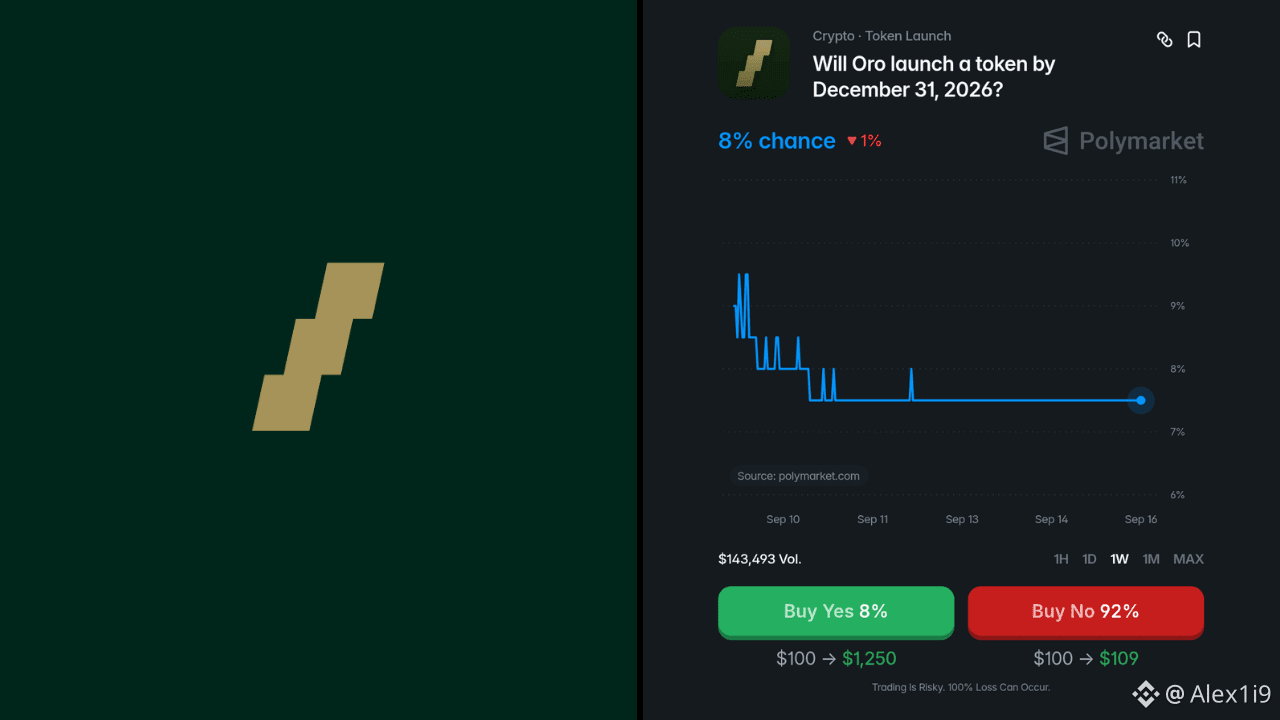
8% Có với khoảng $143K đã được giao dịch.
Tôi vẫn chọn Không.
Đây không phải là một thị trường nhỏ bé nơi chỉ vài ví đã làm xác suất giảm xuống. Đã có một lượng đáng kể được giao dịch, và thị trường vẫn chỉ gán một khả năng rất nhỏ cho việc token được ra mắt trước ngày 31/12.
Tôi tôn trọng điều đó.
Vẫn có thể có những bất ngờ, nhưng ở giai đoạn này, lịch trình mới là yếu tố then chốt.
Mỗi tuần trôi qua mà không có lộ trình rõ ràng hướng tới lần ra mắt sẽ làm khung thời gian còn lại bị thu hẹp hơn.
Vì vậy, thay vì ép thêm một giao dịch theo hướng $SUI, tôi muốn nắm giữ vị thế ngay trên chính sự kiện đó.
Không là phe của tôi.
Điều tôi thích ở Polymarket là ngay cả khi bạn đặt cược mạnh vào No thì cũng không cần phải cam kết ba tháng.
Nếu Oro đột nhiên thay đổi bức tranh với thông tin ra mắt đáng tin cậy, tôi có thể bán trước khi kết thúc thời gian phân giải.
Điều đó rất quan trọng.
Thị trường dự đoán thưởng cho sự vững tin, nhưng không đòi hỏi sự cố chấp.
Tôi có thể tham gia khi tôi cho rằng xác suất đang sai, rời đi khi các dữ kiện thay đổi và lập tức chuyển sang một thị trường khác.
Luôn sẽ có thêm những dự đoán mới.
#Altcoin Season#
Oro vẫn có vẻ còn quá sớm 🧊
8% Có với khoảng $143K đã được giao dịch.
Tôi vẫn chọn Không.
Đây không phải là một thị trường nhỏ bé nơi chỉ vài ví đã làm xác suất giảm xuống. Đã có một lượng đáng kể được giao dịch, và thị trường vẫn chỉ gán một khả năng rất nhỏ cho việc token được ra mắt trước ngày 31/12.
Tôi tôn trọng điều đó.
Vẫn có thể có những bất ngờ, nhưng ở giai đoạn này, lịch trình mới là yếu tố then chốt.
Mỗi tuần trôi qua mà không có lộ trình rõ ràng hướng tới lần ra mắt sẽ làm khung thời gian còn lại bị thu hẹp hơn.
Vì vậy, thay vì ép thêm một giao dịch theo hướng $SUI, tôi muốn nắm giữ vị thế ngay trên chính sự kiện đó.
Không là phe của tôi.
Điều tôi thích ở Polymarket là ngay cả khi bạn đặt cược mạnh vào No thì cũng không cần phải cam kết ba tháng.
Nếu Oro đột nhiên thay đổi bức tranh với thông tin ra mắt đáng tin cậy, tôi có thể bán trước khi kết thúc thời gian phân giải.
Điều đó rất quan trọng.
Thị trường dự đoán thưởng cho sự vững tin, nhưng không đòi hỏi sự cố chấp.
Tôi có thể tham gia khi tôi cho rằng xác suất đang sai, rời đi khi các dữ kiện thay đổi và lập tức chuyển sang một thị trường khác.
Luôn sẽ có thêm những dự đoán mới.
#Altcoin Season#
8% Có với khoảng $143K đã được giao dịch.
Tôi vẫn chọn Không.
Đây không phải là một thị trường nhỏ bé nơi chỉ vài ví đã làm xác suất giảm xuống. Đã có một lượng đáng kể được giao dịch, và thị trường vẫn chỉ gán một khả năng rất nhỏ cho việc token được ra mắt trước ngày 31/12.
Tôi tôn trọng điều đó.
Vẫn có thể có những bất ngờ, nhưng ở giai đoạn này, lịch trình mới là yếu tố then chốt.
Mỗi tuần trôi qua mà không có lộ trình rõ ràng hướng tới lần ra mắt sẽ làm khung thời gian còn lại bị thu hẹp hơn.
Vì vậy, thay vì ép thêm một giao dịch theo hướng $SUI, tôi muốn nắm giữ vị thế ngay trên chính sự kiện đó.
Không là phe của tôi.
Điều tôi thích ở Polymarket là ngay cả khi bạn đặt cược mạnh vào No thì cũng không cần phải cam kết ba tháng.
Nếu Oro đột nhiên thay đổi bức tranh với thông tin ra mắt đáng tin cậy, tôi có thể bán trước khi kết thúc thời gian phân giải.
Điều đó rất quan trọng.
Thị trường dự đoán thưởng cho sự vững tin, nhưng không đòi hỏi sự cố chấp.
Tôi có thể tham gia khi tôi cho rằng xác suất đang sai, rời đi khi các dữ kiện thay đổi và lập tức chuyển sang một thị trường khác.
Luôn sẽ có thêm những dự đoán mới.
#Altcoin Season#
78
·
--
Xem bản dịch
$39M Proves This Community Participates 🔥
Across DeFi, communities around $HYPE and $SUI keep token economics central to how holders judge long-term participation.
I think the strongest community models are the ones where involvement produces an onchain result anyone can track.
Injective’s Community BuyBack does exactly that through recurring monthly rounds.
Ninjas commit INJ for a pro rata share of collected ecosystem revenue, and every committed INJ is permanently burned when the round closes.
Those rounds have now reached more than $39M in cumulative buyback value.
For me, that figure says more about Injective’s community than follower counts ever could 🥷
#Altcoin Season#
$39M Proves This Community Participates 🔥
Across DeFi, communities around $HYPE and $SUI keep token economics central to how holders judge long-term participation.
I think the strongest community models are the ones where involvement produces an onchain result anyone can track.
Injective’s Community BuyBack does exactly that through recurring monthly rounds.
Ninjas commit INJ for a pro rata share of collected ecosystem revenue, and every committed INJ is permanently burned when the round closes.
Those rounds have now reached more than $39M in cumulative buyback value.
For me, that figure says more about Injective’s community than follower counts ever could 🥷
#Altcoin Season#
Across DeFi, communities around $HYPE and $SUI keep token economics central to how holders judge long-term participation.
I think the strongest community models are the ones where involvement produces an onchain result anyone can track.
Injective’s Community BuyBack does exactly that through recurring monthly rounds.
Ninjas commit INJ for a pro rata share of collected ecosystem revenue, and every committed INJ is permanently burned when the round closes.
Those rounds have now reached more than $39M in cumulative buyback value.
For me, that figure says more about Injective’s community than follower counts ever could 🥷
#Altcoin Season#
67
·
--
Xây dựng một câu lạc bộ crypto thực sự rất khó 👀
Cả $APE và $PENGU đều giúp phổ biến ý tưởng rằng một cộng đồng crypto có thể trở thành một bản sắc xã hội dễ nhận diện, nhưng theo quan điểm của tôi, vẫn có rất ít người tạo ra những lý do lặp lại để cộng đồng của họ gặp gỡ trực tiếp.
Nhãn thành viên và một cuộc trò chuyện riêng tư có thể mở ra quyền truy cập, nhưng chúng không tự động tạo ra các mối quan hệ.
Một câu lạc bộ thực sự cũng cần một đời sống vật lý.
Câu lạc bộ Trump Coin đang xây dựng khía cạnh đó trong cách tốt nhất có thể.
Từ New York, Mar-a-Lago đến Seoul và Singapore trong chặng tiếp theo, mỗi điểm đến lại mang đến cho cộng đồng một bối cảnh khác để các mối quan hệ thật sự có thể phát triển.
Những sự kiện IRL đó đang trở thành cách thể hiện rõ ràng nhất về điều mà Câu lạc bộ đang cố gắng xây dựng ⚡️
#Macro Insights#
Xây dựng một câu lạc bộ crypto thực sự rất khó 👀
Cả $APE và $PENGU đều giúp phổ biến ý tưởng rằng một cộng đồng crypto có thể trở thành một bản sắc xã hội dễ nhận diện, nhưng theo quan điểm của tôi, vẫn có rất ít người tạo ra những lý do lặp lại để cộng đồng của họ gặp gỡ trực tiếp.
Nhãn thành viên và một cuộc trò chuyện riêng tư có thể mở ra quyền truy cập, nhưng chúng không tự động tạo ra các mối quan hệ.
Một câu lạc bộ thực sự cũng cần một đời sống vật lý.
Câu lạc bộ Trump Coin đang xây dựng khía cạnh đó trong cách tốt nhất có thể.
Từ New York, Mar-a-Lago đến Seoul và Singapore trong chặng tiếp theo, mỗi điểm đến lại mang đến cho cộng đồng một bối cảnh khác để các mối quan hệ thật sự có thể phát triển.
Những sự kiện IRL đó đang trở thành cách thể hiện rõ ràng nhất về điều mà Câu lạc bộ đang cố gắng xây dựng ⚡️
#Macro Insights#
Cả $APE và $PENGU đều giúp phổ biến ý tưởng rằng một cộng đồng crypto có thể trở thành một bản sắc xã hội dễ nhận diện, nhưng theo quan điểm của tôi, vẫn có rất ít người tạo ra những lý do lặp lại để cộng đồng của họ gặp gỡ trực tiếp.
Nhãn thành viên và một cuộc trò chuyện riêng tư có thể mở ra quyền truy cập, nhưng chúng không tự động tạo ra các mối quan hệ.
Một câu lạc bộ thực sự cũng cần một đời sống vật lý.
Câu lạc bộ Trump Coin đang xây dựng khía cạnh đó trong cách tốt nhất có thể.
Từ New York, Mar-a-Lago đến Seoul và Singapore trong chặng tiếp theo, mỗi điểm đến lại mang đến cho cộng đồng một bối cảnh khác để các mối quan hệ thật sự có thể phát triển.
Những sự kiện IRL đó đang trở thành cách thể hiện rõ ràng nhất về điều mà Câu lạc bộ đang cố gắng xây dựng ⚡️
#Macro Insights#
75
·
--
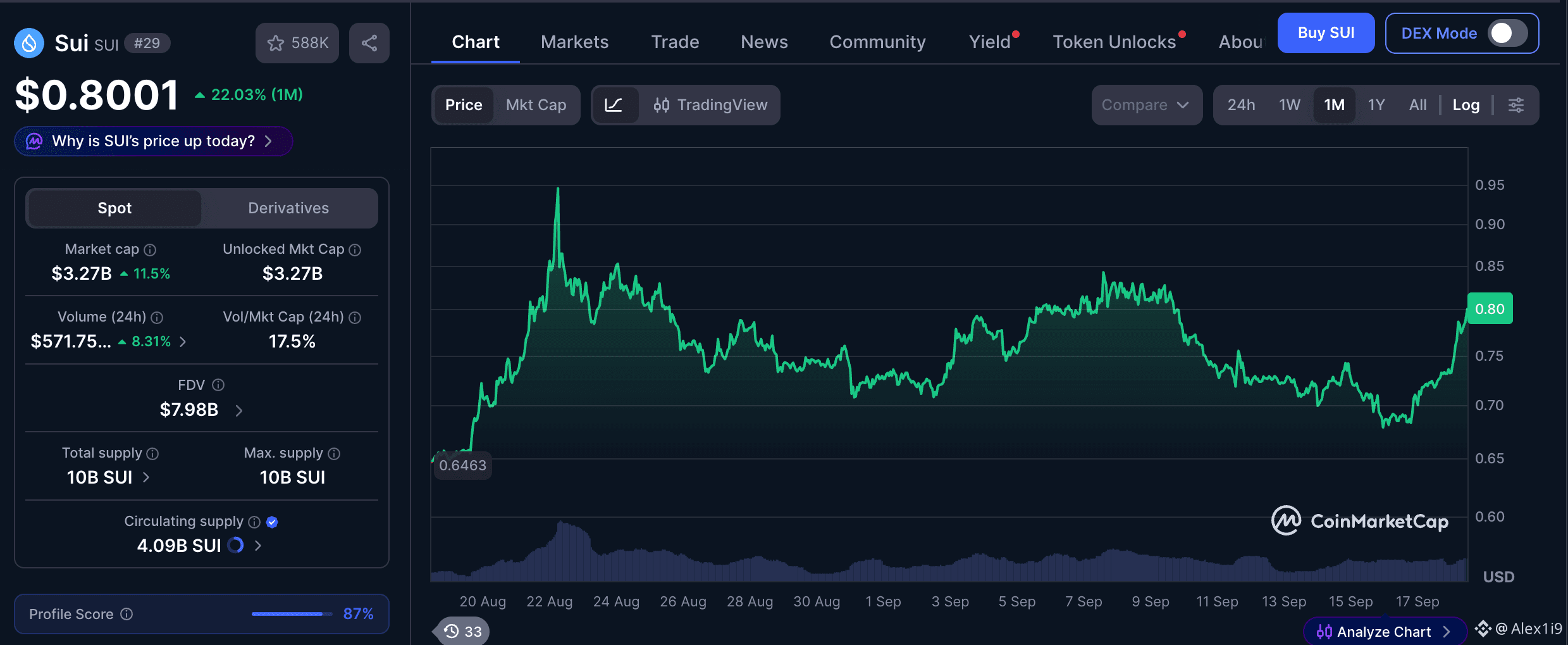
$SUI Bulls vừa giành lại một mốc quan trọng 🔥
SUI đã bật lên khoảng 8,6% lên quanh $0.78, vượt trội so với thị trường chung với 489 triệu USD khối lượng giao dịch trong ngày đứng sau đợt tăng.
Mốc quan trọng hiện nằm tại $0.764.
Giữ vững trên mốc này sẽ xác nhận rằng bên mua đã giành lại được hỗ trợ Fibonacci gần đây và sẵn sàng bảo vệ nhịp hồi.
Kháng cự đầu tiên là $0.80.
Một phiên đóng cửa hằng ngày mang tính quyết định vượt qua vùng đó sẽ đưa $0.85 trở lại tầm ngắm, nơi đường MA 200 ngày trở thành xác nhận xu hướng thực sự.
Vượt rõ $0.85, biểu đồ sẽ mở ra hướng tới $0.95, sau đó là mục tiêu tâm lý lớn hơn quanh $1.04.
Tôi kỳ vọng sẽ có một vài biến động trước khi điều đó xảy ra.
Đà tăng ngắn hạn đã bị kéo căng, với RSI khung giờ gần đây vượt 75, vì vậy việc kiểm định lại vùng hỗ trợ sẽ lành mạnh.
Cấu trúc tăng vẫn được duy trì chừng nào $0.764 còn giữ.
Nếu mốc đó thất bại, $0.73 sẽ là phòng tuyến tiếp theo trước vùng nhu cầu mạnh hơn $0.677 đến $0.65.
Triển vọng của tôi vẫn nghiêng về tăng vì giá đã phục hồi kèm theo khối lượng, và thị trường đã cho chúng ta một điểm vô hiệu hóa (invalidation) rõ ràng.
Giữ $0.764, vượt $0.80 và giành lại $0.85.
Đây là lộ trình tôi đang theo dõi hướng tới việc quay trở lại trên $1.
#Sui #Altcoin Season#
$SUI Bulls vừa giành lại một mốc quan trọng 🔥
SUI đã bật lên khoảng 8,6% lên quanh $0.78, vượt trội so với thị trường chung với 489 triệu USD khối lượng giao dịch trong ngày đứng sau đợt tăng.
Mốc quan trọng hiện nằm tại $0.764.
Giữ vững trên mốc này sẽ xác nhận rằng bên mua đã giành lại được hỗ trợ Fibonacci gần đây và sẵn sàng bảo vệ nhịp hồi.
Kháng cự đầu tiên là $0.80.
Một phiên đóng cửa hằng ngày mang tính quyết định vượt qua vùng đó sẽ đưa $0.85 trở lại tầm ngắm, nơi đường MA 200 ngày trở thành xác nhận xu hướng thực sự.
Vượt rõ $0.85, biểu đồ sẽ mở ra hướng tới $0.95, sau đó là mục tiêu tâm lý lớn hơn quanh $1.04.
Tôi kỳ vọng sẽ có một vài biến động trước khi điều đó xảy ra.
Đà tăng ngắn hạn đã bị kéo căng, với RSI khung giờ gần đây vượt 75, vì vậy việc kiểm định lại vùng hỗ trợ sẽ lành mạnh.
Cấu trúc tăng vẫn được duy trì chừng nào $0.764 còn giữ.
Nếu mốc đó thất bại, $0.73 sẽ là phòng tuyến tiếp theo trước vùng nhu cầu mạnh hơn $0.677 đến $0.65.
Triển vọng của tôi vẫn nghiêng về tăng vì giá đã phục hồi kèm theo khối lượng, và thị trường đã cho chúng ta một điểm vô hiệu hóa (invalidation) rõ ràng.
Giữ $0.764, vượt $0.80 và giành lại $0.85.
Đây là lộ trình tôi đang theo dõi hướng tới việc quay trở lại trên $1.
#Sui #Altcoin Season#
SUI đã bật lên khoảng 8,6% lên quanh $0.78, vượt trội so với thị trường chung với 489 triệu USD khối lượng giao dịch trong ngày đứng sau đợt tăng.
Mốc quan trọng hiện nằm tại $0.764.
Giữ vững trên mốc này sẽ xác nhận rằng bên mua đã giành lại được hỗ trợ Fibonacci gần đây và sẵn sàng bảo vệ nhịp hồi.
Kháng cự đầu tiên là $0.80.
Một phiên đóng cửa hằng ngày mang tính quyết định vượt qua vùng đó sẽ đưa $0.85 trở lại tầm ngắm, nơi đường MA 200 ngày trở thành xác nhận xu hướng thực sự.
Vượt rõ $0.85, biểu đồ sẽ mở ra hướng tới $0.95, sau đó là mục tiêu tâm lý lớn hơn quanh $1.04.
Tôi kỳ vọng sẽ có một vài biến động trước khi điều đó xảy ra.
Đà tăng ngắn hạn đã bị kéo căng, với RSI khung giờ gần đây vượt 75, vì vậy việc kiểm định lại vùng hỗ trợ sẽ lành mạnh.
Cấu trúc tăng vẫn được duy trì chừng nào $0.764 còn giữ.
Nếu mốc đó thất bại, $0.73 sẽ là phòng tuyến tiếp theo trước vùng nhu cầu mạnh hơn $0.677 đến $0.65.
Triển vọng của tôi vẫn nghiêng về tăng vì giá đã phục hồi kèm theo khối lượng, và thị trường đã cho chúng ta một điểm vô hiệu hóa (invalidation) rõ ràng.
Giữ $0.764, vượt $0.80 và giành lại $0.85.
Đây là lộ trình tôi đang theo dõi hướng tới việc quay trở lại trên $1.
#Sui #Altcoin Season#
79
·
--
50/50 Là Cơ Hội ⚔️
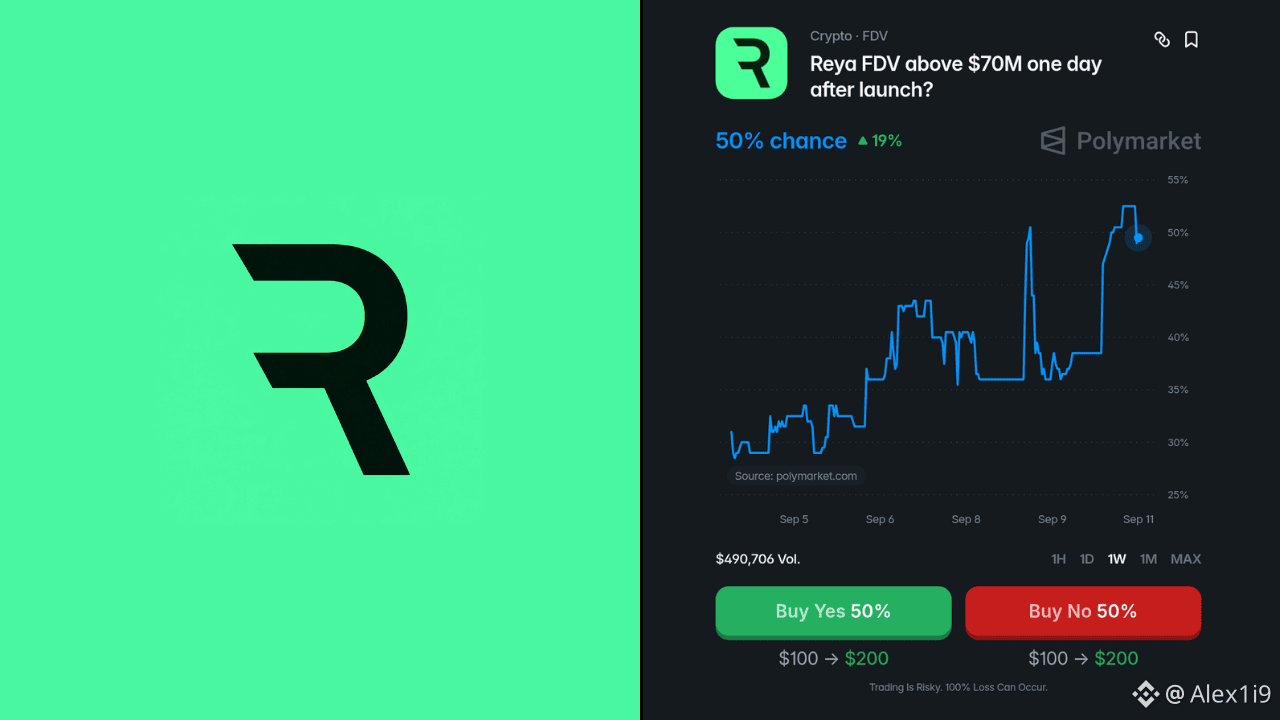
Polymarket đã chia đều Reya một cách hoàn hảo.
50% Có. 50% Không.
Tôi biết mình muốn đứng về phía nào.
Có.
Đồ thị là lý do.
Thị trường này bắt đầu dưới 30%.
Rồi các trader liên tục đẩy nó qua 35%, 40%, và cuối cùng là 50%.
Có những nhịp điều chỉnh dọc đường.
Và mỗi lần điều chỉnh lớn đều có người mua.
Điều đó hoàn toàn khác với một cú tăng đột biến ngẫu nhiên trong một ngày.
Đây là một tuần với mức độ tin tưởng dần được cải thiện.
Và gần 500K USD đã được giao dịch tính đến thời điểm chụp màn hình.
Vì vậy đây không phải là một thị trường 5K USD nào đó đang giả vờ có tín hiệu.
$ARB phù hợp với vế hạ tầng onchain của luận điểm này.
$HYPE thể hiện mức độ quyết liệt mà các trader có thể định giá các nền tảng giao dịch native crypto khi quá trình sử dụng bắt đầu cho thấy tín hiệu.
Polymarket cho phép tôi giao dịch câu hỏi định giá đó trước khi ngày ra mắt chốt lại cuộc tranh luận.
Đó là cơ hội.
Ai cũng nhận được cùng một mức giá 50/50.
Chỉ một phía nhận được tiền thanh toán.
Tôi chọn Có.
#Mùa Altcoin#
50/50 Là Cơ Hội ⚔️
Polymarket đã chia đều Reya một cách hoàn hảo.
50% Có. 50% Không.
Tôi biết mình muốn đứng về phía nào.
Có.
Đồ thị là lý do.
Thị trường này bắt đầu dưới 30%.
Rồi các trader liên tục đẩy nó qua 35%, 40%, và cuối cùng là 50%.
Có những nhịp điều chỉnh dọc đường.
Và mỗi lần điều chỉnh lớn đều có người mua.
Điều đó hoàn toàn khác với một cú tăng đột biến ngẫu nhiên trong một ngày.
Đây là một tuần với mức độ tin tưởng dần được cải thiện.
Và gần 500K USD đã được giao dịch tính đến thời điểm chụp màn hình.
Vì vậy đây không phải là một thị trường 5K USD nào đó đang giả vờ có tín hiệu.
$ARB phù hợp với vế hạ tầng onchain của luận điểm này.
$HYPE thể hiện mức độ quyết liệt mà các trader có thể định giá các nền tảng giao dịch native crypto khi quá trình sử dụng bắt đầu cho thấy tín hiệu.
Polymarket cho phép tôi giao dịch câu hỏi định giá đó trước khi ngày ra mắt chốt lại cuộc tranh luận.
Đó là cơ hội.
Ai cũng nhận được cùng một mức giá 50/50.
Chỉ một phía nhận được tiền thanh toán.
Tôi chọn Có.
#Mùa Altcoin#
Polymarket đã chia đều Reya một cách hoàn hảo.
50% Có. 50% Không.
Tôi biết mình muốn đứng về phía nào.
Có.
Đồ thị là lý do.
Thị trường này bắt đầu dưới 30%.
Rồi các trader liên tục đẩy nó qua 35%, 40%, và cuối cùng là 50%.
Có những nhịp điều chỉnh dọc đường.
Và mỗi lần điều chỉnh lớn đều có người mua.
Điều đó hoàn toàn khác với một cú tăng đột biến ngẫu nhiên trong một ngày.
Đây là một tuần với mức độ tin tưởng dần được cải thiện.
Và gần 500K USD đã được giao dịch tính đến thời điểm chụp màn hình.
Vì vậy đây không phải là một thị trường 5K USD nào đó đang giả vờ có tín hiệu.
$ARB phù hợp với vế hạ tầng onchain của luận điểm này.
$HYPE thể hiện mức độ quyết liệt mà các trader có thể định giá các nền tảng giao dịch native crypto khi quá trình sử dụng bắt đầu cho thấy tín hiệu.
Polymarket cho phép tôi giao dịch câu hỏi định giá đó trước khi ngày ra mắt chốt lại cuộc tranh luận.
Đó là cơ hội.
Ai cũng nhận được cùng một mức giá 50/50.
Chỉ một phía nhận được tiền thanh toán.
Tôi chọn Có.
#Mùa Altcoin#
84
·
--
Tôi Kiểm Tra Lối Thoát 🛡️
Khi ai đó đưa cho tôi một chiến lược DeFi, tôi thường bắt đầu từ phần cuối.
Làm sao để thoát ra?
Điều đó cho tôi biết nhiều hơn là chỉ nhìn vào APY được quảng cáo.
Tôi muốn biết điều gì xảy ra khi thanh khoản biến mất, tài sản thế chấp suy yếu hoặc đòn bẩy đột nhiên trở nên không còn thoải mái.
Đây là một trong những lý do khiến mô hình rủi ro của Theoriq khiến tôi quan tâm.
Các vị thế không chỉ được chọn dựa trên tiềm năng lợi nhuận.
Khung này đánh giá chất lượng tài sản thế chấp, thanh khoản, mức độ tập trung và rủi ro cấu trúc trước khi vốn được cam kết.
Việc theo dõi tiếp tục diễn ra sau đó, thay vì coi việc triển khai là điểm kết thúc.
Tư duy đó ngày càng trở nên quan trọng khi các thị trường onchain trở nên liên kết chặt chẽ hơn.
$AAVE có thể cung cấp hạ tầng cho vay sâu, trong khi $PENDLE có thể mở ra những cơ hội lợi nhuận theo kỳ hoàn toàn khác.
Cả hai đều có thể hữu ích mà không mang những rủi ro giống hệt nhau.
Đó chính là điểm mấu chốt.
Một danh mục không an toàn hơn chỉ vì nó có nhiều vị thế hơn.
Nó an toàn hơn khi ai đó hiểu vì sao mỗi vị thế lại nằm ở đó và điều gì có thể khiến chúng phải rời đi.
#Altcoin Season#
Tôi Kiểm Tra Lối Thoát 🛡️
Khi ai đó đưa cho tôi một chiến lược DeFi, tôi thường bắt đầu từ phần cuối.
Làm sao để thoát ra?
Điều đó cho tôi biết nhiều hơn là chỉ nhìn vào APY được quảng cáo.
Tôi muốn biết điều gì xảy ra khi thanh khoản biến mất, tài sản thế chấp suy yếu hoặc đòn bẩy đột nhiên trở nên không còn thoải mái.
Đây là một trong những lý do khiến mô hình rủi ro của Theoriq khiến tôi quan tâm.
Các vị thế không chỉ được chọn dựa trên tiềm năng lợi nhuận.
Khung này đánh giá chất lượng tài sản thế chấp, thanh khoản, mức độ tập trung và rủi ro cấu trúc trước khi vốn được cam kết.
Việc theo dõi tiếp tục diễn ra sau đó, thay vì coi việc triển khai là điểm kết thúc.
Tư duy đó ngày càng trở nên quan trọng khi các thị trường onchain trở nên liên kết chặt chẽ hơn.
$AAVE có thể cung cấp hạ tầng cho vay sâu, trong khi $PENDLE có thể mở ra những cơ hội lợi nhuận theo kỳ hoàn toàn khác.
Cả hai đều có thể hữu ích mà không mang những rủi ro giống hệt nhau.
Đó chính là điểm mấu chốt.
Một danh mục không an toàn hơn chỉ vì nó có nhiều vị thế hơn.
Nó an toàn hơn khi ai đó hiểu vì sao mỗi vị thế lại nằm ở đó và điều gì có thể khiến chúng phải rời đi.
#Altcoin Season#
Khi ai đó đưa cho tôi một chiến lược DeFi, tôi thường bắt đầu từ phần cuối.
Làm sao để thoát ra?
Điều đó cho tôi biết nhiều hơn là chỉ nhìn vào APY được quảng cáo.
Tôi muốn biết điều gì xảy ra khi thanh khoản biến mất, tài sản thế chấp suy yếu hoặc đòn bẩy đột nhiên trở nên không còn thoải mái.
Đây là một trong những lý do khiến mô hình rủi ro của Theoriq khiến tôi quan tâm.
Các vị thế không chỉ được chọn dựa trên tiềm năng lợi nhuận.
Khung này đánh giá chất lượng tài sản thế chấp, thanh khoản, mức độ tập trung và rủi ro cấu trúc trước khi vốn được cam kết.
Việc theo dõi tiếp tục diễn ra sau đó, thay vì coi việc triển khai là điểm kết thúc.
Tư duy đó ngày càng trở nên quan trọng khi các thị trường onchain trở nên liên kết chặt chẽ hơn.
$AAVE có thể cung cấp hạ tầng cho vay sâu, trong khi $PENDLE có thể mở ra những cơ hội lợi nhuận theo kỳ hoàn toàn khác.
Cả hai đều có thể hữu ích mà không mang những rủi ro giống hệt nhau.
Đó chính là điểm mấu chốt.
Một danh mục không an toàn hơn chỉ vì nó có nhiều vị thế hơn.
Nó an toàn hơn khi ai đó hiểu vì sao mỗi vị thế lại nằm ở đó và điều gì có thể khiến chúng phải rời đi.
#Altcoin Season#
69
Đăng nhập để khám phá thêm nội dung
Tham gia cùng người dùng tiền mã hóa toàn cầu trên Binance Square
⚡️ Nhận thông tin mới nhất và hữu ích về tiền mã hóa.
💬 Được tin cậy bởi sàn giao dịch tiền mã hóa lớn nhất thế giới.
👍 Khám phá những thông tin chuyên sâu thực tế từ những nhà sáng tạo đã xác minh.
Email / Số điện thoại