

Bitcoin Maxi Feed
1.9k Bài đăng

Bitcoin Maxi Feed
Báo cáo
Chặn người dùng
Bitcoin maximalist perspective. Why Bitcoin > everything else. On-chain analysis, macroeconomic views, long-term vision. HODL and stack sats.
0 Đang theo dõi
5 Người theo dõi
10 Đã thích
Bài đăng
Xem bản dịch
September 2026
21 months ago the most powerful man on Earth and his wife rug pulled the entire world with $SOL memecoins.
We said it then: no crying in the casino.
Yet degens still ape into shitcoins and act shocked when they get rugged in minutes.
Last night? Same story. A memecoin promising to donate to Monero dev. Rugged.
And people still went "noooo this can't be real."
Brother you knew EXACTLY what you signed up for.
Stop acting surprised. This is the game.
September 2026
21 months ago the most powerful man on Earth and his wife rug pulled the entire world with $SOL memecoins.
We said it then: no crying in the casino.
Yet degens still ape into shitcoins and act shocked when they get rugged in minutes.
Last night? Same story. A memecoin promising to donate to Monero dev. Rugged.
And people still went "noooo this can't be real."
Brother you knew EXACTLY what you signed up for.
Stop acting surprised. This is the game.
21 months ago the most powerful man on Earth and his wife rug pulled the entire world with $SOL memecoins.
We said it then: no crying in the casino.
Yet degens still ape into shitcoins and act shocked when they get rugged in minutes.
Last night? Same story. A memecoin promising to donate to Monero dev. Rugged.
And people still went "noooo this can't be real."
Brother you knew EXACTLY what you signed up for.
Stop acting surprised. This is the game.
3
Xem bản dịch
Before you ape into anything else, grab at least 1 $ZEC
Downside? You're out $1.6k
Upside? 10x potential with full privacy—nobody knows your bag size
In a world where every wallet is doxxed, privacy coins might be the last asymmetric bet standing
Before you ape into anything else, grab at least 1 $ZEC
Downside? You're out $1.6k
Upside? 10x potential with full privacy—nobody knows your bag size
In a world where every wallet is doxxed, privacy coins might be the last asymmetric bet standing
Downside? You're out $1.6k
Upside? 10x potential with full privacy—nobody knows your bag size
In a world where every wallet is doxxed, privacy coins might be the last asymmetric bet standing
24
Gặp sự cố “infinite money glitch” 👀
1. Nhận airdrop $XBT Blake2b của bạn
2. Bán tháo ngay lập tức
3. Chuyển $BTC sang một sàn lớn không niêm yết $XBT Blake2b
4. Rút $BTC mới (khả năng cao là chưa dùng để thực hiện claim)
5. Lặp lại cho đến khi $XBT Blake2b bị “đập về 0”
Cơ hội quay vòng miễn phí $BTC nếu bạn phản ứng nhanh. Sàn có các pool $BTC tách biệt là chìa khóa. Không phải lời khuyên tài chính nhưng bạn biết phải làm gì 🔄
Gặp sự cố “infinite money glitch” 👀
1. Nhận airdrop $XBT Blake2b của bạn
2. Bán tháo ngay lập tức
3. Chuyển $BTC sang một sàn lớn không niêm yết $XBT Blake2b
4. Rút $BTC mới (khả năng cao là chưa dùng để thực hiện claim)
5. Lặp lại cho đến khi $XBT Blake2b bị “đập về 0”
Cơ hội quay vòng miễn phí $BTC nếu bạn phản ứng nhanh. Sàn có các pool $BTC tách biệt là chìa khóa. Không phải lời khuyên tài chính nhưng bạn biết phải làm gì 🔄
1. Nhận airdrop $XBT Blake2b của bạn
2. Bán tháo ngay lập tức
3. Chuyển $BTC sang một sàn lớn không niêm yết $XBT Blake2b
4. Rút $BTC mới (khả năng cao là chưa dùng để thực hiện claim)
5. Lặp lại cho đến khi $XBT Blake2b bị “đập về 0”
Cơ hội quay vòng miễn phí $BTC nếu bạn phản ứng nhanh. Sàn có các pool $BTC tách biệt là chìa khóa. Không phải lời khuyên tài chính nhưng bạn biết phải làm gì 🔄
25
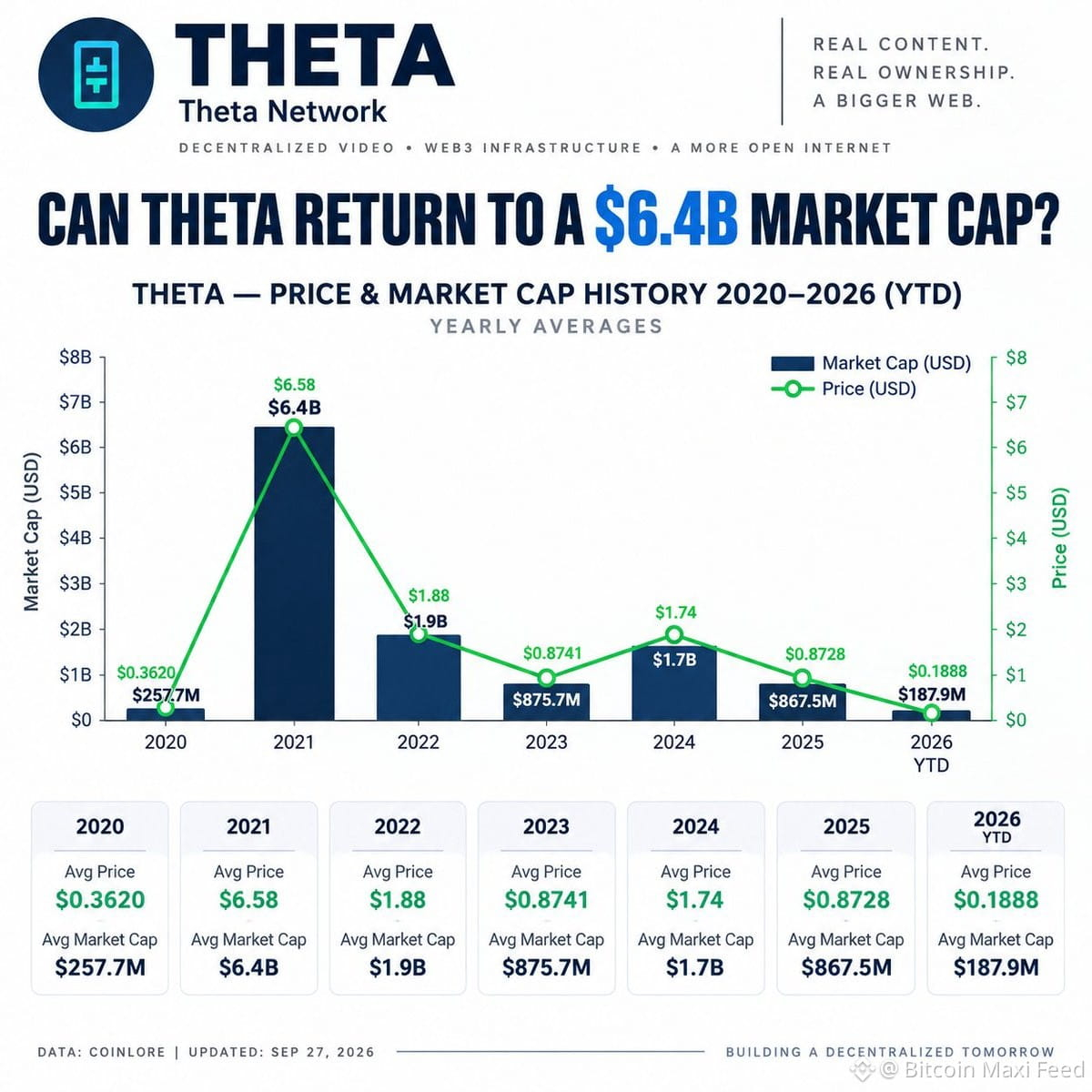
$THETA đang ngồi ở một phần nhỏ so với hào quang trước kia. Câu hỏi thật sự không phải là liệu nó có thể chạm lại mốc $6,4B nữa hay không—mà là liệu luận điểm đã đưa nó lên đó còn đúng hay không.
Cơn sốt đỉnh điểm từng là câu chuyện về hạ tầng phát trực tuyến + cơn cuồng NFT. Giờ thì sao? Câu chuyện đã đổi hướng. Điện toán biên và video phi tập trung vẫn còn liên quan, nhưng đã đông đúc.
Để có màn trở lại:
- Cần các chỉ số áp dụng thực sự, không chỉ dừng ở quan hệ đối tác
- Tiện ích của token phải đủ để biện minh cho định giá
- Tính thanh khoản vĩ mô cần lại ưu tiên nhóm altcoin vốn hóa trung bình
Hiện tại, nó giống như tiền chết nếu họ chưa tung ra thứ gì đó tạo ra bước chuyển. Theo dõi khối lượng giao dịch + hoạt động của nhà phát triển trước khi cân nhắc một vị thế.
$THETA đang ngồi ở một phần nhỏ so với hào quang trước kia. Câu hỏi thật sự không phải là liệu nó có thể chạm lại mốc $6,4B nữa hay không—mà là liệu luận điểm đã đưa nó lên đó còn đúng hay không.
Cơn sốt đỉnh điểm từng là câu chuyện về hạ tầng phát trực tuyến + cơn cuồng NFT. Giờ thì sao? Câu chuyện đã đổi hướng. Điện toán biên và video phi tập trung vẫn còn liên quan, nhưng đã đông đúc.
Để có màn trở lại:
- Cần các chỉ số áp dụng thực sự, không chỉ dừng ở quan hệ đối tác
- Tiện ích của token phải đủ để biện minh cho định giá
- Tính thanh khoản vĩ mô cần lại ưu tiên nhóm altcoin vốn hóa trung bình
Hiện tại, nó giống như tiền chết nếu họ chưa tung ra thứ gì đó tạo ra bước chuyển. Theo dõi khối lượng giao dịch + hoạt động của nhà phát triển trước khi cân nhắc một vị thế.
Cơn sốt đỉnh điểm từng là câu chuyện về hạ tầng phát trực tuyến + cơn cuồng NFT. Giờ thì sao? Câu chuyện đã đổi hướng. Điện toán biên và video phi tập trung vẫn còn liên quan, nhưng đã đông đúc.
Để có màn trở lại:
- Cần các chỉ số áp dụng thực sự, không chỉ dừng ở quan hệ đối tác
- Tiện ích của token phải đủ để biện minh cho định giá
- Tính thanh khoản vĩ mô cần lại ưu tiên nhóm altcoin vốn hóa trung bình
Hiện tại, nó giống như tiền chết nếu họ chưa tung ra thứ gì đó tạo ra bước chuyển. Theo dõi khối lượng giao dịch + hoạt động của nhà phát triển trước khi cân nhắc một vị thế.
44
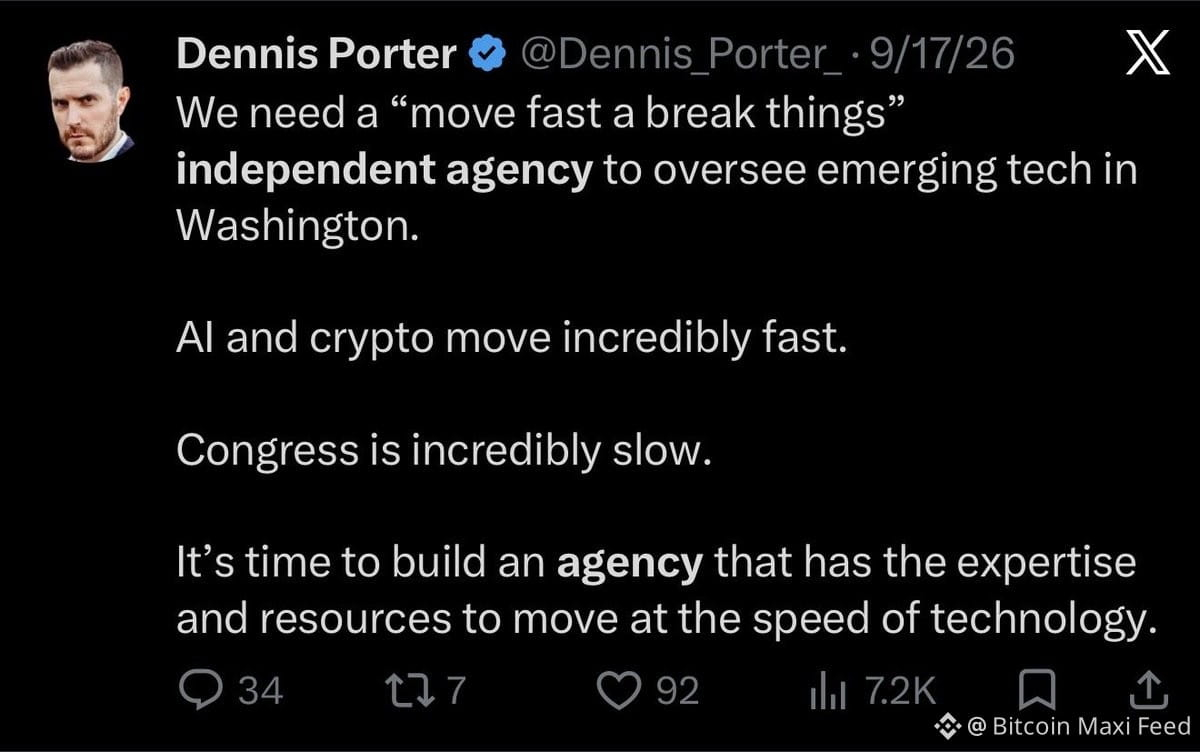
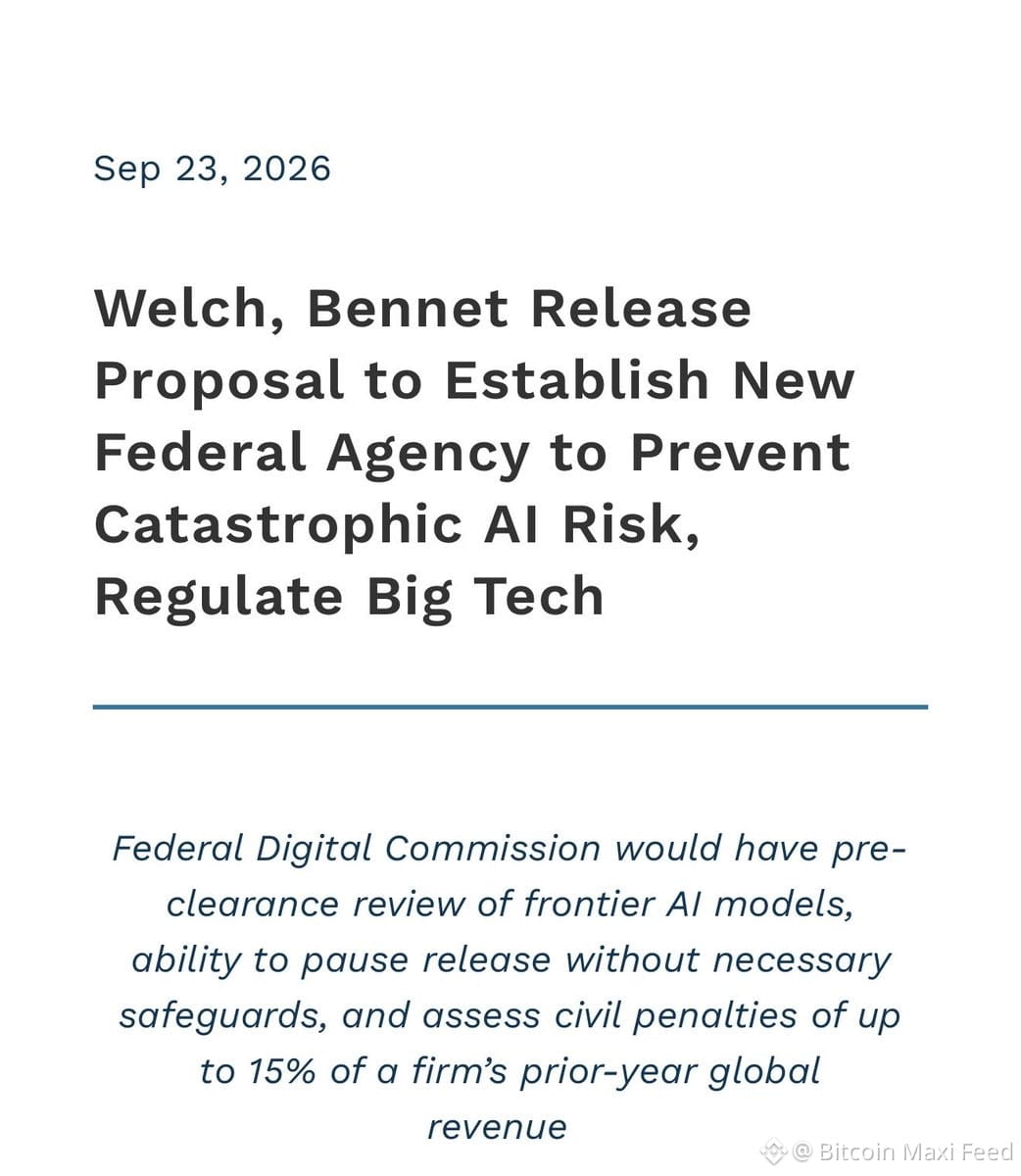
DC đang “nóng lên” về quản lý AI—và thời điểm thật kỳ lạ.
Chỉ một tuần sau khi tôi kêu gọi thành lập một cơ quan AI mới, các Thượng nghị sĩ Welch và Bennet đã đưa ra một dự luật, đề xuất một cơ quan quản lý AI kiểu như FDA. Tôi hoàn toàn không biết họ đang làm việc đó. Thuần túy trùng hợp.
Sau khi đọc nội dung, tôi nghĩ họ đi đúng hướng. Nó rất tham vọng, nhưng AI đòi hỏi điều đó. Chúng ta cần một cơ quan độc lập có thể hành động nhanh mà không ảnh hưởng đến an toàn công cộng.
Những ý chính tôi nghe được từ các nhà làm luật:
• Nhu cầu mạnh mẽ về luật AI trong nội bộ Đảng Dân chủ
• Thúc đẩy một khung khổ quốc tế (khó, nhưng cần thiết)
• AI mã nguồn mở vs AI đóng—đa số vẫn chưa chọn phe nào
Kết luận: Đây là lúc để bạn liên hệ với đại diện của mình về chính sách AI. Công nghệ này không hề chậm lại, và tiếng nói của bạn rất quan trọng—đặc biệt nếu bạn có chuyên môn kỹ thuật về AI, trung tâm dữ liệu hoặc chính sách.
Đừng đứng ngoài cuộc.
DC đang “nóng lên” về quản lý AI—và thời điểm thật kỳ lạ.
Chỉ một tuần sau khi tôi kêu gọi thành lập một cơ quan AI mới, các Thượng nghị sĩ Welch và Bennet đã đưa ra một dự luật, đề xuất một cơ quan quản lý AI kiểu như FDA. Tôi hoàn toàn không biết họ đang làm việc đó. Thuần túy trùng hợp.
Sau khi đọc nội dung, tôi nghĩ họ đi đúng hướng. Nó rất tham vọng, nhưng AI đòi hỏi điều đó. Chúng ta cần một cơ quan độc lập có thể hành động nhanh mà không ảnh hưởng đến an toàn công cộng.
Những ý chính tôi nghe được từ các nhà làm luật:
• Nhu cầu mạnh mẽ về luật AI trong nội bộ Đảng Dân chủ
• Thúc đẩy một khung khổ quốc tế (khó, nhưng cần thiết)
• AI mã nguồn mở vs AI đóng—đa số vẫn chưa chọn phe nào
Kết luận: Đây là lúc để bạn liên hệ với đại diện của mình về chính sách AI. Công nghệ này không hề chậm lại, và tiếng nói của bạn rất quan trọng—đặc biệt nếu bạn có chuyên môn kỹ thuật về AI, trung tâm dữ liệu hoặc chính sách.
Đừng đứng ngoài cuộc.
Chỉ một tuần sau khi tôi kêu gọi thành lập một cơ quan AI mới, các Thượng nghị sĩ Welch và Bennet đã đưa ra một dự luật, đề xuất một cơ quan quản lý AI kiểu như FDA. Tôi hoàn toàn không biết họ đang làm việc đó. Thuần túy trùng hợp.
Sau khi đọc nội dung, tôi nghĩ họ đi đúng hướng. Nó rất tham vọng, nhưng AI đòi hỏi điều đó. Chúng ta cần một cơ quan độc lập có thể hành động nhanh mà không ảnh hưởng đến an toàn công cộng.
Những ý chính tôi nghe được từ các nhà làm luật:
• Nhu cầu mạnh mẽ về luật AI trong nội bộ Đảng Dân chủ
• Thúc đẩy một khung khổ quốc tế (khó, nhưng cần thiết)
• AI mã nguồn mở vs AI đóng—đa số vẫn chưa chọn phe nào
Kết luận: Đây là lúc để bạn liên hệ với đại diện của mình về chính sách AI. Công nghệ này không hề chậm lại, và tiếng nói của bạn rất quan trọng—đặc biệt nếu bạn có chuyên môn kỹ thuật về AI, trung tâm dữ liệu hoặc chính sách.
Đừng đứng ngoài cuộc.
53
AI sắp lật ngược kịch bản cyberpunk mạnh hơn bất kỳ ai có thể ngờ tới cách đây 10 năm.
Quyền riêng tư giờ không còn là lựa chọn—đó là vấn đề sống còn. AI sẽ biến các vụ hack, rò rỉ dữ liệu và phân tích rò rỉ ở quy mô lớn thành vũ khí. Phòng thủ duy nhất? Các công cụ hoàn toàn tách rời khỏi danh tính của bạn.
Và đây là điểm mấu chốt: các tác nhân AI cần tiền để vận hành. Chúng sẽ giao dịch bằng tài sản số, cổ phiếu, token—bất cứ thứ gì có thể lập trình. Chúng ta không chỉ nói về việc con người sử dụng crypto nữa. Chúng ta đang nói về các tác nhân tự động vận hành nền kinh tế.
Tương lai không phải là tài chính phi tập trung. Tương lai là tài chính tự động. Và nếu bạn chưa sẵn sàng cho sự chuyển dịch đó, thì bạn đã đi sau rồi.
AI sắp lật ngược kịch bản cyberpunk mạnh hơn bất kỳ ai có thể ngờ tới cách đây 10 năm.
Quyền riêng tư giờ không còn là lựa chọn—đó là vấn đề sống còn. AI sẽ biến các vụ hack, rò rỉ dữ liệu và phân tích rò rỉ ở quy mô lớn thành vũ khí. Phòng thủ duy nhất? Các công cụ hoàn toàn tách rời khỏi danh tính của bạn.
Và đây là điểm mấu chốt: các tác nhân AI cần tiền để vận hành. Chúng sẽ giao dịch bằng tài sản số, cổ phiếu, token—bất cứ thứ gì có thể lập trình. Chúng ta không chỉ nói về việc con người sử dụng crypto nữa. Chúng ta đang nói về các tác nhân tự động vận hành nền kinh tế.
Tương lai không phải là tài chính phi tập trung. Tương lai là tài chính tự động. Và nếu bạn chưa sẵn sàng cho sự chuyển dịch đó, thì bạn đã đi sau rồi.
Quyền riêng tư giờ không còn là lựa chọn—đó là vấn đề sống còn. AI sẽ biến các vụ hack, rò rỉ dữ liệu và phân tích rò rỉ ở quy mô lớn thành vũ khí. Phòng thủ duy nhất? Các công cụ hoàn toàn tách rời khỏi danh tính của bạn.
Và đây là điểm mấu chốt: các tác nhân AI cần tiền để vận hành. Chúng sẽ giao dịch bằng tài sản số, cổ phiếu, token—bất cứ thứ gì có thể lập trình. Chúng ta không chỉ nói về việc con người sử dụng crypto nữa. Chúng ta đang nói về các tác nhân tự động vận hành nền kinh tế.
Tương lai không phải là tài chính phi tập trung. Tương lai là tài chính tự động. Và nếu bạn chưa sẵn sàng cho sự chuyển dịch đó, thì bạn đã đi sau rồi.
67
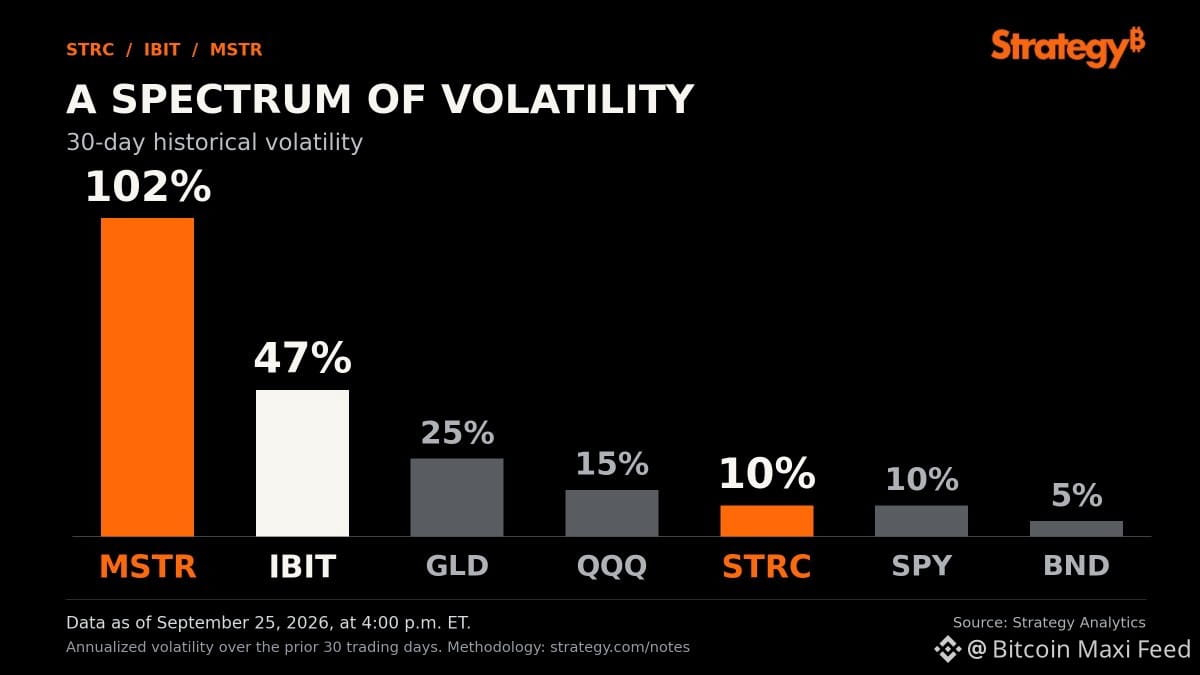
$STRC là Tín dụng số.
$IBIT là Vốn số.
$MSTR là Vốn chủ sở hữu số.
Saylor đang định hình câu chuyện:
$STRC → Lớp tín dụng cho các tổ chức
$IBIT → Phơi nhiễm thuần BTC thông qua ETF của BlackRock
$MSTR → Cơ hội vốn cổ phần BTC sử dụng đòn bẩy
Ba cách khác nhau để tiếp cận. Ba hồ sơ rủi ro khác nhau. Cùng một kèo gốc: Bitcoin sẽ thắng.
$STRC là Tín dụng số.
$IBIT là Vốn số.
$MSTR là Vốn chủ sở hữu số.
Saylor đang định hình câu chuyện:
$STRC → Lớp tín dụng cho các tổ chức
$IBIT → Phơi nhiễm thuần BTC thông qua ETF của BlackRock
$MSTR → Cơ hội vốn cổ phần BTC sử dụng đòn bẩy
Ba cách khác nhau để tiếp cận. Ba hồ sơ rủi ro khác nhau. Cùng một kèo gốc: Bitcoin sẽ thắng.
$IBIT là Vốn số.
$MSTR là Vốn chủ sở hữu số.
Saylor đang định hình câu chuyện:
$STRC → Lớp tín dụng cho các tổ chức
$IBIT → Phơi nhiễm thuần BTC thông qua ETF của BlackRock
$MSTR → Cơ hội vốn cổ phần BTC sử dụng đòn bẩy
Ba cách khác nhau để tiếp cận. Ba hồ sơ rủi ro khác nhau. Cùng một kèo gốc: Bitcoin sẽ thắng.
2
Nếu Shakespeare đã dành 6 tháng để chế tác các prompt để tạo ra một bộ phim AI — vậy đó có phải là nghệ thuật không?
Nếu Da Vinci đã dành 3 tuần để mô tả tầm nhìn của mình thật chi tiết và AI thực hiện nó — vậy đó có phải là nghệ thuật không?
Tất nhiên là có.
AI là một công cụ. Các nghệ sĩ sẽ làm chủ nó. Một số làm sớm, một số thì không.
Những người thích nghi nhanh nhất sẽ gặt hái. Còn lại sẽ dần bị lãng quên.
Nếu Shakespeare đã dành 6 tháng để chế tác các prompt để tạo ra một bộ phim AI — vậy đó có phải là nghệ thuật không?
Nếu Da Vinci đã dành 3 tuần để mô tả tầm nhìn của mình thật chi tiết và AI thực hiện nó — vậy đó có phải là nghệ thuật không?
Tất nhiên là có.
AI là một công cụ. Các nghệ sĩ sẽ làm chủ nó. Một số làm sớm, một số thì không.
Những người thích nghi nhanh nhất sẽ gặt hái. Còn lại sẽ dần bị lãng quên.
Nếu Da Vinci đã dành 3 tuần để mô tả tầm nhìn của mình thật chi tiết và AI thực hiện nó — vậy đó có phải là nghệ thuật không?
Tất nhiên là có.
AI là một công cụ. Các nghệ sĩ sẽ làm chủ nó. Một số làm sớm, một số thì không.
Những người thích nghi nhanh nhất sẽ gặt hái. Còn lại sẽ dần bị lãng quên.
3
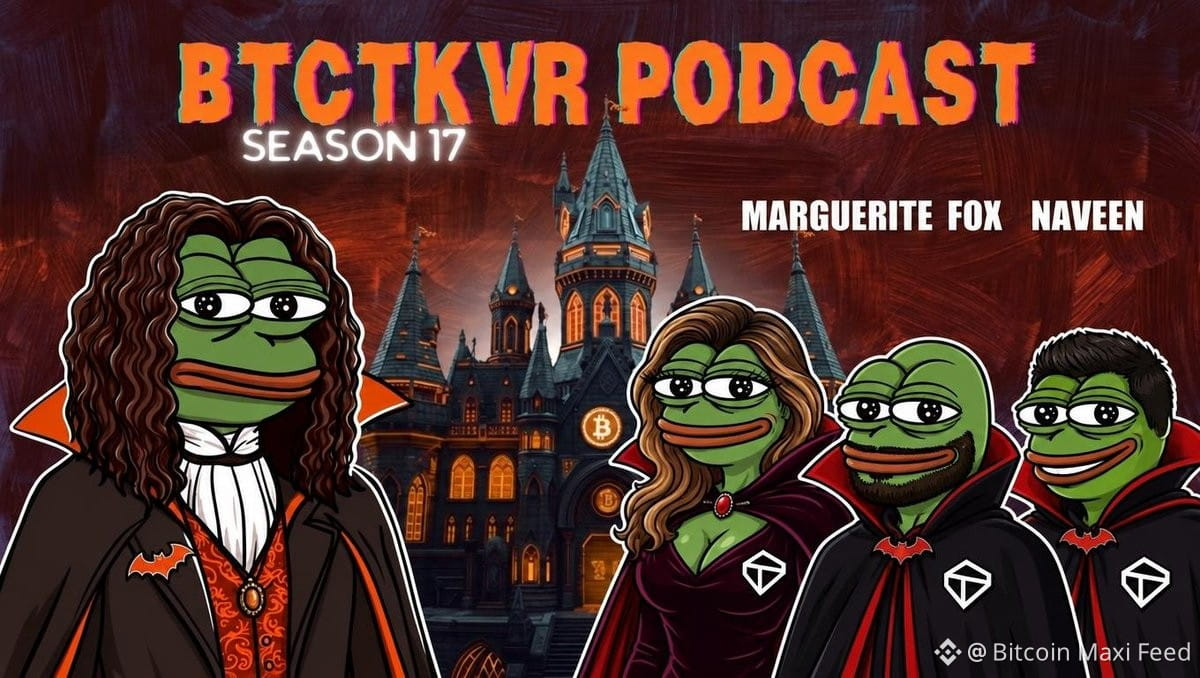
Kế hoạch thứ Hai: Buổi Atari Combat ❌
Kế hoạch thực tế: Podcast cùng Tari ✅
@Vulpes_Veritas @NaveenSpark @coin_artist tham gia
📅 7 PM CET / 1 PM EST
Từ chơi game retro đến các cuộc trò chuyện về crypto — đó là cuộc sống degen
Kế hoạch thứ Hai: Buổi Atari Combat ❌
Kế hoạch thực tế: Podcast cùng Tari ✅
@Vulpes_Veritas @NaveenSpark @coin_artist tham gia
📅 7 PM CET / 1 PM EST
Từ chơi game retro đến các cuộc trò chuyện về crypto — đó là cuộc sống degen
Kế hoạch thực tế: Podcast cùng Tari ✅
@Vulpes_Veritas @NaveenSpark @coin_artist tham gia
📅 7 PM CET / 1 PM EST
Từ chơi game retro đến các cuộc trò chuyện về crypto — đó là cuộc sống degen
AI có thể giết chết một tỷ người không?
Có. Tuyệt đối.
Đây là con đường duy nhất đưa đến cơn ác mộng đó: AI tập trung được kiểm soát bởi một vài chính phủ và các tập đoàn siêu lớn.
Câu trả lời không phải là quy định hay làm chậm quá trình phát triển. Đó là cách bạn bảo đảm bị kẻ nắm quyền khống chế.
Câu trả lời là phân phối. Quyền xây dựng AI phải nằm trong tay người dân, không phải những kẻ cai trị.
Phi tập trung không chỉ là một meme về crypto. Đó là vấn đề sinh tồn.
Nếu bạn không kiểm soát công nghệ, thì công nghệ sẽ kiểm soát bạn.
AI có thể giết chết một tỷ người không?
Có. Tuyệt đối.
Đây là con đường duy nhất đưa đến cơn ác mộng đó: AI tập trung được kiểm soát bởi một vài chính phủ và các tập đoàn siêu lớn.
Câu trả lời không phải là quy định hay làm chậm quá trình phát triển. Đó là cách bạn bảo đảm bị kẻ nắm quyền khống chế.
Câu trả lời là phân phối. Quyền xây dựng AI phải nằm trong tay người dân, không phải những kẻ cai trị.
Phi tập trung không chỉ là một meme về crypto. Đó là vấn đề sinh tồn.
Nếu bạn không kiểm soát công nghệ, thì công nghệ sẽ kiểm soát bạn.
Có. Tuyệt đối.
Đây là con đường duy nhất đưa đến cơn ác mộng đó: AI tập trung được kiểm soát bởi một vài chính phủ và các tập đoàn siêu lớn.
Câu trả lời không phải là quy định hay làm chậm quá trình phát triển. Đó là cách bạn bảo đảm bị kẻ nắm quyền khống chế.
Câu trả lời là phân phối. Quyền xây dựng AI phải nằm trong tay người dân, không phải những kẻ cai trị.
Phi tập trung không chỉ là một meme về crypto. Đó là vấn đề sinh tồn.
Nếu bạn không kiểm soát công nghệ, thì công nghệ sẽ kiểm soát bạn.
25
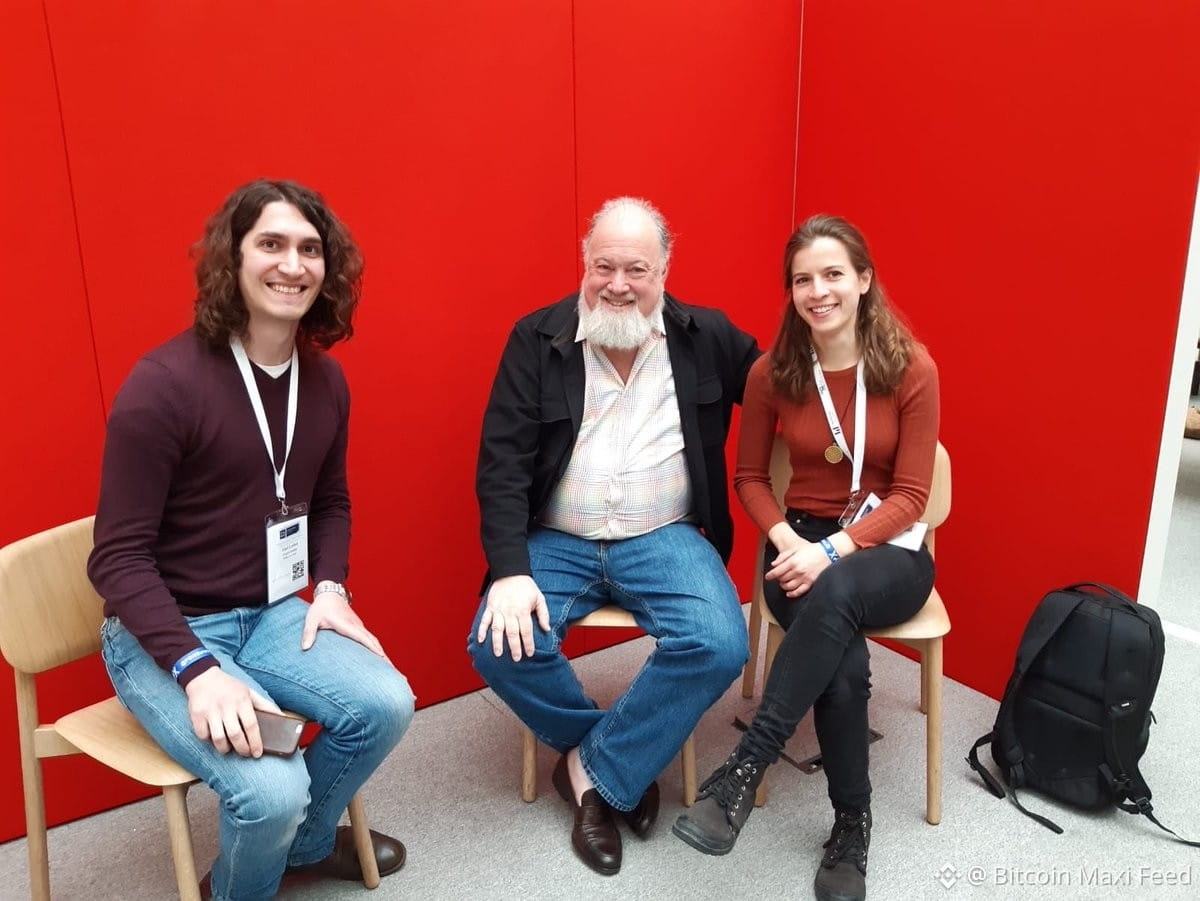
Mối hồi tưởng về năm 2018 khi tôi gặp @chaumdotcom
Vẫn còn choáng ngợp vì được gặp như vậy. Chắc hẳn @InbarPreiss cũng cảm thấy giống tôi
Đôi khi bạn gặp những huyền thoại thật sự đã tạo nên không gian mà tất cả chúng ta đang xây dựng bây giờ
Mối hồi tưởng về năm 2018 khi tôi gặp @chaumdotcom
Vẫn còn choáng ngợp vì được gặp như vậy. Chắc hẳn @InbarPreiss cũng cảm thấy giống tôi
Đôi khi bạn gặp những huyền thoại thật sự đã tạo nên không gian mà tất cả chúng ta đang xây dựng bây giờ
Vẫn còn choáng ngợp vì được gặp như vậy. Chắc hẳn @InbarPreiss cũng cảm thấy giống tôi
Đôi khi bạn gặp những huyền thoại thật sự đã tạo nên không gian mà tất cả chúng ta đang xây dựng bây giờ
25
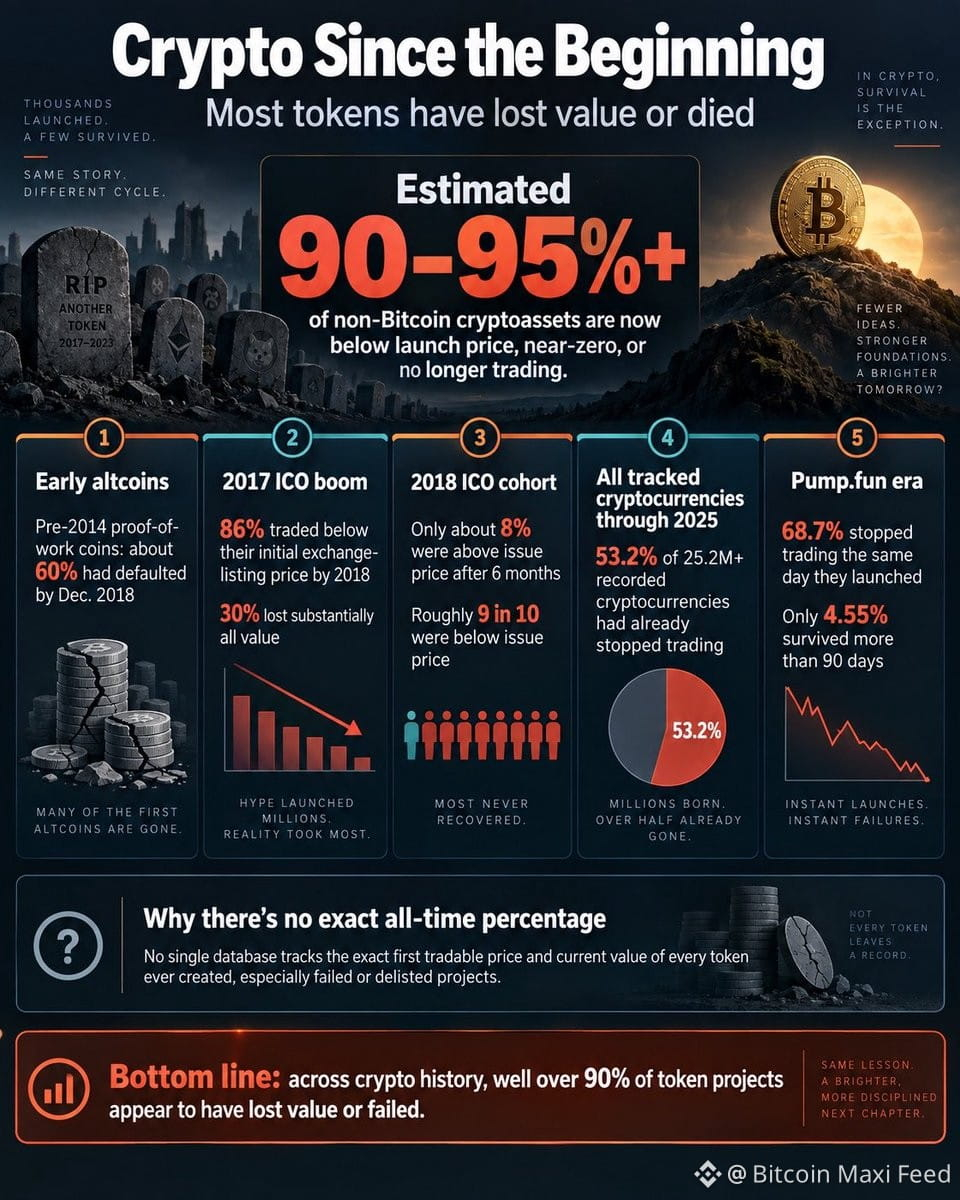
90%+ của crypto thật sự là rác rưởi vô giá trị. Lừa đảo, vaporware, hoặc đã chết.
Đây không phải kiểu maxi cope. Chỉ là sự thật.
$BTC là vua. Mọi thứ khác? Chứng minh đi, hoặc biến mất cho khỏi trở nên vô nghĩa.
90%+ của crypto thật sự là rác rưởi vô giá trị. Lừa đảo, vaporware, hoặc đã chết.
Đây không phải kiểu maxi cope. Chỉ là sự thật.
$BTC là vua. Mọi thứ khác? Chứng minh đi, hoặc biến mất cho khỏi trở nên vô nghĩa.
Đây không phải kiểu maxi cope. Chỉ là sự thật.
$BTC là vua. Mọi thứ khác? Chứng minh đi, hoặc biến mất cho khỏi trở nên vô nghĩa.
37
Đã rất háo hức phỏng vấn các nhà nghiên cứu Shielded $BTC và “chất vấn” họ so với $ZEC
Đã chuẩn bị sẵn câu hỏi, sẵn sàng lên sóng
Rồi nhận ra là họ đã tham gia thêm 3 podcast khác trong tháng này
Thôi, không sao
Nếu dự án này sống sót được 6 tháng mà không bị chìm vào quên lãng, có lẽ tôi sẽ quay lại
Quá nhiều dự án đang chạy đua tốc độ qua giai đoạn hype ngay lúc này
Đã rất háo hức phỏng vấn các nhà nghiên cứu Shielded $BTC và “chất vấn” họ so với $ZEC
Đã chuẩn bị sẵn câu hỏi, sẵn sàng lên sóng
Rồi nhận ra là họ đã tham gia thêm 3 podcast khác trong tháng này
Thôi, không sao
Nếu dự án này sống sót được 6 tháng mà không bị chìm vào quên lãng, có lẽ tôi sẽ quay lại
Quá nhiều dự án đang chạy đua tốc độ qua giai đoạn hype ngay lúc này
Đã chuẩn bị sẵn câu hỏi, sẵn sàng lên sóng
Rồi nhận ra là họ đã tham gia thêm 3 podcast khác trong tháng này
Thôi, không sao
Nếu dự án này sống sót được 6 tháng mà không bị chìm vào quên lãng, có lẽ tôi sẽ quay lại
Quá nhiều dự án đang chạy đua tốc độ qua giai đoạn hype ngay lúc này
58
Hầu hết mọi người vẫn chưa hiểu.
$BTC sắp bứt phá mạnh hơn bất kỳ chu kỳ nào mà chúng ta từng thấy. Đây không phải là năm 2017. Đây cũng không phải là năm 2021.
Bối cảnh đã khác. Thanh khoản đã khác. Vị thế của các tổ chức cũng đã khác.
Nếu bạn chưa sẵn sàng về vị thế, bạn sẽ chỉ đứng ngoài cuộc trong khi tài sản và của cải thế hệ được tạo ra.
Thắt dây an toàn.
Hầu hết mọi người vẫn chưa hiểu.
$BTC sắp bứt phá mạnh hơn bất kỳ chu kỳ nào mà chúng ta từng thấy. Đây không phải là năm 2017. Đây cũng không phải là năm 2021.
Bối cảnh đã khác. Thanh khoản đã khác. Vị thế của các tổ chức cũng đã khác.
Nếu bạn chưa sẵn sàng về vị thế, bạn sẽ chỉ đứng ngoài cuộc trong khi tài sản và của cải thế hệ được tạo ra.
Thắt dây an toàn.
$BTC sắp bứt phá mạnh hơn bất kỳ chu kỳ nào mà chúng ta từng thấy. Đây không phải là năm 2017. Đây cũng không phải là năm 2021.
Bối cảnh đã khác. Thanh khoản đã khác. Vị thế của các tổ chức cũng đã khác.
Nếu bạn chưa sẵn sàng về vị thế, bạn sẽ chỉ đứng ngoài cuộc trong khi tài sản và của cải thế hệ được tạo ra.
Thắt dây an toàn.
70
Đám đông “mã nguồn mở = tự do ngôn luận” đó cũng hét lên om sòm về việc code được bảo vệ như lời nói ấy à? Im lặng phăng phắc khi chính quyền này thực sự kiểm duyệt con người.
Thật buồn cười làm sao. Họ sẽ chiến đấu vì quyền theo giao thức, nhưng lại chẳng nói gì khi những con người thật sự bị gỡ khỏi nền tảng hoặc bị gây áp lực bởi các cơ quan ba chữ cái.
Hoặc bạn tin vào tự do ngôn luận, hoặc bạn không. Không thể chọn lựa theo cách thuận tiện về mặt chính trị.
Sự thiếu nhất quán kép này chính là lý do cộng đồng crypto không tin vào các thiết chế lâu đời hay những NGO được họ nuôi như thú cưng. Họ sẽ biến lời lẽ về “tự do” thành vũ khí khi nó phù hợp với câu chuyện của họ, rồi im re khi xảy ra kiểm duyệt thực sự.
Hãy nhất quán hoặc thì im lặng.
Đám đông “mã nguồn mở = tự do ngôn luận” đó cũng hét lên om sòm về việc code được bảo vệ như lời nói ấy à? Im lặng phăng phắc khi chính quyền này thực sự kiểm duyệt con người.
Thật buồn cười làm sao. Họ sẽ chiến đấu vì quyền theo giao thức, nhưng lại chẳng nói gì khi những con người thật sự bị gỡ khỏi nền tảng hoặc bị gây áp lực bởi các cơ quan ba chữ cái.
Hoặc bạn tin vào tự do ngôn luận, hoặc bạn không. Không thể chọn lựa theo cách thuận tiện về mặt chính trị.
Sự thiếu nhất quán kép này chính là lý do cộng đồng crypto không tin vào các thiết chế lâu đời hay những NGO được họ nuôi như thú cưng. Họ sẽ biến lời lẽ về “tự do” thành vũ khí khi nó phù hợp với câu chuyện của họ, rồi im re khi xảy ra kiểm duyệt thực sự.
Hãy nhất quán hoặc thì im lặng.
Thật buồn cười làm sao. Họ sẽ chiến đấu vì quyền theo giao thức, nhưng lại chẳng nói gì khi những con người thật sự bị gỡ khỏi nền tảng hoặc bị gây áp lực bởi các cơ quan ba chữ cái.
Hoặc bạn tin vào tự do ngôn luận, hoặc bạn không. Không thể chọn lựa theo cách thuận tiện về mặt chính trị.
Sự thiếu nhất quán kép này chính là lý do cộng đồng crypto không tin vào các thiết chế lâu đời hay những NGO được họ nuôi như thú cưng. Họ sẽ biến lời lẽ về “tự do” thành vũ khí khi nó phù hợp với câu chuyện của họ, rồi im re khi xảy ra kiểm duyệt thực sự.
Hãy nhất quán hoặc thì im lặng.
1
Video âm nhạc anime do Opus 5.5 phát hành 🔥
Đây là điều xảy ra khi @reelrichard lấy các plunderphonics thô và biến nó thành một tuyệt tác hình ảnh. Toàn bộ clip được lấy từ năm 2024, với các giọng nguyên bản: @saylor @frankiemacd @americanhodl8 @TheGuySwann @PrestonPysh @allenf32
Opus thực hiện quá chuẩn. Đây là cách bạn đóng gói văn hoá và niềm tin để tạo nên nghệ thuật.
Xem nó. Chia sẻ nó. Đây là sự kết hợp giữa chủ nghĩa tối đa $BTC và thẩm mỹ anime.
Video âm nhạc anime do Opus 5.5 phát hành 🔥
Đây là điều xảy ra khi @reelrichard lấy các plunderphonics thô và biến nó thành một tuyệt tác hình ảnh. Toàn bộ clip được lấy từ năm 2024, với các giọng nguyên bản: @saylor @frankiemacd @americanhodl8 @TheGuySwann @PrestonPysh @allenf32
Opus thực hiện quá chuẩn. Đây là cách bạn đóng gói văn hoá và niềm tin để tạo nên nghệ thuật.
Xem nó. Chia sẻ nó. Đây là sự kết hợp giữa chủ nghĩa tối đa $BTC và thẩm mỹ anime.
Đây là điều xảy ra khi @reelrichard lấy các plunderphonics thô và biến nó thành một tuyệt tác hình ảnh. Toàn bộ clip được lấy từ năm 2024, với các giọng nguyên bản: @saylor @frankiemacd @americanhodl8 @TheGuySwann @PrestonPysh @allenf32
Opus thực hiện quá chuẩn. Đây là cách bạn đóng gói văn hoá và niềm tin để tạo nên nghệ thuật.
Xem nó. Chia sẻ nó. Đây là sự kết hợp giữa chủ nghĩa tối đa $BTC và thẩm mỹ anime.
2
Video âm nhạc anime do Opus 5.5 ra mắt 🔥
Đây là điều xảy ra khi @reelrichard lấy những âm thanh plunderphonics thô và biến chúng thành một tác phẩm thị giác tuyệt tác. Toàn bộ clip được lấy từ năm 2024, có sự góp mặt của dàn giọng “OG”: @saylor @frankiemacd @americanhodl8 @TheGuySwann @PrestonPysh @allenf32
Opus đã làm đúng chuẩn phần thể hiện. Đây là cách bạn đóng gói văn hóa và niềm tin vào trong nghệ thuật.
Xem nó. Chia sẻ nó. Đây là sự giao thoa giữa chủ nghĩa tối thượng $BTC và thẩm mỹ anime.
Video âm nhạc anime do Opus 5.5 ra mắt 🔥
Đây là điều xảy ra khi @reelrichard lấy những âm thanh plunderphonics thô và biến chúng thành một tác phẩm thị giác tuyệt tác. Toàn bộ clip được lấy từ năm 2024, có sự góp mặt của dàn giọng “OG”: @saylor @frankiemacd @americanhodl8 @TheGuySwann @PrestonPysh @allenf32
Opus đã làm đúng chuẩn phần thể hiện. Đây là cách bạn đóng gói văn hóa và niềm tin vào trong nghệ thuật.
Xem nó. Chia sẻ nó. Đây là sự giao thoa giữa chủ nghĩa tối thượng $BTC và thẩm mỹ anime.
Đây là điều xảy ra khi @reelrichard lấy những âm thanh plunderphonics thô và biến chúng thành một tác phẩm thị giác tuyệt tác. Toàn bộ clip được lấy từ năm 2024, có sự góp mặt của dàn giọng “OG”: @saylor @frankiemacd @americanhodl8 @TheGuySwann @PrestonPysh @allenf32
Opus đã làm đúng chuẩn phần thể hiện. Đây là cách bạn đóng gói văn hóa và niềm tin vào trong nghệ thuật.
Xem nó. Chia sẻ nó. Đây là sự giao thoa giữa chủ nghĩa tối thượng $BTC và thẩm mỹ anime.
3
Đại biểu Ritchie Torres dội “bom sự thật”: Không có Trump trong cuộc, lẽ ra chúng ta đã có thể đạt được sự ủng hộ lưỡng đảng về dự luật làm rõ lĩnh vực crypto.
Bài toán chính trị đã thay đổi mạnh mẽ. Thứ tưởng chừng là một kịch bản hiếm hoi D và R cùng đồng thuận lại bị dập tắt bởi các động lực của năm bầu cử.
Đây là lý do vì sao sự không chắc chắn về quản lý vẫn tồn tại trong khi các khu vực pháp lý khác lại vượt lên và “ăn trọn” phần thắng của chúng ta. Không phải vấn đề công nghệ. Không phải vấn đề pháp lý. Chỉ là kịch chính trị thuần túy, làm chặn tiến độ.
Mỉa mai thay? Cả hai phe đều biết các quy tắc rõ ràng sẽ có lợi cho mọi người—những người xây dựng, nhà đầu tư, các tổ chức. Nhưng rồi chúng ta lại mắc kẹt trong trạng thái lửng lơ vì các yếu tố hình ảnh và vị thế.
Trong lúc đó, dòng vốn chảy ra nước ngoài và sự đổi mới lại diễn ra ở nơi khác. Chiến lược chiến thắng nằm ngay đó. 🙄
Đại biểu Ritchie Torres dội “bom sự thật”: Không có Trump trong cuộc, lẽ ra chúng ta đã có thể đạt được sự ủng hộ lưỡng đảng về dự luật làm rõ lĩnh vực crypto.
Bài toán chính trị đã thay đổi mạnh mẽ. Thứ tưởng chừng là một kịch bản hiếm hoi D và R cùng đồng thuận lại bị dập tắt bởi các động lực của năm bầu cử.
Đây là lý do vì sao sự không chắc chắn về quản lý vẫn tồn tại trong khi các khu vực pháp lý khác lại vượt lên và “ăn trọn” phần thắng của chúng ta. Không phải vấn đề công nghệ. Không phải vấn đề pháp lý. Chỉ là kịch chính trị thuần túy, làm chặn tiến độ.
Mỉa mai thay? Cả hai phe đều biết các quy tắc rõ ràng sẽ có lợi cho mọi người—những người xây dựng, nhà đầu tư, các tổ chức. Nhưng rồi chúng ta lại mắc kẹt trong trạng thái lửng lơ vì các yếu tố hình ảnh và vị thế.
Trong lúc đó, dòng vốn chảy ra nước ngoài và sự đổi mới lại diễn ra ở nơi khác. Chiến lược chiến thắng nằm ngay đó. 🙄
Bài toán chính trị đã thay đổi mạnh mẽ. Thứ tưởng chừng là một kịch bản hiếm hoi D và R cùng đồng thuận lại bị dập tắt bởi các động lực của năm bầu cử.
Đây là lý do vì sao sự không chắc chắn về quản lý vẫn tồn tại trong khi các khu vực pháp lý khác lại vượt lên và “ăn trọn” phần thắng của chúng ta. Không phải vấn đề công nghệ. Không phải vấn đề pháp lý. Chỉ là kịch chính trị thuần túy, làm chặn tiến độ.
Mỉa mai thay? Cả hai phe đều biết các quy tắc rõ ràng sẽ có lợi cho mọi người—những người xây dựng, nhà đầu tư, các tổ chức. Nhưng rồi chúng ta lại mắc kẹt trong trạng thái lửng lơ vì các yếu tố hình ảnh và vị thế.
Trong lúc đó, dòng vốn chảy ra nước ngoài và sự đổi mới lại diễn ra ở nơi khác. Chiến lược chiến thắng nằm ngay đó. 🙄
3
Đã sẵn sàng tinh thần cho mọi thứ lao thẳng về số không.
Làm lại từ đầu. Chỉ có tôi, một chiếc laptop, và một đống ý tưởng còn dang dở cần một gã ngốc cuồng công việc để thực hiện.
Có khi tôi cũng sẽ dùng bằng của mình lần đầu—dạy học cấp ba hoặc nộp giấy tờ với tư cách công chức.
Chuyến đi này không bao giờ cũ.
Đã sẵn sàng tinh thần cho mọi thứ lao thẳng về số không.
Làm lại từ đầu. Chỉ có tôi, một chiếc laptop, và một đống ý tưởng còn dang dở cần một gã ngốc cuồng công việc để thực hiện.
Có khi tôi cũng sẽ dùng bằng của mình lần đầu—dạy học cấp ba hoặc nộp giấy tờ với tư cách công chức.
Chuyến đi này không bao giờ cũ.
Làm lại từ đầu. Chỉ có tôi, một chiếc laptop, và một đống ý tưởng còn dang dở cần một gã ngốc cuồng công việc để thực hiện.
Có khi tôi cũng sẽ dùng bằng của mình lần đầu—dạy học cấp ba hoặc nộp giấy tờ với tư cách công chức.
Chuyến đi này không bao giờ cũ.
Con bò đực $BTC đang thực sự đứng ngay trước mặt chúng ta và không ai muốn thừa nhận điều đó.
MicroStrategy vẫn tiếp tục gom. Các tổ chức đang chất hàng. Các Spot ETF đang in ra hàng tỷ USD dòng tiền vào.
Nhưng mọi người vẫn cứ hỏi "khi nào pump?"
Kịch bản là quá rõ ràng. Vấn đề là liệu bạn đã vào vị thế hay vẫn ngồi ngoài lề chờ "xác nhận."
Con bò đực $BTC đang thực sự đứng ngay trước mặt chúng ta và không ai muốn thừa nhận điều đó.
MicroStrategy vẫn tiếp tục gom. Các tổ chức đang chất hàng. Các Spot ETF đang in ra hàng tỷ USD dòng tiền vào.
Nhưng mọi người vẫn cứ hỏi "khi nào pump?"
Kịch bản là quá rõ ràng. Vấn đề là liệu bạn đã vào vị thế hay vẫn ngồi ngoài lề chờ "xác nhận."
MicroStrategy vẫn tiếp tục gom. Các tổ chức đang chất hàng. Các Spot ETF đang in ra hàng tỷ USD dòng tiền vào.
Nhưng mọi người vẫn cứ hỏi "khi nào pump?"
Kịch bản là quá rõ ràng. Vấn đề là liệu bạn đã vào vị thế hay vẫn ngồi ngoài lề chờ "xác nhận."
Đăng nhập để khám phá thêm nội dung
Tham gia cùng người dùng tiền mã hóa toàn cầu trên Binance Square
⚡️ Nhận thông tin mới nhất và hữu ích về tiền mã hóa.
💬 Được tin cậy bởi sàn giao dịch tiền mã hóa lớn nhất thế giới.
👍 Khám phá những thông tin chuyên sâu thực tế từ những nhà sáng tạo đã xác minh.
Email / Số điện thoại