

#koreatoimplementvirtualassetenforcementrulesoct1
koreatoimplementvirtualassetenforcementrulesoct1
71,763 views
600 Discussing
Hot
Latest
South Korea to Implement Virtual Asset Enforcement Rules on October 1
$BTC $ETH $BNB
South Korea is set to introduce new virtual asset enforcement rules starting October 1, marking another major step in tightening oversight of the crypto industry. The move reflects the country’s broader push to strengthen investor protection, improve market transparency, and reduce risks tied to digital asset trading.
Under the new framework, regulators are expected to place greater responsibility on virtual asset service providers, including exchanges and related platforms. The rules may focus on areas such as stricter compliance obligations, monitoring of suspicious transactions, custody standards, and stronger safeguards against unfair trading practices.
This development is significant because South Korea remains one of the world’s most active crypto markets, with strong retail participation and growing institutional interest. Any regulatory update from Seoul tends to influence both local exchanges and broader market sentiment across Asia.
For investors and businesses operating in the digital asset space, the October 1 rollout could mean preparing for tighter reporting requirements, stronger enforcement actions, and a more structured operating environment. While increased regulation may create short-term adjustment costs, it could also help build long-term trust and stability in the market.
As the implementation date approaches, market participants will be watching closely for further details on how the rules will be enforced and what impact they may have on trading activity, compliance costs, and the competitive landscape for crypto firms in South Korea.
#KoreaToImplementVirtualAssetEnforcementRulesOct1 #IMFWarnsTokenizationShiftsRiskToCode #SouthAfricaReleasesDraftCryptoTaxGuide #BTC #Binance
South Korea to Implement Virtual Asset Enforcement Rules on October 1
$BTC $ETH $BNB
South Korea is set to introduce new virtual asset enforcement rules starting October 1, marking another major step in tightening oversight of the crypto industry. The move reflects the country’s broader push to strengthen investor protection, improve market transparency, and reduce risks tied to digital asset trading.
Under the new framework, regulators are expected to place greater responsibility on virtual asset service providers, including exchanges and related platforms. The rules may focus on areas such as stricter compliance obligations, monitoring of suspicious transactions, custody standards, and stronger safeguards against unfair trading practices.
This development is significant because South Korea remains one of the world’s most active crypto markets, with strong retail participation and growing institutional interest. Any regulatory update from Seoul tends to influence both local exchanges and broader market sentiment across Asia.
For investors and businesses operating in the digital asset space, the October 1 rollout could mean preparing for tighter reporting requirements, stronger enforcement actions, and a more structured operating environment. While increased regulation may create short-term adjustment costs, it could also help build long-term trust and stability in the market.
As the implementation date approaches, market participants will be watching closely for further details on how the rules will be enforced and what impact they may have on trading activity, compliance costs, and the competitive landscape for crypto firms in South Korea.
#KoreaToImplementVirtualAssetEnforcementRulesOct1 #IMFWarnsTokenizationShiftsRiskToCode #SouthAfricaReleasesDraftCryptoTaxGuide #BTC #Binance
$BTC $ETH $BNB
South Korea is set to introduce new virtual asset enforcement rules starting October 1, marking another major step in tightening oversight of the crypto industry. The move reflects the country’s broader push to strengthen investor protection, improve market transparency, and reduce risks tied to digital asset trading.
Under the new framework, regulators are expected to place greater responsibility on virtual asset service providers, including exchanges and related platforms. The rules may focus on areas such as stricter compliance obligations, monitoring of suspicious transactions, custody standards, and stronger safeguards against unfair trading practices.
This development is significant because South Korea remains one of the world’s most active crypto markets, with strong retail participation and growing institutional interest. Any regulatory update from Seoul tends to influence both local exchanges and broader market sentiment across Asia.
For investors and businesses operating in the digital asset space, the October 1 rollout could mean preparing for tighter reporting requirements, stronger enforcement actions, and a more structured operating environment. While increased regulation may create short-term adjustment costs, it could also help build long-term trust and stability in the market.
As the implementation date approaches, market participants will be watching closely for further details on how the rules will be enforced and what impact they may have on trading activity, compliance costs, and the competitive landscape for crypto firms in South Korea.
#KoreaToImplementVirtualAssetEnforcementRulesOct1 #IMFWarnsTokenizationShiftsRiskToCode #SouthAfricaReleasesDraftCryptoTaxGuide #BTC #Binance
1
72
·
--
🇰🇷 Korea to Implement Virtual Asset Enforcement Rules on Oct. 1
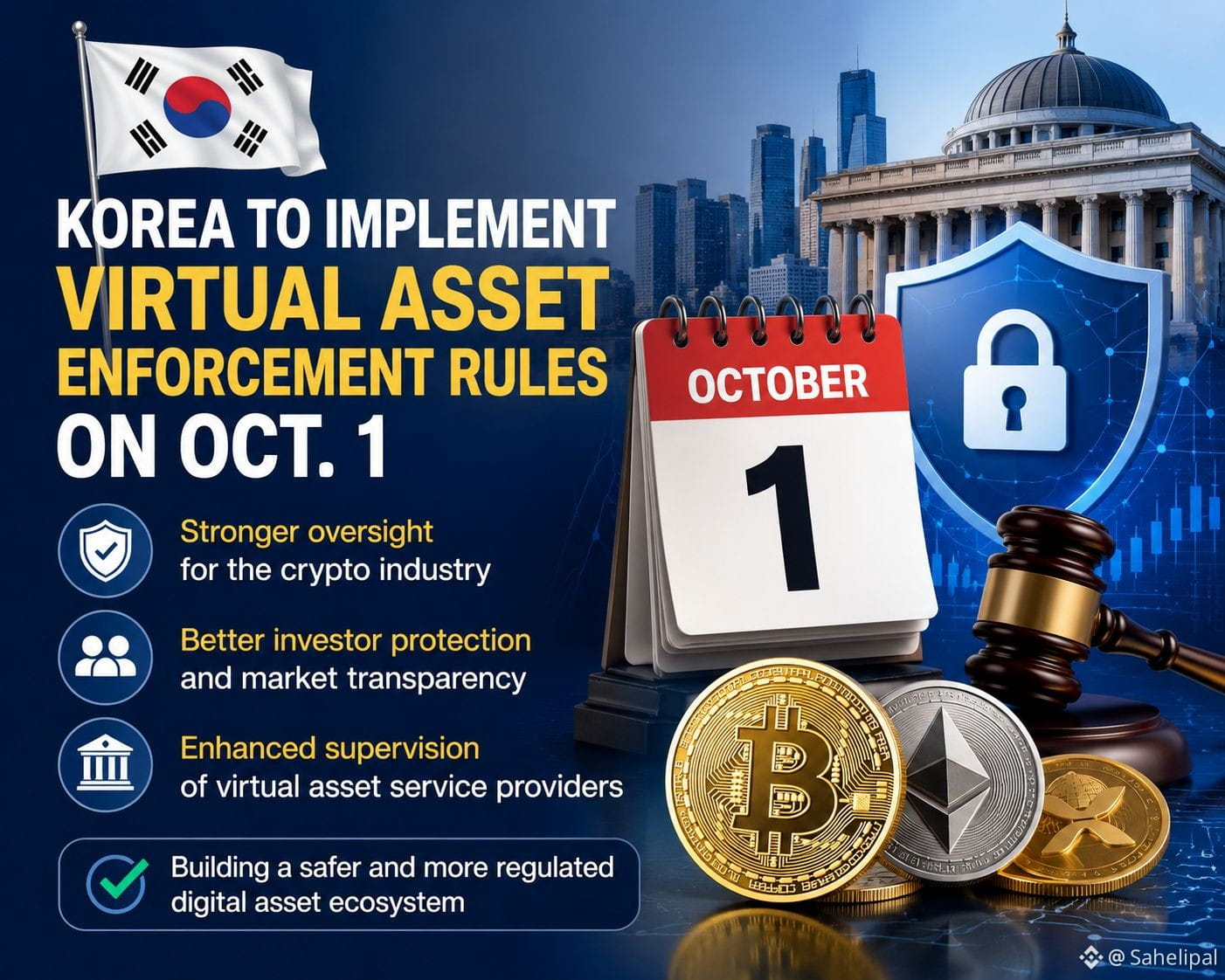
South Korea will introduce new virtual asset enforcement rules starting October 1, strengthening oversight of the crypto industry. The regulations aim to improve investor protection, increase market transparency, and enhance supervision of virtual asset service providers. This marks another step toward building a safer and more reliable digital asset ecosystem.
{future}(BTCUSDT)
#Crypto #SouthKorea #VirtualAssets #Blockchain#KoreaToImplementVirtualAssetEnforcementRulesOct1
🇰🇷 Korea to Implement Virtual Asset Enforcement Rules on Oct. 1
South Korea will introduce new virtual asset enforcement rules starting October 1, strengthening oversight of the crypto industry. The regulations aim to improve investor protection, increase market transparency, and enhance supervision of virtual asset service providers. This marks another step toward building a safer and more reliable digital asset ecosystem.
#Crypto #SouthKorea #VirtualAssets #Blockchain#KoreaToImplementVirtualAssetEnforcementRulesOct1
South Korea will introduce new virtual asset enforcement rules starting October 1, strengthening oversight of the crypto industry. The regulations aim to improve investor protection, increase market transparency, and enhance supervision of virtual asset service providers. This marks another step toward building a safer and more reliable digital asset ecosystem.
#Crypto #SouthKorea #VirtualAssets #Blockchain#KoreaToImplementVirtualAssetEnforcementRulesOct1
136

·
--
South Korea Strengthens Virtual Asset Enforcement from October 1
South Korea is introducing stronger virtual asset enforcement measures aimed at improving compliance, increasing transparency, and strengthening investor protection.
Key takeaways:
- Greater accountability across the crypto ecosystem.
- Enhanced oversight of digital asset activities.
- Increased focus on preventing fraudulent use of crypto assets.
- A step toward a more mature and trusted digital asset market.
Why this matters?
As crypto adoption grows, clearer regulations may encourage institutional participation and improve confidence among investors. While some see stricter rules as limiting decentralization, others believe they are essential for long-term industry growth.
#BinanceSquareTalks What's your view?
📈 Stronger regulations will drive mainstream adoption.
⚖️ Regulations should remain balanced.
🚀 Crypto should remain as decentralized as possible.
#KoreaToImplementVirtualAssetEnforcementRulesOct1 #CryptoNews #CryptoRegulation
$BTC
{spot}(BTCUSDT)
$ETH
{spot}(ETHUSDT)
$BNB
{spot}(BNBUSDT)
South Korea Strengthens Virtual Asset Enforcement from October 1
South Korea is introducing stronger virtual asset enforcement measures aimed at improving compliance, increasing transparency, and strengthening investor protection.
Key takeaways:
- Greater accountability across the crypto ecosystem.
- Enhanced oversight of digital asset activities.
- Increased focus on preventing fraudulent use of crypto assets.
- A step toward a more mature and trusted digital asset market.
Why this matters?
As crypto adoption grows, clearer regulations may encourage institutional participation and improve confidence among investors. While some see stricter rules as limiting decentralization, others believe they are essential for long-term industry growth.
#BinanceSquareTalks What's your view?
📈 Stronger regulations will drive mainstream adoption.
⚖️ Regulations should remain balanced.
🚀 Crypto should remain as decentralized as possible.
#KoreaToImplementVirtualAssetEnforcementRulesOct1 #CryptoNews #CryptoRegulation
$BTC
$ETH
$BNB
South Korea is introducing stronger virtual asset enforcement measures aimed at improving compliance, increasing transparency, and strengthening investor protection.
Key takeaways:
- Greater accountability across the crypto ecosystem.
- Enhanced oversight of digital asset activities.
- Increased focus on preventing fraudulent use of crypto assets.
- A step toward a more mature and trusted digital asset market.
Why this matters?
As crypto adoption grows, clearer regulations may encourage institutional participation and improve confidence among investors. While some see stricter rules as limiting decentralization, others believe they are essential for long-term industry growth.
#BinanceSquareTalks What's your view?
📈 Stronger regulations will drive mainstream adoption.
⚖️ Regulations should remain balanced.
🚀 Crypto should remain as decentralized as possible.
#KoreaToImplementVirtualAssetEnforcementRulesOct1 #CryptoNews #CryptoRegulation
$BTC
$ETH
$BNB
1
119

·
--
The regulatory walls are closing in on crypto loopholes in Asia. 🔒
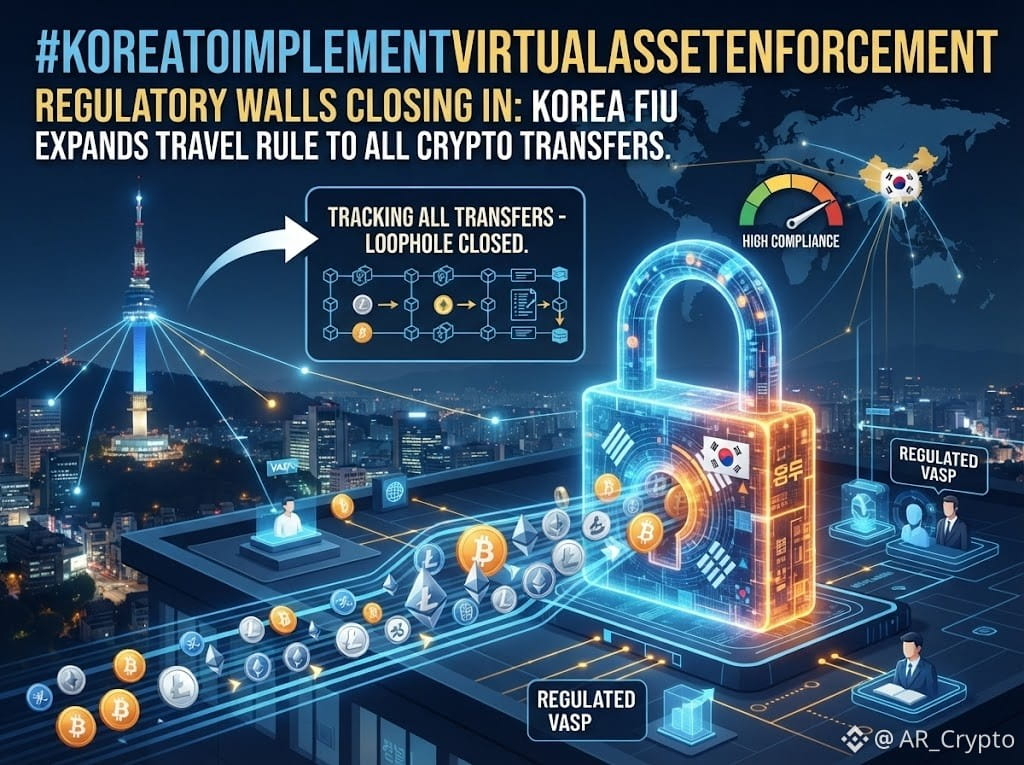
South Korea is actively preparing to unleash an even tighter digital asset rulebook. The Financial Intelligence Unit (FIU) is pushing to expand the strict Travel Rule to cover absolutely all digital asset transfers—even small-value transactions below the current 1 million won threshold.
The Target: Eliminating the common loophole where users split large transfers into tiny batches to evade automated tracking.
The Impact: Compliance standards are skyrocketing for local virtual asset service providers (VASPs).
If you are trading on or interacting with Asian-facing platforms, staying ahead of these incremental regulatory upgrades is no longer optional.#KoreaToImplementVirtualAssetEnforcementRulesOct1
The regulatory walls are closing in on crypto loopholes in Asia. 🔒
South Korea is actively preparing to unleash an even tighter digital asset rulebook. The Financial Intelligence Unit (FIU) is pushing to expand the strict Travel Rule to cover absolutely all digital asset transfers—even small-value transactions below the current 1 million won threshold.
The Target: Eliminating the common loophole where users split large transfers into tiny batches to evade automated tracking.
The Impact: Compliance standards are skyrocketing for local virtual asset service providers (VASPs).
If you are trading on or interacting with Asian-facing platforms, staying ahead of these incremental regulatory upgrades is no longer optional.#KoreaToImplementVirtualAssetEnforcementRulesOct1
South Korea is actively preparing to unleash an even tighter digital asset rulebook. The Financial Intelligence Unit (FIU) is pushing to expand the strict Travel Rule to cover absolutely all digital asset transfers—even small-value transactions below the current 1 million won threshold.
The Target: Eliminating the common loophole where users split large transfers into tiny batches to evade automated tracking.
The Impact: Compliance standards are skyrocketing for local virtual asset service providers (VASPs).
If you are trading on or interacting with Asian-facing platforms, staying ahead of these incremental regulatory upgrades is no longer optional.#KoreaToImplementVirtualAssetEnforcementRulesOct1
38

·
--
Bullish
#koreatoimplementvirtualassetenforcementrulesoct1
🚨 South Korea to Implement Strict Virtual Asset Enforcement Rules Starting October 1!
The Korean government is getting serious. New virtual asset enforcement rules will kick in on October 1, bringing tougher oversight, reporting requirements, and compliance standards for crypto platforms and users.
What this means:
Stronger crackdown on illegal activities Better investor protection More legitimacy for compliant projects and exchanges
Korea has always been a major crypto market — this move could set the tone for how Asia regulates digital assets going forward.
Are you bullish or bearish on stricter rules for the Korean crypto market?
Drop your thoughts 👇
#KoreaToImplementVirtualAssetEnforcementRulesOct1 #CryptoRegulation
#koreatoimplementvirtualassetenforcementrulesoct1
🚨 South Korea to Implement Strict Virtual Asset Enforcement Rules Starting October 1!
The Korean government is getting serious. New virtual asset enforcement rules will kick in on October 1, bringing tougher oversight, reporting requirements, and compliance standards for crypto platforms and users.
What this means:
Stronger crackdown on illegal activities Better investor protection More legitimacy for compliant projects and exchanges
Korea has always been a major crypto market — this move could set the tone for how Asia regulates digital assets going forward.
Are you bullish or bearish on stricter rules for the Korean crypto market?
Drop your thoughts 👇
#KoreaToImplementVirtualAssetEnforcementRulesOct1 #CryptoRegulation
🚨 South Korea to Implement Strict Virtual Asset Enforcement Rules Starting October 1!
The Korean government is getting serious. New virtual asset enforcement rules will kick in on October 1, bringing tougher oversight, reporting requirements, and compliance standards for crypto platforms and users.
What this means:
Stronger crackdown on illegal activities Better investor protection More legitimacy for compliant projects and exchanges
Korea has always been a major crypto market — this move could set the tone for how Asia regulates digital assets going forward.
Are you bullish or bearish on stricter rules for the Korean crypto market?
Drop your thoughts 👇
#KoreaToImplementVirtualAssetEnforcementRulesOct1 #CryptoRegulation
55

·
--
#koreatoimplementvirtualassetenforcementrulesoct1
Korea to implement new rules in October! Courts can freeze and seize cryptocurrencies—has the regulatory era truly arrived?
Click the profile picture to watch the live stream
Korea is expected to implement new compulsory enforcement rules for virtual assets on October 1.
This means that cryptocurrencies will officially be included in the scope of court compulsory enforcement.
👉 If there is a debt dispute, your crypto assets may also be frozen, seized, or even sold.
📊 What are the key points of the new rules?
✅ Freeze crypto assets held on exchanges
✅ Prohibit debtors from transferring or selling cryptocurrencies
✅ Require the surrender of related assets in users’ wallets
✅ In certain cases, assets may be frozen in advance before a ruling
👉 Like traditional assets, cryptocurrencies will be subject to legal enforcement procedures.
🧠 What happens after assets are frozen?
• The court can transfer the assets to a designated exchange
• Sell cryptocurrencies to repay debts
• If necessary, exchange them for major assets such as BTC and ETH for disposal
This means cryptocurrencies are gradually becoming enforceable assets recognized by law.
⚠️ Why is the market paying close attention?
📈 Supporters believe:
• Regulation will be more comprehensive
• Institutional trust will be enhanced
• It will benefit the industry’s long-term development
📉 Opponents argue:
• The idea of decentralization is being weakened
• Users’ freedom over their assets is reduced
• Global regulation may tighten further
🧠 One-sentence summary:
Korea’s new rules are not just a legal adjustment—they may become a new direction for global cryptocurrency regulation.
💬 What do you think?
Will stricter regulation drive the crypto market to mature, or will it lose the original freedom of cryptocurrencies?
#比特币 #以太坊 #虚拟资产 #币圈新闻
👉 Click the profile picture to follow me and I’ll keep you updated on crypto news and financial hotspots—so you’ll know the latest market developments first! 🚀
#koreatoimplementvirtualassetenforcementrulesoct1
Korea to implement new rules in October! Courts can freeze and seize cryptocurrencies—has the regulatory era truly arrived?
Click the profile picture to watch the live stream
Korea is expected to implement new compulsory enforcement rules for virtual assets on October 1.
This means that cryptocurrencies will officially be included in the scope of court compulsory enforcement.
👉 If there is a debt dispute, your crypto assets may also be frozen, seized, or even sold.
📊 What are the key points of the new rules?
✅ Freeze crypto assets held on exchanges
✅ Prohibit debtors from transferring or selling cryptocurrencies
✅ Require the surrender of related assets in users’ wallets
✅ In certain cases, assets may be frozen in advance before a ruling
👉 Like traditional assets, cryptocurrencies will be subject to legal enforcement procedures.
🧠 What happens after assets are frozen?
• The court can transfer the assets to a designated exchange
• Sell cryptocurrencies to repay debts
• If necessary, exchange them for major assets such as BTC and ETH for disposal
This means cryptocurrencies are gradually becoming enforceable assets recognized by law.
⚠️ Why is the market paying close attention?
📈 Supporters believe:
• Regulation will be more comprehensive
• Institutional trust will be enhanced
• It will benefit the industry’s long-term development
📉 Opponents argue:
• The idea of decentralization is being weakened
• Users’ freedom over their assets is reduced
• Global regulation may tighten further
🧠 One-sentence summary:
Korea’s new rules are not just a legal adjustment—they may become a new direction for global cryptocurrency regulation.
💬 What do you think?
Will stricter regulation drive the crypto market to mature, or will it lose the original freedom of cryptocurrencies?
#比特币 #以太坊 #虚拟资产 #币圈新闻
👉 Click the profile picture to follow me and I’ll keep you updated on crypto news and financial hotspots—so you’ll know the latest market developments first! 🚀
Korea to implement new rules in October! Courts can freeze and seize cryptocurrencies—has the regulatory era truly arrived?
Click the profile picture to watch the live stream
Korea is expected to implement new compulsory enforcement rules for virtual assets on October 1.
This means that cryptocurrencies will officially be included in the scope of court compulsory enforcement.
👉 If there is a debt dispute, your crypto assets may also be frozen, seized, or even sold.
📊 What are the key points of the new rules?
✅ Freeze crypto assets held on exchanges
✅ Prohibit debtors from transferring or selling cryptocurrencies
✅ Require the surrender of related assets in users’ wallets
✅ In certain cases, assets may be frozen in advance before a ruling
👉 Like traditional assets, cryptocurrencies will be subject to legal enforcement procedures.
🧠 What happens after assets are frozen?
• The court can transfer the assets to a designated exchange
• Sell cryptocurrencies to repay debts
• If necessary, exchange them for major assets such as BTC and ETH for disposal
This means cryptocurrencies are gradually becoming enforceable assets recognized by law.
⚠️ Why is the market paying close attention?
📈 Supporters believe:
• Regulation will be more comprehensive
• Institutional trust will be enhanced
• It will benefit the industry’s long-term development
📉 Opponents argue:
• The idea of decentralization is being weakened
• Users’ freedom over their assets is reduced
• Global regulation may tighten further
🧠 One-sentence summary:
Korea’s new rules are not just a legal adjustment—they may become a new direction for global cryptocurrency regulation.
💬 What do you think?
Will stricter regulation drive the crypto market to mature, or will it lose the original freedom of cryptocurrencies?
#比特币 #以太坊 #虚拟资产 #币圈新闻
👉 Click the profile picture to follow me and I’ll keep you updated on crypto news and financial hotspots—so you’ll know the latest market developments first! 🚀
147

·
--
#KoreaToImplementVirtualAssetEnforcementRulesOct1
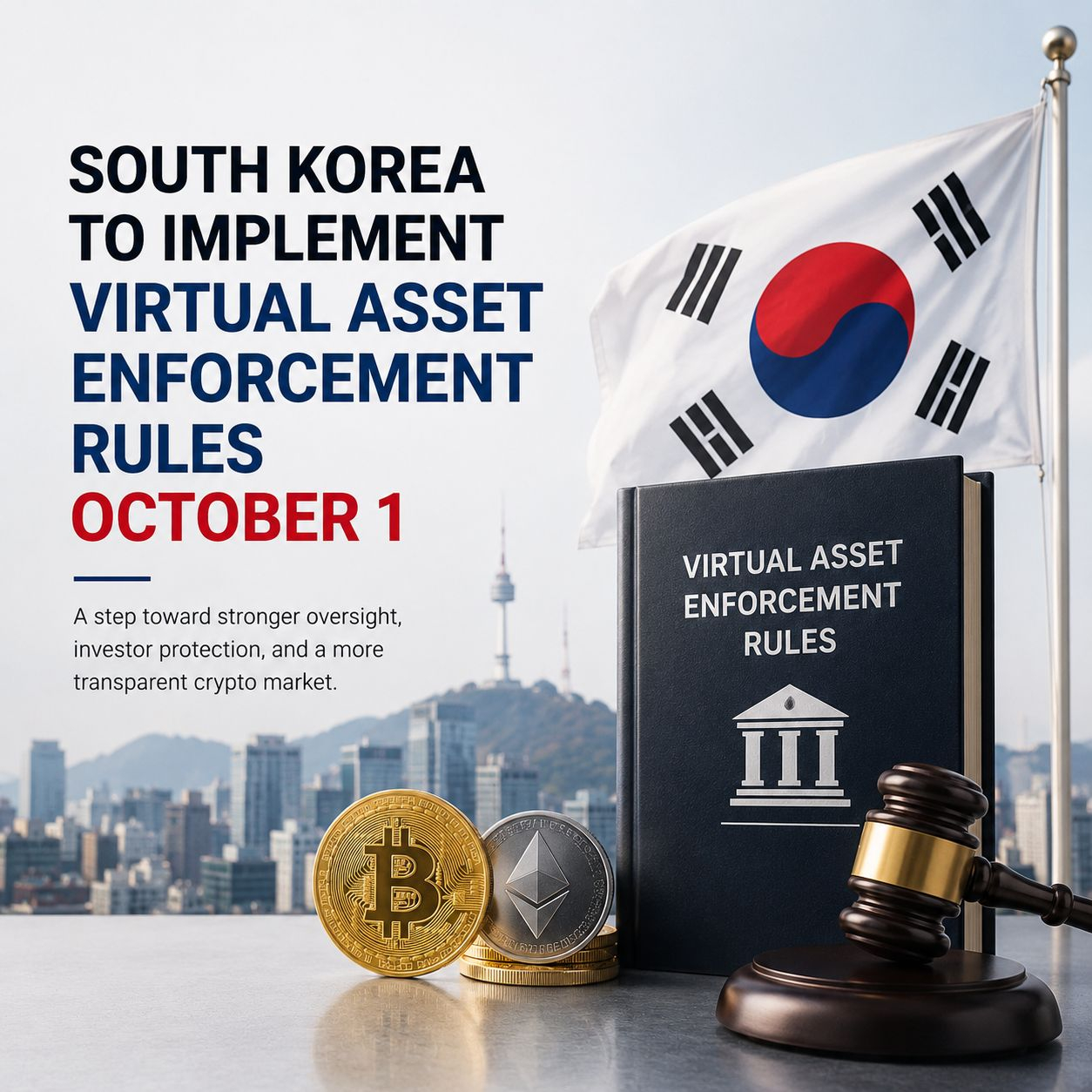
South Korea is taking another step toward a more structured crypto market.
Starting October 1, new virtual asset enforcement rules are expected to strengthen oversight, improve compliance, and enhance investor protection.
For the crypto industry, this reflects a broader trend: regulation is becoming part of the ecosystem—not the end of it.
Clear rules can increase transparency, reduce uncertainty, and help create an environment where responsible innovation can thrive.
The future of digital assets won't be shaped by technology alone. It will also depend on how effectively innovation and regulation evolve together.
Do you see stronger regulations as a catalyst for mainstream adoption, or a challenge to crypto's original vision? 👇
#crypto #Blockchain #Binance #DigitalAssets $BNB $ETH $BTC
#KoreaToImplementVirtualAssetEnforcementRulesOct1
South Korea is taking another step toward a more structured crypto market.
Starting October 1, new virtual asset enforcement rules are expected to strengthen oversight, improve compliance, and enhance investor protection.
For the crypto industry, this reflects a broader trend: regulation is becoming part of the ecosystem—not the end of it.
Clear rules can increase transparency, reduce uncertainty, and help create an environment where responsible innovation can thrive.
The future of digital assets won't be shaped by technology alone. It will also depend on how effectively innovation and regulation evolve together.
Do you see stronger regulations as a catalyst for mainstream adoption, or a challenge to crypto's original vision? 👇
#crypto #Blockchain #Binance #DigitalAssets $BNB $ETH $BTC
South Korea is taking another step toward a more structured crypto market.
Starting October 1, new virtual asset enforcement rules are expected to strengthen oversight, improve compliance, and enhance investor protection.
For the crypto industry, this reflects a broader trend: regulation is becoming part of the ecosystem—not the end of it.
Clear rules can increase transparency, reduce uncertainty, and help create an environment where responsible innovation can thrive.
The future of digital assets won't be shaped by technology alone. It will also depend on how effectively innovation and regulation evolve together.
Do you see stronger regulations as a catalyst for mainstream adoption, or a challenge to crypto's original vision? 👇
#crypto #Blockchain #Binance #DigitalAssets $BNB $ETH $BTC
18
155

·
--
Article
I Think Korea October 1 Crypto Rules Finally Treat Exchanges Like Banks.I think South Korea just drew a line in the sand for crypto and October 1 is the date we should all circle on the calendar. I've been watching Korea for years because whatever they do with virtual assets usually ripples out to the rest of Asia and this time it feels different. It's not another announcement about taxes or another warning to investors. They're actually changing the enforcement playbook.What hits on October 1, at least according to the bill that passed the National Assembly in March, is pretty straightforward. Virtual assets will be included in the crime damage relief list from October and virtual asset exchanges will have to come up with the same kind of voice phishing prevention and compensation measures that banks do. The amendment puts the same level of voice phishing prevention and damage relief obligations on exchanges as financial companies so they have to confirm the purpose of a transaction, monitor constantly for suspected phishing funds, and immediately suspend payment if something looks criminal. And the whole thing takes effect from October. 4167760530398704678I wasn't surprised when I read why they pushed it. Korea has been bleeding money through cross-border crypto. Since 2020 there have been 11 trillion won worth of foreign exchange related crimes and the customs agency says 81.3% involved virtual assets. That's why last year the finance ministry said businesses dealing with cross-border trade of virtual assets will be required to register with authorities beforehand and report their transactions to the Bank of Korea on a monthly basis. That rule was slated for the second half of 2025, so by October it's already supposed to be live and running alongside this new victim protection law. 5013658488980199620There another piece that doesn't get as many headlines but will annoy every trader. The Financial Services Commission has been tweaking the Travel Rule. The obligation to provide information which used to kick in only for transfers over 1 million won between domestic operators, will be expanded to less than 1 million won. In practice that means almost every transfer between Korean exchanges will leave a paper trail not just the big ones. They did back off on the crazy idea of auto-reporting every 10 million won transfer overseas but the direction is clear more tracking less anonymity. 2803580853023238715Sitting here in Maharashtra watching this from the outside I keep asking myself what it means for the rest of us. I think Korea is trying to do two things at once. One, stop treating exchanges like tech startups and start treating them like banks when someone gets scammed. Two close the loophole where crypto was the easiest way to move money across borders without anyone noticing. It's heavy handed yes and a lot of small Korean traders are already complaining about the compliance costs, but after years of hacks pig butchering scams and those voice phishing calls that drain wallets in minutes I get the frustration that pushed lawmakers.October 1 won't kill crypto in Korea. If anything it might make the big exchanges stronger because only they can afford the monitoring systems and the compensation funds. For people like me who just hold a bit of Bitcoin and follow the news it's a reminder that the wild west phase is ending, not with a ban, but with rules that look a lot like traditional finance. And honestly I'd rather deal with slower transfers and more KYC than read another story about someone losing their life savings to a fake exchange that no one could shut down.#KoreaToImplementVirtualAssetEnforcementRulesOct1 $BTC {future}(BTCUSDT) $ETH {future}(ETHUSDT) $BNB {future}(BNBUSDT)
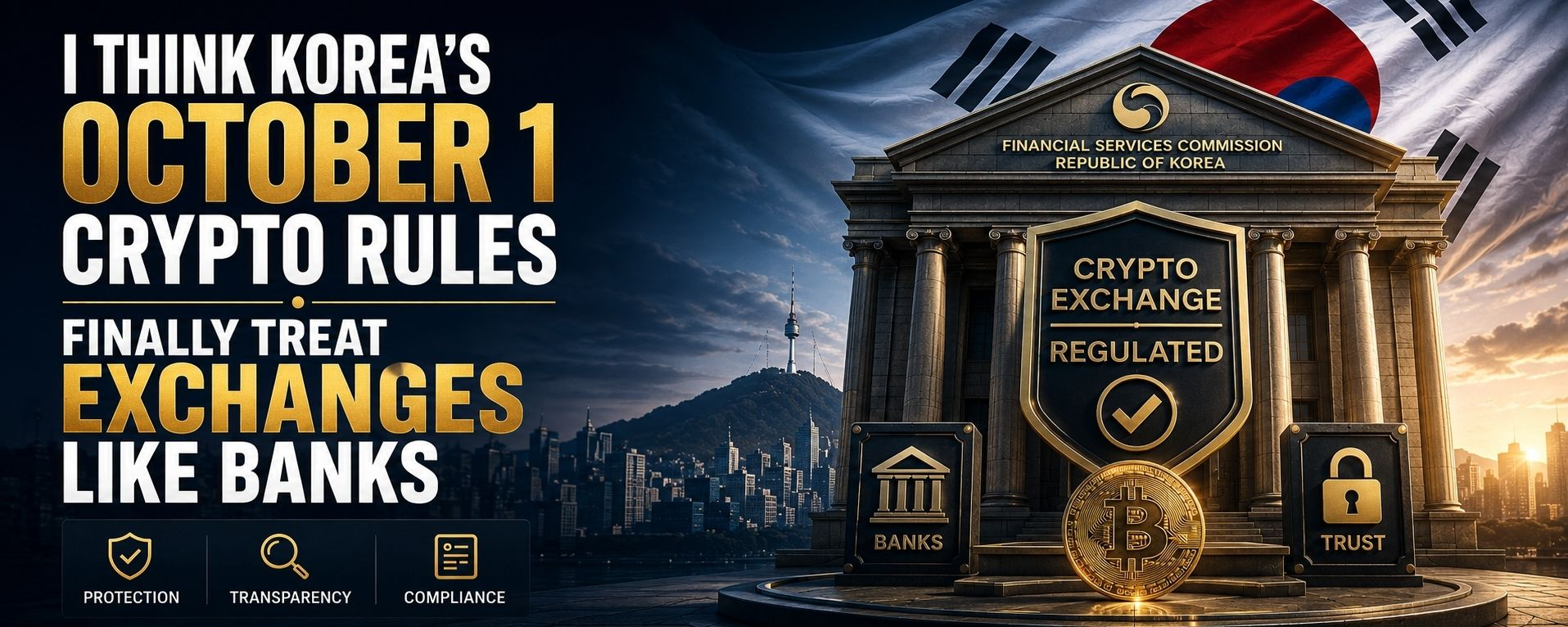
I Think Korea October 1 Crypto Rules Finally Treat Exchanges Like Banks.
I think South Korea just drew a line in the sand for crypto and October 1 is the date we should all circle on the calendar. I've been watching Korea for years because whatever they do with virtual assets usually ripples out to the rest of Asia and this time it feels different. It's not another announcement about taxes or another warning to investors. They're actually changing the enforcement playbook.What hits on October 1, at least according to the bill that passed the National Assembly in March, is pretty straightforward. Virtual assets will be included in the crime damage relief list from October and virtual asset exchanges will have to come up with the same kind of voice phishing prevention and compensation measures that banks do. The amendment puts the same level of voice phishing prevention and damage relief obligations on exchanges as financial companies so they have to confirm the purpose of a transaction, monitor constantly for suspected phishing funds, and immediately suspend payment if something looks criminal. And the whole thing takes effect from October. 4167760530398704678I wasn't surprised when I read why they pushed it. Korea has been bleeding money through cross-border crypto. Since 2020 there have been 11 trillion won worth of foreign exchange related crimes and the customs agency says 81.3% involved virtual assets. That's why last year the finance ministry said businesses dealing with cross-border trade of virtual assets will be required to register with authorities beforehand and report their transactions to the Bank of Korea on a monthly basis. That rule was slated for the second half of 2025, so by October it's already supposed to be live and running alongside this new victim protection law. 5013658488980199620There another piece that doesn't get as many headlines but will annoy every trader. The Financial Services Commission has been tweaking the Travel Rule. The obligation to provide information which used to kick in only for transfers over 1 million won between domestic operators, will be expanded to less than 1 million won. In practice that means almost every transfer between Korean exchanges will leave a paper trail not just the big ones. They did back off on the crazy idea of auto-reporting every 10 million won transfer overseas but the direction is clear more tracking less anonymity. 2803580853023238715Sitting here in Maharashtra watching this from the outside I keep asking myself what it means for the rest of us. I think Korea is trying to do two things at once. One, stop treating exchanges like tech startups and start treating them like banks when someone gets scammed. Two close the loophole where crypto was the easiest way to move money across borders without anyone noticing. It's heavy handed yes and a lot of small Korean traders are already complaining about the compliance costs, but after years of hacks pig butchering scams and those voice phishing calls that drain wallets in minutes I get the frustration that pushed lawmakers.October 1 won't kill crypto in Korea. If anything it might make the big exchanges stronger because only they can afford the monitoring systems and the compensation funds. For people like me who just hold a bit of Bitcoin and follow the news it's a reminder that the wild west phase is ending, not with a ban, but with rules that look a lot like traditional finance. And honestly I'd rather deal with slower transfers and more KYC than read another story about someone losing their life savings to a fake exchange that no one could shut down.#KoreaToImplementVirtualAssetEnforcementRulesOct1 $BTC $ETH $BNB
10
5
189

**South Korea will implement virtual asset enforcement rules on October 1**
The topic is circulating strongly today. Starting October 1, South Korea will activate a new framework for monitoring and enforcement of virtual assets. This means that exchange platforms and token issuers under South Korean jurisdiction will operate under stricter compliance, KYC/AML, and reporting rules.
Why does it matter? South Korea is one of the most active crypto markets in the world. Any regulatory change there has a direct impact on volume, liquidity, and regional sentiment. The South Korean won is at its weakest level since 2009, adding macro pressure.
Enforcement isn’t the same as prohibition: it’s control. Platforms that comply will keep operating; those that don’t will be left out. This may reduce the supply of local exchanges, but it could also lend more legitimacy to the sector in the eyes of institutional investors.
For traders, watch out for possible volume moves: if any major platform decides to exit or restrict assets, you could see volatility in tokens with strong South Korean presence (think of projects that have a community or strong listings on Upbit, Bithumb, etc.).
See how the news evolves over the coming weeks. If you notice drops in volume on South Korean exchanges or in specific tokens, that’s where the explanation lies.
Do you think this kind of regulation ultimately turns out to be positive for long-term adoption, or does it hinder innovation? Leave your opinion in the comments.
#KoreaToImplementVirtualAssetEnforcementRulesOct1
**South Korea will implement virtual asset enforcement rules on October 1**
The topic is circulating strongly today. Starting October 1, South Korea will activate a new framework for monitoring and enforcement of virtual assets. This means that exchange platforms and token issuers under South Korean jurisdiction will operate under stricter compliance, KYC/AML, and reporting rules.
Why does it matter? South Korea is one of the most active crypto markets in the world. Any regulatory change there has a direct impact on volume, liquidity, and regional sentiment. The South Korean won is at its weakest level since 2009, adding macro pressure.
Enforcement isn’t the same as prohibition: it’s control. Platforms that comply will keep operating; those that don’t will be left out. This may reduce the supply of local exchanges, but it could also lend more legitimacy to the sector in the eyes of institutional investors.
For traders, watch out for possible volume moves: if any major platform decides to exit or restrict assets, you could see volatility in tokens with strong South Korean presence (think of projects that have a community or strong listings on Upbit, Bithumb, etc.).
See how the news evolves over the coming weeks. If you notice drops in volume on South Korean exchanges or in specific tokens, that’s where the explanation lies.
Do you think this kind of regulation ultimately turns out to be positive for long-term adoption, or does it hinder innovation? Leave your opinion in the comments.
#KoreaToImplementVirtualAssetEnforcementRulesOct1
The topic is circulating strongly today. Starting October 1, South Korea will activate a new framework for monitoring and enforcement of virtual assets. This means that exchange platforms and token issuers under South Korean jurisdiction will operate under stricter compliance, KYC/AML, and reporting rules.
Why does it matter? South Korea is one of the most active crypto markets in the world. Any regulatory change there has a direct impact on volume, liquidity, and regional sentiment. The South Korean won is at its weakest level since 2009, adding macro pressure.
Enforcement isn’t the same as prohibition: it’s control. Platforms that comply will keep operating; those that don’t will be left out. This may reduce the supply of local exchanges, but it could also lend more legitimacy to the sector in the eyes of institutional investors.
For traders, watch out for possible volume moves: if any major platform decides to exit or restrict assets, you could see volatility in tokens with strong South Korean presence (think of projects that have a community or strong listings on Upbit, Bithumb, etc.).
See how the news evolves over the coming weeks. If you notice drops in volume on South Korean exchanges or in specific tokens, that’s where the explanation lies.
Do you think this kind of regulation ultimately turns out to be positive for long-term adoption, or does it hinder innovation? Leave your opinion in the comments.
#KoreaToImplementVirtualAssetEnforcementRulesOct1
97

#KoreaToImplementVirtualAssetEnforcementRulesOct1 #KoreaToImplementVirtualAssetEnforcementRulesOct1
South Korea's Supreme Court has proposed new civil enforcement rules for virtual assets that are scheduled to take effect on October 1, following a public consultation period ending on August 11. The rules create a formal legal process for seizing, freezing, transferring, and selling cryptocurrencies in civil debt enforcement cases.
Key changes include:
Clear procedures for courts and creditors to seize crypto assets.
Virtual asset service providers (VASPs) must cooperate with enforcement orders.
Digital assets that are difficult to liquidate may first be converted into highly traded assets like Bitcoin before being sold.
The framework aims to improve legal certainty, investor protection, and market transparency.
The move reflects South Korea's broader effort to integrate digital assets into its legal system while strengthening oversight of the crypto industry.
#KoreaToImplementVirtualAssetEnforcementRulesOct1 #KoreaToImplementVirtualAssetEnforcementRulesOct1
South Korea's Supreme Court has proposed new civil enforcement rules for virtual assets that are scheduled to take effect on October 1, following a public consultation period ending on August 11. The rules create a formal legal process for seizing, freezing, transferring, and selling cryptocurrencies in civil debt enforcement cases.
Key changes include:
Clear procedures for courts and creditors to seize crypto assets.
Virtual asset service providers (VASPs) must cooperate with enforcement orders.
Digital assets that are difficult to liquidate may first be converted into highly traded assets like Bitcoin before being sold.
The framework aims to improve legal certainty, investor protection, and market transparency.
The move reflects South Korea's broader effort to integrate digital assets into its legal system while strengthening oversight of the crypto industry.
South Korea's Supreme Court has proposed new civil enforcement rules for virtual assets that are scheduled to take effect on October 1, following a public consultation period ending on August 11. The rules create a formal legal process for seizing, freezing, transferring, and selling cryptocurrencies in civil debt enforcement cases.
Key changes include:
Clear procedures for courts and creditors to seize crypto assets.
Virtual asset service providers (VASPs) must cooperate with enforcement orders.
Digital assets that are difficult to liquidate may first be converted into highly traded assets like Bitcoin before being sold.
The framework aims to improve legal certainty, investor protection, and market transparency.
The move reflects South Korea's broader effort to integrate digital assets into its legal system while strengthening oversight of the crypto industry.
34

·
--
#koreatoimplementvirtualassetenforcementrulesoct1
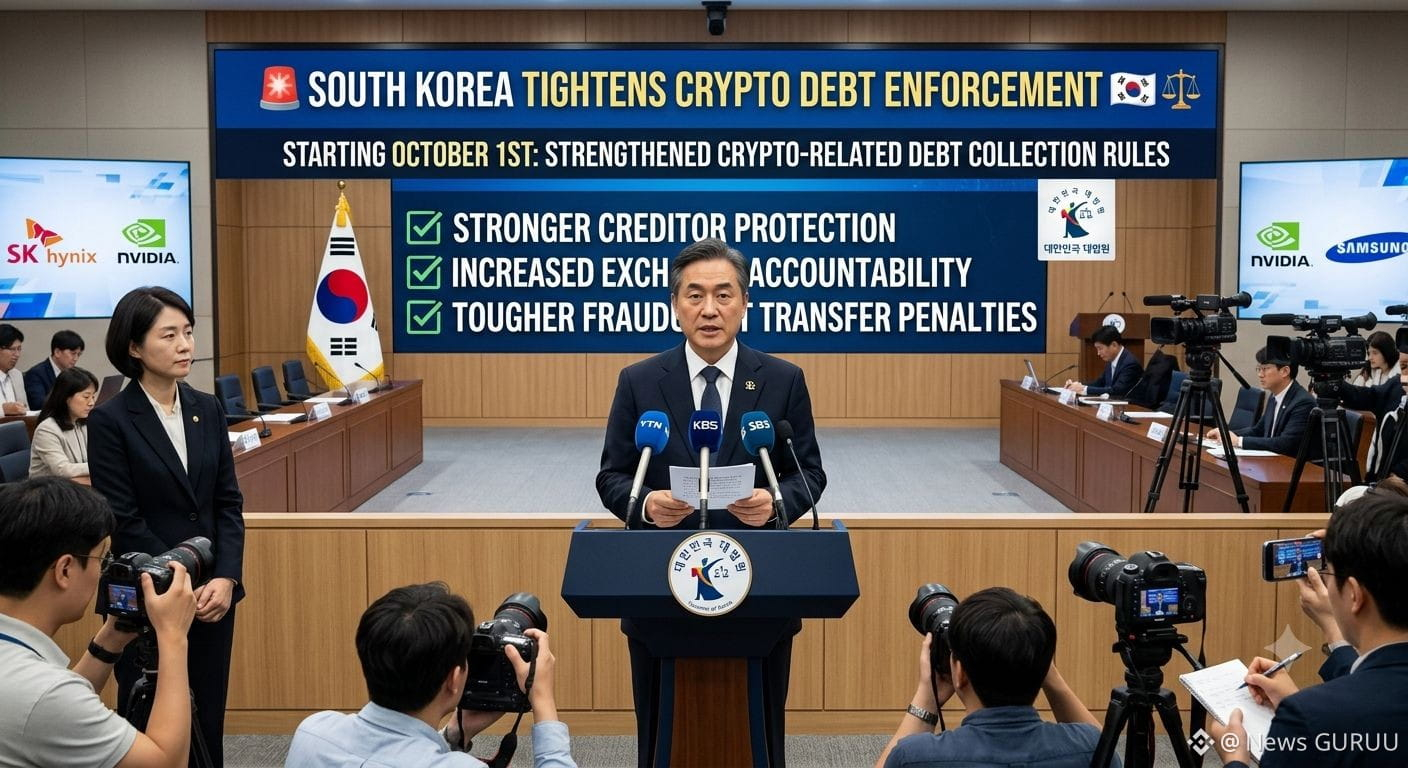
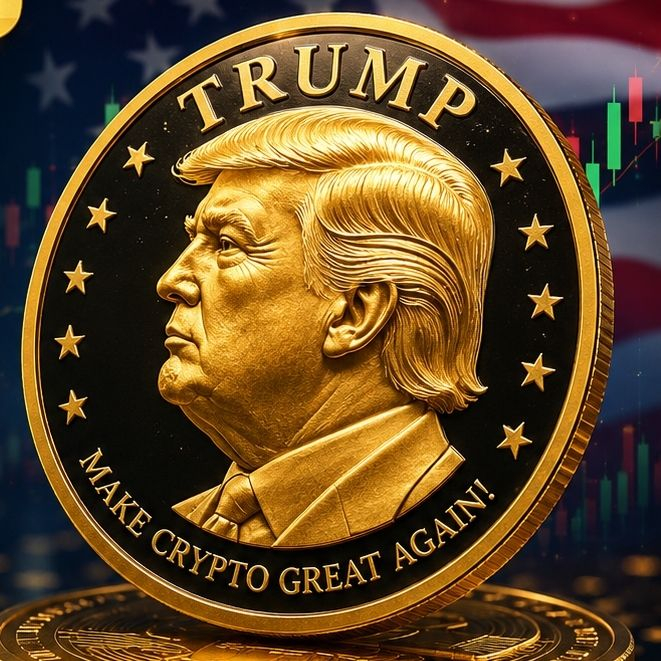
🚨 SOUTH KOREA TIGHTENS CRYPTO RULES 🇰🇷
South Korea will enforce stricter crypto debt regulations starting October 1, increasing oversight of exchanges and fraudulent asset transfers.
✅ Stronger crypto regulations
✅ Greater exchange accountability
✅ Improved market transparency
Clearer regulations could boost long-term confidence in the crypto market.
📊 Trading View: HOLD. This is not a direct BUY or SELL signal, but a positive long-term development for fundamentally strong crypto projects.
"CLICK ON THE BELOW YELLOW COIN TAG FOR BENEFIT TRADE 👇👇👇👇👇
$SKHYNIX $SAMSUNG $NVDAB
#crypto #SouthKorea #bitcoin
{spot}(NVDABUSDT)
{future}(SAMSUNGUSDT)
{future}(SKHYNIXUSDT)
#koreatoimplementvirtualassetenforcementrulesoct1
🚨 SOUTH KOREA TIGHTENS CRYPTO RULES 🇰🇷
South Korea will enforce stricter crypto debt regulations starting October 1, increasing oversight of exchanges and fraudulent asset transfers.
✅ Stronger crypto regulations
✅ Greater exchange accountability
✅ Improved market transparency
Clearer regulations could boost long-term confidence in the crypto market.
📊 Trading View: HOLD. This is not a direct BUY or SELL signal, but a positive long-term development for fundamentally strong crypto projects.
"CLICK ON THE BELOW YELLOW COIN TAG FOR BENEFIT TRADE 👇👇👇👇👇
$SKHYNIX $SAMSUNG $NVDAB
#crypto #SouthKorea #bitcoin
🚨 SOUTH KOREA TIGHTENS CRYPTO RULES 🇰🇷
South Korea will enforce stricter crypto debt regulations starting October 1, increasing oversight of exchanges and fraudulent asset transfers.
✅ Stronger crypto regulations
✅ Greater exchange accountability
✅ Improved market transparency
Clearer regulations could boost long-term confidence in the crypto market.
📊 Trading View: HOLD. This is not a direct BUY or SELL signal, but a positive long-term development for fundamentally strong crypto projects.
"CLICK ON THE BELOW YELLOW COIN TAG FOR BENEFIT TRADE 👇👇👇👇👇
$SKHYNIX $SAMSUNG $NVDAB
#crypto #SouthKorea #bitcoin
1
212
·
--
#koreatoimplementvirtualassetenforcementrulesoct1
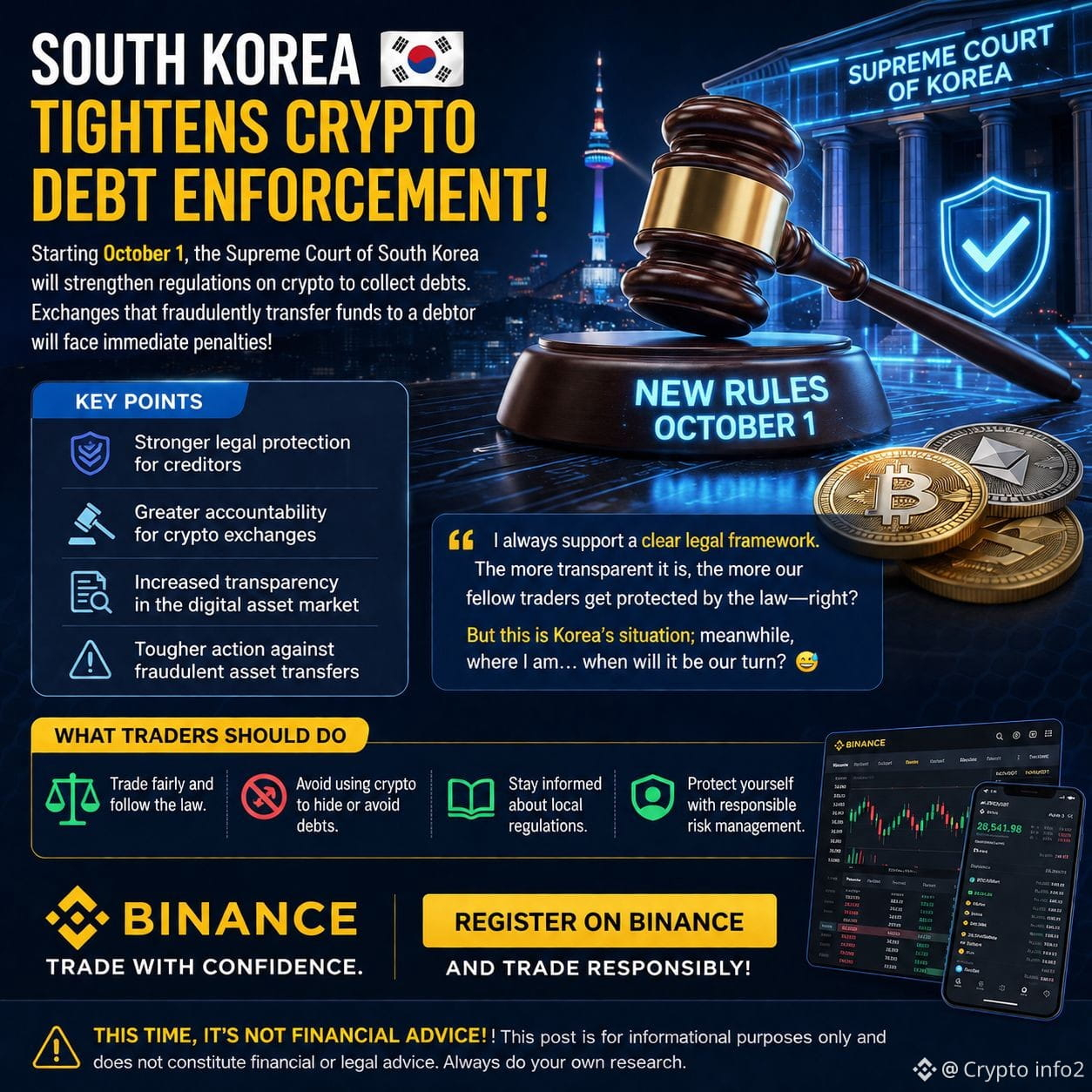
🚨 SOUTH KOREA TIGHTENS CRYPTO DEBT ENFORCEMENT 🇰🇷⚖️
Starting October 1, South Korea's Supreme Court will strengthen crypto-related debt collection rules. Exchanges that help debtors fraudulently transfer or hide crypto assets could face immediate legal penalties.$SKHYNIX
🔑 What This Means
✅ Stronger legal protection for creditors
✅ Greater accountability for crypto exchanges
✅ Increased transparency across the digital asset market
✅ Tougher action against fraudulent asset transfers
📊 What Traders Should Do
• Keep your trading activity transparent and compliant.
• Avoid using crypto to conceal or evade debts.$NVDAB
• Stay informed about local regulations, as laws vary by country.
• Practice responsible risk management and trade ethically.
A clear regulatory framework can help build long-term trust in the crypto ecosystem while protecting legitimate market participants.
💬 What's your opinion?$SAMSUNG
Do you think stronger crypto regulations will increase adoption, or could they discourage innovation?
⚠️ This post is for informational purposes only and is not financial or legal advice.#SouthKorea #Crypto #Cryptocurrency #CryptoNews
{future}(SKHYNIXUSDT)
{future}(SAMSUNGUSDT)
{spot}(NVDABUSDT)
#koreatoimplementvirtualassetenforcementrulesoct1
🚨 SOUTH KOREA TIGHTENS CRYPTO DEBT ENFORCEMENT 🇰🇷⚖️
Starting October 1, South Korea's Supreme Court will strengthen crypto-related debt collection rules. Exchanges that help debtors fraudulently transfer or hide crypto assets could face immediate legal penalties.$SKHYNIX
🔑 What This Means
✅ Stronger legal protection for creditors
✅ Greater accountability for crypto exchanges
✅ Increased transparency across the digital asset market
✅ Tougher action against fraudulent asset transfers
📊 What Traders Should Do
• Keep your trading activity transparent and compliant.
• Avoid using crypto to conceal or evade debts.$NVDAB
• Stay informed about local regulations, as laws vary by country.
• Practice responsible risk management and trade ethically.
A clear regulatory framework can help build long-term trust in the crypto ecosystem while protecting legitimate market participants.
💬 What's your opinion?$SAMSUNG
Do you think stronger crypto regulations will increase adoption, or could they discourage innovation?
⚠️ This post is for informational purposes only and is not financial or legal advice.#SouthKorea #Crypto #Cryptocurrency #CryptoNews
🚨 SOUTH KOREA TIGHTENS CRYPTO DEBT ENFORCEMENT 🇰🇷⚖️
Starting October 1, South Korea's Supreme Court will strengthen crypto-related debt collection rules. Exchanges that help debtors fraudulently transfer or hide crypto assets could face immediate legal penalties.$SKHYNIX
🔑 What This Means
✅ Stronger legal protection for creditors
✅ Greater accountability for crypto exchanges
✅ Increased transparency across the digital asset market
✅ Tougher action against fraudulent asset transfers
📊 What Traders Should Do
• Keep your trading activity transparent and compliant.
• Avoid using crypto to conceal or evade debts.$NVDAB
• Stay informed about local regulations, as laws vary by country.
• Practice responsible risk management and trade ethically.
A clear regulatory framework can help build long-term trust in the crypto ecosystem while protecting legitimate market participants.
💬 What's your opinion?$SAMSUNG
Do you think stronger crypto regulations will increase adoption, or could they discourage innovation?
⚠️ This post is for informational purposes only and is not financial or legal advice.#SouthKorea #Crypto #Cryptocurrency #CryptoNews
3
4
4.2k

·
--
South Korea Sets October 1 for Virtual Asset Enforcement Rules
South Korea will activate new virtual asset enforcement regulations on October 1, strengthening oversight of cryptocurrency trading, custody, and reporting requirements. The framework aims to enhance market integrity, combat illicit activities, and protect investors amid growing digital asset activity in the country.
The rules build on prior legislation and are expected to impose stricter compliance standards on exchanges and service providers. Local platforms and users have been preparing for the transition, which could influence trading volumes and operational practices in one of Asia’s major crypto markets.
The move reflects broader global efforts to formalize virtual asset supervision. It may affect regional liquidity and compliance costs for operators, while providing clearer guidelines for market participants. Implementation timing coincides with ongoing developments in tokenized assets and cross-border digital finance.
Authorities have signaled continued monitoring to ensure smooth rollout and address any emerging challenges. The regulations underscore South Korea’s commitment to balancing innovation with financial stability in the virtual asset space.
#KoreaToImplementVirtualAssetEnforcementRulesOct1
South Korea Sets October 1 for Virtual Asset Enforcement Rules
South Korea will activate new virtual asset enforcement regulations on October 1, strengthening oversight of cryptocurrency trading, custody, and reporting requirements. The framework aims to enhance market integrity, combat illicit activities, and protect investors amid growing digital asset activity in the country.
The rules build on prior legislation and are expected to impose stricter compliance standards on exchanges and service providers. Local platforms and users have been preparing for the transition, which could influence trading volumes and operational practices in one of Asia’s major crypto markets.
The move reflects broader global efforts to formalize virtual asset supervision. It may affect regional liquidity and compliance costs for operators, while providing clearer guidelines for market participants. Implementation timing coincides with ongoing developments in tokenized assets and cross-border digital finance.
Authorities have signaled continued monitoring to ensure smooth rollout and address any emerging challenges. The regulations underscore South Korea’s commitment to balancing innovation with financial stability in the virtual asset space.
#KoreaToImplementVirtualAssetEnforcementRulesOct1
South Korea will activate new virtual asset enforcement regulations on October 1, strengthening oversight of cryptocurrency trading, custody, and reporting requirements. The framework aims to enhance market integrity, combat illicit activities, and protect investors amid growing digital asset activity in the country.
The rules build on prior legislation and are expected to impose stricter compliance standards on exchanges and service providers. Local platforms and users have been preparing for the transition, which could influence trading volumes and operational practices in one of Asia’s major crypto markets.
The move reflects broader global efforts to formalize virtual asset supervision. It may affect regional liquidity and compliance costs for operators, while providing clearer guidelines for market participants. Implementation timing coincides with ongoing developments in tokenized assets and cross-border digital finance.
Authorities have signaled continued monitoring to ensure smooth rollout and address any emerging challenges. The regulations underscore South Korea’s commitment to balancing innovation with financial stability in the virtual asset space.
#KoreaToImplementVirtualAssetEnforcementRulesOct1
44

·
--
#koreatoimplementvirtualassetenforcementrulesoct1 South Korea Can Soon Freeze Your Crypto! Is This the Future of Global Crypto Regulation? 👀
Imagine you wake up one day and your crypto wallet is frozen by a court order. This could happen soon in South Korea.
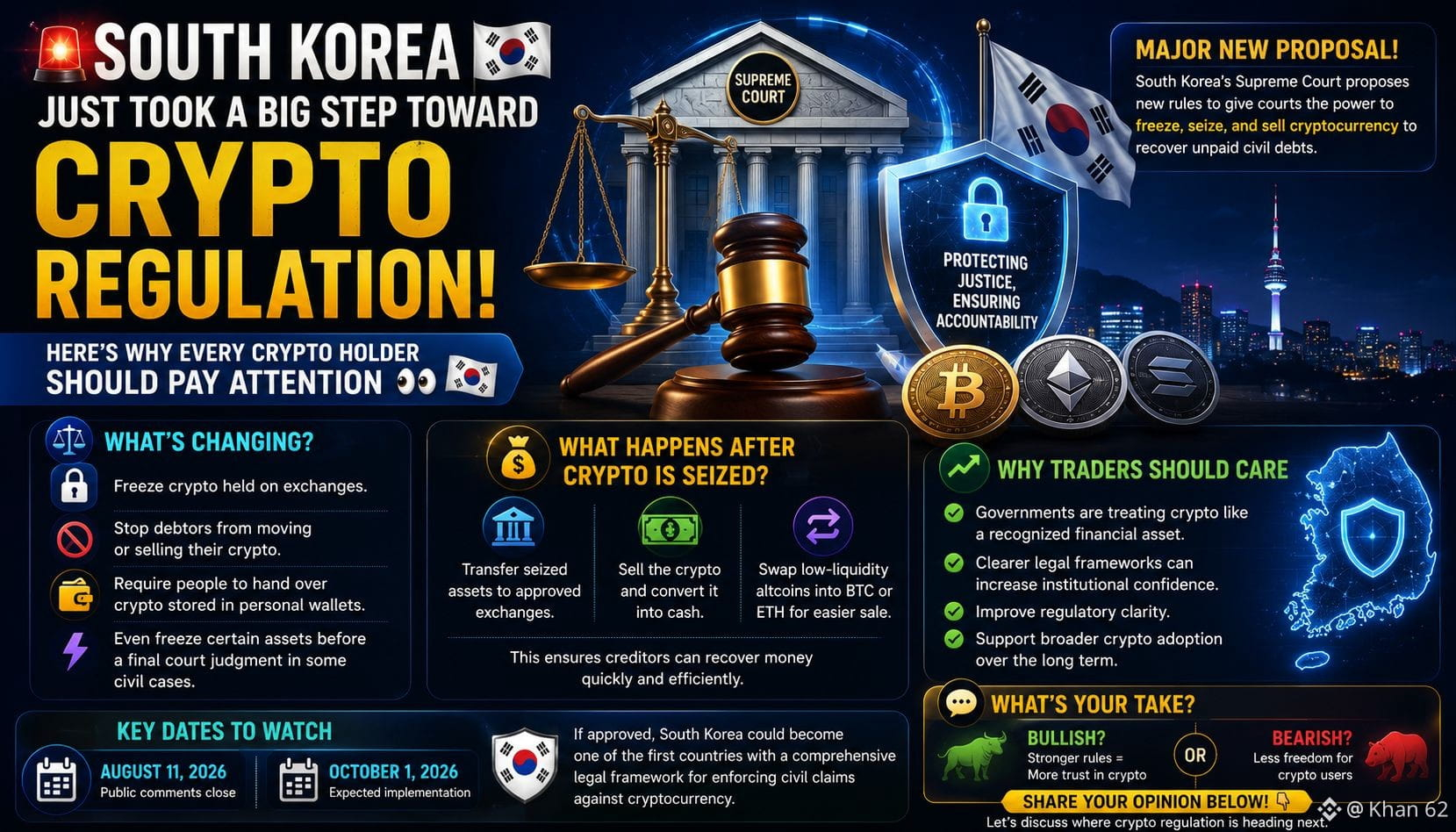
The Supreme Court in South Korea has proposed rules. These rules will give courts the power to freeze, seize and even sell cryptocurrency to recover debts.
This is a deal for crypto regulation. It could influence how other countries deal with assets in the future.
⚖️ Whats Changing?
If these new rules take effect courts will be able to do the following things:
🔒 Freeze the crypto you have on exchanges.
🚫 Stop people who owe money from moving or selling their crypto.
👛 Make people hand over the crypto they have in their wallets.
⚡ Even freeze some assets before a court judgment in some cases.
This will make things more structured than before.
💰 What Happens After Crypto Is Seized?
The goal is not to hold the crypto. Courts will be allowed to do the following things:
✅ Transfer the seized assets to approved exchanges.
✅ Sell the crypto. Convert it into cash.
✅ Even swap some assets into Bitcoin or Ethereum if they are easier to sell.
This helps creditors get their money back easily.
📈 Why Traders Should Care
This is not about the law. It shows that governments are treating crypto like a financial asset.
Clear rules can do the following things:
✔️ Increase confidence in institutions.
✔️ Make the law clearer.
✔️ Help more people use crypto in the term.
At the time it reminds every investor that digital assets have the same legal responsibilities as traditional assets.
💬 What's Your Take?
Do you think stronger rules like these are good, for crypto because they increase trust...
🤔 Or do they take away the freedom that made crypto special?
👇 Share your opinion below. Lets talk about where crypto regulation's going next.
#CryptoNews #CryptoRegulation #bitcoin #Khan62
$BTC $ETH $XRP
{future}(XRPUSDT)
{future}(ETHUSDT)
{future}(BTCUSDT)
#koreatoimplementvirtualassetenforcementrulesoct1 South Korea Can Soon Freeze Your Crypto! Is This the Future of Global Crypto Regulation? 👀
Imagine you wake up one day and your crypto wallet is frozen by a court order. This could happen soon in South Korea.
The Supreme Court in South Korea has proposed rules. These rules will give courts the power to freeze, seize and even sell cryptocurrency to recover debts.
This is a deal for crypto regulation. It could influence how other countries deal with assets in the future.
⚖️ Whats Changing?
If these new rules take effect courts will be able to do the following things:
🔒 Freeze the crypto you have on exchanges.
🚫 Stop people who owe money from moving or selling their crypto.
👛 Make people hand over the crypto they have in their wallets.
⚡ Even freeze some assets before a court judgment in some cases.
This will make things more structured than before.
💰 What Happens After Crypto Is Seized?
The goal is not to hold the crypto. Courts will be allowed to do the following things:
✅ Transfer the seized assets to approved exchanges.
✅ Sell the crypto. Convert it into cash.
✅ Even swap some assets into Bitcoin or Ethereum if they are easier to sell.
This helps creditors get their money back easily.
📈 Why Traders Should Care
This is not about the law. It shows that governments are treating crypto like a financial asset.
Clear rules can do the following things:
✔️ Increase confidence in institutions.
✔️ Make the law clearer.
✔️ Help more people use crypto in the term.
At the time it reminds every investor that digital assets have the same legal responsibilities as traditional assets.
💬 What's Your Take?
Do you think stronger rules like these are good, for crypto because they increase trust...
🤔 Or do they take away the freedom that made crypto special?
👇 Share your opinion below. Lets talk about where crypto regulation's going next.
#CryptoNews #CryptoRegulation #bitcoin #Khan62
$BTC $ETH $XRP
Imagine you wake up one day and your crypto wallet is frozen by a court order. This could happen soon in South Korea.
The Supreme Court in South Korea has proposed rules. These rules will give courts the power to freeze, seize and even sell cryptocurrency to recover debts.
This is a deal for crypto regulation. It could influence how other countries deal with assets in the future.
⚖️ Whats Changing?
If these new rules take effect courts will be able to do the following things:
🔒 Freeze the crypto you have on exchanges.
🚫 Stop people who owe money from moving or selling their crypto.
👛 Make people hand over the crypto they have in their wallets.
⚡ Even freeze some assets before a court judgment in some cases.
This will make things more structured than before.
💰 What Happens After Crypto Is Seized?
The goal is not to hold the crypto. Courts will be allowed to do the following things:
✅ Transfer the seized assets to approved exchanges.
✅ Sell the crypto. Convert it into cash.
✅ Even swap some assets into Bitcoin or Ethereum if they are easier to sell.
This helps creditors get their money back easily.
📈 Why Traders Should Care
This is not about the law. It shows that governments are treating crypto like a financial asset.
Clear rules can do the following things:
✔️ Increase confidence in institutions.
✔️ Make the law clearer.
✔️ Help more people use crypto in the term.
At the time it reminds every investor that digital assets have the same legal responsibilities as traditional assets.
💬 What's Your Take?
Do you think stronger rules like these are good, for crypto because they increase trust...
🤔 Or do they take away the freedom that made crypto special?
👇 Share your opinion below. Lets talk about where crypto regulation's going next.
#CryptoNews #CryptoRegulation #bitcoin #Khan62
$BTC $ETH $XRP
9
13
36.2k

·
--
Bullish
#KoreaToImplementVirtualAssetEnforcementRulesOct1
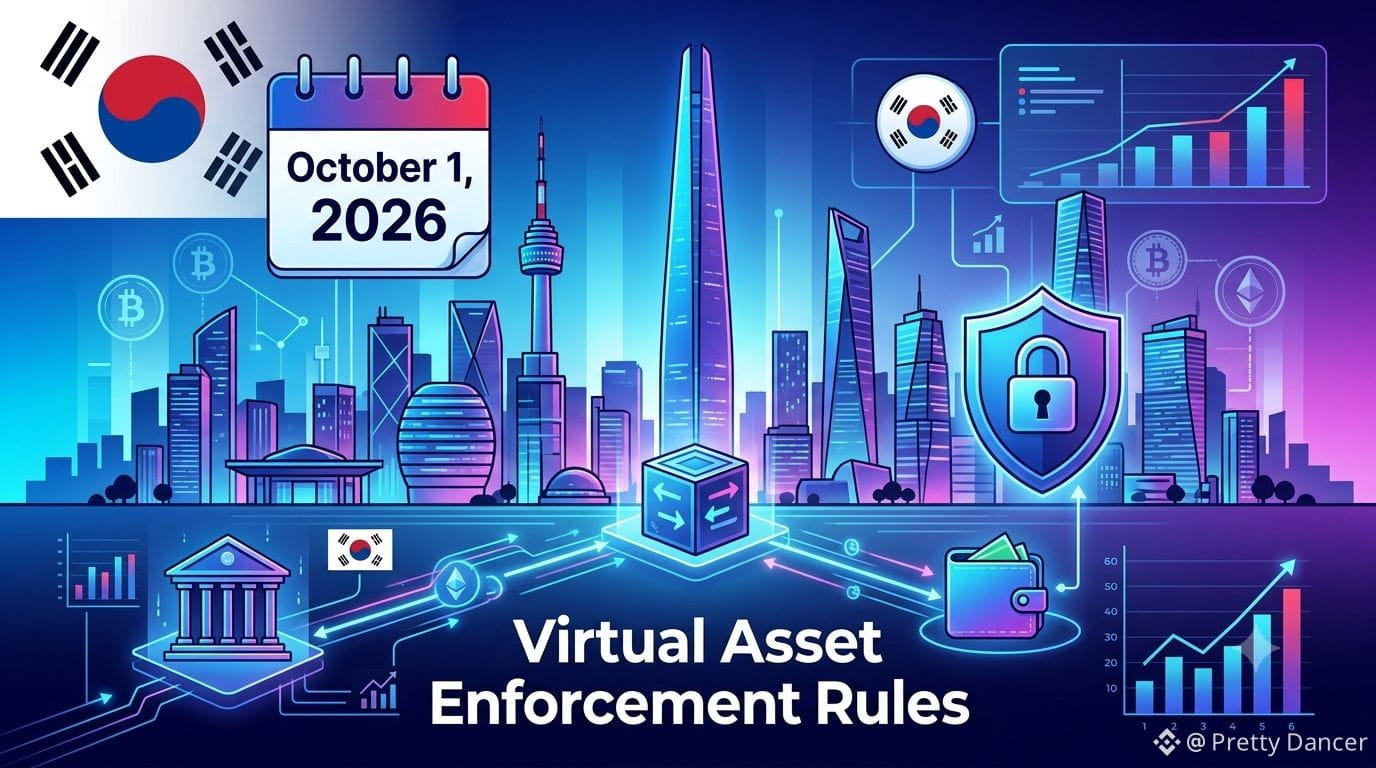
Korea is about to change the game for crypto traders starting October 1.
I've been tracking South Korea's regulatory moves closely, and the new Virtual Asset Enforcement Rules hitting October 1, 2026, are a big deal. This isn't just another announcement—it's the final piece of the VAUPA (Virtual Asset Users Protection Act) framework coming into full force.
Here's what's actually changing:
- All crypto transactions, no matter how small, now fall under the Travel Rule. Previously, transfers under 1 million won (~$730) were exempt. That loophole is gone.
- Exchanges must collect and verify sender/recipient info for EVERY transfer. This means more KYC friction but cleaner on-chain data.
- Privacy coins face stricter seizure and custody rules. Korean police finalized guidelines in early 2026 to handle Monero, Zcash, and similar assets used in laundering.
- Cross-border reporting gets tighter. Exchanges must report international transaction details to the Bank of Korea monthly, with customer nationality and residence data going to the National Tax Service.
- Real-time monitoring is now mandatory. After the Bithumb payout error in February 2026, regulators pushed for 5-minute balance reconciliation and automated "kill switches" for suspicious activity.
Why does this matter for us?
South Korea is one of the top 5 crypto markets globally. When they tighten rules, liquidity shifts, compliance costs rise, and retail behavior changes. Expect more volume moving to compliant exchanges and potential short-term volatility as traders adjust.
Long-term, this positions Korea as a mature market—similar to the EU's MiCA framework. Institutional money will feel safer, but small traders may find onboarding harder.
If you're trading KRW pairs or using Korean platforms, double-check your KYC status before October 1. Delays are likely as systems update.
What's your take—does stricter regulation help or hurt crypto adoption?
#KoreaToImplementVirtualAssetEnforcementRulesOct1 #Bitcoin $BTC
{future}(BTCUSDT)
#KoreaToImplementVirtualAssetEnforcementRulesOct1
Korea is about to change the game for crypto traders starting October 1.
I've been tracking South Korea's regulatory moves closely, and the new Virtual Asset Enforcement Rules hitting October 1, 2026, are a big deal. This isn't just another announcement—it's the final piece of the VAUPA (Virtual Asset Users Protection Act) framework coming into full force.
Here's what's actually changing:
- All crypto transactions, no matter how small, now fall under the Travel Rule. Previously, transfers under 1 million won (~$730) were exempt. That loophole is gone.
- Exchanges must collect and verify sender/recipient info for EVERY transfer. This means more KYC friction but cleaner on-chain data.
- Privacy coins face stricter seizure and custody rules. Korean police finalized guidelines in early 2026 to handle Monero, Zcash, and similar assets used in laundering.
- Cross-border reporting gets tighter. Exchanges must report international transaction details to the Bank of Korea monthly, with customer nationality and residence data going to the National Tax Service.
- Real-time monitoring is now mandatory. After the Bithumb payout error in February 2026, regulators pushed for 5-minute balance reconciliation and automated "kill switches" for suspicious activity.
Why does this matter for us?
South Korea is one of the top 5 crypto markets globally. When they tighten rules, liquidity shifts, compliance costs rise, and retail behavior changes. Expect more volume moving to compliant exchanges and potential short-term volatility as traders adjust.
Long-term, this positions Korea as a mature market—similar to the EU's MiCA framework. Institutional money will feel safer, but small traders may find onboarding harder.
If you're trading KRW pairs or using Korean platforms, double-check your KYC status before October 1. Delays are likely as systems update.
What's your take—does stricter regulation help or hurt crypto adoption?
#KoreaToImplementVirtualAssetEnforcementRulesOct1 #Bitcoin $BTC
Korea is about to change the game for crypto traders starting October 1.
I've been tracking South Korea's regulatory moves closely, and the new Virtual Asset Enforcement Rules hitting October 1, 2026, are a big deal. This isn't just another announcement—it's the final piece of the VAUPA (Virtual Asset Users Protection Act) framework coming into full force.
Here's what's actually changing:
- All crypto transactions, no matter how small, now fall under the Travel Rule. Previously, transfers under 1 million won (~$730) were exempt. That loophole is gone.
- Exchanges must collect and verify sender/recipient info for EVERY transfer. This means more KYC friction but cleaner on-chain data.
- Privacy coins face stricter seizure and custody rules. Korean police finalized guidelines in early 2026 to handle Monero, Zcash, and similar assets used in laundering.
- Cross-border reporting gets tighter. Exchanges must report international transaction details to the Bank of Korea monthly, with customer nationality and residence data going to the National Tax Service.
- Real-time monitoring is now mandatory. After the Bithumb payout error in February 2026, regulators pushed for 5-minute balance reconciliation and automated "kill switches" for suspicious activity.
Why does this matter for us?
South Korea is one of the top 5 crypto markets globally. When they tighten rules, liquidity shifts, compliance costs rise, and retail behavior changes. Expect more volume moving to compliant exchanges and potential short-term volatility as traders adjust.
Long-term, this positions Korea as a mature market—similar to the EU's MiCA framework. Institutional money will feel safer, but small traders may find onboarding harder.
If you're trading KRW pairs or using Korean platforms, double-check your KYC status before October 1. Delays are likely as systems update.
What's your take—does stricter regulation help or hurt crypto adoption?
#KoreaToImplementVirtualAssetEnforcementRulesOct1 #Bitcoin $BTC
7
1
89
#KoreaToImplementVirtualAssetEnforcementRulesOct1 #KoreaToImplementVirtualAssetEnforcementRulesOct1
South Korea will implement new virtual asset enforcement rules on October 1, strengthening oversight of crypto service providers and market practices. The regulations are designed to improve investor protection, enhance compliance requirements, and support a more transparent digital asset market.
#KoreaToImplementVirtualAssetEnforcementRulesOct1 #KoreaToImplementVirtualAssetEnforcementRulesOct1
South Korea will implement new virtual asset enforcement rules on October 1, strengthening oversight of crypto service providers and market practices. The regulations are designed to improve investor protection, enhance compliance requirements, and support a more transparent digital asset market.
South Korea will implement new virtual asset enforcement rules on October 1, strengthening oversight of crypto service providers and market practices. The regulations are designed to improve investor protection, enhance compliance requirements, and support a more transparent digital asset market.
17

·
--
Bullish
#koreatoimplementvirtualassetenforcementrulesoct1
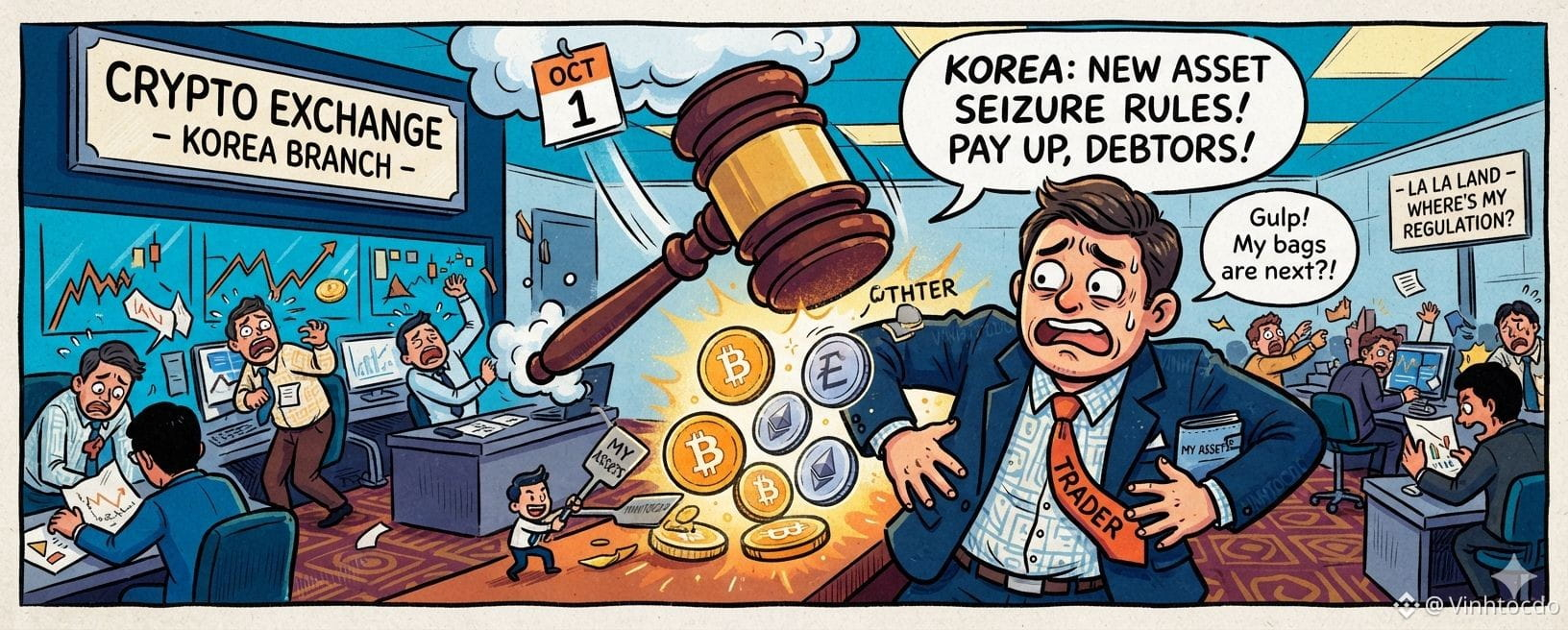
From October 1st, the Supreme Court of South Korea will officially tighten regulations on Crypto to collect debts. The exchange that fraudulently transfers funds to a debtor will be hit with immediate penalties!
I always support a clear legal framework. The more transparent it is, the more our fellow traders get protected by the law—right? But this is Korea’s situation; meanwhile, where I am… when will it be our turn? 😅
What should traders do right now? Trade fairly, and steer clear of debt!
Register on Binance and enter the code VINHTOCDO right away. This time, it’s not financial advice!
#SouthKoreaCrypto #bitcoin #TradingSignals #VINHTOCDO
$SAMSUNG
{future}(SAMSUNGUSDT)
$SKHYNIX
{future}(SKHYNIXUSDT)
$NVDAB
{spot}(NVDABUSDT)
#koreatoimplementvirtualassetenforcementrulesoct1
From October 1st, the Supreme Court of South Korea will officially tighten regulations on Crypto to collect debts. The exchange that fraudulently transfers funds to a debtor will be hit with immediate penalties!
I always support a clear legal framework. The more transparent it is, the more our fellow traders get protected by the law—right? But this is Korea’s situation; meanwhile, where I am… when will it be our turn? 😅
What should traders do right now? Trade fairly, and steer clear of debt!
Register on Binance and enter the code VINHTOCDO right away. This time, it’s not financial advice!
#SouthKoreaCrypto #bitcoin #TradingSignals #VINHTOCDO
$SAMSUNG
$SKHYNIX
$NVDAB
From October 1st, the Supreme Court of South Korea will officially tighten regulations on Crypto to collect debts. The exchange that fraudulently transfers funds to a debtor will be hit with immediate penalties!
I always support a clear legal framework. The more transparent it is, the more our fellow traders get protected by the law—right? But this is Korea’s situation; meanwhile, where I am… when will it be our turn? 😅
What should traders do right now? Trade fairly, and steer clear of debt!
Register on Binance and enter the code VINHTOCDO right away. This time, it’s not financial advice!
#SouthKoreaCrypto #bitcoin #TradingSignals #VINHTOCDO
$SAMSUNG
$SKHYNIX
$NVDAB
2
1.6k

·
--
#KoreaToImplementVirtualAssetEnforcementRulesOct1
JUST IN:
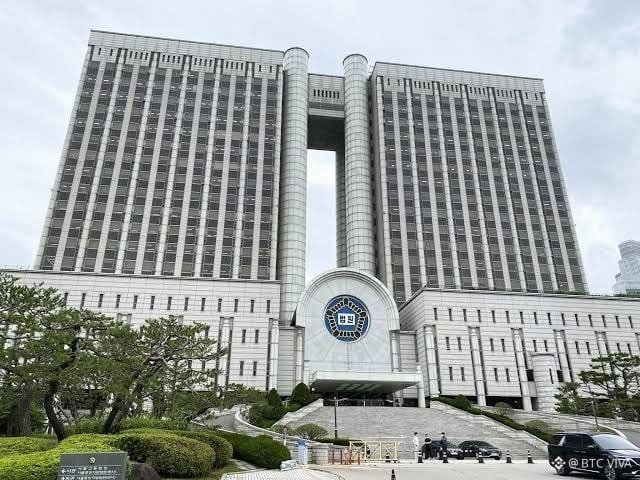
🇰🇷🚨South Korea's Supreme Court proposed new rules for seizing and selling crypto assets, according to local reports.
$BTC
{future}(BTCUSDT)
#KoreaToImplementVirtualAssetEnforcementRulesOct1
JUST IN:
🇰🇷🚨South Korea's Supreme Court proposed new rules for seizing and selling crypto assets, according to local reports.
$BTC
JUST IN:
🇰🇷🚨South Korea's Supreme Court proposed new rules for seizing and selling crypto assets, according to local reports.
$BTC
6
295

·
--
How South Korea remains one of the world's most active crypto markets?Short-term (days to weeks):
Crypto markets could see increased volatility as traders react to tighter oversight.Smaller or low-quality tokens may face selling pressure if exchanges tighten listing standards or market surveillance.Korean exchanges may temporarily see lower trading volumes as they adapt to the new rules. ([Binance](https://www.binance.com/en/square/post/289631492640369?utm_source=chatgpt.com))
Medium to long term (months):
Bullish for major cryptocurrencies like Bitcoin and Ethereum because stronger regulation can increase investor confidence.Better protection against insider trading, market manipulation, and exchange failures may attract more institutional participation. (fsc.go.kr)Licensed exchanges that comply with the rules could gain credibility, while non-compliant platforms may lose users or exit the market. ([Binance](https://www.binance.com/en/square/post/289631492640369?utm_source=chatgpt.com))
Potential winners:
BitcoinEthereumLarge, well-regulated exchangesInstitutional crypto investment
Potential losers:
Low-liquidity altcoinsTokens vulnerable to price manipulationExchanges with weak compliance systems
Overall, South Korea remains one of the world's most active crypto markets. Stronger enforcement there is generally viewed as supportive for the industry's long-term development because it aims to reduce fraud while allowing legitimate trading to continue. The immediate market reaction may be mixed, but over time these measures tend to favor higher-quality assets and stronger market infrastructure.
#KoreaToImplementVirtualAssetEnforcementRulesOct1
How South Korea remains one of the world's most active crypto markets?
Short-term (days to weeks):
Crypto markets could see increased volatility as traders react to tighter oversight.Smaller or low-quality tokens may face selling pressure if exchanges tighten listing standards or market surveillance.Korean exchanges may temporarily see lower trading volumes as they adapt to the new rules. (Binance)
Medium to long term (months):
Bullish for major cryptocurrencies like Bitcoin and Ethereum because stronger regulation can increase investor confidence.Better protection against insider trading, market manipulation, and exchange failures may attract more institutional participation. (fsc.go.kr)Licensed exchanges that comply with the rules could gain credibility, while non-compliant platforms may lose users or exit the market. (Binance)
Potential winners:
BitcoinEthereumLarge, well-regulated exchangesInstitutional crypto investment
Potential losers:
Low-liquidity altcoinsTokens vulnerable to price manipulationExchanges with weak compliance systems
Overall, South Korea remains one of the world's most active crypto markets. Stronger enforcement there is generally viewed as supportive for the industry's long-term development because it aims to reduce fraud while allowing legitimate trading to continue. The immediate market reaction may be mixed, but over time these measures tend to favor higher-quality assets and stronger market infrastructure.
#KoreaToImplementVirtualAssetEnforcementRulesOct1
Crypto markets could see increased volatility as traders react to tighter oversight.Smaller or low-quality tokens may face selling pressure if exchanges tighten listing standards or market surveillance.Korean exchanges may temporarily see lower trading volumes as they adapt to the new rules. (Binance)
Medium to long term (months):
Bullish for major cryptocurrencies like Bitcoin and Ethereum because stronger regulation can increase investor confidence.Better protection against insider trading, market manipulation, and exchange failures may attract more institutional participation. (fsc.go.kr)Licensed exchanges that comply with the rules could gain credibility, while non-compliant platforms may lose users or exit the market. (Binance)
Potential winners:
BitcoinEthereumLarge, well-regulated exchangesInstitutional crypto investment
Potential losers:
Low-liquidity altcoinsTokens vulnerable to price manipulationExchanges with weak compliance systems
Overall, South Korea remains one of the world's most active crypto markets. Stronger enforcement there is generally viewed as supportive for the industry's long-term development because it aims to reduce fraud while allowing legitimate trading to continue. The immediate market reaction may be mixed, but over time these measures tend to favor higher-quality assets and stronger market infrastructure.
#KoreaToImplementVirtualAssetEnforcementRulesOct1
1
91

·
--
Bullish
$BTC
{future}(BTCUSDT)
🚨South Korea🇰🇷 proposes crypto seizure rules for civil debt enforcement.#KoreaToImplementVirtualAssetEnforcementRulesOct1
$BTC
🚨South Korea🇰🇷 proposes crypto seizure rules for civil debt enforcement.#KoreaToImplementVirtualAssetEnforcementRulesOct1
🚨South Korea🇰🇷 proposes crypto seizure rules for civil debt enforcement.#KoreaToImplementVirtualAssetEnforcementRulesOct1

59
Log in to explore more content
Join global crypto users on Binance Square
⚡️ Get latest and useful information about crypto.
💬 Trusted by the world’s largest crypto exchange.
👍 Discover real insights from verified creators.
Email / Phone number
Trending Topics
1
#NFPWatch
10.9M views
19,237 Discussing
2
#BitcoinFundingRateTriplesTo10%
164,672 views
1,175 Discussing
3
#BitcoinSurpasses$86KUp2.99%
53,673 views
113 Discussing
4
#ZcashFalls21%FromSeptemberPeak
87,819 views
840 Discussing
5
#USSeptemberPayrollsAdd29KUnemploymentRises4.2%
72,078 views
510 Discussing
6
#XRPPostsFirstThreeGreenMonthsInQ3
60,087 views
695 Discussing
7
#BNBChainTokenizedStocksTop$1BAt30%Share
27,061 views
38 Discussing
8
#BitcoinRisesToward$85K
124,267 views
157 Discussing
9
#AmazonPlansToSell$8BNvidiaChips
8,095 views
91 Discussing
10
#NEARFallsToAround$4.70Down14%
50,134 views
118 Discussing