
#ouganda
ouganda
3 views
2 Discussing
Hot
Latest

·
--
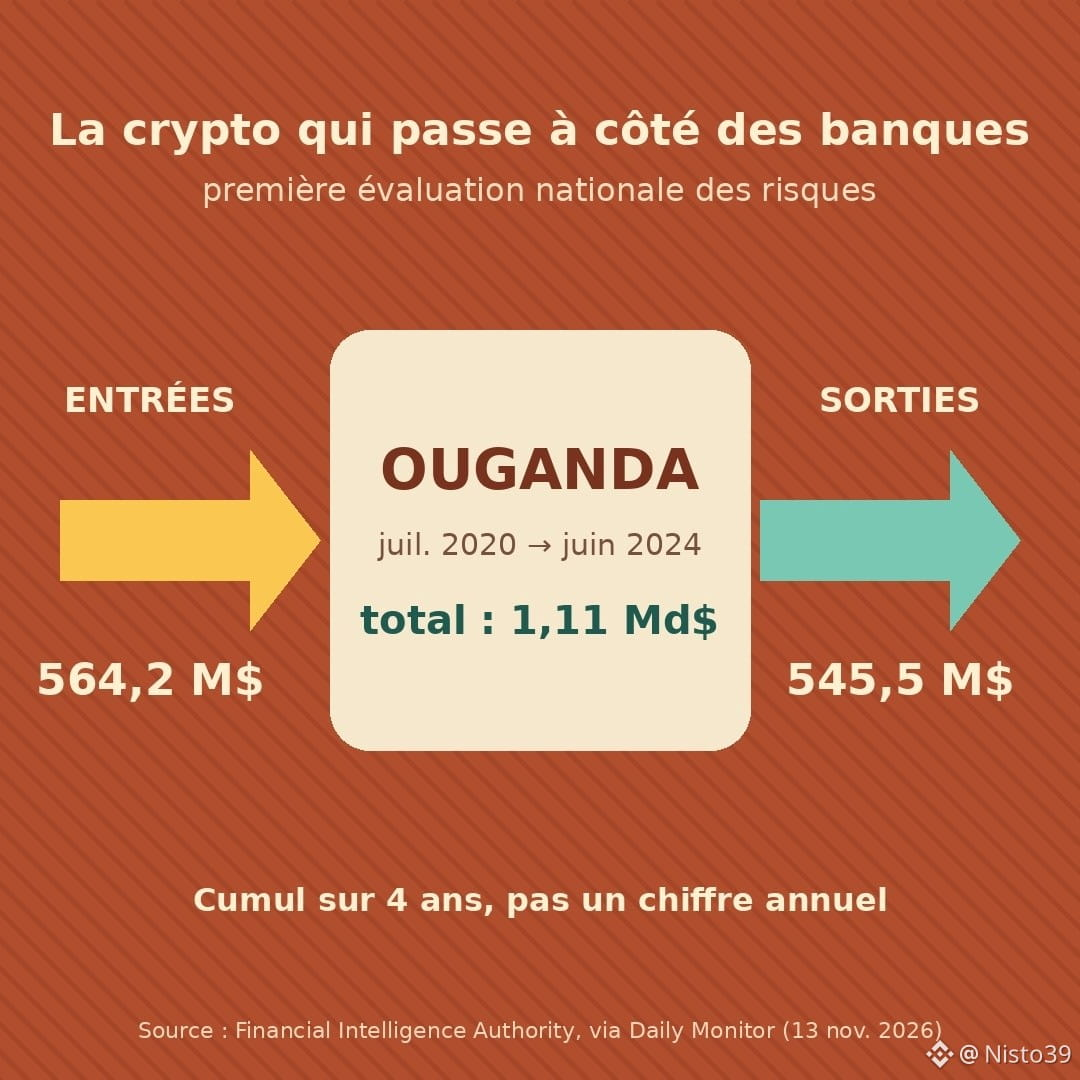
Uganda has just counted its crypto money. The result: about $1.11 billion flowed into and out of the country between July 2020 and June 2024, excluding banks.
This is the first national assessment of risks related to virtual assets, conducted by the Financial Intelligence Authority (FIA): $564.2 million in inflows and $545.5 million in outflows. And a bill on crypto service providers (VASPs, the platforms and services that hold or exchange crypto) is heading to the Cabinet, according to the markets regulator, the CMA (Daily Monitor, Nov. 13).
Three questions I asked myself:
Is $1.1 billion per year?
No. It’s the total over four years, inflows plus outflows. It’s not money that stayed in the country.
Who will oversee what?
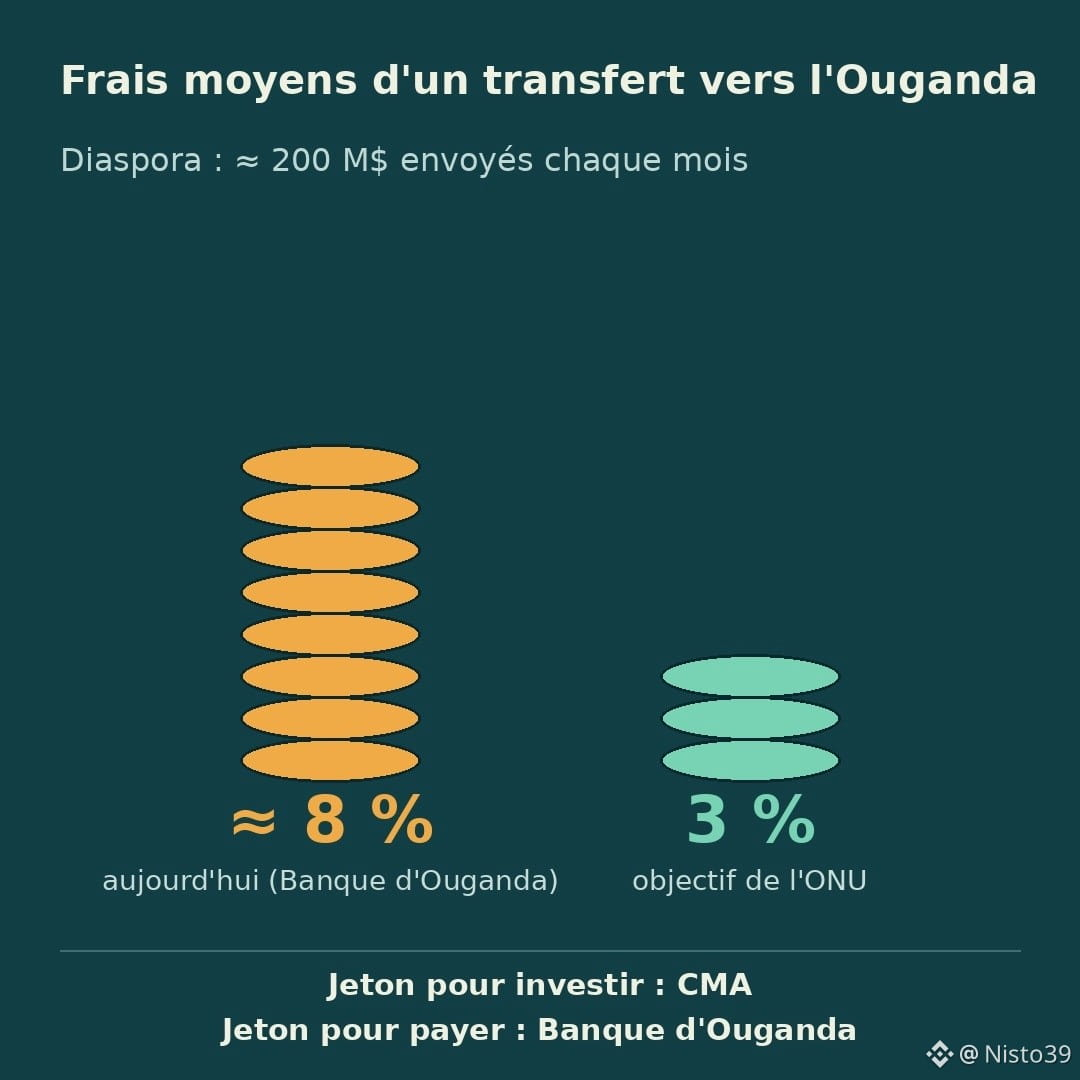
Responsibilities are divided according to how the tokens are used. A token used for investment will fall under the CMA. A token used for payments, such as a stablecoin like $USDT, will fall under the Bank of Uganda.
Why now?
Ugandans abroad send about $200 million a month, and a transfer costs an average of nearly 8% in fees, against a UN target of 3%. Stablecoins (tokens pegged to the dollar) are already being used for this.
The detail that struck me most: Kampala wants the implementing regulations to be ready the day the law passes, to avoid the uncertainty experienced in Kenya. A law without implementing regulations is a door without a lock.
My take: the real issue isn’t $BTC, it’s the digital dollar on your phone. When a central bank sees savings flowing into dollars, it loses some control over its interest rates. Regulating crypto here is also about defending the shilling.
Where you live, is crypto mainly used to send money, save in dollars, or speculate?
#Ouganda #Stablecoins #Regulation #Afrique #Crypto
Uganda has just counted its crypto money. The result: about $1.11 billion flowed into and out of the country between July 2020 and June 2024, excluding banks.
This is the first national assessment of risks related to virtual assets, conducted by the Financial Intelligence Authority (FIA): $564.2 million in inflows and $545.5 million in outflows. And a bill on crypto service providers (VASPs, the platforms and services that hold or exchange crypto) is heading to the Cabinet, according to the markets regulator, the CMA (Daily Monitor, Nov. 13).
Three questions I asked myself:
Is $1.1 billion per year?
No. It’s the total over four years, inflows plus outflows. It’s not money that stayed in the country.
Who will oversee what?
Responsibilities are divided according to how the tokens are used. A token used for investment will fall under the CMA. A token used for payments, such as a stablecoin like $USDT, will fall under the Bank of Uganda.
Why now?
Ugandans abroad send about $200 million a month, and a transfer costs an average of nearly 8% in fees, against a UN target of 3%. Stablecoins (tokens pegged to the dollar) are already being used for this.
The detail that struck me most: Kampala wants the implementing regulations to be ready the day the law passes, to avoid the uncertainty experienced in Kenya. A law without implementing regulations is a door without a lock.
My take: the real issue isn’t $BTC , it’s the digital dollar on your phone. When a central bank sees savings flowing into dollars, it loses some control over its interest rates. Regulating crypto here is also about defending the shilling.
Where you live, is crypto mainly used to send money, save in dollars, or speculate?
#Ouganda #Stablecoins #Regulation #Afrique #Crypto
17
Log in to explore more content
Join global crypto users on Binance Square
⚡️ Get latest and useful information about crypto.
💬 Trusted by the world’s largest crypto exchange.
👍 Discover real insights from verified creators.
Email / Phone number
Trending Topics
1
#WhatWillDriveCryptoandStocks’NextRebound?
73,208 views
985 Discussing
2
#BitcoinBreaksBelow200WeekMovingAverage
1,854 views
84 Discussing
3
#SpaceXTeslaMergerTalksWouldCombine30220BTC
104 views
20 Discussing
4
#Anthropic’s6xIPODemandSignalsPotentialRecordRaise
23,351 views
458 Discussing
5
#USCryptoETFsLose$1.48BInFiveDays
479 views
15 Discussing
6
#KoreaDigitalAssetBasicActFinalDraftExpectedEarlyJanuary
271 views
11 Discussing
7
#RippleRLUSDMarketCapSurpassesPayPalPYUSD
407 views
28 Discussing
8
#JaneStreetNearlyOctuplesFidelityBitcoinETFHoldings
8,613 views
149 Discussing
9
#HuangExitNvidiaStrategyInFocus
225,312 views
1,840 Discussing
10
#AnthropicRejectsIPODelayValuationinQuestion
849,738 views
5,929 Discussing