

#juros
juros
20,371 views
20 Discussing
Hot
Latest

·
--
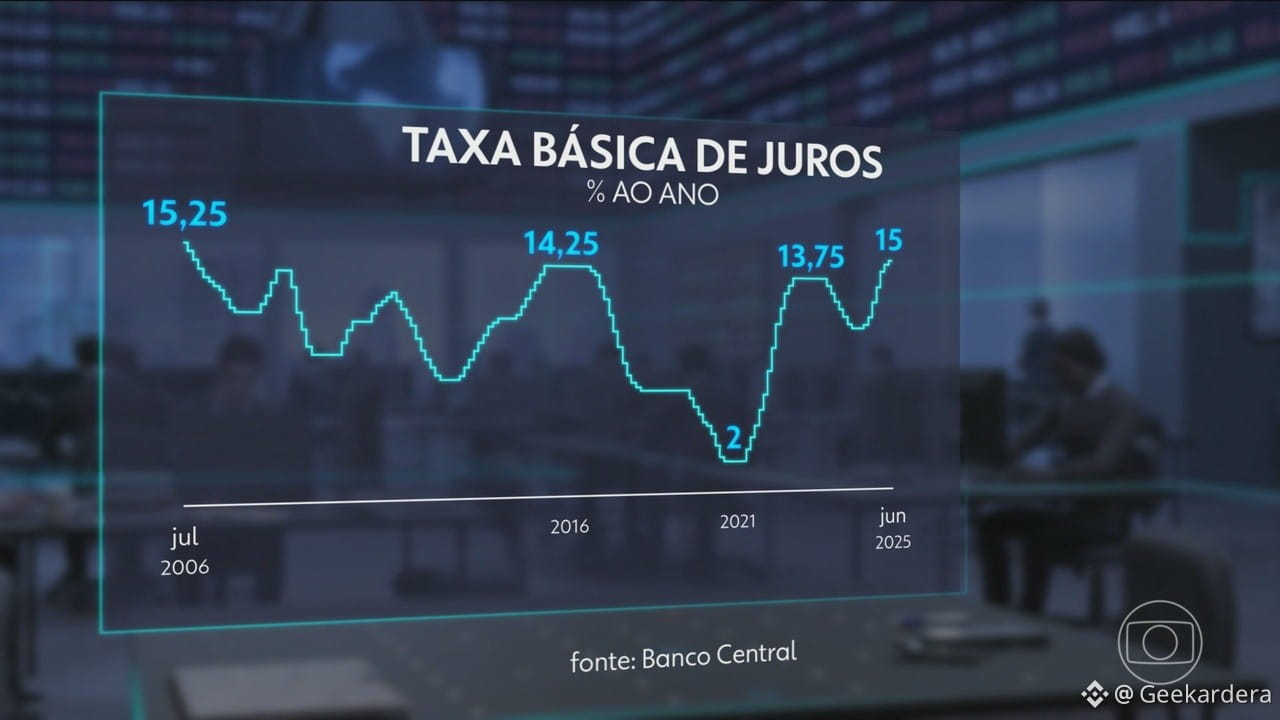
📈 Macroeconomic Scenario: Economists and analysts discuss the fundamental prerequisites for interest rates to converge to historically near-6% annual levels, highlighting sustainable fiscal equilibrium and the anchoring of inflation expectations as indispensable pillars.
The path of interest rates determines the cost of capital for businesses and shapes investors’ appetite for fixed income versus variable income and decentralized assets.
In which asset class have you been seeking the best risk-return ratio in the current interest-rate environment? Share your view! 👇
$USDT $BTC $SOL #Juros #Economia #FixedIncome
📈 Macroeconomic Scenario: Economists and analysts discuss the fundamental prerequisites for interest rates to converge to historically near-6% annual levels, highlighting sustainable fiscal equilibrium and the anchoring of inflation expectations as indispensable pillars.
The path of interest rates determines the cost of capital for businesses and shapes investors’ appetite for fixed income versus variable income and decentralized assets.
In which asset class have you been seeking the best risk-return ratio in the current interest-rate environment? Share your view! 👇
$USDT $BTC $SOL #Juros #Economia #FixedIncome
The path of interest rates determines the cost of capital for businesses and shapes investors’ appetite for fixed income versus variable income and decentralized assets.
In which asset class have you been seeking the best risk-return ratio in the current interest-rate environment? Share your view! 👇
$USDT $BTC $SOL #Juros #Economia #FixedIncome
1
262

·
--
Blockade of the Strait of Hormuz and American bombardments
The war between Iran and the United States continues to pressure financial markets. With the return of the blockade of the Strait of Hormuz, the flow of ships was practically brought to a halt. In addition to the interruption of the Strait of Hormuz, two oil tankers that were transporting petroleum through the Bab el-Mandeb Strait—connecting the Red Sea to the Indian Ocean via the Gulf of Aden—were forced to turn back and sail toward the Suez Canal after the Houthis began a naval blockade of Saudi Arabia.
The American response was to resume bombings with the aim of striking civilian and military targets, including locations that may house Iran’s enriched uranium. Iran has promised that if it continues to disrupt the Strait of Hormuz, it will hit bridges, power plants, and other civilian targets. The objective of the United States appears to be forcing Iran to accept a new “ceasefire” in the face of the destruction caused by the bombings.
Brent crude prices surpassed yesterday US$ 94,00 per barrel. Analysts assess that if the straits remain disrupted until September, oil prices could reach above d US$ 120,00 per barrel. As a result, interest rates remain under pressure due to the increased likelihood that the Federal Reserve will raise the benchmark interest rate again. #Fed #Juros
Blockade of the Strait of Hormuz and American bombardments
The war between Iran and the United States continues to pressure financial markets. With the return of the blockade of the Strait of Hormuz, the flow of ships was practically brought to a halt. In addition to the interruption of the Strait of Hormuz, two oil tankers that were transporting petroleum through the Bab el-Mandeb Strait—connecting the Red Sea to the Indian Ocean via the Gulf of Aden—were forced to turn back and sail toward the Suez Canal after the Houthis began a naval blockade of Saudi Arabia.
The American response was to resume bombings with the aim of striking civilian and military targets, including locations that may house Iran’s enriched uranium. Iran has promised that if it continues to disrupt the Strait of Hormuz, it will hit bridges, power plants, and other civilian targets. The objective of the United States appears to be forcing Iran to accept a new “ceasefire” in the face of the destruction caused by the bombings.
Brent crude prices surpassed yesterday US$ 94,00 per barrel. Analysts assess that if the straits remain disrupted until September, oil prices could reach above d US$ 120,00 per barrel. As a result, interest rates remain under pressure due to the increased likelihood that the Federal Reserve will raise the benchmark interest rate again. #Fed #Juros
The war between Iran and the United States continues to pressure financial markets. With the return of the blockade of the Strait of Hormuz, the flow of ships was practically brought to a halt. In addition to the interruption of the Strait of Hormuz, two oil tankers that were transporting petroleum through the Bab el-Mandeb Strait—connecting the Red Sea to the Indian Ocean via the Gulf of Aden—were forced to turn back and sail toward the Suez Canal after the Houthis began a naval blockade of Saudi Arabia.
The American response was to resume bombings with the aim of striking civilian and military targets, including locations that may house Iran’s enriched uranium. Iran has promised that if it continues to disrupt the Strait of Hormuz, it will hit bridges, power plants, and other civilian targets. The objective of the United States appears to be forcing Iran to accept a new “ceasefire” in the face of the destruction caused by the bombings.
Brent crude prices surpassed yesterday US$ 94,00 per barrel. Analysts assess that if the straits remain disrupted until September, oil prices could reach above d US$ 120,00 per barrel. As a result, interest rates remain under pressure due to the increased likelihood that the Federal Reserve will raise the benchmark interest rate again. #Fed #Juros

306
Log in to explore more content
Join global crypto users on Binance Square
⚡️ Get latest and useful information about crypto.
💬 Trusted by the world’s largest crypto exchange.
👍 Discover real insights from verified creators.
Email / Phone number
Trending Topics
1
#EarningsSeason
134,749 views
1,254 Discussing
2
#BitwiseLaunchesFirstSpotNEARETF
575 views
60 Discussing
3
#USJobOpeningsFallToFiveMonthLow
871 views
49 Discussing
4
#ECBToTestAIAgentsInDigitalEuroPayments
6,639 views
247 Discussing
5
#JapanFSABacksFourthStablecoinTradeSettlementPilot
7,305 views
312 Discussing
6
#BitgetHackerFailsToMoveStolenFunds
19,483 views
448 Discussing
7
#BitMineETHHoldingsTop6Million
20,373 views
587 Discussing
8
#StrategyAdds1666BTCHoldingsReach847666
16,355 views
411 Discussing
9
#NvidiaApproves$150BBuyback
3,907 views
65 Discussing
10
#OpenAIDelaysGPT6.1OverSafetyIssues
29,239 views
768 Discussing