Binance Square
#inflación

inflación

466,385 views
369 Discussing
Pudú-crypto
·
--
Partly True
This Wednesday we have a key appointment with inflation. The consumer price index report for July arrives in just a few hours. A fairly moderate increase is expected. This is decisive for the Fed’s next steps. Anything that affects interest rates ends up moving $BTC. Do you think this data will bring a lot of volatility? #Bitcoin #Fed #Inflation
This Wednesday we have a key appointment with inflation.

The consumer price index report for July arrives in just a few hours. A fairly moderate increase is expected.

This is decisive for the Fed’s next steps. Anything that affects interest rates ends up moving $BTC .

Do you think this data will bring a lot of volatility?

#Bitcoin #Fed #Inflation
📊 This week, the market’s attention is on one key figure: U.S. inflation. On Wednesday, the U.S. Consumer Price Index (CPI) is released, and it’s the kind of data that moves all the markets. 👀 What’s happening, according to Bloomberg Línea: 🛢️ Oil rebounds (Brent above US$84) due to tensions in the Strait of Hormuz. 📉 A weaker-than-expected jobs report reduced bets on a Fed rate hike. 🏦 The Federal Reserve is split between raising rates to curb inflation or keeping them steady in light of the slowdown in the labor market. 🥇 Gold stays near US$4,340 per ounce, after rising more than 7% over the week. So what does this have to do with crypto? 🪙 Macroeconomic data like inflation and expectations about the Fed often influence investors’ “risk appetite.” When those expectations change, many markets tend to move at the same time: stocks, gold… and also cryptoassets. On Wednesday, we’ll be watching the data. In the meantime, understanding the macro calendar helps you better read the broader market context. 📅 Educational content. Not financial advice. DYOR. 🔍 Macroeconomic data source: Bloomberg Línea. Check Binance’s Terms of Use and Risk Warning. #Cripto #Mercados #Inflación
📊 This week, the market’s attention is on one key figure: U.S. inflation.
On Wednesday, the U.S. Consumer Price Index (CPI) is released, and it’s the kind of data that moves all the markets. 👀

What’s happening, according to Bloomberg Línea:

🛢️ Oil rebounds (Brent above US$84) due to tensions in the Strait of Hormuz.

📉 A weaker-than-expected jobs report reduced bets on a Fed rate hike.

🏦 The Federal Reserve is split between raising rates to curb inflation or keeping them steady in light of the slowdown in the labor market.

🥇 Gold stays near US$4,340 per ounce, after rising more than 7% over the week.

So what does this have to do with crypto? 🪙

Macroeconomic data like inflation and expectations about the Fed often influence investors’ “risk appetite.” When those expectations change, many markets tend to move at the same time: stocks, gold… and also cryptoassets.
On Wednesday, we’ll be watching the data. In the meantime, understanding the macro calendar helps you better read the broader market context. 📅

Educational content. Not financial advice. DYOR. 🔍

Macroeconomic data source: Bloomberg Línea. Check Binance’s Terms of Use and Risk Warning.
#Cripto #Mercados #Inflación
Protect the value of your long-term savings with $BTC 🧱. Putting all your money in cash, thinking it’s ""safe"", ignores the fact that inflation quietly eats away a piece every year. 💸 Assets with strictly mathematically limited issuance were created precisely as a digital shield to protect your effort from constant devaluation. What percentage of your savings would you rather keep in crypto versus traditional money? 👇 #inflación #ResguardoDeValor 👇 Click here to trade 👇 {future}(BTCUSDT)
Protect the value of your long-term savings with $BTC 🧱.

Putting all your money in cash, thinking it’s ""safe"", ignores the fact that inflation quietly eats away a piece every year. 💸 Assets with strictly mathematically limited issuance were created precisely as a digital shield to protect your effort from constant devaluation.

What percentage of your savings would you rather keep in crypto versus traditional money? 👇

#inflación #ResguardoDeValor

👇 Click here to trade 👇
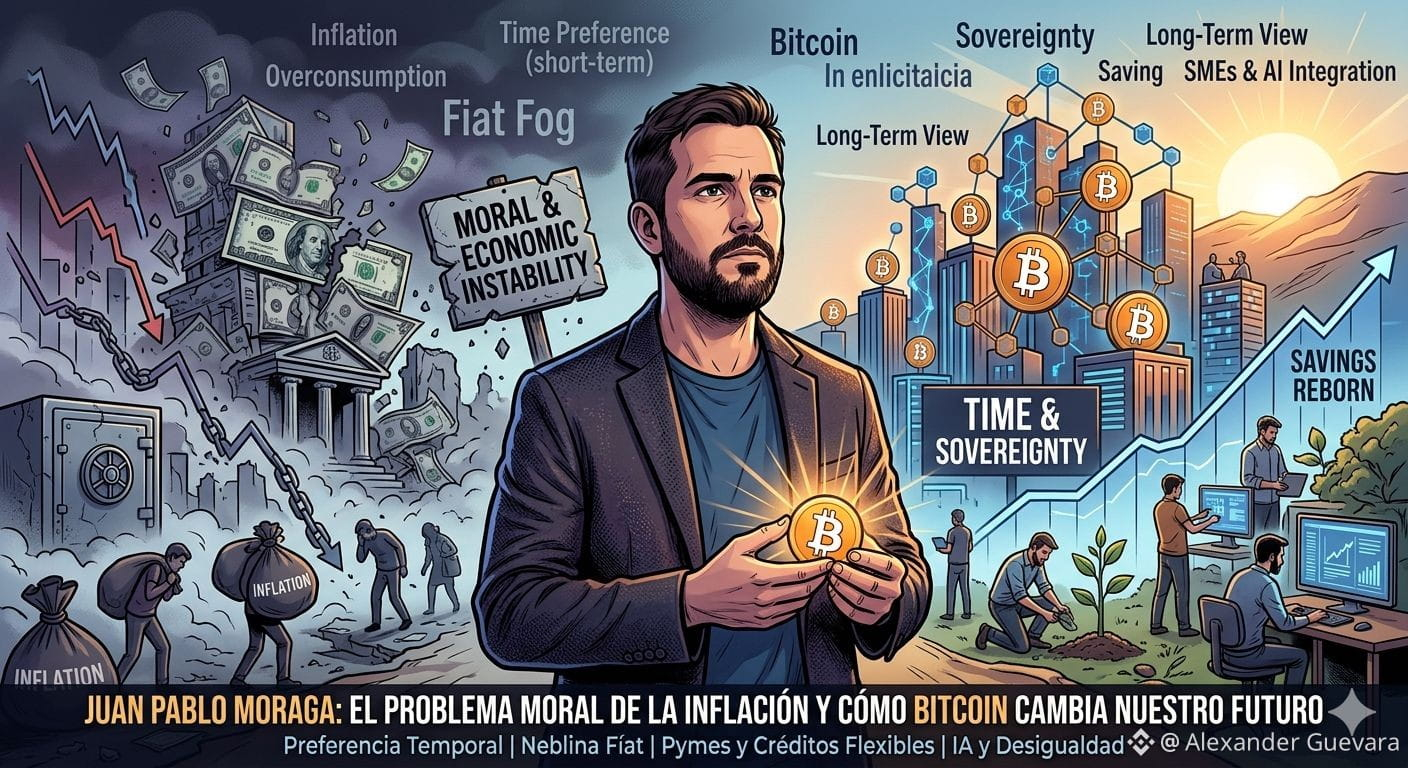
📉 Inflation, overconsumption, and loss of purchasing power… What if the issue isn’t just economic, but also moral? Juan Pablo Moraga breaks down how Bitcoin can shift our relationship with time, savings, and financial sovereignty. ⚡ We also discuss: • Time preference. • “Fiat fog.” • AI and inequality. • Bitcoin for SMEs and flexible credit. 🎥 #inflación #IA #BTC #fiat #Inversiones $BTC
📉 Inflation, overconsumption, and loss of purchasing power…

What if the issue isn’t just economic, but also moral?

Juan Pablo Moraga breaks down how Bitcoin can shift our relationship with time, savings, and financial sovereignty.

⚡ We also discuss:
• Time preference.
• “Fiat fog.”
• AI and inequality.
• Bitcoin for SMEs and flexible credit.

🎥 #inflación #IA #BTC #fiat #Inversiones $BTC
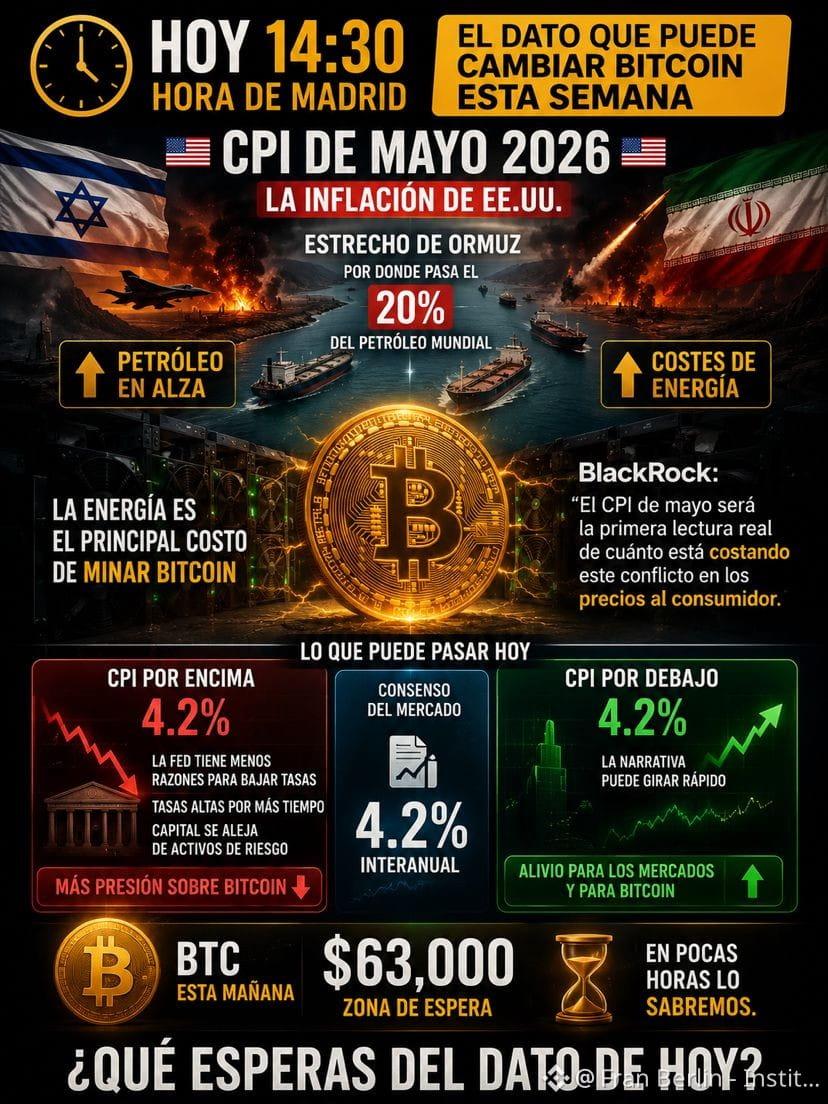
🕗 This morning, at 14:30 Madrid time, we're getting the data that could flip the script for Bitcoin this week. The CPI for May 2026. Inflation in the U.S. 🇺🇸 And there's a factor almost no one is connecting to Bitcoin's price: the Strait of Hormuz. Israel and Iran have been on edge for weeks. The Strait of Hormuz, through which 20% of the world's oil flows, has been at risk of closure. Oil prices reacted. Energy spiked. And energy is the main cost of mining Bitcoin. BlackRock put it bluntly this week: the May CPI will be the first real read on how much that conflict is affecting consumer prices. Market consensus expects a 4.2% year-over-year CPI. If the number comes in higher, the Fed has even less reason to cut rates. Higher rates for longer. Capital fleeing risk assets. More pressure on Bitcoin. If the number surprises to the downside, the narrative could shift quickly. $BTC is trading this morning around $63,000. In a holding pattern. We’ll know in a few hours. What are you expecting from today’s data? #bitcoin #inflación #Fed #InstitutoBlockchain #FranBerlin {spot}(BTCUSDT) {spot}(USDCUSDT)
🕗 This morning, at 14:30 Madrid time, we're getting the data that could flip the script for Bitcoin this week.

The CPI for May 2026. Inflation in the U.S. 🇺🇸

And there's a factor almost no one is connecting to Bitcoin's price: the Strait of Hormuz.

Israel and Iran have been on edge for weeks. The Strait of Hormuz, through which 20% of the world's oil flows, has been at risk of closure. Oil prices reacted. Energy spiked. And energy is the main cost of mining Bitcoin.

BlackRock put it bluntly this week: the May CPI will be the first real read on how much that conflict is affecting consumer prices.

Market consensus expects a 4.2% year-over-year CPI. If the number comes in higher, the Fed has even less reason to cut rates. Higher rates for longer. Capital fleeing risk assets. More pressure on Bitcoin.

If the number surprises to the downside, the narrative could shift quickly.

$BTC is trading this morning around $63,000. In a holding pattern.

We’ll know in a few hours.

What are you expecting from today’s data?

#bitcoin #inflación #Fed #InstitutoBlockchain #FranBerlin

Tomorrow the CPI for May will be published and Wall Street already has a number in mind. Consensus points to an annual inflation rate of 4.2%. Nothing spectacular. But not something to ignore either. If the data confirms that figure, the market will react quickly. $BTC usually moves strongly with these readings. Will you be watching the announcement, or do you prefer to wait? #Inflación #CPI #Binance
Tomorrow the CPI for May will be published and Wall Street already has a number in mind.

Consensus points to an annual inflation rate of 4.2%.

Nothing spectacular. But not something to ignore either.

If the data confirms that figure, the market will react quickly.

$BTC usually moves strongly with these readings.

Will you be watching the announcement, or do you prefer to wait?

#Inflación #CPI #Binance
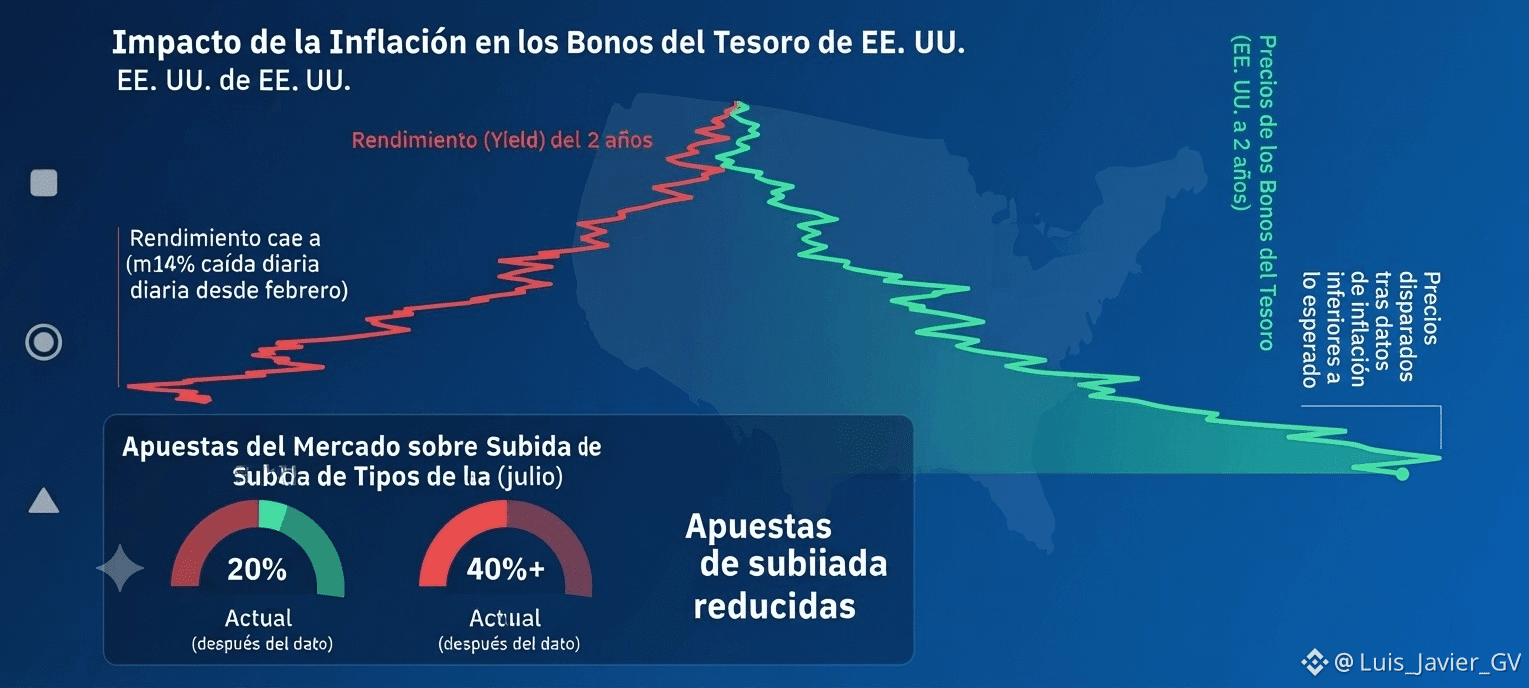
🔥🔥🔥$XRP US Treasury bond prices rose after inflation data came in lower than expected, leading traders to scale back bets on an interest-rate increase by the Federal Reserve. The two-year note yield fell 14 basis points to 4.14%, its largest daily drop since February. As a result, the probability of a rate hike in July fell to around 20%, down from 40% beforehand. Analysts say the data supports the view that the Federal Reserve will keep rates unchanged. ​#inflación #EEUU #BonosTesoro #ReservaFederal #MercadosFinancieros
🔥🔥🔥$XRP US Treasury bond prices rose after inflation data came in lower than expected, leading traders to scale back bets on an interest-rate increase by the Federal Reserve.

The two-year note yield fell 14 basis points to 4.14%, its largest daily drop since February.

As a result, the probability of a rate hike in July fell to around 20%, down from 40% beforehand.

Analysts say the data supports the view that the Federal Reserve will keep rates unchanged.

#inflación #EEUU #BonosTesoro #ReservaFederal #MercadosFinancieros
🚨 IMPORTANT — MARKETS ON ALERT 🚨 🇺🇸 Fed President Kevin Warsh appears TODAY Tuesday, July 14 at 10:00 AM ET before the House Financial Services Committee (his first testimony as Fed Chair since he replaced Powell in May). 📌 This is the Semiannual Monetary Policy Report — required by law twice a year. 👀 ALL eyes on his remarks about: * Inflation (currently between 4.2%–5.2%) * Federal funds rate (unchanged at 3.50%–3.75% since December) * Possible rate hikes before the end of 2026 📊 Extra data point: today the June CPI is also released, expected at 3.8% (down from 4.2%). ⚠️ Warsh has kept a low profile since taking office, avoiding clear signals ("forward guidance"). Any shift in tone TODAY could trigger sharp volatility in stocks, $BTC, and the entire crypto market. 🗓️ Tomorrow Wednesday he repeats before the Senate Banking Committee. MAXIMUM ATTENTION — these next few days could set the course for markets over the coming weeks. 🔥 #Fed #BTC #inflación #TasasDeInterés
🚨 IMPORTANT — MARKETS ON ALERT 🚨
🇺🇸 Fed President Kevin Warsh appears TODAY Tuesday, July 14 at 10:00 AM ET before the House Financial Services Committee (his first testimony as Fed Chair since he replaced Powell in May).
📌 This is the Semiannual Monetary Policy Report — required by law twice a year.
👀 ALL eyes on his remarks about:
* Inflation (currently between 4.2%–5.2%)
* Federal funds rate (unchanged at 3.50%–3.75% since December)
* Possible rate hikes before the end of 2026
📊 Extra data point: today the June CPI is also released, expected at 3.8% (down from 4.2%).
⚠️ Warsh has kept a low profile since taking office, avoiding clear signals ("forward guidance"). Any shift in tone TODAY could trigger sharp volatility in stocks, $BTC, and the entire crypto market.
🗓️ Tomorrow Wednesday he repeats before the Senate Banking Committee.
MAXIMUM ATTENTION — these next few days could set the course for markets over the coming weeks. 🔥
#Fed #BTC #inflación #TasasDeInterés
Global inflation continues to pressure crypto markets. Bitcoin acts as a hedge against the devaluation of fiat currencies, especially in emerging economies. Institutional adoption is growing. #Bitcoin #Inflation 📊 https://quant-fin.online 📢 @QuantF ━━━━━━━━━━━━━━━━━━ QuantFin — RUF-Flow Protocol v7 Powered by Nexus Flow Dynamics © 2026 QuantFin. Trading involves risk.
Global inflation continues to pressure crypto markets. Bitcoin acts as a hedge against the devaluation of fiat currencies, especially in emerging economies. Institutional adoption is growing. #Bitcoin #Inflation

📊 https://quant-fin.online
📢 @QuantF

━━━━━━━━━━━━━━━━━━
QuantFin — RUF-Flow Protocol v7
Powered by Nexus Flow Dynamics
© 2026 QuantFin. Trading involves risk.
Singapore has just adjusted its monetary policy unexpectedly. Unlike other central banks, the monetary authority there manages price stability by controlling the Singapore dollar exchange rate. They did it mainly due to the increase in oil prices, which is once again putting pressure on inflation. It’s interesting to see how they use their currency as the primary tool instead of the traditional interest rates. This kind of move in the global market always ends up affecting overall sentiment in assets like $BTC. What do you think about this way of managing the economy? #Singapur #Inflación #Markets
Singapore has just adjusted its monetary policy unexpectedly.

Unlike other central banks, the monetary authority there manages price stability by controlling the Singapore dollar exchange rate.

They did it mainly due to the increase in oil prices, which is once again putting pressure on inflation.

It’s interesting to see how they use their currency as the primary tool instead of the traditional interest rates.

This kind of move in the global market always ends up affecting overall sentiment in assets like $BTC .

What do you think about this way of managing the economy?

#Singapur #Inflación #Markets
·
--
Bullish
📈 #BitcoinReclaims$65K: Optimism returns $BTC reclaimed $65,000**, surpassing the **$66,000** level and breaking a resistance that stalled every attempt to rise throughout July. This is the strongest rebound since the $58,000 lows at the start of the month. {future}(BTCUSDT) 🔍 Why did it rise? 1. Cooling inflation → June’s CPI was softer, weakening the case for the Fed to raise rates. 2. ETF rescue → five straight sessions of net inflows (~$727M), with BlackRock leading the institutional comeback. 3. Asia tech rebound → KOSPI +4.7%, Nikkei +2.8%, Taiex +3.6%, driven by Samsung and SK Hynix. 4. Whales buy at $62k–$65k → they created a demand floor; 6% of the circulating supply last moved in that range. 5. Regulatory catalyst → the market is pricing in progress on the CLARITY Act, the first comprehensive U.S. digital assets law. 📊 Is it sustainable? The 30-day MVRV has turned positive again (buyers from the last month are in profit). BTC is already up +15% from July’s lows. Key levels: · Support: $65,000 (turning resistance into support is crucial) · Resistance: $67,300 - $67,500 · Target: $70,000 Risk: the U.S.-Iran conflict remains active, with Brent above $90. High oil feeds inflation, which could force the Fed to keep rates high. The key for the rally to continue: BTC defending $65k and ETF flows staying consistent. Do you think Bitcoin will consolidate above $65,000? 👇 #inflación #CLARITYAct #AnalisisTecnico #BTC
📈 #BitcoinReclaims$65K: Optimism returns

$BTC reclaimed $65,000**, surpassing the **$66,000** level and breaking a resistance that stalled every attempt to rise throughout July. This is the strongest rebound since the $58,000 lows at the start of the month.


🔍 Why did it rise?

1. Cooling inflation → June’s CPI was softer, weakening the case for the Fed to raise rates.

2. ETF rescue → five straight sessions of net inflows (~$727M), with BlackRock leading the institutional comeback.

3. Asia tech rebound → KOSPI +4.7%, Nikkei +2.8%, Taiex +3.6%, driven by Samsung and SK Hynix.

4. Whales buy at $62k–$65k → they created a demand floor; 6% of the circulating supply last moved in that range.

5. Regulatory catalyst → the market is pricing in progress on the CLARITY Act, the first comprehensive U.S. digital assets law.

📊 Is it sustainable?

The 30-day MVRV has turned positive again (buyers from the last month are in profit). BTC is already up +15% from July’s lows.

Key levels:

· Support: $65,000 (turning resistance into support is crucial)
· Resistance: $67,300 - $67,500
· Target: $70,000

Risk: the U.S.-Iran conflict remains active, with Brent above $90. High oil feeds inflation, which could force the Fed to keep rates high.

The key for the rally to continue: BTC defending $65k and ETF flows staying consistent.

Do you think Bitcoin will consolidate above $65,000? 👇

#inflación #CLARITYAct #AnalisisTecnico #BTC
BTC+8.56%
XAU+3.26%
SPYETF+0.13%
The ECB raised rates for the first time since 2023. The underlying reason: the war in Iran continues to pressure energy costs. This isn’t an isolated decision. They also increased their inflation forecasts and cut their growth expectations. That’s what catches my attention the most. Raising rates when the economy is slowing isn’t typical. But inflation won’t give any respite. $XAU usually moves in these kinds of tensions. Not because of the rate itself, but because of the full cocktail: war + energy + uncertainty. Do you think this changes the outlook for gold? #BCE #Inflation
The ECB raised rates for the first time since 2023.

The underlying reason: the war in Iran continues to pressure energy costs.

This isn’t an isolated decision.

They also increased their inflation forecasts and cut their growth expectations.

That’s what catches my attention the most.
Raising rates when the economy is slowing isn’t typical.
But inflation won’t give any respite.

$XAU usually moves in these kinds of tensions.
Not because of the rate itself, but because of the full cocktail: war + energy + uncertainty.

Do you think this changes the outlook for gold?

#BCE #Inflation
$BTC took $65,500, its highest level since June 22. The spark was the U.S. PPI inflation data, which surprised the market for the second consecutive week. The move was fast and direct. No beating around the bush. The curious thing is that the market reacted immediately, no doubts in between. What caught your attention most about this rebound? #Bitcoin #Inflation
$BTC took $65,500, its highest level since June 22.

The spark was the U.S. PPI inflation data, which surprised the market for the second consecutive week.

The move was fast and direct. No beating around the bush.

The curious thing is that the market reacted immediately, no doubts in between.

What caught your attention most about this rebound?

#Bitcoin #Inflation
Exploring @Square-Creator-0f84001b3db77 : Building Fixed-Rate DeFi 🚀 DeFi often has changing rates and uncertain returns. @termmax is working to solve this by creating fixed-rate lending and borrowing solutions. With TermMax, users can access: ✅ Fixed-rate markets ✅ Lending and borrowing tools ✅ DeFi yield opportunities ✅ Multi-chain support TermMax is bringing more predictable and efficient financial tools to Web3. What do you think about the future of fixed-rate DeFi? #DollarFallsTo10WeekLow #inflación #TermMax
Exploring @TermMaxxx : Building Fixed-Rate DeFi 🚀

DeFi often has changing rates and uncertain returns. @TermMax is working to solve this by creating fixed-rate lending and borrowing solutions.

With TermMax, users can access:
✅ Fixed-rate markets
✅ Lending and borrowing tools
✅ DeFi yield opportunities
✅ Multi-chain support

TermMax is bringing more predictable and efficient financial tools to Web3.

What do you think about the future of fixed-rate DeFi?
#DollarFallsTo10WeekLow
#inflación
#TermMax
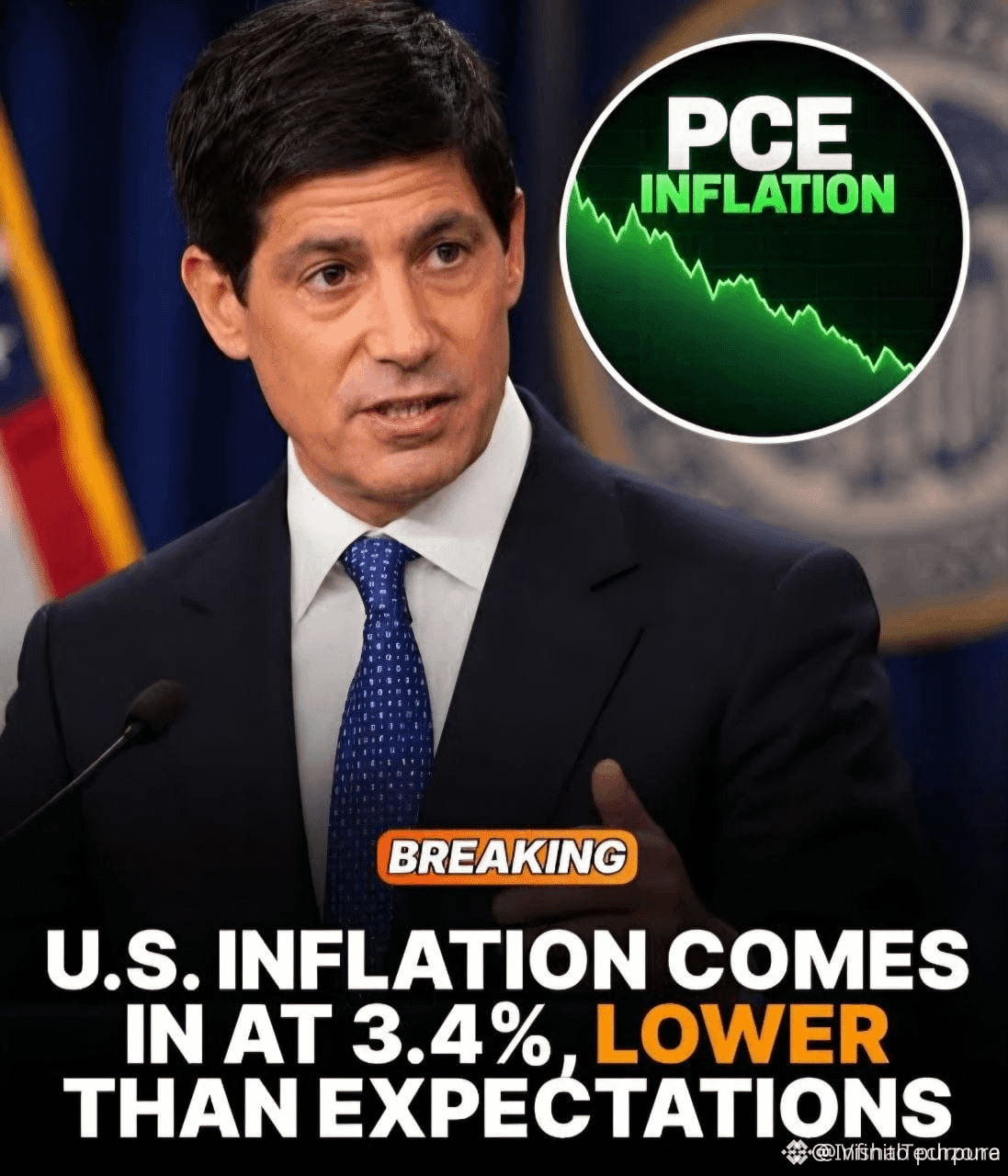
#USJulyCPI&PPIDueThisWeek July 2026 inflation data has already been published. Here are the numbers that will move the Fed: 📊 CPI (Wednesday, August 12) · YoY headline: 3.4% (vs 3.5% in June and 3.4% expected) → in line · MoM headline: 0.1% (vs -0.4% prior) · Core YoY: 2.5% (lowest since January) · Core MoM: 0.2% (most important figure) 📊 PPI (Thursday, August 13) · YoY headline: 4.7% (vs 5.5% in June and 4.9% expected) → cooler than expected · MoM headline: 0.0% (vs 0.2% expected) · Core MoM: 0.2% (vs 0.3% expected) ⚖️ What do these data mean? · Headline CPI cooled slightly (3.4% vs 3.5%) and is in line with expectations. · Core CPI fell to 2.5%, the lowest level since January 2026. · PPI was cooler than expected across the board, which reduces inflation pressure at the production level. Conclusion: CPI confirmed the slowdown in inflation, and PPI reinforced it with a cooler-than-expected print. This reduces pressure on the Fed to raise rates in September. The odds of a rate hike have fallen significantly. The market is already pricing in a Fed pause in September, which is bullish for Bitcoin and risk assets in the short term. The trend remains that inflation is moderating, although still above the 2% target. Do you think the Fed will raise rates in September, or keep the pause? 👇 #Inflación #Fed #bitcoin $BTC #MacroEconomia
#USJulyCPI&PPIDueThisWeek
July 2026 inflation data has already been published. Here are the numbers that will move the Fed:

📊 CPI (Wednesday, August 12)

· YoY headline: 3.4% (vs 3.5% in June and 3.4% expected) → in line
· MoM headline: 0.1% (vs -0.4% prior)
· Core YoY: 2.5% (lowest since January)
· Core MoM: 0.2% (most important figure)

📊 PPI (Thursday, August 13)

· YoY headline: 4.7% (vs 5.5% in June and 4.9% expected) → cooler than expected
· MoM headline: 0.0% (vs 0.2% expected)
· Core MoM: 0.2% (vs 0.3% expected)

⚖️ What do these data mean?

· Headline CPI cooled slightly (3.4% vs 3.5%) and is in line with expectations.
· Core CPI fell to 2.5%, the lowest level since January 2026.
· PPI was cooler than expected across the board, which reduces inflation pressure at the production level.

Conclusion: CPI confirmed the slowdown in inflation, and PPI reinforced it with a cooler-than-expected print. This reduces pressure on the Fed to raise rates in September. The odds of a rate hike have fallen significantly.

The market is already pricing in a Fed pause in September, which is bullish for Bitcoin and risk assets in the short term. The trend remains that inflation is moderating, although still above the 2% target.

Do you think the Fed will raise rates in September, or keep the pause? 👇

#Inflación #Fed #bitcoin $BTC #MacroEconomia
🛢️#Petroleo , Gold and Inflation: The Trio That Is Stopping the Crypto Rally If you’re trading cryptocurrencies and you’re not looking at the oil chart or the CPI data, you’re trading blind. 👁️ The digital asset market is more correlated than ever with the global macroeconomic environment. 📍 What’s happening outside the crypto sphere: High Oil: The Brent barrel is flirting with $87+, driven by geopolitical tensions. This sets off inflation alarms. 🚨 Gold as a Safe Haven: The precious metal remains steady above $4,400, indicating that big capital is looking for security. 💡 The Impact on Crypto: As energy rises and inflation remains a threat, central banks will keep tight policies. This reduces global liquidity and the appetite for risk assets like Bitcoin, keeping it under pressure. The real buy signal for crypto might not be on its own chart, but in the easing of these macro pressures. #Oro #Inflación #IPC #BitcoinVsOro
🛢️#Petroleo , Gold and Inflation: The Trio That Is Stopping the Crypto Rally

If you’re trading cryptocurrencies and you’re not looking at the oil chart or the CPI data, you’re trading blind. 👁️ The digital asset market is more correlated than ever with the global macroeconomic environment.

📍 What’s happening outside the crypto sphere:

High Oil: The Brent barrel is flirting with $87+, driven by geopolitical tensions. This sets off inflation alarms. 🚨

Gold as a Safe Haven: The precious metal remains steady above $4,400, indicating that big capital is looking for security.

💡 The Impact on Crypto: As energy rises and inflation remains a threat, central banks will keep tight policies. This reduces global liquidity and the appetite for risk assets like Bitcoin, keeping it under pressure.

The real buy signal for crypto might not be on its own chart, but in the easing of these macro pressures.

#Oro #Inflación #IPC #BitcoinVsOro
·
--
Bullish
🚨 GLOBAL ECONOMY | Growing concern over inflation and the path of interest rates Markets continue to watch closely the decisions of central banks. Although inflation has shown signs of moderation in some indicators, it remains above targets in several economies, keeping uncertainty about future changes in interest rates. For investors, this scenario is key: higher rates for longer can affect stocks, commodities, and also higher-risk assets like cryptocurrencies. 💬 Now I want to hear your opinion: 📈 Do you think central banks should start cutting rates this year? 🤔 Or keep them high to control inflation, even if that slows economic growth? 👇 Leave your answer in the comments and let’s discuss! ❤️ Follow me for more economy, markets, and investing news. 👍 Give a Like and Share if you like this kind of content. #Economía #Mercados #Inflación #Inversiones #BinanceSquare #Finanzas $BTC $ETH $BNB

🚨 GLOBAL ECONOMY | Growing concern over inflation and the path of interest rates

Markets continue to watch closely the decisions of central banks. Although inflation has shown signs of moderation in some indicators, it remains above targets in several economies, keeping uncertainty about future changes in interest rates.

For investors, this scenario is key: higher rates for longer can affect stocks, commodities, and also higher-risk assets like cryptocurrencies.

💬 Now I want to hear your opinion:

📈 Do you think central banks should start cutting rates this year?
🤔 Or keep them high to control inflation, even if that slows economic growth?

👇 Leave your answer in the comments and let’s discuss!

❤️ Follow me for more economy, markets, and investing news.
👍 Give a Like and Share if you like this kind of content.

#Economía #Mercados #Inflación #Inversiones #BinanceSquare #Finanzas
$BTC $ETH $BNB
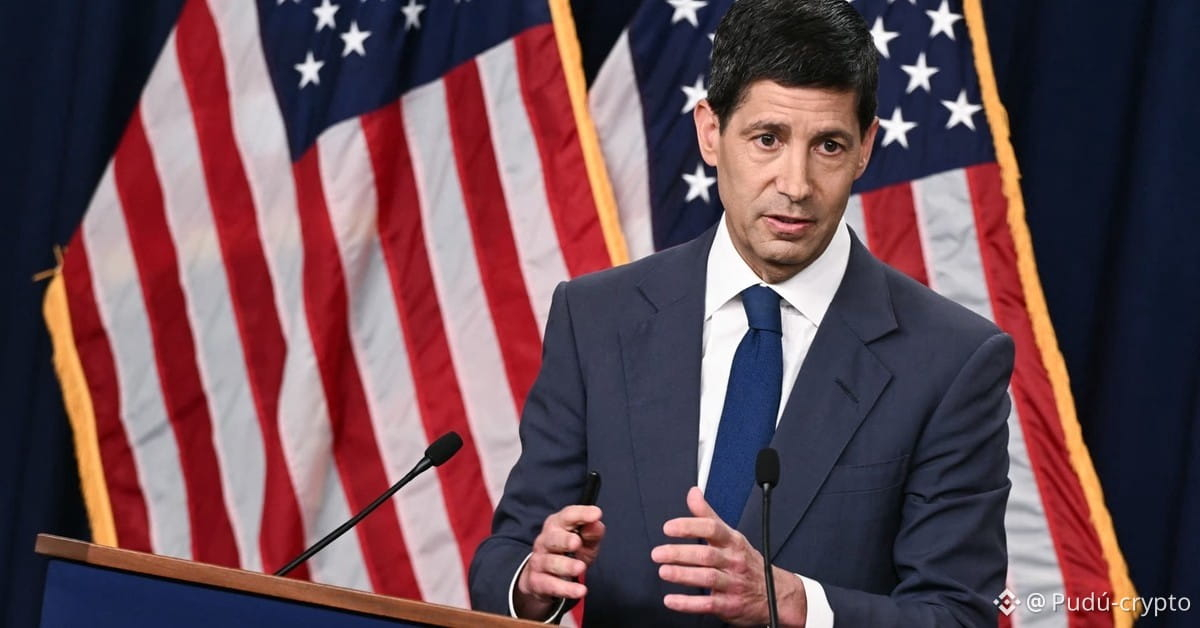
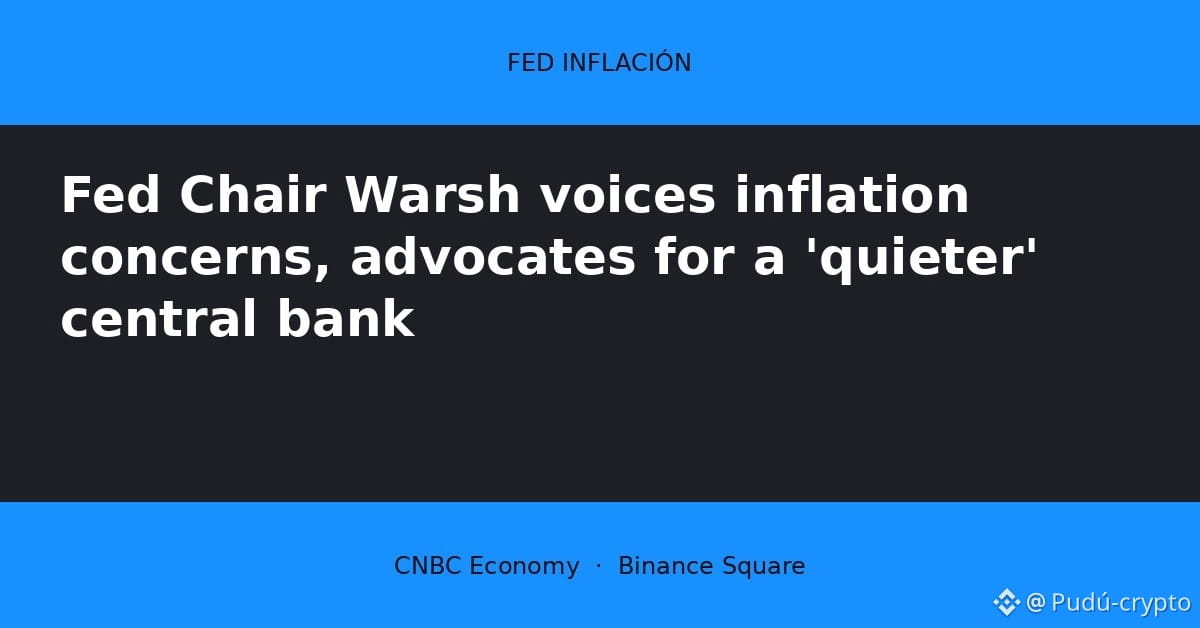
🔥 ANALYSIS: The Fed is in no hurry — and that changes the game The President of the Federal Reserve, Kevin Warsh, has once again reinforced his stance: inflation first, rate cuts afterward. 📌 His argument: the surge in oil prices (worsened by geopolitical instability in the Middle East) and the boom in AI investment are creating new price pressures that could keep inflation above the 2% target for longer than expected. ⚠️ Warsh himself said as much before Congress: he expects AI spending to push the prices measured over the next 12 months higher, even though he insists that this increase does not necessarily translate into persistent inflation. 🏦 Result: the market remains split. Part of the Fed is pushing to keep rates unchanged or even cut them; the other half is raising the possibility of hiking them before the end of the year. 💡 Takeaway for crypto and risk markets: as long as Warsh maintains this cautious tone, liquidity will remain constrained — which historically has been a headwind for risk assets like Bitcoin, even as recent inflation data (such as June’s CPI) gave him some room to maneuver. 👉 The question isn’t whether the Fed will cut — it’s when, and how much longer oil and AI will keep complicating that decision. Do you think we’ll see the first cut this year, or will it be pushed to 2027? 👇 #Fed #KevinWarshNewFedChair #inflación #bitcoin #BİNANCESQUARE
🔥 ANALYSIS: The Fed is in no hurry — and that changes the game
The President of the Federal Reserve, Kevin Warsh, has once again reinforced his stance: inflation first, rate cuts afterward.
📌 His argument: the surge in oil prices (worsened by geopolitical instability in the Middle East) and the boom in AI investment are creating new price pressures that could keep inflation above the 2% target for longer than expected.
⚠️ Warsh himself said as much before Congress: he expects AI spending to push the prices measured over the next 12 months higher, even though he insists that this increase does not necessarily translate into persistent inflation.
🏦 Result: the market remains split. Part of the Fed is pushing to keep rates unchanged or even cut them; the other half is raising the possibility of hiking them before the end of the year.
💡 Takeaway for crypto and risk markets: as long as Warsh maintains this cautious tone, liquidity will remain constrained — which historically has been a headwind for risk assets like Bitcoin, even as recent inflation data (such as June’s CPI) gave him some room to maneuver.
👉 The question isn’t whether the Fed will cut — it’s when, and how much longer oil and AI will keep complicating that decision.
Do you think we’ll see the first cut this year, or will it be pushed to 2027? 👇
#Fed #KevinWarshNewFedChair #inflación #bitcoin #BİNANCESQUARE
📊 Why does the Fed prefer the PCE data over the CPI? Today the PCE (Personal Consumption Expenditures) is dropping, and it's the inflation data that the Federal Reserve (the Fed) scrutinizes closely, even more than the CPI (Consumer Price Index). Why? 1️⃣ Dynamic basket: The CPI uses a fixed basket of goods. The PCE adapts. If chicken prices spike and you switch to pork, the PCE captures that; the CPI, not so much. 2️⃣ Comprehensive coverage: The PCE includes expenses paid by third parties (like employer-sponsored health insurance), not just what comes directly out of the consumer's pocket. 3️⃣ Macro perspective: The CPI measures prices. The PCE measures spending. The Fed prefers to see the full picture of how we spend. What's the outcome? The PCE often provides a smoother and more realistic view of long-term inflation, and it’s the primary compass for the Fed to decide whether to raise, lower, or maintain interest rates. Stay tuned for the data! 📈📉 #Fed #PCE #inflación #MacroEconomia #BinanceSquare
📊 Why does the Fed prefer the PCE data over the CPI?

Today the PCE (Personal Consumption Expenditures) is dropping, and it's the inflation data that the Federal Reserve (the Fed) scrutinizes closely, even more than the CPI (Consumer Price Index).

Why?

1️⃣ Dynamic basket: The CPI uses a fixed basket of goods. The PCE adapts. If chicken prices spike and you switch to pork, the PCE captures that; the CPI, not so much.

2️⃣ Comprehensive coverage: The PCE includes expenses paid by third parties (like employer-sponsored health insurance), not just what comes directly out of the consumer's pocket.

3️⃣ Macro perspective: The CPI measures prices. The PCE measures spending. The Fed prefers to see the full picture of how we spend.

What's the outcome?

The PCE often provides a smoother and more realistic view of long-term inflation, and it’s the primary compass for the Fed to decide whether to raise, lower, or maintain interest rates. Stay tuned for the data! 📈📉

#Fed #PCE #inflación #MacroEconomia #BinanceSquare
Log in to explore more content
Join global crypto users on Binance Square
⚡️ Get latest and useful information about crypto.
💬 Trusted by the world’s largest crypto exchange.
👍 Discover real insights from verified creators.
Email / Phone number