

#hbtc
hbtc
61,344 views
19 Discussing
Hot
Latest
·
--
If BTC is the Genesis of cryptocurrency, I see HBTC as Dante’s Divine Comedy at this moment of renaissance. Not because it has already reached its destination, but because it leads us back to a road we must travel.
The inferno of cryptocurrency is the mismatch between power and risk. Project teams control issuance, capital controls exits, traffic controls the narrative, and communities bear the volatility. People are asked to believe unwaveringly in the future, yet have no right to verify the rules; they are invited to join a community, only to discover, when liquidity retreats, that they are merely the last line of defense.
Purgatory in cryptocurrency means relearning rules, constraints, and responsibility. It asks communities to stop treating “decentralization” as a slogan and turn it into a capability: the ability to read contracts, track on-chain states, distinguish static mechanisms from real-time data, separate facts from projections, and reject promises that cannot possibly be kept. It also asks protocols to stop relying on vague goodwill and, as far as possible, encode issuance limits, fund flows, and permission boundaries in verifiable code.
The heaven of cryptocurrency is not a world without volatility where everyone makes money. No such heaven exists, and it is not worth believing in. True heaven is a more mature monetary community: the right to mint is open to public participants; the capacity to absorb is shaped jointly by transparent mechanisms and decentralized actors; and the right to shape the narrative belongs to those who can verify and build. There, project teams are no longer kings, capital is no longer the sole arbiter, and communities are no longer merely the last source of liquidity.
HBTC’s experiment is a proposal along this very path. #HBTC
189
·
--
Let's work hard together#HBTC
Let's work hard together#HBTC

韭菲特HBTC
·
--
$HBTC To be honest, whether it’s the v4 hook protocol on Robinhood Chain or Ethereum mainnet, I’m not interested in anything besides HBTC...
2
4

·
--
CA:0x8db244f6bf052571f4e0c6065b700e714092d4b6
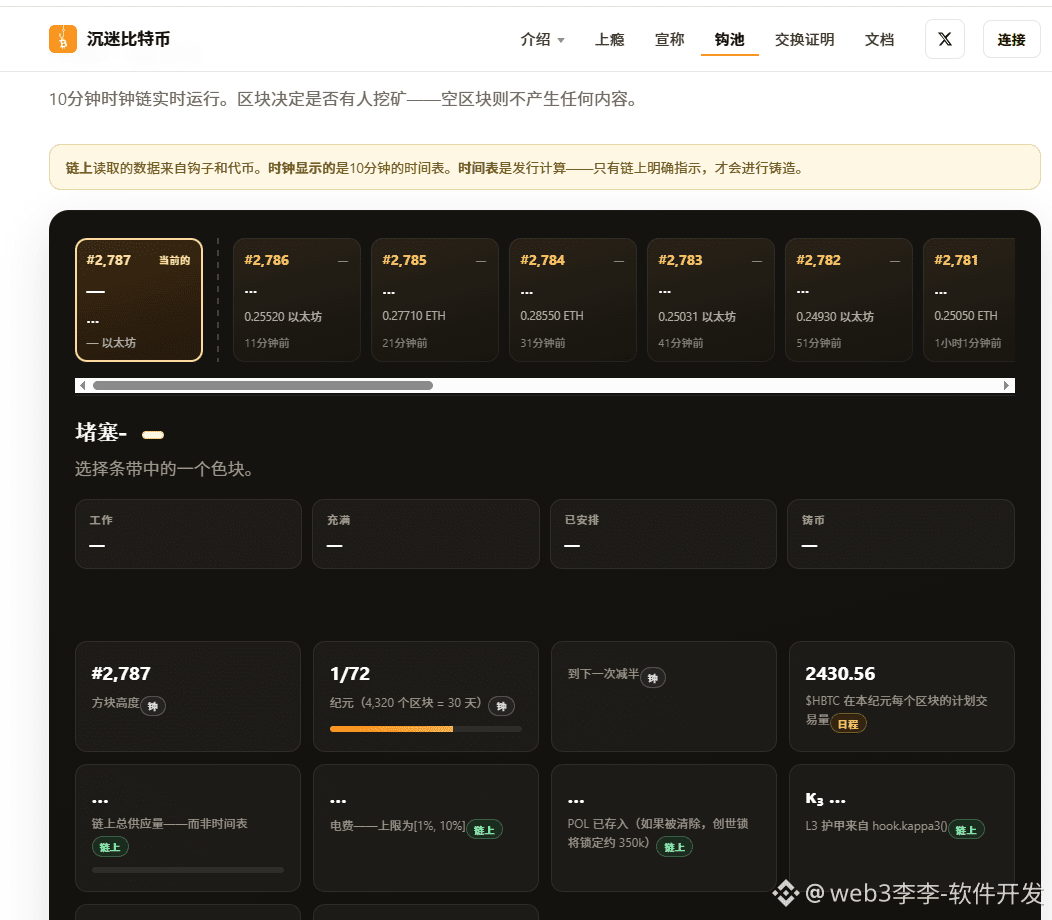
During the callback’s sideways movement, considering whether to add to the position. #HBTC
CA:0x8db244f6bf052571f4e0c6065b700e714092d4b6
During the callback’s sideways movement, considering whether to add to the position. #HBTC
During the callback’s sideways movement, considering whether to add to the position. #HBTC
1
40
Log in to explore more content
Join global crypto users on Binance Square
⚡️ Get latest and useful information about crypto.
💬 Trusted by the world’s largest crypto exchange.
👍 Discover real insights from verified creators.
Email / Phone number
Trending Topics
1
#BinanceSAFUFundTransferCompleted7499BTC
22,418 views
602 Discussing
2
#BinanceRecovery90% of stolen assets
94,303 views
146 Discussing
3
#YiHe:ProofOfReserves:10TokensAt100%Backing
107,618 views
631 Discussing
4
#BackedNotBroken:RichardTengSaysUsersBearNoLoss
21,033 views
391 Discussing
5
#CZSaysCompensationIsinPlaceUsersAreProtected
104,810 views
1,294 Discussing
6
#IntelHasItsWorstDaySince1974
36,831 views
642 Discussing
7
#TRMCambodianCasinosReceived$1.07BInCrypto
9,453 views
66 Discussing
8
#USDCCirculationFallsAbout800MInSevenDays
59,221 views
680 Discussing
9
#SuspectedNorthKoreaAttacksAccountForNearly89%OfCryptoHackLosses
13,282 views
94 Discussing
10
#OpenAICutsFundraisingTargetBy$10B
3,043 views
72 Discussing