
#fraude
fraude
130,537 views
92 Discussing
Hot
Latest

Article
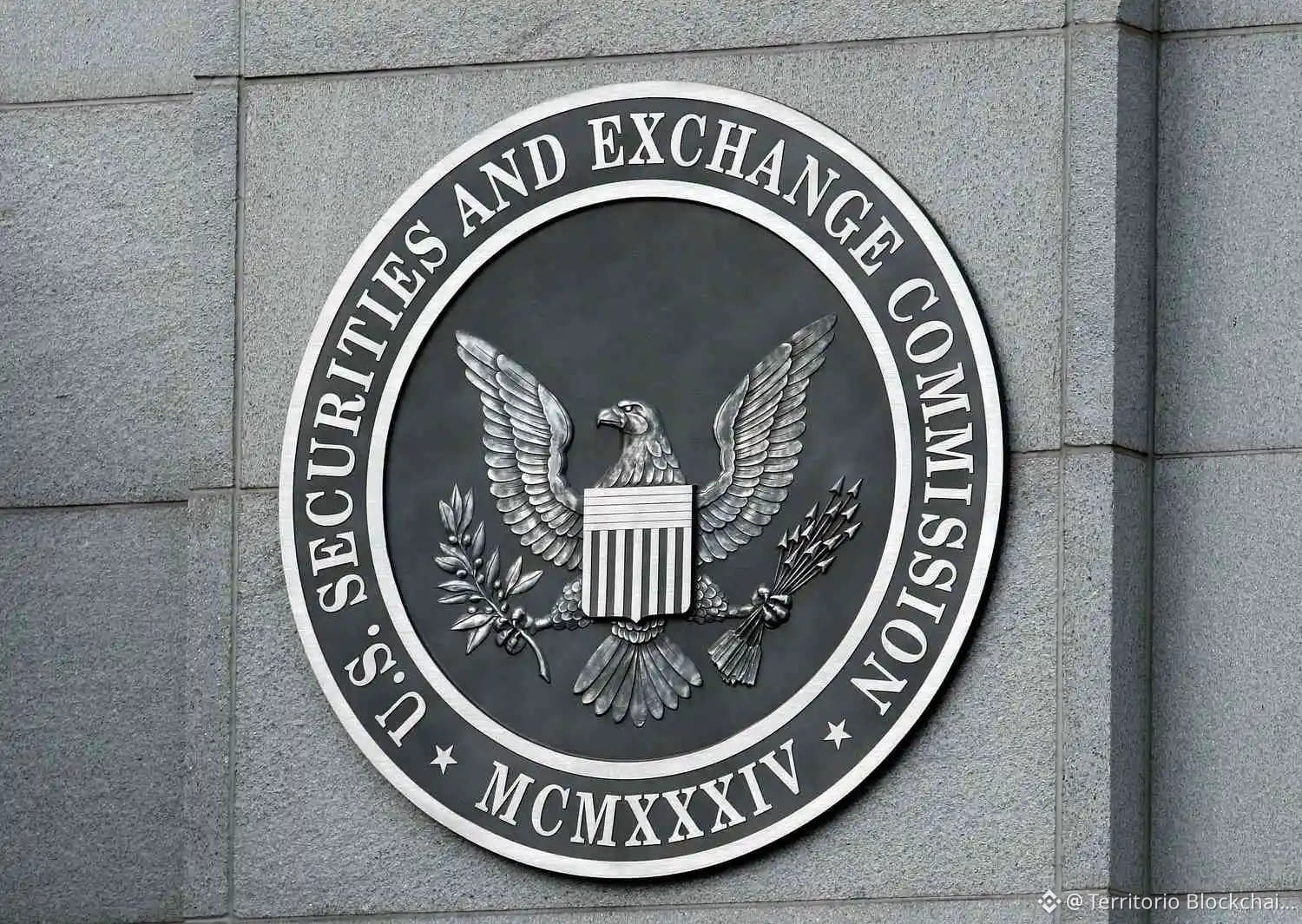
SEC closes fiscal year with 348 actions and $1.095 billion in penalties and disgorgementThe SEC has released the results of its Division of Enforcement for fiscal year 2026, which ran from October 2025 to September 30, 2026. The figures say a lot about the current state of the U.S. regulator under the leadership of Paul S. Atkins.
🔹 348 enforcement actions, 235 of them standalone actions and 113 follow-on administrative proceedings.
🔹 13 trading suspensions of Asia-based issuers over alleged manipulation.
🔹 $1.095 billion in disgorgement orders: $752 million in disgorgement and interest and $343 million in civil penalties.
SEC closes fiscal year with 348 actions and $1.095 billion in penalties and disgorgement
The SEC has released the results of its Division of Enforcement for fiscal year 2026, which ran from October 2025 to September 30, 2026. The figures say a lot about the current state of the U.S. regulator under the leadership of Paul S. Atkins.
🔹 348 enforcement actions, 235 of them standalone actions and 113 follow-on administrative proceedings.
🔹 13 trading suspensions of Asia-based issuers over alleged manipulation.
🔹 $1.095 billion in disgorgement orders: $752 million in disgorgement and interest and $343 million in civil penalties.
🔹 348 enforcement actions, 235 of them standalone actions and 113 follow-on administrative proceedings.
🔹 13 trading suspensions of Asia-based issuers over alleged manipulation.
🔹 $1.095 billion in disgorgement orders: $752 million in disgorgement and interest and $343 million in civil penalties.
1
426

·
--
Beware of this scam coin‼️
The Irys ($IRYS) airdrop scandal 🚨
The $IRYS token launch was overshadowed by massive manipulation that sent its price plunging 16% in just 24 hours. The firm Bubblemaps detected a surgical attack on the blockchain:
• 👥 900 ghost wallets: Created simultaneously and funded through the Bitget exchange just before the launch, operating in “mirror mode.”
• 💰 The haul: This coordinated group managed to bypass security filters and pocketed 80 million tokens (20% of the entire airdrop), worth $4 million.
• 📉 Immediate sell-off: The wallets sent the tokens back to the exchange to dump them en masse, directly affecting legitimate investors.
Although the Irys founder confirmed the Sybil attack and denied any ties to the internal team, the crypto community remains deeply distrustful of how precisely the eligibility criteria were exploited. Be very careful of the volatility—or it may be better to stay away and protect your money#fraude ! #irys
2
1
2
743

·
--
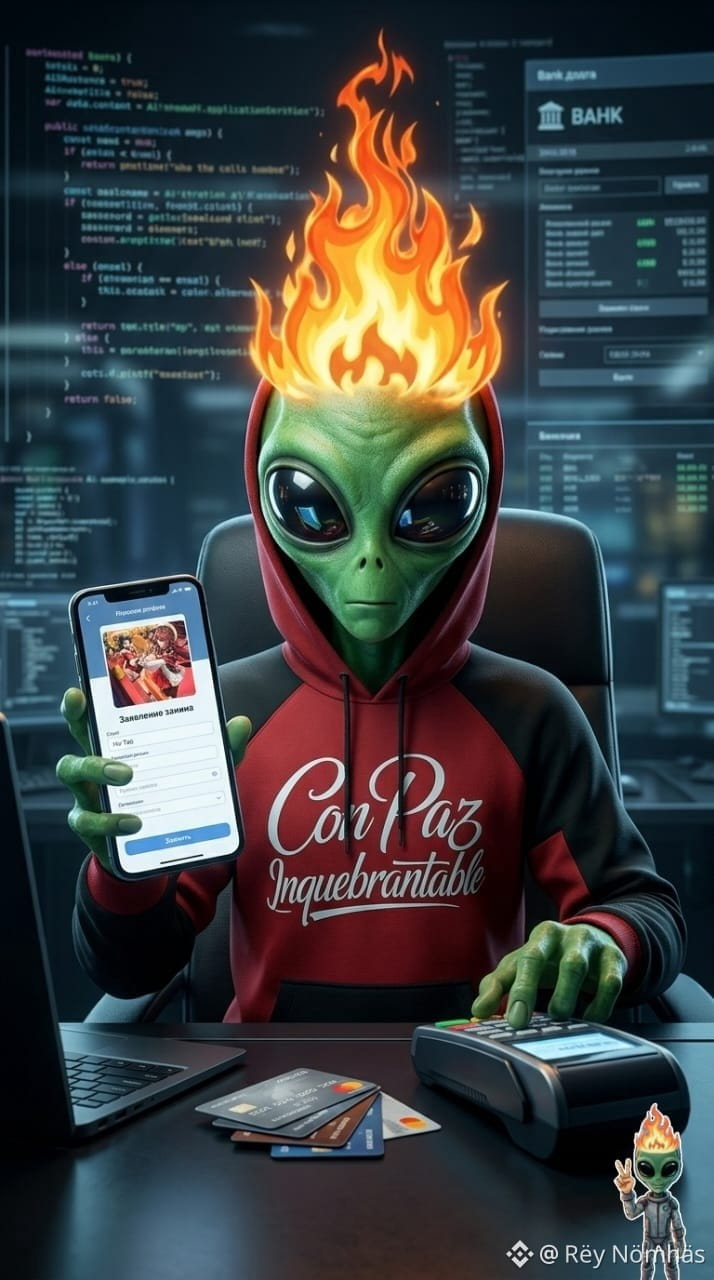
🎮 Financial Fraud with AI and Anime Characters in #Moscú 🤖
🚨 The Unusual Scam That Baffled the Banking System
A couple in Moscow used artificial intelligence to falsify passport data and apply for bank loans. What’s unusual about this case is its outcome: the scheme was dismantled when the bank analysts discovered that instead of real customer photos, the neural network attached images of anime characters such as Genshin Impact.
The scam reached 46 million rubles, stolen directly through the credit department where one of the people involved worked.
⚖️ Consequences and Security Lessons
The court handed down prison sentences for those involved. This incident shows how artificial intelligence can be used both to innovate and to carry out sophisticated financial frauds. It also highlights the vulnerability of digital verification platforms when rigorous identity controls are not in place. Cybersecurity must evolve at the same pace as generative AI to prevent breaches at this level.
💬 Do you think banks are prepared to detect fraud generated with Artificial Intelligence? $BTC $BCH $LTC
#Ciberseguridad #IA #Tecnologia #Fraude
1
564
·
--
**Detention of BitRiver's founder in Russia for alleged fraud of $1
— Analysis by EmeDotEme
#EmeDotEme #RegulacinCripto #Fraud
**Detention of BitRiver's founder in Russia for alleged fraud of $1
— Analysis by EmeDotEme
#EmeDotEme #RegulacinCripto #Fraud
— Analysis by EmeDotEme
#EmeDotEme #RegulacinCripto #Fraud
130
·
--
Article
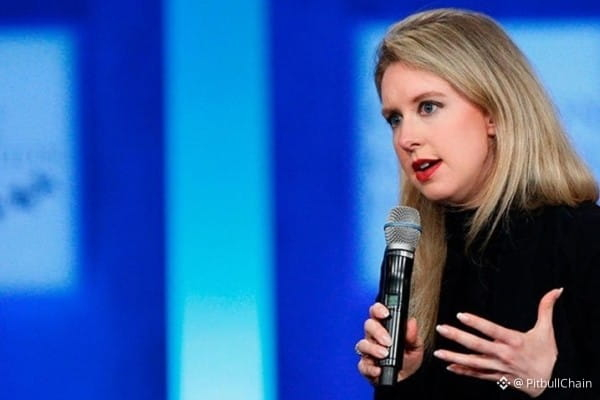
Theranos: the fraud every crypto investor in Venezuela should studyIn October, a documentary about Elizabeth Holmes returns to theaters—the woman who, at the age of 19, founded Theranos and was once worth billions on paper before falling into disgrace. Beyond the sensationalism, her story works as a masterclass for anyone today who moves bolívares, dollars, or USDT in Venezuela’s market. Because Holmes’ fraud wasn’t just a gringo tale: it was a lesson in how a brilliant narrative can conceal a product that simply doesn’t work.
Theranos: the fraud every crypto investor in Venezuela should study
In October, a documentary about Elizabeth Holmes returns to theaters—the woman who, at the age of 19, founded Theranos and was once worth billions on paper before falling into disgrace. Beyond the sensationalism, her story works as a masterclass for anyone today who moves bolívares, dollars, or USDT in Venezuela’s market. Because Holmes’ fraud wasn’t just a gringo tale: it was a lesson in how a brilliant narrative can conceal a product that simply doesn’t work.
59
OrionX shuts down and sues its former executives: The final drama 🔪
OrionX didn’t just “lose” US$7M; it now confirms its closure and files a lawsuit against its own former executives. This isn’t a hack—it’s an internal scam or a catastrophic, unconfirmed management failure. The CMF has already warned that they lacked the required permits, and what was once a rumor is now litigation. If your funds are there, it’s a long legal battle against phantom entities. My stance: this seals the end of “gray exchanges” in Chile; those who don’t comply will die in court. Would you dare to use a platform that doesn’t even respond anymore? Tell me if you knew someone who used OrionX.
#OrionX #CMF #CriptoChile #Fraude
Not financial advice. Verify before investing.
84

·
--
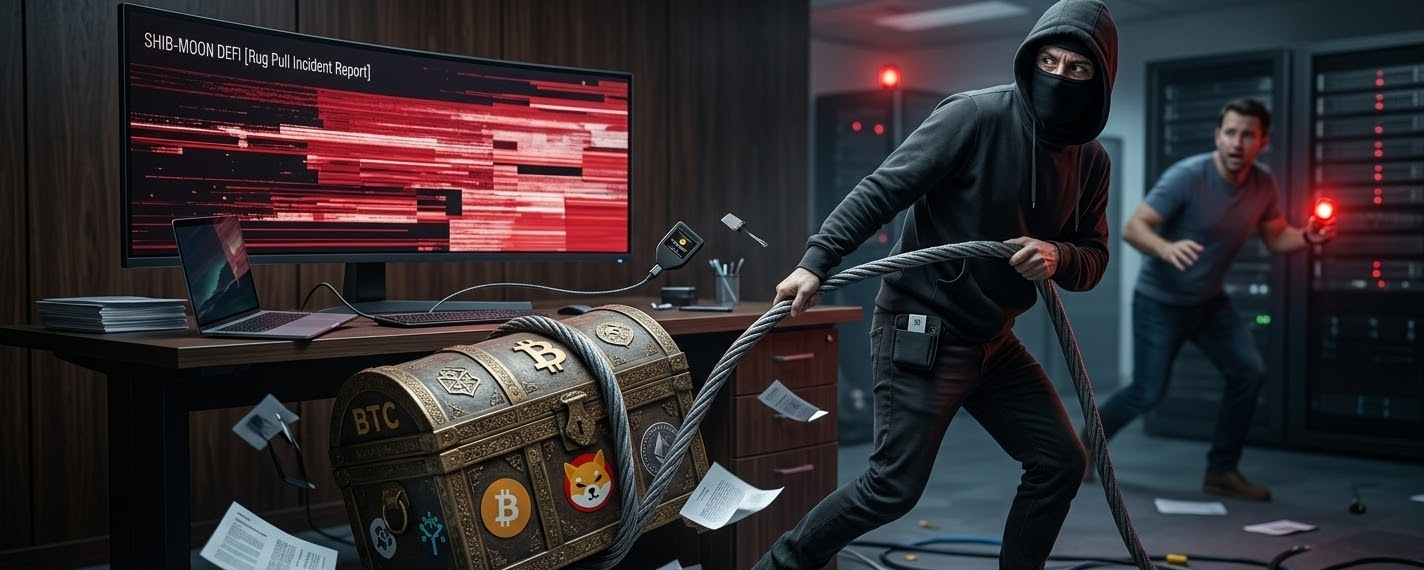
$NES #fraude many are losing with this platform due to these thefts by these fraudulent criminals, wretched people
$NES #fraude many are losing with this platform due to these thefts by these fraudulent criminals, wretched people
52
Article
🚨 CRYPTO SPAM: DON’T FALL FOR IT! 💸Did someone tell you:
🚀 “100x guaranteed!”
🎁 “You’ve won an airdrop!”
🔐 “Give me your seed phrase!”
HOLD ON! It could be a scam. 😰
🛡️ To protect yourself:
❌ Don’t click suspicious links
❌ Never share your seed phrase
❌ Be wary of guaranteed profits
🔎 Always check the official channels
🧠 Do your research before connecting your wallet
In crypto, rushing is bad for your money! 😂💰 #fraude #Rugpull #BinanceSquareFamily
$BTC
$BNB
🚨 CRYPTO SPAM: DON’T FALL FOR IT! 💸
Did someone tell you:
🚀 “100x guaranteed!”
🎁 “You’ve won an airdrop!”
🔐 “Give me your seed phrase!”
HOLD ON! It could be a scam. 😰
🛡️ To protect yourself:
❌ Don’t click suspicious links
❌ Never share your seed phrase
❌ Be wary of guaranteed profits
🔎 Always check the official channels
🧠 Do your research before connecting your wallet
In crypto, rushing is bad for your money! 😂💰 #fraude #Rugpull #BinanceSquareFamily
$BTC
$BNB
317
·
--
#fraude #Binance #fraudes #pendiente Please pay attention to this. It happened to me, and it was really unpleasant. I'm still asking Binance to take action against that user, but I still haven't received an effective response.
#fraude #Binance #fraudes #pendiente Please pay attention to this. It happened to me, and it was really unpleasant. I'm still asking Binance to take action against that user, but I still haven't received an effective response.
Hablemos P2P
·
--
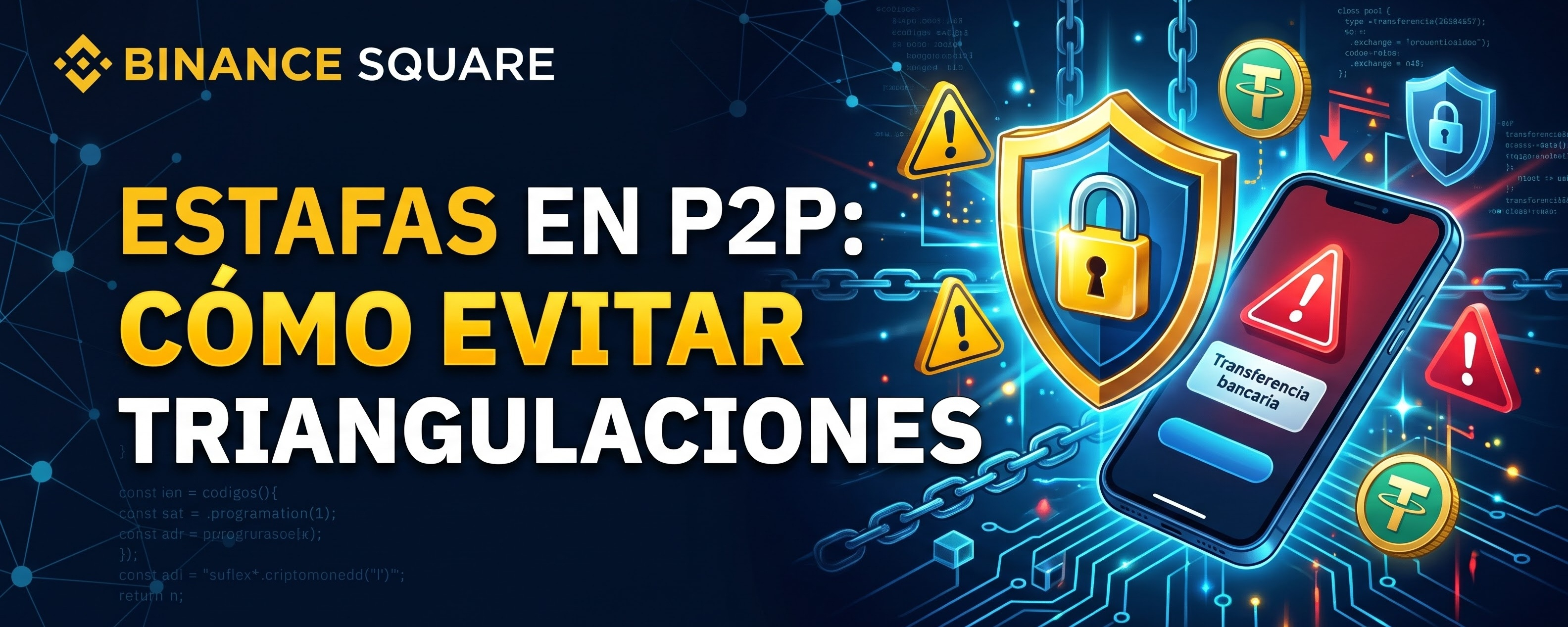
🚨 No Third Parties on Binance P2P: The Triangulation Trap and How to Protect Your Bank Account
In P2P trading, veteran traders repeat one phrase until they’re blue in the face: “I never accept third-party payments, no exceptions.” Beginners often see this rule as a nuisance that drives away quick customers. But behind this apparent rigidity lies the only real barrier between a profitable business and a police summons—or the permanent blocking of your bank accounts.
In this article, we break down the anatomy of triangulation, the most common and dangerous scam in Venezuelan P2P trading, with practical lessons drawn from real cases.
In this article, we break down the anatomy of triangulation, the most common and dangerous scam in Venezuelan P2P trading, with practical lessons drawn from real cases.
303

Robbery and robbery…
The market is underground…
What crap because I went into this fraud called … criptoo. #fraude #crypto
Robbery and robbery…
The market is underground…
What crap because I went into this fraud called … criptoo. #fraude #crypto
The market is underground…
What crap because I went into this fraud called … criptoo. #fraude #crypto
15
10
15.3k
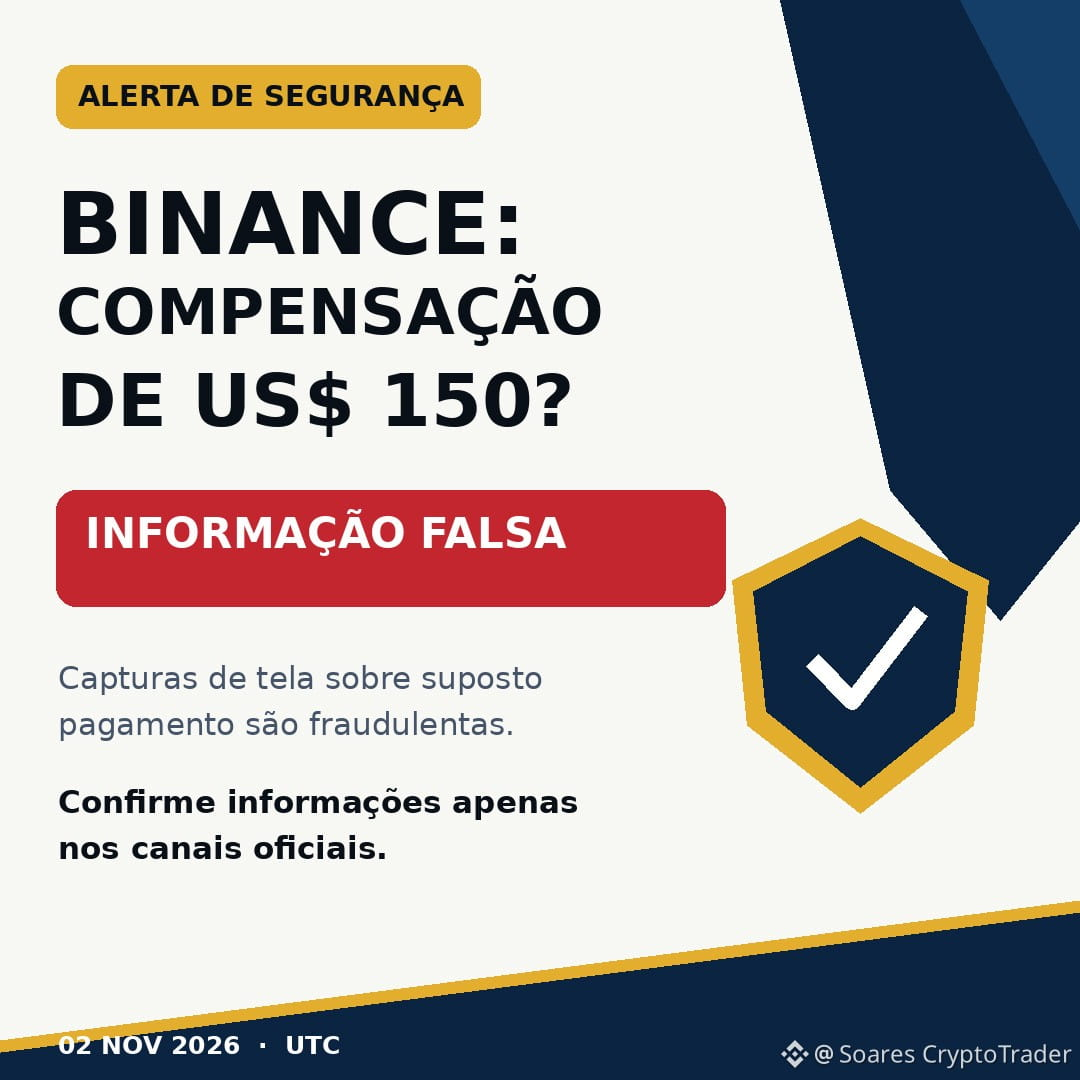
🚨 ALERT: BINANCE'S ALLEGED $150 COMPENSATION IS FAKE
Following Binance's security incident, images began circulating on social media announcing supposed $150 payments to users affected by the suspension of withdrawals.
According to information published by The Guardian on 11/02/2026 at 08:44 UTC, representatives linked to Binance warned that the screenshots had been altered and that the advertised offer is not genuine.
🔐 Warning: do not access redemption links received in private messages, do not share authentication codes, and check any announcement directly through the exchange's official channels.
The promise to cover the assets stolen in the incident is different from offering an additional $150 reward for the service disruption.
$BTC $BNB $SOL #Binance #AlertaDeGolpe #SegurancaCripto #Fraude #BinanceSquare
2
891

Article
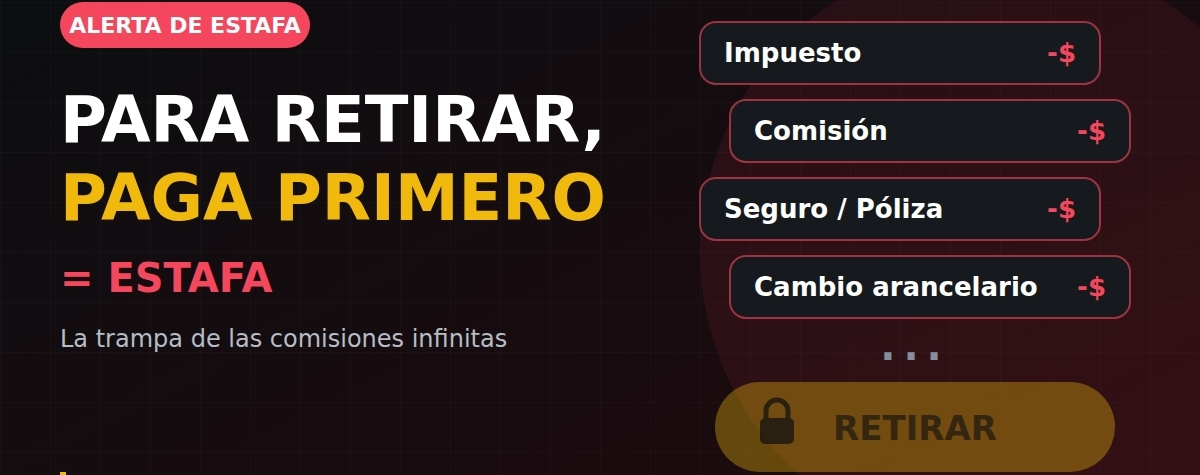
🚨 “Pay first to withdraw”: the endless-fee scam that drains accountsEven with “regulated” brokers
If they ask you to pay something to withdraw your money, it’s no longer a withdrawal: it’s a scam.
Every week, we hear about people who deposited money on a platform, saw profits on screen, tried to withdraw... and that’s when the endless chain of payments began.
---
## 🧩 How does it work? Anatomy of the scam
1️⃣ The hook. Contact through social media, WhatsApp, or Telegram; a friendly “mentor” or “account manager”; groups with “investors” showing profits (almost always fake profiles).
🚨 “Pay first to withdraw”: the endless-fee scam that drains accounts
Even with “regulated” brokers
If they ask you to pay something to withdraw your money, it’s no longer a withdrawal: it’s a scam.
Every week, we hear about people who deposited money on a platform, saw profits on screen, tried to withdraw... and that’s when the endless chain of payments began.
---
## 🧩 How does it work? Anatomy of the scam
1️⃣ The hook. Contact through social media, WhatsApp, or Telegram; a friendly “mentor” or “account manager”; groups with “investors” showing profits (almost always fake profiles).
2
394
·
--
Article
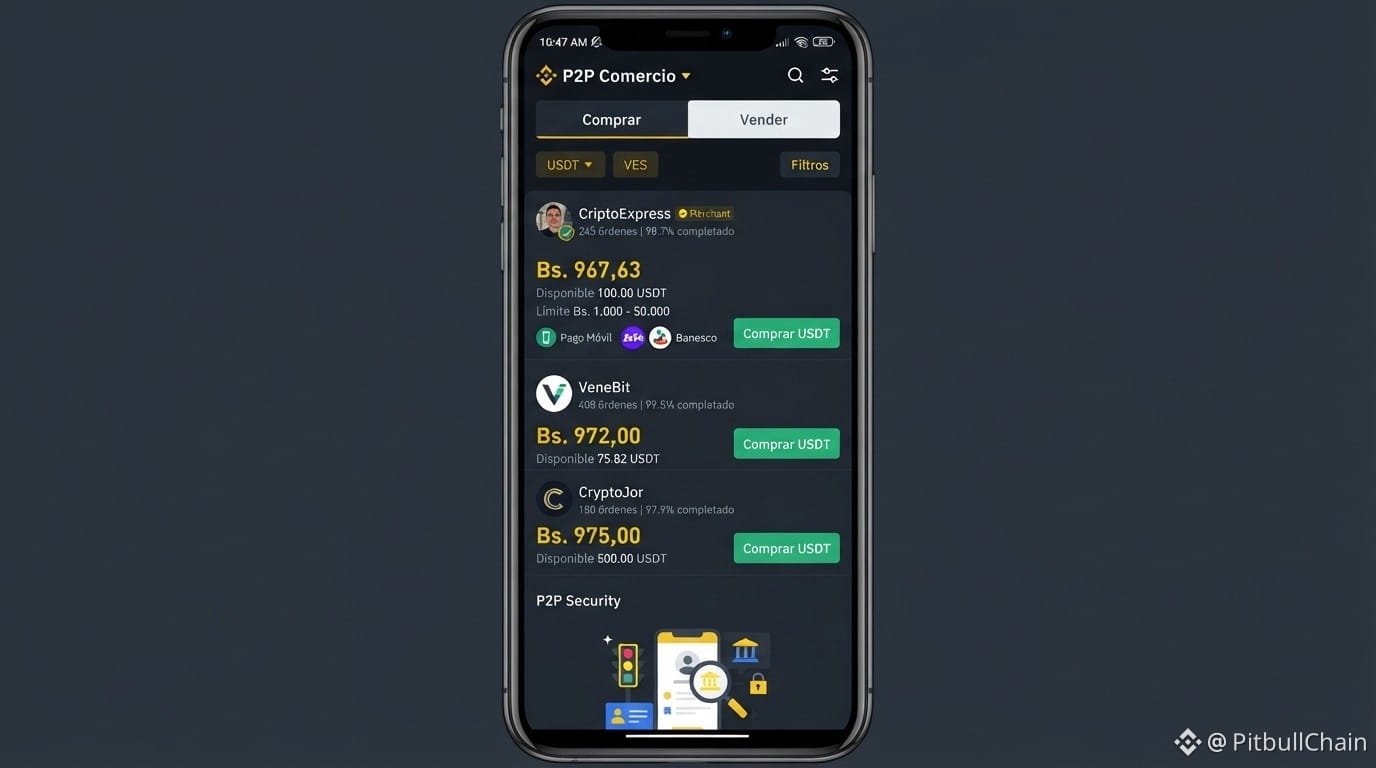
P2P Traffic Light: 7 steps to avoid fraud when buying USDTThe Venezuelan P2P market is still one of the most-used ways to buy USDT with bolivars, but it’s also a place where scams disguise themselves as attractive offers. The P2P Traffic Light scored 71 points in yellow for the USDT/VES pair on September 7, 2026 at 10:00 UTC, with a spread of 6.32% and an average buy price of Bs. 984.25. This represents a moderately cautious scenario: there is liquidity, but also risks you can reduce by following these 7 practical steps. 1. Read the P2P traffic light before clicking the buy button The P2P traffic light isn’t just for show. It’s a tool that summarizes market health with a score. At the time of the capture, it was yellow with a score of 71/100. That means conditions are mixed: review the details before you trade. Liquidity: high, with 196 active offers. Spread: high, which encourages price comparison. Volatility: low, according to internal metrics. 2. Don’t get caught by the high spread: compare it in the order book A 6.32% spread means there’s a noticeable gap between the buy and sell prices of USDT. Today, the radar shows the user can buy at Bs. 984.25 and sell at Bs. 925.72. If you only look at the first listing, you can lose more than Bs. 58 per USDT. The order book shows an even greater disparity between exchanges: based on live data, there’s a 6.64% difference between Binance’s price and the price on other platforms. Don’t buy without comparing at least three levels of the order book. 3. Filter merchants by completion rate and verification A merchant’s reputation is everything in P2P. Platforms show the completion rate percentage, account age, and number of completed trades. In a deal with a high spread, look for a merchant with at least 95% completion and more than 100 completed trades. Be suspicious of newly created offers or prices far above or below the average. 4. Review the order book: look for depth and avoid anchor prices The order book doesn’t only show prices—it shows depth. According to the P2P Radar data, there is strong buying pressure: the volume of buy orders reaches 1,137,555 USDT, while sales barely reach 103,888 USDT, a 83.26% imbalance. This means demand is high, which can push prices upward. Before buying, check whether the offer you choose has enough volume behind it for the amount you need, and avoid anchor prices that only aim to attract beginners. 5. Choose a bank with a low spread and a solid reputation in the comparator PitbullChain’s bank comparator shows that today there are significant differences between payment methods. Banesco accounts for 25.9% of the listings with an average spread of 2.18%, while Banco de Venezuela has a lower spread (0.95%) but lower liquidity. If the merchant asks you for an unusual bank or one with little presence in the comparator, stop. The dominant banks today are: Pago Móvil, Banesco, Banco de Venezuela, and Mercantil. 6. Protect your transfer: ask for exact details and verify account ownership When buying USDT, you’re the one who transfers the bolivars. That’s why bank transfers are the most sensitive point. Make sure the ownership of the bank account matches the merchant’s name. If they send you the details through another communication channel outside the platform, that’s a red flag. Also watch out for “account renting”: Binance has warned that many scams use third-party accounts to receive the money. [2] Don’t make the transfer to an account holder you can’t verify. 7. Never complete the transaction outside the platform Binance P2P security is based on the idea that the chat, payment details, and USDT custody are all kept within the platform. If, for any reason, the merchant insists on moving you to Telegram, WhatsApp, or an external website, cut off the communication. In Venezuela, P2P regulation is part of the legal crypto ecosystem, but the relative anonymity of these markets is also used by scammers. [1] Keep all evidence inside the exchange and use the dispute system if something goes wrong. Practical conclusions Buying USDT with a high spread isn’t a mistake by itself, but it requires extra review. Today, with the traffic light in yellow, the golden rule is: be skeptical of the “perfect” offer and use the tools at your disposal—P2P Traffic Light, Order Book, and Bank Comparator—to verify every step. This article is for informational purposes only and does not constitute financial advice. The figures come from the capture made on September 7, 2026 at 10:00 UTC.
P2P Traffic Light: 7 steps to avoid fraud when buying USDT
The Venezuelan P2P market is still one of the most-used ways to buy USDT with bolivars, but it’s also a place where scams disguise themselves as attractive offers. The P2P Traffic Light scored 71 points in yellow for the USDT/VES pair on September 7, 2026 at 10:00 UTC, with a spread of 6.32% and an average buy price of Bs. 984.25. This represents a moderately cautious scenario: there is liquidity, but also risks you can reduce by following these 7 practical steps. 1. Read the P2P traffic light before clicking the buy button The P2P traffic light isn’t just for show. It’s a tool that summarizes market health with a score. At the time of the capture, it was yellow with a score of 71/100. That means conditions are mixed: review the details before you trade. Liquidity: high, with 196 active offers. Spread: high, which encourages price comparison. Volatility: low, according to internal metrics. 2. Don’t get caught by the high spread: compare it in the order book A 6.32% spread means there’s a noticeable gap between the buy and sell prices of USDT. Today, the radar shows the user can buy at Bs. 984.25 and sell at Bs. 925.72. If you only look at the first listing, you can lose more than Bs. 58 per USDT. The order book shows an even greater disparity between exchanges: based on live data, there’s a 6.64% difference between Binance’s price and the price on other platforms. Don’t buy without comparing at least three levels of the order book. 3. Filter merchants by completion rate and verification A merchant’s reputation is everything in P2P. Platforms show the completion rate percentage, account age, and number of completed trades. In a deal with a high spread, look for a merchant with at least 95% completion and more than 100 completed trades. Be suspicious of newly created offers or prices far above or below the average. 4. Review the order book: look for depth and avoid anchor prices The order book doesn’t only show prices—it shows depth. According to the P2P Radar data, there is strong buying pressure: the volume of buy orders reaches 1,137,555 USDT, while sales barely reach 103,888 USDT, a 83.26% imbalance. This means demand is high, which can push prices upward. Before buying, check whether the offer you choose has enough volume behind it for the amount you need, and avoid anchor prices that only aim to attract beginners. 5. Choose a bank with a low spread and a solid reputation in the comparator PitbullChain’s bank comparator shows that today there are significant differences between payment methods. Banesco accounts for 25.9% of the listings with an average spread of 2.18%, while Banco de Venezuela has a lower spread (0.95%) but lower liquidity. If the merchant asks you for an unusual bank or one with little presence in the comparator, stop. The dominant banks today are: Pago Móvil, Banesco, Banco de Venezuela, and Mercantil. 6. Protect your transfer: ask for exact details and verify account ownership When buying USDT, you’re the one who transfers the bolivars. That’s why bank transfers are the most sensitive point. Make sure the ownership of the bank account matches the merchant’s name. If they send you the details through another communication channel outside the platform, that’s a red flag. Also watch out for “account renting”: Binance has warned that many scams use third-party accounts to receive the money. [2] Don’t make the transfer to an account holder you can’t verify. 7. Never complete the transaction outside the platform Binance P2P security is based on the idea that the chat, payment details, and USDT custody are all kept within the platform. If, for any reason, the merchant insists on moving you to Telegram, WhatsApp, or an external website, cut off the communication. In Venezuela, P2P regulation is part of the legal crypto ecosystem, but the relative anonymity of these markets is also used by scammers. [1] Keep all evidence inside the exchange and use the dispute system if something goes wrong. Practical conclusions Buying USDT with a high spread isn’t a mistake by itself, but it requires extra review. Today, with the traffic light in yellow, the golden rule is: be skeptical of the “perfect” offer and use the tools at your disposal—P2P Traffic Light, Order Book, and Bank Comparator—to verify every step. This article is for informational purposes only and does not constitute financial advice. The figures come from the capture made on September 7, 2026 at 10:00 UTC.
97


·
--
Verified
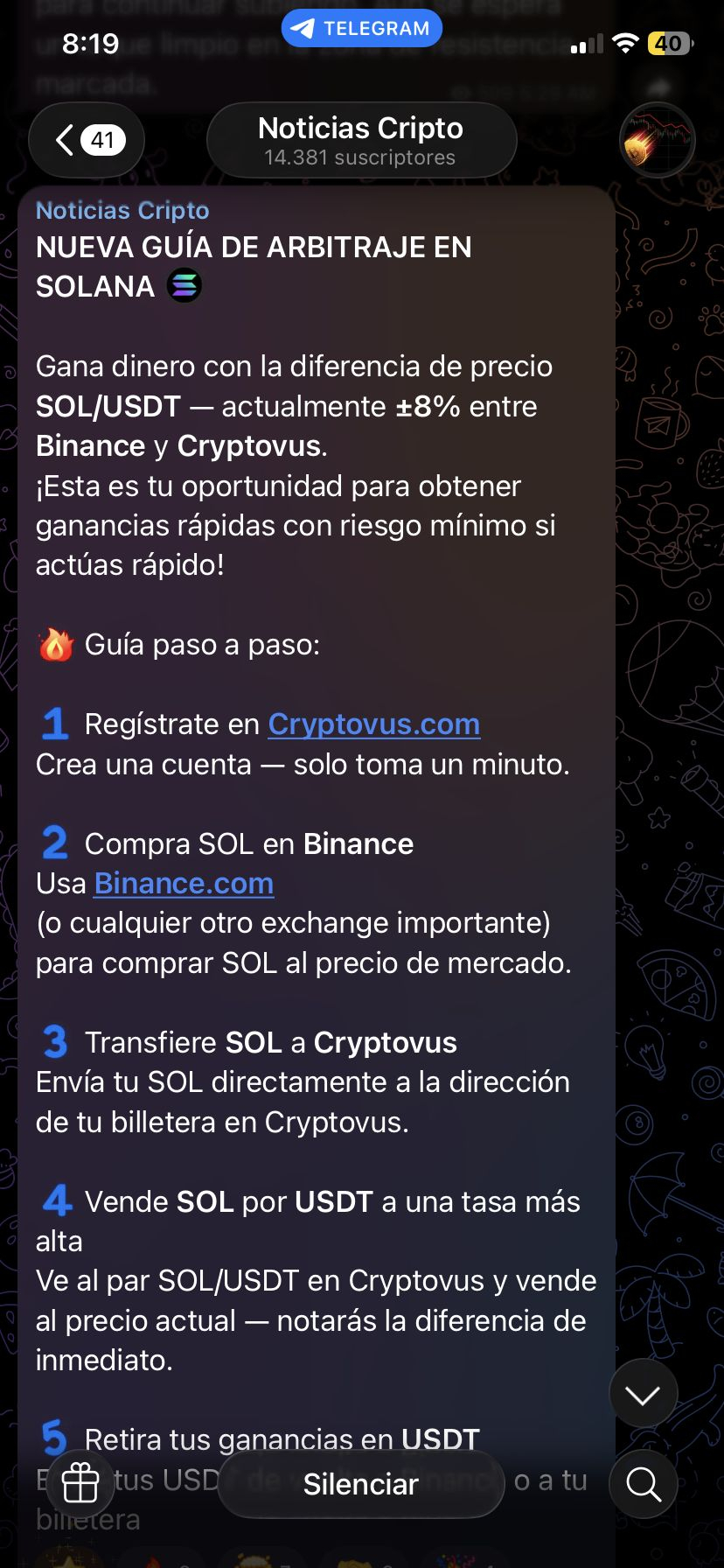
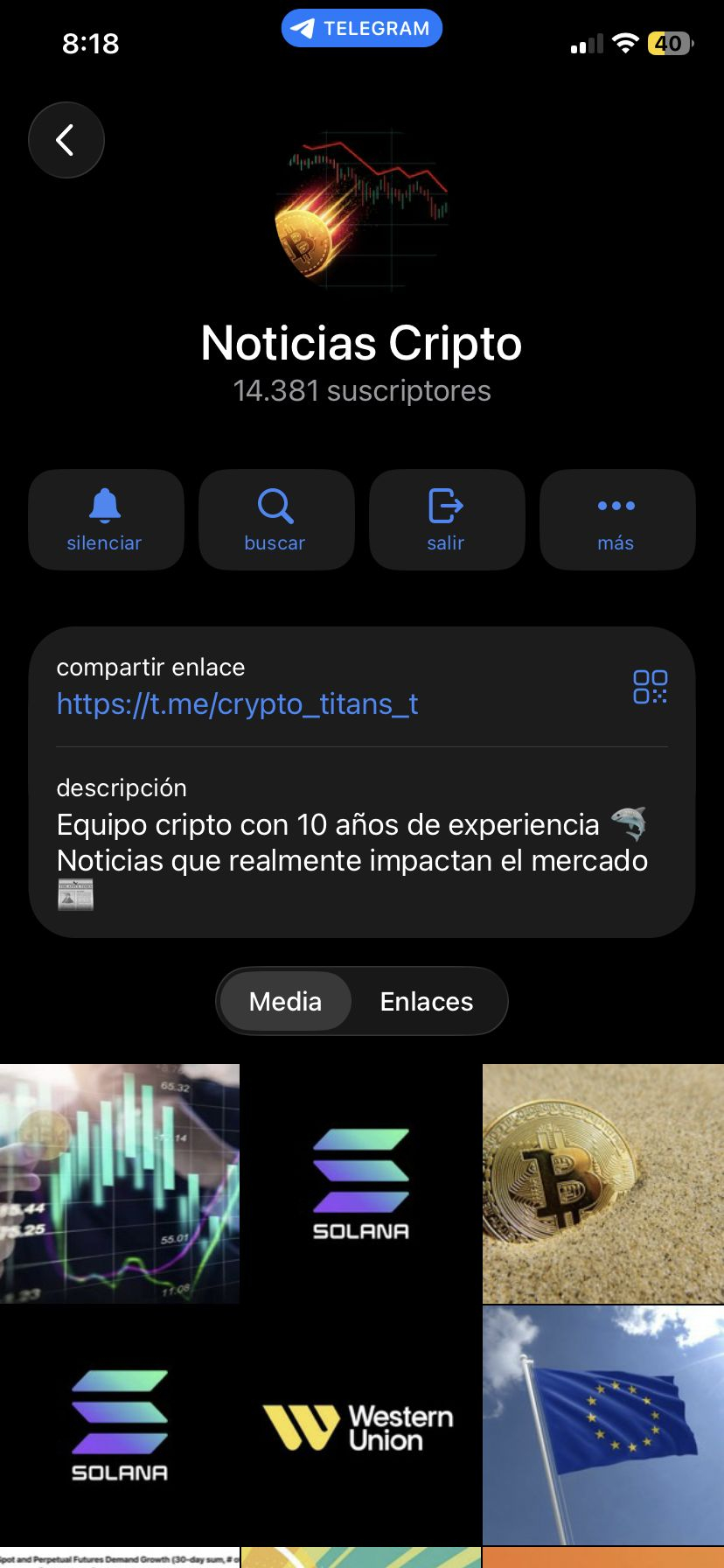
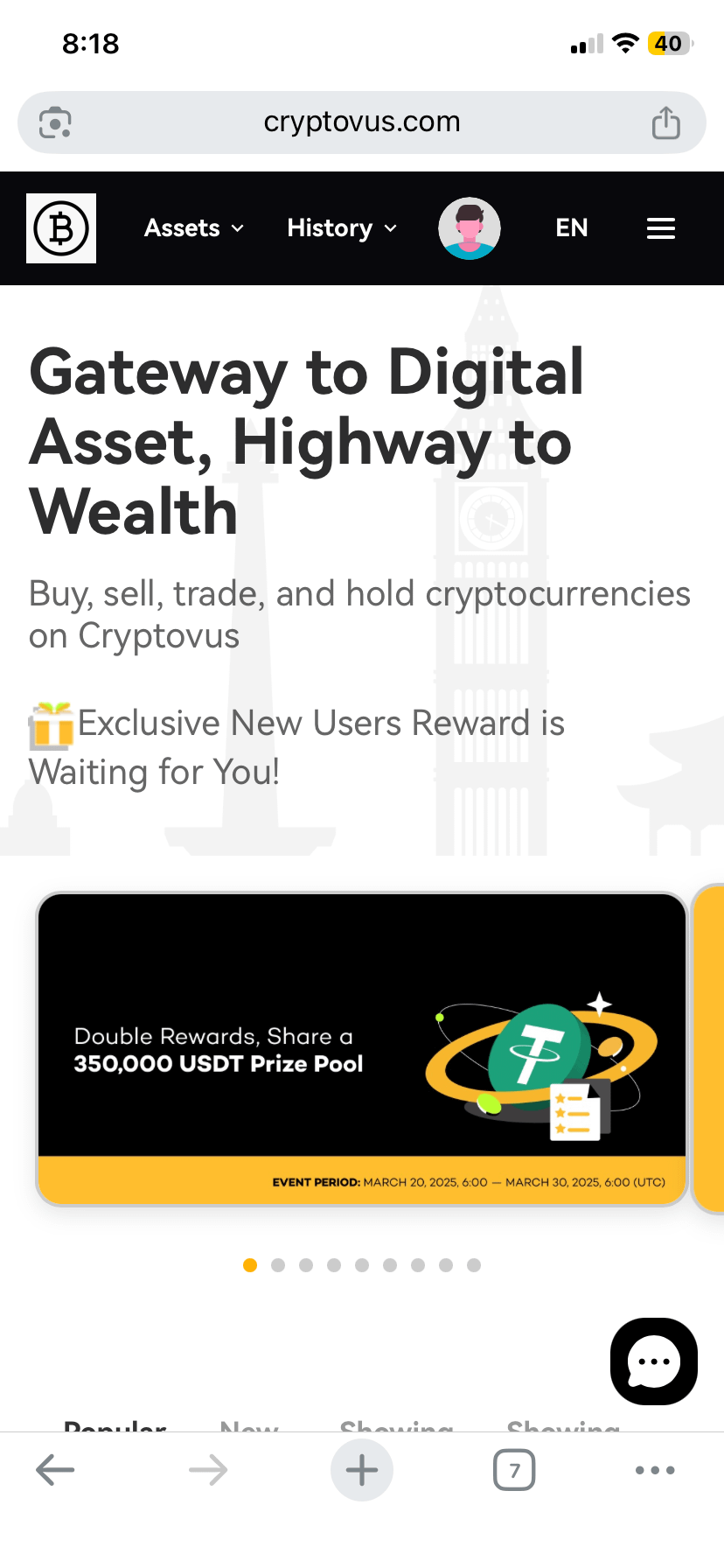
Be careful with a site called Cryptovus; it makes you execute a transaction to reel you in and then asks for 300 USDT to release your funds. They scammed me for 740 USDT #estafa #fraude #danger $ . They ripped me off via Telegram; they make you do an arbitrage and then immediately ask for 300 USDT and even up to 10,000 USDT as a trial deposit.
Be careful with a site called Cryptovus; it makes you execute a transaction to reel you in and then asks for 300 USDT to release your funds. They scammed me for 740 USDT #estafa #fraude #danger $ . They ripped me off via Telegram; they make you do an arbitrage and then immediately ask for 300 USDT and even up to 10,000 USDT as a trial deposit.
4
19
15k
Follow the Sign Project @SignOfficial on Binance Square! 💡 Discover how $SIGN supports digital sovereignty and drives the growth of the Middle East economy. #SignDigitalSovereignIn#fraude #signdigitalsovereigninfra $SIGN
Follow the Sign Project @SignOfficial on Binance Square! 💡 Discover how $SIGN supports digital sovereignty and drives the growth of the Middle East economy. #SignDigitalSovereignIn#fraude #signdigitalsovereigninfra $SIGN
1
83

·
--
Article
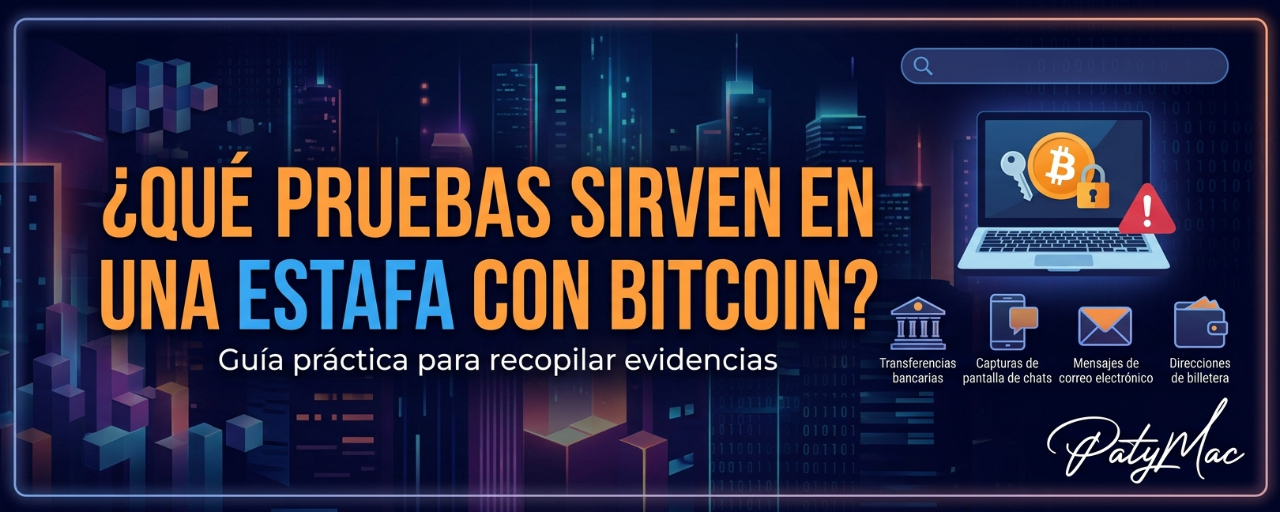
WHAT EVIDENCE WORKS IN A BITCOIN SCAM?Let’s imagine this:
A person receives a message.
“We have an investment opportunity.”
They promise extraordinary returns.
The person deposits money.
Buy USDT or Bitcoin.
They send it to a wallet.
Then tries to withdraw.
And the message appears:
“To withdraw your profits you must pay a tax.”
Pay.
After:
“A release commission is missing.”
Pay again.
And finally:
the platform disappears.
The first reaction is usually:
“How do I get my money back?”
But there is an earlier question:
WHAT EVIDENCE WORKS IN A BITCOIN SCAM?
Let’s imagine this:
A person receives a message.
“We have an investment opportunity.”
They promise extraordinary returns.
The person deposits money.
Buy USDT or Bitcoin.
They send it to a wallet.
Then tries to withdraw.
And the message appears:
“To withdraw your profits you must pay a tax.”
Pay.
After:
“A release commission is missing.”
Pay again.
And finally:
the platform disappears.
The first reaction is usually:
“How do I get my money back?”
But there is an earlier question:
528
·
--
Article
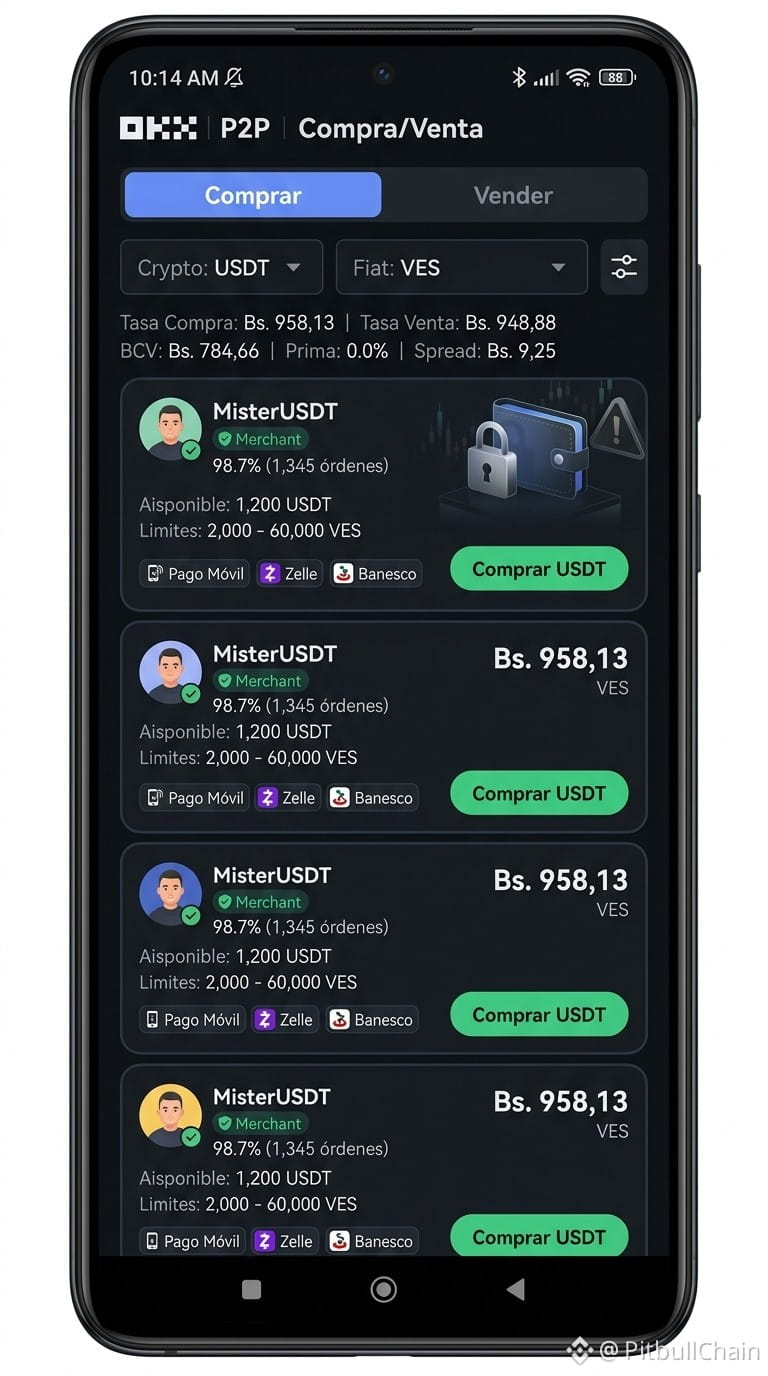
How to Avoid the 'Account Rental Trap' in P2P: Venezuela Guide Live P2P Radar Capture: 27/8/2026, 4:00:18 a. m.
USDT/VES reference Bs. 969.38
Buy USDT Bs. 969.38
Sell USDT Bs. 915.01
BCV Bs. 791.32
Premium vs BCV 22.5%
P2P Spread 5.94%
Observed offers 205
Verify current data on P2P Radar
Binance has sounded the alarms in Venezuela: the “Account Rental Trap” is a growing fraud method in the P2P market. It works by having third parties pay to use your verified account to trade, exposing you to serious legal and financial risks. This guide shows you how to detect it, what warning signs to look for, and what security protocol to follow if you trade from Venezuela.
How to Avoid the 'Account Rental Trap' in P2P: Venezuela Guide
Live P2P Radar Capture: 27/8/2026, 4:00:18 a. m.
USDT/VES reference Bs. 969.38
Buy USDT Bs. 969.38
Sell USDT Bs. 915.01
BCV Bs. 791.32
Premium vs BCV 22.5%
P2P Spread 5.94%
Observed offers 205
Verify current data on P2P Radar
Binance has sounded the alarms in Venezuela: the “Account Rental Trap” is a growing fraud method in the P2P market. It works by having third parties pay to use your verified account to trade, exposing you to serious legal and financial risks. This guide shows you how to detect it, what warning signs to look for, and what security protocol to follow if you trade from Venezuela.
186
·
--
Article
“I GOT SCAMMED WITH CRYPTO: WHAT DO I DO AND WHERE DO I REPORT IT?”Let's imagine this scenario:
A person finds on social media a supposed investment opportunity.
They promise them:
“Guaranteed gains.”
“20% monthly returns.”
“No risk.”
The person deposits money.
After that, they buy cryptocurrencies.
They send it to a wallet indicated by the alleged advisor.
And then something strange happens:
The platform stops responding.
The alleged advisor disappears.
The withdrawal is “blocked”.
And a new message appears:
“To release your funds you have to pay a commission.”
“I GOT SCAMMED WITH CRYPTO: WHAT DO I DO AND WHERE DO I REPORT IT?”
Let's imagine this scenario:
A person finds on social media a supposed investment opportunity.
They promise them:
“Guaranteed gains.”
“20% monthly returns.”
“No risk.”
The person deposits money.
After that, they buy cryptocurrencies.
They send it to a wallet indicated by the alleged advisor.
And then something strange happens:
The platform stops responding.
The alleged advisor disappears.
The withdrawal is “blocked”.
And a new message appears:
“To release your funds you have to pay a commission.”
123
2
14
137
Log in to explore more content
Join global crypto users on Binance Square
⚡️ Get latest and useful information about crypto.
💬 Trusted by the world’s largest crypto exchange.
👍 Discover real insights from verified creators.
Email / Phone number
Trending Topics
1
#USPPIMissMayEaseBTCPressure
40,990 views
728 Discussing
2
#BitcoinCoreDisclosesTorTrafficVulnerability
15,773 views
379 Discussing
3
#WhatWillDriveCryptoandStocks’NextRebound?
151,572 views
1,594 Discussing
4
#BitcoinBreaksBelow200WeekMovingAverage
50,093 views
499 Discussing
5
#SpaceXTeslaMergerTalksWouldCombine30220BTC
16,004 views
268 Discussing
6
#Anthropic’s6xIPODemandSignalsPotentialRecordRaise
52,632 views
723 Discussing
7
#USCryptoETFsLose$1.48BInFiveDays
2,678 views
51 Discussing
8
#KoreaDigitalAssetBasicActFinalDraftExpectedEarlyJanuary
3,719 views
23 Discussing
9
#RippleRLUSDMarketCapSurpassesPayPalPYUSD
10,882 views
146 Discussing
10
#JaneStreetNearlyOctuplesFidelityBitcoinETFHoldings
23,114 views
256 Discussing