
#defi̇
defi̇
2.6M views
7,744 Discussing
Hot
Latest

Tokenized stocks are not automatically the same as brokerage shares.
I checked Base’s B20 documentation after Coinbase brought tokenized U.S. stocks onchain.
The tokens can track the underlying share price, but minting and redemption remain restricted to authorized participants. Secondary-market trading may be permissionless, while issuer policies can still block addresses or pause transfers.
So what is the biggest upgrade?
24/7 access
DeFi composability
Faster settlement
Better global liquidity
Tokenization changes the rails—but custody, jurisdiction, price feeds and redemption still matter.
Educational market discussion only. Not financial advice.
#RWA #Tokenization #DEFİ #crypto
I checked Base’s B20 documentation after Coinbase brought tokenized U.S. stocks onchain.
The tokens can track the underlying share price, but minting and redemption remain restricted to authorized participants. Secondary-market trading may be permissionless, while issuer policies can still block addresses or pause transfers.
So what is the biggest upgrade?
24/7 access
DeFi composability
Faster settlement
Better global liquidity
Tokenization changes the rails—but custody, jurisdiction, price feeds and redemption still matter.
Educational market discussion only. Not financial advice.
#RWA #Tokenization #DEFİ #crypto


The Things That Make STON.fi One of the Safest Places to Trade on TON
I have been looking into STON.fis security setup and it is very serious.
Everything begins with open source contracts. Visible, no hidden parts.
Then came the experts: Trail of Bits checked the v2 DEX contracts. The same company that reviews the names in crypto.
They have bug bounties so people who find issues get paid before anyone else does.
Router upgrades are locked for 7 days. No quick changes.
Slippage protection is built in so the protocol itself tries to stop trades.
Add monitoring through CertiK and the fact that core pool contracts cannot be changed after they are put in place… and you get something rare in DeFi: real layers of protection instead of empty promises.
When a project handles security, like this it stops being "trust us" and starts being "check us."
That is the difference.
#TON #STONfi #DEFİ
I have been looking into STON.fis security setup and it is very serious.
Everything begins with open source contracts. Visible, no hidden parts.
Then came the experts: Trail of Bits checked the v2 DEX contracts. The same company that reviews the names in crypto.
They have bug bounties so people who find issues get paid before anyone else does.
Router upgrades are locked for 7 days. No quick changes.
Slippage protection is built in so the protocol itself tries to stop trades.
Add monitoring through CertiK and the fact that core pool contracts cannot be changed after they are put in place… and you get something rare in DeFi: real layers of protection instead of empty promises.
When a project handles security, like this it stops being "trust us" and starts being "check us."
That is the difference.
#TON #STONfi #DEFİ
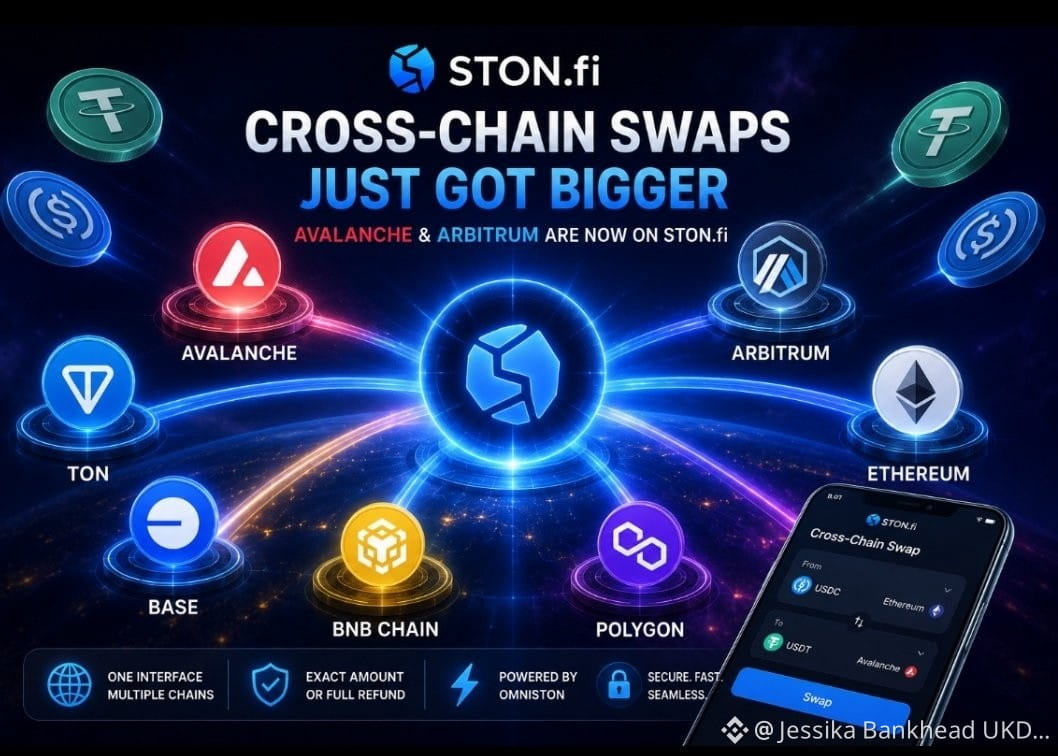

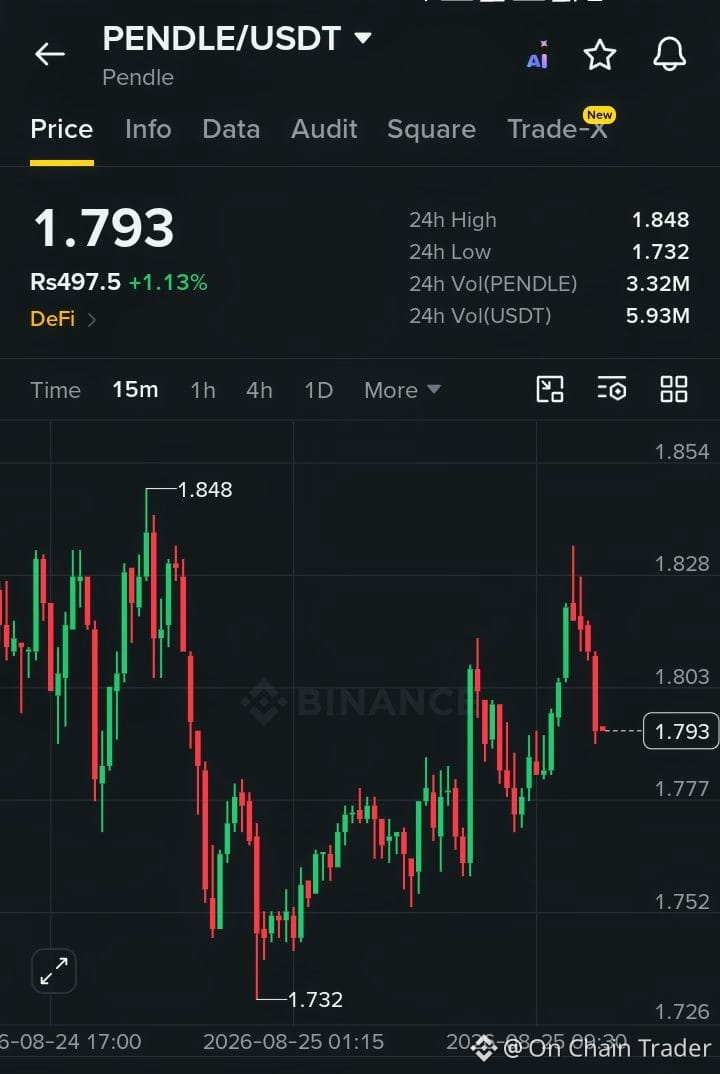
$NVDAB PENDLE is holding strong after the pullback — buyers are still active.
$1.80 is the key zone; reclaim $1.848 and breakout momentum could accelerate.
Setup: Breakout + Retest
Target: $1.90 → $2.00 → $2.10
If $1.732 breaks, bullish momentum weakens fast.
: $2Z . $PEPE #PENDLEBULLISH #PENDLE/USDT #DEFİ #PENDLE/USDT
$1.80 is the key zone; reclaim $1.848 and breakout momentum could accelerate.
Setup: Breakout + Retest
Target: $1.90 → $2.00 → $2.10
If $1.732 breaks, bullish momentum weakens fast.
: $2Z . $PEPE #PENDLEBULLISH #PENDLE/USDT #DEFİ #PENDLE/USDT

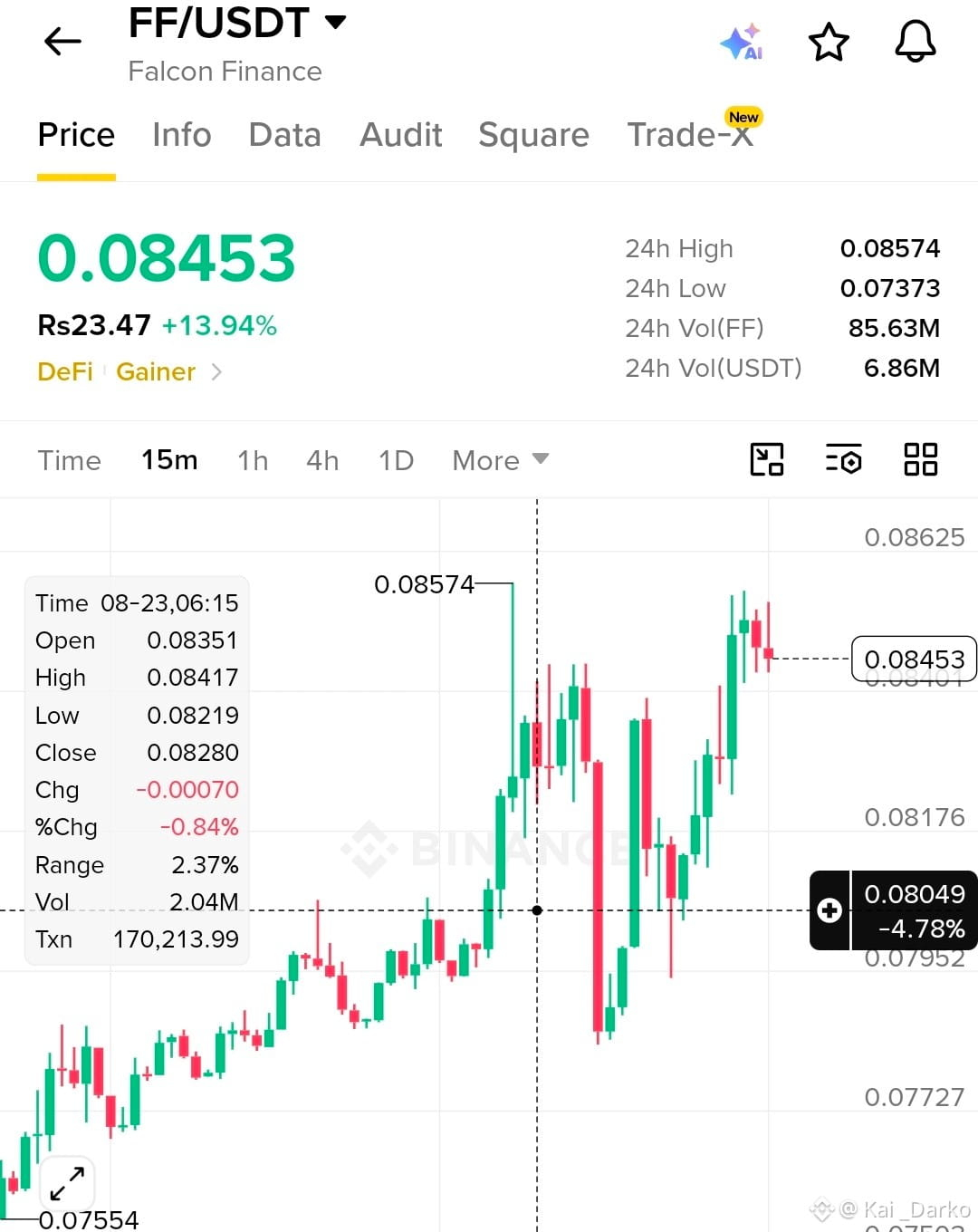
$FF /USDT EXPLODES +13.94%! 🔥**
Falcon Finance’s governance token surges to **0.08453** (Rs23.47), crushing the 24h low of 0.07373 and tagging a high of **0.08574**. Massive volume: 85.63M FF / 6.86M USDT.
FF powers the universal collateral protocol behind USDf (overcollateralized synthetic dollar) + yield-bearing sUSDf. Stake for better mint terms, lower fees & ecosystem rewards. Total supply 10B. DeFi gainer on the move — momentum building! 🚀
#FF #FalconFinance #DEFİ #Binance
Falcon Finance’s governance token surges to **0.08453** (Rs23.47), crushing the 24h low of 0.07373 and tagging a high of **0.08574**. Massive volume: 85.63M FF / 6.86M USDT.
FF powers the universal collateral protocol behind USDf (overcollateralized synthetic dollar) + yield-bearing sUSDf. Stake for better mint terms, lower fees & ecosystem rewards. Total supply 10B. DeFi gainer on the move — momentum building! 🚀
#FF #FalconFinance #DEFİ #Binance

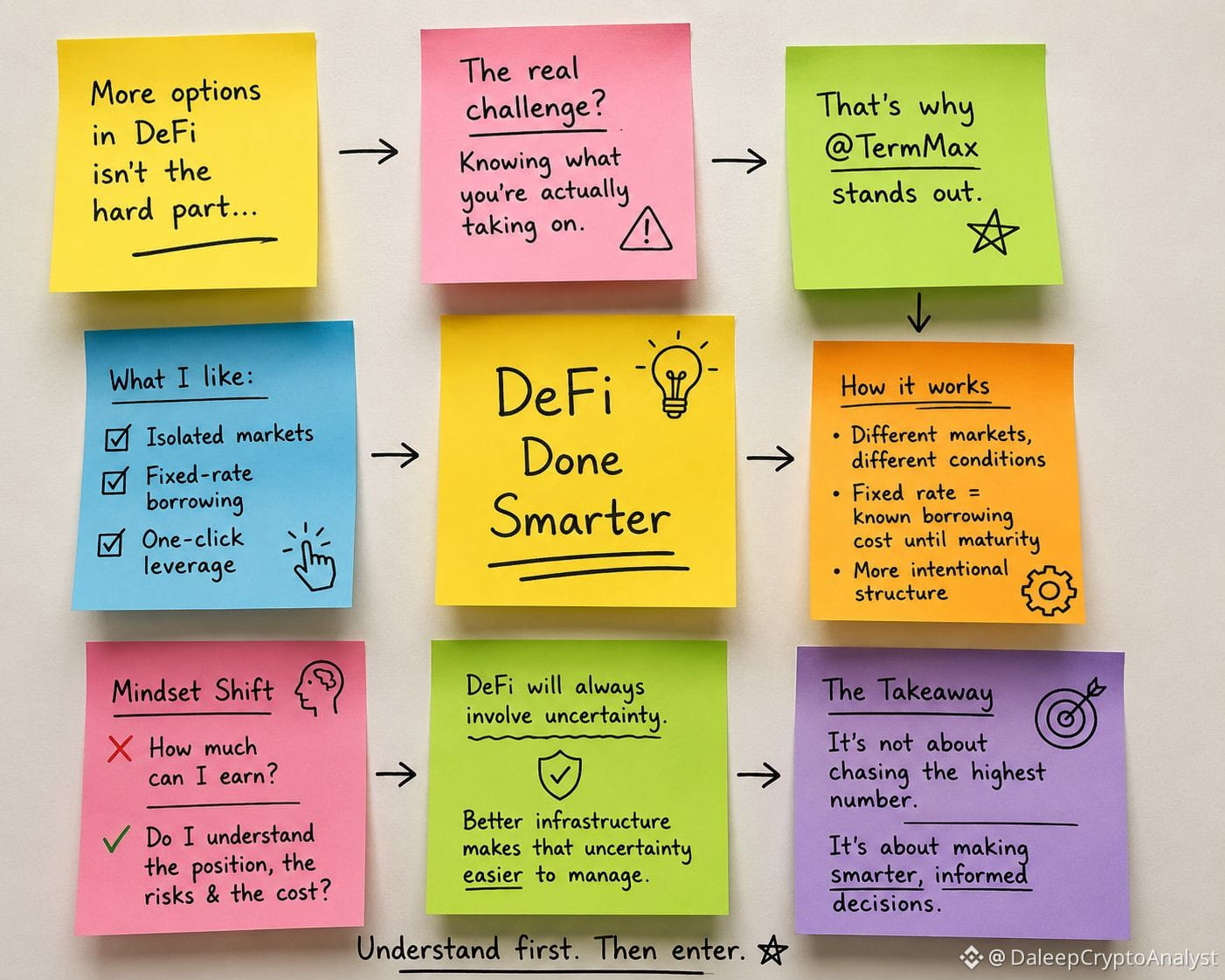
The biggest DeFi risk isn’t always the market.
Sometimes, it’s entering a position without fully understanding what you’re signing up for.
That’s why @TermMax has caught my attention.
Its design combines isolated markets, fixed-rate borrowing, and one-click leverage. The interesting part isn’t simply having more ways to use leverage—it’s having clearer parameters around the position.
With fixed-rate borrowing, the financing cost is known through maturity. And with isolated markets, different positions can operate under different market conditions instead of everything sharing the same risk environment.
That changes the question I ask before entering:
Not just “How much can this make?”
But “What exactly am I paying, what can go wrong, and do I understand the position?”
DeFi will never remove uncertainty.
Good infrastructure should make that uncertainty easier to measure.
That’s the part of @TermMax I find most interesting. #TermMax #DEFİ #crypto
Sometimes, it’s entering a position without fully understanding what you’re signing up for.
That’s why @TermMax has caught my attention.
Its design combines isolated markets, fixed-rate borrowing, and one-click leverage. The interesting part isn’t simply having more ways to use leverage—it’s having clearer parameters around the position.
With fixed-rate borrowing, the financing cost is known through maturity. And with isolated markets, different positions can operate under different market conditions instead of everything sharing the same risk environment.
That changes the question I ask before entering:
Not just “How much can this make?”
But “What exactly am I paying, what can go wrong, and do I understand the position?”
DeFi will never remove uncertainty.
Good infrastructure should make that uncertainty easier to measure.
That’s the part of @TermMax I find most interesting. #TermMax #DEFİ #crypto

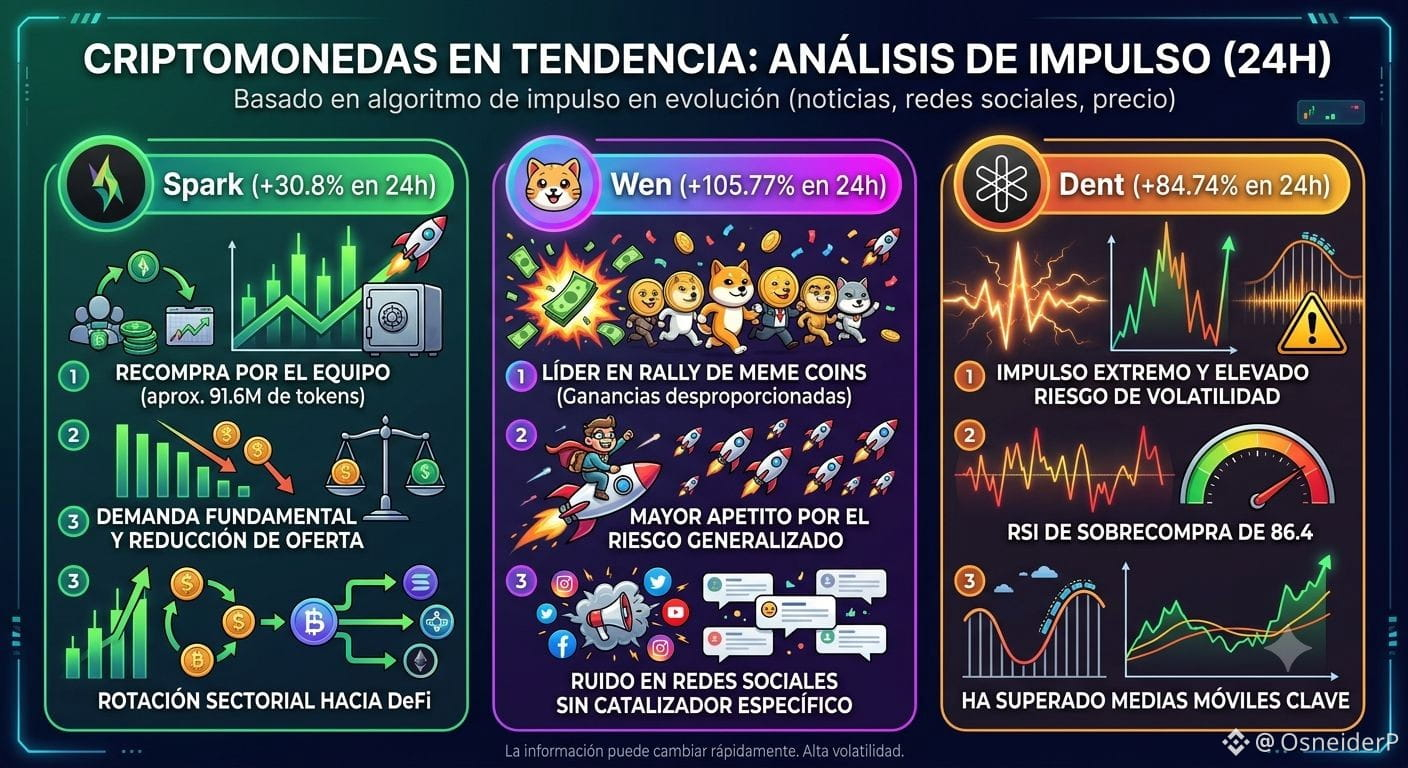
🚨 CRYPTOCURRENCIES IN THE SPOTLIGHT 🚨
The current bullish momentum is splitting between DeFi projects with solid fundamentals, such as buybacks (Spark), and purely speculative surges in meme coins (Wen). Market participants may look for high-beta gains, but the risks of overbuying remain notable in rallies like Dent's. Will Spark's buyback be able to sustain its rise, or will meme coin volume be what determines the next move?
#CryptoNews #DEFİ #MinutosFOMC~ #venezuela #CriptoNoticias $SPK $DENT
The current bullish momentum is splitting between DeFi projects with solid fundamentals, such as buybacks (Spark), and purely speculative surges in meme coins (Wen). Market participants may look for high-beta gains, but the risks of overbuying remain notable in rallies like Dent's. Will Spark's buyback be able to sustain its rise, or will meme coin volume be what determines the next move?
#CryptoNews #DEFİ #MinutosFOMC~ #venezuela #CriptoNoticias $SPK $DENT


Manzoor khan 09:
For now, let’s support each other and grow together. 🤝🔥

DeFi lending always had one major flaw: variable rate decay. You deposit into a pool chasing a 15% APY, and two days later it’s sitting at 2.1% because capital rushed in.
What makes @TermMax interesting isn't just "fixed rates," but how they handle idle capital.
Lenders lock yields upfront via zero-coupon style Fixed-Rate Tokens (FT), but if capital sits unmatched in a vault, it routes automatically to underlying protocols like Aave or Morpho instead of earning zero.
That passive base yield + fixed-term structure fixes a massive capital efficiency problem. Over $90M TVL across 10+ EVM chains shows the demand is real.
With $TMX launching on August 25, fixed income primitives are finally getting built properly in Web3.
#TermMax #DEFİ #Web3
$BNB $ETH $BTC
What makes @TermMax interesting isn't just "fixed rates," but how they handle idle capital.
Lenders lock yields upfront via zero-coupon style Fixed-Rate Tokens (FT), but if capital sits unmatched in a vault, it routes automatically to underlying protocols like Aave or Morpho instead of earning zero.
That passive base yield + fixed-term structure fixes a massive capital efficiency problem. Over $90M TVL across 10+ EVM chains shows the demand is real.
With $TMX launching on August 25, fixed income primitives are finally getting built properly in Web3.
#TermMax #DEFİ #Web3
$BNB $ETH $BTC
Atreus_5
·
--
Been watching TermMax for a while now and honestly this fixed-rate thing just makes sense.
Most of DeFi still runs on rates that change every few hours. You deposit thinking you’ll get a certain APY and by the next day it’s already different. TermMax just locks the rate and the term from the start. You know what you’re getting. Simple as that.
They’re already sitting on over $90M TVL across like 10 chains, got real users moving around, and the vaults with curators actually make it usable without babysitting positions all day.
$TMX is coming August 25. Fixed 1 billion supply. That’s the governance and utility token for the whole thing.
Not saying it’s the next huge moonshot or anything, but the product itself feels solid. Fixed rates were missing in DeFi for too long and these guys actually built it properly.
That’s all. Just sharing what I see.
#termmax @TermMax #TermMax
Most of DeFi still runs on rates that change every few hours. You deposit thinking you’ll get a certain APY and by the next day it’s already different. TermMax just locks the rate and the term from the start. You know what you’re getting. Simple as that.
They’re already sitting on over $90M TVL across like 10 chains, got real users moving around, and the vaults with curators actually make it usable without babysitting positions all day.
$TMX is coming August 25. Fixed 1 billion supply. That’s the governance and utility token for the whole thing.
Not saying it’s the next huge moonshot or anything, but the product itself feels solid. Fixed rates were missing in DeFi for too long and these guys actually built it properly.
That’s all. Just sharing what I see.
#termmax @TermMax #TermMax

I’m bullish on $HYPE , and the reason goes far beyond its recent price action.
To me, Hyperliquid is gradually evolving from a crypto perpetual DEX into a much broader piece of onchain financial infrastructure.
The numbers already show real adoption. In H1 2026, Hyperliquid generated $419.3 million in gross fees, up 31% year-over-year, while average daily active users increased about 90%. Total H1 trading volume reached roughly $1.29 trillion. Even more impressive, Hyperliquid held around $9.1 billion in open interest, representing about 10.3% of the entire crypto perpetual market, including centralized exchanges. Within decentralized perpetuals alone, its share of open interest was about 54.5% — more than the rest of the onchain market combined.
What makes the next stage particularly interesting is HIP-3. External builders can use Hyperliquid’s infrastructure to create markets for assets beyond crypto, including equities, commodities and pre-IPO assets. HIP-3 went from almost nothing to 11.2% of Hyperliquid’s gross fees in less than a year. This significantly expands the addressable market beyond BTC and altcoin trading.
HIP-4 could push this even further by opening infrastructure for fully collateralized prediction markets and options-style products. Deployers would also need to stake substantial amounts of HYPE, potentially creating another source of structural token demand.
There are risks. Core protocol revenue declined slightly in H1 because HIP-3 builders retain part of their fees, and competition and regulation remain important questions. But I actually think acknowledging this makes the bull case stronger: user growth and total economic activity are expanding even while Hyperliquid deliberately gives outside builders incentives to build on top of it.
That is why I remain bullish on $HYPE .
$HYPE #hype #Hyperliquid #DEFİ
To me, Hyperliquid is gradually evolving from a crypto perpetual DEX into a much broader piece of onchain financial infrastructure.
The numbers already show real adoption. In H1 2026, Hyperliquid generated $419.3 million in gross fees, up 31% year-over-year, while average daily active users increased about 90%. Total H1 trading volume reached roughly $1.29 trillion. Even more impressive, Hyperliquid held around $9.1 billion in open interest, representing about 10.3% of the entire crypto perpetual market, including centralized exchanges. Within decentralized perpetuals alone, its share of open interest was about 54.5% — more than the rest of the onchain market combined.
What makes the next stage particularly interesting is HIP-3. External builders can use Hyperliquid’s infrastructure to create markets for assets beyond crypto, including equities, commodities and pre-IPO assets. HIP-3 went from almost nothing to 11.2% of Hyperliquid’s gross fees in less than a year. This significantly expands the addressable market beyond BTC and altcoin trading.
HIP-4 could push this even further by opening infrastructure for fully collateralized prediction markets and options-style products. Deployers would also need to stake substantial amounts of HYPE, potentially creating another source of structural token demand.
There are risks. Core protocol revenue declined slightly in H1 because HIP-3 builders retain part of their fees, and competition and regulation remain important questions. But I actually think acknowledging this makes the bull case stronger: user growth and total economic activity are expanding even while Hyperliquid deliberately gives outside builders incentives to build on top of it.
That is why I remain bullish on $HYPE .
$HYPE #hype #Hyperliquid #DEFİ

Crypto_Vision:
Підписуйтесь на Crypto_Vision 👍 — я підпишуся на вас у відповідь 1:1. 🤝

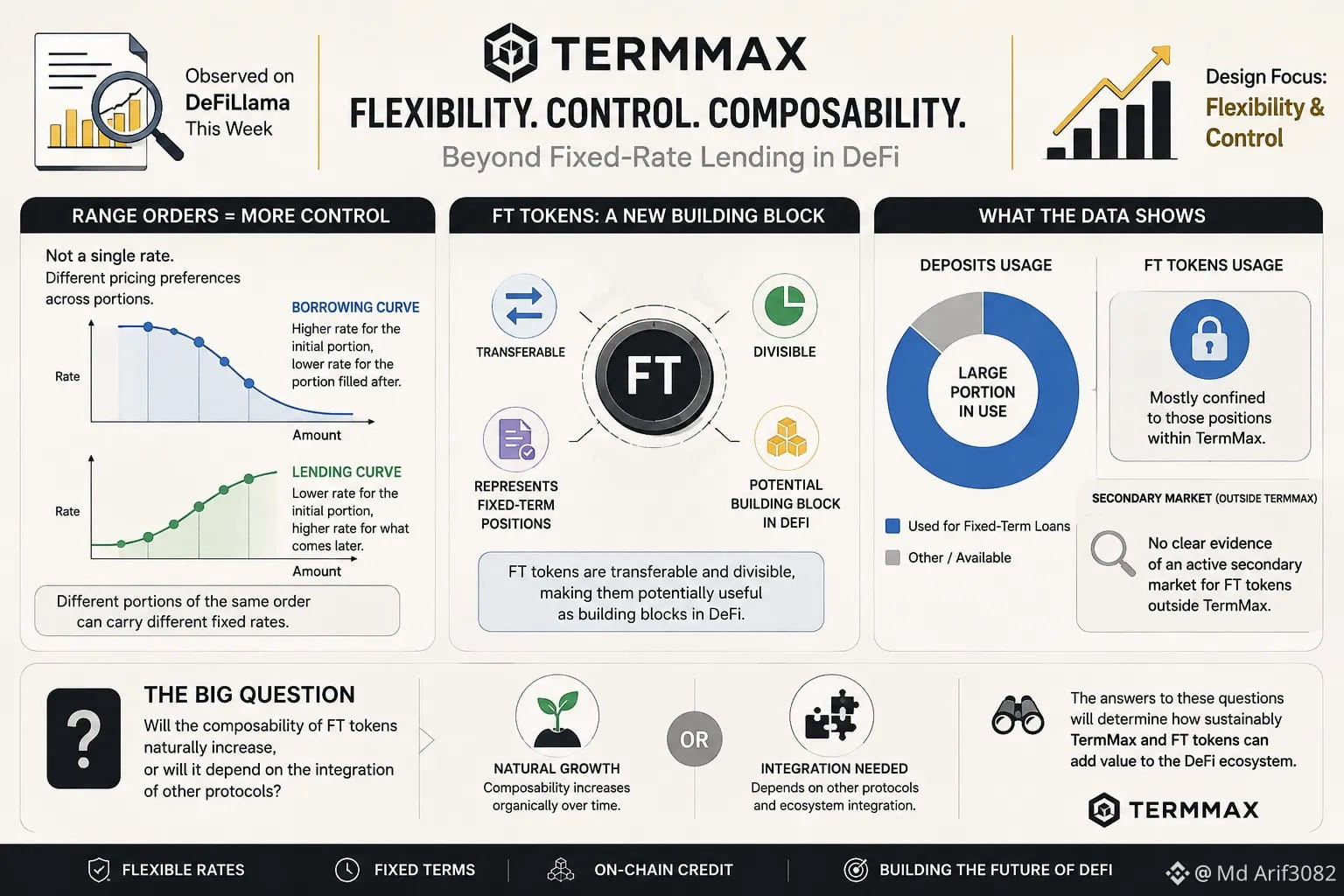
#termmax @TermMax While looking at TermMax on DeFiLlama this week, I noticed that their design emphasizes flexibility and control in addition to fixed-rate lending. Range orders allow for different pricing preferences rather than a single rate, which I think adds another layer of control. I found the idea of FT tokens interesting after looking at the documentation and data—they are transferable and divisible, so they could be useful as building blocks in DeFi. My observation is that a large portion of deposits are now being used for fixed-term loans, and FT tokens are mostly confined to those positions. I haven’t yet seen clear evidence of an active secondary market for FT tokens outside of #TermMax . So my question remains—will the composability of these tokens naturally increase, or will it depend on the integration of other protocols? That’s something I’ll be interested to see, as the answers to these questions will determine how sustainably they can add value to the DeFi ecosystem.
#DEFİ #web3_binance
#DEFİ #web3_binance
Md ismail01:
@TermMax, I noticed on DeFiLlama that TermMax's design emphasizes flexibility and control. FT tokens are transferable, but they are still largely limited to fixed-term loans. Whether they will increase composability depends on integration with other protocols.


Verified
#termmax @TermMax
#termmax @TermMax
I always thought DeFi lending was all about chasing high variable APYs and stretching collateral.
Turns out the real bottleneck isn't liquidity—it's interest rate volatility.
Borrowing at 3% only to see it jump past 20% during a volatile week completely breaks risk management.
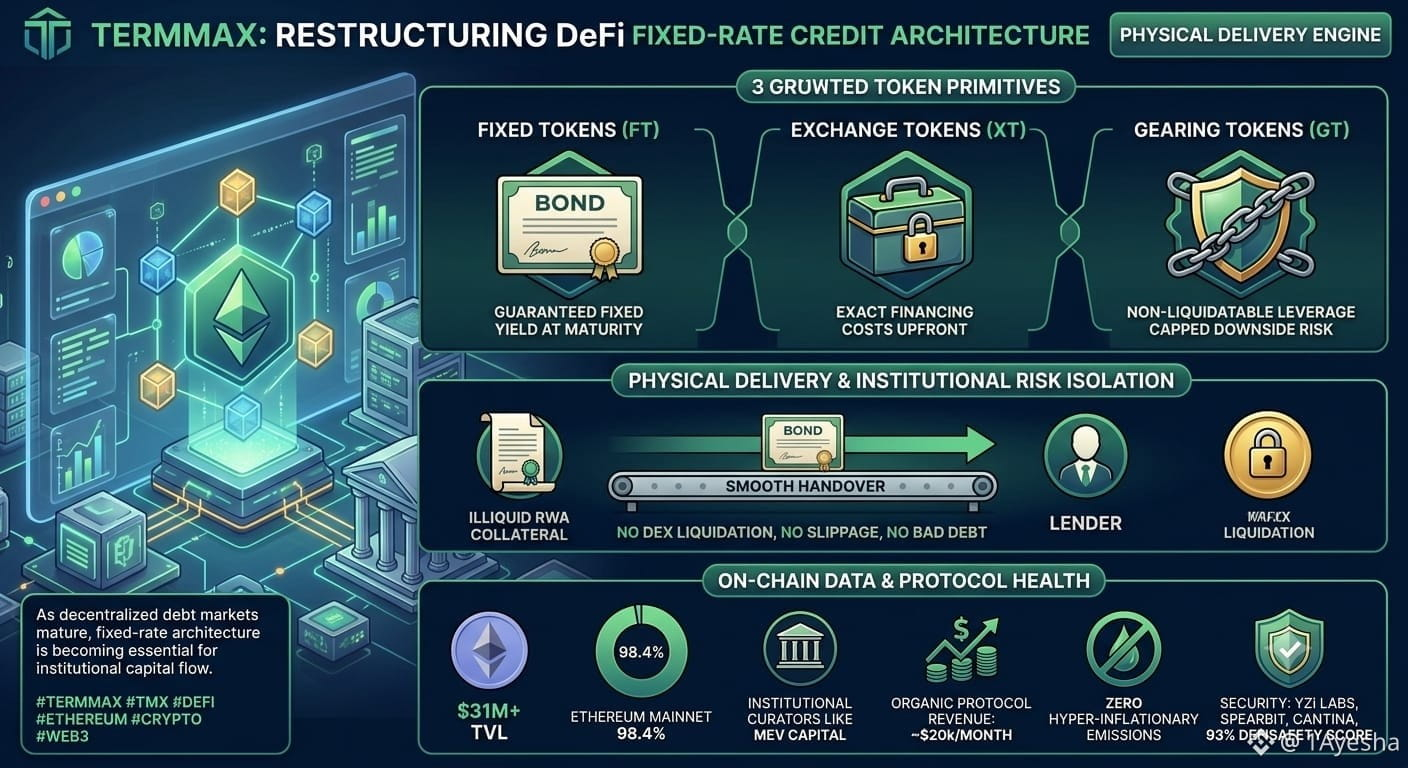
That's where @TermMax $GOOGL.US steps in with fixed-rate debt architecture.
How TermMax splits credit primitives:
• Fixed Tokens (FT): Zero-coupon bonds that guarantee a locked yield at maturity for lenders.
• Exchange Tokens (XT): Isolate interest obligations so borrowers lock in their exact borrowing cost upfront.
• Gearing Tokens (GT): ERC-721 positions combining debt and collateral for non-liquidatable leverage—max risk is just the initial premium.
The game changer: Physical Delivery
Instead of dumping illiquid RWAs or yield tokens into DEXs during crashes (which leads to slippage and bad debt), TermMax delivers the collateral directly to the lender.
Quick stats & health:
• TVL: Over $31M on DeFiLlama (~98.4% on Ethereum mainnet with curators like MEV Capital).
• Revenue: ~$20k/month in organic protocol fees, without relying on hyper-inflationary token emissions.
• Security: Incubated by YZi Labs, audited by Spearbit & Cantina, with a 93% DeFiSafety score.
As institutional debt moves on-chain ahead of the $TMX TGE, predictable borrowing is becoming non-negotiable.
When taking leverage or managing capital, are you sticking with floating rates or moving toward fixed borrowing?
#TermMax #DEFİ #Ethereum #Web3
#termmax @TermMax
I always thought DeFi lending was all about chasing high variable APYs and stretching collateral.
Turns out the real bottleneck isn't liquidity—it's interest rate volatility.
Borrowing at 3% only to see it jump past 20% during a volatile week completely breaks risk management.
That's where @TermMax $GOOGL.US steps in with fixed-rate debt architecture.
How TermMax splits credit primitives:
• Fixed Tokens (FT): Zero-coupon bonds that guarantee a locked yield at maturity for lenders.
• Exchange Tokens (XT): Isolate interest obligations so borrowers lock in their exact borrowing cost upfront.
• Gearing Tokens (GT): ERC-721 positions combining debt and collateral for non-liquidatable leverage—max risk is just the initial premium.
The game changer: Physical Delivery
Instead of dumping illiquid RWAs or yield tokens into DEXs during crashes (which leads to slippage and bad debt), TermMax delivers the collateral directly to the lender.
Quick stats & health:
• TVL: Over $31M on DeFiLlama (~98.4% on Ethereum mainnet with curators like MEV Capital).
• Revenue: ~$20k/month in organic protocol fees, without relying on hyper-inflationary token emissions.
• Security: Incubated by YZi Labs, audited by Spearbit & Cantina, with a 93% DeFiSafety score.
As institutional debt moves on-chain ahead of the $TMX TGE, predictable borrowing is becoming non-negotiable.
When taking leverage or managing capital, are you sticking with floating rates or moving toward fixed borrowing?
#TermMax #DEFİ #Ethereum #Web3
ETH+1.53%
GOOGLUS-1.45%
ayaat aly:
Termmax is bringing real structure to DeFi with fixed rates and fixed terms.


#termmax @TermMax I thing TermMax is live across 8 chains: Ethereum, Arbitrum, BNB Chain, Berachain, BSquared, X Layer, Pharos, and Hyperliquid L1, plus Base showing up in more recent deployments.
Ethereum holds 94.5% of total TVL. That's the part worth sitting with. Being deployed on 8 chains sounds impressive until you realize almost all the actual capital is concentrated on one of them.
Not necessarily a red flag, early stage protocols usually see this kind of concentration before liquidity spreads out. But if you're evaluating this for a multichain thesis, the reality right now is closer to "Ethereum protocol with experimental outposts elsewhere" than "true multichain player."
Will update this if the distribution shifts meaningfully over the next few campaign cycles.
#TermMax #Multichain #DEFİ
Ethereum holds 94.5% of total TVL. That's the part worth sitting with. Being deployed on 8 chains sounds impressive until you realize almost all the actual capital is concentrated on one of them.
Not necessarily a red flag, early stage protocols usually see this kind of concentration before liquidity spreads out. But if you're evaluating this for a multichain thesis, the reality right now is closer to "Ethereum protocol with experimental outposts elsewhere" than "true multichain player."
Will update this if the distribution shifts meaningfully over the next few campaign cycles.
#TermMax #Multichain #DEFİ
Tiger_Trader_Pro:
✅

🙌 Day 5 of following @TermMax and here's my biggest takeaway:
The team isn't just shipping a product — they're building financial infrastructure that DeFi has been missing since 2020.
What excites me most:
🔸 A clear focus on sustainable, real yield (not inflationary token emissions)
🔸 Architecture designed for composability — other protocols can build on top
🔸 A community that actually discusses risk management, not just "wen 100x".
If you haven't checked out what TermMax is building, now's the time. The fixed-rate narrative is still early, and the builders are heads-down shipping.
Follow @TermMax so you don't miss what's coming next. 🚀
#TermMax #DEFİ #CryptoCommunity #BuildInPublic
The team isn't just shipping a product — they're building financial infrastructure that DeFi has been missing since 2020.
What excites me most:
🔸 A clear focus on sustainable, real yield (not inflationary token emissions)
🔸 Architecture designed for composability — other protocols can build on top
🔸 A community that actually discusses risk management, not just "wen 100x".
If you haven't checked out what TermMax is building, now's the time. The fixed-rate narrative is still early, and the builders are heads-down shipping.
Follow @TermMax so you don't miss what's coming next. 🚀
#TermMax #DEFİ #CryptoCommunity #BuildInPublic
CoinMaster100x:
termmax has a clear infrastructure focused approach

@termmax #TermMax 🚀 TermMax ($TMX) is gaining attention!
Crypto volatility can be brutal, but predictability changes everything. 🧠⚡
Protocols like @TermMax are revolutionizing DeFi by providing guaranteed fixed rates for borrowing and lending. Instead of guessing interest rates every week, traders can now lock in solid returns with total clarity.
How are you navigating your portfolio strategy in this current market cycle? 👇
#TermMax #DEFİ #cryptotrading #Web3
Crypto volatility can be brutal, but predictability changes everything. 🧠⚡
Protocols like @TermMax are revolutionizing DeFi by providing guaranteed fixed rates for borrowing and lending. Instead of guessing interest rates every week, traders can now lock in solid returns with total clarity.
How are you navigating your portfolio strategy in this current market cycle? 👇
#TermMax #DEFİ #cryptotrading #Web3
Fixed Yields & Safe Gains
0%
High Risk / Volatile Gems
0%
Hybrid 70/30 Strategy
0%
0 votes • Voting closed

#termmax @TermMax TermMax is bringing a different approach to DeFi by focusing on fixed-rate lending, borrowing, and leverage. Instead of relying only on changing interest rates, users can lock in rates for a defined term, making costs and potential yields more predictable. TermMax also supports collateralized borrowing and structured products, with deployment across networks including BNB Chain. Its Alpha products offer leveraged exposure with an upfront premium rather than traditional margin calls. The key idea is simple: make DeFi more predictable, transparent, and capital-efficient. As always, understand the risks and DYOR before using any DeFi protocol. #TermMax #DEFİ
Bitcoin60k:
Check my pin post and support me.
Verified
My mother is 61 now.
She spent 19 years working as the chief accountant for an international agricultural export company before finally retiring.
Her retirement payout came to roughly $31,800.
Naturally, her first question was:
“Where should I put this money so it can earn something?”
Instead of looking only at bank interest rates, I showed her another way to think about capital:
What if the goal isn't just earning yield, but earning while keeping the ability to access liquidity when needed?
That’s how I introduced her to TermMax.
For a small test, she deposited 1.4 ETH and 0.25 BTC as collateral and looked at borrowing 1,500 USDC at a fixed annual rate of 3.4%.
The numbers weren't the main point.
The concept was.
With fixed-rate, fixed-term borrowing, you know the financing cost and maturity upfront instead of constantly recalculating your position as floating rates move.
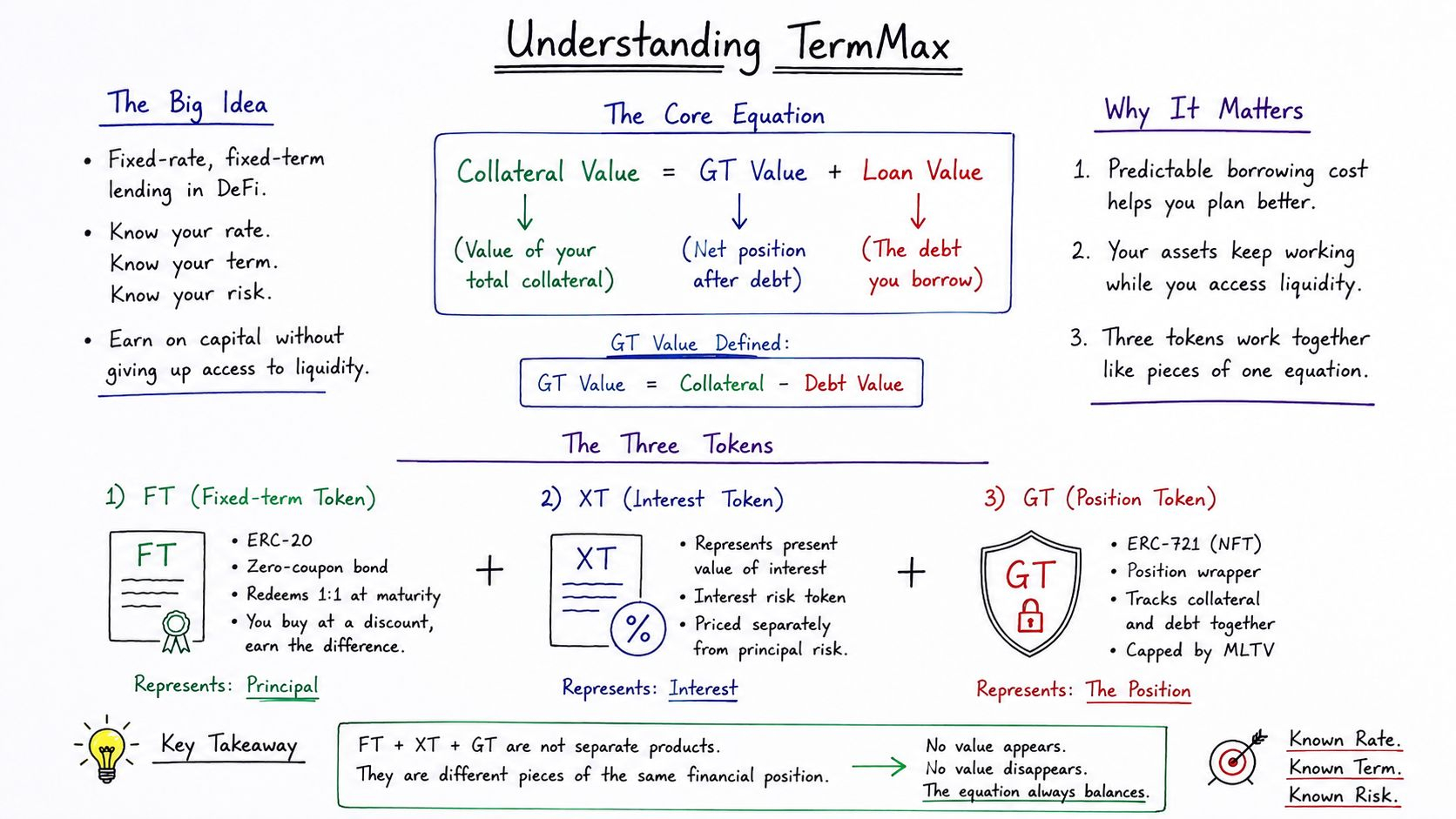
TermMax builds around this idea with FT, XT and GT, separating different parts of the lending structure. Its V2 design also adds features such as Composable Base Yield, Atomic Orders and Smart Unwind.
What I found interesting was how quickly the concept made sense when explained through something familiar:
Your assets can remain useful as collateral while you manage liquidity with a known borrowing cost.
That’s the part of fixed-rate DeFi I’m watching most closely.
Not the complexity.
The practicality.
Would you prefer a predictable fixed rate for a defined period, or the flexibility of a floating rate?
#TermMax @TermMax #DEFİ #BTC
She spent 19 years working as the chief accountant for an international agricultural export company before finally retiring.
Her retirement payout came to roughly $31,800.
Naturally, her first question was:
“Where should I put this money so it can earn something?”
Instead of looking only at bank interest rates, I showed her another way to think about capital:
What if the goal isn't just earning yield, but earning while keeping the ability to access liquidity when needed?
That’s how I introduced her to TermMax.
For a small test, she deposited 1.4 ETH and 0.25 BTC as collateral and looked at borrowing 1,500 USDC at a fixed annual rate of 3.4%.
The numbers weren't the main point.
The concept was.
With fixed-rate, fixed-term borrowing, you know the financing cost and maturity upfront instead of constantly recalculating your position as floating rates move.
TermMax builds around this idea with FT, XT and GT, separating different parts of the lending structure. Its V2 design also adds features such as Composable Base Yield, Atomic Orders and Smart Unwind.
What I found interesting was how quickly the concept made sense when explained through something familiar:
Your assets can remain useful as collateral while you manage liquidity with a known borrowing cost.
That’s the part of fixed-rate DeFi I’m watching most closely.
Not the complexity.
The practicality.
Would you prefer a predictable fixed rate for a defined period, or the flexibility of a floating rate?
#TermMax @TermMax #DEFİ #BTC
Bitcoin60k:
Check my pin post and support me.
Log in to explore more content