

#chemicalmarkets
chemicalmarkets
9,323 views
15 Discussing
Hot
Latest

·
--
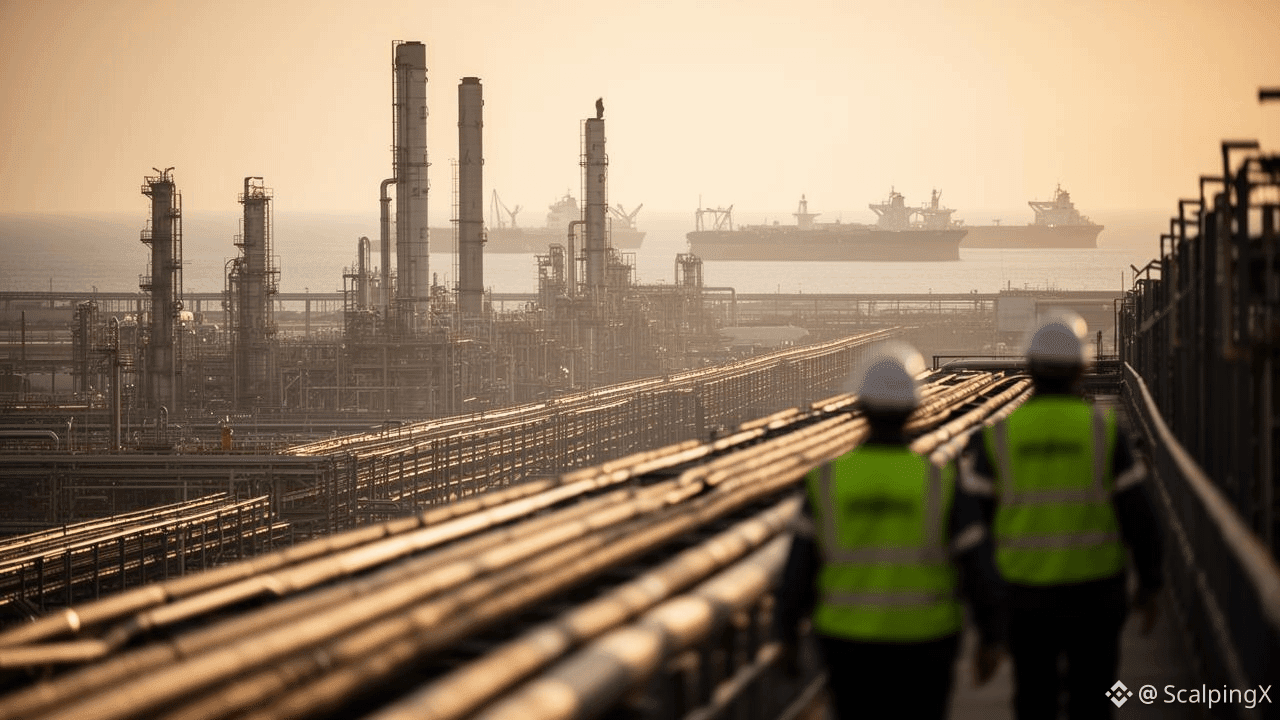
Global chemicals diverge as oil keeps costs elevated while production margins remain under pressure
🛢 Brent around $102/bbl continues to keep feedstock costs elevated, particularly for naphtha and oil-dependent crackers. However, finished-product prices have not risen fast enough to fully offset higher input costs, leaving margins across several chains under pressure.
🇪🇺 Europe is entering October with a clearer upward pricing trend. Olefin contracts are expected to rise by around EUR 60–80/ton, while styrene could increase by roughly EUR 100–150/ton. Polyolefins, polystyrene and PET had already moved higher beforehand. Even so, ethylene, PE and PP spreads remain below year-ago levels, suggesting much of the increase still reflects feedstock cost pass-through rather than stronger pricing power.
🇨🇳 China has effectively frozen price indications during Golden Week, but unchanged quotations do not mean supply and demand are balanced. PP and PE inventories at Sinopec and CNPC remain above seasonal averages, while suppliers avoided aggressive price cuts ahead of the holiday.
📉 Pressure may become more visible after China reopens on October 8. If inventories fail to decline sufficiently in the first week and new PE–PP capacity starts as scheduled in the second half of the month, polyolefin prices could face stronger downside pressure by the third week after the holiday.
🌍 The US is following a different path from Europe, with most major-volume resins expected to trade flat to lower in October. The broader picture is therefore not a synchronized global chemical upcycle, but a widening divergence between feedstock costs, demand conditions and the ability of producers to defend margins across regions.
#ChemicalMarkets $CL
Global chemicals diverge as oil keeps costs elevated while production margins remain under pressure
🛢 Brent around $102/bbl continues to keep feedstock costs elevated, particularly for naphtha and oil-dependent crackers. However, finished-product prices have not risen fast enough to fully offset higher input costs, leaving margins across several chains under pressure.
🇪🇺 Europe is entering October with a clearer upward pricing trend. Olefin contracts are expected to rise by around EUR 60–80/ton, while styrene could increase by roughly EUR 100–150/ton. Polyolefins, polystyrene and PET had already moved higher beforehand. Even so, ethylene, PE and PP spreads remain below year-ago levels, suggesting much of the increase still reflects feedstock cost pass-through rather than stronger pricing power.
🇨🇳 China has effectively frozen price indications during Golden Week, but unchanged quotations do not mean supply and demand are balanced. PP and PE inventories at Sinopec and CNPC remain above seasonal averages, while suppliers avoided aggressive price cuts ahead of the holiday.
📉 Pressure may become more visible after China reopens on October 8. If inventories fail to decline sufficiently in the first week and new PE–PP capacity starts as scheduled in the second half of the month, polyolefin prices could face stronger downside pressure by the third week after the holiday.
🌍 The US is following a different path from Europe, with most major-volume resins expected to trade flat to lower in October. The broader picture is therefore not a synchronized global chemical upcycle, but a widening divergence between feedstock costs, demand conditions and the ability of producers to defend margins across regions.
#ChemicalMarkets $CL
🛢 Brent around $102/bbl continues to keep feedstock costs elevated, particularly for naphtha and oil-dependent crackers. However, finished-product prices have not risen fast enough to fully offset higher input costs, leaving margins across several chains under pressure.
🇪🇺 Europe is entering October with a clearer upward pricing trend. Olefin contracts are expected to rise by around EUR 60–80/ton, while styrene could increase by roughly EUR 100–150/ton. Polyolefins, polystyrene and PET had already moved higher beforehand. Even so, ethylene, PE and PP spreads remain below year-ago levels, suggesting much of the increase still reflects feedstock cost pass-through rather than stronger pricing power.
🇨🇳 China has effectively frozen price indications during Golden Week, but unchanged quotations do not mean supply and demand are balanced. PP and PE inventories at Sinopec and CNPC remain above seasonal averages, while suppliers avoided aggressive price cuts ahead of the holiday.
📉 Pressure may become more visible after China reopens on October 8. If inventories fail to decline sufficiently in the first week and new PE–PP capacity starts as scheduled in the second half of the month, polyolefin prices could face stronger downside pressure by the third week after the holiday.
🌍 The US is following a different path from Europe, with most major-volume resins expected to trade flat to lower in October. The broader picture is therefore not a synchronized global chemical upcycle, but a widening divergence between feedstock costs, demand conditions and the ability of producers to defend margins across regions.
#ChemicalMarkets $CL
95
·
--
Bullish
Global chemical markets diverge as fertilizers cool, PE/PU gain support and TiO₂ stays firm
🧪 Global chemical markets were mixed during 08–13 June, with no clear one-way trend. Some products were supported by supply disruptions and higher input costs, while areas that had rallied earlier cooled as geopolitical risk was partly priced in.
🌾 Fertilizers saw the sharpest split. In China, looser urea guidance pricing and flexible export quota usage lifted sentiment early in the week, pushing spot and futures prices higher. But export expectations cooled quickly afterward, bringing the market back into a cautious range.
📉 In the US, urea prices fell back toward levels seen before the Iran tension, suggesting part of the geopolitical premium has faded after the earlier run-up. Fertilizer markets are now driven more by regional supply, inventories, seasonality and export flows.
🏭 In petrochemicals, Dow raised its Q2 guidance as PE and PU chemical margins benefited from tighter global supply. North American producers using cheaper ethane feedstock still hold an advantage over naphtha-based producers while Middle East shipping and supply risks remain relevant.
🔄 Asia also showed signs of supply normalization after Taiwan’s FPCC lifted force majeure and its Mailiao crackers returned to full-load operations. This could ease olefins tightness in East Asia, especially if downstream demand remains uneven.
🎨 Specialty chemicals stayed firmer, with TiO₂ prices rising on higher sulfuric acid costs, low inventories and solid export demand. This segment appears to have better cost pass-through than base petrochemicals, where overcapacity remains a key pressure.
🌍 Overall, the week showed a split between short-term supply support and longer-term structural risks. The Middle East remains important for shipping, energy and feedstocks, but ethylene/PE overcapacity, weak construction and auto demand, and high European costs still point to an uneven recovery.
#ChemicalMarkets $BTC $ETH $SOL
Global chemical markets diverge as fertilizers cool, PE/PU gain support and TiO₂ stays firm
🧪 Global chemical markets were mixed during 08–13 June, with no clear one-way trend. Some products were supported by supply disruptions and higher input costs, while areas that had rallied earlier cooled as geopolitical risk was partly priced in.
🌾 Fertilizers saw the sharpest split. In China, looser urea guidance pricing and flexible export quota usage lifted sentiment early in the week, pushing spot and futures prices higher. But export expectations cooled quickly afterward, bringing the market back into a cautious range.
📉 In the US, urea prices fell back toward levels seen before the Iran tension, suggesting part of the geopolitical premium has faded after the earlier run-up. Fertilizer markets are now driven more by regional supply, inventories, seasonality and export flows.
🏭 In petrochemicals, Dow raised its Q2 guidance as PE and PU chemical margins benefited from tighter global supply. North American producers using cheaper ethane feedstock still hold an advantage over naphtha-based producers while Middle East shipping and supply risks remain relevant.
🔄 Asia also showed signs of supply normalization after Taiwan’s FPCC lifted force majeure and its Mailiao crackers returned to full-load operations. This could ease olefins tightness in East Asia, especially if downstream demand remains uneven.
🎨 Specialty chemicals stayed firmer, with TiO₂ prices rising on higher sulfuric acid costs, low inventories and solid export demand. This segment appears to have better cost pass-through than base petrochemicals, where overcapacity remains a key pressure.
🌍 Overall, the week showed a split between short-term supply support and longer-term structural risks. The Middle East remains important for shipping, energy and feedstocks, but ethylene/PE overcapacity, weak construction and auto demand, and high European costs still point to an uneven recovery.
#ChemicalMarkets $BTC $ETH $SOL
🧪 Global chemical markets were mixed during 08–13 June, with no clear one-way trend. Some products were supported by supply disruptions and higher input costs, while areas that had rallied earlier cooled as geopolitical risk was partly priced in.
🌾 Fertilizers saw the sharpest split. In China, looser urea guidance pricing and flexible export quota usage lifted sentiment early in the week, pushing spot and futures prices higher. But export expectations cooled quickly afterward, bringing the market back into a cautious range.
📉 In the US, urea prices fell back toward levels seen before the Iran tension, suggesting part of the geopolitical premium has faded after the earlier run-up. Fertilizer markets are now driven more by regional supply, inventories, seasonality and export flows.
🏭 In petrochemicals, Dow raised its Q2 guidance as PE and PU chemical margins benefited from tighter global supply. North American producers using cheaper ethane feedstock still hold an advantage over naphtha-based producers while Middle East shipping and supply risks remain relevant.
🔄 Asia also showed signs of supply normalization after Taiwan’s FPCC lifted force majeure and its Mailiao crackers returned to full-load operations. This could ease olefins tightness in East Asia, especially if downstream demand remains uneven.
🎨 Specialty chemicals stayed firmer, with TiO₂ prices rising on higher sulfuric acid costs, low inventories and solid export demand. This segment appears to have better cost pass-through than base petrochemicals, where overcapacity remains a key pressure.
🌍 Overall, the week showed a split between short-term supply support and longer-term structural risks. The Middle East remains important for shipping, energy and feedstocks, but ethylene/PE overcapacity, weak construction and auto demand, and high European costs still point to an uneven recovery.
#ChemicalMarkets $BTC $ETH $SOL
3.9k
·
--
Bullish
Verified
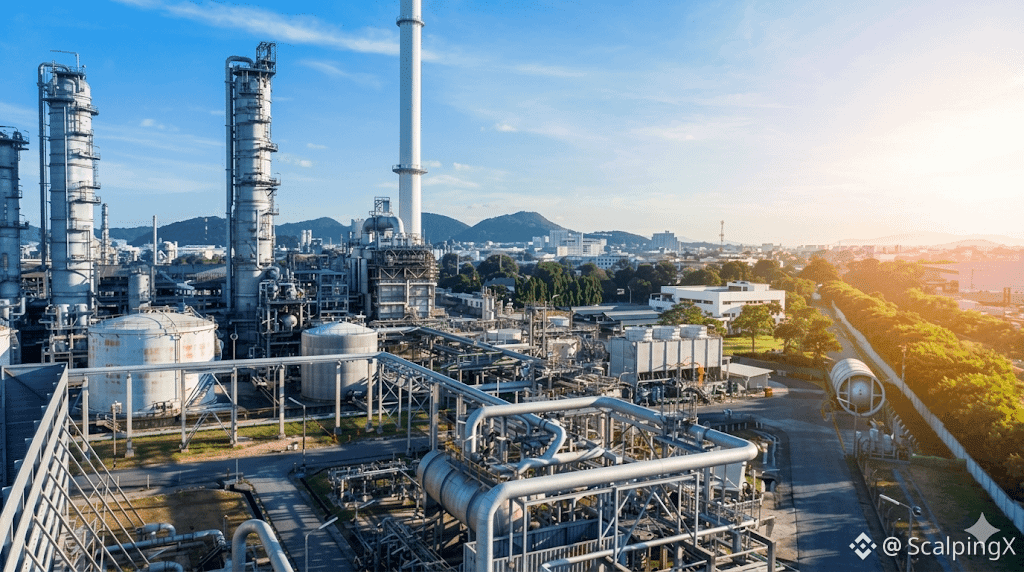
Global Chemical Market Cools After the Hormuz Shock
🧪 The week of June 15–21 marked a shift for global chemical and fertilizer markets, as the U.S.–Iran framework agreement raised expectations that trade flows through the Strait of Hormuz could gradually recover. After months of Middle East supply disruption, the market is moving from crisis mode toward cautious normalization.
🛢️ Oil and naphtha prices eased as part of the geopolitical risk premium faded, helping reduce input-cost pressure across basic chemical chains. Ethylene, propylene and selected downstream products remained soft, reflecting lower feedstock costs and demand that has not yet shown a strong recovery.
🚢 Still, the reopening of Hormuz does not mean supply can normalize immediately. Vessel backlogs, insurance costs, safety checks and damage at some Middle Eastern facilities remain key bottlenecks. Liquid chemicals, ammonia, methanol and fertilizers may still face localized supply risks in the near term.
🌾 In fertilizers, the focus has shifted from price spikes to actual access to physical supply. Urea and ammonia have eased from crisis highs, but India’s import demand, seasonal agriculture needs and China’s cautious export policy could keep prices above pre-conflict levels.
🏭 Regionally, North America remains supported by competitive gas and feedstock costs, while Europe still faces pressure from energy, margins and global competition. In Asia, Chinese demand is returning gradually, but buying sentiment remains cautious due to macro uncertainty and oversupply in some product chains.
📉 Overall, the global chemical market is cooling, but not fully stabilized. The next phase will depend on logistics clearance, Middle East plant recovery, Chinese demand and major fertilizer tenders in the coming weeks.
#ChemicalMarkets $BTC $ETH $XAU
Global Chemical Market Cools After the Hormuz Shock
🧪 The week of June 15–21 marked a shift for global chemical and fertilizer markets, as the U.S.–Iran framework agreement raised expectations that trade flows through the Strait of Hormuz could gradually recover. After months of Middle East supply disruption, the market is moving from crisis mode toward cautious normalization.
🛢️ Oil and naphtha prices eased as part of the geopolitical risk premium faded, helping reduce input-cost pressure across basic chemical chains. Ethylene, propylene and selected downstream products remained soft, reflecting lower feedstock costs and demand that has not yet shown a strong recovery.
🚢 Still, the reopening of Hormuz does not mean supply can normalize immediately. Vessel backlogs, insurance costs, safety checks and damage at some Middle Eastern facilities remain key bottlenecks. Liquid chemicals, ammonia, methanol and fertilizers may still face localized supply risks in the near term.
🌾 In fertilizers, the focus has shifted from price spikes to actual access to physical supply. Urea and ammonia have eased from crisis highs, but India’s import demand, seasonal agriculture needs and China’s cautious export policy could keep prices above pre-conflict levels.
🏭 Regionally, North America remains supported by competitive gas and feedstock costs, while Europe still faces pressure from energy, margins and global competition. In Asia, Chinese demand is returning gradually, but buying sentiment remains cautious due to macro uncertainty and oversupply in some product chains.
📉 Overall, the global chemical market is cooling, but not fully stabilized. The next phase will depend on logistics clearance, Middle East plant recovery, Chinese demand and major fertilizer tenders in the coming weeks.
#ChemicalMarkets $BTC $ETH $XAU
🧪 The week of June 15–21 marked a shift for global chemical and fertilizer markets, as the U.S.–Iran framework agreement raised expectations that trade flows through the Strait of Hormuz could gradually recover. After months of Middle East supply disruption, the market is moving from crisis mode toward cautious normalization.
🛢️ Oil and naphtha prices eased as part of the geopolitical risk premium faded, helping reduce input-cost pressure across basic chemical chains. Ethylene, propylene and selected downstream products remained soft, reflecting lower feedstock costs and demand that has not yet shown a strong recovery.
🚢 Still, the reopening of Hormuz does not mean supply can normalize immediately. Vessel backlogs, insurance costs, safety checks and damage at some Middle Eastern facilities remain key bottlenecks. Liquid chemicals, ammonia, methanol and fertilizers may still face localized supply risks in the near term.
🌾 In fertilizers, the focus has shifted from price spikes to actual access to physical supply. Urea and ammonia have eased from crisis highs, but India’s import demand, seasonal agriculture needs and China’s cautious export policy could keep prices above pre-conflict levels.
🏭 Regionally, North America remains supported by competitive gas and feedstock costs, while Europe still faces pressure from energy, margins and global competition. In Asia, Chinese demand is returning gradually, but buying sentiment remains cautious due to macro uncertainty and oversupply in some product chains.
📉 Overall, the global chemical market is cooling, but not fully stabilized. The next phase will depend on logistics clearance, Middle East plant recovery, Chinese demand and major fertilizer tenders in the coming weeks.
#ChemicalMarkets $BTC $ETH $XAU
147
·
--
Bullish
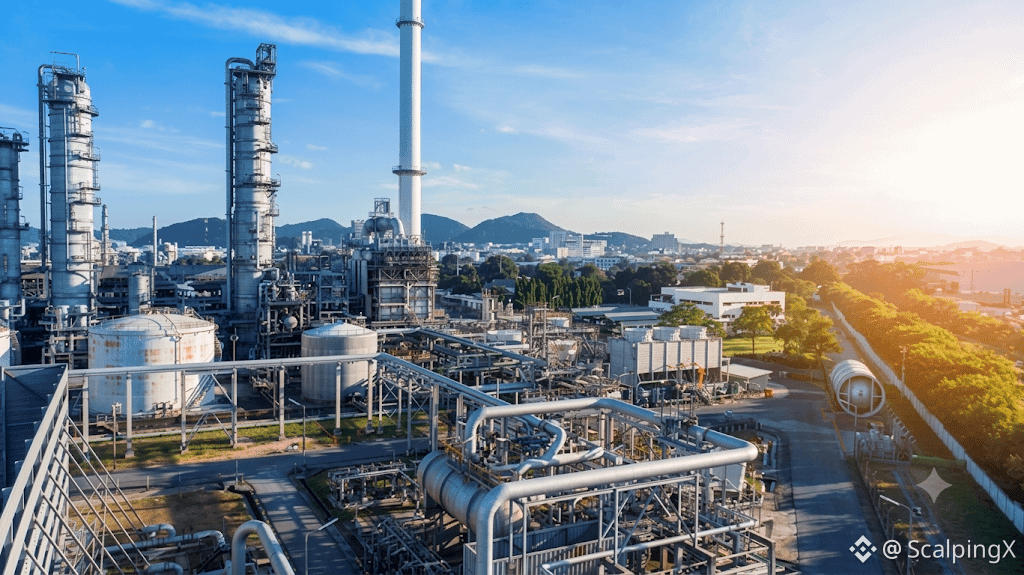
Global chemical markets in the week of June 1–6: Prices are no longer moving purely with crude oil
📌 The first week of June showed clear divergence across global chemical markets. Although Brent crude weakened below the $95/barrel area at times, several chemical segments still held firm thanks to tight supply, low inventories, and higher logistics costs.
🔎 The main focus was China’s PX/PTA chain, where concentrated maintenance covered more than 19.5 million tons of PTA capacity, or over 20% of total capacity. Operating rates stayed around 58–59%, the lowest level for the same period in nearly a decade, while PTA inventories fell for six straight weeks.
💡 Fluorine chemicals also stood out as several Chinese producers raised prices from June 1. PTFE, PVDF, and FEP increased by around 5–10%, while FKM rose by as much as 15% in some cases, reflecting pressure from raw materials, logistics, and a shift away from low-price competition.
⚠️ In polymers, PE, PP, PS, and PVC still had price support from feedstock disruptions, freight costs, and trade-policy risks. However, demand has not fully recovered, especially with weak European construction, Asia’s textile off-season, and Chinese resin adding export competition.
⏱️ A stabilizing signal came from Japan’s naphtha supply, where procurement has recovered to about 85% of normal levels through domestic refining and alternative import routes. This helps ease feedstock shortage concerns, though naphtha prices remain sensitive to crude oil volatility.
🔻 The broader industry still does not look like a sustainable recovery. Dow’s 605 job cuts in the Netherlands show that major producers remain focused on cost control, automation, and higher-value segments.
✅ In the short term, PX/PTA and fluorine chemicals may stay firm if maintenance continues and inventories remain low. But from late June into July, capacity restarts, weak demand, and logistics costs will be the main risks to watch.
#ChemicalMarkets
Global chemical markets in the week of June 1–6: Prices are no longer moving purely with crude oil
📌 The first week of June showed clear divergence across global chemical markets. Although Brent crude weakened below the $95/barrel area at times, several chemical segments still held firm thanks to tight supply, low inventories, and higher logistics costs.
🔎 The main focus was China’s PX/PTA chain, where concentrated maintenance covered more than 19.5 million tons of PTA capacity, or over 20% of total capacity. Operating rates stayed around 58–59%, the lowest level for the same period in nearly a decade, while PTA inventories fell for six straight weeks.
💡 Fluorine chemicals also stood out as several Chinese producers raised prices from June 1. PTFE, PVDF, and FEP increased by around 5–10%, while FKM rose by as much as 15% in some cases, reflecting pressure from raw materials, logistics, and a shift away from low-price competition.
⚠️ In polymers, PE, PP, PS, and PVC still had price support from feedstock disruptions, freight costs, and trade-policy risks. However, demand has not fully recovered, especially with weak European construction, Asia’s textile off-season, and Chinese resin adding export competition.
⏱️ A stabilizing signal came from Japan’s naphtha supply, where procurement has recovered to about 85% of normal levels through domestic refining and alternative import routes. This helps ease feedstock shortage concerns, though naphtha prices remain sensitive to crude oil volatility.
🔻 The broader industry still does not look like a sustainable recovery. Dow’s 605 job cuts in the Netherlands show that major producers remain focused on cost control, automation, and higher-value segments.
✅ In the short term, PX/PTA and fluorine chemicals may stay firm if maintenance continues and inventories remain low. But from late June into July, capacity restarts, weak demand, and logistics costs will be the main risks to watch.
#ChemicalMarkets
📌 The first week of June showed clear divergence across global chemical markets. Although Brent crude weakened below the $95/barrel area at times, several chemical segments still held firm thanks to tight supply, low inventories, and higher logistics costs.
🔎 The main focus was China’s PX/PTA chain, where concentrated maintenance covered more than 19.5 million tons of PTA capacity, or over 20% of total capacity. Operating rates stayed around 58–59%, the lowest level for the same period in nearly a decade, while PTA inventories fell for six straight weeks.
💡 Fluorine chemicals also stood out as several Chinese producers raised prices from June 1. PTFE, PVDF, and FEP increased by around 5–10%, while FKM rose by as much as 15% in some cases, reflecting pressure from raw materials, logistics, and a shift away from low-price competition.
⚠️ In polymers, PE, PP, PS, and PVC still had price support from feedstock disruptions, freight costs, and trade-policy risks. However, demand has not fully recovered, especially with weak European construction, Asia’s textile off-season, and Chinese resin adding export competition.
⏱️ A stabilizing signal came from Japan’s naphtha supply, where procurement has recovered to about 85% of normal levels through domestic refining and alternative import routes. This helps ease feedstock shortage concerns, though naphtha prices remain sensitive to crude oil volatility.
🔻 The broader industry still does not look like a sustainable recovery. Dow’s 605 job cuts in the Netherlands show that major producers remain focused on cost control, automation, and higher-value segments.
✅ In the short term, PX/PTA and fluorine chemicals may stay firm if maintenance continues and inventories remain low. But from late June into July, capacity restarts, weak demand, and logistics costs will be the main risks to watch.
#ChemicalMarkets
345
·
--
Bullish
Global Chemical Market Overview, May 25-30 – Asia diverges, India upgrades and EU-China risk rises
📌 The chemical market stayed uneven last week. Feedstock pressure remained important, but product-level divergence became clearer: oversupplied segments weakened, while industrial acids tied to metals and fertilizer demand held firmer support.
🔎 In Asia, hydrogen peroxide fell sharply as supply stayed excessive and demand from paper, textiles and downstream industries remained weak. Hydrochloric acid and phosphoric acid moved higher on rising input costs and stable demand, while PTA edged up with naphtha pressure.
🏭 India remained a regional bright spot. Dai-ichi Karkaria expanded ethoxylation capacity at Dahej for surfactants and specialty intermediates, while IPL Biologicals opened the first phase of its Vadodara plant, supporting biofertilizers and biopesticides.
🌎 Brazil showed signs of regaining domestic market share as imported chemical supply, especially from the Middle East, faced disruption. Local producers benefited from demand shifting toward domestic alternatives, though this still looks more like supply-chain adaptation than a broad recovery.
⚠️ EU-China trade tensions stayed important. Europe’s view that trade with China is becoming unsustainable could lead to quotas, tariffs or stricter diversification rules, adding volatility to chemical and clean-tech input flows into Europe in Q3.
💼 M&A activity continued to favor carve-outs and portfolio simplification. Large producers are focusing more on specialty, bio-based and higher-margin segments as overcapacity, weak downstream demand and unstable costs remain unresolved.
✅ Into June, the market may stay divided. Hydrogen peroxide could remain weak if oversupply persists, while HCl, phosphoric acid and PTA need tracking against input costs. SunSirs and Argus spot updates, India’s bio-agrochem rollout and EU trade policy signals will be key drivers.
#ChemicalMarkets $LDO $HYPE $PEPE
Global Chemical Market Overview, May 25-30 – Asia diverges, India upgrades and EU-China risk rises
📌 The chemical market stayed uneven last week. Feedstock pressure remained important, but product-level divergence became clearer: oversupplied segments weakened, while industrial acids tied to metals and fertilizer demand held firmer support.
🔎 In Asia, hydrogen peroxide fell sharply as supply stayed excessive and demand from paper, textiles and downstream industries remained weak. Hydrochloric acid and phosphoric acid moved higher on rising input costs and stable demand, while PTA edged up with naphtha pressure.
🏭 India remained a regional bright spot. Dai-ichi Karkaria expanded ethoxylation capacity at Dahej for surfactants and specialty intermediates, while IPL Biologicals opened the first phase of its Vadodara plant, supporting biofertilizers and biopesticides.
🌎 Brazil showed signs of regaining domestic market share as imported chemical supply, especially from the Middle East, faced disruption. Local producers benefited from demand shifting toward domestic alternatives, though this still looks more like supply-chain adaptation than a broad recovery.
⚠️ EU-China trade tensions stayed important. Europe’s view that trade with China is becoming unsustainable could lead to quotas, tariffs or stricter diversification rules, adding volatility to chemical and clean-tech input flows into Europe in Q3.
💼 M&A activity continued to favor carve-outs and portfolio simplification. Large producers are focusing more on specialty, bio-based and higher-margin segments as overcapacity, weak downstream demand and unstable costs remain unresolved.
✅ Into June, the market may stay divided. Hydrogen peroxide could remain weak if oversupply persists, while HCl, phosphoric acid and PTA need tracking against input costs. SunSirs and Argus spot updates, India’s bio-agrochem rollout and EU trade policy signals will be key drivers.
#ChemicalMarkets $LDO $HYPE $PEPE
📌 The chemical market stayed uneven last week. Feedstock pressure remained important, but product-level divergence became clearer: oversupplied segments weakened, while industrial acids tied to metals and fertilizer demand held firmer support.
🔎 In Asia, hydrogen peroxide fell sharply as supply stayed excessive and demand from paper, textiles and downstream industries remained weak. Hydrochloric acid and phosphoric acid moved higher on rising input costs and stable demand, while PTA edged up with naphtha pressure.
🏭 India remained a regional bright spot. Dai-ichi Karkaria expanded ethoxylation capacity at Dahej for surfactants and specialty intermediates, while IPL Biologicals opened the first phase of its Vadodara plant, supporting biofertilizers and biopesticides.
🌎 Brazil showed signs of regaining domestic market share as imported chemical supply, especially from the Middle East, faced disruption. Local producers benefited from demand shifting toward domestic alternatives, though this still looks more like supply-chain adaptation than a broad recovery.
⚠️ EU-China trade tensions stayed important. Europe’s view that trade with China is becoming unsustainable could lead to quotas, tariffs or stricter diversification rules, adding volatility to chemical and clean-tech input flows into Europe in Q3.
💼 M&A activity continued to favor carve-outs and portfolio simplification. Large producers are focusing more on specialty, bio-based and higher-margin segments as overcapacity, weak downstream demand and unstable costs remain unresolved.
✅ Into June, the market may stay divided. Hydrogen peroxide could remain weak if oversupply persists, while HCl, phosphoric acid and PTA need tracking against input costs. SunSirs and Argus spot updates, India’s bio-agrochem rollout and EU trade policy signals will be key drivers.
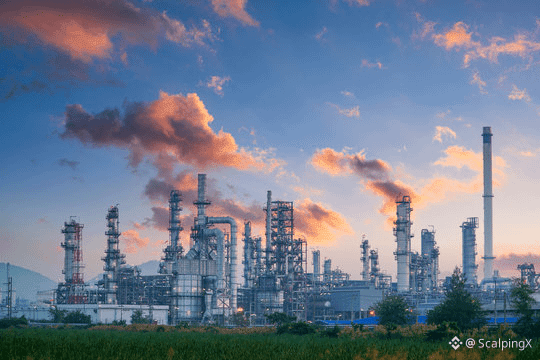
#ChemicalMarkets $LDO $HYPE $PEPE
263
·
--
Bullish
Global chemical markets face a wider supply shock as petrochemical, fertilizer, and battery-material chains tighten
📌 The global chemical market remained under pressure from disruptions around the Strait of Hormuz, squeezing supply from the Gulf and Asia. PE, PP, ethylene, MEG, methanol, ammonia, and urea all moved higher as Asian crackers cut operating rates and China prioritized fuel over chemical feedstocks.
💡 Basic chemicals showed clear price strength, with North American PE up around 10 cents/lb, LyondellBasell’s PE orders rising 20%, PP orders up 15%, European PP prices 15% above Q4/2025, and European ethylene near €1,695/ton. This gave US producers and parts of Europe a short-term margin boost.
⚠️ A second pressure point came from sulfur and sulfuric acid after China halted most sulfuric acid exports from May 01, while Gulf sulfur flows were also disrupted. Sulfur prices jumped to around $740–765/ton, raising costs for phosphate fertilizers, copper mining, nickel HPAL, and EV battery materials.
🔎 The regional split is becoming sharper. The US benefits from cheap ethane and high utilization, Europe is gaining replacement orders from Asia but still faces high energy costs, while Asia is hit hardest by expensive feedstocks, freight stress, and localized shortages.
⏱️ Specialty chemicals, fine chemicals, electronic materials, pharma inputs, and battery materials remain more resilient than commodity chemicals. Still, higher logistics, raw materials, and precursor costs are gradually passing downstream into agriculture, autos, electronics, and healthcare.
✅ Overall, this was one of the strongest weeks in months for Western chemical margins, but it remains a supply-driven boost rather than a durable recovery. If Hormuz tensions persist and China keeps acid exports tight, prices may stay elevated through Q2–Q3; if risks ease, the market could quickly return to pressure from Chinese overcapacity and weak end-demand.
#ChemicalMarkets $BTC $SOL $HYPE
Global chemical markets face a wider supply shock as petrochemical, fertilizer, and battery-material chains tighten
📌 The global chemical market remained under pressure from disruptions around the Strait of Hormuz, squeezing supply from the Gulf and Asia. PE, PP, ethylene, MEG, methanol, ammonia, and urea all moved higher as Asian crackers cut operating rates and China prioritized fuel over chemical feedstocks.
💡 Basic chemicals showed clear price strength, with North American PE up around 10 cents/lb, LyondellBasell’s PE orders rising 20%, PP orders up 15%, European PP prices 15% above Q4/2025, and European ethylene near €1,695/ton. This gave US producers and parts of Europe a short-term margin boost.
⚠️ A second pressure point came from sulfur and sulfuric acid after China halted most sulfuric acid exports from May 01, while Gulf sulfur flows were also disrupted. Sulfur prices jumped to around $740–765/ton, raising costs for phosphate fertilizers, copper mining, nickel HPAL, and EV battery materials.
🔎 The regional split is becoming sharper. The US benefits from cheap ethane and high utilization, Europe is gaining replacement orders from Asia but still faces high energy costs, while Asia is hit hardest by expensive feedstocks, freight stress, and localized shortages.
⏱️ Specialty chemicals, fine chemicals, electronic materials, pharma inputs, and battery materials remain more resilient than commodity chemicals. Still, higher logistics, raw materials, and precursor costs are gradually passing downstream into agriculture, autos, electronics, and healthcare.
✅ Overall, this was one of the strongest weeks in months for Western chemical margins, but it remains a supply-driven boost rather than a durable recovery. If Hormuz tensions persist and China keeps acid exports tight, prices may stay elevated through Q2–Q3; if risks ease, the market could quickly return to pressure from Chinese overcapacity and weak end-demand.
#ChemicalMarkets $BTC $SOL $HYPE
📌 The global chemical market remained under pressure from disruptions around the Strait of Hormuz, squeezing supply from the Gulf and Asia. PE, PP, ethylene, MEG, methanol, ammonia, and urea all moved higher as Asian crackers cut operating rates and China prioritized fuel over chemical feedstocks.
💡 Basic chemicals showed clear price strength, with North American PE up around 10 cents/lb, LyondellBasell’s PE orders rising 20%, PP orders up 15%, European PP prices 15% above Q4/2025, and European ethylene near €1,695/ton. This gave US producers and parts of Europe a short-term margin boost.
⚠️ A second pressure point came from sulfur and sulfuric acid after China halted most sulfuric acid exports from May 01, while Gulf sulfur flows were also disrupted. Sulfur prices jumped to around $740–765/ton, raising costs for phosphate fertilizers, copper mining, nickel HPAL, and EV battery materials.
🔎 The regional split is becoming sharper. The US benefits from cheap ethane and high utilization, Europe is gaining replacement orders from Asia but still faces high energy costs, while Asia is hit hardest by expensive feedstocks, freight stress, and localized shortages.
⏱️ Specialty chemicals, fine chemicals, electronic materials, pharma inputs, and battery materials remain more resilient than commodity chemicals. Still, higher logistics, raw materials, and precursor costs are gradually passing downstream into agriculture, autos, electronics, and healthcare.
✅ Overall, this was one of the strongest weeks in months for Western chemical margins, but it remains a supply-driven boost rather than a durable recovery. If Hormuz tensions persist and China keeps acid exports tight, prices may stay elevated through Q2–Q3; if risks ease, the market could quickly return to pressure from Chinese overcapacity and weak end-demand.
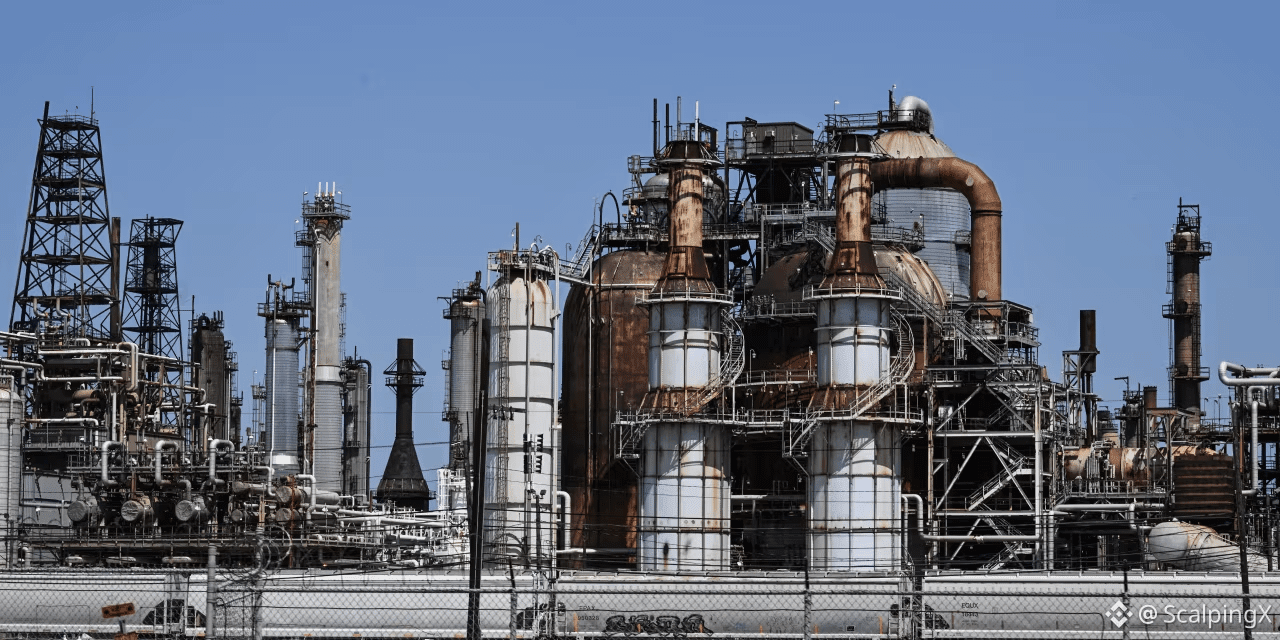
#ChemicalMarkets $BTC $SOL $HYPE
274
·
--
Bullish
Global chemical markets for Apr 27–May 2 show geopolitics still outweighing the long-cycle oversupply story.
📌 The chemical market saw no major new shock last week, but Middle East tensions and Hormuz disruption risk remained the main driver. Brent holding near $108–110/bbl kept feedstock, logistics, and raw material costs elevated, spreading pressure from petrochemicals to fertilizers.
💡 Price strength is now moving beyond oil and gas. U.S. ethane-based ethylene margins rose from about 7 to 23 cents/lb, urea and ammonia stayed firm, Qatar sulphur climbed near $740/t FOB, and MEG May ACP rebounded to $810/t CFR Asia as Middle East supply tightened.
🔎 Regional divergence is becoming clearer. The U.S. benefits from cheaper feedstock and lower exposure to Middle East naphtha, giving Gulf Coast producers better margin support. Asia and Europe face a tougher mix of high energy costs, tighter supply, and uneven downstream demand.
⚠️ Price hikes from BASF, Dow, Eastman, and Sun Chemical from early May show that higher costs are being passed down to end-use sectors. PU foams, coatings, automotive, electronics, polyester, textiles, and packaging are now more exposed as methanol, MDI/TDI, PC, PET, and MEG enter a new volatility cycle.
⏱️ Southeast Asia needs closer monitoring. MEG tightness could affect polyester and textile chains in Indonesia, Vietnam, Thailand, and India, while sulphur shortages add pressure to Indonesia’s nickel chain. Regional buyers may lean more on long-term contracts instead of spot supply.
✅ Still, the market is not fully bullish. China’s overcapacity in olefins, polymers, and other commodity segments remains a structural risk. If Hormuz tensions ease and supply normalizes, the geopolitical premium could fade quickly and margins may return to pressure.
📊 The May–Q2 outlook still points to elevated and volatile prices in fertilizers, sulphur, MEG, methanol, and petrochemicals. The U.S. may keep a short-term advantage, while Asia and Europe face less predictable input costs.
#ChemicalMarkets $XPL $HOLO $S
Global chemical markets for Apr 27–May 2 show geopolitics still outweighing the long-cycle oversupply story.
📌 The chemical market saw no major new shock last week, but Middle East tensions and Hormuz disruption risk remained the main driver. Brent holding near $108–110/bbl kept feedstock, logistics, and raw material costs elevated, spreading pressure from petrochemicals to fertilizers.
💡 Price strength is now moving beyond oil and gas. U.S. ethane-based ethylene margins rose from about 7 to 23 cents/lb, urea and ammonia stayed firm, Qatar sulphur climbed near $740/t FOB, and MEG May ACP rebounded to $810/t CFR Asia as Middle East supply tightened.
🔎 Regional divergence is becoming clearer. The U.S. benefits from cheaper feedstock and lower exposure to Middle East naphtha, giving Gulf Coast producers better margin support. Asia and Europe face a tougher mix of high energy costs, tighter supply, and uneven downstream demand.
⚠️ Price hikes from BASF, Dow, Eastman, and Sun Chemical from early May show that higher costs are being passed down to end-use sectors. PU foams, coatings, automotive, electronics, polyester, textiles, and packaging are now more exposed as methanol, MDI/TDI, PC, PET, and MEG enter a new volatility cycle.
⏱️ Southeast Asia needs closer monitoring. MEG tightness could affect polyester and textile chains in Indonesia, Vietnam, Thailand, and India, while sulphur shortages add pressure to Indonesia’s nickel chain. Regional buyers may lean more on long-term contracts instead of spot supply.
✅ Still, the market is not fully bullish. China’s overcapacity in olefins, polymers, and other commodity segments remains a structural risk. If Hormuz tensions ease and supply normalizes, the geopolitical premium could fade quickly and margins may return to pressure.
📊 The May–Q2 outlook still points to elevated and volatile prices in fertilizers, sulphur, MEG, methanol, and petrochemicals. The U.S. may keep a short-term advantage, while Asia and Europe face less predictable input costs.
#ChemicalMarkets $XPL $HOLO $S
📌 The chemical market saw no major new shock last week, but Middle East tensions and Hormuz disruption risk remained the main driver. Brent holding near $108–110/bbl kept feedstock, logistics, and raw material costs elevated, spreading pressure from petrochemicals to fertilizers.
💡 Price strength is now moving beyond oil and gas. U.S. ethane-based ethylene margins rose from about 7 to 23 cents/lb, urea and ammonia stayed firm, Qatar sulphur climbed near $740/t FOB, and MEG May ACP rebounded to $810/t CFR Asia as Middle East supply tightened.
🔎 Regional divergence is becoming clearer. The U.S. benefits from cheaper feedstock and lower exposure to Middle East naphtha, giving Gulf Coast producers better margin support. Asia and Europe face a tougher mix of high energy costs, tighter supply, and uneven downstream demand.
⚠️ Price hikes from BASF, Dow, Eastman, and Sun Chemical from early May show that higher costs are being passed down to end-use sectors. PU foams, coatings, automotive, electronics, polyester, textiles, and packaging are now more exposed as methanol, MDI/TDI, PC, PET, and MEG enter a new volatility cycle.
⏱️ Southeast Asia needs closer monitoring. MEG tightness could affect polyester and textile chains in Indonesia, Vietnam, Thailand, and India, while sulphur shortages add pressure to Indonesia’s nickel chain. Regional buyers may lean more on long-term contracts instead of spot supply.
✅ Still, the market is not fully bullish. China’s overcapacity in olefins, polymers, and other commodity segments remains a structural risk. If Hormuz tensions ease and supply normalizes, the geopolitical premium could fade quickly and margins may return to pressure.
📊 The May–Q2 outlook still points to elevated and volatile prices in fertilizers, sulphur, MEG, methanol, and petrochemicals. The U.S. may keep a short-term advantage, while Asia and Europe face less predictable input costs.
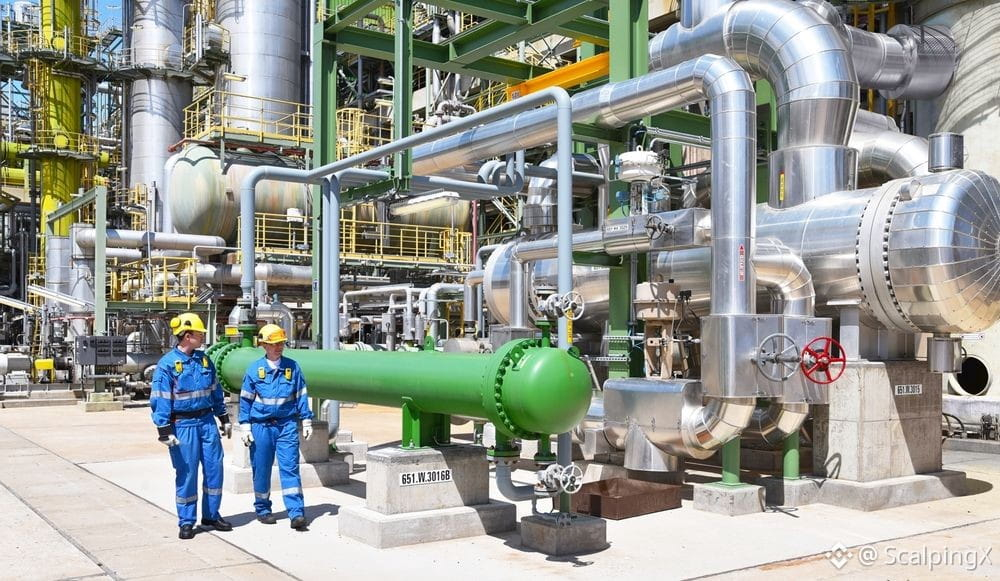
#ChemicalMarkets $XPL $HOLO $S
1
523
·
--
Bullish
Global chemical markets for May 11-16 remain driven by feedstock cost shocks and regional divergence
📌 Global chemical markets stayed under pressure as disruptions around the Strait of Hormuz kept oil, gas and freight costs elevated. The impact continued to flow into naphtha, ethylene, glycols, fertilizers and basic chemicals, making cost pressure and supply-chain security the main market drivers.
💡 Fertilizers remained the most sensitive segment. Urea prices stayed far above pre-conflict levels, while DAP/MAP were supported by strong Indian import demand and China’s export restrictions through August 2026. Producers benefit from higher prices, but farmer affordability is weakening, raising the risk of slower demand.
🔎 Petrochemicals such as PE, PP, glycols, aromatics and methanol also gained support from tighter supply and higher feedstock costs. Still, the recovery is uneven because China faces heavy overcapacity in PE, PP and EG, while demand from packaging, construction, autos and consumer goods remains soft.
⚙️ Regional divergence is clear. US producers hold a margin advantage thanks to cheaper feedstock and stronger exports. Europe is seeing only a cautious volume recovery due to high energy costs and weak industrial demand. Asia, especially China, remains pressured by high input costs, oversupply and thin margins.
♻️ The brighter areas are specialty chemicals, additives, coatings, metalworking fluids and recycled polymers. As virgin resin prices rise with oil, recycled materials are becoming more competitive, while specialty products are holding margins better because they are less commoditized.
⚠️ In the short term, volatility may stay high if geopolitical risk does not ease. High prices can still support US producers, fertilizers and specialty chemicals, but excessive costs may weaken end demand and raise demand-destruction risks across agriculture, construction, autos and packaging.
#ChemicalMarkets $BTC $TON $BNB
Global chemical markets for May 11-16 remain driven by feedstock cost shocks and regional divergence
📌 Global chemical markets stayed under pressure as disruptions around the Strait of Hormuz kept oil, gas and freight costs elevated. The impact continued to flow into naphtha, ethylene, glycols, fertilizers and basic chemicals, making cost pressure and supply-chain security the main market drivers.
💡 Fertilizers remained the most sensitive segment. Urea prices stayed far above pre-conflict levels, while DAP/MAP were supported by strong Indian import demand and China’s export restrictions through August 2026. Producers benefit from higher prices, but farmer affordability is weakening, raising the risk of slower demand.
🔎 Petrochemicals such as PE, PP, glycols, aromatics and methanol also gained support from tighter supply and higher feedstock costs. Still, the recovery is uneven because China faces heavy overcapacity in PE, PP and EG, while demand from packaging, construction, autos and consumer goods remains soft.
⚙️ Regional divergence is clear. US producers hold a margin advantage thanks to cheaper feedstock and stronger exports. Europe is seeing only a cautious volume recovery due to high energy costs and weak industrial demand. Asia, especially China, remains pressured by high input costs, oversupply and thin margins.
♻️ The brighter areas are specialty chemicals, additives, coatings, metalworking fluids and recycled polymers. As virgin resin prices rise with oil, recycled materials are becoming more competitive, while specialty products are holding margins better because they are less commoditized.
⚠️ In the short term, volatility may stay high if geopolitical risk does not ease. High prices can still support US producers, fertilizers and specialty chemicals, but excessive costs may weaken end demand and raise demand-destruction risks across agriculture, construction, autos and packaging.
#ChemicalMarkets $BTC $TON $BNB
📌 Global chemical markets stayed under pressure as disruptions around the Strait of Hormuz kept oil, gas and freight costs elevated. The impact continued to flow into naphtha, ethylene, glycols, fertilizers and basic chemicals, making cost pressure and supply-chain security the main market drivers.
💡 Fertilizers remained the most sensitive segment. Urea prices stayed far above pre-conflict levels, while DAP/MAP were supported by strong Indian import demand and China’s export restrictions through August 2026. Producers benefit from higher prices, but farmer affordability is weakening, raising the risk of slower demand.
🔎 Petrochemicals such as PE, PP, glycols, aromatics and methanol also gained support from tighter supply and higher feedstock costs. Still, the recovery is uneven because China faces heavy overcapacity in PE, PP and EG, while demand from packaging, construction, autos and consumer goods remains soft.
⚙️ Regional divergence is clear. US producers hold a margin advantage thanks to cheaper feedstock and stronger exports. Europe is seeing only a cautious volume recovery due to high energy costs and weak industrial demand. Asia, especially China, remains pressured by high input costs, oversupply and thin margins.
♻️ The brighter areas are specialty chemicals, additives, coatings, metalworking fluids and recycled polymers. As virgin resin prices rise with oil, recycled materials are becoming more competitive, while specialty products are holding margins better because they are less commoditized.
⚠️ In the short term, volatility may stay high if geopolitical risk does not ease. High prices can still support US producers, fertilizers and specialty chemicals, but excessive costs may weaken end demand and raise demand-destruction risks across agriculture, construction, autos and packaging.
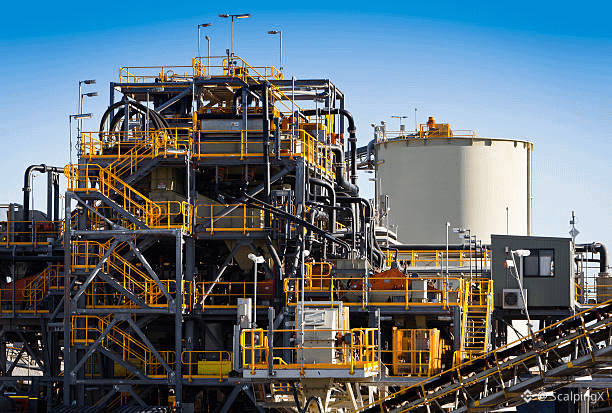
#ChemicalMarkets $BTC $TON $BNB
118
Log in to explore more content
Join global crypto users on Binance Square
⚡️ Get latest and useful information about crypto.
💬 Trusted by the world’s largest crypto exchange.
👍 Discover real insights from verified creators.
Email / Phone number
Trending Topics
1
#SECHaltsCryptoETFReviewsAmidFundingLapse
4,392 views
124 Discussing
2
#ZcashETFPostsFirstWeeklyOutflow$93.6M
56,122 views
168 Discussing
3
#GreekPoliceBustCryptoScamRingArrest17
167,360 views
1,160 Discussing
4
#BitcoinRejectedAt$87K
157,108 views
216 Discussing
5
#FedOctoberRateHikeOddsFallTo17%
200,595 views
1,356 Discussing
6
#NvidiaHitsRecordHighUp2.4%
142,680 views
955 Discussing
7
#CanaryFilesAmendedS1ForPEPEETF
35,834 views
648 Discussing
8
#BitcoinParesGainsAfterRallyTo$86.5K
56,085 views
171 Discussing
9
#CerebrasSinksNearly20%OnReportNvidiaToPowerOpenAI
147,720 views
1,281 Discussing
10
#SECProposesCryptoCustodyRules
202,479 views
1,605 Discussing