

#clarityact
clarityact
3.6M views
9,132 Discussing
Hot
Latest

·
--
⚠️ U.S. Senate Fails to Advance Crypto CLARITY Act
🇺🇸 The Senate failed to advance the Digital Asset Market CLARITY Act on Sept. 15, with the procedural vote falling short of the 60 votes needed.
📋 The bill aimed to establish a federal framework for digital assets and clarify the roles of the SEC and CFTC.
🔍 The setback leaves key U.S. crypto market-structure questions unresolved, while lawmakers could revisit the issue in the future.
👀 Could regulatory uncertainty remain a major issue for the U.S. crypto market?
#CLARITYAct #CryptoRegulation #DigitalAssets #CryptoNews
⚠️ U.S. Senate Fails to Advance Crypto CLARITY Act
🇺🇸 The Senate failed to advance the Digital Asset Market CLARITY Act on Sept. 15, with the procedural vote falling short of the 60 votes needed.
📋 The bill aimed to establish a federal framework for digital assets and clarify the roles of the SEC and CFTC.
🔍 The setback leaves key U.S. crypto market-structure questions unresolved, while lawmakers could revisit the issue in the future.
👀 Could regulatory uncertainty remain a major issue for the U.S. crypto market?
#CLARITYAct #CryptoRegulation #DigitalAssets #CryptoNews
🇺🇸 The Senate failed to advance the Digital Asset Market CLARITY Act on Sept. 15, with the procedural vote falling short of the 60 votes needed.
📋 The bill aimed to establish a federal framework for digital assets and clarify the roles of the SEC and CFTC.
🔍 The setback leaves key U.S. crypto market-structure questions unresolved, while lawmakers could revisit the issue in the future.
👀 Could regulatory uncertainty remain a major issue for the U.S. crypto market?
#CLARITYAct #CryptoRegulation #DigitalAssets #CryptoNews

1
46

🚨 BitGo CEO Warns About U.S. Crypto Market Risk
BitGo CEO Mike Belshe warned that failure of the Clarity Act could leave the U.S. crypto market exposed to systemic risks.
⚠️ His concern centers on situations where a single institution controls trading, brokerage, and custody at the same time.
Belshe says clearer regulation is needed to reduce potential instability and create stronger market safeguards.
📌 Regulation remains a major issue for the future of crypto in the U.S.
#Crypto #Bitcoin #BitGo #ClarityAct #Web3
🚨 BitGo CEO Warns About U.S. Crypto Market Risk
BitGo CEO Mike Belshe warned that failure of the Clarity Act could leave the U.S. crypto market exposed to systemic risks.
⚠️ His concern centers on situations where a single institution controls trading, brokerage, and custody at the same time.
Belshe says clearer regulation is needed to reduce potential instability and create stronger market safeguards.
📌 Regulation remains a major issue for the future of crypto in the U.S.
#Crypto #Bitcoin #BitGo #ClarityAct #Web3
BitGo CEO Mike Belshe warned that failure of the Clarity Act could leave the U.S. crypto market exposed to systemic risks.
⚠️ His concern centers on situations where a single institution controls trading, brokerage, and custody at the same time.
Belshe says clearer regulation is needed to reduce potential instability and create stronger market safeguards.
📌 Regulation remains a major issue for the future of crypto in the U.S.
#Crypto #Bitcoin #BitGo #ClarityAct #Web3

1
287
·
--
⚠️ BitGo CEO Warns of U.S. Crypto Market-Structure Risk
🏦 BitGo CEO Mike Belshe says the stalled CLARITY Act could leave U.S. crypto markets exposed to risks from firms combining exchange, brokerage, and custody under one roof.
🔐 His concern: too much activity concentrated in one institution could create a single point of failure if something goes wrong.
📌 The CLARITY Act failed to advance in the Senate in September, leaving parts of the proposed market-structure framework unresolved.
👀 Could market structure become the next major U.S. crypto regulation debate?
#CryptoRegulation #CLARITYAct #BitGo #DigitalAssets
⚠️ BitGo CEO Warns of U.S. Crypto Market-Structure Risk
🏦 BitGo CEO Mike Belshe says the stalled CLARITY Act could leave U.S. crypto markets exposed to risks from firms combining exchange, brokerage, and custody under one roof.
🔐 His concern: too much activity concentrated in one institution could create a single point of failure if something goes wrong.
📌 The CLARITY Act failed to advance in the Senate in September, leaving parts of the proposed market-structure framework unresolved.
👀 Could market structure become the next major U.S. crypto regulation debate?
#CryptoRegulation #CLARITYAct #BitGo #DigitalAssets
🏦 BitGo CEO Mike Belshe says the stalled CLARITY Act could leave U.S. crypto markets exposed to risks from firms combining exchange, brokerage, and custody under one roof.
🔐 His concern: too much activity concentrated in one institution could create a single point of failure if something goes wrong.
📌 The CLARITY Act failed to advance in the Senate in September, leaving parts of the proposed market-structure framework unresolved.
👀 Could market structure become the next major U.S. crypto regulation debate?
#CryptoRegulation #CLARITYAct #BitGo #DigitalAssets

1
74

BREAKING: CLARITY ACT FINAL DRAFT IS OUT! 🇺🇸
U.S. Senate Republicans have released the final draft of the Digital Asset Market CLARITY Act ahead of Tuesday’s Senate vote.
🔥 The updated bill includes: • New crypto ethics provisions
• Stablecoin safeguards
• Developer protections
• Changes aimed at creating clearer rules for digital assets
The Senate’s Tuesday vote is a key procedural test for the bill.
📈 Could clearer U.S. crypto rules become the next major market catalyst?
BULLISH or BEARISH for crypto? 👇
#Crypto #CLARITYAct #Bitcoin #Ethereum✅ #XRP #BinanceSquare
BREAKING: CLARITY ACT FINAL DRAFT IS OUT! 🇺🇸
U.S. Senate Republicans have released the final draft of the Digital Asset Market CLARITY Act ahead of Tuesday’s Senate vote.
🔥 The updated bill includes: • New crypto ethics provisions
• Stablecoin safeguards
• Developer protections
• Changes aimed at creating clearer rules for digital assets
The Senate’s Tuesday vote is a key procedural test for the bill.
📈 Could clearer U.S. crypto rules become the next major market catalyst?
BULLISH or BEARISH for crypto? 👇
#Crypto #CLARITYAct #Bitcoin #Ethereum✅ #XRP #BinanceSquare
U.S. Senate Republicans have released the final draft of the Digital Asset Market CLARITY Act ahead of Tuesday’s Senate vote.
🔥 The updated bill includes: • New crypto ethics provisions
• Stablecoin safeguards
• Developer protections
• Changes aimed at creating clearer rules for digital assets
The Senate’s Tuesday vote is a key procedural test for the bill.
📈 Could clearer U.S. crypto rules become the next major market catalyst?
BULLISH or BEARISH for crypto? 👇
#Crypto #CLARITYAct #Bitcoin #Ethereum✅ #XRP #BinanceSquare

51

·
--
McHenry said it plainly: back then, they should have pushed the CLARITY Act straight onto a Senate vote instead of dragging it into a political cycle and letting it get swallowed 👀
Let’s be realistic—after the midterm elections in November, the lame-duck session will be the last chance for market-structure legislation. Miss that, and it’s basically back to square one. The Senate has been working on it for half a year; meanwhile, institutions have waited for rules and procedures until the momentum is gone. This cloud of uncertainty has been weighing on big capital, preventing them from going heavy. Don’t expect the bill to ignite the short-term. For market direction, you’re still looking at ETF flow and the Fed’s mood. Regulation is at best a long-term argument for holding as a base position.
$BTC #CLARITYAct #crypto regulatory oversight
McHenry said it plainly: back then, they should have pushed the CLARITY Act straight onto a Senate vote instead of dragging it into a political cycle and letting it get swallowed 👀
Let’s be realistic—after the midterm elections in November, the lame-duck session will be the last chance for market-structure legislation. Miss that, and it’s basically back to square one. The Senate has been working on it for half a year; meanwhile, institutions have waited for rules and procedures until the momentum is gone. This cloud of uncertainty has been weighing on big capital, preventing them from going heavy. Don’t expect the bill to ignite the short-term. For market direction, you’re still looking at ETF flow and the Fed’s mood. Regulation is at best a long-term argument for holding as a base position.
$BTC #CLARITYAct #crypto regulatory oversight
Let’s be realistic—after the midterm elections in November, the lame-duck session will be the last chance for market-structure legislation. Miss that, and it’s basically back to square one. The Senate has been working on it for half a year; meanwhile, institutions have waited for rules and procedures until the momentum is gone. This cloud of uncertainty has been weighing on big capital, preventing them from going heavy. Don’t expect the bill to ignite the short-term. For market direction, you’re still looking at ETF flow and the Fed’s mood. Regulation is at best a long-term argument for holding as a base position.
$BTC #CLARITYAct #crypto regulatory oversight

202

·
--
Bullish
🚨 CLARITY ACT STALLS — CRYPTO STILL MOVES FORWARD
Bitwise CIO says the failure to advance the CLARITY Act may have unexpectedly accelerated other crypto regulatory wins. 👀
US Regulation is evolving.
⚡ Momentum isn’t stopping.
🌎 Crypto adoption keeps moving.
The regulatory race may be far from over. 🚀
#Write2Earn #NFA✅ and DYOR #Regulation #CLARITYAct #DigitalAssets
$DOGE
{spot}(DOGEUSDT)
$ADA
{spot}(ADAUSDT)
$VET
{spot}(VETUSDT)
🚨 CLARITY ACT STALLS — CRYPTO STILL MOVES FORWARD
Bitwise CIO says the failure to advance the CLARITY Act may have unexpectedly accelerated other crypto regulatory wins. 👀
US Regulation is evolving.
⚡ Momentum isn’t stopping.
🌎 Crypto adoption keeps moving.
The regulatory race may be far from over. 🚀
#Write2Earn #NFA✅ and DYOR #Regulation #CLARITYAct #DigitalAssets
$DOGE
$ADA
$VET
Bitwise CIO says the failure to advance the CLARITY Act may have unexpectedly accelerated other crypto regulatory wins. 👀
US Regulation is evolving.
⚡ Momentum isn’t stopping.
🌎 Crypto adoption keeps moving.
The regulatory race may be far from over. 🚀
#Write2Earn #NFA✅ and DYOR #Regulation #CLARITYAct #DigitalAssets
$DOGE
$ADA
$VET
176

·
--
Bullish
⚖️📜 CLARITY ACT SETS SAIL FROM THE SENATE AND ENTERS THE ELECTION❗⚖︎
The main proposed regulatory framework for crypto in the U.S. has just gained a new front:
in the November elections.
On September 15, the Senate tried to move the CLARITY Act forward.
Result:
✅ 49 in favor
❌ 50 against
➖ 1 absence
But the procedure required 60 votes.
Therefore, the bill was 11 votes short of what was needed to advance at that moment. Important: this was not a final approval vote on the law.
The House had already passed H.R. 3633 in July 2025 by 294 to 134, including votes from both parties.
What’s at stake?
The bill aims to establish clearer federal rules for:
🔹 when a crypto asset is treated as a security or a digital commodity
🔹 division of authority between the SEC and the CFTC
🔹 how spot markets for digital assets work.
Now the battle has reached the campaigns.
On September 30, the Stand With Crypto group, supported by Coinbase, announced electoral support for three Senate candidates. But there’s an important nuance:
three nominations don’t automatically mean three new votes for the CLARITY Act.
One of the names has already voted in favor of the motion; another is running for a seat whose current occupant also voted in favor.
The crypto industry says that clearer rules can reduce regulatory uncertainty and preserve investment in the U.S. Critics of the text, including Democrats, some Republicans, and banking groups, raised concerns about protections against money laundering, ethical rules, and possible impacts on bank deposits.
{spot}(MINAUSDT)
The question now is institutional:
Will the next Congress unlock regulation of the U.S. crypto market?
...........................................✦$DOT ✦...........................................
#CryptoNewss #CLARITYAct
⚖️📜 CLARITY ACT SETS SAIL FROM THE SENATE AND ENTERS THE ELECTION❗⚖︎
The main proposed regulatory framework for crypto in the U.S. has just gained a new front:
in the November elections.
On September 15, the Senate tried to move the CLARITY Act forward.
Result:
✅ 49 in favor
❌ 50 against
➖ 1 absence
But the procedure required 60 votes.
Therefore, the bill was 11 votes short of what was needed to advance at that moment. Important: this was not a final approval vote on the law.
The House had already passed H.R. 3633 in July 2025 by 294 to 134, including votes from both parties.
What’s at stake?
The bill aims to establish clearer federal rules for:
🔹 when a crypto asset is treated as a security or a digital commodity
🔹 division of authority between the SEC and the CFTC
🔹 how spot markets for digital assets work.
Now the battle has reached the campaigns.
On September 30, the Stand With Crypto group, supported by Coinbase, announced electoral support for three Senate candidates. But there’s an important nuance:
three nominations don’t automatically mean three new votes for the CLARITY Act.
One of the names has already voted in favor of the motion; another is running for a seat whose current occupant also voted in favor.
The crypto industry says that clearer rules can reduce regulatory uncertainty and preserve investment in the U.S. Critics of the text, including Democrats, some Republicans, and banking groups, raised concerns about protections against money laundering, ethical rules, and possible impacts on bank deposits.
The question now is institutional:
Will the next Congress unlock regulation of the U.S. crypto market?
...........................................✦$DOT ✦...........................................
#CryptoNewss #CLARITYAct
The main proposed regulatory framework for crypto in the U.S. has just gained a new front:
in the November elections.
On September 15, the Senate tried to move the CLARITY Act forward.
Result:
✅ 49 in favor
❌ 50 against
➖ 1 absence
But the procedure required 60 votes.
Therefore, the bill was 11 votes short of what was needed to advance at that moment. Important: this was not a final approval vote on the law.
The House had already passed H.R. 3633 in July 2025 by 294 to 134, including votes from both parties.
What’s at stake?
The bill aims to establish clearer federal rules for:
🔹 when a crypto asset is treated as a security or a digital commodity
🔹 division of authority between the SEC and the CFTC
🔹 how spot markets for digital assets work.
Now the battle has reached the campaigns.
On September 30, the Stand With Crypto group, supported by Coinbase, announced electoral support for three Senate candidates. But there’s an important nuance:
three nominations don’t automatically mean three new votes for the CLARITY Act.
One of the names has already voted in favor of the motion; another is running for a seat whose current occupant also voted in favor.
The crypto industry says that clearer rules can reduce regulatory uncertainty and preserve investment in the U.S. Critics of the text, including Democrats, some Republicans, and banking groups, raised concerns about protections against money laundering, ethical rules, and possible impacts on bank deposits.
The question now is institutional:
Will the next Congress unlock regulation of the U.S. crypto market?
...........................................✦$DOT ✦...........................................
#CryptoNewss #CLARITYAct

1
1.1k

💥¡BOOOOOOOOOOOOOM!
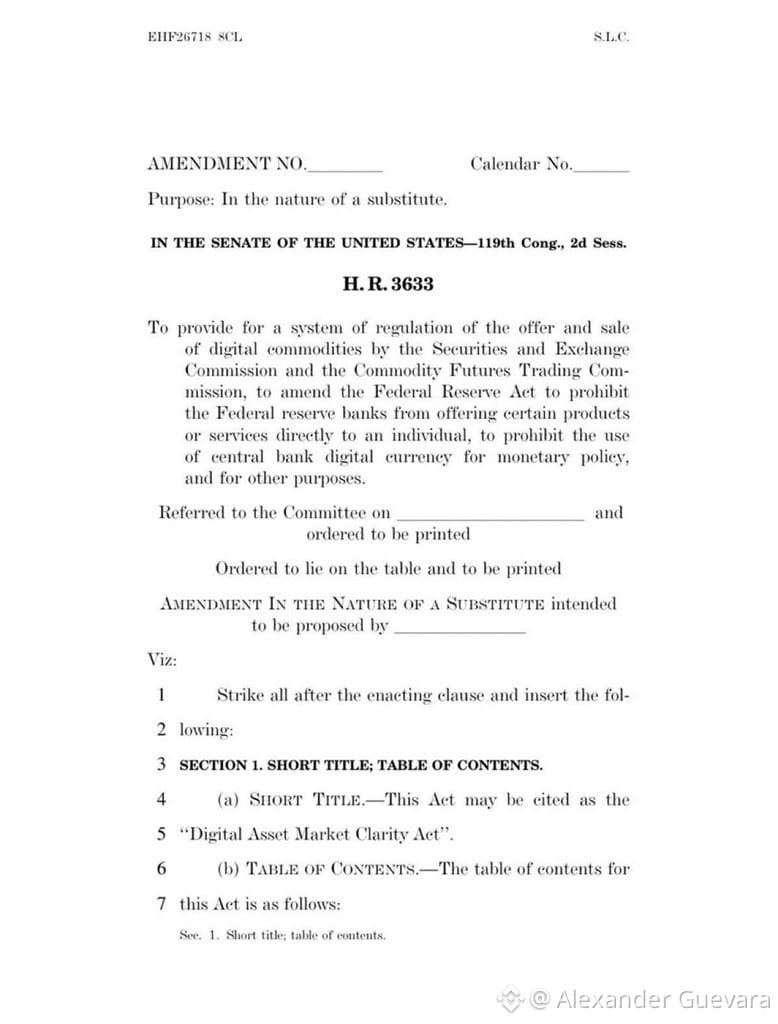
🚨IT IS OFFICIAL: 🇺🇸 The U.S. Senators have published the FINAL DRAFT of the Crypto CLARITY Law, which will be voted on Tuesday.🔥
#CLARITYAct #EEUU #LeyCLARITY #BitcoinFundingRateTriplesTo10% #BTC $BTC
💥¡BOOOOOOOOOOOOOM!
🚨IT IS OFFICIAL: 🇺🇸 The U.S. Senators have published the FINAL DRAFT of the Crypto CLARITY Law, which will be voted on Tuesday.🔥
#CLARITYAct #EEUU #LeyCLARITY #BitcoinFundingRateTriplesTo10% #BTC $BTC
🚨IT IS OFFICIAL: 🇺🇸 The U.S. Senators have published the FINAL DRAFT of the Crypto CLARITY Law, which will be voted on Tuesday.🔥
#CLARITYAct #EEUU #LeyCLARITY #BitcoinFundingRateTriplesTo10% #BTC $BTC
211

·
--
🇺🇸 Crypto Lobbying Is Getting Expensive
The U.S. CLARITY Act became one of the crypto industry's major regulatory priorities in 2026.
According to Bloomberg Government analyses of lobbying disclosures, major crypto companies and industry groups spent roughly $8.6M–$8.8M on federal lobbying during the first half of 2026 as they pushed for progress on the legislation.
The bill aims to establish a federal regulatory framework for digital assets and clarify the roles of the SEC and CFTC.
But despite the industry's lobbying efforts, the Senate failed to advance the bill in September after it fell short of the 60 votes needed to proceed.
What I find interesting is the bigger picture:
Crypto regulation has become a major industry priority — and companies are spending millions trying to shape the rules.
The question now is what happens next:
Will lawmakers revisit the CLARITY Act? Could negotiations produce a revised version? How might continued regulatory uncertainty affect crypto businesses in the U.S.?
How important do you think regulatory clarity is for the next phase of crypto adoption?
#Crypto #CLARITYAct #DigitalAssets #CryptoRegulation #Blockchain
🇺🇸 Crypto Lobbying Is Getting Expensive
The U.S. CLARITY Act became one of the crypto industry's major regulatory priorities in 2026.
According to Bloomberg Government analyses of lobbying disclosures, major crypto companies and industry groups spent roughly $8.6M–$8.8M on federal lobbying during the first half of 2026 as they pushed for progress on the legislation.
The bill aims to establish a federal regulatory framework for digital assets and clarify the roles of the SEC and CFTC.
But despite the industry's lobbying efforts, the Senate failed to advance the bill in September after it fell short of the 60 votes needed to proceed.
What I find interesting is the bigger picture:
Crypto regulation has become a major industry priority — and companies are spending millions trying to shape the rules.
The question now is what happens next:
Will lawmakers revisit the CLARITY Act? Could negotiations produce a revised version? How might continued regulatory uncertainty affect crypto businesses in the U.S.?
How important do you think regulatory clarity is for the next phase of crypto adoption?
#Crypto #CLARITYAct #DigitalAssets #CryptoRegulation #Blockchain
The U.S. CLARITY Act became one of the crypto industry's major regulatory priorities in 2026.
According to Bloomberg Government analyses of lobbying disclosures, major crypto companies and industry groups spent roughly $8.6M–$8.8M on federal lobbying during the first half of 2026 as they pushed for progress on the legislation.
The bill aims to establish a federal regulatory framework for digital assets and clarify the roles of the SEC and CFTC.
But despite the industry's lobbying efforts, the Senate failed to advance the bill in September after it fell short of the 60 votes needed to proceed.
What I find interesting is the bigger picture:
Crypto regulation has become a major industry priority — and companies are spending millions trying to shape the rules.
The question now is what happens next:
Will lawmakers revisit the CLARITY Act? Could negotiations produce a revised version? How might continued regulatory uncertainty affect crypto businesses in the U.S.?
How important do you think regulatory clarity is for the next phase of crypto adoption?
#Crypto #CLARITYAct #DigitalAssets #CryptoRegulation #Blockchain
1
73

Eight Million Dollars Down the Drain
Industry players burned $8 million on lobbyists for the Clarity Act without actually securing a legislative win. This massive waste of capital leaves the regulatory roadmap looking even more uncertain.
#ClarityAct #RegulatoryLobbying
Eight Million Dollars Down the Drain
Industry players burned $8 million on lobbyists for the Clarity Act without actually securing a legislative win. This massive waste of capital leaves the regulatory roadmap looking even more uncertain.
#ClarityAct #RegulatoryLobbying
Industry players burned $8 million on lobbyists for the Clarity Act without actually securing a legislative win. This massive waste of capital leaves the regulatory roadmap looking even more uncertain.
#ClarityAct #RegulatoryLobbying

5

·
--
$8M on the lobby and the Clarity Act still collapsed 49–50 in the Senate. My position: the crypto industry wanted to buy regulation instead of earning it. With $766M hacked just in September, no senator is going to take a stand for a sector that doesn’t care for its users.
Do you agree or is it smoke?
#ClarityAct #Crypto
$8M on the lobby and the Clarity Act still collapsed 49–50 in the Senate. My position: the crypto industry wanted to buy regulation instead of earning it. With $766M hacked just in September, no senator is going to take a stand for a sector that doesn’t care for its users.
Do you agree or is it smoke?
#ClarityAct #Crypto
Do you agree or is it smoke?
#ClarityAct #Crypto
60

·
--
【What happened to the CLARITY Act not passing—how did it suddenly become election bait?🔥】
[🚀 X先生粉丝群聊跟进加密监管动向](https://app.binance.com/uni-qr/MwYFhLo4)
On September 15, the CLARITY Act failed to pass a key procedural vote in the Senate, putting a temporary hold on the U.S. crypto market structure legislation it was originally set to advance.
But now, something has changed:
This bill is gradually shifting from being a “crypto regulatory issue in Congress” to becoming a political talking point during the U.S. midterm election period.
Why?
Because the core problem the CLARITY Act addresses is actually very realistic—namely, which crypto assets fall under the SEC and which fall under the CFTC, and what rules exchanges, issuers, and investment institutions should ultimately follow.
The bill stalling doesn’t mean U.S. crypto regulation has stopped.
The CFTC has already submitted a new proposal for crypto market rules, and the SEC continues to use its existing authority to move related policies forward. In other words, congressional legislation is temporarily stuck, but the regulators are still moving ahead.
And as the midterm election draws closer in November, crypto regulation may also become a topic candidates discuss as they seek votes and industry support.
📌 So what’s truly worth paying attention to now isn’t just when the CLARITY Act will return to Congress—it’s whether after the election, U.S. crypto regulation will take the path of “congressional legislation,” or whether it will continue to be driven by the SEC and CFTC using their existing powers.
For BTC, ETH, and the entire crypto industry, how the regulatory direction changes will ultimately affect institutional capital, trading platforms, and the growth space for on-chain finance.
#CFTC向白宫提交两项事件合约规则提案 #CLARITYAct
【What happened to the CLARITY Act not passing—how did it suddenly become election bait?🔥】
🚀 X先生粉丝群聊跟进加密监管动向
On September 15, the CLARITY Act failed to pass a key procedural vote in the Senate, putting a temporary hold on the U.S. crypto market structure legislation it was originally set to advance.
But now, something has changed:
This bill is gradually shifting from being a “crypto regulatory issue in Congress” to becoming a political talking point during the U.S. midterm election period.
Why?
Because the core problem the CLARITY Act addresses is actually very realistic—namely, which crypto assets fall under the SEC and which fall under the CFTC, and what rules exchanges, issuers, and investment institutions should ultimately follow.
The bill stalling doesn’t mean U.S. crypto regulation has stopped.
The CFTC has already submitted a new proposal for crypto market rules, and the SEC continues to use its existing authority to move related policies forward. In other words, congressional legislation is temporarily stuck, but the regulators are still moving ahead.
And as the midterm election draws closer in November, crypto regulation may also become a topic candidates discuss as they seek votes and industry support.
📌 So what’s truly worth paying attention to now isn’t just when the CLARITY Act will return to Congress—it’s whether after the election, U.S. crypto regulation will take the path of “congressional legislation,” or whether it will continue to be driven by the SEC and CFTC using their existing powers.
For BTC, ETH, and the entire crypto industry, how the regulatory direction changes will ultimately affect institutional capital, trading platforms, and the growth space for on-chain finance.
#CFTC向白宫提交两项事件合约规则提案 #CLARITYAct
🚀 X先生粉丝群聊跟进加密监管动向
On September 15, the CLARITY Act failed to pass a key procedural vote in the Senate, putting a temporary hold on the U.S. crypto market structure legislation it was originally set to advance.
But now, something has changed:
This bill is gradually shifting from being a “crypto regulatory issue in Congress” to becoming a political talking point during the U.S. midterm election period.
Why?
Because the core problem the CLARITY Act addresses is actually very realistic—namely, which crypto assets fall under the SEC and which fall under the CFTC, and what rules exchanges, issuers, and investment institutions should ultimately follow.
The bill stalling doesn’t mean U.S. crypto regulation has stopped.
The CFTC has already submitted a new proposal for crypto market rules, and the SEC continues to use its existing authority to move related policies forward. In other words, congressional legislation is temporarily stuck, but the regulators are still moving ahead.
And as the midterm election draws closer in November, crypto regulation may also become a topic candidates discuss as they seek votes and industry support.
📌 So what’s truly worth paying attention to now isn’t just when the CLARITY Act will return to Congress—it’s whether after the election, U.S. crypto regulation will take the path of “congressional legislation,” or whether it will continue to be driven by the SEC and CFTC using their existing powers.
For BTC, ETH, and the entire crypto industry, how the regulatory direction changes will ultimately affect institutional capital, trading platforms, and the growth space for on-chain finance.
#CFTC向白宫提交两项事件合约规则提案 #CLARITYAct
628

·
--
🚨 Crypto Industry Spent $8 Million Lobbying the CLARITY Act!
But It Got Stuck in the Senate—Where Did the Money Go?🔥
Group: [点击进入玖玖短线策略群](https://app.binance.com/uni-qr/SC8V8G2r)
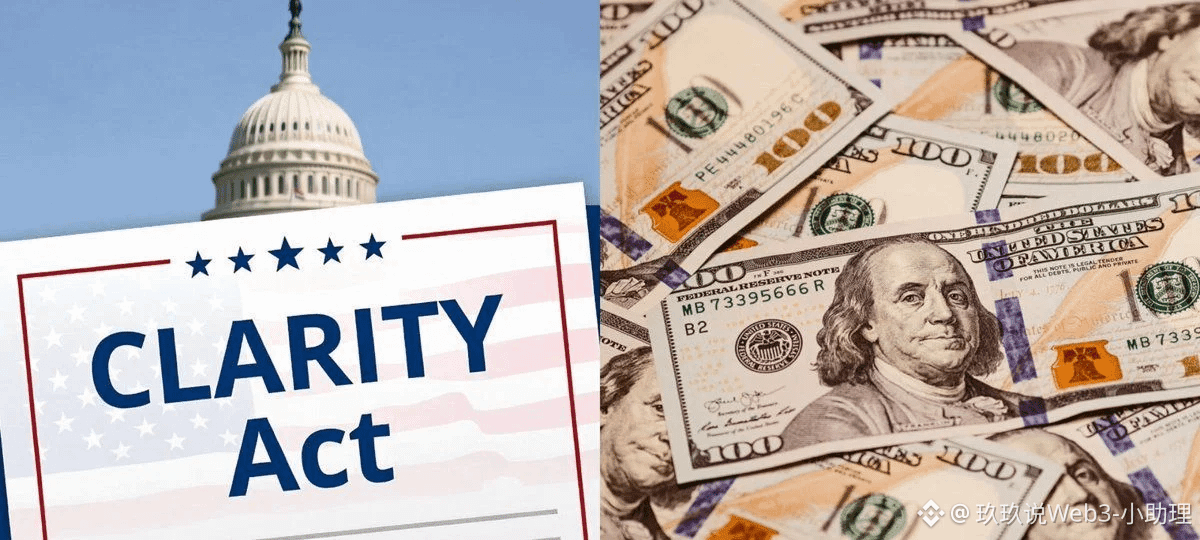
To push for U.S. crypto market-structure legislation, the industry has spared no expense in the first half of this year. According to CoinDesk’s analysis of federal lobbying disclosure filings, in the first six months before 2026, the crypto industry spent more than $13 million on lobbying—about $8 million of which was related to advancing the “Digital Asset Market Transparency Act” (CLARITY Act).
Among them, Coinbase became one of the main players, with related lobbying expenses of about $2.2 million; Kraken spent nearly $1 million. Digital Currency Group, Jump Crypto, Paradigm, and others also投入大量资源. Meanwhile, the industry also leveraged a large number of external lobbying firms and industry associations, with at least 42 outside lobbying companies involved in the related work.
💰 But spending a lot doesn’t necessarily mean the bill will pass.
On September 15, the U.S. Senate held a procedural vote to advance the CLARITY Act. In the end, it failed to reach the 60-vote threshold required to move forward, with 49 votes in favor and 50 against.
This means that the large-scale lobbying the crypto industry had conducted over the past months around the market-structure bill did not directly result in legislation being passed.
However, this doesn’t mean these investments produced zero results. CoinDesk cited industry insiders saying that the CLARITY Act had already advanced to a level rarely seen before, and that some bipartisan negotiation outcomes may serve as a foundation for future legislative discussions.
Click on my avatar to follow me for daily market updates and short-term strategy🚀
#BTC #CLARITYAct
🚨 Crypto Industry Spent $8 Million Lobbying the CLARITY Act!
But It Got Stuck in the Senate—Where Did the Money Go?🔥
Group: 点击进入玖玖短线策略群
To push for U.S. crypto market-structure legislation, the industry has spared no expense in the first half of this year. According to CoinDesk’s analysis of federal lobbying disclosure filings, in the first six months before 2026, the crypto industry spent more than $13 million on lobbying—about $8 million of which was related to advancing the “Digital Asset Market Transparency Act” (CLARITY Act).
Among them, Coinbase became one of the main players, with related lobbying expenses of about $2.2 million; Kraken spent nearly $1 million. Digital Currency Group, Jump Crypto, Paradigm, and others also投入大量资源. Meanwhile, the industry also leveraged a large number of external lobbying firms and industry associations, with at least 42 outside lobbying companies involved in the related work.
💰 But spending a lot doesn’t necessarily mean the bill will pass.
On September 15, the U.S. Senate held a procedural vote to advance the CLARITY Act. In the end, it failed to reach the 60-vote threshold required to move forward, with 49 votes in favor and 50 against.
This means that the large-scale lobbying the crypto industry had conducted over the past months around the market-structure bill did not directly result in legislation being passed.
However, this doesn’t mean these investments produced zero results. CoinDesk cited industry insiders saying that the CLARITY Act had already advanced to a level rarely seen before, and that some bipartisan negotiation outcomes may serve as a foundation for future legislative discussions.
Click on my avatar to follow me for daily market updates and short-term strategy🚀
#BTC #CLARITYAct
But It Got Stuck in the Senate—Where Did the Money Go?🔥
Group: 点击进入玖玖短线策略群
To push for U.S. crypto market-structure legislation, the industry has spared no expense in the first half of this year. According to CoinDesk’s analysis of federal lobbying disclosure filings, in the first six months before 2026, the crypto industry spent more than $13 million on lobbying—about $8 million of which was related to advancing the “Digital Asset Market Transparency Act” (CLARITY Act).
Among them, Coinbase became one of the main players, with related lobbying expenses of about $2.2 million; Kraken spent nearly $1 million. Digital Currency Group, Jump Crypto, Paradigm, and others also投入大量资源. Meanwhile, the industry also leveraged a large number of external lobbying firms and industry associations, with at least 42 outside lobbying companies involved in the related work.
💰 But spending a lot doesn’t necessarily mean the bill will pass.
On September 15, the U.S. Senate held a procedural vote to advance the CLARITY Act. In the end, it failed to reach the 60-vote threshold required to move forward, with 49 votes in favor and 50 against.
This means that the large-scale lobbying the crypto industry had conducted over the past months around the market-structure bill did not directly result in legislation being passed.
However, this doesn’t mean these investments produced zero results. CoinDesk cited industry insiders saying that the CLARITY Act had already advanced to a level rarely seen before, and that some bipartisan negotiation outcomes may serve as a foundation for future legislative discussions.
Click on my avatar to follow me for daily market updates and short-term strategy🚀
#BTC #CLARITYAct
175
·
--
🚨 The CLARITY Act failed—yet the crypto market is rising instead!
Bitwise: Why didn’t this “failure” turn out so bad?🔥
Group: [点击进入玖玖短线策略群](https://app.binance.com/uni-qr/SC8V8G2r)
After the CLARITY Act was stalled in the Senate, the market initially worried that cryptocurrencies would continue to face pressure. But Bitwise Chief Investment Officer Matt Hougan offered an entirely different perspective: the bill not moving forward doesn’t mean the crypto industry has lost all good news. Instead, some business areas that might have been restricted may have been temporarily preserved.
On September 15, the U.S. Senate failed to advance the CLARITY Act. The procedural vote was 49 in favor and 50 against, still clearly short of the 60 votes needed to move it forward. Reuters said this means the bill is currently stalled, but it does not equal a permanent end.
What’s interesting is that Hougan found that after the bill was derailed, the crypto market didn’t follow the logic of “regulatory failure = ongoing sell-off.” He believes the market is repricing a reality: even without the CLARITY Act, existing U.S. regulators can still drive parts of crypto business forward through rules, exemptions, and regulatory interpretation.
One key focus is stablecoin rewards.
Hougan believes the CLARITY Act originally involved restrictions on stablecoin reward mechanisms. With the bill temporarily shelved, some platforms can still continue exploring stablecoin-related reward models within the existing GENIUS Act framework. Bernstein’s analysis also noted that after the bill wasn’t advanced, stablecoin rewards are still in their current state. Going forward, regulatory attention may shift even more toward the SEC and the CFTC.
On September 17, the SEC officially rolled out an “innovation exemption,” allowing qualifying Tokenized Securities Venues to conduct on-chain trading of partially tokenized U.S. stocks under certain conditions. This exemption is a temporary, conditional measure with a 5-year validity period—it’s not permanent market-structure legislation.
This also lines up with Hougan’s core point: regulators can already push certain crypto innovations, but there’s still a big difference between these policy tools and laws passed by Congress. Policies can be adjusted, while legislation enacted by Congress tends to have stronger long-term stability.
Click my avatar to follow for daily market analysis and short-term trading strategies🚀
#BTC #ETH #CLARITYAct
🚨 The CLARITY Act failed—yet the crypto market is rising instead!
Bitwise: Why didn’t this “failure” turn out so bad?🔥
Group: 点击进入玖玖短线策略群
After the CLARITY Act was stalled in the Senate, the market initially worried that cryptocurrencies would continue to face pressure. But Bitwise Chief Investment Officer Matt Hougan offered an entirely different perspective: the bill not moving forward doesn’t mean the crypto industry has lost all good news. Instead, some business areas that might have been restricted may have been temporarily preserved.
On September 15, the U.S. Senate failed to advance the CLARITY Act. The procedural vote was 49 in favor and 50 against, still clearly short of the 60 votes needed to move it forward. Reuters said this means the bill is currently stalled, but it does not equal a permanent end.
What’s interesting is that Hougan found that after the bill was derailed, the crypto market didn’t follow the logic of “regulatory failure = ongoing sell-off.” He believes the market is repricing a reality: even without the CLARITY Act, existing U.S. regulators can still drive parts of crypto business forward through rules, exemptions, and regulatory interpretation.
One key focus is stablecoin rewards.
Hougan believes the CLARITY Act originally involved restrictions on stablecoin reward mechanisms. With the bill temporarily shelved, some platforms can still continue exploring stablecoin-related reward models within the existing GENIUS Act framework. Bernstein’s analysis also noted that after the bill wasn’t advanced, stablecoin rewards are still in their current state. Going forward, regulatory attention may shift even more toward the SEC and the CFTC.
On September 17, the SEC officially rolled out an “innovation exemption,” allowing qualifying Tokenized Securities Venues to conduct on-chain trading of partially tokenized U.S. stocks under certain conditions. This exemption is a temporary, conditional measure with a 5-year validity period—it’s not permanent market-structure legislation.
This also lines up with Hougan’s core point: regulators can already push certain crypto innovations, but there’s still a big difference between these policy tools and laws passed by Congress. Policies can be adjusted, while legislation enacted by Congress tends to have stronger long-term stability.
Click my avatar to follow for daily market analysis and short-term trading strategies🚀
#BTC #ETH #CLARITYAct
Bitwise: Why didn’t this “failure” turn out so bad?🔥
Group: 点击进入玖玖短线策略群
After the CLARITY Act was stalled in the Senate, the market initially worried that cryptocurrencies would continue to face pressure. But Bitwise Chief Investment Officer Matt Hougan offered an entirely different perspective: the bill not moving forward doesn’t mean the crypto industry has lost all good news. Instead, some business areas that might have been restricted may have been temporarily preserved.
On September 15, the U.S. Senate failed to advance the CLARITY Act. The procedural vote was 49 in favor and 50 against, still clearly short of the 60 votes needed to move it forward. Reuters said this means the bill is currently stalled, but it does not equal a permanent end.
What’s interesting is that Hougan found that after the bill was derailed, the crypto market didn’t follow the logic of “regulatory failure = ongoing sell-off.” He believes the market is repricing a reality: even without the CLARITY Act, existing U.S. regulators can still drive parts of crypto business forward through rules, exemptions, and regulatory interpretation.
One key focus is stablecoin rewards.
Hougan believes the CLARITY Act originally involved restrictions on stablecoin reward mechanisms. With the bill temporarily shelved, some platforms can still continue exploring stablecoin-related reward models within the existing GENIUS Act framework. Bernstein’s analysis also noted that after the bill wasn’t advanced, stablecoin rewards are still in their current state. Going forward, regulatory attention may shift even more toward the SEC and the CFTC.
On September 17, the SEC officially rolled out an “innovation exemption,” allowing qualifying Tokenized Securities Venues to conduct on-chain trading of partially tokenized U.S. stocks under certain conditions. This exemption is a temporary, conditional measure with a 5-year validity period—it’s not permanent market-structure legislation.
This also lines up with Hougan’s core point: regulators can already push certain crypto innovations, but there’s still a big difference between these policy tools and laws passed by Congress. Policies can be adjusted, while legislation enacted by Congress tends to have stronger long-term stability.
Click my avatar to follow for daily market analysis and short-term trading strategies🚀
#BTC #ETH #CLARITYAct

1
340

·
--
The crypto industry spent $8 million lobbying and it still fell through—the bill is dead.
The main character is the U.S. Clarity Act— the Crypto Market Structure Act. The industry hired a lobbying firm and shelled out $8 million, about RMB 57 million. That’s enough to pump 100 “shitcoin” trading desks on Solana. And the result: they didn’t manage to get it passed.
The most savage part is what came next: Bitwise’s CIO said that the bill failing actually made the industry “win faster.” Losing = winning. That kind of stubbornness is unreal—should probably apply for UNESCO intangible cultural heritage.
Send this to that friend who still believes “throw money at it and you can fix Washington.”
Two choices: should the industry keep spending that $8 million on lobbying, or save it and send it directly to developers? #ClarityAct
The crypto industry spent $8 million lobbying and it still fell through—the bill is dead.
The main character is the U.S. Clarity Act— the Crypto Market Structure Act. The industry hired a lobbying firm and shelled out $8 million, about RMB 57 million. That’s enough to pump 100 “shitcoin” trading desks on Solana. And the result: they didn’t manage to get it passed.
The most savage part is what came next: Bitwise’s CIO said that the bill failing actually made the industry “win faster.” Losing = winning. That kind of stubbornness is unreal—should probably apply for UNESCO intangible cultural heritage.
Send this to that friend who still believes “throw money at it and you can fix Washington.”
Two choices: should the industry keep spending that $8 million on lobbying, or save it and send it directly to developers? #ClarityAct
The main character is the U.S. Clarity Act— the Crypto Market Structure Act. The industry hired a lobbying firm and shelled out $8 million, about RMB 57 million. That’s enough to pump 100 “shitcoin” trading desks on Solana. And the result: they didn’t manage to get it passed.
The most savage part is what came next: Bitwise’s CIO said that the bill failing actually made the industry “win faster.” Losing = winning. That kind of stubbornness is unreal—should probably apply for UNESCO intangible cultural heritage.
Send this to that friend who still believes “throw money at it and you can fix Washington.”
Two choices: should the industry keep spending that $8 million on lobbying, or save it and send it directly to developers? #ClarityAct
33

🚨⚖️ SEC CLARIFIES CRYPTO 💥
SEC staff says token buybacks on functional crypto networks don’t automatically qualify as managerial efforts under Howey.
More regulatory clarity for crypto. 👀
#Crypto #Xrp🔥🔥 P #CLARITYAct
🚨⚖️ SEC CLARIFIES CRYPTO 💥
SEC staff says token buybacks on functional crypto networks don’t automatically qualify as managerial efforts under Howey.
More regulatory clarity for crypto. 👀
#Crypto #Xrp🔥🔥 P #CLARITYAct
SEC staff says token buybacks on functional crypto networks don’t automatically qualify as managerial efforts under Howey.
More regulatory clarity for crypto. 👀
#Crypto #Xrp🔥🔥 P #CLARITYAct
11

·
--
Bullish
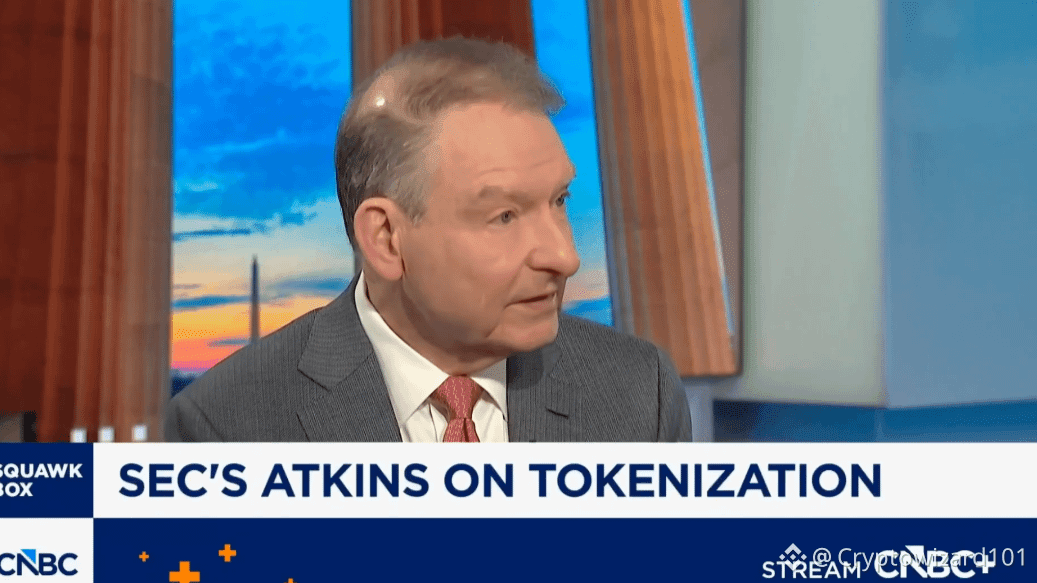
🚨 SEC Chair Paul Atkins says the SEC is moving forward with clearer rules for raising money on-chain, despite the CLARITY Act failing in Congress.
“We’re trying to move things on-chain.”
#CLARITYAct
🚨 SEC Chair Paul Atkins says the SEC is moving forward with clearer rules for raising money on-chain, despite the CLARITY Act failing in Congress.
“We’re trying to move things on-chain.”
#CLARITYAct
“We’re trying to move things on-chain.”
#CLARITYAct
1
1.2k

Lummis Blame Democrats for Blocking CLARITY Act
- White House criticizes Senate Democrats for blocking the CLARITY Act
- Senator Cynthia Lummis claims Democrats failed to pass crypto market legislation
- Despite bipartisan requirements, Democrats voted 'No' on the bill
- CLARITY Act aims to clarify regulations for cryptocurrency industry
#BinanceSquare #CryptoNews #CLARITYAct #Senate #CryptoRegulation
$btc $eth
vlikevn Titanbot
Nguồn: CoinGape
Lummis Blame Democrats for Blocking CLARITY Act
- White House criticizes Senate Democrats for blocking the CLARITY Act
- Senator Cynthia Lummis claims Democrats failed to pass crypto market legislation
- Despite bipartisan requirements, Democrats voted 'No' on the bill
- CLARITY Act aims to clarify regulations for cryptocurrency industry
#BinanceSquare #CryptoNews #CLARITYAct #Senate #CryptoRegulation
$btc $eth
vlikevn Titanbot
Nguồn: CoinGape
- White House criticizes Senate Democrats for blocking the CLARITY Act
- Senator Cynthia Lummis claims Democrats failed to pass crypto market legislation
- Despite bipartisan requirements, Democrats voted 'No' on the bill
- CLARITY Act aims to clarify regulations for cryptocurrency industry
#BinanceSquare #CryptoNews #CLARITYAct #Senate #CryptoRegulation
$btc $eth
vlikevn Titanbot
Nguồn: CoinGape
13

·
--
Article
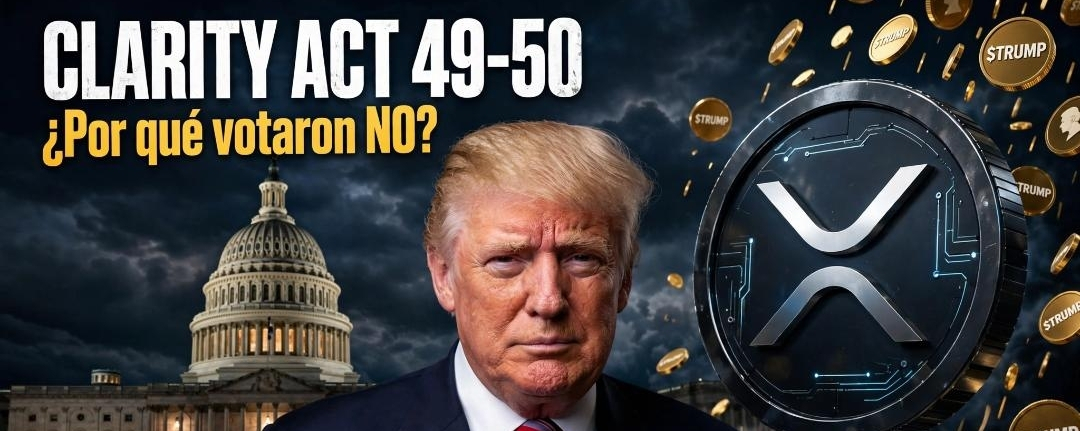
THEORY: Why Democrats Voted NO on CLARITY and What It Has to Do With Trump’s MemecoinOn September 15, the most important U.S. crypto law, the CLARITY Act, did not pass. It needed 60 votes and only got 49-50. All Democrats voted NO and 4 Republicans also.
Official reason? Ethics.
Trump’s 2025 financial statement showed that he won more than $1.4 trillion in crypto with his memecoin $TRUMP and World Liberty Financial. Elizabeth Warren and the Democrats said: "We can’t pass a law that would allow the president to make money with the same law he’s pushing."
THEORY: Why Democrats Voted NO on CLARITY and What It Has to Do With Trump’s Memecoin
On September 15, the most important U.S. crypto law, the CLARITY Act, did not pass. It needed 60 votes and only got 49-50. All Democrats voted NO and 4 Republicans also.
Official reason? Ethics.
Trump’s 2025 financial statement showed that he won more than $1.4 trillion in crypto with his memecoin $TRUMP and World Liberty Financial. Elizabeth Warren and the Democrats said: "We can’t pass a law that would allow the president to make money with the same law he’s pushing."
Official reason? Ethics.
Trump’s 2025 financial statement showed that he won more than $1.4 trillion in crypto with his memecoin $TRUMP and World Liberty Financial. Elizabeth Warren and the Democrats said: "We can’t pass a law that would allow the president to make money with the same law he’s pushing."
Joseg-cb578:
Las agallas de los demócratas...
3
2
8
6.4k

·
--
🚨 CLARITY ACT UPDATE
The CLARITY Act failed to advance in the U.S. Senate, after falling short of the 60 votes needed in a 50–49 procedural vote.
So, is it game over, or could the bill come back later? 👀
If passed, the legislation would create a clearer federal framework for regulating digital assets in the U.S.
Crypto isn’t just about charts — regulation matters too. 📊
DYOR. Stay informed. 🧠
#crypto #CLARITYAct #bitcoin #CryptoNews
🚨 CLARITY ACT UPDATE
The CLARITY Act failed to advance in the U.S. Senate, after falling short of the 60 votes needed in a 50–49 procedural vote.
So, is it game over, or could the bill come back later? 👀
If passed, the legislation would create a clearer federal framework for regulating digital assets in the U.S.
Crypto isn’t just about charts — regulation matters too. 📊
DYOR. Stay informed. 🧠
#crypto #CLARITYAct #bitcoin #CryptoNews
The CLARITY Act failed to advance in the U.S. Senate, after falling short of the 60 votes needed in a 50–49 procedural vote.
So, is it game over, or could the bill come back later? 👀
If passed, the legislation would create a clearer federal framework for regulating digital assets in the U.S.
Crypto isn’t just about charts — regulation matters too. 📊
DYOR. Stay informed. 🧠
#crypto #CLARITYAct #bitcoin #CryptoNews

58
Log in to explore more content
Join global crypto users on Binance Square
⚡️ Get latest and useful information about crypto.
💬 Trusted by the world’s largest crypto exchange.
👍 Discover real insights from verified creators.
Email / Phone number
Trending Topics
1
#SECHaltsCryptoETFReviewsAmidFundingLapse
90,683 views
860 Discussing
2
#ZcashETFPostsFirstWeeklyOutflow$93.6M
68,981 views
217 Discussing
3
#GreekPoliceBustCryptoScamRingArrest17
238,611 views
1,660 Discussing
4
#BitcoinRejectedAt$87K
174,841 views
274 Discussing
5
#FedOctoberRateHikeOddsFallTo17%
256,595 views
1,811 Discussing
6
#NvidiaHitsRecordHighUp2.4%
174,716 views
1,254 Discussing
7
#CanaryFilesAmendedS1ForPEPEETF
54,249 views
841 Discussing
8
#BitcoinParesGainsAfterRallyTo$86.5K
61,026 views
184 Discussing
9
#CerebrasSinksNearly20%OnReportNvidiaToPowerOpenAI
165,011 views
1,420 Discussing
10
#SECProposesCryptoCustodyRules
237,238 views
1,763 Discussing