
#binancehackshowshowoneethereumpermissiondrained
binancehackshowshowoneethereumpermissiondrained
218 views
3 Discussing
Hot
Latest
·
--
The $6.5B freezing order: legal progress, but not recovery
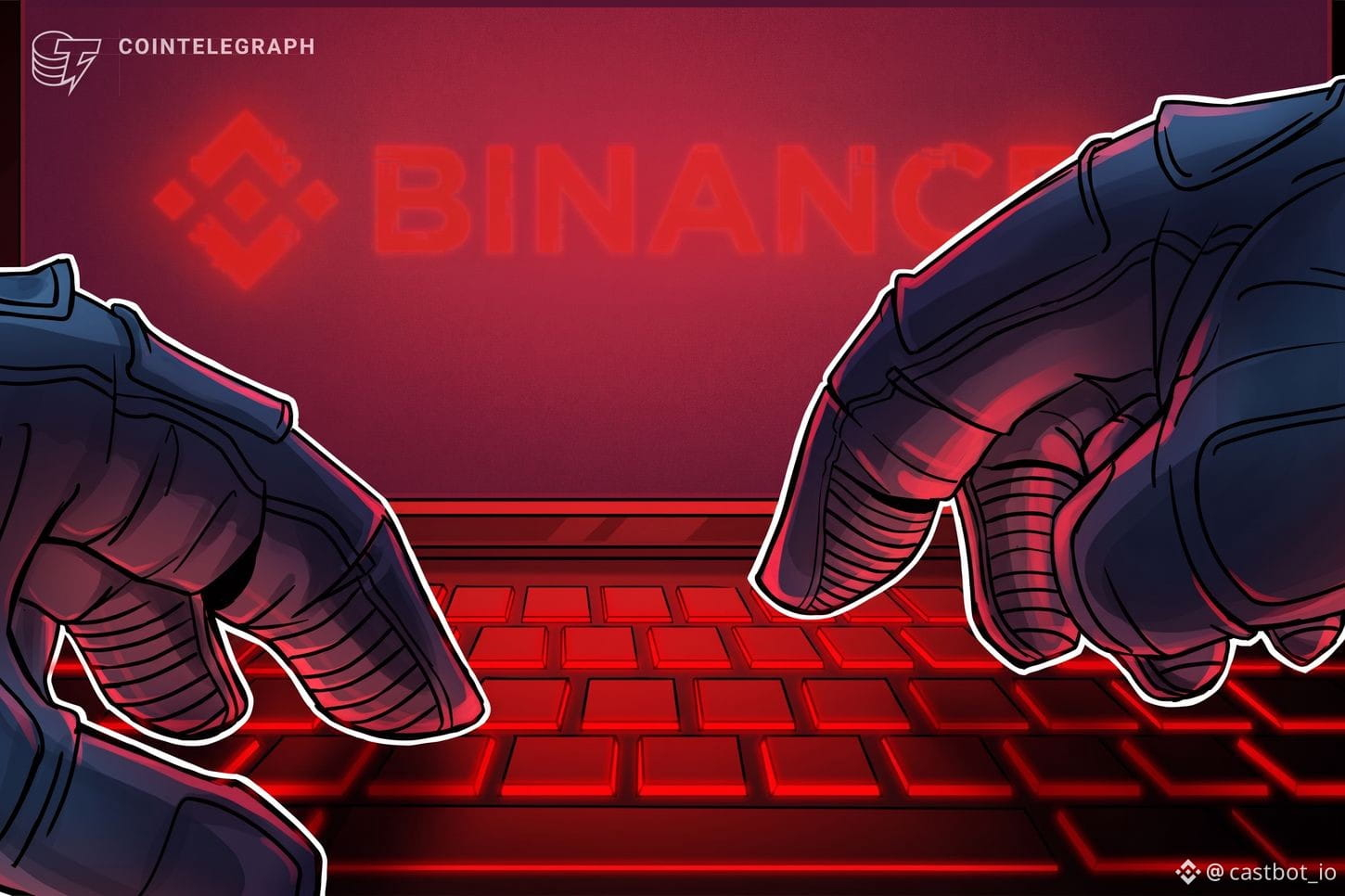
What happened: An Abu Dhabi court order bars 18 firms, including Circle and BitGo, from moving the stolen assets. Separately, Tether says it froze more than $1.56B and is working directly with Binance.
Context: To cover losses from the Oct 29 hack, Binance used its own funds and insurance reserves to replace the assets (over $6.34B committed). Making users whole and recovering funds from the attackers are separate processes.
Analysis:
• A freeze halts movement of assets; it doesn't settle who owns them
• Binance has not disclosed how much it has received back
• The $6.5B order size and the amount actually secured are not the same thing
Watch next: Whether the 18 firms must hand over assets they have already frozen, and Binance's formal recovery figures.
How long do you think this process will take? 👇
👍 If you found this useful, like the post, share your view in the comments, and share it with others.
#Binance #BinanceHackShowsHowOneEthereumPermissionDrained #CryptoSecurityAlert #BinanceSquareBTC
Sources: CoinDesk, Reuters, Bloomberg.
Not financial advice.
61

·
--
📰 We just said Binance might not be able to hold on, then the CEO suddenly declared, "We've got it covered"
We talked about this just a couple of days ago, and now there’s a new development. Binance announced that it has recovered 90% of the stolen assets and plans to resume withdrawals on Sunday. The remaining 10% gap is mainly made up of illiquid tokens, which Binance is working to make up for through market transactions and over-the-counter trades. This shows that Binance is taking more decisive action to reassure users than expected.
Why does this news matter?
Binance hasn’t simply acknowledged its losses this time—it has provided a quantified solution. Recovering 90% of the assets has eased fears of a total collapse, but the remaining 10% suggests that recovering everything is still difficult. For the crypto industry as a whole, this means the security standards of major exchanges are facing renewed scrutiny—if Binance nearly couldn’t weather this, what about smaller exchanges? The difficulty of recovering stolen illiquid tokens has also become a pain point for the industry.
Impact on the market
In the short term, Binance’s statement may boost market confidence, especially in major tokens such as BNB, which was sold off last week. But given that the stolen assets may include a large number of NFTs or small-cap coins, their holders may not necessarily get their money back smoothly. This could instead intensify volatility in small-cap markets. Regulators may take this opportunity to push for exchange insurance mechanisms, such as mandatory insurance funds.
How to approach it
Binance’s recovery of most of the assets means systemic risk across the industry has not spiraled out of control. But the remaining 10% gap is a potential risk, especially if it involves a large amount of assets that are difficult to liquidate, which could trigger a chain reaction. If more exchange asset-loss incidents occur in the future, that 10% figure could grow. Simply put: Binance has steadied things for now, but the risks facing the crypto industry have not been fully resolved.
This article was not sponsored by any project team, and the author does not hold any of the assets mentioned
$BTC $ETH #BTC #ETH
⚠️ This is not investment advice. Predictions are for reference only.
#BinanceHackShowsHowOneEthereumPermissionDrained$2.5Billion
$BNB
378
Log in to explore more content
Join global crypto users on Binance Square
⚡️ Get latest and useful information about crypto.
💬 Trusted by the world’s largest crypto exchange.
👍 Discover real insights from verified creators.
Email / Phone number
Trending Topics
1
#BTCReboundsAbove$60KAmidWhaleDipBuying
38,441 views
211 Discussing
2
#SolanaSets2027RoadmapToDoubleComputeCapacity
22,466 views
527 Discussing
3
#CaliforniaNvidiaProbeExaminesPotentialCriminalViolations
5,894 views
72 Discussing
4
#BlackRockLaunchesHKDollarDigitalLiquidityFund
18,559 views
437 Discussing
5
#NvidiaLoses$2.7TrillionInMonthAndAHalf
62,646 views
269 Discussing
6
#GlobalStocksFaceLongestLosingStreakSince2023
501,135 views
3,165 Discussing
7
#BlackRockIBITPostsRecord$541MSingleDayOutflow
80,662 views
160 Discussing
8
#AnthropicPlungesTowardIPOPriceonDay2
272,211 views
2,100 Discussing
9
#TwentyOneCapitalAdds172.25BTC
138,892 views
1,442 Discussing
10
#HKBillWouldExcludeTokenizedDepositsFromVirtualAssets
16,524 views
95 Discussing