

#14august
14august
3,748 views
53 Discussing
Hot
Latest
·
--
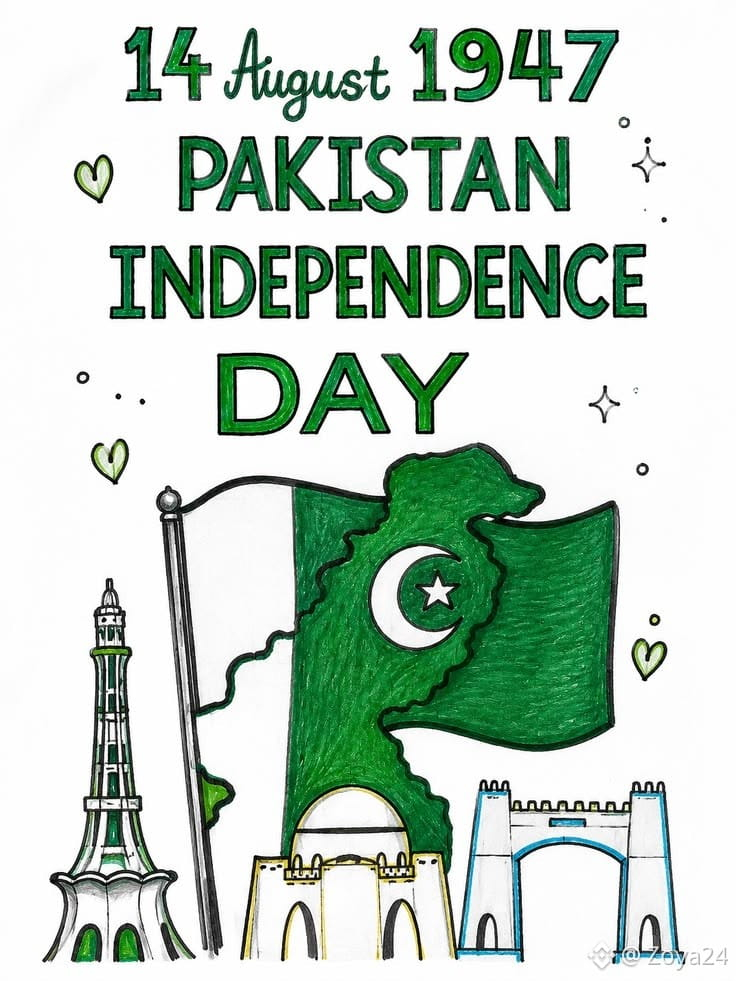
14 AUGUST 1947 - 14 AUGUST 2026
79 SAAL 🇵🇰$NVDAB
My dear Dada used to say...
"Beta, we traveled on the train for 3 days"
Today we celebrate 14 August sitting in an AC.
We hoist the flag. We change the DP.
The question is: Did we value that sacrifice?
Pakistan is not just a piece of land.
It was a dream. Quaid's dream.
"Islamic Welfare State"
Today we have 2 tasks:
1. Love our country
2. Do something for our country
A little effort, Faith, and Patience.
That’s all it will take to take Pakistan forward.
From the heart, say: PAKISTAN ZINDABAD 🇵🇰
#14August #YoumEAzaadi #PakistanZindabad #Binance
14 AUGUST 1947 - 14 AUGUST 2026
79 SAAL 🇵🇰$NVDAB
My dear Dada used to say...
"Beta, we traveled on the train for 3 days"
Today we celebrate 14 August sitting in an AC.
We hoist the flag. We change the DP.
The question is: Did we value that sacrifice?
Pakistan is not just a piece of land.
It was a dream. Quaid's dream.
"Islamic Welfare State"
Today we have 2 tasks:
1. Love our country
2. Do something for our country
A little effort, Faith, and Patience.
That’s all it will take to take Pakistan forward.
From the heart, say: PAKISTAN ZINDABAD 🇵🇰
#14August #YoumEAzaadi #PakistanZindabad #Binance
79 SAAL 🇵🇰$NVDAB
My dear Dada used to say...
"Beta, we traveled on the train for 3 days"
Today we celebrate 14 August sitting in an AC.
We hoist the flag. We change the DP.
The question is: Did we value that sacrifice?
Pakistan is not just a piece of land.
It was a dream. Quaid's dream.
"Islamic Welfare State"
Today we have 2 tasks:
1. Love our country
2. Do something for our country
A little effort, Faith, and Patience.
That’s all it will take to take Pakistan forward.
From the heart, say: PAKISTAN ZINDABAD 🇵🇰
#14August #YoumEAzaadi #PakistanZindabad #Binance
81

·
--
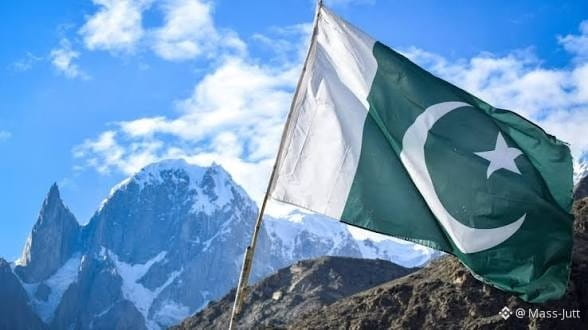
🇵🇰✨ Advance Happy Independence Day, Pakistan! ✨🇵🇰
As we get ready to celebrate Pakistan’s Independence Day, let’s remember the courage, sacrifices, and dreams that built our nation. 💚
May Pakistan continue to grow stronger, more peaceful, and more prosperous. Let’s carry the spirit of freedom forward and build a brighter future together. 🚀🇵🇰
Advance 14th August Mubarak! Pakistan Zindabad! 💚🇵🇰
#AdvanceHappyIndependenceDay #14August #PakistanZindabad #CryptoCommunity
🇵🇰✨ Advance Happy Independence Day, Pakistan! ✨🇵🇰
As we get ready to celebrate Pakistan’s Independence Day, let’s remember the courage, sacrifices, and dreams that built our nation. 💚
May Pakistan continue to grow stronger, more peaceful, and more prosperous. Let’s carry the spirit of freedom forward and build a brighter future together. 🚀🇵🇰
Advance 14th August Mubarak! Pakistan Zindabad! 💚🇵🇰
#AdvanceHappyIndependenceDay #14August #PakistanZindabad #CryptoCommunity
As we get ready to celebrate Pakistan’s Independence Day, let’s remember the courage, sacrifices, and dreams that built our nation. 💚
May Pakistan continue to grow stronger, more peaceful, and more prosperous. Let’s carry the spirit of freedom forward and build a brighter future together. 🚀🇵🇰
Advance 14th August Mubarak! Pakistan Zindabad! 💚🇵🇰
#AdvanceHappyIndependenceDay #14August #PakistanZindabad #CryptoCommunity
2
45
·
--
Pakistan, this one's for you! The Independence Trading Tournament is live — trade more, climb higher, and grab your share of a massive 20,000 USDT prize pool. Whether you're a seasoned trader or just getting started, every trade counts toward your ranking. Freedom deserves celebration — and rewards. Are you in? 🚀💰
🇵🇰 Celebrate Independence the trader's way! Join the Pakistan Exclusive Trading Tournament and trade your way to a share of 20,000 USDT. More trades = bigger rewards. Don't miss out! 🔥
#PakistanTrading #IndependenceDay2026 #14August #CryptoTournament
Pakistan, this one's for you! The Independence Trading Tournament is live — trade more, climb higher, and grab your share of a massive 20,000 USDT prize pool. Whether you're a seasoned trader or just getting started, every trade counts toward your ranking. Freedom deserves celebration — and rewards. Are you in? 🚀💰
🇵🇰 Celebrate Independence the trader's way! Join the Pakistan Exclusive Trading Tournament and trade your way to a share of 20,000 USDT. More trades = bigger rewards. Don't miss out! 🔥
#PakistanTrading #IndependenceDay2026 #14August #CryptoTournament
🇵🇰 Celebrate Independence the trader's way! Join the Pakistan Exclusive Trading Tournament and trade your way to a share of 20,000 USDT. More trades = bigger rewards. Don't miss out! 🔥
#PakistanTrading #IndependenceDay2026 #14August #CryptoTournament

12

ESdKUw67FTcYYh4UuJ5AY4UVA7Wt6SXcHZxCL7XUpump
🔥 New Gem Alert on Pump!
Pak14 is officially live and ready to fly. Low market cap, high potential. Grab your bags before the crowd jumps in! 🚀💎 #14August #pumpcoin #Memecoins🤑🤑
ESdKUw67FTcYYh4UuJ5AY4UVA7Wt6SXcHZxCL7XUpump
🔥 New Gem Alert on Pump!
Pak14 is officially live and ready to fly. Low market cap, high potential. Grab your bags before the crowd jumps in! 🚀💎 #14August #pumpcoin #Memecoins🤑🤑
🔥 New Gem Alert on Pump!
Pak14 is officially live and ready to fly. Low market cap, high potential. Grab your bags before the crowd jumps in! 🚀💎 #14August #pumpcoin #Memecoins🤑🤑
10
·
--
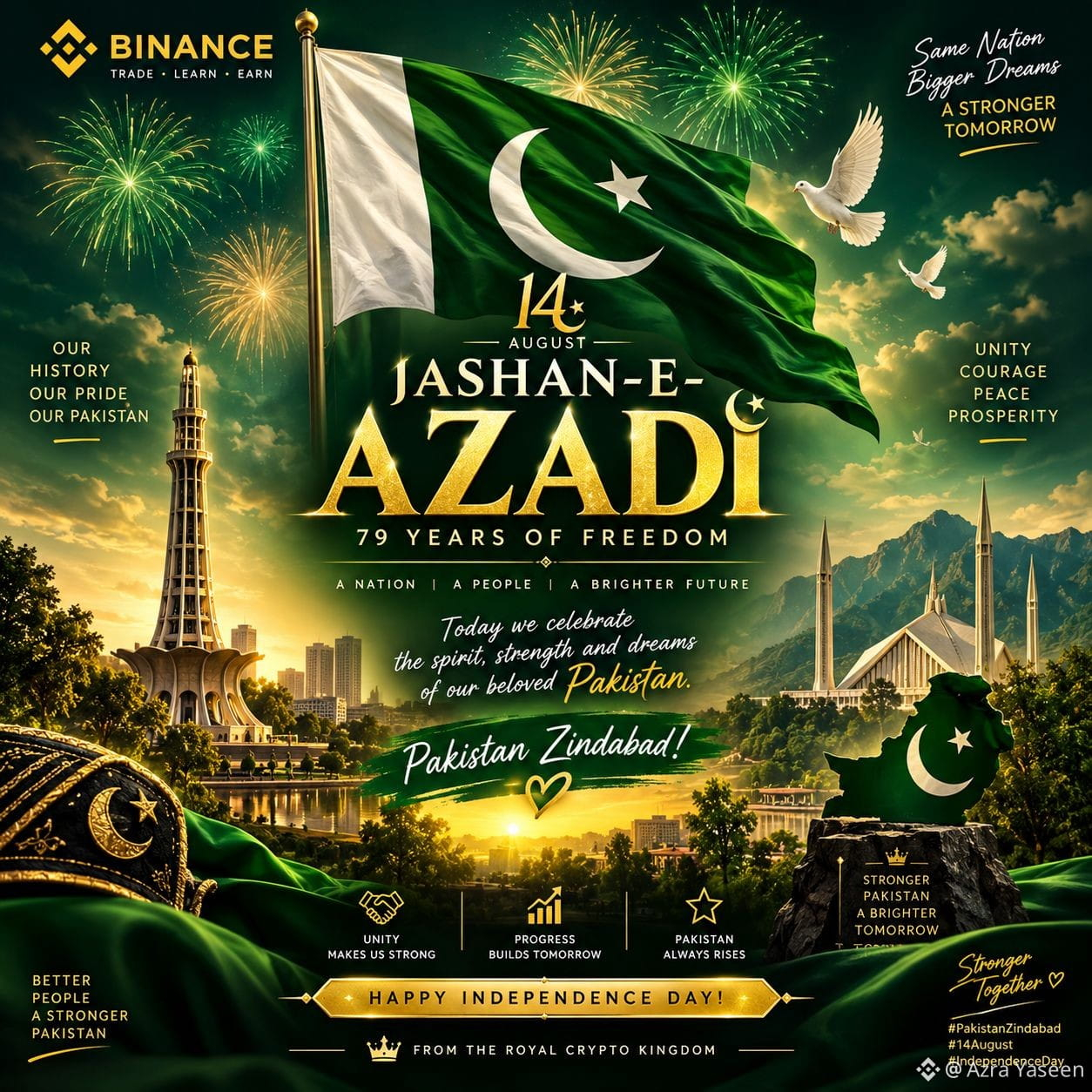
🇵🇰👑 JASHAN-E-AZADI — 79 YEARS OF FREEDOM 👑🇵🇰
Today, we celebrate the spirit, strength, and dreams of our beloved Pakistan. 💚
May our nation always rise with unity, courage, and hope. ✨
Pakistan Zindabad! 🇵🇰💚
From the Royal Crypto Kingdom — Happy Independence Day! 👑
#IndependenceDay #PakistanZindabad #14August
🇵🇰👑 JASHAN-E-AZADI — 79 YEARS OF FREEDOM 👑🇵🇰
Today, we celebrate the spirit, strength, and dreams of our beloved Pakistan. 💚
May our nation always rise with unity, courage, and hope. ✨
Pakistan Zindabad! 🇵🇰💚
From the Royal Crypto Kingdom — Happy Independence Day! 👑
#IndependenceDay #PakistanZindabad #14August
Today, we celebrate the spirit, strength, and dreams of our beloved Pakistan. 💚
May our nation always rise with unity, courage, and hope. ✨
Pakistan Zindabad! 🇵🇰💚
From the Royal Crypto Kingdom — Happy Independence Day! 👑
#IndependenceDay #PakistanZindabad #14August

1
79

·
--
Bullish
🇵🇰 Happy Independence Day, Pakistan! 💚
Today we celebrate the freedom, unity, and resilience that define our nation.
From Pakistan to the global Web3 community, may we continue to learn, grow, and create new opportunities together. 🌍✨
Wishing everyone a peaceful and prosperous Independence Day.
Pakistan Zindabad! 🇵🇰💚
Happy Independence Day from the Binance community! 🟡
#PakistanIndependenceDay #14August #pakistanzindabad #Binance
🇵🇰 Happy Independence Day, Pakistan! 💚
Today we celebrate the freedom, unity, and resilience that define our nation.
From Pakistan to the global Web3 community, may we continue to learn, grow, and create new opportunities together. 🌍✨
Wishing everyone a peaceful and prosperous Independence Day.
Pakistan Zindabad! 🇵🇰💚
Happy Independence Day from the Binance community! 🟡
#PakistanIndependenceDay #14August #pakistanzindabad #Binance
Today we celebrate the freedom, unity, and resilience that define our nation.
From Pakistan to the global Web3 community, may we continue to learn, grow, and create new opportunities together. 🌍✨
Wishing everyone a peaceful and prosperous Independence Day.
Pakistan Zindabad! 🇵🇰💚
Happy Independence Day from the Binance community! 🟡
#PakistanIndependenceDay #14August #pakistanzindabad #Binance

112


·
--
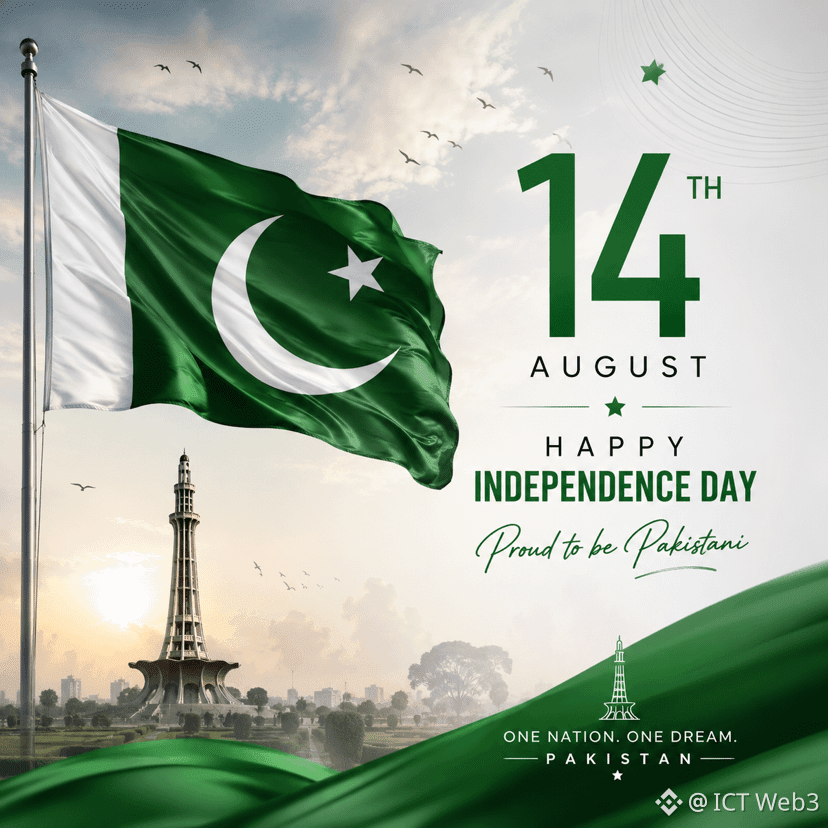
Celebrating the freedom, courage, and spirit that unite us. 🇵🇰
May Pakistan continue to grow with peace, strength, and hope for generations to come.
Proud of our homeland. Proud to be Pakistani. 💚🤍
Happy Independence Day, Pakistan! 🇵🇰✨
#Pakistan #IndependenceDay #14August
Celebrating the freedom, courage, and spirit that unite us. 🇵🇰
May Pakistan continue to grow with peace, strength, and hope for generations to come.
Proud of our homeland. Proud to be Pakistani. 💚🤍
Happy Independence Day, Pakistan! 🇵🇰✨
#Pakistan #IndependenceDay #14August
May Pakistan continue to grow with peace, strength, and hope for generations to come.
Proud of our homeland. Proud to be Pakistani. 💚🤍
Happy Independence Day, Pakistan! 🇵🇰✨
#Pakistan #IndependenceDay #14August
1
3
197

what are upcoming events that impact Crypto?SEC Vote on Regulation Crypto
Overview: The U.S. Securities and Exchange Commission (SEC) will hold an open meeting on August 14, 2026, to vote on publishing "Regulation Crypto," a 400-page proposed rule. This would be the SEC's first formal crypto rulemaking, creating three legal pathways: a startup exemption (~$5M raise), a fundraising exemption (up to $75M), and a safe harbor for tokens to exit securities classification based on decentralization criteria.
What this means: A "yes" vote would initiate a public comment period, moving the U.S. toward codified rules instead of enforcement-by-surprise. This could reduce legal uncertainty for token projects and potentially boost market sentiment. A "no" or delay would maintain regulatory ambiguity.
2. Russia's Crypto Framework Begins
Overview: Russia's law "On Digital Currency and Digital Rights" (Bill No. 1194918-8) is set to take effect on September 1, 2026. It establishes a licensed ecosystem for crypto exchanges, brokers, and custodians under the Bank of Russia's supervision, though domestic crypto payments remain banned.
What this means: This legitimizes crypto as property in a major economy, potentially driving institutional and retail adoption through regulated local banks. It could increase global crypto liquidity but also introduces new compliance layers for international firms operating there.
3. CLARITY Act's Make-or-Break Vote
Overview: The U.S. Senate has scheduled a cloture vote on the motion to proceed for the Digital Asset Market Clarity Act (CLARITY Act) for September 15, 2026. This procedural vote requires 60 votes to advance the bill to a floor vote.
What this means: This is the bill's last chance in 2026. Current prediction markets price its passage at just 16-30%. Failure could trigger a significant market correction, as it would delay comprehensive U.S. regulatory clarity into 2027 or beyond.
4. BitMEX Platform Shutdown
Overview: The BitMEX derivatives exchange will permanently close its trading platform on September 23, 2026, at 04:00 UTC. The announcement was made in July, giving users a two-month notice to withdraw funds.
What this means: While anticipated, the closure of a historically significant platform could temporarily reduce derivatives market liquidity. It may also accelerate user migration to other exchanges, redistributing open interest.
5. U.S. Stablecoin Rules Start
Overview: The GENIUS Act, signed in 2025, establishes the first federal framework for U.S. payment stablecoins. Its statutory effective date is January 18, 2027. From this date, new stablecoin issuances must comply with rules requiring 1:1 backing by high-quality liquid assets and banking supervision.
What this means: This brings legitimacy and user protection to the stablecoin market but centralizes control. Non-compliant stablecoins (like some algorithmic or foreign-issued tokens) may face delisting from U.S. exchanges, potentially reshaping the stablecoin landscape.
Conclusion
The most immediate and impactful event is the SEC's August 14 vote on Regulation Crypto, as it could set the tone for U.S. regulatory engagement and either alleviate or prolong market uncertainty; monitor the tone and duration of the subsequent public comment period for clues on final adoption. The market's short-term direction depends on the outcomes of the SEC vote and the CLARITY Act process in September.
#USJulyCPI&PPIDueThisWeek
#impactoncrypto
#14August
$
what are upcoming events that impact Crypto?
SEC Vote on Regulation Crypto
Overview: The U.S. Securities and Exchange Commission (SEC) will hold an open meeting on August 14, 2026, to vote on publishing "Regulation Crypto," a 400-page proposed rule. This would be the SEC's first formal crypto rulemaking, creating three legal pathways: a startup exemption (~$5M raise), a fundraising exemption (up to $75M), and a safe harbor for tokens to exit securities classification based on decentralization criteria.
What this means: A "yes" vote would initiate a public comment period, moving the U.S. toward codified rules instead of enforcement-by-surprise. This could reduce legal uncertainty for token projects and potentially boost market sentiment. A "no" or delay would maintain regulatory ambiguity.
2. Russia's Crypto Framework Begins
Overview: Russia's law "On Digital Currency and Digital Rights" (Bill No. 1194918-8) is set to take effect on September 1, 2026. It establishes a licensed ecosystem for crypto exchanges, brokers, and custodians under the Bank of Russia's supervision, though domestic crypto payments remain banned.
What this means: This legitimizes crypto as property in a major economy, potentially driving institutional and retail adoption through regulated local banks. It could increase global crypto liquidity but also introduces new compliance layers for international firms operating there.
3. CLARITY Act's Make-or-Break Vote
Overview: The U.S. Senate has scheduled a cloture vote on the motion to proceed for the Digital Asset Market Clarity Act (CLARITY Act) for September 15, 2026. This procedural vote requires 60 votes to advance the bill to a floor vote.
What this means: This is the bill's last chance in 2026. Current prediction markets price its passage at just 16-30%. Failure could trigger a significant market correction, as it would delay comprehensive U.S. regulatory clarity into 2027 or beyond.
4. BitMEX Platform Shutdown
Overview: The BitMEX derivatives exchange will permanently close its trading platform on September 23, 2026, at 04:00 UTC. The announcement was made in July, giving users a two-month notice to withdraw funds.
What this means: While anticipated, the closure of a historically significant platform could temporarily reduce derivatives market liquidity. It may also accelerate user migration to other exchanges, redistributing open interest.
5. U.S. Stablecoin Rules Start
Overview: The GENIUS Act, signed in 2025, establishes the first federal framework for U.S. payment stablecoins. Its statutory effective date is January 18, 2027. From this date, new stablecoin issuances must comply with rules requiring 1:1 backing by high-quality liquid assets and banking supervision.
What this means: This brings legitimacy and user protection to the stablecoin market but centralizes control. Non-compliant stablecoins (like some algorithmic or foreign-issued tokens) may face delisting from U.S. exchanges, potentially reshaping the stablecoin landscape.
Conclusion
The most immediate and impactful event is the SEC's August 14 vote on Regulation Crypto, as it could set the tone for U.S. regulatory engagement and either alleviate or prolong market uncertainty; monitor the tone and duration of the subsequent public comment period for clues on final adoption. The market's short-term direction depends on the outcomes of the SEC vote and the CLARITY Act process in September.
#USJulyCPI&PPIDueThisWeek
#impactoncrypto
#14August
$
Overview: The U.S. Securities and Exchange Commission (SEC) will hold an open meeting on August 14, 2026, to vote on publishing "Regulation Crypto," a 400-page proposed rule. This would be the SEC's first formal crypto rulemaking, creating three legal pathways: a startup exemption (~$5M raise), a fundraising exemption (up to $75M), and a safe harbor for tokens to exit securities classification based on decentralization criteria.
What this means: A "yes" vote would initiate a public comment period, moving the U.S. toward codified rules instead of enforcement-by-surprise. This could reduce legal uncertainty for token projects and potentially boost market sentiment. A "no" or delay would maintain regulatory ambiguity.
2. Russia's Crypto Framework Begins
Overview: Russia's law "On Digital Currency and Digital Rights" (Bill No. 1194918-8) is set to take effect on September 1, 2026. It establishes a licensed ecosystem for crypto exchanges, brokers, and custodians under the Bank of Russia's supervision, though domestic crypto payments remain banned.
What this means: This legitimizes crypto as property in a major economy, potentially driving institutional and retail adoption through regulated local banks. It could increase global crypto liquidity but also introduces new compliance layers for international firms operating there.
3. CLARITY Act's Make-or-Break Vote
Overview: The U.S. Senate has scheduled a cloture vote on the motion to proceed for the Digital Asset Market Clarity Act (CLARITY Act) for September 15, 2026. This procedural vote requires 60 votes to advance the bill to a floor vote.
What this means: This is the bill's last chance in 2026. Current prediction markets price its passage at just 16-30%. Failure could trigger a significant market correction, as it would delay comprehensive U.S. regulatory clarity into 2027 or beyond.
4. BitMEX Platform Shutdown
Overview: The BitMEX derivatives exchange will permanently close its trading platform on September 23, 2026, at 04:00 UTC. The announcement was made in July, giving users a two-month notice to withdraw funds.
What this means: While anticipated, the closure of a historically significant platform could temporarily reduce derivatives market liquidity. It may also accelerate user migration to other exchanges, redistributing open interest.
5. U.S. Stablecoin Rules Start
Overview: The GENIUS Act, signed in 2025, establishes the first federal framework for U.S. payment stablecoins. Its statutory effective date is January 18, 2027. From this date, new stablecoin issuances must comply with rules requiring 1:1 backing by high-quality liquid assets and banking supervision.
What this means: This brings legitimacy and user protection to the stablecoin market but centralizes control. Non-compliant stablecoins (like some algorithmic or foreign-issued tokens) may face delisting from U.S. exchanges, potentially reshaping the stablecoin landscape.
Conclusion
The most immediate and impactful event is the SEC's August 14 vote on Regulation Crypto, as it could set the tone for U.S. regulatory engagement and either alleviate or prolong market uncertainty; monitor the tone and duration of the subsequent public comment period for clues on final adoption. The market's short-term direction depends on the outcomes of the SEC vote and the CLARITY Act process in September.
#USJulyCPI&PPIDueThisWeek
#impactoncrypto
#14August
$
102

🇵🇰✨ 14 AUGUST — HAPPY INDEPENDENCE DAY! 🇵🇰
Today we celebrate the freedom, sacrifices, and dreams that built our beautiful Pakistan. 💚
May Pakistan always shine with peace, unity, prosperity, and success. 🤲✨
🇵🇰 Pakistan Zindabad! 🇵🇰 💚 Happy Independence Day — 14 August! 💚
#14August #PakistanIndependenceDay #PakistanZindabad #IndependenceDay #Pakistan $AKE $DEXE $MUBARAK
🇵🇰✨ 14 AUGUST — HAPPY INDEPENDENCE DAY! 🇵🇰
Today we celebrate the freedom, sacrifices, and dreams that built our beautiful Pakistan. 💚
May Pakistan always shine with peace, unity, prosperity, and success. 🤲✨
🇵🇰 Pakistan Zindabad! 🇵🇰 💚 Happy Independence Day — 14 August! 💚
#14August #PakistanIndependenceDay #PakistanZindabad #IndependenceDay #Pakistan $AKE $DEXE $MUBARAK
Today we celebrate the freedom, sacrifices, and dreams that built our beautiful Pakistan. 💚
May Pakistan always shine with peace, unity, prosperity, and success. 🤲✨
🇵🇰 Pakistan Zindabad! 🇵🇰 💚 Happy Independence Day — 14 August! 💚
#14August #PakistanIndependenceDay #PakistanZindabad #IndependenceDay #Pakistan $AKE $DEXE $MUBARAK

37
🇵🇰 14 AUGUST — PAKISTAN INDEPENDENCE DAY 🇵🇰
From freedom to financial freedom! 🚀💚
Today, we celebrate the courage, unity, and dreams that built Pakistan. May our beloved country continue to rise, prosper, and shine brighter. ✨
Pakistan Zindabad! 🇵🇰💚
#14August #PakistanIndependenceDay #PakistanZindabad #Binance #Crypto #BTC #ETH #CryptoCommunity #IndependenceDay
$BTC $ETH $SOL
TRADE HERE 👇
{future}(BTCUSDT)
{future}(ETHUSDT)
{future}(SOLUSDT)
🇵🇰 14 AUGUST — PAKISTAN INDEPENDENCE DAY 🇵🇰
From freedom to financial freedom! 🚀💚
Today, we celebrate the courage, unity, and dreams that built Pakistan. May our beloved country continue to rise, prosper, and shine brighter. ✨
Pakistan Zindabad! 🇵🇰💚
#14August #PakistanIndependenceDay #PakistanZindabad #Binance #Crypto #BTC #ETH #CryptoCommunity #IndependenceDay
$BTC $ETH $SOL
TRADE HERE 👇
From freedom to financial freedom! 🚀💚
Today, we celebrate the courage, unity, and dreams that built Pakistan. May our beloved country continue to rise, prosper, and shine brighter. ✨
Pakistan Zindabad! 🇵🇰💚
#14August #PakistanIndependenceDay #PakistanZindabad #Binance #Crypto #BTC #ETH #CryptoCommunity #IndependenceDay
$BTC $ETH $SOL
TRADE HERE 👇

1
8
·
--
🇵🇰✨ Happy Independence Day Pakistan! ✨🇵🇰
Celebrating the spirit of freedom, unity, and the endless possibilities ahead. May our nation continue to grow, prosper, and shine on the global stage. 🚀
Wishing everyone peace, success, and happiness on this special day. ❤️💚
Happy Independence Day! 🇵🇰
#PakistanIndependenceDay #14August #Binance #CryptoCommunity
🇵🇰✨ Happy Independence Day Pakistan! ✨🇵🇰
Celebrating the spirit of freedom, unity, and the endless possibilities ahead. May our nation continue to grow, prosper, and shine on the global stage. 🚀
Wishing everyone peace, success, and happiness on this special day. ❤️💚
Happy Independence Day! 🇵🇰
#PakistanIndependenceDay #14August #Binance #CryptoCommunity
Celebrating the spirit of freedom, unity, and the endless possibilities ahead. May our nation continue to grow, prosper, and shine on the global stage. 🚀
Wishing everyone peace, success, and happiness on this special day. ❤️💚
Happy Independence Day! 🇵🇰
#PakistanIndependenceDay #14August #Binance #CryptoCommunity
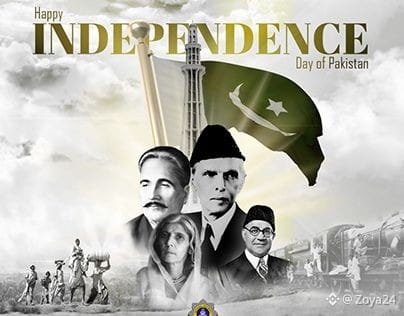
2
85

·
--
Bullish
14 August Pakistan Independence Day.🇵🇰🇵🇰
Today we celebrate the freedom, unity, and sacrifices that shaped our nation. Let’s stay united, keep supporting each other, and continue building a stronger future together.
Happy Independence Day to my Binance Family. Pakistan Zindabad.🇵🇰💚🤍
#14August
$LAB $DEXE $PIPPIN
{future}(DEXEUSDT)
{future}(LABUSDT)
14 August Pakistan Independence Day.🇵🇰🇵🇰
Today we celebrate the freedom, unity, and sacrifices that shaped our nation. Let’s stay united, keep supporting each other, and continue building a stronger future together.
Happy Independence Day to my Binance Family. Pakistan Zindabad.🇵🇰💚🤍
#14August
$LAB $DEXE $PIPPIN
Today we celebrate the freedom, unity, and sacrifices that shaped our nation. Let’s stay united, keep supporting each other, and continue building a stronger future together.
Happy Independence Day to my Binance Family. Pakistan Zindabad.🇵🇰💚🤍
#14August
$LAB $DEXE $PIPPIN

3
102

·
--
Bullish
HAPPY INDEPENDENCE DAY PAKISTAN
Freedom is our strength, unity is our identity, and hope is our future. Let’s celebrate Pakistan with pride and continue building a stronger tomorrow together. 💚✨
#USJulyPPIFlat #PakistanIndependenceday #14August #pakistanzindabad
HAPPY INDEPENDENCE DAY PAKISTAN
Freedom is our strength, unity is our identity, and hope is our future. Let’s celebrate Pakistan with pride and continue building a stronger tomorrow together. 💚✨
#USJulyPPIFlat #PakistanIndependenceday #14August #pakistanzindabad
Freedom is our strength, unity is our identity, and hope is our future. Let’s celebrate Pakistan with pride and continue building a stronger tomorrow together. 💚✨
#USJulyPPIFlat #PakistanIndependenceday #14August #pakistanzindabad

3
194

·
--
HAPPY INDEPENDENCE DAY PAKISTAN! A NATION UNITED IN PRIDE AND FREEDOM 🇵🇰♥️
Today, a proud nation celebrates the spirit of freedom that echoes through every valley and city. Pakistan Zindabad means more than words — it's the heartbeat of millions, a bond that runs deeper than borders. The resilience, unity, and unwavering faith of this land deserve this moment of pure celebration. 🇵🇰
From the northern peaks to the southern shores, every heart beats as one. Independence Day is a reminder that strength is built not just by leaders, but by a people who never stop believing in their destiny. This energy is unstoppable when channeled forward. ♥️
What does freedom mean to you this August 14? Drop your pride below and let's celebrate as one community. 🫡
⚠️ Not financial advice. Always manage your risk. 🛡️
🏷️ #Pakistan #IndependenceDay #PakistanZindabad #14August #Unity
🇵🇰♥️
HAPPY INDEPENDENCE DAY PAKISTAN! A NATION UNITED IN PRIDE AND FREEDOM 🇵🇰♥️
Today, a proud nation celebrates the spirit of freedom that echoes through every valley and city. Pakistan Zindabad means more than words — it's the heartbeat of millions, a bond that runs deeper than borders. The resilience, unity, and unwavering faith of this land deserve this moment of pure celebration. 🇵🇰
From the northern peaks to the southern shores, every heart beats as one. Independence Day is a reminder that strength is built not just by leaders, but by a people who never stop believing in their destiny. This energy is unstoppable when channeled forward. ♥️
What does freedom mean to you this August 14? Drop your pride below and let's celebrate as one community. 🫡
⚠️ Not financial advice. Always manage your risk. 🛡️
🏷️ #Pakistan #IndependenceDay #PakistanZindabad #14August #Unity
🇵🇰♥️
Today, a proud nation celebrates the spirit of freedom that echoes through every valley and city. Pakistan Zindabad means more than words — it's the heartbeat of millions, a bond that runs deeper than borders. The resilience, unity, and unwavering faith of this land deserve this moment of pure celebration. 🇵🇰
From the northern peaks to the southern shores, every heart beats as one. Independence Day is a reminder that strength is built not just by leaders, but by a people who never stop believing in their destiny. This energy is unstoppable when channeled forward. ♥️
What does freedom mean to you this August 14? Drop your pride below and let's celebrate as one community. 🫡
⚠️ Not financial advice. Always manage your risk. 🛡️
🏷️ #Pakistan #IndependenceDay #PakistanZindabad #14August #Unity
🇵🇰♥️

29
·
--
Bullish
🇵🇰 14 August Pakistan Independence Day 🇵🇰
Proud to be Pakistani and proud to build with data. 💚
I’m a Data Analyst & Data Entry Specialist, helping businesses turn raw data into meaningful insights through Data Analysis, Data Cleaning, Excel, Google Sheets, Data Visualization & Reporting.
On this Independence Day, let’s celebrate freedom, growth, and a better future. 🇵🇰
Pakistan Zindabad! 💚🇵🇰
#PakistanIndependenceDay #14August #PakistanZindabad #DataAnalyst #MeerUsman
🇵🇰 14 August Pakistan Independence Day 🇵🇰
Proud to be Pakistani and proud to build with data. 💚
I’m a Data Analyst & Data Entry Specialist, helping businesses turn raw data into meaningful insights through Data Analysis, Data Cleaning, Excel, Google Sheets, Data Visualization & Reporting.
On this Independence Day, let’s celebrate freedom, growth, and a better future. 🇵🇰
Pakistan Zindabad! 💚🇵🇰
#PakistanIndependenceDay #14August #PakistanZindabad #DataAnalyst #MeerUsman
Proud to be Pakistani and proud to build with data. 💚
I’m a Data Analyst & Data Entry Specialist, helping businesses turn raw data into meaningful insights through Data Analysis, Data Cleaning, Excel, Google Sheets, Data Visualization & Reporting.
On this Independence Day, let’s celebrate freedom, growth, and a better future. 🇵🇰
Pakistan Zindabad! 💚🇵🇰
#PakistanIndependenceDay #14August #PakistanZindabad #DataAnalyst #MeerUsman

1
203
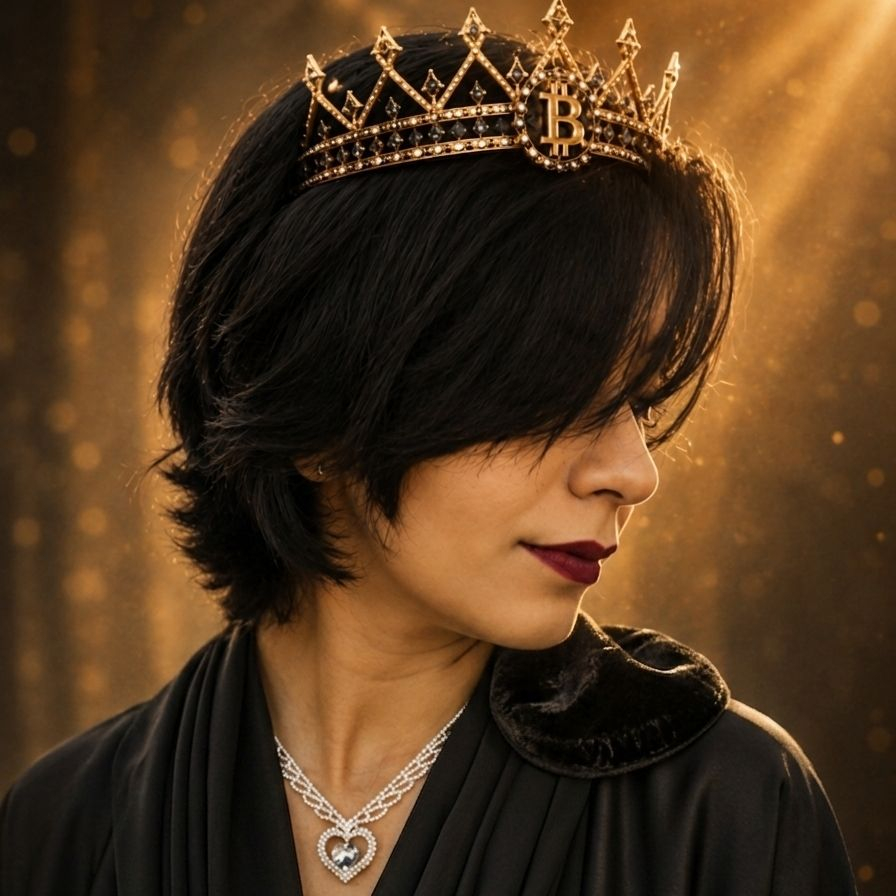
This joyous occasion of freedom reminds us how fortunate we are to have an independent homeland. Let us work together for its progress and prosperity. 🇵🇰✨ Happy Independence Day 🇵🇰🇵🇰🇵🇰
#IndependenceDay #Pakistan #14August #JashneAzadi #ProudPakistani
$BTC $ETH $BNB
This joyous occasion of freedom reminds us how fortunate we are to have an independent homeland. Let us work together for its progress and prosperity. 🇵🇰✨ Happy Independence Day 🇵🇰🇵🇰🇵🇰
#IndependenceDay #Pakistan #14August #JashneAzadi #ProudPakistani
$BTC $ETH $BNB
#IndependenceDay #Pakistan #14August #JashneAzadi #ProudPakistani
$BTC $ETH $BNB

2
3
355
🇵🇰 GOOD MORNING & HAPPY INDEPENDENCE DAY! 🇵🇰
Today is a reminder that strong foundations create strong futures.
The same principle applies to crypto:
📚 Build knowledge before chasing profits. 🛡️ Build risk management before increasing your position. 🧠 Build discipline before following market emotions.
In both investing and life, patience and consistency can take you further than shortcuts.
🇵🇰 Wishing everyone a peaceful and successful Independence Day!
💬 What is one goal you want to achieve before the end of this year?
#Pakistan
#IndependenceDay
#14August
#Crypto
#Bitcoin
#BinanceSquare
#Trading
#BTC
🇵🇰 GOOD MORNING & HAPPY INDEPENDENCE DAY! 🇵🇰
Today is a reminder that strong foundations create strong futures.
The same principle applies to crypto:
📚 Build knowledge before chasing profits. 🛡️ Build risk management before increasing your position. 🧠 Build discipline before following market emotions.
In both investing and life, patience and consistency can take you further than shortcuts.
🇵🇰 Wishing everyone a peaceful and successful Independence Day!
💬 What is one goal you want to achieve before the end of this year?
#Pakistan
#IndependenceDay
#14August
#Crypto
#Bitcoin
#BinanceSquare
#Trading
#BTC
Today is a reminder that strong foundations create strong futures.
The same principle applies to crypto:
📚 Build knowledge before chasing profits. 🛡️ Build risk management before increasing your position. 🧠 Build discipline before following market emotions.
In both investing and life, patience and consistency can take you further than shortcuts.
🇵🇰 Wishing everyone a peaceful and successful Independence Day!
💬 What is one goal you want to achieve before the end of this year?
#Pakistan
#IndependenceDay
#14August
#Crypto
#Bitcoin
#BinanceSquare
#Trading
#BTC
91

·
--
I know All the settings to improve your post i know the binance algorithm very well this post will took 10k likes + shares
#algorithm #skywalker use this hashtag skywalker your post will be go up
#btc #14august
I know All the settings to improve your post i know the binance algorithm very well this post will took 10k likes + shares
#algorithm #skywalker use this hashtag skywalker your post will be go up
#btc #14august
#algorithm #skywalker use this hashtag skywalker your post will be go up
#btc #14august
1
1
1
12
·
--
Bearish
🇵🇰 Pakistan 14August1947.
The Day Our Dream Became a Nation🇵🇰
Today we celebrate the freedom,sacrifices,and countless dreams that gave birth to Pakistan💚
This day is more than just a date it reminds us of the courage of our elders and the responsibility we carry for the future🌙⭐
From the green fields to the bright cities,Pakistan lives in our hearts❤️🇵🇰
Let’s celebrate with unity hope and pride while remembering those who sacrificed everything for this beautiful homeland.Pakistan Zindabad🇵🇰💚
Happy Independence Day to every Pakistani around the world🎉✨
#Pakistan #IndependenceDay #14August #PakistanZindabad #Write2Earn $BTC $BNB $ETH
🇵🇰 Pakistan 14August1947.
The Day Our Dream Became a Nation🇵🇰
Today we celebrate the freedom,sacrifices,and countless dreams that gave birth to Pakistan💚
This day is more than just a date it reminds us of the courage of our elders and the responsibility we carry for the future🌙⭐
From the green fields to the bright cities,Pakistan lives in our hearts❤️🇵🇰
Let’s celebrate with unity hope and pride while remembering those who sacrificed everything for this beautiful homeland.Pakistan Zindabad🇵🇰💚
Happy Independence Day to every Pakistani around the world🎉✨
#Pakistan #IndependenceDay #14August #PakistanZindabad #Write2Earn $BTC $BNB $ETH
The Day Our Dream Became a Nation🇵🇰
Today we celebrate the freedom,sacrifices,and countless dreams that gave birth to Pakistan💚
This day is more than just a date it reminds us of the courage of our elders and the responsibility we carry for the future🌙⭐
From the green fields to the bright cities,Pakistan lives in our hearts❤️🇵🇰
Let’s celebrate with unity hope and pride while remembering those who sacrificed everything for this beautiful homeland.Pakistan Zindabad🇵🇰💚
Happy Independence Day to every Pakistani around the world🎉✨
#Pakistan #IndependenceDay #14August #PakistanZindabad #Write2Earn $BTC $BNB $ETH

mevludes:
pakistan
130
1
18
198
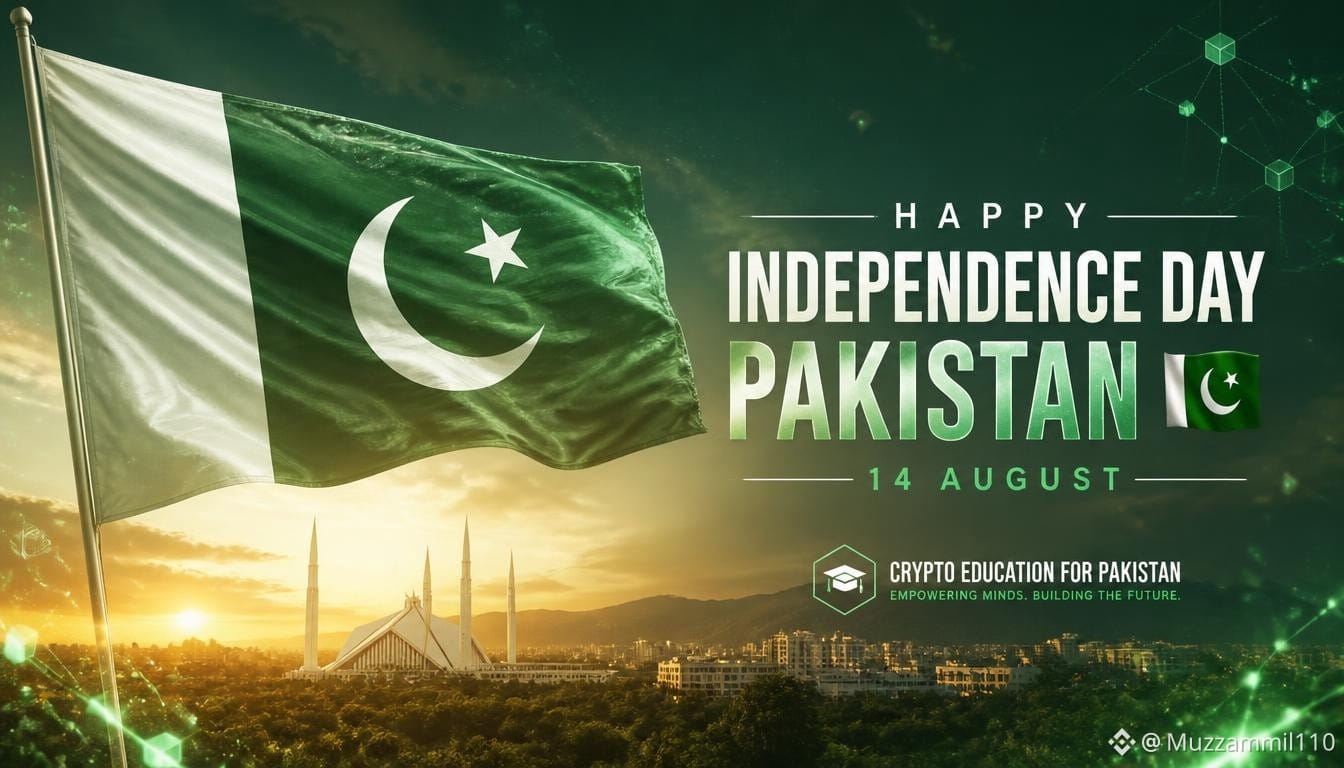
🇵🇰 Happy Independence Day, Pakistan!
Today we celebrate the freedom, unity, and sacrifices that shaped our nation.
May Pakistan continue moving forward with knowledge, innovation,
technology, and new opportunities for its people. 💚
From @M110, wishing everyone a peaceful and prosperous Independence Day.
Pakistan Zindabad! 🇵🇰💚
#PakistanIndependenceday #14August #pakistanzindabad #IndependenceDay #CryptoWithAli
🇵🇰 Happy Independence Day, Pakistan!
Today we celebrate the freedom, unity, and sacrifices that shaped our nation.
May Pakistan continue moving forward with knowledge, innovation,
technology, and new opportunities for its people. 💚
From @M110, wishing everyone a peaceful and prosperous Independence Day.
Pakistan Zindabad! 🇵🇰💚
#PakistanIndependenceday #14August #pakistanzindabad #IndependenceDay #CryptoWithAli
Today we celebrate the freedom, unity, and sacrifices that shaped our nation.
May Pakistan continue moving forward with knowledge, innovation,
technology, and new opportunities for its people. 💚
From @M110, wishing everyone a peaceful and prosperous Independence Day.
Pakistan Zindabad! 🇵🇰💚
#PakistanIndependenceday #14August #pakistanzindabad #IndependenceDay #CryptoWithAli
82
Log in to explore more content
Join global crypto users on Binance Square
⚡️ Get latest and useful information about crypto.
💬 Trusted by the world’s largest crypto exchange.
👍 Discover real insights from verified creators.
Email / Phone number
Trending Topics
1
#BTCFallsBelow$83000
331 views
34 Discussing
2
#FedProposesPaymentStablecoinRules
7,413 views
198 Discussing
3
#ChinaMayLetAlibabaByteDanceBuyNvidiaChips
10,242 views
279 Discussing
4
#USChinaRelease$30BTariffCutProductLists
1,856 views
33 Discussing
5
#SKoreaFSCConsidersVirtualAssetMarketMaker
8,869 views
238 Discussing
6
#ChinaIndustrialProfitGrowthSlowsFourthMonth
9,720 views
239 Discussing
7
#BitwiseFilesFinalNEARSpotETFProspectus
123,886 views
1,787 Discussing
8
#BitgetHackerMoves$83MStolenXRP
40,808 views
178 Discussing
9
#SOLSpotETFWeeklyInflow$188M
25,592 views
141 Discussing
10
#DogecoinETFsPostBiggestWeekSinceLaunch
70,468 views
1,139 Discussing