
The MeeCrypt
98 පෝස්ටු

The MeeCrypt
වාර්තා කරන්න
පරිශීලක අවහිර කරන්න
Early on crypto trends | Talking DePIN, AI & blockchain
9 හඹා යමින්
46 හඹා යන්නන්
128 කැමති විය
පෝස්ටු
සියල්ල
උපුටා දැක්වීම්
·
--
පරිවර්තනය බලන්න
Another $5.5M compute deal for @fluence
Fluence has secured a $5.5M compute deal with a customer building AGI focused on finding faster paths from biology to medicines.
What stands out to me isn't just the size of the deal.
It's the problem being solved: making sure compute doesn't become the bottleneck.
AI development is becoming increasingly compute-intensive but simply having more GPUs isn't the whole story. The bigger challenge is making compute available where and when it's needed.
That's where decentralized GPU markets become interesting.
Fluence is building a marketplace where GPU providers can compete for workloads, potentially creating a more flexible way for teams to access the compute they need.
I think we'll hear more about the compute layer behind AI not just the models themselves.
$5.5M is one deal, but it also shows how valuable reliable access to GPU compute is becoming.
Worth watching what Fluence does next.
$FLT #DePIN #AI #Web3
Another $5.5M compute deal for @Fluence
Fluence has secured a $5.5M compute deal with a customer building AGI focused on finding faster paths from biology to medicines.
What stands out to me isn't just the size of the deal.
It's the problem being solved: making sure compute doesn't become the bottleneck.
AI development is becoming increasingly compute-intensive but simply having more GPUs isn't the whole story. The bigger challenge is making compute available where and when it's needed.
That's where decentralized GPU markets become interesting.
Fluence is building a marketplace where GPU providers can compete for workloads, potentially creating a more flexible way for teams to access the compute they need.
I think we'll hear more about the compute layer behind AI not just the models themselves.
$5.5M is one deal, but it also shows how valuable reliable access to GPU compute is becoming.
Worth watching what Fluence does next.
$FLT #DePIN #AI #Web3
Fluence has secured a $5.5M compute deal with a customer building AGI focused on finding faster paths from biology to medicines.
What stands out to me isn't just the size of the deal.
It's the problem being solved: making sure compute doesn't become the bottleneck.
AI development is becoming increasingly compute-intensive but simply having more GPUs isn't the whole story. The bigger challenge is making compute available where and when it's needed.
That's where decentralized GPU markets become interesting.
Fluence is building a marketplace where GPU providers can compete for workloads, potentially creating a more flexible way for teams to access the compute they need.
I think we'll hear more about the compute layer behind AI not just the models themselves.
$5.5M is one deal, but it also shows how valuable reliable access to GPU compute is becoming.
Worth watching what Fluence does next.
$FLT #DePIN #AI #Web3

57
·
--
පරිවර්තනය බලන්න
@fluence : The Hidden GPU Market
AI workloads are expanding, data centers are getting bigger, and companies are spending heavily on compute.
But there’s another side of the GPU story that I think is worth watching:
Some hardware sits idle between workloads. Some remains underutilized. And some compute is simply difficult for others to access.
That makes the future of compute less about just adding more GPUs and more about how efficiently we can use the GPUs that already exist.
@fluence idea is simple but interesting: create infrastructure that can connect available compute with people and workloads that need it.
If AI demand keeps accelerating, I think the conversation will gradually shift from:
“Who has the most GPUs?”
to:
“Who can make the most compute available, flexible, and efficiently utilized?”
The GPU economy may not just be about hardware anymore.
It could also be about building better markets around the compute that already exists.
#DePIN #AI #Web3
@Fluence : The Hidden GPU Market
AI workloads are expanding, data centers are getting bigger, and companies are spending heavily on compute.
But there’s another side of the GPU story that I think is worth watching:
Some hardware sits idle between workloads. Some remains underutilized. And some compute is simply difficult for others to access.
That makes the future of compute less about just adding more GPUs and more about how efficiently we can use the GPUs that already exist.
@Fluence idea is simple but interesting: create infrastructure that can connect available compute with people and workloads that need it.
If AI demand keeps accelerating, I think the conversation will gradually shift from:
“Who has the most GPUs?”
to:
“Who can make the most compute available, flexible, and efficiently utilized?”
The GPU economy may not just be about hardware anymore.
It could also be about building better markets around the compute that already exists.
#DePIN #AI #Web3
AI workloads are expanding, data centers are getting bigger, and companies are spending heavily on compute.
But there’s another side of the GPU story that I think is worth watching:
Some hardware sits idle between workloads. Some remains underutilized. And some compute is simply difficult for others to access.
That makes the future of compute less about just adding more GPUs and more about how efficiently we can use the GPUs that already exist.
@Fluence idea is simple but interesting: create infrastructure that can connect available compute with people and workloads that need it.
If AI demand keeps accelerating, I think the conversation will gradually shift from:
“Who has the most GPUs?”
to:
“Who can make the most compute available, flexible, and efficiently utilized?”
The GPU economy may not just be about hardware anymore.
It could also be about building better markets around the compute that already exists.
#DePIN #AI #Web3

69
·
--
පරිවර්තනය බලන්න
The fastest GPU on paper isn’t automatically the best choice for every workload.
A benchmark might tell you which GPU can push the most tokens per second, but real deployments have more variables to deal with.
Model size, output length, memory requirements, concurrency, region, availability and, of course, the actual cost of running the workload can all change the equation.
That’s where @fluence takes an interesting approach.
With GPU Cluster Auctions, buyers can compare offers from different providers based on GPU type, capacity, region, pricing and availability.
That shifts the decision away from simply chasing the highest-performing hardware.
Instead of asking:
“Which GPU is fastest?”
A better question might be:
Which GPU gives me the performance I need at a price that actually makes sense?
Because if a more powerful GPU costs significantly more but doesn’t provide a meaningful advantage for your specific workload, the extra performance may not be worth paying for.
And if another GPU can handle the same workload at a lower cost, that difference starts to matter at scale.
As AI workloads continue evolving, GPU demand won’t just be about finding more compute.
It will also be about finding the right compute, in the right place, at the right price.
That’s where GPU price discovery could become increasingly important.
#Flt #DePIN #Web3 #AI
The fastest GPU on paper isn’t automatically the best choice for every workload.
A benchmark might tell you which GPU can push the most tokens per second, but real deployments have more variables to deal with.
Model size, output length, memory requirements, concurrency, region, availability and, of course, the actual cost of running the workload can all change the equation.
That’s where @Fluence takes an interesting approach.
With GPU Cluster Auctions, buyers can compare offers from different providers based on GPU type, capacity, region, pricing and availability.
That shifts the decision away from simply chasing the highest-performing hardware.
Instead of asking:
“Which GPU is fastest?”
A better question might be:
Which GPU gives me the performance I need at a price that actually makes sense?
Because if a more powerful GPU costs significantly more but doesn’t provide a meaningful advantage for your specific workload, the extra performance may not be worth paying for.
And if another GPU can handle the same workload at a lower cost, that difference starts to matter at scale.
As AI workloads continue evolving, GPU demand won’t just be about finding more compute.
It will also be about finding the right compute, in the right place, at the right price.
That’s where GPU price discovery could become increasingly important.
#Flt #DePIN #Web3 #AI
A benchmark might tell you which GPU can push the most tokens per second, but real deployments have more variables to deal with.
Model size, output length, memory requirements, concurrency, region, availability and, of course, the actual cost of running the workload can all change the equation.
That’s where @Fluence takes an interesting approach.
With GPU Cluster Auctions, buyers can compare offers from different providers based on GPU type, capacity, region, pricing and availability.
That shifts the decision away from simply chasing the highest-performing hardware.
Instead of asking:
“Which GPU is fastest?”
A better question might be:
Which GPU gives me the performance I need at a price that actually makes sense?
Because if a more powerful GPU costs significantly more but doesn’t provide a meaningful advantage for your specific workload, the extra performance may not be worth paying for.
And if another GPU can handle the same workload at a lower cost, that difference starts to matter at scale.
As AI workloads continue evolving, GPU demand won’t just be about finding more compute.
It will also be about finding the right compute, in the right place, at the right price.
That’s where GPU price discovery could become increasingly important.
#Flt #DePIN #Web3 #AI

58
·
--
පරිවර්තනය බලන්න
@fluence GPU AUCTIONS JUST LANDED ANOTHER $15.4M+ DEAL
Fluence has secured another major GPU deal through its auction platform.
This one covers 96 H100 nodes across Asia, moving into production to support AI inference and model training.
The interesting part isn’t just the size of the deal.
It shows that real GPU demand is moving through competitive bidding, connecting buyers looking for capacity with providers that have GPUs available.
With more high-value deals coming through the platform, GPU Auctions are becoming an interesting piece of the AI infrastructure market to watch.
#FLT #DePIN #Web3
@Fluence GPU AUCTIONS JUST LANDED ANOTHER $15.4M+ DEAL
Fluence has secured another major GPU deal through its auction platform.
This one covers 96 H100 nodes across Asia, moving into production to support AI inference and model training.
The interesting part isn’t just the size of the deal.
It shows that real GPU demand is moving through competitive bidding, connecting buyers looking for capacity with providers that have GPUs available.
With more high-value deals coming through the platform, GPU Auctions are becoming an interesting piece of the AI infrastructure market to watch.
#FLT #DePIN #Web3
Fluence has secured another major GPU deal through its auction platform.
This one covers 96 H100 nodes across Asia, moving into production to support AI inference and model training.
The interesting part isn’t just the size of the deal.
It shows that real GPU demand is moving through competitive bidding, connecting buyers looking for capacity with providers that have GPUs available.
With more high-value deals coming through the platform, GPU Auctions are becoming an interesting piece of the AI infrastructure market to watch.
#FLT #DePIN #Web3

76
·
--
සැබෑ ප්රයෝජන ඇති ටෝකනයක් අල්ලාගන්නවද, හෝ ප්රස්තාව නැඟෙන්න පටන්ගන්න විටම විතර අවධානය ගන්න ටෝකනයක් අල්ලාගන්නවද?
ඒක තමයි $FLT අගය බලන්න වටිනවා කරන්නේ.
@fluence is AI ආර්ථිකය සඳහා විමධ්යගත කම්ප්යුට් යටිතල පහසුකම් (decentralized compute infrastructure) ගොඩනඟමින් සිටින අතර, $FLT එහි ජාල ආර්ථික විද්යාවේ මධ්යයේ සිටියි.
ඉතින් $FLT ඇත්තටම කරන්න පුළුවන් දේ මොනවද?
→ Staking: කම්ප්යුට් සම්පත් ආරක්ෂා කර ප්රවේශනය (provision) කිරීමට උදව්වන්න $FLT stake කළ හැකිය; ටෝකන් හිමියන්ට staking සඳහා සහභාගී විය හැක.
→ Governance: Fluence DAO පාලන කටයුතුවලට $FLT හිමියන්ට සහභාගී වෙලා, ජාලය හැඩ කරන ප්රස්තාව සඳහා ඡන්දය දෙන්න පුළුවන්.
→ Network incentives: compute providers සම්බන්ධ කර ජාලය ආරක්ෂා කිරීමට උදව් කරන දිරිගැන්වීමේ (incentive) පද්ධතියේ කොටසක් $FLT.
මට රසවත් දේ තමයි ටෝකනය යටිතල පහසුකම්වලින් සම්පූර්ණයෙන්ම වෙන්වෙලා නැති එක.
ජාලය AI සහ GPU compute වෙත අවධානය යොමු කරලා තියෙනවා. Fluence කියනවෙ 32 කලාප (regions) 71 data centers තුළ GPUs 1,400+ක් දැන් සපයනවා කියලා.
ඒක තමයි පසුගිය $FLT චලනයේදී සමහර අයට වැඩි පින්තූරය (bigger picture) මගහැරෙන්න ඇති කියලා මට හිතෙන්නේ.
පම්ප් එකක් හැමෝගේම අවධානය අරගෙන යනවා.
ප්රයෝජනය තමයි මාව දිගටම බලන් ඉන්නවෙන්නේ.
දැන් ඇති රසවත් ප්රශ්නය විතරක් නෙවෙයි $FLT ඊළඟට කොහෙ යන්නද කියන එක.
එය බලය දෙන යටිතල පහසුකම වටේ කොච්චර වටිනාකමක් ගොඩනගන්න පුළුවන්ද කියන එකයි.
AIට compute ඕන.
Fluence compute layer එක ගොඩනඟනවා.
$FLT ඒකට පිටුපස ඇති ආර්ථික layer එකේ කොටසක්.
DePIN හි ඊළඟ අදියරේදී, utility tokens පිරිසිදු narrative playsවලට වඩා ඉදිරියට යයි කියලා ඔබ හිතනවද?
#Fluence #DePIN #AI
සැබෑ ප්රයෝජන ඇති ටෝකනයක් අල්ලාගන්නවද, හෝ ප්රස්තාව නැඟෙන්න පටන්ගන්න විටම විතර අවධානය ගන්න ටෝකනයක් අල්ලාගන්නවද?
ඒක තමයි $FLT අගය බලන්න වටිනවා කරන්නේ.
@Fluence is AI ආර්ථිකය සඳහා විමධ්යගත කම්ප්යුට් යටිතල පහසුකම් (decentralized compute infrastructure) ගොඩනඟමින් සිටින අතර, $FLT එහි ජාල ආර්ථික විද්යාවේ මධ්යයේ සිටියි.
ඉතින් $FLT ඇත්තටම කරන්න පුළුවන් දේ මොනවද?
→ Staking: කම්ප්යුට් සම්පත් ආරක්ෂා කර ප්රවේශනය (provision) කිරීමට උදව්වන්න $FLT stake කළ හැකිය; ටෝකන් හිමියන්ට staking සඳහා සහභාගී විය හැක.
→ Governance: Fluence DAO පාලන කටයුතුවලට $FLT හිමියන්ට සහභාගී වෙලා, ජාලය හැඩ කරන ප්රස්තාව සඳහා ඡන්දය දෙන්න පුළුවන්.
→ Network incentives: compute providers සම්බන්ධ කර ජාලය ආරක්ෂා කිරීමට උදව් කරන දිරිගැන්වීමේ (incentive) පද්ධතියේ කොටසක් $FLT.
මට රසවත් දේ තමයි ටෝකනය යටිතල පහසුකම්වලින් සම්පූර්ණයෙන්ම වෙන්වෙලා නැති එක.
ජාලය AI සහ GPU compute වෙත අවධානය යොමු කරලා තියෙනවා. Fluence කියනවෙ 32 කලාප (regions) 71 data centers තුළ GPUs 1,400+ක් දැන් සපයනවා කියලා.
ඒක තමයි පසුගිය $FLT චලනයේදී සමහර අයට වැඩි පින්තූරය (bigger picture) මගහැරෙන්න ඇති කියලා මට හිතෙන්නේ.
පම්ප් එකක් හැමෝගේම අවධානය අරගෙන යනවා.
ප්රයෝජනය තමයි මාව දිගටම බලන් ඉන්නවෙන්නේ.
දැන් ඇති රසවත් ප්රශ්නය විතරක් නෙවෙයි $FLT ඊළඟට කොහෙ යන්නද කියන එක.
එය බලය දෙන යටිතල පහසුකම වටේ කොච්චර වටිනාකමක් ගොඩනගන්න පුළුවන්ද කියන එකයි.
AIට compute ඕන.
Fluence compute layer එක ගොඩනඟනවා.
$FLT ඒකට පිටුපස ඇති ආර්ථික layer එකේ කොටසක්.
DePIN හි ඊළඟ අදියරේදී, utility tokens පිරිසිදු narrative playsවලට වඩා ඉදිරියට යයි කියලා ඔබ හිතනවද?
#Fluence #DePIN #AI
ඒක තමයි $FLT අගය බලන්න වටිනවා කරන්නේ.
@Fluence is AI ආර්ථිකය සඳහා විමධ්යගත කම්ප්යුට් යටිතල පහසුකම් (decentralized compute infrastructure) ගොඩනඟමින් සිටින අතර, $FLT එහි ජාල ආර්ථික විද්යාවේ මධ්යයේ සිටියි.
ඉතින් $FLT ඇත්තටම කරන්න පුළුවන් දේ මොනවද?
→ Staking: කම්ප්යුට් සම්පත් ආරක්ෂා කර ප්රවේශනය (provision) කිරීමට උදව්වන්න $FLT stake කළ හැකිය; ටෝකන් හිමියන්ට staking සඳහා සහභාගී විය හැක.
→ Governance: Fluence DAO පාලන කටයුතුවලට $FLT හිමියන්ට සහභාගී වෙලා, ජාලය හැඩ කරන ප්රස්තාව සඳහා ඡන්දය දෙන්න පුළුවන්.
→ Network incentives: compute providers සම්බන්ධ කර ජාලය ආරක්ෂා කිරීමට උදව් කරන දිරිගැන්වීමේ (incentive) පද්ධතියේ කොටසක් $FLT.
මට රසවත් දේ තමයි ටෝකනය යටිතල පහසුකම්වලින් සම්පූර්ණයෙන්ම වෙන්වෙලා නැති එක.
ජාලය AI සහ GPU compute වෙත අවධානය යොමු කරලා තියෙනවා. Fluence කියනවෙ 32 කලාප (regions) 71 data centers තුළ GPUs 1,400+ක් දැන් සපයනවා කියලා.
ඒක තමයි පසුගිය $FLT චලනයේදී සමහර අයට වැඩි පින්තූරය (bigger picture) මගහැරෙන්න ඇති කියලා මට හිතෙන්නේ.
පම්ප් එකක් හැමෝගේම අවධානය අරගෙන යනවා.
ප්රයෝජනය තමයි මාව දිගටම බලන් ඉන්නවෙන්නේ.
දැන් ඇති රසවත් ප්රශ්නය විතරක් නෙවෙයි $FLT ඊළඟට කොහෙ යන්නද කියන එක.
එය බලය දෙන යටිතල පහසුකම වටේ කොච්චර වටිනාකමක් ගොඩනගන්න පුළුවන්ද කියන එකයි.
AIට compute ඕන.
Fluence compute layer එක ගොඩනඟනවා.
$FLT ඒකට පිටුපස ඇති ආර්ථික layer එකේ කොටසක්.
DePIN හි ඊළඟ අදියරේදී, utility tokens පිරිසිදු narrative playsවලට වඩා ඉදිරියට යයි කියලා ඔබ හිතනවද?
#Fluence #DePIN #AI

97
·
--
පරිවර්තනය බලන්න
$6M IN GPU CONTRACTS: @fluence
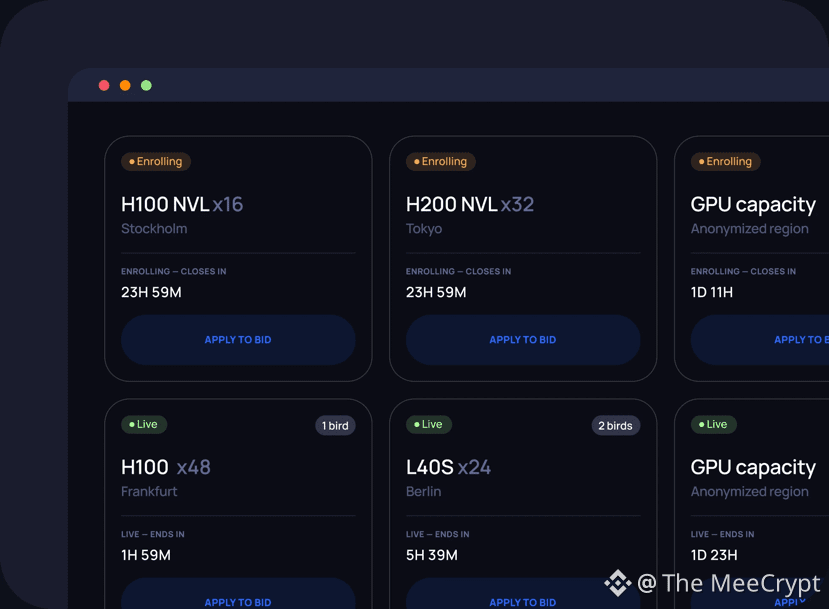
GPUs became scarce, expensive, and increasingly important for teams building AI products. But having GPUs is only half the problem. The other half is connecting available capacity with teams that actually need it.
That’s where https://auctions.fluence.network/ GPU Auctions come in.
Since launching the marketplace, $6M in GPU cluster contracts have already been recorded.
The model is simple:
→ Teams post their compute demand
→ Providers compete with bids
→ Buyers compare price, SLA and rental windows
→ Contracts are formed around the accepted bid
The current marketplace shows 6,468 GPUs available across 4 countries.
What I find interesting here is the shift from simply renting compute to creating a more competitive market around GPU capacity.
AI needs more compute.
But it also needs better ways to allocate the compute we already have.
And Fluence is taking a shot at solving that side of the equation.
Need compute? Have capacity?
#Fluence #DePIN #AI #Web3
$6M IN GPU CONTRACTS: @Fluence
GPUs became scarce, expensive, and increasingly important for teams building AI products. But having GPUs is only half the problem. The other half is connecting available capacity with teams that actually need it.
That’s where https://auctions.fluence.network/ GPU Auctions come in.
Since launching the marketplace, $6M in GPU cluster contracts have already been recorded.
The model is simple:
→ Teams post their compute demand
→ Providers compete with bids
→ Buyers compare price, SLA and rental windows
→ Contracts are formed around the accepted bid
The current marketplace shows 6,468 GPUs available across 4 countries.
What I find interesting here is the shift from simply renting compute to creating a more competitive market around GPU capacity.
AI needs more compute.
But it also needs better ways to allocate the compute we already have.
And Fluence is taking a shot at solving that side of the equation.
Need compute? Have capacity?
#Fluence #DePIN #AI #Web3
GPUs became scarce, expensive, and increasingly important for teams building AI products. But having GPUs is only half the problem. The other half is connecting available capacity with teams that actually need it.
That’s where https://auctions.fluence.network/ GPU Auctions come in.
Since launching the marketplace, $6M in GPU cluster contracts have already been recorded.
The model is simple:
→ Teams post their compute demand
→ Providers compete with bids
→ Buyers compare price, SLA and rental windows
→ Contracts are formed around the accepted bid
The current marketplace shows 6,468 GPUs available across 4 countries.
What I find interesting here is the shift from simply renting compute to creating a more competitive market around GPU capacity.
AI needs more compute.
But it also needs better ways to allocate the compute we already have.
And Fluence is taking a shot at solving that side of the equation.
Need compute? Have capacity?
#Fluence #DePIN #AI #Web3
77
·
--
පරිවර්තනය බලන්න
Why is DTEC catching attention in the DePIN and mobility space?
Rather than treating vehicles as passive machines, @DtecAI is building around the idea that everyday mobility can become part of a decentralized data and AI network.
Key value drivers:
• Real-World Data: Vehicle and mobility data can become a valuable resource for AI and connected applications.
• DePIN Infrastructure: Connected vehicles and devices contribute real-world data to a decentralized network.
• AI-Powered Mobility: DTEC’s architecture combines vehicle data, IoT inputs and AI to create more personalized mobility experiences.
• Driver Participation: The ecosystem is designed around rewarding users for contributing valuable data to the network through the DTEC token.
If decentralized mobility data scales effectively, the opportunity could extend well beyond crypto into AI, automotive data, connected vehicles and intelligent transportation.
The interesting part for me is the shift from simply using a vehicle to making the vehicle part of a larger data network.
Are you bullish on the $DTEC thesis? 👀
#DePIN #AI #Web3 #DTEC
Why is DTEC catching attention in the DePIN and mobility space?
Rather than treating vehicles as passive machines, @DtecAI is building around the idea that everyday mobility can become part of a decentralized data and AI network.
Key value drivers:
• Real-World Data: Vehicle and mobility data can become a valuable resource for AI and connected applications.
• DePIN Infrastructure: Connected vehicles and devices contribute real-world data to a decentralized network.
• AI-Powered Mobility: DTEC’s architecture combines vehicle data, IoT inputs and AI to create more personalized mobility experiences.
• Driver Participation: The ecosystem is designed around rewarding users for contributing valuable data to the network through the DTEC token.
If decentralized mobility data scales effectively, the opportunity could extend well beyond crypto into AI, automotive data, connected vehicles and intelligent transportation.
The interesting part for me is the shift from simply using a vehicle to making the vehicle part of a larger data network.
Are you bullish on the $DTEC thesis? 👀
#DePIN #AI #Web3 #DTEC
Rather than treating vehicles as passive machines, @DtecAI is building around the idea that everyday mobility can become part of a decentralized data and AI network.
Key value drivers:
• Real-World Data: Vehicle and mobility data can become a valuable resource for AI and connected applications.
• DePIN Infrastructure: Connected vehicles and devices contribute real-world data to a decentralized network.
• AI-Powered Mobility: DTEC’s architecture combines vehicle data, IoT inputs and AI to create more personalized mobility experiences.
• Driver Participation: The ecosystem is designed around rewarding users for contributing valuable data to the network through the DTEC token.
If decentralized mobility data scales effectively, the opportunity could extend well beyond crypto into AI, automotive data, connected vehicles and intelligent transportation.
The interesting part for me is the shift from simply using a vehicle to making the vehicle part of a larger data network.
Are you bullish on the $DTEC thesis? 👀
#DePIN #AI #Web3 #DTEC

1
65
·
--
පරිවර්තනය බලන්න
Is $DTEC the Ultimate DePIN Mobility Play?
Decentralizing mobility isn't just a trend, it could reshape how vehicles, data and AI interact. DTEC is building an ecosystem connecting vehicles, real-world data, AI, and decentralized infrastructure through its mobility network.
KEY HIGHLIGHTS:
• Earn From Your Vehicle: Contribute vehicle and mobility data to the network and get rewarded for participating.
• AI-Powered Mobility: Dtec combines real-world vehicle data with AI to enable smarter mobility applications.
• Decentralized Data: Vehicle-generated data can become part of an open decentralized infrastructure instead of remaining locked within centralized systems.
• AI Call Centre: Dtec is also bringing AI into business communications, helping automate customer interactions and support.
• Real-World DePIN: Instead of relying purely on digital assets, Dtec connects decentralized infrastructure to physical vehicles and everyday mobility.
With DePIN, AI, and connected mobility converging, DTEC is building at an interesting intersection.
$DTEC could potentially become one of the biggest projects defining the next generation of decentralized mobility.
#Dtec #AI #DePIN
Is $DTEC the Ultimate DePIN Mobility Play?
Decentralizing mobility isn't just a trend, it could reshape how vehicles, data and AI interact. DTEC is building an ecosystem connecting vehicles, real-world data, AI, and decentralized infrastructure through its mobility network.
KEY HIGHLIGHTS:
• Earn From Your Vehicle: Contribute vehicle and mobility data to the network and get rewarded for participating.
• AI-Powered Mobility: Dtec combines real-world vehicle data with AI to enable smarter mobility applications.
• Decentralized Data: Vehicle-generated data can become part of an open decentralized infrastructure instead of remaining locked within centralized systems.
• AI Call Centre: Dtec is also bringing AI into business communications, helping automate customer interactions and support.
• Real-World DePIN: Instead of relying purely on digital assets, Dtec connects decentralized infrastructure to physical vehicles and everyday mobility.
With DePIN, AI, and connected mobility converging, DTEC is building at an interesting intersection.
$DTEC could potentially become one of the biggest projects defining the next generation of decentralized mobility.
#Dtec #AI #DePIN
Decentralizing mobility isn't just a trend, it could reshape how vehicles, data and AI interact. DTEC is building an ecosystem connecting vehicles, real-world data, AI, and decentralized infrastructure through its mobility network.
KEY HIGHLIGHTS:
• Earn From Your Vehicle: Contribute vehicle and mobility data to the network and get rewarded for participating.
• AI-Powered Mobility: Dtec combines real-world vehicle data with AI to enable smarter mobility applications.
• Decentralized Data: Vehicle-generated data can become part of an open decentralized infrastructure instead of remaining locked within centralized systems.
• AI Call Centre: Dtec is also bringing AI into business communications, helping automate customer interactions and support.
• Real-World DePIN: Instead of relying purely on digital assets, Dtec connects decentralized infrastructure to physical vehicles and everyday mobility.
With DePIN, AI, and connected mobility converging, DTEC is building at an interesting intersection.
$DTEC could potentially become one of the biggest projects defining the next generation of decentralized mobility.
#Dtec #AI #DePIN

1
54
·
--
පරිවර්තනය බලන්න
@fluence : Turning GPU Capacity Into a Marketplace
AI workloads are creating huge demand for GPUs, but access to the right hardware can still be expensive and difficult.
Fluence is approaching this differently.
Its decentralized compute network connects available infrastructure with customers, while its GPU Auction introduces a marketplace model where GPU capacity can be bid on rather than simply purchased through fixed cloud pricing.
Instead of every customer paying the same predetermined rate, an auction can help match available GPU supply with real demand.
For providers, that creates another way to monetize their hardware.
For customers, it creates the possibility of finding competitive access to the compute they need.
And this is where the broader Fluence thesis gets interesting.
The future of compute may not be about one company owning all the hardware.
It could be about creating open markets around the hardware that already exists.
That’s the infrastructure angle behind $FLT worth watching.
#DePIN #AI #Web3 #FLT
@Fluence : Turning GPU Capacity Into a Marketplace
AI workloads are creating huge demand for GPUs, but access to the right hardware can still be expensive and difficult.
Fluence is approaching this differently.
Its decentralized compute network connects available infrastructure with customers, while its GPU Auction introduces a marketplace model where GPU capacity can be bid on rather than simply purchased through fixed cloud pricing.
Instead of every customer paying the same predetermined rate, an auction can help match available GPU supply with real demand.
For providers, that creates another way to monetize their hardware.
For customers, it creates the possibility of finding competitive access to the compute they need.
And this is where the broader Fluence thesis gets interesting.
The future of compute may not be about one company owning all the hardware.
It could be about creating open markets around the hardware that already exists.
That’s the infrastructure angle behind $FLT worth watching.
#DePIN #AI #Web3 #FLT
AI workloads are creating huge demand for GPUs, but access to the right hardware can still be expensive and difficult.
Fluence is approaching this differently.
Its decentralized compute network connects available infrastructure with customers, while its GPU Auction introduces a marketplace model where GPU capacity can be bid on rather than simply purchased through fixed cloud pricing.
Instead of every customer paying the same predetermined rate, an auction can help match available GPU supply with real demand.
For providers, that creates another way to monetize their hardware.
For customers, it creates the possibility of finding competitive access to the compute they need.
And this is where the broader Fluence thesis gets interesting.
The future of compute may not be about one company owning all the hardware.
It could be about creating open markets around the hardware that already exists.
That’s the infrastructure angle behind $FLT worth watching.
#DePIN #AI #Web3 #FLT

99
·
--
පරිවර්තනය බලන්න
@fluence : Enterprise-Grade Cloud Compute, Without the Big Tech Price Tag
If you needed serious compute power, the kind that trains AI models or runs heavy workloads at scale, there were only a handful of places to get it. AWS, Google Cloud, Azure. Reliable, sure, but expensive, and controlled entirely by a few corporations.
Fluence is building an alternative that doesn't ask you to compromise on quality to get there.
Same infrastructure, different ownership model
Fluence sources its compute from top-tier data centers already serving major Web2 companies. This isn't a network of random unverified machines, it's the same caliber of infrastructure that powers the traditional cloud, just organized differently. Instead of one company owning and pricing that capacity, Fluence pulls spare capacity together into a decentralized, always-on network that anyone can tap into.
The result: customers get enterprise-grade service at a lower cost. Fluence users have already saved millions of dollars compared to what they'd pay traditional cloud providers, real savings, from real customers running real workloads on the network.
$FLT is the token that holds the whole system together:
• Providers stake FLT to secure the network and get paid for the compute capacity they contribute
• Customer revenue funds a buyback program, so usage on the network directly feeds back into FLT's token economics
• Over 25 million FLT are currently staked, securing the network at scale
• Holders can stake FLT through the Token Dashboard, take part in governance, and access rewards tied to network activity
AI's demand for compute isn't slowing down, training and running models takes enormous infrastructure, and that need is only growing. Traditional cloud providers built their businesses on controlling access to that infrastructure and pricing it accordingly.
Fluence offers a different path: the same quality of compute, sourced from the same caliber of data centers but built on a network where value flows back to the people securing and using it.
#DePIN #FLT #AI #Web3
@Fluence : Enterprise-Grade Cloud Compute, Without the Big Tech Price Tag
If you needed serious compute power, the kind that trains AI models or runs heavy workloads at scale, there were only a handful of places to get it. AWS, Google Cloud, Azure. Reliable, sure, but expensive, and controlled entirely by a few corporations.
Fluence is building an alternative that doesn't ask you to compromise on quality to get there.
Same infrastructure, different ownership model
Fluence sources its compute from top-tier data centers already serving major Web2 companies. This isn't a network of random unverified machines, it's the same caliber of infrastructure that powers the traditional cloud, just organized differently. Instead of one company owning and pricing that capacity, Fluence pulls spare capacity together into a decentralized, always-on network that anyone can tap into.
The result: customers get enterprise-grade service at a lower cost. Fluence users have already saved millions of dollars compared to what they'd pay traditional cloud providers, real savings, from real customers running real workloads on the network.
$FLT is the token that holds the whole system together:
• Providers stake FLT to secure the network and get paid for the compute capacity they contribute
• Customer revenue funds a buyback program, so usage on the network directly feeds back into FLT's token economics
• Over 25 million FLT are currently staked, securing the network at scale
• Holders can stake FLT through the Token Dashboard, take part in governance, and access rewards tied to network activity
AI's demand for compute isn't slowing down, training and running models takes enormous infrastructure, and that need is only growing. Traditional cloud providers built their businesses on controlling access to that infrastructure and pricing it accordingly.
Fluence offers a different path: the same quality of compute, sourced from the same caliber of data centers but built on a network where value flows back to the people securing and using it.
#DePIN #FLT #AI #Web3
If you needed serious compute power, the kind that trains AI models or runs heavy workloads at scale, there were only a handful of places to get it. AWS, Google Cloud, Azure. Reliable, sure, but expensive, and controlled entirely by a few corporations.
Fluence is building an alternative that doesn't ask you to compromise on quality to get there.
Same infrastructure, different ownership model
Fluence sources its compute from top-tier data centers already serving major Web2 companies. This isn't a network of random unverified machines, it's the same caliber of infrastructure that powers the traditional cloud, just organized differently. Instead of one company owning and pricing that capacity, Fluence pulls spare capacity together into a decentralized, always-on network that anyone can tap into.
The result: customers get enterprise-grade service at a lower cost. Fluence users have already saved millions of dollars compared to what they'd pay traditional cloud providers, real savings, from real customers running real workloads on the network.
$FLT is the token that holds the whole system together:
• Providers stake FLT to secure the network and get paid for the compute capacity they contribute
• Customer revenue funds a buyback program, so usage on the network directly feeds back into FLT's token economics
• Over 25 million FLT are currently staked, securing the network at scale
• Holders can stake FLT through the Token Dashboard, take part in governance, and access rewards tied to network activity
AI's demand for compute isn't slowing down, training and running models takes enormous infrastructure, and that need is only growing. Traditional cloud providers built their businesses on controlling access to that infrastructure and pricing it accordingly.
Fluence offers a different path: the same quality of compute, sourced from the same caliber of data centers but built on a network where value flows back to the people securing and using it.
#DePIN #FLT #AI #Web3

80
·
--
அடுத்த பெரிய AI தயாரிப்பை உருவாக்குவதற்கு அனைவரும் போட்டியிடுகிறார்கள், ஆனால் அந்த போட்டியை உண்மையில் மெதுவாக்குவது என்ன என்பதைப் பற்றி கிட்டத்தட்ட யாரும் பேசுவதில்லை: மாதங்கள் காத்திருக்காமல் அல்லது ஹைப்பர்ஸ்கேலர் நிறுவனங்களின் கட்டணங்களை செலுத்தாமல் போதுமான GPUs-ஐ கையில் பெறுவது.
@fluence என்பது இதை வெறும் பேசாமல் உண்மையாக தீர்க்கும் சில திட்டங்களில் ஒன்றாகும்.
அமைப்பு இதுதான்: எல்லோரையும் AWS, Google Cloud, அல்லது Azure வழியாக இயக்குவதற்குப் பதிலாக, Fluence டெவலப்பர்களை உலகளாவிய சுயாதீன கணினி வழங்குநர்கள் கொண்ட நெட்வொர்க்குடன் நேரடியாக இணைக்கிறது. உண்மையான தரவுக் மையங்கள், உண்மையான ஹார்ட்வேர்—விலை நிர்ணயத்தையோ அல்லது பைப்ப்லைனைக்கோ ஒரே ஒரு நிறுவனம் கட்டுப்படுத்துவதில்லை.
இது ஏற்கனவே செயல்படுகிறது. அவர்களின் GPU சந்தை இப்போது உயிரோடு உள்ளது; பெரிய கிளவுட்களைவிட அதிகபட்சம் 85% குறைந்த செலவில் என்டர்பிரைஸ் தரத் திறன் கணினியை வழங்குகிறது. மேலும் அவர்களின் CPU பக்கம் ஏற்கனவே வருடாந்திர $1M-க்கும் மேல் வருமானம் கண்டுள்ளது—இது வெறும் ரோட்மேப் வாக்குறுதி அல்ல; உண்மையில் பயன்படுத்த பணம் செலுத்துகிறார்கள்.
புதியதாக வந்தது GPU Cluster Auctions—ஒதுக்கப்பட்ட GPU திறனுக்கான உண்மையான ஏலம்/பிட் சந்தை. வழங்குநரிடம் நியாயமான விலையில் கிடைக்கும் என்று நம்புவதற்குப் பதிலாக, அணிகள் தங்களுக்கு தேவையானதைத் தெளிவாக இடுகின்றன (GPU மாடல், அளவு, பிராந்தியம், காலக்கட்டம்) மற்றும் அந்த ஒப்பந்தத்திற்காக வழங்குநர்கள் போட்டியிடுகிறார்கள். இதுதான் இப்போது இந்த துறையில் வேறு எங்கும் இல்லாத 'விலை கண்டுபிடிப்பு' (price discovery) இயந்திரம்.
DePIN மற்றும் AI இப்போது கடுமையாக மோதிக் கொண்டிருக்கின்றன, அந்த ஒட்டுமொத்தத்தில் உள்ள பெரும்பாலான திட்டங்கள் இன்னும் கோட்பாடாகவே இருக்கின்றன. Fluence அப்படியில்லை—இது ஏற்கனவே பயன்படுத்தப்பட்டு, உண்மையானதும் மிகக் கடையுமான பிரச்சனையைத் தீர்க்கும் அடித்தள (infrastructure) ஆகும்.
நீங்கள் Web3 x AI துறையை கவனித்துக்கொண்டு இருந்தால், $FLT-ஐ வெறும் கதைக்களத்திற்கு அல்ல; உண்மையில் என்ன உருவாக்கப்படுகிறது என்பதற்காகப் புரிந்துகொள்ள வேண்டியது.
#Fluence #DePIN #AI
அடுத்த பெரிய AI தயாரிப்பை உருவாக்குவதற்கு அனைவரும் போட்டியிடுகிறார்கள், ஆனால் அந்த போட்டியை உண்மையில் மெதுவாக்குவது என்ன என்பதைப் பற்றி கிட்டத்தட்ட யாரும் பேசுவதில்லை: மாதங்கள் காத்திருக்காமல் அல்லது ஹைப்பர்ஸ்கேலர் நிறுவனங்களின் கட்டணங்களை செலுத்தாமல் போதுமான GPUs-ஐ கையில் பெறுவது.
@Fluence என்பது இதை வெறும் பேசாமல் உண்மையாக தீர்க்கும் சில திட்டங்களில் ஒன்றாகும்.
அமைப்பு இதுதான்: எல்லோரையும் AWS, Google Cloud, அல்லது Azure வழியாக இயக்குவதற்குப் பதிலாக, Fluence டெவலப்பர்களை உலகளாவிய சுயாதீன கணினி வழங்குநர்கள் கொண்ட நெட்வொர்க்குடன் நேரடியாக இணைக்கிறது. உண்மையான தரவுக் மையங்கள், உண்மையான ஹார்ட்வேர்—விலை நிர்ணயத்தையோ அல்லது பைப்ப்லைனைக்கோ ஒரே ஒரு நிறுவனம் கட்டுப்படுத்துவதில்லை.
இது ஏற்கனவே செயல்படுகிறது. அவர்களின் GPU சந்தை இப்போது உயிரோடு உள்ளது; பெரிய கிளவுட்களைவிட அதிகபட்சம் 85% குறைந்த செலவில் என்டர்பிரைஸ் தரத் திறன் கணினியை வழங்குகிறது. மேலும் அவர்களின் CPU பக்கம் ஏற்கனவே வருடாந்திர $1M-க்கும் மேல் வருமானம் கண்டுள்ளது—இது வெறும் ரோட்மேப் வாக்குறுதி அல்ல; உண்மையில் பயன்படுத்த பணம் செலுத்துகிறார்கள்.
புதியதாக வந்தது GPU Cluster Auctions—ஒதுக்கப்பட்ட GPU திறனுக்கான உண்மையான ஏலம்/பிட் சந்தை. வழங்குநரிடம் நியாயமான விலையில் கிடைக்கும் என்று நம்புவதற்குப் பதிலாக, அணிகள் தங்களுக்கு தேவையானதைத் தெளிவாக இடுகின்றன (GPU மாடல், அளவு, பிராந்தியம், காலக்கட்டம்) மற்றும் அந்த ஒப்பந்தத்திற்காக வழங்குநர்கள் போட்டியிடுகிறார்கள். இதுதான் இப்போது இந்த துறையில் வேறு எங்கும் இல்லாத 'விலை கண்டுபிடிப்பு' (price discovery) இயந்திரம்.
DePIN மற்றும் AI இப்போது கடுமையாக மோதிக் கொண்டிருக்கின்றன, அந்த ஒட்டுமொத்தத்தில் உள்ள பெரும்பாலான திட்டங்கள் இன்னும் கோட்பாடாகவே இருக்கின்றன. Fluence அப்படியில்லை—இது ஏற்கனவே பயன்படுத்தப்பட்டு, உண்மையானதும் மிகக் கடையுமான பிரச்சனையைத் தீர்க்கும் அடித்தள (infrastructure) ஆகும்.
நீங்கள் Web3 x AI துறையை கவனித்துக்கொண்டு இருந்தால், $FLT-ஐ வெறும் கதைக்களத்திற்கு அல்ல; உண்மையில் என்ன உருவாக்கப்படுகிறது என்பதற்காகப் புரிந்துகொள்ள வேண்டியது.
#Fluence #DePIN #AI
@Fluence என்பது இதை வெறும் பேசாமல் உண்மையாக தீர்க்கும் சில திட்டங்களில் ஒன்றாகும்.
அமைப்பு இதுதான்: எல்லோரையும் AWS, Google Cloud, அல்லது Azure வழியாக இயக்குவதற்குப் பதிலாக, Fluence டெவலப்பர்களை உலகளாவிய சுயாதீன கணினி வழங்குநர்கள் கொண்ட நெட்வொர்க்குடன் நேரடியாக இணைக்கிறது. உண்மையான தரவுக் மையங்கள், உண்மையான ஹார்ட்வேர்—விலை நிர்ணயத்தையோ அல்லது பைப்ப்லைனைக்கோ ஒரே ஒரு நிறுவனம் கட்டுப்படுத்துவதில்லை.
இது ஏற்கனவே செயல்படுகிறது. அவர்களின் GPU சந்தை இப்போது உயிரோடு உள்ளது; பெரிய கிளவுட்களைவிட அதிகபட்சம் 85% குறைந்த செலவில் என்டர்பிரைஸ் தரத் திறன் கணினியை வழங்குகிறது. மேலும் அவர்களின் CPU பக்கம் ஏற்கனவே வருடாந்திர $1M-க்கும் மேல் வருமானம் கண்டுள்ளது—இது வெறும் ரோட்மேப் வாக்குறுதி அல்ல; உண்மையில் பயன்படுத்த பணம் செலுத்துகிறார்கள்.
புதியதாக வந்தது GPU Cluster Auctions—ஒதுக்கப்பட்ட GPU திறனுக்கான உண்மையான ஏலம்/பிட் சந்தை. வழங்குநரிடம் நியாயமான விலையில் கிடைக்கும் என்று நம்புவதற்குப் பதிலாக, அணிகள் தங்களுக்கு தேவையானதைத் தெளிவாக இடுகின்றன (GPU மாடல், அளவு, பிராந்தியம், காலக்கட்டம்) மற்றும் அந்த ஒப்பந்தத்திற்காக வழங்குநர்கள் போட்டியிடுகிறார்கள். இதுதான் இப்போது இந்த துறையில் வேறு எங்கும் இல்லாத 'விலை கண்டுபிடிப்பு' (price discovery) இயந்திரம்.
DePIN மற்றும் AI இப்போது கடுமையாக மோதிக் கொண்டிருக்கின்றன, அந்த ஒட்டுமொத்தத்தில் உள்ள பெரும்பாலான திட்டங்கள் இன்னும் கோட்பாடாகவே இருக்கின்றன. Fluence அப்படியில்லை—இது ஏற்கனவே பயன்படுத்தப்பட்டு, உண்மையானதும் மிகக் கடையுமான பிரச்சனையைத் தீர்க்கும் அடித்தள (infrastructure) ஆகும்.
நீங்கள் Web3 x AI துறையை கவனித்துக்கொண்டு இருந்தால், $FLT-ஐ வெறும் கதைக்களத்திற்கு அல்ல; உண்மையில் என்ன உருவாக்கப்படுகிறது என்பதற்காகப் புரிந்துகொள்ள வேண்டியது.
#Fluence #DePIN #AI

53
·
--
@fluence AI Builders සඳහා අඩුකරමින් විමධ්යගත GPU ගණනය ලබා දෙයි
දැන් AI සඳහා ඇති විශාලතම බාධාව අද අදහස් හෝ දක්ෂතාව නොව, හුඟක් ප්රමාණවත් compute එකක් ලබා ගැනීම—hyper scaler මිල ගෙවීමකින් තොරව. DePIN ප්රමුඛ වේදිකාවක් වන Fluence, එම ගැටලුවට සෘජුවම මුහුණ දෙනවා.
Fluence දැනටමත් AWS සහ Google Cloud සඳහා විකල්පයක් ලෙස “cloudless” විමධ්යගත විකල්පයක් ක්රියාත්මක කරයි. එහිදී සංවර්ධකයන්ට එක් සමාගමකට මිල දී ගන්නවා වෙනුවට ස්වාධීන සැපයුම්කරුවන්ගේ ගෝලීය ජාලයකින් සේවාදායක (servers) කුලියට ගත හැක. එම CPU වෙළඳපොළ වාර්ෂිකව ඩොලර් 1M ට වඩා ආදායමක් උපයා ඇති අතර සාම්ප්රදායික cloud මිල ගණන්වලට වඩා පාරිභෝගිකයන් මිලියන ගණනක් ඉතිරි කර තිබුණා. දැන් ඔවුන් GPU සඳහාත් එම දේම කරනවා.
සංවර්ධකයන්ට තමන්ට අවශ්ය දේ අනුව GPU containers, VMs, හෝ bare metal යොදවිය හැක. ඒවා සියල්ලම pricing සහ payments ස්වයංක්රීයව හැසිරවීමට smart contracts හරහා ක්රියාත්මක වෙනවා; ජාලයට එක් වීමට පෙර සැපයුම්කරුවන් collateral stake කළ යුතු අතර reliability standards සපුරාලිය යුතුයි. ප්රතිඵලය: ප්රධාන cloud වලට වඩා 85% දක්වා අඩු වියදමකින් enterprise-grade GPU ප්රවේශය.
ඊට අමතරව සැබෑ යටිතල පහසුකම් වලටම එය හොඳින් පිටුබලය දෙනවා—GDPR, ISO 27001, සහ SOC2 අනුකූලතා සහිත enterprise-grade data centers; GPU supply ව්යාප්ත කරනවා. co-founder Evgeny Ponomarev කියා පරිදි, ඉලක්කය සරලයි: AI කණ්ඩායම්වලට අවශ්ය compute ලබා ගැනීම වැළැක්වෙන scarcity හා වියදම් බාධක ඉවත් කිරීම.
කෙටියෙන්ම, Fluence විසින් cloud CPU සඳහා ක්රියාත්මක වූ ඒම විමධ්යගත ක්රමවේදයම දැන් GPU shortage එකද විසඳීමට ඔට්ටු දමනවා. බැලීමට වටිනවා.
#DePIN #Ai #GPU
@Fluence AI Builders සඳහා අඩුකරමින් විමධ්යගත GPU ගණනය ලබා දෙයි
දැන් AI සඳහා ඇති විශාලතම බාධාව අද අදහස් හෝ දක්ෂතාව නොව, හුඟක් ප්රමාණවත් compute එකක් ලබා ගැනීම—hyper scaler මිල ගෙවීමකින් තොරව. DePIN ප්රමුඛ වේදිකාවක් වන Fluence, එම ගැටලුවට සෘජුවම මුහුණ දෙනවා.
Fluence දැනටමත් AWS සහ Google Cloud සඳහා විකල්පයක් ලෙස “cloudless” විමධ්යගත විකල්පයක් ක්රියාත්මක කරයි. එහිදී සංවර්ධකයන්ට එක් සමාගමකට මිල දී ගන්නවා වෙනුවට ස්වාධීන සැපයුම්කරුවන්ගේ ගෝලීය ජාලයකින් සේවාදායක (servers) කුලියට ගත හැක. එම CPU වෙළඳපොළ වාර්ෂිකව ඩොලර් 1M ට වඩා ආදායමක් උපයා ඇති අතර සාම්ප්රදායික cloud මිල ගණන්වලට වඩා පාරිභෝගිකයන් මිලියන ගණනක් ඉතිරි කර තිබුණා. දැන් ඔවුන් GPU සඳහාත් එම දේම කරනවා.
සංවර්ධකයන්ට තමන්ට අවශ්ය දේ අනුව GPU containers, VMs, හෝ bare metal යොදවිය හැක. ඒවා සියල්ලම pricing සහ payments ස්වයංක්රීයව හැසිරවීමට smart contracts හරහා ක්රියාත්මක වෙනවා; ජාලයට එක් වීමට පෙර සැපයුම්කරුවන් collateral stake කළ යුතු අතර reliability standards සපුරාලිය යුතුයි. ප්රතිඵලය: ප්රධාන cloud වලට වඩා 85% දක්වා අඩු වියදමකින් enterprise-grade GPU ප්රවේශය.
ඊට අමතරව සැබෑ යටිතල පහසුකම් වලටම එය හොඳින් පිටුබලය දෙනවා—GDPR, ISO 27001, සහ SOC2 අනුකූලතා සහිත enterprise-grade data centers; GPU supply ව්යාප්ත කරනවා. co-founder Evgeny Ponomarev කියා පරිදි, ඉලක්කය සරලයි: AI කණ්ඩායම්වලට අවශ්ය compute ලබා ගැනීම වැළැක්වෙන scarcity හා වියදම් බාධක ඉවත් කිරීම.
කෙටියෙන්ම, Fluence විසින් cloud CPU සඳහා ක්රියාත්මක වූ ඒම විමධ්යගත ක්රමවේදයම දැන් GPU shortage එකද විසඳීමට ඔට්ටු දමනවා. බැලීමට වටිනවා.
#DePIN #Ai #GPU
දැන් AI සඳහා ඇති විශාලතම බාධාව අද අදහස් හෝ දක්ෂතාව නොව, හුඟක් ප්රමාණවත් compute එකක් ලබා ගැනීම—hyper scaler මිල ගෙවීමකින් තොරව. DePIN ප්රමුඛ වේදිකාවක් වන Fluence, එම ගැටලුවට සෘජුවම මුහුණ දෙනවා.
Fluence දැනටමත් AWS සහ Google Cloud සඳහා විකල්පයක් ලෙස “cloudless” විමධ්යගත විකල්පයක් ක්රියාත්මක කරයි. එහිදී සංවර්ධකයන්ට එක් සමාගමකට මිල දී ගන්නවා වෙනුවට ස්වාධීන සැපයුම්කරුවන්ගේ ගෝලීය ජාලයකින් සේවාදායක (servers) කුලියට ගත හැක. එම CPU වෙළඳපොළ වාර්ෂිකව ඩොලර් 1M ට වඩා ආදායමක් උපයා ඇති අතර සාම්ප්රදායික cloud මිල ගණන්වලට වඩා පාරිභෝගිකයන් මිලියන ගණනක් ඉතිරි කර තිබුණා. දැන් ඔවුන් GPU සඳහාත් එම දේම කරනවා.
සංවර්ධකයන්ට තමන්ට අවශ්ය දේ අනුව GPU containers, VMs, හෝ bare metal යොදවිය හැක. ඒවා සියල්ලම pricing සහ payments ස්වයංක්රීයව හැසිරවීමට smart contracts හරහා ක්රියාත්මක වෙනවා; ජාලයට එක් වීමට පෙර සැපයුම්කරුවන් collateral stake කළ යුතු අතර reliability standards සපුරාලිය යුතුයි. ප්රතිඵලය: ප්රධාන cloud වලට වඩා 85% දක්වා අඩු වියදමකින් enterprise-grade GPU ප්රවේශය.
ඊට අමතරව සැබෑ යටිතල පහසුකම් වලටම එය හොඳින් පිටුබලය දෙනවා—GDPR, ISO 27001, සහ SOC2 අනුකූලතා සහිත enterprise-grade data centers; GPU supply ව්යාප්ත කරනවා. co-founder Evgeny Ponomarev කියා පරිදි, ඉලක්කය සරලයි: AI කණ්ඩායම්වලට අවශ්ය compute ලබා ගැනීම වැළැක්වෙන scarcity හා වියදම් බාධක ඉවත් කිරීම.
කෙටියෙන්ම, Fluence විසින් cloud CPU සඳහා ක්රියාත්මක වූ ඒම විමධ්යගත ක්රමවේදයම දැන් GPU shortage එකද විසඳීමට ඔට්ටු දමනවා. බැලීමට වටිනවා.
#DePIN #Ai #GPU
129
·
--
මිනිසුන් AI ව්යාපෘති ඇගයීමේදී බොහෝවිට නිවේදන සහ ටෝකන් මිල දෙස බලයි. මම නම් ඒවාට වඩා ව්යාපාරික (enterprise) සම්බන්ධතාවය/උනන්දුව දෙස වැඩි අවධානයක් යොමු කරමි.
AI තුළ ඇති විශාලතම අවස්ථා හුදෙක් යෙදුම් (applications) වලින්ම නොපැමිණේ. ඒවා එම යෙදුම් සඳහා හැකි කරවන යටිතල පහසුකම් (infrastructure) වලින් පැමිණේ. AI මාදිලි (models) වඩා බලවත් වන තරමට, විශ්වාසනීය සහ විශාලනයට (scalable) හැකි ගණනය/කම්පියුටින් (compute) සඳහා ඇති ඉල්ලුම තවදුරටත් වැඩිවෙමින් පවතී.
ඒ නිසාම මට @fluence $FLT වෙත යොමු වුණා.
ඊළඟ ජනප්රිය (trend) වීමට උත්සාහ කරනවාට වඩා, Fluence අවධානය යොමු කරන්නේ අනුබෙදී (decentralized) කම්පියුටින් යටිතල පහසුකම් වෙතයි. AI භාවිතය කර්මාන්ත හරහා ව්යාප්ත වන තරමට මෙම අංශය තවත් වැදගත් වීමට හැක.
ඉන්පසු, යටිතල පහසුකම් ව්යාපෘති වෙනස් ආකාරයකින් ඇගයිය යුතු යැයි මමත් සිතමි. ප්රගතිය සෑමවිටම දෛනික මිල චලනයන් (daily price action) මගින් මනිනු නොලැබේ. තාක්ෂණය දිගටම වැඩිදියුණු වෙනවාද, එය මත සංවර්ධකයන් (developers) ගොඩනඟනවාද, සහ එය භාවිතයෙන් ව්යාපාරවලට වටිනාකමක් (value) පෙනෙනවාද යන්නෙන් එය මනිනු ලැබේ.
AI තරඟය තවමත් මුල් අවධියේ පවතින අතර, compute අවශ්යතාවය අඩුවෙමින් නැහැ. ඒ හේතුව නිසා, $FLT decentralized AI යටිතල පහසුකම් ක්ෂේත්රය විකාශනය වන අතර මා දිගටම අනුගමනය කරන එක් ව්යාපෘතියක් ලෙස පවතී.
#Fluence #AI #DePIN #GPU
මිනිසුන් AI ව්යාපෘති ඇගයීමේදී බොහෝවිට නිවේදන සහ ටෝකන් මිල දෙස බලයි. මම නම් ඒවාට වඩා ව්යාපාරික (enterprise) සම්බන්ධතාවය/උනන්දුව දෙස වැඩි අවධානයක් යොමු කරමි.
AI තුළ ඇති විශාලතම අවස්ථා හුදෙක් යෙදුම් (applications) වලින්ම නොපැමිණේ. ඒවා එම යෙදුම් සඳහා හැකි කරවන යටිතල පහසුකම් (infrastructure) වලින් පැමිණේ. AI මාදිලි (models) වඩා බලවත් වන තරමට, විශ්වාසනීය සහ විශාලනයට (scalable) හැකි ගණනය/කම්පියුටින් (compute) සඳහා ඇති ඉල්ලුම තවදුරටත් වැඩිවෙමින් පවතී.
ඒ නිසාම මට @Fluence $FLT වෙත යොමු වුණා.
ඊළඟ ජනප්රිය (trend) වීමට උත්සාහ කරනවාට වඩා, Fluence අවධානය යොමු කරන්නේ අනුබෙදී (decentralized) කම්පියුටින් යටිතල පහසුකම් වෙතයි. AI භාවිතය කර්මාන්ත හරහා ව්යාප්ත වන තරමට මෙම අංශය තවත් වැදගත් වීමට හැක.
ඉන්පසු, යටිතල පහසුකම් ව්යාපෘති වෙනස් ආකාරයකින් ඇගයිය යුතු යැයි මමත් සිතමි. ප්රගතිය සෑමවිටම දෛනික මිල චලනයන් (daily price action) මගින් මනිනු නොලැබේ. තාක්ෂණය දිගටම වැඩිදියුණු වෙනවාද, එය මත සංවර්ධකයන් (developers) ගොඩනඟනවාද, සහ එය භාවිතයෙන් ව්යාපාරවලට වටිනාකමක් (value) පෙනෙනවාද යන්නෙන් එය මනිනු ලැබේ.
AI තරඟය තවමත් මුල් අවධියේ පවතින අතර, compute අවශ්යතාවය අඩුවෙමින් නැහැ. ඒ හේතුව නිසා, $FLT decentralized AI යටිතල පහසුකම් ක්ෂේත්රය විකාශනය වන අතර මා දිගටම අනුගමනය කරන එක් ව්යාපෘතියක් ලෙස පවතී.
#Fluence #AI #DePIN #GPU
AI තුළ ඇති විශාලතම අවස්ථා හුදෙක් යෙදුම් (applications) වලින්ම නොපැමිණේ. ඒවා එම යෙදුම් සඳහා හැකි කරවන යටිතල පහසුකම් (infrastructure) වලින් පැමිණේ. AI මාදිලි (models) වඩා බලවත් වන තරමට, විශ්වාසනීය සහ විශාලනයට (scalable) හැකි ගණනය/කම්පියුටින් (compute) සඳහා ඇති ඉල්ලුම තවදුරටත් වැඩිවෙමින් පවතී.
ඒ නිසාම මට @Fluence $FLT වෙත යොමු වුණා.
ඊළඟ ජනප්රිය (trend) වීමට උත්සාහ කරනවාට වඩා, Fluence අවධානය යොමු කරන්නේ අනුබෙදී (decentralized) කම්පියුටින් යටිතල පහසුකම් වෙතයි. AI භාවිතය කර්මාන්ත හරහා ව්යාප්ත වන තරමට මෙම අංශය තවත් වැදගත් වීමට හැක.
ඉන්පසු, යටිතල පහසුකම් ව්යාපෘති වෙනස් ආකාරයකින් ඇගයිය යුතු යැයි මමත් සිතමි. ප්රගතිය සෑමවිටම දෛනික මිල චලනයන් (daily price action) මගින් මනිනු නොලැබේ. තාක්ෂණය දිගටම වැඩිදියුණු වෙනවාද, එය මත සංවර්ධකයන් (developers) ගොඩනඟනවාද, සහ එය භාවිතයෙන් ව්යාපාරවලට වටිනාකමක් (value) පෙනෙනවාද යන්නෙන් එය මනිනු ලැබේ.
AI තරඟය තවමත් මුල් අවධියේ පවතින අතර, compute අවශ්යතාවය අඩුවෙමින් නැහැ. ඒ හේතුව නිසා, $FLT decentralized AI යටිතල පහසුකම් ක්ෂේත්රය විකාශනය වන අතර මා දිගටම අනුගමනය කරන එක් ව්යාපෘතියක් ලෙස පවතී.
#Fluence #AI #DePIN #GPU
79
·
--
AI4 සඳහා @fluence $FLT වැදගත් සන්ධිස්ථානයක් විය හැක්කේ ඇයි
AI කර්මාන්ත නැවත හැඩගස්වන විට, පැහැදිලිවම පෙනී යන එක් දෙයක් තිබේ: AI එහි බලය ළඟා කරගන්නේ එය සපයන යටිතල පහසුකම් (infrastructure) මතයි. බොහෝ ප්රධාන මාතෘකා නව මොඩල් සහ යෙදුම් කෙරෙහි අවධානය යොමු කළත්, ගණනයන (compute) ස්තරය ගොඩනගන සමාගම් ද ඒ තරමටම වැදගත් බවට පත්වෙමින් තිබේ.
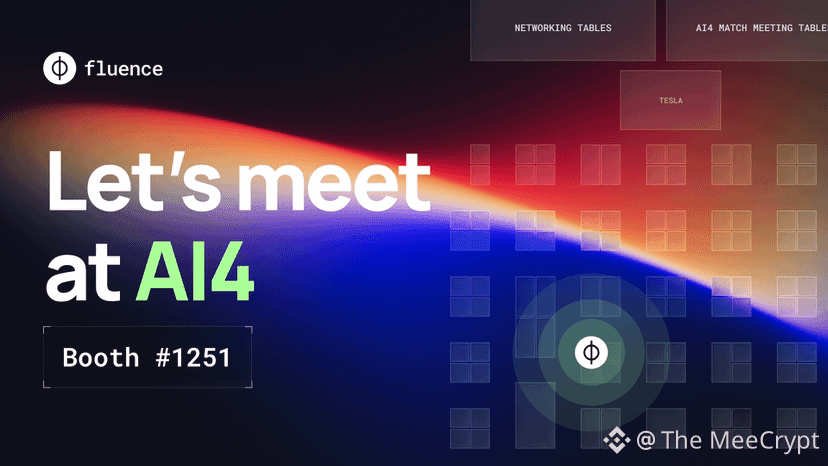
ඒ නිසාම මම Fluence ($FLT) ඇමෙරිකාවේ විශාලතම AI සම්මන්ත්රණය වන AI4 සඳහා පැමිණෙන බවට අවධානය දෙන්නෙමි. එය අගෝස්තු 4–6 දිනවල ලාස් වේගාස් හි The Venetian හි පැවැත්වෙන අතර, කණ්ඩායම Booth #1251 හි සිටිනු ඇත.
AI යටිතල පහසුකම් සමාගමක් සඳහා, මෙය තවත් සම්මන්ත්රණයකට යාමක් පමණක් නොවේ. AI4 සමාගම් නායකයින්, සංවර්ධකයින්, ආයෝජකයින්, ක්ලවුඩ් සැපයුම්කරුවන් සහ වර්ධනය කළ හැකි (scalable) AI විසඳුම් සොයන සංවිධාන එක් කරයි. මෙවැනි පරිසරයක ව්යාපාර සම්බන්ධතා ආරම්භ වීමටත්, නිෂ්පාදන ප්රදර්ශනය කිරීමටත්, අනාගත හවුල්කාරකම් බොහෝවිට හැඩගැසීමටත් ඉඩ ලැබේ.
පාරිභෝගික (consumer) අවධානයට යොමු වූ නිෂ්පාදනවලට වෙනස්ව, ව්යාපාරික යටිතල පහසුකම්වලට බොහෝ විට පිළිගැනීම ලැබෙන්නේ ව්යාජ/වෙළෙඳ දැන්වීම් මගින් පමණක් නොවේ. තීරණ ගන්නන්ට තාක්ෂණික සාකච්ඡා, සජීවී (live) ප්රදර්ශන, සහ තාක්ෂණය පිටුපස සිටින කණ්ඩායම් සමඟ සෘජු සංවාද අවශ්ය වේ. AI4 වැනි සම්මන්ත්රණ එවැනි අන්තර්ක්රියා සඳහා සුදුසුම පරිසරයයි.
Fluence සඳහා, මෙය එහි විසන්ධ්යගත (decentralized) GPU යටිතල පහසුකම් ප්රදර්ශනය කිරීමට අවස්ථාවක් වන අතර, කවුරුන් අනාගතයේ දී ගනුදෙනුකරුවන් හෝ උපායමාර්ගික හවුල්කරුවන් බවට පත්විය හැකිද යන්නන්ට එය ඉදිරිපත් කළ හැකිය. ඉසව්වකට සහභාගී වීමෙන් පමණක් පිළිගැනීම ස්වයංක්රීයව සහතික නොවුණත්, ව්යාපාරික AI සංවාද සිදුවන තැනට පැමිණ සිටීම වැදගත් පියවරකි.
AI4 තුළින් කුමක් එළියට එන්නේද යන්න මම සමීපව බලා සිටින්නෙමි. නව හවුල්කාරකම්, වටිනා කර්මාන්ත අදහස් (insights), හෝ අනාගත සහයෝගිතාවන් වේවා—ඒ වගේ දියුණුවීම්වලට AI හි ඊළඟ පරම්පරාවට පසුබිම් වන යටිතල පහසුකම් ගොඩනගන ව්යාපෘති සඳහා දිගුකාලීන බලපෑමක් ඇති කළ හැකිය.
📍 AI4 සම්මන්ත්රණය
📅 අගෝස්තු 4–6
🏨 The Venetian, ලාස් වේගාස්
📌 Fluence Booth #1251
#Fluence #DePIN #AI #AI4
AI4 සඳහා @Fluence $FLT වැදගත් සන්ධිස්ථානයක් විය හැක්කේ ඇයි
AI කර්මාන්ත නැවත හැඩගස්වන විට, පැහැදිලිවම පෙනී යන එක් දෙයක් තිබේ: AI එහි බලය ළඟා කරගන්නේ එය සපයන යටිතල පහසුකම් (infrastructure) මතයි. බොහෝ ප්රධාන මාතෘකා නව මොඩල් සහ යෙදුම් කෙරෙහි අවධානය යොමු කළත්, ගණනයන (compute) ස්තරය ගොඩනගන සමාගම් ද ඒ තරමටම වැදගත් බවට පත්වෙමින් තිබේ.
ඒ නිසාම මම Fluence ($FLT) ඇමෙරිකාවේ විශාලතම AI සම්මන්ත්රණය වන AI4 සඳහා පැමිණෙන බවට අවධානය දෙන්නෙමි. එය අගෝස්තු 4–6 දිනවල ලාස් වේගාස් හි The Venetian හි පැවැත්වෙන අතර, කණ්ඩායම Booth #1251 හි සිටිනු ඇත.
AI යටිතල පහසුකම් සමාගමක් සඳහා, මෙය තවත් සම්මන්ත්රණයකට යාමක් පමණක් නොවේ. AI4 සමාගම් නායකයින්, සංවර්ධකයින්, ආයෝජකයින්, ක්ලවුඩ් සැපයුම්කරුවන් සහ වර්ධනය කළ හැකි (scalable) AI විසඳුම් සොයන සංවිධාන එක් කරයි. මෙවැනි පරිසරයක ව්යාපාර සම්බන්ධතා ආරම්භ වීමටත්, නිෂ්පාදන ප්රදර්ශනය කිරීමටත්, අනාගත හවුල්කාරකම් බොහෝවිට හැඩගැසීමටත් ඉඩ ලැබේ.
පාරිභෝගික (consumer) අවධානයට යොමු වූ නිෂ්පාදනවලට වෙනස්ව, ව්යාපාරික යටිතල පහසුකම්වලට බොහෝ විට පිළිගැනීම ලැබෙන්නේ ව්යාජ/වෙළෙඳ දැන්වීම් මගින් පමණක් නොවේ. තීරණ ගන්නන්ට තාක්ෂණික සාකච්ඡා, සජීවී (live) ප්රදර්ශන, සහ තාක්ෂණය පිටුපස සිටින කණ්ඩායම් සමඟ සෘජු සංවාද අවශ්ය වේ. AI4 වැනි සම්මන්ත්රණ එවැනි අන්තර්ක්රියා සඳහා සුදුසුම පරිසරයයි.
Fluence සඳහා, මෙය එහි විසන්ධ්යගත (decentralized) GPU යටිතල පහසුකම් ප්රදර්ශනය කිරීමට අවස්ථාවක් වන අතර, කවුරුන් අනාගතයේ දී ගනුදෙනුකරුවන් හෝ උපායමාර්ගික හවුල්කරුවන් බවට පත්විය හැකිද යන්නන්ට එය ඉදිරිපත් කළ හැකිය. ඉසව්වකට සහභාගී වීමෙන් පමණක් පිළිගැනීම ස්වයංක්රීයව සහතික නොවුණත්, ව්යාපාරික AI සංවාද සිදුවන තැනට පැමිණ සිටීම වැදගත් පියවරකි.
AI4 තුළින් කුමක් එළියට එන්නේද යන්න මම සමීපව බලා සිටින්නෙමි. නව හවුල්කාරකම්, වටිනා කර්මාන්ත අදහස් (insights), හෝ අනාගත සහයෝගිතාවන් වේවා—ඒ වගේ දියුණුවීම්වලට AI හි ඊළඟ පරම්පරාවට පසුබිම් වන යටිතල පහසුකම් ගොඩනගන ව්යාපෘති සඳහා දිගුකාලීන බලපෑමක් ඇති කළ හැකිය.
📍 AI4 සම්මන්ත්රණය
📅 අගෝස්තු 4–6
🏨 The Venetian, ලාස් වේගාස්
📌 Fluence Booth #1251
#Fluence #DePIN #AI #AI4
AI කර්මාන්ත නැවත හැඩගස්වන විට, පැහැදිලිවම පෙනී යන එක් දෙයක් තිබේ: AI එහි බලය ළඟා කරගන්නේ එය සපයන යටිතල පහසුකම් (infrastructure) මතයි. බොහෝ ප්රධාන මාතෘකා නව මොඩල් සහ යෙදුම් කෙරෙහි අවධානය යොමු කළත්, ගණනයන (compute) ස්තරය ගොඩනගන සමාගම් ද ඒ තරමටම වැදගත් බවට පත්වෙමින් තිබේ.
ඒ නිසාම මම Fluence ($FLT) ඇමෙරිකාවේ විශාලතම AI සම්මන්ත්රණය වන AI4 සඳහා පැමිණෙන බවට අවධානය දෙන්නෙමි. එය අගෝස්තු 4–6 දිනවල ලාස් වේගාස් හි The Venetian හි පැවැත්වෙන අතර, කණ්ඩායම Booth #1251 හි සිටිනු ඇත.
AI යටිතල පහසුකම් සමාගමක් සඳහා, මෙය තවත් සම්මන්ත්රණයකට යාමක් පමණක් නොවේ. AI4 සමාගම් නායකයින්, සංවර්ධකයින්, ආයෝජකයින්, ක්ලවුඩ් සැපයුම්කරුවන් සහ වර්ධනය කළ හැකි (scalable) AI විසඳුම් සොයන සංවිධාන එක් කරයි. මෙවැනි පරිසරයක ව්යාපාර සම්බන්ධතා ආරම්භ වීමටත්, නිෂ්පාදන ප්රදර්ශනය කිරීමටත්, අනාගත හවුල්කාරකම් බොහෝවිට හැඩගැසීමටත් ඉඩ ලැබේ.
පාරිභෝගික (consumer) අවධානයට යොමු වූ නිෂ්පාදනවලට වෙනස්ව, ව්යාපාරික යටිතල පහසුකම්වලට බොහෝ විට පිළිගැනීම ලැබෙන්නේ ව්යාජ/වෙළෙඳ දැන්වීම් මගින් පමණක් නොවේ. තීරණ ගන්නන්ට තාක්ෂණික සාකච්ඡා, සජීවී (live) ප්රදර්ශන, සහ තාක්ෂණය පිටුපස සිටින කණ්ඩායම් සමඟ සෘජු සංවාද අවශ්ය වේ. AI4 වැනි සම්මන්ත්රණ එවැනි අන්තර්ක්රියා සඳහා සුදුසුම පරිසරයයි.
Fluence සඳහා, මෙය එහි විසන්ධ්යගත (decentralized) GPU යටිතල පහසුකම් ප්රදර්ශනය කිරීමට අවස්ථාවක් වන අතර, කවුරුන් අනාගතයේ දී ගනුදෙනුකරුවන් හෝ උපායමාර්ගික හවුල්කරුවන් බවට පත්විය හැකිද යන්නන්ට එය ඉදිරිපත් කළ හැකිය. ඉසව්වකට සහභාගී වීමෙන් පමණක් පිළිගැනීම ස්වයංක්රීයව සහතික නොවුණත්, ව්යාපාරික AI සංවාද සිදුවන තැනට පැමිණ සිටීම වැදගත් පියවරකි.
AI4 තුළින් කුමක් එළියට එන්නේද යන්න මම සමීපව බලා සිටින්නෙමි. නව හවුල්කාරකම්, වටිනා කර්මාන්ත අදහස් (insights), හෝ අනාගත සහයෝගිතාවන් වේවා—ඒ වගේ දියුණුවීම්වලට AI හි ඊළඟ පරම්පරාවට පසුබිම් වන යටිතල පහසුකම් ගොඩනගන ව්යාපෘති සඳහා දිගුකාලීන බලපෑමක් ඇති කළ හැකිය.
📍 AI4 සම්මන්ත්රණය
📅 අගෝස්තු 4–6
🏨 The Venetian, ලාස් වේගාස්
📌 Fluence Booth #1251
#Fluence #DePIN #AI #AI4
96
·
--
ඔබ භාවිතා කරන ප්රමාණයට වඩා වැඩි ගණනය/compute එකක් තබාගන්නේ ඇයි?
AI තුළ ඇති එක් විශාලතම අභියෝගය ග්රාෆික්/GPUs වෙත ප්රවේශ වීම පමණක් නොව, ඒවා කෙසේද කාර්යක්ෂමව භාවිතා කරන්නේද යන්නයි.
බොහෝ වැඩපිලිවෙලවලට දවස පුරාම උපරිම compute ධාරිතාව අවශ්ය නොවේ. එහෙත් සංවර්ධකයන් බොහෝ විට දිනයේ බොහෝ කොටසක් idle (භාවිත නොවෙන) වී සිටින hardware සඳහා ගෙවයි. මෙය අනවශ්ය වියදම් නිර්මාණය කරද්දී, වටිනා සම්පත් උපයෝගී කරගැනීම අඩු තත්ත්වයක පවතිනවා.
@fluence වෙනස් ප්රවේශයක් ගනී.
නියමිත (dedicated) hardware මත රඳා නොසිට, $FLT භාවිත නොවෙන GPU ධාරිතාව අවශ්ය කරගන්නා සංවර්ධකයන් සමඟ බෙදා ගත හැකි decentralised compute marketplace එකක්ට සහය දක්වයි. Providers හට idle සම්පත් මගින් වටිනාකමක් උපයා ගත හැකි අතර, developers හට තමන් consume කරන compute ප්රමාණයට පමණක් ගෙවීමට හැකිය.
මෙම ආකෘතියට සම්පත් උපයෝගීතාව වැඩි කිරීමට, යටිතල පහසුකම් වියදම් අඩු කිරීමට සහ සෑම කණ්ඩායමක්ම ඉහළ මට්ටමේ hardware හිමිකර ගත යුතු නැතිව AI compute වඩාත් ප්රවේශ කළ හැකි කිරීමට හැකියාවක් ඇත.
AI සඳහා ඇති ඉල්ලුම දිගටම වර්ධනය වන අතරතුර, compute ලබාදීම (allocation) වැඩිදියුණු කිරීම compute ප්රමාණය වැඩි කිරීම තරමටම වැදගත් විය හැක.
ඔබ decentralised GPU ජාලයන් ඔබට පරීක්ෂා කරලා තියෙනවද, නැත්තම් ඔබ තවමත් සාම්ප්රදායික cloud providers මත රඳා සිටිනවාද?
#Fluence #AI #DePIN #GPU #CloudComputing
ඔබ භාවිතා කරන ප්රමාණයට වඩා වැඩි ගණනය/compute එකක් තබාගන්නේ ඇයි?
AI තුළ ඇති එක් විශාලතම අභියෝගය ග්රාෆික්/GPUs වෙත ප්රවේශ වීම පමණක් නොව, ඒවා කෙසේද කාර්යක්ෂමව භාවිතා කරන්නේද යන්නයි.
බොහෝ වැඩපිලිවෙලවලට දවස පුරාම උපරිම compute ධාරිතාව අවශ්ය නොවේ. එහෙත් සංවර්ධකයන් බොහෝ විට දිනයේ බොහෝ කොටසක් idle (භාවිත නොවෙන) වී සිටින hardware සඳහා ගෙවයි. මෙය අනවශ්ය වියදම් නිර්මාණය කරද්දී, වටිනා සම්පත් උපයෝගී කරගැනීම අඩු තත්ත්වයක පවතිනවා.
@Fluence වෙනස් ප්රවේශයක් ගනී.
නියමිත (dedicated) hardware මත රඳා නොසිට, $FLT භාවිත නොවෙන GPU ධාරිතාව අවශ්ය කරගන්නා සංවර්ධකයන් සමඟ බෙදා ගත හැකි decentralised compute marketplace එකක්ට සහය දක්වයි. Providers හට idle සම්පත් මගින් වටිනාකමක් උපයා ගත හැකි අතර, developers හට තමන් consume කරන compute ප්රමාණයට පමණක් ගෙවීමට හැකිය.
මෙම ආකෘතියට සම්පත් උපයෝගීතාව වැඩි කිරීමට, යටිතල පහසුකම් වියදම් අඩු කිරීමට සහ සෑම කණ්ඩායමක්ම ඉහළ මට්ටමේ hardware හිමිකර ගත යුතු නැතිව AI compute වඩාත් ප්රවේශ කළ හැකි කිරීමට හැකියාවක් ඇත.
AI සඳහා ඇති ඉල්ලුම දිගටම වර්ධනය වන අතරතුර, compute ලබාදීම (allocation) වැඩිදියුණු කිරීම compute ප්රමාණය වැඩි කිරීම තරමටම වැදගත් විය හැක.
ඔබ decentralised GPU ජාලයන් ඔබට පරීක්ෂා කරලා තියෙනවද, නැත්තම් ඔබ තවමත් සාම්ප්රදායික cloud providers මත රඳා සිටිනවාද?
#Fluence #AI #DePIN #GPU #CloudComputing
AI තුළ ඇති එක් විශාලතම අභියෝගය ග්රාෆික්/GPUs වෙත ප්රවේශ වීම පමණක් නොව, ඒවා කෙසේද කාර්යක්ෂමව භාවිතා කරන්නේද යන්නයි.
බොහෝ වැඩපිලිවෙලවලට දවස පුරාම උපරිම compute ධාරිතාව අවශ්ය නොවේ. එහෙත් සංවර්ධකයන් බොහෝ විට දිනයේ බොහෝ කොටසක් idle (භාවිත නොවෙන) වී සිටින hardware සඳහා ගෙවයි. මෙය අනවශ්ය වියදම් නිර්මාණය කරද්දී, වටිනා සම්පත් උපයෝගී කරගැනීම අඩු තත්ත්වයක පවතිනවා.
@Fluence වෙනස් ප්රවේශයක් ගනී.
නියමිත (dedicated) hardware මත රඳා නොසිට, $FLT භාවිත නොවෙන GPU ධාරිතාව අවශ්ය කරගන්නා සංවර්ධකයන් සමඟ බෙදා ගත හැකි decentralised compute marketplace එකක්ට සහය දක්වයි. Providers හට idle සම්පත් මගින් වටිනාකමක් උපයා ගත හැකි අතර, developers හට තමන් consume කරන compute ප්රමාණයට පමණක් ගෙවීමට හැකිය.
මෙම ආකෘතියට සම්පත් උපයෝගීතාව වැඩි කිරීමට, යටිතල පහසුකම් වියදම් අඩු කිරීමට සහ සෑම කණ්ඩායමක්ම ඉහළ මට්ටමේ hardware හිමිකර ගත යුතු නැතිව AI compute වඩාත් ප්රවේශ කළ හැකි කිරීමට හැකියාවක් ඇත.
AI සඳහා ඇති ඉල්ලුම දිගටම වර්ධනය වන අතරතුර, compute ලබාදීම (allocation) වැඩිදියුණු කිරීම compute ප්රමාණය වැඩි කිරීම තරමටම වැදගත් විය හැක.
ඔබ decentralised GPU ජාලයන් ඔබට පරීක්ෂා කරලා තියෙනවද, නැත්තම් ඔබ තවමත් සාම්ප්රදායික cloud providers මත රඳා සිටිනවාද?
#Fluence #AI #DePIN #GPU #CloudComputing

1
87
·
--
පරිවර්තනය බලන්න
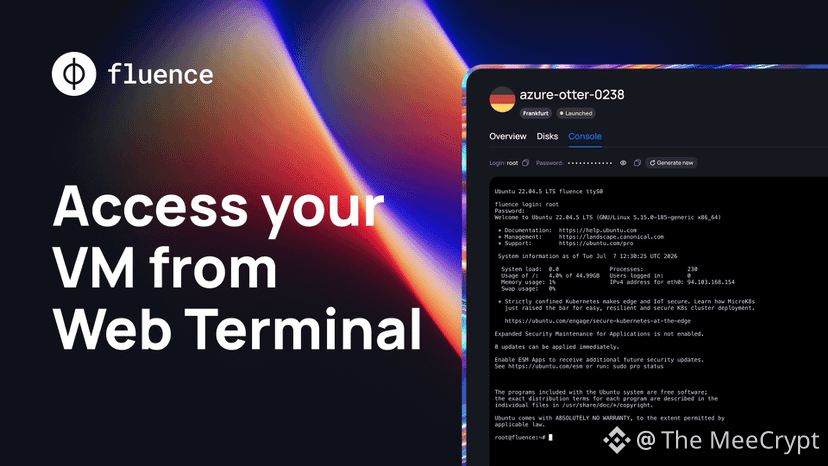
Developer experience is becoming just as important as compute performance.
@fluence has introduced the Web Terminal in the Fluence Console, allowing developers to securely access a full root shell for any running VM directly from a browser. No SSH client, no key setup and no local configuration required.
Whether it's monitoring AI workloads, checking logs or restarting applications, developers can manage their VMs from virtually any device, including a mobile phone.
Updates like this reduce operational complexity and make decentralized compute more accessible for developers building AI and cloud-native applications.
As the DePIN sector continues to evolve, practical tools that simplify deployment and management can play a significant role in driving adoption. Fluence continues to focus on delivering that experience while expanding the utility of the $FLT ecosystem.
What developer feature would you like to see next on Fluence?
#Fluence #DePIN #CloudComputing #AI #Web3
Developer experience is becoming just as important as compute performance.
@Fluence has introduced the Web Terminal in the Fluence Console, allowing developers to securely access a full root shell for any running VM directly from a browser. No SSH client, no key setup and no local configuration required.
Whether it's monitoring AI workloads, checking logs or restarting applications, developers can manage their VMs from virtually any device, including a mobile phone.
Updates like this reduce operational complexity and make decentralized compute more accessible for developers building AI and cloud-native applications.
As the DePIN sector continues to evolve, practical tools that simplify deployment and management can play a significant role in driving adoption. Fluence continues to focus on delivering that experience while expanding the utility of the $FLT ecosystem.
What developer feature would you like to see next on Fluence?
#Fluence #DePIN #CloudComputing #AI #Web3
@Fluence has introduced the Web Terminal in the Fluence Console, allowing developers to securely access a full root shell for any running VM directly from a browser. No SSH client, no key setup and no local configuration required.
Whether it's monitoring AI workloads, checking logs or restarting applications, developers can manage their VMs from virtually any device, including a mobile phone.
Updates like this reduce operational complexity and make decentralized compute more accessible for developers building AI and cloud-native applications.
As the DePIN sector continues to evolve, practical tools that simplify deployment and management can play a significant role in driving adoption. Fluence continues to focus on delivering that experience while expanding the utility of the $FLT ecosystem.
What developer feature would you like to see next on Fluence?
#Fluence #DePIN #CloudComputing #AI #Web3
1
89
·
--
@fluence දෙසැටින්ම එහි අන්තර්ජාලීක නොවන (decentralized) ගණනයකරණ (compute) වේදිකාව persistent storage, VM IP කළමනාකරණය, සහ on-demand compute සඳහා credit card සහය එක්කරමින් දිගටම පුළුල් කරමින් සිටී.
ඉදිරියේදී පැවැත්වෙන GPU Cluster Auctions යනු, GPU cluster-වලට සාම්ප්රදායික මධ්යගත සැපයුමකට වඩා තරගාත්මක ලංසු තැබීම (competitive bidding) හරහා වෙන් කර ගැනීමට අවස්ථාව දෙන පියවරක් ලෙස පෙනේ.
මට ඇස ගැටුණු සංඛ්යා කිහිපයක් මෙන්න:
• භාණ්ඩාගාර සංචිතවල 357.2M FLT.
• stablecoin සංචිතවල $1.46M.
• සාමාන්ය staking APR 11.5%.
• open-market liquidity මෙහෙයුම් හරහා එකතු කළ 7M FLT.
Infrastructure ව්යාපෘති බොහෝ විට hype එකට වඩා ක්රියාත්මක කිරීම (execution) අනුව තක්සේරු කෙරේ.
මා අනුගමනය කරමින් සිටි දේ අනුව, AI ඉල්ලුම දිගටම වර්ධනය වන විට සැලකිය යුතු ලෙස ප්රයෝජනවත් විය හැකි දෙකක් වන capital efficiency සහ developer access වැඩිදියුණු කරමින් $FLT එහි compute network පුළුල් කිරීම දිගටම කරගෙන යයි.
#DePIN #Fluence #Ai
@Fluence දෙසැටින්ම එහි අන්තර්ජාලීක නොවන (decentralized) ගණනයකරණ (compute) වේදිකාව persistent storage, VM IP කළමනාකරණය, සහ on-demand compute සඳහා credit card සහය එක්කරමින් දිගටම පුළුල් කරමින් සිටී.
ඉදිරියේදී පැවැත්වෙන GPU Cluster Auctions යනු, GPU cluster-වලට සාම්ප්රදායික මධ්යගත සැපයුමකට වඩා තරගාත්මක ලංසු තැබීම (competitive bidding) හරහා වෙන් කර ගැනීමට අවස්ථාව දෙන පියවරක් ලෙස පෙනේ.
මට ඇස ගැටුණු සංඛ්යා කිහිපයක් මෙන්න:
• භාණ්ඩාගාර සංචිතවල 357.2M FLT.
• stablecoin සංචිතවල $1.46M.
• සාමාන්ය staking APR 11.5%.
• open-market liquidity මෙහෙයුම් හරහා එකතු කළ 7M FLT.
Infrastructure ව්යාපෘති බොහෝ විට hype එකට වඩා ක්රියාත්මක කිරීම (execution) අනුව තක්සේරු කෙරේ.
මා අනුගමනය කරමින් සිටි දේ අනුව, AI ඉල්ලුම දිගටම වර්ධනය වන විට සැලකිය යුතු ලෙස ප්රයෝජනවත් විය හැකි දෙකක් වන capital efficiency සහ developer access වැඩිදියුණු කරමින් $FLT එහි compute network පුළුල් කිරීම දිගටම කරගෙන යයි.
#DePIN #Fluence #Ai
ඉදිරියේදී පැවැත්වෙන GPU Cluster Auctions යනු, GPU cluster-වලට සාම්ප්රදායික මධ්යගත සැපයුමකට වඩා තරගාත්මක ලංසු තැබීම (competitive bidding) හරහා වෙන් කර ගැනීමට අවස්ථාව දෙන පියවරක් ලෙස පෙනේ.
මට ඇස ගැටුණු සංඛ්යා කිහිපයක් මෙන්න:
• භාණ්ඩාගාර සංචිතවල 357.2M FLT.
• stablecoin සංචිතවල $1.46M.
• සාමාන්ය staking APR 11.5%.
• open-market liquidity මෙහෙයුම් හරහා එකතු කළ 7M FLT.
Infrastructure ව්යාපෘති බොහෝ විට hype එකට වඩා ක්රියාත්මක කිරීම (execution) අනුව තක්සේරු කෙරේ.
මා අනුගමනය කරමින් සිටි දේ අනුව, AI ඉල්ලුම දිගටම වර්ධනය වන විට සැලකිය යුතු ලෙස ප්රයෝජනවත් විය හැකි දෙකක් වන capital efficiency සහ developer access වැඩිදියුණු කරමින් $FLT එහි compute network පුළුල් කිරීම දිගටම කරගෙන යයි.
#DePIN #Fluence #Ai

85
·
--
පරිවර්තනය බලන්න
The value proposition behind @fluence ($FLT) becomes clearer when you look at one simple question:
Every AI builder eventually asks the same question:
"Which GPU should I buy?"
But the better question might be:
"Do I actually need to own one?"
Not every AI workload needs dedicated hardware sitting idle most of the day. Some require speed, others need memory, and many only need extra compute occasionally.
@fluence ($FLT) instead of focusing on GPU ownership, Fluence is building decentralized compute infrastructure that lets developers access compute resources when they need them.
As AI continues to grow, compute won't just be about buying the biggest GPU. It'll be about using the right resources at the right time.
The future of AI infrastructure is likely to combine local hardware, cloud services, and decentralized compute and that's why $FLT is a project worth watching.
#DePIN #GPU #AI
The value proposition behind @Fluence ($FLT) becomes clearer when you look at one simple question:
Every AI builder eventually asks the same question:
"Which GPU should I buy?"
But the better question might be:
"Do I actually need to own one?"
Not every AI workload needs dedicated hardware sitting idle most of the day. Some require speed, others need memory, and many only need extra compute occasionally.
@Fluence ($FLT) instead of focusing on GPU ownership, Fluence is building decentralized compute infrastructure that lets developers access compute resources when they need them.
As AI continues to grow, compute won't just be about buying the biggest GPU. It'll be about using the right resources at the right time.
The future of AI infrastructure is likely to combine local hardware, cloud services, and decentralized compute and that's why $FLT is a project worth watching.
#DePIN #GPU #AI
Every AI builder eventually asks the same question:
"Which GPU should I buy?"
But the better question might be:
"Do I actually need to own one?"
Not every AI workload needs dedicated hardware sitting idle most of the day. Some require speed, others need memory, and many only need extra compute occasionally.
@Fluence ($FLT) instead of focusing on GPU ownership, Fluence is building decentralized compute infrastructure that lets developers access compute resources when they need them.
As AI continues to grow, compute won't just be about buying the biggest GPU. It'll be about using the right resources at the right time.
The future of AI infrastructure is likely to combine local hardware, cloud services, and decentralized compute and that's why $FLT is a project worth watching.
#DePIN #GPU #AI

1
91
·
--
පරිවර්තනය බලන්න
For years, decentralization was seen as an ideology. Today, it's becoming a competitive advantage.
As infrastructure costs continue to rise and dependence on a handful of cloud providers becomes more apparent, developers are placing greater value on flexibility, transparency, and resilience. Decentralization is no longer just a philosophy, it's a practical solution.
@fluence is building a Cloudless compute network that gives developers access to decentralized, verifiable infrastructure without the limitations of a single cloud provider.
The broader trend is visible across the ecosystem. $AKT is expanding decentralized cloud marketplaces, while @Square-Creator-e53a9ebbb9d1 is improving access to distributed GPU resources for AI workloads.
What ties these projects together is a simple idea: infrastructure should be more open, more cost-efficient, and less dependent on centralized providers.
The next phase of adoption may not be driven by ideology alone, but by the tangible advantages decentralized infrastructure delivers, lower costs, greater resilience, and the freedom to build without unnecessary constraints.
#DecentralizedCompute #AIInfrastructure #DePIN #Web3AI
For years, decentralization was seen as an ideology. Today, it's becoming a competitive advantage.
As infrastructure costs continue to rise and dependence on a handful of cloud providers becomes more apparent, developers are placing greater value on flexibility, transparency, and resilience. Decentralization is no longer just a philosophy, it's a practical solution.
@Fluence is building a Cloudless compute network that gives developers access to decentralized, verifiable infrastructure without the limitations of a single cloud provider.
The broader trend is visible across the ecosystem. $AKT is expanding decentralized cloud marketplaces, while @Nosana is improving access to distributed GPU resources for AI workloads.
What ties these projects together is a simple idea: infrastructure should be more open, more cost-efficient, and less dependent on centralized providers.
The next phase of adoption may not be driven by ideology alone, but by the tangible advantages decentralized infrastructure delivers, lower costs, greater resilience, and the freedom to build without unnecessary constraints.
#DecentralizedCompute #AIInfrastructure #DePIN #Web3AI
As infrastructure costs continue to rise and dependence on a handful of cloud providers becomes more apparent, developers are placing greater value on flexibility, transparency, and resilience. Decentralization is no longer just a philosophy, it's a practical solution.
@Fluence is building a Cloudless compute network that gives developers access to decentralized, verifiable infrastructure without the limitations of a single cloud provider.
The broader trend is visible across the ecosystem. $AKT is expanding decentralized cloud marketplaces, while @Nosana is improving access to distributed GPU resources for AI workloads.
What ties these projects together is a simple idea: infrastructure should be more open, more cost-efficient, and less dependent on centralized providers.
The next phase of adoption may not be driven by ideology alone, but by the tangible advantages decentralized infrastructure delivers, lower costs, greater resilience, and the freedom to build without unnecessary constraints.
#DecentralizedCompute #AIInfrastructure #DePIN #Web3AI
132
·
--
පරිවර්තනය බලන්න
Shared CPU, Smarter Compute: @fluence $FLT Lowers the Cost of Building
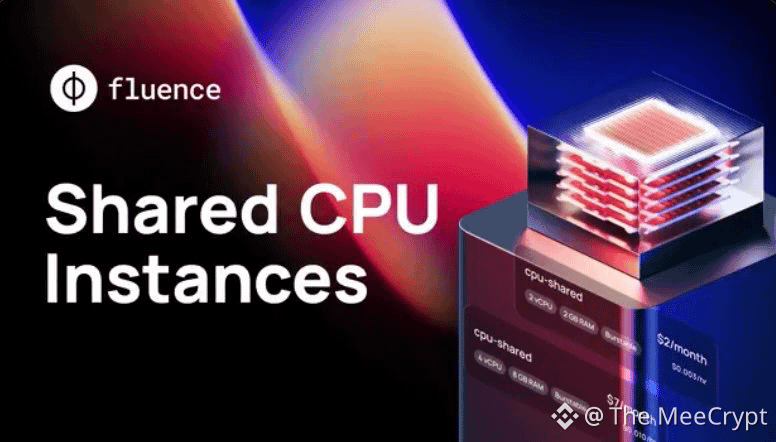
One of the latest updates from Fluence $FLT is the introduction of Shared CPU Instances, making decentralized compute more accessible for developers.
The idea is simple: many applications don't need a dedicated CPU running 24/7. Test environments, bots, APIs, and lightweight workloads often use only a small fraction of available resources.
Instead of paying for unused capacity, Shared CPU Instances let developers share compute efficiently, reducing costs while still delivering reliable performance.
Combined with Fluence's Cloudless architecture and transparent pricing with no egress fees, it's another step toward making decentralized cloud infrastructure practical for everyday use.
Small updates like this may not grab headlines, but they make a real difference for developers building on Web3.
#DePIN #AI #Web3
Shared CPU, Smarter Compute: @Fluence $FLT Lowers the Cost of Building
One of the latest updates from Fluence $FLT is the introduction of Shared CPU Instances, making decentralized compute more accessible for developers.
The idea is simple: many applications don't need a dedicated CPU running 24/7. Test environments, bots, APIs, and lightweight workloads often use only a small fraction of available resources.
Instead of paying for unused capacity, Shared CPU Instances let developers share compute efficiently, reducing costs while still delivering reliable performance.
Combined with Fluence's Cloudless architecture and transparent pricing with no egress fees, it's another step toward making decentralized cloud infrastructure practical for everyday use.
Small updates like this may not grab headlines, but they make a real difference for developers building on Web3.
#DePIN #AI #Web3
One of the latest updates from Fluence $FLT is the introduction of Shared CPU Instances, making decentralized compute more accessible for developers.
The idea is simple: many applications don't need a dedicated CPU running 24/7. Test environments, bots, APIs, and lightweight workloads often use only a small fraction of available resources.
Instead of paying for unused capacity, Shared CPU Instances let developers share compute efficiently, reducing costs while still delivering reliable performance.
Combined with Fluence's Cloudless architecture and transparent pricing with no egress fees, it's another step toward making decentralized cloud infrastructure practical for everyday use.
Small updates like this may not grab headlines, but they make a real difference for developers building on Web3.
#DePIN #AI #Web3
106
තවත් අන්තර්ගතයන් ගවේෂණය කිරීමට ඇතුල් වන්න
Binance චතුරශ්රය හි ගෝලීය ක්රිප්ටෝ පරිශීලකයින් හා එක්වන්න
⚡️ ක්රිප්ටෝ පිළිබඳ නවතම සහ ප්රයෝජනවත් තොරතුරු ලබා ගන්න.
💬 ලොව විශාලතම ක්රිප්ටෝ හුවමාරුව මගින් විශ්වාස කෙරේ.
👍 සත්යායනය කරන ලද නිර්මාණකරුවන්ගෙන් සැබෑ විදසුන් සොයා ගන්න.
විද්යුත් තැපෑල / දුරකථන අංකය
නැගී එන මාතෘකා
AppleDebutsFoldablePhone
4,593 views
120 සාකච්ඡා කරමින්
#appledebutsfoldablephone iPhone Duo ගැන මම අත තැබුවා—ඇපල් සමාගමේ පළමු නැමිය හැකි දුරකථනය. කැපී පෙනෙන්නේ මොනවාද
අතේ අල්ලට වගේ පමණක් තිබෙන දුරකථනය මෙතෙක් වසර ගණනාවකින් ඇපල් සමාගමෙන් දක්නට ලැබුණු විශාලතම ධෛර්යවත් අතුරුකරණයයි—අඟල් 5.4 ක ආවරණ තිරයක් සහ අඟල් 7.6 ක ප්රධාන තිරයක් සහිතයි. ඔක්තෝබර් මාසයේ නිකුත් වීමට පෙර Duo සමඟ මට ටික වේලාවක් ගනුදෙනු කරන්න ලැබුණා.
අවසානයේ මෙයයි: බදාදා ඇපල් සමාගම සිය පළමු නැමිය හැකි iPhone එක වන iPhone Duo නමින් එළිදැක්වුවා.
iPhone Duo නිර්මාණය සහ ඉදිකිරීම
iPhone Duo එක සංයුක්තයි—ගමන් ගමන් බලපත්ර ප්රමාණයට සමාන නිර්මාණයක්. ඇතුළත අඟල් 7.6 ක තිරයක් සහ පිටත අඟල් 5.4 ක තිරයක් තිබෙනවා. එය මගේ අතේ තදින්ම හරියටම ගැලපෙයි—සැම්සුන් Galaxy Z Fold 8 එකට සමාන මානයන් ඇති අතර, එහි ඇතුල් තිරය අඟල් 7.6ක් සහ ආවරණ තිරය අඟල් 5.5ක්.
ඇපල් පවසන්නේ, Duo විවෘත කරන විට මෙය මෙතෙක් නිෂ්පාදනය වූ සිහින්ම iPhone එක බවයි—මි.මී. 5.2 ක් ලෙස. වසා තැබූ විට ඝනකම මි.මී. 11.3 කි. ටයිටේනියම් රාමුවක් එය සැහැල්ලු කරයි—ග්රෑම් 254.
ඇපල් සහ සැම්සුන් දුරකථන අතර අත්දැකීමේ ප්රධාන වෙනසක් නම් iPhone Duo හි ඇතුළත තිරය මත matte, nano-textured ආවරණයක් තිබීමයි—මෙය දුරකථනයේ crease (නැමීමේ රේඛාව) අඩු කරමින්ම, පරාවර්තනද සීමා කරයි. තිරය ක්රියාත්මක වන විට crease එක ගිලිහී යනවා වගේම තෘප්තිමත් අත්දැකීමක් දෙනවා. Z Fold 8 එකේ anti-reflective තිරයක් තිබුණත්, එය අඩු දකින්න ලැබෙන ලෙසට මට පේන්නේ ඊටත් වඩා අඩුවෙන්.
$ONG $IMX $TAC
Isabella-I
·3 කැමත්ත දැක්වීම්
·725 views
US10YTreasuryYieldHitsHighestSinceNov2023
8,381 views
173 සාකච්ඡා කරමින්
USTreasuryToBuyBackUpTo$6BLongDatedDebt
9,599 views
129 සාකච්ඡා කරමින්