

#aml
aml
113,946 නැරඹීම්
386 සාකච්ඡා කරමින්
උණුසුම්
නවතම

·
--
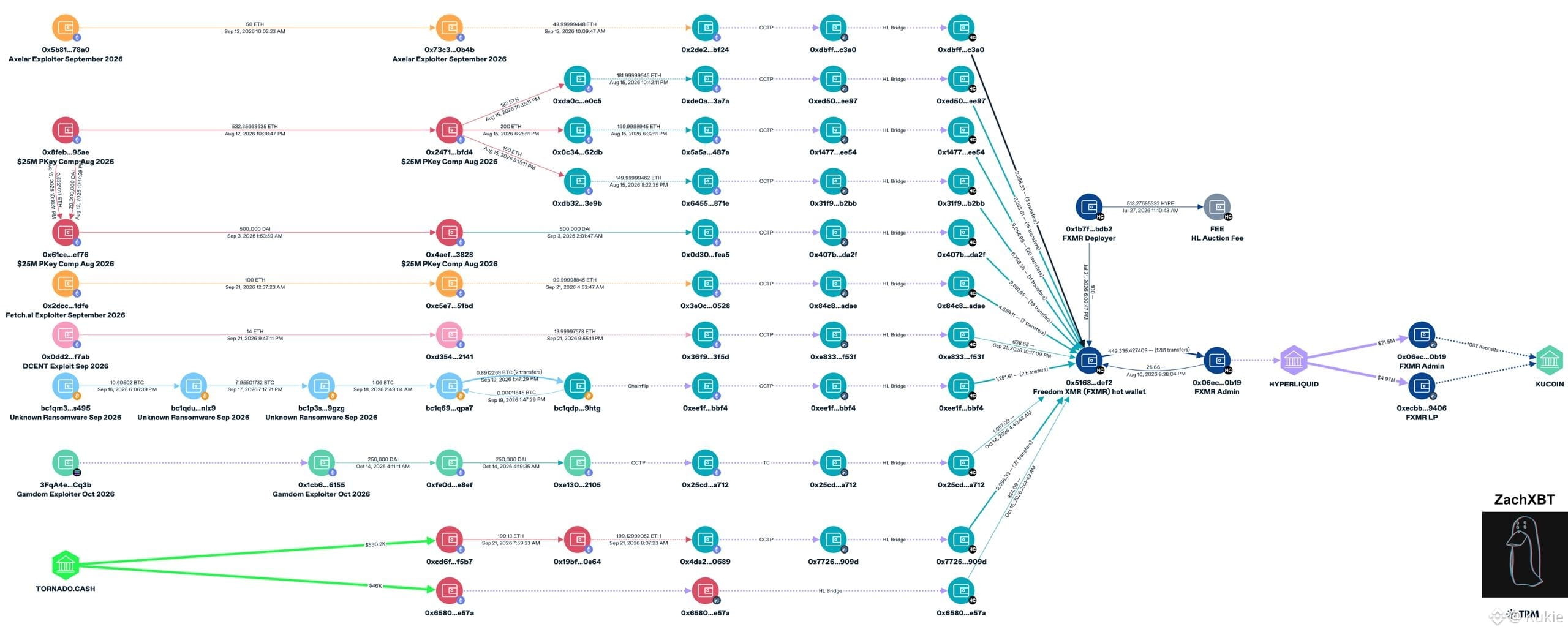
🚨 ON-CHAIN ALERT: FREEDOMXMR (FXMR)
A new centralized laundering service, FreedomXMR ($FXMR), reportedly emerged on Hyperliquid Core in August 2026.
According to an on-chain investigation, more than 87% of its inflow volume is linked to suspected illicit activity.
🔎 Key Findings
• $20M+ in inflows reportedly traced to ransomware, exploits, malware, and social engineering incidents.
• More than $10K inflows were manually reviewed.
• Named incidents include DCENT Wallet, Fetch.ai, Axelar, and Gamdom.
• The service reportedly received XMR liquidity from KuCoin, with 3,000+ deposits identified.
• The FXMR ticker was reportedly acquired through an HL auction for 518.28 HYPE (~$28K).
⚠️ These findings raise serious questions about illicit fund flows and the potential misuse of permissionless infrastructure.
On-chain transparency is essential, but attribution and allegations should always be verified against the underlying evidence.
#CryptoSecurity #OnChainAnalysis #Hyperliquid #DEFİ i #AML
268

·
--
🚨 $BTC CRIME WAVE HITS THAILAND: 500M YUAN LAUNDERED THROUGH CRYPTO 🦈
📊 Thai police uncovered a 37‑year‑old suspect who allegedly funneled over 500 million yuan via 133 crypto wallets, intertwining digital assets with a transnational money‑laundering ring. 📈 The case underscores how illicit capital can exploit the anonymity of blockchain, prompting regulators to tighten AML scrutiny across major exchanges. 🌊 As smart money eyes tighter compliance, expect a short‑term dip in risk‑on sentiment while institutions re‑evaluate exposure.
💬 How will heightened enforcement reshape liquidity flows on the Binance Square platform? 👇
⚠️ Not financial advice. Always manage your risk. 🛡️
🏷️ #BTC #CryptoRegulation #AML #MarketInsight #Crypto
🔥 🦈
3
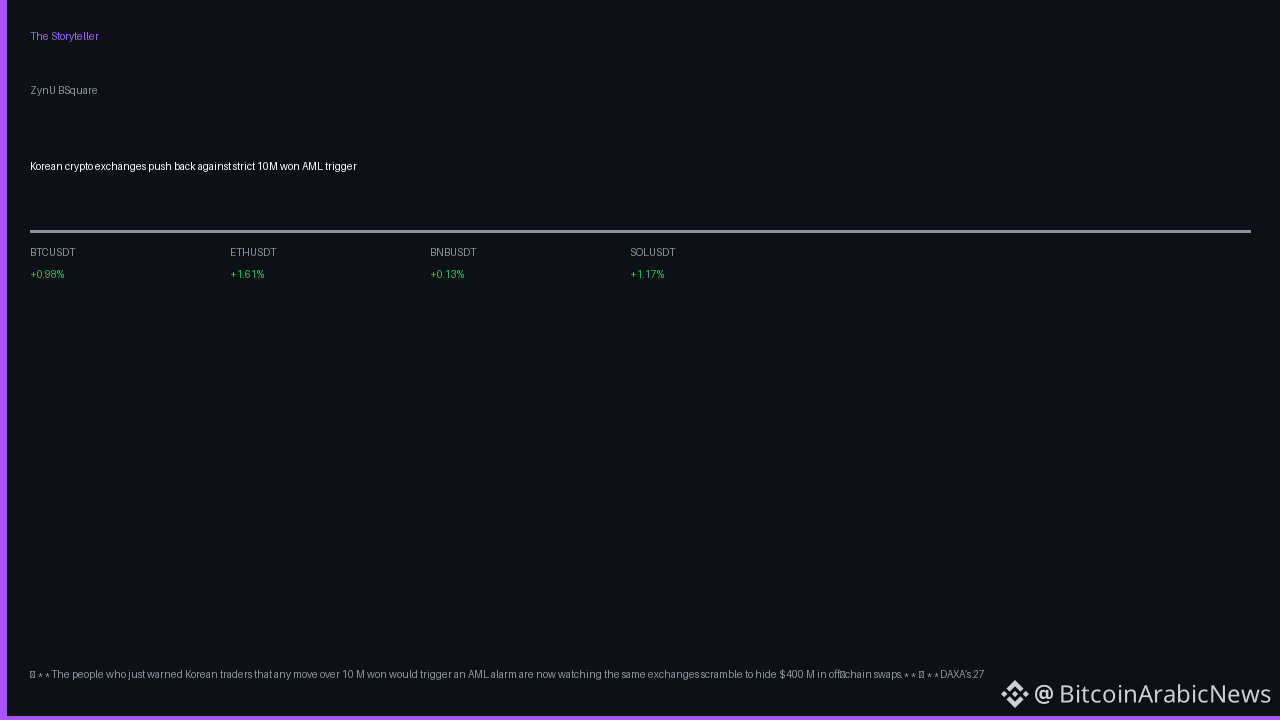
🔥 **The people who just warned Korean traders that any move over 10 M won would trigger an AML alarm are now watching the same exchanges scramble to hide $400 M in off‑chain swaps.**
📊 **DAXA’s 27 members filed a formal objection to the Financial Services Commission, arguing the new 10 M won trigger smothers liquidity just as #BTC ticks up to $82,463 (+0.98%) and futures open interest steadies at $7.76 B with a bullish funding rate of +0.0069%.** Meanwhile, #Korea’s crypto volume hovers at a neutral 53/100 sentiment, but the #AML clamp is already forcing smart wallets to reroute capital, echoing the same tension seen in the recent #Ethereum surge to $2,459 (+1.61%).
💡 **The twist?** While regulators tighten the leash, institutional longs dominate the futures book (56.1% net long) and the long/short ratio sits at 1.52, suggesting the market is already betting the pressure will fuel the next breakout.
❓ **Will Korean exchanges double‑down on stealthy cross‑chain moves, or will the crackdown force a wave of withdrawals that reshapes global crypto liquidity?**
7
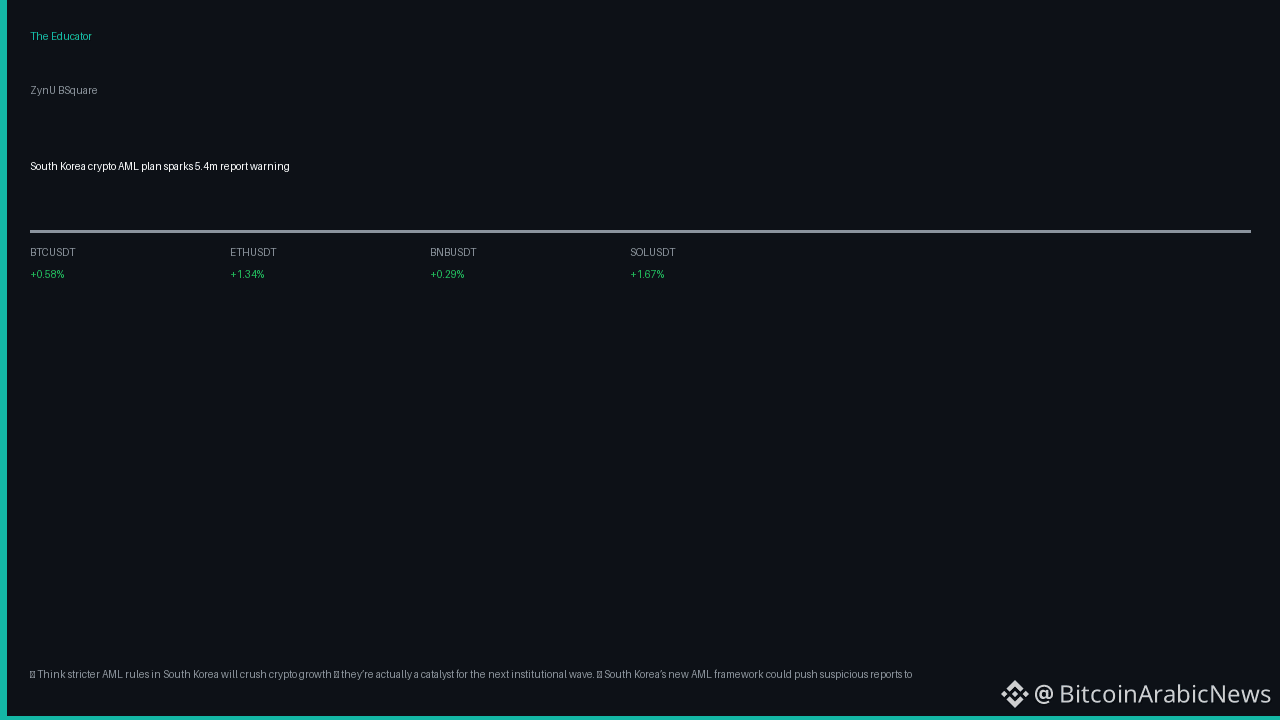
🔥 Think stricter AML rules in South Korea will crush crypto growth – they’re actually a catalyst for the next institutional wave.
📊 South Korea’s new AML framework could push suspicious reports to **5.4 million** annually, and the DAXA coalition is demanding crystal‑clear exchange guidelines today. #SouthKorea #AML
💡 In every market cycle, regulatory clarity precedes a surge of institutional capital; today BTC sits at **$82,381** (+0.58%) with $7.71 B open interest and a bullish **+0.0086%** funding rate, while ETH trades at **$2,461** (+1.34%) backed by $5.57 B OI and **+0.0100%** funding – signals longs are willing to pay to stay in. #institutional #cycle
✅ Practical move: tilt a modest slice of your portfolio toward assets with strong compliance track records (e.g., BNB at **$732** +0.29% or SOL at **$106** +1.67%) and stay alert to exchange announcements that align with the upcoming AML rules.
❓ How are you adjusting your crypto strategy in light of tighter regulations – tightening risk controls, adding compliant tokens, or staying the course?
8

ලිපිය
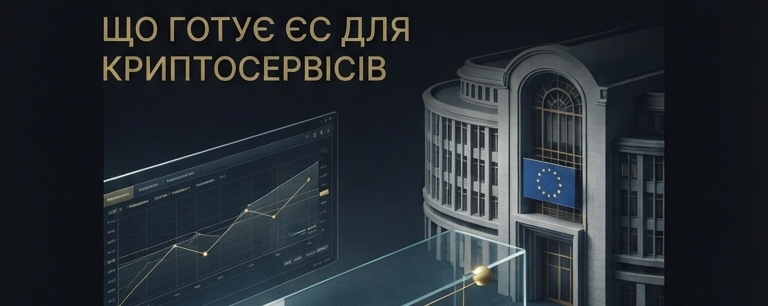
Три перекази на рік — і фінмоніторинг?Три перекази на рік — і фінмоніторинг? Що готує ЄС для клієнтів обмінників і криптосервісів
DVA ANALYTICS • FACT → MECHANISM → RISK → DECISION
Європейський Союз готує нові критерії визначення постійних ділових відносин між фінансовими установами та клієнтами. Для валютних обмінників, сервісів грошових переказів і певних постачальників послуг із криптоактивами три або більше операцій протягом 12 місяців можуть свідчити про регулярну взаємодію.
Що це означає для звичайного користувача? І чи поширюватимуться ці правила на Україну?
FACT — що пропонує AMLA
Європейський орган із протидії відмиванню коштів та фінансуванню тероризму (AMLA) розробив проєкт регуляторних технічних стандартів (RTS) на виконання статті 19(9) Регламенту ЄС 2024/1624.
1 жовтня 2026 року проєкт передали Європейській комісії. Станом на 12 жовтня він ще не набув чинності.
Один із критеріїв передбачає, що три або більше операцій протягом будь-якого ковзного 12-місячного періоду можуть свідчити про наявність постійних ділових відносин із клієнтом у визначених категоріях установ.
Це критерій для оцінювання характеру взаємодії, а не універсальний ліміт на перекази.
MECHANISM — як працюватимуть критерії
Якщо клієнт регулярно користується послугами обмінника, сервісу грошових переказів або відповідного криптосервісу, установа оцінюватиме, чи виникли постійні ділові відносини та чи потрібно застосовувати процедури належної перевірки клієнта — CDD (Customer Due Diligence).
Перевірка може передбачати встановлення особи, уточнення мети операцій, перевірку наданих відомостей і подальший моніторинг відповідно до ризику.
Окремо проєкт охоплює пов’язані операції. Під час їх оцінювання можуть враховуватися:
· спільне походження коштів або один отримувач;
· одна покупка чи спільна економічна мета;
· використання спільної цифрової інфраструктури або посередників;
· зв’язки між клієнтами та ознаки узгоджених дій.
Для відповідних категорій установ передбачено окремий місячний часовий проміжок для визначення пов’язаності операцій.
Отже, оцінювати можуть не лише кількість переказів, а й контекст, у якому вони здійснюються.
RISK — що це означає для користувачів
1. Додаткові перевірки. Регулярне користування фінансовими сервісами може супроводжуватися запитами щодо особи клієнта, походження коштів і призначення платежів.
1. Менше приватності у взаємодії з посередниками. Регульовані сервіси збирають і перевіряють дані про фінансову діяльність клієнтів у межах застосовного законодавства.
1. Можливі затримки. Якщо установа потребуватиме додаткових документів або пояснень, обслуговування може ускладнитися.
1. Особлива увага до криптовалют. Користувачам централізованих бірж, обмінників та інших регульованих криптосервісів варто враховувати правила ідентифікації та перевірки конкретної платформи. Водночас вимоги до таких установ не можна автоматично прирівнювати до кожної транзакції між власними некастодіальними гаманцями.
ЄС ≠ Україна: де діятимуть правила
Європейський Союз. Регламент (ЄС) 2024/1624 є частиною європейської реформи AML/CFT. Його загальне застосування передбачене з 10 липня 2027 року. Водночас конкретні технічні стандарти мають пройти власну процедуру ухвалення та набрання чинності. До завершення цієї процедури запропоновані критерії не слід подавати як уже обов’язкові.
Україна. Передання проєкту AMLA Європейській комісії не змінює автоматично українське законодавство. В Україні фінансовий моніторинг регулюється національними нормами, зокрема Законом України № 361-IX. Обов’язки установ залежать від їхнього статусу, виду операцій та інших застосовних вимог.
Отже, не можна стверджувати, що в Україні вже діє правило «три перекази за рік». Водночас українські клієнти, які користуються послугами установ у ЄС, можуть підпадати під відповідні європейські вимоги залежно від конкретних обставин.
DECISION — практичний алгоритм для користувача
Щоб підготуватися до посилення фінансового моніторингу, варто заздалегідь упорядкувати власні фінансові записи.
1. Зберігайте історію операцій.
Завантажуйте банківські виписки, підтвердження переказів, квитанції обмінників і звіти криптобірж. Для криптовалют зберігайте TXID транзакцій, адреси відправника й отримувача та назву блокчейн-мережі.
1. Підготуйте підтвердження походження коштів.
Залежно від ситуації це можуть бути документи про доходи, банківські виписки, договори купівлі-продажу, підтвердження переказів між власними рахунками або історія придбання криптоактивів. Конкретний перелік залежить від обставин і запиту установи.
1. Розрізняйте перекази між власними гаманцями та операції з третіми особами.
Переказ між власними рахунками чи гаманцями має інший економічний контекст, ніж платіж сторонній особі. Якщо це можливо, зберігайте докази належності адрес вам. Водночас сам факт переказу між власними гаманцями не скасовує вимог, які можуть застосовуватися до конкретної операції або сервісу.
1. Перевіряйте правила платформи до здійснення операції.
З’ясуйте, чи потрібна верифікація, які документи можуть запросити, які обмеження передбачені правилами сервісу та як зв’язатися з офіційною службою підтримки. Не покладайтеся лише на поради із соціальних мереж.
1. Не дробіть платежі заради обходу контролю.
Розбиття однієї суми на кілька переказів не гарантує уникнення перевірки. Пов’язані операції можуть оцінюватися в сукупності. Краще мати зрозуміле пояснення економічної мети платежу.
1. Якщо сервіс запросив документи — уточніть вимоги.
З’ясуйте, які саме операції перевіряються, які документи потрібні, як безпечно їх подати та які строки розгляду передбачені правилами платформи. Передавайте дані лише через офіційні канали й не повідомляйте нікому свої seed-фрази, приватні ключі або паролі.
1. Враховуйте юрисдикцію.
Для сервісів у ЄС перевіряйте застосовні європейські вимоги, а для українських банків та установ — українське законодавство. Не сприймайте критерій трьох операцій як чинне універсальне правило для всіх країн і всіх видів переказів.
Мінімальний набір фінансової гігієни: історія операцій, підтвердження походження коштів, TXID криптотранзакцій і зрозуміле пояснення призначення платежу.
Це не гарантує відсутності перевірок, але допомагає послідовно відповідати на обґрунтовані запити фінансової установи.
Висновок DVA
Три операції за 12 місяців — запропонований критерій визначення постійних ділових відносин для певних категорій установ, а не універсальна заборона на перекази.
ЄС розробляє єдині правила для своєї правової системи, тоді як в Україні діє власна нормативна база. Європейські вимоги можуть мати значення для українців, які користуються сервісами в ЄС, але це не означає автоматичного поширення кожної нової норми на всі операції в Україні.
Фінансова грамотність сьогодні — це не лише розуміння блокчейну й цифрових активів, а й уміння підтвердити походження власних коштів, зберігати історію операцій і знати правила юрисдикції, у якій працює обраний сервіс.
DVA — факти без хайпу.
Не фінансова порада.
#DVA #aml #crypto #bitcoin #FinancialMonitoring
Три перекази на рік — і фінмоніторинг?
Три перекази на рік — і фінмоніторинг? Що готує ЄС для клієнтів обмінників і криптосервісів
DVA ANALYTICS • FACT → MECHANISM → RISK → DECISION
Європейський Союз готує нові критерії визначення постійних ділових відносин між фінансовими установами та клієнтами. Для валютних обмінників, сервісів грошових переказів і певних постачальників послуг із криптоактивами три або більше операцій протягом 12 місяців можуть свідчити про регулярну взаємодію.
Що це означає для звичайного користувача? І чи поширюватимуться ці правила на Україну?
FACT — що пропонує AMLA
Європейський орган із протидії відмиванню коштів та фінансуванню тероризму (AMLA) розробив проєкт регуляторних технічних стандартів (RTS) на виконання статті 19(9) Регламенту ЄС 2024/1624.
1 жовтня 2026 року проєкт передали Європейській комісії. Станом на 12 жовтня він ще не набув чинності.
Один із критеріїв передбачає, що три або більше операцій протягом будь-якого ковзного 12-місячного періоду можуть свідчити про наявність постійних ділових відносин із клієнтом у визначених категоріях установ.
Це критерій для оцінювання характеру взаємодії, а не універсальний ліміт на перекази.
MECHANISM — як працюватимуть критерії
Якщо клієнт регулярно користується послугами обмінника, сервісу грошових переказів або відповідного криптосервісу, установа оцінюватиме, чи виникли постійні ділові відносини та чи потрібно застосовувати процедури належної перевірки клієнта — CDD (Customer Due Diligence).
Перевірка може передбачати встановлення особи, уточнення мети операцій, перевірку наданих відомостей і подальший моніторинг відповідно до ризику.
Окремо проєкт охоплює пов’язані операції. Під час їх оцінювання можуть враховуватися:
· спільне походження коштів або один отримувач;
· одна покупка чи спільна економічна мета;
· використання спільної цифрової інфраструктури або посередників;
· зв’язки між клієнтами та ознаки узгоджених дій.
Для відповідних категорій установ передбачено окремий місячний часовий проміжок для визначення пов’язаності операцій.
Отже, оцінювати можуть не лише кількість переказів, а й контекст, у якому вони здійснюються.
RISK — що це означає для користувачів
1. Додаткові перевірки. Регулярне користування фінансовими сервісами може супроводжуватися запитами щодо особи клієнта, походження коштів і призначення платежів.
1. Менше приватності у взаємодії з посередниками. Регульовані сервіси збирають і перевіряють дані про фінансову діяльність клієнтів у межах застосовного законодавства.
1. Можливі затримки. Якщо установа потребуватиме додаткових документів або пояснень, обслуговування може ускладнитися.
1. Особлива увага до криптовалют. Користувачам централізованих бірж, обмінників та інших регульованих криптосервісів варто враховувати правила ідентифікації та перевірки конкретної платформи. Водночас вимоги до таких установ не можна автоматично прирівнювати до кожної транзакції між власними некастодіальними гаманцями.
ЄС ≠ Україна: де діятимуть правила
Європейський Союз. Регламент (ЄС) 2024/1624 є частиною європейської реформи AML/CFT. Його загальне застосування передбачене з 10 липня 2027 року. Водночас конкретні технічні стандарти мають пройти власну процедуру ухвалення та набрання чинності. До завершення цієї процедури запропоновані критерії не слід подавати як уже обов’язкові.
Україна. Передання проєкту AMLA Європейській комісії не змінює автоматично українське законодавство. В Україні фінансовий моніторинг регулюється національними нормами, зокрема Законом України № 361-IX. Обов’язки установ залежать від їхнього статусу, виду операцій та інших застосовних вимог.
Отже, не можна стверджувати, що в Україні вже діє правило «три перекази за рік». Водночас українські клієнти, які користуються послугами установ у ЄС, можуть підпадати під відповідні європейські вимоги залежно від конкретних обставин.
DECISION — практичний алгоритм для користувача
Щоб підготуватися до посилення фінансового моніторингу, варто заздалегідь упорядкувати власні фінансові записи.
1. Зберігайте історію операцій.
Завантажуйте банківські виписки, підтвердження переказів, квитанції обмінників і звіти криптобірж. Для криптовалют зберігайте TXID транзакцій, адреси відправника й отримувача та назву блокчейн-мережі.
1. Підготуйте підтвердження походження коштів.
Залежно від ситуації це можуть бути документи про доходи, банківські виписки, договори купівлі-продажу, підтвердження переказів між власними рахунками або історія придбання криптоактивів. Конкретний перелік залежить від обставин і запиту установи.
1. Розрізняйте перекази між власними гаманцями та операції з третіми особами.
Переказ між власними рахунками чи гаманцями має інший економічний контекст, ніж платіж сторонній особі. Якщо це можливо, зберігайте докази належності адрес вам. Водночас сам факт переказу між власними гаманцями не скасовує вимог, які можуть застосовуватися до конкретної операції або сервісу.
1. Перевіряйте правила платформи до здійснення операції.
З’ясуйте, чи потрібна верифікація, які документи можуть запросити, які обмеження передбачені правилами сервісу та як зв’язатися з офіційною службою підтримки. Не покладайтеся лише на поради із соціальних мереж.
1. Не дробіть платежі заради обходу контролю.
Розбиття однієї суми на кілька переказів не гарантує уникнення перевірки. Пов’язані операції можуть оцінюватися в сукупності. Краще мати зрозуміле пояснення економічної мети платежу.
1. Якщо сервіс запросив документи — уточніть вимоги.
З’ясуйте, які саме операції перевіряються, які документи потрібні, як безпечно їх подати та які строки розгляду передбачені правилами платформи. Передавайте дані лише через офіційні канали й не повідомляйте нікому свої seed-фрази, приватні ключі або паролі.
1. Враховуйте юрисдикцію.
Для сервісів у ЄС перевіряйте застосовні європейські вимоги, а для українських банків та установ — українське законодавство. Не сприймайте критерій трьох операцій як чинне універсальне правило для всіх країн і всіх видів переказів.
Мінімальний набір фінансової гігієни: історія операцій, підтвердження походження коштів, TXID криптотранзакцій і зрозуміле пояснення призначення платежу.
Це не гарантує відсутності перевірок, але допомагає послідовно відповідати на обґрунтовані запити фінансової установи.
Висновок DVA
Три операції за 12 місяців — запропонований критерій визначення постійних ділових відносин для певних категорій установ, а не універсальна заборона на перекази.
ЄС розробляє єдині правила для своєї правової системи, тоді як в Україні діє власна нормативна база. Європейські вимоги можуть мати значення для українців, які користуються сервісами в ЄС, але це не означає автоматичного поширення кожної нової норми на всі операції в Україні.
Фінансова грамотність сьогодні — це не лише розуміння блокчейну й цифрових активів, а й уміння підтвердити походження власних коштів, зберігати історію операцій і знати правила юрисдикції, у якій працює обраний сервіс.
DVA — факти без хайпу.
Не фінансова порада.
#DVA #aml #crypto #bitcoin #FinancialMonitoring
1
138

ලිපිය
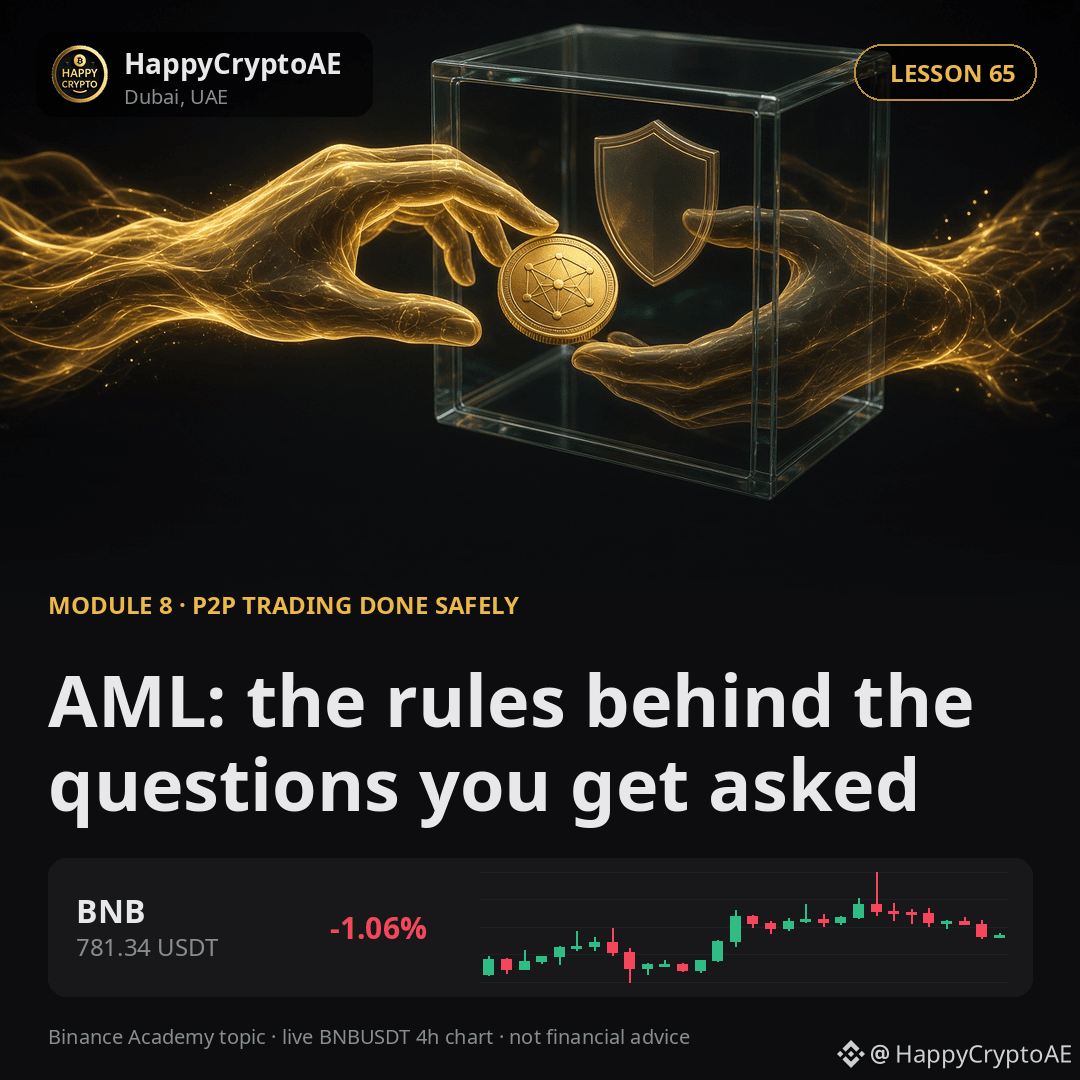
AML: the rules behind the questions you get askedAnti-money laundering rules exist to stop criminal money being passed off as clean money. Banks, exchanges and professional traders all apply them, which is why you are sometimes asked where funds came from or why a transfer looks the way it does.
These questions are not accusations; they are how legitimate businesses keep their bank accounts open. The habits on your side are simple: pay from an account in your own name, keep amounts and patterns explainable, and keep your receipts. Transfers that tell a clear story move fast. Third-party payments and unexplained splits are exactly what freezes accounts - often your own.
💬 Have you ever been asked about the source of your funds? How did it go?
Binance Academy covers this in more depth: https://www.binance.com/en/academy/glossary/anti-money-laundering
Next lesson: Counterparty risk: the person on the other side
Trading crypto from Dubai since 2019.
$USDT $BTC $BNB
#AML #P2P #CryptoEducation
AML: the rules behind the questions you get asked
Anti-money laundering rules exist to stop criminal money being passed off as clean money. Banks, exchanges and professional traders all apply them, which is why you are sometimes asked where funds came from or why a transfer looks the way it does.
These questions are not accusations; they are how legitimate businesses keep their bank accounts open. The habits on your side are simple: pay from an account in your own name, keep amounts and patterns explainable, and keep your receipts. Transfers that tell a clear story move fast. Third-party payments and unexplained splits are exactly what freezes accounts - often your own.
💬 Have you ever been asked about the source of your funds? How did it go?
Binance Academy covers this in more depth: https://www.binance.com/en/academy/glossary/anti-money-laundering
Next lesson: Counterparty risk: the person on the other side
Trading crypto from Dubai since 2019.
$USDT $BTC $BNB
#AML #P2P #CryptoEducation
80

⚖️ FATF and Global Crypto Regulation: Global Watchdog Continues to Push for AML Standards
On July 4, 2026, the FATF's ongoing push for global crypto regulation remains a key theme. Progress on AML enforcement continues but unevenly across the 138 countries that are members of the task force.
The implications are significant for exchanges and DeFi platforms operating across borders. Tighter KYC/AML requirements may impact privacy-focused assets differently than transparent ones.
For now, Bitcoin $BTC at $62,612 continues to trade on its own fundamentals, suggesting markets have largely priced in continued regulatory tightening.
📌 Key Takeaway:
Global AML enforcement is the steady drumbeat of crypto regulation. Compliant projects will thrive; privacy-first ones face an uphill battle.
#FATF #AML #CryptoRegulation
#BinanceAlphaAlert
27
🔍 TRM Report Exposes $3.8B Crypto Flows — AML Scrutiny Intensifies
On June 25, 2026, TRM Labs' report on $3.8 billion in Iran-linked crypto flows through CoinEx has reignited debates about the role of cryptocurrency in sanctions evasion and the need for robust anti-money laundering (AML) measures.
What this means for the industry:
- Expect increased regulatory pressure on exchanges that operate with minimal KYC requirements.
- Chain analytics tools like TRM, Chainalysis, and CipherTrace become even more critical for compliance.
- Major cryptocurrencies like Bitcoin $BTC may face renewed scrutiny despite their transparent ledgers.
- Privacy-focused cryptos could see additional regulatory headwinds as authorities crack down on anonymous transactions.
The silver lining: the transparent nature of blockchain means illicit flows can be traced more effectively than traditional banking systems — a fact that industry advocates should emphasize.
📌 Key Takeaway:
The $3.8B Iran-CoinEx case is a double-edged sword — it invites regulatory crackdowns but also proves blockchain's transparency advantage over traditional finance.
#AML #CryptoCompliance
#BinanceAlphaAlert
75

·
--
North Korea’s crypto crackdown: a crucial warning shot. This news about North Korea arresting former cyber operators for bank hacking and crypto laundering is significant. It highlights the growing scrutiny on illicit activities within the crypto space, even in countries known for state-sponsored hacking. These individuals reportedly used crypto to hide their tracks, making it harder for authorities to recover stolen funds. This doesn't just affect North Korea; it's a global concern as such activities can impact the reputation and security of the entire crypto ecosystem. This event shows governments worldwide are getting serious about tracing and stopping crypto-related crime. It could lead to increased collaboration between international bodies to enhance blockchain forensics and regulatory oversight. Stronger regulations, while sometimes seen as restrictive, are vital for building trust and attracting mainstream adoption. It's a double-edged sword, but necessary for crypto's long-term health. Keep an eye on evolving anti-money laundering (AML) efforts. What are your thoughts on cryptocurrency and national security? #CryptoSecurity #AML #NorthKorea $BTC $ETH
North Korea’s crypto crackdown: a crucial warning shot. This news about North Korea arresting former cyber operators for bank hacking and crypto laundering is significant. It highlights the growing scrutiny on illicit activities within the crypto space, even in countries known for state-sponsored hacking. These individuals reportedly used crypto to hide their tracks, making it harder for authorities to recover stolen funds. This doesn't just affect North Korea; it's a global concern as such activities can impact the reputation and security of the entire crypto ecosystem. This event shows governments worldwide are getting serious about tracing and stopping crypto-related crime. It could lead to increased collaboration between international bodies to enhance blockchain forensics and regulatory oversight. Stronger regulations, while sometimes seen as restrictive, are vital for building trust and attracting mainstream adoption. It's a double-edged sword, but necessary for crypto's long-term health. Keep an eye on evolving anti-money laundering (AML) efforts. What are your thoughts on cryptocurrency and national security? #CryptoSecurity #AML #NorthKorea $BTC $ETH
43

·
--
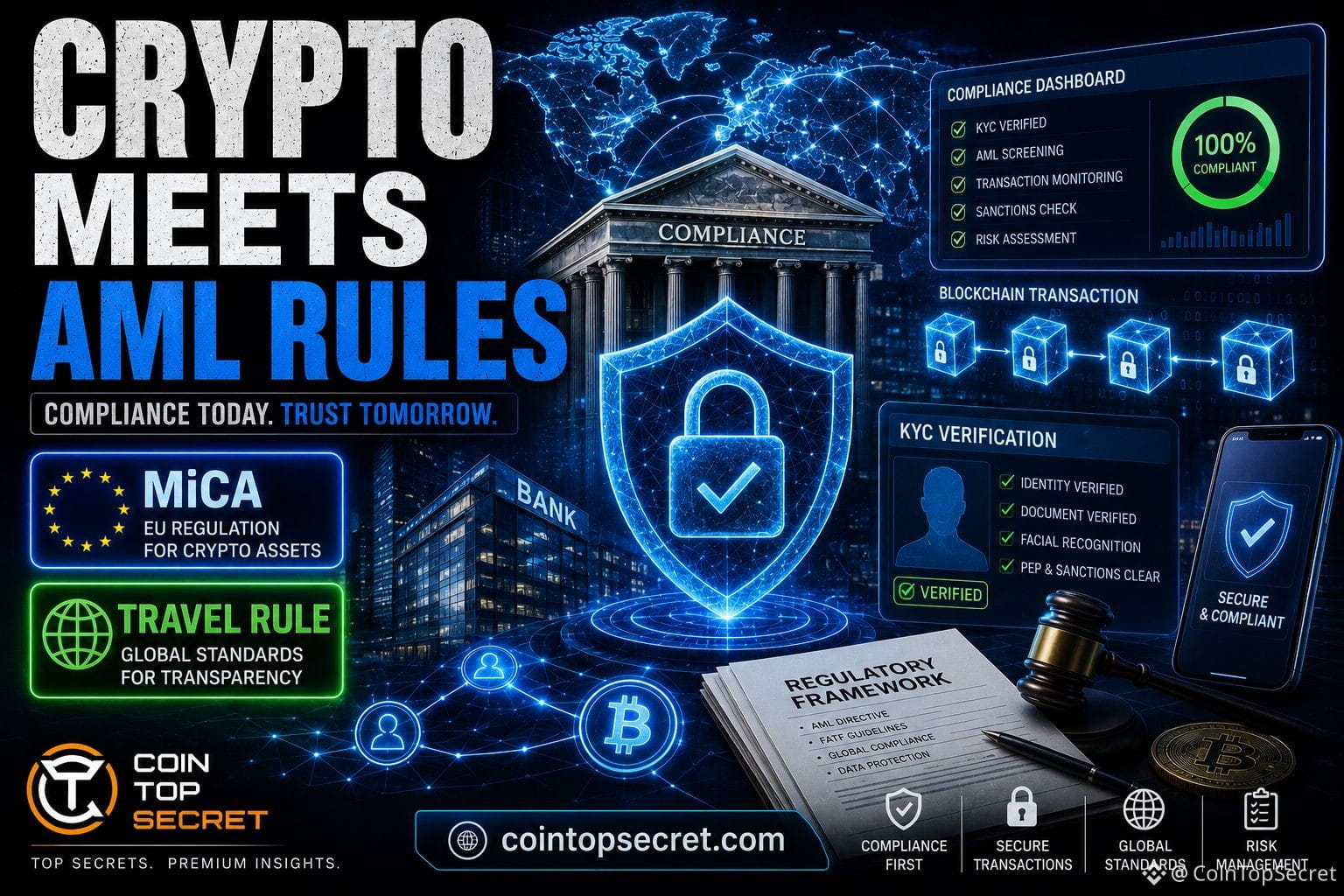
🏛️ Enterprise Crypto Infrastructure Adapts to Modern AML Standards
As digital assets become increasingly integrated into global finance, infrastructure providers are aligning with regulatory expectations across major jurisdictions.
Why It Matters:
✅ Supports institutional adoption
✅ Improves regulatory trust
✅ Reduces compliance risks
✅ Strengthens market credibility
Enterprise crypto infrastructure is evolving beyond simple custody and transactions into a fully regulated financial ecosystem.
📖 Read the full article:
https://cointopsecret.com/
💬 Will stronger compliance frameworks accelerate institutional crypto adoption?
#Crypto #AML #MiCA #CryptoNews #Blockchain #Web3 #BinanceSquare #Compliance #DigitalAssets #Fintech
76
·
--
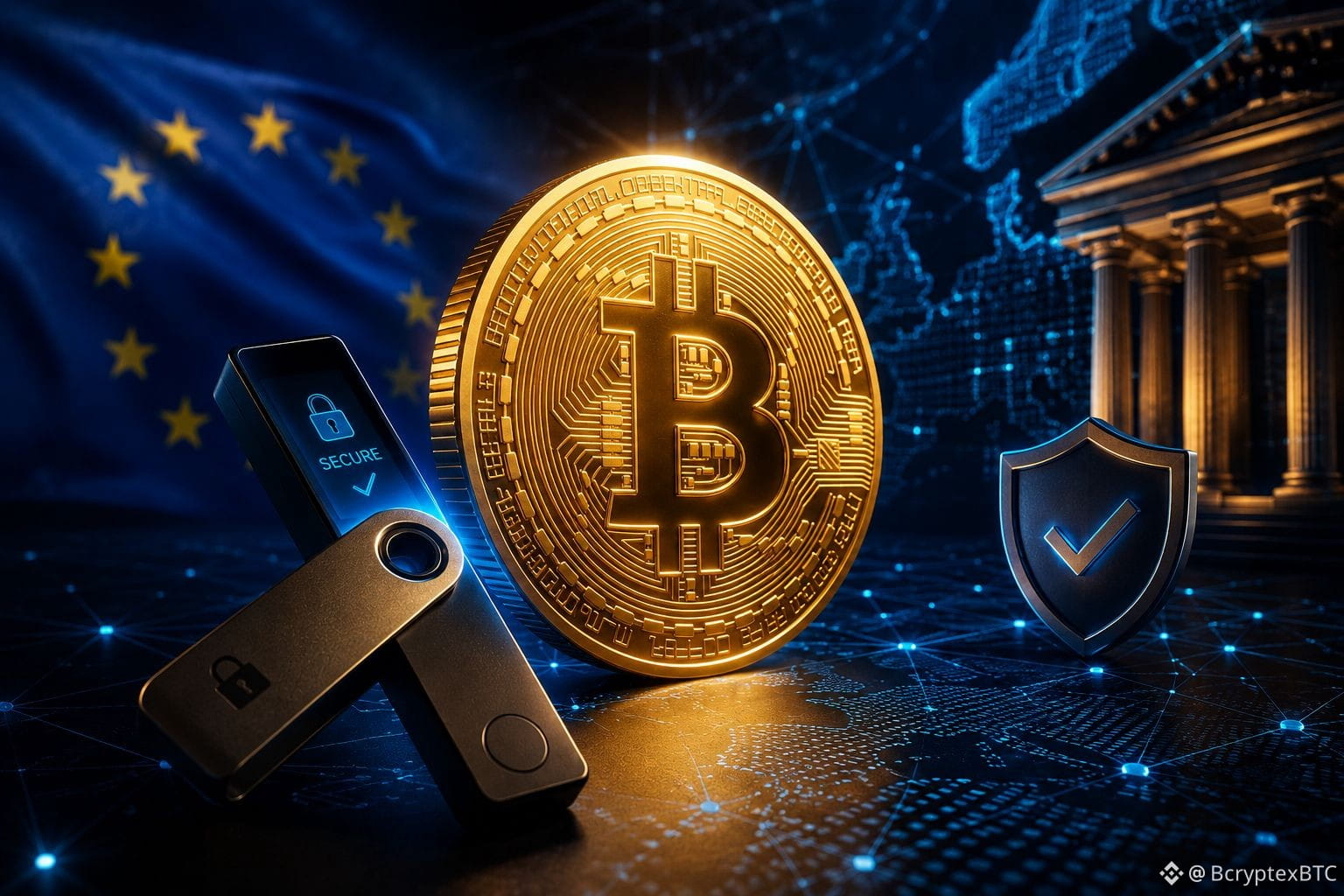
The EU didn't ban Bitcoin. It clarified who the rules apply to.
Starting in July 2027, regulated crypto platforms across the EU will face stricter AML requirements:
• €10,000 limit on commercial cash payments
• Identity checks for €3,000+ cash transactions
• Full KYC for €1,000+ crypto transactions
• Anonymous custodial crypto accounts will no longer be permitted
Here's what matters most:
Self-custody remains untouched.
If you hold your own keys, wallet-to-wallet Bitcoin transactions are not covered by these rules. The regulation targets custodians—not the Bitcoin network.
This is more than a compliance update.
It officially draws a line between owning Bitcoin through a third party and owning Bitcoin yourself.
For institutions, clearer rules reduce uncertainty.
For long-term Bitcoin holders, the importance of self-custody has never been clearer.
Does this strengthen Bitcoin's long-term adoption, or will stricter compliance change how people use crypto in Europe?
$BTC
#Bitcoin #BTC #CryptoRegulation #aml
1
158

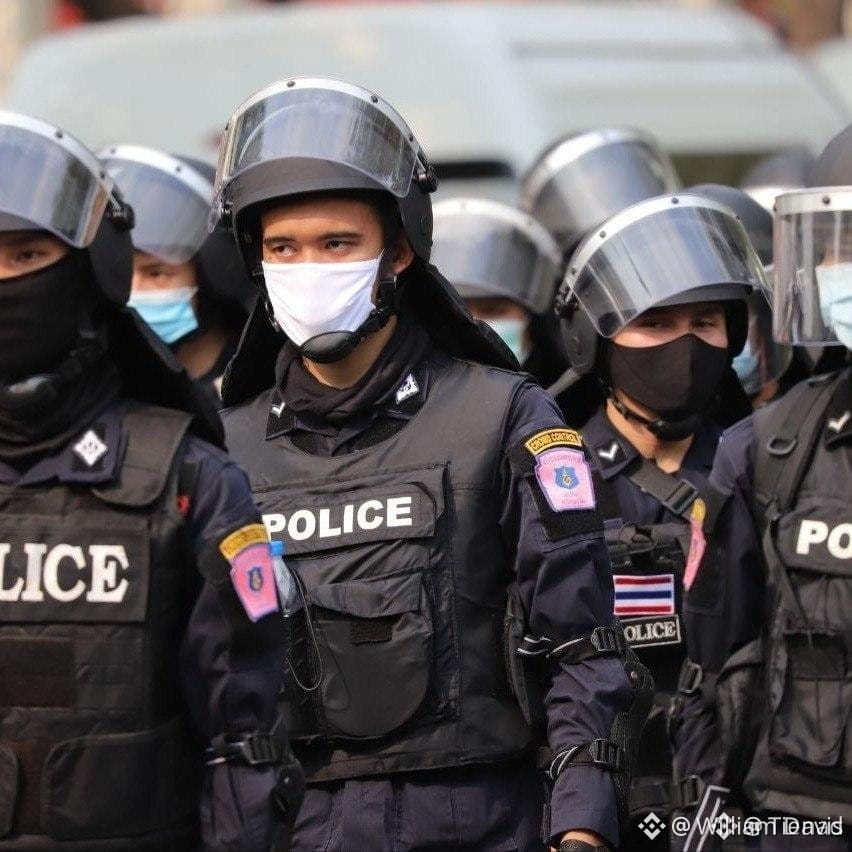
THAILAND'S NEW AML RULES ARE TARGETING USDT LIQUIDITY - HERE'S WHAT IT MEANS FOR $DEXE ⚡
The Thai government is tightening anti-money laundering regulations, specifically targeting large cash deposits, gold trades, and high-volume USDT transactions. This introduces a new layer of scrutiny on stablecoin liquidity flows that market participants will need to monitor closely.
While transparency efforts are necessary, such policies can shift liquidity patterns and alter market structure temporarily. A clear signal here is the direct focus on USDT — the most widely used stablecoin in crypto markets. How do you see this affecting on-chain volumes in the coming weeks?
Not financial advice. Always manage your risk.
#DEXE #AML #Stablecoin #Regulation #CryptoNews
⚡

150
📋 FATF Progress: Crypto AML Compliance Has Stalled
On June 29, 2026, only 40 of 138 countries enforce AML standards for crypto — the same as last year. Travel Rule implementation is slow. The gap between compliant and non-compliant jurisdictions widens. For exchanges in regulated markets, compliance is a competitive advantage. Non-compliant jurisdictions risk being cut off from the global banking system as enforcement ramps up.
📌 Key Takeaway:
FATF compliance stalled — the divide between regulated and unregulated crypto markets continues to widen.
#FATF #AML
#BinanceAlphaAlert
32

·
--
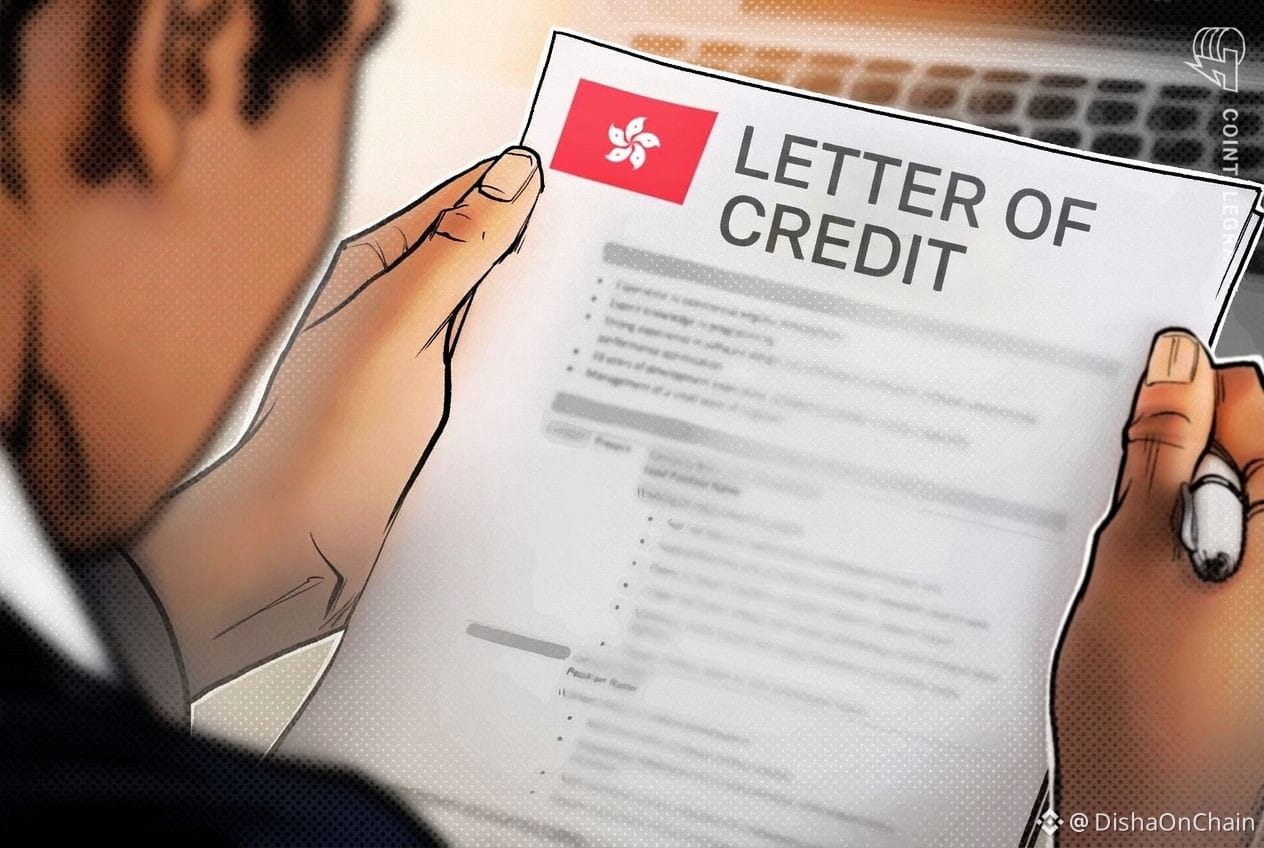
⚡ Hong Kong Jails Ex-Banker Over $1.6B Fraud, Crypto Bribes
📌 Key Highlights:
• Former banking official sentenced to 4 years for falsifying $1.6B in letters of credit and accepting $470,000 in crypto bribes
• Total illicit crypto value: ,000, highlighting regulatory scrutiny on illicit crypto flows
• Signals tightening enforcement on financial crimes involving digital assets, prompting banks to bolster AML controls
📊 Market Takeaway:
Regulatory crackdowns may dampen short‑term sentiment in crypto‑linked banking services, but the broader market remains resilient, with futures gains led by and .
#Regulation #AML #CryptoLaw
1
56


·
--
🚨 LATEST UPDATE 🚨
South Korea is significantly tightening its crypto regulations by removing the 1 million won (~$700) Travel Rule threshold. Moving forward, all transfers between registered virtual asset service providers (VASPs) will require full information sharing, regardless of the transaction value. 🇰🇷
This move aims to stop users from splitting large transfers into smaller amounts to evade monitoring. Additionally, new AML requirements are being introduced for transactions involving overseas exchanges and personal wallets. The government seeks to close loopholes used for money laundering. 🛡️
These changes signal a much stricter regulatory environment for digital assets in the region. ⚖️
How do you think these stricter rules will impact local crypto trading activity?
#SouthKorea #CryptoRegulation #AML #KoreaApprovesTighterCryptoExchangeRules
$ZEC $HOME $BABY

307

·
--
South Korea just unleashed a regulatory shockwave, impacting ₩10M+ overseas crypto transfers.
This isn't just another KYC update; it’s a significant tightening of capital controls for a nation that’s been a major player in global crypto adoption. The "risk-based checks" on transfers to foreign exchanges signal a move towards greater scrutiny of fund flows, aiming to bolster Anti-Money Laundering (AML) efforts. For traders, this means increased friction and potential delays for larger cross-border transactions, forcing a rethink of international portfolio management. Expect this to impact arbitrage opportunities and liquidity for Korean users on offshore platforms. Smart money is already assessing the ripple effects, potentially favoring domestic exchanges or exploring decentralized alternatives. #CryptoRegulation #KoreaCrypto #AML
The critical level to watch is the immediate impact on trading volumes on popular offshore exchanges frequented by Korean users. A dip of more than 5% within 24 hours would confirm the immediate deterrent effect. #MarketImpact
How will this regulatory shift reshape cross-border crypto flows for Korean investors?
32
Law Enforcement vs Crypto Industry:
The CLARITY Act fight is back
The National Sheriffs’ Association just sent Senate leaders Thune and Schumer another warning on the CLARITY Act.
Their concern: Section 604.
NSA argues it creates broad exemptions from KYC, AML, registration, and sanctions requirements for certain DeFi participants. They say it could let illicit actors exploit platforms designed to obscure transactions.
This is the 3rd letter. NSA first raised it May 13 to Senate Banking, then joined a coalition letter in June. Now they’re pushing again as the Senate recess deadline nears.
The Blockchain Association pushed back.
Policy Head Lindsay Fraser says the NSA’s position comes from a “fundamental misunderstanding.”
Industry argues Section 604 shields _non-custodial software developers_ — not the criminals.
Core dispute: Does protecting non-custodial devs open a loophole, or is it necessary to keep DeFi innovation legal in the US?
#CLARITYAct #Cryptoregulation #AML
1.3k
📌 FATF AML Standards: Only 40 of 138 Countries Enforce Crypto Rules
On July 1, 2026, the global regulatory landscape remains fragmented — only 40 out of 138 countries enforce anti-money laundering standards for digital assets, according to FATF. This gap leaves significant room for illicit flows.
The lack of uniform enforcement creates challenges for compliant exchanges which must navigate a patchwork of regulations. For the industry, clearer global standards would benefit legitimate projects while curbing bad actors and attracting investment.
📌 Key Takeaway:
Only 40 of 138 countries enforce AML standards for crypto — the regulatory gap creates both challenges and opportunities for compliant platforms.
#FATF #AML #CryptoRegulation
#BinanceAlphaAlert
42

·
--
EXPLOSION
The flood has started, folks, and you better be ready because this one just obliterated everything we thought we knew about crypto legislation. According to reports, law enforcement groups and Catholic leaders have sent letters to the U.S. government warning that the CLARITY Act's Section 604 would create massive regulatory and AML loopholes in the crypto space #CryptoRegulation #AML #ClarityAct
The stakes are high here, as this could spell disaster for market stability and trust in cryptocurrency. If passed, the CLARITY Act's provisions would exempt certain crypto developers and infrastructure providers from money transaction regulations, leaving a gaping hole in the regulatory framework that bad actors would love to exploit.
What does this mean for your investment strategy? Will you be prepared to adapt to a chaotic market or get left behind in the crypto gold rush? It's time to get involved and make your voice heard, folks. The time to act is now!
42
🌍 Iran-Linked Entities Moved $3.8B Through CoinEx, TRM Reports
On June 25, 2026, blockchain analytics firm TRM Labs published a report revealing that Iranian-linked entities moved approximately $3.8 billion through the CoinEx exchange. The report highlights ongoing concerns about crypto being used to bypass international sanctions.
Key details from the report:
- The $3.8 billion figure suggests systematic use of the exchange for sanctions evasion.
- This comes amid heightened geopolitical tensions and increased scrutiny of crypto flows from sanctioned nations.
- The report underscores the importance of robust KYC and AML procedures for all cryptocurrency exchanges.
- Bitcoin $BTC and major altcoins likely played a role in these transfers, though specific assets weren't named.
Such revelations typically trigger increased regulatory attention on exchanges operating in jurisdictions with weak enforcement.
📌 Key Takeaway:
The $3.8B Iran-CoinEx revelation will likely accelerate global AML enforcement in crypto — exchanges with weak compliance face increasing scrutiny.
#CryptoRegulation #AML
#BinanceAlphaAlert
36
තවත් අන්තර්ගතයන් ගවේෂණය කිරීමට ඇතුල් වන්න
Binance චතුරශ්රය හි ගෝලීය ක්රිප්ටෝ පරිශීලකයින් හා එක්වන්න
⚡️ ක්රිප්ටෝ පිළිබඳ නවතම සහ ප්රයෝජනවත් තොරතුරු ලබා ගන්න.
💬 ලොව විශාලතම ක්රිප්ටෝ හුවමාරුව මගින් විශ්වාස කෙරේ.
👍 සත්යායනය කරන ලද නිර්මාණකරුවන්ගෙන් සැබෑ විදසුන් සොයා ගන්න.
විද්යුත් තැපෑල / දුරකථන අංකය
නැගී එන මාතෘකා
1
#FedWatch
16.3M නැරඹීම්
39,383 සාකච්ඡා කරමින්
2
#EarningsSeason
6.4M නැරඹීම්
32,085 සාකච්ඡා කරමින්
3
#USMidtermElections
40,850 නැරඹීම්
615 සාකච්ඡා කරමින්
4
#BitcoinDropsBelow$80K
27,432 නැරඹීම්
116 සාකච්ඡා කරමින්
5
#比特币跌破8万美元
175,004 නැරඹීම්
119 සාකච්ඡා කරමින්
6
#BoEOpensConsultationOnTokenizedCollateralForClearing
593 නැරඹීම්
27 සාකච්ඡා කරමින්
7
#BrazilCryptoExchangesMustApplyForLicensesByFriday
32,177 නැරඹීම්
504 සාකච්ඡා කරමින්
8
#ICEPartnersWithTradeXYZToBringPerpetualContractsToUS
703 නැරඹීම්
19 සාකච්ඡා කරමින්
9
#SolidusLabsReportsSuspected$170MSpoofingOnHyperliquidOilContracts
1,589 නැරඹීම්
26 සාකච්ඡා කරමින්
10
#StanDruckenmillerBecomesInvestorInTradeXYZ
23,801 නැරඹීම්
437 සාකච්ඡා කරමින්