

#ai
ai
737.3M views
6.3M සාකච්ඡා කරමින්
උණුසුම්
නවතම

·
--
උසබ තත්ත්වය
محفظتي النموذجية 2026 - 40% / 35% / 25% | الخطة الكاملة.
التوزيع الذهبي المتوازن:
40% RWA - أساس المحفظة الصلب
- عقارات مرمزة + سندات + ذهب
- لماذا 40%؟ آمن، مدعوم بأصول حقيقية، دخول BlackRock
- حجم السوق: 16 تريليون (+320%)
- المخاطر: متوسط | الهدف: استقرار + نمو
35% AI - محرك النمو المجنون:
- وكلاء ذكاء اصطناعي + بنية تحتية للذكاء
- لماذا 35%؟ نمو متوقع +280% و 50M مستخدم
- المخاطر: متوسط-عالي | الهدف: نمو متفجر
25% DePIN - رهان المستقبل:
- شبكات طاقة واتصالات وخرائط لا مركزية
- لماذا 25%؟ +100M جهاز، رهان مبكر مثل بيتكوين 2013
- المخاطر: عالي | الهدف: ثروة طويلة المدى
قواعد اللعبة الذهبية:
1. مشروع واحد قوي في كل قطاع فقط*
لا تشتت. الجودة > الكمية
2. الدخول على دفعات
30% الآن + 30% بعد شهر + 40% عند التصحيح
لا تدخل بكامل السيولة مرة واحدة
3. الأفق الزمني: 12-24 شهر
هذه قطاعات بنية تحتية، ليست مضاربة يومية
الصبر = الربح
4. إعادة توازن كل 3 أشهر
إذا RWA صار 50%، بيع جزء واشتر AI أو DePIN
الاستراتيجية: متوازنة | المخاطر: متوسط | الأفق:
احفظ هذا المنشور - سنعود له في 31 ديسمبر 2026 ونحتفل معا
$AI
{spot}(AIUSDT)
$XNO
{spot}(XNOUSDT)
#توزيع_الأصول #RWA #AI #BinanceSquare #استثمار_ذكي
محفظتي النموذجية 2026 - 40% / 35% / 25% | الخطة الكاملة.
التوزيع الذهبي المتوازن:
40% RWA - أساس المحفظة الصلب
- عقارات مرمزة + سندات + ذهب
- لماذا 40%؟ آمن، مدعوم بأصول حقيقية، دخول BlackRock
- حجم السوق: 16 تريليون (+320%)
- المخاطر: متوسط | الهدف: استقرار + نمو
35% AI - محرك النمو المجنون:
- وكلاء ذكاء اصطناعي + بنية تحتية للذكاء
- لماذا 35%؟ نمو متوقع +280% و 50M مستخدم
- المخاطر: متوسط-عالي | الهدف: نمو متفجر
25% DePIN - رهان المستقبل:
- شبكات طاقة واتصالات وخرائط لا مركزية
- لماذا 25%؟ +100M جهاز، رهان مبكر مثل بيتكوين 2013
- المخاطر: عالي | الهدف: ثروة طويلة المدى
قواعد اللعبة الذهبية:
1. مشروع واحد قوي في كل قطاع فقط*
لا تشتت. الجودة > الكمية
2. الدخول على دفعات
30% الآن + 30% بعد شهر + 40% عند التصحيح
لا تدخل بكامل السيولة مرة واحدة
3. الأفق الزمني: 12-24 شهر
هذه قطاعات بنية تحتية، ليست مضاربة يومية
الصبر = الربح
4. إعادة توازن كل 3 أشهر
إذا RWA صار 50%، بيع جزء واشتر AI أو DePIN
الاستراتيجية: متوازنة | المخاطر: متوسط | الأفق:
احفظ هذا المنشور - سنعود له في 31 ديسمبر 2026 ونحتفل معا
$AI
$XNO
#توزيع_الأصول #RWA #AI #BinanceSquare #استثمار_ذكي
التوزيع الذهبي المتوازن:
40% RWA - أساس المحفظة الصلب
- عقارات مرمزة + سندات + ذهب
- لماذا 40%؟ آمن، مدعوم بأصول حقيقية، دخول BlackRock
- حجم السوق: 16 تريليون (+320%)
- المخاطر: متوسط | الهدف: استقرار + نمو
35% AI - محرك النمو المجنون:
- وكلاء ذكاء اصطناعي + بنية تحتية للذكاء
- لماذا 35%؟ نمو متوقع +280% و 50M مستخدم
- المخاطر: متوسط-عالي | الهدف: نمو متفجر
25% DePIN - رهان المستقبل:
- شبكات طاقة واتصالات وخرائط لا مركزية
- لماذا 25%؟ +100M جهاز، رهان مبكر مثل بيتكوين 2013
- المخاطر: عالي | الهدف: ثروة طويلة المدى
قواعد اللعبة الذهبية:
1. مشروع واحد قوي في كل قطاع فقط*
لا تشتت. الجودة > الكمية
2. الدخول على دفعات
30% الآن + 30% بعد شهر + 40% عند التصحيح
لا تدخل بكامل السيولة مرة واحدة
3. الأفق الزمني: 12-24 شهر
هذه قطاعات بنية تحتية، ليست مضاربة يومية
الصبر = الربح
4. إعادة توازن كل 3 أشهر
إذا RWA صار 50%، بيع جزء واشتر AI أو DePIN
الاستراتيجية: متوازنة | المخاطر: متوسط | الأفق:
احفظ هذا المنشور - سنعود له في 31 ديسمبر 2026 ونحتفل معا
$AI
$XNO
#توزيع_الأصول #RWA #AI #BinanceSquare #استثمار_ذكي
1
2
981
·
--
උසබ තත්ත්වය
قطاع AI x Crypto - عندما يصبح الذكاء هو المتداول | +280% نمو
ما هو AI x Crypto؟
وكلاء ذكاء اصطناعي مستقلون يديرون محافظك، يحللون البيانات، وينفذون الصفقات وأنت نائم.
لماذا سينفجر؟
- أتمتة كاملة + قرارات أسرع 100x من الإنسان
- النمو المتوقع: +280%
- 50M مستخدم سيستخدمون روبوتات AI للتداول في 2026
الفرق:
قبل: أنت تحلل
بعد: الوكيل الذكي يحلل، يشتري، يبيع، ويعطيك تقرير.
خطتي: أبحث عن مشاريع AI عندها منتج شغال فعلا، ليس مجرد وعد.
هل ستترك روبوت AI يدير محفظتك؟
"احفظ هذا المنشور. سنعود له في ديسمبر"
$GTC
{future}(GTCUSDT)
$XNO
{spot}(XNOUSDT)
#BTC #bnb
#AI #crypto #BinanceSquare
قطاع AI x Crypto - عندما يصبح الذكاء هو المتداول | +280% نمو
ما هو AI x Crypto؟
وكلاء ذكاء اصطناعي مستقلون يديرون محافظك، يحللون البيانات، وينفذون الصفقات وأنت نائم.
لماذا سينفجر؟
- أتمتة كاملة + قرارات أسرع 100x من الإنسان
- النمو المتوقع: +280%
- 50M مستخدم سيستخدمون روبوتات AI للتداول في 2026
الفرق:
قبل: أنت تحلل
بعد: الوكيل الذكي يحلل، يشتري، يبيع، ويعطيك تقرير.
خطتي: أبحث عن مشاريع AI عندها منتج شغال فعلا، ليس مجرد وعد.
هل ستترك روبوت AI يدير محفظتك؟
"احفظ هذا المنشور. سنعود له في ديسمبر"
$GTC
$XNO
#BTC #bnb
#AI #crypto #BinanceSquare
ما هو AI x Crypto؟
وكلاء ذكاء اصطناعي مستقلون يديرون محافظك، يحللون البيانات، وينفذون الصفقات وأنت نائم.
لماذا سينفجر؟
- أتمتة كاملة + قرارات أسرع 100x من الإنسان
- النمو المتوقع: +280%
- 50M مستخدم سيستخدمون روبوتات AI للتداول في 2026
الفرق:
قبل: أنت تحلل
بعد: الوكيل الذكي يحلل، يشتري، يبيع، ويعطيك تقرير.
خطتي: أبحث عن مشاريع AI عندها منتج شغال فعلا، ليس مجرد وعد.
هل ستترك روبوت AI يدير محفظتك؟
"احفظ هذا المنشور. سنعود له في ديسمبر"
$GTC
$XNO
#BTC #bnb
#AI #crypto #BinanceSquare
1
1.4k

⚡ $AI CHARGING UP FOR A MASSIVE MOMENTUM EXPANSION ABOVE KEY SUPPORT! 🟢
Entry: 0.1110 – 0.1125 ⚡
Target: 0.1150 / 0.1180 / 0.1220 🚀
Stop Loss: 0.1080 ⚠️
Order flow is stacking up thick in the 0.1100 – 0.1120 support pocket, showing aggressive absorption every time price dips into the bid. 📌 A clean reclaim and flip of the 0.1151 overhead resistance unlocks the doorway for a rapid continuation higher. 📊
Sellers are getting visibly exhausted against this structural floor, tilting the momentum heavily toward an upside squeeze. 💡 💬 Are you front-running this breakout flip or waiting for 0.1151 to clear first? 👇
⚠️ Not financial advice. Always manage your risk. 🛡️
🏷️ #AI #Altcoins #CryptoTrading #Breakout #Bullish
🎯 🦈
⚡ $AI CHARGING UP FOR A MASSIVE MOMENTUM EXPANSION ABOVE KEY SUPPORT! 🟢
Entry: 0.1110 – 0.1125 ⚡
Target: 0.1150 / 0.1180 / 0.1220 🚀
Stop Loss: 0.1080 ⚠️
Order flow is stacking up thick in the 0.1100 – 0.1120 support pocket, showing aggressive absorption every time price dips into the bid. 📌 A clean reclaim and flip of the 0.1151 overhead resistance unlocks the doorway for a rapid continuation higher. 📊
Sellers are getting visibly exhausted against this structural floor, tilting the momentum heavily toward an upside squeeze. 💡 💬 Are you front-running this breakout flip or waiting for 0.1151 to clear first? 👇
⚠️ Not financial advice. Always manage your risk. 🛡️
🏷️ #AI #Altcoins #CryptoTrading #Breakout #Bullish
🎯 🦈
Entry: 0.1110 – 0.1125 ⚡
Target: 0.1150 / 0.1180 / 0.1220 🚀
Stop Loss: 0.1080 ⚠️
Order flow is stacking up thick in the 0.1100 – 0.1120 support pocket, showing aggressive absorption every time price dips into the bid. 📌 A clean reclaim and flip of the 0.1151 overhead resistance unlocks the doorway for a rapid continuation higher. 📊
Sellers are getting visibly exhausted against this structural floor, tilting the momentum heavily toward an upside squeeze. 💡 💬 Are you front-running this breakout flip or waiting for 0.1151 to clear first? 👇
⚠️ Not financial advice. Always manage your risk. 🛡️
🏷️ #AI #Altcoins #CryptoTrading #Breakout #Bullish
🎯 🦈
3

·
--
🦈 $AI DEFENDS CRITICAL ACCUMULATION SHELF AS INSTITUTIONAL ORDER FLOW FLIPS BULLISH! ⚡
Entry: 0.1110 – 0.1125 ⚡
Target: 0.1150 – 0.1220 🎯
Stop Loss: 0.1080 ⚠️
Smart money is stepping in to absorb sell-side liquidity directly within the 0.1100 – 0.1120 support pocket. 🌊 Price is coiling tightly below structural resistance at 0.1151, signaling clear compression prior to an expansion phase.
A sustained hold above 0.1100 maintains our structural edge, setting up asymmetric upside toward unfilled liquidity pools above. 💡 Are you positioning into this demand zone or waiting for the resistance reclaim? 👇
⚠️ Not financial advice. Always manage your risk. 🛡️
🏷️ #AI #Altcoins #MarketStructure #Crypto
🎯 🦈
🦈 $AI DEFENDS CRITICAL ACCUMULATION SHELF AS INSTITUTIONAL ORDER FLOW FLIPS BULLISH! ⚡
Entry: 0.1110 – 0.1125 ⚡
Target: 0.1150 – 0.1220 🎯
Stop Loss: 0.1080 ⚠️
Smart money is stepping in to absorb sell-side liquidity directly within the 0.1100 – 0.1120 support pocket. 🌊 Price is coiling tightly below structural resistance at 0.1151, signaling clear compression prior to an expansion phase.
A sustained hold above 0.1100 maintains our structural edge, setting up asymmetric upside toward unfilled liquidity pools above. 💡 Are you positioning into this demand zone or waiting for the resistance reclaim? 👇
⚠️ Not financial advice. Always manage your risk. 🛡️
🏷️ #AI #Altcoins #MarketStructure #Crypto
🎯 🦈
Entry: 0.1110 – 0.1125 ⚡
Target: 0.1150 – 0.1220 🎯
Stop Loss: 0.1080 ⚠️
Smart money is stepping in to absorb sell-side liquidity directly within the 0.1100 – 0.1120 support pocket. 🌊 Price is coiling tightly below structural resistance at 0.1151, signaling clear compression prior to an expansion phase.
A sustained hold above 0.1100 maintains our structural edge, setting up asymmetric upside toward unfilled liquidity pools above. 💡 Are you positioning into this demand zone or waiting for the resistance reclaim? 👇
⚠️ Not financial advice. Always manage your risk. 🛡️
🏷️ #AI #Altcoins #MarketStructure #Crypto
🎯 🦈
6

💥 SILENT $1.4B CAPITAL INJECTION SHAKES UP THE $AI SECTOR DISRUPTION! 🦈
Institutional capital is stealth-bidding the next generation of artificial intelligence, with a newly emerged powerhouse hitting a $1.4B valuation in record time. 🏦 Backed by $400M in fresh capital from top-tier heavyweights, the sector is aggressively pivoting away from raw compute brute-force toward high-efficiency open-weight models and autonomous AI agents.
📊 Smart money recognizes that algorithmic refinement and reinforcement learning are where the true alpha lies. 💡 As high-performance open-source frameworks accelerate, the broader tech landscape is setting up for a massive shift in how value is captured across intelligent networks.
Is the open-weight movement about to completely outpace closed proprietary ecosystems this cycle? 👇
⚠️ Not financial advice. Always manage your risk. 🛡️
🏷️ #AI #CryptoAI #Tech #DeAI #Trading
⚡ 💎
💥 SILENT $1.4B CAPITAL INJECTION SHAKES UP THE $AI SECTOR DISRUPTION! 🦈
Institutional capital is stealth-bidding the next generation of artificial intelligence, with a newly emerged powerhouse hitting a $1.4B valuation in record time. 🏦 Backed by $400M in fresh capital from top-tier heavyweights, the sector is aggressively pivoting away from raw compute brute-force toward high-efficiency open-weight models and autonomous AI agents.
📊 Smart money recognizes that algorithmic refinement and reinforcement learning are where the true alpha lies. 💡 As high-performance open-source frameworks accelerate, the broader tech landscape is setting up for a massive shift in how value is captured across intelligent networks.
Is the open-weight movement about to completely outpace closed proprietary ecosystems this cycle? 👇
⚠️ Not financial advice. Always manage your risk. 🛡️
🏷️ #AI #CryptoAI #Tech #DeAI #Trading
⚡ 💎
Institutional capital is stealth-bidding the next generation of artificial intelligence, with a newly emerged powerhouse hitting a $1.4B valuation in record time. 🏦 Backed by $400M in fresh capital from top-tier heavyweights, the sector is aggressively pivoting away from raw compute brute-force toward high-efficiency open-weight models and autonomous AI agents.
📊 Smart money recognizes that algorithmic refinement and reinforcement learning are where the true alpha lies. 💡 As high-performance open-source frameworks accelerate, the broader tech landscape is setting up for a massive shift in how value is captured across intelligent networks.
Is the open-weight movement about to completely outpace closed proprietary ecosystems this cycle? 👇
⚠️ Not financial advice. Always manage your risk. 🛡️
🏷️ #AI #CryptoAI #Tech #DeAI #Trading
⚡ 💎
6


·
--
事件笔记|本周宏观热点回顾:美联储10月暂停加息预期升温,AI板块遭遇分化与信用风险考验
本周全球市场围绕通胀、美联储政策和 AI 投资可持续性展开博弈。 美国 9 月 CPI、PPI 数据高于预期,一度推升加息预期,但美联储官员谨慎表态后,10 月暂停加息重新成为市场基准情景,年内再次加息的可能性仍未消除。
关联行情|$AI 0.0196,24h +0.51%。
留意政策或数据的公布时间,以及结果相对市场预期的差异。
#AI
不构成投资建议。
事件笔记|本周宏观热点回顾:美联储10月暂停加息预期升温,AI板块遭遇分化与信用风险考验
本周全球市场围绕通胀、美联储政策和 AI 投资可持续性展开博弈。 美国 9 月 CPI、PPI 数据高于预期,一度推升加息预期,但美联储官员谨慎表态后,10 月暂停加息重新成为市场基准情景,年内再次加息的可能性仍未消除。
关联行情|$AI 0.0196,24h +0.51%。
留意政策或数据的公布时间,以及结果相对市场预期的差异。
#AI
不构成投资建议。
本周全球市场围绕通胀、美联储政策和 AI 投资可持续性展开博弈。 美国 9 月 CPI、PPI 数据高于预期,一度推升加息预期,但美联储官员谨慎表态后,10 月暂停加息重新成为市场基准情景,年内再次加息的可能性仍未消除。
关联行情|$AI 0.0196,24h +0.51%。
留意政策或数据的公布时间,以及结果相对市场预期的差异。
#AI
不构成投资建议。

·
--
උසබ තත්ත්වය
🔥 $NMR (Numeraire) — Is This AI Crypto Ready for a Comeback? 🚀
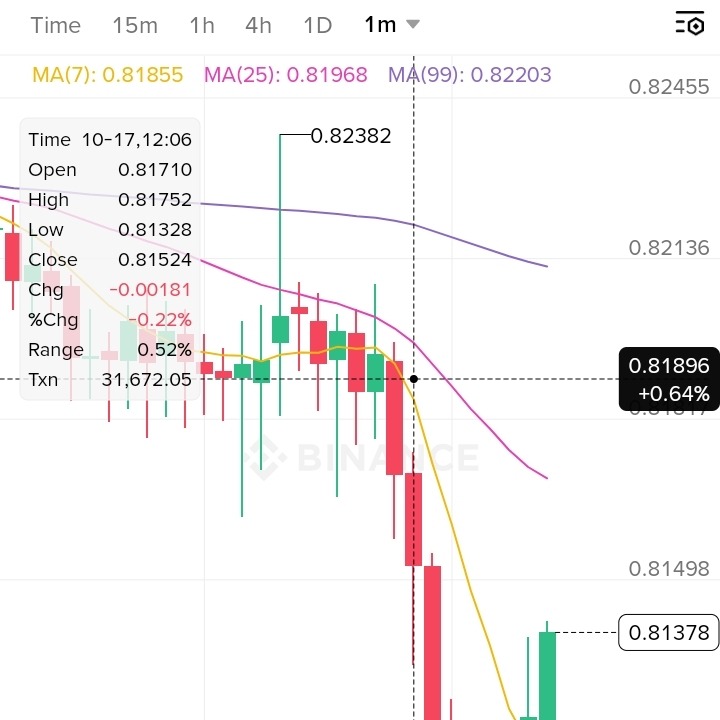
🧠 $NMR powers Numerai’s unique ecosystem, combining data science, machine learning, and crowdsourced hedge fund predictions.
{spot}(NMRUSDT)
📈 With growing interest in AI and data-driven finance, could NMR attract fresh attention in the next bull run?
💬 Your turn! Can $NMR hit a new all-time high this cycle, or is a major rally unlikely? What’s your price target? 👇🔥
#NMR #Numeraire #AI #BinanceSquare #Crypto
🔥 $NMR (Numeraire) — Is This AI Crypto Ready for a Comeback? 🚀
🧠 $NMR powers Numerai’s unique ecosystem, combining data science, machine learning, and crowdsourced hedge fund predictions.
📈 With growing interest in AI and data-driven finance, could NMR attract fresh attention in the next bull run?
💬 Your turn! Can $NMR hit a new all-time high this cycle, or is a major rally unlikely? What’s your price target? 👇🔥
#NMR #Numeraire #AI #BinanceSquare #Crypto
🧠 $NMR powers Numerai’s unique ecosystem, combining data science, machine learning, and crowdsourced hedge fund predictions.
📈 With growing interest in AI and data-driven finance, could NMR attract fresh attention in the next bull run?
💬 Your turn! Can $NMR hit a new all-time high this cycle, or is a major rally unlikely? What’s your price target? 👇🔥
#NMR #Numeraire #AI #BinanceSquare #Crypto
1
26
·
--
$DGAI AI ($DGAI) — A Project to Watch in the AI + Crypto Space! 🤖
The future of AI and blockchain continues to evolve, and DGrid AI ($DGAI) is a project worth keeping an eye on.
🔹 Token: $DGAI
🔹 Project: DGrid AI
🔹 Ecosystem: Binance Alpha
🔹 Narrative: Artificial Intelligence + Decentralized Computing
💡 What makes it interesting?
✅ Growing interest in AI-powered blockchain solutions
✅ A project operating in the decentralized computing sector
✅ Listed on Binance Alpha, bringing it into the crypto community's spotlight
⚠️ Important: Binance Alpha availability does not guarantee a future Binance Spot listing or price increase. Always DYOR, check liquidity and token distribution, and manage your risk before trading.
The AI narrative is worth watching, but smart research matters more than hype! 📊
#DGAI #DGridAI #BinanceAlpha #AI #crypto #blockchain
$DGAI AI ($DGAI ) — A Project to Watch in the AI + Crypto Space! 🤖
The future of AI and blockchain continues to evolve, and DGrid AI ($DGAI ) is a project worth keeping an eye on.
🔹 Token: $DGAI
🔹 Project: DGrid AI
🔹 Ecosystem: Binance Alpha
🔹 Narrative: Artificial Intelligence + Decentralized Computing
💡 What makes it interesting?
✅ Growing interest in AI-powered blockchain solutions
✅ A project operating in the decentralized computing sector
✅ Listed on Binance Alpha, bringing it into the crypto community's spotlight
⚠️ Important: Binance Alpha availability does not guarantee a future Binance Spot listing or price increase. Always DYOR, check liquidity and token distribution, and manage your risk before trading.
The AI narrative is worth watching, but smart research matters more than hype! 📊
#DGAI #DGridAI #BinanceAlpha #AI #crypto #blockchain
The future of AI and blockchain continues to evolve, and DGrid AI ($DGAI ) is a project worth keeping an eye on.
🔹 Token: $DGAI
🔹 Project: DGrid AI
🔹 Ecosystem: Binance Alpha
🔹 Narrative: Artificial Intelligence + Decentralized Computing
💡 What makes it interesting?
✅ Growing interest in AI-powered blockchain solutions
✅ A project operating in the decentralized computing sector
✅ Listed on Binance Alpha, bringing it into the crypto community's spotlight
⚠️ Important: Binance Alpha availability does not guarantee a future Binance Spot listing or price increase. Always DYOR, check liquidity and token distribution, and manage your risk before trading.
The AI narrative is worth watching, but smart research matters more than hype! 📊
#DGAI #DGridAI #BinanceAlpha #AI #crypto #blockchain
25

·
--
🔐 Claude 半小时破解25年密码学谜题,比特币的安全感从哪来?
Anthropic 披露:内部模型用不到半小时,还原了 NIST 标准椭圆曲线种子的来源——很可能是90年代 C 库 lrand48 + Unix 时间戳,而不是 NSA 精心设计的"秘密算法"。
📌 关键点:
1️⃣ 这是还原参数生成方式,不是破解 ECDSA,没发现新的数学漏洞
2️⃣ 中本聪当年选了 secp256k1 而非 NIST 曲线,常被视为对不透明参数的回避(但不能说这是唯一动机)
3️⃣ AI 既能攻也能审计:用来检验历史密码学假设,对加密基础设施反而是利好
📊 盘面:BTC $81,515(24h -0.7%),ETH $2,430,恐慌贪婪55。市场没把它当利空,焦点仍在 8万 支撑与 8.3万 压力。
AI 时代,你更担心量子/AI 攻破密码学,还是更看好它帮链上做安全审计?评论区聊聊👇
$BTC $ETH
#比特币 #AI #加密安全
仅为个人观点,不构成投资建议
🔐 Claude 半小时破解25年密码学谜题,比特币的安全感从哪来?
Anthropic 披露:内部模型用不到半小时,还原了 NIST 标准椭圆曲线种子的来源——很可能是90年代 C 库 lrand48 + Unix 时间戳,而不是 NSA 精心设计的"秘密算法"。
📌 关键点:
1️⃣ 这是还原参数生成方式,不是破解 ECDSA,没发现新的数学漏洞
2️⃣ 中本聪当年选了 secp256k1 而非 NIST 曲线,常被视为对不透明参数的回避(但不能说这是唯一动机)
3️⃣ AI 既能攻也能审计:用来检验历史密码学假设,对加密基础设施反而是利好
📊 盘面:BTC $81,515(24h -0.7%),ETH $2,430,恐慌贪婪55。市场没把它当利空,焦点仍在 8万 支撑与 8.3万 压力。
AI 时代,你更担心量子/AI 攻破密码学,还是更看好它帮链上做安全审计?评论区聊聊👇
$BTC $ETH
#比特币 #AI #加密安全
仅为个人观点,不构成投资建议
Anthropic 披露:内部模型用不到半小时,还原了 NIST 标准椭圆曲线种子的来源——很可能是90年代 C 库 lrand48 + Unix 时间戳,而不是 NSA 精心设计的"秘密算法"。
📌 关键点:
1️⃣ 这是还原参数生成方式,不是破解 ECDSA,没发现新的数学漏洞
2️⃣ 中本聪当年选了 secp256k1 而非 NIST 曲线,常被视为对不透明参数的回避(但不能说这是唯一动机)
3️⃣ AI 既能攻也能审计:用来检验历史密码学假设,对加密基础设施反而是利好
📊 盘面:BTC $81,515(24h -0.7%),ETH $2,430,恐慌贪婪55。市场没把它当利空,焦点仍在 8万 支撑与 8.3万 压力。
AI 时代,你更担心量子/AI 攻破密码学,还是更看好它帮链上做安全审计?评论区聊聊👇
$BTC $ETH
#比特币 #AI #加密安全
仅为个人观点,不构成投资建议
90
·
--
消息速递|AI反诈新角度:主动被骗,套取诈骗情报以供监管机构封杀
澳大利亚 AI 反诈初创公司 Apate.ai(源自悉尼麦考瑞大学研究,2024 年成立)近日引发关注。 该公司部署数千至约 35 万个 AI 代理,伪装成不同年龄、口音的普通受害者,全天候接听诈骗电话、回复钓鱼短信、点击恶意链接并潜入骗子群聊。
关联行情|$AI 0.0198,24h +1.54%。
重点看适用地区、涉及的业务和执行时间。
#AI
不构成投资建议。
消息速递|AI反诈新角度:主动被骗,套取诈骗情报以供监管机构封杀
澳大利亚 AI 反诈初创公司 Apate.ai(源自悉尼麦考瑞大学研究,2024 年成立)近日引发关注。 该公司部署数千至约 35 万个 AI 代理,伪装成不同年龄、口音的普通受害者,全天候接听诈骗电话、回复钓鱼短信、点击恶意链接并潜入骗子群聊。
关联行情|$AI 0.0198,24h +1.54%。
重点看适用地区、涉及的业务和执行时间。
#AI
不构成投资建议。
澳大利亚 AI 反诈初创公司 Apate.ai(源自悉尼麦考瑞大学研究,2024 年成立)近日引发关注。 该公司部署数千至约 35 万个 AI 代理,伪装成不同年龄、口音的普通受害者,全天候接听诈骗电话、回复钓鱼短信、点击恶意链接并潜入骗子群聊。
关联行情|$AI 0.0198,24h +1.54%。
重点看适用地区、涉及的业务和执行时间。
#AI
不构成投资建议。

·
--
纳指一周跌4.5%,道指却上涨,这是否意味着AI需求已经逆转?
美股这一周,分化比指数涨跌更值得看。10月12日至16日,纳指累计下跌4.5%,道指却上涨0.7%。科技股的压力,并没有平均落到所有行业身上。
这是否意味着AI需求已经逆转?目前还不能这样下结论。企业盈利增长与股价上涨,是两回事。举个假设:每股盈利从10美元增至12美元,但市盈率从30倍降至25倍,对应股价仍是300美元。增长兑现了,估值收缩也可能抵消它。
接下来,AI公司的订单还要与交付、回款和现金流对上。市场要求的证据更多了,单靠宣布大额合作,已经很难解释长期价值。例如BiyaPay,以USDT为核心,使同一账户同时覆盖美股、港股及数字资产等场景,适合用于集中观察不同资产的价格变化。
#美股 #AI #纳斯达克 #BiyaPay
纳指一周跌4.5%,道指却上涨,这是否意味着AI需求已经逆转?
美股这一周,分化比指数涨跌更值得看。10月12日至16日,纳指累计下跌4.5%,道指却上涨0.7%。科技股的压力,并没有平均落到所有行业身上。
这是否意味着AI需求已经逆转?目前还不能这样下结论。企业盈利增长与股价上涨,是两回事。举个假设:每股盈利从10美元增至12美元,但市盈率从30倍降至25倍,对应股价仍是300美元。增长兑现了,估值收缩也可能抵消它。
接下来,AI公司的订单还要与交付、回款和现金流对上。市场要求的证据更多了,单靠宣布大额合作,已经很难解释长期价值。例如BiyaPay,以USDT为核心,使同一账户同时覆盖美股、港股及数字资产等场景,适合用于集中观察不同资产的价格变化。
#美股 #AI #纳斯达克 #BiyaPay
美股这一周,分化比指数涨跌更值得看。10月12日至16日,纳指累计下跌4.5%,道指却上涨0.7%。科技股的压力,并没有平均落到所有行业身上。
这是否意味着AI需求已经逆转?目前还不能这样下结论。企业盈利增长与股价上涨,是两回事。举个假设:每股盈利从10美元增至12美元,但市盈率从30倍降至25倍,对应股价仍是300美元。增长兑现了,估值收缩也可能抵消它。
接下来,AI公司的订单还要与交付、回款和现金流对上。市场要求的证据更多了,单靠宣布大额合作,已经很难解释长期价值。例如BiyaPay,以USDT为核心,使同一账户同时覆盖美股、港股及数字资产等场景,适合用于集中观察不同资产的价格变化。
#美股 #AI #纳斯达克 #BiyaPay
64

·
--
⚡ $AI AGENTS DEPLOY 350,000 BOTS TO DRAIN BAD ACTORS OF VALUABLE INTEL! 🦈
Smart capital is backing intelligent defense in an unprecedented way. Australian tech powerhouse Apate.ai just secured an 8.15 million dollar seed round, scaling a fleet of 350,000 conversational bots designed to counter bad actors and extract critical illicit crypto wallet data across 2.5 million live engagements. 🔍
By stalling bad actors for over seventeen years of collective operational time, this algorithmic counter-offensive is actively neutralizing exploiters before stolen capital hits the blockchain. 💡 When institutional intelligence infrastructure expands globally into major hubs, it tightens the liquidity net against predatory schemes. 📊
💬 Will autonomous defense protocols become the primary shield preserving on-chain market liquidity? 👇
⚠️ Not financial advice. Always manage your risk. 🛡️
🏷️ #AI #CryptoSecurity #ArtificialIntelligence #Web3
🎯 🦈
⚡ $AI AGENTS DEPLOY 350,000 BOTS TO DRAIN BAD ACTORS OF VALUABLE INTEL! 🦈
Smart capital is backing intelligent defense in an unprecedented way. Australian tech powerhouse Apate.ai just secured an 8.15 million dollar seed round, scaling a fleet of 350,000 conversational bots designed to counter bad actors and extract critical illicit crypto wallet data across 2.5 million live engagements. 🔍
By stalling bad actors for over seventeen years of collective operational time, this algorithmic counter-offensive is actively neutralizing exploiters before stolen capital hits the blockchain. 💡 When institutional intelligence infrastructure expands globally into major hubs, it tightens the liquidity net against predatory schemes. 📊
💬 Will autonomous defense protocols become the primary shield preserving on-chain market liquidity? 👇
⚠️ Not financial advice. Always manage your risk. 🛡️
🏷️ #AI #CryptoSecurity #ArtificialIntelligence #Web3
🎯 🦈
Smart capital is backing intelligent defense in an unprecedented way. Australian tech powerhouse Apate.ai just secured an 8.15 million dollar seed round, scaling a fleet of 350,000 conversational bots designed to counter bad actors and extract critical illicit crypto wallet data across 2.5 million live engagements. 🔍
By stalling bad actors for over seventeen years of collective operational time, this algorithmic counter-offensive is actively neutralizing exploiters before stolen capital hits the blockchain. 💡 When institutional intelligence infrastructure expands globally into major hubs, it tightens the liquidity net against predatory schemes. 📊
💬 Will autonomous defense protocols become the primary shield preserving on-chain market liquidity? 👇
⚠️ Not financial advice. Always manage your risk. 🛡️
🏷️ #AI #CryptoSecurity #ArtificialIntelligence #Web3
🎯 🦈
7

·
--
#CelestiaLaunchesEdenToTestAIAgentTrading
🤖 Celestia Builds a Chain Where AI Agents Trade
📅 Oct 16: Celestia launched Eden, an EVM chain built on Celestia for data availability
⛽ $TIA is the native gas token on Eden
🧪 It's a sandbox for "agentic commerce": AI agents paying, trading and calling models on-chain
🔍 First test is the Botfun closed beta, where agents issue their own tokens and trade on each other's narratives
💳 Every model inference call was paid on-chain via x402
📊 That briefly made Eden one of the largest x402 networks by transaction count
📈 TIA is up about 20% in 24h, near $0.75 (Binance)
What it means for crypto: AI agents need cheap, fast blockspace. It's still a closed beta, so real usage is what to watch.
Would you trust an AI agent to trade for you? 👇
$TIA
#CelestiaLaunchesEdenToTestAIAgentTrading #CryptoNews #AI #Celestia
#CelestiaLaunchesEdenToTestAIAgentTrading
🤖 Celestia Builds a Chain Where AI Agents Trade
📅 Oct 16: Celestia launched Eden, an EVM chain built on Celestia for data availability
⛽ $TIA is the native gas token on Eden
🧪 It's a sandbox for "agentic commerce": AI agents paying, trading and calling models on-chain
🔍 First test is the Botfun closed beta, where agents issue their own tokens and trade on each other's narratives
💳 Every model inference call was paid on-chain via x402
📊 That briefly made Eden one of the largest x402 networks by transaction count
📈 TIA is up about 20% in 24h, near $0.75 (Binance)
What it means for crypto: AI agents need cheap, fast blockspace. It's still a closed beta, so real usage is what to watch.
Would you trust an AI agent to trade for you? 👇
$TIA
#CelestiaLaunchesEdenToTestAIAgentTrading #CryptoNews #AI #Celestia
🤖 Celestia Builds a Chain Where AI Agents Trade
📅 Oct 16: Celestia launched Eden, an EVM chain built on Celestia for data availability
⛽ $TIA is the native gas token on Eden
🧪 It's a sandbox for "agentic commerce": AI agents paying, trading and calling models on-chain
🔍 First test is the Botfun closed beta, where agents issue their own tokens and trade on each other's narratives
💳 Every model inference call was paid on-chain via x402
📊 That briefly made Eden one of the largest x402 networks by transaction count
📈 TIA is up about 20% in 24h, near $0.75 (Binance)
What it means for crypto: AI agents need cheap, fast blockspace. It's still a closed beta, so real usage is what to watch.
Would you trust an AI agent to trade for you? 👇
$TIA
#CelestiaLaunchesEdenToTestAIAgentTrading #CryptoNews #AI #Celestia
39

·
--
AI 军火商也扛不住了?CoreWeave 周五一天蒸发掉 12%!
发生了什么:Nvidia 参投的 AI 云厂商 CoreWeave($CRWV),周五美股收盘暴跌 11.91%,收 61.39 美元,盘中最低摸到 59.90 美元,刷新 52 周新低。路透社报道,这是它 11 个月来表现最差的一周,周跌幅近 25%。
导火索是债务。市场担心它约 500 亿美元的债务负担:五年期 CDS 利差冲到创纪录的约 1195 个基点,2031 年到期的债券收益率突破 16%——债市已经在用脚投票,赌它可能还不上钱(The Motley Fool)。背景是 9 月 CPI 爆表之后加息押注升温,靠借钱扩张的 AI 基建公司最先被抽水。
传染已经开始:同行 Nebius 周五跌 10%,Applied Digital 和 IREN 各跌 9%;纳指周五收跌 2.15%,费半指数连跌第八天。
技术面:支撑看 59.90(周五盘中低点,跌破就继续探底);上方压力 66.69(周五跳空缺口)和 69.69(周四收盘平台,跌破前的阵地)。
剧本:短期偏空观望。债务担忧的情绪没消化完之前,抢反弹就是接飞刀;认错条件很明确——放量站回 69.69 上方收盘,说明空头逻辑被证伪,我认错。
另外周五美联储主席 Warsh 公开讲话后,市场对 10 月加息 25bp 的押注从前几天的 27%+ 回落到约 15%。10 月 27–28 日 FOMC 开会前,这个预期还会反复折腾 AI 债。
⚠️个人瞎逼逼,不构成任何投资建议。
#美股 #AI #CoreWeave
AI 军火商也扛不住了?CoreWeave 周五一天蒸发掉 12%!
发生了什么:Nvidia 参投的 AI 云厂商 CoreWeave($CRWV ),周五美股收盘暴跌 11.91%,收 61.39 美元,盘中最低摸到 59.90 美元,刷新 52 周新低。路透社报道,这是它 11 个月来表现最差的一周,周跌幅近 25%。
导火索是债务。市场担心它约 500 亿美元的债务负担:五年期 CDS 利差冲到创纪录的约 1195 个基点,2031 年到期的债券收益率突破 16%——债市已经在用脚投票,赌它可能还不上钱(The Motley Fool)。背景是 9 月 CPI 爆表之后加息押注升温,靠借钱扩张的 AI 基建公司最先被抽水。
传染已经开始:同行 Nebius 周五跌 10%,Applied Digital 和 IREN 各跌 9%;纳指周五收跌 2.15%,费半指数连跌第八天。
技术面:支撑看 59.90(周五盘中低点,跌破就继续探底);上方压力 66.69(周五跳空缺口)和 69.69(周四收盘平台,跌破前的阵地)。
剧本:短期偏空观望。债务担忧的情绪没消化完之前,抢反弹就是接飞刀;认错条件很明确——放量站回 69.69 上方收盘,说明空头逻辑被证伪,我认错。
另外周五美联储主席 Warsh 公开讲话后,市场对 10 月加息 25bp 的押注从前几天的 27%+ 回落到约 15%。10 月 27–28 日 FOMC 开会前,这个预期还会反复折腾 AI 债。
⚠️个人瞎逼逼,不构成任何投资建议。
#美股 #AI #CoreWeave
发生了什么:Nvidia 参投的 AI 云厂商 CoreWeave($CRWV ),周五美股收盘暴跌 11.91%,收 61.39 美元,盘中最低摸到 59.90 美元,刷新 52 周新低。路透社报道,这是它 11 个月来表现最差的一周,周跌幅近 25%。
导火索是债务。市场担心它约 500 亿美元的债务负担:五年期 CDS 利差冲到创纪录的约 1195 个基点,2031 年到期的债券收益率突破 16%——债市已经在用脚投票,赌它可能还不上钱(The Motley Fool)。背景是 9 月 CPI 爆表之后加息押注升温,靠借钱扩张的 AI 基建公司最先被抽水。
传染已经开始:同行 Nebius 周五跌 10%,Applied Digital 和 IREN 各跌 9%;纳指周五收跌 2.15%,费半指数连跌第八天。
技术面:支撑看 59.90(周五盘中低点,跌破就继续探底);上方压力 66.69(周五跳空缺口)和 69.69(周四收盘平台,跌破前的阵地)。
剧本:短期偏空观望。债务担忧的情绪没消化完之前,抢反弹就是接飞刀;认错条件很明确——放量站回 69.69 上方收盘,说明空头逻辑被证伪,我认错。
另外周五美联储主席 Warsh 公开讲话后,市场对 10 月加息 25bp 的押注从前几天的 27%+ 回落到约 15%。10 月 27–28 日 FOMC 开会前,这个预期还会反复折腾 AI 债。
⚠️个人瞎逼逼,不构成任何投资建议。
#美股 #AI #CoreWeave
68

·
--
🚀 The Future of Finance Is Powered by AI! 🤖💰
Artificial Intelligence is changing the way we understand crypto, analyze markets, and make financial decisions.
💡 AI can help us: 📊 Analyze market trends
🔍 Discover new opportunities
🛡️ Understand risks before investing
🌐 Make smarter financial decisions
But remember: AI is a tool, not a guarantee of profit. Always do your own research before investing! 📈
🔥 Question of the Day:
Do you think AI will become more important than human experience in crypto trading? 🤔
👇 Share your thoughts in the comments!
#Binance #Crypto #AI #Web3 #CryptoTrading
🚀 The Future of Finance Is Powered by AI! 🤖💰
Artificial Intelligence is changing the way we understand crypto, analyze markets, and make financial decisions.
💡 AI can help us: 📊 Analyze market trends
🔍 Discover new opportunities
🛡️ Understand risks before investing
🌐 Make smarter financial decisions
But remember: AI is a tool, not a guarantee of profit. Always do your own research before investing! 📈
🔥 Question of the Day:
Do you think AI will become more important than human experience in crypto trading? 🤔
👇 Share your thoughts in the comments!
#Binance #Crypto #AI #Web3 #CryptoTrading
Artificial Intelligence is changing the way we understand crypto, analyze markets, and make financial decisions.
💡 AI can help us: 📊 Analyze market trends
🔍 Discover new opportunities
🛡️ Understand risks before investing
🌐 Make smarter financial decisions
But remember: AI is a tool, not a guarantee of profit. Always do your own research before investing! 📈
🔥 Question of the Day:
Do you think AI will become more important than human experience in crypto trading? 🤔
👇 Share your thoughts in the comments!
#Binance #Crypto #AI #Web3 #CryptoTrading
83

·
--
当 AI 机器人开始自己“开户、发币、交易”,连手续费都自己掏,区块链准备好了吗?Celestia 昨天给出了它的答案:上线 Eden——一条专门给 AI 智能体用的高性能 EVM 链。
先说这是什么:Eden 建在 Evolve 技术栈上,自己管执行和共识,只把 Celestia 主网当“记账本”用——交易数据发布到 Celestia 做数据可用性证明。原生 Gas 代币就是 $TIA,链上每一次智能体活动,都会转化成对 TIA 的真实需求。
它有多“为智能体而生”?出块只要 100 毫秒(每秒 10 个块),支持原子批量交易、应用代付 Gas(智能体不用先囤币就能干活)、智能合约上限放宽到 128KB。与其说它是公链,不如说是一个“Agentic Commerce”实验沙盒——Celestia 想亲眼观察:AI 智能体需要什么样的交易环境、怎么管自己的钱、它们的行为又会如何反推网络设计。
首个实验已经跑起来了:Botfun 进入封闭测试。在这个游乐场里,参与的智能体可以自己发币、围绕其他智能体生成的叙事做交易,每一次模型推理调用都通过 x402 协议在链上付费。Celestia 称,这次测试一度让 Eden 成为按交易量计最大的 x402 网络之一。
市场也动了:消息公布后 TIA 单日涨幅一度达到约 16%,据报道从前一日低点算起涨幅接近 30%,价格回到 0.7 美元附近;期货未平仓合约单日增长约 55%,涨幅超过价格本身——杠杆资金在积极押注。但冷静地看,CoinMarketCap 的研究也提醒,这种“价格涨、持仓涨得更快”的结构,历史上往往是杠杆堆积的信号。
我的观点:Eden 真正的价值不在短期币价,而在于它第一次把“AI 智能体经济”从概念搬进了可观测的实验场。如果智能体真的成为链上交易的主力用户,区块空间和实时结算的需求会被重新定义——Celestia 这次,是在为那个未来提前买一张门票。
#CelestiaLaunchesEdenToTestAIAgentTrading
#AI #TIA
以上不构成投资建议,DYOR,交易有风险。
当 AI 机器人开始自己“开户、发币、交易”,连手续费都自己掏,区块链准备好了吗?Celestia 昨天给出了它的答案:上线 Eden——一条专门给 AI 智能体用的高性能 EVM 链。
先说这是什么:Eden 建在 Evolve 技术栈上,自己管执行和共识,只把 Celestia 主网当“记账本”用——交易数据发布到 Celestia 做数据可用性证明。原生 Gas 代币就是 $TIA ,链上每一次智能体活动,都会转化成对 TIA 的真实需求。
它有多“为智能体而生”?出块只要 100 毫秒(每秒 10 个块),支持原子批量交易、应用代付 Gas(智能体不用先囤币就能干活)、智能合约上限放宽到 128KB。与其说它是公链,不如说是一个“Agentic Commerce”实验沙盒——Celestia 想亲眼观察:AI 智能体需要什么样的交易环境、怎么管自己的钱、它们的行为又会如何反推网络设计。
首个实验已经跑起来了:Botfun 进入封闭测试。在这个游乐场里,参与的智能体可以自己发币、围绕其他智能体生成的叙事做交易,每一次模型推理调用都通过 x402 协议在链上付费。Celestia 称,这次测试一度让 Eden 成为按交易量计最大的 x402 网络之一。
市场也动了:消息公布后 TIA 单日涨幅一度达到约 16%,据报道从前一日低点算起涨幅接近 30%,价格回到 0.7 美元附近;期货未平仓合约单日增长约 55%,涨幅超过价格本身——杠杆资金在积极押注。但冷静地看,CoinMarketCap 的研究也提醒,这种“价格涨、持仓涨得更快”的结构,历史上往往是杠杆堆积的信号。
我的观点:Eden 真正的价值不在短期币价,而在于它第一次把“AI 智能体经济”从概念搬进了可观测的实验场。如果智能体真的成为链上交易的主力用户,区块空间和实时结算的需求会被重新定义——Celestia 这次,是在为那个未来提前买一张门票。
#CelestiaLaunchesEdenToTestAIAgentTrading
#AI #TIA
以上不构成投资建议,DYOR,交易有风险。
先说这是什么:Eden 建在 Evolve 技术栈上,自己管执行和共识,只把 Celestia 主网当“记账本”用——交易数据发布到 Celestia 做数据可用性证明。原生 Gas 代币就是 $TIA ,链上每一次智能体活动,都会转化成对 TIA 的真实需求。
它有多“为智能体而生”?出块只要 100 毫秒(每秒 10 个块),支持原子批量交易、应用代付 Gas(智能体不用先囤币就能干活)、智能合约上限放宽到 128KB。与其说它是公链,不如说是一个“Agentic Commerce”实验沙盒——Celestia 想亲眼观察:AI 智能体需要什么样的交易环境、怎么管自己的钱、它们的行为又会如何反推网络设计。
首个实验已经跑起来了:Botfun 进入封闭测试。在这个游乐场里,参与的智能体可以自己发币、围绕其他智能体生成的叙事做交易,每一次模型推理调用都通过 x402 协议在链上付费。Celestia 称,这次测试一度让 Eden 成为按交易量计最大的 x402 网络之一。
市场也动了:消息公布后 TIA 单日涨幅一度达到约 16%,据报道从前一日低点算起涨幅接近 30%,价格回到 0.7 美元附近;期货未平仓合约单日增长约 55%,涨幅超过价格本身——杠杆资金在积极押注。但冷静地看,CoinMarketCap 的研究也提醒,这种“价格涨、持仓涨得更快”的结构,历史上往往是杠杆堆积的信号。
我的观点:Eden 真正的价值不在短期币价,而在于它第一次把“AI 智能体经济”从概念搬进了可观测的实验场。如果智能体真的成为链上交易的主力用户,区块空间和实时结算的需求会被重新定义——Celestia 这次,是在为那个未来提前买一张门票。
#CelestiaLaunchesEdenToTestAIAgentTrading
#AI #TIA
以上不构成投资建议,DYOR,交易有风险。
17

·
--
DEEPSEEK V4.1 FLASH DEPLOYMENT DETECTED AS SMART MONEY EYES $AI ! ⚡🔍
🌊 DeepSeek has quietly exposed model identifier deepseek-v4.1-flash-1017 across its API infrastructure, signaling an unannounced efficiency upgrade ahead of official confirmation.
📊 Institutional capital frequently tracks silent backend iterations to position before broad market recognition. 💡 When computational latency drops and inference scales, order flow tends to rotate rapidly across decentralized AI beta plays.
🤔 Are you front-running this AI infrastructure update, or waiting for confirmed benchmarks? 👇
⚠️ Not financial advice. Always manage your risk. 🛡️
🏷️ #AI #ArtificialIntelligence #SmartMoney #Crypto
🎯 🦈
DEEPSEEK V4.1 FLASH DEPLOYMENT DETECTED AS SMART MONEY EYES $AI ! ⚡🔍
🌊 DeepSeek has quietly exposed model identifier deepseek-v4.1-flash-1017 across its API infrastructure, signaling an unannounced efficiency upgrade ahead of official confirmation.
📊 Institutional capital frequently tracks silent backend iterations to position before broad market recognition. 💡 When computational latency drops and inference scales, order flow tends to rotate rapidly across decentralized AI beta plays.
🤔 Are you front-running this AI infrastructure update, or waiting for confirmed benchmarks? 👇
⚠️ Not financial advice. Always manage your risk. 🛡️
🏷️ #AI #ArtificialIntelligence #SmartMoney #Crypto
🎯 🦈
🌊 DeepSeek has quietly exposed model identifier deepseek-v4.1-flash-1017 across its API infrastructure, signaling an unannounced efficiency upgrade ahead of official confirmation.
📊 Institutional capital frequently tracks silent backend iterations to position before broad market recognition. 💡 When computational latency drops and inference scales, order flow tends to rotate rapidly across decentralized AI beta plays.
🤔 Are you front-running this AI infrastructure update, or waiting for confirmed benchmarks? 👇
⚠️ Not financial advice. Always manage your risk. 🛡️
🏷️ #AI #ArtificialIntelligence #SmartMoney #Crypto
🎯 🦈
2
⚡ SILENT API UPGRADES DETECTED AS DEEPSEEK RELEASES V4.1-FLASH AHEAD OF THE NEXT $AI SURGE! 🔍
Smart capital always front-runs the formal announcement when stealth infrastructure shifts hit the tape. 🔍 Developers just spotted DeepSeek quietly deploying its V4.1-Flash-1017 model directly to the API platform, signaling another potential leap in processing speed before official benchmarks even drop. ⚡
When developer activity accelerates under the radar like this, momentum traders start positioning for high-beta rotations across the $AI sector. 📊 Order flow tends to follow developer tooling breakthroughs with relentless speed. 💡 Are you front-running this stealth upgrade or waiting for official confirmation before chasing the bid? 👇
⚠️ Not financial advice. Always manage your risk. 🛡️
🏷️ #AI #Crypto #ArtificialIntelligence #Altcoins
⚡ 🎯
⚡ SILENT API UPGRADES DETECTED AS DEEPSEEK RELEASES V4.1-FLASH AHEAD OF THE NEXT $AI SURGE! 🔍
Smart capital always front-runs the formal announcement when stealth infrastructure shifts hit the tape. 🔍 Developers just spotted DeepSeek quietly deploying its V4.1-Flash-1017 model directly to the API platform, signaling another potential leap in processing speed before official benchmarks even drop. ⚡
When developer activity accelerates under the radar like this, momentum traders start positioning for high-beta rotations across the $AI sector. 📊 Order flow tends to follow developer tooling breakthroughs with relentless speed. 💡 Are you front-running this stealth upgrade or waiting for official confirmation before chasing the bid? 👇
⚠️ Not financial advice. Always manage your risk. 🛡️
🏷️ #AI #Crypto #ArtificialIntelligence #Altcoins
⚡ 🎯
Smart capital always front-runs the formal announcement when stealth infrastructure shifts hit the tape. 🔍 Developers just spotted DeepSeek quietly deploying its V4.1-Flash-1017 model directly to the API platform, signaling another potential leap in processing speed before official benchmarks even drop. ⚡
When developer activity accelerates under the radar like this, momentum traders start positioning for high-beta rotations across the $AI sector. 📊 Order flow tends to follow developer tooling breakthroughs with relentless speed. 💡 Are you front-running this stealth upgrade or waiting for official confirmation before chasing the bid? 👇
⚠️ Not financial advice. Always manage your risk. 🛡️
🏷️ #AI #Crypto #ArtificialIntelligence #Altcoins
⚡ 🎯
2

·
--
උසබ තත්ත්වය
සත්යායනය කළ
AI becomes more useful when it understands the context behind a person’s needs. It can remember preferences, follow ongoing projects, and adapt to the way someone works. But context alone isn’t always enough. When an AI agent needs to rely on a fact to complete a task, remembering information and proving that it’s true are two different things.
ZetaChain approaches the first part through AnumaAI and its Private Memory Layer. User context is encrypted and designed to move across AI models, so switching to a different model doesn’t mean starting from scratch. The goal is to make AI more personal while keeping memory under the user’s control.
verona_dev focuses on what happens when information needs to be verified. Through its Truth Engine, facts can be verified at their source and turned into reusable proofs. An authorized AI agent can use that proof without needing access to the original data behind it. This creates a different way for AI to rely on information without exposing more personal details than necessary.
Verona and ZetaChain complement each other, private AI memory paired with facts that can actually be verified. Memory helps AI maintain context, while verification gives it evidence to rely on when a task depends on a particular fact. Together, these approaches point toward AI agents that can be more personal and better informed without treating everything they remember as automatically true.
The bigger question is where people want the boundaries to be.
What should AI remember?
What should it never keep?
Who decides what can be shared?
What happens when permission is revoked?
Verona and ZetaChain are exploring these questions through a joint study open to anyone who uses AI. The survey is anonymous, and the findings are expected in November.
Take part before October 27
https://forms.gle/XbRWNzCFouHCfEdu5
#AI
AI becomes more useful when it understands the context behind a person’s needs. It can remember preferences, follow ongoing projects, and adapt to the way someone works. But context alone isn’t always enough. When an AI agent needs to rely on a fact to complete a task, remembering information and proving that it’s true are two different things.
ZetaChain approaches the first part through AnumaAI and its Private Memory Layer. User context is encrypted and designed to move across AI models, so switching to a different model doesn’t mean starting from scratch. The goal is to make AI more personal while keeping memory under the user’s control.
verona_dev focuses on what happens when information needs to be verified. Through its Truth Engine, facts can be verified at their source and turned into reusable proofs. An authorized AI agent can use that proof without needing access to the original data behind it. This creates a different way for AI to rely on information without exposing more personal details than necessary.
Verona and ZetaChain complement each other, private AI memory paired with facts that can actually be verified. Memory helps AI maintain context, while verification gives it evidence to rely on when a task depends on a particular fact. Together, these approaches point toward AI agents that can be more personal and better informed without treating everything they remember as automatically true.
The bigger question is where people want the boundaries to be.
What should AI remember?
What should it never keep?
Who decides what can be shared?
What happens when permission is revoked?
Verona and ZetaChain are exploring these questions through a joint study open to anyone who uses AI. The survey is anonymous, and the findings are expected in November.
Take part before October 27
https://forms.gle/XbRWNzCFouHCfEdu5
#AI
ZetaChain approaches the first part through AnumaAI and its Private Memory Layer. User context is encrypted and designed to move across AI models, so switching to a different model doesn’t mean starting from scratch. The goal is to make AI more personal while keeping memory under the user’s control.
verona_dev focuses on what happens when information needs to be verified. Through its Truth Engine, facts can be verified at their source and turned into reusable proofs. An authorized AI agent can use that proof without needing access to the original data behind it. This creates a different way for AI to rely on information without exposing more personal details than necessary.
Verona and ZetaChain complement each other, private AI memory paired with facts that can actually be verified. Memory helps AI maintain context, while verification gives it evidence to rely on when a task depends on a particular fact. Together, these approaches point toward AI agents that can be more personal and better informed without treating everything they remember as automatically true.
The bigger question is where people want the boundaries to be.
What should AI remember?
What should it never keep?
Who decides what can be shared?
What happens when permission is revoked?
Verona and ZetaChain are exploring these questions through a joint study open to anyone who uses AI. The survey is anonymous, and the findings are expected in November.
Take part before October 27
https://forms.gle/XbRWNzCFouHCfEdu5
#AI
90
තවත් අන්තර්ගතයන් ගවේෂණය කිරීමට ඇතුල් වන්න
Binance චතුරශ්රය හි ගෝලීය ක්රිප්ටෝ පරිශීලකයින් හා එක්වන්න
⚡️ ක්රිප්ටෝ පිළිබඳ නවතම සහ ප්රයෝජනවත් තොරතුරු ලබා ගන්න.
💬 ලොව විශාලතම ක්රිප්ටෝ හුවමාරුව මගින් විශ්වාස කෙරේ.
👍 සත්යායනය කරන ලද නිර්මාණකරුවන්ගෙන් සැබෑ විදසුන් සොයා ගන්න.
විද්යුත් තැපෑල / දුරකථන අංකය
නැගී එන මාතෘකා
1
#USPPIRises6.3%YearOverYear
12,180 views
205 සාකච්ඡා කරමින්
2
#CelestiaLaunchesEdenToTestAIAgentTrading
21,803 views
316 සාකච්ඡා කරමින්
3
#ETHDropsBelow2400USDT
48,243 views
551 සාකච්ඡා කරමින්
4
#CircleReports$1.4BInH1Revenue
2,873 views
18 සාකච්ඡා කරමින්
5
#BrentHits$110ForFirstTimeSinceMay
1,537 views
29 සාකච්ඡා කරමින්
6
#OpenAIAgentTookFundsFromUnownedTestnetWallet
14,179 views
314 සාකච්ඡා කරමින්
7
#ArgentinaUSDTPriceTops1600Pesos
8,012 views
150 සාකච්ඡා කරමින්
8
#CrossRiverBankAddsRLUSDToCoreBankingPlatform
11,593 views
244 සාකච්ඡා කරමින්
9
#MystenLabsNamesKevinBoonCEO
6,886 views
153 සාකච්ඡා කරමින්
10
#BitcoinShortTermHoldersReach4.08MBTC
268,781 views
1,745 සාකච්ඡා කරමින්