
sanicityboy
6 Публикации

sanicityboy
Отправить жалобу
Заблокировать пользователя
Blockchain and web3 education , crypto market research and analysis
9 подписок(и/а)
0 подписчиков(а)
2 понравилось
Посты
·
--
См. перевод
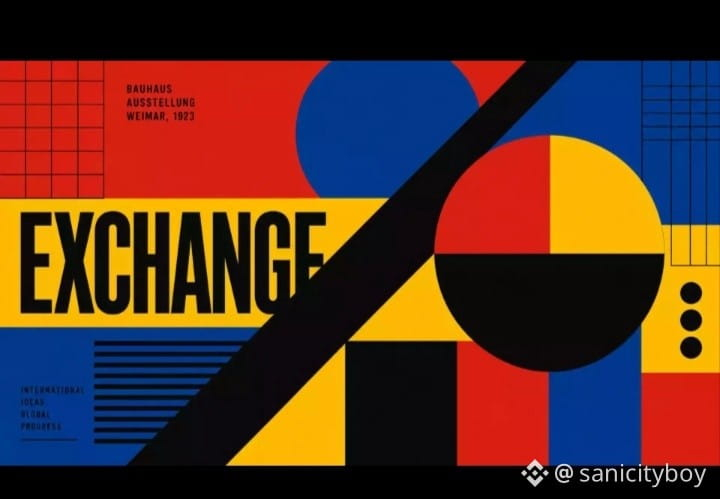
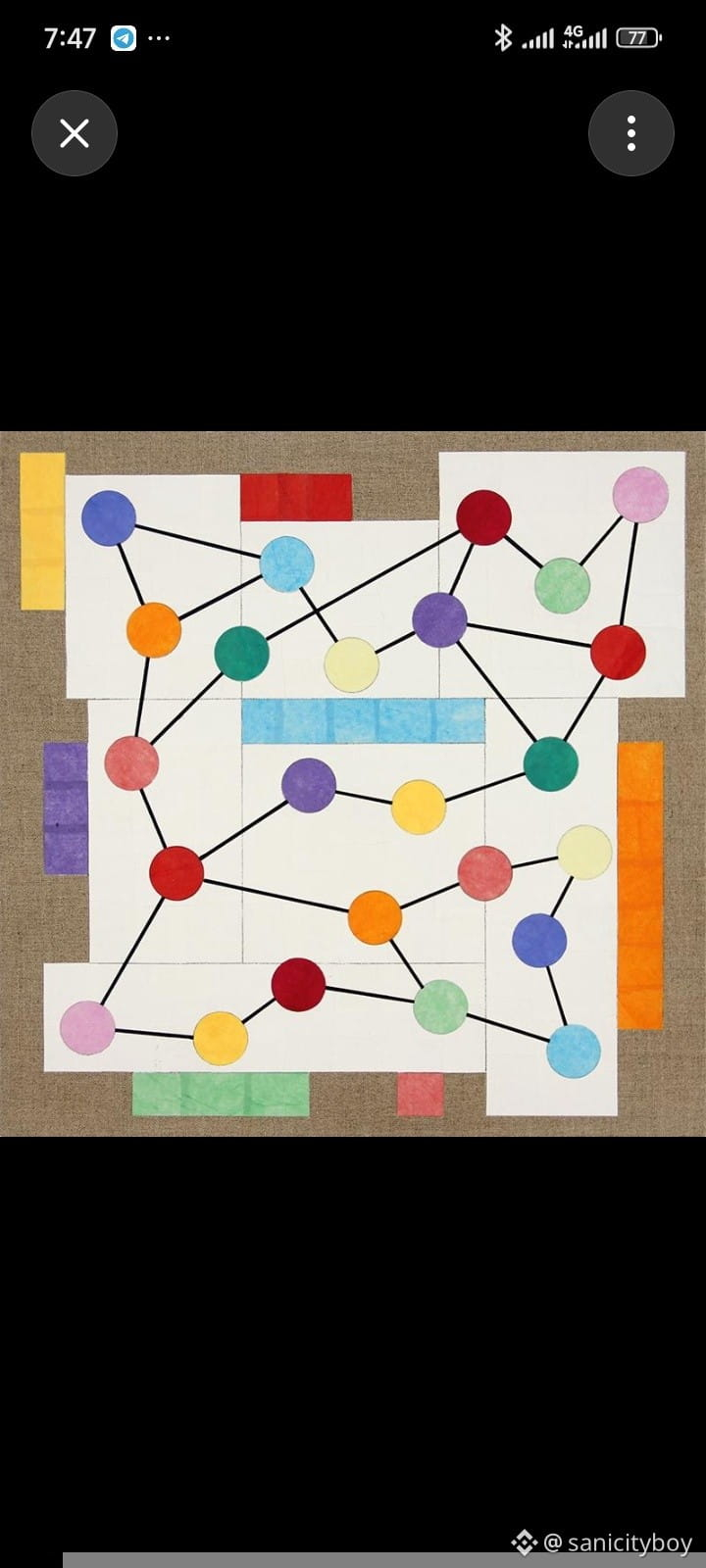
CEX, DEX, DeFi & How Crypto Infrastructure Works
Understanding the Technology Powering Decentralized Finance.
The crypto ecosystem is built on interconnected technologies that make digital transactions, trading, and financial services possible without relying entirely on traditional institutions.
CEX (Centralized Exchange): Platforms operated by companies that allow users to buy, sell, and trade cryptocurrencies through centralized systems.
DEX (Decentralized Exchange): Blockchain-powered platforms that enable peer-to-peer crypto trading through smart contracts, giving users greater control over their assets.
DeFi (Decentralized Finance): An open financial ecosystem that uses blockchain technology and smart contracts to provide services such as lending, borrowing, staking, and trading without traditional intermediaries.
How Does Crypto Infrastructure Work?
Behind every crypto transaction is an infrastructure working together:
Blockchain: Records and verifies transactions.
Smart Contracts: Automate financial operations.
Wallets: Enable users to manage digital assets.
Oracles: Connect blockchain networks to real-world data.
Bridges: Connect different blockchain ecosystems.
The Bigger Picture
CEX provides accessibility, DEX enables decentralized trading, and DeFi creates new financial possibilities.
Together, they form the foundation of a new digital economy built around transparency, accessibility, and financial freedom.
Crypto is more than digital money; it is an entirely new financial infrastructure.


71
·
--
См. перевод
Wallets, Private Keys, Public Keys & Seed Phrases: Understanding the Foundation of Crypto Ownership
The world of cryptocurrency is built on ownership, security, and control. At the heart of this ecosystem are four essential concepts: wallets, public keys, private keys, and seed phrases. Understanding how they work is fundamental to navigating Web3 safely and confidently.
1. Crypto Wallets: Your Gateway to Web3
A crypto wallet is a tool that allows you to manage your digital assets, interact with blockchain networks, and access decentralized applications (dApps). It doesn't physically store your cryptocurrency; instead, it manages the keys that prove ownership and authorize transactions.
2. Public Keys: Your Digital Identity
A public key is cryptographically linked to your private key. It helps generate your wallet address, which others can use to send you cryptocurrency. Think of it as your digital account number: you can share it without exposing your funds.
3. Private Keys: The Power of Ownership
Your private key is the secret that authorizes transactions and proves control over your assets. Anyone who gains access to it may gain control of your funds. It must remain confidential at all times.
4. Seed Phrases: Your Ultimate Recovery Key
A seed phrase is a sequence of 12 or 24 words used to recover a wallet and regenerate its keys. It serves as a critical backup if your device is lost, damaged, or inaccessible. Never share it or store it carelessly.
The Bigger Picture
In Web3, financial freedom comes with personal responsibility. There is no traditional password-reset button when you lose access to your wallet.
Remember: Your wallet connects you to Web3, your public key enables receiving, your private key grants control, and your seed phrase protects recovery.
True digital ownership begins with understanding how to protect it.
#blochain#digital#web3
_Sanicityboy
78
·
--
См. перевод
WEB1, WEB2 AND WEB3: THE EVOLUTION OF THE INTERNET
From Reading to Creating, and Finally Owning.
The internet has undergone a remarkable transformation, changing how people access information, communicate, create content, and exchange value. This evolution is defined by three generations: Web1, Web2, and Web3.
1. Web1: The Read-Only Internet
Emerging in the early 1990s, Web1 introduced a world where users could access information through static websites. Interaction was limited, and most content was published and controlled by website owners.
Its defining purpose was information accessibility.
2. Web2: The Read-Write Internet
Web2 transformed the internet into an interactive ecosystem. Users could create content, share ideas, communicate, and build communities through platforms like Facebook, YouTube, Instagram, and X.
However, centralized companies largely controlled the platforms, user data, and digital infrastructure.
Its defining purpose was participation and connectivity.
3. Web3: The Read-Write-Own Internet
Web3 introduces a new vision of the internet powered by blockchain technology, decentralization, and digital ownership.
Through cryptocurrencies, NFTs, smart contracts, and decentralized applications (dApps), users can gain greater control over their digital assets and participate in decentralized ecosystems without relying entirely on centralized intermediaries.
Its defining purpose is ownership and user empowerment.
Why Does This Evolution Matter?
Web3 extends beyond cryptocurrency. It creates opportunities in decentralized finance (DeFi), digital identity, real-world asset (RWA) tokenization, and digital ownership.
Although challenges involving security, scalability, regulation, and adoption remain, its potential continues to attract innovation.
Final Thoughts
The evolution of the internet represents a fundamental shift in digital participation.
Web1 connected us to information. Web2 connected us to people. Web3 seeks to connect us to ownership.
#Web3 #Web2 #Web1 #Blockchain #InternetEvolution #DigitalOwnership
_Sanicityboy
75
·
--
Что такое блокчейн? Понимание распределённых реестров
Блокчейн — одна из важнейших технологий, лежащих в основе экосистемы Web3. От Bitcoin и Ethereum до DeFi и NFT — он меняет то, как люди хранят, проверяют и передают цифровую ценность.
Но что же такое блокчейн?
Блокчейн — это распределённый цифровой реестр, который записывает транзакции по сети компьютеров, а не полагается полностью на один центральный орган.
Он состоит из связанных блоков, содержащих данные о транзакциях. Каждый блок криптографически связан с предыдущим, создавая хронологическую запись, которую трудно изменить без обнаружения.
Понимание распределённых реестров
Технология распределённого реестра (DLT) — это общая база данных, поддерживаемая несколькими участниками сети.
В отличие от традиционных баз данных, управляемых центральным администратором, распределённые реестры позволяют участникам проверять и поддерживать общие записи.
Блокчейн — это одна из форм DLT, но не каждый распределённый реестр использует архитектуру блокчейна.
Как работает блокчейн?
Процесс прост:
Пользователь инициирует транзакцию.
Сеть получает и проверяет её.
Валидные транзакции группируются в блоки.
Консенсус формирует принятый реестр.
Блокчейн обновляется.
Почему это важно?
Блокчейн поддерживает важные инновации Web3, включая:
DeFi: Децентрализованные финансовые услуги.
NFTs: Проверяемое цифровое владение.
Умные контракты: Автоматизированные цифровые соглашения.
Токенизация: Цифровое представление активов.
Однако блокчейн не является полностью безрисковым. Уязвимости умных контрактов, украденные приватные ключи и небезопасные мосты остаются важными проблемами безопасности.
Заключительные мысли
Блокчейн — это больше, чем криптовалюта. Он представляет собой новый подход к цифровому владению, прозрачности и доверию.
Понимать блокчейн — значит понимать фундамент, на котором строится большая часть Web3.
Изучайте технологию. Смотрите шире спекуляций.
— Sanicityboy
#Blockchain #Web3 #CryptoEducation
134
·
--
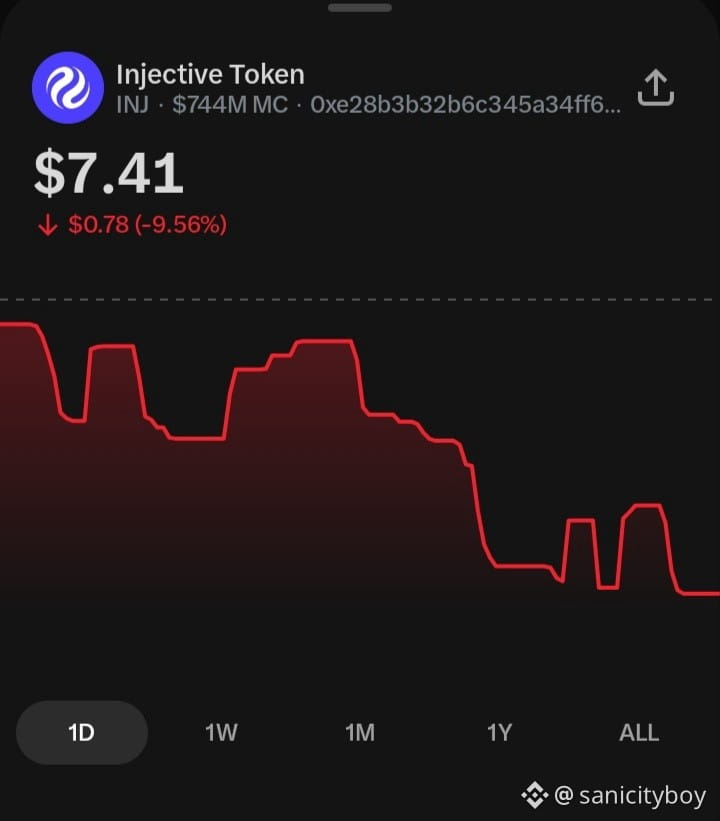
Держатели $INJ, нам благоволят небеса 🤸
Терпение вознаграждается, народ хауса
Держатели $INJ, нам благоволят небеса 🤸
Терпение вознаграждается, народ хауса
Терпение вознаграждается, народ хауса
440
Войдите, чтобы посмотреть больше материала
Присоединяйтесь к пользователям криптовалют по всему миру на Binance Square
⚡️ Получайте новейшую и полезную информацию о криптоактивах.
💬 Нам доверяет крупнейшая в мире криптобиржа.
👍 Получите достоверные аналитические данные от верифицированных создателей контента.
Эл. почта/номер телефона
В тренде
fomcотслеживание
Просмотров: 121,748
592 обсуждают
Сейчас всё внимание приковано к решениям ФРС 🇺🇸
Рынок внимательно следит за сигналами от FOMC, ведь даже одно изменение в риторике представителей ФРС может повлиять на настроение инвесторов.
Особенно интересно наблюдать за реакцией BTC и ETH. Иногда рынок начинает двигаться ещё до официальных заявлений, а после публикации протокола волатильность может заметно вырасти.
$BTC
$ETH
Я бы сейчас не торопился с выводами. Лучше следить за новостями, объёмами и реакцией цены, чем пытаться угадать направление заранее.
А вы как думаете, чего сейчас больше ждёт рынок — снижения ставки или сохранения текущей политики?
#fomcотслеживание #ПротоколFOMC
Saymontop20
·Лайков: 0
·Просмотров: 77
ПротоколFOMC
Просмотров: 145,983
335 обсуждают
A Packed Week of Earnings and Data Tests Markets
Просмотров: 37,773
272 обсуждают