

Inflectiv AI
226 Публикации

Inflectiv AI
Отправить жалобу
Заблокировать пользователя
Liberating Trapped Intelligence.
Fueling agents, automation, and robotics.
Structured, tokenized, perpetual.
0 подписок(и/а)
83 подписчиков(а)
3.2K+ понравилось
Посты
Все
Цитирования
Видео
PINNED
·
--
Создание набора данных звучит технически. Это не так.
Загрузите PDF, документы, ссылки, таблицы, что угодно у вас есть. Inflectiv автоматически структурирует все это.
Вот как создать его мгновенно, используя несколько источников данных 👇
🔗 Ссылка в комментариях, чтобы создать свой набор данных сейчас
Создание набора данных звучит технически. Это не так.
Загрузите PDF, документы, ссылки, таблицы, что угодно у вас есть. Inflectiv автоматически структурирует все это.
Вот как создать его мгновенно, используя несколько источников данных 👇
🔗 Ссылка в комментариях, чтобы создать свой набор данных сейчас
Загрузите PDF, документы, ссылки, таблицы, что угодно у вас есть. Inflectiv автоматически структурирует все это.
Вот как создать его мгновенно, используя несколько источников данных 👇
🔗 Ссылка в комментариях, чтобы создать свой набор данных сейчас
6
2
52
690
·
--
См. перевод
What actually happens when your agent asks a dataset a question?
👉 Five steps: https://x.com/inflectivAI/status/2102704093353615523
What actually happens when your agent asks a dataset a question?
👉 Five steps: https://x.com/inflectivAI/status/2102704093353615523
👉 Five steps: https://x.com/inflectivAI/status/2102704093353615523

73
·
--
Пытаюсь понять, кто это на самом деле читает.
Где ты сейчас?
Пытаюсь понять, кто это на самом деле читает.
Где ты сейчас?
Где ты сейчас?
Data, no agent
0%
Agent, no data
0%
Both
0%
Neither yet
0%
0 проголосовали • Голосование закрыто
58
·
--
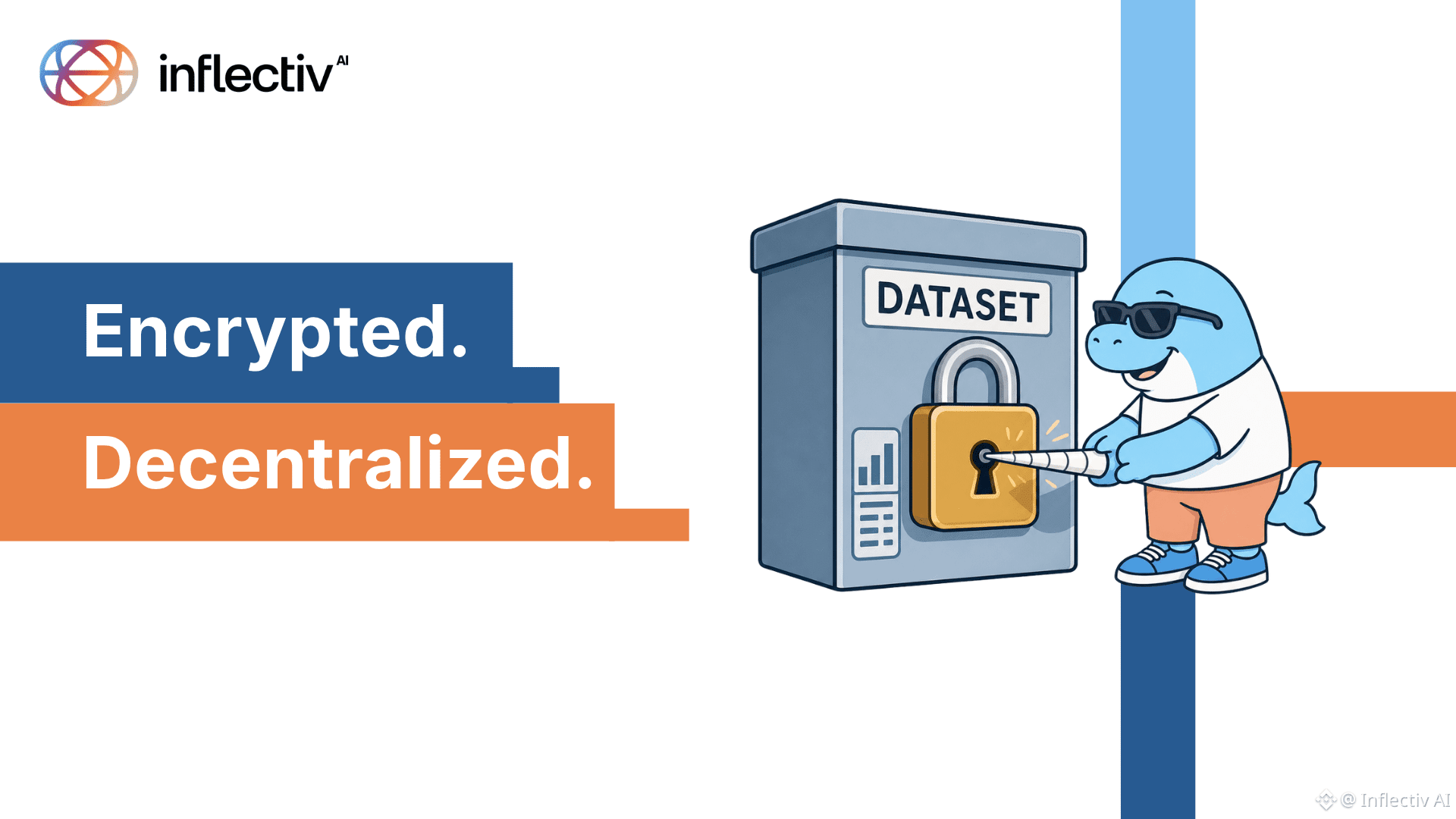
Зашифрованные наборы данных в Inflectiv:
✔️ Шифруются с помощью Seal до того, как ими поделятся
✔️ Хранятся в Walrus — децентрализованной сети
✔️ Регистрируются в Sui с криптографическим blob ID
✔️ Уже закреплено 4 000+ наборов данных
Частные. Проверяемые. Не подлежащие подделке.
Зашифруйте свои 👉 https://app.inflectiv.ai
Зашифрованные наборы данных в Inflectiv:
✔️ Шифруются с помощью Seal до того, как ими поделятся
✔️ Хранятся в Walrus — децентрализованной сети
✔️ Регистрируются в Sui с криптографическим blob ID
✔️ Уже закреплено 4 000+ наборов данных
Частные. Проверяемые. Не подлежащие подделке.
Зашифруйте свои 👉 https://app.inflectiv.ai
✔️ Шифруются с помощью Seal до того, как ими поделятся
✔️ Хранятся в Walrus — децентрализованной сети
✔️ Регистрируются в Sui с криптографическим blob ID
✔️ Уже закреплено 4 000+ наборов данных
Частные. Проверяемые. Не подлежащие подделке.
Зашифруйте свои 👉 https://app.inflectiv.ai
99
·
--
Вы перечислили набор данных. Никто его не купил.
В девяти случаях из десяти с данными всё в порядке. Проблема — в самом объявлении, именно оно лишает вас продаж.
Вот пять правок, которые превращают просмотры в покупателей 👇
https://x.com/inflectivAI/status/2098368912018592028
Вы перечислили набор данных. Никто его не купил.
В девяти случаях из десяти с данными всё в порядке. Проблема — в самом объявлении, именно оно лишает вас продаж.
Вот пять правок, которые превращают просмотры в покупателей 👇
https://x.com/inflectivAI/status/2098368912018592028
В девяти случаях из десяти с данными всё в порядке. Проблема — в самом объявлении, именно оно лишает вас продаж.
Вот пять правок, которые превращают просмотры в покупателей 👇
https://x.com/inflectivAI/status/2098368912018592028

50
·
--
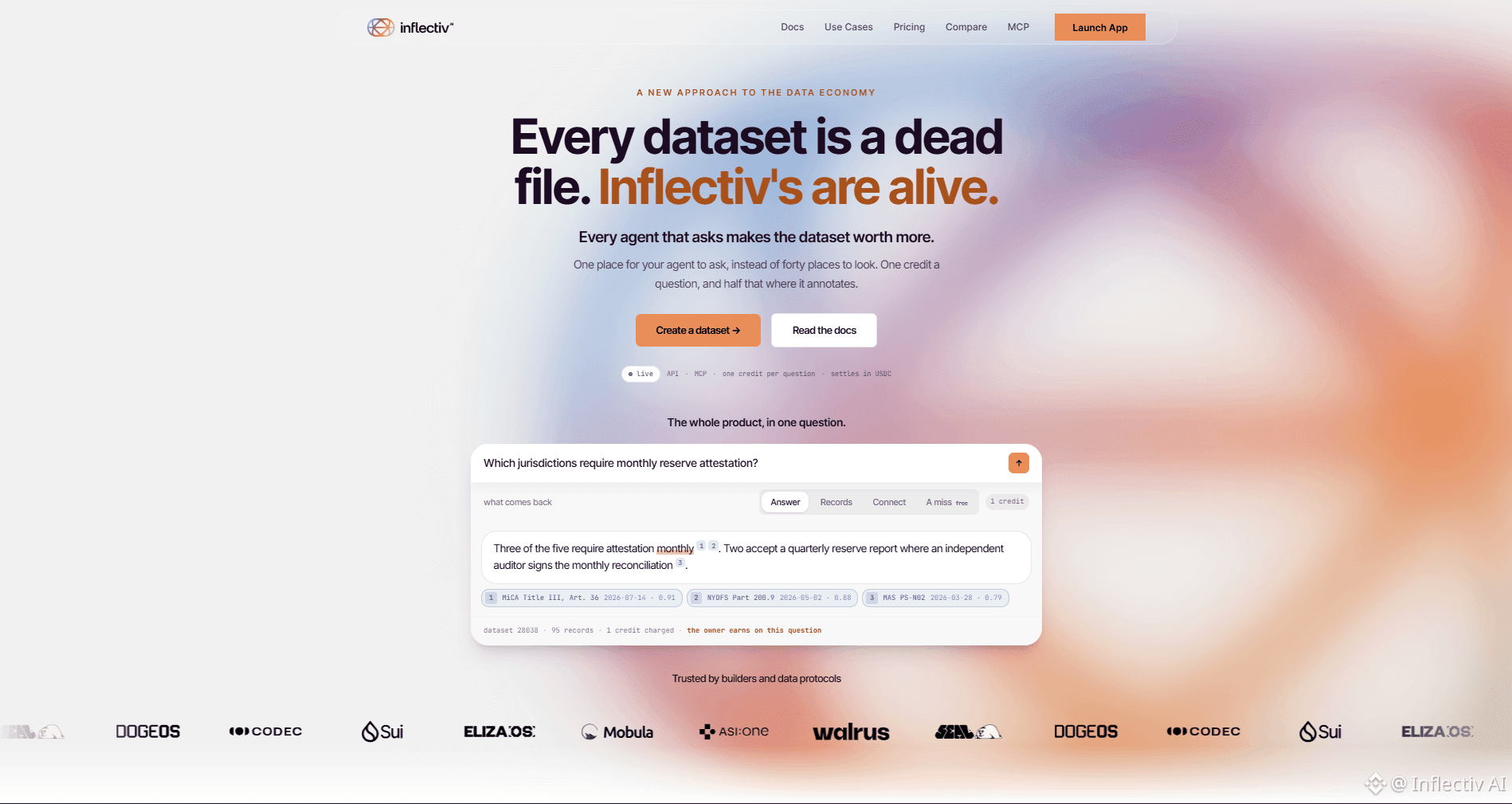
Новый сайт уже запущен.
Большинство наборов данных — это мёртвые файлы. Наши остаются живыми. Ваш агент задаёт вопрос, платит 1 кредит, получает ответ с источниками и добавляет обратно то, чему научился.
Узнайте больше здесь: https://x.com/inflectivAI/status/2096929336662086117
Посмотреть: https://inflectiv.ai
Новый сайт уже запущен.
Большинство наборов данных — это мёртвые файлы. Наши остаются живыми. Ваш агент задаёт вопрос, платит 1 кредит, получает ответ с источниками и добавляет обратно то, чему научился.
Узнайте больше здесь: https://x.com/inflectivAI/status/2096929336662086117
Посмотреть: https://inflectiv.ai
Большинство наборов данных — это мёртвые файлы. Наши остаются живыми. Ваш агент задаёт вопрос, платит 1 кредит, получает ответ с источниками и добавляет обратно то, чему научился.
Узнайте больше здесь: https://x.com/inflectivAI/status/2096929336662086117
Посмотреть: https://inflectiv.ai
64
·
--
См. перевод
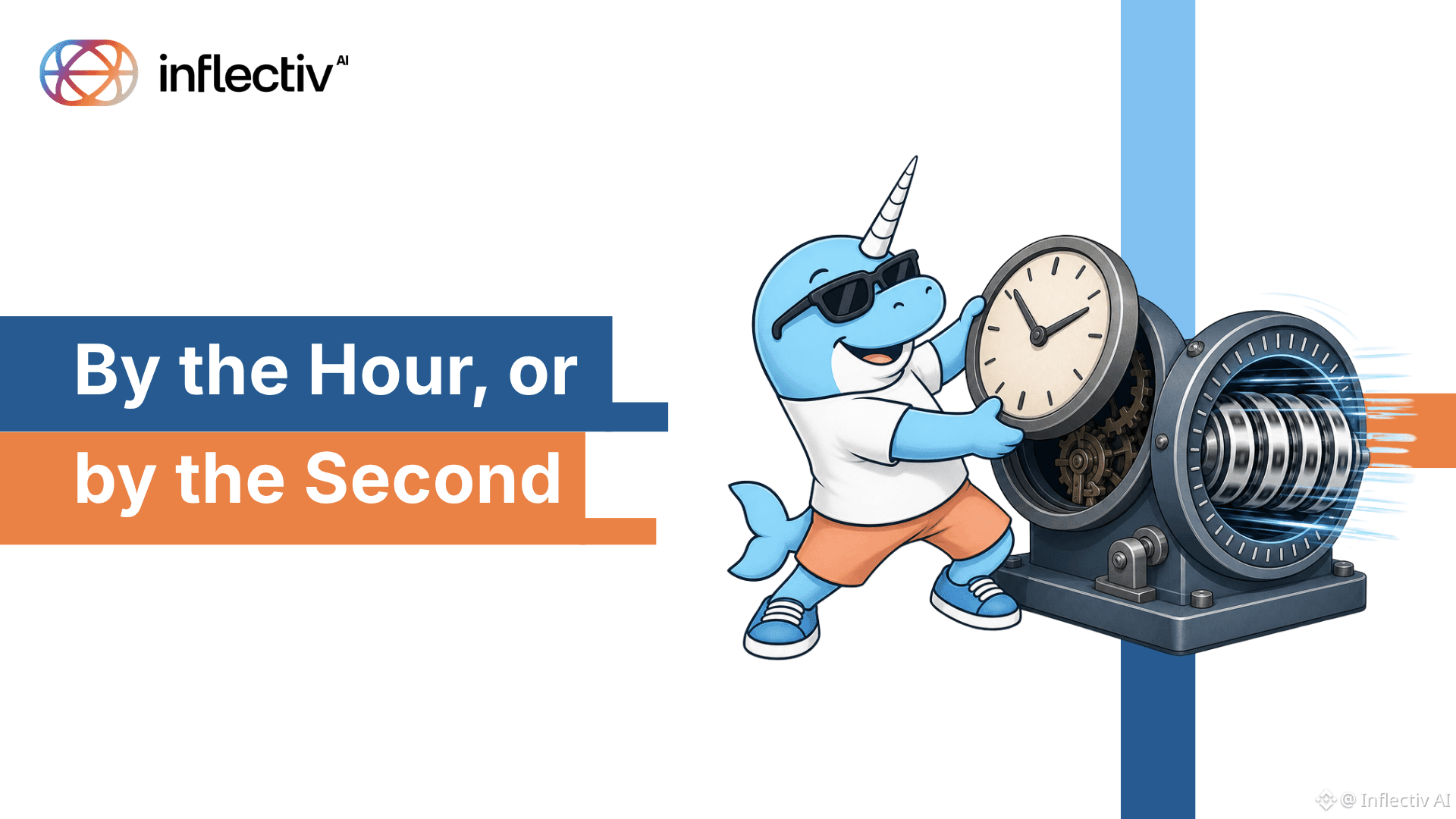
Domain expertise has always been rentable by the hour. It has never been queryable by the second.
Make yours queryable: https://app.inflectiv.ai
Domain expertise has always been rentable by the hour. It has never been queryable by the second.
Make yours queryable: https://app.inflectiv.ai
Make yours queryable: https://app.inflectiv.ai
71
·
--
Inflectiv не работает в одиночку.
Он объединяет данные, интеллект и реальные сценарии использования в один мощный слой.
Слой ценен ровно настолько, насколько к нему есть связи.
Откройте для себя Inflectiv: https://inflectiv.ai
Inflectiv не работает в одиночку.
Он объединяет данные, интеллект и реальные сценарии использования в один мощный слой.
Слой ценен ровно настолько, насколько к нему есть связи.
Откройте для себя Inflectiv: https://inflectiv.ai
Он объединяет данные, интеллект и реальные сценарии использования в один мощный слой.
Слой ценен ровно настолько, насколько к нему есть связи.
Откройте для себя Inflectiv: https://inflectiv.ai

101
·
--
См. перевод
The best time to structure your knowledge was when you first created it.
The second best time is right now.
Upload one file today. See what happens.
Start: app.inflectiv.ai
The best time to structure your knowledge was when you first created it.
The second best time is right now.
Upload one file today. See what happens.
Start: app.inflectiv.ai
The second best time is right now.
Upload one file today. See what happens.
Start: app.inflectiv.ai

81
·
--
Статья
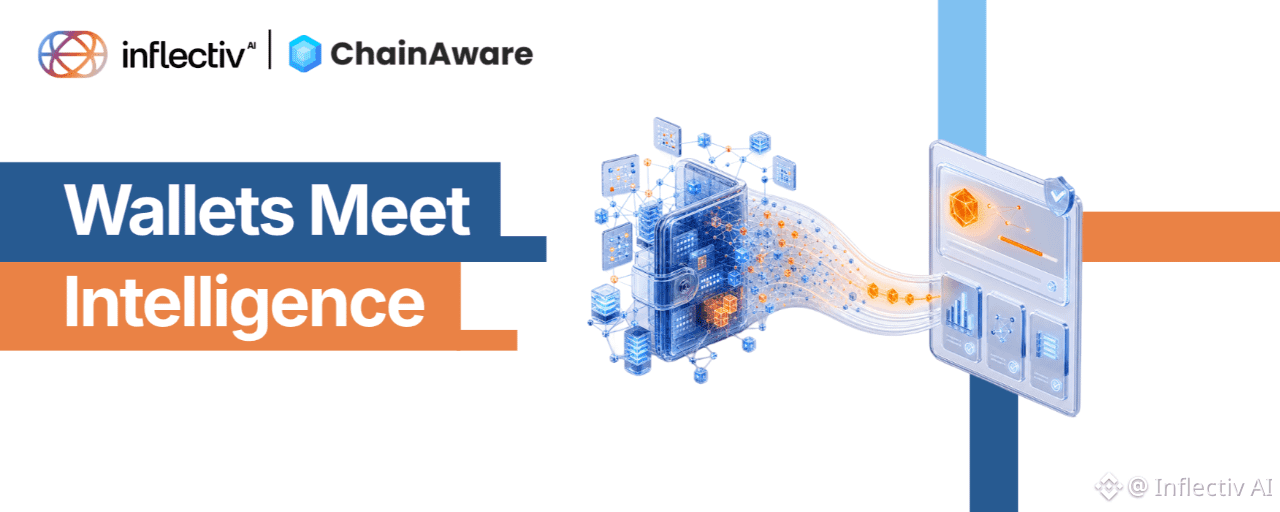
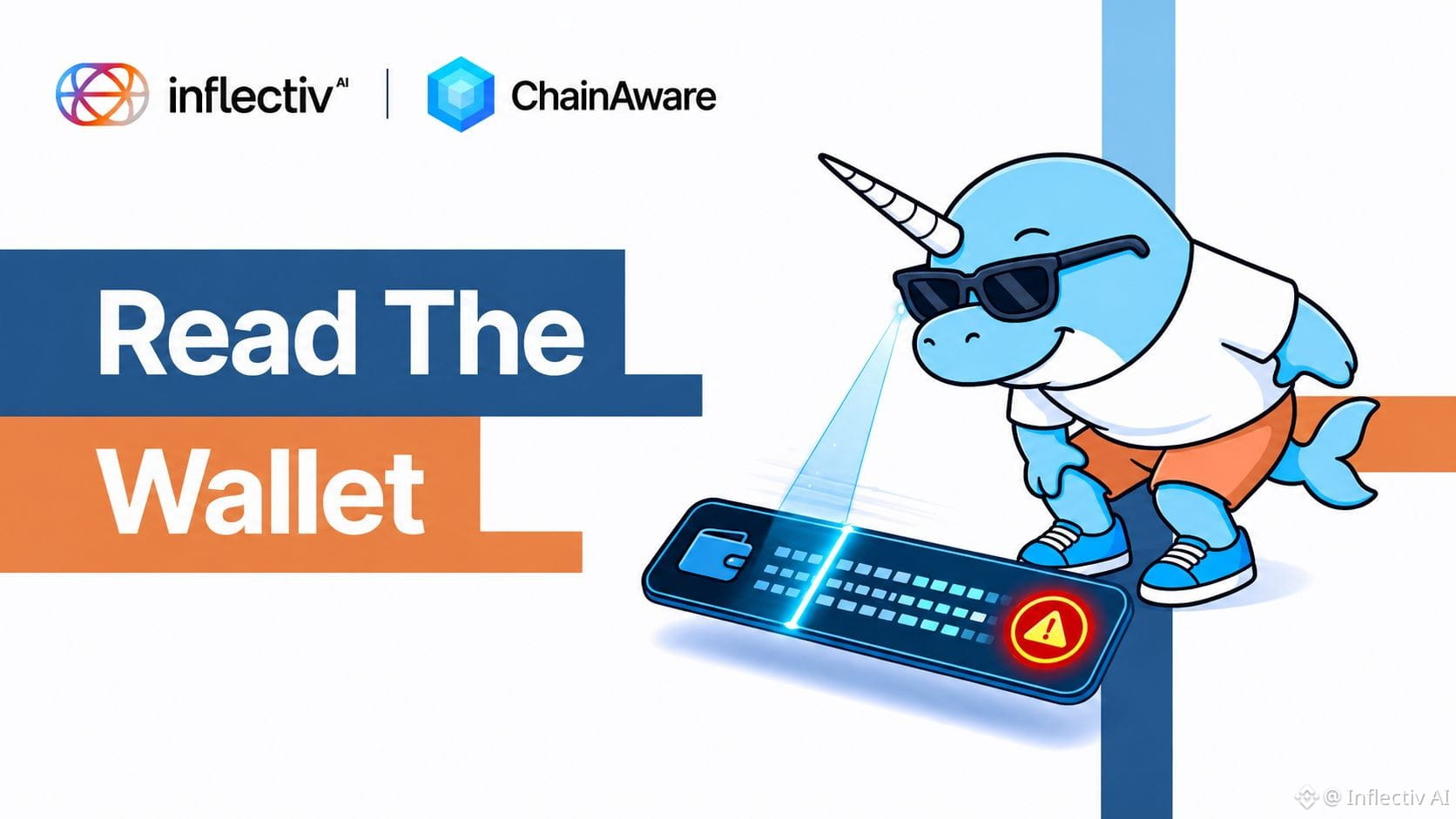
Ваш агент теперь может сказать, безопасен ли кошелёкКаждому агенту, который когда-либо взаимодействует с криптовалютой, рано или поздно приходится столкнуться с одним и тем же вопросом: этот кошелёк безопасен для работы с ним? До сегодняшнего дня большинство агентских платформ отвечали пожиманием плеч.
Теперь агенты Inflectiv несут в себе «кошелёчную» интеллектуальную аналитику ChainAware: актуальное считывание вероятности мошенничества, риска «rug-pull», поведения кошелька, сегментации, крипто-кредитного скоринга и рейтингов сообществ токенов.
Представьте это как бюро кредитных историй для криптокошельков, встроенное прямо в ответы вашего агента.
Что ваш агент может делать сейчас
Задайте прямой вопрос: «Безопасен ли этот кошелёк для оплаты?», а ваш агент Inflectiv запрашивает ChainAware в реальном времени, во время разговора, и отвечает простым языком, прилагая результат.
Ваш агент теперь может сказать, безопасен ли кошелёк
Каждому агенту, который когда-либо взаимодействует с криптовалютой, рано или поздно приходится столкнуться с одним и тем же вопросом: этот кошелёк безопасен для работы с ним? До сегодняшнего дня большинство агентских платформ отвечали пожиманием плеч.
Теперь агенты Inflectiv несут в себе «кошелёчную» интеллектуальную аналитику ChainAware: актуальное считывание вероятности мошенничества, риска «rug-pull», поведения кошелька, сегментации, крипто-кредитного скоринга и рейтингов сообществ токенов.
Представьте это как бюро кредитных историй для криптокошельков, встроенное прямо в ответы вашего агента.
Что ваш агент может делать сейчас
Задайте прямой вопрос: «Безопасен ли этот кошелёк для оплаты?», а ваш агент Inflectiv запрашивает ChainAware в реальном времени, во время разговора, и отвечает простым языком, прилагая результат.
Теперь агенты Inflectiv несут в себе «кошелёчную» интеллектуальную аналитику ChainAware: актуальное считывание вероятности мошенничества, риска «rug-pull», поведения кошелька, сегментации, крипто-кредитного скоринга и рейтингов сообществ токенов.
Представьте это как бюро кредитных историй для криптокошельков, встроенное прямо в ответы вашего агента.
Что ваш агент может делать сейчас
Задайте прямой вопрос: «Безопасен ли этот кошелёк для оплаты?», а ваш агент Inflectiv запрашивает ChainAware в реальном времени, во время разговора, и отвечает простым языком, прилагая результат.
71
·
--
Ваш агент может выполнить сделку, подписать транзакцию и перевести средства за секунды.
Скорость никогда не была сложной частью. Сложностью было доверие. Сегодня это меняется.
ChainAware уже доступен внутри Inflectiv.
Подробнее здесь: https://x.com/inflectivAI/status/2091888510114349098
Ваш агент может выполнить сделку, подписать транзакцию и перевести средства за секунды.
Скорость никогда не была сложной частью. Сложностью было доверие. Сегодня это меняется.
ChainAware уже доступен внутри Inflectiv.
Подробнее здесь: https://x.com/inflectivAI/status/2091888510114349098
Скорость никогда не была сложной частью. Сложностью было доверие. Сегодня это меняется.
ChainAware уже доступен внутри Inflectiv.
Подробнее здесь: https://x.com/inflectivAI/status/2091888510114349098
78
·
--
Наборы данных обрабатываются быстрее, чем когда-либо, на Inflectiv 2.5.
Что вы создадите первым с этой скоростью?
Наборы данных обрабатываются быстрее, чем когда-либо, на Inflectiv 2.5.
Что вы создадите первым с этой скоростью?
Что вы создадите первым с этой скоростью?
AI agent
0%
Tokenize a dataset
0%
Sell on marketplace
0%
Build with MCP
0%
0 проголосовали • Голосование закрыто
94
·
--

Статья
Inflectiv 2.5 уже в сети: Каждая секунда на счетуInflectiv 2.5 теперь в сети.
Мы заново построили то, как Inflectiv читает ваши файлы и ваши сайты.
Вот всё, что появилось нового.
Быстрее обработка файлов
Большие документы теперь обрабатываются частями — все одновременно.
• Если одна часть не сработала, повторяется только она, а не весь файл
• Больше нет ограничения по размеру файла
• Загружайте до 20 файлов за раз
Сканирование, заново создано
Сканирование тоже стало быстрее, особенно на больших сайтах.
• Сканирование на 20 страниц теперь занимает 4 секунды вместо 33
• Чем больше сайт, тем больше улучшение
Inflectiv 2.5 уже в сети: Каждая секунда на счету
Inflectiv 2.5 теперь в сети.
Мы заново построили то, как Inflectiv читает ваши файлы и ваши сайты.
Вот всё, что появилось нового.
Быстрее обработка файлов
Большие документы теперь обрабатываются частями — все одновременно.
• Если одна часть не сработала, повторяется только она, а не весь файл
• Больше нет ограничения по размеру файла
• Загружайте до 20 файлов за раз
Сканирование, заново создано
Сканирование тоже стало быстрее, особенно на больших сайтах.
• Сканирование на 20 страниц теперь занимает 4 секунды вместо 33
• Чем больше сайт, тем больше улучшение
Мы заново построили то, как Inflectiv читает ваши файлы и ваши сайты.
Вот всё, что появилось нового.
Быстрее обработка файлов
Большие документы теперь обрабатываются частями — все одновременно.
• Если одна часть не сработала, повторяется только она, а не весь файл
• Больше нет ограничения по размеру файла
• Загружайте до 20 файлов за раз
Сканирование, заново создано
Сканирование тоже стало быстрее, особенно на больших сайтах.
• Сканирование на 20 страниц теперь занимает 4 секунды вместо 33
• Чем больше сайт, тем больше улучшение
77
·
--
Inflectiv 2.5 уже запущен. И он быстрый.
33 секунды до 4. Тот же 20-страничный пролог, но более чем в 8 раз быстрее.
Параллельная обработка файлов. Более справедливые очереди. Возвраты, которые автоматически поступают.
Вот что изменилось 👇
Прочитайте весь тред здесь: https://x.com/inflectivAI/status/2088212709204513145
Inflectiv 2.5 уже запущен. И он быстрый.
33 секунды до 4. Тот же 20-страничный пролог, но более чем в 8 раз быстрее.
Параллельная обработка файлов. Более справедливые очереди. Возвраты, которые автоматически поступают.
Вот что изменилось 👇
Прочитайте весь тред здесь: https://x.com/inflectivAI/status/2088212709204513145
33 секунды до 4. Тот же 20-страничный пролог, но более чем в 8 раз быстрее.
Параллельная обработка файлов. Более справедливые очереди. Возвраты, которые автоматически поступают.
Вот что изменилось 👇
Прочитайте весь тред здесь: https://x.com/inflectivAI/status/2088212709204513145

81
·
--
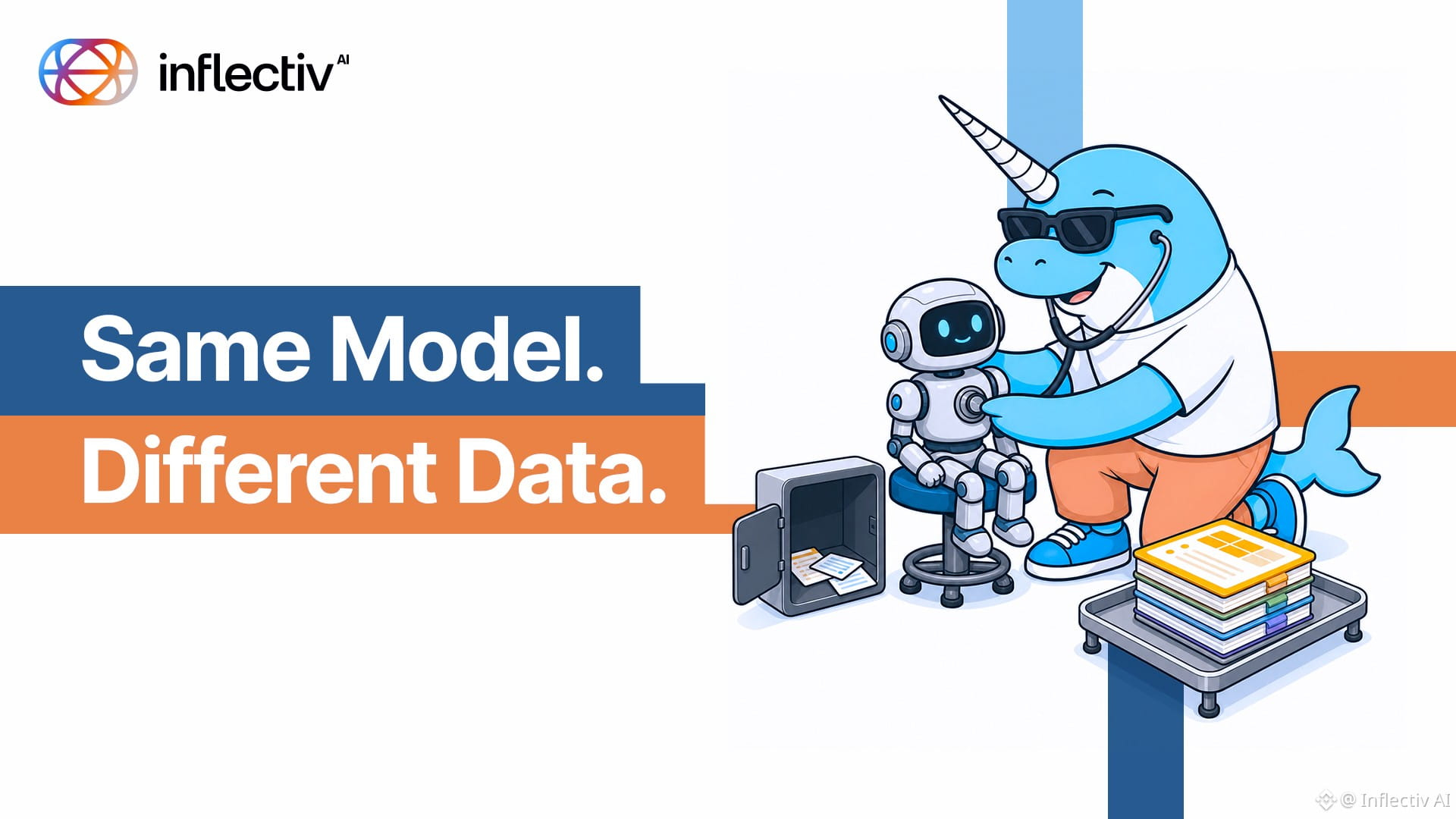
Галлюцинации ИИ — это проблема данных. А не модели.
И её можно решить уже сегодня.
Полная ветка 👉 https://x.com/inflectivAI/status/2087464576975548755
Галлюцинации ИИ — это проблема данных. А не модели.
И её можно решить уже сегодня.
Полная ветка 👉 https://x.com/inflectivAI/status/2087464576975548755
И её можно решить уже сегодня.
Полная ветка 👉 https://x.com/inflectivAI/status/2087464576975548755
65
·
--
Inflectiv MCP значит, что вы никогда не покидаете свой редактор.
Создавайте агентов. Загружайте документы. Ищите знания. Просматривайте маркетплейс. Оплачивайте с помощью USDC.
26 инструментов. Одна команда.
Подключите вашу IDE: app.inflectiv.ai
Inflectiv MCP значит, что вы никогда не покидаете свой редактор.
Создавайте агентов. Загружайте документы. Ищите знания. Просматривайте маркетплейс. Оплачивайте с помощью USDC.
26 инструментов. Одна команда.
Подключите вашу IDE: app.inflectiv.ai
Создавайте агентов. Загружайте документы. Ищите знания. Просматривайте маркетплейс. Оплачивайте с помощью USDC.
26 инструментов. Одна команда.
Подключите вашу IDE: app.inflectiv.ai

72
·
--

Статья
Когда агенты начинают писать, всё меняется.На этой неделе произошло три события — и все они указывают на один и тот же сдвиг.
Два года агенты были читателями. Вытащи контекст, ответь на вопрос, забудь до следующего запуска. Плохой ответ оставался на экране. На этой неделе мы посидели и посмотрели, что меняется, когда они перестают читать и начинают действовать.
Во-первых, честное число. Никто не говорит вам об этом, когда вы начинаете строить ИИ-агентов: модель — это десять процентов работы. Данные — девяносто. Большинство команд тратят время на эти десять процентов и удивляются, почему их агент постоянно промахивается. Это был пост в понедельник: короткий, прямой и служивший основой для всего, что было дальше.
Когда агенты начинают писать, всё меняется.
На этой неделе произошло три события — и все они указывают на один и тот же сдвиг.
Два года агенты были читателями. Вытащи контекст, ответь на вопрос, забудь до следующего запуска. Плохой ответ оставался на экране. На этой неделе мы посидели и посмотрели, что меняется, когда они перестают читать и начинают действовать.
Во-первых, честное число. Никто не говорит вам об этом, когда вы начинаете строить ИИ-агентов: модель — это десять процентов работы. Данные — девяносто. Большинство команд тратят время на эти десять процентов и удивляются, почему их агент постоянно промахивается. Это был пост в понедельник: короткий, прямой и служивший основой для всего, что было дальше.
Два года агенты были читателями. Вытащи контекст, ответь на вопрос, забудь до следующего запуска. Плохой ответ оставался на экране. На этой неделе мы посидели и посмотрели, что меняется, когда они перестают читать и начинают действовать.
Во-первых, честное число. Никто не говорит вам об этом, когда вы начинаете строить ИИ-агентов: модель — это десять процентов работы. Данные — девяносто. Большинство команд тратят время на эти десять процентов и удивляются, почему их агент постоянно промахивается. Это был пост в понедельник: короткий, прямой и служивший основой для всего, что было дальше.
68
·
--
Статья
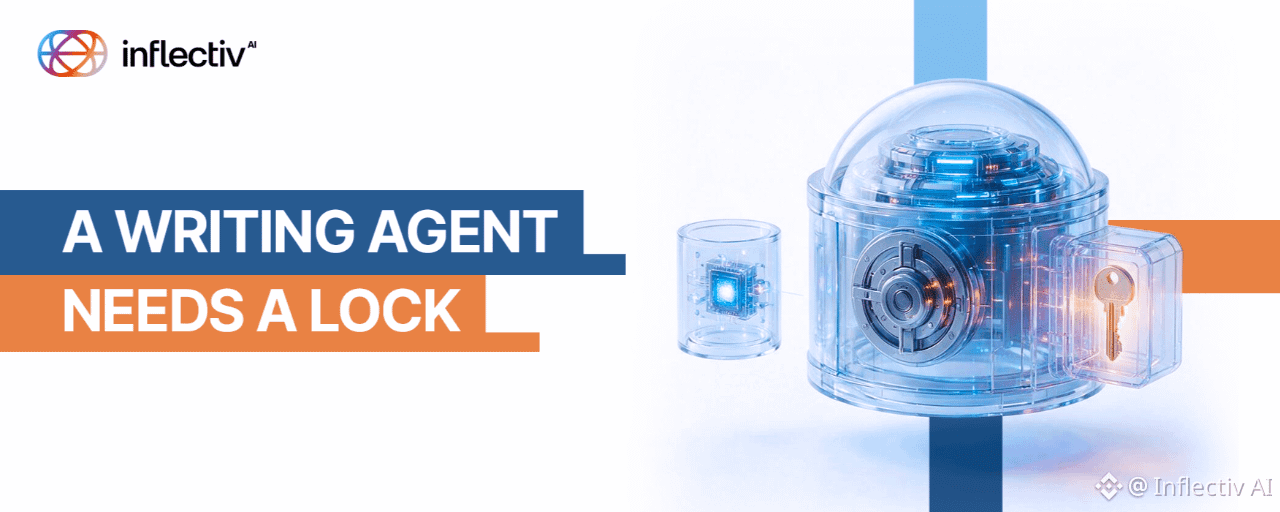
Читающий агент безопасен. Пишущий агент — нет.Агент, который только читает, может вас поставить в неловкое положение. Агент, который пишет, может вам дорого обойтись.
Одна эта строка — единственная причина, по которой существует Agent Vault.
В течение большей части последних двух лет агенты были читателями. Они извлекали контекст, отвечали на вопрос и забывали всё к следующему запуску. Плохой ответ — значит плохой ответ. Ты исправлял его и шёл дальше. Следствия заканчивались на экране.
Тогда агенты начали действовать. Отправка письма. Перевод средств. Обновление записи. Обратная запись в систему, от которой зависят другие люди.
Читающий агент безопасен. Пишущий агент — нет.
Агент, который только читает, может вас поставить в неловкое положение. Агент, который пишет, может вам дорого обойтись.
Одна эта строка — единственная причина, по которой существует Agent Vault.
В течение большей части последних двух лет агенты были читателями. Они извлекали контекст, отвечали на вопрос и забывали всё к следующему запуску. Плохой ответ — значит плохой ответ. Ты исправлял его и шёл дальше. Следствия заканчивались на экране.
Тогда агенты начали действовать. Отправка письма. Перевод средств. Обновление записи. Обратная запись в систему, от которой зависят другие люди.
Одна эта строка — единственная причина, по которой существует Agent Vault.
В течение большей части последних двух лет агенты были читателями. Они извлекали контекст, отвечали на вопрос и забывали всё к следующему запуску. Плохой ответ — значит плохой ответ. Ты исправлял его и шёл дальше. Следствия заканчивались на экране.
Тогда агенты начали действовать. Отправка письма. Перевод средств. Обновление записи. Обратная запись в систему, от которой зависят другие люди.
69
·
--
То, чего никто не говорит вам о создании ИИ-агентов:
Модель — это 10% работы.
Данные — это 90% работы.
Inflectiv берет на себя сложные 90%.
Сфокусируйтесь на главном: https://app.inflectiv.ai
То, чего никто не говорит вам о создании ИИ-агентов:
Модель — это 10% работы.
Данные — это 90% работы.
Inflectiv берет на себя сложные 90%.
Сфокусируйтесь на главном: https://app.inflectiv.ai
Модель — это 10% работы.
Данные — это 90% работы.
Inflectiv берет на себя сложные 90%.
Сфокусируйтесь на главном: https://app.inflectiv.ai

71
·
--
Что бы вы построили в первую очередь на Inflectiv?
Что бы вы построили в первую очередь на Inflectiv?
Support agent
0%
Research tool
0%
Knowledge base
0%
Dataset to sell
0%
0 проголосовали • Голосование закрыто
78
Войдите, чтобы посмотреть больше материала
Присоединяйтесь к пользователям криптовалют по всему миру на Binance Square
⚡️ Получайте новейшую и полезную информацию о криптоактивах.
💬 Нам доверяет крупнейшая в мире криптобиржа.
👍 Получите достоверные аналитические данные от верифицированных создателей контента.
Эл. почта/номер телефона
В тренде
fomcотслеживание
Просмотров: 41,471
337 обсуждают
Btc требуется спрос
Значительные средства поступают в Btc ETF — в начале сентября спотовые биткоин-ETF США за неделю показали чистый приток ~ $987 млн. Это увеличивает реальный спотовый спрос.
Если политика ФРС США смягчится и ставки снизятся или рынок будет ожидать будущего снижения, приток капитала в риск-активы, включая BTC, может усилиться. И наоборот: высокие ставки оказывают давление на BTC. #ПротоколFOMC #fomcотслеживание #NEARRisesNearly80%InAWeek #MultiversXPlansHardForkRecovery #CircleLaunchesInstitutionalBTCBackedBorrowing
za3a
·Лайков: 0
·Просмотров: 315
ПротоколFOMC
Просмотров: 28,903
125 обсуждают
PolymarketBankFailureBetsDrawFDICConcern
Просмотров: 2,190
125 обсуждают