

All crypto market update
4.9k Публикации

All crypto market update
Отправить жалобу
Заблокировать пользователя
We provide you all latest crypto update
14 подписок(и/а)
141 подписчиков(а)
1.3K+ понравилось
Посты
Все
Цитирования
Видео
94
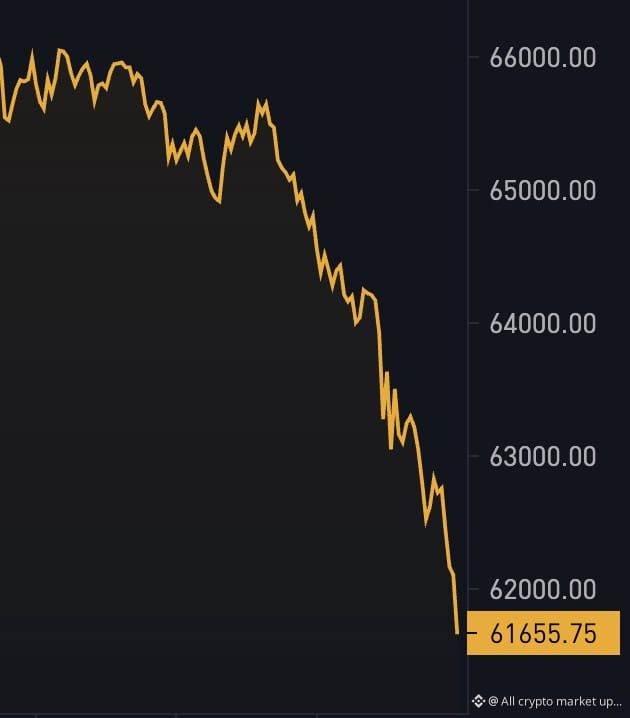
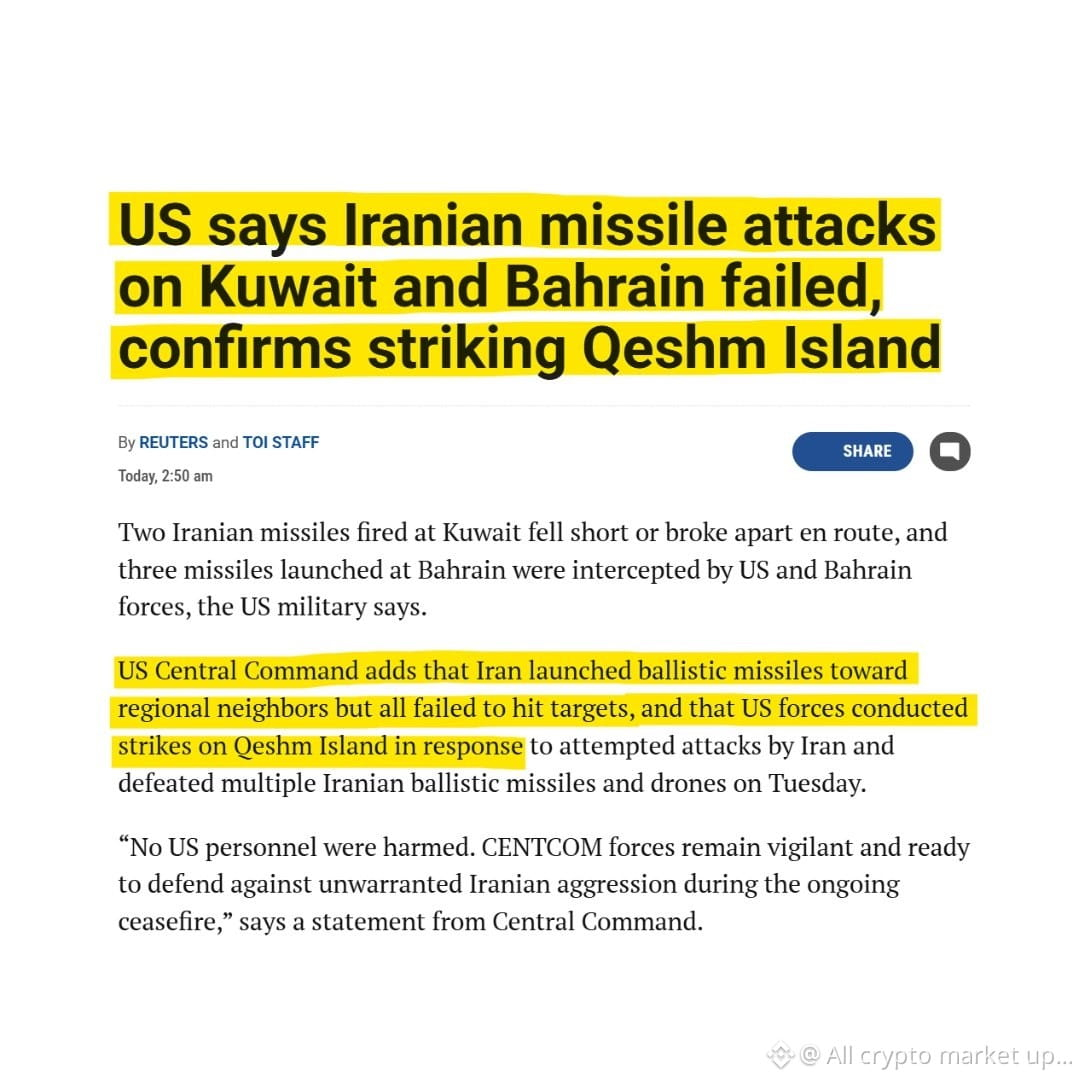
🚨 СРОЧНО: 🇮🇷 Иран, по сообщениям, запустил баллистические ракеты в сторону Кувейта и Бахрейна.
⚠️ CENTCOM сообщает, что силы США провели удары "в целях самообороны" по иранскому острову Кешм и перехватили несколько иранских ракет и беспилотников.
🇰🇼 Кувейт сообщает, что его системы ПВО успешно сбилиIncoming угрозы.
🇧🇭 Бахрейн активировал национальные сирены тревоги, поскольку напряженность быстро нарастает по всему региону Персидского залива.
Это означает серьезную эскалацию с прямыми атаками вблизи ключевых союзников США и стратегических нефтяных маршрутов.
#Iran #MiddleEast #Oil #Geopolitics #markets
🚨 СРОЧНО: 🇮🇷 Иран, по сообщениям, запустил баллистические ракеты в сторону Кувейта и Бахрейна.
⚠️ CENTCOM сообщает, что силы США провели удары "в целях самообороны" по иранскому острову Кешм и перехватили несколько иранских ракет и беспилотников.
🇰🇼 Кувейт сообщает, что его системы ПВО успешно сбилиIncoming угрозы.
🇧🇭 Бахрейн активировал национальные сирены тревоги, поскольку напряженность быстро нарастает по всему региону Персидского залива.
Это означает серьезную эскалацию с прямыми атаками вблизи ключевых союзников США и стратегических нефтяных маршрутов.
#Iran #MiddleEast #Oil #Geopolitics #markets
⚠️ CENTCOM сообщает, что силы США провели удары "в целях самообороны" по иранскому острову Кешм и перехватили несколько иранских ракет и беспилотников.
🇰🇼 Кувейт сообщает, что его системы ПВО успешно сбилиIncoming угрозы.
🇧🇭 Бахрейн активировал национальные сирены тревоги, поскольку напряженность быстро нарастает по всему региону Персидского залива.
Это означает серьезную эскалацию с прямыми атаками вблизи ключевых союзников США и стратегических нефтяных маршрутов.
#Iran #MiddleEast #Oil #Geopolitics #markets
41
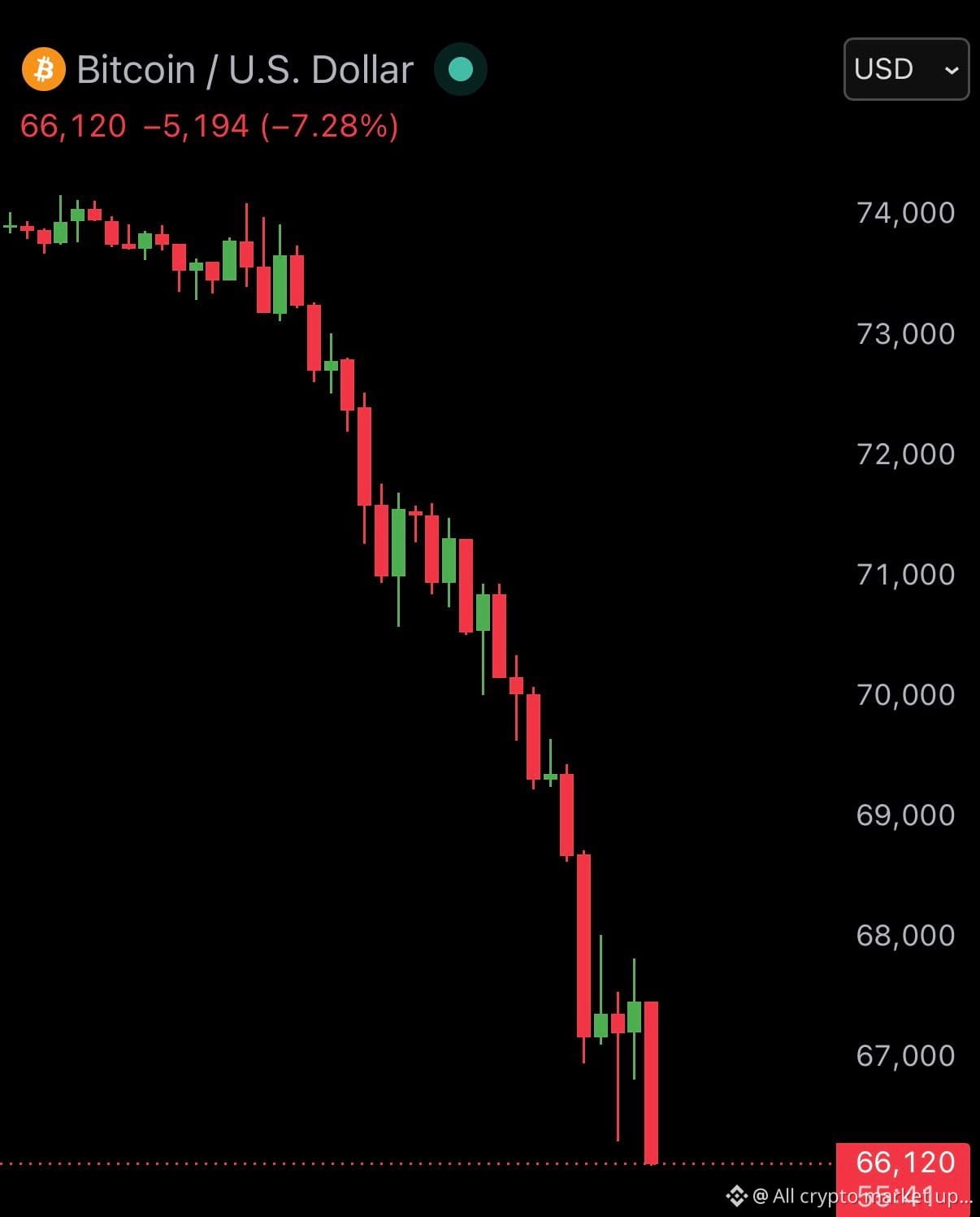
🚨 Биткоин только что рухнул на $8,000 (-10%) менее чем за 48 часов при практически отсутствии крупных негативных новостей.
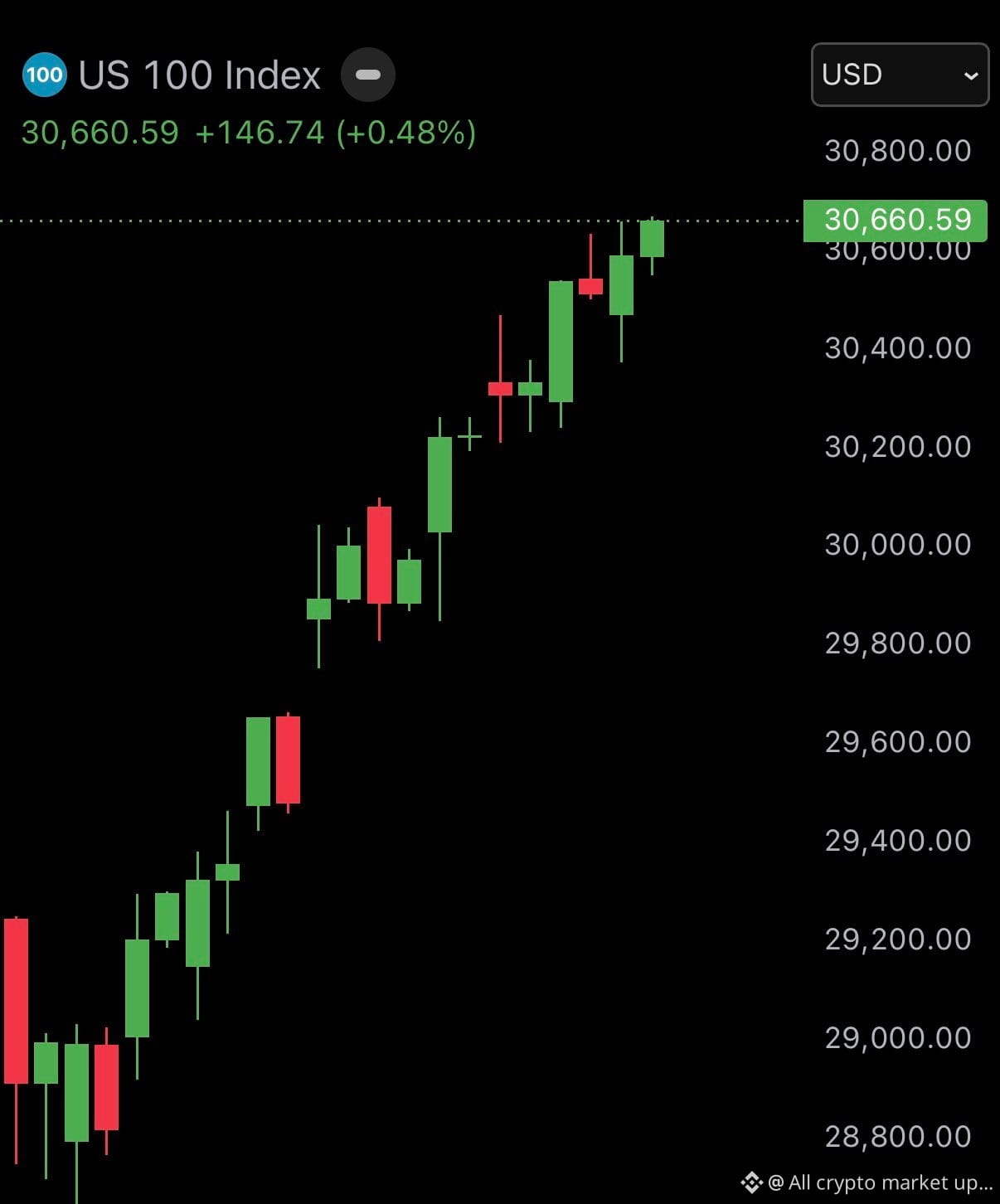
📉 Тем временем: ▪️ S&P 500 = Новый ATH
▪️ Nasdaq = Новый ATH
▪️ Акции AI взлетают ежедневно
А крипта? 🩸 Полностью разнесена.
⚠️ Более $1 миллиарда в лонгах ликвидировано. ⚠️ BTC ниже ключевой поддержки. ⚠️ ETH на много месячных минимумах.
Дивергенция между акциями и криптой стала абсолютно безумной.
#Bitcoin #Crypto #BTC #SP500 #Markets
🚨 Биткоин только что рухнул на $8,000 (-10%) менее чем за 48 часов при практически отсутствии крупных негативных новостей.
📉 Тем временем: ▪️ S&P 500 = Новый ATH
▪️ Nasdaq = Новый ATH
▪️ Акции AI взлетают ежедневно
А крипта? 🩸 Полностью разнесена.
⚠️ Более $1 миллиарда в лонгах ликвидировано. ⚠️ BTC ниже ключевой поддержки. ⚠️ ETH на много месячных минимумах.
Дивергенция между акциями и криптой стала абсолютно безумной.
#Bitcoin #Crypto #BTC #SP500 #Markets
📉 Тем временем: ▪️ S&P 500 = Новый ATH
▪️ Nasdaq = Новый ATH
▪️ Акции AI взлетают ежедневно
А крипта? 🩸 Полностью разнесена.
⚠️ Более $1 миллиарда в лонгах ликвидировано. ⚠️ BTC ниже ключевой поддержки. ⚠️ ETH на много месячных минимумах.
Дивергенция между акциями и криптой стала абсолютно безумной.
#Bitcoin #Crypto #BTC #SP500 #Markets
114
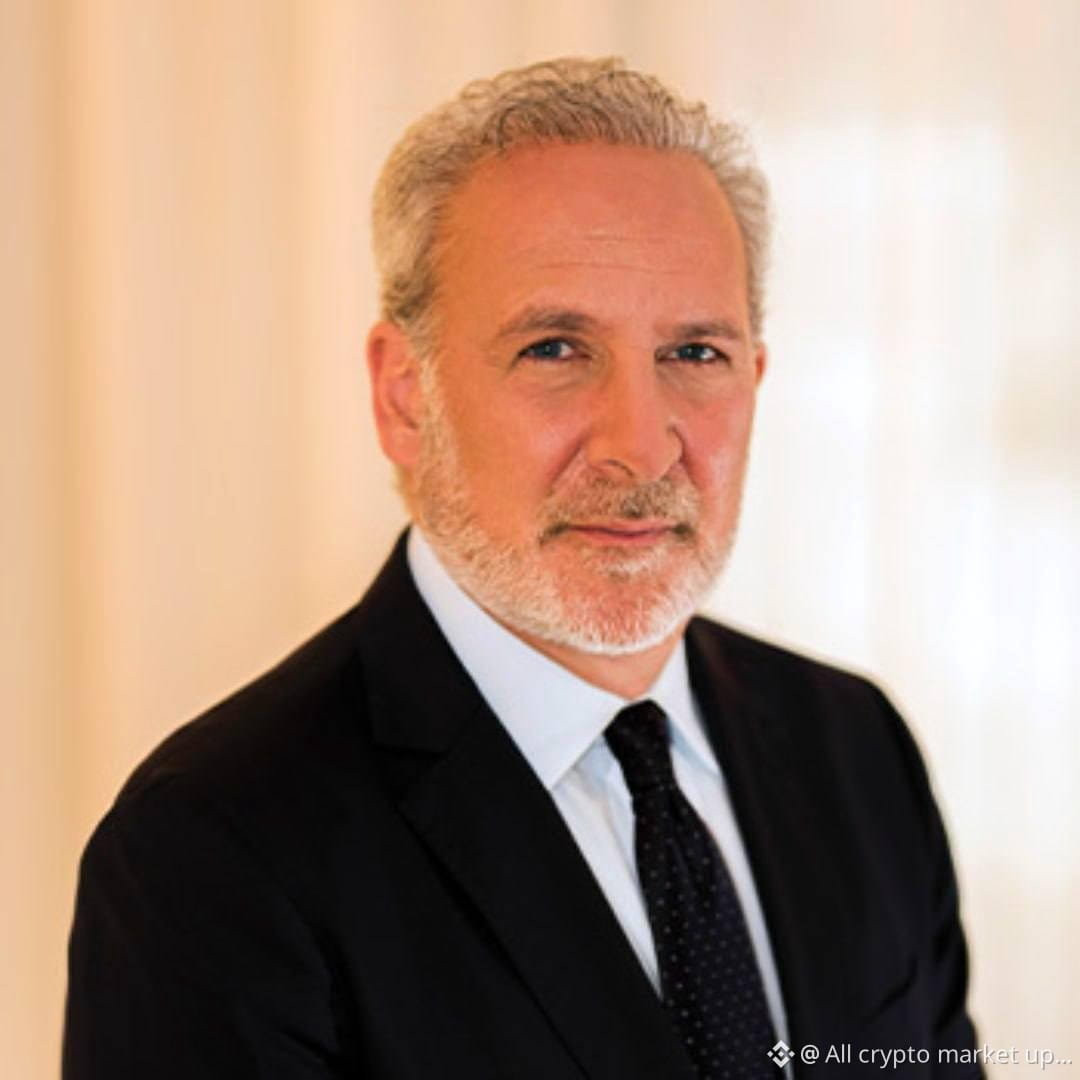
🚨 НОВОСТЬ: Питер Шифф предупреждает, что $STRC может войти в "смертельную спираль."
⚠️ Шифф утверждает, что если спрос со стороны инвесторов ослабнет, а цены продолжат падать, компании может потребоваться повысить купон, чтобы привлечь покупателей.
Проблема: ▪️ Более высокие затраты на финансирование
▪️ Большее давление со стороны волатильности Биткойна
▪️ Увеличенный риск баланса
Критики утверждают, что вся структура Strategy становится опасной, если BTC останется слабым слишком долго.
#Bitcoin #MSTR #Strategy #PeterSchiff #Markets
🚨 НОВОСТЬ: Питер Шифф предупреждает, что $STRC может войти в "смертельную спираль."
⚠️ Шифф утверждает, что если спрос со стороны инвесторов ослабнет, а цены продолжат падать, компании может потребоваться повысить купон, чтобы привлечь покупателей.
Проблема: ▪️ Более высокие затраты на финансирование
▪️ Большее давление со стороны волатильности Биткойна
▪️ Увеличенный риск баланса
Критики утверждают, что вся структура Strategy становится опасной, если BTC останется слабым слишком долго.
#Bitcoin #MSTR #Strategy #PeterSchiff #Markets
⚠️ Шифф утверждает, что если спрос со стороны инвесторов ослабнет, а цены продолжат падать, компании может потребоваться повысить купон, чтобы привлечь покупателей.
Проблема: ▪️ Более высокие затраты на финансирование
▪️ Большее давление со стороны волатильности Биткойна
▪️ Увеличенный риск баланса
Критики утверждают, что вся структура Strategy становится опасной, если BTC останется слабым слишком долго.
#Bitcoin #MSTR #Strategy #PeterSchiff #Markets

63
🚨 СРОЧНО: США наложили санкции на крупнейшую криптобиржу Ирана, Nobitex, обвиняя её в помощи Ирану в обходе санкций и содействии транзакциям, связанным с КСИР.
Nobitex, с более чем 11 миллионами пользователей, считается опорой крипторынка Ирана.
Это одно из крупнейших регуляторных действий против крупной криптобиржи за последние годы и может иметь значительные последствия для экосистемы цифровых активов Ирана.
🚨 СРОЧНО: США наложили санкции на крупнейшую криптобиржу Ирана, Nobitex, обвиняя её в помощи Ирану в обходе санкций и содействии транзакциям, связанным с КСИР.
Nobitex, с более чем 11 миллионами пользователей, считается опорой крипторынка Ирана.
Это одно из крупнейших регуляторных действий против крупной криптобиржи за последние годы и может иметь значительные последствия для экосистемы цифровых активов Ирана.
Nobitex, с более чем 11 миллионами пользователей, считается опорой крипторынка Ирана.
Это одно из крупнейших регуляторных действий против крупной криптобиржи за последние годы и может иметь значительные последствия для экосистемы цифровых активов Ирана.

173
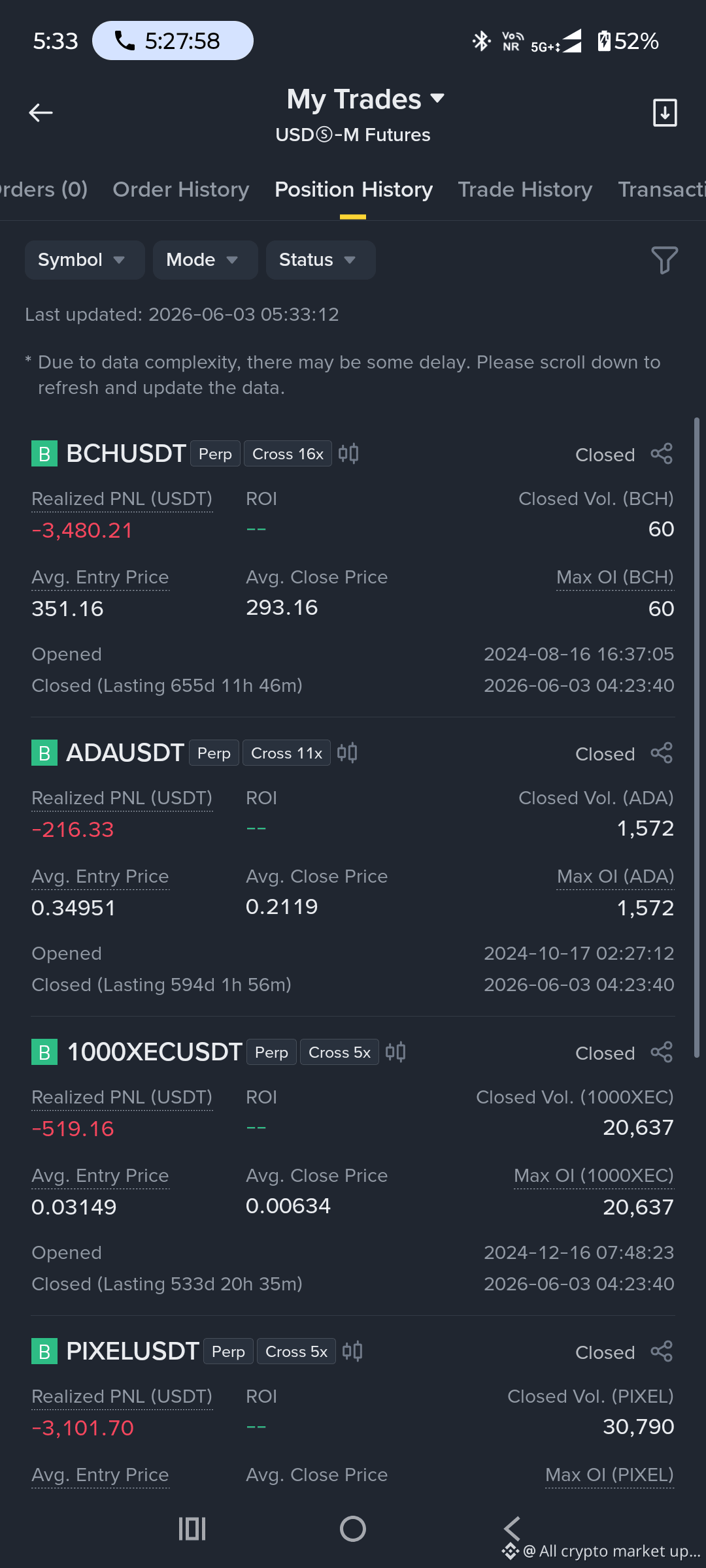
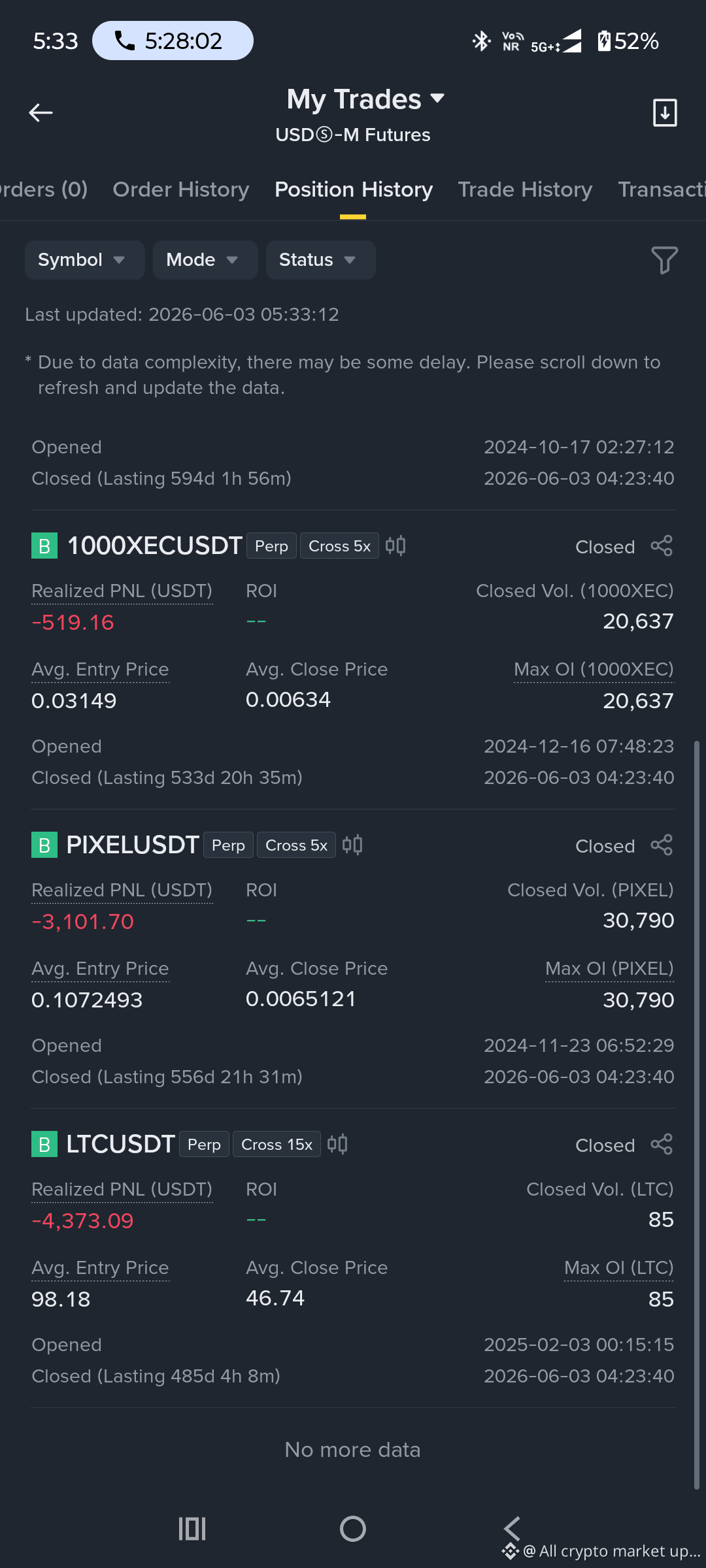
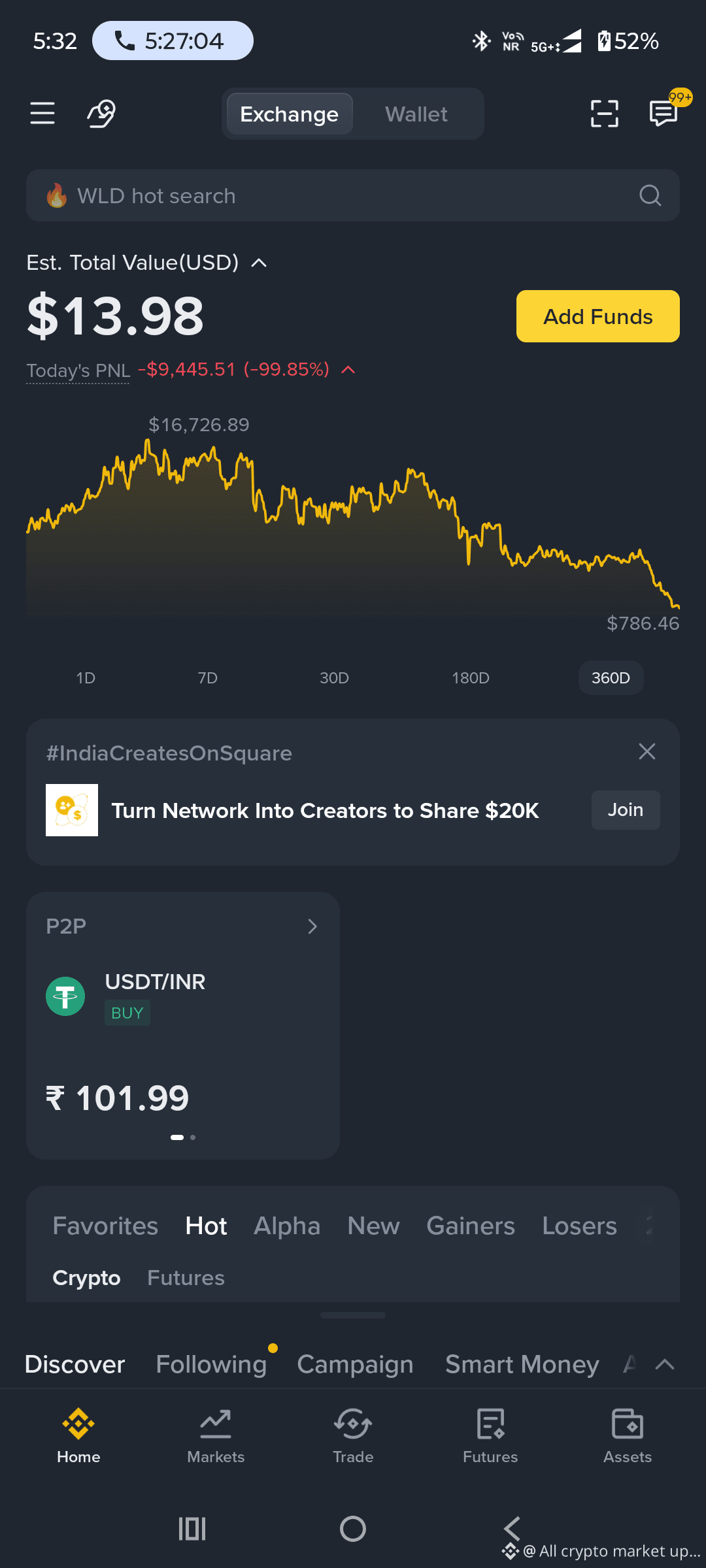
Я ухожу из крипты.
Потерял почти все, гоняясь за графиками, плечом и надеждой.
Морально exhausted. Финансово сломан.
Может, крипта изменила чьи-то жизни, но моя она разрушила.
Время заново строить свою жизнь с нуля.
#BTC
Я ухожу из крипты.
Потерял почти все, гоняясь за графиками, плечом и надеждой.
Морально exhausted. Финансово сломан.
Может, крипта изменила чьи-то жизни, но моя она разрушила.
Время заново строить свою жизнь с нуля.
#BTC
Потерял почти все, гоняясь за графиками, плечом и надеждой.
Морально exhausted. Финансово сломан.
Может, крипта изменила чьи-то жизни, но моя она разрушила.
Время заново строить свою жизнь с нуля.
#BTC
11
302
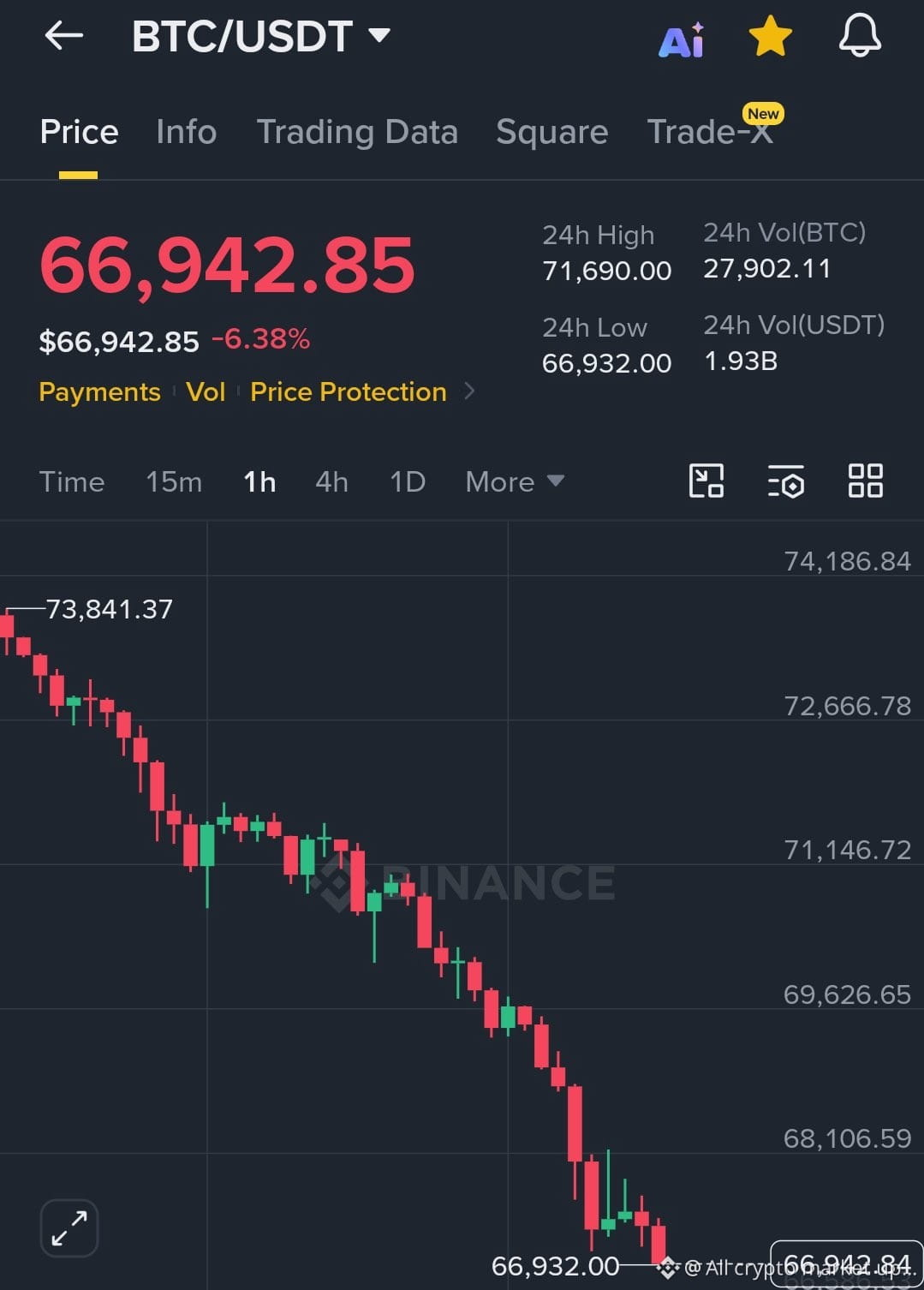
🚨 Биткойн упал ниже $67K впервые за почти 2 месяца.
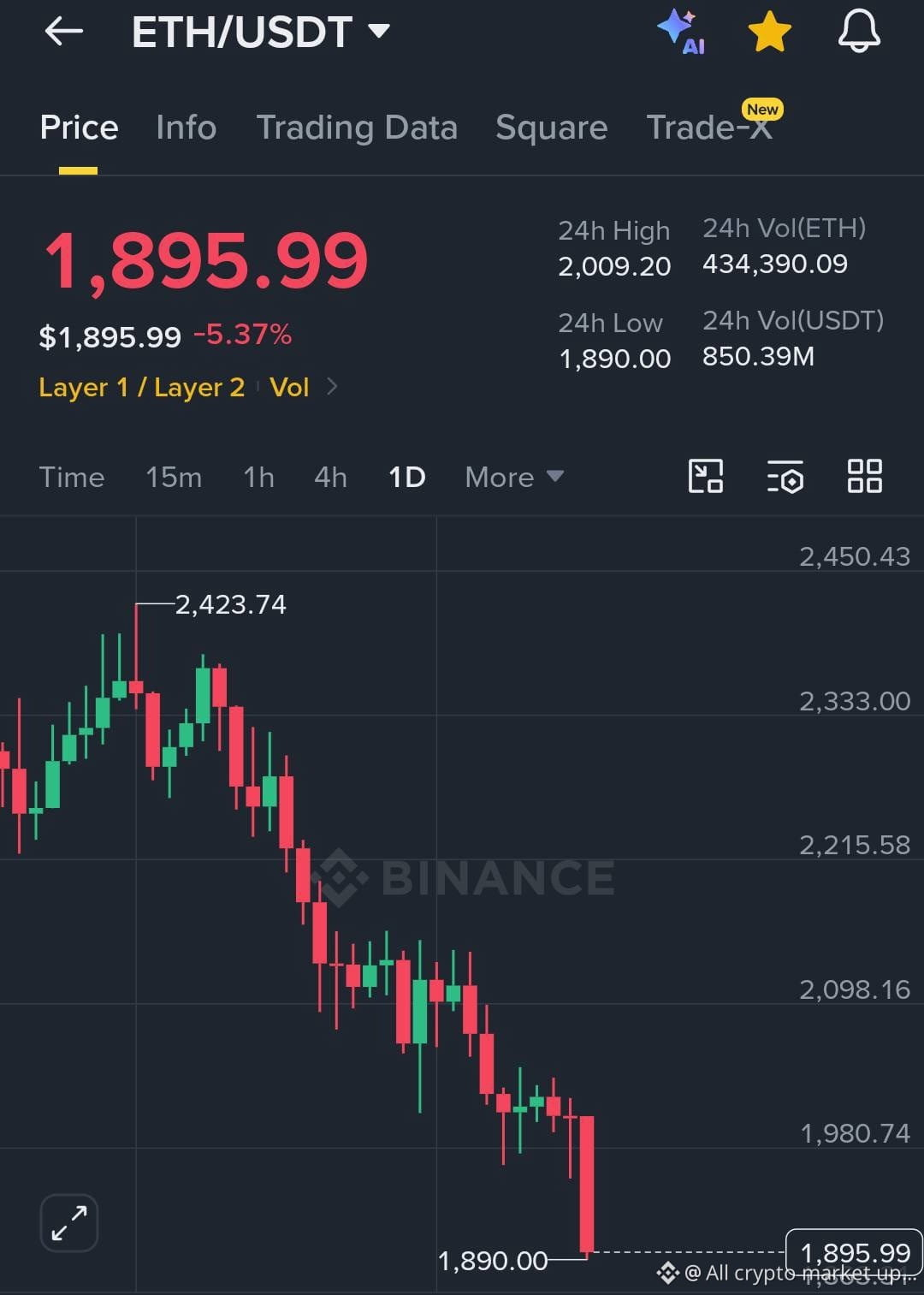
📉 Эфириум упал ниже $1.9K, что является его самым низким уровнем за 3 месяца.
💥 Более $1.35 БИЛЛИОНА в крипто-лонгах ликвидировано всего за 24 часа.
А самая безумная часть?
📈 Фондовый рынок США всё ещё бьёт НОВЫЕ ИСТОРИЧЕСКИЕ РЕКОРДЫ.
Акции празднуют. Крипта истекает кровью.
Это расхождение становится невозможным для игнорирования.
#Bitcoin #Ethereum #Crypto #SP500 #markets
🚨 Биткойн упал ниже $67K впервые за почти 2 месяца.
📉 Эфириум упал ниже $1.9K, что является его самым низким уровнем за 3 месяца.
💥 Более $1.35 БИЛЛИОНА в крипто-лонгах ликвидировано всего за 24 часа.
А самая безумная часть?
📈 Фондовый рынок США всё ещё бьёт НОВЫЕ ИСТОРИЧЕСКИЕ РЕКОРДЫ.
Акции празднуют. Крипта истекает кровью.
Это расхождение становится невозможным для игнорирования.
#Bitcoin #Ethereum #Crypto #SP500 #markets
📉 Эфириум упал ниже $1.9K, что является его самым низким уровнем за 3 месяца.
💥 Более $1.35 БИЛЛИОНА в крипто-лонгах ликвидировано всего за 24 часа.
А самая безумная часть?
📈 Фондовый рынок США всё ещё бьёт НОВЫЕ ИСТОРИЧЕСКИЕ РЕКОРДЫ.
Акции празднуют. Крипта истекает кровью.
Это расхождение становится невозможным для игнорирования.
#Bitcoin #Ethereum #Crypto #SP500 #markets
85
🚨 Каждый рынок на Земле устанавливает новые исторические максимумы.
📈 S&P 500 ATH
📈 Nasdaq ATH
📈 Nikkei ATH
📈 KOSPI ATH
📈 Акции ИИ взлетают каждый день
И несмотря на ВСЁ это…
📉 Крипта уже сильно кровоточит.
Теперь представьте, что произойдет, если: ⚠️ S&P 500 рухнет
⚠️ Nasdaq скорректируется
⚠️ Хайп вокруг ИИ развалится
⚠️ Глобальная ликвидность иссякнет
Если крипта борется, пока все другие активы взлетают…
Что произойдет, когда начнется настоящая паника?
Это страшный вопрос, на который никто не хочет отвечать прямо сейчас.
#Bitcoin #Crypto #SP500 #Nasdaq #Markets
🚨 Каждый рынок на Земле устанавливает новые исторические максимумы.
📈 S&P 500 ATH
📈 Nasdaq ATH
📈 Nikkei ATH
📈 KOSPI ATH
📈 Акции ИИ взлетают каждый день
И несмотря на ВСЁ это…
📉 Крипта уже сильно кровоточит.
Теперь представьте, что произойдет, если: ⚠️ S&P 500 рухнет
⚠️ Nasdaq скорректируется
⚠️ Хайп вокруг ИИ развалится
⚠️ Глобальная ликвидность иссякнет
Если крипта борется, пока все другие активы взлетают…
Что произойдет, когда начнется настоящая паника?
Это страшный вопрос, на который никто не хочет отвечать прямо сейчас.
#Bitcoin #Crypto #SP500 #Nasdaq #Markets
📈 S&P 500 ATH
📈 Nasdaq ATH
📈 Nikkei ATH
📈 KOSPI ATH
📈 Акции ИИ взлетают каждый день
И несмотря на ВСЁ это…
📉 Крипта уже сильно кровоточит.
Теперь представьте, что произойдет, если: ⚠️ S&P 500 рухнет
⚠️ Nasdaq скорректируется
⚠️ Хайп вокруг ИИ развалится
⚠️ Глобальная ликвидность иссякнет
Если крипта борется, пока все другие активы взлетают…
Что произойдет, когда начнется настоящая паника?
Это страшный вопрос, на который никто не хочет отвечать прямо сейчас.
#Bitcoin #Crypto #SP500 #Nasdaq #Markets
192
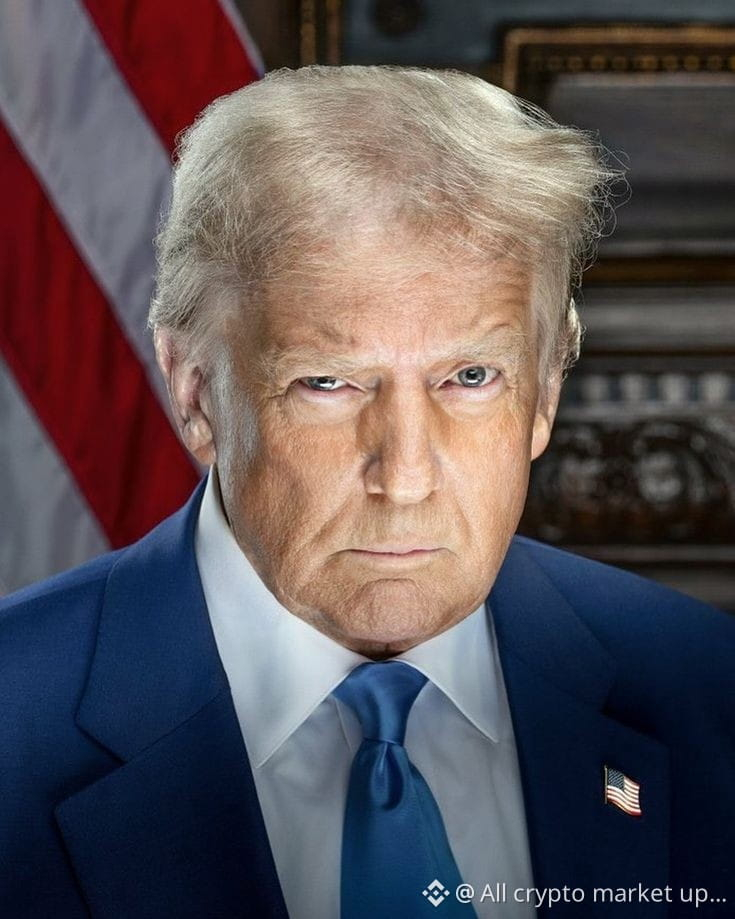
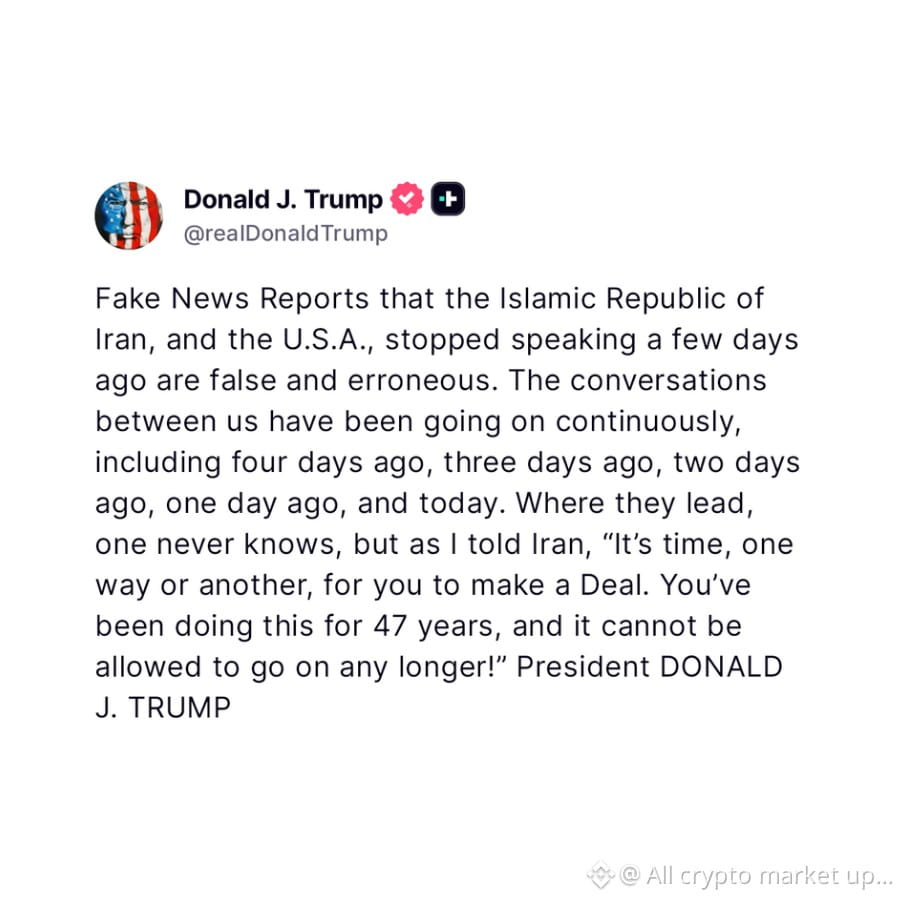
🚨 СРОЧНО: 🇺🇸🇮🇷 Президент Трамп заявляет, что переговоры между США и Ираном никогда не останавливались и продолжались каждый день в течение последних 4 дней.
⚠️ Трамп говорит, что переговоры продвигаются вперёд и предостерегает Иран:
🗣️ "Пора, так или иначе, заключить сделку."
Эти комментарии сделаны несмотря на сообщения о приостановках и разногласиях по следующим вопросам: ▪️ Ядерные вопросы
▪️ Снятие санкций
▪️ Замороженные активы
▪️ Доступ к Ормузскому проливу
Рынки внимательно следят за признаками прорыва.
#Iran #Trump #Oil #Geopolitics #Markets
🚨 СРОЧНО: 🇺🇸🇮🇷 Президент Трамп заявляет, что переговоры между США и Ираном никогда не останавливались и продолжались каждый день в течение последних 4 дней.
⚠️ Трамп говорит, что переговоры продвигаются вперёд и предостерегает Иран:
🗣️ "Пора, так или иначе, заключить сделку."
Эти комментарии сделаны несмотря на сообщения о приостановках и разногласиях по следующим вопросам: ▪️ Ядерные вопросы
▪️ Снятие санкций
▪️ Замороженные активы
▪️ Доступ к Ормузскому проливу
Рынки внимательно следят за признаками прорыва.
#Iran #Trump #Oil #Geopolitics #Markets
⚠️ Трамп говорит, что переговоры продвигаются вперёд и предостерегает Иран:
🗣️ "Пора, так или иначе, заключить сделку."
Эти комментарии сделаны несмотря на сообщения о приостановках и разногласиях по следующим вопросам: ▪️ Ядерные вопросы
▪️ Снятие санкций
▪️ Замороженные активы
▪️ Доступ к Ормузскому проливу
Рынки внимательно следят за признаками прорыва.
#Iran #Trump #Oil #Geopolitics #Markets
39
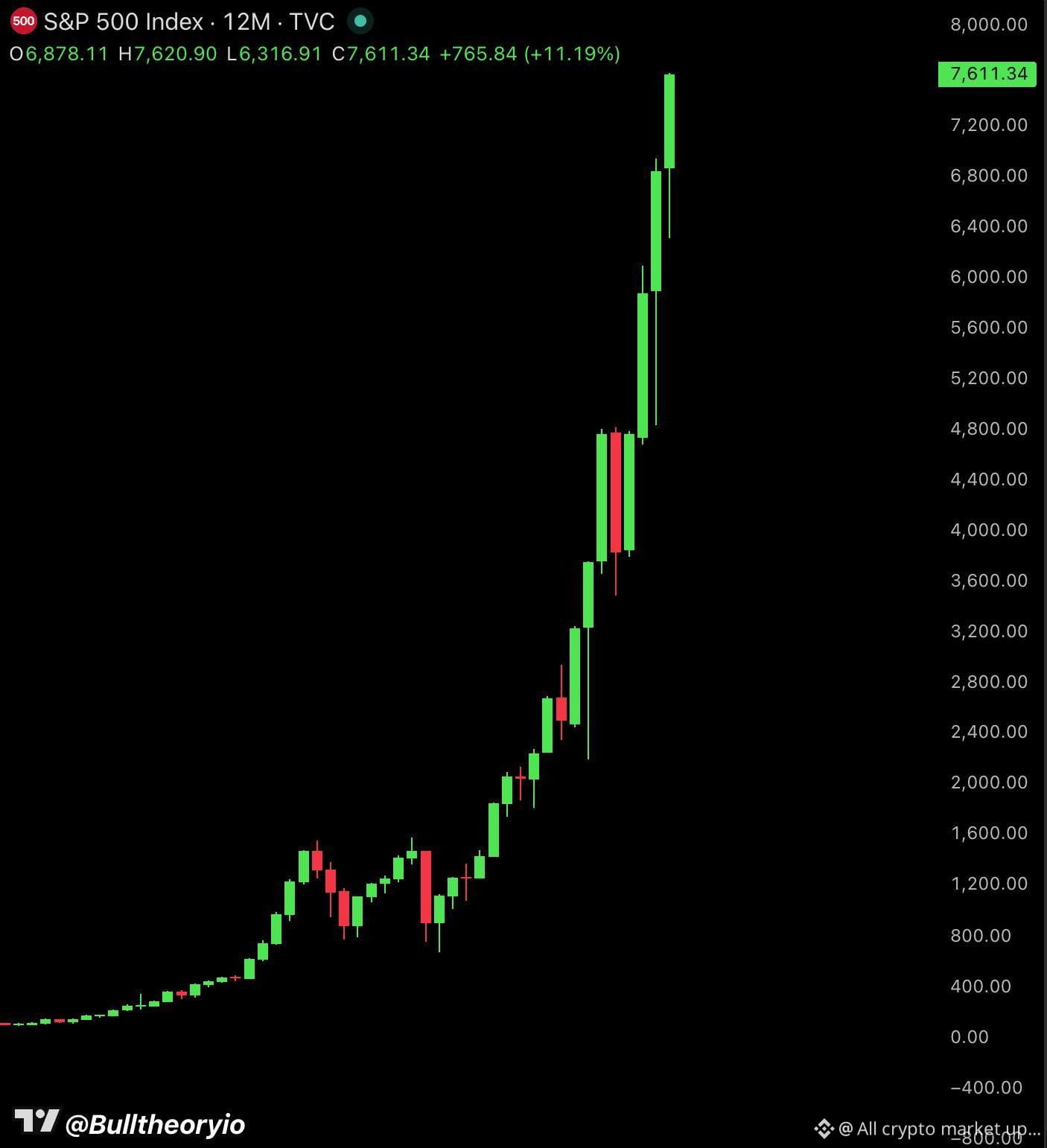
🚨 СРОЧНО: 🇺🇸 Индекс S&P 500 только что пересек $69 ТРИЛЛИОНОВ общей рыночной капитализации впервые в истории.
📈 Еще безумнее: индекс был запущен ровно 69 лет назад в 1957 году.
От послевоенного фондового индекса… до крупнейшей машины по созданию богатства на Земле.
#SP500 #Stocks #WallStreet #Markets #Investing
🚨 СРОЧНО: 🇺🇸 Индекс S&P 500 только что пересек $69 ТРИЛЛИОНОВ общей рыночной капитализации впервые в истории.
📈 Еще безумнее: индекс был запущен ровно 69 лет назад в 1957 году.
От послевоенного фондового индекса… до крупнейшей машины по созданию богатства на Земле.
#SP500 #Stocks #WallStreet #Markets #Investing
📈 Еще безумнее: индекс был запущен ровно 69 лет назад в 1957 году.
От послевоенного фондового индекса… до крупнейшей машины по созданию богатства на Земле.
#SP500 #Stocks #WallStreet #Markets #Investing
106
Проверено
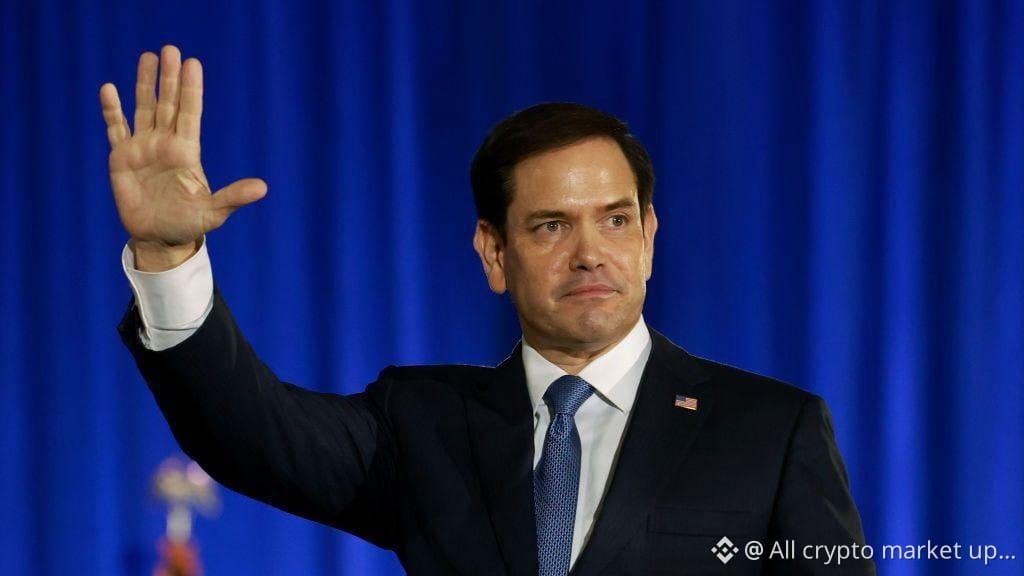
🚨 СРОЧНО: 🇺🇸 Госсекретарь Марко Рубио говорит, что "война в Иране окончена."
⚠️ Рубио заявил, что США завершили свою наступательную фазу и теперь сосредоточены на дипломатии, безопасности и открытии Ормузского пролива. Однако он также подчеркнул, что нерешенные вопросы, включая ядерную программу Ирана, все еще требуют внимания.
Рынки сейчас наблюдают за: ▪️ Официальным соглашением США-Иран
▪️ Открытием Ормуза
▪️ Переговорами по санкциям
▪️ Стабильностью регионального перемирия
#Iran #USA #Geopolitics #Oil #Markets
🚨 СРОЧНО: 🇺🇸 Госсекретарь Марко Рубио говорит, что "война в Иране окончена."
⚠️ Рубио заявил, что США завершили свою наступательную фазу и теперь сосредоточены на дипломатии, безопасности и открытии Ормузского пролива. Однако он также подчеркнул, что нерешенные вопросы, включая ядерную программу Ирана, все еще требуют внимания.
Рынки сейчас наблюдают за: ▪️ Официальным соглашением США-Иран
▪️ Открытием Ормуза
▪️ Переговорами по санкциям
▪️ Стабильностью регионального перемирия
#Iran #USA #Geopolitics #Oil #Markets
⚠️ Рубио заявил, что США завершили свою наступательную фазу и теперь сосредоточены на дипломатии, безопасности и открытии Ормузского пролива. Однако он также подчеркнул, что нерешенные вопросы, включая ядерную программу Ирана, все еще требуют внимания.
Рынки сейчас наблюдают за: ▪️ Официальным соглашением США-Иран
▪️ Открытием Ормуза
▪️ Переговорами по санкциям
▪️ Стабильностью регионального перемирия
#Iran #USA #Geopolitics #Oil #Markets
1
646
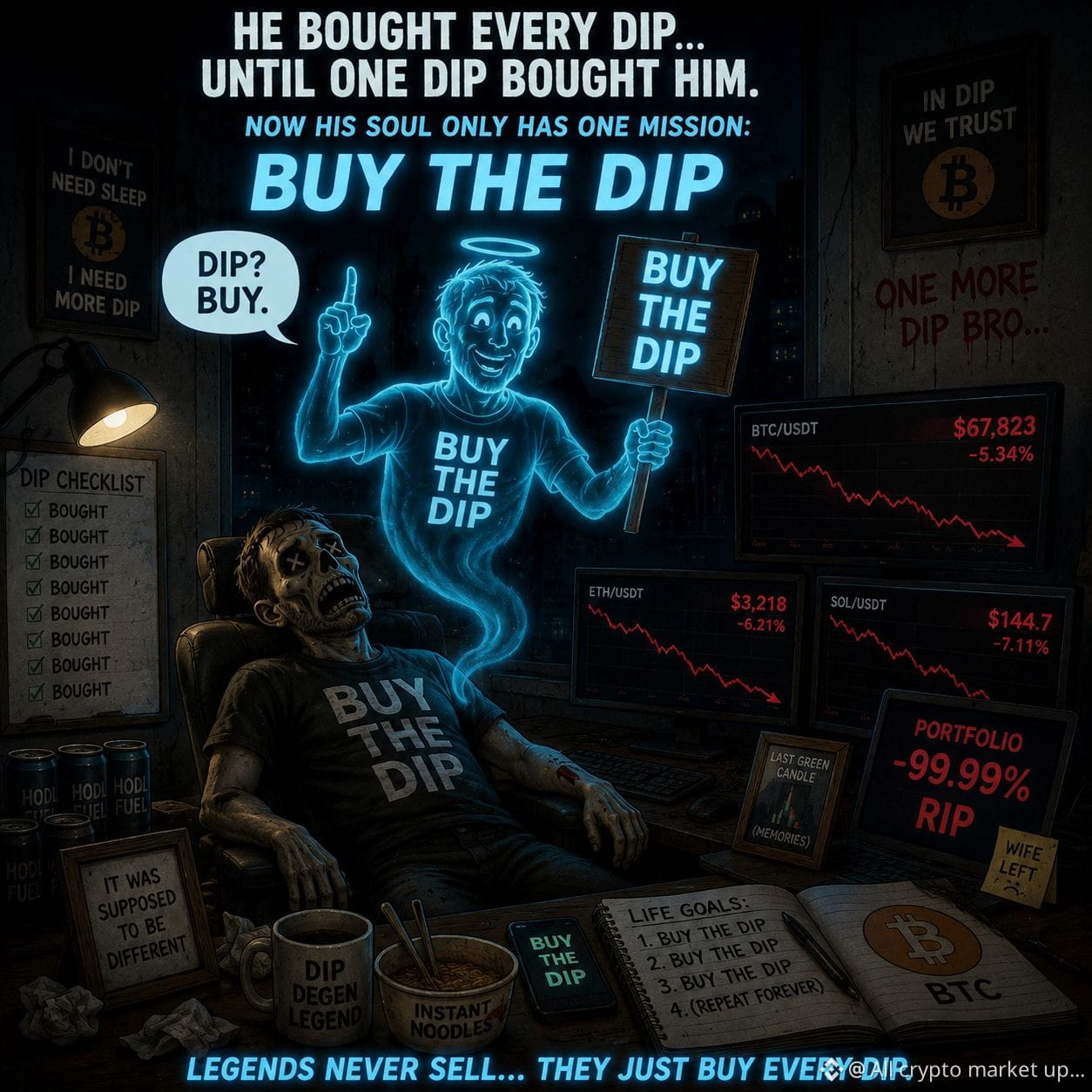
🚨 Крипто-трейдеры, которые покупали каждую просадку на протяжении 4 лет:
💀 Портфель: -99.99%
👻 Душа: “ПОКУПАЙ ПРОСАДКУ.”
Легенды никогда не продают… они просто становятся просадкой. 🩸📉
#Bitcoin #Crypto #BuyTheDip #BTC #Memes
🚨 Крипто-трейдеры, которые покупали каждую просадку на протяжении 4 лет:
💀 Портфель: -99.99%
👻 Душа: “ПОКУПАЙ ПРОСАДКУ.”
Легенды никогда не продают… они просто становятся просадкой. 🩸📉
#Bitcoin #Crypto #BuyTheDip #BTC #Memes
💀 Портфель: -99.99%
👻 Душа: “ПОКУПАЙ ПРОСАДКУ.”
Легенды никогда не продают… они просто становятся просадкой. 🩸📉
#Bitcoin #Crypto #BuyTheDip #BTC #Memes
116
🚨 ТОЛЬКО ЧТО: Более $1 МИЛЛИАРДА в крипто длинных позициях были ликвидированы только за последние 24 часа.
📉 Общее падение рынка происходит, так как: ▪️ Биткойн падает ниже ключевой поддержки
▪️ Альткойны резко распродаются
▪️ Леверидж агрессивно распускается
▪️ Паника охватывает деривативные рынки
Это одно из крупнейших событий ликвидации за последние месяцы.
#Bitcoin #Crypto #Liquidation #BTC #Markets
🚨 ТОЛЬКО ЧТО: Более $1 МИЛЛИАРДА в крипто длинных позициях были ликвидированы только за последние 24 часа.
📉 Общее падение рынка происходит, так как: ▪️ Биткойн падает ниже ключевой поддержки
▪️ Альткойны резко распродаются
▪️ Леверидж агрессивно распускается
▪️ Паника охватывает деривативные рынки
Это одно из крупнейших событий ликвидации за последние месяцы.
#Bitcoin #Crypto #Liquidation #BTC #Markets
📉 Общее падение рынка происходит, так как: ▪️ Биткойн падает ниже ключевой поддержки
▪️ Альткойны резко распродаются
▪️ Леверидж агрессивно распускается
▪️ Паника охватывает деривативные рынки
Это одно из крупнейших событий ликвидации за последние месяцы.
#Bitcoin #Crypto #Liquidation #BTC #Markets
36
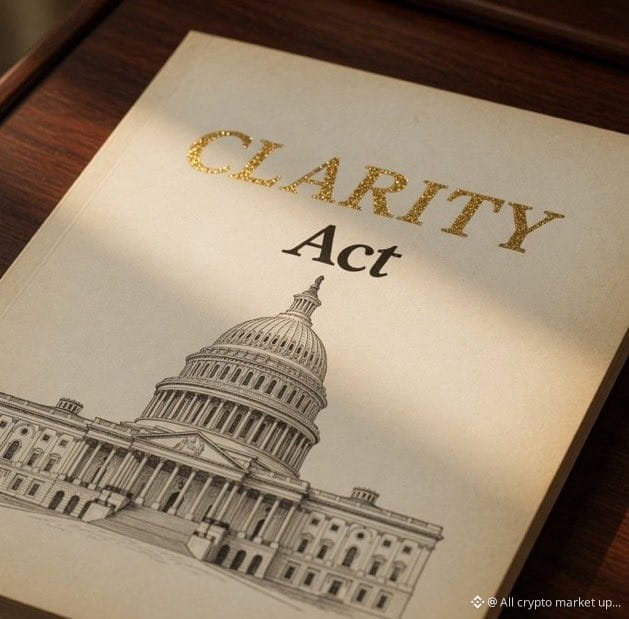
🚨 🇺🇸 ЗАКОН О ЯСНОСТИ ТОЛЬКО ЧТО ПРЕОДОЛЕЛ СВОЮ САМУЮ БОЛЬШУЮ ПРЕПЯТСТВИЕ.
⚠️ Сенатский банковский комитет проголосовал за продвижение законопроекта 14 мая.
С 1 июня: 📜 Законопроект официально внесен в календарь законодательных инициатив Сената.
Это значит: 🔥 Закон О Ясности теперь готов к полному голосованию на пленарном заседании Сената.
Регулирование крипты в Соединенных Штатах вступает в свою самую важную фазу.
#Bitcoin #Crypto #ClarityAct #USA #Markets
🚨 🇺🇸 ЗАКОН О ЯСНОСТИ ТОЛЬКО ЧТО ПРЕОДОЛЕЛ СВОЮ САМУЮ БОЛЬШУЮ ПРЕПЯТСТВИЕ.
⚠️ Сенатский банковский комитет проголосовал за продвижение законопроекта 14 мая.
С 1 июня: 📜 Законопроект официально внесен в календарь законодательных инициатив Сената.
Это значит: 🔥 Закон О Ясности теперь готов к полному голосованию на пленарном заседании Сената.
Регулирование крипты в Соединенных Штатах вступает в свою самую важную фазу.
#Bitcoin #Crypto #ClarityAct #USA #Markets
⚠️ Сенатский банковский комитет проголосовал за продвижение законопроекта 14 мая.
С 1 июня: 📜 Законопроект официально внесен в календарь законодательных инициатив Сената.
Это значит: 🔥 Закон О Ясности теперь готов к полному голосованию на пленарном заседании Сената.
Регулирование крипты в Соединенных Штатах вступает в свою самую важную фазу.
#Bitcoin #Crypto #ClarityAct #USA #Markets
1
89
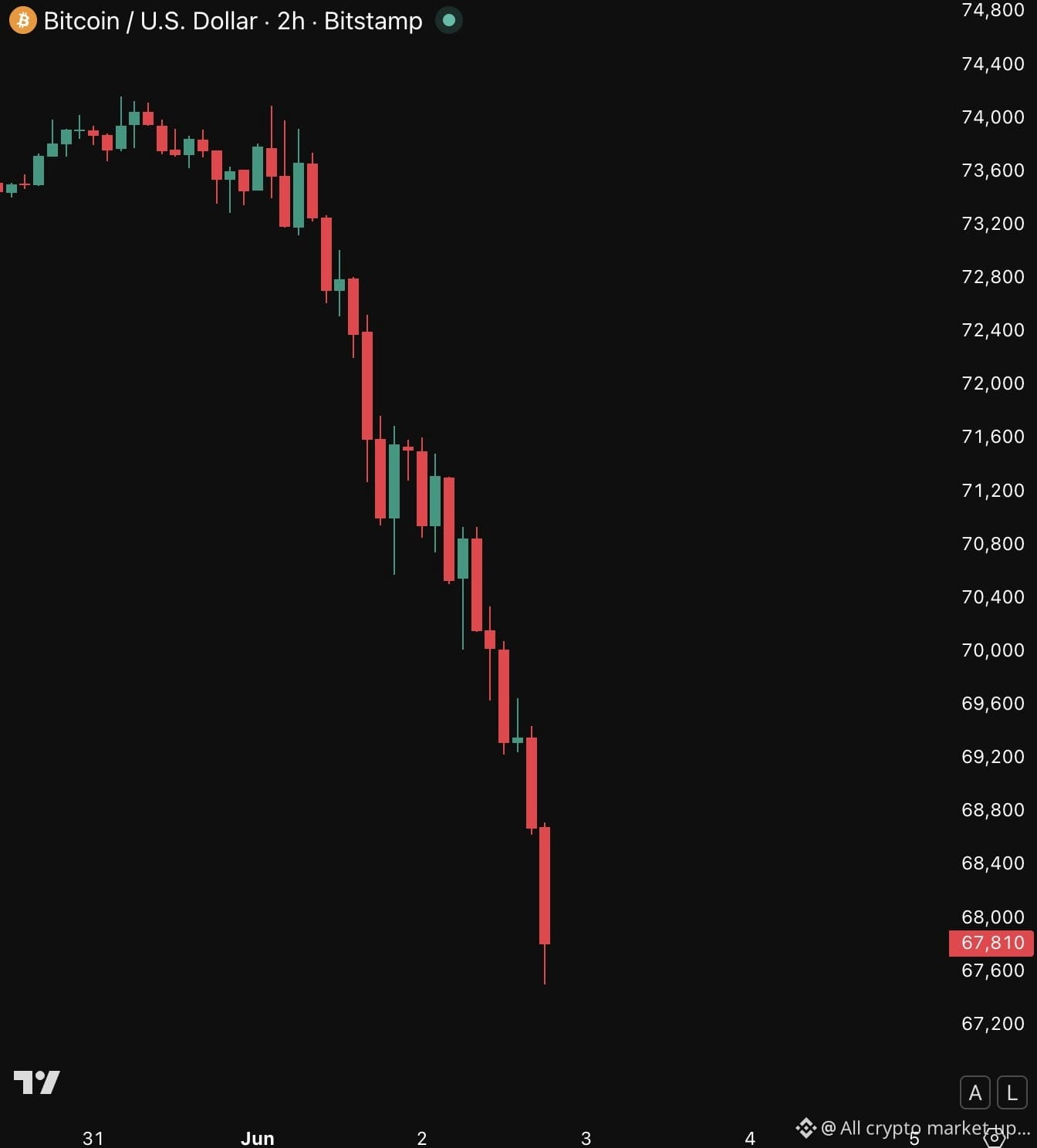
🚨 КРАШ 🩸
Биткойн только что упал ниже $68,000 и уже потерял -5.30% только сегодня.
⚠️ Паническое продажа набирает обороты, так как: ▪️ отток ETF растет
▪️ кошельки Mt. Gox двигают BTC
▪️ риск-оф настроения охватывает крипту
▪️ трейдеры боятся дальнейшего падения к CME разрывам
Волатильность на крипторынке взрывается.
#Bitcoin #BTC #Crypto #Crash #Markets
🚨 КРАШ 🩸
Биткойн только что упал ниже $68,000 и уже потерял -5.30% только сегодня.
⚠️ Паническое продажа набирает обороты, так как: ▪️ отток ETF растет
▪️ кошельки Mt. Gox двигают BTC
▪️ риск-оф настроения охватывает крипту
▪️ трейдеры боятся дальнейшего падения к CME разрывам
Волатильность на крипторынке взрывается.
#Bitcoin #BTC #Crypto #Crash #Markets
Биткойн только что упал ниже $68,000 и уже потерял -5.30% только сегодня.
⚠️ Паническое продажа набирает обороты, так как: ▪️ отток ETF растет
▪️ кошельки Mt. Gox двигают BTC
▪️ риск-оф настроения охватывает крипту
▪️ трейдеры боятся дальнейшего падения к CME разрывам
Волатильность на крипторынке взрывается.
#Bitcoin #BTC #Crypto #Crash #Markets
69
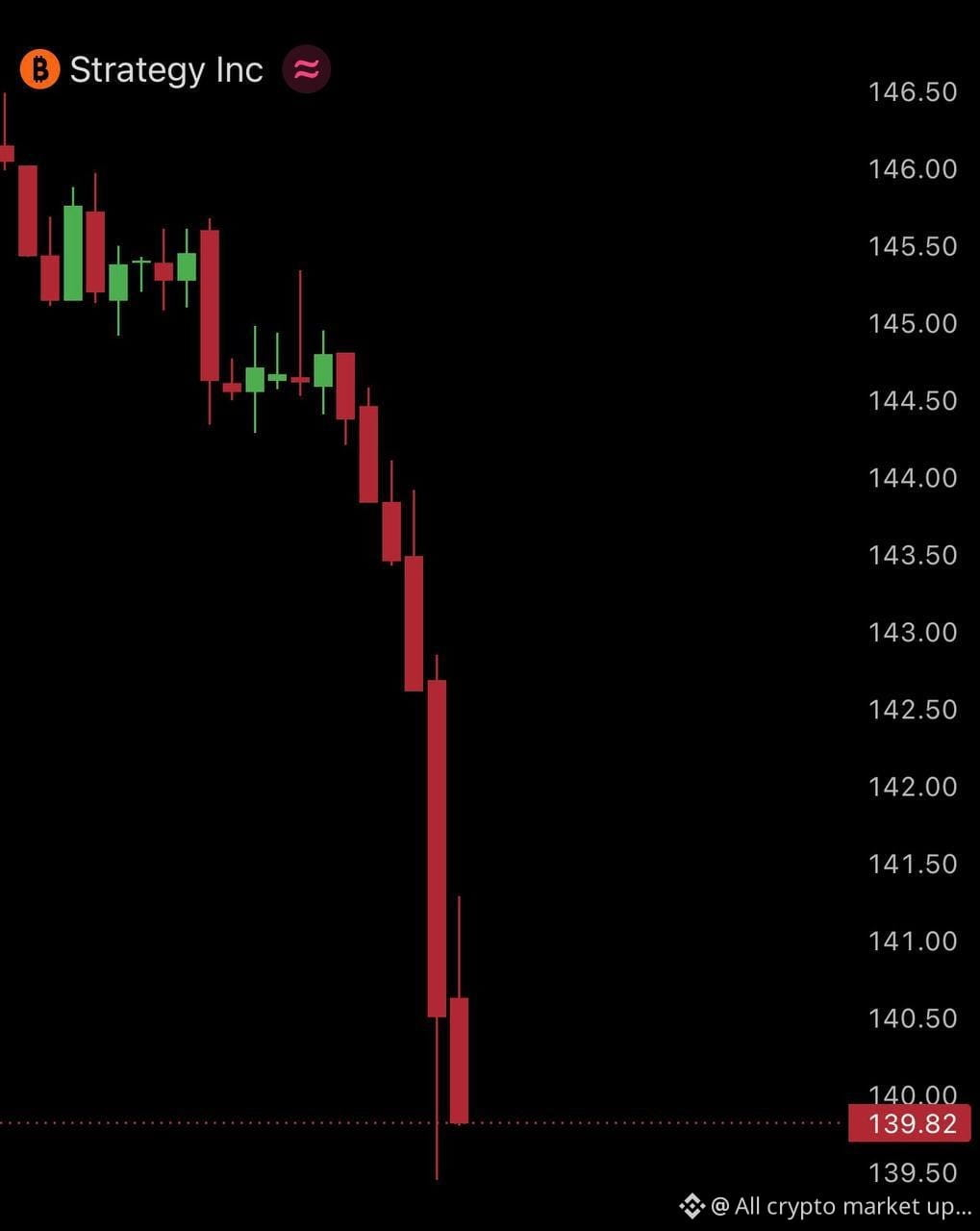
🚨 СРОЧНО: $MSTR сегодня упал на -6% и сейчас находится примерно на -70% ниже своего пика прошлого года.
⚠️ Стратегия построила свою идентичность вокруг одной идеи: "Покупай биткойн. Никогда не продавай."
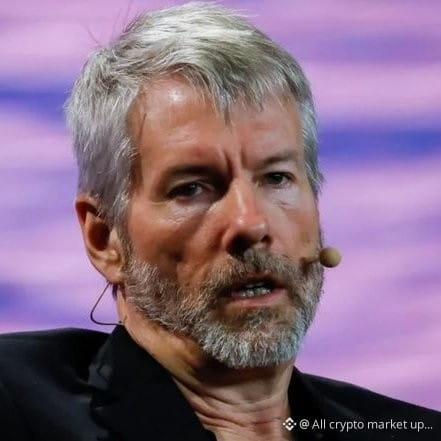
Но вчера, впервые за 41 месяц, компания Майкла Сэйлора продала 32 BTC.
Хотя это было всего лишь: 📉 0.0038% от общего объема.
Этот ход шокировал рынок.
По информации, сейчас стратегия держит: 🟠 843,706 BTC
💰 Средняя цена: $75,701
Ее позиция по биткойну в настоящее время находится в многомиллиардном нереализованном убытке.
#Bitcoin #MSTR #MichaelSaylor #BTC #Markets
🚨 СРОЧНО: $MSTR сегодня упал на -6% и сейчас находится примерно на -70% ниже своего пика прошлого года.
⚠️ Стратегия построила свою идентичность вокруг одной идеи: "Покупай биткойн. Никогда не продавай."
Но вчера, впервые за 41 месяц, компания Майкла Сэйлора продала 32 BTC.
Хотя это было всего лишь: 📉 0.0038% от общего объема.
Этот ход шокировал рынок.
По информации, сейчас стратегия держит: 🟠 843,706 BTC
💰 Средняя цена: $75,701
Ее позиция по биткойну в настоящее время находится в многомиллиардном нереализованном убытке.
#Bitcoin #MSTR #MichaelSaylor #BTC #Markets
⚠️ Стратегия построила свою идентичность вокруг одной идеи: "Покупай биткойн. Никогда не продавай."
Но вчера, впервые за 41 месяц, компания Майкла Сэйлора продала 32 BTC.
Хотя это было всего лишь: 📉 0.0038% от общего объема.
Этот ход шокировал рынок.
По информации, сейчас стратегия держит: 🟠 843,706 BTC
💰 Средняя цена: $75,701
Ее позиция по биткойну в настоящее время находится в многомиллиардном нереализованном убытке.
#Bitcoin #MSTR #MichaelSaylor #BTC #Markets
160
🚨 СВЕЖИЕ НОВОСТИ: 🇪🇺🇺🇸 Европейский центральный банк сообщает, что золото теперь обошло американские облигации по статусу ведущего резервного актива в мире.
🥇 Центральные банки продолжают агрессивно накапливать золото, так как:
▪️ Геополитическая напряженность растет
▪️ Доверие к суверенному долгу ослабевает
▪️ Глобальная дедолларизация ускоряется
▪️ Страны ищут нейтральные резервные активы
Глобальная финансовая система меняется быстро.
#Gold #ECB #USD #Treasuries #MarketSentimentToday
🚨 СВЕЖИЕ НОВОСТИ: 🇪🇺🇺🇸 Европейский центральный банк сообщает, что золото теперь обошло американские облигации по статусу ведущего резервного актива в мире.
🥇 Центральные банки продолжают агрессивно накапливать золото, так как:
▪️ Геополитическая напряженность растет
▪️ Доверие к суверенному долгу ослабевает
▪️ Глобальная дедолларизация ускоряется
▪️ Страны ищут нейтральные резервные активы
Глобальная финансовая система меняется быстро.
#Gold #ECB #USD #Treasuries #MarketSentimentToday
🥇 Центральные банки продолжают агрессивно накапливать золото, так как:
▪️ Геополитическая напряженность растет
▪️ Доверие к суверенному долгу ослабевает
▪️ Глобальная дедолларизация ускоряется
▪️ Страны ищут нейтральные резервные активы
Глобальная финансовая система меняется быстро.
#Gold #ECB #USD #Treasuries #MarketSentimentToday

17
26
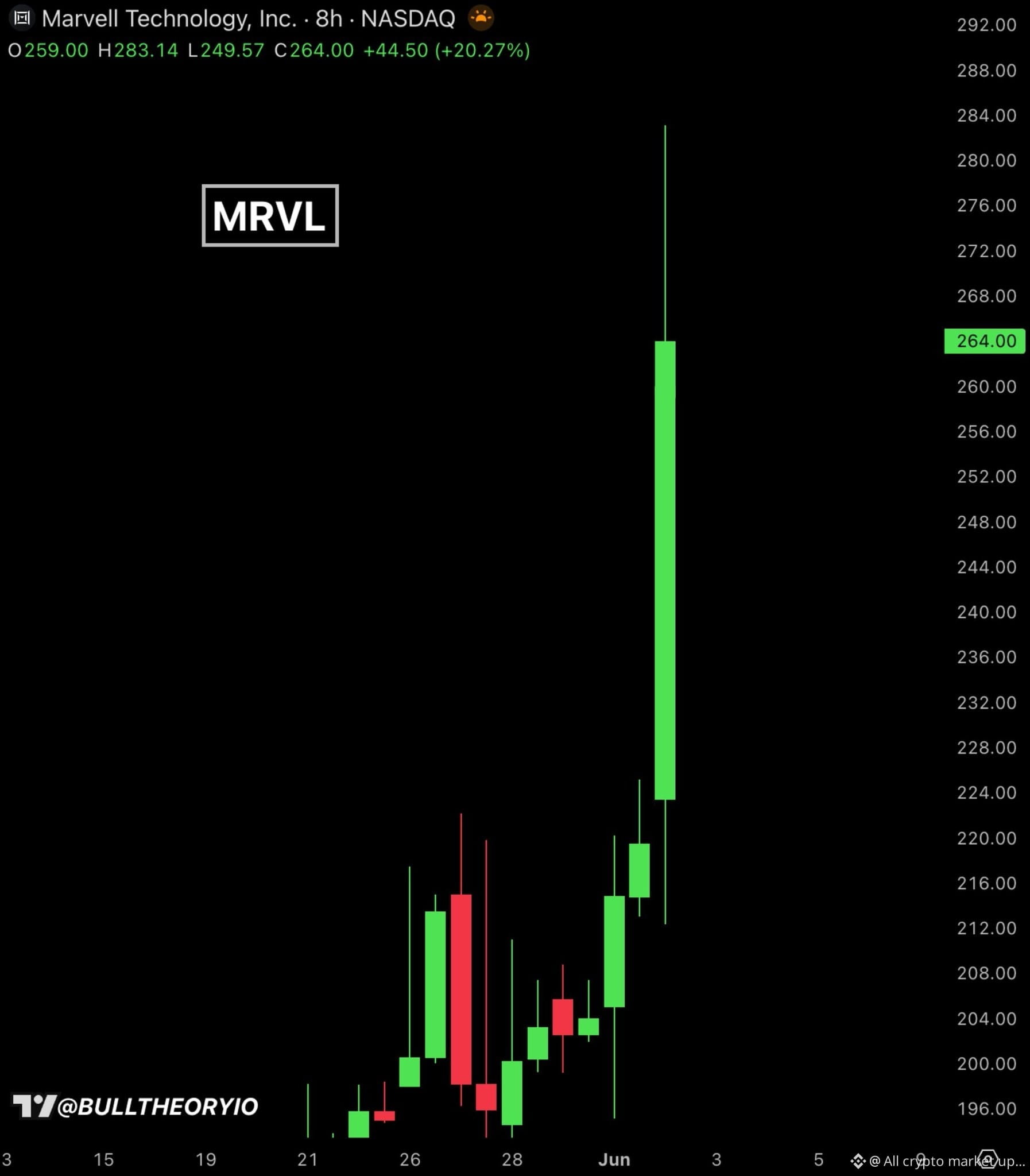
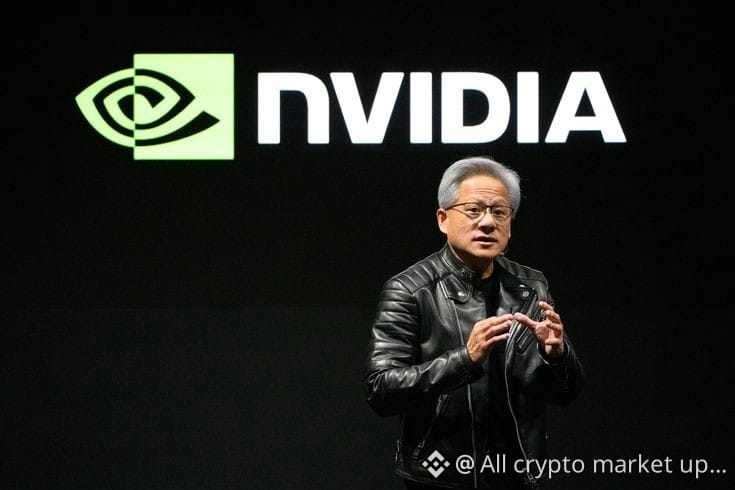
🚨 СЕНСАЦИЯ: $MRVL взлетел на +23% в предторговой сессии после того, как генеральный директор Nvidia Дженсен Хуанг, по слухам, назвал Marvell «следующей триллионной компанией».
⚠️ Хуанг сделал это заявление во время основного доклада генерального директора Marvell Мэтта Мерфи на Computex в Тайбэе.
Marvell разрабатывает сетевые чипы, которые соединяют огромные кластеры AI GPU внутри современных дата-центров.
📈 Nvidia также, по сообщениям, инвестировала $2 МИЛЛИАРДА в Marvell ранее в этом году.
Торговля AI-инфраструктурой расширяется далеко за пределы только Nvidia.
#AI #Nvidia #Marvell #Stocks #Markets
🚨 СЕНСАЦИЯ: $MRVL взлетел на +23% в предторговой сессии после того, как генеральный директор Nvidia Дженсен Хуанг, по слухам, назвал Marvell «следующей триллионной компанией».
⚠️ Хуанг сделал это заявление во время основного доклада генерального директора Marvell Мэтта Мерфи на Computex в Тайбэе.
Marvell разрабатывает сетевые чипы, которые соединяют огромные кластеры AI GPU внутри современных дата-центров.
📈 Nvidia также, по сообщениям, инвестировала $2 МИЛЛИАРДА в Marvell ранее в этом году.
Торговля AI-инфраструктурой расширяется далеко за пределы только Nvidia.
#AI #Nvidia #Marvell #Stocks #Markets
⚠️ Хуанг сделал это заявление во время основного доклада генерального директора Marvell Мэтта Мерфи на Computex в Тайбэе.
Marvell разрабатывает сетевые чипы, которые соединяют огромные кластеры AI GPU внутри современных дата-центров.
📈 Nvidia также, по сообщениям, инвестировала $2 МИЛЛИАРДА в Marvell ранее в этом году.
Торговля AI-инфраструктурой расширяется далеко за пределы только Nvidia.
#AI #Nvidia #Marvell #Stocks #Markets

240
🚨 БУЛЛИШ 🚀
Strive только что купил 2,500 BTC на сумму примерно $185.2 МИЛЛИОНА по средней цене $74,000.
⚠️ Институциональные накопления Биткоина продолжаются, несмотря на недавнюю слабость рынка и оттоки ETF.
Крупные игроки все еще покупают на дне.
#Bitcoin #BTC #Crypto #Institutional #Markets
🚨 БУЛЛИШ 🚀
Strive только что купил 2,500 BTC на сумму примерно $185.2 МИЛЛИОНА по средней цене $74,000.
⚠️ Институциональные накопления Биткоина продолжаются, несмотря на недавнюю слабость рынка и оттоки ETF.
Крупные игроки все еще покупают на дне.
#Bitcoin #BTC #Crypto #Institutional #Markets
Strive только что купил 2,500 BTC на сумму примерно $185.2 МИЛЛИОНА по средней цене $74,000.
⚠️ Институциональные накопления Биткоина продолжаются, несмотря на недавнюю слабость рынка и оттоки ETF.
Крупные игроки все еще покупают на дне.
#Bitcoin #BTC #Crypto #Institutional #Markets

18
Войдите, чтобы посмотреть больше материала
Присоединяйтесь к пользователям криптовалют по всему миру на Binance Square
⚡️ Получайте новейшую и полезную информацию о криптоактивах.
💬 Нам доверяет крупнейшая в мире криптобиржа.
👍 Получите достоверные аналитические данные от верифицированных создателей контента.
Эл. почта/номер телефона