
Crypto_juju
262 Публикации

Crypto_juju
Отправить жалобу
Заблокировать пользователя
Uniquely me, but crypto has my heart, ohh am in love with defi and am here to let everyone know about it
0 подписок(и/а)
10 подписчиков(а)
55 понравилось
Посты
·
--
См. перевод
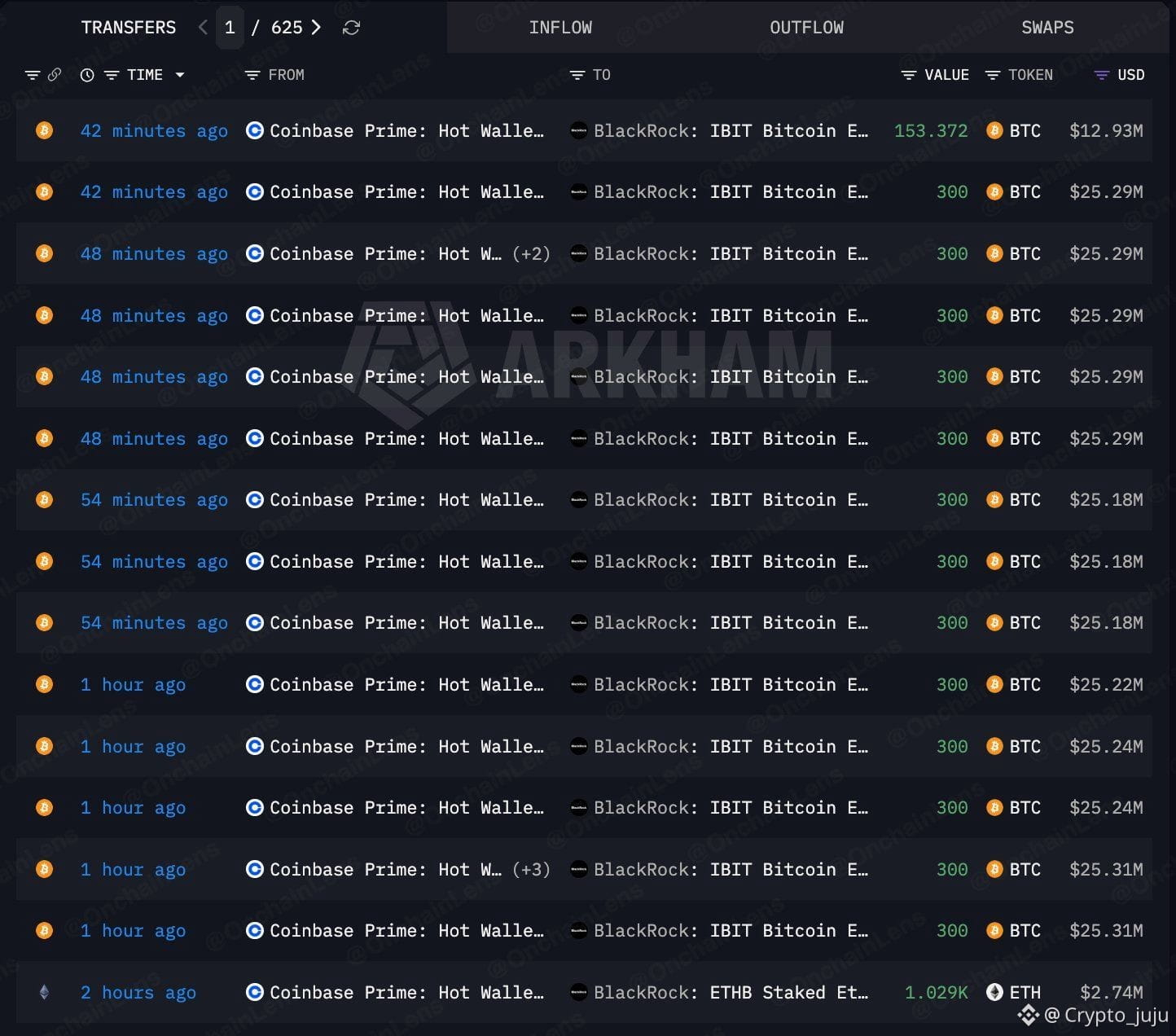
The big names are buying the dips. #BlackRock ’s IBIT reportedly accumulated and withdrew around 3.75K $BTC, worth roughly $316M, from Coinbase Prime over the past hour. While the market is busy watching the dip, some serious BTC buying is happening in the background. Meanwhile, there’s something happening on the @ston_fi side today. The “Inside the Cross-Chain Flight: Your Questions, Our Answers” AMA starts at 15:00 UTC. The Stonfi team will be answering community questions around the **One Swap. Across Chains campaign and how cross-chain swaps actually work. And there’s a little extra incentive too: 3 of the best questions get 50 STON each 150 STON in total. Plus, stay until the end for a secret word that gives you extra campaign points. $BTC buying in the background, cross-chain talk on the other side. Interesting day in crypto. $UNI
The big names are buying the dips. #BlackRock ’s IBIT reportedly accumulated and withdrew around 3.75K $BTC, worth roughly $316M, from Coinbase Prime over the past hour. While the market is busy watching the dip, some serious BTC buying is happening in the background. Meanwhile, there’s something happening on the @ston_fi side today. The “Inside the Cross-Chain Flight: Your Questions, Our Answers” AMA starts at 15:00 UTC. The Stonfi team will be answering community questions around the **One Swap. Across Chains campaign and how cross-chain swaps actually work. And there’s a little extra incentive too: 3 of the best questions get 50 STON each 150 STON in total. Plus, stay until the end for a secret word that gives you extra campaign points. $BTC buying in the background, cross-chain talk on the other side. Interesting day in crypto. $UNI
66
·
--
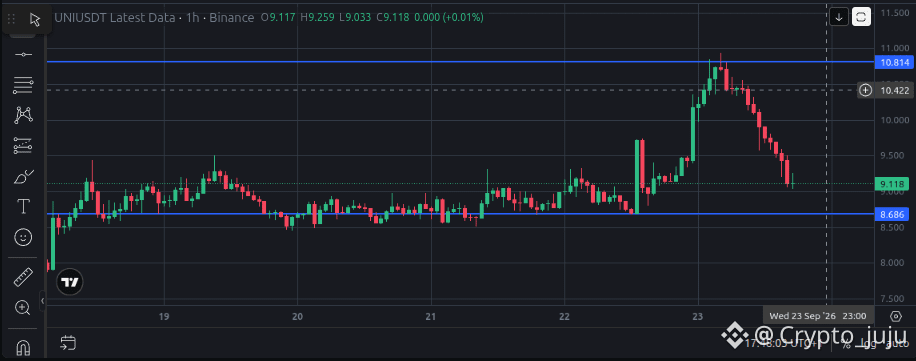
$PONS получает довольно сильные удары, и честно говоря, я начинаю следить за снижением в поисках входа. $UNI выглядит похоже на меня. После недавнего распродажного движения по всему рынку мне стало интереснее, где находятся хорошие уровни, а не гнаться за зелёными свечами. Я не говорю, что дно уже на месте, но именно такие откаты я начинаю отслеживать. Тем временем, со стороны Stonfi: Arc теперь в сети. Это означает, что USDC в сети Circle’s Arc теперь можно обменивать туда и обратно с TON и другими поддерживаемыми сетями через @ston_fi TON, Ethereum, BNB Chain, Base, Arbitrum, Polygon и другие. Мне нравится это видеть, потому что по мере подключения всё большего числа сетей перемещение ликвидности между ними должно становиться менее сложным. Пользователю в целом не нужно разбираться в том, что происходит «за кулисами». Подключил → обменял → и дальше.
$PONS получает довольно сильные удары, и честно говоря, я начинаю следить за снижением в поисках входа. $UNI выглядит похоже на меня. После недавнего распродажного движения по всему рынку мне стало интереснее, где находятся хорошие уровни, а не гнаться за зелёными свечами. Я не говорю, что дно уже на месте, но именно такие откаты я начинаю отслеживать. Тем временем, со стороны Stonfi: Arc теперь в сети. Это означает, что USDC в сети Circle’s Arc теперь можно обменивать туда и обратно с TON и другими поддерживаемыми сетями через @ston_fi TON, Ethereum, BNB Chain, Base, Arbitrum, Polygon и другие. Мне нравится это видеть, потому что по мере подключения всё большего числа сетей перемещение ликвидности между ними должно становиться менее сложным. Пользователю в целом не нужно разбираться в том, что происходит «за кулисами». Подключил → обменял → и дальше.
74
·
--
См. перевод
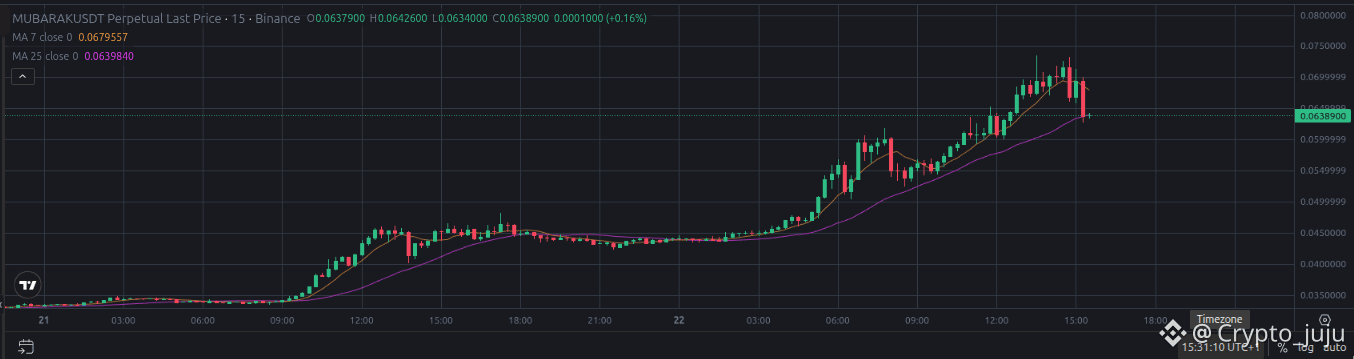
$MUBARAK just had a pullback after that massive move up. Could be an interesting area to watch if the chart starts finding support again. Maybe even another opportunity to buy in, but I’d rather see how the price reacts first. Meanwhile, I was looking at what’s happening around TON and came across Omniston again. What I like about the idea is pretty simple: liquidity is scattered across different chains and DEXs, but users usually just want to swap and get the best execution without thinking too much about where that liquidity sits. Omniston is basically working on that connection between the different liquidity sources and chains. It’s one of those pieces of infrastructure that might not get as much attention as a token pumping, but it becomes more interesting as more assets and liquidity move across ecosystems. $HYPE
$MUBARAK just had a pullback after that massive move up. Could be an interesting area to watch if the chart starts finding support again. Maybe even another opportunity to buy in, but I’d rather see how the price reacts first. Meanwhile, I was looking at what’s happening around TON and came across Omniston again. What I like about the idea is pretty simple: liquidity is scattered across different chains and DEXs, but users usually just want to swap and get the best execution without thinking too much about where that liquidity sits. Omniston is basically working on that connection between the different liquidity sources and chains. It’s one of those pieces of infrastructure that might not get as much attention as a token pumping, but it becomes more interesting as more assets and liquidity move across ecosystems. $HYPE
38
·
--
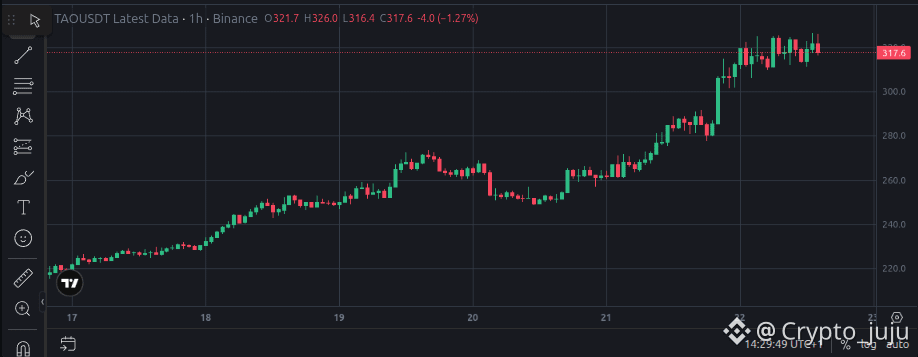
Одна вещь, которую я заметил при кроссчейн-сделках (swap), заключается в том, что самое сложное не всегда — это сама сделка. Самое сложное — это неопределенность, которая с ней связана. Действительно ли мои средства переместились? Сколько я получу? Что произойдет, если что-то пойдет не так? Скорее всего, это одни из первых вопросов, которые возникают у любого, кто решает провести кроссчейн-сделку. Именно поэтому мне было интересно это последнее обновление от @ston_fi. В нем разобраны три распространенные причины для беспокойства при кроссчейн-сделках и то, как такие механизмы, как **атомарное выполнение (atomic execution)** и **самостоятельное хранение (self-custody)**, могут сделать процесс более предсказуемым. Чем больше сетей мы используем, тем важнее становится такая ясность. Кроссчейн не должен ощущаться как отправка ваших средств в неизвестность. $TAO $LINK
Одна вещь, которую я заметил при кроссчейн-сделках (swap), заключается в том, что самое сложное не всегда — это сама сделка. Самое сложное — это неопределенность, которая с ней связана. Действительно ли мои средства переместились? Сколько я получу? Что произойдет, если что-то пойдет не так? Скорее всего, это одни из первых вопросов, которые возникают у любого, кто решает провести кроссчейн-сделку. Именно поэтому мне было интересно это последнее обновление от @ston_fi. В нем разобраны три распространенные причины для беспокойства при кроссчейн-сделках и то, как такие механизмы, как **атомарное выполнение (atomic execution)** и **самостоятельное хранение (self-custody)**, могут сделать процесс более предсказуемым. Чем больше сетей мы используем, тем важнее становится такая ясность. Кроссчейн не должен ощущаться как отправка ваших средств в неизвестность. $TAO $LINK
50
·
--
См. перевод
Big buys have resumed, and there’s a feeling I get from seeing this… I just can’t decide what it means yet. BitMine reportedly bought another 27,562 $ETH last week, bringing its total holdings to around 5.98M ETH. That kind of accumulation definitely gets my attention. And it’s also got me looking a little further down the chain. $GRAM and STON are two tokens I’ve got my eyes on right now. One thing I’ve started paying more attention to is the relationship between a token and the ecosystem around it. Sometimes you can learn a lot about a token by watching what its DEX is doing — activity, liquidity, new launches, trading volume and how much is actually being built around it. That’s part of why STON caught my attention. @ston_fi has been on a roll this year, expanding beyond simple swaps and pushing further into cross-chain liquidity, launchpad integrations and the wider TON DeFi ecosystem. Does that automatically mean the token performs? Obviously not. But when the infrastructure around a token keeps getting more active, it’s something worth keeping on the radar. So yeah, big ETH buys are back… And somehow that has me watching GRAM and STON a little closer.
Big buys have resumed, and there’s a feeling I get from seeing this… I just can’t decide what it means yet. BitMine reportedly bought another 27,562 $ETH last week, bringing its total holdings to around 5.98M ETH. That kind of accumulation definitely gets my attention. And it’s also got me looking a little further down the chain. $GRAM and STON are two tokens I’ve got my eyes on right now. One thing I’ve started paying more attention to is the relationship between a token and the ecosystem around it. Sometimes you can learn a lot about a token by watching what its DEX is doing — activity, liquidity, new launches, trading volume and how much is actually being built around it. That’s part of why STON caught my attention. @ston_fi has been on a roll this year, expanding beyond simple swaps and pushing further into cross-chain liquidity, launchpad integrations and the wider TON DeFi ecosystem. Does that automatically mean the token performs? Obviously not. But when the infrastructure around a token keeps getting more active, it’s something worth keeping on the radar. So yeah, big ETH buys are back… And somehow that has me watching GRAM and STON a little closer.
1
·
--
Активность $USDC на Solana набирает обороты. Circle только что выпустила (намисинг) ещё $250 млн USDC на Solana, доведя общий объём выпущенного за последние 7 дней до примерно $3 млрд. Это много новой ликвидности, заходящей в экосистему за короткий период. Теперь я наблюдаю, куда дальше начнёт перетекать эта ликвидность. $SOL
Активность $USDC на Solana набирает обороты. Circle только что выпустила (намисинг) ещё $250 млн USDC на Solana, доведя общий объём выпущенного за последние 7 дней до примерно $3 млрд. Это много новой ликвидности, заходящей в экосистему за короткий период. Теперь я наблюдаю, куда дальше начнёт перетекать эта ликвидность. $SOL
1
75
·
--
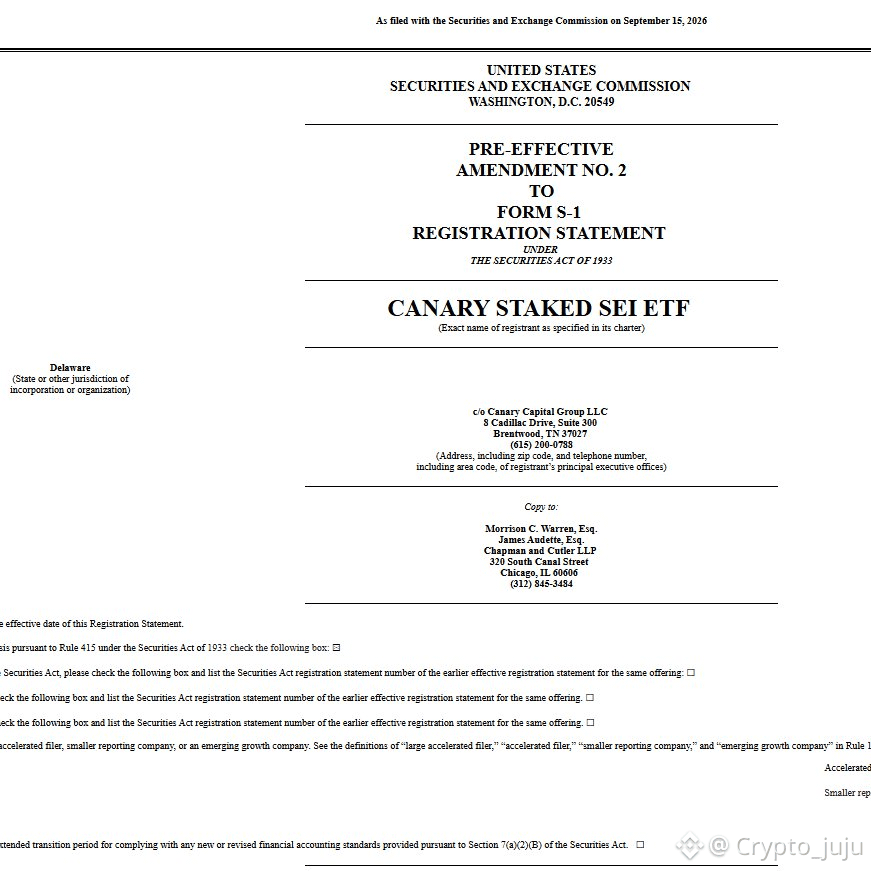
Еще один шаг вперед в истории $SEI ETF. Canary Capital подала вторую поправку к своей форме S-1 для размещения стейкинг-ETF на базе SEI. Обновленная заявка описывает продукт, предназначенный для хранения спотового $SEI, а также включающий стейкинг. Это все еще процесс, который нужно пройти, но интересно видеть еще один шаг на пути к потенциальному инвестиционному продукту с SEI и стейкингом. $SUI
Еще один шаг вперед в истории $SEI ETF. Canary Capital подала вторую поправку к своей форме S-1 для размещения стейкинг-ETF на базе SEI. Обновленная заявка описывает продукт, предназначенный для хранения спотового $SEI, а также включающий стейкинг. Это все еще процесс, который нужно пройти, но интересно видеть еще один шаг на пути к потенциальному инвестиционному продукту с SEI и стейкингом. $SUI
1
60
·
--
См. перевод
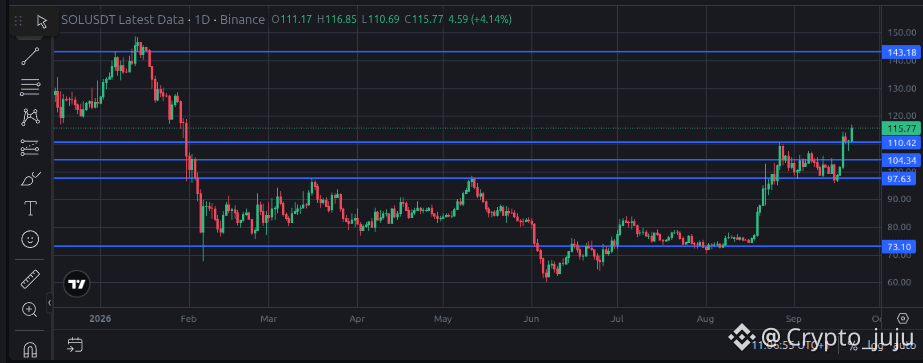
$SOL getting back toward $150 doesn’t feel too far away from here. And with $PUMP also starting to pick up, I’ve got my eyes on that one too. If Solana activity keeps heating up, there could be a lot more happening around the ecosystem. One thing I like seeing is how **Stonks integrating with @ston_fi adds another launchpad into the mix. I’ve been following how Stonfi has been keeping up with these new launchpads and connecting more of that activity to its DeFi side. It’s a small detail on the surface, but these integrations matter as more projects launch and liquidity starts moving around. SOL to $150, PUMP on the radar, and more launchpad activity connecting into DeFi. Things are getting interesting.
$SOL getting back toward $150 doesn’t feel too far away from here. And with $PUMP also starting to pick up, I’ve got my eyes on that one too. If Solana activity keeps heating up, there could be a lot more happening around the ecosystem. One thing I like seeing is how **Stonks integrating with @ston_fi adds another launchpad into the mix. I’ve been following how Stonfi has been keeping up with these new launchpads and connecting more of that activity to its DeFi side. It’s a small detail on the surface, but these integrations matter as more projects launch and liquidity starts moving around. SOL to $150, PUMP on the radar, and more launchpad activity connecting into DeFi. Things are getting interesting.
22
·
--
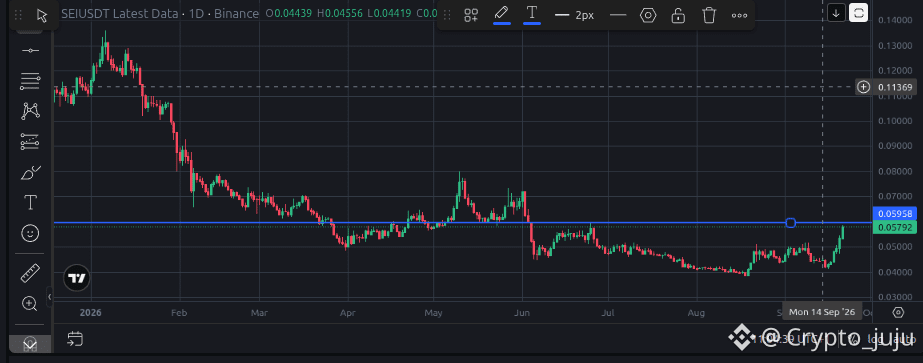
$SEI тоже оставляет свой след сегодня Только что пробил ключевой уровень сопротивления, в то время как $AKE снова набирает обороты. Возможно, дамп наконец-то стабилизировался, и рынок готовится к очередному движению. Посмотрим. А пока, если вы перемещаетесь между разными экосистемами, вот простой вариант: **Хотите обменять TON на TRON через @ston_fi Вы по сути: 1. Выбираете токен, который хотите обменять. 2. Указываете TRON в качестве сети назначения. 3. Выбираете актив, который хотите получить. 4. Проверяете котировку, комиссии, влияние на цену и ожидаемую сумму. 5. Подтверждаете обмен в своём кошельке. 6. После завершения кроссчейн-обмена актив назначения поступает на ваш кошелёк в сети TRON. Самое интересное — вам не нужно вручную разбираться с отдельным маршрутом через мост. **Выберите направление → проверьте котировку → подтвердите → получите. Вот что в кроссчейне мне действительно понятно: разные экосистемы, но более простой способ перемещаться между ними.
$SEI тоже оставляет свой след сегодня Только что пробил ключевой уровень сопротивления, в то время как $AKE снова набирает обороты. Возможно, дамп наконец-то стабилизировался, и рынок готовится к очередному движению. Посмотрим. А пока, если вы перемещаетесь между разными экосистемами, вот простой вариант: **Хотите обменять TON на TRON через @ston_fi Вы по сути: 1. Выбираете токен, который хотите обменять. 2. Указываете TRON в качестве сети назначения. 3. Выбираете актив, который хотите получить. 4. Проверяете котировку, комиссии, влияние на цену и ожидаемую сумму. 5. Подтверждаете обмен в своём кошельке. 6. После завершения кроссчейн-обмена актив назначения поступает на ваш кошелёк в сети TRON. Самое интересное — вам не нужно вручную разбираться с отдельным маршрутом через мост. **Выберите направление → проверьте котировку → подтвердите → получите. Вот что в кроссчейне мне действительно понятно: разные экосистемы, но более простой способ перемещаться между ними.
20
·
--
См. перевод
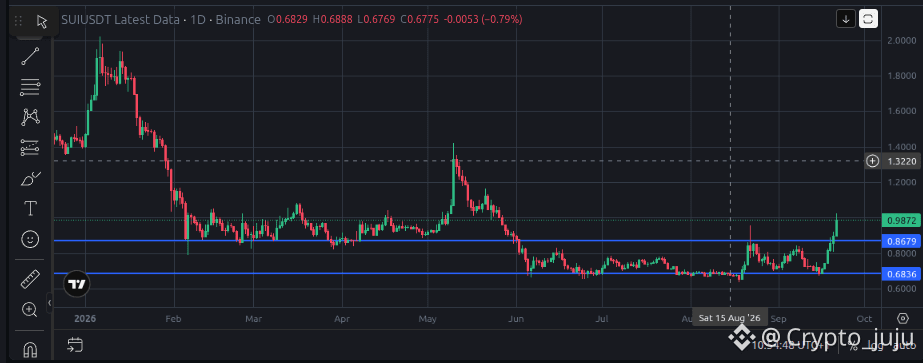
$SUI is picking up at this rate. If this momentum continues, $1.2 could be the next area I’m watching. $NEAR is also having a good day, so the market is starting to feel a little more bullish again. And when the market starts moving like this, I always expect activity around DeFi to pick up too. That’s where @ston_fi could get interesting. More price movement usually means more swaps, more liquidity moving between pools, and more people looking for opportunities across TON DeFi. With cross-chain swaps also becoming a bigger part of the platform, more activity can mean more routes and more liquidity being used across different networks. So yeah, SUI and NEAR are moving… **Now let’s see if that activity starts showing up on Stonfi too. #Altcoin Season#
$SUI is picking up at this rate. If this momentum continues, $1.2 could be the next area I’m watching. $NEAR is also having a good day, so the market is starting to feel a little more bullish again. And when the market starts moving like this, I always expect activity around DeFi to pick up too. That’s where @ston_fi could get interesting. More price movement usually means more swaps, more liquidity moving between pools, and more people looking for opportunities across TON DeFi. With cross-chain swaps also becoming a bigger part of the platform, more activity can mean more routes and more liquidity being used across different networks. So yeah, SUI and NEAR are moving… **Now let’s see if that activity starts showing up on Stonfi too. #Altcoin Season#
42
·
--
См. перевод
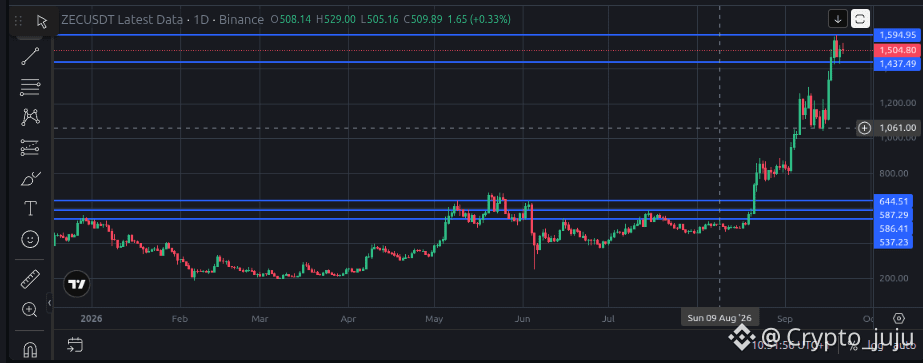
$HYPE is starting to look interesting. The chart is looking good, and honestly, it’s giving me a little bit of the same feeling $ZEC had before its big move. Still watching to see if HYPE can keep that momentum going. But while we’re watching these charts move, there’s another flight getting ready for takeoff. **Inside the Cross-Chain Flight: Your Questions, Our Answers In just 2 days, the @ston_fi Dev team will be live to answer questions about the One Swap. Across Chains campaign, how cross-chain swaps actually work, and how routes are built behind the scenes. 📅 September 23 🕒 3:00 PM UTC You can still submit your questions before the AMA. 10 will be selected, with the authors of the 3 best questions getting 50 STON each. And during the AMA, there’ll be a new secret word that can earn you extra campaign miles. So yeah, HYPE on the chart… and a cross-chain flight taking off in 2 days. Let’s see where both go from here. #Altcoin Season#
$HYPE is starting to look interesting. The chart is looking good, and honestly, it’s giving me a little bit of the same feeling $ZEC had before its big move. Still watching to see if HYPE can keep that momentum going. But while we’re watching these charts move, there’s another flight getting ready for takeoff. **Inside the Cross-Chain Flight: Your Questions, Our Answers In just 2 days, the @ston_fi Dev team will be live to answer questions about the One Swap. Across Chains campaign, how cross-chain swaps actually work, and how routes are built behind the scenes. 📅 September 23 🕒 3:00 PM UTC You can still submit your questions before the AMA. 10 will be selected, with the authors of the 3 best questions getting 50 STON each. And during the AMA, there’ll be a new secret word that can earn you extra campaign miles. So yeah, HYPE on the chart… and a cross-chain flight taking off in 2 days. Let’s see where both go from here. #Altcoin Season#
2
153
·
--
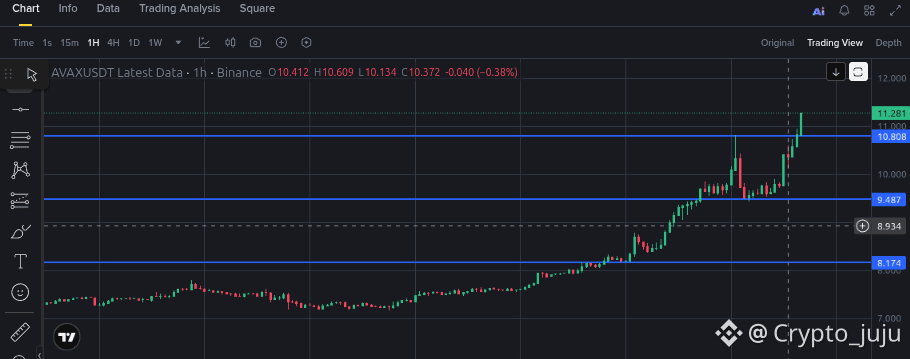
$AVAX только что пробил уровень $11, так что я смотрю, как он удержится дальше. 👀 Тем временем $LINK тоже занимает высокое место в моем списке токенов, за которыми я наблюдаю. Но движения вроде этого всегда заставляют меня задуматься о другом: ликвидности. Когда рынок спокойный, ликвидность может не получать особого внимания. Но как только торговая активность начинает расти, она становится гораздо важнее. Больше людей покупают и продают, больше капитала перемещается, и внезапно такие вещи, как проскальзывание, ценовое влияние и исполнение, начинают иметь гораздо большее значение. Вот почему я уделяю больше внимания тому, что @ston_fi делает со стороны ликвидности. Дело не только в том, чтобы пул был на месте. Вопрос в том, **насколько эффективно эту ликвидность можно использовать, когда активность начинает резко увеличиваться? Именно здесь более глубокая ликвидность и более качественная маршрутизация могут дать трейдерам преимущество. Так что, пока я слежу за AVAX и LINK, я также слежу за инфраструктурой под рынком. Потому что когда рынок оживляется, ликвидность перестает быть фоновым элементом. Она становится частью сделки. #Altcoin Season#
$AVAX только что пробил уровень $11, так что я смотрю, как он удержится дальше. 👀 Тем временем $LINK тоже занимает высокое место в моем списке токенов, за которыми я наблюдаю. Но движения вроде этого всегда заставляют меня задуматься о другом: ликвидности. Когда рынок спокойный, ликвидность может не получать особого внимания. Но как только торговая активность начинает расти, она становится гораздо важнее. Больше людей покупают и продают, больше капитала перемещается, и внезапно такие вещи, как проскальзывание, ценовое влияние и исполнение, начинают иметь гораздо большее значение. Вот почему я уделяю больше внимания тому, что @ston_fi делает со стороны ликвидности. Дело не только в том, чтобы пул был на месте. Вопрос в том, **насколько эффективно эту ликвидность можно использовать, когда активность начинает резко увеличиваться? Именно здесь более глубокая ликвидность и более качественная маршрутизация могут дать трейдерам преимущество. Так что, пока я слежу за AVAX и LINK, я также слежу за инфраструктурой под рынком. Потому что когда рынок оживляется, ликвидность перестает быть фоновым элементом. Она становится частью сделки. #Altcoin Season#
·
--
См. перевод
Grayscale’s Zcash ETF is going through a 3-for-1 share split, meaning investors will receive two additional shares for every share they hold after trading closes on September 28. $ZEC has definitely been getting a lot more attention lately. But this also got me thinking about something less flashy in crypto: infrastructure. When more users and more value start moving through an ecosystem, the underlying platforms need to be able to handle that activity. That’s one area I’ve been watching with @ston_fi The team has been working on improving the core DEX infrastructure, especially around reliability during periods of heavy network activity. Things like reducing transaction delays, improving how swaps are handled, and making the system more resilient might not be as exciting as a token pumping, but they matter. Because when liquidity and activity grow, the infrastructure has to grow with them. That’s the part of Stonfi I’m paying more attention to lately. Not just building more features, but making sure the foundation can handle what comes next. #Altcoin Season# $HYPE
Grayscale’s Zcash ETF is going through a 3-for-1 share split, meaning investors will receive two additional shares for every share they hold after trading closes on September 28. $ZEC has definitely been getting a lot more attention lately. But this also got me thinking about something less flashy in crypto: infrastructure. When more users and more value start moving through an ecosystem, the underlying platforms need to be able to handle that activity. That’s one area I’ve been watching with @ston_fi The team has been working on improving the core DEX infrastructure, especially around reliability during periods of heavy network activity. Things like reducing transaction delays, improving how swaps are handled, and making the system more resilient might not be as exciting as a token pumping, but they matter. Because when liquidity and activity grow, the infrastructure has to grow with them. That’s the part of Stonfi I’m paying more attention to lately. Not just building more features, but making sure the foundation can handle what comes next. #Altcoin Season# $HYPE
2
·
--
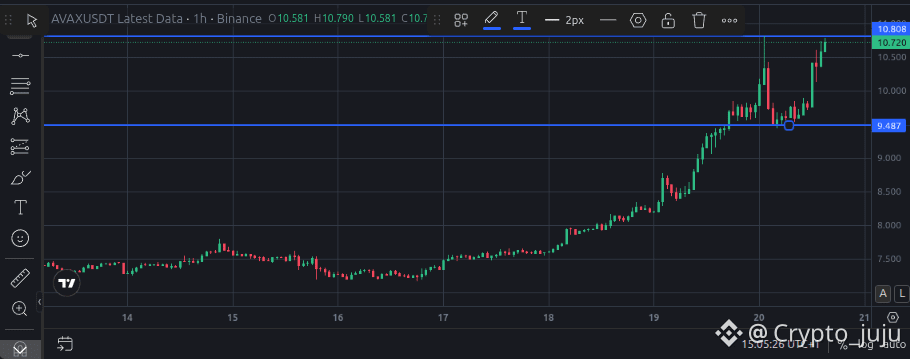
$AVAX похоже, пытается прорваться после того отклонения, которое оно получило ранее. $11 точно у меня на радаре. Также прошло довольно много времени с тех пор, как я нормально проверял ADA, так что это еще один график, который мне нужно пересмотреть. Пока я присматривался, наткнулся на активные фермерские пулы на этой неделе у @ston_fi: STON/USDT — 10,000 STON в ежемесячных наградах, с возможностью буста APR до 2× для подходящих стейкеров STON. Без блокировки LP. JETTON/USDT и JETTON/GRAM — 200,000 JETTON в бустированных ежемесячных наградах для каждого пула. Без блокировки LP. STORM/GRAM — 30,000 STORM в ежедневных наградах, тоже без блокировки LP. Это лишь текущие стимулы для фарминга, поэтому награды и APR могут изменяться. И, конечно, добавление ликвидности по-прежнему несет риски, такие как непостоянные потери. В общем, возвращаемся к графикам. AVAX и $ADA определенно снова попадут в мой список наблюдения.
$AVAX похоже, пытается прорваться после того отклонения, которое оно получило ранее. $11 точно у меня на радаре. Также прошло довольно много времени с тех пор, как я нормально проверял ADA, так что это еще один график, который мне нужно пересмотреть. Пока я присматривался, наткнулся на активные фермерские пулы на этой неделе у @ston_fi: STON/USDT — 10,000 STON в ежемесячных наградах, с возможностью буста APR до 2× для подходящих стейкеров STON. Без блокировки LP. JETTON/USDT и JETTON/GRAM — 200,000 JETTON в бустированных ежемесячных наградах для каждого пула. Без блокировки LP. STORM/GRAM — 30,000 STORM в ежедневных наградах, тоже без блокировки LP. Это лишь текущие стимулы для фарминга, поэтому награды и APR могут изменяться. И, конечно, добавление ликвидности по-прежнему несет риски, такие как непостоянные потери. В общем, возвращаемся к графикам. AVAX и $ADA определенно снова попадут в мой список наблюдения.
26
·
--
См. перевод
At first, I thought “One Swap. Across Chains” was mainly about doing cross-chain swaps and collecting miles. But there’s actually more going on with the campaign. There are now partner missions where you can check out different projects in the TON ecosystem, complete a few tasks, then come back and stack more miles. The partners include My Wallet, Gram Wallet, Mira, Getgems, SafePal and WenLong, so you get to explore different parts of the ecosystem while progressing through the campaign. I also noticed the Flight Deals change every week. Some of the rewards are only available for 7 days, so it’s worth checking what’s available before the next refresh. I like this approach because you’re not just completing random missions for miles. You’re actually discovering different projects along the way. More exploring, more missions, more miles. $AKE $AVAX #Altcoin Season#
At first, I thought “One Swap. Across Chains” was mainly about doing cross-chain swaps and collecting miles. But there’s actually more going on with the campaign. There are now partner missions where you can check out different projects in the TON ecosystem, complete a few tasks, then come back and stack more miles. The partners include My Wallet, Gram Wallet, Mira, Getgems, SafePal and WenLong, so you get to explore different parts of the ecosystem while progressing through the campaign. I also noticed the Flight Deals change every week. Some of the rewards are only available for 7 days, so it’s worth checking what’s available before the next refresh. I like this approach because you’re not just completing random missions for miles. You’re actually discovering different projects along the way. More exploring, more missions, more miles. $AKE $AVAX #Altcoin Season#
27
·
--
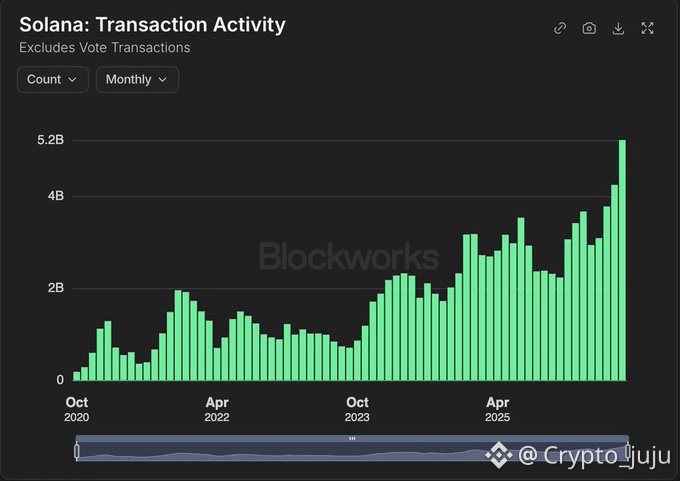
Активность в блокчейне на Solana набирает обороты. В августе сеть обработала около 5,2 млрд невключающих голосование транзакций, побив свой предыдущий месячный рекорд примерно на 24%. А сентябрь уже идет с еще более высокими показателями. Похоже, активность на Solana снова растет. $SOL $ZEC
Активность в блокчейне на Solana набирает обороты. В августе сеть обработала около 5,2 млрд невключающих голосование транзакций, побив свой предыдущий месячный рекорд примерно на 24%. А сентябрь уже идет с еще более высокими показателями. Похоже, активность на Solana снова растет. $SOL $ZEC
36
·
--
Я недавно наткнулся на $AKE, и идея, лежащая за AKEDO, на самом деле довольно интересна. Проект пытается внедрить ИИ в создание игр, используя разные ИИ-агенты для задач вроде построения миров, разработки правил, балансировки геймплея и создания историй. Так что вместо того чтобы нужно было уметь с нуля писать код игры, идея в том, что вы можете описать, чего хотите, а ИИ возьмёт на себя большую часть работы. И вот здесь в игру вступает AKE — он поддерживает такие вещи, как ИИ‑подсказки, публикация игр, стейкинг и ликвидность игрового токена в экосистеме. ИИ + игры + крипто — это интересное сочетание. Сейчас я просто наблюдаю, насколько эта идея превратится в реальное использование. #Altcoin Season# $HYPE
Я недавно наткнулся на $AKE, и идея, лежащая за AKEDO, на самом деле довольно интересна. Проект пытается внедрить ИИ в создание игр, используя разные ИИ-агенты для задач вроде построения миров, разработки правил, балансировки геймплея и создания историй. Так что вместо того чтобы нужно было уметь с нуля писать код игры, идея в том, что вы можете описать, чего хотите, а ИИ возьмёт на себя большую часть работы. И вот здесь в игру вступает AKE — он поддерживает такие вещи, как ИИ‑подсказки, публикация игр, стейкинг и ликвидность игрового токена в экосистеме. ИИ + игры + крипто — это интересное сочетание. Сейчас я просто наблюдаю, насколько эта идея превратится в реальное использование. #Altcoin Season# $HYPE

72
·
--
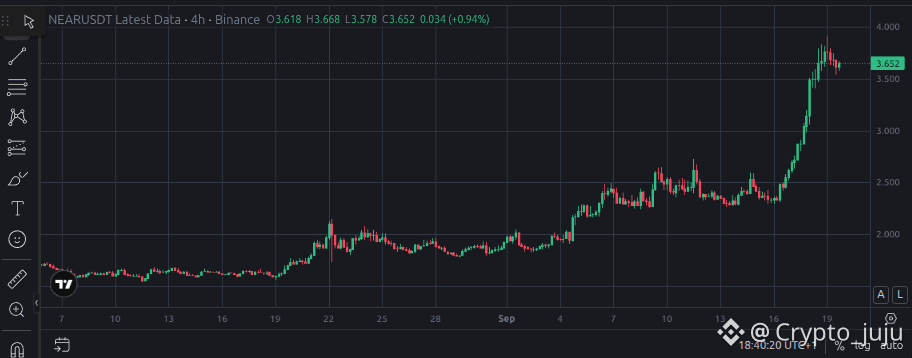
$NEAR в последнее время хорошо смотрится на графике. И всякий раз, когда я вижу токен, который делает сильный рывок, я начинаю смотреть дальше цены. Куда уходит ликвидность? Насколько легко эти активы могут перемещаться между экосистемами? И какая инфраструктура делает это возможным? Это возвращает меня к Omniston. Что делает Omniston для меня интересным, так это то, что это не просто очередной мост. Это слой кроссчейн-исполнения, построенный @ston_fi, который обрабатывает маршрутизацию, ликвидность и расчёты, сохраняя активы нативными, а не полагаясь на обёрнутые токены. Он уже работает на нескольких сетях, включая TON, Ethereum, Base, $BNB Chain, Polygon, Arbitrum, Avalanche, TRON и Robinhood Chain, при этом новые сети будут подключаться поэтапно. И я думаю, именно это поддерживает актуальность нарратива. Крипто становится более фрагментированным, а не менее. Больше цепочек, больше приложений, больше ликвидности и больше активов. Поэтому инфраструктура, которая может связать всё это, не заставляя пользователей продираться через кучу лишних шагов, становится всё более важной. Для меня следующий вопрос — это не просто **“что построил Omniston?” Это **“как далеко это может зайти, если к нему начнут подключаться больше кошельков, приложений и цепочек?” Именно за этим я наблюдаю. #Altcoin Season#
$NEAR в последнее время хорошо смотрится на графике. И всякий раз, когда я вижу токен, который делает сильный рывок, я начинаю смотреть дальше цены. Куда уходит ликвидность? Насколько легко эти активы могут перемещаться между экосистемами? И какая инфраструктура делает это возможным? Это возвращает меня к Omniston. Что делает Omniston для меня интересным, так это то, что это не просто очередной мост. Это слой кроссчейн-исполнения, построенный @ston_fi, который обрабатывает маршрутизацию, ликвидность и расчёты, сохраняя активы нативными, а не полагаясь на обёрнутые токены. Он уже работает на нескольких сетях, включая TON, Ethereum, Base, $BNB Chain, Polygon, Arbitrum, Avalanche, TRON и Robinhood Chain, при этом новые сети будут подключаться поэтапно. И я думаю, именно это поддерживает актуальность нарратива. Крипто становится более фрагментированным, а не менее. Больше цепочек, больше приложений, больше ликвидности и больше активов. Поэтому инфраструктура, которая может связать всё это, не заставляя пользователей продираться через кучу лишних шагов, становится всё более важной. Для меня следующий вопрос — это не просто **“что построил Omniston?” Это **“как далеко это может зайти, если к нему начнут подключаться больше кошельков, приложений и цепочек?” Именно за этим я наблюдаю. #Altcoin Season#
25
·
--
Чем больше я читаю о том, куда движутся деньги и активы, тем больше думаю, что кроссчейн-UX станет действительно важным. МВФ уже говорил о том, как токенизированные деньги и активы могли бы перемещаться по общей блокчейн-инфраструктуре в сетях вроде $XRP $HBAR — при этом платежи, расчеты и права собственности происходят на более близком друг к другу уровне. Но есть и большой вопрос: фрагментация и интероперабельность. Потому что то, что всё находится в ончейне, не означает автоматически, что всё становится проще. Можно иметь стейблкоины в одной сети, токенизированные активы в другой, а ликвидность — где-то ещё. Пользователю всё равно приходится разбираться, как перемещаться между ними. Именно это — часть @ston_fi, которой я в последнее время уделяю больше внимания. С **Omniston** цель в том, чтобы кроссчейн-сторона ощущалась гораздо проще: выберите то, что у вас есть, выберите то, что хотите, посмотрите котировку и позвольте инфраструктуре обрабатывать маршрутизацию и расчеты «под капотом». Сейчас она подключается к TON, TRON и нескольким EVM-сетям, а добавление новых сетей происходит поэтапно. Вот почему UX-аспект мне особенно интересен. Если крипто станет более мультичейн, пользователям не должно требоваться понимать каждую сеть только ради того, чтобы переместить актив. Инфраструктура должна брать на себя большую часть этой сложности в фоне. И я думаю, что именно здесь у Omniston есть потенциал стать ещё более актуальным по мере того, как всё больше активов, приложений и ликвидности будут переходить ончейн.
Чем больше я читаю о том, куда движутся деньги и активы, тем больше думаю, что кроссчейн-UX станет действительно важным. МВФ уже говорил о том, как токенизированные деньги и активы могли бы перемещаться по общей блокчейн-инфраструктуре в сетях вроде $XRP $HBAR — при этом платежи, расчеты и права собственности происходят на более близком друг к другу уровне. Но есть и большой вопрос: фрагментация и интероперабельность. Потому что то, что всё находится в ончейне, не означает автоматически, что всё становится проще. Можно иметь стейблкоины в одной сети, токенизированные активы в другой, а ликвидность — где-то ещё. Пользователю всё равно приходится разбираться, как перемещаться между ними. Именно это — часть @ston_fi, которой я в последнее время уделяю больше внимания. С **Omniston** цель в том, чтобы кроссчейн-сторона ощущалась гораздо проще: выберите то, что у вас есть, выберите то, что хотите, посмотрите котировку и позвольте инфраструктуре обрабатывать маршрутизацию и расчеты «под капотом». Сейчас она подключается к TON, TRON и нескольким EVM-сетям, а добавление новых сетей происходит поэтапно. Вот почему UX-аспект мне особенно интересен. Если крипто станет более мультичейн, пользователям не должно требоваться понимать каждую сеть только ради того, чтобы переместить актив. Инфраструктура должна брать на себя большую часть этой сложности в фоне. И я думаю, что именно здесь у Omniston есть потенциал стать ещё более актуальным по мере того, как всё больше активов, приложений и ликвидности будут переходить ончейн.
36
·
--
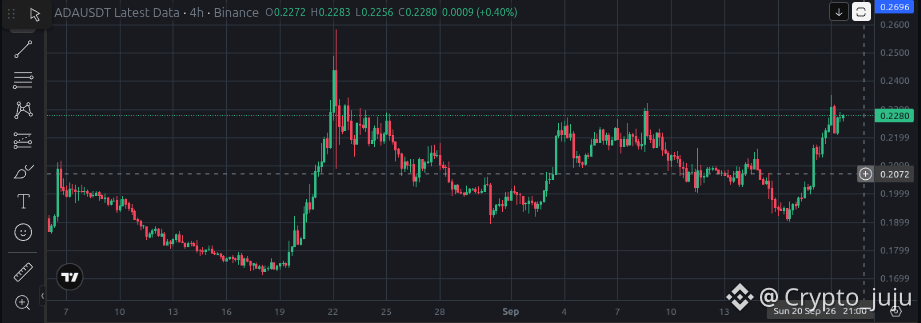
Недавний $ADA-эксплойт на Splash — еще одно напоминание о вещи, которую, как мне кажется, в DeFi часто упускают из виду. Уязвимость валидатора была исправлена, но примерно 2,42 млн ADA по‑прежнему отсутствуют. Исправление кода может остановить тот же путь атаки, однако это не возвращает ликвидность, которая уже была выведена. Меня это заставило задуматься о STON и @ston_fi. Когда вы работаете с DEX и ликвидностью, важно не только то, сколько ликвидности есть у протокола. Также нужно смотреть на инфраструктуру: как защищены контракты, как обрабатываются свопы и что происходит, когда что-то идет не так. Платформа утверждает, что ее контракты — с открытым исходным кодом и прошли аудит, а ее контракты v2 были проверены Trail of Bits. Эскроу‑контракты Omniston также прошли аудит — критических проблем не сообщалось. Очевидно, это не означает «нулевой риск». DeFi не работает так, как будто рисков не бывает. Но по мере того, как Stonfi расширяется от TON DEX до кроссчейн‑инфраструктуры, безопасность становится еще важнее. Больше цепочек — значит, больше ликвидности. Больше ликвидности — значит, больше пользователей и больше ценности, которая проходит через систему. И чем больше становится система, тем важнее правильно выстроить инфраструктуру. Вот на что в Ston я обращаю внимание помимо графика. $HBAR #Altcoin Season#
Недавний $ADA-эксплойт на Splash — еще одно напоминание о вещи, которую, как мне кажется, в DeFi часто упускают из виду. Уязвимость валидатора была исправлена, но примерно 2,42 млн ADA по‑прежнему отсутствуют. Исправление кода может остановить тот же путь атаки, однако это не возвращает ликвидность, которая уже была выведена. Меня это заставило задуматься о STON и @ston_fi. Когда вы работаете с DEX и ликвидностью, важно не только то, сколько ликвидности есть у протокола. Также нужно смотреть на инфраструктуру: как защищены контракты, как обрабатываются свопы и что происходит, когда что-то идет не так. Платформа утверждает, что ее контракты — с открытым исходным кодом и прошли аудит, а ее контракты v2 были проверены Trail of Bits. Эскроу‑контракты Omniston также прошли аудит — критических проблем не сообщалось. Очевидно, это не означает «нулевой риск». DeFi не работает так, как будто рисков не бывает. Но по мере того, как Stonfi расширяется от TON DEX до кроссчейн‑инфраструктуры, безопасность становится еще важнее. Больше цепочек — значит, больше ликвидности. Больше ликвидности — значит, больше пользователей и больше ценности, которая проходит через систему. И чем больше становится система, тем важнее правильно выстроить инфраструктуру. Вот на что в Ston я обращаю внимание помимо графика. $HBAR #Altcoin Season#
48
Войдите, чтобы посмотреть больше материала
Присоединяйтесь к пользователям криптовалют по всему миру на Binance Square
⚡️ Получайте новейшую и полезную информацию о криптоактивах.
💬 Нам доверяет крупнейшая в мире криптобиржа.
👍 Получите достоверные аналитические данные от верифицированных создателей контента.
Эл. почта/номер телефона
В тренде
AIStocksWhatNext
Просмотров: 1.1M
7,248 обсуждают
Поделись и выиграй награду за трафик в нашей кампании с трендовым хэштегом
✨Тема: Какие ещё инвестиционные возможности остаются, пока акции ИИ продолжают расти?
👉Как принять участие:
Опубликуйте короткий пост или статью с хэштегом #AIStocksWhatNext
Расскажите, вы бычьей или медвежьей позиции придерживаетесь, и опубликуйте свои холдинги или сделки по акциям ИИ — использование виджета для трейда может повысить вашу соответствие требованиям.
Вы также можете усилить пост, поделившись данными или графиками, и избегая изображений, сгенерированных ИИ.
✍️Создайте контент, опираясь на приведённые ниже ракурсы:
- Nvidia говорит, что продажи чипов удвоятся в следующем году, а ведущие компании в сфере ИИ продолжают бить рекорды по выручке — затраты на вычисления за этим стоят просто колоссальные. Спрос на ИИ действительно растёт? И как долго это может продолжаться? Акции ИИ растут по всему рынку. Это реальный прорыв или просто краткосрочный отскок?
- Лидеры отрасли призывают замедлить развитие ИИ, а Трамп планирует создать «AI Force» («ИИ-Силу»), утверждая, что ИИ может составить 25% ВВП США в будущем. На чьей вы стороне? Будет ли поддержка на уровне штатов долгосрочной победой для акций ИИ?
- Покупаете ли вы акции ИИ? Поделитесь своей сделкой/холдингами по темам ИИ с помощью нашего виджета для обмена трейдами.
⏰Период кампании:
- 2026-09-22 7:00 - 2026-09-24 4:00 UTC
🎁Награда:
- Квалифицированные посты, которые соответствуют указанным выше правилам и содержат более 100 слов, будут рассмотрены и могут получить случайный бонус к трафику в размере 500–3 000 просмотров. Если ваш пост будет выбран, вы получите уведомление от вашего секретаря ленты.
- Получите шанс, чтобы вашу статью разместили на Binance Square Official
Нужны идеи для поста? Перейдите на страницу темы #AIStocksWhatNext или Square Guide on How to Post for Better Reach.
Binance Square Official
·Лайков: 621
·Просмотров: 1.8M
fomcотслеживание
Просмотров: 40,845
329 обсуждают
ПротоколFOMC
Просмотров: 28,387
118 обсуждают