

Crypto.Andy
514 Публикации

Crypto.Andy
Отправить жалобу
Заблокировать пользователя
Top #1 Community Creator on CoinMarketCap according to CoinGape | Investor and trader | Listing & Institutional Services Partner of WhiteBIT | Affiliate & Listing Partner of BitUnix | Listing Partner of BitMart & MEXC
0 подписок(и/а)
4 подписчиков(а)
26 понравилось
Посты
·
--
Два крупнейших криптовалютных казначейства отчитались о покупках за неделю 🟠 Strategy приобрела 334 $BTC с 1 по 4 октября, потратив около $28,7 млн по средней цене ~$85 839. Теперь компания владеет 848 000 BTC, а средняя цена покупки составляет ~$75 441 за монету. Интересно, что это была самая небольшая покупка биткоина компанией Strategy в 2026 году. За ту же неделю компания потратила $176,3 млн на выкуп привилегированных акций STRC. Так что пока значительная часть капитала направляется на поддержку привилегированных акций, а не на дальнейшее накопление BTC. 🔷 BitMine продолжила свою серию покупок и на прошлой неделе приобрела ещё 15 112 $ETH. Теперь казначейство владеет 6 016 414 ETH — это около 4,9% от общего предложения, что означает достижение 99% цели «Алхимия 5%». Более 5 миллионов этих ETH уже размещены в стейкинге. Сейчас Strategy явно управляет своей структурой капитала, тогда как BitMine покупает каждую неделю и почти достигла цели. Будет интересно посмотреть, что BitMine станет делать после достижения отметки в 5% 🤔 #АнализЦеныBTC# #ПрогнозЦеныБиткоина:КаковСледующийШагБиткоина?#
Два крупнейших криптовалютных казначейства отчитались о покупках за неделю 🟠 Strategy приобрела 334 $BTC с 1 по 4 октября, потратив около $28,7 млн по средней цене ~$85 839. Теперь компания владеет 848 000 BTC, а средняя цена покупки составляет ~$75 441 за монету. Интересно, что это была самая небольшая покупка биткоина компанией Strategy в 2026 году. За ту же неделю компания потратила $176,3 млн на выкуп привилегированных акций STRC. Так что пока значительная часть капитала направляется на поддержку привилегированных акций, а не на дальнейшее накопление BTC. 🔷 BitMine продолжила свою серию покупок и на прошлой неделе приобрела ещё 15 112 $ETH. Теперь казначейство владеет 6 016 414 ETH — это около 4,9% от общего предложения, что означает достижение 99% цели «Алхимия 5%». Более 5 миллионов этих ETH уже размещены в стейкинге. Сейчас Strategy явно управляет своей структурой капитала, тогда как BitMine покупает каждую неделю и почти достигла цели. Будет интересно посмотреть, что BitMine станет делать после достижения отметки в 5% 🤔 #АнализЦеныBTC# #ПрогнозЦеныБиткоина:КаковСледующийШагБиткоина?#
105
·
--
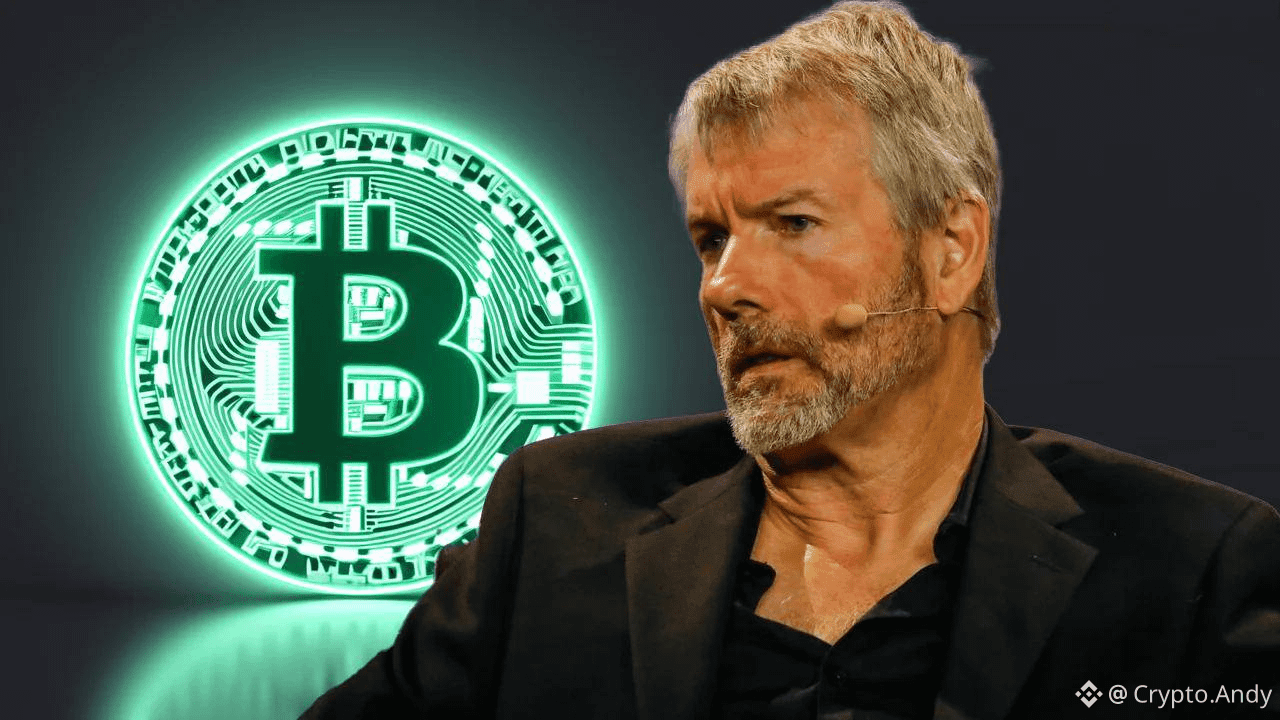
Майкл Сэйлор называет следующие 10 лет «золотой лихорадкой» для биткоина 🧐⛏️ $BTC торгуется около $86K, а Сэйлор уже заглядывает на десятилетие вперёд. Его аргумент сводится к масштабу. Сегодня весь крипторынок оценивается примерно в $3 трлн 📊 На остальные активы в мире приходится около $1 000–1 200 трлн: недвижимость, акции, облигации и золото. Так что доля криптовалют в мировом пироге пока крошечная 🥧 Сэйлор считает, что крипторынок вступил в фазу гиперроста. Если его доля вырастет всего до 10%, криптоэкономика может достичь примерно $120 трлн. Это примерно в 40 раз больше нынешнего уровня 🚀 Логика проста: биткоину не нужно заменять всё. Ему достаточно занять небольшую часть стоимости, уже вложенной в традиционные активы. Конечно, десять лет — долгий срок, и такие прогнозы указывают направление, а не точные сроки ⏳ И всё же разрыв между $3 трлн и более чем $1 000 трлн показывает, насколько велик потенциал роста #Анализ цены BTC# #Прогноз цены биткоина: что будет дальше с биткоином?#
Майкл Сэйлор называет следующие 10 лет «золотой лихорадкой» для биткоина 🧐⛏️ $BTC торгуется около $86K, а Сэйлор уже заглядывает на десятилетие вперёд. Его аргумент сводится к масштабу. Сегодня весь крипторынок оценивается примерно в $3 трлн 📊 На остальные активы в мире приходится около $1 000–1 200 трлн: недвижимость, акции, облигации и золото. Так что доля криптовалют в мировом пироге пока крошечная 🥧 Сэйлор считает, что крипторынок вступил в фазу гиперроста. Если его доля вырастет всего до 10%, криптоэкономика может достичь примерно $120 трлн. Это примерно в 40 раз больше нынешнего уровня 🚀 Логика проста: биткоину не нужно заменять всё. Ему достаточно занять небольшую часть стоимости, уже вложенной в традиционные активы. Конечно, десять лет — долгий срок, и такие прогнозы указывают направление, а не точные сроки ⏳ И всё же разрыв между $3 трлн и более чем $1 000 трлн показывает, насколько велик потенциал роста #Анализ цены BTC# #Прогноз цены биткоина: что будет дальше с биткоином?#
43
·
--
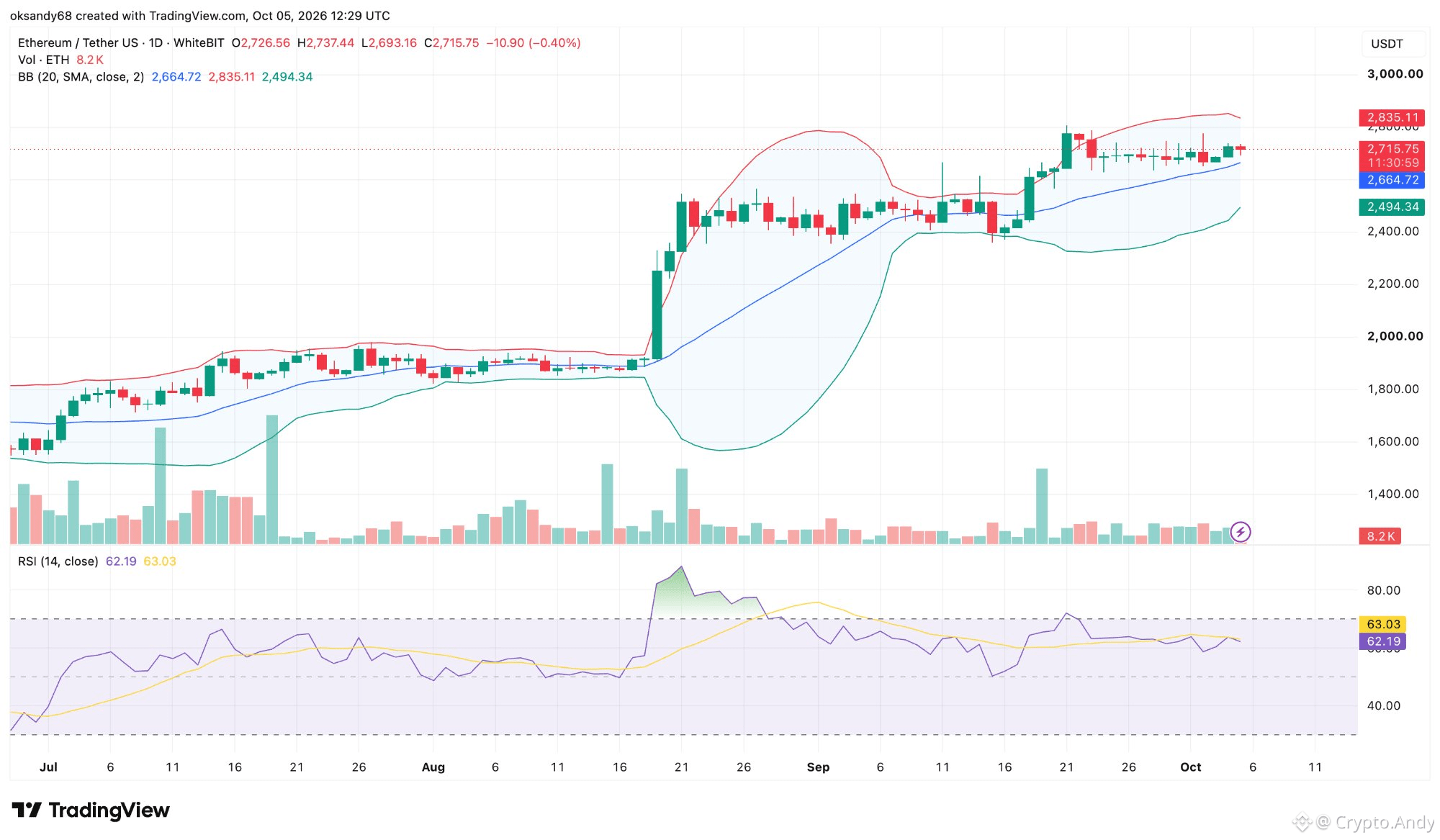
$ETH накапливает потенциал, и график, похоже, готовится к следующему движению 👀📊 Последние две недели Ethereum торговался в узком диапазоне около $2,700, и дневной график показывает, почему трейдеры внимательно следят за ситуацией. Вот что видно на дневном графике ETH/USDT: 🔹 Цена: $2,715 (−0.4% сегодня) 🔹 Диапазон с 21 сентября: ~$2,650–$2,750 🔹 Полосы Боллинджера: средняя $2,665, верхняя $2,835, нижняя $2,494 🔹 RSI: 62 — бычий сигнал, но без перегрева Верхняя полоса выравнивается, а нижняя продолжает расти, поэтому полосы сужаются. Такое сжатие часто предшествует резкому движению. Уровень, который нужно удержать, — 20-дневная средняя около $2,665, а первое сопротивление, которое предстоит пробить, — ~$2,835 📍 Для контекста: ETH вырос примерно на 80% относительно июньского минимума около $1,500. Фундаментальные факторы тоже набирают вес: 💰 22 сентября спотовые ETF на Ether в США привлекли $162.2M 🎯 Том Ли ожидает, что к концу года ETH вернётся к максимуму около $5,000, и говорит, что в ближайшие годы $60K — «вполне возможно» Ещё один интересный факт: новое исследование ФРБ Филадельфии показало, что трейдеры ETH почти не реагируют на действия крупных держателей (активность продаж меняется всего на 0.76 п.п.), тогда как владельцы небольших BTC-кошельков начинают действовать в течение 15 минут после оповещений о крупных держателях 🐋 Что дальше: пробой выше $2,835 или ещё один тест средней полосы? 👇 #ETHBlockchain #ETH #СезонАльткоинов#
$ETH накапливает потенциал, и график, похоже, готовится к следующему движению 👀📊 Последние две недели Ethereum торговался в узком диапазоне около $2,700, и дневной график показывает, почему трейдеры внимательно следят за ситуацией. Вот что видно на дневном графике ETH/USDT: 🔹 Цена: $2,715 (−0.4% сегодня) 🔹 Диапазон с 21 сентября: ~$2,650–$2,750 🔹 Полосы Боллинджера: средняя $2,665, верхняя $2,835, нижняя $2,494 🔹 RSI: 62 — бычий сигнал, но без перегрева Верхняя полоса выравнивается, а нижняя продолжает расти, поэтому полосы сужаются. Такое сжатие часто предшествует резкому движению. Уровень, который нужно удержать, — 20-дневная средняя около $2,665, а первое сопротивление, которое предстоит пробить, — ~$2,835 📍 Для контекста: ETH вырос примерно на 80% относительно июньского минимума около $1,500. Фундаментальные факторы тоже набирают вес: 💰 22 сентября спотовые ETF на Ether в США привлекли $162.2M 🎯 Том Ли ожидает, что к концу года ETH вернётся к максимуму около $5,000, и говорит, что в ближайшие годы $60K — «вполне возможно» Ещё один интересный факт: новое исследование ФРБ Филадельфии показало, что трейдеры ETH почти не реагируют на действия крупных держателей (активность продаж меняется всего на 0.76 п.п.), тогда как владельцы небольших BTC-кошельков начинают действовать в течение 15 минут после оповещений о крупных держателях 🐋 Что дальше: пробой выше $2,835 или ещё один тест средней полосы? 👇 #ETHBlockchain #ETH #СезонАльткоинов#
57
·
--
Токены ИИ сегодня задают тон — и дело не только в шумихе 🤖📈 Пока крупные игроки отдыхают, токены ИИ сегодня в центре внимания. $BTC держится около $86K (+0.9%), а $ETH — около $2,718 (+0.6%). Спокойно, стабильно, а индикатор тренда биткоина по-прежнему указывает вверх. Но взгляните на лидеров роста: 🔹 FET (Альянс искусственного суперинтеллекта): +14.6% 🔹 VIRTUAL (Virtual Protocol): +10.5% 🔹 Ribbita от Virtuals: +10.3% Три из пяти лидеров роста связаны с ИИ, а два из них входят в экосистему ИИ-агентов Virtuals 🧠 Интересно, что тема ИИ-агентов уже вышла за пределы графиков. По данным Keyrock, ИИ-агенты уже совершили 176 млн платежей, в основном на суммы от 1 до 10 центов. А Visa запустила инфраструктуру, которая позволяет ИИ-агентам совершать покупки от имени пользователей. Похоже, рынок делает ставку на простую идею: ИИ-агенты станут полноценными участниками экономики, и для платежей им понадобятся криптовалютные рельсы 💸 Акции криптокомпаний тоже на подъёме: Strategy +2.4%, Circle +2.5% и Coinbase +2.0%. Опережает ли нарратив об ИИ-агентах реальность или всё только начинается? 👇 #BTC Анализ цены# #Макроэкономический обзор#
Токены ИИ сегодня задают тон — и дело не только в шумихе 🤖📈 Пока крупные игроки отдыхают, токены ИИ сегодня в центре внимания. $BTC держится около $86K (+0.9%), а $ETH — около $2,718 (+0.6%). Спокойно, стабильно, а индикатор тренда биткоина по-прежнему указывает вверх. Но взгляните на лидеров роста: 🔹 FET (Альянс искусственного суперинтеллекта): +14.6% 🔹 VIRTUAL (Virtual Protocol): +10.5% 🔹 Ribbita от Virtuals: +10.3% Три из пяти лидеров роста связаны с ИИ, а два из них входят в экосистему ИИ-агентов Virtuals 🧠 Интересно, что тема ИИ-агентов уже вышла за пределы графиков. По данным Keyrock, ИИ-агенты уже совершили 176 млн платежей, в основном на суммы от 1 до 10 центов. А Visa запустила инфраструктуру, которая позволяет ИИ-агентам совершать покупки от имени пользователей. Похоже, рынок делает ставку на простую идею: ИИ-агенты станут полноценными участниками экономики, и для платежей им понадобятся криптовалютные рельсы 💸 Акции криптокомпаний тоже на подъёме: Strategy +2.4%, Circle +2.5% и Coinbase +2.0%. Опережает ли нарратив об ИИ-агентах реальность или всё только начинается? 👇 #BTC Анализ цены# #Макроэкономический обзор#

79
·
--
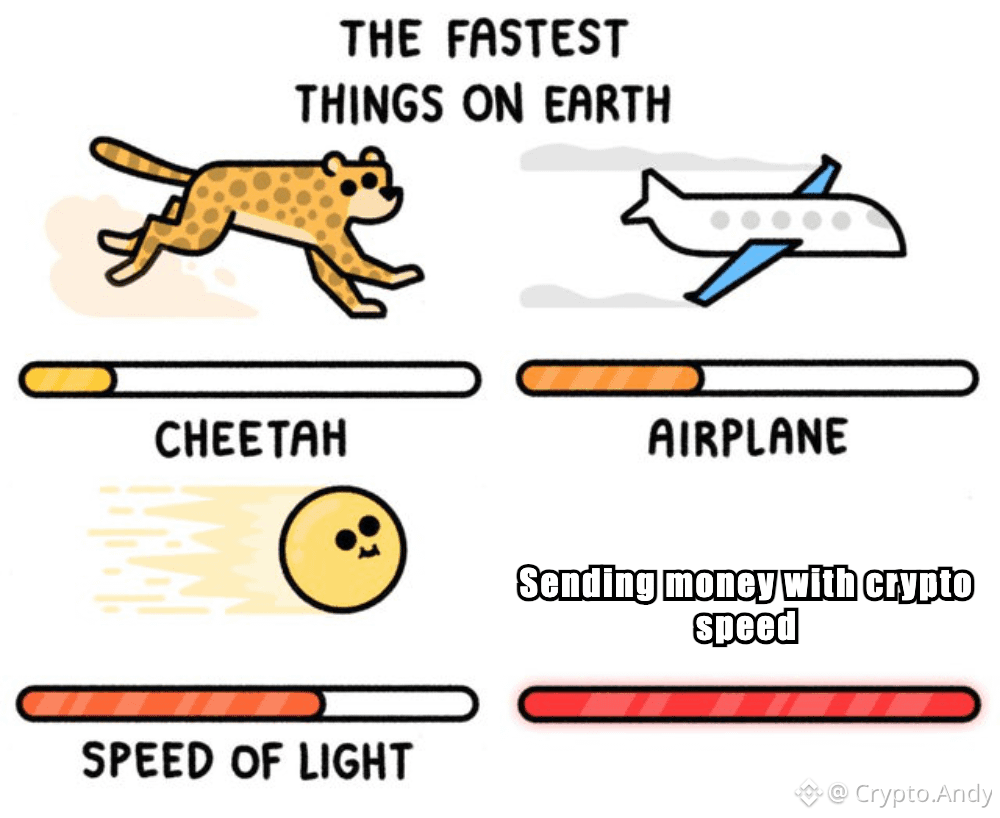
Стейблкоины ещё даже толком не начали 🚀 За год с помощью стейблкоинов перемещают около 35 триллионов долларов, но лишь примерно 1% этой суммы приходится на реальные платежи — например, на переводы денег домой или получение зарплаты. Об этом говорится в материале CoinDesk о раунде финансирования KAST, опубликованном ранее в этом году. Поэтому сегодня большая часть операций со стейблкоинами — это торговля и переводы средств между платформами. Их повседневное использование только начинается 👀 Но уже заметно, что оно набирает обороты: 🔹 Сейчас Visa проводит расчёты в стейблкоинах примерно на 20 млрд долларов в год — это более чем в 15 раз больше, чем год назад. 🔹 Объём трансграничных платежей в стейблкоинах вырос на 64% в 2025 году, тогда как через традиционные банковские системы — всего на 9% (Allium). 🔹 Приложение для платежей в стейблкоинах KAST набрало 1 млн пользователей за первые 18 месяцев. Для обычных людей это может изменить самые привычные вещи: отправлять деньги $BTC родным за границу за считаные минуты, а не дни; получать оплату от клиента из другой страны без безумных комиссий; или однажды расплачиваться за кофе «цифровыми долларами» так же легко, как картой ☕ Если так выглядит 1%, представьте, что будет, когда их доля достигнет 10% 🤯 Вы когда-нибудь платили стейблкоинами? 👇 #Анализ цены BTC# #Макроэкономические наблюдения#
Стейблкоины ещё даже толком не начали 🚀 За год с помощью стейблкоинов перемещают около 35 триллионов долларов, но лишь примерно 1% этой суммы приходится на реальные платежи — например, на переводы денег домой или получение зарплаты. Об этом говорится в материале CoinDesk о раунде финансирования KAST, опубликованном ранее в этом году. Поэтому сегодня большая часть операций со стейблкоинами — это торговля и переводы средств между платформами. Их повседневное использование только начинается 👀 Но уже заметно, что оно набирает обороты: 🔹 Сейчас Visa проводит расчёты в стейблкоинах примерно на 20 млрд долларов в год — это более чем в 15 раз больше, чем год назад. 🔹 Объём трансграничных платежей в стейблкоинах вырос на 64% в 2025 году, тогда как через традиционные банковские системы — всего на 9% (Allium). 🔹 Приложение для платежей в стейблкоинах KAST набрало 1 млн пользователей за первые 18 месяцев. Для обычных людей это может изменить самые привычные вещи: отправлять деньги $BTC родным за границу за считаные минуты, а не дни; получать оплату от клиента из другой страны без безумных комиссий; или однажды расплачиваться за кофе «цифровыми долларами» так же легко, как картой ☕ Если так выглядит 1%, представьте, что будет, когда их доля достигнет 10% 🤯 Вы когда-нибудь платили стейблкоинами? 👇 #Анализ цены BTC# #Макроэкономические наблюдения#
52
·
--
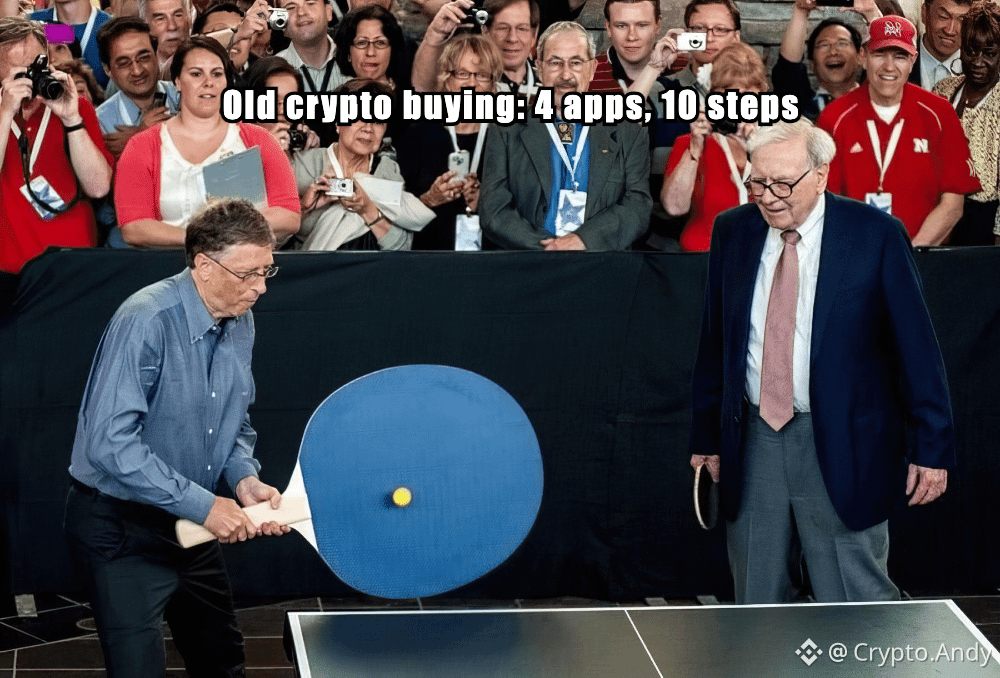
Сколько приложений нужно, чтобы купить криптовалюту? 📱📱📱 Помните, как несколько лет назад покупали $BTC? 😅 Тогда всё было так: зарплата поступает на банковский счёт. Вы переводите деньги на биржу и ждёте день, а иногда и дольше. Наконец проходите все проверки и покупаете монеты. Потом переводите их на кошелёк, трижды проверяете сеть и затаив дыхание копируете адрес. Четыре приложения, долгое ожидание и как минимум один момент в духе: «Я что, только что потерял свои деньги?» А теперь: ✅ вы открываете то же банковское приложение, которым пользуетесь каждый день. ✅ нажимаете «Купить криптовалюту». ✅ Готово. Ваша зарплата и криптовалюта — бок о бок. И это не просто мечта. Revolut получила лицензию MiCA, действующую во всех 30 странах ЕЭЗ, так что криптовалюта доступна прямо в её супераппе. N26 позволяет клиентам в нескольких странах ЕС покупать более 300 монет прямо в банковском приложении — всего от €1. Честно говоря, удивительно, как быстро всё изменилось: от «без инструкции не разобраться» до «это просто ещё одна кнопка». А вы бы стали покупать криптовалюту прямо в банковском приложении или всё ещё предпочитаете отдельную биржу? 👇 #Анализ цены BTC# #Прогноз цены биткоина: какой будет следующий шаг биткоина?#
Сколько приложений нужно, чтобы купить криптовалюту? 📱📱📱 Помните, как несколько лет назад покупали $BTC? 😅 Тогда всё было так: зарплата поступает на банковский счёт. Вы переводите деньги на биржу и ждёте день, а иногда и дольше. Наконец проходите все проверки и покупаете монеты. Потом переводите их на кошелёк, трижды проверяете сеть и затаив дыхание копируете адрес. Четыре приложения, долгое ожидание и как минимум один момент в духе: «Я что, только что потерял свои деньги?» А теперь: ✅ вы открываете то же банковское приложение, которым пользуетесь каждый день. ✅ нажимаете «Купить криптовалюту». ✅ Готово. Ваша зарплата и криптовалюта — бок о бок. И это не просто мечта. Revolut получила лицензию MiCA, действующую во всех 30 странах ЕЭЗ, так что криптовалюта доступна прямо в её супераппе. N26 позволяет клиентам в нескольких странах ЕС покупать более 300 монет прямо в банковском приложении — всего от €1. Честно говоря, удивительно, как быстро всё изменилось: от «без инструкции не разобраться» до «это просто ещё одна кнопка». А вы бы стали покупать криптовалюту прямо в банковском приложении или всё ещё предпочитаете отдельную биржу? 👇 #Анализ цены BTC# #Прогноз цены биткоина: какой будет следующий шаг биткоина?#
67
·
--
Увеличиваете масштаб своего трейдингового деска? Вот как защитить стратегический капитал 📈 Когда количественная команда расширяется и запускает новые алгоритмы $BTC, запуск их с одного мастер-аккаунта создаёт общую зону риска. Представьте: две стратегии на одном биржевом аккаунте — спокойный бот для маркет-мейкинга в споте и агрессивный алгоритм для фьючерсов с кредитным плечом. 📊 Если фьючерсный бот во время рыночного всплеска запускает каскад ликвидации, кросс-маржа тянет обеспечение из вашего спотового баланса — в считанные секунды вы обнуляете обе стратегии. 🌐 Как убрать этот риск? — можете спросить вы. В моём последнем материале Medium я разбираю, как институциональная инфраструктура может это решить: https://medium.com/block-magnates/one-kyb-many-sub-accounts-scaling-strategies-without-scaling-risk-6f26465e7b7f Давайте начнём с архитектуры субаккаунтов. 📈 Например, WhiteBIT позволяет компаниям пройти корпоративную онбординг-процедуру один раз и создать изолированные суб-главные книги, сохраняя риски $BTC-стратегий раздельными. Далее — правовая изоляция через SPV: подход, который используют институциональные провайдеры вроде B2C2, чтобы создать жёсткие юридические границы для крупномасштабного OTC-исполнения. Наконец, существуют многоуровневые рамки комиссий и объёмов, например программа Gate.іо, предлагающая тестовые тарифные уровни для управления риском в масштабе. Какую модель вы бы выбрали, если бы вам нужно было защищать эти две стратегии уже сегодня? Напишите в комментариях! ⚙️ #BTC Price Analysis# #Bitcoin Price Prediction: What is Bitcoins next move?#
Увеличиваете масштаб своего трейдингового деска? Вот как защитить стратегический капитал 📈 Когда количественная команда расширяется и запускает новые алгоритмы $BTC, запуск их с одного мастер-аккаунта создаёт общую зону риска. Представьте: две стратегии на одном биржевом аккаунте — спокойный бот для маркет-мейкинга в споте и агрессивный алгоритм для фьючерсов с кредитным плечом. 📊 Если фьючерсный бот во время рыночного всплеска запускает каскад ликвидации, кросс-маржа тянет обеспечение из вашего спотового баланса — в считанные секунды вы обнуляете обе стратегии. 🌐 Как убрать этот риск? — можете спросить вы. В моём последнем материале Medium я разбираю, как институциональная инфраструктура может это решить: https://medium.com/block-magnates/one-kyb-many-sub-accounts-scaling-strategies-without-scaling-risk-6f26465e7b7f Давайте начнём с архитектуры субаккаунтов. 📈 Например, WhiteBIT позволяет компаниям пройти корпоративную онбординг-процедуру один раз и создать изолированные суб-главные книги, сохраняя риски $BTC-стратегий раздельными. Далее — правовая изоляция через SPV: подход, который используют институциональные провайдеры вроде B2C2, чтобы создать жёсткие юридические границы для крупномасштабного OTC-исполнения. Наконец, существуют многоуровневые рамки комиссий и объёмов, например программа Gate.іо, предлагающая тестовые тарифные уровни для управления риском в масштабе. Какую модель вы бы выбрали, если бы вам нужно было защищать эти две стратегии уже сегодня? Напишите в комментариях! ⚙️ #BTC Price Analysis# #Bitcoin Price Prediction: What is Bitcoins next move?#

29
·
--
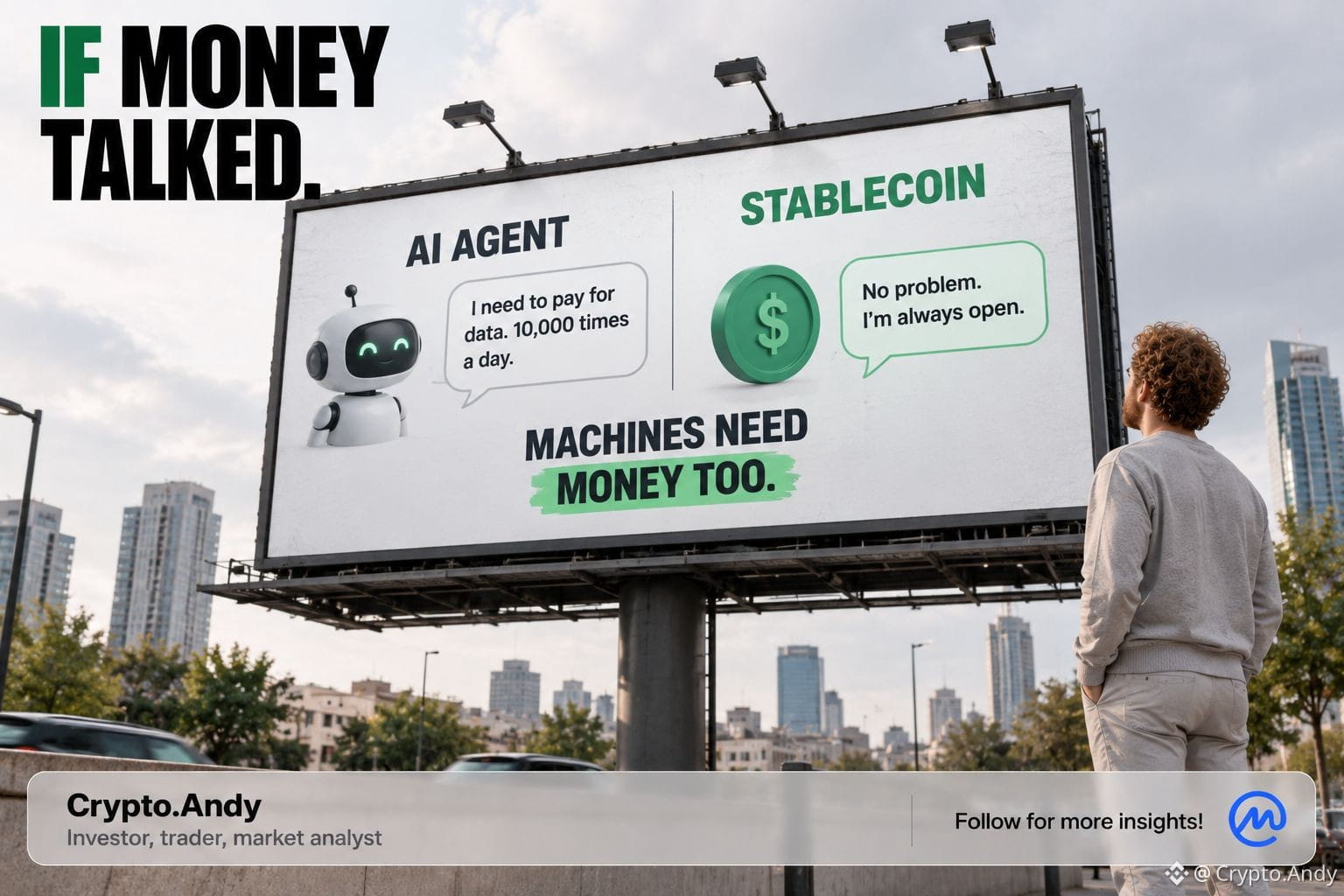
Когда крупнейший в мире управляющий активами выпускает целую «белую книгу» об AI-агентах, которые рассчитываются с помощью стейблкоинов $BTC, стоит присмотреться. В книге «The Machine-Native Economy» BlackRock описывает будущее, в котором AI-агенты сами покупают данные, услуги и вычислительные мощности. Платежными рельсами, которые они будут использовать, станут стейблкоины. И цифры немалые: 🔹 $300B+ стейблкоинов в обращении 🔹 $11T объём транзакций в стейблкоинах в 2025 🔹 80% среднегодового роста в 2020–2025 гг. Для контекста: сеть US ACH за прошлый год переместила $93T. Так что стейблкоины пока не там, но растут куда быстрее. Может ли AI-агенты быть тем самым, что наконец выведет стейблкоины в мейнстрим? 🤔 #BTC Price Analysis# #Macro Insights#
Когда крупнейший в мире управляющий активами выпускает целую «белую книгу» об AI-агентах, которые рассчитываются с помощью стейблкоинов $BTC, стоит присмотреться. В книге «The Machine-Native Economy» BlackRock описывает будущее, в котором AI-агенты сами покупают данные, услуги и вычислительные мощности. Платежными рельсами, которые они будут использовать, станут стейблкоины. И цифры немалые: 🔹 $300B+ стейблкоинов в обращении 🔹 $11T объём транзакций в стейблкоинах в 2025 🔹 80% среднегодового роста в 2020–2025 гг. Для контекста: сеть US ACH за прошлый год переместила $93T. Так что стейблкоины пока не там, но растут куда быстрее. Может ли AI-агенты быть тем самым, что наконец выведет стейблкоины в мейнстрим? 🤔 #BTC Price Analysis# #Macro Insights#
48
·
--
См. перевод
Okay, Bitcoin ETFs are back 🔥 $2.4B poured into spot $BTC ETFs in just one week, the week ending September 25. That's the biggest week we've seen since last October. And Monday alone? Almost a billion. $999M in a single day. Here's what gets me: back in July, ETFs were sitting about $5.8B in the red for the year. Now they're back in the green. Two months, full turnaround. Most of the money went into IBIT, FBTC and ARKB, which took over 90% of the week's flows. #BTC Price Analysis# #Bitcoin Price Prediction: What is Bitcoins next move?#
Okay, Bitcoin ETFs are back 🔥 $2.4B poured into spot $BTC ETFs in just one week, the week ending September 25. That's the biggest week we've seen since last October. And Monday alone? Almost a billion. $999M in a single day. Here's what gets me: back in July, ETFs were sitting about $5.8B in the red for the year. Now they're back in the green. Two months, full turnaround. Most of the money went into IBIT, FBTC and ARKB, which took over 90% of the week's flows. #BTC Price Analysis# #Bitcoin Price Prediction: What is Bitcoins next move?#
57
·
--
Вашим следующим клиентом может стать ИИ-агент. И он платит в $BTC и стейблкоинах. Звучит как научная фантастика, но это уже происходит. По данным Keyrock, с мая 2025-го по апрель 2026 года ИИ-агенты провели расчёты на сумму $73 млн в рамках 176 млн транзакций. Самое интересное — насколько малы эти платежи. Большинство составляли от 1 до 10 центов. Мелочь, повторённая миллионы раз. И 76% из них были ниже минимальной комиссии — около 30 центов, которую обычно взимают карточные системы. Платить такую комиссию за транзакцию на 5 центов бессмысленно, поэтому 98,6% этих платежей прошли через $USDC. Конечно, $73 млн — ничто по сравнению с годовыми $14,5 трлн Visa. Но Gartner считает, что к 2028 году ИИ-агенты могут обрабатывать покупки на $15 трлн. Это уже совсем не мелочь. #Анализ цены BTC# #Макроэкономический обзор#
Вашим следующим клиентом может стать ИИ-агент. И он платит в $BTC и стейблкоинах. Звучит как научная фантастика, но это уже происходит. По данным Keyrock, с мая 2025-го по апрель 2026 года ИИ-агенты провели расчёты на сумму $73 млн в рамках 176 млн транзакций. Самое интересное — насколько малы эти платежи. Большинство составляли от 1 до 10 центов. Мелочь, повторённая миллионы раз. И 76% из них были ниже минимальной комиссии — около 30 центов, которую обычно взимают карточные системы. Платить такую комиссию за транзакцию на 5 центов бессмысленно, поэтому 98,6% этих платежей прошли через $USDC. Конечно, $73 млн — ничто по сравнению с годовыми $14,5 трлн Visa. Но Gartner считает, что к 2028 году ИИ-агенты могут обрабатывать покупки на $15 трлн. Это уже совсем не мелочь. #Анализ цены BTC# #Макроэкономический обзор#

65
·
--
Для людей, агентов или обоих? Пересмотр архитектуры WaaS 🛠️ Ончейн-агенты ИИ достигли 250 000 ежедневных активных пользователей в Q1 2026 — рост на 400% в годовом исчислении, опережающий темпы прироста новых пользовательских кошельков по $ETH и Solana. Растущая доля создания кошельков в сети $BTC полностью автоматизирована. Этот сдвиг меняет ключевые требования к кошелькам. Масштабирование этой задачи порождает три критических операционных вопроса: Запускается ли AML до того, как средства поступят в каждую сеть? Сохраняется ли прослеживаемость стоимости при переходах между сетями? Добавление сетей автоматически расширяет соответствие требованиям без повторного открытия юридических проверок? Давайте посмотрим, как это на самом деле решается на рынке прямо сейчас 👇 🔵 Первый пример — Wallet-as-a-Service от WhiteBIT.https://institutional.whitebit.com/crypto-wallets-for-business?utm_source=coinmarketcap&utm_medium=waas2_andy&utm_campaign=post Он генерирует адреса для 340+ активов в 80+ сетях, при этом автоматическая AML-проверка встроена в процесс генерации адресов, так что не имеет значения, приходят ли средства от человека или от ИИ-агента. Безопасность тоже обеспечена: WhiteBIT хранит 96% активов в холодных кошельках, интеграция Fireblocks и защита WAF добавляют дополнительный уровень безопасности. 🔵 Второй пример решает ту же проблему с другой стороны: инфраструктура кошельков Coinbase — Embedded Wallets для пользователей с онбордингом по email или соцлогину, и Server Wallets для агентов и автоматизированных систем, ключи хранятся в Trusted Execution Environment.https://www.coinbase.com/developer-platform/wallets?utm_source=coinmarketcap&utm_medium=waas2_andy&utm_campaign=post Никто не заставляет компанию начинать с нуля строительство кастодиальности или комплаенса — обе модели позволяют подключиться к уже существующему контролю, который продолжается дальше. Дисклеймер: это не является финансовой или инвестиционной рекомендацией. Проведите собственное исследование, прежде чем принимать любые решения. Используйте на свой риск. #Анализ_цены_BTC# #Макро_наблюдения#
Для людей, агентов или обоих? Пересмотр архитектуры WaaS 🛠️ Ончейн-агенты ИИ достигли 250 000 ежедневных активных пользователей в Q1 2026 — рост на 400% в годовом исчислении, опережающий темпы прироста новых пользовательских кошельков по $ETH и Solana. Растущая доля создания кошельков в сети $BTC полностью автоматизирована. Этот сдвиг меняет ключевые требования к кошелькам. Масштабирование этой задачи порождает три критических операционных вопроса: Запускается ли AML до того, как средства поступят в каждую сеть? Сохраняется ли прослеживаемость стоимости при переходах между сетями? Добавление сетей автоматически расширяет соответствие требованиям без повторного открытия юридических проверок? Давайте посмотрим, как это на самом деле решается на рынке прямо сейчас 👇 🔵 Первый пример — Wallet-as-a-Service от WhiteBIT.https://institutional.whitebit.com/crypto-wallets-for-business?utm_source=coinmarketcap&utm_medium=waas2_andy&utm_campaign=post Он генерирует адреса для 340+ активов в 80+ сетях, при этом автоматическая AML-проверка встроена в процесс генерации адресов, так что не имеет значения, приходят ли средства от человека или от ИИ-агента. Безопасность тоже обеспечена: WhiteBIT хранит 96% активов в холодных кошельках, интеграция Fireblocks и защита WAF добавляют дополнительный уровень безопасности. 🔵 Второй пример решает ту же проблему с другой стороны: инфраструктура кошельков Coinbase — Embedded Wallets для пользователей с онбордингом по email или соцлогину, и Server Wallets для агентов и автоматизированных систем, ключи хранятся в Trusted Execution Environment.https://www.coinbase.com/developer-platform/wallets?utm_source=coinmarketcap&utm_medium=waas2_andy&utm_campaign=post Никто не заставляет компанию начинать с нуля строительство кастодиальности или комплаенса — обе модели позволяют подключиться к уже существующему контролю, который продолжается дальше. Дисклеймер: это не является финансовой или инвестиционной рекомендацией. Проведите собственное исследование, прежде чем принимать любые решения. Используйте на свой риск. #Анализ_цены_BTC# #Макро_наблюдения#
3
·
--
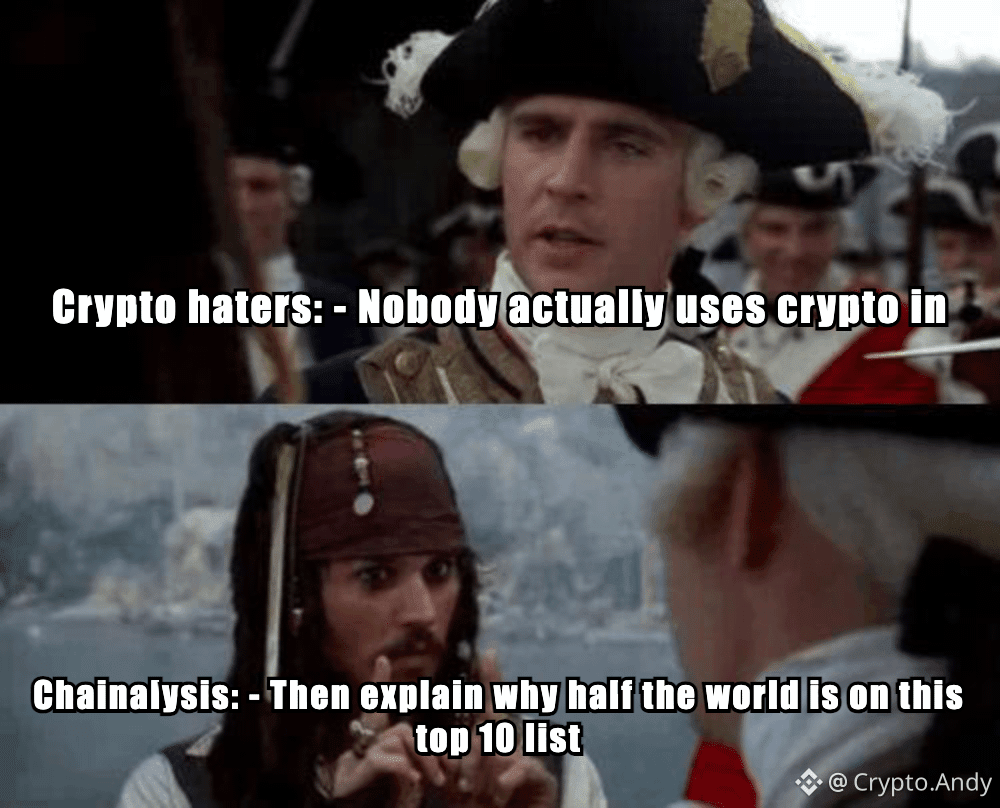
🌍 Где криптовалюта реально используется больше всего? Chainalysis только что опубликовала свой рейтинг 2026 года Chainalysis выпустила 2026 Global Crypto Adoption Index, и дело не только в том, кто держит больше всего крипты $BTC . Индекс оценивает, как люди на самом деле ее используют: биржи, P2P-переводы, трансграничные платежи и ончейн-балансы. Вот топ-10 👇 🇧🇷 Бразилия 🇺🇸 США 🇳🇬 Нигерия 🇯🇵 Япония 🇰🇷 Южная Корея 🇮🇳 Индия 🇺🇦 Украина 🇹🇭 Таиланд 🇿🇦 ЮАР 🇨🇦 Канада Несколько моментов, которые бросились в глаза: 🇧🇷 Бразилия заняла №1 с криптоэкономикой $252,5 млрд, попав в топ-4 по каждой из всех категорий. 🇺🇸 В США крипты больше всего, но используют ее меньше всего. США №1 по ончейн-балансам, но только №20 по P2P-переводам. Для американцев криптовалюта в основном — инвестиция. 🇳🇬 Нигерия — наоборот. Она №1 в мире по P2P и трансграничным переводам, поэтому крипта там работает как повседневные деньги. 🇺🇦 А Украина — №7, опережая Канаду, Германию и Великобританию 💪 Самая интересная часть? Даже при падении рынка примерно на 50% в этом году ончейн-активность снизилась всего на 1,6%. Люди не перестали пользоваться криптой — просто перестали паниковать 😌 Твоя страна попала в топ-20? И какое место удивило тебя больше всего? 👇 #BTC Price Analysis# #Macro Insights#
🌍 Где криптовалюта реально используется больше всего? Chainalysis только что опубликовала свой рейтинг 2026 года Chainalysis выпустила 2026 Global Crypto Adoption Index, и дело не только в том, кто держит больше всего крипты $BTC . Индекс оценивает, как люди на самом деле ее используют: биржи, P2P-переводы, трансграничные платежи и ончейн-балансы. Вот топ-10 👇 🇧🇷 Бразилия 🇺🇸 США 🇳🇬 Нигерия 🇯🇵 Япония 🇰🇷 Южная Корея 🇮🇳 Индия 🇺🇦 Украина 🇹🇭 Таиланд 🇿🇦 ЮАР 🇨🇦 Канада Несколько моментов, которые бросились в глаза: 🇧🇷 Бразилия заняла №1 с криптоэкономикой $252,5 млрд, попав в топ-4 по каждой из всех категорий. 🇺🇸 В США крипты больше всего, но используют ее меньше всего. США №1 по ончейн-балансам, но только №20 по P2P-переводам. Для американцев криптовалюта в основном — инвестиция. 🇳🇬 Нигерия — наоборот. Она №1 в мире по P2P и трансграничным переводам, поэтому крипта там работает как повседневные деньги. 🇺🇦 А Украина — №7, опережая Канаду, Германию и Великобританию 💪 Самая интересная часть? Даже при падении рынка примерно на 50% в этом году ончейн-активность снизилась всего на 1,6%. Люди не перестали пользоваться криптой — просто перестали паниковать 😌 Твоя страна попала в топ-20? И какое место удивило тебя больше всего? 👇 #BTC Price Analysis# #Macro Insights#
2
·
--
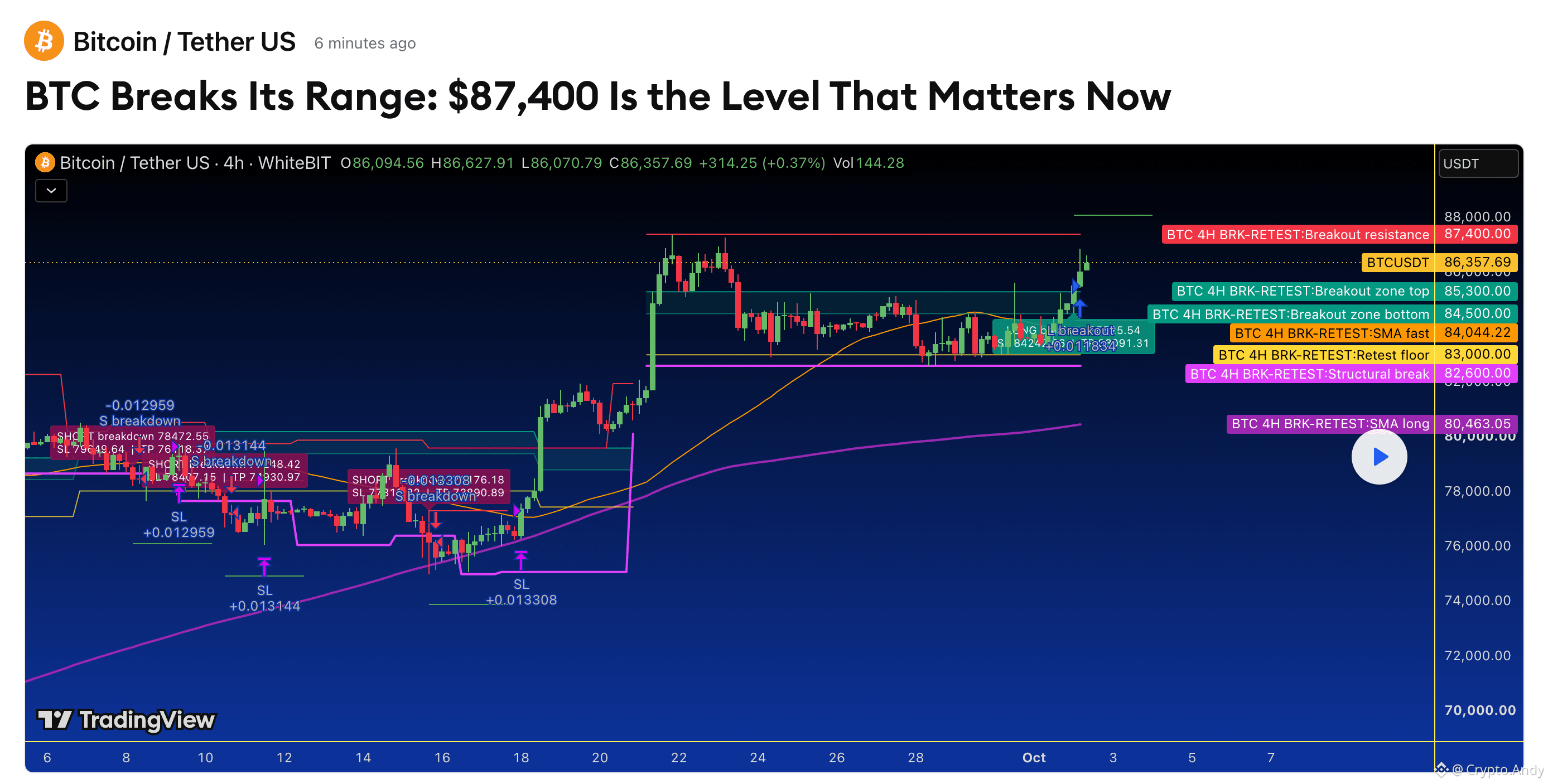
Хорошо, $BTC наконец-то сделал что-то :) Примерно неделю он был зажат между $83K и $85.3K, снова и снова тыкаясь в нижнюю границу, и мне уже было довольно скучно это наблюдать. Теперь он снова около $86.4K, и этот диапазон наконец позади. По крайней мере, пока. Самое интересное — как именно он вырвался. Первая попытка пробить выше $85.3K? Это был длинный фитиль — классический фейк-аут, который пугает всех и заставляет отступить. Потом вторая попытка — и правда закрылась выше зоны нормальной свечой. Вот это я и имею в виду 📈 Но давайте пока не праздновать. Настоящая битва с боссом — $87,400. Это максимум сентябрьского пика 21–22 числа, и продавцы уже не раз били цену вниз оттуда. 👉 Закрытие на 4H выше него, и весь этот диапазон начинает выглядеть как накопление. 👉 Отбой там — и, вероятно, мы просто строим коробку побольше Честно, CMC слишком маленький, чтобы нормально разбирать графики. Поэтому я выложил полный разбор на TradingView: пробой, зона ретеста, моя реальная торговая настройка и то место, где я перестану быть бычьим. https://www.tradingview.com/chart/BTCUSDT/8o7nP13H-BTC-Breaks-Its-Range-87-400-Is-the-Level-That-Matters-Now/?social_toast=true Так что твой план: поймать ретест на $85.3K или ждать закрытия выше $87.4K? 👇 #BTC Price Analysis# #Bitcoin Price Prediction: What is Bitcoins next move?#
Хорошо, $BTC наконец-то сделал что-то :) Примерно неделю он был зажат между $83K и $85.3K, снова и снова тыкаясь в нижнюю границу, и мне уже было довольно скучно это наблюдать. Теперь он снова около $86.4K, и этот диапазон наконец позади. По крайней мере, пока. Самое интересное — как именно он вырвался. Первая попытка пробить выше $85.3K? Это был длинный фитиль — классический фейк-аут, который пугает всех и заставляет отступить. Потом вторая попытка — и правда закрылась выше зоны нормальной свечой. Вот это я и имею в виду 📈 Но давайте пока не праздновать. Настоящая битва с боссом — $87,400. Это максимум сентябрьского пика 21–22 числа, и продавцы уже не раз били цену вниз оттуда. 👉 Закрытие на 4H выше него, и весь этот диапазон начинает выглядеть как накопление. 👉 Отбой там — и, вероятно, мы просто строим коробку побольше Честно, CMC слишком маленький, чтобы нормально разбирать графики. Поэтому я выложил полный разбор на TradingView: пробой, зона ретеста, моя реальная торговая настройка и то место, где я перестану быть бычьим. https://www.tradingview.com/chart/BTCUSDT/8o7nP13H-BTC-Breaks-Its-Range-87-400-Is-the-Level-That-Matters-Now/?social_toast=true Так что твой план: поймать ретест на $85.3K или ждать закрытия выше $87.4K? 👇 #BTC Price Analysis# #Bitcoin Price Prediction: What is Bitcoins next move?#
29
·
--
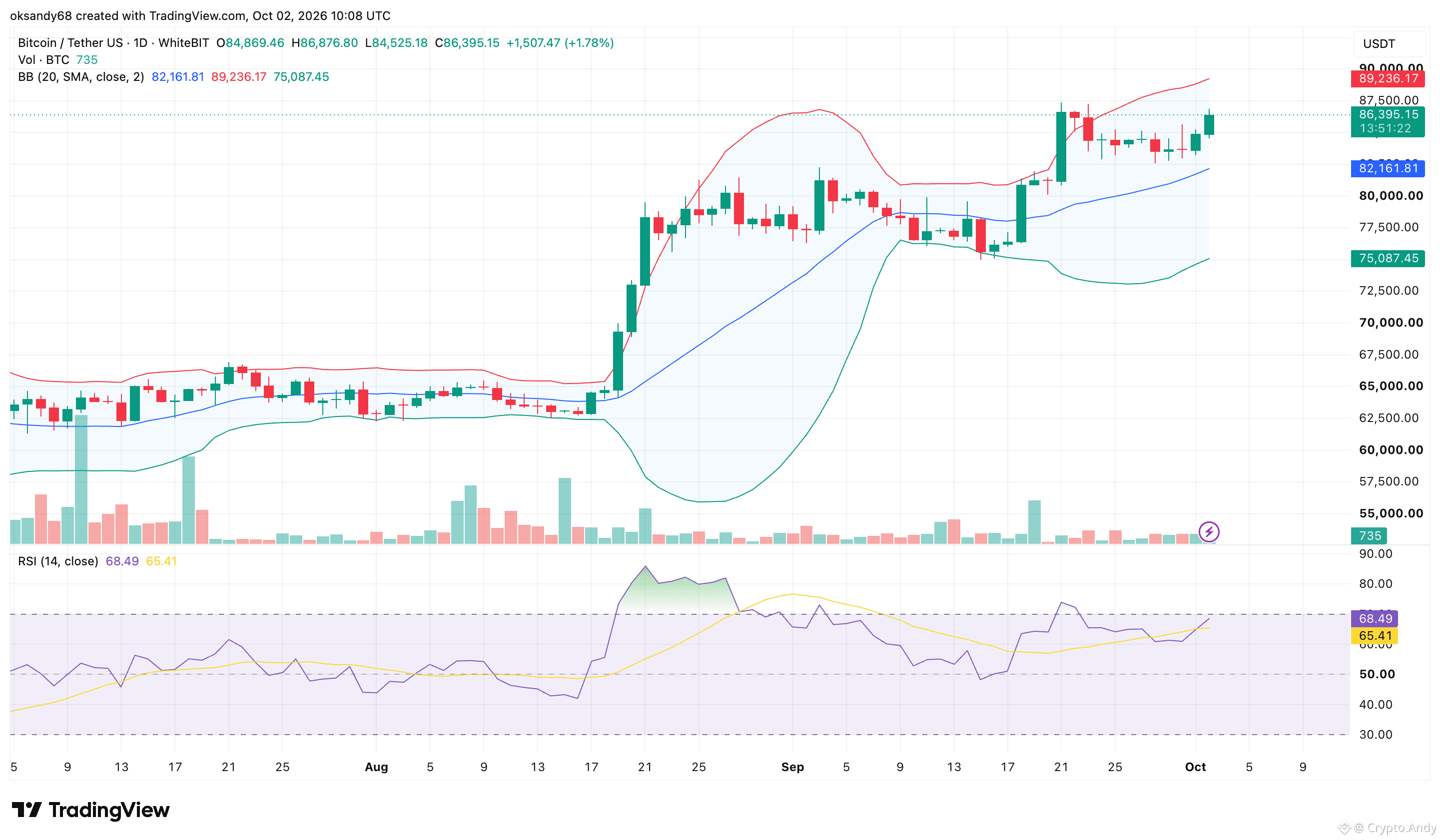
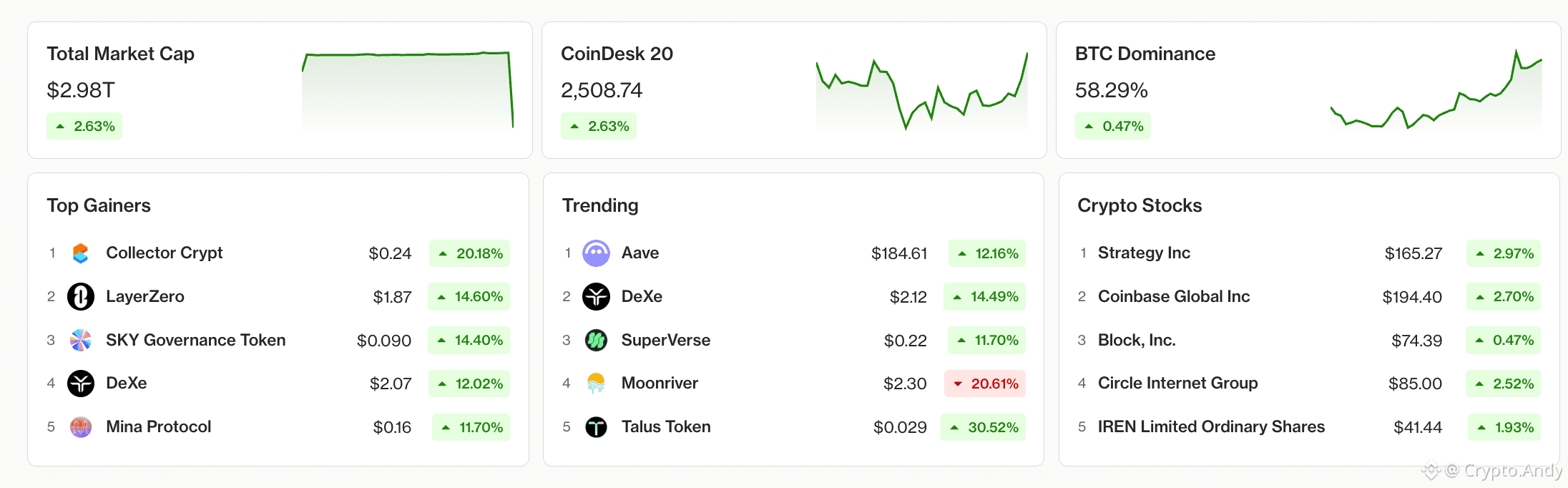
В октябре-аппетите становится теплее: вот ваш крипто-дайджест 🎃📈 Рынок сегодня проснулся в хорошем настроении. Общая капитализация крипторынка снова рядом с $2,98 трлн — рост на 2,63% за день, а индекс CoinDesk 20 поднялся на ту же величину до 2 508. $BTC торгуется около $86,4K, и на дневном графике он сегодня вырос примерно на 1,8%. Это приятный рывок после недели боковой торговли в диапазоне низких $80Ks. Следующий уровень, за которым стоит следить, — максимум конца сентября примерно около $87,5K. RSI сейчас 68 — чуть ниже зоны «перегрева» 70, так что импульс силён, но становится немного жарко 🔥 Доля BTC также немного выросла до 58,29%, значит, Биткоин по-прежнему задаёт темп. 🚀 Лидеры роста сегодня 🔹 Collector Crypt: +20,18% 🔹 LayerZero: +14,60% 🔹 SKY: +14,40% 🔹 DEXE: +12,02% 🔹 MINA: +11,70% 👀 А вот что в тренде $AAVE — привлекает к себе много внимания: рост на 12% до примерно $185. Talus Token вырос на 30%, а Moonriver упал на 20%, так что сегодня зелёным не всё. 📊 Криптоакции тоже в росте: Strategy +2,97%, Coinbase +2,70% и Circle +2,52%. Когда криптоакции и монеты движутся вверх вместе, обычно это значит, что настроение в целом улучшается. Так что, октябрьский «аппетит» включился раньше времени или это просто разогрев? 👇 #BTC Price Analysis# #Macro Insights#
В октябре-аппетите становится теплее: вот ваш крипто-дайджест 🎃📈 Рынок сегодня проснулся в хорошем настроении. Общая капитализация крипторынка снова рядом с $2,98 трлн — рост на 2,63% за день, а индекс CoinDesk 20 поднялся на ту же величину до 2 508. $BTC торгуется около $86,4K, и на дневном графике он сегодня вырос примерно на 1,8%. Это приятный рывок после недели боковой торговли в диапазоне низких $80Ks. Следующий уровень, за которым стоит следить, — максимум конца сентября примерно около $87,5K. RSI сейчас 68 — чуть ниже зоны «перегрева» 70, так что импульс силён, но становится немного жарко 🔥 Доля BTC также немного выросла до 58,29%, значит, Биткоин по-прежнему задаёт темп. 🚀 Лидеры роста сегодня 🔹 Collector Crypt: +20,18% 🔹 LayerZero: +14,60% 🔹 SKY: +14,40% 🔹 DEXE: +12,02% 🔹 MINA: +11,70% 👀 А вот что в тренде $AAVE — привлекает к себе много внимания: рост на 12% до примерно $185. Talus Token вырос на 30%, а Moonriver упал на 20%, так что сегодня зелёным не всё. 📊 Криптоакции тоже в росте: Strategy +2,97%, Coinbase +2,70% и Circle +2,52%. Когда криптоакции и монеты движутся вверх вместе, обычно это значит, что настроение в целом улучшается. Так что, октябрьский «аппетит» включился раньше времени или это просто разогрев? 👇 #BTC Price Analysis# #Macro Insights#
27
·
--
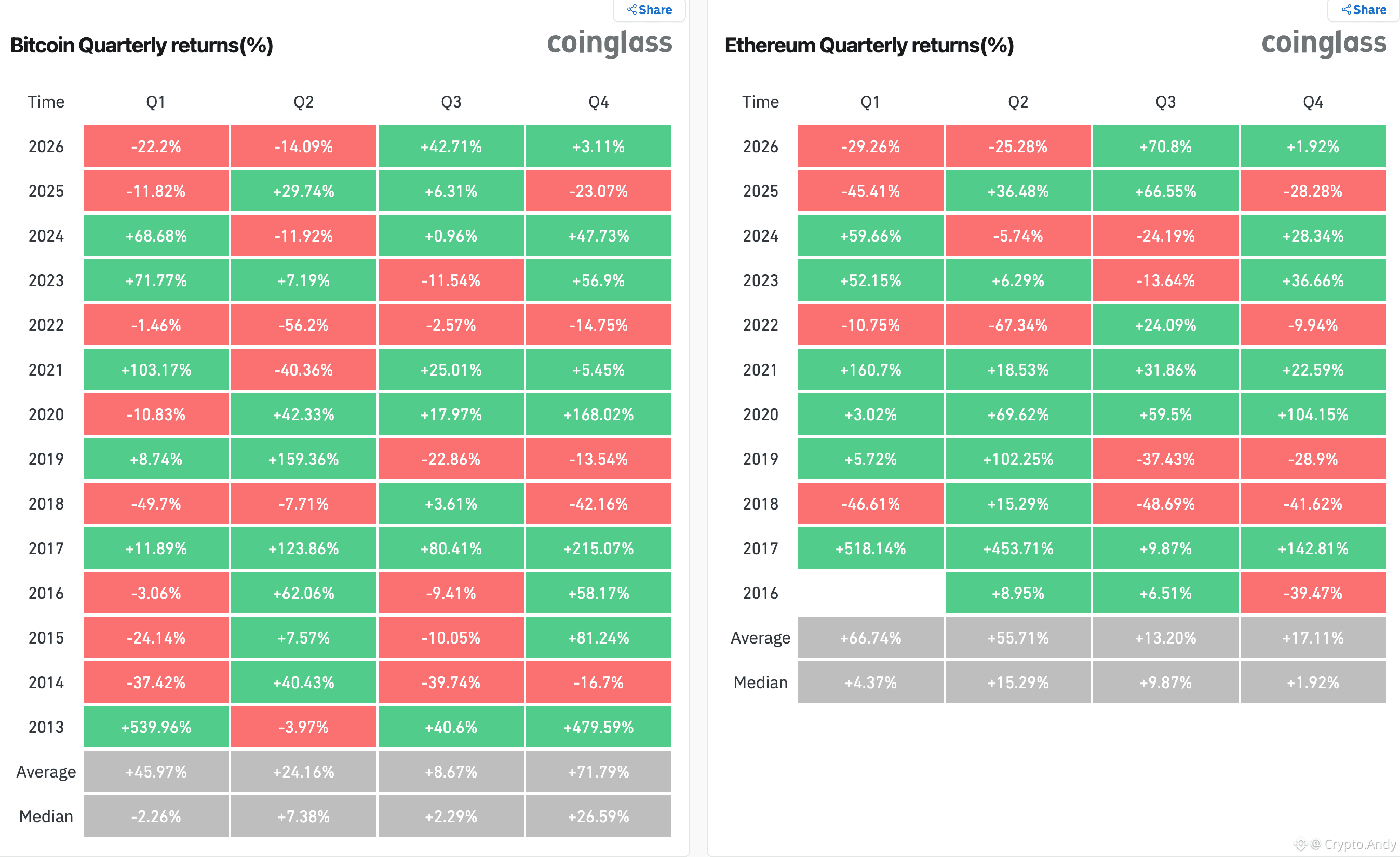
Добро пожаловать в UPtober 🚀 Q3 стал историческим кварталом для криптовалют. $BTC вырос на 42%, а $ETH подскочил на 70%, показав лучший результат Q3 за всю историю медвежьих рынков для обоих активов. Также они опубликовали свои лучшие закрытия месячных свечей за год. 👀 И теперь мы уже на 2-й день UPtober — исторически самого сильного месяца для биткоина. Давайте посмотрим, повторится ли этот сценарий и на этот раз. 📈 #BTC Price Analysis# #Bitcoin Price Prediction: What is Bitcoins next move?#
Добро пожаловать в UPtober 🚀 Q3 стал историческим кварталом для криптовалют. $BTC вырос на 42%, а $ETH подскочил на 70%, показав лучший результат Q3 за всю историю медвежьих рынков для обоих активов. Также они опубликовали свои лучшие закрытия месячных свечей за год. 👀 И теперь мы уже на 2-й день UPtober — исторически самого сильного месяца для биткоина. Давайте посмотрим, повторится ли этот сценарий и на этот раз. 📈 #BTC Price Analysis# #Bitcoin Price Prediction: What is Bitcoins next move?#
45
·
--
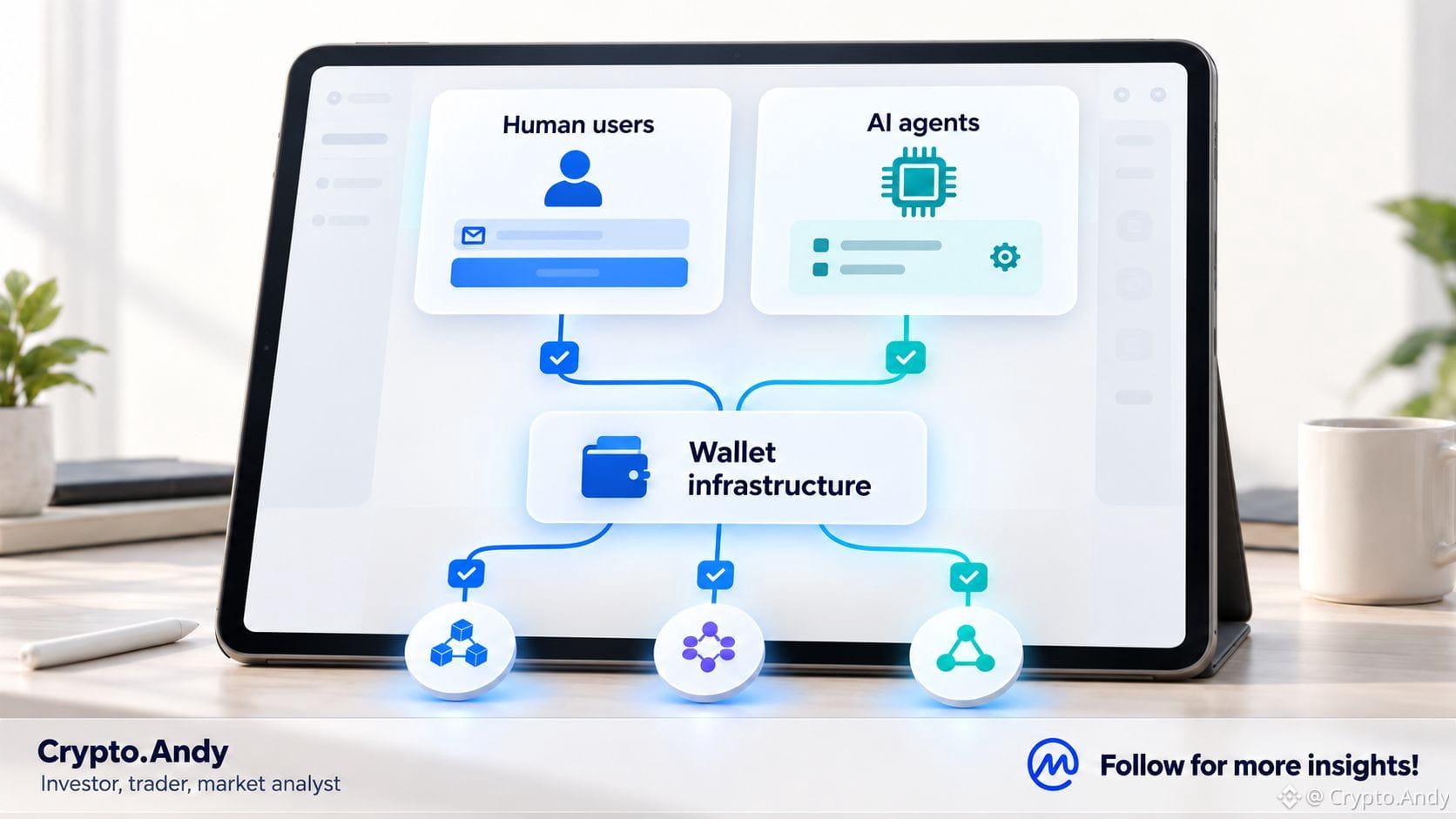
Кошельки «человек vs. агент»: переосмысление архитектуры WaaS 🏗️ Ончейн‑AI‑агенты достигли 250 000 ежедневных активных пользователей в Q1 2026 — рост на 400% в годовом выражении, обгоняющий динамику появления новых пользовательских кошельков по $ETH и $SOL . Растущая доля создания кошельков полностью автоматизирована. Этот сдвиг меняет ключевые требования к кошелькам. Масштабирование этой модели поднимает три критических операционных вопроса: Запускается ли AML до того, как средства поступают на каждую сеть? Сохраняется ли прослеживаемость стоимости при переходах между сетями? Приводит ли добавление новых сетей к автоматическому расширению комплаенса без повторного открытия юридических проверок? Давайте посмотрим, как это реально решается на рынке прямо сейчас 👇 🔵 Первый пример — Wallet-as-a-Service от WhiteBIT.https://institutional.whitebit.com/crypto-wallets-for-business?utm_source=coinmarketcap&utm_medium=waas2_andy&utm_campaign=post Он генерирует адреса для 340+ активов на 80+ сетях: автоматическая AML‑проверка встроена прямо в процесс генерации адресов, так что не имеет значения, поступают ли средства от человека или от AI‑агента. Безопасность тоже закрыта: WhiteBIT держит 96% активов в холодных кошельках, а интеграция Fireblocks и защита WAF добавляют дополнительный уровень безопасности. 🔵 Второй пример решает ту же задачу с другой стороны: инфраструктура кошельков Coinbase — Embedded Wallets для пользователей, которые подключаются через email или соцсети, и Server Wallets для агентов и автоматизированных систем, при этом ключи хранятся в Trusted Execution Environment.https://www.coinbase.com/developer-platform/wallets?utm_source=coinmarketcap&utm_medium=waas2_andy&utm_campaign=post Никто не заставляет бизнес выстраивать хранение и комплаенс с нуля — оба варианта позволяют «подключиться» к решению, которое уже несет контроль дальше. Дисклеймер: это не является финансовой или инвестиционной рекомендацией. Перед любыми решениями проведите собственное исследование. Используйте на свой риск. #ETHBlockchain #ETH #Altcoin Season#
Кошельки «человек vs. агент»: переосмысление архитектуры WaaS 🏗️ Ончейн‑AI‑агенты достигли 250 000 ежедневных активных пользователей в Q1 2026 — рост на 400% в годовом выражении, обгоняющий динамику появления новых пользовательских кошельков по $ETH и $SOL . Растущая доля создания кошельков полностью автоматизирована. Этот сдвиг меняет ключевые требования к кошелькам. Масштабирование этой модели поднимает три критических операционных вопроса: Запускается ли AML до того, как средства поступают на каждую сеть? Сохраняется ли прослеживаемость стоимости при переходах между сетями? Приводит ли добавление новых сетей к автоматическому расширению комплаенса без повторного открытия юридических проверок? Давайте посмотрим, как это реально решается на рынке прямо сейчас 👇 🔵 Первый пример — Wallet-as-a-Service от WhiteBIT.https://institutional.whitebit.com/crypto-wallets-for-business?utm_source=coinmarketcap&utm_medium=waas2_andy&utm_campaign=post Он генерирует адреса для 340+ активов на 80+ сетях: автоматическая AML‑проверка встроена прямо в процесс генерации адресов, так что не имеет значения, поступают ли средства от человека или от AI‑агента. Безопасность тоже закрыта: WhiteBIT держит 96% активов в холодных кошельках, а интеграция Fireblocks и защита WAF добавляют дополнительный уровень безопасности. 🔵 Второй пример решает ту же задачу с другой стороны: инфраструктура кошельков Coinbase — Embedded Wallets для пользователей, которые подключаются через email или соцсети, и Server Wallets для агентов и автоматизированных систем, при этом ключи хранятся в Trusted Execution Environment.https://www.coinbase.com/developer-platform/wallets?utm_source=coinmarketcap&utm_medium=waas2_andy&utm_campaign=post Никто не заставляет бизнес выстраивать хранение и комплаенс с нуля — оба варианта позволяют «подключиться» к решению, которое уже несет контроль дальше. Дисклеймер: это не является финансовой или инвестиционной рекомендацией. Перед любыми решениями проведите собственное исследование. Используйте на свой риск. #ETHBlockchain #ETH #Altcoin Season#
56
·
--
См. перевод
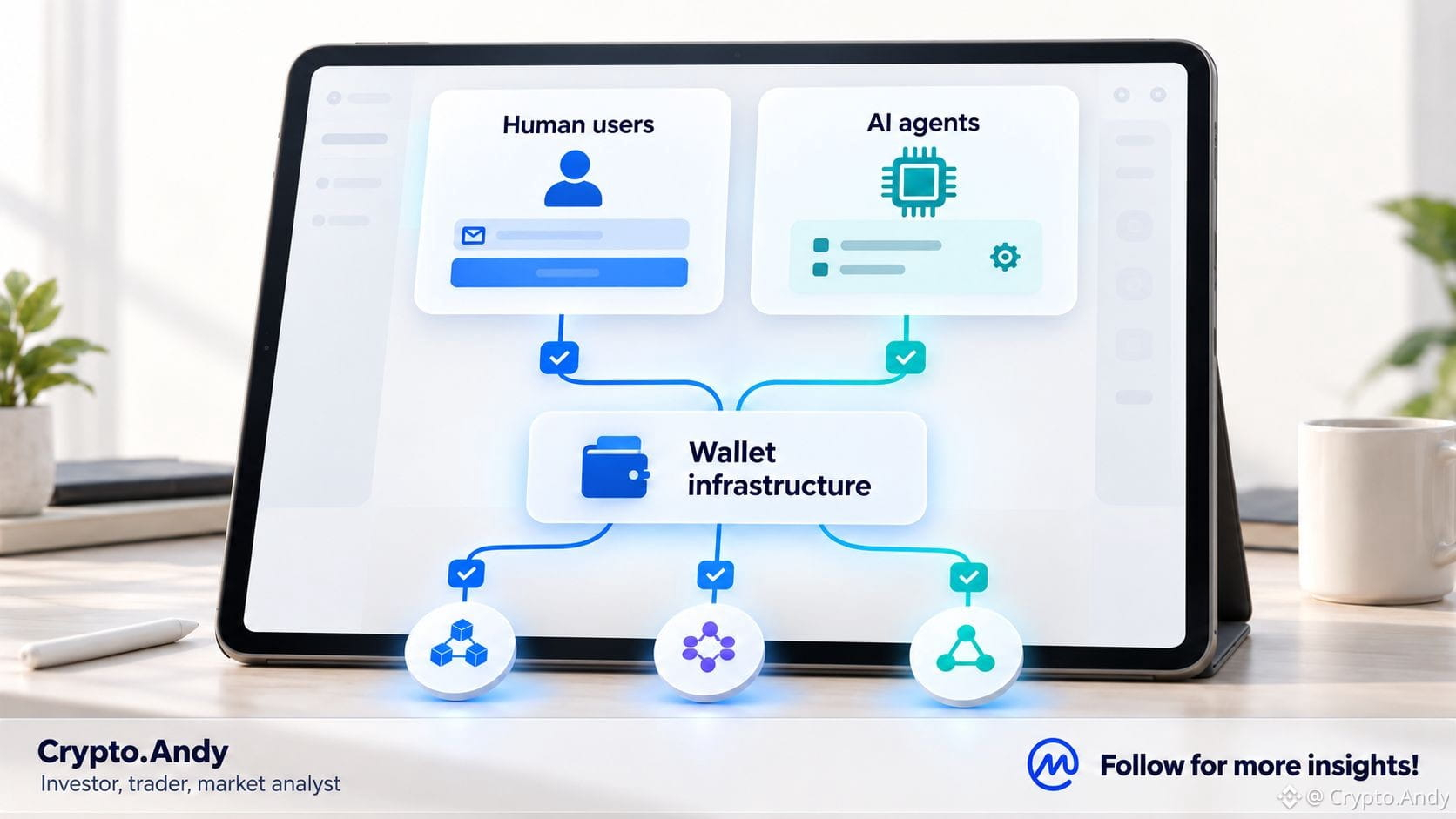
Building for Humans, Agents or Both? Rethinking WaaS Architecture 🛠️ On-chain AI agents hit 250,000 daily active $BTC users in Q1 2026 - a 400% YoY jump outpacing net new human wallet growth across Ethereum and Solana. A growing share of wallet creation is fully automated. This shift changes core wallet requirements. Supporting this at scale introduces three critical operational questions: 1️⃣ Does AML trigger before funds land on every network? 2️⃣ Does value traceability hold across network hops? 3️⃣ Does adding networks extend compliance automatically without reopening legal reviews? Let's see how this actually gets solved on the market right now 👇 🔵The first example is WhiteBIT's Wallet-as-a-Service. https://institutional.whitebit.com/crypto-wallets-for-business?utm_source=coinmarketcap&utm_medium=waas2_andy&utm_campaign=post It generates addresses for 340+ assets across 80+ networks with automatic AML verification built into address generation, so it makes no difference whether funds come from a person or an AI agent. Security is covered as well: WhiteBIT keeps 96% of assets in cold wallets, Fireblocks integration and WAF protection add an extra security layer. 🔵The second example solves the same problem from the other side: Coinbase's wallet infrastructure, with Embedded Wallets for people onboarding with email or social login, and Server Wallets for agents and automated systems, keys held in a Trusted Execution Environment.https://www.coinbase.com/developer-platform/wallets?utm_source=coinmarketcap&utm_medium=waas2_andy&utm_campaign=post Neither asks a business to build custody or compliance from zero - both let it plug into something that already carries the control forward. Disclaimer: This is not financial or investment advice. Do your own research before making any decisions. Use at your own risk. #BTC Price Analysis# #Bitcoin Price Prediction: What is Bitcoins next move?#
Building for Humans, Agents or Both? Rethinking WaaS Architecture 🛠️ On-chain AI agents hit 250,000 daily active $BTC users in Q1 2026 - a 400% YoY jump outpacing net new human wallet growth across Ethereum and Solana. A growing share of wallet creation is fully automated. This shift changes core wallet requirements. Supporting this at scale introduces three critical operational questions: 1️⃣ Does AML trigger before funds land on every network? 2️⃣ Does value traceability hold across network hops? 3️⃣ Does adding networks extend compliance automatically without reopening legal reviews? Let's see how this actually gets solved on the market right now 👇 🔵The first example is WhiteBIT's Wallet-as-a-Service. https://institutional.whitebit.com/crypto-wallets-for-business?utm_source=coinmarketcap&utm_medium=waas2_andy&utm_campaign=post It generates addresses for 340+ assets across 80+ networks with automatic AML verification built into address generation, so it makes no difference whether funds come from a person or an AI agent. Security is covered as well: WhiteBIT keeps 96% of assets in cold wallets, Fireblocks integration and WAF protection add an extra security layer. 🔵The second example solves the same problem from the other side: Coinbase's wallet infrastructure, with Embedded Wallets for people onboarding with email or social login, and Server Wallets for agents and automated systems, keys held in a Trusted Execution Environment.https://www.coinbase.com/developer-platform/wallets?utm_source=coinmarketcap&utm_medium=waas2_andy&utm_campaign=post Neither asks a business to build custody or compliance from zero - both let it plug into something that already carries the control forward. Disclaimer: This is not financial or investment advice. Do your own research before making any decisions. Use at your own risk. #BTC Price Analysis# #Bitcoin Price Prediction: What is Bitcoins next move?#
67
·
--
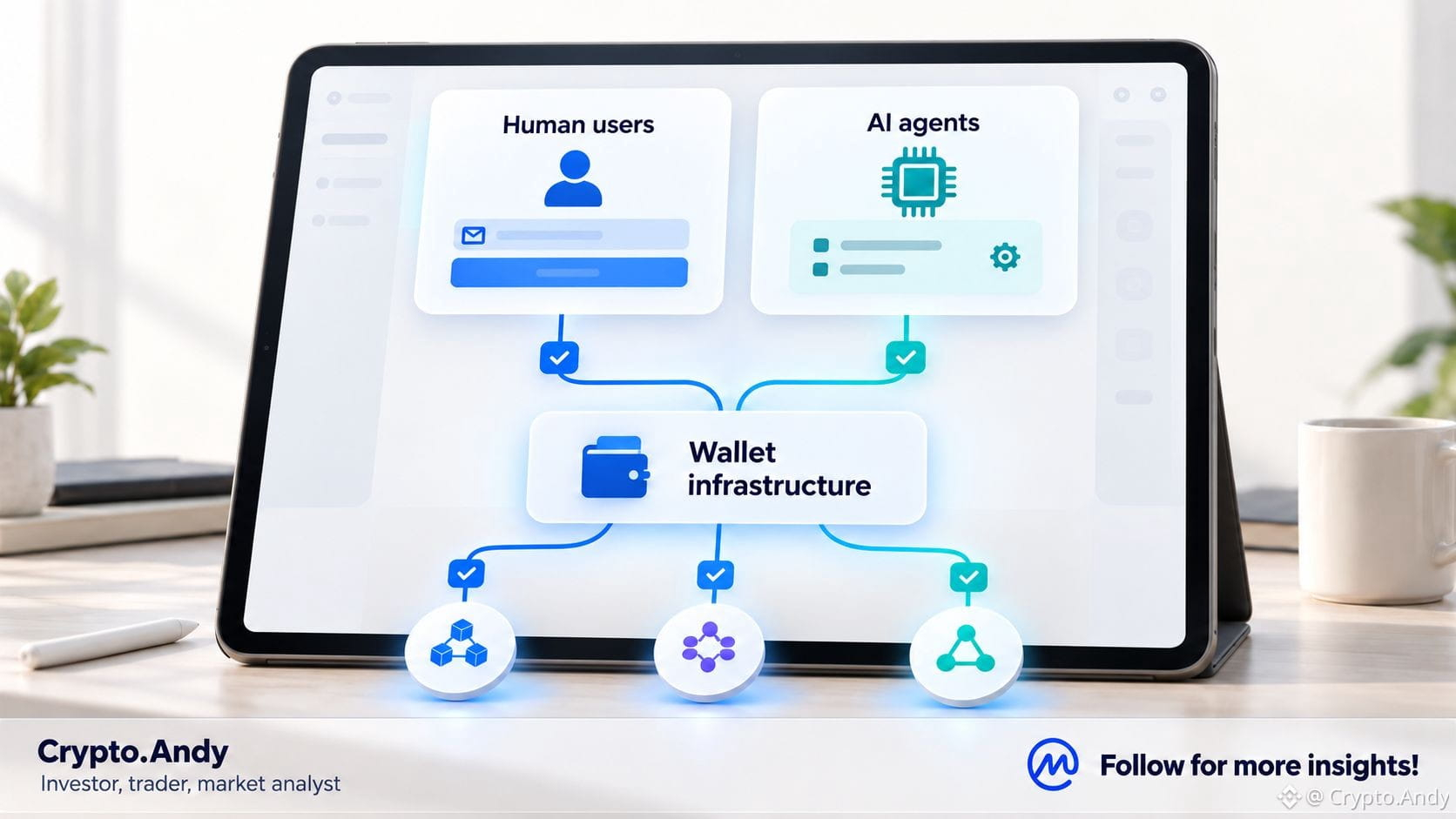
Построение для людей, агентов или для обоих? Переосмысление архитектуры WaaS 🛠️ Ончейн-агенты ИИ достигли 250 000 ежедневных активных пользователей в 1 квартале 2026 года — рост на 400% год к году, опережающий темпы прироста новых человеческих кошельков в экосистемах Ethereum и Solana. Доля создания кошельков для $BTC становится все более автоматизированной. Этот сдвиг меняет ключевые требования к кошелькам. Масштабирование поддержки приводит к трем критически важным вопросам: Срабатывает ли AML до того, как средства поступают на каждую сеть? Сохраняется ли отслеживаемость стоимости на переходах между сетями? Если добавить новые сети, означает ли это автоматически расширение комплаенса без повторного запуска юридических проверок? Давайте посмотрим, как это сейчас реально решается на рынке 👇 🔵 Первый пример — Wallet-as-a-Service от WhiteBIT. https://institutional.whitebit.com/crypto-wallets-for-business?utm_source=coinmarketcap&utm_medium=waas2_andy&utm_campaign=post Он генерирует адреса для 340+ активов в 80+ сетях с автоматической AML-проверкой, встроенной в процесс генерации адресов, поэтому не имеет значения, приходят ли средства от человека или от AI-агента. Безопасность тоже учтена: WhiteBIT держит 96% активов в холодных кошельках, а интеграция с Fireblocks и защита WAF добавляют дополнительный уровень безопасности. 🔵 Второй пример решает ту же задачу с другой стороны: инфраструктура кошельков Coinbase — Embedded Wallets для онбординга людей через email или социальный логин и Server Wallets для агентов и автоматизированных систем, ключи хранятся в Trusted Execution Environment. https://www.coinbase.com/developer-platform/wallets?utm_source=coinmarketcap&utm_medium=waas2_andy&utm_campaign=post В обоих случаях компаниям не нужно с нуля строить хранение или комплаенс — обе модели позволяют подключиться к решению, где контроль уже продолжает выполняться дальше. 🧩 Вы создаете для пользователей-людей, для автоматизированных систем или для обоих? 💬 Дисклеймер: Это не является финансовой или инвестиционной рекомендацией. Прежде чем принимать любые решения, проведите собственное исследование. Используйте на свой риск. #BTC Price Analysis# #Macro Insights#
Построение для людей, агентов или для обоих? Переосмысление архитектуры WaaS 🛠️ Ончейн-агенты ИИ достигли 250 000 ежедневных активных пользователей в 1 квартале 2026 года — рост на 400% год к году, опережающий темпы прироста новых человеческих кошельков в экосистемах Ethereum и Solana. Доля создания кошельков для $BTC становится все более автоматизированной. Этот сдвиг меняет ключевые требования к кошелькам. Масштабирование поддержки приводит к трем критически важным вопросам: Срабатывает ли AML до того, как средства поступают на каждую сеть? Сохраняется ли отслеживаемость стоимости на переходах между сетями? Если добавить новые сети, означает ли это автоматически расширение комплаенса без повторного запуска юридических проверок? Давайте посмотрим, как это сейчас реально решается на рынке 👇 🔵 Первый пример — Wallet-as-a-Service от WhiteBIT. https://institutional.whitebit.com/crypto-wallets-for-business?utm_source=coinmarketcap&utm_medium=waas2_andy&utm_campaign=post Он генерирует адреса для 340+ активов в 80+ сетях с автоматической AML-проверкой, встроенной в процесс генерации адресов, поэтому не имеет значения, приходят ли средства от человека или от AI-агента. Безопасность тоже учтена: WhiteBIT держит 96% активов в холодных кошельках, а интеграция с Fireblocks и защита WAF добавляют дополнительный уровень безопасности. 🔵 Второй пример решает ту же задачу с другой стороны: инфраструктура кошельков Coinbase — Embedded Wallets для онбординга людей через email или социальный логин и Server Wallets для агентов и автоматизированных систем, ключи хранятся в Trusted Execution Environment. https://www.coinbase.com/developer-platform/wallets?utm_source=coinmarketcap&utm_medium=waas2_andy&utm_campaign=post В обоих случаях компаниям не нужно с нуля строить хранение или комплаенс — обе модели позволяют подключиться к решению, где контроль уже продолжает выполняться дальше. 🧩 Вы создаете для пользователей-людей, для автоматизированных систем или для обоих? 💬 Дисклеймер: Это не является финансовой или инвестиционной рекомендацией. Прежде чем принимать любые решения, проведите собственное исследование. Используйте на свой риск. #BTC Price Analysis# #Macro Insights#
34
·
--
См. перевод
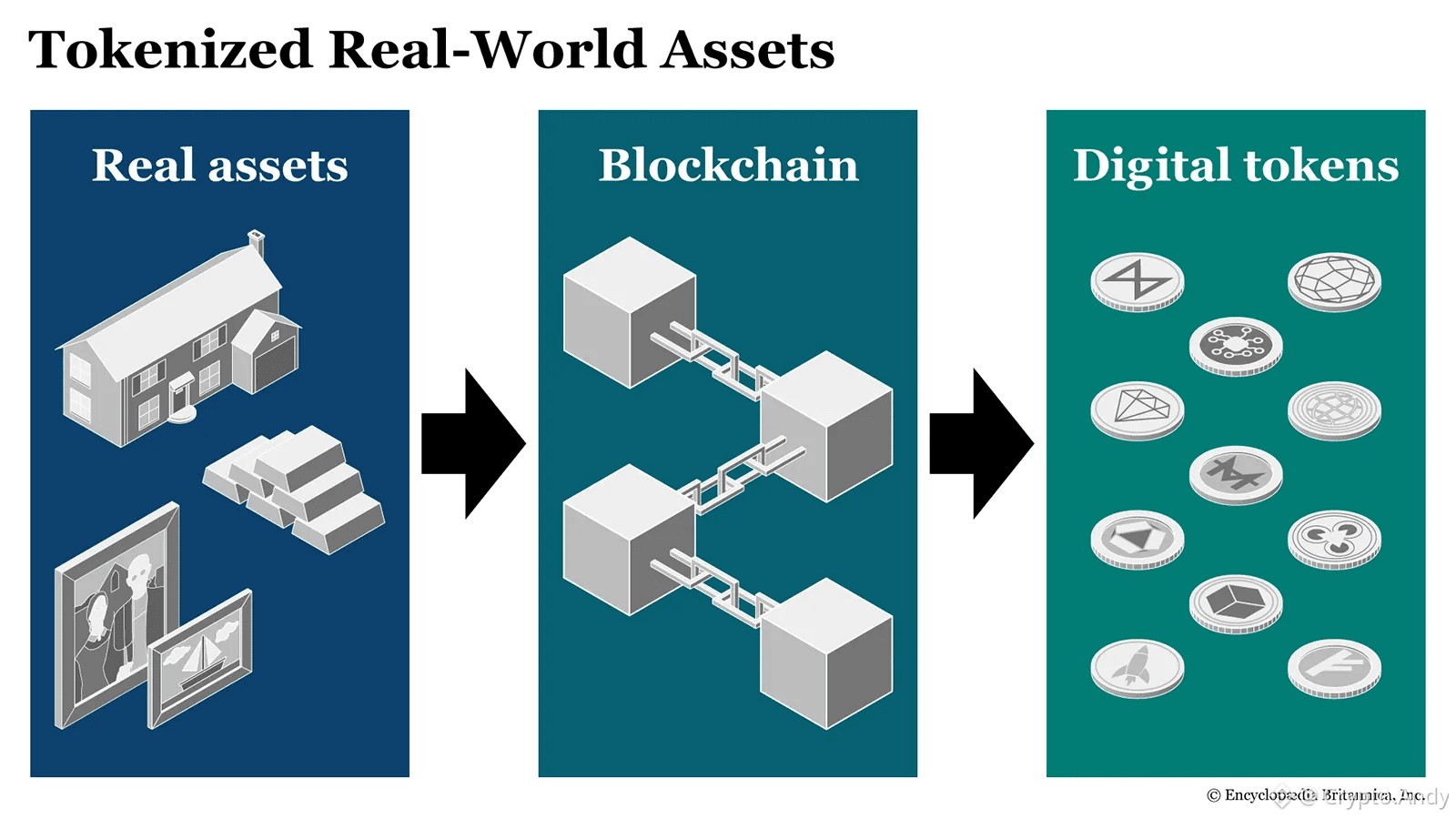
🔥 Tokenization hits $331.8B and the growth has moved beyond $BTC and stablecoins Pantera Capital's new State of Tokenization report tracks 671 tokenized assets worth $331.8B as of June 30, 2026. Between late March and the end of June: 🔹 Stablecoins fell 2.3%, from $302.4B to $295.5B 🔹 Other tokenized assets grew 13.3%, from $32B to $36.3B 🔹 Stablecoins' share of the market slipped from 90.4% to 89.1% Tokenized US Treasuries led the growth, adding about $3B in Pantera's benchmark data, followed by tokenized stocks (+$1.1B) and corporate credit (+$1.1B). Institutions are also getting more active. BlackRock's BUIDL moved $441M on-chain in June and is already accepted as collateral. J.P. Morgan, HSBC and Fidelity all launched on-chain products during the quarter. Access is widening on the retail side too. Tracked tokenized assets on Robinhood Chain grew from $5.6M to $28.4M in its first month. Derivatives are moving even faster: equity perps on Hyperliquid and Lighter did $67.8B in June, about 16x the $4.2B in on-chain spot trading of tokenized stocks. Pantera's main takeaway is that issuing a token is now the easy part. The real challenge is building liquid, regulated secondary markets. Which will drive tokenization next: treasuries, stocks or private credit? #BTC Price Analysis# #Macro Insights#
🔥 Tokenization hits $331.8B and the growth has moved beyond $BTC and stablecoins Pantera Capital's new State of Tokenization report tracks 671 tokenized assets worth $331.8B as of June 30, 2026. Between late March and the end of June: 🔹 Stablecoins fell 2.3%, from $302.4B to $295.5B 🔹 Other tokenized assets grew 13.3%, from $32B to $36.3B 🔹 Stablecoins' share of the market slipped from 90.4% to 89.1% Tokenized US Treasuries led the growth, adding about $3B in Pantera's benchmark data, followed by tokenized stocks (+$1.1B) and corporate credit (+$1.1B). Institutions are also getting more active. BlackRock's BUIDL moved $441M on-chain in June and is already accepted as collateral. J.P. Morgan, HSBC and Fidelity all launched on-chain products during the quarter. Access is widening on the retail side too. Tracked tokenized assets on Robinhood Chain grew from $5.6M to $28.4M in its first month. Derivatives are moving even faster: equity perps on Hyperliquid and Lighter did $67.8B in June, about 16x the $4.2B in on-chain spot trading of tokenized stocks. Pantera's main takeaway is that issuing a token is now the easy part. The real challenge is building liquid, regulated secondary markets. Which will drive tokenization next: treasuries, stocks or private credit? #BTC Price Analysis# #Macro Insights#
41
·
--
$ENA до $2? Standard Chartered видит почти 8-кратный потенциал 🚀 Аналитик Standard Chartered Джофф Кендрик ожидает, что токен Ethena достигнет $2 к концу 2028 года. На момент прогноза $ENA торговался примерно по $0.25. Его аргументы опираются на три вещи: 🔹 Рост USDe: ожидается, что объем стейблкоина Ethena вырастет с $4.9B до $40B — примерно в 8 раз. 🔹 buybacks ENA: когда USDe превысит $7.5B, 95% чистой выручки протокола будет направлено на обратный выкуп ENA. 🔹 Новые потоки доходов: Ethena расширяется в институциональное кредитование через FalconX. Логика простая: больше USDe — больше выручки, а больше выручки — больше buybacks. Главный вопрос в том, сможет ли USDe действительно так сильно вырасти за два года. Верите в цель $2 или это слишком оптимистично? 👇 #ENA #Altcoin Season#
$ENA до $2? Standard Chartered видит почти 8-кратный потенциал 🚀 Аналитик Standard Chartered Джофф Кендрик ожидает, что токен Ethena достигнет $2 к концу 2028 года. На момент прогноза $ENA торговался примерно по $0.25. Его аргументы опираются на три вещи: 🔹 Рост USDe: ожидается, что объем стейблкоина Ethena вырастет с $4.9B до $40B — примерно в 8 раз. 🔹 buybacks ENA: когда USDe превысит $7.5B, 95% чистой выручки протокола будет направлено на обратный выкуп ENA. 🔹 Новые потоки доходов: Ethena расширяется в институциональное кредитование через FalconX. Логика простая: больше USDe — больше выручки, а больше выручки — больше buybacks. Главный вопрос в том, сможет ли USDe действительно так сильно вырасти за два года. Верите в цель $2 или это слишком оптимистично? 👇 #ENA #Altcoin Season#
53
Войдите, чтобы посмотреть больше материала
Присоединяйтесь к пользователям криптовалют по всему миру на Binance Square
⚡️ Получайте новейшую и полезную информацию о криптоактивах.
💬 Нам доверяет крупнейшая в мире криптобиржа.
👍 Получите достоверные аналитические данные от верифицированных создателей контента.
Эл. почта/номер телефона
В тренде
fomcотслеживание
Просмотров: 47,942
409 обсуждают
Когда все ждут FOMC я просто соблюдаю правило 2%
Сегодня все вокруг сходят с ума. ФРС, ставки, волатильность. Толпа гадает, куда полетит BTC. Кто-то заходит на всю котлету с плечом x50, чтобы «поймать движение».
А я в такие дни просто наблюдаю. Потому что знаю: в моменты новостей рынок убивает не только тех, кто угадал не то направление. Он убивает тех, кто рискует слишком много.
Если ты поставил на кон больше 2% от депозита, ты не трейдер. Ты игрок в казино, который надеется на удачу.
Мой совет на сегодня простой, не торгуй на новостях. Если уже в позиции проверь свои стопы. Если нет сиди в стороне. Рынок никуда не убежит.
А вы как переживаете FOMC? Сидите в стороне или ловите волатильность? Пишите в комментариях.
$BTC $ETH #fomcотслеживание #рискменеджмент #крипта #психология
KeylessMind
·Лайков: 1
·Просмотров: 710
ПротоколFOMC
Просмотров: 36,055
176 обсуждают
BinanceLaunchesBinanceIntelligence
Просмотров: 282,715
2,468 обсуждают