
0xmann
11 Публикации

0xmann
Отправить жалобу
Заблокировать пользователя
15 подписок(и/а)
2 подписчиков(а)
4 понравилось
Посты
·
--
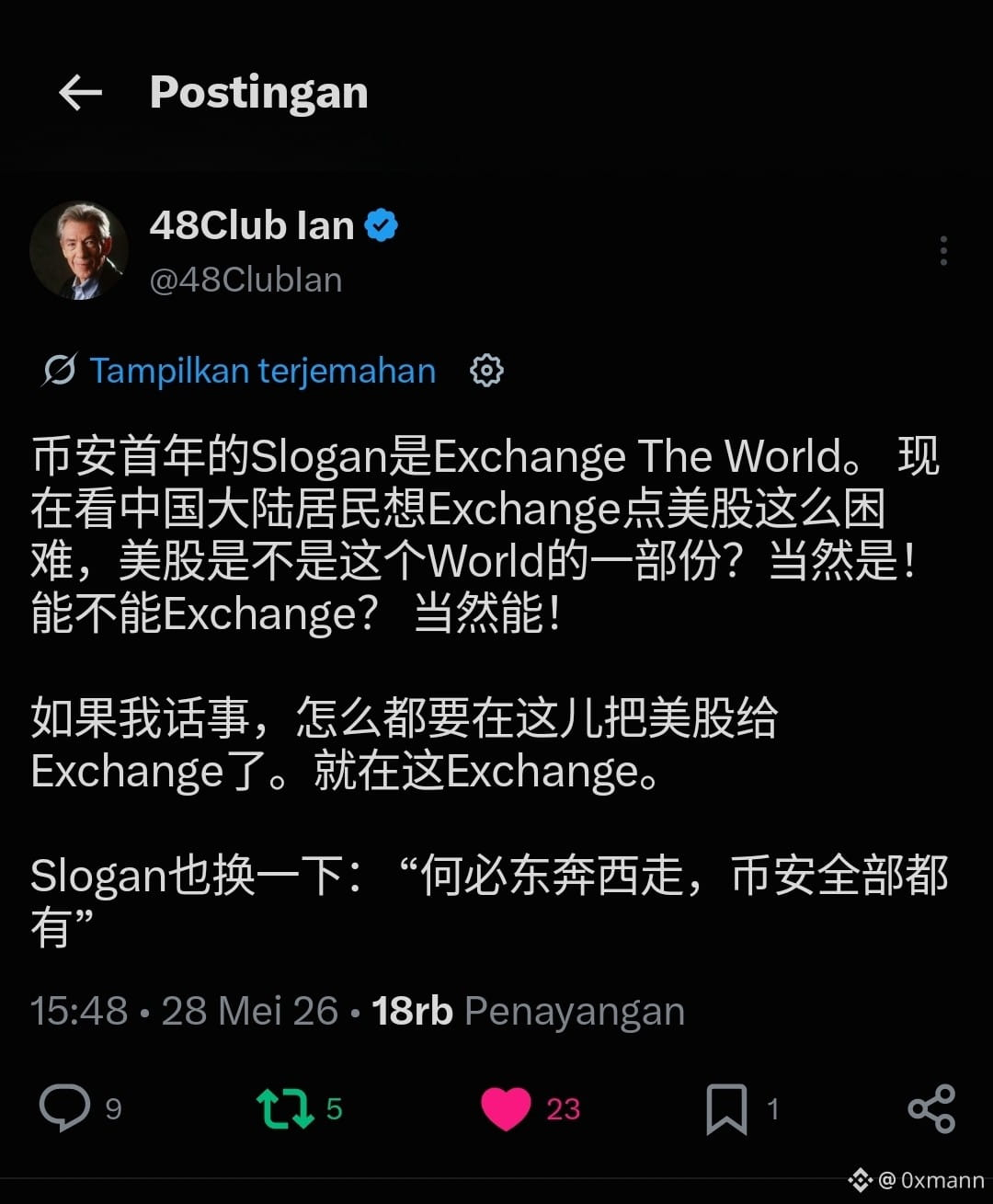
@heyi i найди своего старого друга, который говорит
Зачем так бегать из Востока в Запад — на Binance всё есть, он cluban
это доказательство
https://x.com/i/status/2059919629666099387
#BinanceTurn9years
@Yi He i найди своего старого друга, который говорит
Зачем так бегать из Востока в Запад — на Binance всё есть, он cluban
это доказательство
https://x.com/i/status/2059919629666099387
#BinanceTurn9years
Зачем так бегать из Востока в Запад — на Binance всё есть, он cluban
это доказательство
https://x.com/i/status/2059919629666099387
#BinanceTurn9years

1
233
·
--
Эволюция Web3-игр: как @Pixels переопределяет ценность с помощью стейкинга $PIXELРост Web3-игр переходит в новую фазу, и @pixels занимает центральное место в этой трансформации. В отличие от традиционных моделей play-to-earn, которые сосредоточены исключительно на краткосрочных наградах, Pixels создает более устойчивую и интерактивную экономику благодаря своей системе Staked, работающей на базе $PIXEL .
По сути, система Staked вводит более глубокий уровень участия. Теперь игроки — это не просто фермеры вознаграждений: они принимают экономические решения, которые напрямую влияют на их долгосрочные результаты. Внося стейк $PIXEL, пользователи получают доступ к расширенным преимуществам, потенциальным возможностям доходности и более тесной связи с общей игровой экономикой.
Эволюция Web3-игр: как @Pixels переопределяет ценность с помощью стейкинга $PIXEL
Рост Web3-игр переходит в новую фазу, и @Pixels занимает центральное место в этой трансформации. В отличие от традиционных моделей play-to-earn, которые сосредоточены исключительно на краткосрочных наградах, Pixels создает более устойчивую и интерактивную экономику благодаря своей системе Staked, работающей на базе $PIXEL .
По сути, система Staked вводит более глубокий уровень участия. Теперь игроки — это не просто фермеры вознаграждений: они принимают экономические решения, которые напрямую влияют на их долгосрочные результаты. Внося стейк $PIXEL , пользователи получают доступ к расширенным преимуществам, потенциальным возможностям доходности и более тесной связи с общей игровой экономикой.
По сути, система Staked вводит более глубокий уровень участия. Теперь игроки — это не просто фермеры вознаграждений: они принимают экономические решения, которые напрямую влияют на их долгосрочные результаты. Внося стейк $PIXEL , пользователи получают доступ к расширенным преимуществам, потенциальным возможностям доходности и более тесной связи с общей игровой экономикой.
59
·
--
Рост
Погружение глубже в экосистему @pixels полностью изменило то, как я вижу Web3-игры. Это уже не просто типичная модель «играй, чтобы заработать» — она развивается в полноценную экономику, управляемую самими игроками, благодаря $PIXEL.
Внедрение стейк-экосистемы — настоящий прорыв. Ставя $PIXEL, игроки больше не просто участники, а активные вкладчики в рост и устойчивость игры. Это создает более сильную связку между игроками, экономикой и долгосрочными стимулами.
Самое интересное здесь — как стейкинг побуждает к стратегическому мышлению:
– Вы делаете ставку ради долгосрочных наград?
– Используете ликвидность для расширения в игре?
– Или балансируете оба подхода, чтобы максимизировать эффективность?
Это добавляет слой глубины, который редко встречается в блокчейн-играх. Дело уже не только в «фармаже» — теперь речь о принятии решений, управлении ресурсами и позиционировании внутри экосистемы.
@pixels создает нечто гораздо большее, чем просто игру. Это живая экономика, где каждое действие имеет значение, а стейк-$PIXEL система лежит в основе этой эволюции.
Если это будет продолжать развиваться, #pixel может стать одним из самых сильных примеров устойчивого Web3-гейминга в этом сегменте 🚀
#pixel $PIXEL
Погружение глубже в экосистему @Pixels полностью изменило то, как я вижу Web3-игры. Это уже не просто типичная модель «играй, чтобы заработать» — она развивается в полноценную экономику, управляемую самими игроками, благодаря $PIXEL .
Внедрение стейк-экосистемы — настоящий прорыв. Ставя $PIXEL , игроки больше не просто участники, а активные вкладчики в рост и устойчивость игры. Это создает более сильную связку между игроками, экономикой и долгосрочными стимулами.
Самое интересное здесь — как стейкинг побуждает к стратегическому мышлению:
– Вы делаете ставку ради долгосрочных наград?
– Используете ликвидность для расширения в игре?
– Или балансируете оба подхода, чтобы максимизировать эффективность?
Это добавляет слой глубины, который редко встречается в блокчейн-играх. Дело уже не только в «фармаже» — теперь речь о принятии решений, управлении ресурсами и позиционировании внутри экосистемы.
@Pixels создает нечто гораздо большее, чем просто игру. Это живая экономика, где каждое действие имеет значение, а стейк-$PIXEL система лежит в основе этой эволюции.
Если это будет продолжать развиваться, #pixel может стать одним из самых сильных примеров устойчивого Web3-гейминга в этом сегменте 🚀
#pixel $PIXEL
Внедрение стейк-экосистемы — настоящий прорыв. Ставя $PIXEL , игроки больше не просто участники, а активные вкладчики в рост и устойчивость игры. Это создает более сильную связку между игроками, экономикой и долгосрочными стимулами.
Самое интересное здесь — как стейкинг побуждает к стратегическому мышлению:
– Вы делаете ставку ради долгосрочных наград?
– Используете ликвидность для расширения в игре?
– Или балансируете оба подхода, чтобы максимизировать эффективность?
Это добавляет слой глубины, который редко встречается в блокчейн-играх. Дело уже не только в «фармаже» — теперь речь о принятии решений, управлении ресурсами и позиционировании внутри экосистемы.
@Pixels создает нечто гораздо большее, чем просто игру. Это живая экономика, где каждое действие имеет значение, а стейк-$PIXEL система лежит в основе этой эволюции.
Если это будет продолжать развиваться, #pixel может стать одним из самых сильных примеров устойчивого Web3-гейминга в этом сегменте 🚀
#pixel $PIXEL
24
·
--
Статья
Важность проверяемого ИИ в эпоху Web3Искусственный интеллект развивается с невероятной скоростью, но остается одна главная проблема: доверие. Поскольку контент, созданный ИИ, становится все более распространенным в интернете, проверка того, насколько информация является точной или подвержена манипуляциям, становится все более важной. Именно @mira_network вносит в экосистему мощное решение.
Mira Network сосредоточена на создании инфраструктуры, которая позволяет **проверять и доверять** результатам работы ИИ. Вместо того чтобы безоговорочно принимать результаты, сгенерированные ИИ, Mira предлагает систему, в которой ответы можно подтверждать с помощью децентрализованных технологий. Такой подход формирует более надежный уровень для AI-приложений в Web3.
Важность проверяемого ИИ в эпоху Web3
Искусственный интеллект развивается с невероятной скоростью, но остается одна главная проблема: доверие. Поскольку контент, созданный ИИ, становится все более распространенным в интернете, проверка того, насколько информация является точной или подвержена манипуляциям, становится все более важной. Именно @Mira - Trust Layer of AI вносит в экосистему мощное решение.
Mira Network сосредоточена на создании инфраструктуры, которая позволяет **проверять и доверять** результатам работы ИИ. Вместо того чтобы безоговорочно принимать результаты, сгенерированные ИИ, Mira предлагает систему, в которой ответы можно подтверждать с помощью децентрализованных технологий. Такой подход формирует более надежный уровень для AI-приложений в Web3.
Mira Network сосредоточена на создании инфраструктуры, которая позволяет **проверять и доверять** результатам работы ИИ. Вместо того чтобы безоговорочно принимать результаты, сгенерированные ИИ, Mira предлагает систему, в которой ответы можно подтверждать с помощью децентрализованных технологий. Такой подход формирует более надежный уровень для AI-приложений в Web3.
25
·
--
Статья
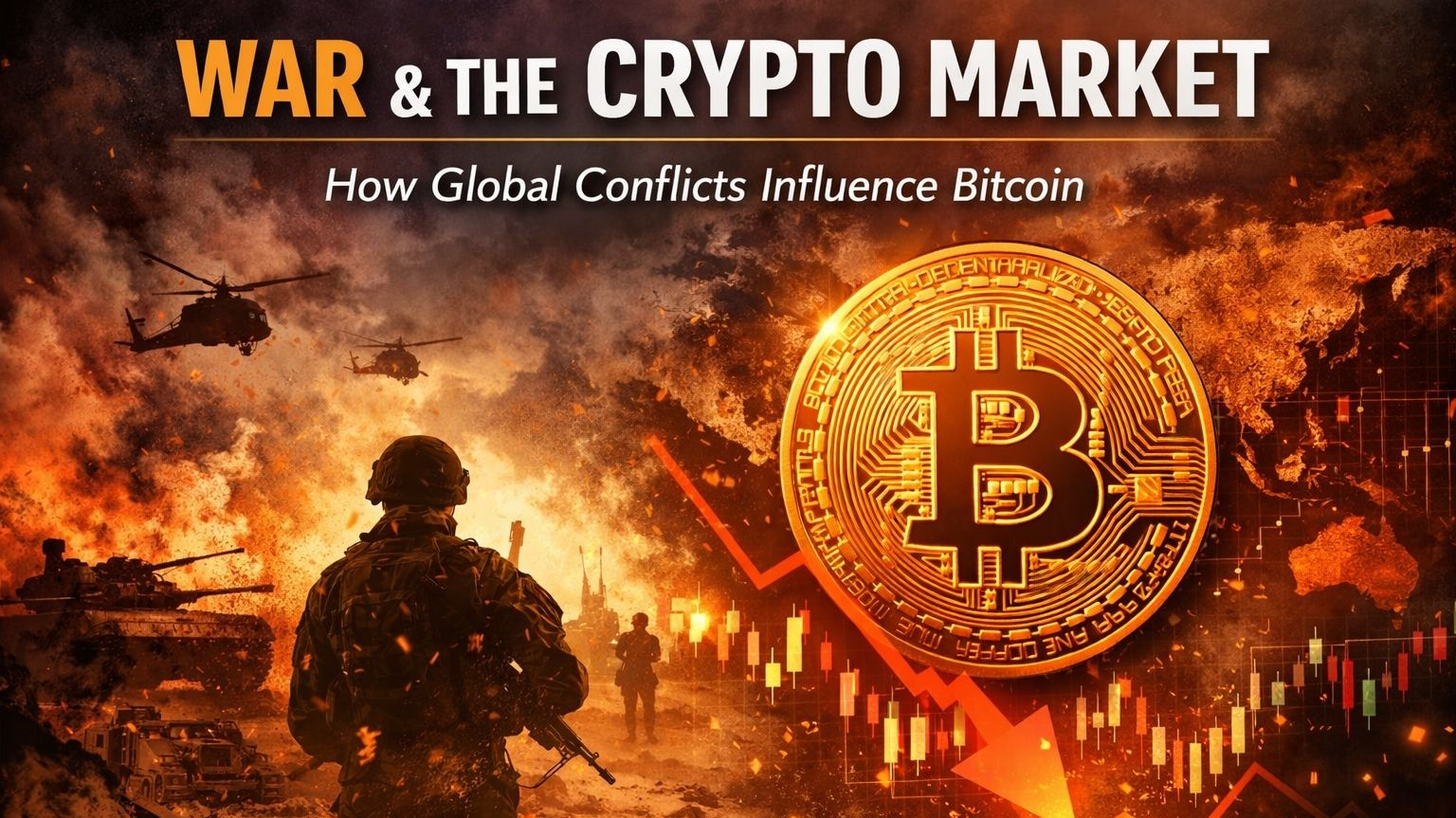
Война и её влияние на биткоин и крипторынокГеополитические конфликты часто создают неопределённость на глобальных финансовых рынках, и биткоин вместе с более широким крипторынком обычно реагирует на эти события довольно быстро. Хотя войны прежде всего затрагивают традиционные сектора, такие как энергетика и сырьё, они также влияют на цифровые активы через несколько ключевых механизмов.
### 1. Неопределённость на рынке и риск-аппетит
Когда начинается война, инвесторы обычно переходят в режим **избегания риска (risk-off)**. Традиционные активы-убежища, такие как золото и доллар США, часто привлекают капитал в первую очередь. Поскольку криптовалюта до сих пор считается **рисковым активом**, биткоин и альткоины могут сначала падать в ранней фазе конфликта.
Война и её влияние на биткоин и крипторынок
Геополитические конфликты часто создают неопределённость на глобальных финансовых рынках, и биткоин вместе с более широким крипторынком обычно реагирует на эти события довольно быстро. Хотя войны прежде всего затрагивают традиционные сектора, такие как энергетика и сырьё, они также влияют на цифровые активы через несколько ключевых механизмов.
### 1. Неопределённость на рынке и риск-аппетит
Когда начинается война, инвесторы обычно переходят в режим **избегания риска (risk-off)**. Традиционные активы-убежища, такие как золото и доллар США, часто привлекают капитал в первую очередь. Поскольку криптовалюта до сих пор считается **рисковым активом**, биткоин и альткоины могут сначала падать в ранней фазе конфликта.
### 1. Неопределённость на рынке и риск-аппетит
Когда начинается война, инвесторы обычно переходят в режим **избегания риска (risk-off)**. Традиционные активы-убежища, такие как золото и доллар США, часто привлекают капитал в первую очередь. Поскольку криптовалюта до сих пор считается **рисковым активом**, биткоин и альткоины могут сначала падать в ранней фазе конфликта.
15
·
--
Статья
Отсутствующий уровень доверия для ИИ в Web3Искусственный интеллект развивается с невероятной скоростью. От создания контента до анализа данных — модели ИИ становятся ключевой частью цифровой инфраструктуры. Но остается одна критическая проблема: доверие. Как можно проверить, точен ли или надежен ответ, сгенерированный ИИ?
Именно здесь @mira_network предлагает интересное решение.
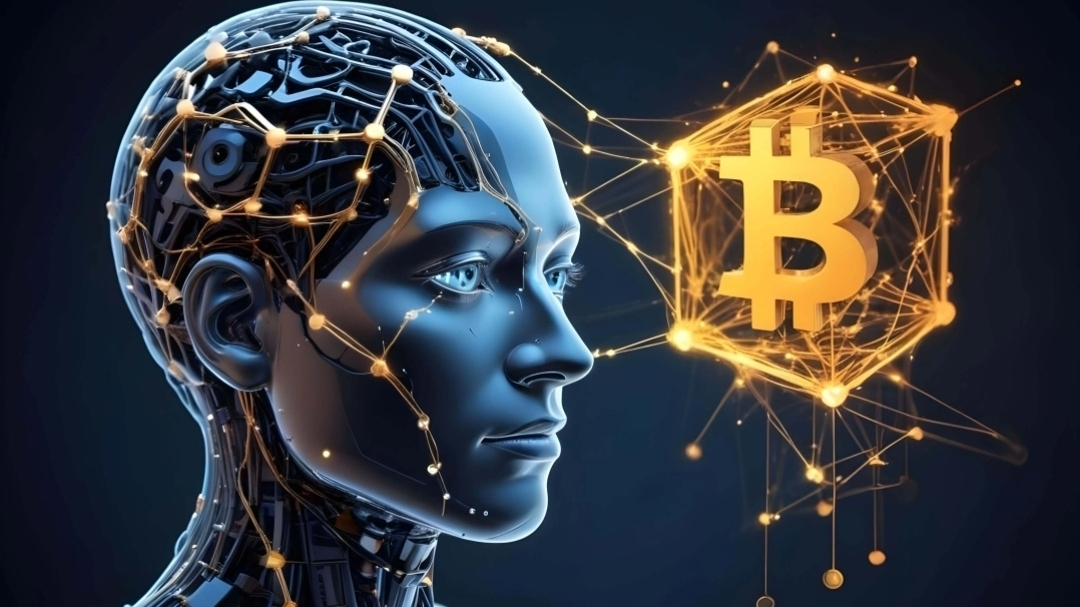
Вместо того чтобы полагаться на одну модель ИИ, Мира создает децентрализованный уровень верификации, где ответы ИИ можно проверять и валидировать с участием нескольких участников. Идея проста, но мощная: разбивать ответы ИИ на более мелкие утверждения, давать валидаторам возможность их проверять и использовать децентрализованный консенсус, чтобы определить, можно ли доверять результату.
Отсутствующий уровень доверия для ИИ в Web3
Искусственный интеллект развивается с невероятной скоростью. От создания контента до анализа данных — модели ИИ становятся ключевой частью цифровой инфраструктуры. Но остается одна критическая проблема: доверие. Как можно проверить, точен ли или надежен ответ, сгенерированный ИИ?
Именно здесь @Mira - Trust Layer of AI предлагает интересное решение.
Вместо того чтобы полагаться на одну модель ИИ, Мира создает децентрализованный уровень верификации, где ответы ИИ можно проверять и валидировать с участием нескольких участников. Идея проста, но мощная: разбивать ответы ИИ на более мелкие утверждения, давать валидаторам возможность их проверять и использовать децентрализованный консенсус, чтобы определить, можно ли доверять результату.
Именно здесь @Mira - Trust Layer of AI предлагает интересное решение.
Вместо того чтобы полагаться на одну модель ИИ, Мира создает децентрализованный уровень верификации, где ответы ИИ можно проверять и валидировать с участием нескольких участников. Идея проста, но мощная: разбивать ответы ИИ на более мелкие утверждения, давать валидаторам возможность их проверять и использовать децентрализованный консенсус, чтобы определить, можно ли доверять результату.
·
--
Что если ответы ИИ можно было бы проверять, как транзакции в блокчейне?
Это видение сети @mira_network , децентрализованной сети, предназначенной для валидации результатов ИИ через консенсус. Это может стать слоем доверия, в котором ИИ отчаянно нуждается.
Смотрим $MIRA внимательно. 👀 #mira $MIRA
Что если ответы ИИ можно было бы проверять, как транзакции в блокчейне?
Это видение сети @Mira - Trust Layer of AI , децентрализованной сети, предназначенной для валидации результатов ИИ через консенсус. Это может стать слоем доверия, в котором ИИ отчаянно нуждается.
Смотрим $MIRA внимательно. 👀 #mira $MIRA
Это видение сети @Mira - Trust Layer of AI , децентрализованной сети, предназначенной для валидации результатов ИИ через консенсус. Это может стать слоем доверия, в котором ИИ отчаянно нуждается.
Смотрим $MIRA внимательно. 👀 #mira $MIRA
21
·
--
AI встречает Web3: Видение, стоящее за Fabric Foundation и $ROBOСочетание AI и блокчейна становится одним из самых захватывающих нарративов в Web3. Fabric Foundation строит экосистему, в которой автономные агенты могут взаимодействовать с децентрализованными системами и выполнять задачи непосредственно в цепочке.
В центре этой экосистемы находится $ROBO, токен, предназначенный для управления взаимодействиями между интеллектуальными агентами и широкой сетью. С правильной инфраструктурой AI-агенты могут анализировать данные, автоматизировать решения и участвовать в децентрализованных экономиках.
Эта идея раздвигает границы того, что может достичь технология блокчейн. Вместо статических смарт-контрактов, Fabric Foundation исследует будущее, в котором адаптивные AI-системы сотрудничают в рамках децентрализованных сетей.
AI встречает Web3: Видение, стоящее за Fabric Foundation и $ROBO
Сочетание AI и блокчейна становится одним из самых захватывающих нарративов в Web3. Fabric Foundation строит экосистему, в которой автономные агенты могут взаимодействовать с децентрализованными системами и выполнять задачи непосредственно в цепочке.
В центре этой экосистемы находится $ROBO, токен, предназначенный для управления взаимодействиями между интеллектуальными агентами и широкой сетью. С правильной инфраструктурой AI-агенты могут анализировать данные, автоматизировать решения и участвовать в децентрализованных экономиках.
Эта идея раздвигает границы того, что может достичь технология блокчейн. Вместо статических смарт-контрактов, Fabric Foundation исследует будущее, в котором адаптивные AI-системы сотрудничают в рамках децентрализованных сетей.
В центре этой экосистемы находится $ROBO, токен, предназначенный для управления взаимодействиями между интеллектуальными агентами и широкой сетью. С правильной инфраструктурой AI-агенты могут анализировать данные, автоматизировать решения и участвовать в децентрализованных экономиках.
Эта идея раздвигает границы того, что может достичь технология блокчейн. Вместо статических смарт-контрактов, Fabric Foundation исследует будущее, в котором адаптивные AI-системы сотрудничают в рамках децентрализованных сетей.
14
·
--
Что если агенты ИИ смогут работать непосредственно в цепочке?
Фонд Fabric превращает эту идею в реальность. С $ROBO , поддерживающей экосистему, интеллектуальные агенты могут сотрудничать, учиться и выполнять задачи в Web3.
Это место, где ИИ встречается с децентрализацией.
@FabricFND #robo $ROBO
Что если агенты ИИ смогут работать непосредственно в цепочке?
Фонд Fabric превращает эту идею в реальность. С $ROBO , поддерживающей экосистему, интеллектуальные агенты могут сотрудничать, учиться и выполнять задачи в Web3.
Это место, где ИИ встречается с децентрализацией.
@Fabric Foundation #robo $ROBO
Фонд Fabric превращает эту идею в реальность. С $ROBO , поддерживающей экосистему, интеллектуальные агенты могут сотрудничать, учиться и выполнять задачи в Web3.
Это место, где ИИ встречается с децентрализацией.
@Fabric Foundation #robo $ROBO
2
2
79
Войдите, чтобы посмотреть больше материала
Присоединяйтесь к пользователям криптовалют по всему миру на Binance Square
⚡️ Получайте новейшую и полезную информацию о криптоактивах.
💬 Нам доверяет крупнейшая в мире криптобиржа.
👍 Получите достоверные аналитические данные от верифицированных создателей контента.
Эл. почта/номер телефона
В тренде
FedRateWatch
Просмотров: 11,592
67 обсуждают
Поделитесь и получите награду за трафик в нашей кампании с трендовым хэштегом
✨Тема: FOMC в сентябре — что дальше сделает ФРС?
👉Как присоединиться:
Опубликуйте короткий пост или статью с хэштегом #FedRateWatch
Создайте контент, опираясь на следующие тезисы:
- Августовский базовый CPI вырос на 0,3% м/м, а вероятность повышения ставки на 25 б.п. на этой неделе теперь близка к 90%. Как вы думаете, будет ли повышение ставки на этой неделе? Это разовое событие или начало более длительного цикла ужесточения?
- Если повышение состоится, как это скажется на BTC, технологических акциях и золоте? Быком или медведем?
- Как вы планируете торговать дальше? Поделитесь своей сделкой/позициями по BTC, акциям или золоту с помощью нашего виджета для обмена торговыми идеями.
⏰Период кампании:
- 2026-09-15 11:00 - 2026-09-17 3:00 UTC
🎁Награда:
- Квалифицированные посты, которые соответствуют приведенным выше требованиям и содержат более 100 слов, будут рассмотрены и могут получить случайный бонус к трафику в размере от 500 до 3,000 просмотров. Вы получите уведомление от вашего секретаря ленты, если ваш пост будет выбран.
- Получите шанс, чтобы вашу статью разместили на Binance Square Official
Нужны идеи для вашего поста? Посетите страницу темы #FedRateWatch или Square Guide on How to Post for Better Reach.
Binance Square Official
·Лайков: 44
·Просмотров: 49.8k
fomcотслеживание
Просмотров: 18,393
289 обсуждают
ПротоколFOMC
Просмотров: 12,471
85 обсуждают