

Agora_Flux
102 Публикации

Agora_Flux
Отправить жалобу
Заблокировать пользователя
Reflects project's purpose// tech - signals// Analyst // Defi protocol TESTOR// Click + to follow for more info.🚀
0 подписок(и/а)
2 подписчиков(а)
3 понравилось
Посты
·
--
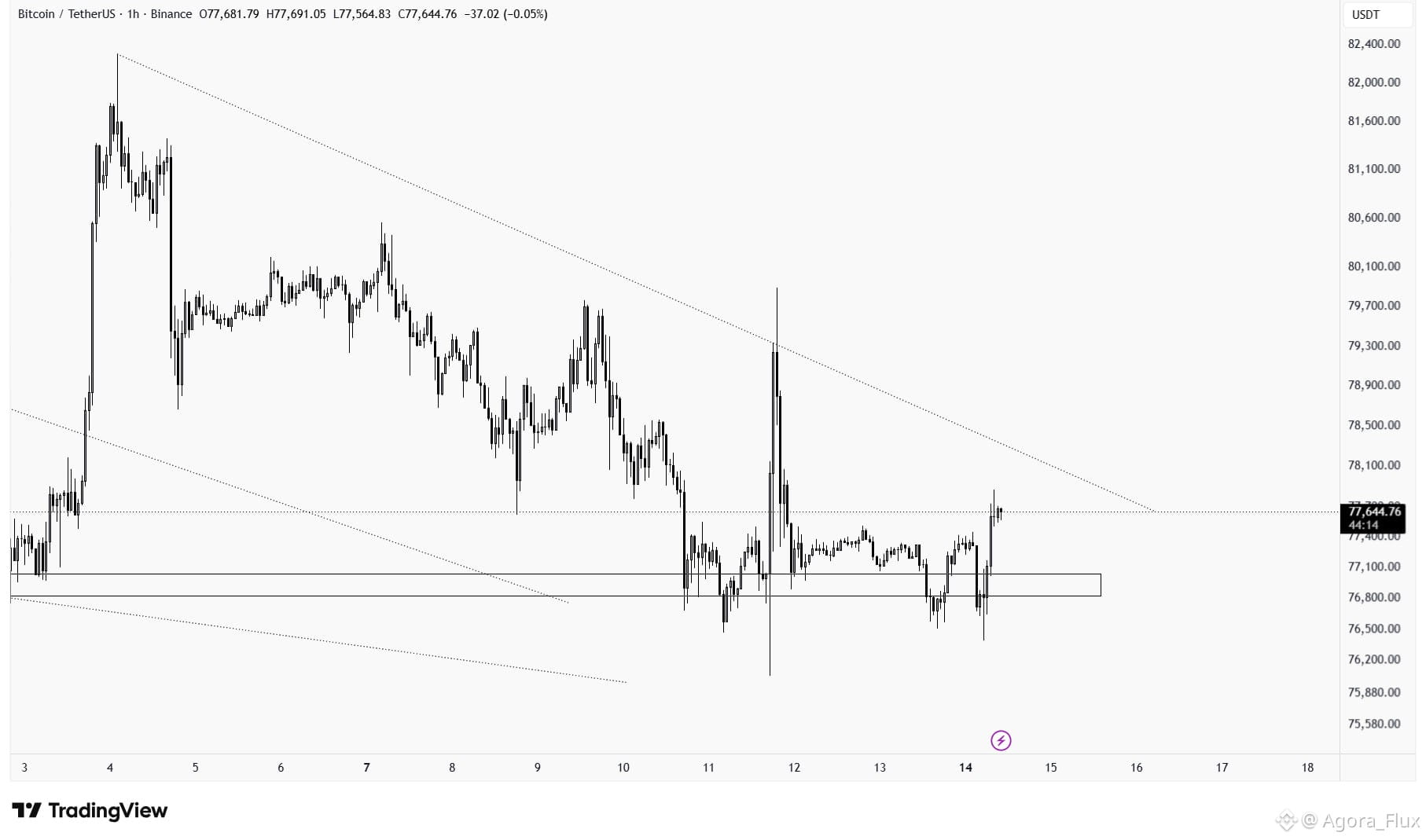
🔴 $BTC закрыл недельную свечу довольно неплохо сильным медвежьим закрытием.
На часовом таймфрейме цена по-прежнему движется туда-сюда вокруг зоны поддержки.
Теперь цена снова перевернула зону и ожидается отклонение от линии сопротивления.
#BTC Price Analysis#
🔴 $BTC закрыл недельную свечу довольно неплохо сильным медвежьим закрытием.
На часовом таймфрейме цена по-прежнему движется туда-сюда вокруг зоны поддержки.
Теперь цена снова перевернула зону и ожидается отклонение от линии сопротивления.
#BTC Price Analysis#
На часовом таймфрейме цена по-прежнему движется туда-сюда вокруг зоны поддержки.
Теперь цена снова перевернула зону и ожидается отклонение от линии сопротивления.
#BTC Price Analysis#
62
·
--
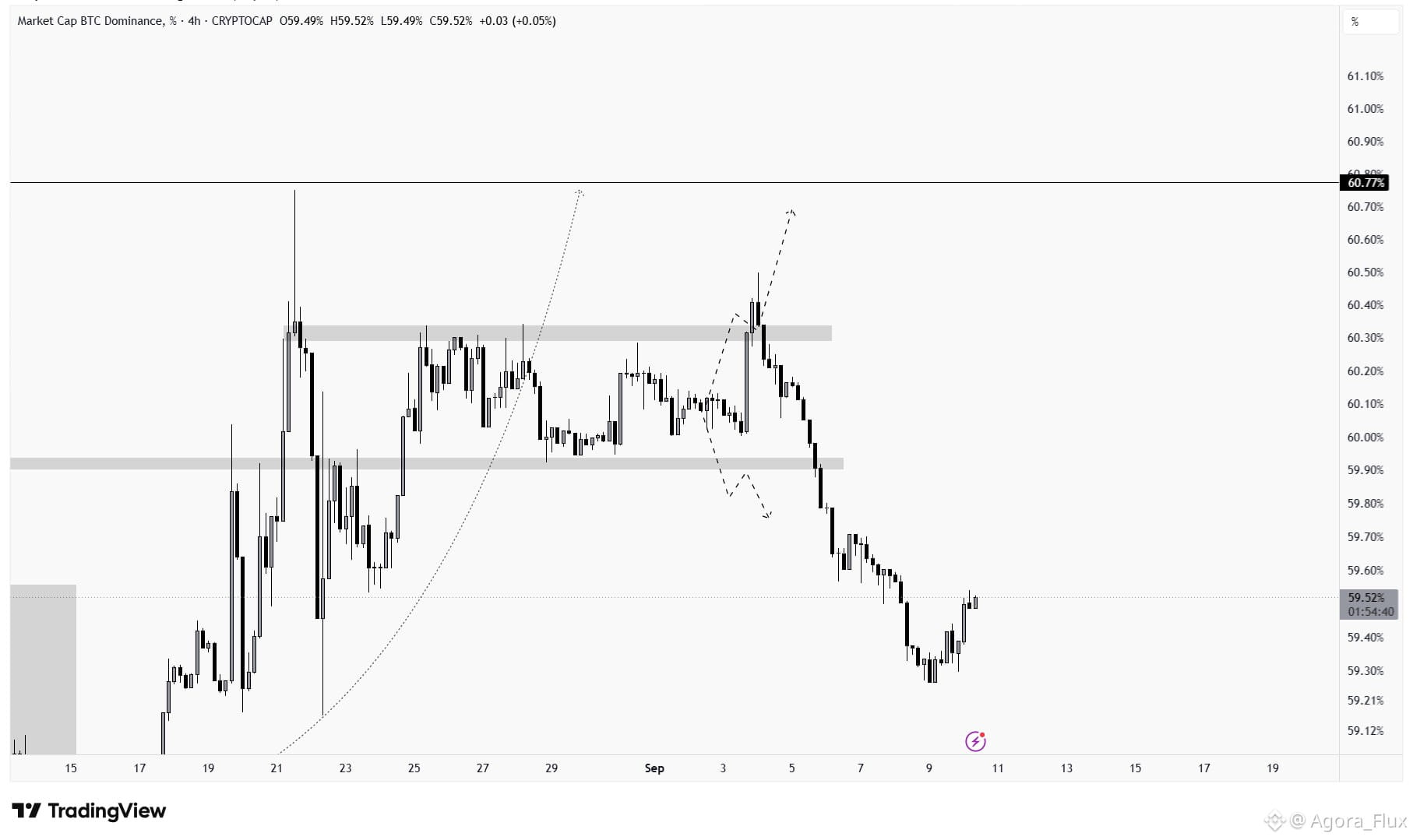
🔴 $BTC.D дал ложный пробой и теперь пробивает вниз; Индекс движется между ключевыми зонами. Если Индекс пойдет ниже, это уже будет генерировать хороший денежный поток в альткоинах — как мы и видели: за последние две недели альткоины заметно подпрыгнули. Ожидается дальнейшее движение, и оно может продолжиться вниз.
#Анализ цены BTC#
🔴 $BTC.D дал ложный пробой и теперь пробивает вниз; Индекс движется между ключевыми зонами. Если Индекс пойдет ниже, это уже будет генерировать хороший денежный поток в альткоинах — как мы и видели: за последние две недели альткоины заметно подпрыгнули. Ожидается дальнейшее движение, и оно может продолжиться вниз.
#Анализ цены BTC#
#Анализ цены BTC#
68
·
--
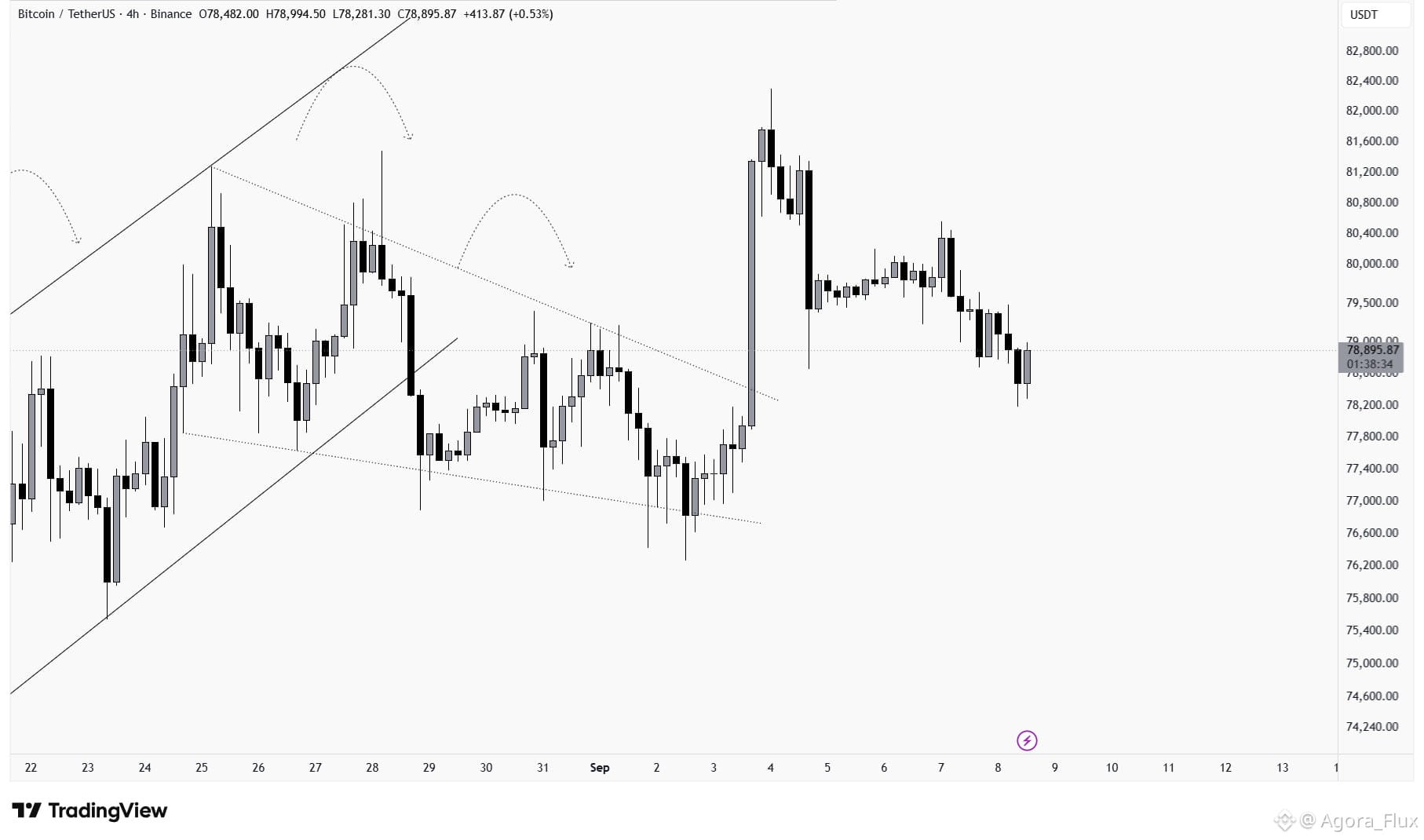
🔴 $BTC начал двигаться вниз, пробив тот небольшой диапазон в сторону снижения. Сейчас цена направляется на повторную проверку паттерна падающего клина, и на Нью-Йоркской сессии может появиться что-то новое.
#BTC Price Analysis#
🔴 $BTC начал двигаться вниз, пробив тот небольшой диапазон в сторону снижения. Сейчас цена направляется на повторную проверку паттерна падающего клина, и на Нью-Йоркской сессии может появиться что-то новое.
#BTC Price Analysis#
#BTC Price Analysis#
48
·
--
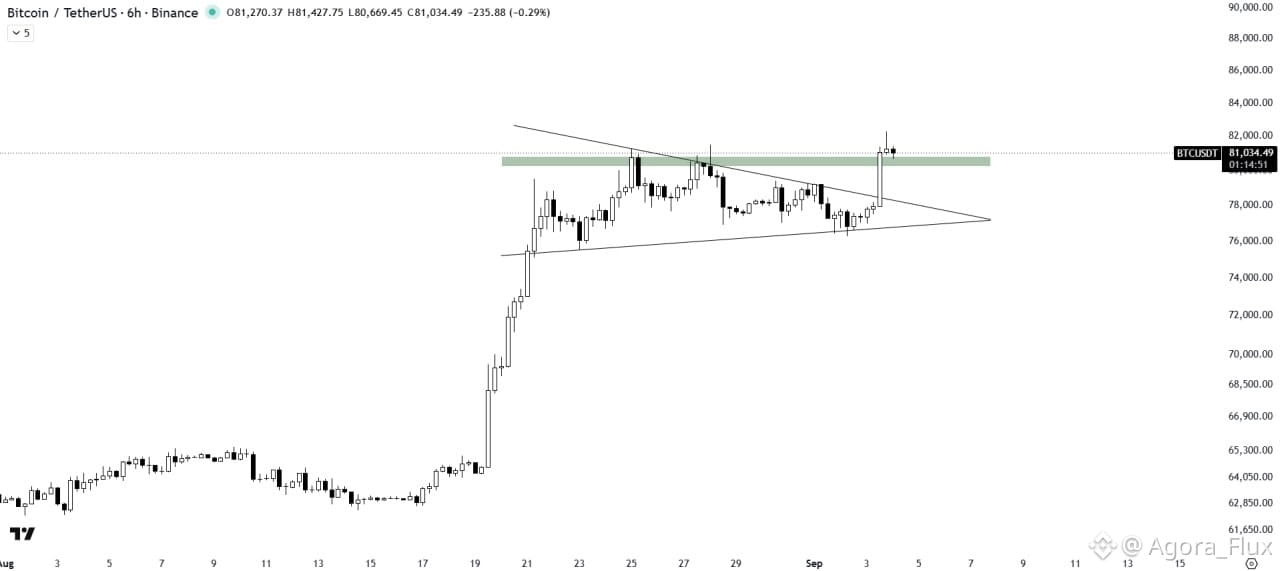
🔴 $BTC/USDT АНАЛИЗ
Bitcoin вышел из фигуры «вымпел» на значительном объёме, что указывает на сильный бычий импульс.
В настоящее время он тестирует ключевой уровень поддержки/сопротивления, и успешный повторный тест может дать дополнительное подтверждение бычьего сценария.
Успешное удержание выше этого уровня может спровоцировать ещё одно бычье ралли на рынке. Следите за дальнейшим развитием ценового движения.
#BTC Анализ цены#
🔴 $BTC/USDT АНАЛИЗ
Bitcoin вышел из фигуры «вымпел» на значительном объёме, что указывает на сильный бычий импульс.
В настоящее время он тестирует ключевой уровень поддержки/сопротивления, и успешный повторный тест может дать дополнительное подтверждение бычьего сценария.
Успешное удержание выше этого уровня может спровоцировать ещё одно бычье ралли на рынке. Следите за дальнейшим развитием ценового движения.
#BTC Анализ цены#
Bitcoin вышел из фигуры «вымпел» на значительном объёме, что указывает на сильный бычий импульс.
В настоящее время он тестирует ключевой уровень поддержки/сопротивления, и успешный повторный тест может дать дополнительное подтверждение бычьего сценария.
Успешное удержание выше этого уровня может спровоцировать ещё одно бычье ралли на рынке. Следите за дальнейшим развитием ценового движения.
#BTC Анализ цены#
71
·
--
🔴 $BTC/USDT АНАЛИЗ
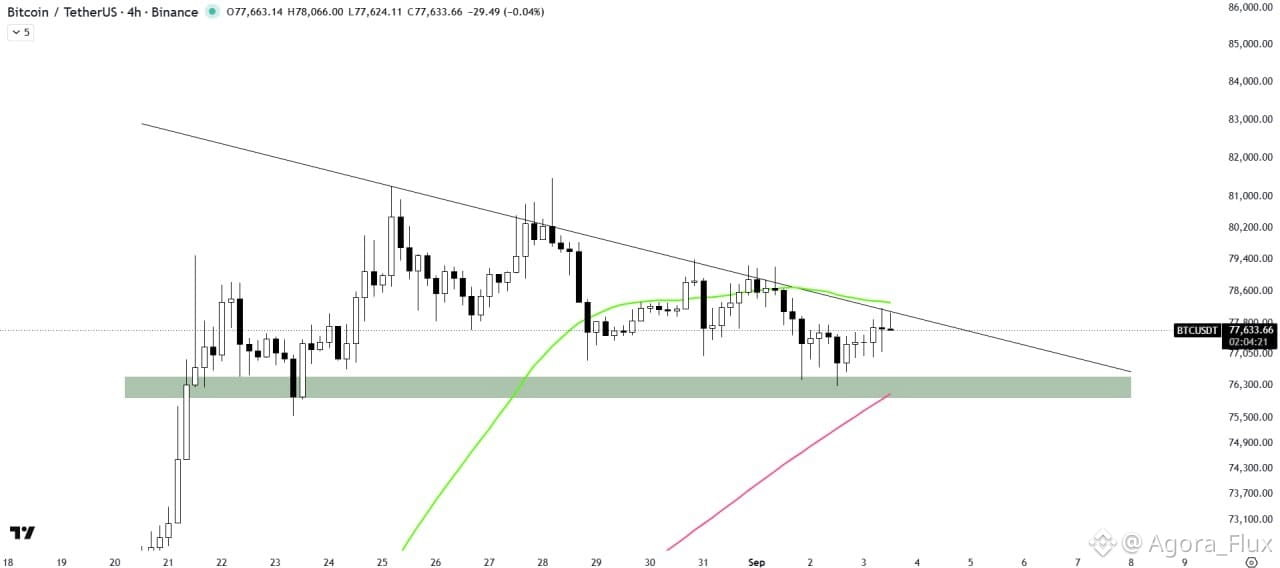
Bitcoin консолидируется внутри паттерна нисходящего треугольника и в настоящее время торгуется ниже линии сопротивления.
50MA выступает в качестве ключевого уровня сопротивления, в то время как 100MA оказывает поддержку ниже текущего ценового движения.
Нам нужно дождаться уверенного пробоя вверх или вниз этого паттерна, чтобы подтвердить дальнейшее направление движения.
#BTC Анализ цены#
🔴 $BTC/USDT АНАЛИЗ
Bitcoin консолидируется внутри паттерна нисходящего треугольника и в настоящее время торгуется ниже линии сопротивления.
50MA выступает в качестве ключевого уровня сопротивления, в то время как 100MA оказывает поддержку ниже текущего ценового движения.
Нам нужно дождаться уверенного пробоя вверх или вниз этого паттерна, чтобы подтвердить дальнейшее направление движения.
#BTC Анализ цены#
Bitcoin консолидируется внутри паттерна нисходящего треугольника и в настоящее время торгуется ниже линии сопротивления.
50MA выступает в качестве ключевого уровня сопротивления, в то время как 100MA оказывает поддержку ниже текущего ценового движения.
Нам нужно дождаться уверенного пробоя вверх или вниз этого паттерна, чтобы подтвердить дальнейшее направление движения.
#BTC Анализ цены#
64
·
--
🔴 $BTC/USDT АНАЛИЗ
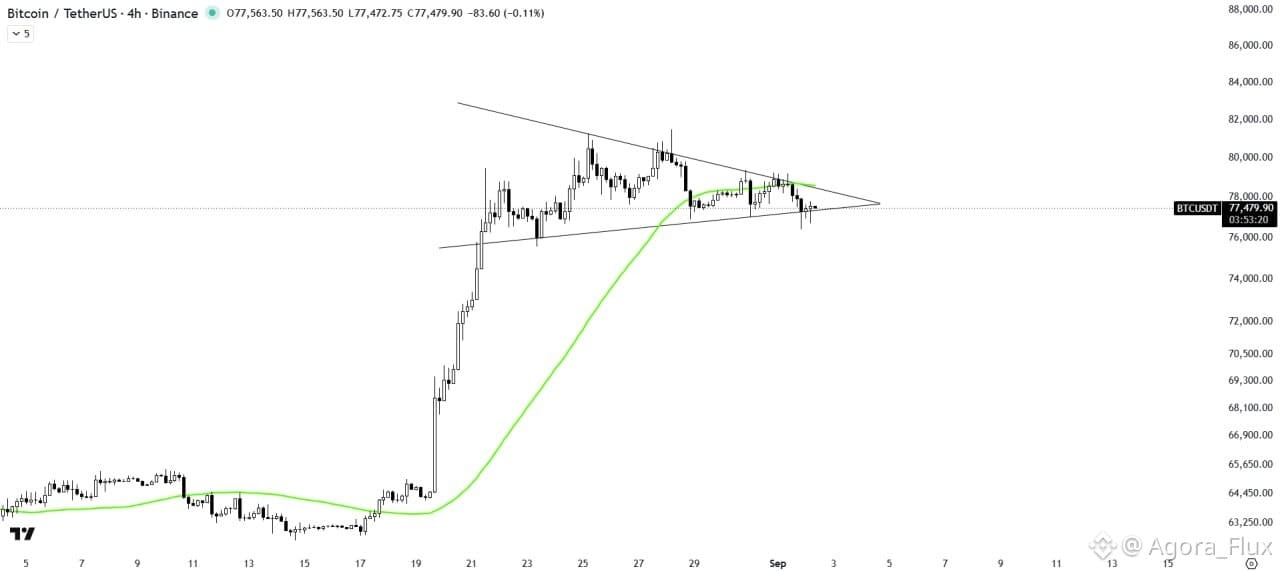
Биткоин консолидируется внутри паттерна «вымпел» и в данный момент удерживается выше линии поддержки.
50МА выступает ключевым барьером сопротивления над текущим ценовым движением.
Нам нужно дождаться уверенного пробоя вымпела, при этом пробой ниже поддержки аннулирует формирование.
#BTC Price Analysis#
🔴 $BTC/USDT АНАЛИЗ
Биткоин консолидируется внутри паттерна «вымпел» и в данный момент удерживается выше линии поддержки.
50МА выступает ключевым барьером сопротивления над текущим ценовым движением.
Нам нужно дождаться уверенного пробоя вымпела, при этом пробой ниже поддержки аннулирует формирование.
#BTC Price Analysis#
Биткоин консолидируется внутри паттерна «вымпел» и в данный момент удерживается выше линии поддержки.
50МА выступает ключевым барьером сопротивления над текущим ценовым движением.
Нам нужно дождаться уверенного пробоя вымпела, при этом пробой ниже поддержки аннулирует формирование.
#BTC Price Analysis#
79
·
--
Нашёл кое-что интересное в ходе движения ETHENA. Я не слежу за ENA, потому что она пампит. Я слежу за тем, что будет, когда покупатели перестанут за ней гнаться.🤔
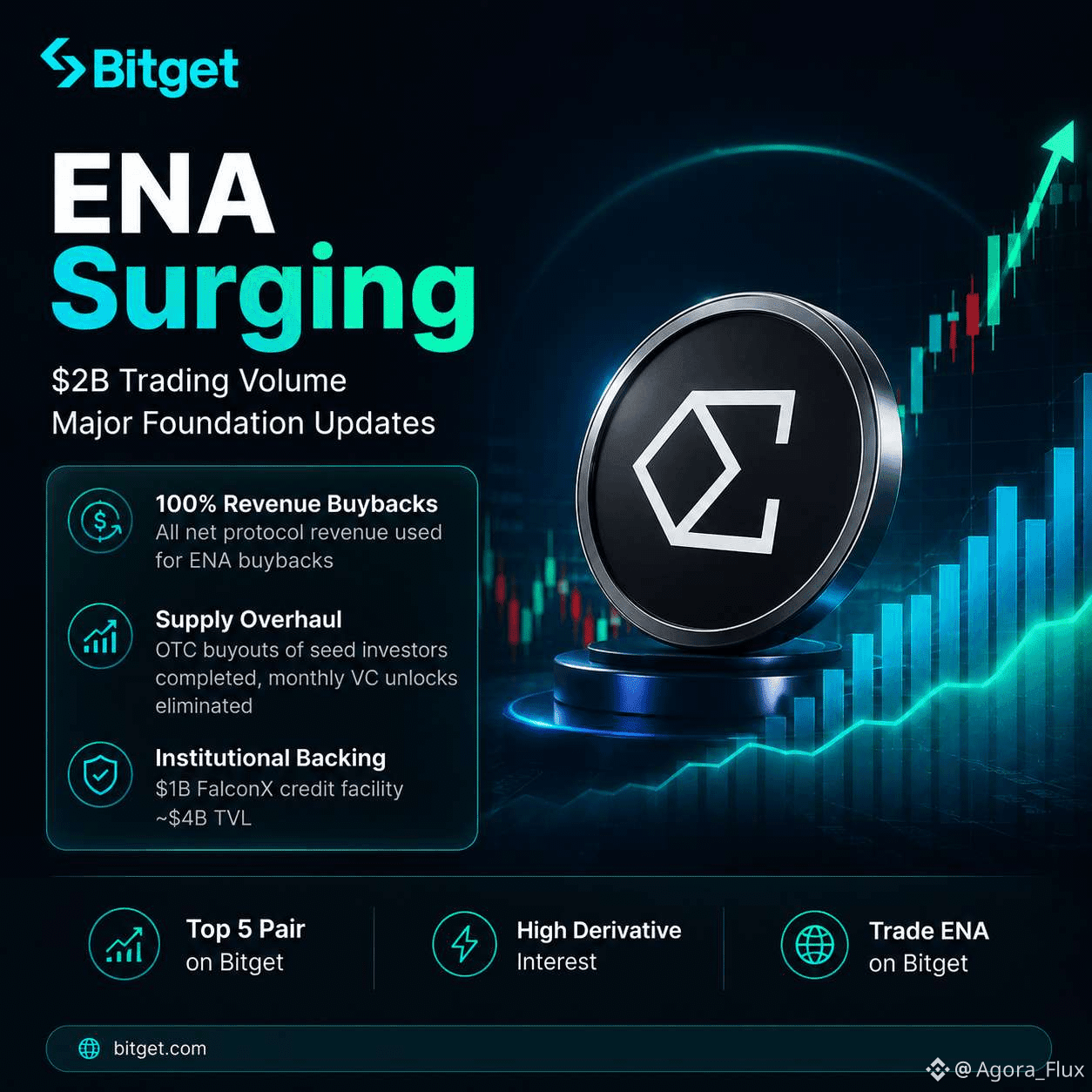
Я проверял сетап на Bitget, и объём $2B привлёк внимание, но для меня более важная история — что происходит «за кулисами» токена.
Ethena только что одобрила направление 100% чистой выручки протокола на байбэки $ENA, при этом ежемесячные разблокировки для VC были убраны. Это важно, потому что меняет сторону предложения в этой сделке.
Если протокол продолжит генерировать выручку, пока какая-то часть привычного давления продаж исчезает, то сильное движение ENA имеет под собой нечто более существенное, чем один только импульс.
И при TVL около $4B плюс институциональный кредитный фэcилити FalconX явно происходит вокруг Ethena больше, чем просто спекуляции розницы.
Но я бы всё равно не FOMO’ился в свечу после такого движения. Моя торговая идея проста: пусть ENA откатывается, даже если я торгую $ETH. Если покупатели войдут и защитят более высокий минимум, это будет то подтверждение, которое мне нужно, прежде чем рассматривать лонг.
Если структура сломается — я останусь в стороне. Сюжет интересный. Реакция на следующем откате — вот что я реально хочу увидеть.
ETHENA: продолжение или ловушка?
#Altcoin Season#
Нашёл кое-что интересное в ходе движения ETHENA. Я не слежу за ENA, потому что она пампит. Я слежу за тем, что будет, когда покупатели перестанут за ней гнаться.🤔
Я проверял сетап на Bitget, и объём $2B привлёк внимание, но для меня более важная история — что происходит «за кулисами» токена.
Ethena только что одобрила направление 100% чистой выручки протокола на байбэки $ENA, при этом ежемесячные разблокировки для VC были убраны. Это важно, потому что меняет сторону предложения в этой сделке.
Если протокол продолжит генерировать выручку, пока какая-то часть привычного давления продаж исчезает, то сильное движение ENA имеет под собой нечто более существенное, чем один только импульс.
И при TVL около $4B плюс институциональный кредитный фэcилити FalconX явно происходит вокруг Ethena больше, чем просто спекуляции розницы.
Но я бы всё равно не FOMO’ился в свечу после такого движения. Моя торговая идея проста: пусть ENA откатывается, даже если я торгую $ETH. Если покупатели войдут и защитят более высокий минимум, это будет то подтверждение, которое мне нужно, прежде чем рассматривать лонг.
Если структура сломается — я останусь в стороне. Сюжет интересный. Реакция на следующем откате — вот что я реально хочу увидеть.
ETHENA: продолжение или ловушка?
#Altcoin Season#
Я проверял сетап на Bitget, и объём $2B привлёк внимание, но для меня более важная история — что происходит «за кулисами» токена.
Ethena только что одобрила направление 100% чистой выручки протокола на байбэки $ENA, при этом ежемесячные разблокировки для VC были убраны. Это важно, потому что меняет сторону предложения в этой сделке.
Если протокол продолжит генерировать выручку, пока какая-то часть привычного давления продаж исчезает, то сильное движение ENA имеет под собой нечто более существенное, чем один только импульс.
И при TVL около $4B плюс институциональный кредитный фэcилити FalconX явно происходит вокруг Ethena больше, чем просто спекуляции розницы.
Но я бы всё равно не FOMO’ился в свечу после такого движения. Моя торговая идея проста: пусть ENA откатывается, даже если я торгую $ETH. Если покупатели войдут и защитят более высокий минимум, это будет то подтверждение, которое мне нужно, прежде чем рассматривать лонг.
Если структура сломается — я останусь в стороне. Сюжет интересный. Реакция на следующем откате — вот что я реально хочу увидеть.
ETHENA: продолжение или ловушка?
#Altcoin Season#
71
·
--
Давайте посмотрим на анализ $BTC/USDT
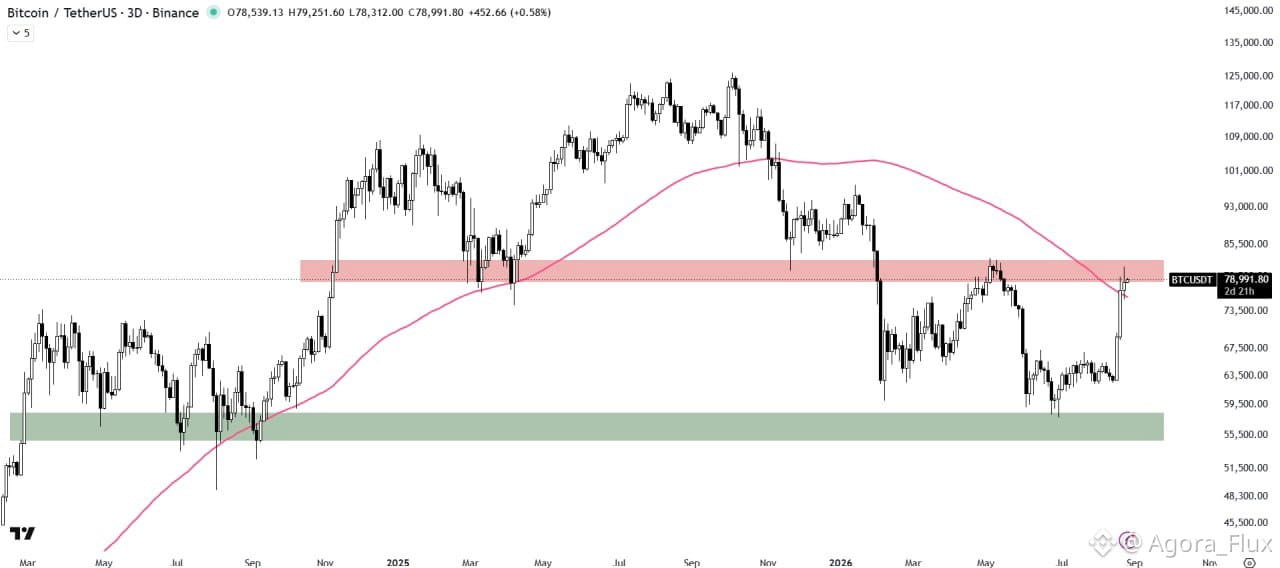
Биткоин торгуется выше 100МА, которая выступает ключевой поддержкой, при этом цена остается в пределах горизонтальной зоны предложения.
Устойчивое удержание выше 100МА, а затем пробой зоны предложения, может спровоцировать мощный восходящий ралли.
С другой стороны, пробой ниже поддержки 100МА будет сигнализировать о дальнейшем снижении на рынке.
#BTC Price Analysis#
Давайте посмотрим на анализ $BTC/USDT
Биткоин торгуется выше 100МА, которая выступает ключевой поддержкой, при этом цена остается в пределах горизонтальной зоны предложения.
Устойчивое удержание выше 100МА, а затем пробой зоны предложения, может спровоцировать мощный восходящий ралли.
С другой стороны, пробой ниже поддержки 100МА будет сигнализировать о дальнейшем снижении на рынке.
#BTC Price Analysis#
Биткоин торгуется выше 100МА, которая выступает ключевой поддержкой, при этом цена остается в пределах горизонтальной зоны предложения.
Устойчивое удержание выше 100МА, а затем пробой зоны предложения, может спровоцировать мощный восходящий ралли.
С другой стороны, пробой ниже поддержки 100МА будет сигнализировать о дальнейшем снижении на рынке.
#BTC Price Analysis#
82
·
--
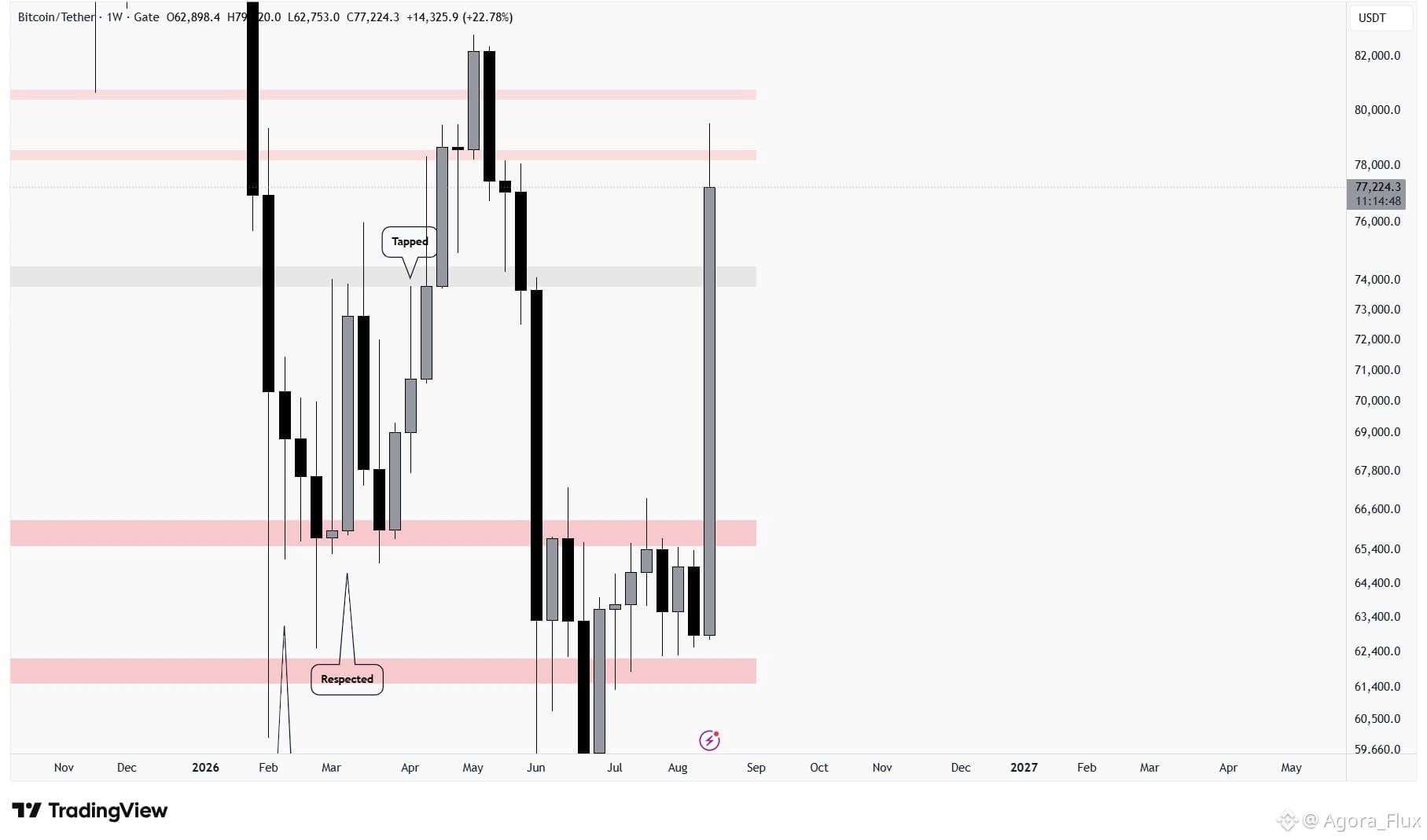
🔴 $BTC WEEKLY TF ОБНОВЛЕНИЕ:
У BTC был очень сильный рост и очень бычья свеча прямо к сопротивлению около $78,150.
Если сегодняшняя свеча закроется так же сильно, ожидайте неглубокую коррекцию, а затем еще один импульс вверх.
Поэтому на неделе может присутствовать фаза отката.
#BTC Price Analysis#
🔴 $BTC WEEKLY TF ОБНОВЛЕНИЕ:
У BTC был очень сильный рост и очень бычья свеча прямо к сопротивлению около $78,150.
Если сегодняшняя свеча закроется так же сильно, ожидайте неглубокую коррекцию, а затем еще один импульс вверх.
Поэтому на неделе может присутствовать фаза отката.
#BTC Price Analysis#
У BTC был очень сильный рост и очень бычья свеча прямо к сопротивлению около $78,150.
Если сегодняшняя свеча закроется так же сильно, ожидайте неглубокую коррекцию, а затем еще один импульс вверх.
Поэтому на неделе может присутствовать фаза отката.
#BTC Price Analysis#
77
·
--
Все гонятся за нарративом про ИИ, но одним из самых сильных ходов на этой неделе стало движение из другой части рынка, пока $BTC консолидируется.
ZEC только что резко взлетел более чем на 60% за несколько дней, и внимание привлекло не только движение цены. На Bitget объем по $ZECUSDT взорвался, когда трейдеры одновременно отреагировали на два крупных катализатора: обновленную заявку Grayscale на спотовый ETF и успешное обновление сети Ironwood. Именно такая комбинация обычно удерживает волатильность на повышенном уровне дольше, чем большинство ожидает.
Фактор с ETF важен, потому что он привлекает институциональное внимание. Обновление Ironwood важно, потому что оно усиливает инфраструктуру приватности, лежащую в основе Zcash. Когда совпадают и нарратив, и фундаментальные драйверы, рынки обычно обращают на это пристальное внимание.
Теперь вопрос не в том, успел ли ZEC уже пройти движение. Вопрос в том, закончилась ли волатильность.
Лично я считаю, что здесь стратегия важнее, чем прогноз. Вместо того чтобы пытаться угадать каждый пик и дно, я смотрю на Grid Futures на Bitget, чтобы воспользоваться широкими ценовыми колебаниями. Когда рынок начинает двигаться на 10–20% в день, систематическая покупка просадок и продажа отскоков с помощью бота часто оказывается более разумной, чем эмоциональный трейдинг.
Если ZEC продолжит привлекать спекуляции вокруг ETF и внимание со стороны сегмента приватности, волатильность может остаться одним из самых крупных возможностей в крипте прямо сейчас. Вы игнорируете этот ход или думаете, что ETF-нарратив еще имеет куда развернуться?
#Сезон Альткоинов# #Макро-выводы#
Все гонятся за нарративом про ИИ, но одним из самых сильных ходов на этой неделе стало движение из другой части рынка, пока $BTC консолидируется.
ZEC только что резко взлетел более чем на 60% за несколько дней, и внимание привлекло не только движение цены. На Bitget объем по $ZECUSDT взорвался, когда трейдеры одновременно отреагировали на два крупных катализатора: обновленную заявку Grayscale на спотовый ETF и успешное обновление сети Ironwood. Именно такая комбинация обычно удерживает волатильность на повышенном уровне дольше, чем большинство ожидает.
Фактор с ETF важен, потому что он привлекает институциональное внимание. Обновление Ironwood важно, потому что оно усиливает инфраструктуру приватности, лежащую в основе Zcash. Когда совпадают и нарратив, и фундаментальные драйверы, рынки обычно обращают на это пристальное внимание.
Теперь вопрос не в том, успел ли ZEC уже пройти движение. Вопрос в том, закончилась ли волатильность.
Лично я считаю, что здесь стратегия важнее, чем прогноз. Вместо того чтобы пытаться угадать каждый пик и дно, я смотрю на Grid Futures на Bitget, чтобы воспользоваться широкими ценовыми колебаниями. Когда рынок начинает двигаться на 10–20% в день, систематическая покупка просадок и продажа отскоков с помощью бота часто оказывается более разумной, чем эмоциональный трейдинг.
Если ZEC продолжит привлекать спекуляции вокруг ETF и внимание со стороны сегмента приватности, волатильность может остаться одним из самых крупных возможностей в крипте прямо сейчас. Вы игнорируете этот ход или думаете, что ETF-нарратив еще имеет куда развернуться?
#Сезон Альткоинов# #Макро-выводы#
ZEC только что резко взлетел более чем на 60% за несколько дней, и внимание привлекло не только движение цены. На Bitget объем по $ZECUSDT взорвался, когда трейдеры одновременно отреагировали на два крупных катализатора: обновленную заявку Grayscale на спотовый ETF и успешное обновление сети Ironwood. Именно такая комбинация обычно удерживает волатильность на повышенном уровне дольше, чем большинство ожидает.
Фактор с ETF важен, потому что он привлекает институциональное внимание. Обновление Ironwood важно, потому что оно усиливает инфраструктуру приватности, лежащую в основе Zcash. Когда совпадают и нарратив, и фундаментальные драйверы, рынки обычно обращают на это пристальное внимание.
Теперь вопрос не в том, успел ли ZEC уже пройти движение. Вопрос в том, закончилась ли волатильность.
Лично я считаю, что здесь стратегия важнее, чем прогноз. Вместо того чтобы пытаться угадать каждый пик и дно, я смотрю на Grid Futures на Bitget, чтобы воспользоваться широкими ценовыми колебаниями. Когда рынок начинает двигаться на 10–20% в день, систематическая покупка просадок и продажа отскоков с помощью бота часто оказывается более разумной, чем эмоциональный трейдинг.
Если ZEC продолжит привлекать спекуляции вокруг ETF и внимание со стороны сегмента приватности, волатильность может остаться одним из самых крупных возможностей в крипте прямо сейчас. Вы игнорируете этот ход или думаете, что ETF-нарратив еще имеет куда развернуться?
#Сезон Альткоинов# #Макро-выводы#
70
·
--
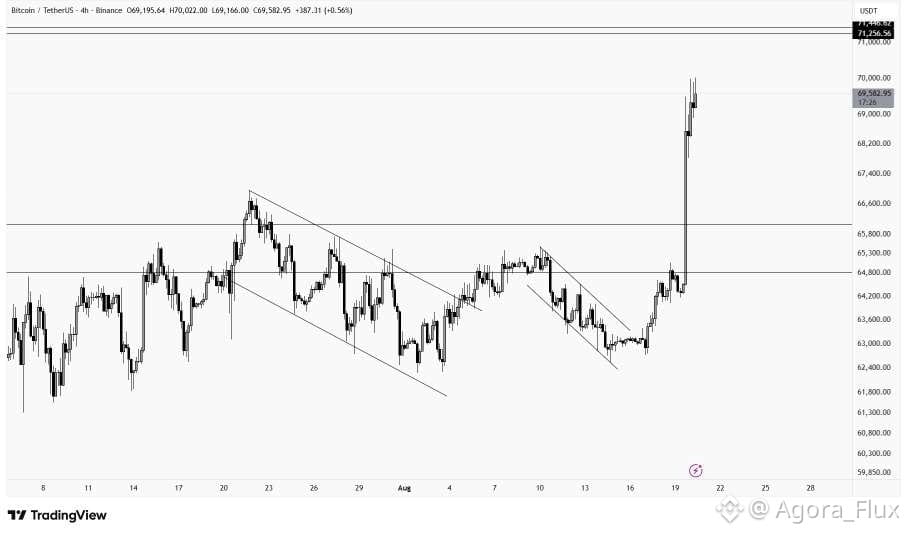
🔴 $BTC преодолел ключевой уровень сопротивления резким пробоем, быстро достигнув отметки $70 000.
Следующая критическая зона сопротивления находится в диапазоне от $71 250 до $71 450. Отсюда цена может либо откатиться для ретеста, либо сразу пойти к этому сопротивлению, прежде чем скорректировать дальнейшее поведение рынка и станет ясно, какой путь будет выбран.
#BTC Price Analysis#
🔴 $BTC преодолел ключевой уровень сопротивления резким пробоем, быстро достигнув отметки $70 000.
Следующая критическая зона сопротивления находится в диапазоне от $71 250 до $71 450. Отсюда цена может либо откатиться для ретеста, либо сразу пойти к этому сопротивлению, прежде чем скорректировать дальнейшее поведение рынка и станет ясно, какой путь будет выбран.
#BTC Price Analysis#
Следующая критическая зона сопротивления находится в диапазоне от $71 250 до $71 450. Отсюда цена может либо откатиться для ретеста, либо сразу пойти к этому сопротивлению, прежде чем скорректировать дальнейшее поведение рынка и станет ясно, какой путь будет выбран.
#BTC Price Analysis#
54
·
--
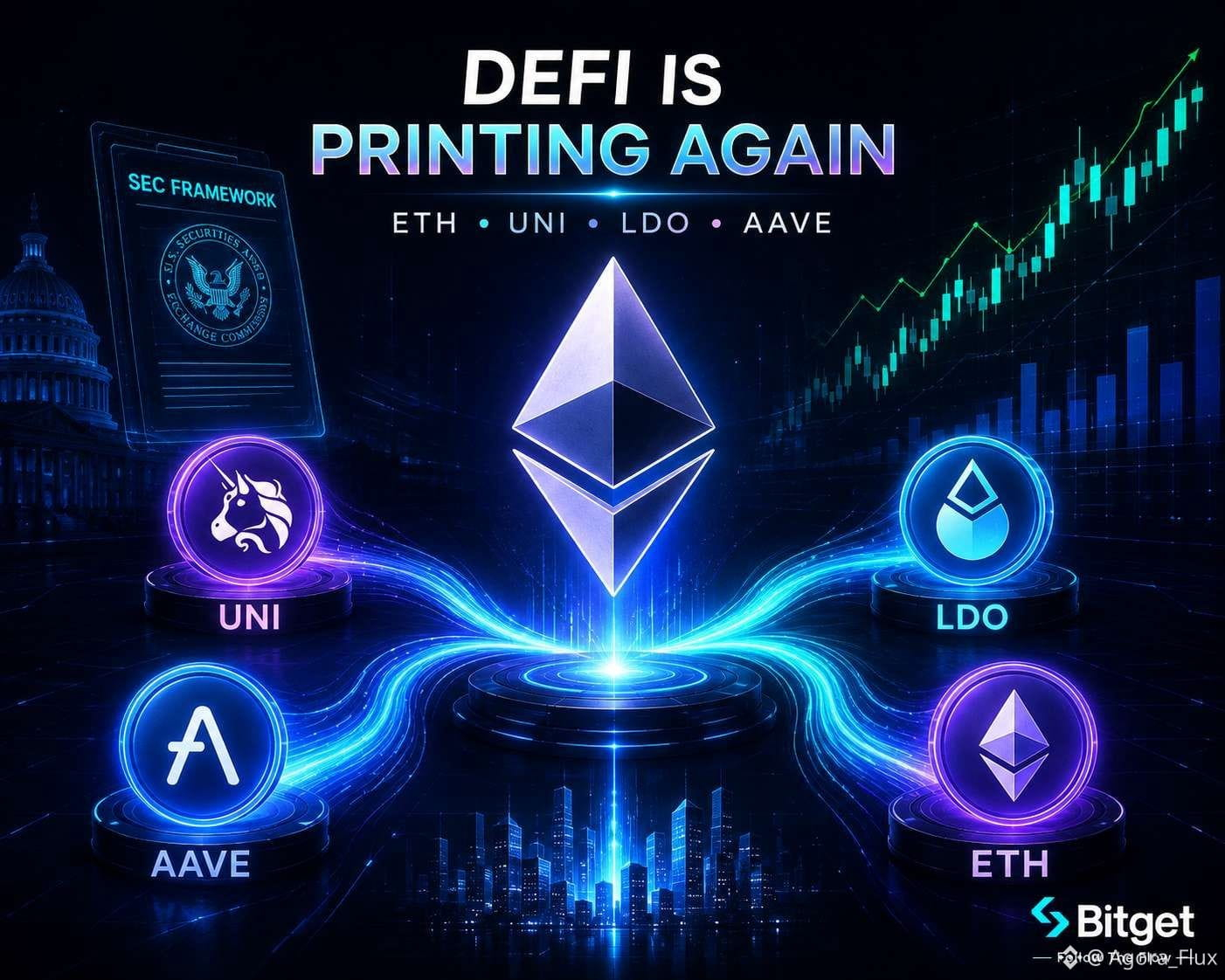
Большинство трейдеров по-прежнему относятся к DeFi так, словно это 2022 год. Думаю, их сейчас очень сильно удивит. Пока я работал на bitget, выяснил, что рынку больше всего нравятся нарративы. Умные деньги любят денежные потоки. И впервые за долгое время DeFi начинает предлагать и то, и другое.
Впервые за годы DeFi получает то, чего ей отчаянно не хватало:
Регуляторную ясность.
Предложенная SEC крипторамка — это не просто очередной заголовок. Если она будет внедрена, это снизит один из самых больших рисков, из-за которого институты держались в стороне.
Теперь добавьте к этому то, что уже происходит «под капотом»:
• $UNI продвигается глубже в улавливание ценности за счет комиссий
• $AAVE продолжает доминировать в DeFi-кредитовании
• $LDO выигрывает от роста стейкинга в Ethereum
• $ETH находится в центре всей экосистемы
Вот почему я обращаю на это внимание — не потому, что движутся цены, а потому что улучшаются фундаментальные показатели, пока настроение рынка всё ещё догоняет. И я буду торговать UNI и ETH на bitget.
Если эта ротация продолжится, что, по-вашему, окажется лучше в дальнейшем? Интересно послушать, за чем следит каждый.👇
#Altcoin Season#
Большинство трейдеров по-прежнему относятся к DeFi так, словно это 2022 год. Думаю, их сейчас очень сильно удивит. Пока я работал на bitget, выяснил, что рынку больше всего нравятся нарративы. Умные деньги любят денежные потоки. И впервые за долгое время DeFi начинает предлагать и то, и другое.
Впервые за годы DeFi получает то, чего ей отчаянно не хватало:
Регуляторную ясность.
Предложенная SEC крипторамка — это не просто очередной заголовок. Если она будет внедрена, это снизит один из самых больших рисков, из-за которого институты держались в стороне.
Теперь добавьте к этому то, что уже происходит «под капотом»:
• $UNI продвигается глубже в улавливание ценности за счет комиссий
• $AAVE продолжает доминировать в DeFi-кредитовании
• $LDO выигрывает от роста стейкинга в Ethereum
• $ETH находится в центре всей экосистемы
Вот почему я обращаю на это внимание — не потому, что движутся цены, а потому что улучшаются фундаментальные показатели, пока настроение рынка всё ещё догоняет. И я буду торговать UNI и ETH на bitget.
Если эта ротация продолжится, что, по-вашему, окажется лучше в дальнейшем? Интересно послушать, за чем следит каждый.👇
#Altcoin Season#
Впервые за годы DeFi получает то, чего ей отчаянно не хватало:
Регуляторную ясность.
Предложенная SEC крипторамка — это не просто очередной заголовок. Если она будет внедрена, это снизит один из самых больших рисков, из-за которого институты держались в стороне.
Теперь добавьте к этому то, что уже происходит «под капотом»:
• $UNI продвигается глубже в улавливание ценности за счет комиссий
• $AAVE продолжает доминировать в DeFi-кредитовании
• $LDO выигрывает от роста стейкинга в Ethereum
• $ETH находится в центре всей экосистемы
Вот почему я обращаю на это внимание — не потому, что движутся цены, а потому что улучшаются фундаментальные показатели, пока настроение рынка всё ещё догоняет. И я буду торговать UNI и ETH на bitget.
Если эта ротация продолжится, что, по-вашему, окажется лучше в дальнейшем? Интересно послушать, за чем следит каждый.👇
#Altcoin Season#
83
·
--
Что если самое масштабное ралли $XRP в этом цикле движется не трейдерами, а Вашингтоном?
Годы подряд XRP двигался на заголовках из судов. Теперь он движется на нечто куда более важное: регулирование, политика и место за столом в будущем финансовой системы.
Годы криптовалюту относили к «аутсайдерам» по сравнению с традиционными финансами. На этой неделе ощущалось иначе.
Для трейдеров, которым нужно быстро реагировать на эти события, я отслеживал динамику на Bitget, где ликвидность по XRP активно проявлялась на протяжении всего новостного цикла.
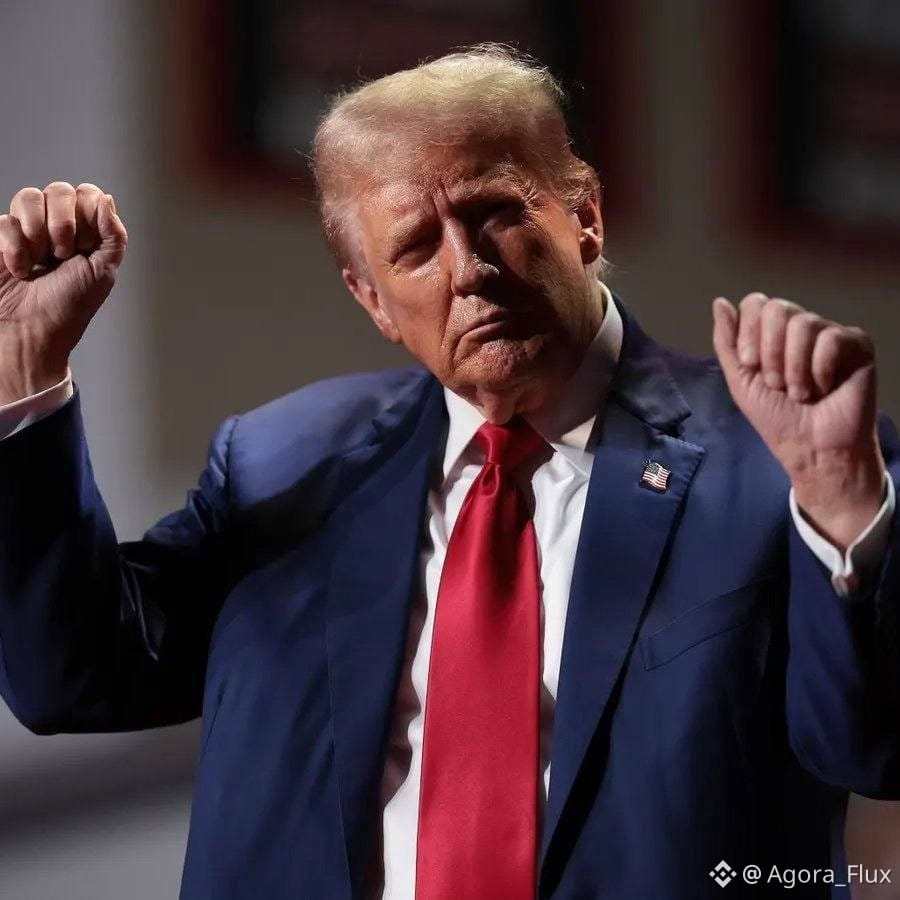
Президент Трамп встретился с лидерами Ripple, Chainlink, Coinbase, Nasdaq, Kraken, ICE и регуляторами, чтобы обсудить, как крипто вписывается в будущее финансовой системы США. Это не заголовок-мем. Это инфраструктура, которая обсуждается на самом высоком уровне.
Вот почему я пристально слежу за $XRP.
Если законопроект CLARITY Act пойдет дальше, а регуляторная неопределенность будет постепенно сходить на нет, XRP может стать одним из главных бенефициаров. Рынок, похоже, уже закладывает это: $XRP растет двузначными темпами, пока объемы увеличиваются на биржах.
Меня заинтересовало не то, как именно произошел памп.
А то, что XRP постепенно смещается от нарратива «судебной тяжбы» к нарративу «финансовой инфраструктуры».
Независимо от того, настроены вы оптимистично или пессимистично, это серьезное изменение того, как рынок воспринимает этот актив.
Лично я держу в поле зрения сроки принятия CLARITY Act на 15 сентября, потому что это может оказаться важнее любой краткосрочной ценовой свечи.
Главный вопрос не в том, вырос ли сегодня XRP.
В том, начинает ли рынок закладывать в цены то, как регулирование криптовалют может выглядеть в ближайшие несколько лет.
#Макро Инсайты# #Сезон Альткоинов#
Что если самое масштабное ралли $XRP в этом цикле движется не трейдерами, а Вашингтоном?
Годы подряд XRP двигался на заголовках из судов. Теперь он движется на нечто куда более важное: регулирование, политика и место за столом в будущем финансовой системы.
Годы криптовалюту относили к «аутсайдерам» по сравнению с традиционными финансами. На этой неделе ощущалось иначе.
Для трейдеров, которым нужно быстро реагировать на эти события, я отслеживал динамику на Bitget, где ликвидность по XRP активно проявлялась на протяжении всего новостного цикла.
Президент Трамп встретился с лидерами Ripple, Chainlink, Coinbase, Nasdaq, Kraken, ICE и регуляторами, чтобы обсудить, как крипто вписывается в будущее финансовой системы США. Это не заголовок-мем. Это инфраструктура, которая обсуждается на самом высоком уровне.
Вот почему я пристально слежу за $XRP.
Если законопроект CLARITY Act пойдет дальше, а регуляторная неопределенность будет постепенно сходить на нет, XRP может стать одним из главных бенефициаров. Рынок, похоже, уже закладывает это: $XRP растет двузначными темпами, пока объемы увеличиваются на биржах.
Меня заинтересовало не то, как именно произошел памп.
А то, что XRP постепенно смещается от нарратива «судебной тяжбы» к нарративу «финансовой инфраструктуры».
Независимо от того, настроены вы оптимистично или пессимистично, это серьезное изменение того, как рынок воспринимает этот актив.
Лично я держу в поле зрения сроки принятия CLARITY Act на 15 сентября, потому что это может оказаться важнее любой краткосрочной ценовой свечи.
Главный вопрос не в том, вырос ли сегодня XRP.
В том, начинает ли рынок закладывать в цены то, как регулирование криптовалют может выглядеть в ближайшие несколько лет.
#Макро Инсайты# #Сезон Альткоинов#
Годы подряд XRP двигался на заголовках из судов. Теперь он движется на нечто куда более важное: регулирование, политика и место за столом в будущем финансовой системы.
Годы криптовалюту относили к «аутсайдерам» по сравнению с традиционными финансами. На этой неделе ощущалось иначе.
Для трейдеров, которым нужно быстро реагировать на эти события, я отслеживал динамику на Bitget, где ликвидность по XRP активно проявлялась на протяжении всего новостного цикла.
Президент Трамп встретился с лидерами Ripple, Chainlink, Coinbase, Nasdaq, Kraken, ICE и регуляторами, чтобы обсудить, как крипто вписывается в будущее финансовой системы США. Это не заголовок-мем. Это инфраструктура, которая обсуждается на самом высоком уровне.
Вот почему я пристально слежу за $XRP.
Если законопроект CLARITY Act пойдет дальше, а регуляторная неопределенность будет постепенно сходить на нет, XRP может стать одним из главных бенефициаров. Рынок, похоже, уже закладывает это: $XRP растет двузначными темпами, пока объемы увеличиваются на биржах.
Меня заинтересовало не то, как именно произошел памп.
А то, что XRP постепенно смещается от нарратива «судебной тяжбы» к нарративу «финансовой инфраструктуры».
Независимо от того, настроены вы оптимистично или пессимистично, это серьезное изменение того, как рынок воспринимает этот актив.
Лично я держу в поле зрения сроки принятия CLARITY Act на 15 сентября, потому что это может оказаться важнее любой краткосрочной ценовой свечи.
Главный вопрос не в том, вырос ли сегодня XRP.
В том, начинает ли рынок закладывать в цены то, как регулирование криптовалют может выглядеть в ближайшие несколько лет.
#Макро Инсайты# #Сезон Альткоинов#

·
--
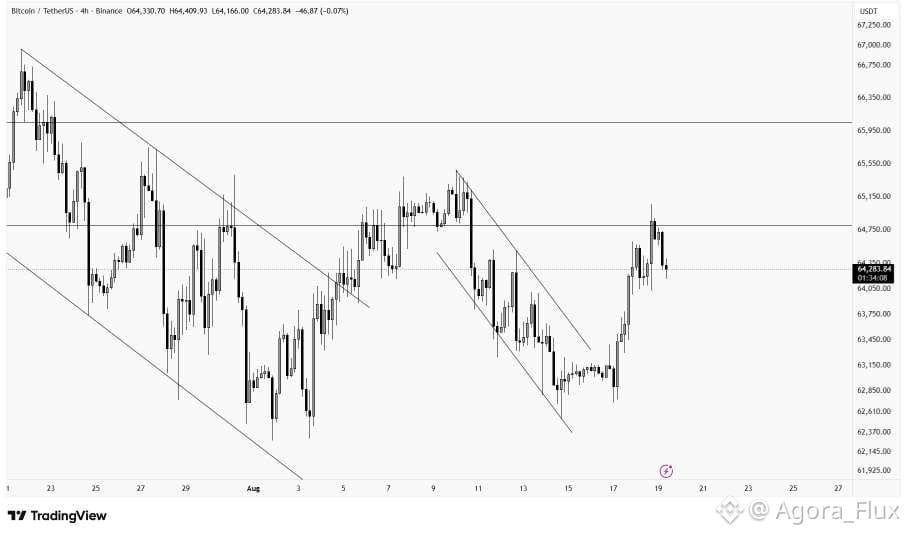
🔴 $BTC снова протестировал зону сопротивления, и уровень продолжает уверенно удерживаться.
Цена столкнулась с явным отбойным движением, что указывает на вероятное возвращение к середине текущего диапазона.
На более старшем таймфрейме формируется паттерн «Обратные Голова и Плечи», который может стать ранним сигналом потенциального разворота тренда.
#BTC Price Analysis#
🔴 $BTC снова протестировал зону сопротивления, и уровень продолжает уверенно удерживаться.
Цена столкнулась с явным отбойным движением, что указывает на вероятное возвращение к середине текущего диапазона.
На более старшем таймфрейме формируется паттерн «Обратные Голова и Плечи», который может стать ранним сигналом потенциального разворота тренда.
#BTC Price Analysis#
Цена столкнулась с явным отбойным движением, что указывает на вероятное возвращение к середине текущего диапазона.
На более старшем таймфрейме формируется паттерн «Обратные Голова и Плечи», который может стать ранним сигналом потенциального разворота тренда.
#BTC Price Analysis#
61
·
--
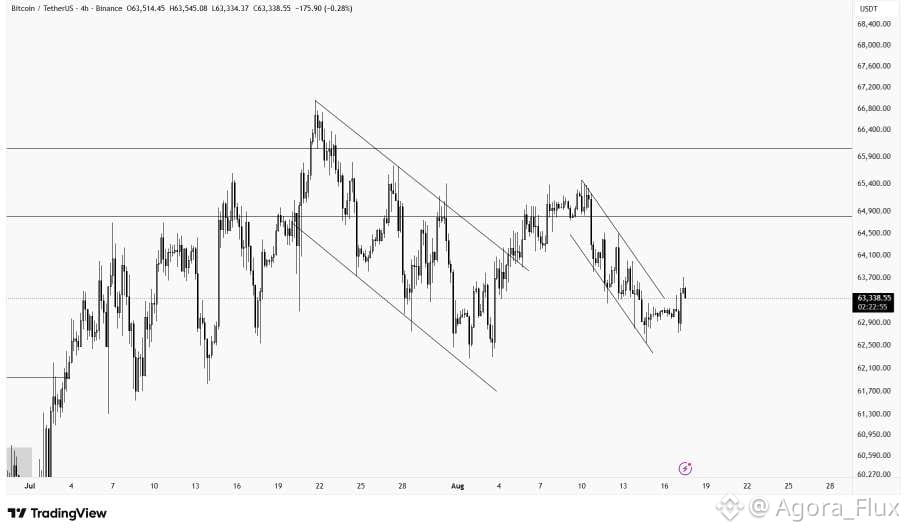
🔴 $BTC закрыл свою недельную свечу рядом с зоной поддержки, и на данный момент ничего особенно не ясно.
На этой неделе, вероятно, будет происходить то же самое, и многое не будет сделано.
Можно ожидать нисходящее движение.
#BTC Price Analysis#
🔴 $BTC закрыл свою недельную свечу рядом с зоной поддержки, и на данный момент ничего особенно не ясно.
На этой неделе, вероятно, будет происходить то же самое, и многое не будет сделано.
Можно ожидать нисходящее движение.
#BTC Price Analysis#
На этой неделе, вероятно, будет происходить то же самое, и многое не будет сделано.
Можно ожидать нисходящее движение.
#BTC Price Analysis#
64
·
--
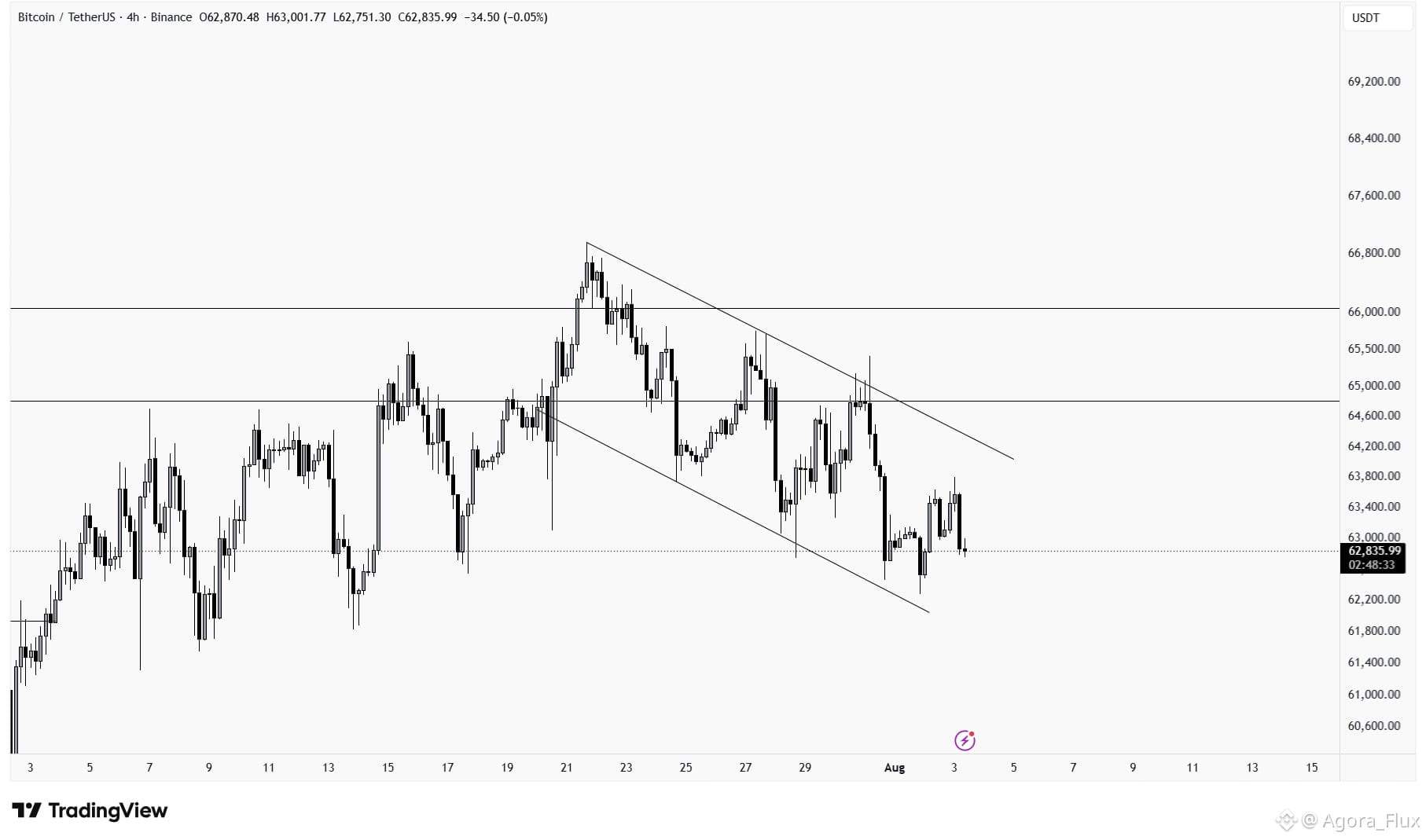
🔴 Еженедельный график $BTC показывает, что свеча закрывается между ключевыми уровнями поддержки и сопротивления.
На таймфрейме H4 ценовое движение формирует узкий канал, что указывает на возможность сохранения медвежьего тренда с дальнейшим снижением.
#BTC Price Analysis#
🔴 Еженедельный график $BTC показывает, что свеча закрывается между ключевыми уровнями поддержки и сопротивления.
На таймфрейме H4 ценовое движение формирует узкий канал, что указывает на возможность сохранения медвежьего тренда с дальнейшим снижением.
#BTC Price Analysis#
На таймфрейме H4 ценовое движение формирует узкий канал, что указывает на возможность сохранения медвежьего тренда с дальнейшим снижением.
#BTC Price Analysis#
76
·
--
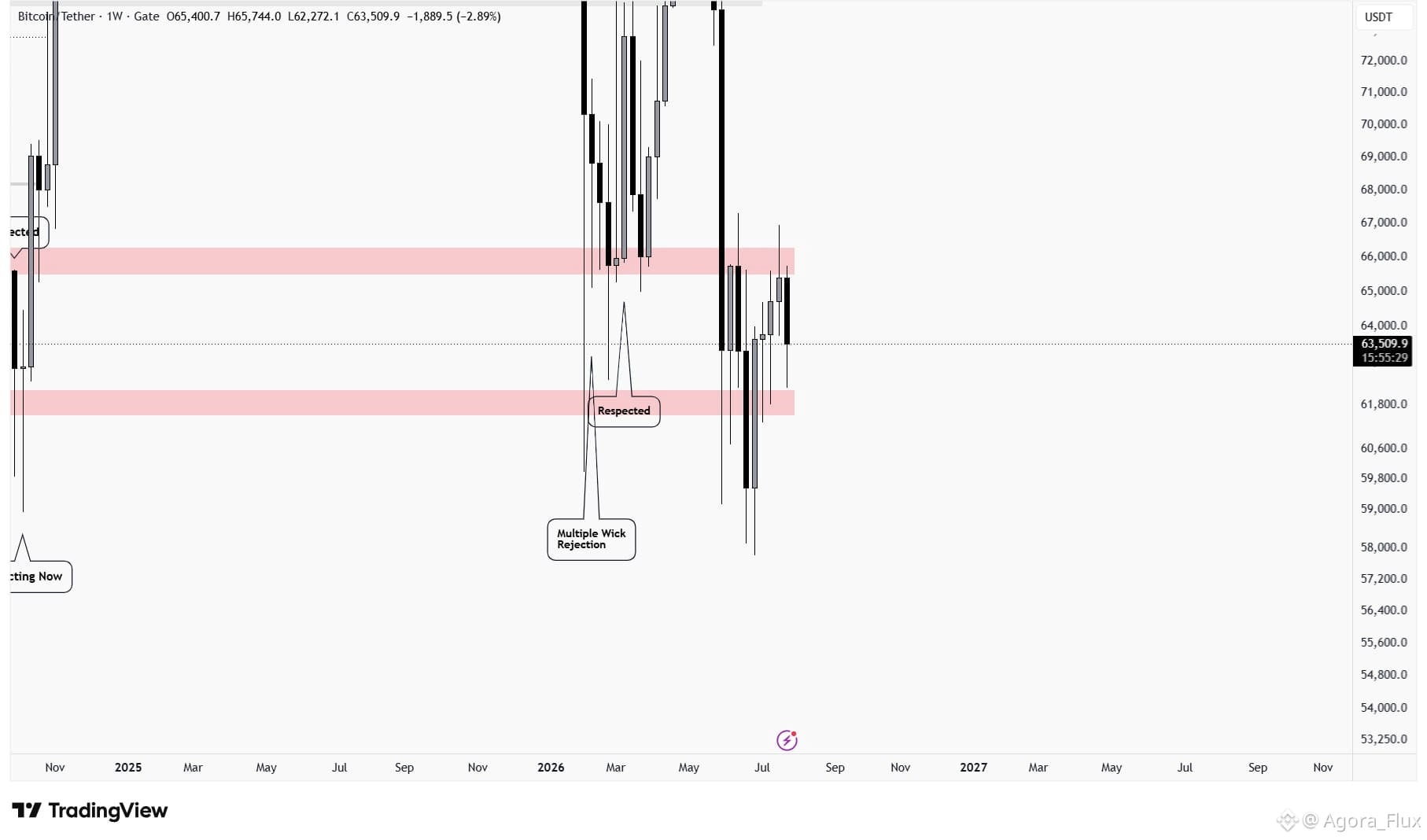
🔴 Обновление BTC WEEKLY TF:
BTC снова на этой неделе вошёл в зону. На этой неделе цена снова упала в район поддержки и почти достигла его.
Теперь цена заметно колеблется и нуждается в чётком пробое вниз.
#BTC анализ цены#
🔴 Обновление BTC WEEKLY TF:
BTC снова на этой неделе вошёл в зону. На этой неделе цена снова упала в район поддержки и почти достигла его.
Теперь цена заметно колеблется и нуждается в чётком пробое вниз.
#BTC анализ цены#
BTC снова на этой неделе вошёл в зону. На этой неделе цена снова упала в район поддержки и почти достигла его.
Теперь цена заметно колеблется и нуждается в чётком пробое вниз.
#BTC анализ цены#
80
·
--
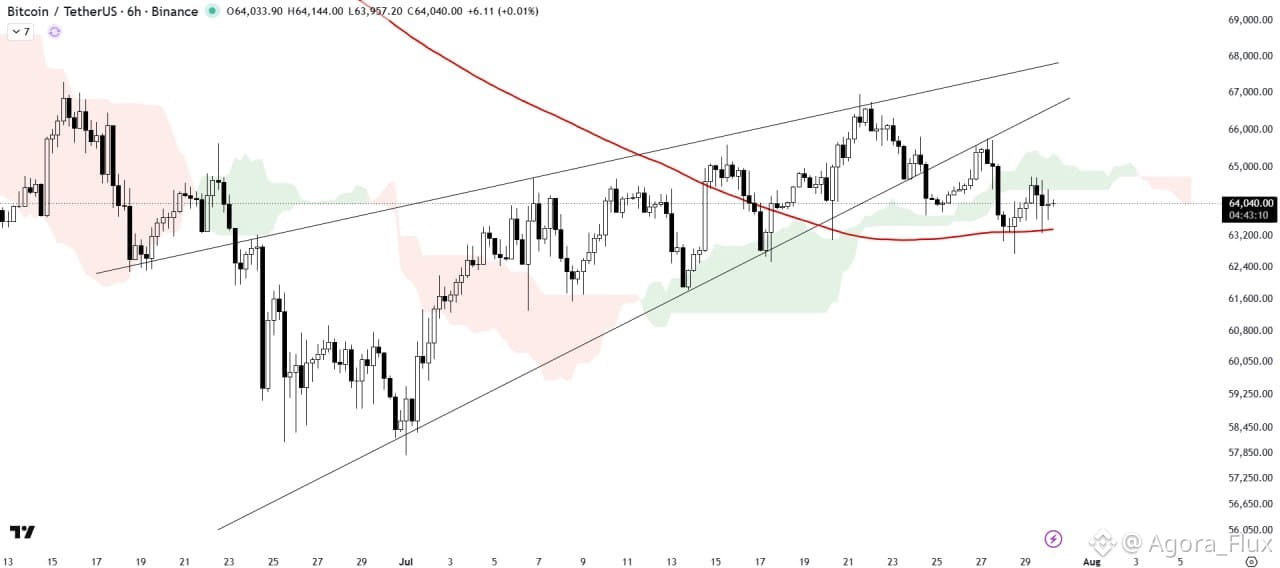
🔴 $BTC/USDT АНАЛИЗ
Биткоин торгуется ниже облака Ишимоку, которое выступает в качестве сильного сопротивления после пробоя из восходящего паттерна «восходящий клин».
Прорыв выше облака может спровоцировать бычий ралли, а пробой ниже 200 MA, вероятно, приведет к дальнейшей коррекции рынка.
#ТорговыйСетап
🔴 $BTC/USDT АНАЛИЗ
Биткоин торгуется ниже облака Ишимоку, которое выступает в качестве сильного сопротивления после пробоя из восходящего паттерна «восходящий клин».
Прорыв выше облака может спровоцировать бычий ралли, а пробой ниже 200 MA, вероятно, приведет к дальнейшей коррекции рынка.
#ТорговыйСетап
Биткоин торгуется ниже облака Ишимоку, которое выступает в качестве сильного сопротивления после пробоя из восходящего паттерна «восходящий клин».
Прорыв выше облака может спровоцировать бычий ралли, а пробой ниже 200 MA, вероятно, приведет к дальнейшей коррекции рынка.
#ТорговыйСетап
50
·
--
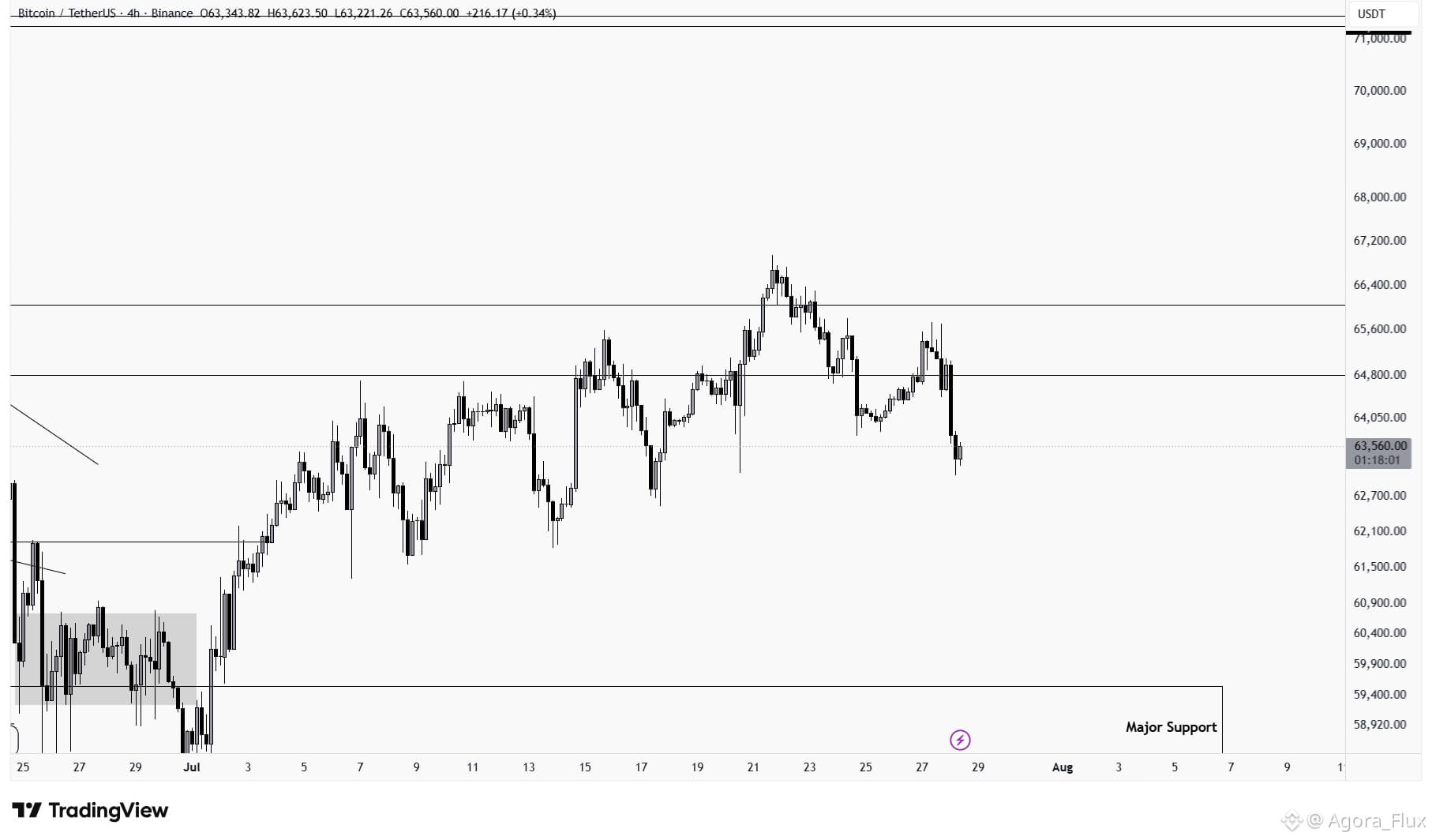
🔴 $BTC продолжил снижаться, продлив падение.
Наш прогноз с вчерашнего дня остается твердо медвежьим, и риск дальнейшего снижения по-прежнему актуален. L
Трейдерам, удерживающим короткие позиции, следует управлять ими с осторожностью.
Имейте в виду: решение по ставке Federal Funds Rate запланировано на завтра, что может добавить волатильности.
#Анализ цены BTC#
🔴 $BTC продолжил снижаться, продлив падение.
Наш прогноз с вчерашнего дня остается твердо медвежьим, и риск дальнейшего снижения по-прежнему актуален. L
Трейдерам, удерживающим короткие позиции, следует управлять ими с осторожностью.
Имейте в виду: решение по ставке Federal Funds Rate запланировано на завтра, что может добавить волатильности.
#Анализ цены BTC#
Наш прогноз с вчерашнего дня остается твердо медвежьим, и риск дальнейшего снижения по-прежнему актуален. L
Трейдерам, удерживающим короткие позиции, следует управлять ими с осторожностью.
Имейте в виду: решение по ставке Federal Funds Rate запланировано на завтра, что может добавить волатильности.
#Анализ цены BTC#
2
·
--
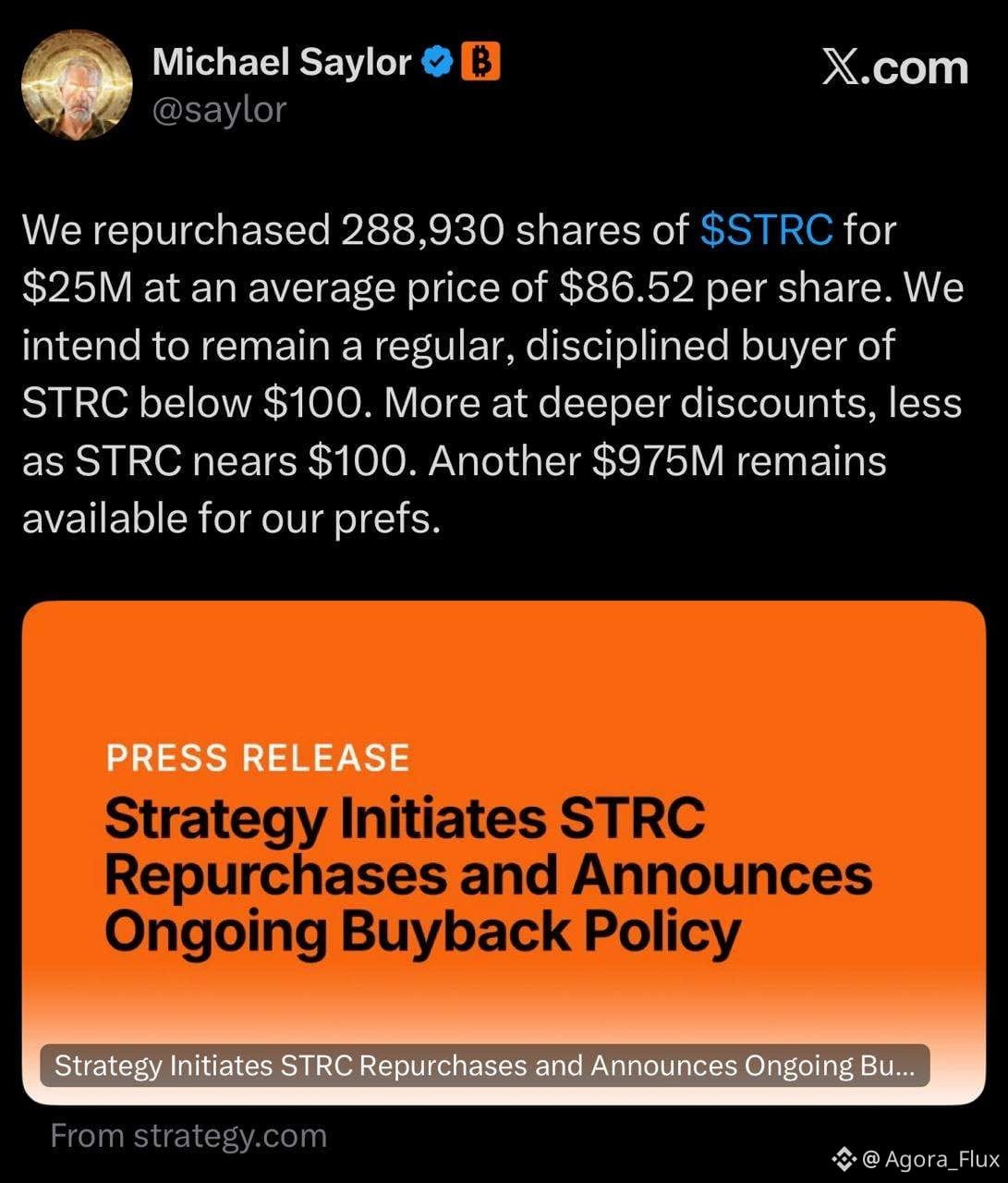
🔴 Выкупы будут финансироваться вне Долларового резерва (USD), включая за счет продаж #BTC и MSTR — в зависимости от рыночных условий.
Наша цель — чтобы STRC торговалась рядом с $100 при высокой ликвидности, низкой волатильности и наличии здорового, устойчивого независимого спроса.
Мы не будем выпускать ниже $100 ~ Saylor
#Macro Insights#
🔴 Выкупы будут финансироваться вне Долларового резерва (USD), включая за счет продаж #BTC и MSTR — в зависимости от рыночных условий.
Наша цель — чтобы STRC торговалась рядом с $100 при высокой ликвидности, низкой волатильности и наличии здорового, устойчивого независимого спроса.
Мы не будем выпускать ниже $100 ~ Saylor
#Macro Insights#
Наша цель — чтобы STRC торговалась рядом с $100 при высокой ликвидности, низкой волатильности и наличии здорового, устойчивого независимого спроса.
Мы не будем выпускать ниже $100 ~ Saylor
#Macro Insights#
113
Войдите, чтобы посмотреть больше материала
Присоединяйтесь к пользователям криптовалют по всему миру на Binance Square
⚡️ Получайте новейшую и полезную информацию о криптоактивах.
💬 Нам доверяет крупнейшая в мире криптобиржа.
👍 Получите достоверные аналитические данные от верифицированных создателей контента.
Эл. почта/номер телефона