


The rapid growth of stablecoin-powered payment cards is exposing the industry to a concentration risk with a large share of crypto neobanks relying on infrastructure provided by a small number of issuers, according to an analysis by crypto card researcher, Tristyn Pawson.
Pawson said 18 of 25 active crypto cards listed on Payments can rely entirely on either Rain or Wirex raising questions about what would happen to customers and card programs if either provider faced a major operational, regulatory, or financial disruption.
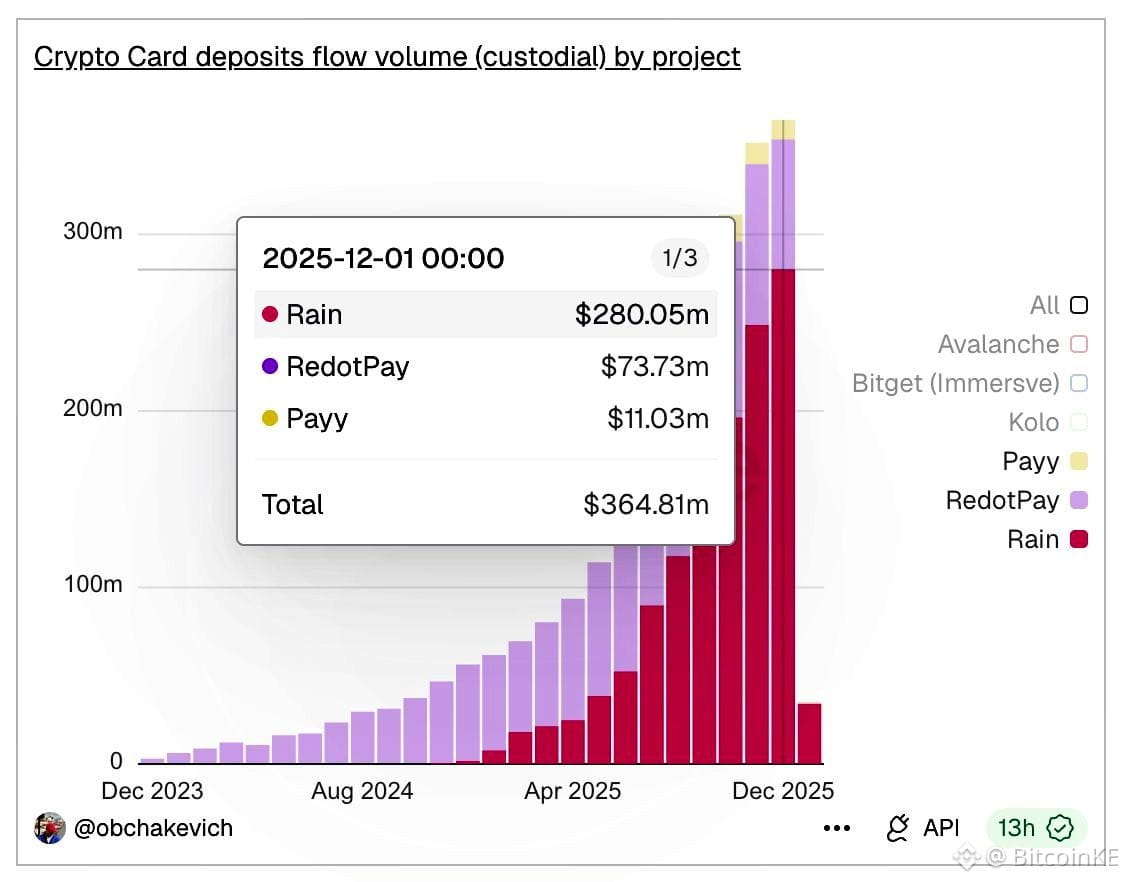
Rain, which Pawson describes as the largest crypto card provider, supplies cards for more than 130 crypto neobanks, including
EtherFi,
Kast,
Plasma,
Karta,
Tangem, and
Western Union.
INTRODUCING | Western Union Launches Stablecoin Remittance Wallet with VISA Card
Wirex provides card infrastructure for products including
Wirex One,
Coca,
Bfinance,
Ethena Pay, and
Send.
The concentration extends beyond card issuance.
Pawson said some platforms depend on these providers for on- and off-ramps, virtual accounts, and payment infrastructure, potentially creating a single point of failure across several parts of their businesses.
A disruption would not necessarily mean an immediate collapse. Pawson acknowledged that a regulatory or corporate failure would more likely result in a managed wind-down although he cited the possibility of cards being switched off with little notice if a card network relationship were terminated.
The issue is particularly relevant for customer funds held within prepaid card balances. Pawson argues that while users’ main self-custodied wallets could remain unaffected, funds already transferred into card balances could become exposed to the issuer’s failure or insolvency process.
STATISTICS | RedotPay Reportedly Dominates Crypto Card Usage (Over 80%) as Emerging Markets Drive Demand
Replacing a major card infrastructure provider could also take considerable time. Pawson estimates that establishing a new principal membership, integrating APIs, and securing BIN sponsorship could take 6 to 18 months.
Rain and Wirex’s combined monthly transaction volume is estimated by Pawson at nearly $1 billion underscoring the scale of infrastructure concentrated among a small number of providers.
The concentration comes as stablecoin cards expand beyond crypto-native users and into remittances, payments, and consumer financial services. Rain, for example, recently launched a MoneyGram card that allows stablecoin balances to be spent through the Visa network.
INTRODUCING | MoneyGram Launches a Stablecoin-Based Card
The broader question for the sector is whether the growth of stablecoin payments is creating new financial infrastructure or simply shifting dependence from banks to a handful of specialised fintech providers.
According to Pawson:
Beyond the immediate user chaos, a Rain collapse would destroy years of progress for the broader Stablecoin payments space. I can’t see it happening, but the real issue is the lack of decentralisation in this scenario.
Web3 spent half a decade convincing mainstream users that stablecoins are a legitimate alternative to traditional banking. The whole point is decentralisation, yet a single $700 million blackout erases retail trust overnight.
When you build on a single point of failure, you rent your business.
2025 RECAP | VISA Crypto Cards See Over 500% Spending Surge in 2025
Stay tuned to BitKE for insights into stablecoin developments.
Join our WhatsApp channel here.
Follow us on X for the latest posts and updates
Join and interact with our Telegram community
_________