

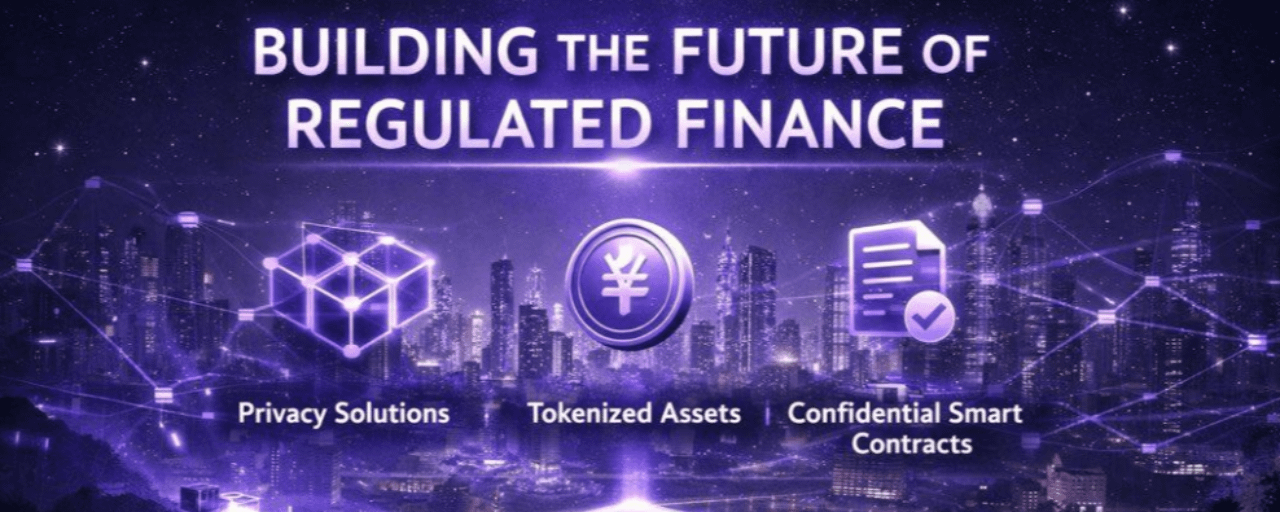

Индустрия блокчейна выходит за рамки простых платежей в криптовалюте в сторону токенизированных реальных активов, регулируемых финансовых рынков, цифровых ценных бумаг и институциональных приложений. Однако перенос традиционных финансовых активов в публичные блокчейны создаёт сложную задачу: как блокчейн может обеспечивать прозрачность и эффективность, при этом защищая чувствительную финансовую информацию?
Именно здесь Dusk пытается занять свою позицию.
@DuskFoundation разрабатывает инфраструктуру, ориентированную на приватность, соответствие требованиям, масштабируемость и финансовые приложения. Вместо того чтобы рассматривать приватность и регулирование как препятствия, подход Dusk заключается в том, чтобы сделать их частью самой инфраструктуры блокчейна.
1. Основная проблема, которую Dusk пытается решить
Традиционные финансовые рынки обрабатывают огромные объемы чувствительной информации. Например, учреждениям может потребоваться хранить конфиденциальной информацию об инвесторах, транзакциях, владении и финансовых позициях.
Публичные блокчейны, между тем, обычно проектируются вокруг прозрачной истории транзакций.
Это создает фундаментальное противоречие:
Прозрачность полезна для верификации, но полная прозрачность не всегда подходит для регулируемых финансовых рынков.
Более широкая идея Dusk — создать инфраструктуру блокчейна, которая сможет поддерживать финансовые приложения, одновременно решая требования по приватности и регуляторному комплаенсу.
Это становится особенно важным по мере роста концепции реальных активов (RWAs).
2. Почему важны реальные активы
Токенизация реальных активов означает представление таких активов, как ценные бумаги, или иных финансовых инструментов, в виде токенов на блокчейне.
Потенциальные выгоды включают:
Более быстрое завершение расчетов
Большая автоматизация
Программируемые финансовые инструменты
Улучшенная доступность
Сокращение административных процессов
Более эффективное управление активами
Глобальная инфраструктура на базе блокчейна
Но институциональное внедрение требует большего, чем просто размещение актива в блокчейне.
Финансовым учреждениям нужны системы, которые могут решать вопросы идентичности, комплаенса, приватности, владения и регуляторных требований.
Это одна из тех областей, где инфраструктура Dusk становится особенно интересной.
3. Приватность как базовая функция
Приватность — один из самых важных аспектов предложения Dusk.
Представьте, что учреждение торгует токенизированным финансовым активом. Возможно, учреждению потребуется, чтобы транзакция была верифицируемой, но при этом не раскрывала каждой заинтересованной стороне все коммерчески чувствительные детали.
Следовательно, инфраструктура блокчейна, предназначенная для финансовых рынков, должна учитывать баланс между:
Верификация + Приватность + Комплаенс
а не просто максимизировать публичную прозрачность.
Фокус Dusk на приватности направлен на то, чтобы сделать технологию блокчейна более подходящей для приложений, где задействована конфиденциальная финансовая информация.
4. Комплаенс и блокчейн
Еще одна важная часть тезиса Dusk — соблюдение регуляторных требований.
Чтобы внедрение блокчейна расширилось на традиционные финансы, институты не могут просто игнорировать существующие финансовые регуляторные нормы.
Задача, следовательно, не в том, чтобы:
«Как блокчейн может заменить регулирование?»
Более практичный вопрос таков:
«Как может инфраструктура блокчейна работать в регулируемой финансовой среде?»
Dusk нацелен на пересечение децентрализованной инфраструктуры и регулируемых финансов.
Это может становиться все более актуальным по мере того, как правительства и финансовые институты будут разрабатывать более четкие рамки для токенизированных ценных бумаг и цифровых активов.
5. Роль $DUSK
Нативный токен $DUSK — важный компонент экосистемы.
Как и в других сетях блокчейна, нативный токен может иметь утилитарную ценность, связанную с активностью сети и участием в экосистеме.
Однако инвесторам следует различать:
Внедрение технологии ≠ автоматическое рост котировок токена.
Даже если технология Dusk станет успешной, ценность Dusk в итоге будет зависеть от таких факторов, как:
Использование сети
Утилитарность токена
Рост экосистемы
Внедрение разработчиками
Рыночная ликвидность
Токеномика
Конкуренция
Регуляторные изменения
Общая обстановка на рынке криптовалют
Поэтому Dusk следует оценивать и с технологической, и с рыночной точки зрения.
6. Почему Dusk может быть интересным
Есть несколько причин, почему Dusk заслуживает внимания.
Приватность
Финансовым учреждениям необходима конфиденциальность. Следовательно, инфраструктура, ориентированная на приватность, может играть существенную роль во внедрении блокчейна на институциональном уровне.
Реальные активы (Real-World Assets)
Токенизация становится одним из главных нарративов в блокчейне. Инфраструктура, спроектированная вокруг финансовых активов, потенциально может выиграть от этой тенденции.
Регуляторная ориентация
Вместо того чтобы полностью отвергать регулирование, Dusk делает инфраструктуру блокчейна совместимой с регулируемыми финансовыми приложениями.
Институциональный потенциал
Если основанные на блокчейне финансовые рынки продолжат развиваться, инфраструктура, способная удовлетворять институциональные требования, может становиться все более ценной.
7. Риски и вызовы
Серьезный анализ не должен концентрироваться только на бычьем сценарии.
Dusk также сталкивается с существенными вызовами.
Конкуренция
Dusk не работает в пустом рынке. Множество блокчейн-сетей конкурируют за разработчиков, институциональных клиентов и RWA-приложения.
Риск внедрения
Технически сильный блокчейн не гарантирует само по себе широкое внедрение.
Экосистеме нужны:
разработчики → приложения → пользователи → ликвидность → институциональные участники
Без достаточной активности даже сильная инфраструктура может испытывать трудности с формированием сетевых эффектов.
Регуляторная неопределенность
Регулирование может создавать возможности, но также может создавать ограничения. Изменения в законах о ценных бумагах, правилах о приватности или политике в отношении цифровых активов могут повлиять на отрасль.
Рыночный риск
Dusk остается подверженным более широким циклам рынка криптовалют. Движения Bitcoin, условия ликвидности, настроения инвесторов и макроэкономические факторы могут влиять на его цену.
8. Мое мнение о тезисе Dusk
Самое интересное в Dusk — это не просто то, что он является еще одним блокчейном.
Его более широкая тезисная идея — построить инфраструктуру блокчейна для финансовых рынков, где важны приватность и комплаенс.
Если RWA-сектор продолжит расширяться, а институты все чаще будут экспериментировать с токенизированными финансовыми активами, специализированная инфраструктура может стать более важной.
Однако ключевой вопрос не в том, звучит ли идея хорошо.
Ключевой вопрос:
Будут ли разработчики, институции и пользователи действительно строить решения и совершать транзакции в сети на значимом масштабе?
Вот за чем я бы следил в первую очередь.
Вывод
Dusk представляет интересное пересечение технологий блокчейна, приватности, комплаенса и токенизированных финансовых рынков.
Потенциальная возможность значительна, потому что традиционная финансовая инфраструктура постепенно изучает блокчейн-расчеты и токенизацию.
Но потенциал не следует путать с гарантией.
Для $DUSK наиболее важными долгосрочными индикаторами будут фактическая активность сети, развитие экосистемы, партнерства, внедрение разработчиками, утилитарность токена и рост реальных финансовых приложений.
Если Dusk сможет успешно сократить разрыв между традиционными финансами и Web3, его инфраструктура станет все более релевантной на развивающемся рынке цифровых активов.
Платное партнерство — эта статья носит информационный характер и не является финансовым советом.