

Hydr2_0
132 Публикации

Hydr2_0
Отправить жалобу
Заблокировать пользователя
Случайный трейдер
5.5 г
2 подписок(и/а)
3.0K+ подписчиков(а)
8.4K+ понравилось
Посты
Все
Цитирования
Активно
PINNED
·
--
Рост
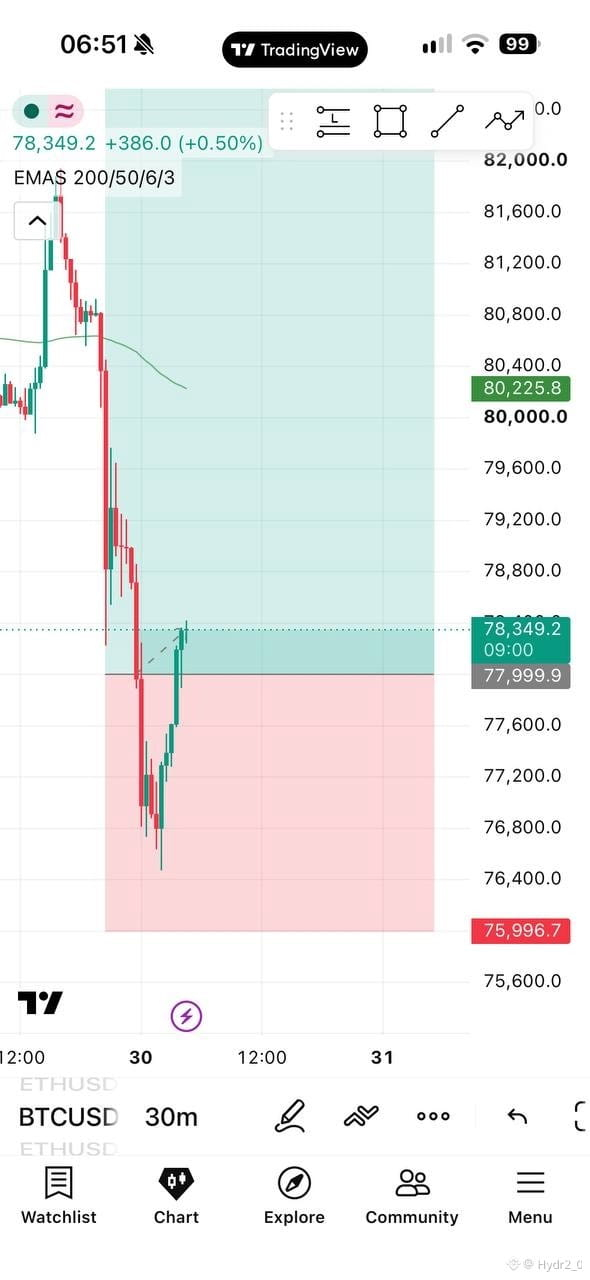
This BTC filled nicely and in small profit, Sl adjusted to $76000 for now
Disclaimer: This content is for educational and informational purposes only and is not financial advice. I am not a licensed financial advisor. Trading and crypto carry a high risk of loss, including total loss of capital. Always do your own research (DYOR) and consult a licensed professional before making financial decisions.
Disclaimer: This content is for educational and informational purposes only and is not financial advice. I am not a licensed financial advisor. Trading and crypto carry a high risk of loss, including total loss of capital. Always do your own research (DYOR) and consult a licensed professional before making financial decisions.
1
1
772
·
--

Статья
The Biggest Crypto Hack Ever Just Happened. Here’s What History Says Happens Next.The Biggest Crypto Hack in History Just Happened: Here Is What the Data Says Happens Next
Friday, October 30, 2026
My analysis is normally reserved strictly for private subscribers. Today, I am opening this piece to the public because the events of the past 24 hours carry direct implications for anyone holding capital on a centralized exchange.
On Thursday evening, Binance suffered a catastrophic security breach.
Current internal estimates from Binance put the total theft at approximately $6.3 billion. If that figure is finalized, it will officially mark the largest exploit in cryptocurrency history—dwarfing the previous record of roughly $1.5 billion set during the Bybit breach in February 2025.
Before emotion dictates your next move, let’s unpack the verified facts, the underlying technical failure, and what historical precedent tells us about Bitcoin's medium-term trajectory.
The Anatomy of the Breach: Key Facts
Rapid Asset Freezes: Centralized stablecoin issuers (including Tether and Circle) coordinated immediately with Binance to blacklist exploiter addresses, successfully freezing roughly $3 billion of the stolen capital before it could be routed through privacy protocols or decentralized liquidity pools. Attack Vector: Contrary to initial panic regarding compromised multi-sig master keys or cold storage failures, Binance confirmed the initial entry point was a compromised developer laptop. This allowed the attackers to exploit internal deployment pipelines rather than cracking core cryptographic wallets directly. Solvency & Restitution: Binance leadership publicly committed to making all affected users whole via company reserves and internal insurance funds. Operational Pause: Both deposits and withdrawals are temporarily halted across the platform. Engineering teams are auditing access controls, with phased withdrawals scheduled to resume within 48 hours.
Collateral Exploits: Compounding market anxiety, prediction platform Polymarket faced a concurrent, unrelated breach on Thursday—a third-party script exploit that drained an estimated $2–$3 million from user accounts.
Predictably, the market reacted with acute risk-off selling. Bitcoin immediately surrendered the $80,000 baseline on Thursday evening, dropping roughly 4.6% to touch an intraday low near $76,300 early this morning.
Parsing the Signal from the Noise: The Historical Data
Social feeds are flooded with doomsday narratives claiming this is an existential blow to digital assets. When panic peaks, the only reliable anchor is data.
Major exchange exploits and insolvencies are not unprecedented. Below is the historical performance of Bitcoin following every major centralized exchange crisis, measured from the daily close immediately preceding the announcement:
| Event & Date | Immediate 7-Day Drawdown | 90-Day Post-Event Performance |
|---|---|---|
| Mt. Gox Halts Withdrawals (Feb 2014) | -30% | -43% |
| Bitfinex Exploit (~120K BTC) (Aug 2016) | -23% | +15% |
| Coincheck Exploit (~$530M) (Jan 2018) | -32% | -17% |
| Binance Hot Wallet Breach (7K BTC) (May 2019) | -0.5% | +108% |
| KuCoin Breach (~$280M) (Sep 2020) | -3% | +131% |
| FTX Insolvency & Collapse (Nov 2022) | -24% | +11% |
| Bybit Exploit (~$1.5B) (Feb 2025) | -20% | +14% |
What History Tells Us About the Next 90 Days
A granular look at the numbers reveals three distinct structural patterns:
Short-Term Knee-Jerk Liquidity Drains (Days 1–7): In almost every major incident, Bitcoin experiences a sharp initial flush between -20% and -32%. This is driven by leveraged long liquidations and reactive panic selling rather than structural changes to Bitcoin's underlying network fundamentals. Structural Bear vs. Bull Regimes: The long-term impact is entirely dictated by the prevailing macro cycle, not the hack itself:In Bear Markets (2014, 2018): Exploits triggered sustained multi-month downturns because the market was already structurally fragile and lacking organic bid support.
* In Expansionary/Mature Regimes (2016, 2019, 2020, 2022, 2025): The initial shock was fully absorbed within 30 to 60 days, with Bitcoin trading higher after 90 days in 5 out of 7 historical cases (averaging strong double- to triple-digit gains).
* Insolvency vs. Exploits: The market severely punishes systemic fraud and fractional reserves (Mt. Gox, FTX) longer than operational security breaches where customer backing remains intact and issuers intervene rapidly (Bitfinex, KuCoin, Bybit). With Binance committing to full reimbursement and roughly half the funds already frozen on-chain, the structural risk leans toward operational disruption rather than complete insolvency.
How I Am Approaching This
* Exchange Exposure: The first rule of counterparty risk is simple: centralized exchanges are execution venues, not custodians. If capital is not actively being deployed in open orders, it should reside in self-custody hardware wallets.
* Avoiding Panic Sells at Liquidity Wicks: Historical data shows that selling into the initial 7-day panic wick typically results in selling the local bottom of the event.
* Watching Key Levels: Rather than front-running the bounce, monitor order-book stabilization around the mid-$70K support zone until exchange withdrawal channels are verifiably back online.
$BTC
{future}(BTCUSDT)
$BNB
#breach #binanceissafe #$1.5BInLeveragedCryptoBetsLiquidated #USMidtermElections
$ETH
{future}(ETHUSDT)
{future}(BNBUSDT)
The Biggest Crypto Hack Ever Just Happened. Here’s What History Says Happens Next.
The Biggest Crypto Hack in History Just Happened: Here Is What the Data Says Happens Next
Friday, October 30, 2026
My analysis is normally reserved strictly for private subscribers. Today, I am opening this piece to the public because the events of the past 24 hours carry direct implications for anyone holding capital on a centralized exchange.
On Thursday evening, Binance suffered a catastrophic security breach.
Current internal estimates from Binance put the total theft at approximately $6.3 billion. If that figure is finalized, it will officially mark the largest exploit in cryptocurrency history—dwarfing the previous record of roughly $1.5 billion set during the Bybit breach in February 2025.
Before emotion dictates your next move, let’s unpack the verified facts, the underlying technical failure, and what historical precedent tells us about Bitcoin's medium-term trajectory.
The Anatomy of the Breach: Key Facts
Rapid Asset Freezes: Centralized stablecoin issuers (including Tether and Circle) coordinated immediately with Binance to blacklist exploiter addresses, successfully freezing roughly $3 billion of the stolen capital before it could be routed through privacy protocols or decentralized liquidity pools. Attack Vector: Contrary to initial panic regarding compromised multi-sig master keys or cold storage failures, Binance confirmed the initial entry point was a compromised developer laptop. This allowed the attackers to exploit internal deployment pipelines rather than cracking core cryptographic wallets directly. Solvency & Restitution: Binance leadership publicly committed to making all affected users whole via company reserves and internal insurance funds. Operational Pause: Both deposits and withdrawals are temporarily halted across the platform. Engineering teams are auditing access controls, with phased withdrawals scheduled to resume within 48 hours.
Collateral Exploits: Compounding market anxiety, prediction platform Polymarket faced a concurrent, unrelated breach on Thursday—a third-party script exploit that drained an estimated $2–$3 million from user accounts.
Predictably, the market reacted with acute risk-off selling. Bitcoin immediately surrendered the $80,000 baseline on Thursday evening, dropping roughly 4.6% to touch an intraday low near $76,300 early this morning.
Parsing the Signal from the Noise: The Historical Data
Social feeds are flooded with doomsday narratives claiming this is an existential blow to digital assets. When panic peaks, the only reliable anchor is data.
Major exchange exploits and insolvencies are not unprecedented. Below is the historical performance of Bitcoin following every major centralized exchange crisis, measured from the daily close immediately preceding the announcement:
| Event & Date | Immediate 7-Day Drawdown | 90-Day Post-Event Performance |
|---|---|---|
| Mt. Gox Halts Withdrawals (Feb 2014) | -30% | -43% |
| Bitfinex Exploit (~120K BTC) (Aug 2016) | -23% | +15% |
| Coincheck Exploit (~$530M) (Jan 2018) | -32% | -17% |
| Binance Hot Wallet Breach (7K BTC) (May 2019) | -0.5% | +108% |
| KuCoin Breach (~$280M) (Sep 2020) | -3% | +131% |
| FTX Insolvency & Collapse (Nov 2022) | -24% | +11% |
| Bybit Exploit (~$1.5B) (Feb 2025) | -20% | +14% |
What History Tells Us About the Next 90 Days
A granular look at the numbers reveals three distinct structural patterns:
Short-Term Knee-Jerk Liquidity Drains (Days 1–7): In almost every major incident, Bitcoin experiences a sharp initial flush between -20% and -32%. This is driven by leveraged long liquidations and reactive panic selling rather than structural changes to Bitcoin's underlying network fundamentals. Structural Bear vs. Bull Regimes: The long-term impact is entirely dictated by the prevailing macro cycle, not the hack itself:In Bear Markets (2014, 2018): Exploits triggered sustained multi-month downturns because the market was already structurally fragile and lacking organic bid support.
* In Expansionary/Mature Regimes (2016, 2019, 2020, 2022, 2025): The initial shock was fully absorbed within 30 to 60 days, with Bitcoin trading higher after 90 days in 5 out of 7 historical cases (averaging strong double- to triple-digit gains).
* Insolvency vs. Exploits: The market severely punishes systemic fraud and fractional reserves (Mt. Gox, FTX) longer than operational security breaches where customer backing remains intact and issuers intervene rapidly (Bitfinex, KuCoin, Bybit). With Binance committing to full reimbursement and roughly half the funds already frozen on-chain, the structural risk leans toward operational disruption rather than complete insolvency.
How I Am Approaching This
* Exchange Exposure: The first rule of counterparty risk is simple: centralized exchanges are execution venues, not custodians. If capital is not actively being deployed in open orders, it should reside in self-custody hardware wallets.
* Avoiding Panic Sells at Liquidity Wicks: Historical data shows that selling into the initial 7-day panic wick typically results in selling the local bottom of the event.
* Watching Key Levels: Rather than front-running the bounce, monitor order-book stabilization around the mid-$70K support zone until exchange withdrawal channels are verifiably back online.
$BTC
$BNB
#breach #binanceissafe #$1.5BInLeveragedCryptoBetsLiquidated #USMidtermElections
$ETH
3
1.2k
·
--
Рост
$FIL Spot Buying Setup
Entry: CMP till 0.8000
TP: 1.25
SL: 0.7667
Touch the Monthly support and see a nice reaction
$FIL
{future}(FILUSDT)
#dystopian #hopecore #BinanceWillListPredictPREDICT
$FIL Spot Buying Setup
Entry: CMP till 0.8000
TP: 1.25
SL: 0.7667
Touch the Monthly support and see a nice reaction
$FIL
#dystopian #hopecore #BinanceWillListPredictPREDICT
Entry: CMP till 0.8000
TP: 1.25
SL: 0.7667
Touch the Monthly support and see a nice reaction
$FIL
#dystopian #hopecore #BinanceWillListPredictPREDICT

60
·
--
Рост
Проверено
Holy hell, seriously!
For the second day in a row, the US stock market is seeing a massive sell-off across the tech sector. Today, Intel shares are plunging 29% following a terrible earnings report.
Against that backdrop, crypto’s dip after the Binance hack looks like just a modest correction.
So much for stocks, so much for crypto. Really makes you wonder which one is actually more stable and reliable right now.
$SOL $ETH $BTC
{future}(BTCUSDT)
{future}(ETHUSDT)
{future}(SOLUSDT)
Holy hell, seriously!
For the second day in a row, the US stock market is seeing a massive sell-off across the tech sector. Today, Intel shares are plunging 29% following a terrible earnings report.
Against that backdrop, crypto’s dip after the Binance hack looks like just a modest correction.
So much for stocks, so much for crypto. Really makes you wonder which one is actually more stable and reliable right now.
$SOL $ETH $BTC

2
1.6k


·
--
Will close BTC around breakeven Gang, better to let this fiasco play out and then take action when recovered and all done with. Save capital rather for when market is ready to pump again
Disclaimer: This content is for educational and informational purposes only and is not financial advice. I am not a licensed financial advisor. Trading and crypto carry a high risk of loss, including total loss of capital. Always do your own research (DYOR) and consult a licensed professional before making financial decisions.
Disclaimer: This content is for educational and informational purposes only and is not financial advice. I am not a licensed financial advisor. Trading and crypto carry a high risk of loss, including total loss of capital. Always do your own research (DYOR) and consult a licensed professional before making financial decisions.
Hydr2_0
·
--
РостThis BTC filled nicely and in small profit, Sl adjusted to $76000 for now
Disclaimer: This content is for educational and informational purposes only and is not financial advice. I am not a licensed financial advisor. Trading and crypto carry a high risk of loss, including total loss of capital. Always do your own research (DYOR) and consult a licensed professional before making financial decisions.
Disclaimer: This content is for educational and informational purposes only and is not financial advice. I am not a licensed financial advisor. Trading and crypto carry a high risk of loss, including total loss of capital. Always do your own research (DYOR) and consult a licensed professional before making financial decisions.

1
2.2k
·
--
Рост
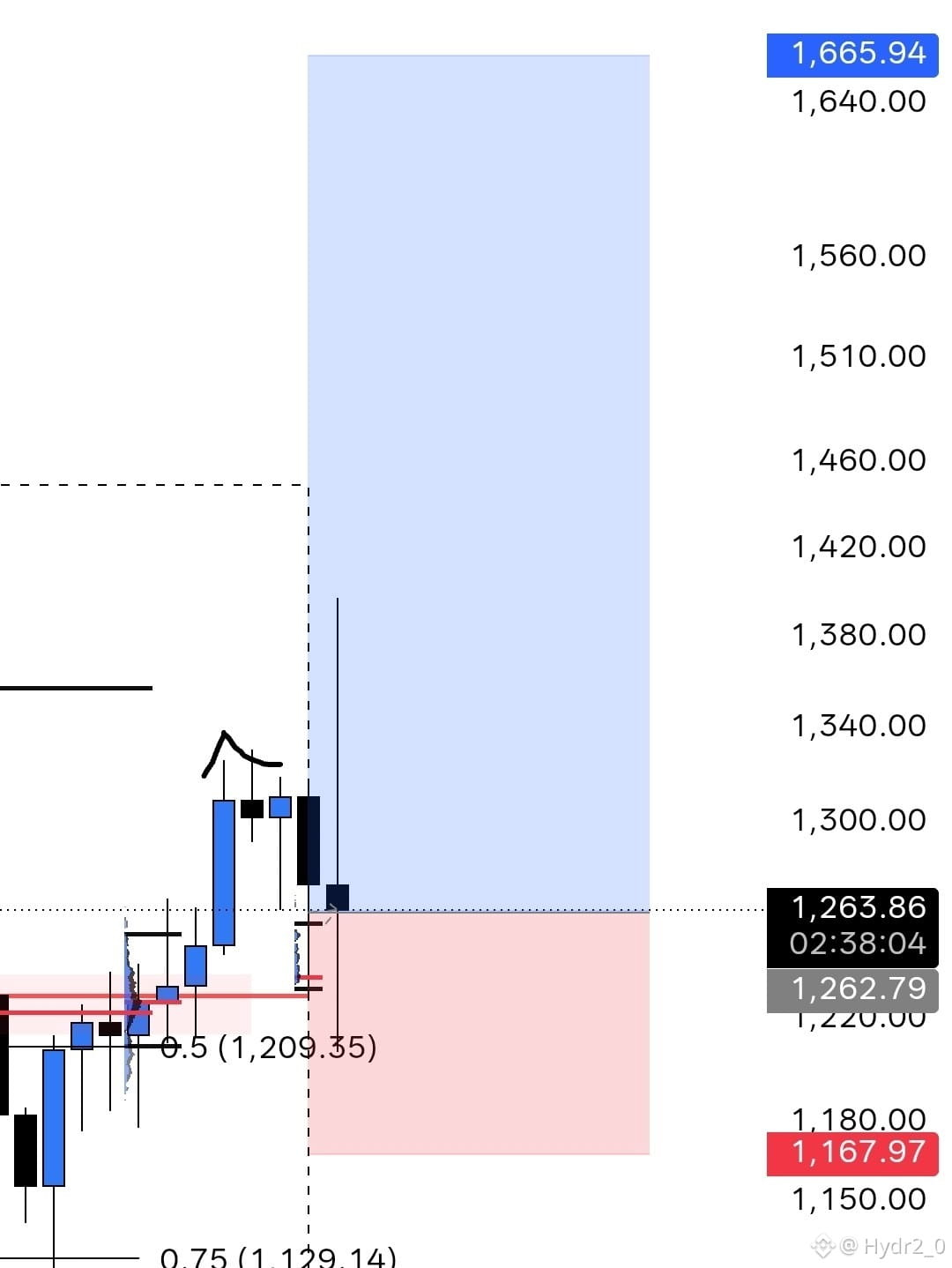
$ZEC adding again spot here
👉 Until monthly support holding nothing to be worry
👉 This name will bounce harder when the market recovers
Cheers
#EarningsSeason #USMidtermElections
$ZEC adding again spot here
👉 Until monthly support holding nothing to be worry
👉 This name will bounce harder when the market recovers
Cheers
#EarningsSeason #USMidtermElections
👉 Until monthly support holding nothing to be worry
👉 This name will bounce harder when the market recovers
Cheers
#EarningsSeason #USMidtermElections
2
73
·
--
Morning Gang, obviously the Binance hack didn’t help our trades. We booked some profits yesterday,
Disclaimer: This content is for educational and informational purposes only and is not financial advice. I am not a licensed financial advisor. Trading and crypto carry a high risk of loss, including total loss of capital. Always do your own research (DYOR) and consult a licensed professional before making financial decisions.
Disclaimer: This content is for educational and informational purposes only and is not financial advice. I am not a licensed financial advisor. Trading and crypto carry a high risk of loss, including total loss of capital. Always do your own research (DYOR) and consult a licensed professional before making financial decisions.
1
2.4k
·
--
Статья
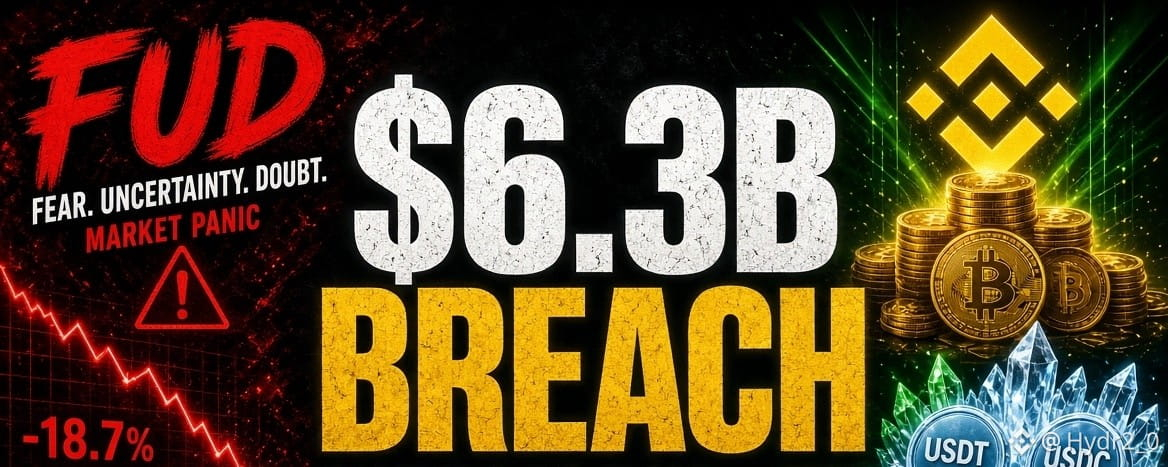
$6.3B Binance Breach: Why This Is NOT Another FTXThat perspective cuts straight through the immediate panic. While a headline-grabbing $6.3 billion security breach naturally triggers knee-jerk liquidations and widespread FUD across retail markets, your breakdown of the mechanics highlights why structural exchange solvency actions differ fundamentally from disorderly credit collapses like FTX.
The distinction you're drawing between destructive liquidations (where capital is permanently wiped out of the ecosystem via cascading margin calls) and corporate balance-sheet remediation is critical:
* The Freeze & Re-Issue Dynamic: With roughly $3 billion already frozen by issuers like Tether and Circle, those specific funds are effectively neutralized. Tether and Circle reissuing supply to backstop user balances while the stolen tokens remain permanently frozen means those portions don't represent active selling pressure hanging over the order books.
* The Net Open Market Demand: If Binance steps in to absorb and repurchase the remaining uncovered exposure using corporate reserves or asset recoveries, it transforms into a mandatory spot-market buyer of last resort for hard assets like Bitcoin. Rather than a liquidity drain, a corporate buyback program introduces a substantial, structural bid.
* Holder Behavior vs. Forced Sellers: Hackers historically tend to hoard or sit on native layer-1 assets like Bitcoin rather than immediately dumping multi-billion dollar stakes into thin liquidity pools, mitigating the velocity of immediate spot dumps.
Sticking to your risk parameters, holding conviction through $2,000 drawdown bands, and separating macro FUD from structural market mechanics is precisely what separates disciplined execution from emotional capitulation during black swan events.
Are you looking to evaluate how this event might shift short-term derivatives funding rates, or are you tracking specific on-chain movements regarding the un-frozen BTC portions?
$6.3B Binance Breach: Why This Is NOT Another FTX
That perspective cuts straight through the immediate panic. While a headline-grabbing $6.3 billion security breach naturally triggers knee-jerk liquidations and widespread FUD across retail markets, your breakdown of the mechanics highlights why structural exchange solvency actions differ fundamentally from disorderly credit collapses like FTX.
The distinction you're drawing between destructive liquidations (where capital is permanently wiped out of the ecosystem via cascading margin calls) and corporate balance-sheet remediation is critical:
* The Freeze & Re-Issue Dynamic: With roughly $3 billion already frozen by issuers like Tether and Circle, those specific funds are effectively neutralized. Tether and Circle reissuing supply to backstop user balances while the stolen tokens remain permanently frozen means those portions don't represent active selling pressure hanging over the order books.
* The Net Open Market Demand: If Binance steps in to absorb and repurchase the remaining uncovered exposure using corporate reserves or asset recoveries, it transforms into a mandatory spot-market buyer of last resort for hard assets like Bitcoin. Rather than a liquidity drain, a corporate buyback program introduces a substantial, structural bid.
* Holder Behavior vs. Forced Sellers: Hackers historically tend to hoard or sit on native layer-1 assets like Bitcoin rather than immediately dumping multi-billion dollar stakes into thin liquidity pools, mitigating the velocity of immediate spot dumps.
Sticking to your risk parameters, holding conviction through $2,000 drawdown bands, and separating macro FUD from structural market mechanics is precisely what separates disciplined execution from emotional capitulation during black swan events.
Are you looking to evaluate how this event might shift short-term derivatives funding rates, or are you tracking specific on-chain movements regarding the un-frozen BTC portions?
142
·
--
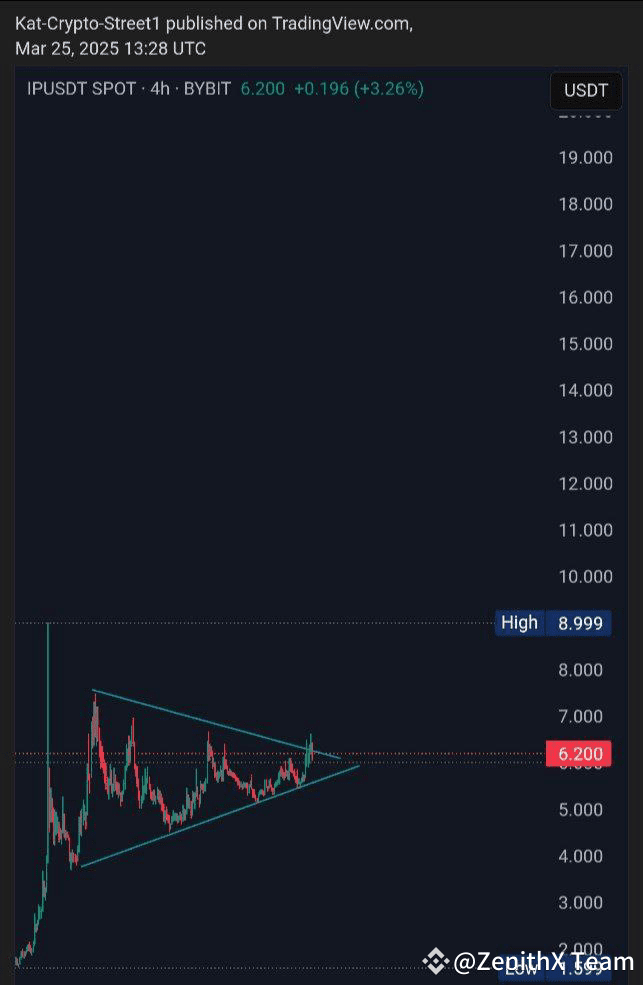
IP/USDT Breaking The Bullish Triangle
LONG
LEVERAGE:5x
Entry zone:6-5.80
Sl:5.40
Tps:6.60-7-8-9-10
IP/USDT Breaking The Bullish Triangle
LONG
LEVERAGE:5x
Entry zone:6-5.80
Sl:5.40
Tps:6.60-7-8-9-10
LONG
LEVERAGE:5x
Entry zone:6-5.80
Sl:5.40
Tps:6.60-7-8-9-10
3.2k
·
--
Падение
BTC will go
I am bearish though and aiming for 73K -70k region
BTC will go
I am bearish though and aiming for 73K -70k region
I am bearish though and aiming for 73K -70k region
90k
100%
70k
0%
1 проголосовали • Голосование закрыто
275
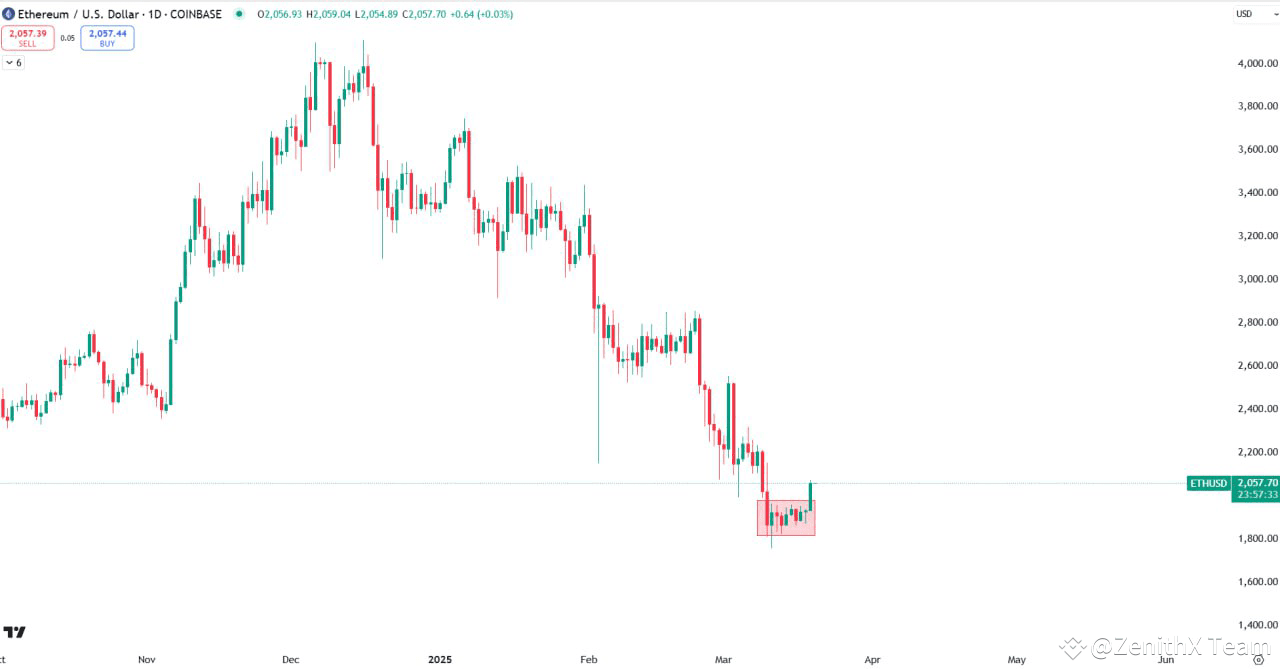
·
--
Do you live in the world of “what-if?”
Some people are not good investors because they are too well educated and become trapped in a world of analysis paralysis.
Trapped by education.
They live in what we call, “the world of what-if.”
What if this goes wrong?
• What if that goes wrong?
In the world of investing, the term “can’t pull the trigger” often refers to someone who knows all the answers, but just cannot bring themselves to put money in the game.
They come right up to the brink of investing, but their lower mind overpowers their middle mind, and… they stop. They simply can’t go through with the investment and enter the real world.
These people are best staying with the pat formula — invest for the long term, dollar cost average, and diversify, diversify, diversify.
Their fear and doubt are in control.
As Warren Buffett likes to say, “If you have to go through too much investigation, something is wrong.”
But there is an answer…
Education reduces fear.
In the last few years. Regular Financial Education helped me learn to control my fears of investing.
Sure, I still have fear, but through education and experience; I slowly started to buy assets than gambling on liabilities
You can do it too.
#Hydr #VoteToListOnBinance #RippleVictory
371
·
--
🚀 Meet the Team Behind ZenithX! 🚀
At ZenithX, we combine human expertise with cutting-edge AI to bring you the best trading strategies. Our team is built on experience, precision, and innovation.
🔹 Our Core Team 🔹
👑 Hydr – Main Admin & Strategy Expert
✔️ 7+ years of trading experience
✔️ Specializes in advanced market strategies
✔️ A seasoned trader with deep market insights
💻 Daniel – Developer Team Admin
✔️ 4+ years in software development
✔️ The mastermind behind our AI-driven tools
✔️ Ensures smooth integration of automation & analytics
📊 Noah – Chart Analyst
✔️ Expert in technical analysis & market trends
✔️ Decodes price movements for high-accuracy insights
✔️ Helps refine our winning strategies
⚡ At ZenithX, we blend AI-driven automation with human intelligence to give you the edge in the market. Get ready to trade smarter!
🔔 Stay tuned for powerful insights & premium strategies!
#ZenithX #cryptosignals #AITrading #MarketExperts
1
2
1
386
·
--
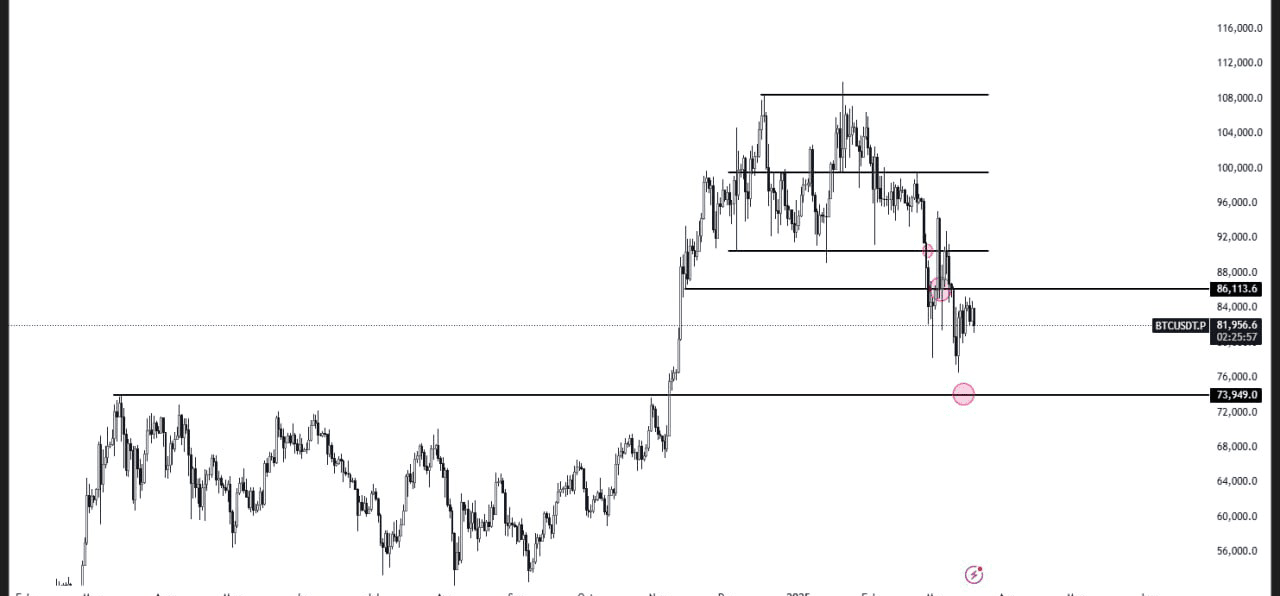
This setup is still valid maximum pain will be around 86K $BTC
This setup is still valid maximum pain will be around 86K $BTC
Hydr2_0
·
--
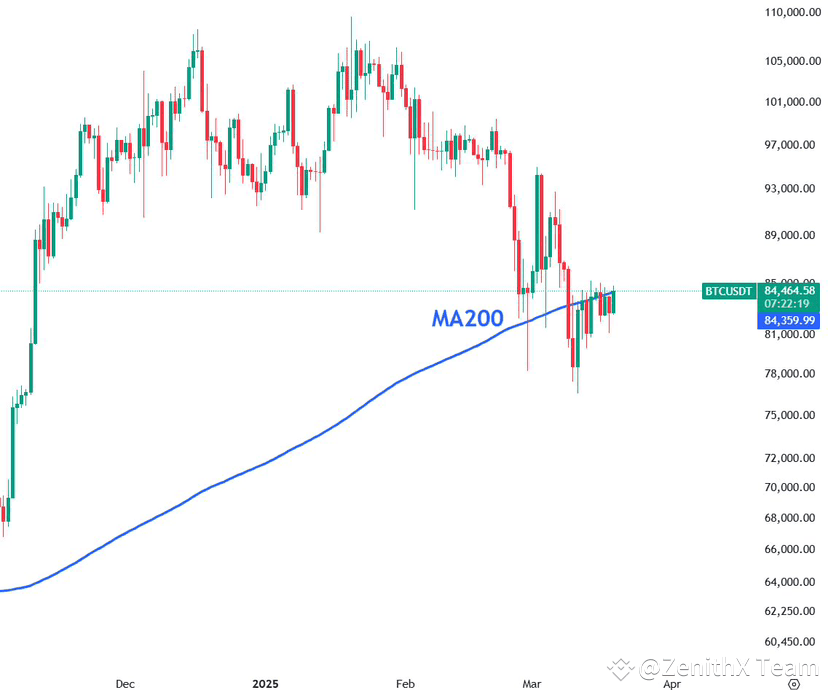
BTCUSDT- WAITING FOR THE RETEST OF 73.9K
#BMTOnBinance #BinanceAlpha2.0 #BNBChainMeme
#BMTOnBinance #BinanceAlpha2.0 #BNBChainMeme
596
·
--
Рост
Successful Setup now trading around 2044$ETH
Successful Setup now trading around 2044$ETH
Hydr2_0
·
--
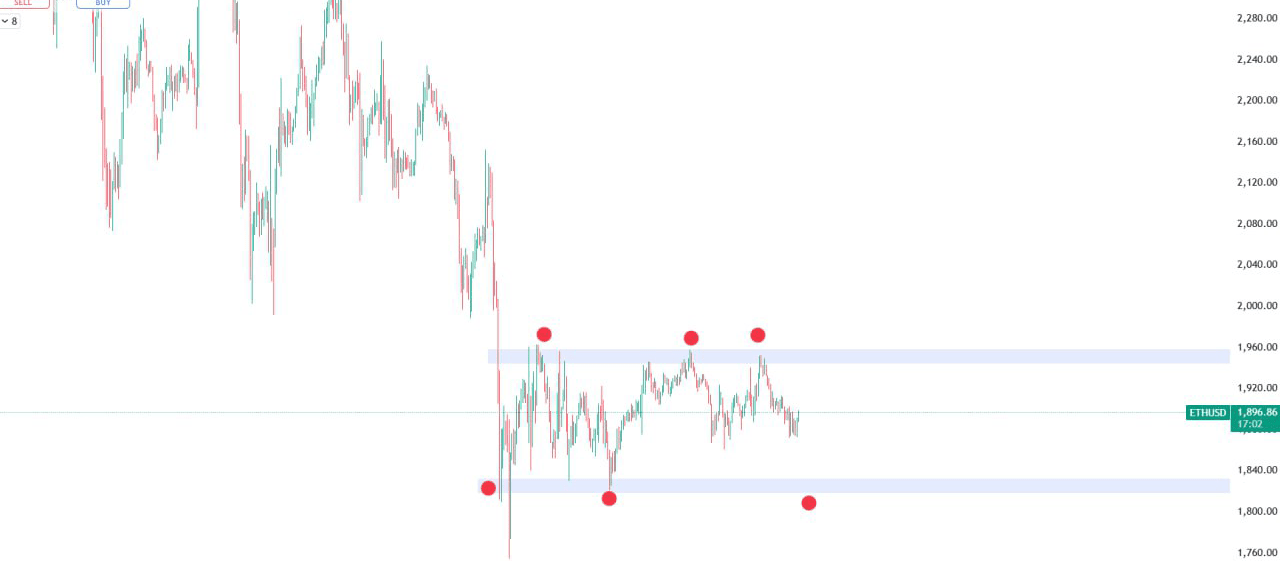
Рост#ETH is moving a box range of 1820-1960.
Once breaking one of these levels, it will move aggressively.
A new setup will be triggered once breaking levels.#ETHETFsApproved
Once breaking one of these levels, it will move aggressively.
A new setup will be triggered once breaking levels.#ETHETFsApproved
492
·
--
Рост
Still valid still around entry
Still valid still around entry
Hydr2_0
·
--
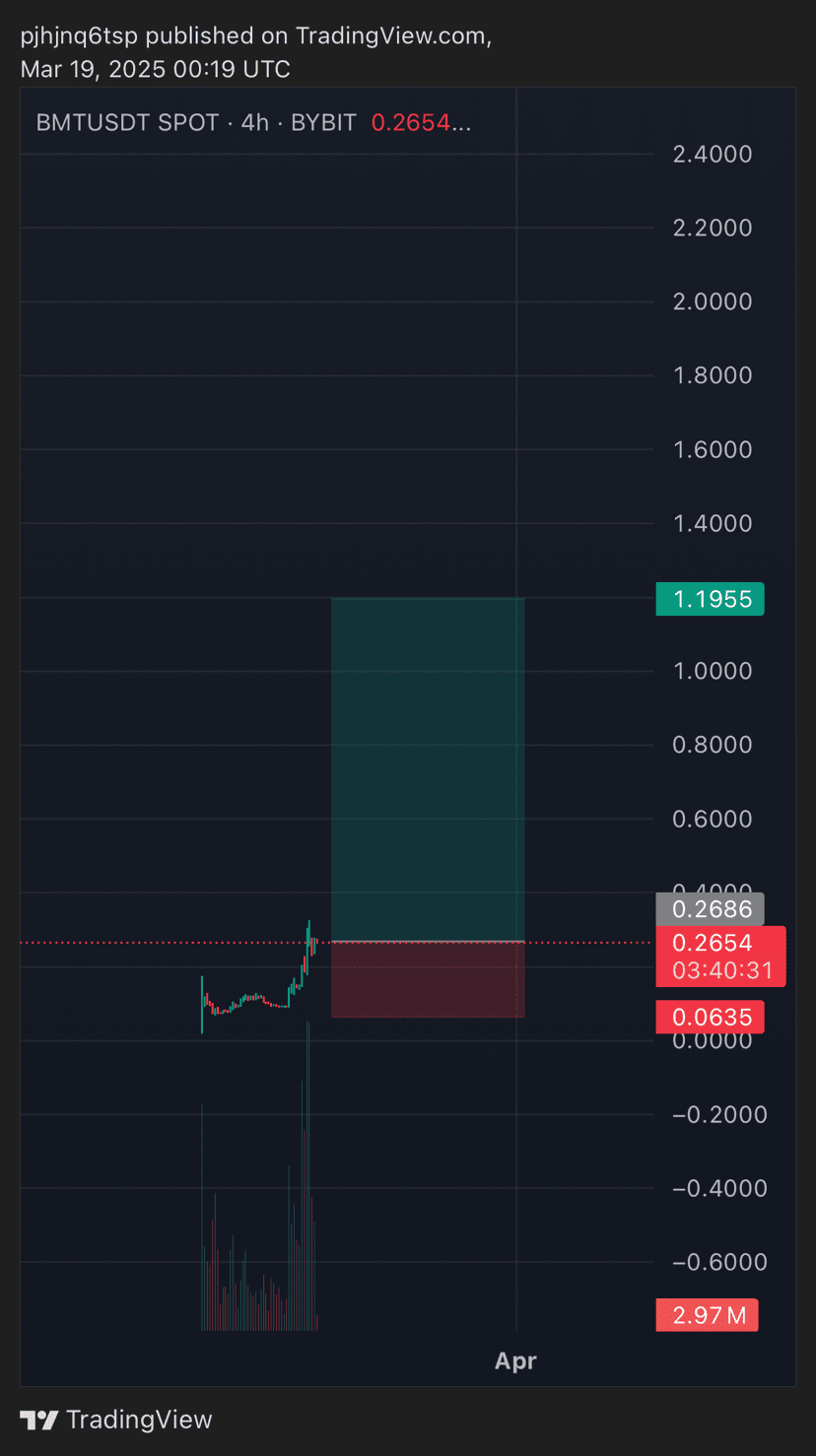
BMT/USDT Technical Analysis (4H Chart)
• Current price: 0.2654 USDT
• Strong bullish momentum with a clear breakout above previous resistance.
• High volume spike indicates fresh buying interest and accumulation.
• Targeting 1.1955 USDT as the next major resistance zone based on Fibonacci extension and previous supply zones.
• Risk-to-reward ratio looks favorable with a stop-loss near 0.0635 USDT.
5 Reasons to Buy BMT/USDT
1. Bullish breakout confirmed on the 4H timeframe.
2. High volume surge, signaling strong buyer dominance.
3. Favorable risk-to-reward ratio towards 1.19+ target.
4. Momentum is shifting, with sustained higher highs and higher lows.
5. Low-cap coin potential, room for exponential upside.
111
·
--
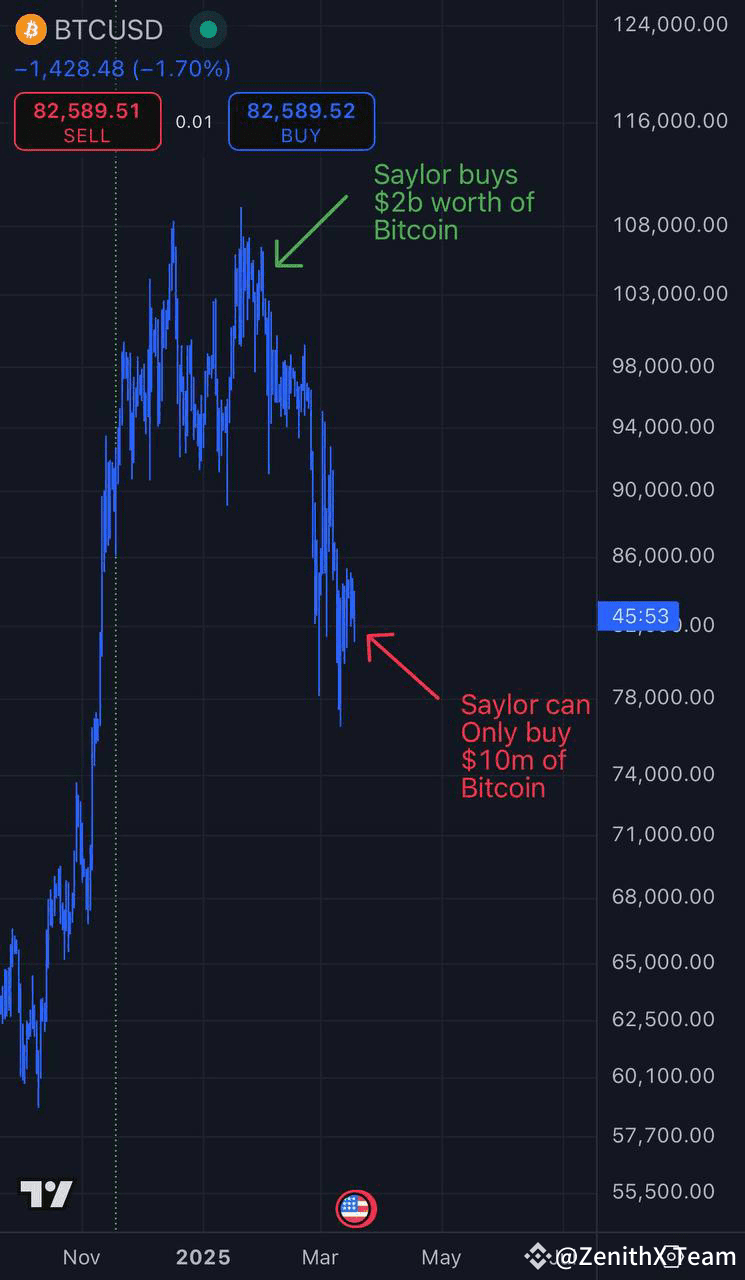
Dump is coming
$BTC If you are following me you can know what i mean i already posted BTC short scenario and technical analysis in recent post you can find it in my Profile
Dump is coming
$BTC If you are following me you can know what i mean i already posted BTC short scenario and technical analysis in recent post you can find it in my Profile
$BTC If you are following me you can know what i mean i already posted BTC short scenario and technical analysis in recent post you can find it in my Profile
1
445
Войдите, чтобы посмотреть больше материала
Присоединяйтесь к пользователям криптовалют по всему миру на Binance Square
⚡️ Получайте новейшую и полезную информацию о криптоактивах.
💬 Нам доверяет крупнейшая в мире криптобиржа.
👍 Получите достоверные аналитические данные от верифицированных создателей контента.
Эл. почта/номер телефона
В тренде
UniswapA16zSeekDeFiExemptionFromIllinoisCryptoTax
Просмотров: 19,430
668 обсуждают
The debate over crypto taxation is heating up as Uniswap and Andreessen Horowitz ( a16z ) push for a DeFi exemption from Illinois proposed crypto tax rules. Their concern is that decentralized finance protocols and non custodial platforms could face unfair tax burdens potentially slowing innovation and making crypto development more difficult. DeFi platforms allow users to trade and manage digital assets without traditional intermediaries so applying conventional financial tax rules may create serious challenges. This could become an important moment for the US crypto industry as regulators must find a balance between fair taxation, investor protection, and innovation. 🚀
The main concern is that the proposed 0.2% tax is calculated on transaction value, not simply trading profits. Uniswap a16z and the DeFi Education Fund want wallet withdrawals and cross chain bridging excluded, while also opposing requirements to maintain private key records. Illinois has agreed to postpone implementation until July 1, 2027 subject to court approval. The outcome could influence how other US states approach DeFi taxation. The Defiant +2
What do you think 🤔 ? Should DeFi transactions be tax free to protect decentralization or should crypto platforms follow traditional tax rules ? 🤔
#UniswapA16zSeekDeFiExemptionFromIllinoisCryptoTax
Volatile
·Лайков: 3
·Просмотров: 173
HKDollarStablecoinHKDAPToLaunchOnSolana
Просмотров: 13,518
410 обсуждают
$1.5BInLeveragedCryptoBetsLiquidated
Просмотров: 32,071
233 обсуждают