

Zacky_vicent
1.7k Публикации

Zacky_vicent
Отправить жалобу
Заблокировать пользователя
The world is full of illusions. Dismantle the system: money, power, crypto. Wake up or fall victim | TA & digital products | BTC & GOLD | RISE & PROVE IT
Открытая сделка

Владелец STX
Трейдер с регулярными сделками
4.3 г
4 подписок(и/а)
175 подписчиков(а)
1.7K+ понравилось
Посты
Портфель
Все
Цитирования
Видео
PINNED
·
--
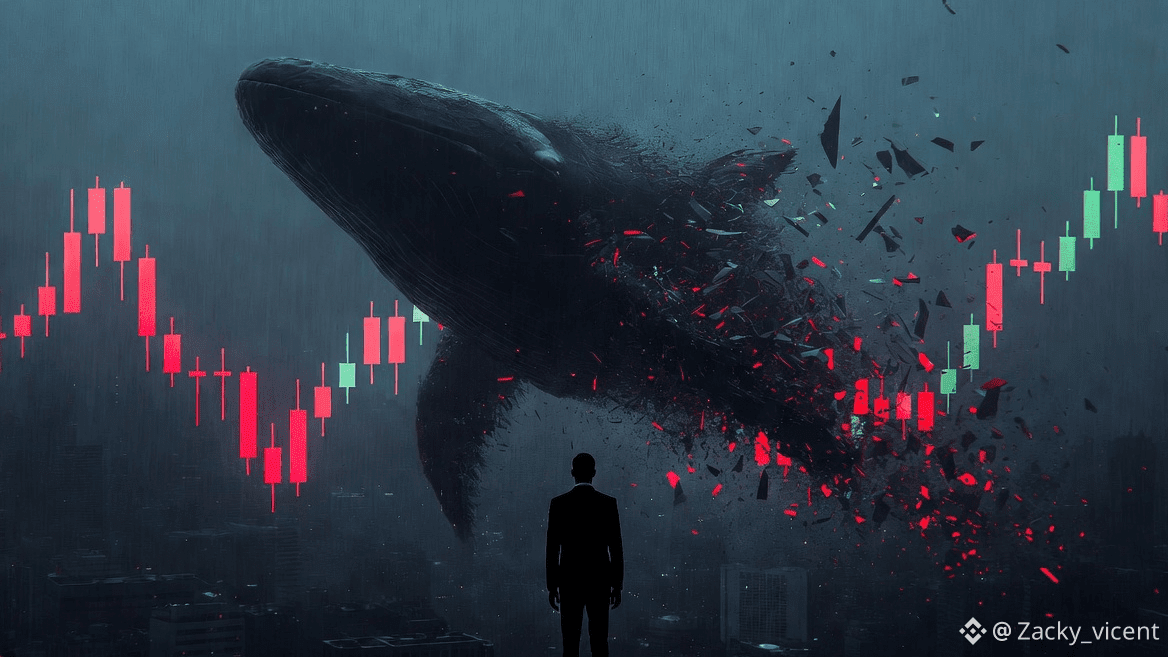
Статья
SAAT WHALE JATUH, MARKET MENJADI JUJURPasar kripto tidak kejam.
Ia hanya jujur.
Ketika whale besar jatuh karena likuidasi,
itu bukan kesalahan market.
Itu akibat posisi yang terlalu percaya diri.
Modal besar tidak membuatmu kebal.
Nama besar tidak membuatmu aman.
Market tidak peduli siapa pun.
Likuidasi bekerja tanpa emosi:
sunyi, cepat, dan final.
Saat leverage runtuh,
harga ditekan.
Likuiditas mengering.
Altcoin ikut terseret.
Memecoin ditinggalkan sementara.
Banyak yang panik.
Banyak yang keluar.
Banyak yang menyebut “kripto mati”.
Padahal ini bukan kematian.
Ini pembersihan.
Di fase ini, uang tidak masuk dengan teriakan.
Ia masuk diam-diam.
Saat chart sepi.
Saat sentimen negatif.
Saat mayoritas menyerah.
Token kecil seperti BRO tidak dibunuh di fase ini.
Mereka dikubur sementara.
Untuk diambil lagi saat market siap.
Pelajaran paling mahal di kripto bukan soal entry.
Tapi soal ego.
Yang bertahan bukan yang paling pintar.
Bukan yang paling berani.
Tapi yang paling tenang dan disiplin.
Tidak perlu reaksi berlebihan.
Tidak perlu pembelaan.
Market selalu berbicara lewat harga.
Ini bukan ajakan beli.
Ini bukan janji cuan.
Ini catatan dingin dari dalam market.
Tenang.
Dingin.
Baca pergerakan, bukan suara.
#Binance $ID
#Whale
#Likuidasi
#MarketPsychology
SAAT WHALE JATUH, MARKET MENJADI JUJUR
Pasar kripto tidak kejam.
Ia hanya jujur.
Ketika whale besar jatuh karena likuidasi,
itu bukan kesalahan market.
Itu akibat posisi yang terlalu percaya diri.
Modal besar tidak membuatmu kebal.
Nama besar tidak membuatmu aman.
Market tidak peduli siapa pun.
Likuidasi bekerja tanpa emosi:
sunyi, cepat, dan final.
Saat leverage runtuh,
harga ditekan.
Likuiditas mengering.
Altcoin ikut terseret.
Memecoin ditinggalkan sementara.
Banyak yang panik.
Banyak yang keluar.
Banyak yang menyebut “kripto mati”.
Padahal ini bukan kematian.
Ini pembersihan.
Di fase ini, uang tidak masuk dengan teriakan.
Ia masuk diam-diam.
Saat chart sepi.
Saat sentimen negatif.
Saat mayoritas menyerah.
Token kecil seperti BRO tidak dibunuh di fase ini.
Mereka dikubur sementara.
Untuk diambil lagi saat market siap.
Pelajaran paling mahal di kripto bukan soal entry.
Tapi soal ego.
Yang bertahan bukan yang paling pintar.
Bukan yang paling berani.
Tapi yang paling tenang dan disiplin.
Tidak perlu reaksi berlebihan.
Tidak perlu pembelaan.
Market selalu berbicara lewat harga.
Ini bukan ajakan beli.
Ini bukan janji cuan.
Ini catatan dingin dari dalam market.
Tenang.
Dingin.
Baca pergerakan, bukan suara.
#Binance $ID
#Whale
#Likuidasi
#MarketPsychology
11
2.4k
PINNED
·
--
Статья
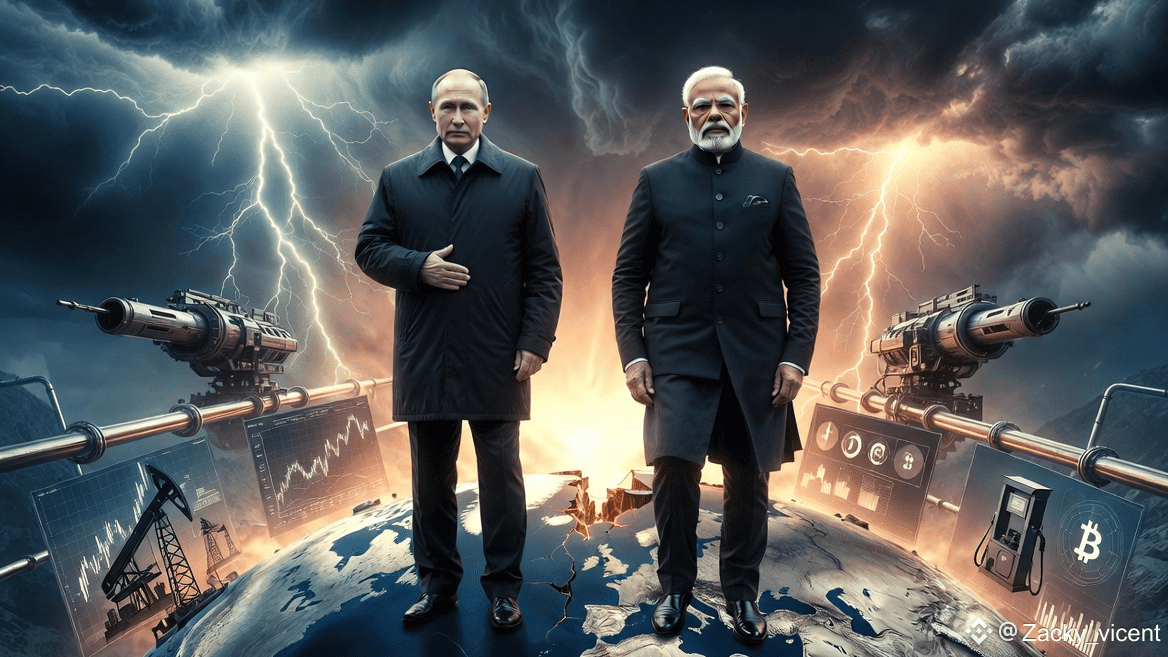
🌐 Dunia Berguncang: Putin & Modi Membentuk Poros Baru! 🌐
Hari ini, Jumat 5 Desember 2025, dunia tercengang. Dua pemimpin superpower — Vladimir Putin dan Narendra Modi — menandatangani kesepakatan strategis besar. Tapi ini bukan sekadar diplomasi: ini adalah aksi dingin, keras, dan tak kenal kompromi, yang bisa mengubah tatanan dunia.
⚡ Fakta Mengerikan:
Energi & Pertahanan: Rusia memastikan pasokan energi ke India tetap stabil, meski tekanan Barat gila-gilaan.
Teknologi & Antariksa: Kolaborasi teknologi tinggi termasuk proyek pertahanan dan antariksa — simbol kekuatan nyata.
Poros Baru: Koalisi ini menandai pergeseran kekuatan global, menguji kesabaran Amerika dan Eropa.
💥 Dampak Global:
Harga Energi Bergejolak: Minyak, gas, dan pasar energi siap bergerak liar.
Investor Siap-Siap: Ketegangan geopolitik = peluang brutal di crypto dan pasar saham.
Dominasi Strategis: Dunia baru muncul dari bayang-bayang Barat. Siapa berani bertaruh?
🔊 Kesimpulan:
Ini bukan sekadar berita. Ini adalah alarm global: dunia berubah cepat, tanpa kompromi, penuh risiko dan peluang.
Siapa yang berani berdiri di tengah badai? Siapa yang siap memanfaatkan kekac
auan untuk menang besar?
#Binance $BTC
3
2
4
2.2k
·
--
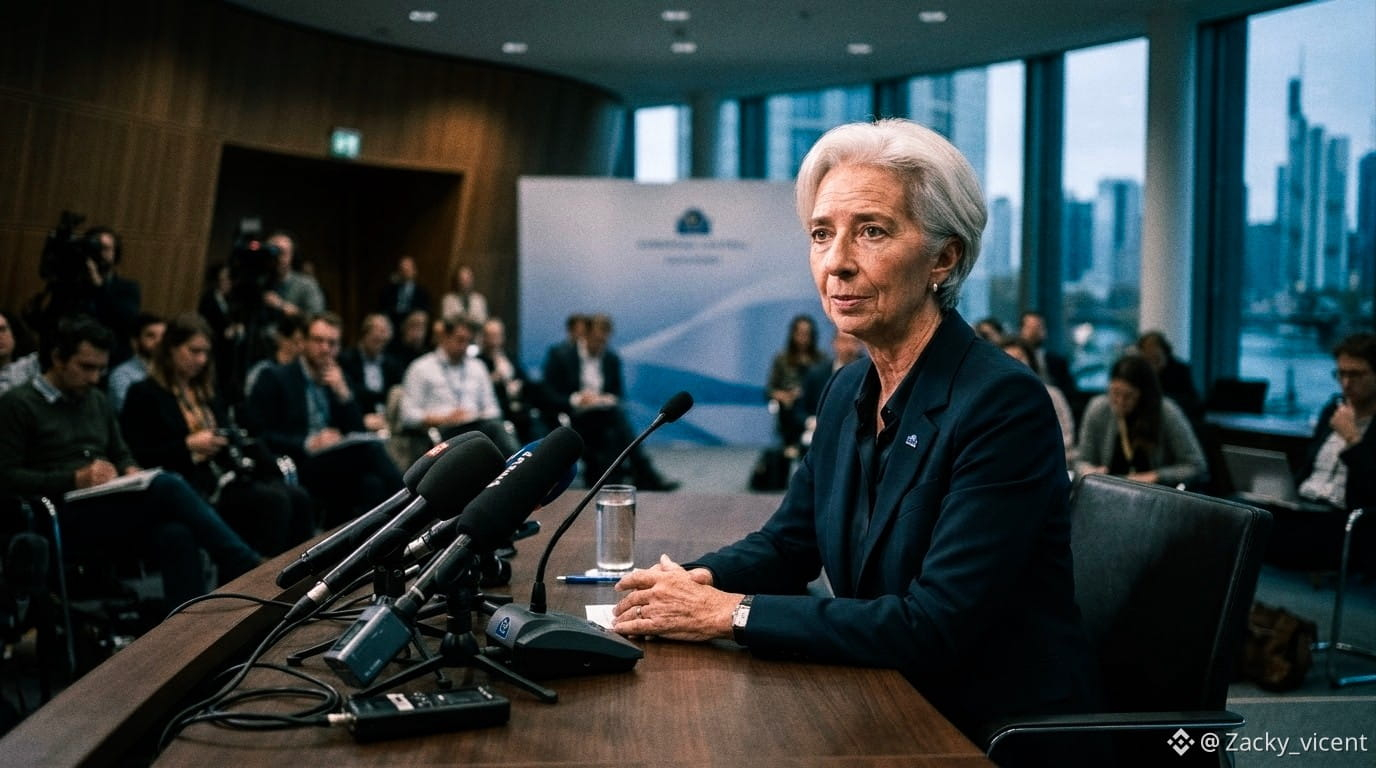
🚨 CHRISTINE LAGARDE RESMI AKAN TINGGALKAN ECB PADA FEBRUARI 2027
Presiden Bank Sentral Eropa (ECB), Christine Lagarde, mengumumkan bahwa ia akan mengakhiri jabatannya pada 7 Februari 2027—lebih cepat dari masa jabatan yang seharusnya berakhir pada Oktober 2027. 🇪🇺
Tapi kenapa ini penting bagi pasar global?
🏦 1. PERGANTIAN PEMIMPIN BANK SENTRAL
ECB memainkan peran penting dalam menentukan arah suku bunga, inflasi, dan kondisi likuiditas di kawasan euro. Pergantian kepemimpinan dapat memengaruhi ekspektasi investor terhadap kebijakan moneter Eropa.
💶 2. EURO DAN PASAR OBLIGASI DALAM PANTAUAN
Investor akan memperhatikan siapa pengganti Lagarde dan bagaimana pandangan pemimpin baru terhadap inflasi, suku bunga, serta stabilitas keuangan. Namun, arah euro dan obligasi tetap bergantung pada banyak faktor—bukan pergantian pemimpin saja.
₿ 3. APA DAMPAKNYA BAGI BITCOIN DAN CRYPTO?
Perubahan kebijakan bank sentral dapat memengaruhi selera risiko investor dan pergerakan likuiditas global. Tetapi jangan langsung menyimpulkan bahwa pengunduran diri Lagarde akan membuat Bitcoin naik atau turun. Pasar crypto juga dipengaruhi kebijakan The Fed, arus modal, dan sentimen investor.
INTINYA: Pergantian pemimpin ECB bukan sekadar berita politik Eropa. Ini adalah perkembangan yang perlu dipantau oleh investor global, termasuk pelaku pasar saham, forex, emas, dan crypto.
Menurut kalian, siapa yang akan lebih diuntungkan dari perubahan kepemimpinan ECB—euro, emas, atau Bitcoin? 👇
Sumber: European Central Bank (ECB), Reuters.
#ChristineLagarde #ECB #Bitcoin #CryptoNews #GlobalMarkets #Gold #ZVGlobalSignal
1
72
·
--
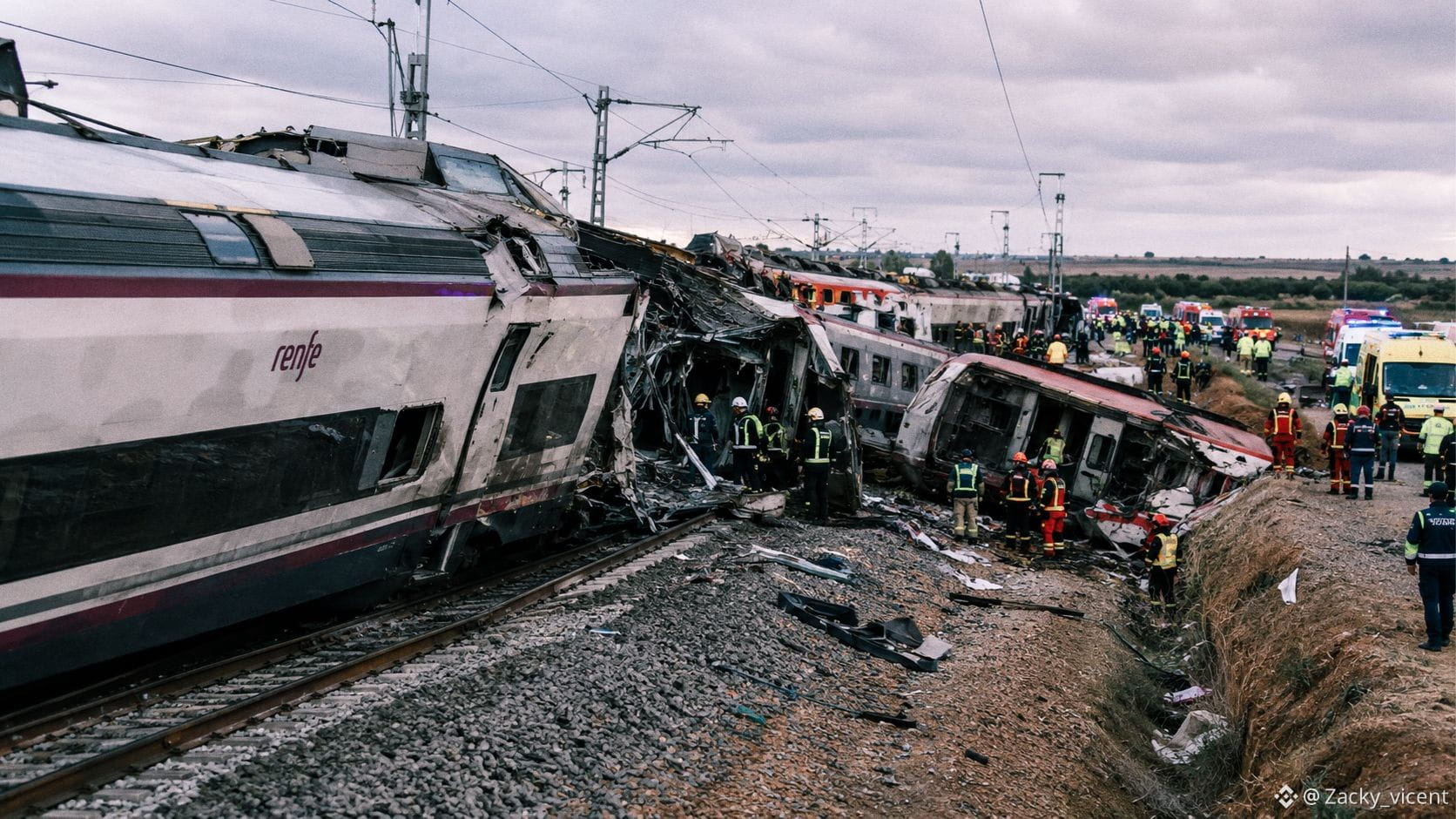
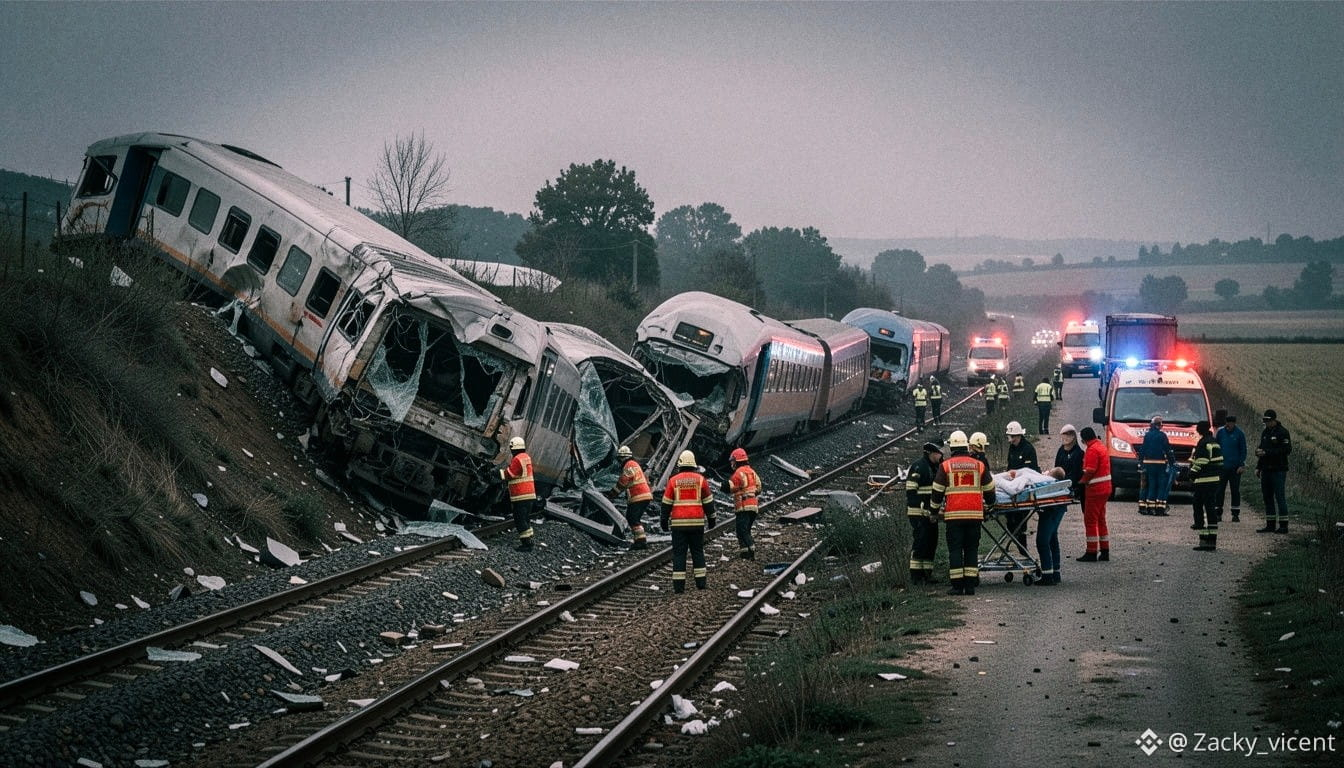
TRAGEDI SPANYOL: SIAPA YANG BERTANGGUNG JAWAB?
Sedikitnya 30 orang dilaporkan tewas dalam tabrakan kereta cepat di Spanyol. Jumlah korban masih dapat berubah.
Teknologi makin canggih. Kereta makin cepat. Tapi ketika sistem keselamatan diduga gagal, manusia yang membayar harganya dengan nyawa.
Jangan biarkan tragedi ini berakhir dengan sekadar ucapan belasungkawa dan janji kosong.
UNGKAP FAKTANYA. PERIKSA SISTEMNYA. TUNTUT PERTANGGUNGJAWABAN!
Nyawa manusia bukan harga yang pantas dibayar untuk kegagalan yang sebenarnya bisa dicegah.
#Spain #BreakingNews #WorldNews #Accountability
1
48
·
--
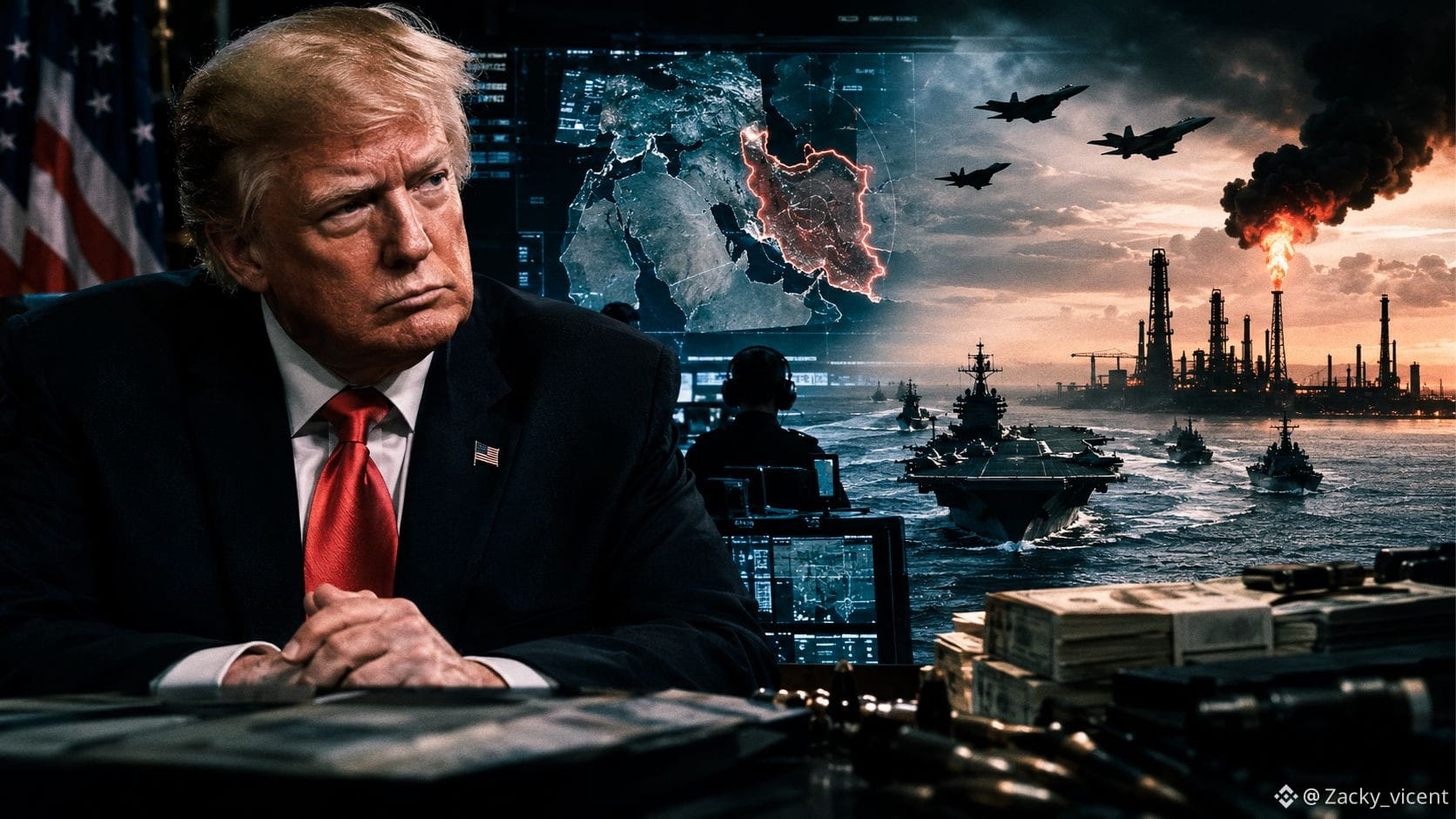
TRUMP: THE WAR ENDS WHEN I WANT.
$47 BILLION. AND COUNTING.
Trump says he controls when the war with Iran ends.
But who pays the price?
Billions in military spending. Rising energy costs. Economic pressure on American households.
Politicians make the decisions. Ordinary people face the consequences.
Power can start a war. Money keeps it running.
And no speech can erase the bill.
THE REAL COST OF WAR IS NEVER JUST THE BOMBS.
— ZACKY VICENT | MARKET PSYCHOLOGY
#Geopolitics #Iran #Trump #Economy #Marketpsychology
$OILK.ETF
OILKETF-0,29%
1
81
·
--
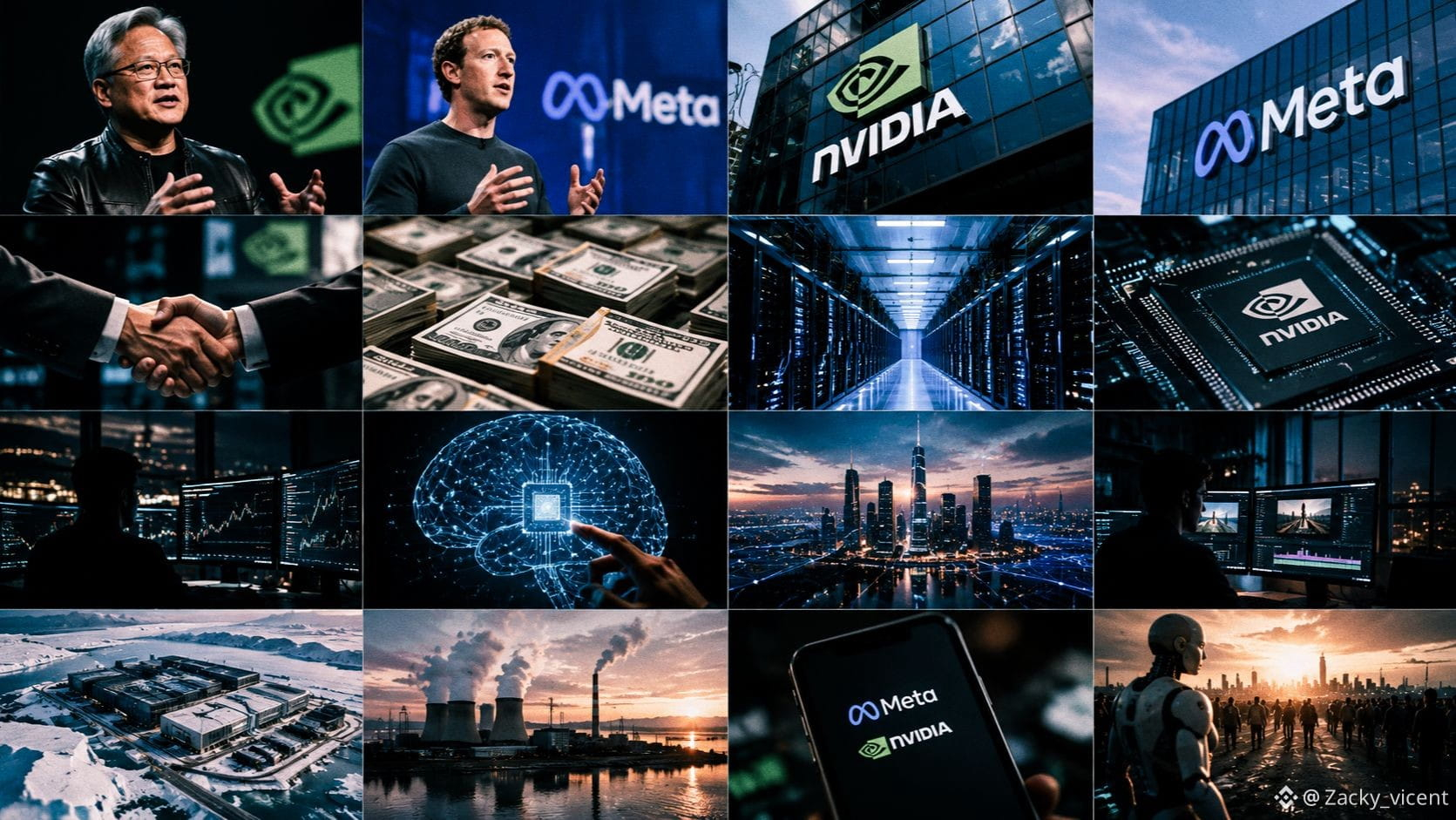
# NVIDIA INVESTS $3 BILLION IN META — THE AI POWER WAR IS GETTING REAL. ⚡
**$3 BILLION IN CAPITAL. $95 BILLION IN PLANNED FUNDRAISING. ONE MASSIVE BET ON THE FUTURE OF AI.**
On October 27, 2026, NVIDIA announced a $3 billion investment in Meta’s equity offering as both companies deepen their AI partnership. Meta is also planning to raise up to $95 billion to support its AI infrastructure expansion.
But this is bigger than a headline.
🔥 **THE REAL BATTLE IS COMPUTING POWER.**
Meta plans to expand its deployment of NVIDIA infrastructure, including Vera Rubin and Vera CPUs, while strengthening collaboration on its Muse AI models and agents.
🧠 **AI IS MOVING BEYOND CHATBOTS.**
AI agents are designed to execute tasks, use digital tools, and automate workflows. The companies that successfully turn this technology into useful products could gain a serious competitive advantage.
💰 **BUT HERE IS THE DARK SIDE.**
Meta’s planned $95 billion fundraising is not $95 billion in guaranteed profit. It is a financing plan to support an enormous infrastructure push.
AI requires massive spending on chips, data centers, networking, and electricity. If future revenue fails to justify those costs, investors could face disappointing returns.
And there is another uncomfortable question:
When chipmakers invest in companies that buy their technology, how much of the AI boom depends on genuine end-user demand—and how much depends on the industry financing its own expansion?
That does not automatically mean the investments are bad. It means investors must look beyond the hype.
**THE BRUTAL TRUTH:**
The AI revolution may transform the global economy. But technological progress does not guarantee that every AI company—or every investor—will win.
Watch the capital. Watch the infrastructure. Watch the revenue.
**Because in the AI power war, spending billions creates possibilities. Only sustainable economics can prove the business model.**
— **ZACKY VICENT | DARK PHILOSOPHY · GLOBAL MARKETS · AI POWER**
#NVIDIA #META #AI #ArtificialIntelligence
1
70
·
--
Статья
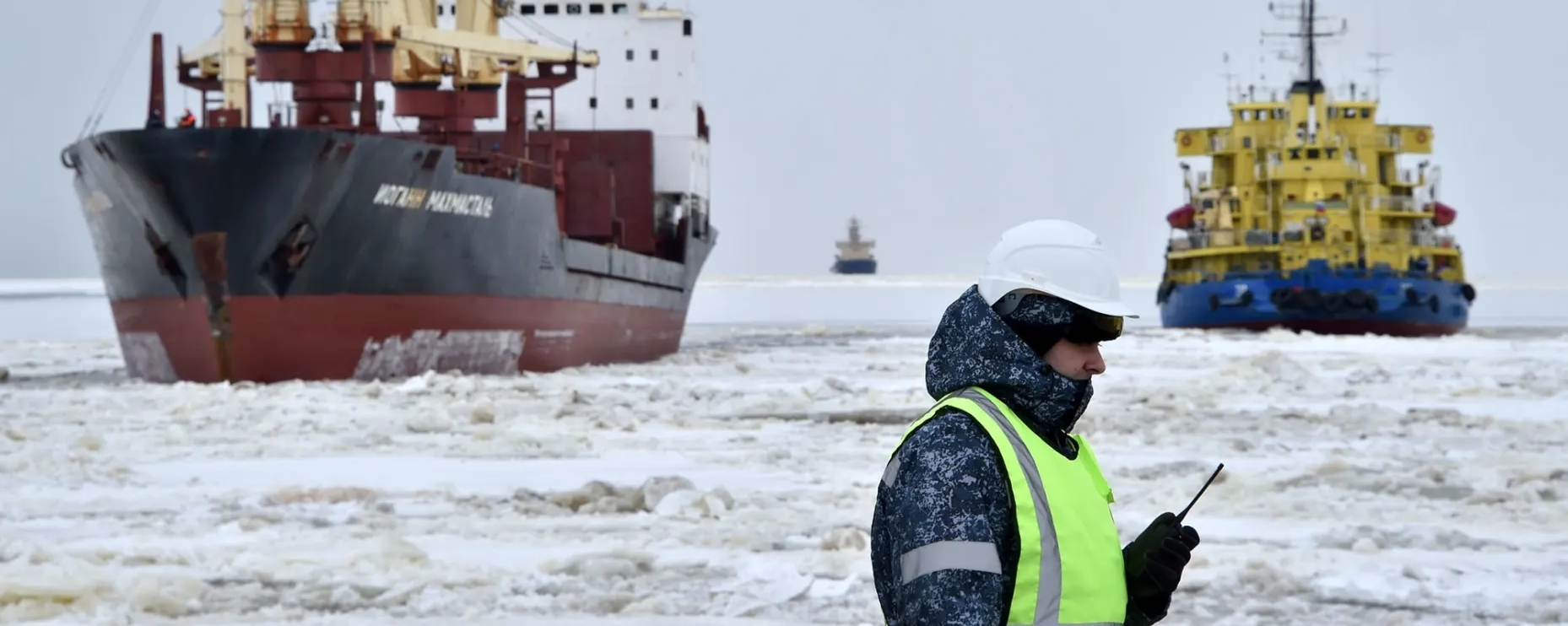
ARKTIK JADI MEDAN PERANG BARU! CHINA–RUSIA KEPUNG PENGARUH EROPA!DUNIA TIDAK HANYA DIPEREBUTKAN DENGAN SENJATA. JALUR PERDAGANGAN JUGA BISA MENJADI ALAT KEKUASAAN!
China dan Rusia memperketat kerja sama di Arktik. Moskow menguasai akses strategis Jalur Laut Utara, sementara Beijing membawa kekuatan industri, kapal, dan kebutuhan perdagangan untuk mengembangkan koridor tersebut.
Sasarannya jelas: memperkuat hubungan ekonomi, memperluas pengiriman energi Rusia ke Asia, dan membuka alternatif jalur perdagangan yang tidak sepenuhnya bergantung pada koridor maritim tradisional.
ANGKANYA BERBICARA:
▪️ 18–22 hari: estimasi perjalanan Asia–Eropa melalui Jalur Laut Utara, dibandingkan sekitar 28–35 hari melalui Terusan Suez. Penghematan waktu tidak otomatis berarti biaya lebih murah.
▪️ 37,02 juta ton: total kargo yang dilaporkan melintasi Jalur Laut Utara pada 2025. Namun, hanya sekitar 3,2 juta ton yang melibatkan pelayaran transit penuh, bukan sekadar pengiriman dari atau menuju pelabuhan di Arktik Rusia.
▪️ 104 pelayaran transit: tercatat hingga akhir September 2026, membawa sekitar 3,7 juta ton kargo—melampaui angka transit penuh sepanjang musim navigasi 2025.
▪️ Sekitar 0,3%: perkiraan porsi perdagangan maritim global yang diwakili aktivitas Arktik saat ini. Artinya, jalur ini belum menggantikan Suez, tetapi berpotensi menjadi aset strategis yang semakin penting.
LALU, DI MANA POSISI EROPA?
Uni Eropa mendorong pengembangan kapal pemecah es, pengawasan maritim, perlindungan kabel bawah laut, dan infrastruktur strategis. Namun, ambisi politik tidak otomatis menghasilkan keunggulan industri.
Rusia memiliki kendali operasional dan armada pemecah es yang besar. China menyediakan kekuatan manufaktur serta kepentingan komersial. Sementara itu, Eropa menghadapi keterbatasan infrastruktur, risiko sanksi, biaya asuransi, dan ketidakpastian navigasi di perairan es.
Inilah masalahnya: Eropa ingin mengurangi pengaruh Rusia, tetapi perkembangan jalur perdagangan baru justru dapat memperbesar posisi strategis Moskow dan Beijing.
Namun, jangan salah membaca situasi. Jalur Arktik masih menghadapi hambatan serius: musim navigasi terbatas, kondisi es ekstrem, kebutuhan kapal khusus, biaya tinggi, dan risiko lingkungan. Jalur ini belum siap menggantikan Terusan Suez untuk perdagangan kontainer global.
Proyeksi penelitian bahkan memperkirakan kapasitas transit tahunan dapat mencapai 127–463 juta ton pada 2050, bergantung pada kondisi yang berkembang. Itu proyeksi, bukan jaminan.
KESIMPULANNYA:
China dan Rusia sedang membangun pilihan strategis baru. Eropa berusaha mempertahankan pengaruhnya. Dan Arktik perlahan berubah dari kawasan terpencil menjadi arena persaingan ekonomi, energi, teknologi, dan keamanan.
Jangan tertipu oleh peta yang terlihat kosong. Di balik es Kutub Utara, ada akses perdagangan, pasokan energi, kepentingan militer, dan kekuasaan yang sedang diperebutkan.
DALAM GEOPOLITIK, PIHAK YANG MENGUASAI JALUR STRATEGIS TIDAK SELALU HARUS MENGALAHKAN LAWANNYA. TERKADANG, CUKUP MEMBUAT LAWANNYA BERGANTUNG PADA AKSES YANG IA KENDALIKAN.
— MARKET PSYCHOLOGY
#Geopolitik #China #Rusia #Eropa #Arktik #PerdaganganGlobal #Energi #EkonomiDunia
ARKTIK JADI MEDAN PERANG BARU! CHINA–RUSIA KEPUNG PENGARUH EROPA!
DUNIA TIDAK HANYA DIPEREBUTKAN DENGAN SENJATA. JALUR PERDAGANGAN JUGA BISA MENJADI ALAT KEKUASAAN!
China dan Rusia memperketat kerja sama di Arktik. Moskow menguasai akses strategis Jalur Laut Utara, sementara Beijing membawa kekuatan industri, kapal, dan kebutuhan perdagangan untuk mengembangkan koridor tersebut.
Sasarannya jelas: memperkuat hubungan ekonomi, memperluas pengiriman energi Rusia ke Asia, dan membuka alternatif jalur perdagangan yang tidak sepenuhnya bergantung pada koridor maritim tradisional.
ANGKANYA BERBICARA:
▪️ 18–22 hari: estimasi perjalanan Asia–Eropa melalui Jalur Laut Utara, dibandingkan sekitar 28–35 hari melalui Terusan Suez. Penghematan waktu tidak otomatis berarti biaya lebih murah.
▪️ 37,02 juta ton: total kargo yang dilaporkan melintasi Jalur Laut Utara pada 2025. Namun, hanya sekitar 3,2 juta ton yang melibatkan pelayaran transit penuh, bukan sekadar pengiriman dari atau menuju pelabuhan di Arktik Rusia.
▪️ 104 pelayaran transit: tercatat hingga akhir September 2026, membawa sekitar 3,7 juta ton kargo—melampaui angka transit penuh sepanjang musim navigasi 2025.
▪️ Sekitar 0,3%: perkiraan porsi perdagangan maritim global yang diwakili aktivitas Arktik saat ini. Artinya, jalur ini belum menggantikan Suez, tetapi berpotensi menjadi aset strategis yang semakin penting.
LALU, DI MANA POSISI EROPA?
Uni Eropa mendorong pengembangan kapal pemecah es, pengawasan maritim, perlindungan kabel bawah laut, dan infrastruktur strategis. Namun, ambisi politik tidak otomatis menghasilkan keunggulan industri.
Rusia memiliki kendali operasional dan armada pemecah es yang besar. China menyediakan kekuatan manufaktur serta kepentingan komersial. Sementara itu, Eropa menghadapi keterbatasan infrastruktur, risiko sanksi, biaya asuransi, dan ketidakpastian navigasi di perairan es.
Inilah masalahnya: Eropa ingin mengurangi pengaruh Rusia, tetapi perkembangan jalur perdagangan baru justru dapat memperbesar posisi strategis Moskow dan Beijing.
Namun, jangan salah membaca situasi. Jalur Arktik masih menghadapi hambatan serius: musim navigasi terbatas, kondisi es ekstrem, kebutuhan kapal khusus, biaya tinggi, dan risiko lingkungan. Jalur ini belum siap menggantikan Terusan Suez untuk perdagangan kontainer global.
Proyeksi penelitian bahkan memperkirakan kapasitas transit tahunan dapat mencapai 127–463 juta ton pada 2050, bergantung pada kondisi yang berkembang. Itu proyeksi, bukan jaminan.
KESIMPULANNYA:
China dan Rusia sedang membangun pilihan strategis baru. Eropa berusaha mempertahankan pengaruhnya. Dan Arktik perlahan berubah dari kawasan terpencil menjadi arena persaingan ekonomi, energi, teknologi, dan keamanan.
Jangan tertipu oleh peta yang terlihat kosong. Di balik es Kutub Utara, ada akses perdagangan, pasokan energi, kepentingan militer, dan kekuasaan yang sedang diperebutkan.
DALAM GEOPOLITIK, PIHAK YANG MENGUASAI JALUR STRATEGIS TIDAK SELALU HARUS MENGALAHKAN LAWANNYA. TERKADANG, CUKUP MEMBUAT LAWANNYA BERGANTUNG PADA AKSES YANG IA KENDALIKAN.
— MARKET PSYCHOLOGY
#Geopolitik #China #Rusia #Eropa #Arktik #PerdaganganGlobal #Energi #EkonomiDunia
1
1
·
--
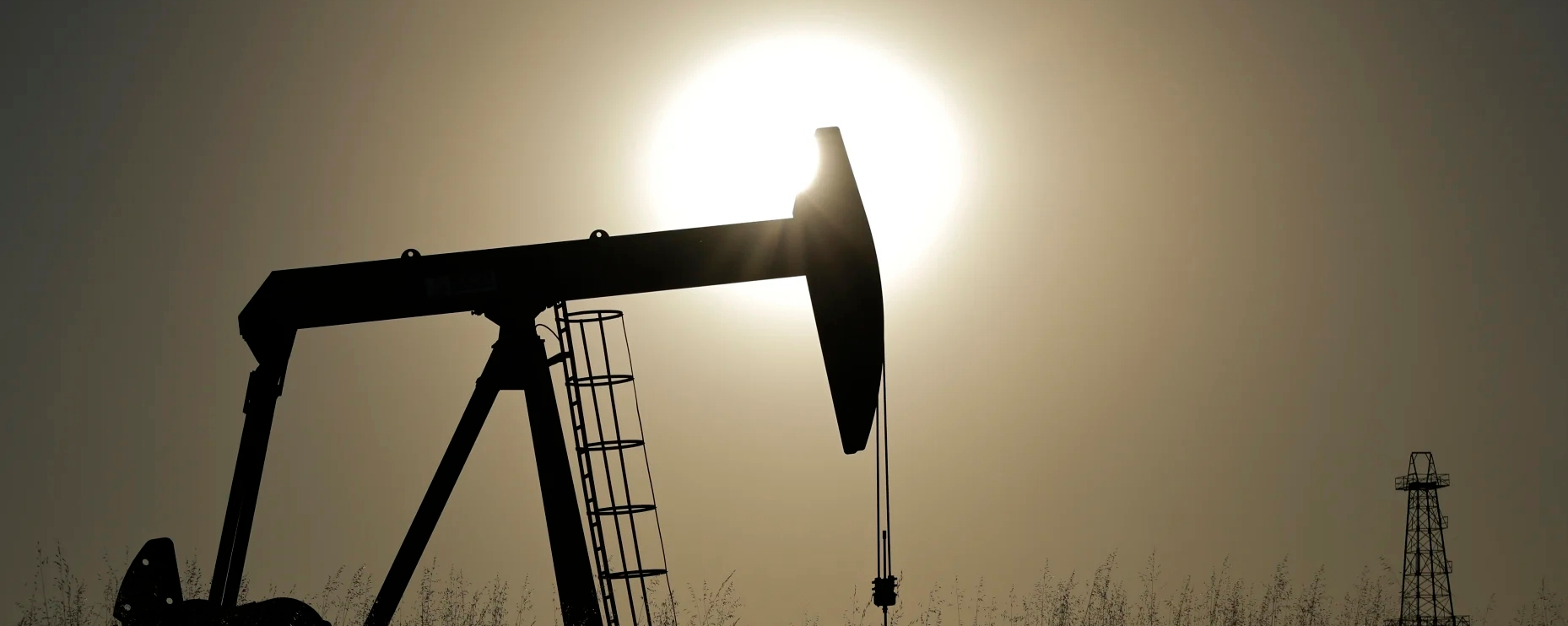
Статья
MINYAK DUNIA DI UJUNG LEDAKAN! PERANG MENGANCAM PASOKAN, HARGA $140 BISA MENCEKIK EKONOMI GLOBAL!HARGA MINYAK TURUN. TAPI ANCAMAN PERANG BELUM HILANG.
Senin, 26 Oktober 2026, pasar minyak kembali memperlihatkan kenyataan brutal: harga energi dunia bukan hanya ditentukan oleh permintaan dan penawaran, tetapi juga oleh rudal, ancaman perang, dan ketakutan terhadap kehancuran infrastruktur strategis.
Berdasarkan laporan CNBC, minyak mentah AS West Texas Intermediate (WTI) turun 2,19% ke US$101 per barel, sementara Brent turun 1,89% ke US$114,51 per barel.
Namun, jangan salah membaca situasi ini. Penurunan harga bukan berarti ancaman telah berakhir.
1. ARAB SAUDI KEMBALI MENJADI TITIK RAWAN ENERGI DUNIA!
Serangan militan Houthi Yaman terhadap Arab Saudi kembali mengguncang persepsi risiko pasar energi.
Houthi mengklaim menargetkan bandara utama di Riyadh dan fasilitas minyak pada Sabtu. Otoritas Saudi menyatakan telah mencegat rudal dan drone tambahan pada Minggu.
Arab Saudi bahkan melanjutkan sebagian operasional bandara utamanya setelah mengalami kerusakan akibat serangan sebelumnya.
Inilah masalah sebenarnya: ketika infrastruktur strategis sebuah produsen minyak besar terancam, seluruh pasar energi global ikut menghitung risikonya.
Bukan hanya sumur minyak yang penting. Fasilitas pengolahan, jaringan pipa, terminal ekspor, dan jalur distribusi menentukan apakah minyak benar-benar bisa sampai kepada pembeli.
Jika fasilitas penting mengalami kerusakan serius, minyak yang masih berada di dalam tanah tidak otomatis bisa menggantikan pasokan yang terhambat.
2. US$20 PER BAREL: HARGA KETAKUTAN YANG DITANAMKAN KE PASAR!
Michael Alfaro, kepala investasi Gallo Partners, memperkirakan ketidakpastian geopolitik telah menambahkan sekitar US$20 per barel ke harga minyak.
Artinya, menurut estimasinya, sebagian harga minyak saat ini mencerminkan premi risiko geopolitik, bukan semata-mata kondisi fundamental pasokan dan permintaan.
Namun, angka US$20 tersebut merupakan estimasi analis, bukan komponen harga yang dapat diukur secara pasti.
Dan di sinilah pasar menjadi sangat berbahaya.
Jika ketegangan mereda, premi risiko dapat menyusut dan harga minyak bisa terkoreksi lebih jauh.
Tetapi jika serangan meluas hingga mengenai jalur pipa Timur-Barat Arab Saudi, kilang tambahan, atau fasilitas ekspor penting, pasar bisa menghadapi kejutan pasokan yang jauh lebih serius.
Harga dapat jatuh karena ketakutan mereda. Harga juga dapat melonjak ketika satu serangan mengubah seluruh perhitungan pasar.
Itulah sebabnya membaca arah minyak hanya berdasarkan grafik tanpa memahami geopolitik merupakan kesalahan yang mahal.
3. BRENT US$120–140: KETIKA ENERGI BERUBAH MENJADI BEBAN EKONOMI!
Alfaro memperingatkan bahwa jika Brent menembus US$120, US$130, hingga US$140 per barel, penurunan permintaan dapat menjadi konsekuensi yang semakin besar.
Mengapa?
Karena minyak bukan komoditas biasa.
Minyak menopang transportasi, penerbangan, pelayaran, distribusi barang, industri, dan sebagian besar rantai pasokan global.
Ketika harga energi meningkat tajam, biaya bahan bakar naik. Perusahaan menghadapi tekanan biaya. Transportasi menjadi lebih mahal. Konsumen kehilangan sebagian daya beli.
Jika tekanan berlanjut, perusahaan dapat mengurangi aktivitas, rumah tangga menekan pengeluaran, dan permintaan energi akhirnya melemah.
Inilah paradoks pasar minyak: gangguan pasokan dapat mendorong harga naik, tetapi harga yang terlalu tinggi justru dapat menghancurkan sebagian permintaan yang menopangnya.
Harga mahal tidak selalu berarti produsen menang tanpa batas.
Jika ekonomi melemah cukup dalam, produsen juga bisa menghadapi pasar yang semakin sulit.
4. MASALAH YANG LEBIH SERIUS: MINYAK MENTAH BUKAN BENSIN SIAP PAKAI!
Ada satu detail yang tidak boleh diabaikan: kapasitas penyulingan.
Minyak mentah harus diolah menjadi produk seperti bensin, solar, dan bahan bakar jet sebelum digunakan secara luas.
Jika gangguan hanya memengaruhi sebagian pasokan minyak mentah, pasar masih dapat mencoba mencari sumber alternatif. Namun, jika fasilitas penyulingan turut rusak, persoalannya menjadi lebih rumit.
Ketersediaan minyak mentah tidak otomatis menjamin ketersediaan produk bahan bakar dalam jumlah yang cukup, pada lokasi yang tepat, dan pada waktu yang dibutuhkan.
Alfaro memperingatkan bahwa kerusakan tambahan pada infrastruktur penyulingan berpotensi menciptakan persoalan struktural yang berlanjut hingga 2027 dan seterusnya.
Tetapi skenario tersebut bergantung pada skala kerusakan, durasi gangguan, kapasitas pengganti, dan kecepatan pemulihan fasilitas.
Dunia tidak hanya membutuhkan minyak. Dunia membutuhkan sistem yang mampu mengubah minyak menjadi energi yang bisa digunakan.
5. ARAB SAUDI MENYIAPKAN STRATEGI PASOKAN DI ASIA!
Arab Saudi berencana mulai menyimpan minyak mentah di Singapura pada paruh kedua 2027, menurut pernyataan menteri energi kedua negara.
Langkah tersebut ditujukan untuk memperkuat ketahanan rantai pasokan Arab Saudi di Asia.
Ini merupakan perkembangan strategis yang patut diperhatikan: keamanan energi tidak hanya menyangkut seberapa banyak minyak yang diproduksi, tetapi juga bagaimana minyak disimpan, ditempatkan, dan didistribusikan ketika jalur pasokan menghadapi tekanan.
Dalam dunia yang penuh ketidakpastian, kemampuan menjaga kesinambungan pasokan bisa sama pentingnya dengan kemampuan meningkatkan produksi.
6. AMERIKA SERIKAT MEMBUKA CADANGAN, TETAPI MASALAHNYA BELUM SELESAI!
Pada Jumat, Departemen Energi AS mengizinkan pelepasan hingga 400.000 barel dari Cadangan Minyak Strategis untuk membantu mengatasi gangguan pasokan di kilang Louisiana.
Cadangan strategis dapat membantu meredam tekanan pasokan dalam kondisi tertentu. Namun, pelepasan 400.000 barel tidak boleh disalahartikan sebagai solusi untuk seluruh pasar minyak global.
Dampaknya bergantung pada kebutuhan kilang, lokasi pasokan, durasi gangguan, dan besarnya kekurangan yang harus ditutup.
Sementara itu, produksi tambahan dari Amerika Serikat juga belum tentu datang secepat yang diharapkan.
Menurut Alfaro, produsen AS memang menambah beberapa rig pengeboran, tetapi belum menunjukkan peningkatan belanja modal besar-besaran untuk membuka kapasitas produksi baru.
Mengapa ini penting?
Karena industri minyak membutuhkan investasi, peralatan, tenaga kerja, dan waktu. Harga tinggi tidak otomatis menghasilkan tambahan pasokan secara instan.
Pasar bisa bereaksi dalam hitungan detik. Produksi minyak tidak bisa ditingkatkan hanya dengan menekan tombol.
7. JADI, APA ARTI PENURUNAN HARGA MINYAK INI?
Ada tiga kekuatan yang sedang berhadapan.
PERTAMA — RISIKO GEOPOLITIK. Ancaman terhadap infrastruktur Arab Saudi dapat mempertahankan premi risiko dan memicu lonjakan harga jika gangguan pasokan benar-benar terjadi.
KEDUA — KEHANCURAN PERMINTAAN. Semakin mahal energi, semakin besar tekanan terhadap konsumen dan industri. Harga yang terlalu tinggi dapat melemahkan konsumsi.
KETIGA — KETERBATASAN PASOKAN PENGGANTI. Cadangan strategis, produksi tambahan, dan kapasitas penyulingan memiliki batas serta membutuhkan waktu untuk merespons gangguan.
Ketiganya menentukan apakah penurunan harga saat ini akan berlanjut atau justru menjadi jeda sebelum volatilitas berikutnya.
Tidak ada dasar untuk menyimpulkan bahwa harga pasti menuju US$140. Namun, tidak bijak pula menganggap risiko kenaikan telah menghilang hanya karena harga turun lebih dari 2%.
KESIMPULAN: DI PASAR ENERGI, KETAKUTAN BISA DIHARGAI. KERUSAKAN NYATA BISA JAUH LEBIH MAHAL.
Minyak turun. Ancaman tetap ada. Permintaan menghadapi tekanan. Produsen berhitung sebelum mengeluarkan modal baru.
Sementara itu, pemerintah berusaha mengamankan pasokan dan pasar mencoba menentukan berapa besar risiko yang pantas dimasukkan ke dalam harga.
Inilah wajah ekonomi global yang sesungguhnya: konflik geopolitik dapat merambat menjadi persoalan energi, biaya hidup, industri, perdagangan, dan stabilitas ekonomi.
Perang tidak harus menghancurkan seluruh sumur minyak untuk mengguncang pasar. Terkadang, ancaman terhadap beberapa titik strategis saja sudah cukup untuk mengubah cara dunia menghitung risiko.
Dan ketika energi menjadi semakin mahal, pertanyaannya bukan sekadar siapa yang memiliki minyak paling banyak.
Pertanyaannya adalah: siapa yang masih mampu memproduksi, mengolah, mengangkut, dan membeli energi ketika seluruh sistem berada di bawah tekanan?
— ZV GLOBAL SIGNAL | MARKET PSYCHOLOGY
#MinyakDunia #Geopolitik #ArabSaudi #EkonomiGlobal #Energi #OilMarket #WTI #Brent #MarketPsychology
MINYAK DUNIA DI UJUNG LEDAKAN! PERANG MENGANCAM PASOKAN, HARGA $140 BISA MENCEKIK EKONOMI GLOBAL!
HARGA MINYAK TURUN. TAPI ANCAMAN PERANG BELUM HILANG.
Senin, 26 Oktober 2026, pasar minyak kembali memperlihatkan kenyataan brutal: harga energi dunia bukan hanya ditentukan oleh permintaan dan penawaran, tetapi juga oleh rudal, ancaman perang, dan ketakutan terhadap kehancuran infrastruktur strategis.
Berdasarkan laporan CNBC, minyak mentah AS West Texas Intermediate (WTI) turun 2,19% ke US$101 per barel, sementara Brent turun 1,89% ke US$114,51 per barel.
Namun, jangan salah membaca situasi ini. Penurunan harga bukan berarti ancaman telah berakhir.
1. ARAB SAUDI KEMBALI MENJADI TITIK RAWAN ENERGI DUNIA!
Serangan militan Houthi Yaman terhadap Arab Saudi kembali mengguncang persepsi risiko pasar energi.
Houthi mengklaim menargetkan bandara utama di Riyadh dan fasilitas minyak pada Sabtu. Otoritas Saudi menyatakan telah mencegat rudal dan drone tambahan pada Minggu.
Arab Saudi bahkan melanjutkan sebagian operasional bandara utamanya setelah mengalami kerusakan akibat serangan sebelumnya.
Inilah masalah sebenarnya: ketika infrastruktur strategis sebuah produsen minyak besar terancam, seluruh pasar energi global ikut menghitung risikonya.
Bukan hanya sumur minyak yang penting. Fasilitas pengolahan, jaringan pipa, terminal ekspor, dan jalur distribusi menentukan apakah minyak benar-benar bisa sampai kepada pembeli.
Jika fasilitas penting mengalami kerusakan serius, minyak yang masih berada di dalam tanah tidak otomatis bisa menggantikan pasokan yang terhambat.
2. US$20 PER BAREL: HARGA KETAKUTAN YANG DITANAMKAN KE PASAR!
Michael Alfaro, kepala investasi Gallo Partners, memperkirakan ketidakpastian geopolitik telah menambahkan sekitar US$20 per barel ke harga minyak.
Artinya, menurut estimasinya, sebagian harga minyak saat ini mencerminkan premi risiko geopolitik, bukan semata-mata kondisi fundamental pasokan dan permintaan.
Namun, angka US$20 tersebut merupakan estimasi analis, bukan komponen harga yang dapat diukur secara pasti.
Dan di sinilah pasar menjadi sangat berbahaya.
Jika ketegangan mereda, premi risiko dapat menyusut dan harga minyak bisa terkoreksi lebih jauh.
Tetapi jika serangan meluas hingga mengenai jalur pipa Timur-Barat Arab Saudi, kilang tambahan, atau fasilitas ekspor penting, pasar bisa menghadapi kejutan pasokan yang jauh lebih serius.
Harga dapat jatuh karena ketakutan mereda. Harga juga dapat melonjak ketika satu serangan mengubah seluruh perhitungan pasar.
Itulah sebabnya membaca arah minyak hanya berdasarkan grafik tanpa memahami geopolitik merupakan kesalahan yang mahal.
3. BRENT US$120–140: KETIKA ENERGI BERUBAH MENJADI BEBAN EKONOMI!
Alfaro memperingatkan bahwa jika Brent menembus US$120, US$130, hingga US$140 per barel, penurunan permintaan dapat menjadi konsekuensi yang semakin besar.
Mengapa?
Karena minyak bukan komoditas biasa.
Minyak menopang transportasi, penerbangan, pelayaran, distribusi barang, industri, dan sebagian besar rantai pasokan global.
Ketika harga energi meningkat tajam, biaya bahan bakar naik. Perusahaan menghadapi tekanan biaya. Transportasi menjadi lebih mahal. Konsumen kehilangan sebagian daya beli.
Jika tekanan berlanjut, perusahaan dapat mengurangi aktivitas, rumah tangga menekan pengeluaran, dan permintaan energi akhirnya melemah.
Inilah paradoks pasar minyak: gangguan pasokan dapat mendorong harga naik, tetapi harga yang terlalu tinggi justru dapat menghancurkan sebagian permintaan yang menopangnya.
Harga mahal tidak selalu berarti produsen menang tanpa batas.
Jika ekonomi melemah cukup dalam, produsen juga bisa menghadapi pasar yang semakin sulit.
4. MASALAH YANG LEBIH SERIUS: MINYAK MENTAH BUKAN BENSIN SIAP PAKAI!
Ada satu detail yang tidak boleh diabaikan: kapasitas penyulingan.
Minyak mentah harus diolah menjadi produk seperti bensin, solar, dan bahan bakar jet sebelum digunakan secara luas.
Jika gangguan hanya memengaruhi sebagian pasokan minyak mentah, pasar masih dapat mencoba mencari sumber alternatif. Namun, jika fasilitas penyulingan turut rusak, persoalannya menjadi lebih rumit.
Ketersediaan minyak mentah tidak otomatis menjamin ketersediaan produk bahan bakar dalam jumlah yang cukup, pada lokasi yang tepat, dan pada waktu yang dibutuhkan.
Alfaro memperingatkan bahwa kerusakan tambahan pada infrastruktur penyulingan berpotensi menciptakan persoalan struktural yang berlanjut hingga 2027 dan seterusnya.
Tetapi skenario tersebut bergantung pada skala kerusakan, durasi gangguan, kapasitas pengganti, dan kecepatan pemulihan fasilitas.
Dunia tidak hanya membutuhkan minyak. Dunia membutuhkan sistem yang mampu mengubah minyak menjadi energi yang bisa digunakan.
5. ARAB SAUDI MENYIAPKAN STRATEGI PASOKAN DI ASIA!
Arab Saudi berencana mulai menyimpan minyak mentah di Singapura pada paruh kedua 2027, menurut pernyataan menteri energi kedua negara.
Langkah tersebut ditujukan untuk memperkuat ketahanan rantai pasokan Arab Saudi di Asia.
Ini merupakan perkembangan strategis yang patut diperhatikan: keamanan energi tidak hanya menyangkut seberapa banyak minyak yang diproduksi, tetapi juga bagaimana minyak disimpan, ditempatkan, dan didistribusikan ketika jalur pasokan menghadapi tekanan.
Dalam dunia yang penuh ketidakpastian, kemampuan menjaga kesinambungan pasokan bisa sama pentingnya dengan kemampuan meningkatkan produksi.
6. AMERIKA SERIKAT MEMBUKA CADANGAN, TETAPI MASALAHNYA BELUM SELESAI!
Pada Jumat, Departemen Energi AS mengizinkan pelepasan hingga 400.000 barel dari Cadangan Minyak Strategis untuk membantu mengatasi gangguan pasokan di kilang Louisiana.
Cadangan strategis dapat membantu meredam tekanan pasokan dalam kondisi tertentu. Namun, pelepasan 400.000 barel tidak boleh disalahartikan sebagai solusi untuk seluruh pasar minyak global.
Dampaknya bergantung pada kebutuhan kilang, lokasi pasokan, durasi gangguan, dan besarnya kekurangan yang harus ditutup.
Sementara itu, produksi tambahan dari Amerika Serikat juga belum tentu datang secepat yang diharapkan.
Menurut Alfaro, produsen AS memang menambah beberapa rig pengeboran, tetapi belum menunjukkan peningkatan belanja modal besar-besaran untuk membuka kapasitas produksi baru.
Mengapa ini penting?
Karena industri minyak membutuhkan investasi, peralatan, tenaga kerja, dan waktu. Harga tinggi tidak otomatis menghasilkan tambahan pasokan secara instan.
Pasar bisa bereaksi dalam hitungan detik. Produksi minyak tidak bisa ditingkatkan hanya dengan menekan tombol.
7. JADI, APA ARTI PENURUNAN HARGA MINYAK INI?
Ada tiga kekuatan yang sedang berhadapan.
PERTAMA — RISIKO GEOPOLITIK. Ancaman terhadap infrastruktur Arab Saudi dapat mempertahankan premi risiko dan memicu lonjakan harga jika gangguan pasokan benar-benar terjadi.
KEDUA — KEHANCURAN PERMINTAAN. Semakin mahal energi, semakin besar tekanan terhadap konsumen dan industri. Harga yang terlalu tinggi dapat melemahkan konsumsi.
KETIGA — KETERBATASAN PASOKAN PENGGANTI. Cadangan strategis, produksi tambahan, dan kapasitas penyulingan memiliki batas serta membutuhkan waktu untuk merespons gangguan.
Ketiganya menentukan apakah penurunan harga saat ini akan berlanjut atau justru menjadi jeda sebelum volatilitas berikutnya.
Tidak ada dasar untuk menyimpulkan bahwa harga pasti menuju US$140. Namun, tidak bijak pula menganggap risiko kenaikan telah menghilang hanya karena harga turun lebih dari 2%.
KESIMPULAN: DI PASAR ENERGI, KETAKUTAN BISA DIHARGAI. KERUSAKAN NYATA BISA JAUH LEBIH MAHAL.
Minyak turun. Ancaman tetap ada. Permintaan menghadapi tekanan. Produsen berhitung sebelum mengeluarkan modal baru.
Sementara itu, pemerintah berusaha mengamankan pasokan dan pasar mencoba menentukan berapa besar risiko yang pantas dimasukkan ke dalam harga.
Inilah wajah ekonomi global yang sesungguhnya: konflik geopolitik dapat merambat menjadi persoalan energi, biaya hidup, industri, perdagangan, dan stabilitas ekonomi.
Perang tidak harus menghancurkan seluruh sumur minyak untuk mengguncang pasar. Terkadang, ancaman terhadap beberapa titik strategis saja sudah cukup untuk mengubah cara dunia menghitung risiko.
Dan ketika energi menjadi semakin mahal, pertanyaannya bukan sekadar siapa yang memiliki minyak paling banyak.
Pertanyaannya adalah: siapa yang masih mampu memproduksi, mengolah, mengangkut, dan membeli energi ketika seluruh sistem berada di bawah tekanan?
— ZV GLOBAL SIGNAL | MARKET PSYCHOLOGY
#MinyakDunia #Geopolitik #ArabSaudi #EkonomiGlobal #Energi #OilMarket #WTI #Brent #MarketPsychology
87
·
--

Статья
ELON MUSK MEMBATASI STARLINK DI UKRAINA.Elon Musk menuduh militer Ukraina melanggar ketentuan layanan Starlink dengan menggunakannya untuk serangan drone ofensif. Musk mengklaim SpaceX telah menutup celah yang memungkinkan dugaan tersebut terjadi.
Namun, Ukraina membantah keras.
Serhii Beskrestnov, penasihat teknologi pertahanan Presiden Volodymyr Zelenskyy, menyatakan bahwa pembatasan geografis dan kecepatan Starlink justru membuat penggunaan layanan komersial tersebut untuk serangan drone jarak menengah dan jauh seperti yang dituduhkan menjadi tidak mungkin secara fisik.
Menurut Beskrestnov, Starlink sipil Ukraina tidak berfungsi di wilayah Rusia, sementara drone Ukraina yang menggunakan sistem tersebut telah menghadapi batas kecepatan 70–90 km/jam selama berbulan-bulan.
Artinya, kedua pihak menyampaikan klaim yang bertentangan. Tuduhan Musk bukan bukti final, tetapi penyangkalan Ukraina juga bukan verifikasi independen.
Yang lebih serius adalah dampak pembatasan itu terhadap pertahanan Ukraina. Para pejabat Ukraina menyatakan bahwa gangguan layanan memengaruhi operasi drone militer ketika Rusia terus melancarkan serangan udara. Layanan Starlink dan Starshield kemudian dilaporkan telah dipulihkan.
Pikirkan konsekuensinya: ketika komunikasi satelit yang digunakan dalam perang bergantung pada perusahaan swasta, perubahan akses oleh perusahaan tersebut dapat memengaruhi kemampuan operasional sebuah negara di medan tempur.
SpaceX bukan sekadar perusahaan internet. Dalam konteks ini, infrastrukturnya menjadi bagian penting dari ekosistem komunikasi pertahanan Ukraina.
Dan ketika akses terhadap infrastruktur strategis dapat dibatasi, muncul pertanyaan yang jauh lebih besar daripada perselisihan antara Musk dan Kyiv: SEBERAPA BERDAULAT SEBUAH NEGARA JIKA KEMAMPUAN PERTAHANANNYA BERGANTUNG PADA KEPUTUSAN SEORANG PENGUSAHA?
Ukraina dan negara-negara Eropa mulai mencari alternatif.
Pada 22 Oktober 2026, Ukraina mengumumkan langkah kerja sama dengan Nokia dan ICEYE untuk mengembangkan alternatif komunikasi satelit. Polandia juga membahas rencana penguatan sistemnya sendiri, sementara Uni Eropa mengembangkan IRIS², konstelasi satelit yang peluncuran pertamanya dijadwalkan pada 2029.
Namun, membangun jaringan alternatif bukan pekerjaan semalam. Infrastruktur, pendanaan, peluncuran satelit, integrasi militer, dan keandalan operasional membutuhkan waktu serta biaya besar.
Sementara itu, bisnis Starlink terus berkembang. CNBC melaporkan pendapatan kuartal III 2026 mencapai US$5,25 miliar, naik dari US$3,1 miliar pada periode yang sama tahun sebelumnya.
Dari jumlah itu, US$3,12 miliar berasal dari pelanggan konsumen dan US$2,13 miliar dari pelanggan pemerintah serta perusahaan.
Angka tersebut menunjukkan betapa besar bisnis Starlink telah berkembang, termasuk melalui pasar pemerintah dan perusahaan. Namun, angka pendapatan itu sendiri tidak membuktikan bahwa perang Ukraina menjadi penyebab pertumbuhan tersebut.
INILAH PELAJARAN PALING KERAS DARI KONFLIK INI.
Dunia modern semakin bergantung pada infrastruktur digital yang dimiliki segelintir perusahaan. Satelit, jaringan komunikasi, komputasi awan, dan kecerdasan buatan bukan lagi sekadar produk teknologi. Semuanya dapat menjadi instrumen pengaruh ekonomi, politik, bahkan militer.
Jangan salah paham: perusahaan swasta tetap berhak menerapkan ketentuan layanannya. Namun, ketika infrastrukturnya menjadi bagian penting dari pertahanan suatu negara, keputusan komersial dapat membawa konsekuensi strategis yang jauh melampaui kepentingan bisnis.
Ukraina menghadapi kenyataan pahit: ketergantungan teknologi dapat berubah menjadi kerentanan geopolitik.
Karena dalam perang modern, kekuatan bukan hanya ditentukan oleh jumlah tentara, rudal, atau drone. Kekuatan juga ditentukan oleh siapa yang mengendalikan jaringan komunikasi yang membuat semuanya bekerja.
DAN JIKA INFRASTRUKTUR KRITIS BERADA DI TANGAN PIHAK LAIN, KEDAULATAN BISA MENJADI JAUH LEBIH RAPUH DARIPADA YANG DIBAYANGKAN.
Sumber: CNBC, 25 Oktober 2026.
#ElonMusk #Starlink #Ukraina #Geopolitik #TeknologiMiliter #PerangModern #SpaceX #EkonomiGlobal #Teknologi #CaraDuniaBekerja
ELON MUSK MEMBATASI STARLINK DI UKRAINA.
Elon Musk menuduh militer Ukraina melanggar ketentuan layanan Starlink dengan menggunakannya untuk serangan drone ofensif. Musk mengklaim SpaceX telah menutup celah yang memungkinkan dugaan tersebut terjadi.
Namun, Ukraina membantah keras.
Serhii Beskrestnov, penasihat teknologi pertahanan Presiden Volodymyr Zelenskyy, menyatakan bahwa pembatasan geografis dan kecepatan Starlink justru membuat penggunaan layanan komersial tersebut untuk serangan drone jarak menengah dan jauh seperti yang dituduhkan menjadi tidak mungkin secara fisik.
Menurut Beskrestnov, Starlink sipil Ukraina tidak berfungsi di wilayah Rusia, sementara drone Ukraina yang menggunakan sistem tersebut telah menghadapi batas kecepatan 70–90 km/jam selama berbulan-bulan.
Artinya, kedua pihak menyampaikan klaim yang bertentangan. Tuduhan Musk bukan bukti final, tetapi penyangkalan Ukraina juga bukan verifikasi independen.
Yang lebih serius adalah dampak pembatasan itu terhadap pertahanan Ukraina. Para pejabat Ukraina menyatakan bahwa gangguan layanan memengaruhi operasi drone militer ketika Rusia terus melancarkan serangan udara. Layanan Starlink dan Starshield kemudian dilaporkan telah dipulihkan.
Pikirkan konsekuensinya: ketika komunikasi satelit yang digunakan dalam perang bergantung pada perusahaan swasta, perubahan akses oleh perusahaan tersebut dapat memengaruhi kemampuan operasional sebuah negara di medan tempur.
SpaceX bukan sekadar perusahaan internet. Dalam konteks ini, infrastrukturnya menjadi bagian penting dari ekosistem komunikasi pertahanan Ukraina.
Dan ketika akses terhadap infrastruktur strategis dapat dibatasi, muncul pertanyaan yang jauh lebih besar daripada perselisihan antara Musk dan Kyiv: SEBERAPA BERDAULAT SEBUAH NEGARA JIKA KEMAMPUAN PERTAHANANNYA BERGANTUNG PADA KEPUTUSAN SEORANG PENGUSAHA?
Ukraina dan negara-negara Eropa mulai mencari alternatif.
Pada 22 Oktober 2026, Ukraina mengumumkan langkah kerja sama dengan Nokia dan ICEYE untuk mengembangkan alternatif komunikasi satelit. Polandia juga membahas rencana penguatan sistemnya sendiri, sementara Uni Eropa mengembangkan IRIS², konstelasi satelit yang peluncuran pertamanya dijadwalkan pada 2029.
Namun, membangun jaringan alternatif bukan pekerjaan semalam. Infrastruktur, pendanaan, peluncuran satelit, integrasi militer, dan keandalan operasional membutuhkan waktu serta biaya besar.
Sementara itu, bisnis Starlink terus berkembang. CNBC melaporkan pendapatan kuartal III 2026 mencapai US$5,25 miliar, naik dari US$3,1 miliar pada periode yang sama tahun sebelumnya.
Dari jumlah itu, US$3,12 miliar berasal dari pelanggan konsumen dan US$2,13 miliar dari pelanggan pemerintah serta perusahaan.
Angka tersebut menunjukkan betapa besar bisnis Starlink telah berkembang, termasuk melalui pasar pemerintah dan perusahaan. Namun, angka pendapatan itu sendiri tidak membuktikan bahwa perang Ukraina menjadi penyebab pertumbuhan tersebut.
INILAH PELAJARAN PALING KERAS DARI KONFLIK INI.
Dunia modern semakin bergantung pada infrastruktur digital yang dimiliki segelintir perusahaan. Satelit, jaringan komunikasi, komputasi awan, dan kecerdasan buatan bukan lagi sekadar produk teknologi. Semuanya dapat menjadi instrumen pengaruh ekonomi, politik, bahkan militer.
Jangan salah paham: perusahaan swasta tetap berhak menerapkan ketentuan layanannya. Namun, ketika infrastrukturnya menjadi bagian penting dari pertahanan suatu negara, keputusan komersial dapat membawa konsekuensi strategis yang jauh melampaui kepentingan bisnis.
Ukraina menghadapi kenyataan pahit: ketergantungan teknologi dapat berubah menjadi kerentanan geopolitik.
Karena dalam perang modern, kekuatan bukan hanya ditentukan oleh jumlah tentara, rudal, atau drone. Kekuatan juga ditentukan oleh siapa yang mengendalikan jaringan komunikasi yang membuat semuanya bekerja.
DAN JIKA INFRASTRUKTUR KRITIS BERADA DI TANGAN PIHAK LAIN, KEDAULATAN BISA MENJADI JAUH LEBIH RAPUH DARIPADA YANG DIBAYANGKAN.
Sumber: CNBC, 25 Oktober 2026.
#ElonMusk #Starlink #Ukraina #Geopolitik #TeknologiMiliter #PerangModern #SpaceX #EkonomiGlobal #Teknologi #CaraDuniaBekerja
1
84
·
--
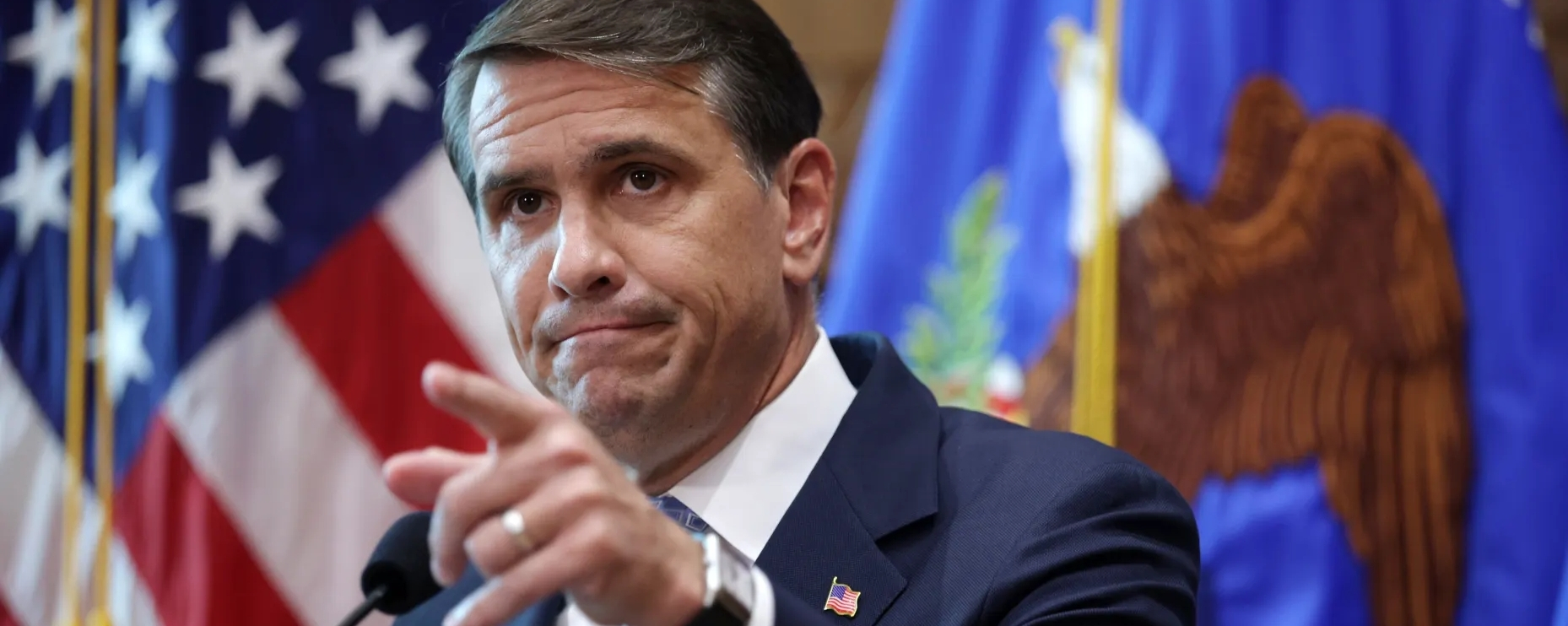
Статья
DEMOKRASI AMERIKA DIUJI: TRUMP GUNAKAN DEPARTEMEN KEHAKIMAN UNTUK MENGHAMBAT SERTIFIKASI PEMILU ALASIni bukan sekadar pertarungan Partai Republik melawan Partai Demokrat. Ini pertarungan tentang siapa yang berhak menentukan hasil pemilu: rakyat melalui suara mereka, atau kekuasaan politik yang berusaha mengendalikan hasilnya.
Pada 22 Oktober 2026, Departemen Kehakiman AS menggugat Alaska untuk mencegah negara bagian tersebut mengesahkan hasil pemilihan Senat jika senator petahana dari Partai Republik, Dan Sullivan, kalah.
Yang membuat kasus ini meledak adalah pengakuan Donald Trump sendiri. Pada Jumat, 23 Oktober, ia mengatakan kepada wartawan bahwa dialah yang memerintahkan gugatan tersebut: “Saya yang mengatakan, lakukan itu.”
APA SEBENARNYA YANG TERJADI?
Kasus ini berpusat pada dua kandidat bernama hampir identik: Daniel S. Sullivan, senator Republik petahana, dan Daniel J. Sullivan, penantang independen.
Awalnya, pejabat pemilu Alaska menghapus nama penantang tersebut dari surat suara setelah muncul pengaduan dari Partai Republik negara bagian. Namun, pengadilan Alaska memerintahkan agar namanya dikembalikan. Pada Juni 2026, Mahkamah Agung Alaska menguatkan keputusan itu dan mengarahkan pejabat pemilu untuk membedakan kedua kandidat dengan jelas.
Surat suara pun mencantumkan senator petahana sebagai kandidat Republik sekaligus petahana, sedangkan penantangnya tidak terafiliasi dengan partai mana pun.
Namun, Departemen Kehakiman tetap menggugat dan meminta pengadilan mencegah sertifikasi hasil pemilihan Senat jika Sullivan petahana kalah. Salah satu persoalan yang dipersoalkan adalah apakah pemilih yang memilih Daniel J. Sullivan sebenarnya bermaksud memilih senator petahana.
Inilah titik paling berbahaya: apakah pemerintah federal boleh menggunakan dugaan kebingungan pemilih untuk menghambat pengesahan hasil pemilu yang diselenggarakan negara bagian?
PERLAWANAN MULAI MEMBESAR.
Tim kampanye Mary Peltola, Komite Kampanye Senator Demokrat, League of Women Voters of Alaska, Common Cause, dan dua pemilih individu berupaya masuk ke dalam perkara melalui jalur hukum.
Mereka berpendapat bahwa pemerintah federal tidak memiliki kewenangan tanpa batas untuk mengambil alih administrasi pemilu negara bagian. Mereka juga memperingatkan bahwa menghambat sertifikasi dapat menghalangi representasi politik warga Alaska, bahkan jika kandidat pilihan mereka benar-benar menang.
Bahkan Senator Republik Alaska, Lisa Murkowski, ikut mengecam gugatan tersebut.
Pernyataannya tegas: “Departemen Kehakiman seharusnya tidak pernah mengajukan gugatan ini.”
Ini penting. Penolakan bukan hanya datang dari kubu Demokrat. Seorang senator dari partai Trump sendiri mempertanyakan langkah Departemen Kehakiman.
PERTARUNGAN SEBENARNYA ADA PADA KEKUASAAN.
Departemen Kehakiman mengutip National Voter Registration Act atau NVRA sebagai dasar hukum. Namun, pihak penentang berargumen bahwa undang-undang tersebut tidak memberikan kewenangan umum kepada pemerintah federal untuk menentukan kelayakan kandidat atau mengendalikan desain surat suara.
Mereka juga mempertanyakan bagaimana DOJ akan membuktikan niat setiap pemilih yang memilih Daniel J. Sullivan, sementara mekanisme untuk menentukan niat tersebut belum dijelaskan secara memadai dalam dokumen yang mereka soroti.
Jika sertifikasi dapat dihambat hanya berdasarkan dugaan tentang siapa yang sebenarnya ingin dipilih rakyat, persoalannya tidak lagi berhenti pada dua kandidat bernama mirip.
Persoalannya adalah apakah suara yang sudah diberikan bisa kehilangan kekuatan politiknya karena pemerintah mempertanyakan maksud pemilih setelah pemungutan suara berlangsung.
Namun, perlu ditegaskan: gugatan ini belum dengan sendirinya membuktikan bahwa pemilu telah dicurangi atau bahwa Trump berhasil membatalkan hasil pemilihan. Perselisihan tersebut masih harus diputuskan melalui proses hukum.
KESIMPULANNYA:
Demokrasi bukan sekadar mengizinkan rakyat masuk ke bilik suara. Demokrasi juga menuntut agar suara mereka dihitung, hasilnya disahkan sesuai hukum, dan kekuasaan tidak digunakan untuk mengakali hasil yang tidak disukai.
Jika pemerintah memiliki bukti pelanggaran, buktikan di pengadilan. Jika ada kekeliruan, periksa melalui prosedur yang sah.
Tetapi jika kekuasaan eksekutif dapat mengancam pengesahan hasil pemilu hanya karena kandidat petahana berpotensi kalah, maka yang sedang dipertaruhkan jauh lebih besar daripada satu kursi Senat.
Pertanyaan paling mendasar bagi Amerika adalah ini: apakah pemerintah masih melayani suara rakyat, atau suara rakyat hanya dihormati selama hasilnya menguntungkan pihak yang berkuasa?
#DonaldTrump #AmerikaSerikat #Demokrasi #PolitikAmerika #PemiluAS #Mahkamah #Geopolitik
DEMOKRASI AMERIKA DIUJI: TRUMP GUNAKAN DEPARTEMEN KEHAKIMAN UNTUK MENGHAMBAT SERTIFIKASI PEMILU ALAS
Ini bukan sekadar pertarungan Partai Republik melawan Partai Demokrat. Ini pertarungan tentang siapa yang berhak menentukan hasil pemilu: rakyat melalui suara mereka, atau kekuasaan politik yang berusaha mengendalikan hasilnya.
Pada 22 Oktober 2026, Departemen Kehakiman AS menggugat Alaska untuk mencegah negara bagian tersebut mengesahkan hasil pemilihan Senat jika senator petahana dari Partai Republik, Dan Sullivan, kalah.
Yang membuat kasus ini meledak adalah pengakuan Donald Trump sendiri. Pada Jumat, 23 Oktober, ia mengatakan kepada wartawan bahwa dialah yang memerintahkan gugatan tersebut: “Saya yang mengatakan, lakukan itu.”
APA SEBENARNYA YANG TERJADI?
Kasus ini berpusat pada dua kandidat bernama hampir identik: Daniel S. Sullivan, senator Republik petahana, dan Daniel J. Sullivan, penantang independen.
Awalnya, pejabat pemilu Alaska menghapus nama penantang tersebut dari surat suara setelah muncul pengaduan dari Partai Republik negara bagian. Namun, pengadilan Alaska memerintahkan agar namanya dikembalikan. Pada Juni 2026, Mahkamah Agung Alaska menguatkan keputusan itu dan mengarahkan pejabat pemilu untuk membedakan kedua kandidat dengan jelas.
Surat suara pun mencantumkan senator petahana sebagai kandidat Republik sekaligus petahana, sedangkan penantangnya tidak terafiliasi dengan partai mana pun.
Namun, Departemen Kehakiman tetap menggugat dan meminta pengadilan mencegah sertifikasi hasil pemilihan Senat jika Sullivan petahana kalah. Salah satu persoalan yang dipersoalkan adalah apakah pemilih yang memilih Daniel J. Sullivan sebenarnya bermaksud memilih senator petahana.
Inilah titik paling berbahaya: apakah pemerintah federal boleh menggunakan dugaan kebingungan pemilih untuk menghambat pengesahan hasil pemilu yang diselenggarakan negara bagian?
PERLAWANAN MULAI MEMBESAR.
Tim kampanye Mary Peltola, Komite Kampanye Senator Demokrat, League of Women Voters of Alaska, Common Cause, dan dua pemilih individu berupaya masuk ke dalam perkara melalui jalur hukum.
Mereka berpendapat bahwa pemerintah federal tidak memiliki kewenangan tanpa batas untuk mengambil alih administrasi pemilu negara bagian. Mereka juga memperingatkan bahwa menghambat sertifikasi dapat menghalangi representasi politik warga Alaska, bahkan jika kandidat pilihan mereka benar-benar menang.
Bahkan Senator Republik Alaska, Lisa Murkowski, ikut mengecam gugatan tersebut.
Pernyataannya tegas: “Departemen Kehakiman seharusnya tidak pernah mengajukan gugatan ini.”
Ini penting. Penolakan bukan hanya datang dari kubu Demokrat. Seorang senator dari partai Trump sendiri mempertanyakan langkah Departemen Kehakiman.
PERTARUNGAN SEBENARNYA ADA PADA KEKUASAAN.
Departemen Kehakiman mengutip National Voter Registration Act atau NVRA sebagai dasar hukum. Namun, pihak penentang berargumen bahwa undang-undang tersebut tidak memberikan kewenangan umum kepada pemerintah federal untuk menentukan kelayakan kandidat atau mengendalikan desain surat suara.
Mereka juga mempertanyakan bagaimana DOJ akan membuktikan niat setiap pemilih yang memilih Daniel J. Sullivan, sementara mekanisme untuk menentukan niat tersebut belum dijelaskan secara memadai dalam dokumen yang mereka soroti.
Jika sertifikasi dapat dihambat hanya berdasarkan dugaan tentang siapa yang sebenarnya ingin dipilih rakyat, persoalannya tidak lagi berhenti pada dua kandidat bernama mirip.
Persoalannya adalah apakah suara yang sudah diberikan bisa kehilangan kekuatan politiknya karena pemerintah mempertanyakan maksud pemilih setelah pemungutan suara berlangsung.
Namun, perlu ditegaskan: gugatan ini belum dengan sendirinya membuktikan bahwa pemilu telah dicurangi atau bahwa Trump berhasil membatalkan hasil pemilihan. Perselisihan tersebut masih harus diputuskan melalui proses hukum.
KESIMPULANNYA:
Demokrasi bukan sekadar mengizinkan rakyat masuk ke bilik suara. Demokrasi juga menuntut agar suara mereka dihitung, hasilnya disahkan sesuai hukum, dan kekuasaan tidak digunakan untuk mengakali hasil yang tidak disukai.
Jika pemerintah memiliki bukti pelanggaran, buktikan di pengadilan. Jika ada kekeliruan, periksa melalui prosedur yang sah.
Tetapi jika kekuasaan eksekutif dapat mengancam pengesahan hasil pemilu hanya karena kandidat petahana berpotensi kalah, maka yang sedang dipertaruhkan jauh lebih besar daripada satu kursi Senat.
Pertanyaan paling mendasar bagi Amerika adalah ini: apakah pemerintah masih melayani suara rakyat, atau suara rakyat hanya dihormati selama hasilnya menguntungkan pihak yang berkuasa?
#DonaldTrump #AmerikaSerikat #Demokrasi #PolitikAmerika #PemiluAS #Mahkamah #Geopolitik
1
72
·
--

Статья
PRANCIS SEDANG MENUJU KRISIS YANG LEBIH BESAR: JALANAN MEMANAS, UTANG MEMBENGKAK, DAN PASAR MULAI KEPrancis bukan negara kecil. Ini salah satu kekuatan ekonomi utama Eropa. Namun, sekarang negara tersebut menghadapi kombinasi berbahaya: kerusuhan sosial, kebuntuan politik, defisit anggaran yang besar, dan biaya utang yang terus menekan.
Dan ketika sebuah negara kehilangan kemampuan untuk meyakinkan rakyat sekaligus investor, masalahnya bukan lagi sekadar demonstrasi.
MASALAHNYA ADALAH SIAPA YANG MASIH PERCAYA BAHWA NEGARA INI MAMPU MENGENDALIKAN MASA DEPANNYA.
Pada 24 Oktober 2026, ratusan ribu orang turun ke jalan di berbagai kota Prancis. Kementerian Dalam Negeri memperkirakan sekitar 410.000 demonstran berpartisipasi. Sementara itu, serikat pekerja CGT mengklaim jumlahnya mencapai sekitar 800.000 orang, termasuk 250.000 di Paris.
Perbedaan angka itu besar. Namun, satu hal tidak bisa diabaikan: kemarahan sosial telah berkembang menjadi persoalan ekonomi dan politik yang serius.
Ketika demonstrasi yang awalnya berlangsung relatif damai berubah menjadi bentrokan di Paris dan Marseille, pasar menghadapi pertanyaan yang jauh lebih penting daripada siapa yang menang dalam pertarungan politik.
BERAPA BESAR KERUGIAN YANG AKAN DITANGGUNG EKONOMI PRANCIS JIKA KETIDAKPASTIAN INI TERUS BERLANJUT?
1. DEFISIT ANGGARAN: PEMERINTAH INGIN BERHEMAT, TETAPI POLITIK BISA MENGGAGALKANNYA.
Prancis menargetkan defisit anggaran turun menjadi 5% dari produk domestik bruto atau PDB pada 2027, dari proyeksi 5,4% pada 2026.
Angka 5,4% berarti pengeluaran pemerintah melampaui pendapatan sebesar nilai yang setara dengan 5,4% dari total output ekonomi tahunan. Ini bukan berarti seluruh defisit tersebut merupakan utang baru dalam bentuk yang sama, tetapi menunjukkan betapa besar kesenjangan fiskal yang harus dikelola.
Untuk memperbaiki keadaan, pemerintah membutuhkan langkah penghematan dan keputusan anggaran yang bisa bertahan menghadapi perlawanan politik.
Masalahnya, parlemen terpecah dan kelompok oposisi menentang sejumlah rencana pemerintah.
Jika penghematan dipangkas demi meredam protes, target fiskal bisa meleset. Jika pemerintah memaksakan penghematan, perlawanan sosial berpotensi semakin keras.
Inilah jebakannya: pemerintah harus memilih di antara keputusan yang sama-sama mahal secara politik.
Pada 27 Oktober, parlemen dijadwalkan melanjutkan pembahasan langkah-langkah anggaran. Salah satu opsi yang dapat dipertimbangkan pemerintah adalah Pasal 49.3 Konstitusi Prancis, yang memungkinkan rancangan undang-undang tertentu disahkan tanpa pemungutan suara akhir, kecuali jika pemerintah kemudian dijatuhkan melalui mosi tidak percaya.
Namun, prosedur konstitusional bukan mesin ajaib yang menghapus defisit. Bahkan jika anggaran berhasil diloloskan, pertanyaan berikutnya tetap sama: apakah penghematan yang disepakati cukup untuk memperbaiki keuangan negara?
2. OBLIGASI PRANCIS: KETIKA INVESTOR MEMINTA KOMPENSASI LEBIH BESAR.
Pada pekan sebelumnya, imbal hasil obligasi pemerintah Prancis tenor 10 tahun naik 11 basis poin pada hari Kamis, mencapai level tertinggi sejak 2002, menurut laporan CNBC.
Basis poin adalah satuan untuk mengukur perubahan imbal hasil. Sebelas basis poin setara dengan kenaikan 0,11 poin persentase.
Jangan salah memahami mekanismenya. Imbal hasil obligasi bukan suku bunga yang otomatis dibayarkan pemerintah kepada seluruh pemegang utang lama setiap kali angkanya naik. Namun, kenaikan imbal hasil pasar mencerminkan perubahan harga obligasi dan dapat meningkatkan biaya pembiayaan ketika pemerintah menerbitkan utang baru atau membiayai kembali utang yang jatuh tempo.
Ketika investor meminta imbal hasil lebih tinggi, pemerintah menghadapi pilihan yang tidak menyenangkan: menerima biaya pinjaman yang lebih mahal, mengurangi kebutuhan pembiayaan, atau meyakinkan pasar bahwa risiko fiskalnya terkendali.
Kenaikan imbal hasil Prancis juga memperlebar selisih terhadap obligasi pemerintah Jerman tenor 10 tahun, yang menjadi salah satu acuan utama pasar utang zona euro. Selisih tersebut dilaporkan mencapai level terlebar sejak November 2011.
Apa artinya?
Investor tidak menilai semua negara Eropa memiliki risiko yang sama. Ketika premi risiko Prancis melebar terhadap Jerman, pasar sedang menilai ulang perbedaan risiko di antara kedua negara tersebut.
Dan semakin lama ketidakpastian politik berlangsung, semakin sulit bagi pemerintah untuk meyakinkan investor bahwa defisit akan turun sesuai target.
3. MOODY'S MEMPERTAHANKAN PERINGKAT Aa3, TETAPI PROSPEKNYA TETAP NEGATIF.
Pada Jumat, 23 Oktober 2026, Moody's mempertahankan peringkat kredit Prancis di Aa3 dengan prospek negatif.
Peringkat Aa3 masih berada dalam kategori kualitas kredit tinggi. Jadi, ini bukan pengumuman bahwa Prancis telah gagal membayar utangnya.
Namun, prospek negatif menunjukkan bahwa risiko penurunan peringkat masih membayangi.
Moody's menyoroti fragmentasi politik yang berpotensi terus mengganggu fungsi lembaga legislatif. Sebaliknya, peluang untuk menstabilkan prospek kredit akan membaik apabila pemerintah mampu mempersempit defisit anggaran.
Inilah inti persoalannya: pasar tidak hanya memperhitungkan berapa besar utang sebuah negara, tetapi juga apakah pemerintahnya mempunyai kemampuan politik untuk mengendalikannya.
Negara bisa memiliki ekonomi besar dan institusi yang mapan, tetapi jika kebijakan fiskalnya terus terhambat pertarungan politik, ketidakpastian tetap bisa menaikkan premi risiko.
4. PERTUMBUHAN EKONOMI: KETIKA KETAKUTAN MEMBUAT UANG BERHENTI BERGERAK.
ING memperkirakan pertumbuhan PDB Prancis hanya 0,3% pada 2026 dan 0,6% pada 2027.
Angka tersebut merupakan proyeksi, bukan hasil akhir yang sudah dipastikan.
Tetapi bayangkan tekanan yang harus dihadapi ekonomi ketika pertumbuhan sudah lemah, sementara ketidakpastian politik dan biaya pembiayaan meningkat.
Konsumen dapat menunda belanja. Wisatawan bisa mengubah rencana perjalanan. Perusahaan dapat menunda ekspansi. Investor bisa menunggu sebelum menanamkan modal.
Masing-masing keputusan mungkin terlihat kecil. Namun, ketika dilakukan secara bersamaan, dampaknya dapat merambat ke seluruh perekonomian.
Bisnis kehilangan pendapatan. Perusahaan menahan perekrutan. Penerimaan pajak berpotensi melemah. Sementara itu, kebutuhan pembiayaan pemerintah tetap berjalan.
Dan di situlah lingkaran tekanan mulai terbentuk: pertumbuhan melemah, penerimaan fiskal berisiko tertekan, kebutuhan penghematan meningkat, dan keputusan penghematan kembali memicu perlawanan politik.
Prancis pernah menghadapi gangguan ekonomi akibat protes sebelumnya. Menurut estimasi yang dikutip dalam laporan ING, gerakan Rompi Kuning pada kuartal IV 2018 diperkirakan mengurangi pertumbuhan PDB kuartalan sebesar 0,1 poin persentase. Aksi mogok terkait reformasi pensiun pada 2023 juga diperkirakan mengurangi pertumbuhan PDB kuartal I sekitar 0,1 poin persentase.
Angka historis tersebut tidak membuktikan bahwa krisis sekarang pasti memiliki dampak yang sama. Namun, pengalaman itu menunjukkan bahwa gangguan sosial bisa meninggalkan jejak ekonomi yang nyata.
5. SEKTOR BISNIS YANG PALING RENTAN: RITEL, PARIWISATA, TRANSPORTASI, DAN PERBANKAN.
Menurut analisis ING, sektor ritel, perhotelan, pariwisata, transportasi, dan logistik termasuk yang paling langsung terpapar oleh gejolak.
Toko bisa kehilangan pengunjung atau terpaksa tutup. Hotel, kafe, dan restoran bisa kehilangan transaksi yang tidak selalu dapat diganti pada hari berikutnya. Gangguan transportasi juga dapat memperlambat distribusi barang dan aktivitas bisnis.
Jaringan kamar dagang Prancis, berdasarkan angka yang dikutip ING, memperkirakan lebih dari 2.000 bisnis telah terdampak langsung hingga Selasa.
Carrefour menjadi contoh nyata tekanan yang dihadapi sektor ritel. Saham perusahaan tersebut anjlok lebih dari 14% pada Rabu setelah memangkas prospek laba dan mengurangi investasi. Perusahaan menyebut kerusuhan, bersama kenaikan biaya energi, sebagai faktor yang membebani sentimen konsumen.
Artinya, persoalannya bukan hanya kerusakan fisik atau toko yang tutup.
Ketika rumah tangga khawatir terhadap masa depan, belanja dapat dikurangi. Ketika perusahaan memperkirakan permintaan melemah, investasi bisa dipangkas. Dan ketika pendapatan turun, tekanan terhadap keuntungan perusahaan meningkat.
Sektor perbankan juga tidak kebal.
Menurut Kevin Thozet dari Carmignac, ketidakpastian berkepanjangan dapat memperlambat pertumbuhan pinjaman dan menambah masalah kredit. Biaya ekuitas yang tinggi juga dapat menjadi tekanan bagi valuasi bank.
Jika ekonomi melemah dan sebagian debitur kesulitan membayar pinjaman, risiko kredit dapat meningkat. Namun, besarnya dampak akhirnya akan bergantung pada kondisi ekonomi, kualitas aset bank, serta respons kebijakan pemerintah dan bank sentral.
6. BAGAIMANA DENGAN LVMH DAN INDUSTRI BARANG MEWAH PRANCIS?
Prancis dikenal sebagai pusat industri barang mewah dunia. Tetapi bahkan merek besar pun tidak sepenuhnya terisolasi dari gejolak domestik.
Menurut angka yang dikutip dalam laporan CNBC, Prancis menyumbang sekitar 8% pendapatan LVMH pada 2025. Ini menunjukkan bahwa paparan langsung perusahaan terhadap pasar domestik relatif terbatas dibandingkan total pendapatannya.
Namun, ada jalur risiko lain: pariwisata.
Pembelian bebas pajak atau tax-free shopping menyumbang sekitar 20% pendapatan LVMH di Prancis, menurut Thozet.
Jika wisatawan menghindari wilayah yang terdampak, mengurangi kunjungan, atau menunda belanja, aktivitas tersebut dapat ikut tertekan.
Dengan kata lain, perusahaan yang menjual produknya secara global tetap bisa terkena dampak ketika salah satu pusat pariwisata dan konsumsi mewah dunia mengalami gangguan.
7. PROTES 5 NOVEMBER: UJIAN BERIKUTNYA BAGI PEMERINTAH DAN PASAR.
Demonstrasi lanjutan direncanakan pada 24 Oktober, sementara aksi mogok dan protes nasional yang didukung serikat pekerja dijadwalkan pada 5 November.
Investor akan mengamati tiga hal utama.
Pertama, apakah pemerintah mampu meloloskan anggaran 2027 dengan langkah fiskal yang cukup kredibel.
Kedua, apakah protes berkembang menjadi gangguan berkepanjangan yang memengaruhi konsumsi, pariwisata, investasi, dan aktivitas bisnis.
Ketiga, apakah kenaikan premi risiko obligasi Prancis berlanjut dan semakin memperlebar selisih imbal hasil terhadap Jerman.
Ketiganya saling berkaitan.
Jika pemerintah berhasil memberikan kepastian anggaran dan meredakan kekhawatiran fiskal, tekanan pasar dapat berkurang. Sebaliknya, jika kebuntuan politik berlanjut, pertumbuhan melemah, dan target penghematan semakin sulit dicapai, risiko terhadap aset Prancis dapat meningkat.
Tidak ada jaminan bahwa skenario terburuk akan terjadi. Tetapi mengabaikan hubungan antara politik, anggaran, dan pasar keuangan juga merupakan kesalahan besar.
KESIMPULAN: KRISIS POLITIK BISA BERUBAH MENJADI TAGIHAN EKONOMI.
Prancis sedang menghadapi ujian yang jauh lebih kompleks daripada sekadar mengendalikan demonstrasi.
Pemerintah harus memulihkan kepercayaan, menjaga stabilitas politik, mengendalikan defisit, dan meyakinkan investor bahwa utang negara tetap berada di jalur yang dapat dikelola.
Sementara itu, dunia usaha menghadapi ketidakpastian permintaan, masyarakat menghadapi tekanan ekonomi, dan investor harus menilai ulang risiko yang selama ini mereka terima.
Inilah kenyataan keras dalam sistem ekonomi modern: krisis politik tidak berhenti di gedung parlemen atau jalanan yang dipenuhi demonstran.
Dampaknya dapat menjalar ke harga obligasi, biaya pembiayaan perusahaan, keputusan investasi, lapangan kerja, dan pertumbuhan ekonomi.
Dan ketika sebuah negara harus membayar lebih mahal untuk memperoleh kepercayaan pasar, pertanyaannya bukan lagi sekadar berapa besar utangnya.
PERTANYAANNYA ADALAH: APAKAH PEMERINTAH MASIH MAMPU MENGAMBIL KEPUTUSAN YANG DIBUTUHKAN UNTUK MENGENDALIKAN UTANG ITU?
Karena pada akhirnya, sebuah negara tidak cukup hanya memiliki ekonomi besar. Negara itu juga harus mampu mengelola keuangannya, mengambil keputusan, dan mempertahankan kepercayaan terhadap institusinya.
Jika ketiganya gagal berjalan beriringan, harga yang harus dibayar bisa jauh lebih besar daripada kerusuhan yang terlihat di jalanan.
Sumber: CNBC, laporan Hugh Leask, 24 Oktober 2026; pernyataan Moody's; analisis ING, Natixis CIB, Ebury, dan Carmignac sebagaimana dikutip dalam laporan.
#Prancis #EkonomiGlobal #PasarKeuangan #Obligasi #UtangNegara #Geopolitik #Investasi #EkonomiPolitik
PRANCIS SEDANG MENUJU KRISIS YANG LEBIH BESAR: JALANAN MEMANAS, UTANG MEMBENGKAK, DAN PASAR MULAI KE
Prancis bukan negara kecil. Ini salah satu kekuatan ekonomi utama Eropa. Namun, sekarang negara tersebut menghadapi kombinasi berbahaya: kerusuhan sosial, kebuntuan politik, defisit anggaran yang besar, dan biaya utang yang terus menekan.
Dan ketika sebuah negara kehilangan kemampuan untuk meyakinkan rakyat sekaligus investor, masalahnya bukan lagi sekadar demonstrasi.
MASALAHNYA ADALAH SIAPA YANG MASIH PERCAYA BAHWA NEGARA INI MAMPU MENGENDALIKAN MASA DEPANNYA.
Pada 24 Oktober 2026, ratusan ribu orang turun ke jalan di berbagai kota Prancis. Kementerian Dalam Negeri memperkirakan sekitar 410.000 demonstran berpartisipasi. Sementara itu, serikat pekerja CGT mengklaim jumlahnya mencapai sekitar 800.000 orang, termasuk 250.000 di Paris.
Perbedaan angka itu besar. Namun, satu hal tidak bisa diabaikan: kemarahan sosial telah berkembang menjadi persoalan ekonomi dan politik yang serius.
Ketika demonstrasi yang awalnya berlangsung relatif damai berubah menjadi bentrokan di Paris dan Marseille, pasar menghadapi pertanyaan yang jauh lebih penting daripada siapa yang menang dalam pertarungan politik.
BERAPA BESAR KERUGIAN YANG AKAN DITANGGUNG EKONOMI PRANCIS JIKA KETIDAKPASTIAN INI TERUS BERLANJUT?
1. DEFISIT ANGGARAN: PEMERINTAH INGIN BERHEMAT, TETAPI POLITIK BISA MENGGAGALKANNYA.
Prancis menargetkan defisit anggaran turun menjadi 5% dari produk domestik bruto atau PDB pada 2027, dari proyeksi 5,4% pada 2026.
Angka 5,4% berarti pengeluaran pemerintah melampaui pendapatan sebesar nilai yang setara dengan 5,4% dari total output ekonomi tahunan. Ini bukan berarti seluruh defisit tersebut merupakan utang baru dalam bentuk yang sama, tetapi menunjukkan betapa besar kesenjangan fiskal yang harus dikelola.
Untuk memperbaiki keadaan, pemerintah membutuhkan langkah penghematan dan keputusan anggaran yang bisa bertahan menghadapi perlawanan politik.
Masalahnya, parlemen terpecah dan kelompok oposisi menentang sejumlah rencana pemerintah.
Jika penghematan dipangkas demi meredam protes, target fiskal bisa meleset. Jika pemerintah memaksakan penghematan, perlawanan sosial berpotensi semakin keras.
Inilah jebakannya: pemerintah harus memilih di antara keputusan yang sama-sama mahal secara politik.
Pada 27 Oktober, parlemen dijadwalkan melanjutkan pembahasan langkah-langkah anggaran. Salah satu opsi yang dapat dipertimbangkan pemerintah adalah Pasal 49.3 Konstitusi Prancis, yang memungkinkan rancangan undang-undang tertentu disahkan tanpa pemungutan suara akhir, kecuali jika pemerintah kemudian dijatuhkan melalui mosi tidak percaya.
Namun, prosedur konstitusional bukan mesin ajaib yang menghapus defisit. Bahkan jika anggaran berhasil diloloskan, pertanyaan berikutnya tetap sama: apakah penghematan yang disepakati cukup untuk memperbaiki keuangan negara?
2. OBLIGASI PRANCIS: KETIKA INVESTOR MEMINTA KOMPENSASI LEBIH BESAR.
Pada pekan sebelumnya, imbal hasil obligasi pemerintah Prancis tenor 10 tahun naik 11 basis poin pada hari Kamis, mencapai level tertinggi sejak 2002, menurut laporan CNBC.
Basis poin adalah satuan untuk mengukur perubahan imbal hasil. Sebelas basis poin setara dengan kenaikan 0,11 poin persentase.
Jangan salah memahami mekanismenya. Imbal hasil obligasi bukan suku bunga yang otomatis dibayarkan pemerintah kepada seluruh pemegang utang lama setiap kali angkanya naik. Namun, kenaikan imbal hasil pasar mencerminkan perubahan harga obligasi dan dapat meningkatkan biaya pembiayaan ketika pemerintah menerbitkan utang baru atau membiayai kembali utang yang jatuh tempo.
Ketika investor meminta imbal hasil lebih tinggi, pemerintah menghadapi pilihan yang tidak menyenangkan: menerima biaya pinjaman yang lebih mahal, mengurangi kebutuhan pembiayaan, atau meyakinkan pasar bahwa risiko fiskalnya terkendali.
Kenaikan imbal hasil Prancis juga memperlebar selisih terhadap obligasi pemerintah Jerman tenor 10 tahun, yang menjadi salah satu acuan utama pasar utang zona euro. Selisih tersebut dilaporkan mencapai level terlebar sejak November 2011.
Apa artinya?
Investor tidak menilai semua negara Eropa memiliki risiko yang sama. Ketika premi risiko Prancis melebar terhadap Jerman, pasar sedang menilai ulang perbedaan risiko di antara kedua negara tersebut.
Dan semakin lama ketidakpastian politik berlangsung, semakin sulit bagi pemerintah untuk meyakinkan investor bahwa defisit akan turun sesuai target.
3. MOODY'S MEMPERTAHANKAN PERINGKAT Aa3, TETAPI PROSPEKNYA TETAP NEGATIF.
Pada Jumat, 23 Oktober 2026, Moody's mempertahankan peringkat kredit Prancis di Aa3 dengan prospek negatif.
Peringkat Aa3 masih berada dalam kategori kualitas kredit tinggi. Jadi, ini bukan pengumuman bahwa Prancis telah gagal membayar utangnya.
Namun, prospek negatif menunjukkan bahwa risiko penurunan peringkat masih membayangi.
Moody's menyoroti fragmentasi politik yang berpotensi terus mengganggu fungsi lembaga legislatif. Sebaliknya, peluang untuk menstabilkan prospek kredit akan membaik apabila pemerintah mampu mempersempit defisit anggaran.
Inilah inti persoalannya: pasar tidak hanya memperhitungkan berapa besar utang sebuah negara, tetapi juga apakah pemerintahnya mempunyai kemampuan politik untuk mengendalikannya.
Negara bisa memiliki ekonomi besar dan institusi yang mapan, tetapi jika kebijakan fiskalnya terus terhambat pertarungan politik, ketidakpastian tetap bisa menaikkan premi risiko.
4. PERTUMBUHAN EKONOMI: KETIKA KETAKUTAN MEMBUAT UANG BERHENTI BERGERAK.
ING memperkirakan pertumbuhan PDB Prancis hanya 0,3% pada 2026 dan 0,6% pada 2027.
Angka tersebut merupakan proyeksi, bukan hasil akhir yang sudah dipastikan.
Tetapi bayangkan tekanan yang harus dihadapi ekonomi ketika pertumbuhan sudah lemah, sementara ketidakpastian politik dan biaya pembiayaan meningkat.
Konsumen dapat menunda belanja. Wisatawan bisa mengubah rencana perjalanan. Perusahaan dapat menunda ekspansi. Investor bisa menunggu sebelum menanamkan modal.
Masing-masing keputusan mungkin terlihat kecil. Namun, ketika dilakukan secara bersamaan, dampaknya dapat merambat ke seluruh perekonomian.
Bisnis kehilangan pendapatan. Perusahaan menahan perekrutan. Penerimaan pajak berpotensi melemah. Sementara itu, kebutuhan pembiayaan pemerintah tetap berjalan.
Dan di situlah lingkaran tekanan mulai terbentuk: pertumbuhan melemah, penerimaan fiskal berisiko tertekan, kebutuhan penghematan meningkat, dan keputusan penghematan kembali memicu perlawanan politik.
Prancis pernah menghadapi gangguan ekonomi akibat protes sebelumnya. Menurut estimasi yang dikutip dalam laporan ING, gerakan Rompi Kuning pada kuartal IV 2018 diperkirakan mengurangi pertumbuhan PDB kuartalan sebesar 0,1 poin persentase. Aksi mogok terkait reformasi pensiun pada 2023 juga diperkirakan mengurangi pertumbuhan PDB kuartal I sekitar 0,1 poin persentase.
Angka historis tersebut tidak membuktikan bahwa krisis sekarang pasti memiliki dampak yang sama. Namun, pengalaman itu menunjukkan bahwa gangguan sosial bisa meninggalkan jejak ekonomi yang nyata.
5. SEKTOR BISNIS YANG PALING RENTAN: RITEL, PARIWISATA, TRANSPORTASI, DAN PERBANKAN.
Menurut analisis ING, sektor ritel, perhotelan, pariwisata, transportasi, dan logistik termasuk yang paling langsung terpapar oleh gejolak.
Toko bisa kehilangan pengunjung atau terpaksa tutup. Hotel, kafe, dan restoran bisa kehilangan transaksi yang tidak selalu dapat diganti pada hari berikutnya. Gangguan transportasi juga dapat memperlambat distribusi barang dan aktivitas bisnis.
Jaringan kamar dagang Prancis, berdasarkan angka yang dikutip ING, memperkirakan lebih dari 2.000 bisnis telah terdampak langsung hingga Selasa.
Carrefour menjadi contoh nyata tekanan yang dihadapi sektor ritel. Saham perusahaan tersebut anjlok lebih dari 14% pada Rabu setelah memangkas prospek laba dan mengurangi investasi. Perusahaan menyebut kerusuhan, bersama kenaikan biaya energi, sebagai faktor yang membebani sentimen konsumen.
Artinya, persoalannya bukan hanya kerusakan fisik atau toko yang tutup.
Ketika rumah tangga khawatir terhadap masa depan, belanja dapat dikurangi. Ketika perusahaan memperkirakan permintaan melemah, investasi bisa dipangkas. Dan ketika pendapatan turun, tekanan terhadap keuntungan perusahaan meningkat.
Sektor perbankan juga tidak kebal.
Menurut Kevin Thozet dari Carmignac, ketidakpastian berkepanjangan dapat memperlambat pertumbuhan pinjaman dan menambah masalah kredit. Biaya ekuitas yang tinggi juga dapat menjadi tekanan bagi valuasi bank.
Jika ekonomi melemah dan sebagian debitur kesulitan membayar pinjaman, risiko kredit dapat meningkat. Namun, besarnya dampak akhirnya akan bergantung pada kondisi ekonomi, kualitas aset bank, serta respons kebijakan pemerintah dan bank sentral.
6. BAGAIMANA DENGAN LVMH DAN INDUSTRI BARANG MEWAH PRANCIS?
Prancis dikenal sebagai pusat industri barang mewah dunia. Tetapi bahkan merek besar pun tidak sepenuhnya terisolasi dari gejolak domestik.
Menurut angka yang dikutip dalam laporan CNBC, Prancis menyumbang sekitar 8% pendapatan LVMH pada 2025. Ini menunjukkan bahwa paparan langsung perusahaan terhadap pasar domestik relatif terbatas dibandingkan total pendapatannya.
Namun, ada jalur risiko lain: pariwisata.
Pembelian bebas pajak atau tax-free shopping menyumbang sekitar 20% pendapatan LVMH di Prancis, menurut Thozet.
Jika wisatawan menghindari wilayah yang terdampak, mengurangi kunjungan, atau menunda belanja, aktivitas tersebut dapat ikut tertekan.
Dengan kata lain, perusahaan yang menjual produknya secara global tetap bisa terkena dampak ketika salah satu pusat pariwisata dan konsumsi mewah dunia mengalami gangguan.
7. PROTES 5 NOVEMBER: UJIAN BERIKUTNYA BAGI PEMERINTAH DAN PASAR.
Demonstrasi lanjutan direncanakan pada 24 Oktober, sementara aksi mogok dan protes nasional yang didukung serikat pekerja dijadwalkan pada 5 November.
Investor akan mengamati tiga hal utama.
Pertama, apakah pemerintah mampu meloloskan anggaran 2027 dengan langkah fiskal yang cukup kredibel.
Kedua, apakah protes berkembang menjadi gangguan berkepanjangan yang memengaruhi konsumsi, pariwisata, investasi, dan aktivitas bisnis.
Ketiga, apakah kenaikan premi risiko obligasi Prancis berlanjut dan semakin memperlebar selisih imbal hasil terhadap Jerman.
Ketiganya saling berkaitan.
Jika pemerintah berhasil memberikan kepastian anggaran dan meredakan kekhawatiran fiskal, tekanan pasar dapat berkurang. Sebaliknya, jika kebuntuan politik berlanjut, pertumbuhan melemah, dan target penghematan semakin sulit dicapai, risiko terhadap aset Prancis dapat meningkat.
Tidak ada jaminan bahwa skenario terburuk akan terjadi. Tetapi mengabaikan hubungan antara politik, anggaran, dan pasar keuangan juga merupakan kesalahan besar.
KESIMPULAN: KRISIS POLITIK BISA BERUBAH MENJADI TAGIHAN EKONOMI.
Prancis sedang menghadapi ujian yang jauh lebih kompleks daripada sekadar mengendalikan demonstrasi.
Pemerintah harus memulihkan kepercayaan, menjaga stabilitas politik, mengendalikan defisit, dan meyakinkan investor bahwa utang negara tetap berada di jalur yang dapat dikelola.
Sementara itu, dunia usaha menghadapi ketidakpastian permintaan, masyarakat menghadapi tekanan ekonomi, dan investor harus menilai ulang risiko yang selama ini mereka terima.
Inilah kenyataan keras dalam sistem ekonomi modern: krisis politik tidak berhenti di gedung parlemen atau jalanan yang dipenuhi demonstran.
Dampaknya dapat menjalar ke harga obligasi, biaya pembiayaan perusahaan, keputusan investasi, lapangan kerja, dan pertumbuhan ekonomi.
Dan ketika sebuah negara harus membayar lebih mahal untuk memperoleh kepercayaan pasar, pertanyaannya bukan lagi sekadar berapa besar utangnya.
PERTANYAANNYA ADALAH: APAKAH PEMERINTAH MASIH MAMPU MENGAMBIL KEPUTUSAN YANG DIBUTUHKAN UNTUK MENGENDALIKAN UTANG ITU?
Karena pada akhirnya, sebuah negara tidak cukup hanya memiliki ekonomi besar. Negara itu juga harus mampu mengelola keuangannya, mengambil keputusan, dan mempertahankan kepercayaan terhadap institusinya.
Jika ketiganya gagal berjalan beriringan, harga yang harus dibayar bisa jauh lebih besar daripada kerusuhan yang terlihat di jalanan.
Sumber: CNBC, laporan Hugh Leask, 24 Oktober 2026; pernyataan Moody's; analisis ING, Natixis CIB, Ebury, dan Carmignac sebagaimana dikutip dalam laporan.
#Prancis #EkonomiGlobal #PasarKeuangan #Obligasi #UtangNegara #Geopolitik #Investasi #EkonomiPolitik
2
107
·
--
Статья
🚨 WALL STREET BERDARAH! DEMAM AI MULAI MEMAKAN KORBANNYA, MINYAK MELEDAK DI TENGAH ANCAMAN PERANG!Pasar keuangan AS diguncang aksi jual brutal. Di balik gemerlap janji revolusi AI, investor mulai mempertanyakan satu hal krusial: SEBERAPA BESAR UANG YANG HARUS DIBAKAR SEBELUM KEUNTUNGAN BENAR-BENAR DATANG?
📉 BUKTI KERAS DARI PASAR:
• NASDAQ anjlok lebih dari 2%, penurunan terburuk sejak Juni.
• S&P 500 merosot 1,2%, penurunan terbesar sejak Juli.
• META dihantam 6,98% setelah melaporkan arus kas bebas negatif US$2,12 miliar pada kuartal ketiga.
• META memperkirakan belanja modal tahunan mencapai US$135–145 miliar.
• Imbal hasil Treasury AS 10 tahun turun ke 4,972%, di bawah 5% untuk pertama kalinya dalam sekitar sebulan.
• Minyak Brent melonjak 4% ke US$113,17 per barel, sementara WTI ditutup pada US$99,47.
🔥 AI BUKAN MESIN UANG TANPA BATAS!
Meta terus menggelontorkan modal raksasa untuk infrastruktur AI. Namun, ketika arus kas bebas berubah negatif dan kebutuhan belanja meningkat, investor mulai menghitung risiko dengan lebih kejam.
Janji masa depan tidak otomatis membayar tagihan hari ini. Belanja besar bisa menjadi investasi strategis, tetapi keuntungan tetap harus dibuktikan.
🌍 MINYAK MEMANASKAN API KRISIS!
Laporan mengenai persiapan rencana serangan baru AS dan Israel terhadap Iran setelah pemilihan paruh waktu memicu kekhawatiran geopolitik. Harga energi yang melonjak berpotensi menambah tekanan inflasi, mengganggu biaya bisnis, dan memperumit langkah Federal Reserve.
Sementara itu, Elon Musk dilaporkan telah mengalokasikan sekitar US$366 juta untuk siklus pemilihan 2026. SpaceX juga dilaporkan mengumpulkan sedikitnya US$6,78 miliar dalam pekerjaan federal hingga 1 Oktober 2026.
CEO Pershing Square Bill Ackman justru optimistis 2027 dapat menjadi tahun yang luar biasa jika perang mereda dan tekanan energi berkurang.
⚠️ KESIMPULAN: JANGAN TERBUAI NARASI MANIS!
Pasar sedang menguji harga saham teknologi, biaya AI, risiko perang, dan ketahanan ekonomi secara bersamaan.
Ketika modal membengkak dan ketidakpastian meningkat, investor tidak lagi cukup diyakinkan oleh janji. Mereka menuntut hasil nyata.
WALL STREET TIDAK MEMBERI AMPUN KEPADA EKSPEKTASI YANG TERLALU TINGGI. Ketika kenyataan menghantam valuasi, koreksi bisa datang tanpa permisi.
📌 Sumber: CNBC Daily Open, 22 Oktober 2026. Data dan angka mengikuti laporan yang diberikan.
#WallStreet #Meta #Nvidia #ArtificialIntelligence #Nasdaq #MinyakDunia #EkonomiGlobal #Geopolitik
🚨 WALL STREET BERDARAH! DEMAM AI MULAI MEMAKAN KORBANNYA, MINYAK MELEDAK DI TENGAH ANCAMAN PERANG!
Pasar keuangan AS diguncang aksi jual brutal. Di balik gemerlap janji revolusi AI, investor mulai mempertanyakan satu hal krusial: SEBERAPA BESAR UANG YANG HARUS DIBAKAR SEBELUM KEUNTUNGAN BENAR-BENAR DATANG?
📉 BUKTI KERAS DARI PASAR:
• NASDAQ anjlok lebih dari 2%, penurunan terburuk sejak Juni.
• S&P 500 merosot 1,2%, penurunan terbesar sejak Juli.
• META dihantam 6,98% setelah melaporkan arus kas bebas negatif US$2,12 miliar pada kuartal ketiga.
• META memperkirakan belanja modal tahunan mencapai US$135–145 miliar.
• Imbal hasil Treasury AS 10 tahun turun ke 4,972%, di bawah 5% untuk pertama kalinya dalam sekitar sebulan.
• Minyak Brent melonjak 4% ke US$113,17 per barel, sementara WTI ditutup pada US$99,47.
🔥 AI BUKAN MESIN UANG TANPA BATAS!
Meta terus menggelontorkan modal raksasa untuk infrastruktur AI. Namun, ketika arus kas bebas berubah negatif dan kebutuhan belanja meningkat, investor mulai menghitung risiko dengan lebih kejam.
Janji masa depan tidak otomatis membayar tagihan hari ini. Belanja besar bisa menjadi investasi strategis, tetapi keuntungan tetap harus dibuktikan.
🌍 MINYAK MEMANASKAN API KRISIS!
Laporan mengenai persiapan rencana serangan baru AS dan Israel terhadap Iran setelah pemilihan paruh waktu memicu kekhawatiran geopolitik. Harga energi yang melonjak berpotensi menambah tekanan inflasi, mengganggu biaya bisnis, dan memperumit langkah Federal Reserve.
Sementara itu, Elon Musk dilaporkan telah mengalokasikan sekitar US$366 juta untuk siklus pemilihan 2026. SpaceX juga dilaporkan mengumpulkan sedikitnya US$6,78 miliar dalam pekerjaan federal hingga 1 Oktober 2026.
CEO Pershing Square Bill Ackman justru optimistis 2027 dapat menjadi tahun yang luar biasa jika perang mereda dan tekanan energi berkurang.
⚠️ KESIMPULAN: JANGAN TERBUAI NARASI MANIS!
Pasar sedang menguji harga saham teknologi, biaya AI, risiko perang, dan ketahanan ekonomi secara bersamaan.
Ketika modal membengkak dan ketidakpastian meningkat, investor tidak lagi cukup diyakinkan oleh janji. Mereka menuntut hasil nyata.
WALL STREET TIDAK MEMBERI AMPUN KEPADA EKSPEKTASI YANG TERLALU TINGGI. Ketika kenyataan menghantam valuasi, koreksi bisa datang tanpa permisi.
📌 Sumber: CNBC Daily Open, 22 Oktober 2026. Data dan angka mengikuti laporan yang diberikan.
#WallStreet #Meta #Nvidia #ArtificialIntelligence #Nasdaq #MinyakDunia #EkonomiGlobal #Geopolitik
71
·
--
Статья
🚨 SK HYNIX PUTAR ARAH! IPO SOLIDIGM DIBATALKAN, REGULASI KOREA SELATAN JADI BOM WAKTU!PASAR CHIP AI MULAI MENUNJUKKAN RETAKNYA!
Saham SK Hynix sempat anjlok 3% pada awal perdagangan sebelum berbalik naik 3,2% setelah perusahaan menghentikan peninjauan opsi pra-IPO dan IPO potensial anak usahanya di Amerika Serikat, Solidigm.
⚫ APA YANG SEBENARNYA TERJADI?
SK Hynix sebelumnya mempertimbangkan IPO Solidigm untuk mencari pendanaan ekspansi bisnis memori, terutama ketika ledakan kecerdasan buatan (AI) mendorong kebutuhan chip berkapasitas tinggi.
Namun, rencana itu terbentur dua masalah besar: volatilitas pasar semikonduktor dan pengawasan regulator Korea Selatan. Regulator dilaporkan memperingatkan bahwa pencatatan saham Solidigm di Amerika Serikat berpotensi bertentangan dengan aturan pencatatan ganda.
Artinya, jalan untuk menggalang dana melalui pasar saham tidak semulus yang diharapkan.
⚫ SOLIDIGM BUTUH MODAL, TAPI SIAPA YANG AKAN MENANGGUNG BEBANNYA?
SK Hynix menegaskan kebutuhan investasi Solidigm tidak berubah. Perusahaan masih membutuhkan kapasitas produksi tambahan di Amerika Serikat untuk mengejar lonjakan permintaan memori AI.
Masalahnya, ekspansi membutuhkan uang besar. Tanpa IPO, SK Hynix harus menjajaki alternatif pendanaan sambil menghadapi pilihan sulit: membiayai pertumbuhan bisnis atau menjaga ruang untuk dividen, pembelian kembali saham, dan pengembalian modal kepada investor.
Inilah tekanan sesungguhnya di balik keputusan tersebut.
⚫ PASAR CHIP AI TAK LAGI KEBAL!
Tekanan terhadap sektor semikonduktor semakin nyata.
• Nasdaq Composite anjlok 2,6% pada Kamis, mencatat sesi terburuknya sejak Juni.
• Nvidia turun 4,4%.
• AMD terpuruk 8,1%.
• CoreWeave merosot 10% dalam sehari, memperpanjang penurunan bulanannya menjadi 36%.
• NextDC Australia jatuh hampir 40% pada Rabu setelah memangkas proyeksi pendapatan.
Angka-angka ini memperlihatkan bahwa demam AI bukan jaminan harga saham akan terus naik. Ketika valuasi, biaya infrastruktur, dan kebutuhan pendanaan mulai dipertanyakan, pasar bisa menghukum perusahaan dengan sangat keras.
⚫ IRONI BESAR DI BALIK DEMAM AI
Permintaan memori AI memang meningkat. Namun, membangun pabrik, memperluas kapasitas, dan membiayai infrastruktur membutuhkan modal yang tidak sedikit.
SK Hynix harus menjaga ekspansi Solidigm tanpa mengabaikan kepentingan pemegang saham. Sementara itu, investor harus membedakan antara pertumbuhan permintaan yang nyata dan ekspektasi keuntungan yang telanjur terlalu tinggi.
CEO Nvidia Jensen Huang bahkan menyatakan bahwa ia tidak memperkirakan kelebihan pasokan chip memori pada 2029. Namun, pandangan tersebut bukan jaminan bahwa setiap perusahaan di rantai industri AI akan menghasilkan keuntungan sesuai harapan.
🔥 KESIMPULAN: JANGAN TELAN MENTAH-MENTAH NARASI AI!
SK Hynix membatalkan peninjauan IPO potensial Solidigm, bukan menghentikan ekspansi bisnisnya. Sahamnya justru pulih 3,2% setelah sempat jatuh 3%.
Tetapi persoalan yang lebih besar belum selesai: kebutuhan modal tetap tinggi, regulasi membatasi pilihan, dan saham teknologi sedang menghadapi tekanan.
Pasar bisa memuja AI hari ini, lalu menghukum perusahaan yang sama ketika biaya, pendanaan, dan keuntungan mulai dipertanyakan.
Jangan terkecoh oleh satu hari kenaikan saham. Di Wall Street, optimisme bisa berubah menjadi kepanikan ketika angka-angka tidak lagi mendukung cerita.
📌 Sumber informasi: CNBC, dengan laporan mengenai SK Hynix, Solidigm, tekanan saham semikonduktor, dan pengawasan regulasi Korea Selatan.
#SKHynix #Solidigm #ArtificialIntelligence #Nvidia #Semiconductor #WallStreet #SahamTeknologi #EkonomiGlobal
🚨 SK HYNIX PUTAR ARAH! IPO SOLIDIGM DIBATALKAN, REGULASI KOREA SELATAN JADI BOM WAKTU!
PASAR CHIP AI MULAI MENUNJUKKAN RETAKNYA!
Saham SK Hynix sempat anjlok 3% pada awal perdagangan sebelum berbalik naik 3,2% setelah perusahaan menghentikan peninjauan opsi pra-IPO dan IPO potensial anak usahanya di Amerika Serikat, Solidigm.
⚫ APA YANG SEBENARNYA TERJADI?
SK Hynix sebelumnya mempertimbangkan IPO Solidigm untuk mencari pendanaan ekspansi bisnis memori, terutama ketika ledakan kecerdasan buatan (AI) mendorong kebutuhan chip berkapasitas tinggi.
Namun, rencana itu terbentur dua masalah besar: volatilitas pasar semikonduktor dan pengawasan regulator Korea Selatan. Regulator dilaporkan memperingatkan bahwa pencatatan saham Solidigm di Amerika Serikat berpotensi bertentangan dengan aturan pencatatan ganda.
Artinya, jalan untuk menggalang dana melalui pasar saham tidak semulus yang diharapkan.
⚫ SOLIDIGM BUTUH MODAL, TAPI SIAPA YANG AKAN MENANGGUNG BEBANNYA?
SK Hynix menegaskan kebutuhan investasi Solidigm tidak berubah. Perusahaan masih membutuhkan kapasitas produksi tambahan di Amerika Serikat untuk mengejar lonjakan permintaan memori AI.
Masalahnya, ekspansi membutuhkan uang besar. Tanpa IPO, SK Hynix harus menjajaki alternatif pendanaan sambil menghadapi pilihan sulit: membiayai pertumbuhan bisnis atau menjaga ruang untuk dividen, pembelian kembali saham, dan pengembalian modal kepada investor.
Inilah tekanan sesungguhnya di balik keputusan tersebut.
⚫ PASAR CHIP AI TAK LAGI KEBAL!
Tekanan terhadap sektor semikonduktor semakin nyata.
• Nasdaq Composite anjlok 2,6% pada Kamis, mencatat sesi terburuknya sejak Juni.
• Nvidia turun 4,4%.
• AMD terpuruk 8,1%.
• CoreWeave merosot 10% dalam sehari, memperpanjang penurunan bulanannya menjadi 36%.
• NextDC Australia jatuh hampir 40% pada Rabu setelah memangkas proyeksi pendapatan.
Angka-angka ini memperlihatkan bahwa demam AI bukan jaminan harga saham akan terus naik. Ketika valuasi, biaya infrastruktur, dan kebutuhan pendanaan mulai dipertanyakan, pasar bisa menghukum perusahaan dengan sangat keras.
⚫ IRONI BESAR DI BALIK DEMAM AI
Permintaan memori AI memang meningkat. Namun, membangun pabrik, memperluas kapasitas, dan membiayai infrastruktur membutuhkan modal yang tidak sedikit.
SK Hynix harus menjaga ekspansi Solidigm tanpa mengabaikan kepentingan pemegang saham. Sementara itu, investor harus membedakan antara pertumbuhan permintaan yang nyata dan ekspektasi keuntungan yang telanjur terlalu tinggi.
CEO Nvidia Jensen Huang bahkan menyatakan bahwa ia tidak memperkirakan kelebihan pasokan chip memori pada 2029. Namun, pandangan tersebut bukan jaminan bahwa setiap perusahaan di rantai industri AI akan menghasilkan keuntungan sesuai harapan.
🔥 KESIMPULAN: JANGAN TELAN MENTAH-MENTAH NARASI AI!
SK Hynix membatalkan peninjauan IPO potensial Solidigm, bukan menghentikan ekspansi bisnisnya. Sahamnya justru pulih 3,2% setelah sempat jatuh 3%.
Tetapi persoalan yang lebih besar belum selesai: kebutuhan modal tetap tinggi, regulasi membatasi pilihan, dan saham teknologi sedang menghadapi tekanan.
Pasar bisa memuja AI hari ini, lalu menghukum perusahaan yang sama ketika biaya, pendanaan, dan keuntungan mulai dipertanyakan.
Jangan terkecoh oleh satu hari kenaikan saham. Di Wall Street, optimisme bisa berubah menjadi kepanikan ketika angka-angka tidak lagi mendukung cerita.
📌 Sumber informasi: CNBC, dengan laporan mengenai SK Hynix, Solidigm, tekanan saham semikonduktor, dan pengawasan regulasi Korea Selatan.
#SKHynix #Solidigm #ArtificialIntelligence #Nvidia #Semiconductor #WallStreet #SahamTeknologi #EkonomiGlobal
1
73
·
--
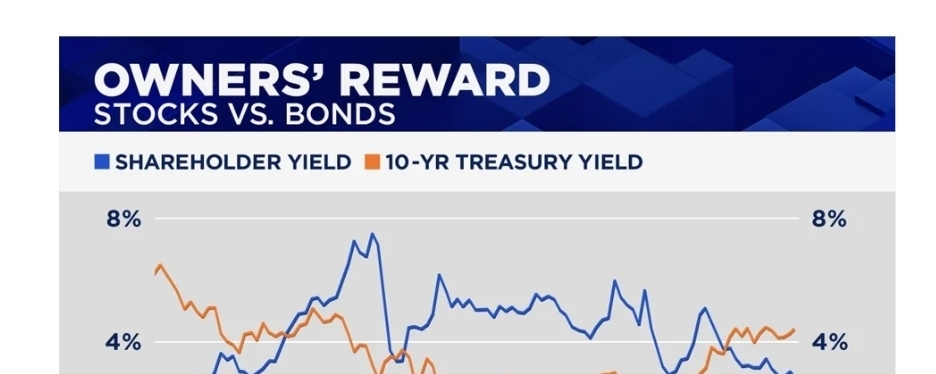
Статья
THE BULL MARKET IS SHOWING CRACKS: $7,500 COULD BECOME WALL STREET’S ULTIMATE REALITY CHECKTHE AI BOOM. THE $40 TRILLION DEBT NIGHTMARE. THE FED. AND A MARKET THAT MAY BE RUNNING OUT OF ROOM FOR ERROR.
Wall Street wants you to believe the bull market still has plenty of fuel left.
But beneath the surface, the warning signs are getting harder to ignore.
The S&P 500 is struggling around its 50-day moving average. AI hardware and semiconductor stocks have suffered sharp declines. Bank stocks are showing weakness after earnings. Credit markets are becoming increasingly unsettled. Meanwhile, rising Treasury yields, widening corporate credit spreads, a stronger U.S. dollar, and higher volatility are tightening financial conditions.
This is not proof that a crash is inevitable.
It is a warning that the margin for error is shrinking.
And when an expensive market starts losing momentum, the consequences can become brutal.
THE $7,500 LINE: WHERE CONFIDENCE COULD COLLAPSE
According to the technical analysis discussed by CNBC’s Michael Santoli, JPMorgan strategist Jason Hunter identified the S&P 500’s 7,500 area as a critical downside level.
A sustained break below that threshold could undermine confidence that the market is merely experiencing another routine correction.
The central question is simple: Is Wall Street preparing for another powerful rally, or is the market quietly building the conditions for a deeper and more correlated sell-off?
The answer matters because markets rarely collapse simply because investors suddenly become afraid.
They collapse when too many investors discover that their confidence was built on assumptions that no longer hold.
2018 PROVED THAT STRONG EARNINGS CANNOT GUARANTEE A SAFE MARKET
Investors have plenty of reasons to remain optimistic. Historical patterns following U.S. midterm elections have often favored equities, and analysts expect strong corporate earnings growth.
But history has a brutal lesson.
In the fourth quarter of 2018, the S&P 500 suffered a peak-to-trough decline of approximately 19%, even as annual earnings growth remained above 20%.
Read that again.
Corporate earnings were growing. Yet the stock market was collapsing.
Why?
Because earnings do not exist in a vacuum. Interest rates, valuations, liquidity, monetary policy, and investor positioning can overwhelm even impressive corporate results.
A company can report record profits while its stock price falls.
A booming industry can become a disastrous investment when expectations have already become too aggressive.
And a bull market can turn vicious when investors suddenly realize that the price they paid was based on a future that may not arrive as quickly as promised.
THE AI TRADE: WALL STREET’S BIGGEST STRENGTH COULD BECOME ITS BIGGEST VULNERABILITY
For months, artificial intelligence has helped fuel enormous enthusiasm across technology stocks, semiconductor companies, and data-center infrastructure.
But what happens when investors stop rewarding the promise of AI and start demanding undeniable financial returns?
What happens when massive capital expenditures meet disappointing earnings?
What happens when a handful of heavily owned technology stocks fail to justify the expectations embedded in their valuations?
The market could face a dangerous repricing.
CNBC’s analysis highlights the recent weakness in AI hardware and semiconductor shares, alongside aggressive repositioning by hedge funds away from technology exposure.
That does not mean AI is a failure. The technology may continue transforming the global economy for decades.
But technological revolutions do not guarantee that every investor buying into the hype will make money.
The internet changed the world. That did not prevent the dot-com bubble from destroying enormous amounts of shareholder wealth.
The same principle applies to AI: A revolutionary technology can coexist with disastrously overpriced stocks.
THE FED IS NOW PART OF THE MARKET’S BIGGEST GAMBLE
Financial conditions are tightening as Treasury yields rise, credit spreads widen, volatility increases, and the dollar strengthens.
That combination can make borrowing more expensive, pressure corporate valuations, and weaken the appetite for risk.
The debate now centers on how Federal Reserve Chair Kevin Warsh will respond.
Some investors believe tighter market conditions could reduce the need for additional monetary tightening. Others fear the Fed could remain focused on inflation even as financial markets come under pressure.
Morgan Stanley strategist Mike Wilson has argued that acknowledging the tightening could reassure interest-rate-sensitive parts of the market. Ignoring it, by contrast, could revive uncomfortable memories of Jerome Powell’s 2018 “autopilot” episode.
Bank of America economist Aditya Bhave has also maintained a less-consensus forecast for an October rate increase, illustrating how divided expectations have become.
The danger is not simply that the Fed raises rates.
The danger is that investors have positioned themselves around one expected policy path, only to discover that the central bank intends to follow another.
Markets hate uncertainty.
Leveraged investors hate it even more.
WHEN CASH BUFFERS SHRINK, LOSSES CAN BECOME MORE VIOLENT
Another warning in Santoli’s analysis concerns investor cash holdings relative to margin debt.
The reported relationship has fallen well below levels observed in 2000.
There are important caveats: certain trading strategies can inflate margin borrowing without representing equivalent directional leverage, and cash held in bank deposits may not be fully captured by the measure.
Nevertheless, the broader concern deserves attention.
When investors have substantial exposure to risky assets but limited immediately available purchasing power, a sharp sell-off can become more difficult to absorb.
Forced selling can accelerate declines. Falling prices can trigger additional risk reductions. And investors who expected to buy the dip may discover that their own portfolios are under pressure.
This is how an ordinary correction can become a much uglier feedback loop.
Not every decline triggers a financial crisis.
But assuming that liquidity will always appear exactly when the market needs it is a dangerous way to invest.
BONDS ARE BECOMING A MORE SERIOUS COMPETITOR
Santoli also highlights another uncomfortable development: the combined shareholder yield from dividends and stock buybacks has fallen below the yield on the 10-year U.S. Treasury.
This does not automatically make stocks unattractive. Equities offer potential earnings growth, while bonds carry their own interest-rate and inflation risks.
But the comparison changes the calculation.
When government bonds offer relatively attractive income, investors have a stronger alternative to taking equity risk.
Stocks must justify their valuations against that alternative.
If earnings disappoint, yields rise further, or risk premiums expand, investors may demand lower stock prices before they are willing to buy again.
THE REAL THREAT: A MARKET THAT HAS RUN OUT OF EASY EXCUSES
The bullish case remains alive.
Strong earnings, continued AI investment, favorable seasonal patterns, and improving market breadth could help equities recover and establish another advance.
But the bearish case can no longer be dismissed with a lazy slogan about buying every dip.
The market is confronting a dangerous combination of weakening technical momentum, crowded technology exposure, tighter financial conditions, monetary-policy uncertainty, and diminishing cash cushions.
And the historical lesson from 2018 is clear: Strong earnings alone cannot protect investors from a brutal repricing of risk.
The critical question is not whether the bull market has already ended.
It is whether investors are adequately prepared for the possibility that it could.
Because the most dangerous moment in a bull market is not always when everyone is terrified.
Sometimes, it is when confidence remains high, valuations leave little room for disappointment, and almost everyone assumes that the next rally is just around the corner.
WALL STREET DOES NOT NEED A CATASTROPHE TO GET HURT.
Sometimes, all it takes is one disappointing earnings season, one unexpected policy decision, or one critical support level breaking at the wrong time.
Watch the S&P 500’s 7,500 area. Watch semiconductor earnings. Watch Treasury yields, credit spreads, and the Fed’s response.
These are not guarantees of a crash.
They are the pressure points that could determine whether this bull market survives another test—or enters a much more dangerous phase.
The market can keep climbing.
But blind confidence is not a strategy.
And history has never promised that investors will be warned before the bill comes due.
#SP500 #StockMarket #WallStreet #FederalReserve #ArtificialIntelligence #AIEconomy #Macroeconomics #FinancialMarkets #MarketCrash #Investing
THE BULL MARKET IS SHOWING CRACKS: $7,500 COULD BECOME WALL STREET’S ULTIMATE REALITY CHECK
THE AI BOOM. THE $40 TRILLION DEBT NIGHTMARE. THE FED. AND A MARKET THAT MAY BE RUNNING OUT OF ROOM FOR ERROR.
Wall Street wants you to believe the bull market still has plenty of fuel left.
But beneath the surface, the warning signs are getting harder to ignore.
The S&P 500 is struggling around its 50-day moving average. AI hardware and semiconductor stocks have suffered sharp declines. Bank stocks are showing weakness after earnings. Credit markets are becoming increasingly unsettled. Meanwhile, rising Treasury yields, widening corporate credit spreads, a stronger U.S. dollar, and higher volatility are tightening financial conditions.
This is not proof that a crash is inevitable.
It is a warning that the margin for error is shrinking.
And when an expensive market starts losing momentum, the consequences can become brutal.
THE $7,500 LINE: WHERE CONFIDENCE COULD COLLAPSE
According to the technical analysis discussed by CNBC’s Michael Santoli, JPMorgan strategist Jason Hunter identified the S&P 500’s 7,500 area as a critical downside level.
A sustained break below that threshold could undermine confidence that the market is merely experiencing another routine correction.
The central question is simple: Is Wall Street preparing for another powerful rally, or is the market quietly building the conditions for a deeper and more correlated sell-off?
The answer matters because markets rarely collapse simply because investors suddenly become afraid.
They collapse when too many investors discover that their confidence was built on assumptions that no longer hold.
2018 PROVED THAT STRONG EARNINGS CANNOT GUARANTEE A SAFE MARKET
Investors have plenty of reasons to remain optimistic. Historical patterns following U.S. midterm elections have often favored equities, and analysts expect strong corporate earnings growth.
But history has a brutal lesson.
In the fourth quarter of 2018, the S&P 500 suffered a peak-to-trough decline of approximately 19%, even as annual earnings growth remained above 20%.
Read that again.
Corporate earnings were growing. Yet the stock market was collapsing.
Why?
Because earnings do not exist in a vacuum. Interest rates, valuations, liquidity, monetary policy, and investor positioning can overwhelm even impressive corporate results.
A company can report record profits while its stock price falls.
A booming industry can become a disastrous investment when expectations have already become too aggressive.
And a bull market can turn vicious when investors suddenly realize that the price they paid was based on a future that may not arrive as quickly as promised.
THE AI TRADE: WALL STREET’S BIGGEST STRENGTH COULD BECOME ITS BIGGEST VULNERABILITY
For months, artificial intelligence has helped fuel enormous enthusiasm across technology stocks, semiconductor companies, and data-center infrastructure.
But what happens when investors stop rewarding the promise of AI and start demanding undeniable financial returns?
What happens when massive capital expenditures meet disappointing earnings?
What happens when a handful of heavily owned technology stocks fail to justify the expectations embedded in their valuations?
The market could face a dangerous repricing.
CNBC’s analysis highlights the recent weakness in AI hardware and semiconductor shares, alongside aggressive repositioning by hedge funds away from technology exposure.
That does not mean AI is a failure. The technology may continue transforming the global economy for decades.
But technological revolutions do not guarantee that every investor buying into the hype will make money.
The internet changed the world. That did not prevent the dot-com bubble from destroying enormous amounts of shareholder wealth.
The same principle applies to AI: A revolutionary technology can coexist with disastrously overpriced stocks.
THE FED IS NOW PART OF THE MARKET’S BIGGEST GAMBLE
Financial conditions are tightening as Treasury yields rise, credit spreads widen, volatility increases, and the dollar strengthens.
That combination can make borrowing more expensive, pressure corporate valuations, and weaken the appetite for risk.
The debate now centers on how Federal Reserve Chair Kevin Warsh will respond.
Some investors believe tighter market conditions could reduce the need for additional monetary tightening. Others fear the Fed could remain focused on inflation even as financial markets come under pressure.
Morgan Stanley strategist Mike Wilson has argued that acknowledging the tightening could reassure interest-rate-sensitive parts of the market. Ignoring it, by contrast, could revive uncomfortable memories of Jerome Powell’s 2018 “autopilot” episode.
Bank of America economist Aditya Bhave has also maintained a less-consensus forecast for an October rate increase, illustrating how divided expectations have become.
The danger is not simply that the Fed raises rates.
The danger is that investors have positioned themselves around one expected policy path, only to discover that the central bank intends to follow another.
Markets hate uncertainty.
Leveraged investors hate it even more.
WHEN CASH BUFFERS SHRINK, LOSSES CAN BECOME MORE VIOLENT
Another warning in Santoli’s analysis concerns investor cash holdings relative to margin debt.
The reported relationship has fallen well below levels observed in 2000.
There are important caveats: certain trading strategies can inflate margin borrowing without representing equivalent directional leverage, and cash held in bank deposits may not be fully captured by the measure.
Nevertheless, the broader concern deserves attention.
When investors have substantial exposure to risky assets but limited immediately available purchasing power, a sharp sell-off can become more difficult to absorb.
Forced selling can accelerate declines. Falling prices can trigger additional risk reductions. And investors who expected to buy the dip may discover that their own portfolios are under pressure.
This is how an ordinary correction can become a much uglier feedback loop.
Not every decline triggers a financial crisis.
But assuming that liquidity will always appear exactly when the market needs it is a dangerous way to invest.
BONDS ARE BECOMING A MORE SERIOUS COMPETITOR
Santoli also highlights another uncomfortable development: the combined shareholder yield from dividends and stock buybacks has fallen below the yield on the 10-year U.S. Treasury.
This does not automatically make stocks unattractive. Equities offer potential earnings growth, while bonds carry their own interest-rate and inflation risks.
But the comparison changes the calculation.
When government bonds offer relatively attractive income, investors have a stronger alternative to taking equity risk.
Stocks must justify their valuations against that alternative.
If earnings disappoint, yields rise further, or risk premiums expand, investors may demand lower stock prices before they are willing to buy again.
THE REAL THREAT: A MARKET THAT HAS RUN OUT OF EASY EXCUSES
The bullish case remains alive.
Strong earnings, continued AI investment, favorable seasonal patterns, and improving market breadth could help equities recover and establish another advance.
But the bearish case can no longer be dismissed with a lazy slogan about buying every dip.
The market is confronting a dangerous combination of weakening technical momentum, crowded technology exposure, tighter financial conditions, monetary-policy uncertainty, and diminishing cash cushions.
And the historical lesson from 2018 is clear: Strong earnings alone cannot protect investors from a brutal repricing of risk.
The critical question is not whether the bull market has already ended.
It is whether investors are adequately prepared for the possibility that it could.
Because the most dangerous moment in a bull market is not always when everyone is terrified.
Sometimes, it is when confidence remains high, valuations leave little room for disappointment, and almost everyone assumes that the next rally is just around the corner.
WALL STREET DOES NOT NEED A CATASTROPHE TO GET HURT.
Sometimes, all it takes is one disappointing earnings season, one unexpected policy decision, or one critical support level breaking at the wrong time.
Watch the S&P 500’s 7,500 area. Watch semiconductor earnings. Watch Treasury yields, credit spreads, and the Fed’s response.
These are not guarantees of a crash.
They are the pressure points that could determine whether this bull market survives another test—or enters a much more dangerous phase.
The market can keep climbing.
But blind confidence is not a strategy.
And history has never promised that investors will be warned before the bill comes due.
#SP500 #StockMarket #WallStreet #FederalReserve #ArtificialIntelligence #AIEconomy #Macroeconomics #FinancialMarkets #MarketCrash #Investing
1
85
·
--

Статья
TESLA × SPACEX: THE $3.4 TRILLION POWER PLAY — OR ELON MUSK’S NEXT BIG DISTRACTION?THE ROADSTER IS BACK. THE PROMISES ARE BIGGER. THE QUESTIONS ARE FAR FROM DEAD.
Elon Musk has once again commanded the spotlight.
On October 15, 2026, Tesla unveiled its long-delayed next-generation Roadster at a SpaceX test facility in Texas, showcasing a futuristic electric sports car featuring rocket-inspired technology and an extraordinary performance claim: 0–60 mph in less than one second.
Let that sink in.
A car. Rocket thrusters. Extreme acceleration. A potential leap beyond conventional automotive engineering.
But beneath the spectacle lies a much harder question:
IS THIS A TECHNOLOGICAL REVOLUTION — OR ANOTHER BILLION-DOLLAR PROMISE THAT INVESTORS MUST WAIT YEARS TO SEE DELIVERED?
THE DARK SIDE OF THE HEADLINE
Tesla first introduced the next-generation Roadster concept in 2017. Nearly nine years later, the company is still working toward production, now targeting 2028.
For years, prospective buyers have waited. Tesla has repeatedly missed its previously anticipated delivery timelines, while reservations required substantial deposits — reportedly $50,000 for the latest reservation program in the United States, Canada, and China.
That history matters.
Because in financial markets, promises can generate excitement. Demonstrations can generate headlines. But only execution can turn expectations into lasting business value.
And Tesla has yet to prove that this extraordinary machine can move from a spectacular demonstration to a commercially viable production vehicle.
THE SPACEX CONNECTION: THE REAL STORY MAY BE BIGGER THAN THE CAR
The Roadster is not simply another luxury electric vehicle.
Its unveiling at a SpaceX facility, combined with the proposed use of rocket-derived technology, highlights the increasingly interconnected world of Musk's businesses.
Tesla builds electric vehicles and energy products. SpaceX develops rockets and space infrastructure.
Together, their technological overlap could create opportunities that conventional automakers cannot easily replicate.
But the financial implications deserve scrutiny.
According to the figures cited in the report, SpaceX was valued at approximately $2 trillion, while Tesla's market capitalization stood at roughly $1.4 trillion.
Combined, that represents approximately $3.4 trillion in market value.
And that is where speculation about a potential merger becomes impossible to ignore.
Barclays analyst Dan Levy reportedly suggested that a transaction could occur before the end of 2026. SpaceX COO Gwynne Shotwell had also commented that a merger could make Musk's life somewhat easier.
However, speculation is not confirmation.
There is no established merger simply because two companies share technology, personnel, leadership connections, or a common founder.
THE QUESTION WALL STREET CANNOT IGNORE
If Tesla and SpaceX were ever combined, investors would need to examine far more than the headline valuation.
How would the businesses be valued? What would happen to existing shareholders? How would liabilities, capital requirements, governance, and related-party transactions be handled?
And who would ultimately benefit from such a structure?
These are not minor details. They are fundamental questions about corporate control, financial transparency, and shareholder interests.
A merger could potentially unlock strategic opportunities. It could also introduce enormous complexity.
The difference would depend on the actual terms, not the hype surrounding the announcement.
THE ROADSTER'S BIGGEST TEST IS NOT SPEED
Tesla claims the new Roadster can accelerate from zero to 60 mph in under one second.
That is an extraordinary claim, and its real-world performance, measurement methodology, safety, and production specifications require independent verification.
The prototype reportedly demonstrated dramatic maneuvers involving a ramp, rotation, and rocket-related technology.
Yet a spectacular prototype is not the same thing as a production-ready vehicle.
Manufacturing at scale, reliability, crashworthiness, regulatory approval, servicing, and real-world usability remain critical challenges.
Musk himself reportedly acknowledged that the vehicle was not necessarily optimized for safety.
That statement raises a serious question: how much of the technology demonstrated can actually be translated into a road-legal vehicle?
Tesla has not yet provided all the final specifications, pricing details, and production information needed to answer that question.
The company is targeting 2028 production. Until then, investors and customers must distinguish between demonstrated capability, announced plans, and confirmed commercial delivery.
THE BRUTAL REALITY OF THE MUSK MACHINE
Musk understands something that many executives struggle to master: attention is an economic asset.
A dramatic reveal can dominate headlines. A bold performance claim can ignite social media. A possible merger can trigger speculation across financial markets.
But attention is not revenue.
A reservation is not a completed sale. A prototype is not mass production. A projected valuation is not cash in the bank.
And a technological breakthrough does not automatically translate into profits.
Tesla's Roadster could eventually become an extraordinary engineering achievement. SpaceX's technologies could contribute to a genuinely distinctive vehicle.
But the burden of proof remains.
The market should not confuse the ability to make people believe in the future with the ability to deliver that future on schedule.
THE FINAL VERDICT
The next-generation Roadster could become a symbol of what happens when automotive engineering meets aerospace ambition.
A potential Tesla–SpaceX combination could also reshape the strategic landscape surrounding Musk's companies.
But until production, performance, safety, commercial economics, and any proposed merger are independently established, the biggest claims deserve rigorous scrutiny.
The real question is not whether Elon Musk can create a spectacle.
He has repeatedly demonstrated that he can.
The real question is whether the spectacle can become a reliable product, a sustainable business, and measurable value for shareholders.
BECAUSE IN THE END, MARKETS DO NOT REWARD PROMISES FOREVER.
THEY EVENTUALLY DEMAND PROOF.
And no amount of rocket fuel can permanently outrun reality.
#Tesla #SpaceX #ElonMusk #TeslaRoadster #StockMarket #WallStreet #Technology #EV #FinancialMarkets #BusinessNews
TESLA × SPACEX: THE $3.4 TRILLION POWER PLAY — OR ELON MUSK’S NEXT BIG DISTRACTION?
THE ROADSTER IS BACK. THE PROMISES ARE BIGGER. THE QUESTIONS ARE FAR FROM DEAD.
Elon Musk has once again commanded the spotlight.
On October 15, 2026, Tesla unveiled its long-delayed next-generation Roadster at a SpaceX test facility in Texas, showcasing a futuristic electric sports car featuring rocket-inspired technology and an extraordinary performance claim: 0–60 mph in less than one second.
Let that sink in.
A car. Rocket thrusters. Extreme acceleration. A potential leap beyond conventional automotive engineering.
But beneath the spectacle lies a much harder question:
IS THIS A TECHNOLOGICAL REVOLUTION — OR ANOTHER BILLION-DOLLAR PROMISE THAT INVESTORS MUST WAIT YEARS TO SEE DELIVERED?
THE DARK SIDE OF THE HEADLINE
Tesla first introduced the next-generation Roadster concept in 2017. Nearly nine years later, the company is still working toward production, now targeting 2028.
For years, prospective buyers have waited. Tesla has repeatedly missed its previously anticipated delivery timelines, while reservations required substantial deposits — reportedly $50,000 for the latest reservation program in the United States, Canada, and China.
That history matters.
Because in financial markets, promises can generate excitement. Demonstrations can generate headlines. But only execution can turn expectations into lasting business value.
And Tesla has yet to prove that this extraordinary machine can move from a spectacular demonstration to a commercially viable production vehicle.
THE SPACEX CONNECTION: THE REAL STORY MAY BE BIGGER THAN THE CAR
The Roadster is not simply another luxury electric vehicle.
Its unveiling at a SpaceX facility, combined with the proposed use of rocket-derived technology, highlights the increasingly interconnected world of Musk's businesses.
Tesla builds electric vehicles and energy products. SpaceX develops rockets and space infrastructure.
Together, their technological overlap could create opportunities that conventional automakers cannot easily replicate.
But the financial implications deserve scrutiny.
According to the figures cited in the report, SpaceX was valued at approximately $2 trillion, while Tesla's market capitalization stood at roughly $1.4 trillion.
Combined, that represents approximately $3.4 trillion in market value.
And that is where speculation about a potential merger becomes impossible to ignore.
Barclays analyst Dan Levy reportedly suggested that a transaction could occur before the end of 2026. SpaceX COO Gwynne Shotwell had also commented that a merger could make Musk's life somewhat easier.
However, speculation is not confirmation.
There is no established merger simply because two companies share technology, personnel, leadership connections, or a common founder.
THE QUESTION WALL STREET CANNOT IGNORE
If Tesla and SpaceX were ever combined, investors would need to examine far more than the headline valuation.
How would the businesses be valued? What would happen to existing shareholders? How would liabilities, capital requirements, governance, and related-party transactions be handled?
And who would ultimately benefit from such a structure?
These are not minor details. They are fundamental questions about corporate control, financial transparency, and shareholder interests.
A merger could potentially unlock strategic opportunities. It could also introduce enormous complexity.
The difference would depend on the actual terms, not the hype surrounding the announcement.
THE ROADSTER'S BIGGEST TEST IS NOT SPEED
Tesla claims the new Roadster can accelerate from zero to 60 mph in under one second.
That is an extraordinary claim, and its real-world performance, measurement methodology, safety, and production specifications require independent verification.
The prototype reportedly demonstrated dramatic maneuvers involving a ramp, rotation, and rocket-related technology.
Yet a spectacular prototype is not the same thing as a production-ready vehicle.
Manufacturing at scale, reliability, crashworthiness, regulatory approval, servicing, and real-world usability remain critical challenges.
Musk himself reportedly acknowledged that the vehicle was not necessarily optimized for safety.
That statement raises a serious question: how much of the technology demonstrated can actually be translated into a road-legal vehicle?
Tesla has not yet provided all the final specifications, pricing details, and production information needed to answer that question.
The company is targeting 2028 production. Until then, investors and customers must distinguish between demonstrated capability, announced plans, and confirmed commercial delivery.
THE BRUTAL REALITY OF THE MUSK MACHINE
Musk understands something that many executives struggle to master: attention is an economic asset.
A dramatic reveal can dominate headlines. A bold performance claim can ignite social media. A possible merger can trigger speculation across financial markets.
But attention is not revenue.
A reservation is not a completed sale. A prototype is not mass production. A projected valuation is not cash in the bank.
And a technological breakthrough does not automatically translate into profits.
Tesla's Roadster could eventually become an extraordinary engineering achievement. SpaceX's technologies could contribute to a genuinely distinctive vehicle.
But the burden of proof remains.
The market should not confuse the ability to make people believe in the future with the ability to deliver that future on schedule.
THE FINAL VERDICT
The next-generation Roadster could become a symbol of what happens when automotive engineering meets aerospace ambition.
A potential Tesla–SpaceX combination could also reshape the strategic landscape surrounding Musk's companies.
But until production, performance, safety, commercial economics, and any proposed merger are independently established, the biggest claims deserve rigorous scrutiny.
The real question is not whether Elon Musk can create a spectacle.
He has repeatedly demonstrated that he can.
The real question is whether the spectacle can become a reliable product, a sustainable business, and measurable value for shareholders.
BECAUSE IN THE END, MARKETS DO NOT REWARD PROMISES FOREVER.
THEY EVENTUALLY DEMAND PROOF.
And no amount of rocket fuel can permanently outrun reality.
#Tesla #SpaceX #ElonMusk #TeslaRoadster #StockMarket #WallStreet #Technology #EV #FinancialMarkets #BusinessNews
93
·
--

Статья
DEBT ISN’T YOUR FRIEND. IT’S A FINANCIAL PRISON.“If debt were a person, I would slap it.” — Michelle Singletary.
Let that sink in.
In an October 16, 2026, interview with CNBC Make It, veteran personal finance columnist Michelle Singletary delivered a message that millions of people desperately need to hear: **DEBT LIMITS YOUR FREEDOM.**
And the truth is brutal.
You can work 40, 50, or even 70 hours a week. You can sacrifice your sleep, your health, your time with family, and your entire youth chasing a better life.
But if most of your paycheck is already promised to banks, lenders, credit card companies, and monthly installments, how much of your life do you actually own?
**YOU ARE WORKING FOR MONEY YOU HAVE ALREADY SPENT.**
That is the fucking trap.
### THE DEBT MACHINE DOESN’T CARE ABOUT YOUR DREAMS.
The financial industry sells borrowing as convenience. Social media sells expensive lifestyles as success. Consumer culture tells people they deserve the latest phone, the newest car, designer clothes, and a lifestyle they cannot genuinely afford.
Then the bills arrive.
Suddenly, the person who looked wealthy online is panicking over the next paycheck.
The car becomes a liability. The credit card becomes a permanent burden. The salary becomes a survival mechanism.
And the cycle repeats.
Work. Spend. Borrow. Repay. Repeat.
No meaningful savings. No financial breathing room. No real freedom.
**WHAT THE FUCK IS THE POINT OF EARNING MORE IF YOUR FINANCIAL OBLIGATIONS KEEP EATING EVERYTHING YOU MAKE?**
### THERE IS NO MAGIC LABEL THAT MAKES DEBT HARMLESS.
Singletary challenges the popular obsession with dividing debt into “good debt” and “bad debt.”
Her argument is straightforward: borrowing creates obligations, and those obligations compete with other financial priorities.
A mortgage might help someone purchase a home. Education financing might open career opportunities. But neither automatically guarantees a good financial outcome.
The real questions are:
Can you afford the payments?
What happens if your income disappears?
Can you still save for retirement?
Can you support your family during an emergency?
Can you survive an unexpected financial shock without borrowing even more?
If one missed paycheck can destroy your entire financial plan, you do not have financial security. You have a fragile system held together by your next payday.
### THE MIDDLE CLASS IS GETTING SQUEEZED.
Singletary also highlighted the growing affordability crisis in the United States: housing costs, expensive essentials, unequal wealth distribution, and households struggling to maintain a reasonable standard of living.
Millions of people are not chasing private jets or billion-dollar fortunes.
They simply want a decent home, an education without decades of repayments, occasional enjoyment, and enough savings to survive an emergency.
That should not be an outrageous ambition.
Yet when essential expenses consume most of a household’s income, even responsible people can struggle to build wealth.
And let’s be clear: **PERSONAL RESPONSIBILITY MATTERS, BUT IT CANNOT FIX EVERY STRUCTURAL PROBLEM.**
People need realistic financial habits. They also need housing they can afford, meaningful employment opportunities, accessible education, and policies that address the pressures ordinary households face.
Blaming every struggling person for their financial circumstances is lazy analysis.
Pretending individual choices never matter is equally irresponsible.
Both realities must be confronted.
### HER MOST PRACTICAL ADVICE? KNOW YOUR NUMBERS.
Before you talk about investing, financial independence, or becoming wealthy, calculate the reality of your own finances.
* How much do you owe in total?
* How much of your monthly income goes toward debt payments?
* How much do you spend on housing, food, transportation, and other necessities?
* How much money remains after every obligation?
* How long could you survive if your income suddenly stopped?
Stop guessing. Stop hiding from the numbers.
You cannot fix a financial problem you refuse to measure.
Singletary also recommends that young adults who have the option consider living with their parents while paying down debt and building savings. It is not possible for everyone, but where it is practical and safe, reducing housing expenses can create valuable financial breathing room.
There is no shame in building a foundation before trying to impress strangers.
**LOOK RICH LATER. BUILD FINANCIAL STRENGTH NOW.**
### THE HARDEST TRUTH: YOUR PAYCHECK IS NOT YOUR WEALTH.
Income is what you earn.
Wealth is what you manage to retain, protect, and build over time.
A person earning a large salary but drowning in repayments may be less financially secure than someone earning less, spending carefully, and consistently building an emergency fund.
And investing while carrying expensive debt can be counterproductive. The interest you owe is a real obligation; investment returns are uncertain.
That is why chasing extraordinary returns while ignoring financial instability can become a dangerous game.
Before gambling on the next hot asset, buying things to impress people, or borrowing to maintain an image, establish a foundation.
Control unnecessary spending. Address expensive debt. Build emergency savings. Invest according to your circumstances, risk tolerance, and long-term goals.
No fantasy. No guaranteed shortcuts. No bullshit.
### HERE IS THE QUESTION NOBODY SHOULD IGNORE.
If you lost your income tomorrow, would your savings protect you—or would your creditors immediately take control of your next move?
Because financial freedom is not about looking successful.
It is about having options when life goes wrong.
Debt can sometimes serve a legitimate purpose. But when borrowing becomes a permanent substitute for adequate income, financial planning, or affordable necessities, it can quietly consume the future you are working so hard to build.
**STOP NORMALIZING FINANCIAL CHAINS. STOP CONFUSING CONSUMPTION WITH SUCCESS. STOP BORROWING TO LOOK WEALTHY.**
Your future deserves more than a lifetime of repayments.
Build assets. Protect your cash flow. Understand the risks. Make your money work toward your freedom—not just toward somebody else's balance sheet.
Because the ultimate flex is not an expensive lifestyle.
**IT IS OWNING YOUR TIME, CONTROLLING YOUR FINANCES, AND HAVING THE FREEDOM TO SAY NO.**
*Source: CNBC Make It, “Senior personal finance columnist shares advice everyone needs to hear: ‘If debt were a person, I would slap it,’” October 16, 2026. Interview with Michelle Sin
gletary of The Washington Post.*
#PersonalFinance #DebtFree #FinancialFreedom #WealthBuilding #Economics #MoneyMindset #FinancialLiteracy
DEBT ISN’T YOUR FRIEND. IT’S A FINANCIAL PRISON.
“If debt were a person, I would slap it.” — Michelle Singletary.
Let that sink in.
In an October 16, 2026, interview with CNBC Make It, veteran personal finance columnist Michelle Singletary delivered a message that millions of people desperately need to hear: **DEBT LIMITS YOUR FREEDOM.**
And the truth is brutal.
You can work 40, 50, or even 70 hours a week. You can sacrifice your sleep, your health, your time with family, and your entire youth chasing a better life.
But if most of your paycheck is already promised to banks, lenders, credit card companies, and monthly installments, how much of your life do you actually own?
**YOU ARE WORKING FOR MONEY YOU HAVE ALREADY SPENT.**
That is the fucking trap.
### THE DEBT MACHINE DOESN’T CARE ABOUT YOUR DREAMS.
The financial industry sells borrowing as convenience. Social media sells expensive lifestyles as success. Consumer culture tells people they deserve the latest phone, the newest car, designer clothes, and a lifestyle they cannot genuinely afford.
Then the bills arrive.
Suddenly, the person who looked wealthy online is panicking over the next paycheck.
The car becomes a liability. The credit card becomes a permanent burden. The salary becomes a survival mechanism.
And the cycle repeats.
Work. Spend. Borrow. Repay. Repeat.
No meaningful savings. No financial breathing room. No real freedom.
**WHAT THE FUCK IS THE POINT OF EARNING MORE IF YOUR FINANCIAL OBLIGATIONS KEEP EATING EVERYTHING YOU MAKE?**
### THERE IS NO MAGIC LABEL THAT MAKES DEBT HARMLESS.
Singletary challenges the popular obsession with dividing debt into “good debt” and “bad debt.”
Her argument is straightforward: borrowing creates obligations, and those obligations compete with other financial priorities.
A mortgage might help someone purchase a home. Education financing might open career opportunities. But neither automatically guarantees a good financial outcome.
The real questions are:
Can you afford the payments?
What happens if your income disappears?
Can you still save for retirement?
Can you support your family during an emergency?
Can you survive an unexpected financial shock without borrowing even more?
If one missed paycheck can destroy your entire financial plan, you do not have financial security. You have a fragile system held together by your next payday.
### THE MIDDLE CLASS IS GETTING SQUEEZED.
Singletary also highlighted the growing affordability crisis in the United States: housing costs, expensive essentials, unequal wealth distribution, and households struggling to maintain a reasonable standard of living.
Millions of people are not chasing private jets or billion-dollar fortunes.
They simply want a decent home, an education without decades of repayments, occasional enjoyment, and enough savings to survive an emergency.
That should not be an outrageous ambition.
Yet when essential expenses consume most of a household’s income, even responsible people can struggle to build wealth.
And let’s be clear: **PERSONAL RESPONSIBILITY MATTERS, BUT IT CANNOT FIX EVERY STRUCTURAL PROBLEM.**
People need realistic financial habits. They also need housing they can afford, meaningful employment opportunities, accessible education, and policies that address the pressures ordinary households face.
Blaming every struggling person for their financial circumstances is lazy analysis.
Pretending individual choices never matter is equally irresponsible.
Both realities must be confronted.
### HER MOST PRACTICAL ADVICE? KNOW YOUR NUMBERS.
Before you talk about investing, financial independence, or becoming wealthy, calculate the reality of your own finances.
* How much do you owe in total?
* How much of your monthly income goes toward debt payments?
* How much do you spend on housing, food, transportation, and other necessities?
* How much money remains after every obligation?
* How long could you survive if your income suddenly stopped?
Stop guessing. Stop hiding from the numbers.
You cannot fix a financial problem you refuse to measure.
Singletary also recommends that young adults who have the option consider living with their parents while paying down debt and building savings. It is not possible for everyone, but where it is practical and safe, reducing housing expenses can create valuable financial breathing room.
There is no shame in building a foundation before trying to impress strangers.
**LOOK RICH LATER. BUILD FINANCIAL STRENGTH NOW.**
### THE HARDEST TRUTH: YOUR PAYCHECK IS NOT YOUR WEALTH.
Income is what you earn.
Wealth is what you manage to retain, protect, and build over time.
A person earning a large salary but drowning in repayments may be less financially secure than someone earning less, spending carefully, and consistently building an emergency fund.
And investing while carrying expensive debt can be counterproductive. The interest you owe is a real obligation; investment returns are uncertain.
That is why chasing extraordinary returns while ignoring financial instability can become a dangerous game.
Before gambling on the next hot asset, buying things to impress people, or borrowing to maintain an image, establish a foundation.
Control unnecessary spending. Address expensive debt. Build emergency savings. Invest according to your circumstances, risk tolerance, and long-term goals.
No fantasy. No guaranteed shortcuts. No bullshit.
### HERE IS THE QUESTION NOBODY SHOULD IGNORE.
If you lost your income tomorrow, would your savings protect you—or would your creditors immediately take control of your next move?
Because financial freedom is not about looking successful.
It is about having options when life goes wrong.
Debt can sometimes serve a legitimate purpose. But when borrowing becomes a permanent substitute for adequate income, financial planning, or affordable necessities, it can quietly consume the future you are working so hard to build.
**STOP NORMALIZING FINANCIAL CHAINS. STOP CONFUSING CONSUMPTION WITH SUCCESS. STOP BORROWING TO LOOK WEALTHY.**
Your future deserves more than a lifetime of repayments.
Build assets. Protect your cash flow. Understand the risks. Make your money work toward your freedom—not just toward somebody else's balance sheet.
Because the ultimate flex is not an expensive lifestyle.
**IT IS OWNING YOUR TIME, CONTROLLING YOUR FINANCES, AND HAVING THE FREEDOM TO SAY NO.**
*Source: CNBC Make It, “Senior personal finance columnist shares advice everyone needs to hear: ‘If debt were a person, I would slap it,’” October 16, 2026. Interview with Michelle Sin
gletary of The Washington Post.*
#PersonalFinance #DebtFree #FinancialFreedom #WealthBuilding #Economics #MoneyMindset #FinancialLiteracy
1
121
·
--
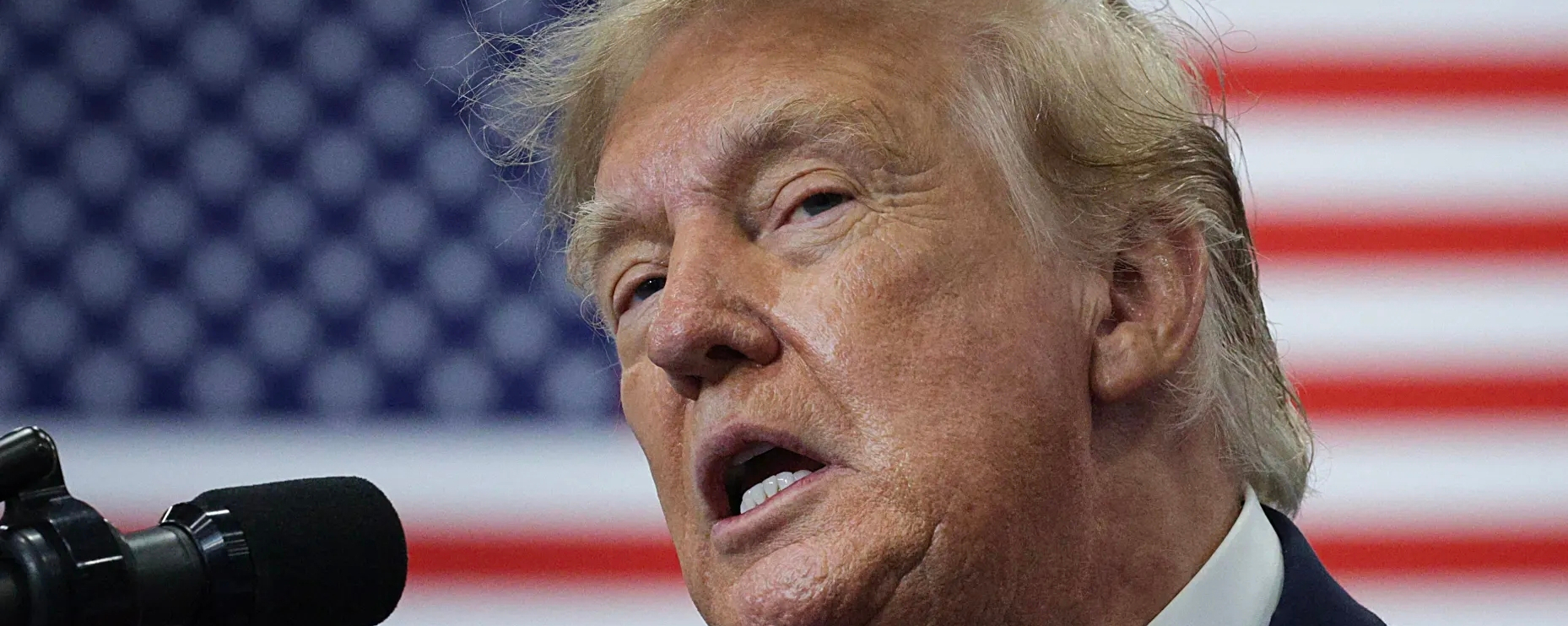
Статья
🚨 TRUMP’S $50 BILLION ALASKA LNG GAMBLE: TAIWAN STEPS IN, ENERGY POWER POLITICS GOES NUCLEAR30% OF ALASKA’S GAS. A 20-YEAR COMMITMENT. BILLIONS AT STAKE. AND A GEOPOLITICAL GAME FAR BIGGER THAN ENERGY.
Donald Trump has made a massive claim: Taiwan has agreed to purchase 30% of the natural gas expected to flow through the proposed Alaska LNG project over the next 20 years.
Speaking at a rally in Alaska on October 13, Trump declared that the commitment “guarantees success.”
But let’s get one thing straight: a presidential announcement is not the same as a fully verified, finalized commercial agreement. The details matter. The financial commitments matter. And the consequences could reach far beyond the American energy industry.
Because this is not just about selling gas.
THIS IS ABOUT ENERGY SECURITY, ECONOMIC LEVERAGE, AND WHO HOLDS THE CARDS IN THE NEXT PHASE OF GLOBAL POWER POLITICS.
1. TAIWAN NEEDS ENERGY. AMERICA WANTS STRATEGIC LEVERAGE.
Taiwan is one of the world's most important technology economies, home to semiconductor giant TSMC and a critical part of the global supply chain powering artificial intelligence.
But there is a fundamental vulnerability beneath that technological dominance: Taiwan relies heavily on imported energy.
According to the report, the island imports more than 90% of its energy supply. Meanwhile, demand for electricity is growing as AI infrastructure, advanced manufacturing, and the semiconductor industry require enormous amounts of reliable power.
No electricity. No semiconductor production at scale. No technological dominance without an energy system capable of supporting it.
That is the brutal reality.
For Taiwan, diversifying gas supplies could strengthen long-term energy security. For Washington, securing a major buyer for American LNG could reinforce commercial ties with a strategically important partner.
Energy is no longer merely a commodity. It is infrastructure, leverage, and national security rolled into one.
2. THE $50 BILLION QUESTION: WHO IS ACTUALLY PAYING?
The proposed Alaska LNG project carries an estimated price tag of approximately $50 billion.
That is an enormous financial undertaking involving infrastructure, pipelines, liquefaction facilities, financing, construction risks, and decades of commercial assumptions.
Trump has also claimed that South Korea has committed $50 billion to Alaska, while referring to Taiwan's reported $4.4 billion investment in the project.
But there is a critical distinction: these figures and commitments must not automatically be treated as independently verified, finalized investments.
South Korea's participation has remained uncertain, according to the report, despite Trump's repeated assertions that Seoul has agreed to join.
And Taiwan's latest alleged 30% purchasing commitment also lacks publicly clarified details in the report.
So the questions are unavoidable:
Who has signed binding agreements? How much capital has actually been committed? What prices will buyers pay? Who bears the construction and financing risks? And what happens if the project becomes more expensive or misses its deadlines?
A $50 BILLION PROJECT DOES NOT BECOME A SUCCESS STORY JUST BECAUSE A POLITICAL LEADER SAYS IT WILL SUCCEED.
It needs contracts, financing, infrastructure, customers, and commercially viable economics.
Anything less is a promise carrying a very expensive price tag.
3. THE 20-YEAR DEAL: SECURITY OR DEPENDENCE?
Trump says Taiwan has agreed to buy 30% of the gas coming through the pipeline for the next 20 years.
If finalized on the terms described, a commitment of that scale could provide the project with a major long-term customer.
But long-term energy agreements create obligations as well as opportunities.
Buyers must consider pricing, contract flexibility, shipping and delivery infrastructure, market conditions, and the risk of locking themselves into commitments that may become less attractive over time.
For Taiwan, the calculation is particularly sensitive.
The island needs reliable energy to support its industrial base. Yet any major supply agreement must be evaluated against other suppliers, alternative energy sources, infrastructure requirements, and the possibility of future price shocks.
For the United States, meanwhile, long-term export contracts could support investment and expand its position in international LNG markets.
That is the strategic attraction.
But the real test is whether the agreement delivers affordable, dependable energy without creating unacceptable financial or supply risks.
DEPENDABLE ENERGY IS POWER. BUT DEPENDENCE ON ANY SINGLE SUPPLIER CAN ALSO BECOME A WEAKNESS.
4. SOUTH KOREA IS THE OTHER BIG QUESTION MARK.
The uncertainty surrounding Seoul makes this story even more significant.
Trump has repeatedly claimed that South Korea has agreed to participate in the Alaska LNG project. However, the report says Seoul has maintained that its participation is not yet final.
Trump has also threatened to impose additional costs on South Korea if it fails to sign an agreement promptly, warning that those costs could double without specifying exactly what would be doubled.
That has fueled speculation in South Korean media that he may have been referring to higher tariffs.
This is where energy economics collides with trade pressure.
If countries are being pushed to support a major infrastructure project amid tariff threats and broader geopolitical negotiations, the situation becomes much more complicated than a straightforward commercial transaction.
Are governments participating because the economics make sense? Because energy security demands diversification? Because they see strategic benefits? Or because the cost of refusing could be politically and economically painful?
The answer may involve several factors at once.
But one principle remains: commercial commitments should stand on transparent terms, not merely on political declarations.
5. WHY THIS MATTERS FOR THE GLOBAL AI RACE.
The AI boom is often discussed in terms of chips, algorithms, computing power, and technological supremacy.
Yet none of these systems operates in a vacuum.
Data centers consume electricity. Semiconductor manufacturing requires reliable industrial power. Advanced economies need resilient energy infrastructure to sustain their technological ambitions.
Taiwan sits at the heart of this equation because of its role in the semiconductor supply chain.
Its rising energy demand therefore has implications beyond the island itself.
If Taiwan secures additional reliable gas supplies, that could help diversify its energy portfolio. If Alaska LNG attracts major long-term buyers, it could strengthen the commercial case for expanding American LNG exports.
But if construction costs rise, financing becomes difficult, or the project fails to deliver competitive prices, the entire equation could change.
The AI revolution is creating new opportunities for energy producers. It is also exposing the infrastructure constraints that technology companies and governments cannot ignore.
THE NEXT BATTLE FOR TECHNOLOGICAL DOMINANCE WILL NOT BE FOUGHT ONLY IN LABORATORIES AND CHIP FACTORIES. IT WILL ALSO BE FOUGHT OVER ELECTRICITY, GAS, GRIDS, AND CAPITAL.
6. THE GEOPOLITICAL SHADOW: CHINA IS WATCHING.
Taiwan is a self-governing democracy that Beijing claims as part of its territory.
That political reality makes Taiwan's economic and energy relationships with the United States strategically sensitive.
However, an LNG purchase agreement would not, by itself, establish a new military alliance or prove that Taiwan's security position has fundamentally changed.
The strategic significance is more nuanced.
Commercial energy ties can deepen economic relationships, create long-term interests, and influence how governments assess supply-chain resilience. Yet the actual geopolitical consequences depend on the terms of the agreement, the scale of investment, and the broader relationship between Washington, Taipei, and Beijing.
For China, Taiwan's economic connections with the United States are part of a much larger strategic picture.
For Taiwan, the challenge is balancing energy security, economic competitiveness, and political risk.
For Washington, the opportunity is to strengthen American energy exports while deepening commercial ties with a strategically important economy.
THIS IS HOW ECONOMIC POWER WORKS: THROUGH CONTRACTS, CAPITAL FLOWS, INFRASTRUCTURE, AND LONG-TERM DEPENDENCIES.
Not every deal is a geopolitical masterstroke. But in a contested region, even commercial decisions can carry strategic weight.
7. THE REAL TEST BEGINS AFTER THE HEADLINES.
According to the report, Alaska LNG developer Glenfarne told the U.S. government this month that the project aims to deliver its first gas in 2029.
That is a target, not a guarantee.
Major energy projects can face delays, cost overruns, financing challenges, regulatory obstacles, construction risks, and shifts in global demand.
A long-term buyer can improve the commercial outlook. It cannot magically eliminate those risks.
Before declaring victory, investors and the public should demand answers to five essential questions:
CONTRACTS: Is Taiwan's reported 30% commitment formally signed, binding, and supported by publicly established terms?CAPITAL: What portion of the project's financing is secured, and which investment figures have been independently confirmed?ECONOMICS: Will the delivered LNG be competitive with alternative supplies once transportation and infrastructure costs are included?EXECUTION: Can the project meet its 2029 target without unacceptable delays or cost overruns?STRATEGY: Will the agreements strengthen energy security without creating excessive financial exposure or inflexible long-term dependence?
Until these questions are answered, the headline should be treated as a significant political and commercial claim—not proof that the project is already guaranteed to succeed.
THE BOTTOM LINE
Trump wants Alaska LNG to become a major American energy success story.
Taiwan needs dependable energy supplies to support a technology economy increasingly shaped by AI and semiconductor manufacturing.
South Korea's participation remains an important unresolved question.
And a project carrying an estimated $50 billion price tag must still prove that its financing, infrastructure, contracts, and economics can withstand reality.
There is a powerful opportunity here. There are also substantial risks.
THE WORLD DOES NOT RUN ON POLITICAL SPEECHES. IT RUNS ON ENERGY, INFRASTRUCTURE, CAPITAL, AND CONTRACTS THAT ACTUALLY DELIVER.
If Taiwan's reported commitment is finalized, Alaska LNG could gain a significant commercial anchor. If the numbers fail to work, however, no amount of political confidence will erase the bill.
The question is not whether Trump can announce a deal.
The question is whether the deal can survive the real world.
Because in global power politics, promises make headlines. Execution determines who wins.
— ZACKY VICENT | GLOBAL SIGNAL
Source basis: CNBC report by Jenny Lee and Evelyn Cheng, published October 13, 2026. Claims attributed to Trump are distinguished from independently established project details. Financial and contractual terms remain subject to verification.
#GlobalSignal #Geopolitics #AlaskaLNG #DonaldTrump #Taiwan #SouthKorea #EnergySecurity #LNG #ArtificialIntelligence #Semiconductors #GlobalEconomy #USChinaRelations
🚨 TRUMP’S $50 BILLION ALASKA LNG GAMBLE: TAIWAN STEPS IN, ENERGY POWER POLITICS GOES NUCLEAR
30% OF ALASKA’S GAS. A 20-YEAR COMMITMENT. BILLIONS AT STAKE. AND A GEOPOLITICAL GAME FAR BIGGER THAN ENERGY.
Donald Trump has made a massive claim: Taiwan has agreed to purchase 30% of the natural gas expected to flow through the proposed Alaska LNG project over the next 20 years.
Speaking at a rally in Alaska on October 13, Trump declared that the commitment “guarantees success.”
But let’s get one thing straight: a presidential announcement is not the same as a fully verified, finalized commercial agreement. The details matter. The financial commitments matter. And the consequences could reach far beyond the American energy industry.
Because this is not just about selling gas.
THIS IS ABOUT ENERGY SECURITY, ECONOMIC LEVERAGE, AND WHO HOLDS THE CARDS IN THE NEXT PHASE OF GLOBAL POWER POLITICS.
1. TAIWAN NEEDS ENERGY. AMERICA WANTS STRATEGIC LEVERAGE.
Taiwan is one of the world's most important technology economies, home to semiconductor giant TSMC and a critical part of the global supply chain powering artificial intelligence.
But there is a fundamental vulnerability beneath that technological dominance: Taiwan relies heavily on imported energy.
According to the report, the island imports more than 90% of its energy supply. Meanwhile, demand for electricity is growing as AI infrastructure, advanced manufacturing, and the semiconductor industry require enormous amounts of reliable power.
No electricity. No semiconductor production at scale. No technological dominance without an energy system capable of supporting it.
That is the brutal reality.
For Taiwan, diversifying gas supplies could strengthen long-term energy security. For Washington, securing a major buyer for American LNG could reinforce commercial ties with a strategically important partner.
Energy is no longer merely a commodity. It is infrastructure, leverage, and national security rolled into one.
2. THE $50 BILLION QUESTION: WHO IS ACTUALLY PAYING?
The proposed Alaska LNG project carries an estimated price tag of approximately $50 billion.
That is an enormous financial undertaking involving infrastructure, pipelines, liquefaction facilities, financing, construction risks, and decades of commercial assumptions.
Trump has also claimed that South Korea has committed $50 billion to Alaska, while referring to Taiwan's reported $4.4 billion investment in the project.
But there is a critical distinction: these figures and commitments must not automatically be treated as independently verified, finalized investments.
South Korea's participation has remained uncertain, according to the report, despite Trump's repeated assertions that Seoul has agreed to join.
And Taiwan's latest alleged 30% purchasing commitment also lacks publicly clarified details in the report.
So the questions are unavoidable:
Who has signed binding agreements? How much capital has actually been committed? What prices will buyers pay? Who bears the construction and financing risks? And what happens if the project becomes more expensive or misses its deadlines?
A $50 BILLION PROJECT DOES NOT BECOME A SUCCESS STORY JUST BECAUSE A POLITICAL LEADER SAYS IT WILL SUCCEED.
It needs contracts, financing, infrastructure, customers, and commercially viable economics.
Anything less is a promise carrying a very expensive price tag.
3. THE 20-YEAR DEAL: SECURITY OR DEPENDENCE?
Trump says Taiwan has agreed to buy 30% of the gas coming through the pipeline for the next 20 years.
If finalized on the terms described, a commitment of that scale could provide the project with a major long-term customer.
But long-term energy agreements create obligations as well as opportunities.
Buyers must consider pricing, contract flexibility, shipping and delivery infrastructure, market conditions, and the risk of locking themselves into commitments that may become less attractive over time.
For Taiwan, the calculation is particularly sensitive.
The island needs reliable energy to support its industrial base. Yet any major supply agreement must be evaluated against other suppliers, alternative energy sources, infrastructure requirements, and the possibility of future price shocks.
For the United States, meanwhile, long-term export contracts could support investment and expand its position in international LNG markets.
That is the strategic attraction.
But the real test is whether the agreement delivers affordable, dependable energy without creating unacceptable financial or supply risks.
DEPENDABLE ENERGY IS POWER. BUT DEPENDENCE ON ANY SINGLE SUPPLIER CAN ALSO BECOME A WEAKNESS.
4. SOUTH KOREA IS THE OTHER BIG QUESTION MARK.
The uncertainty surrounding Seoul makes this story even more significant.
Trump has repeatedly claimed that South Korea has agreed to participate in the Alaska LNG project. However, the report says Seoul has maintained that its participation is not yet final.
Trump has also threatened to impose additional costs on South Korea if it fails to sign an agreement promptly, warning that those costs could double without specifying exactly what would be doubled.
That has fueled speculation in South Korean media that he may have been referring to higher tariffs.
This is where energy economics collides with trade pressure.
If countries are being pushed to support a major infrastructure project amid tariff threats and broader geopolitical negotiations, the situation becomes much more complicated than a straightforward commercial transaction.
Are governments participating because the economics make sense? Because energy security demands diversification? Because they see strategic benefits? Or because the cost of refusing could be politically and economically painful?
The answer may involve several factors at once.
But one principle remains: commercial commitments should stand on transparent terms, not merely on political declarations.
5. WHY THIS MATTERS FOR THE GLOBAL AI RACE.
The AI boom is often discussed in terms of chips, algorithms, computing power, and technological supremacy.
Yet none of these systems operates in a vacuum.
Data centers consume electricity. Semiconductor manufacturing requires reliable industrial power. Advanced economies need resilient energy infrastructure to sustain their technological ambitions.
Taiwan sits at the heart of this equation because of its role in the semiconductor supply chain.
Its rising energy demand therefore has implications beyond the island itself.
If Taiwan secures additional reliable gas supplies, that could help diversify its energy portfolio. If Alaska LNG attracts major long-term buyers, it could strengthen the commercial case for expanding American LNG exports.
But if construction costs rise, financing becomes difficult, or the project fails to deliver competitive prices, the entire equation could change.
The AI revolution is creating new opportunities for energy producers. It is also exposing the infrastructure constraints that technology companies and governments cannot ignore.
THE NEXT BATTLE FOR TECHNOLOGICAL DOMINANCE WILL NOT BE FOUGHT ONLY IN LABORATORIES AND CHIP FACTORIES. IT WILL ALSO BE FOUGHT OVER ELECTRICITY, GAS, GRIDS, AND CAPITAL.
6. THE GEOPOLITICAL SHADOW: CHINA IS WATCHING.
Taiwan is a self-governing democracy that Beijing claims as part of its territory.
That political reality makes Taiwan's economic and energy relationships with the United States strategically sensitive.
However, an LNG purchase agreement would not, by itself, establish a new military alliance or prove that Taiwan's security position has fundamentally changed.
The strategic significance is more nuanced.
Commercial energy ties can deepen economic relationships, create long-term interests, and influence how governments assess supply-chain resilience. Yet the actual geopolitical consequences depend on the terms of the agreement, the scale of investment, and the broader relationship between Washington, Taipei, and Beijing.
For China, Taiwan's economic connections with the United States are part of a much larger strategic picture.
For Taiwan, the challenge is balancing energy security, economic competitiveness, and political risk.
For Washington, the opportunity is to strengthen American energy exports while deepening commercial ties with a strategically important economy.
THIS IS HOW ECONOMIC POWER WORKS: THROUGH CONTRACTS, CAPITAL FLOWS, INFRASTRUCTURE, AND LONG-TERM DEPENDENCIES.
Not every deal is a geopolitical masterstroke. But in a contested region, even commercial decisions can carry strategic weight.
7. THE REAL TEST BEGINS AFTER THE HEADLINES.
According to the report, Alaska LNG developer Glenfarne told the U.S. government this month that the project aims to deliver its first gas in 2029.
That is a target, not a guarantee.
Major energy projects can face delays, cost overruns, financing challenges, regulatory obstacles, construction risks, and shifts in global demand.
A long-term buyer can improve the commercial outlook. It cannot magically eliminate those risks.
Before declaring victory, investors and the public should demand answers to five essential questions:
CONTRACTS: Is Taiwan's reported 30% commitment formally signed, binding, and supported by publicly established terms?CAPITAL: What portion of the project's financing is secured, and which investment figures have been independently confirmed?ECONOMICS: Will the delivered LNG be competitive with alternative supplies once transportation and infrastructure costs are included?EXECUTION: Can the project meet its 2029 target without unacceptable delays or cost overruns?STRATEGY: Will the agreements strengthen energy security without creating excessive financial exposure or inflexible long-term dependence?
Until these questions are answered, the headline should be treated as a significant political and commercial claim—not proof that the project is already guaranteed to succeed.
THE BOTTOM LINE
Trump wants Alaska LNG to become a major American energy success story.
Taiwan needs dependable energy supplies to support a technology economy increasingly shaped by AI and semiconductor manufacturing.
South Korea's participation remains an important unresolved question.
And a project carrying an estimated $50 billion price tag must still prove that its financing, infrastructure, contracts, and economics can withstand reality.
There is a powerful opportunity here. There are also substantial risks.
THE WORLD DOES NOT RUN ON POLITICAL SPEECHES. IT RUNS ON ENERGY, INFRASTRUCTURE, CAPITAL, AND CONTRACTS THAT ACTUALLY DELIVER.
If Taiwan's reported commitment is finalized, Alaska LNG could gain a significant commercial anchor. If the numbers fail to work, however, no amount of political confidence will erase the bill.
The question is not whether Trump can announce a deal.
The question is whether the deal can survive the real world.
Because in global power politics, promises make headlines. Execution determines who wins.
— ZACKY VICENT | GLOBAL SIGNAL
Source basis: CNBC report by Jenny Lee and Evelyn Cheng, published October 13, 2026. Claims attributed to Trump are distinguished from independently established project details. Financial and contractual terms remain subject to verification.
#GlobalSignal #Geopolitics #AlaskaLNG #DonaldTrump #Taiwan #SouthKorea #EnergySecurity #LNG #ArtificialIntelligence #Semiconductors #GlobalEconomy #USChinaRelations
1
146
·
--

Статья
THE WORLD NEEDS UKRAINIAN GRAIN. BUT ITS FARMERS ARE RUNNING OUT OF REASONS TO GROW IT.The harvest is abundant. The warehouses are full. The money is trapped. And the people feeding the world are being pushed toward an economic breaking point.
Let that sink in.
Ukraine’s agricultural crisis exposes one of the ugliest contradictions of modern warfare: a country can produce millions of tons of food and still watch its farmers struggle to survive because the machinery of global trade has been crippled.
According to the CNBC report published on October 10, 2026, Ukrainian farmers are facing mounting financial pressure as Black Sea export disruptions leave enormous quantities of grain and oilseeds stranded inside Ukraine and Russia.
This is not simply an agricultural problem.
It is a supply-chain crisis, a financial crisis, and a geopolitical weapon with consequences that reach far beyond the battlefield.
## 1. A BOUNTIFUL HARVEST THAT FARMERS CANNOT PROFITABLY SELL
Oleksandr Chumak, a farmer in Ukraine’s southern Odesa region, has spent 11 years growing crops. Yet despite a strong harvest, he says approximately 80% of his current production cannot be sold profitably.
Think about the absurdity of that situation.
Seeds have been planted. Fuel has been consumed. Fertilizers have been purchased. Workers have done their jobs. The harvest has been collected.
But where is the money?
Farmers still have to pay taxes, land rent, wages, equipment costs, and operating expenses. They must also finance the next planting season.
When the grain cannot reach buyers at an economically viable price, the harvest becomes a financial trap.
The food exists. The demand exists. The need exists.
What is broken is the ability to connect production with the global market.
And when that connection collapses, even a successful harvest can become a liability.
## 2. THE BLACK SEA IS MORE THAN WATER. IT IS AN ECONOMIC LIFELINE.
Before the war, approximately 90% of Ukraine’s major agricultural exports normally passed through the Black Sea.
That figure explains why alternative routes cannot simply replace the original system overnight.
Russia’s intensified drone and missile attacks have increased the danger to commercial shipping. According to the report, the resulting security risks have made commercial shipping insurance prohibitively difficult to obtain.
Ukraine’s counterattacks have also disrupted Russian exports, further tightening the flow of agricultural commodities.
Meanwhile, alternative routes through railways, roads, rivers, and neighboring countries remain constrained by capacity, cost, infrastructure damage, and political resistance.
Some Eastern European countries have opposed grain transit arrangements amid concerns that additional supplies could undermine their domestic agricultural markets.
The Danube route faces its own logistical limitations, including low water levels and damaged infrastructure.
These are not minor inconveniences.
They are bottlenecks in a system responsible for moving enormous volumes of food across continents.
When a critical trade corridor becomes dangerous or inaccessible, the economic damage does not stop at the coastline. It travels through prices, supply contracts, production decisions, and household budgets.
## 3. MILLIONS OF TONS OF FOOD ARE TRAPPED WHILE FARMERS RUN OUT OF CASH
Storage facilities across Ukraine and Russia are holding millions of tons of agricultural products that would ordinarily be shipped to Europe, the Middle East, Asia, and Africa.
The consequences are brutal.
Grain occupies storage capacity. Revenue remains unrealized. Operating expenses continue. Loans become more important. And the next planting season approaches whether farmers are financially ready or not.
PrivatBank, Ukraine’s largest lender, reported providing 1.53 billion hryvnias, approximately $34.2 million, in working-capital financing to agricultural businesses between June and August 2026.
That was more than double the 718 million hryvnias lent during the same period a year earlier.
The increase illustrates the mounting need for liquidity.
But credit is not a permanent solution to a broken export system.
A loan can keep a farm operating temporarily. It cannot make an unprofitable shipment profitable, reopen a dangerous shipping lane, or guarantee that next year's harvest will find a buyer.
Borrowing can buy time. It cannot manufacture a functioning market.
## 4. THE NEXT CRISIS MAY BEGIN BEFORE THE NEXT HARVEST
Here is where the damage becomes even more dangerous.
Farmers make planting decisions based on expected revenue, production costs, access to storage, transportation, and the likelihood of selling their crops.
When those calculations stop making sense, they change what they grow—or stop planting altogether.
Chumak says he plans to reduce planting significantly, abandon corn and barley, and favor crops requiring less fertilizer.
Other agricultural producers are also reconsidering their planting strategies, increasingly favoring oilseeds and specialized crops whose prices may be less exposed to logistical costs.
This is economic survival, not a sign that the agricultural system is healthy.
Ukraine's grain and oilseed production is projected in the report to rise to 85 million tons from 80 million tons in the current year. Yet higher production does not automatically mean higher profits when exports remain constrained and existing inventories put pressure on storage and logistics.
The central danger is a destructive feedback loop:
Disrupted exports create unsold inventories.
Unsold inventories weaken domestic prices.
Weak prices squeeze farmers' cash flow.
Reduced cash flow discourages future planting.
Changes in planting patterns can then alter the quantity and mix of crops available in future seasons.
A war can damage next year's food supply without destroying a single seed. It only has to make growing that seed economically irrational.
## 5. THE WORLD DEPENDS ON A REGION IT CANNOT EASILY REPLACE
Before the war, Ukraine and Russia together accounted for more than half of global sunflower oil supplies, nearly one-fifth of barley supplies, and approximately 14% of wheat supplies, according to the United Nations figures cited in the report.
Ukraine is also a major global corn producer, with China and the European Union among its largest buyers.
These figures reveal the scale of the exposure.
Agricultural markets are interconnected. When a major exporting region becomes less accessible, importers must compete for alternative supplies, redirect trade, or absorb higher costs.
Other producers can help fill the gap, but replacement is neither instantaneous nor unlimited.
Canada, Australia, and Argentina have benefited from stronger grain harvests, while production across parts of the Middle East and North Africa has helped cushion the disruption.
Yet Europe is also facing a weak corn harvest and greater import requirements, while the United States faces its own production challenges.
The margin for absorbing another major shock can therefore narrow quickly.
And remember: grain is not just food.
It is also animal feed, a production input for food industries, and a commodity whose transportation, storage, and financing costs influence prices throughout the supply chain.
A disruption in the Black Sea can become a problem for farmers thousands of kilometers away—and eventually for consumers who have never heard of Odesa.
## 6. HERE IS THE BRUTAL PARADOX: PEACE COULD CRUSH PRICES ELSEWHERE
There is another side to this crisis that deserves attention.
As long as Ukrainian and Russian exports remain restricted, limited access to their supplies can support commodity prices in other markets.
That can benefit competing exporters.
But a ceasefire or the reopening of Black Sea shipping routes could release substantial quantities of accumulated grain into international markets.
According to Benoit Fayaud, a senior grain and vegetable-oil analyst at Expana, the return of these supplies could rapidly reverse market conditions.
Why?
Because the market would suddenly have to absorb additional exportable inventories from two major agricultural producers.
Buyers who previously depended on more expensive alternatives could redirect their purchases. Exporters in other countries could lose their pricing advantage. Domestic grain prices could fall as competition intensifies.
Fayaud warned that a restored export flow could push grain prices in other producing countries down by several tens of dollars.
This creates a vicious dilemma.
Continued disruption threatens supply availability and keeps pressure on international markets.
A sudden reopening could bring much-needed food back into circulation while simultaneously hitting competing producers with a wave of cheaper supplies.
The same geopolitical crisis that supports prices today could trigger a violent repricing tomorrow.
Peace would be welcome for its human consequences. But financial markets would still have to adjust to the sudden release of accumulated supply.
And farmers outside Ukraine should not mistake today's elevated prices for a permanent guarantee.
## 7. FARMERS ARE BEING FORCED TO MAKE DECISIONS NO BUSINESS SHOULD HAVE TO MAKE
Chumak describes working in an environment where rockets and drones can strike nearby at any time.
He says explosions can occur just 300 to 1,000 meters from where he sleeps.
This is not an abstract market equation.
These are people trying to operate farms under the threat of violence while managing costs, debt, storage constraints, and uncertain access to buyers.
They are expected to plant for the future while the infrastructure needed to sell their production remains vulnerable.
They are expected to maintain output while their financial incentives deteriorate.
And they are expected to prepare for another season without knowing whether the next harvest can be transported safely or sold at a viable price.
Demanding food production while undermining the economic conditions required to produce that food is a recipe for long-term damage.
Farmers cannot operate indefinitely on patriotism, borrowed money, and hope.
Eventually, the numbers have to work.
## 8. THE REAL WARNING: FOOD SECURITY IS ABOUT MORE THAN HOW MUCH THE WORLD GROWS
The world often measures agricultural strength through production forecasts, harvest totals, and inventories.
Those numbers matter. But they do not tell the whole story.
Food security also depends on whether crops can be stored, financed, transported, insured, exported, and purchased at prices that allow producers to remain in business.
A country can harvest more grain while its farmers become poorer.
Warehouses can be full while importers struggle to secure the right supplies.
Global inventories can exist while transportation bottlenecks prevent those inventories from reaching the people who need them.
And a temporary disruption can undermine future production if farmers respond by cutting acreage or changing crops.
That is the deeper lesson of Ukraine.
Food does not become globally available simply because it has been harvested. It becomes available when the entire economic and logistical system can move it to market.
Destroy that system, and abundance can coexist with financial distress, unstable prices, and growing uncertainty about future supply.
## THE FINAL VERDICT
The world needs Ukrainian grain.
But Ukrainian farmers need something equally fundamental: a realistic way to earn money from the food they produce.
Without functioning export routes, accessible financing, reliable logistics, and sufficient market access, even a record harvest can fail to sustain the people responsible for growing it.
The danger is not only what the world cannot buy today.
It is what farmers may decide they can no longer afford to grow tomorrow.
And the global market faces a second threat: when those blocked supplies finally return, the sudden release of accumulated inventories could send prices sharply in the opposite direction.
This is how war reaches beyond battlefields.
It changes incentives. It distorts markets. It traps capital. It reshapes production. And it transfers risk from one region to the rest of the world.
The uncomfortable truth is that global food security can be undermined long before the world runs out of food. It begins when the people who grow it lose the financial ability—or the economic reason—to keep growing it.
The harvest is not the whole story.
The route to market is.
And right now, that route is one of the most consequential pressure points in the global food economy.
---
SOURCE: CNBC, October 10, 2026 — “The world needs Ukraine’s grain. Its farmers are running out of reasons to grow it.”
This analysis is based on the supplied report. Market outcomes remain uncertain and depend on shipping access, security conditions, inventories, weather, and future trade arrangements.
#Ukraine #GlobalFoodSecurity #BlackSea #Wheat #Geopolitics #GlobalEconomy #Agriculture #CommodityMarkets #FoodCrisis #WorldNews
THE WORLD NEEDS UKRAINIAN GRAIN. BUT ITS FARMERS ARE RUNNING OUT OF REASONS TO GROW IT.
The harvest is abundant. The warehouses are full. The money is trapped. And the people feeding the world are being pushed toward an economic breaking point.
Let that sink in.
Ukraine’s agricultural crisis exposes one of the ugliest contradictions of modern warfare: a country can produce millions of tons of food and still watch its farmers struggle to survive because the machinery of global trade has been crippled.
According to the CNBC report published on October 10, 2026, Ukrainian farmers are facing mounting financial pressure as Black Sea export disruptions leave enormous quantities of grain and oilseeds stranded inside Ukraine and Russia.
This is not simply an agricultural problem.
It is a supply-chain crisis, a financial crisis, and a geopolitical weapon with consequences that reach far beyond the battlefield.
## 1. A BOUNTIFUL HARVEST THAT FARMERS CANNOT PROFITABLY SELL
Oleksandr Chumak, a farmer in Ukraine’s southern Odesa region, has spent 11 years growing crops. Yet despite a strong harvest, he says approximately 80% of his current production cannot be sold profitably.
Think about the absurdity of that situation.
Seeds have been planted. Fuel has been consumed. Fertilizers have been purchased. Workers have done their jobs. The harvest has been collected.
But where is the money?
Farmers still have to pay taxes, land rent, wages, equipment costs, and operating expenses. They must also finance the next planting season.
When the grain cannot reach buyers at an economically viable price, the harvest becomes a financial trap.
The food exists. The demand exists. The need exists.
What is broken is the ability to connect production with the global market.
And when that connection collapses, even a successful harvest can become a liability.
## 2. THE BLACK SEA IS MORE THAN WATER. IT IS AN ECONOMIC LIFELINE.
Before the war, approximately 90% of Ukraine’s major agricultural exports normally passed through the Black Sea.
That figure explains why alternative routes cannot simply replace the original system overnight.
Russia’s intensified drone and missile attacks have increased the danger to commercial shipping. According to the report, the resulting security risks have made commercial shipping insurance prohibitively difficult to obtain.
Ukraine’s counterattacks have also disrupted Russian exports, further tightening the flow of agricultural commodities.
Meanwhile, alternative routes through railways, roads, rivers, and neighboring countries remain constrained by capacity, cost, infrastructure damage, and political resistance.
Some Eastern European countries have opposed grain transit arrangements amid concerns that additional supplies could undermine their domestic agricultural markets.
The Danube route faces its own logistical limitations, including low water levels and damaged infrastructure.
These are not minor inconveniences.
They are bottlenecks in a system responsible for moving enormous volumes of food across continents.
When a critical trade corridor becomes dangerous or inaccessible, the economic damage does not stop at the coastline. It travels through prices, supply contracts, production decisions, and household budgets.
## 3. MILLIONS OF TONS OF FOOD ARE TRAPPED WHILE FARMERS RUN OUT OF CASH
Storage facilities across Ukraine and Russia are holding millions of tons of agricultural products that would ordinarily be shipped to Europe, the Middle East, Asia, and Africa.
The consequences are brutal.
Grain occupies storage capacity. Revenue remains unrealized. Operating expenses continue. Loans become more important. And the next planting season approaches whether farmers are financially ready or not.
PrivatBank, Ukraine’s largest lender, reported providing 1.53 billion hryvnias, approximately $34.2 million, in working-capital financing to agricultural businesses between June and August 2026.
That was more than double the 718 million hryvnias lent during the same period a year earlier.
The increase illustrates the mounting need for liquidity.
But credit is not a permanent solution to a broken export system.
A loan can keep a farm operating temporarily. It cannot make an unprofitable shipment profitable, reopen a dangerous shipping lane, or guarantee that next year's harvest will find a buyer.
Borrowing can buy time. It cannot manufacture a functioning market.
## 4. THE NEXT CRISIS MAY BEGIN BEFORE THE NEXT HARVEST
Here is where the damage becomes even more dangerous.
Farmers make planting decisions based on expected revenue, production costs, access to storage, transportation, and the likelihood of selling their crops.
When those calculations stop making sense, they change what they grow—or stop planting altogether.
Chumak says he plans to reduce planting significantly, abandon corn and barley, and favor crops requiring less fertilizer.
Other agricultural producers are also reconsidering their planting strategies, increasingly favoring oilseeds and specialized crops whose prices may be less exposed to logistical costs.
This is economic survival, not a sign that the agricultural system is healthy.
Ukraine's grain and oilseed production is projected in the report to rise to 85 million tons from 80 million tons in the current year. Yet higher production does not automatically mean higher profits when exports remain constrained and existing inventories put pressure on storage and logistics.
The central danger is a destructive feedback loop:
Disrupted exports create unsold inventories.
Unsold inventories weaken domestic prices.
Weak prices squeeze farmers' cash flow.
Reduced cash flow discourages future planting.
Changes in planting patterns can then alter the quantity and mix of crops available in future seasons.
A war can damage next year's food supply without destroying a single seed. It only has to make growing that seed economically irrational.
## 5. THE WORLD DEPENDS ON A REGION IT CANNOT EASILY REPLACE
Before the war, Ukraine and Russia together accounted for more than half of global sunflower oil supplies, nearly one-fifth of barley supplies, and approximately 14% of wheat supplies, according to the United Nations figures cited in the report.
Ukraine is also a major global corn producer, with China and the European Union among its largest buyers.
These figures reveal the scale of the exposure.
Agricultural markets are interconnected. When a major exporting region becomes less accessible, importers must compete for alternative supplies, redirect trade, or absorb higher costs.
Other producers can help fill the gap, but replacement is neither instantaneous nor unlimited.
Canada, Australia, and Argentina have benefited from stronger grain harvests, while production across parts of the Middle East and North Africa has helped cushion the disruption.
Yet Europe is also facing a weak corn harvest and greater import requirements, while the United States faces its own production challenges.
The margin for absorbing another major shock can therefore narrow quickly.
And remember: grain is not just food.
It is also animal feed, a production input for food industries, and a commodity whose transportation, storage, and financing costs influence prices throughout the supply chain.
A disruption in the Black Sea can become a problem for farmers thousands of kilometers away—and eventually for consumers who have never heard of Odesa.
## 6. HERE IS THE BRUTAL PARADOX: PEACE COULD CRUSH PRICES ELSEWHERE
There is another side to this crisis that deserves attention.
As long as Ukrainian and Russian exports remain restricted, limited access to their supplies can support commodity prices in other markets.
That can benefit competing exporters.
But a ceasefire or the reopening of Black Sea shipping routes could release substantial quantities of accumulated grain into international markets.
According to Benoit Fayaud, a senior grain and vegetable-oil analyst at Expana, the return of these supplies could rapidly reverse market conditions.
Why?
Because the market would suddenly have to absorb additional exportable inventories from two major agricultural producers.
Buyers who previously depended on more expensive alternatives could redirect their purchases. Exporters in other countries could lose their pricing advantage. Domestic grain prices could fall as competition intensifies.
Fayaud warned that a restored export flow could push grain prices in other producing countries down by several tens of dollars.
This creates a vicious dilemma.
Continued disruption threatens supply availability and keeps pressure on international markets.
A sudden reopening could bring much-needed food back into circulation while simultaneously hitting competing producers with a wave of cheaper supplies.
The same geopolitical crisis that supports prices today could trigger a violent repricing tomorrow.
Peace would be welcome for its human consequences. But financial markets would still have to adjust to the sudden release of accumulated supply.
And farmers outside Ukraine should not mistake today's elevated prices for a permanent guarantee.
## 7. FARMERS ARE BEING FORCED TO MAKE DECISIONS NO BUSINESS SHOULD HAVE TO MAKE
Chumak describes working in an environment where rockets and drones can strike nearby at any time.
He says explosions can occur just 300 to 1,000 meters from where he sleeps.
This is not an abstract market equation.
These are people trying to operate farms under the threat of violence while managing costs, debt, storage constraints, and uncertain access to buyers.
They are expected to plant for the future while the infrastructure needed to sell their production remains vulnerable.
They are expected to maintain output while their financial incentives deteriorate.
And they are expected to prepare for another season without knowing whether the next harvest can be transported safely or sold at a viable price.
Demanding food production while undermining the economic conditions required to produce that food is a recipe for long-term damage.
Farmers cannot operate indefinitely on patriotism, borrowed money, and hope.
Eventually, the numbers have to work.
## 8. THE REAL WARNING: FOOD SECURITY IS ABOUT MORE THAN HOW MUCH THE WORLD GROWS
The world often measures agricultural strength through production forecasts, harvest totals, and inventories.
Those numbers matter. But they do not tell the whole story.
Food security also depends on whether crops can be stored, financed, transported, insured, exported, and purchased at prices that allow producers to remain in business.
A country can harvest more grain while its farmers become poorer.
Warehouses can be full while importers struggle to secure the right supplies.
Global inventories can exist while transportation bottlenecks prevent those inventories from reaching the people who need them.
And a temporary disruption can undermine future production if farmers respond by cutting acreage or changing crops.
That is the deeper lesson of Ukraine.
Food does not become globally available simply because it has been harvested. It becomes available when the entire economic and logistical system can move it to market.
Destroy that system, and abundance can coexist with financial distress, unstable prices, and growing uncertainty about future supply.
## THE FINAL VERDICT
The world needs Ukrainian grain.
But Ukrainian farmers need something equally fundamental: a realistic way to earn money from the food they produce.
Without functioning export routes, accessible financing, reliable logistics, and sufficient market access, even a record harvest can fail to sustain the people responsible for growing it.
The danger is not only what the world cannot buy today.
It is what farmers may decide they can no longer afford to grow tomorrow.
And the global market faces a second threat: when those blocked supplies finally return, the sudden release of accumulated inventories could send prices sharply in the opposite direction.
This is how war reaches beyond battlefields.
It changes incentives. It distorts markets. It traps capital. It reshapes production. And it transfers risk from one region to the rest of the world.
The uncomfortable truth is that global food security can be undermined long before the world runs out of food. It begins when the people who grow it lose the financial ability—or the economic reason—to keep growing it.
The harvest is not the whole story.
The route to market is.
And right now, that route is one of the most consequential pressure points in the global food economy.
---
SOURCE: CNBC, October 10, 2026 — “The world needs Ukraine’s grain. Its farmers are running out of reasons to grow it.”
This analysis is based on the supplied report. Market outcomes remain uncertain and depend on shipping access, security conditions, inventories, weather, and future trade arrangements.
#Ukraine #GlobalFoodSecurity #BlackSea #Wheat #Geopolitics #GlobalEconomy #Agriculture #CommodityMarkets #FoodCrisis #WorldNews
1
145
·
--
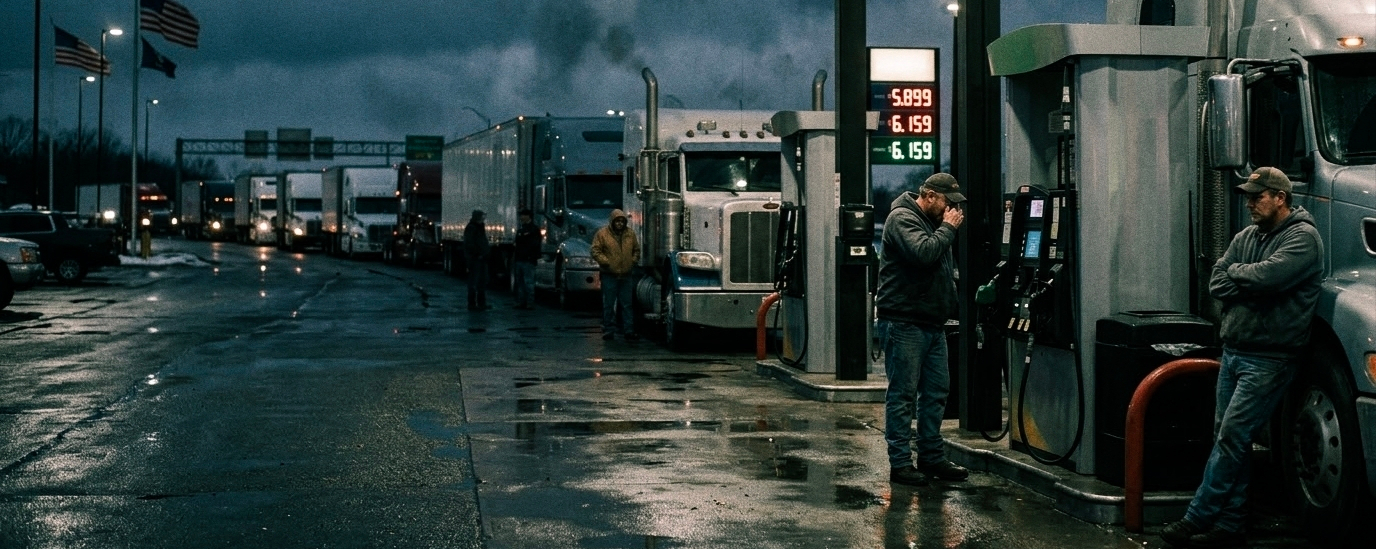
Статья
🚨 TRUMP JUST OPENED THE DOOR TO TAX-FREE DIESEL ON AMERICA’S HIGHWAYS — AND THE NUMBERS ARE BRUTAL.America’s diesel market has entered dangerous territory.
The national average diesel price recently surged above $6.50 PER GALLON, reaching levels never seen before. For an economy that depends heavily on diesel-powered trucks, agriculture, construction and logistics, this isn’t just a fuel problem.
It is an inflation problem.
On October 5, President Donald Trump signed an executive order temporarily allowing red-dyed diesel — normally reserved for off-road uses such as farming and construction — to be used more broadly on public highways.
And here is where the money gets serious:
💥 Federal highway diesel tax: 24.4 CENTS PER GALLON
💥 On a 250-gallon fill, that represents roughly $61 in federal tax
💥 The White House says savings could exceed $100 per fill where states also match the federal relief.
💥 The tax deferral runs through the end of 2026, with no interest or penalties, while Treasury is directed to explore whether the deferred obligation can ultimately be eliminated.
But don’t misunderstand what is happening.
THIS DOES NOT CREATE MORE DIESEL.
Red-dyed diesel is chemically the same fuel as conventional diesel; the major difference here is its tax treatment and the regulatory restrictions surrounding its use.
That means Washington is attacking the cost burden, not magically fixing the underlying supply shortage.
And that shortage is ugly.
Global diesel inventories have been squeezed by disrupted energy flows, refinery constraints and geopolitical conflicts. Reuters reports that refined-fuel exports from the Gulf region remained significantly below pre-war levels, adding pressure to already-tight diesel and jet-fuel markets.
The White House has blamed tight global supply, the Russia-Ukraine war and insufficient refining capacity for the surge.
Meanwhile, the G7 has agreed to release 100 MILLION BARRELS of crude and diesel from emergency reserves in an effort to stabilize the market.
And the economic consequences go far beyond the gas station.
🚛 Trucks burn diesel.
🌾 Farmers burn diesel.
🏗️ Construction burns diesel.
🚢 Supply chains depend on diesel.
🏭 Industrial transportation depends on diesel.
🛒 And transportation costs eventually flow into the price of goods.
So when diesel explodes, everything downstream feels the pressure.
That is why this policy matters.
But there is a hard economic reality underneath the political spectacle:
A tax cut can reduce the price paid by the user. It cannot manufacture refining capacity. It cannot instantly rebuild inventories. It cannot repair disrupted supply chains.
Reuters previously reported that analysts questioned whether expanding red-dyed diesel access would materially lower overall pump prices because it does not increase the physical supply of diesel.
So America now faces a much bigger question:
IS THIS A TEMPORARY PRESSURE VALVE — OR THE BEGINNING OF A MUCH DEEPER FUEL CRISIS?
With the U.S. midterm elections approaching on November 3, the timing is impossible to ignore. Reuters reported that the administration is under significant political pressure as elevated energy costs hit American households and businesses.
The numbers are simple.
$6+ DIESEL.
24.4¢ FEDERAL TAX.
TIGHT GLOBAL SUPPLY.
REFINING BOTTLENECKS.
100 MILLION BARRELS OF G7 RESERVES.
AND A PRESIDENT TRYING TO PUSH THE COST SHOCK BACK DOWN.
This is no longer just about diesel.
IT’S ABOUT HOW LONG THE WORLD CAN ABSORB AN ENERGY SHOCK BEFORE FUEL BECOMES AN INFLATION SHOCK — AND AN INFLATION SHOCK BECOMES A POLITICAL CRISIS.
The next few months will show whether this emergency measure actually provides meaningful relief — or merely buys the economy more time.
🚨 TRUMP JUST OPENED THE DOOR TO TAX-FREE DIESEL ON AMERICA’S HIGHWAYS — AND THE NUMBERS ARE BRUTAL.
America’s diesel market has entered dangerous territory.
The national average diesel price recently surged above $6.50 PER GALLON, reaching levels never seen before. For an economy that depends heavily on diesel-powered trucks, agriculture, construction and logistics, this isn’t just a fuel problem.
It is an inflation problem.
On October 5, President Donald Trump signed an executive order temporarily allowing red-dyed diesel — normally reserved for off-road uses such as farming and construction — to be used more broadly on public highways.
And here is where the money gets serious:
💥 Federal highway diesel tax: 24.4 CENTS PER GALLON
💥 On a 250-gallon fill, that represents roughly $61 in federal tax
💥 The White House says savings could exceed $100 per fill where states also match the federal relief.
💥 The tax deferral runs through the end of 2026, with no interest or penalties, while Treasury is directed to explore whether the deferred obligation can ultimately be eliminated.
But don’t misunderstand what is happening.
THIS DOES NOT CREATE MORE DIESEL.
Red-dyed diesel is chemically the same fuel as conventional diesel; the major difference here is its tax treatment and the regulatory restrictions surrounding its use.
That means Washington is attacking the cost burden, not magically fixing the underlying supply shortage.
And that shortage is ugly.
Global diesel inventories have been squeezed by disrupted energy flows, refinery constraints and geopolitical conflicts. Reuters reports that refined-fuel exports from the Gulf region remained significantly below pre-war levels, adding pressure to already-tight diesel and jet-fuel markets.
The White House has blamed tight global supply, the Russia-Ukraine war and insufficient refining capacity for the surge.
Meanwhile, the G7 has agreed to release 100 MILLION BARRELS of crude and diesel from emergency reserves in an effort to stabilize the market.
And the economic consequences go far beyond the gas station.
🚛 Trucks burn diesel.
🌾 Farmers burn diesel.
🏗️ Construction burns diesel.
🚢 Supply chains depend on diesel.
🏭 Industrial transportation depends on diesel.
🛒 And transportation costs eventually flow into the price of goods.
So when diesel explodes, everything downstream feels the pressure.
That is why this policy matters.
But there is a hard economic reality underneath the political spectacle:
A tax cut can reduce the price paid by the user. It cannot manufacture refining capacity. It cannot instantly rebuild inventories. It cannot repair disrupted supply chains.
Reuters previously reported that analysts questioned whether expanding red-dyed diesel access would materially lower overall pump prices because it does not increase the physical supply of diesel.
So America now faces a much bigger question:
IS THIS A TEMPORARY PRESSURE VALVE — OR THE BEGINNING OF A MUCH DEEPER FUEL CRISIS?
With the U.S. midterm elections approaching on November 3, the timing is impossible to ignore. Reuters reported that the administration is under significant political pressure as elevated energy costs hit American households and businesses.
The numbers are simple.
$6+ DIESEL.
24.4¢ FEDERAL TAX.
TIGHT GLOBAL SUPPLY.
REFINING BOTTLENECKS.
100 MILLION BARRELS OF G7 RESERVES.
AND A PRESIDENT TRYING TO PUSH THE COST SHOCK BACK DOWN.
This is no longer just about diesel.
IT’S ABOUT HOW LONG THE WORLD CAN ABSORB AN ENERGY SHOCK BEFORE FUEL BECOMES AN INFLATION SHOCK — AND AN INFLATION SHOCK BECOMES A POLITICAL CRISIS.
The next few months will show whether this emergency measure actually provides meaningful relief — or merely buys the economy more time.
349
·
--
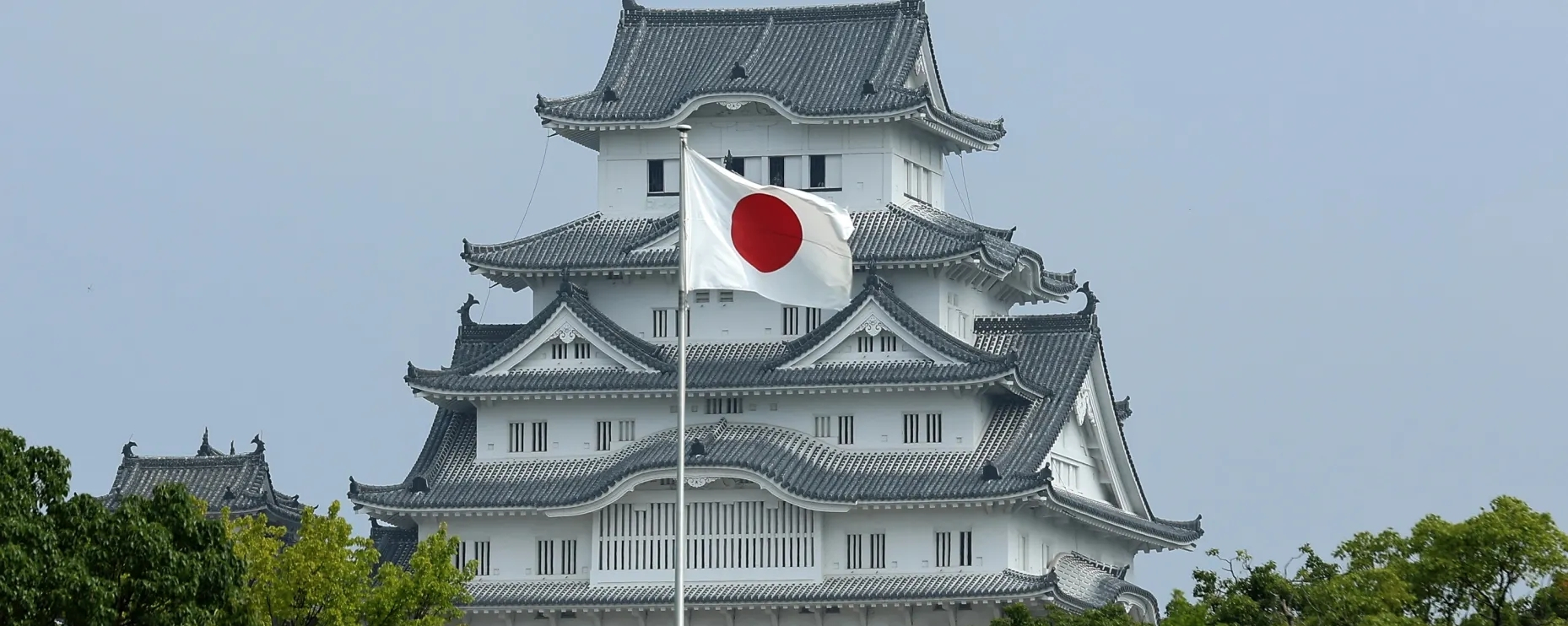
Статья
🇯🇵 JAPAN’S 100-YEAR-OLD BUSINESSES ARE BREAKING — AND 2026 IS EXPOSING THE CRACKSThey survived wars.
They survived the collapse of Japan’s asset bubble.
They survived decades of deflation.
They survived generational change.
But 2026 is proving that even a 100-year legacy is not enough anymore.
According to Teikoku Databank, bankruptcies among Japanese companies with histories exceeding 100 years reached a record pace, with 112 cases in just the first eight months of 2026.
Let that number sink in.
These are not disposable startups. These are businesses that survived for a century or more — companies built through generations, deeply embedded in local communities, and historically supported by conservative ownership, accumulated capital, stable margins, and long-term thinking.
Now the economic environment is ripping that model apart.
THE PRESSURE IS COMING FROM EVERY DIRECTION.
💥 RISING COSTS
Price-related bankruptcies surged 23.8% to 556 cases in the first half of 2026.
💥 LABOR SHORTAGES
Labor-shortage-related bankruptcies jumped 12.4% to 227 cases.
💥 SUCCESSION CRISIS
Bankruptcies linked to the absence of a successor climbed 16.9% to 312 cases year-on-year in the first half of 2026.
And underneath all of this sits Japan’s brutal demographic reality:
Fewer births.
More elderly people.
Fewer workers.
A shrinking domestic market.
For decades, Japan’s domestic market was the dependable engine. Now that engine is losing size.
And small, domestically focused companies are getting squeezed hardest because they often lack the pricing power necessary to pass higher costs onto customers.
Inflation may finally allow Japanese companies to raise prices more than they could during the deflation era — but that does NOT mean everyone has enough pricing power to survive.
Raw materials rise.
Labor costs rise.
Energy costs rise.
Interest rates matter.
Tariffs matter.
Geopolitical risks matter.
But customers still have limits.
That is a fucking nightmare for a company living on thin margins.
Look at Sube Shoten, a tofu manufacturer founded in 1877, during Japan’s Meiji era.
After nearly 150 years, the company reportedly halted operations in May 2026 and began preparing for bankruptcy as weak profit margins collided with soaring raw-material costs.
And then there is Kadoya Sesame Mills, founded in 1858.
It survived wars, Japan’s transformation, and the spectacular rise and collapse of the country’s asset bubble.
Yet now Kadoya is preparing to go private through a tender offer backed by Japanese private-equity firm Integral, amid rising raw-material costs and growing geopolitical risks.
This is the part people miss.
Going private isn't automatically failure.
For some century-old businesses, it may be a strategic reset — a way to restructure ownership, invest, adapt operations, and pursue growth away from the short-term pressures of public markets.
But the broader trend is impossible to ignore.
Japan’s legendary corporate durability is being tested by a completely different enemy:
demographics + inflation + labor scarcity + shrinking demand + succession problems.
The old Japanese model was built around endurance.
The new environment demands adaptation.
And adaptation is fucking expensive.
Many of these companies accumulated strong balance sheets and stable profits over generations. They built businesses designed to survive decades, not chase explosive growth.
But now they face a future they cannot easily forecast.
As Oxford Economics’ Shigeto Nagai puts it, many long-established companies are increasingly worried that they cannot maintain high profitability over the long term — and that profits will gradually deteriorate.
That fear changes everything.
Owners are reconsidering:
Who owns the company?
Who succeeds the founder?
Should the company remain private?
Should it sell?
Should it merge?
Should it expand overseas?
Should it restructure?
Meanwhile, a weaker yen, corporate-governance reforms, activist pressure, inflation, tariffs, labor costs and interest rates are all forcing boards and owners to rethink decisions that previous generations could postpone.
And overseas expansion is no magic solution either.
A company that spent 100 years mastering Japan cannot simply wake up one morning and become a global corporation.
There is no fucking “one-size-fits-all” answer.
That is why 2026 matters.
This isn't simply a story about old companies dying.
It is a story about an economic system being forced to evolve.
112 century-old companies gone bankrupt in just eight months.
556 cost-driven bankruptcies in six months.
227 labor-shortage-related bankruptcies.
312 bankruptcies linked to succession problems.
Those aren't random numbers.
They are warning lights.
Japan spent generations building businesses designed to survive almost anything.
Now those businesses are discovering the hard truth:
A 100-year history can protect a company from the past.
It cannot guarantee survival in the future.
🇯🇵 Japan's next economic battle isn't simply about growth.
It's about whether its oldest institutions can reinvent themselves before demographics, costs, labor shortages and a shrinking domestic market fucking bury them.
LEGACY IS NOT IMMUNITY.
2026 IS THE WAKE-UP CALL.
🇯🇵 JAPAN’S 100-YEAR-OLD BUSINESSES ARE BREAKING — AND 2026 IS EXPOSING THE CRACKS
They survived wars.
They survived the collapse of Japan’s asset bubble.
They survived decades of deflation.
They survived generational change.
But 2026 is proving that even a 100-year legacy is not enough anymore.
According to Teikoku Databank, bankruptcies among Japanese companies with histories exceeding 100 years reached a record pace, with 112 cases in just the first eight months of 2026.
Let that number sink in.
These are not disposable startups. These are businesses that survived for a century or more — companies built through generations, deeply embedded in local communities, and historically supported by conservative ownership, accumulated capital, stable margins, and long-term thinking.
Now the economic environment is ripping that model apart.
THE PRESSURE IS COMING FROM EVERY DIRECTION.
💥 RISING COSTS
Price-related bankruptcies surged 23.8% to 556 cases in the first half of 2026.
💥 LABOR SHORTAGES
Labor-shortage-related bankruptcies jumped 12.4% to 227 cases.
💥 SUCCESSION CRISIS
Bankruptcies linked to the absence of a successor climbed 16.9% to 312 cases year-on-year in the first half of 2026.
And underneath all of this sits Japan’s brutal demographic reality:
Fewer births.
More elderly people.
Fewer workers.
A shrinking domestic market.
For decades, Japan’s domestic market was the dependable engine. Now that engine is losing size.
And small, domestically focused companies are getting squeezed hardest because they often lack the pricing power necessary to pass higher costs onto customers.
Inflation may finally allow Japanese companies to raise prices more than they could during the deflation era — but that does NOT mean everyone has enough pricing power to survive.
Raw materials rise.
Labor costs rise.
Energy costs rise.
Interest rates matter.
Tariffs matter.
Geopolitical risks matter.
But customers still have limits.
That is a fucking nightmare for a company living on thin margins.
Look at Sube Shoten, a tofu manufacturer founded in 1877, during Japan’s Meiji era.
After nearly 150 years, the company reportedly halted operations in May 2026 and began preparing for bankruptcy as weak profit margins collided with soaring raw-material costs.
And then there is Kadoya Sesame Mills, founded in 1858.
It survived wars, Japan’s transformation, and the spectacular rise and collapse of the country’s asset bubble.
Yet now Kadoya is preparing to go private through a tender offer backed by Japanese private-equity firm Integral, amid rising raw-material costs and growing geopolitical risks.
This is the part people miss.
Going private isn't automatically failure.
For some century-old businesses, it may be a strategic reset — a way to restructure ownership, invest, adapt operations, and pursue growth away from the short-term pressures of public markets.
But the broader trend is impossible to ignore.
Japan’s legendary corporate durability is being tested by a completely different enemy:
demographics + inflation + labor scarcity + shrinking demand + succession problems.
The old Japanese model was built around endurance.
The new environment demands adaptation.
And adaptation is fucking expensive.
Many of these companies accumulated strong balance sheets and stable profits over generations. They built businesses designed to survive decades, not chase explosive growth.
But now they face a future they cannot easily forecast.
As Oxford Economics’ Shigeto Nagai puts it, many long-established companies are increasingly worried that they cannot maintain high profitability over the long term — and that profits will gradually deteriorate.
That fear changes everything.
Owners are reconsidering:
Who owns the company?
Who succeeds the founder?
Should the company remain private?
Should it sell?
Should it merge?
Should it expand overseas?
Should it restructure?
Meanwhile, a weaker yen, corporate-governance reforms, activist pressure, inflation, tariffs, labor costs and interest rates are all forcing boards and owners to rethink decisions that previous generations could postpone.
And overseas expansion is no magic solution either.
A company that spent 100 years mastering Japan cannot simply wake up one morning and become a global corporation.
There is no fucking “one-size-fits-all” answer.
That is why 2026 matters.
This isn't simply a story about old companies dying.
It is a story about an economic system being forced to evolve.
112 century-old companies gone bankrupt in just eight months.
556 cost-driven bankruptcies in six months.
227 labor-shortage-related bankruptcies.
312 bankruptcies linked to succession problems.
Those aren't random numbers.
They are warning lights.
Japan spent generations building businesses designed to survive almost anything.
Now those businesses are discovering the hard truth:
A 100-year history can protect a company from the past.
It cannot guarantee survival in the future.
🇯🇵 Japan's next economic battle isn't simply about growth.
It's about whether its oldest institutions can reinvent themselves before demographics, costs, labor shortages and a shrinking domestic market fucking bury them.
LEGACY IS NOT IMMUNITY.
2026 IS THE WAKE-UP CALL.
1
102
Войдите, чтобы посмотреть больше материала
Присоединяйтесь к пользователям криптовалют по всему миру на Binance Square
⚡️ Получайте новейшую и полезную информацию о криптоактивах.
💬 Нам доверяет крупнейшая в мире криптобиржа.
👍 Получите достоверные аналитические данные от верифицированных создателей контента.
Эл. почта/номер телефона
В тренде
FedWatch
Просмотров: 16.4M
39,718 обсуждают
🚨 🇺🇸 PETER SCHIFF JUST THREW A BIG WARNING AT THE FED!
Peter Schiff is calling Kevin Warsh’s tough talk on inflation a “bluff,” and his prediction could have major implications for the markets.
Schiff believes the Fed could eventually return to money printing through quantitative easing (QE) and even cut interest rates next year, despite inflation continuing to rise.
Think about that for a moment.
🔥 Inflation could remain a problem. 🔥 The Fed could still move toward easier monetary policy. 🔥 More liquidity could flow into financial markets.
If this scenario plays out, it could create a very different market environment for stocks, gold, Bitcoin, and the wider crypto market.
But there’s a catch: if inflation stays high, the Fed could face a difficult choice between fighting rising prices and supporting the economy.
Will Warsh stick to a tough inflation policy, or will the Fed eventually change direction?
The next move could matter a lot for investors.
#FedWatch #EarningsSeason #USMidtermElections #BrazilCryptoExchangesMustApplyForLicensesByFriday #StanDruckenmillerBecomesInvestorInTradeXYZ
Jackson Liam
·Лайков: 4
·Просмотров: 8.9k
EarningsSeason
Просмотров: 6.5M
32,420 обсуждают
USMidtermElections
Просмотров: 60,237
773 обсуждают