

舍利子- windmusic2002
13.7k Публикации

舍利子- windmusic2002
Отправить жалобу
Заблокировать пользователя
Открытая сделка
Трейдер с регулярными сделками
5.4 г
2.4K+ подписок(и/а)
239 подписчиков(а)
74 понравилось
Посты
Портфель
Все
Цитирования
A full slate doesn't mean every game is worth picking.
Some matchups have a clearer edge, while others are simply too close to call. I'm trying to be more selective instead of forcing a prediction just to stay active.
Good decisions start with knowing when to participate — and when to sit one out.
#BinancePick
Some matchups have a clearer edge, while others are simply too close to call. I'm trying to be more selective instead of forcing a prediction just to stay active.
Good decisions start with knowing when to participate — and when to sit one out.
#BinancePick
65
Some of the basketball games these past few days have been crazy. The scores kept going back and forth, and some games were still anyone’s game until the final minute. 🏀
One moment can change everything.
I’m also paying more attention to slippage and using limit orders when appropriate. Getting the prediction right matters, but execution and timing matter too.
Still learning, one game at a time.
#BinancePick
One moment can change everything.
I’m also paying more attention to slippage and using limit orders when appropriate. Getting the prediction right matters, but execution and timing matter too.
Still learning, one game at a time.
#BinancePick
50
One thing I’m reminding myself lately: execution matters just as much as the prediction.
Closing too early and ignoring slippage can turn a decent decision into a frustrating one. I’m learning to stick to my plan, use limit orders when they make sense, and avoid rushing just because the outcome feels uncertain.
Not every lesson comes from getting the prediction right. Sometimes it’s about improving the process.
#BinancePick
56
Hari ini di Binance Pumpkin Camp Day 4 kita belajar mengenai Tradfi yaitu saham, emas, minyak, dan bahkan cara untuk mendapatkan eksposur ke perusahaan privat seperti OpenAI sebelum mereka go public.
Hari ini di Binance Pumpkin Camp Day 4 kita belajar mengenai Tradfi yaitu saham, emas, minyak, dan bahkan cara untuk mendapatkan eksposur ke perusahaan privat seperti OpenAI sebelum mereka go public.
210
Yesterday was a good reminder that emotions can get in the way of a plan.
I rushed to close my position before the game was over, got caught up in the moment, and regretted it later. I should’ve stuck to my usual rule: wait until the game is actually over.
Another lesson learned: keep slippage as low as reasonably possible. Every little detail matters.
Sometimes the best takeaway isn’t about winning or losing, but learning what to do differently next time.
One more lesson for the books. 📒
#BinancePick
7
Binance Pumpkin Camp Day 3. Belajar mengenai Spot trading dan convert. Ikuti aku di CryptoLingo! /id/ti/cryptolingo-sea?source=community_binanceacademyid
Binance Pumpkin Camp Day 3. Belajar mengenai Spot trading dan convert. Ikuti aku di CryptoLingo! /id/ti/cryptolingo-sea?source=community_binanceacademyid
69
Earnings season is coming! 📊
Will companies beat expectations this quarter, or has the market already priced in the good news?
Microsoft, Google, Amazon, Eli Lilly, Visa… there’s plenty to watch.
Make your picks, share your predictions, and join the pool on Binance Pick!
Let’s see how the earnings season unfolds. 👀
#BinancePick
1.7k
Halloween ga harus serem lho. Ayo belajar kripto bersama dengan Binance Pumpkin Camp. Ikuti aku di CryptoLingo! /id/ti/cryptolingo-sea?source=community_binanceacademyid
Halloween ga harus serem lho. Ayo belajar kripto bersama dengan Binance Pumpkin Camp. Ikuti aku di CryptoLingo! /id/ti/cryptolingo-sea?source=community_binanceacademyid
56
Quarterly earnings season is always interesting.
For companies like Microsoft, Alphabet, Amazon, Eli Lilly, and Visa, I think the key isn't just whether earnings beat expectations.
Revenue growth, margins, and especially forward guidance can tell a very different story.
A beat doesn't always mean a bullish reaction. Sometimes the expectations are already priced in.
Let's see how the next earnings reports compare with the market's expectations.
#BinancePick
161
One thing I try to remind myself: a good market story doesn’t automatically make a good prediction.
I can look at macro data, track gold and the dollar, and still get the direction wrong. Markets have a way of humbling everyone.
That’s why I find Binance Pick interesting — it’s a chance to put a view to the test instead of just talking about it.
Let’s see what today brings. 📊
#BinancePick
I can look at macro data, track gold and the dollar, and still get the direction wrong. Markets have a way of humbling everyone.
That’s why I find Binance Pick interesting — it’s a chance to put a view to the test instead of just talking about it.
Let’s see what today brings. 📊
#BinancePick
94
Before making a market pick, I like to look beyond the chart.
Inflation data, interest rate expectations, the dollar, and gold can all give useful context for what’s happening in crypto.
Of course, macro analysis won’t tell you every next move. Sometimes the market has other plans.
That’s part of what makes testing your predictions on Binance Pick interesting. Let’s see how the calls play out. 👀
#BinancePick
72
My vision for Binance Intelligence? Let AI connect the dots between price action, on-chain data, news, and sentiment, then show users what moved, why it happened, and what could matter next @Binance_Square_Official
My vision for Binance Intelligence? Let AI connect the dots between price action, on-chain data, news, and sentiment, then show users what moved, why it happened, and what could matter next @Binance Square Official


Binance Square Official
·
--
Introducing a new layer of intelligence for everything finance.
Join the Binance Intelligence launch livestream for an early look at what we've been building.
🗓 Oct 5 | 12:00 UTC
📍 Binance Square Official
Repost this post and tag @Binance Square Official to share your vision for Binance Intelligence for a chance to be one of 5 winners selected for a 20 USDC reward.
82
Статья
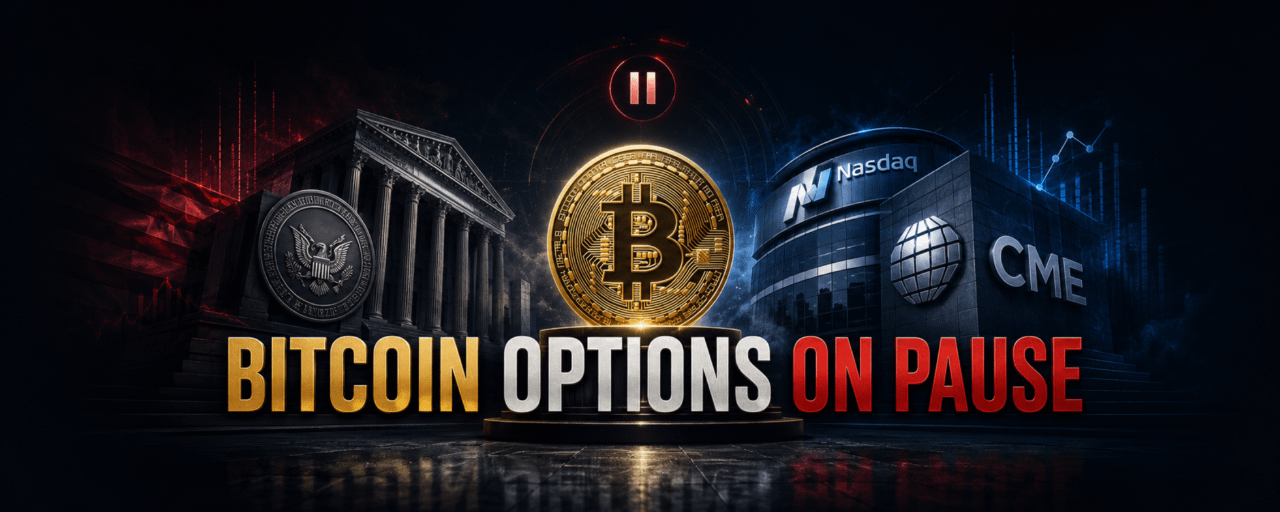
SEC Pauses Nasdaq’s Bitcoin Options: Bearish Signal or Regulatory Turf War?SEC Pauses Nasdaq’s Bitcoin Options: Bearish Signal or Regulatory Turf War?
The SEC has paused its approval of Nasdaq PHLX’s proposed cash-settled Bitcoin index options, known as QBTC, after CME Group requested a review of the decision.
At first glance, the headline may sound like another regulatory setback for Bitcoin. However, the dispute is less about Bitcoin’s legitimacy and more about regulatory jurisdiction, market structure, and competition between major exchanges.
Why is CME challenging QBTC?
CME argues that Bitcoin is a commodity. Therefore, a product whose payout is directly linked to Bitcoin’s price may fall under the Commodity Futures Trading Commission (CFTC), rather than solely under the SEC’s securities-market framework.
There is also an important commercial dimension.
CME already operates one of the world’s largest regulated crypto derivatives markets. If Nasdaq launches cash-settled Bitcoin index options on a national securities exchange, institutional traders would gain another venue for hedging and speculation—potentially competing with CME’s existing products.
The most interesting detail is that QBTC would track the CME CF Bitcoin Real Time Index. In other words, Nasdaq plans to build its product around a CME-linked benchmark, while CME is challenging the regulatory route used to approve it.
What does this mean for the market?
For the Bitcoin spot market, the immediate impact should be limited.
QBTC has not begun trading, so the suspension does not remove any existing liquidity, institutional demand, or active hedging volume. The headline could create mildly negative short-term sentiment, but it does not directly affect spot Bitcoin ETFs or Bitcoin’s underlying fundamentals.
The bigger impact is on the US derivatives market.
While QBTC remains suspended, institutions have one fewer regulated option product to choose from, allowing trading activity to remain concentrated on existing venues. This is relatively positive for CME because a potential competitor is being delayed, while it is a setback for Nasdaq’s expansion into crypto derivatives.
If QBTC is eventually cleared, greater competition could offer institutions more hedging choices, improve liquidity, and potentially reduce spreads and fees. That would be positive for the long-term development of the regulated Bitcoin market.
However, if the approval is overturned on jurisdictional grounds, other securities exchanges may also face additional obstacles when attempting to launch similar Bitcoin index derivatives. That could slow the expansion of regulated crypto products in the United States.
Bearish for Bitcoin?
Not necessarily.
In the short term, this is mildly negative for sentiment but likely negligible for Bitcoin’s price. In the medium term, it benefits CME and delays Nasdaq. In the long term, the final decision could determine which regulator and which type of exchange will control the next phase of US Bitcoin derivatives.
The fact that major financial institutions are fighting over this market may itself be significant: regulated Bitcoin derivatives have become valuable enough that established exchanges are willing to defend their territory.
The bigger question is no longer whether regulated Bitcoin products will expand—but who gets to operate them, and under whose rules.
#Bitcoin $BTC #BStocks
SEC Pauses Nasdaq’s Bitcoin Options: Bearish Signal or Regulatory Turf War?
SEC Pauses Nasdaq’s Bitcoin Options: Bearish Signal or Regulatory Turf War?
The SEC has paused its approval of Nasdaq PHLX’s proposed cash-settled Bitcoin index options, known as QBTC, after CME Group requested a review of the decision.
At first glance, the headline may sound like another regulatory setback for Bitcoin. However, the dispute is less about Bitcoin’s legitimacy and more about regulatory jurisdiction, market structure, and competition between major exchanges.
Why is CME challenging QBTC?
CME argues that Bitcoin is a commodity. Therefore, a product whose payout is directly linked to Bitcoin’s price may fall under the Commodity Futures Trading Commission (CFTC), rather than solely under the SEC’s securities-market framework.
There is also an important commercial dimension.
CME already operates one of the world’s largest regulated crypto derivatives markets. If Nasdaq launches cash-settled Bitcoin index options on a national securities exchange, institutional traders would gain another venue for hedging and speculation—potentially competing with CME’s existing products.
The most interesting detail is that QBTC would track the CME CF Bitcoin Real Time Index. In other words, Nasdaq plans to build its product around a CME-linked benchmark, while CME is challenging the regulatory route used to approve it.
What does this mean for the market?
For the Bitcoin spot market, the immediate impact should be limited.
QBTC has not begun trading, so the suspension does not remove any existing liquidity, institutional demand, or active hedging volume. The headline could create mildly negative short-term sentiment, but it does not directly affect spot Bitcoin ETFs or Bitcoin’s underlying fundamentals.
The bigger impact is on the US derivatives market.
While QBTC remains suspended, institutions have one fewer regulated option product to choose from, allowing trading activity to remain concentrated on existing venues. This is relatively positive for CME because a potential competitor is being delayed, while it is a setback for Nasdaq’s expansion into crypto derivatives.
If QBTC is eventually cleared, greater competition could offer institutions more hedging choices, improve liquidity, and potentially reduce spreads and fees. That would be positive for the long-term development of the regulated Bitcoin market.
However, if the approval is overturned on jurisdictional grounds, other securities exchanges may also face additional obstacles when attempting to launch similar Bitcoin index derivatives. That could slow the expansion of regulated crypto products in the United States.
Bearish for Bitcoin?
Not necessarily.
In the short term, this is mildly negative for sentiment but likely negligible for Bitcoin’s price. In the medium term, it benefits CME and delays Nasdaq. In the long term, the final decision could determine which regulator and which type of exchange will control the next phase of US Bitcoin derivatives.
The fact that major financial institutions are fighting over this market may itself be significant: regulated Bitcoin derivatives have become valuable enough that established exchanges are willing to defend their territory.
The bigger question is no longer whether regulated Bitcoin products will expand—but who gets to operate them, and under whose rules.
#Bitcoin $BTC #BStocks
104
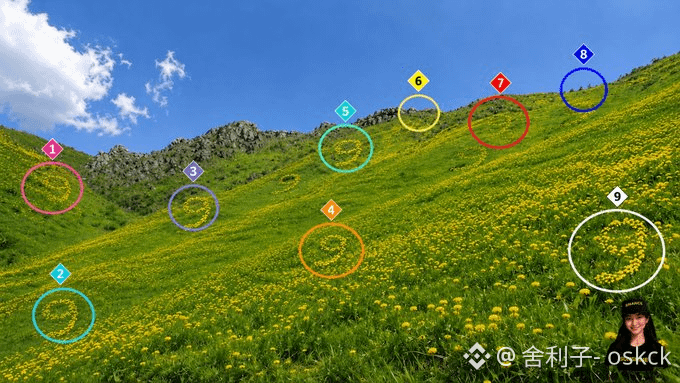
I found 9 nines! 🔍✨
Nine years of innovation, learning, and building together. Here's to many more milestones ahead! 🌞
#ShineForBinance9
I found 9 nines! 🔍✨
Nine years of innovation, learning, and building together. Here's to many more milestones ahead! 🌞
#ShineForBinance9
Nine years of innovation, learning, and building together. Here's to many more milestones ahead! 🌞
#ShineForBinance9

Sunshine 🔶
·
--
𝐃𝐚𝐲 𝟗 𝐂𝐡𝐚𝐥𝐥𝐞𝐧𝐠𝐞: 𝐇𝐨𝐰 𝐌𝐚𝐧𝐲 𝟗𝐬 𝐂𝐚𝐧 𝐘𝐨𝐮 𝐅𝐢𝐧𝐝? 🔍
𝐌𝐞𝐜𝐡𝐚𝐧𝐢𝐜𝐬:
1️⃣ Count how many number 9s you can see in the photo.
2️⃣ Share your answer in the comments with #ShineForBinance9 and RT/share my challenge post.
3️⃣ Make sure to follow the full mechanics and fill out the form to complete your entry.
Form link here
Complete the challenge for a chance to win #Binance swag! 🎁

93
I found 9 nines! 🔍✨
Nine years of innovation, learning, and building together. Here's to many more milestones ahead! 🌞
#ShineForBinance9
I found 9 nines! 🔍✨
Nine years of innovation, learning, and building together. Here's to many more milestones ahead! 🌞
#ShineForBinance9
Nine years of innovation, learning, and building together. Here's to many more milestones ahead! 🌞
#ShineForBinance9
Sunshine 🔶
·
--
𝐃𝐚𝐲 𝟗 𝐂𝐡𝐚𝐥𝐥𝐞𝐧𝐠𝐞: 𝐇𝐨𝐰 𝐌𝐚𝐧𝐲 𝟗𝐬 𝐂𝐚𝐧 𝐘𝐨𝐮 𝐅𝐢𝐧𝐝? 🔍
𝐌𝐞𝐜𝐡𝐚𝐧𝐢𝐜𝐬:
1️⃣ Count how many number 9s you can see in the photo.
2️⃣ Share your answer in the comments with #ShineForBinance9 and RT/share my challenge post.
3️⃣ Make sure to follow the full mechanics and fill out the form to complete your entry.
Form link here
Complete the challenge for a chance to win #Binance swag! 🎁
𝐌𝐞𝐜𝐡𝐚𝐧𝐢𝐜𝐬:
1️⃣ Count how many number 9s you can see in the photo.
2️⃣ Share your answer in the comments with #ShineForBinance9 and RT/share my challenge post.
3️⃣ Make sure to follow the full mechanics and fill out the form to complete your entry.
Form link here
Complete the challenge for a chance to win #Binance swag! 🎁
22
Happy 9th Anniversary Binance! 🎉
Thank you for building a stronger global community and shaping the future of Web3. 🌞
#ShineForBinance9
Happy 9th Anniversary Binance! 🎉
Thank you for building a stronger global community and shaping the future of Web3. 🌞
#ShineForBinance9
Thank you for building a stronger global community and shaping the future of Web3. 🌞
#ShineForBinance9

Sunshine 🔶
·
--
𝐃𝐚𝐲 𝟖 𝐂𝐡𝐚𝐥𝐥𝐞𝐧𝐠𝐞: 𝐌𝐚𝐤𝐞 𝐭𝐡𝐞 𝟗 𝐒𝐡𝐢𝐧𝐞! 🎨
Turn the 9 into Art.
𝐌𝐞𝐜𝐡𝐚𝐧𝐢𝐜𝐬:
1️⃣ Use the provided photo as your template. Turn the number 9 into your own creative anniversary design and add a special message for Binance.
2️⃣ Share your finished design in the comments with #ShineForBinance9 and RT/share my challenge post.
3️⃣ Make sure to follow the full mechanics and fill out the form to complete your entry.
Form link here
Make the 9 shine for a chance to get #Binance swag! 🎁
103
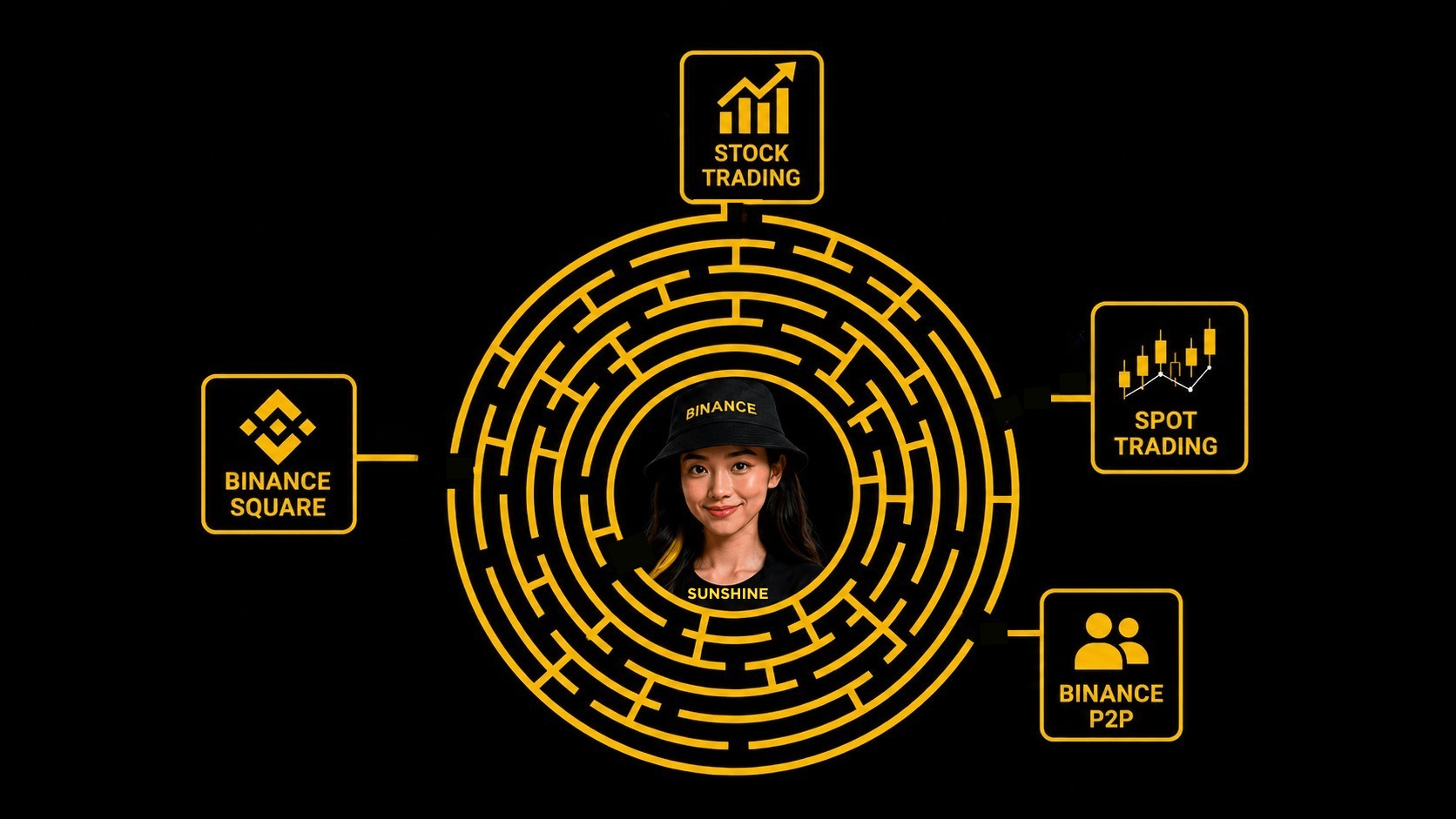
I think Sunshine will land on Spot Trading 🚀✨
The starting point for many crypto journeys and new opportunities.
#ShineForBinance9
I think Sunshine will land on Spot Trading 🚀✨
The starting point for many crypto journeys and new opportunities.
#ShineForBinance9
The starting point for many crypto journeys and new opportunities.
#ShineForBinance9
Sunshine 🔶
·
--
𝐃𝐚𝐲 𝟕 𝐂𝐡𝐚𝐥𝐥𝐞𝐧𝐠𝐞: 𝐖𝐡𝐞𝐫𝐞 𝐖𝐢𝐥𝐥 𝐒𝐮𝐧𝐬𝐡𝐢𝐧𝐞 𝐋𝐚𝐧𝐝? 🧩
Trace it. Solve it.
𝐌𝐞𝐜𝐡𝐚𝐧𝐢𝐜𝐬:
1️⃣ Start from Sunshine at the center of the maze. Follow the correct path and discover where I will land.
2️⃣ Comment your answer with #ShineForBinance9 and RT/share my challenge post.
3️⃣ Make sure to follow the full mechanics and fill out the form to complete your entry.
Form link here
Solve the maze for a chance to win #Binance swag! 🎁
89
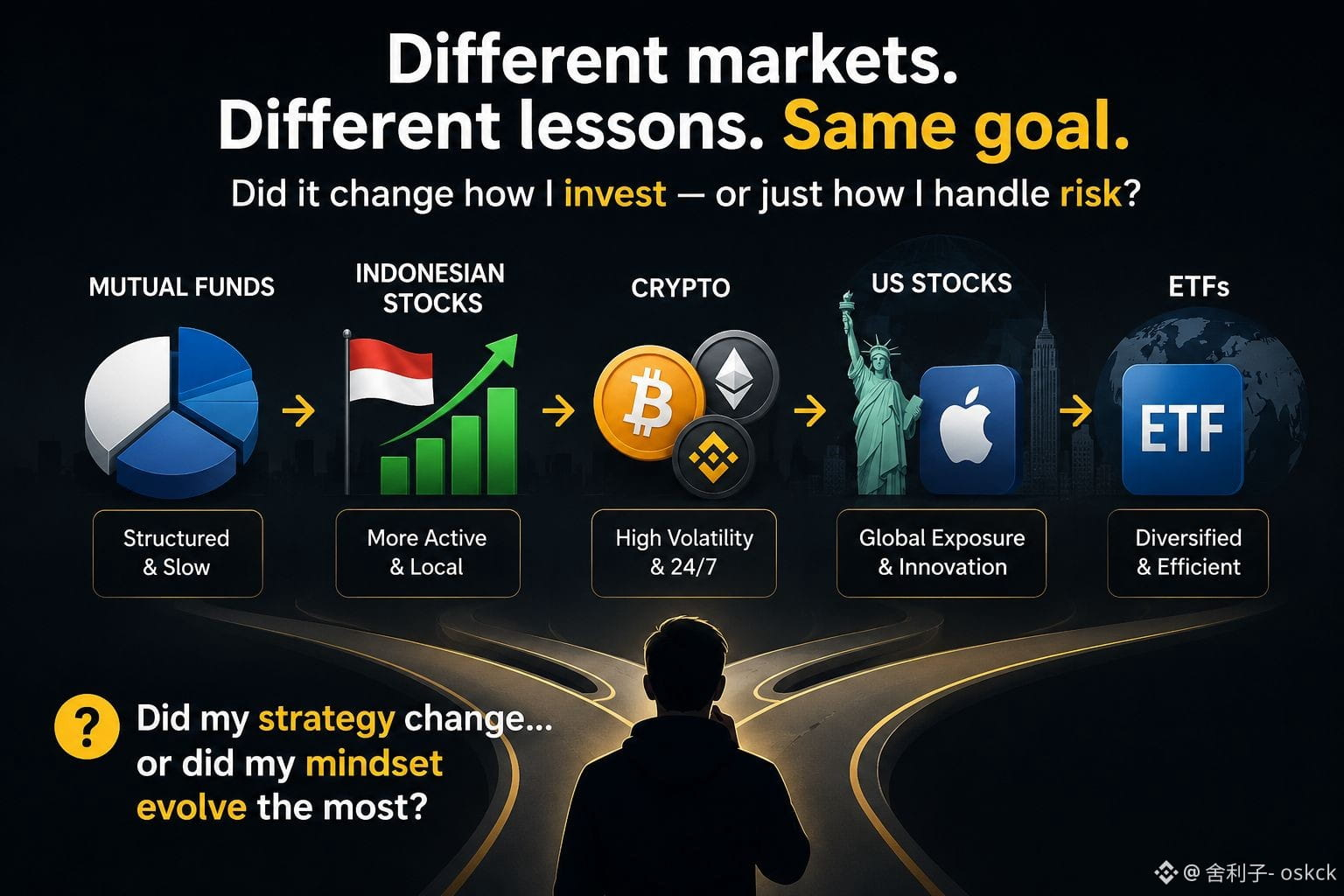
Did moving from mutual funds to Indonesian stocks, crypto, and US markets and ETFs actually change how you think about investing — or just how you handle risk?
I started with mutual funds, then moved into Indonesian stocks, later into crypto, and I’ve recently started considering US stocks and ETFs as part of expanding my portfolio.
Each step feels like entering a different version of the market — from structured and slow, to more active, global, and increasingly volatile at the edges.
For investors who’ve gone through a similar journey:
Did your actual investing strategy change over time… or was the biggest shift really in how you perceive risk and opportunity?
#MyStocksQuestion
148
After a few years of investing in crypto, I've experienced both sides of concentration: life-changing gains and painful drawdowns.
I also invest in Indonesian stocks and mutual funds, but I've never bought a US stock or ETF before.
That's why I'm curious:
If you were investing for the next 10 years, would you put everything into a broad ETF like the S&P 500, or would you allocate part of your portfolio to high-conviction stocks like NVIDIA, Tesla, or other companies you strongly believe in?
What factors help you decide when concentration is worth the extra risk?
I'd love to hear how experienced investors think about this.
#MyStocksQuestion
3
3
352
Войдите, чтобы посмотреть больше материала
Присоединяйтесь к пользователям криптовалют по всему миру на Binance Square
⚡️ Получайте новейшую и полезную информацию о криптоактивах.
💬 Нам доверяет крупнейшая в мире криптобиржа.
👍 Получите достоверные аналитические данные от верифицированных создателей контента.
Эл. почта/номер телефона
В тренде
UniswapA16zSeekDeFiExemptionFromIllinoisCryptoTax
Просмотров: 26,298
765 обсуждают
#CryptoTax 🚨 CRYPTO MARKET & REGULATORY UPDATE #HKDollarStablecoinHKDAPToLaunchOnSolana
#uniswapa16zseekdefiexemptionfromillinoiscryptotax UNISWAP, a16z & DeFi Education Fund Challenge Illinois Crypto Tax Rules
October 30, 2026 | Market Volatility & Industry Developments
📊 1. MARKET SNAPSHOT
Crypto markets are showing mixed signals, with selected assets posting sharp gains while several major cryptocurrencies remain under pressure.
📈 Top reported gainers
SOPH: +60.81% — $0.00238
BEAMX: +37.94% — $0.004701
SKDDB: +16.81% — $9.38
📉 Notable reported losers
INTWUSDT: −61.09% — $6.72
AKEUSDT: −31.47% — $0.013989
SNXXUSDT: −30.71% — $6.43
🔎 Major crypto assets under pressure
DOGE: −5.06%
PEPE: −4.91%
SUI: −4.83%
NEAR: −3.28%
XRP: −3.13%
Uniswap Labs, Andreessen Horowitz (a16z), and the DeFi Education Fund (DEF) are pushing for exemptions from Illinois’
#Uniswap #a16z #DeFi #CryptoRegulation #Illinois # #Web3 #BinanceSquare
#HKDollarStablecoinHKDAPToLaunchOnSolana #HKDAP #Stablecoin #CryptoNews #Blockchain #DeFi #DigitalPayments
⚖️ 3. UNISWAP, a16z & ILLINOIS CRYPTO TAX RULES
Uniswap Labs, Andreessen Horowitz (a16z), and the DeFi Education Fund are associated with efforts to seek exemptions proposed Illinois crypto tax requirements.
The debate highlights a key question: How should tax-reporting obligations apply to decentralized that may not operate like traditional financial intermediaries?
The outcome could influence DeFi compliance, developer obligations, and the future regulatory environment.
#BinanceSquare #CryptoNews #HKDAP #Stablecoin #Uniswap #a16z #DeFi #CryptoTax
CHASEPA SULUXù
·Лайков: 2
·Просмотров: 237
HKDollarStablecoinHKDAPToLaunchOnSolana
Просмотров: 20,008
485 обсуждают
$1.5BInLeveragedCryptoBetsLiquidated
Просмотров: 43,121
252 обсуждают