

Square Alpha
7.6k Публикации

Square Alpha
Отправить жалобу
Заблокировать пользователя
Web3 trader & market analyst – uncovering early opportunities, charts, and airdrops – pure alpha, no hype
Трейдер с регулярными сделками
5.5 г
304 подписок(и/а)
12.3K+ подписчиков(а)
12.5K+ понравилось
Посты
Все
Цитирования
Активно
·
--
Рост
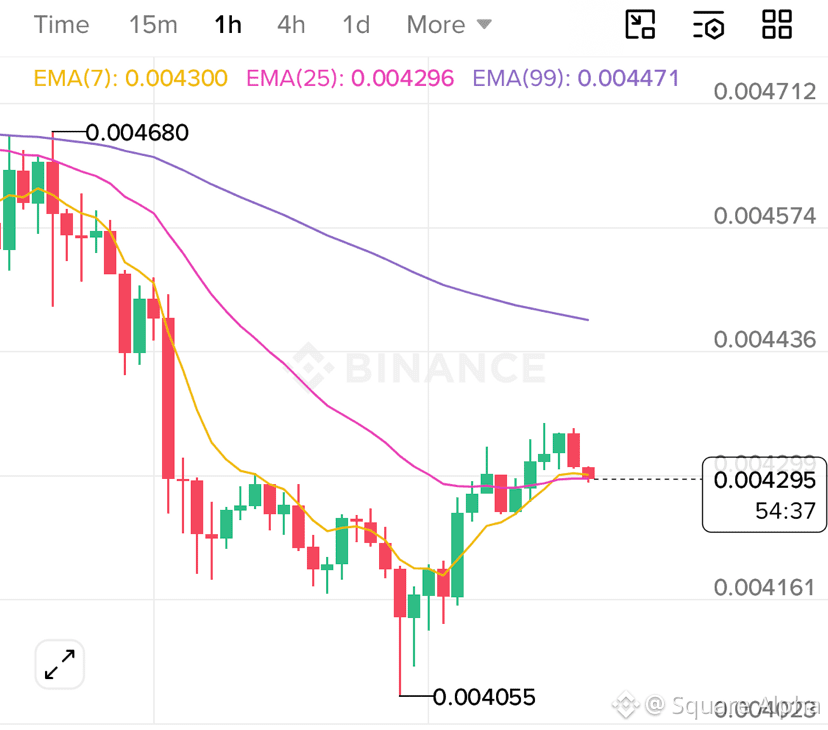
💥 $PUMP выбрался из ямы на 0.004055 и теперь консолидируется у узла EMA — режим восстановления активирован! 😤
📊 ЛОНГ (1Ч):
→ Вход: 0.00425 – 0.00430
→ SL: 0.00414
→ TP1: 0.00447
→ TP2: 0.00468, цель — 0.0048
почему: каждый откат от минимума был менее глубоким, чем предыдущий, RSI(6) пересёк отметку 50 вверх и удерживается выше неё, а цена поджимается к узлу EMA7/25, будто собирается пробить его. На этой неделе я видел, как два раза просадку выкупили ещё до того, как свечи успели уйти в минус. Как только этот узел станет поддержкой, падающая EMA99 на уровне 0.00447 станет магнитом — а выше неё максимум 0.00468 остаётся без преград.
Если часовая свеча закроется ниже 0.00414, идея отменяется — говорю прямо. Кто едет на восстановлении? 👇
#pump #pumpfun
{spot}(PUMPUSDT)
💥 $PUMP выбрался из ямы на 0.004055 и теперь консолидируется у узла EMA — режим восстановления активирован! 😤
📊 ЛОНГ (1Ч):
→ Вход: 0.00425 – 0.00430
→ SL: 0.00414
→ TP1: 0.00447
→ TP2: 0.00468, цель — 0.0048
почему: каждый откат от минимума был менее глубоким, чем предыдущий, RSI(6) пересёк отметку 50 вверх и удерживается выше неё, а цена поджимается к узлу EMA7/25, будто собирается пробить его. На этой неделе я видел, как два раза просадку выкупили ещё до того, как свечи успели уйти в минус. Как только этот узел станет поддержкой, падающая EMA99 на уровне 0.00447 станет магнитом — а выше неё максимум 0.00468 остаётся без преград.
Если часовая свеча закроется ниже 0.00414, идея отменяется — говорю прямо. Кто едет на восстановлении? 👇
#pump #pumpfun
📊 ЛОНГ (1Ч):
→ Вход: 0.00425 – 0.00430
→ SL: 0.00414
→ TP1: 0.00447
→ TP2: 0.00468, цель — 0.0048
почему: каждый откат от минимума был менее глубоким, чем предыдущий, RSI(6) пересёк отметку 50 вверх и удерживается выше неё, а цена поджимается к узлу EMA7/25, будто собирается пробить его. На этой неделе я видел, как два раза просадку выкупили ещё до того, как свечи успели уйти в минус. Как только этот узел станет поддержкой, падающая EMA99 на уровне 0.00447 станет магнитом — а выше неё максимум 0.00468 остаётся без преград.
Если часовая свеча закроется ниже 0.00414, идея отменяется — говорю прямо. Кто едет на восстановлении? 👇
#pump #pumpfun
325
·
--
Рост
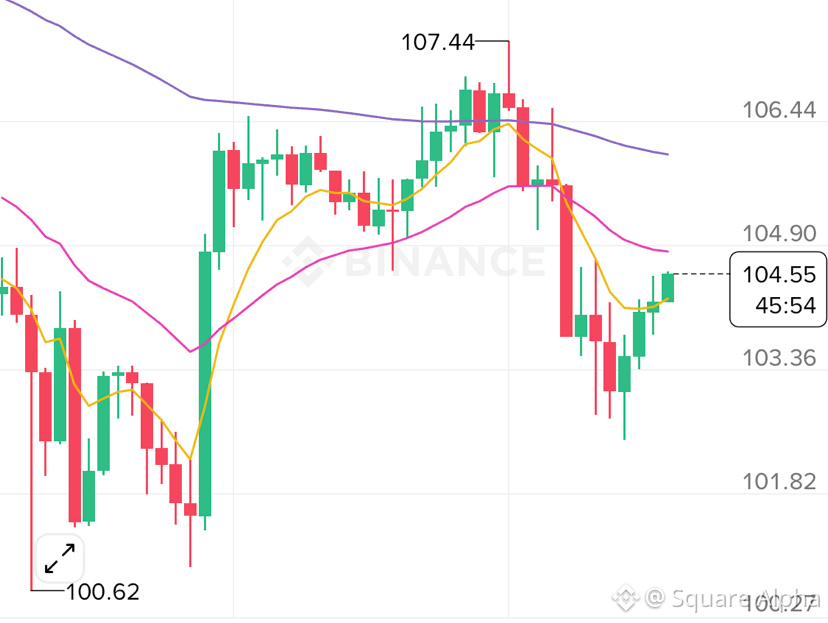
💥 $SOL продолжает формировать всё более высокие минимумы, пока все называют его слабым — следующая цель — сопротивление на 106! 😤
📊 ЛОНГ (1Ч):
→ Вход: 104.0 – 104.6
→ Стоп-лосс: 102.3
→ TP1: 106.0
→ TP2: 107.44, дальше — до 109
Почему: минимумы продолжают расти (100.62 → 102.5), а значит, с каждой попыткой продавцы продавливают цену всё меньше. Восстановительные свечи уже шесть часов подряд идут зелёными, а RSI(6) снова поднялся выше 50. Всё утро наблюдаю, как удерживают 102.5: покупатели дважды вступили в игру и не дрогнули. EMA99 с нисходящим трендом на уровне 106 — как магнит, а уверенный пробой этого уровня заставит закрываться всех, кто открыл шорт на резком падении.
Если часовая свеча закроется ниже 102.3 — идея отменяется, скажу прямо. Кто набирает позицию на повышающемся минимуме? 👇
#sol #Solana
{spot}(SOLUSDT)
💥 $SOL продолжает формировать всё более высокие минимумы, пока все называют его слабым — следующая цель — сопротивление на 106! 😤
📊 ЛОНГ (1Ч):
→ Вход: 104.0 – 104.6
→ Стоп-лосс: 102.3
→ TP1: 106.0
→ TP2: 107.44, дальше — до 109
Почему: минимумы продолжают расти (100.62 → 102.5), а значит, с каждой попыткой продавцы продавливают цену всё меньше. Восстановительные свечи уже шесть часов подряд идут зелёными, а RSI(6) снова поднялся выше 50. Всё утро наблюдаю, как удерживают 102.5: покупатели дважды вступили в игру и не дрогнули. EMA99 с нисходящим трендом на уровне 106 — как магнит, а уверенный пробой этого уровня заставит закрываться всех, кто открыл шорт на резком падении.
Если часовая свеча закроется ниже 102.3 — идея отменяется, скажу прямо. Кто набирает позицию на повышающемся минимуме? 👇
#sol #Solana
📊 ЛОНГ (1Ч):
→ Вход: 104.0 – 104.6
→ Стоп-лосс: 102.3
→ TP1: 106.0
→ TP2: 107.44, дальше — до 109
Почему: минимумы продолжают расти (100.62 → 102.5), а значит, с каждой попыткой продавцы продавливают цену всё меньше. Восстановительные свечи уже шесть часов подряд идут зелёными, а RSI(6) снова поднялся выше 50. Всё утро наблюдаю, как удерживают 102.5: покупатели дважды вступили в игру и не дрогнули. EMA99 с нисходящим трендом на уровне 106 — как магнит, а уверенный пробой этого уровня заставит закрываться всех, кто открыл шорт на резком падении.
Если часовая свеча закроется ниже 102.3 — идея отменяется, скажу прямо. Кто набирает позицию на повышающемся минимуме? 👇
#sol #Solana
1
260
·
--
Рост
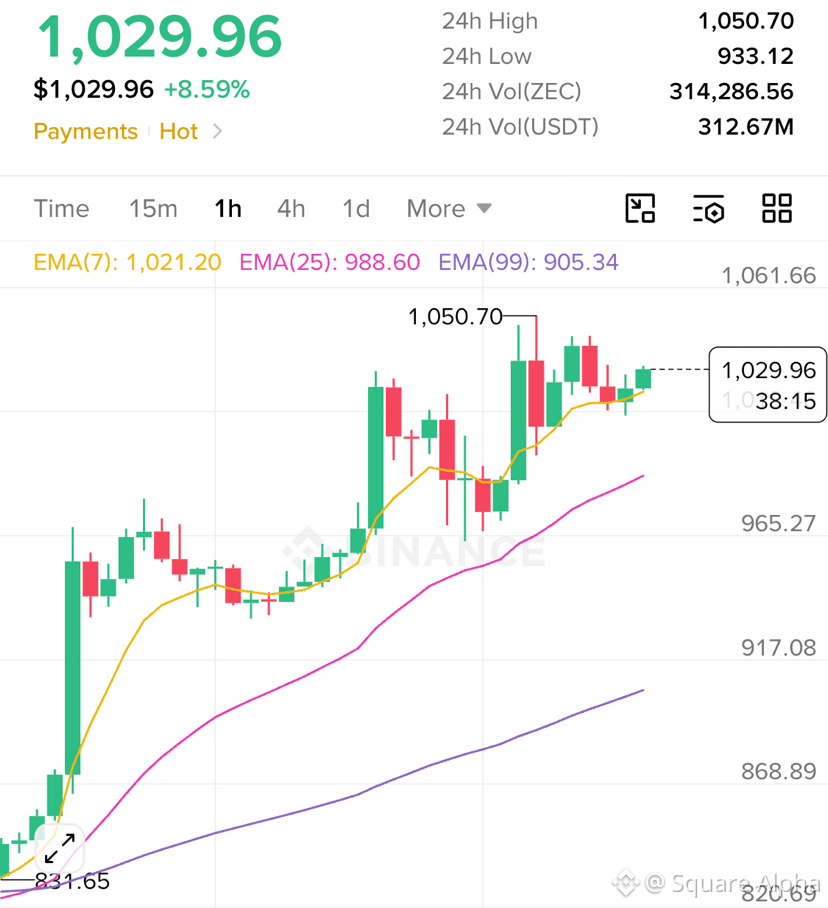
💥 $ZEC топчется выше $1,000, будто это его территория — важный психологический уровень только что перевернулся в поддержку! 😤
LONG (1H):
→ Вход: 1,015 – 1,030
→ SL: 985
→ TP1: 1,050.70
→ TP2: 1,080, полный отрыв до 1,100
почему: каждый новый минимум выше предыдущего, RSI на 62 и ещё есть запас до перегрева, а я всю неделю видел, как каждый заход к EMA7 выкупали прямо внутри свечи. Цена сжимается прямо под 1,050, а пол под ней — $1,000 = сетап на пробой с чистой линией риска. Старое сопротивление, ставшее поддержкой, — это самый сильный разворот в трейдинге.
1h закрытие ниже 985 — и идея мертва, скажу это прямо. кто едет на ZEC до 1,100? 👇
#zec #zcash $ZEC
{spot}(ZECUSDT)
💥 $ZEC топчется выше $1,000, будто это его территория — важный психологический уровень только что перевернулся в поддержку! 😤
LONG (1H):
→ Вход: 1,015 – 1,030
→ SL: 985
→ TP1: 1,050.70
→ TP2: 1,080, полный отрыв до 1,100
почему: каждый новый минимум выше предыдущего, RSI на 62 и ещё есть запас до перегрева, а я всю неделю видел, как каждый заход к EMA7 выкупали прямо внутри свечи. Цена сжимается прямо под 1,050, а пол под ней — $1,000 = сетап на пробой с чистой линией риска. Старое сопротивление, ставшее поддержкой, — это самый сильный разворот в трейдинге.
1h закрытие ниже 985 — и идея мертва, скажу это прямо. кто едет на ZEC до 1,100? 👇
#zec #zcash $ZEC
LONG (1H):
→ Вход: 1,015 – 1,030
→ SL: 985
→ TP1: 1,050.70
→ TP2: 1,080, полный отрыв до 1,100
почему: каждый новый минимум выше предыдущего, RSI на 62 и ещё есть запас до перегрева, а я всю неделю видел, как каждый заход к EMA7 выкупали прямо внутри свечи. Цена сжимается прямо под 1,050, а пол под ней — $1,000 = сетап на пробой с чистой линией риска. Старое сопротивление, ставшее поддержкой, — это самый сильный разворот в трейдинге.
1h закрытие ниже 985 — и идея мертва, скажу это прямо. кто едет на ZEC до 1,100? 👇
#zec #zcash $ZEC
1
1
240
·
--
Рост
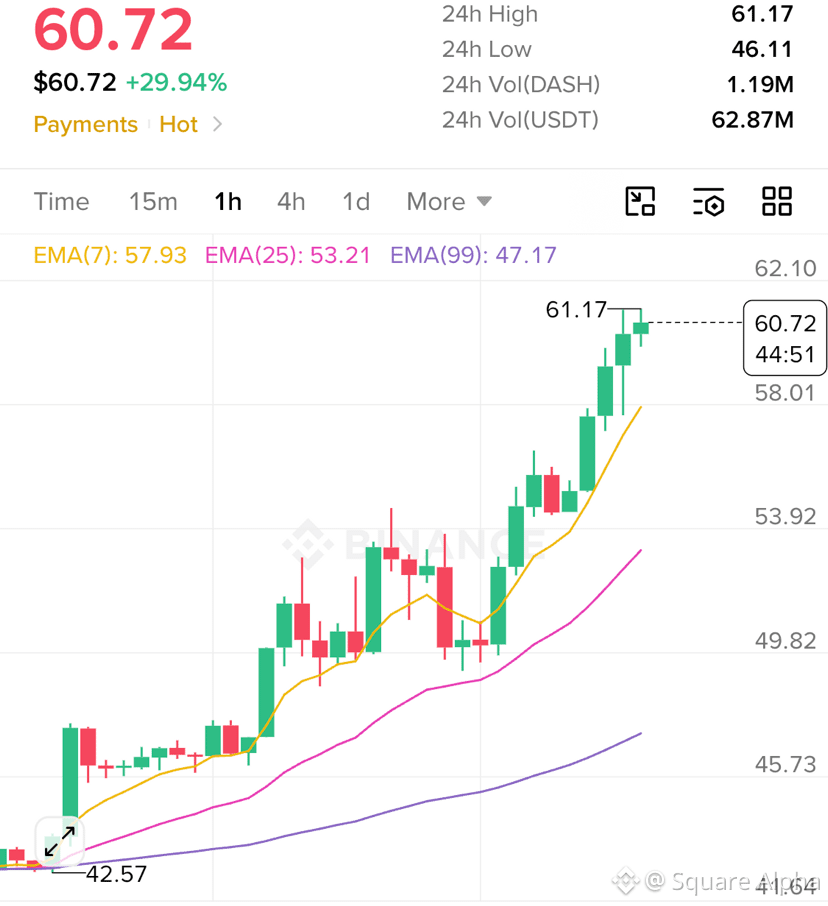
💥 $DASH вырос на +30% и не хочет остывать — каждое проседание выкупается прямо внутри свечей! 😤
📊 LONG (1H):
→ Entry: 59.0 – 60.0
→ SL: 57.0
→ TP1: 61.17
→ TP2: 63.5, полный выход 65
почему: более высокие минимумы по всему пути от 42, EMAs веером расходятся вверх в зелёную сторону, а цена удерживается у максимумов вместо того, чтобы резко сдуться. Я видел, как пять просадок в этом движении выкупали ещё до того, как они успевали сформироваться. RSI перегрет, да — но в настоящем импульсном движении перегрев — это норма, а не сигнал выхода.
Если 1h закроется ниже 57, идея мертва, скажу это прямо. кто едет по этой лестнице? 👇
#DASH #Payments
{spot}(DASHUSDT)
💥 $DASH вырос на +30% и не хочет остывать — каждое проседание выкупается прямо внутри свечей! 😤
📊 LONG (1H):
→ Entry: 59.0 – 60.0
→ SL: 57.0
→ TP1: 61.17
→ TP2: 63.5, полный выход 65
почему: более высокие минимумы по всему пути от 42, EMAs веером расходятся вверх в зелёную сторону, а цена удерживается у максимумов вместо того, чтобы резко сдуться. Я видел, как пять просадок в этом движении выкупали ещё до того, как они успевали сформироваться. RSI перегрет, да — но в настоящем импульсном движении перегрев — это норма, а не сигнал выхода.
Если 1h закроется ниже 57, идея мертва, скажу это прямо. кто едет по этой лестнице? 👇
#DASH #Payments
📊 LONG (1H):
→ Entry: 59.0 – 60.0
→ SL: 57.0
→ TP1: 61.17
→ TP2: 63.5, полный выход 65
почему: более высокие минимумы по всему пути от 42, EMAs веером расходятся вверх в зелёную сторону, а цена удерживается у максимумов вместо того, чтобы резко сдуться. Я видел, как пять просадок в этом движении выкупали ещё до того, как они успевали сформироваться. RSI перегрет, да — но в настоящем импульсном движении перегрев — это норма, а не сигнал выхода.
Если 1h закроется ниже 57, идея мертва, скажу это прямо. кто едет по этой лестнице? 👇
#DASH #Payments
1
216
·
--
Рост
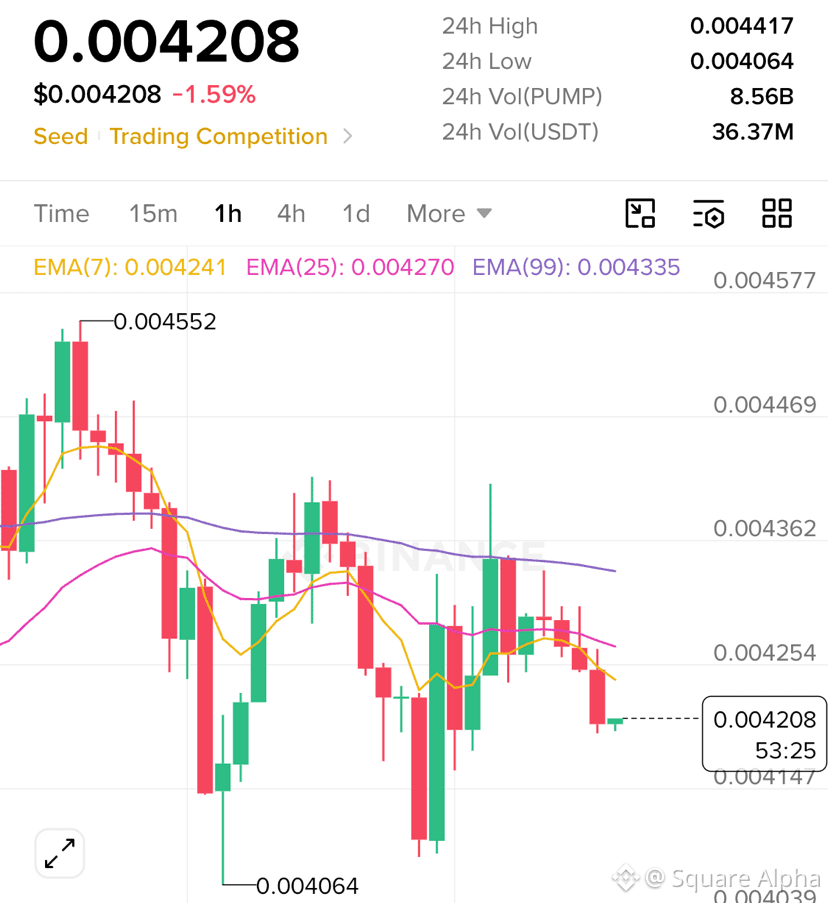
💥 $PUMP 's floor held twice and the sellers just ran out of ammo — coil loading under the wall! 😤
📊 LONG (1H):
→ Entry: 0.00415 – 0.00421
→ SL: 0.00403
→ TP1: 0.00433
→ TP2: 0.00455, full send 0.0047
почему: 0.004064 был отброшен дважды и не пробился, а красный объём почти исчез = продавцы выдохлись. Я уже видел, как эта же пружина резко выстреливала на этой монете, и закрытие выше 0.00433 выдавит каждого шорта в стакане.
если 0.00403 пробьётся, идея мертва — скажу это прямо. кто покупает по дну? 👇
#pump #pumpfun $PUMP
{spot}(PUMPUSDT)
💥 $PUMP 's floor held twice and the sellers just ran out of ammo — coil loading under the wall! 😤
📊 LONG (1H):
→ Entry: 0.00415 – 0.00421
→ SL: 0.00403
→ TP1: 0.00433
→ TP2: 0.00455, full send 0.0047
почему: 0.004064 был отброшен дважды и не пробился, а красный объём почти исчез = продавцы выдохлись. Я уже видел, как эта же пружина резко выстреливала на этой монете, и закрытие выше 0.00433 выдавит каждого шорта в стакане.
если 0.00403 пробьётся, идея мертва — скажу это прямо. кто покупает по дну? 👇
#pump #pumpfun $PUMP
📊 LONG (1H):
→ Entry: 0.00415 – 0.00421
→ SL: 0.00403
→ TP1: 0.00433
→ TP2: 0.00455, full send 0.0047
почему: 0.004064 был отброшен дважды и не пробился, а красный объём почти исчез = продавцы выдохлись. Я уже видел, как эта же пружина резко выстреливала на этой монете, и закрытие выше 0.00433 выдавит каждого шорта в стакане.
если 0.00403 пробьётся, идея мертва — скажу это прямо. кто покупает по дну? 👇
#pump #pumpfun $PUMP
160
·
--
Рост
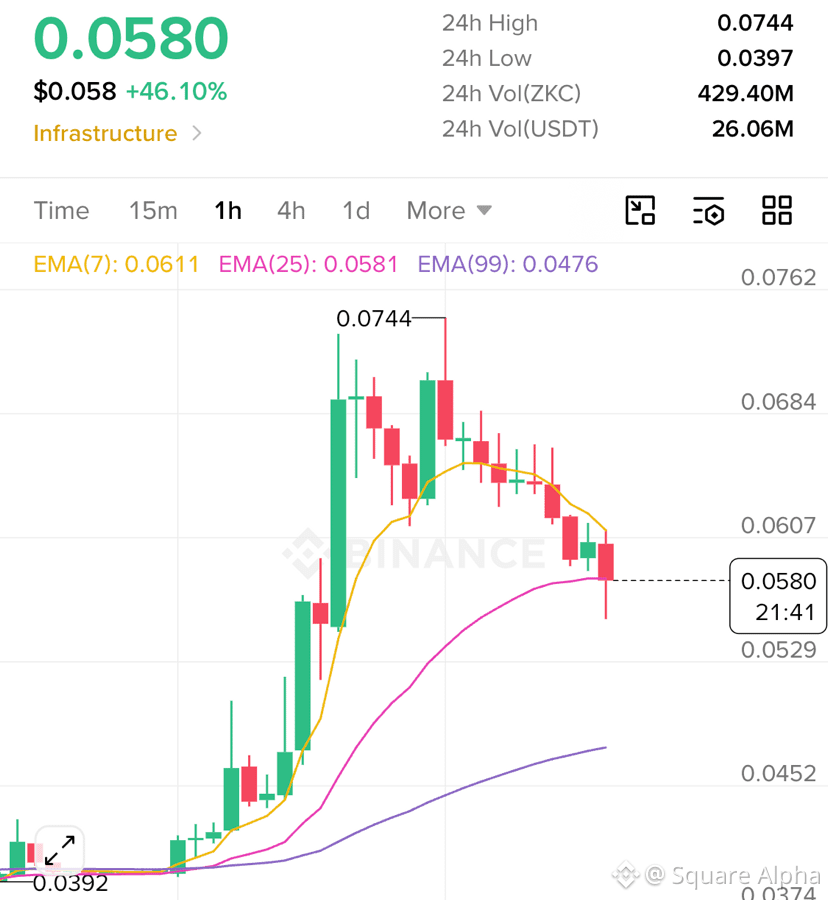
💥 $ZKC прибавляет +46% за день, и первый реальный откат только что пришёл к EMA25 — импульс либо живёт, либо умирает на этой самой линии! 😤
📊 LONG (1H):
→ Вход: 0.0565 – 0.0585
→ SL: 0.0542
→ TP1: 0.0611
→ TP2: 0.0660, и 0.0744 полный газ
вот почему:
1️⃣ всё ещё +46% за день даже после этого отката — это день импульса, а не «мертвая кошка»
2️⃣ цена касается EMA25, первой линии, где импульс уважает уровни; и я видел, как последние два нижних теневых касания в этой зоне были выкуплены прямо внутри свечи
3️⃣ RSI(6) сполоснулся с 90+ до 32 = перезагрузка топлива, а не слом тренда — пока эта линия держится
если 1h-свеча закроется ниже 0.0542, тезис мёртв, и я скажу об этом вслух в следующем посте. это договорённость.
Я вернусь с графиком и покажу, что произошло. кто покупает откат вместе со мной? 👇
#ZKC #boundless $ZKC
{spot}(ZKCUSDT)
💥 $ZKC прибавляет +46% за день, и первый реальный откат только что пришёл к EMA25 — импульс либо живёт, либо умирает на этой самой линии! 😤
📊 LONG (1H):
→ Вход: 0.0565 – 0.0585
→ SL: 0.0542
→ TP1: 0.0611
→ TP2: 0.0660, и 0.0744 полный газ
вот почему:
1️⃣ всё ещё +46% за день даже после этого отката — это день импульса, а не «мертвая кошка»
2️⃣ цена касается EMA25, первой линии, где импульс уважает уровни; и я видел, как последние два нижних теневых касания в этой зоне были выкуплены прямо внутри свечи
3️⃣ RSI(6) сполоснулся с 90+ до 32 = перезагрузка топлива, а не слом тренда — пока эта линия держится
если 1h-свеча закроется ниже 0.0542, тезис мёртв, и я скажу об этом вслух в следующем посте. это договорённость.
Я вернусь с графиком и покажу, что произошло. кто покупает откат вместе со мной? 👇
#ZKC #boundless $ZKC
📊 LONG (1H):
→ Вход: 0.0565 – 0.0585
→ SL: 0.0542
→ TP1: 0.0611
→ TP2: 0.0660, и 0.0744 полный газ
вот почему:
1️⃣ всё ещё +46% за день даже после этого отката — это день импульса, а не «мертвая кошка»
2️⃣ цена касается EMA25, первой линии, где импульс уважает уровни; и я видел, как последние два нижних теневых касания в этой зоне были выкуплены прямо внутри свечи
3️⃣ RSI(6) сполоснулся с 90+ до 32 = перезагрузка топлива, а не слом тренда — пока эта линия держится
если 1h-свеча закроется ниже 0.0542, тезис мёртв, и я скажу об этом вслух в следующем посте. это договорённость.
Я вернусь с графиком и покажу, что произошло. кто покупает откат вместе со мной? 👇
#ZKC #boundless $ZKC
131
·
--
Рост
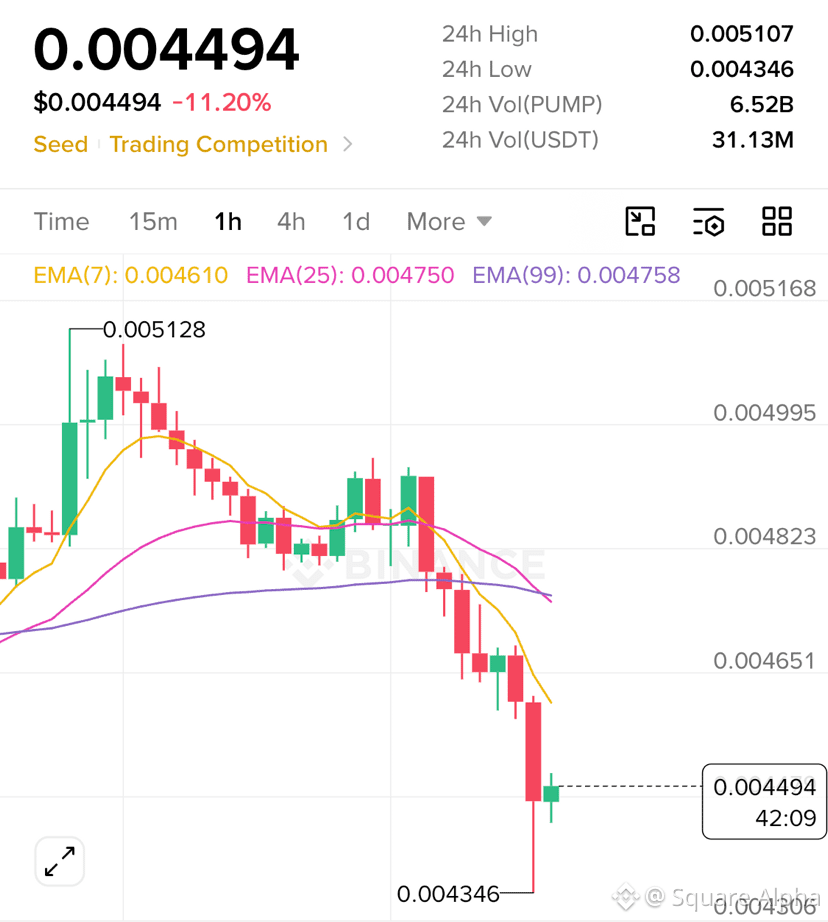
💥 $PUMP только что распечатал капитуляционный свечной — и вот та часть, которую большинство упустило 👇
ДЛИННЫЙ (1Ч):
→ Вход: 0.00445 – 0.00450
→ SL: 0.00430
→ TP1: 0.00461
→ TP2: 0.00475, и 0.0049 полный разгон
вот почему:
1️⃣ красная объёмная свеча = в 3 раза выше недельного среднего → распродажа в панике в ОДНОЙ свече, не медленное просачивание
2️⃣ RSI 20 = самое «вымоченное» с дна 0.0036, и тогда отскок составил +40%
3️⃣ цена вернулась в точную зону, где были выкуплены последние два сливных движения (0.0043–0.0045)
если 0.00430 пробьётся вниз, тезис мёртв, и я скажу это вслух в следующем посте. договорились.
Завтра вернусь с графиком и покажу, что произошло. кто со мной? 👇
#pump #pumpfun $PUMP
{spot}(PUMPUSDT)
💥 $PUMP только что распечатал капитуляционный свечной — и вот та часть, которую большинство упустило 👇
ДЛИННЫЙ (1Ч):
→ Вход: 0.00445 – 0.00450
→ SL: 0.00430
→ TP1: 0.00461
→ TP2: 0.00475, и 0.0049 полный разгон
вот почему:
1️⃣ красная объёмная свеча = в 3 раза выше недельного среднего → распродажа в панике в ОДНОЙ свече, не медленное просачивание
2️⃣ RSI 20 = самое «вымоченное» с дна 0.0036, и тогда отскок составил +40%
3️⃣ цена вернулась в точную зону, где были выкуплены последние два сливных движения (0.0043–0.0045)
если 0.00430 пробьётся вниз, тезис мёртв, и я скажу это вслух в следующем посте. договорились.
Завтра вернусь с графиком и покажу, что произошло. кто со мной? 👇
#pump #pumpfun $PUMP
ДЛИННЫЙ (1Ч):
→ Вход: 0.00445 – 0.00450
→ SL: 0.00430
→ TP1: 0.00461
→ TP2: 0.00475, и 0.0049 полный разгон
вот почему:
1️⃣ красная объёмная свеча = в 3 раза выше недельного среднего → распродажа в панике в ОДНОЙ свече, не медленное просачивание
2️⃣ RSI 20 = самое «вымоченное» с дна 0.0036, и тогда отскок составил +40%
3️⃣ цена вернулась в точную зону, где были выкуплены последние два сливных движения (0.0043–0.0045)
если 0.00430 пробьётся вниз, тезис мёртв, и я скажу это вслух в следующем посте. договорились.
Завтра вернусь с графиком и покажу, что произошло. кто со мной? 👇
#pump #pumpfun $PUMP
494
·
--
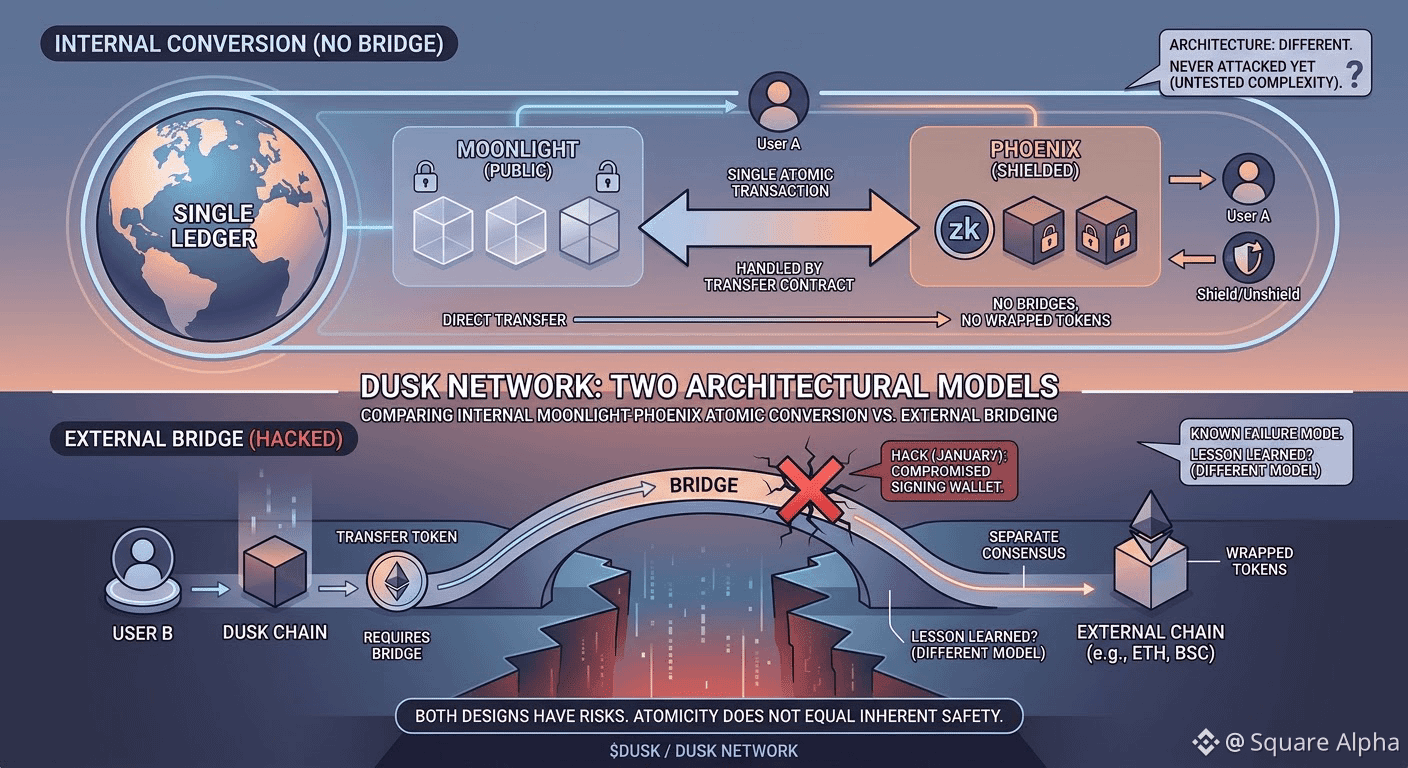
Я сегодня снова залез в их же собственную документацию (прямо в Dusk) специально, чтобы проверить одну вещь после того, как я неделю назад писал про их бридж-хак, и нашёл деталь, которая связывает это напрямую.
Dusk использует две модели транзакций в одном и том же реестре. Moonlight — публичная: обычная, прозрачная, как большинство цепочек. Phoenix — защищённая: приватная, на базе zk. Переключение между ними — от защищённой к публичной или обратно — это одна атомарная транзакция, которую обрабатывает собственный контракт transfer от Dusk.
Никакого бриджа. Никаких wrapped-токенов. По их собственным докам: «обрабатывается контрактом transfer в одной атомарной транзакции — без мостов, без wrapped-токенов».
Эта фраза меня остановила, потому что хак января — тот, который реально произошёл — прошёл ровно через ту вещь, которую этот механизм как раз создан, чтобы обходить. Отдельный мост, на внешнюю цепочку, а точка отказа — скомпрометированный подписывающий кошелёк.
То есть часть Dusk, которая уже была атакована, опиралась на бридж. А часть, которая конвертирует между публичным и приватным режимами внутри системы — намеренно — не опирается.
Я хочу прочитать это как «они извлекли урок до того, как он им понадобился». Но я не могу реально подтвердить, что внутренний механизм shield/unshield безопаснее: я могу лишь сказать, что архитектурно он другой. Отсутствие внешнего бриджа не означает автоматически, что нет поверхности атаки — это просто другая поверхность. Атомарная конверсия в рамках одного и того же реестра между двумя совершенно разными моделями транзакций — это всё ещё сложный код, который ещё не тестировался реальным атакующим так, как бридж уже тестировался.
У одной части Dusk теперь есть известный режим отказа. У другой части пока просто ещё не было атаки. Это не одно и то же с «безопасно», даже если дизайн выглядит более продуманным.
#dusk @Dusk_Foundation $DUSK
{spot}(DUSKUSDT)
Я сегодня снова залез в их же собственную документацию (прямо в Dusk) специально, чтобы проверить одну вещь после того, как я неделю назад писал про их бридж-хак, и нашёл деталь, которая связывает это напрямую.
Dusk использует две модели транзакций в одном и том же реестре. Moonlight — публичная: обычная, прозрачная, как большинство цепочек. Phoenix — защищённая: приватная, на базе zk. Переключение между ними — от защищённой к публичной или обратно — это одна атомарная транзакция, которую обрабатывает собственный контракт transfer от Dusk.
Никакого бриджа. Никаких wrapped-токенов. По их собственным докам: «обрабатывается контрактом transfer в одной атомарной транзакции — без мостов, без wrapped-токенов».
Эта фраза меня остановила, потому что хак января — тот, который реально произошёл — прошёл ровно через ту вещь, которую этот механизм как раз создан, чтобы обходить. Отдельный мост, на внешнюю цепочку, а точка отказа — скомпрометированный подписывающий кошелёк.
То есть часть Dusk, которая уже была атакована, опиралась на бридж. А часть, которая конвертирует между публичным и приватным режимами внутри системы — намеренно — не опирается.
Я хочу прочитать это как «они извлекли урок до того, как он им понадобился». Но я не могу реально подтвердить, что внутренний механизм shield/unshield безопаснее: я могу лишь сказать, что архитектурно он другой. Отсутствие внешнего бриджа не означает автоматически, что нет поверхности атаки — это просто другая поверхность. Атомарная конверсия в рамках одного и того же реестра между двумя совершенно разными моделями транзакций — это всё ещё сложный код, который ещё не тестировался реальным атакующим так, как бридж уже тестировался.
У одной части Dusk теперь есть известный режим отказа. У другой части пока просто ещё не было атаки. Это не одно и то же с «безопасно», даже если дизайн выглядит более продуманным.
#dusk @Dusk $DUSK
Dusk использует две модели транзакций в одном и том же реестре. Moonlight — публичная: обычная, прозрачная, как большинство цепочек. Phoenix — защищённая: приватная, на базе zk. Переключение между ними — от защищённой к публичной или обратно — это одна атомарная транзакция, которую обрабатывает собственный контракт transfer от Dusk.
Никакого бриджа. Никаких wrapped-токенов. По их собственным докам: «обрабатывается контрактом transfer в одной атомарной транзакции — без мостов, без wrapped-токенов».
Эта фраза меня остановила, потому что хак января — тот, который реально произошёл — прошёл ровно через ту вещь, которую этот механизм как раз создан, чтобы обходить. Отдельный мост, на внешнюю цепочку, а точка отказа — скомпрометированный подписывающий кошелёк.
То есть часть Dusk, которая уже была атакована, опиралась на бридж. А часть, которая конвертирует между публичным и приватным режимами внутри системы — намеренно — не опирается.
Я хочу прочитать это как «они извлекли урок до того, как он им понадобился». Но я не могу реально подтвердить, что внутренний механизм shield/unshield безопаснее: я могу лишь сказать, что архитектурно он другой. Отсутствие внешнего бриджа не означает автоматически, что нет поверхности атаки — это просто другая поверхность. Атомарная конверсия в рамках одного и того же реестра между двумя совершенно разными моделями транзакций — это всё ещё сложный код, который ещё не тестировался реальным атакующим так, как бридж уже тестировался.
У одной части Dusk теперь есть известный режим отказа. У другой части пока просто ещё не было атаки. Это не одно и то же с «безопасно», даже если дизайн выглядит более продуманным.
#dusk @Dusk $DUSK
1
2
172
·
--
Рост
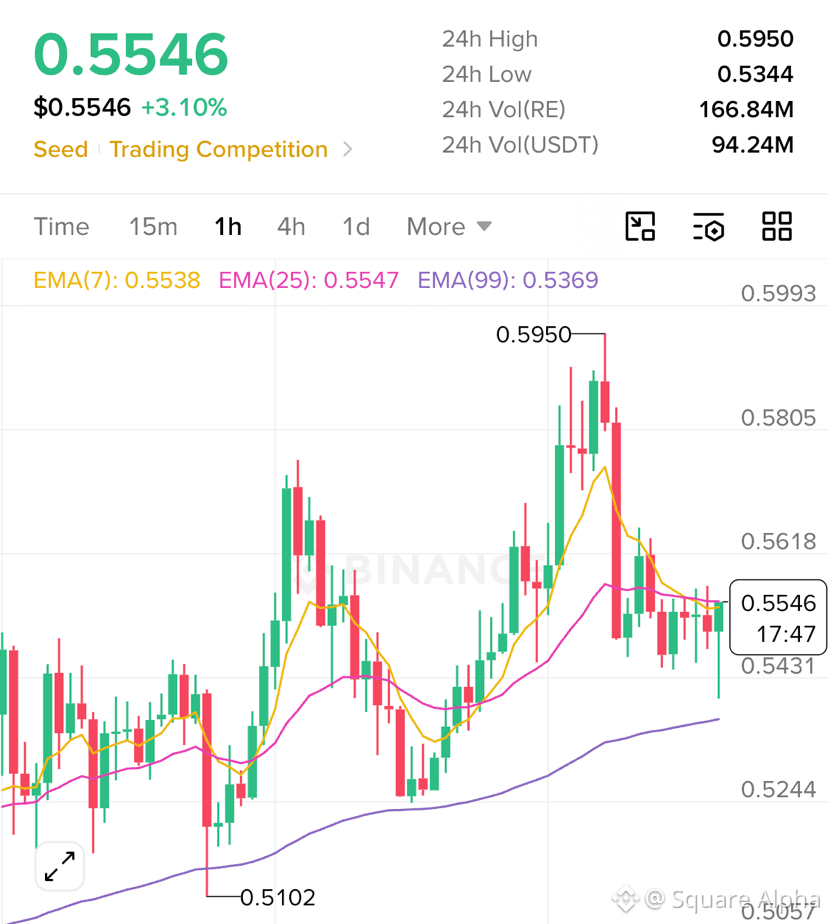
💥 $RE выбил слабые руки с 0.595 до 0.543 и теперь правильно сворачивается прямо у кластера EMA — следующий импульс в загрузку! 😤
📊 LONG (1H):
→ Вход: 0.548 – 0.556
→ SL: 0.532
→ TP1: 0.580
→ TP2: 0.595, и 0.64 — полный разгон
чтение: я видел, как удержание пола 0.543 срабатывало три раза на этой неделе, пока RSI остывал с перегретого обратно к 50 — это перезагрузка, а не разворот. И фундаментал реально “острый”: reUSD только что запустили в Solana, токен управляет настоящим ончейн-рынком реиншуренса, и в обращении всего ~16% от предложения. Тонкий free-float + сюжет про RWA в реальности + свернувшийся график = мой любимый тип сетапа. У этой монеты есть привычка внезапно печатать свечи +30%.
кто грузит свёртку вместе со мной? 👇
#RE #ReProtocol #RWA #setup #signal
{spot}(REUSDT)
💥 $RE выбил слабые руки с 0.595 до 0.543 и теперь правильно сворачивается прямо у кластера EMA — следующий импульс в загрузку! 😤
📊 LONG (1H):
→ Вход: 0.548 – 0.556
→ SL: 0.532
→ TP1: 0.580
→ TP2: 0.595, и 0.64 — полный разгон
чтение: я видел, как удержание пола 0.543 срабатывало три раза на этой неделе, пока RSI остывал с перегретого обратно к 50 — это перезагрузка, а не разворот. И фундаментал реально “острый”: reUSD только что запустили в Solana, токен управляет настоящим ончейн-рынком реиншуренса, и в обращении всего ~16% от предложения. Тонкий free-float + сюжет про RWA в реальности + свернувшийся график = мой любимый тип сетапа. У этой монеты есть привычка внезапно печатать свечи +30%.
кто грузит свёртку вместе со мной? 👇
#RE #ReProtocol #RWA #setup #signal
📊 LONG (1H):
→ Вход: 0.548 – 0.556
→ SL: 0.532
→ TP1: 0.580
→ TP2: 0.595, и 0.64 — полный разгон
чтение: я видел, как удержание пола 0.543 срабатывало три раза на этой неделе, пока RSI остывал с перегретого обратно к 50 — это перезагрузка, а не разворот. И фундаментал реально “острый”: reUSD только что запустили в Solana, токен управляет настоящим ончейн-рынком реиншуренса, и в обращении всего ~16% от предложения. Тонкий free-float + сюжет про RWA в реальности + свернувшийся график = мой любимый тип сетапа. У этой монеты есть привычка внезапно печатать свечи +30%.
кто грузит свёртку вместе со мной? 👇
#RE #ReProtocol #RWA #setup #signal
108
·
--
Рост
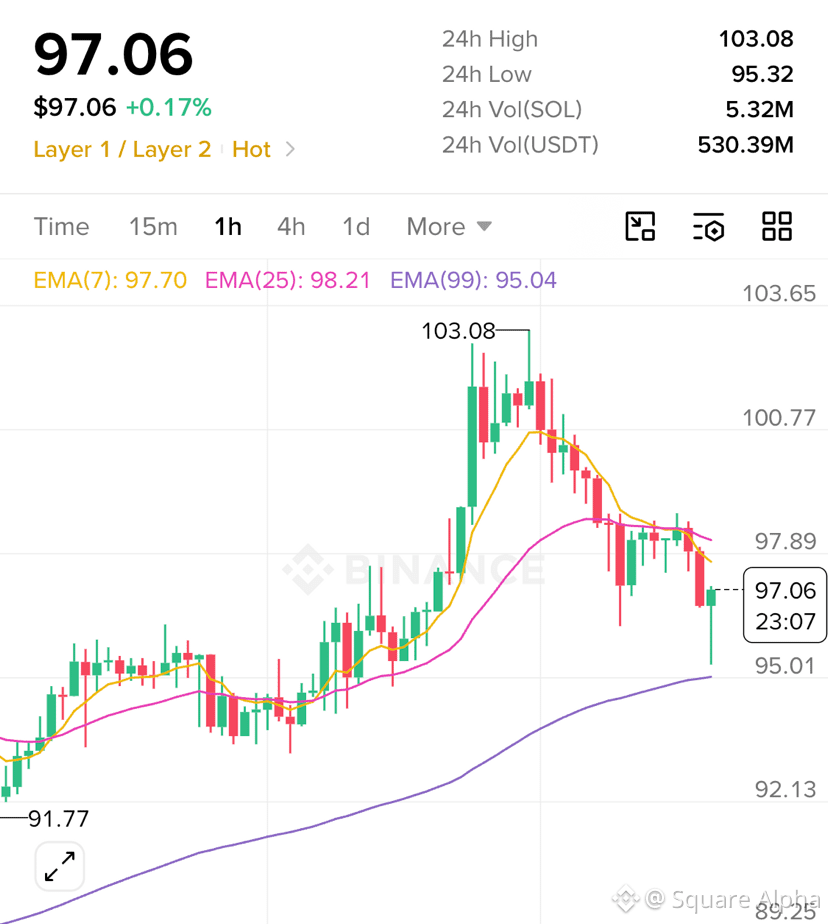
💥 $SOL только что напечатал огромный нижний хвост прямо на EMA99 — покупатели на просадке появились ровно по расписанию! 😤
📊 LONG (1H):
→ Вход: 96.5 – 97.2
→ SL: 94.6
→ TP1: 98.2
→ TP2: 100.7, и 103 — полный разгон
чтение: движение со 89 до 103 было трендом, а эта просадка — просто период охлаждения. RSI упал с 80 до 33 за несколько свечей — это сброс, а не похороны. Я всю неделю наблюдаю за 95 как коршун, и этот хвост до 95.3, который тут же выкупили, говорит мне, что крупные деньги всё ещё защищают линию. Растущая EMA99 + защита хвостом + «вымытый» RSI = точный рецепт для следующего рывка вверх.
кто покупает хвост вместе со мной? 👇
#sol #Solana #setup #signal $SOL
{spot}(SOLUSDT)
💥 $SOL только что напечатал огромный нижний хвост прямо на EMA99 — покупатели на просадке появились ровно по расписанию! 😤
📊 LONG (1H):
→ Вход: 96.5 – 97.2
→ SL: 94.6
→ TP1: 98.2
→ TP2: 100.7, и 103 — полный разгон
чтение: движение со 89 до 103 было трендом, а эта просадка — просто период охлаждения. RSI упал с 80 до 33 за несколько свечей — это сброс, а не похороны. Я всю неделю наблюдаю за 95 как коршун, и этот хвост до 95.3, который тут же выкупили, говорит мне, что крупные деньги всё ещё защищают линию. Растущая EMA99 + защита хвостом + «вымытый» RSI = точный рецепт для следующего рывка вверх.
кто покупает хвост вместе со мной? 👇
#sol #Solana #setup #signal $SOL
📊 LONG (1H):
→ Вход: 96.5 – 97.2
→ SL: 94.6
→ TP1: 98.2
→ TP2: 100.7, и 103 — полный разгон
чтение: движение со 89 до 103 было трендом, а эта просадка — просто период охлаждения. RSI упал с 80 до 33 за несколько свечей — это сброс, а не похороны. Я всю неделю наблюдаю за 95 как коршун, и этот хвост до 95.3, который тут же выкупили, говорит мне, что крупные деньги всё ещё защищают линию. Растущая EMA99 + защита хвостом + «вымытый» RSI = точный рецепт для следующего рывка вверх.
кто покупает хвост вместе со мной? 👇
#sol #Solana #setup #signal $SOL
137
·
--
Рост
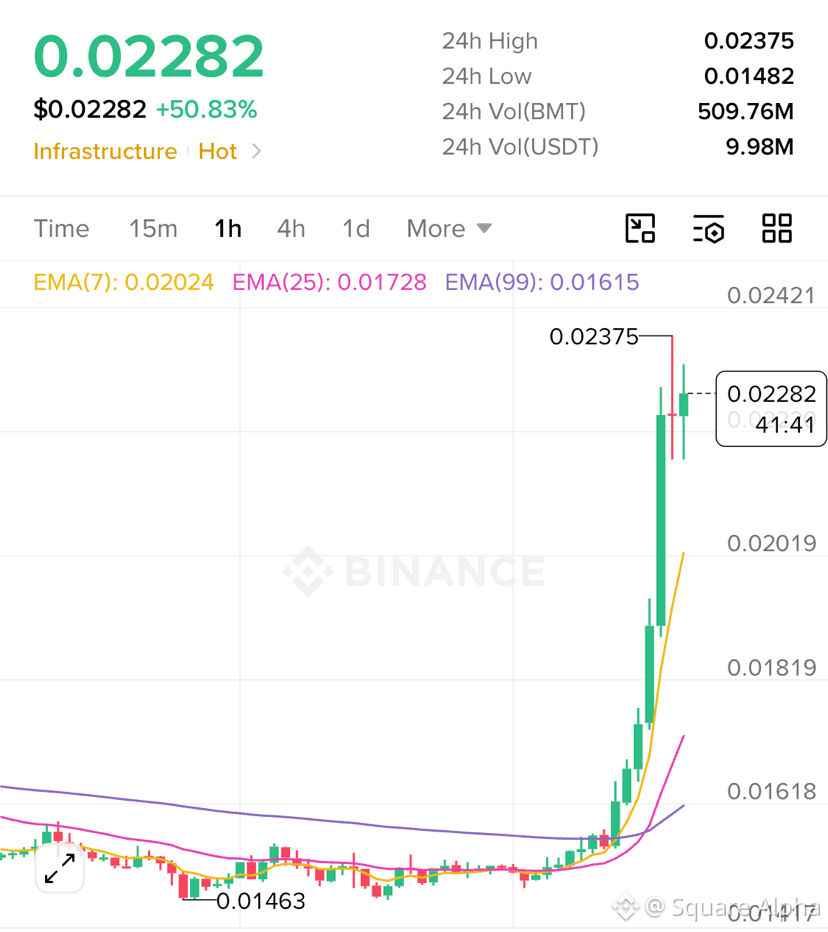
💥 $BMT только что получили корейский листинг — эирдроп + новый биржевой листинг в ту же неделю, неудивительно, что оно так вертикально! 😤
ДЛИННЫЙ (1Ч):
→ Вход: 0.0202 – 0.0210
→ SL: 0.0185
→ TP1: 0.02375
→ TP2: 0.0260, а затем отправка на 0.030
чтение: это не случайный памп-мем. Binance отправил BMT в аирдроп HODLer, Bithumb листнул его спустя несколько дней, а открытый интерес достиг $15M — и спотовый рынок, и плечи набирают. Я уже торговал несколько раз корейские листинги, и обычно они не заканчиваются одной свечой; первый откат — это тот вход, о котором все мечтают. RSI на максимуме — 98, да — так что я не догоняю зелёное, я жду отката к EMA7 и покупаю там. Сезон листингов + инструмент, который реально используют, чтобы ловить кошельки инсайдеров = мой любимый дуэт.
кто едет на корейской волне? 👇
#BMT #Bubblemaps
{spot}(BMTUSDT)
💥 $BMT только что получили корейский листинг — эирдроп + новый биржевой листинг в ту же неделю, неудивительно, что оно так вертикально! 😤
ДЛИННЫЙ (1Ч):
→ Вход: 0.0202 – 0.0210
→ SL: 0.0185
→ TP1: 0.02375
→ TP2: 0.0260, а затем отправка на 0.030
чтение: это не случайный памп-мем. Binance отправил BMT в аирдроп HODLer, Bithumb листнул его спустя несколько дней, а открытый интерес достиг $15M — и спотовый рынок, и плечи набирают. Я уже торговал несколько раз корейские листинги, и обычно они не заканчиваются одной свечой; первый откат — это тот вход, о котором все мечтают. RSI на максимуме — 98, да — так что я не догоняю зелёное, я жду отката к EMA7 и покупаю там. Сезон листингов + инструмент, который реально используют, чтобы ловить кошельки инсайдеров = мой любимый дуэт.
кто едет на корейской волне? 👇
#BMT #Bubblemaps
ДЛИННЫЙ (1Ч):
→ Вход: 0.0202 – 0.0210
→ SL: 0.0185
→ TP1: 0.02375
→ TP2: 0.0260, а затем отправка на 0.030
чтение: это не случайный памп-мем. Binance отправил BMT в аирдроп HODLer, Bithumb листнул его спустя несколько дней, а открытый интерес достиг $15M — и спотовый рынок, и плечи набирают. Я уже торговал несколько раз корейские листинги, и обычно они не заканчиваются одной свечой; первый откат — это тот вход, о котором все мечтают. RSI на максимуме — 98, да — так что я не догоняю зелёное, я жду отката к EMA7 и покупаю там. Сезон листингов + инструмент, который реально используют, чтобы ловить кошельки инсайдеров = мой любимый дуэт.
кто едет на корейской волне? 👇
#BMT #Bubblemaps
128
·
--
Рост
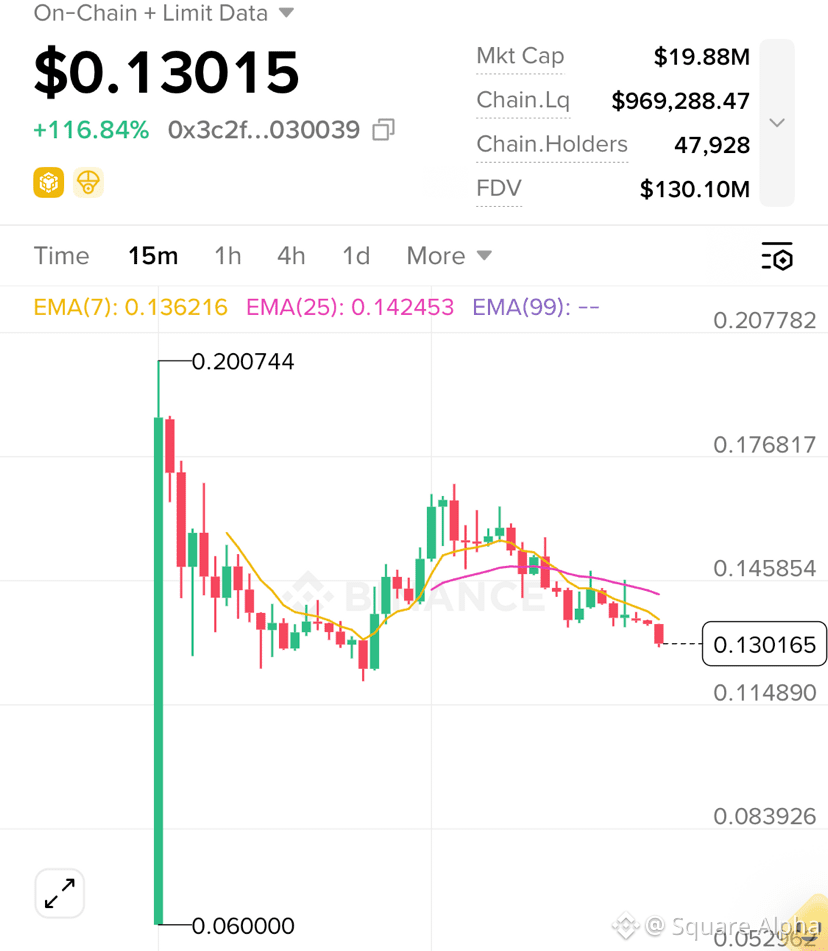
💥 $TMX вырастает на +116% за день, а просадка прямо сидит на своей цене запуска — загрузка отскока после перепроданности! 😤
📊 LONG (15M):
→ Вход: 0.128 – 0.132
→ SL: 0.118
→ TP1: 0.1425
→ TP2: 0.160, и 0.20 полный проход
я следил, как уровень 0.122 тестируют три раза, и он каждый раз держится — это не удача, это покупатели защищают свою линию. RSI на 24 — как взведённая пружина, и вот часть, о которой никто не говорит: $19.9M mcap против $130M FDV означает, что free-float очень маленький, а маленькие флоаты не требуют много топлива, чтобы резко рвануть. Я пропустил первую волну от 0.06, и я всё ещё злюсь из-за этого лол, но вторую не пропущу. 48K холдеров и растёт, энергия дня запуска всё ещё в комнате.
страх смыт, пол держится, пружина взведена. кто покупает пол вместе со мной? 👇
#TMX #TermMax
{alpha}(560x3c2f61f2e27c865981d2e7aaf6b2cdf823030039)
💥 $TMX вырастает на +116% за день, а просадка прямо сидит на своей цене запуска — загрузка отскока после перепроданности! 😤
📊 LONG (15M):
→ Вход: 0.128 – 0.132
→ SL: 0.118
→ TP1: 0.1425
→ TP2: 0.160, и 0.20 полный проход
я следил, как уровень 0.122 тестируют три раза, и он каждый раз держится — это не удача, это покупатели защищают свою линию. RSI на 24 — как взведённая пружина, и вот часть, о которой никто не говорит: $19.9M mcap против $130M FDV означает, что free-float очень маленький, а маленькие флоаты не требуют много топлива, чтобы резко рвануть. Я пропустил первую волну от 0.06, и я всё ещё злюсь из-за этого лол, но вторую не пропущу. 48K холдеров и растёт, энергия дня запуска всё ещё в комнате.
страх смыт, пол держится, пружина взведена. кто покупает пол вместе со мной? 👇
#TMX #TermMax
📊 LONG (15M):
→ Вход: 0.128 – 0.132
→ SL: 0.118
→ TP1: 0.1425
→ TP2: 0.160, и 0.20 полный проход
я следил, как уровень 0.122 тестируют три раза, и он каждый раз держится — это не удача, это покупатели защищают свою линию. RSI на 24 — как взведённая пружина, и вот часть, о которой никто не говорит: $19.9M mcap против $130M FDV означает, что free-float очень маленький, а маленькие флоаты не требуют много топлива, чтобы резко рвануть. Я пропустил первую волну от 0.06, и я всё ещё злюсь из-за этого лол, но вторую не пропущу. 48K холдеров и растёт, энергия дня запуска всё ещё в комнате.
страх смыт, пол держится, пружина взведена. кто покупает пол вместе со мной? 👇
#TMX #TermMax
241
·
--
Рост
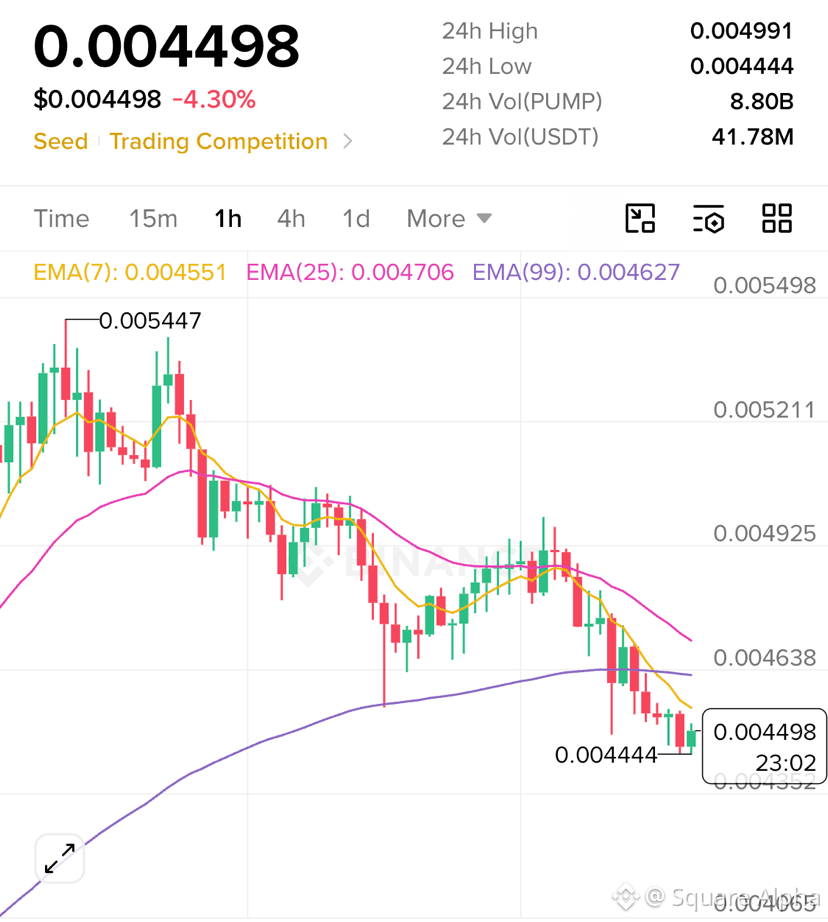
💥 $PUMP со скидкой -17% сразу сверху, RSI выжат, и этот длинный фитиль просто доказал, что покупатели на снижении живы — загрузка отскока! 😤
📊 LONG (1H):
→ Вход: 0.00445 – 0.00450
→ SL: 0.00432
→ TP1: 0.00463
→ TP2: 0.00472, а 0.00490 полный разгон
я уже час пялюсь на этот фитиль и честно? Я видел, как падение 0.004444 съели вживую, в реальном времени. RSI на 30 — это натянутая пружина, а протокол всё ещё печатает рекордную выручку, пока машина байбэков гудит. Меня выбило на последнем участке вниз (сам виноват, поторопился лол), но я не пропущу отскок дважды.
боюсь, что это самое глубокое место, где рождаются отскоки. кто со мной покупает? 👇
#PUMP
{spot}(PUMPUSDT)
💥 $PUMP со скидкой -17% сразу сверху, RSI выжат, и этот длинный фитиль просто доказал, что покупатели на снижении живы — загрузка отскока! 😤
📊 LONG (1H):
→ Вход: 0.00445 – 0.00450
→ SL: 0.00432
→ TP1: 0.00463
→ TP2: 0.00472, а 0.00490 полный разгон
я уже час пялюсь на этот фитиль и честно? Я видел, как падение 0.004444 съели вживую, в реальном времени. RSI на 30 — это натянутая пружина, а протокол всё ещё печатает рекордную выручку, пока машина байбэков гудит. Меня выбило на последнем участке вниз (сам виноват, поторопился лол), но я не пропущу отскок дважды.
боюсь, что это самое глубокое место, где рождаются отскоки. кто со мной покупает? 👇
#PUMP
📊 LONG (1H):
→ Вход: 0.00445 – 0.00450
→ SL: 0.00432
→ TP1: 0.00463
→ TP2: 0.00472, а 0.00490 полный разгон
я уже час пялюсь на этот фитиль и честно? Я видел, как падение 0.004444 съели вживую, в реальном времени. RSI на 30 — это натянутая пружина, а протокол всё ещё печатает рекордную выручку, пока машина байбэков гудит. Меня выбило на последнем участке вниз (сам виноват, поторопился лол), но я не пропущу отскок дважды.
боюсь, что это самое глубокое место, где рождаются отскоки. кто со мной покупает? 👇
#PUMP
249
·
--
Частичная правда
Сегодня я открыл Dusk в ожидании очередного L1, ориентированного на приватность, с привычным питчем про «приватный блокчейн».
Вместо этого я начал разбираться в том, как платформа обеспечивает приватность, не полностью игнорируя регулирование.
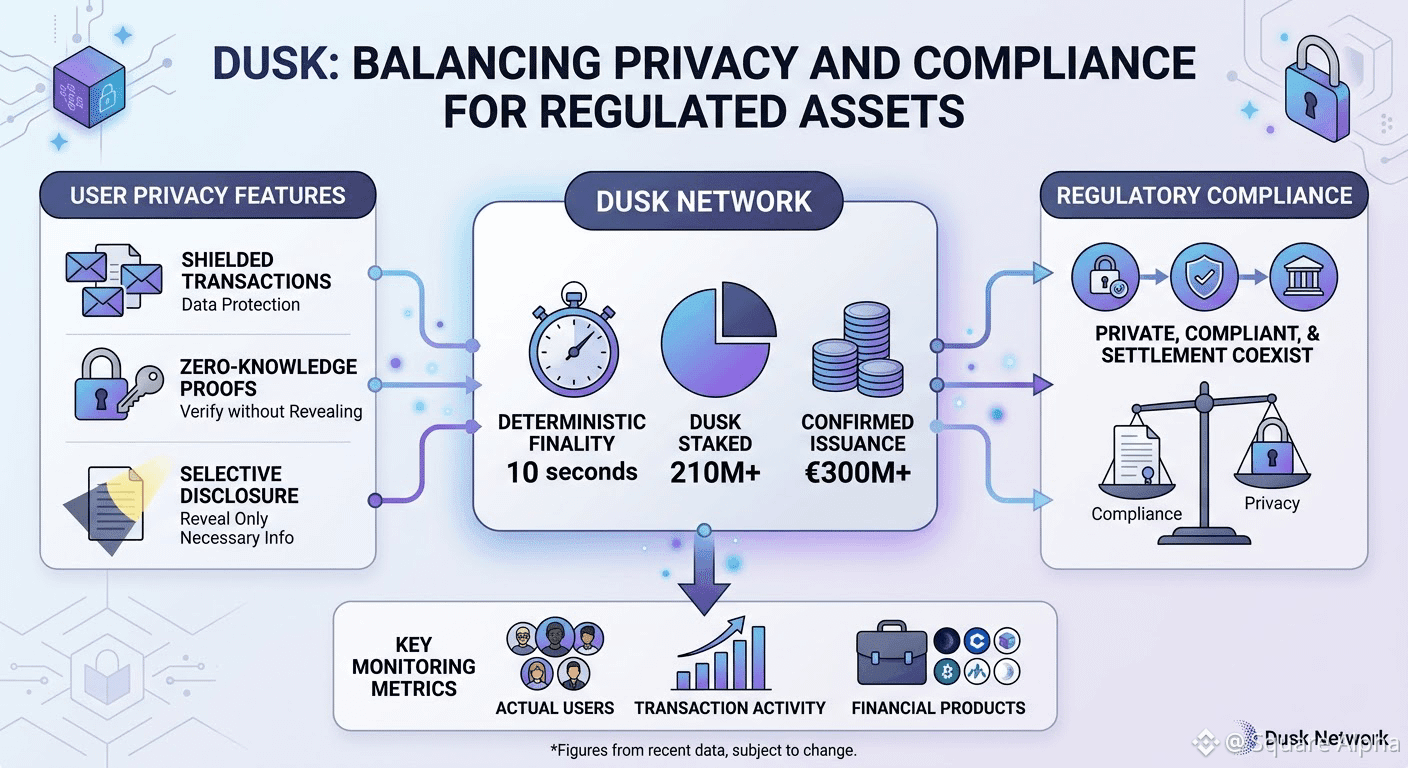
Документация Dusk стала первой вещью, которую я проверил. Впечатлило сочетание защищённых (shielded) транзакций, доказательств с нулевым разглашением (zero-knowledge proofs) и избирательного раскрытия данных (selective disclosure). Приватность — это не просто скрывать всё; дизайн позволяет раскрывать конкретную информацию, когда это необходимо.
Из-за этого я стал присматриваться внимательнее.
Dusk говорит, что сейчас в стейкинге находится более 210 млн DUSK, а сеть нацелена на примерно детерминированное финализирование за 10 секунд. Также подчёркивается подтверждённая эмиссия на сумму свыше €300 млн.
Я бы не воспринимал эти цифры сами по себе как доказательство того, что Dusk нашёл product-market fit. Показатели по эмиссии и участию в стейкинге говорят о чём-то, но реальную картину куда больше показывает стабильное использование.
Часть, которая мне кажется более интересной, — это направление: Dusk строит решение вокруг регулируемых активов, где приватность, соответствие требованиям и расчёты должны сосуществовать.
Это более сложная задача, чем просто сделать транзакции приватными.
Поэтому я наблюдаю за тем, что будет происходить, когда риторика станет тише: реальные пользователи, активность транзакций и будут ли финансовые продукты снова и снова возвращаться в сеть.
#dusk @Dusk_Foundation $DUSK
{spot}(DUSKUSDT)
Сегодня я открыл Dusk в ожидании очередного L1, ориентированного на приватность, с привычным питчем про «приватный блокчейн».
Вместо этого я начал разбираться в том, как платформа обеспечивает приватность, не полностью игнорируя регулирование.
Документация Dusk стала первой вещью, которую я проверил. Впечатлило сочетание защищённых (shielded) транзакций, доказательств с нулевым разглашением (zero-knowledge proofs) и избирательного раскрытия данных (selective disclosure). Приватность — это не просто скрывать всё; дизайн позволяет раскрывать конкретную информацию, когда это необходимо.
Из-за этого я стал присматриваться внимательнее.
Dusk говорит, что сейчас в стейкинге находится более 210 млн DUSK, а сеть нацелена на примерно детерминированное финализирование за 10 секунд. Также подчёркивается подтверждённая эмиссия на сумму свыше €300 млн.
Я бы не воспринимал эти цифры сами по себе как доказательство того, что Dusk нашёл product-market fit. Показатели по эмиссии и участию в стейкинге говорят о чём-то, но реальную картину куда больше показывает стабильное использование.
Часть, которая мне кажется более интересной, — это направление: Dusk строит решение вокруг регулируемых активов, где приватность, соответствие требованиям и расчёты должны сосуществовать.
Это более сложная задача, чем просто сделать транзакции приватными.
Поэтому я наблюдаю за тем, что будет происходить, когда риторика станет тише: реальные пользователи, активность транзакций и будут ли финансовые продукты снова и снова возвращаться в сеть.
#dusk @Dusk $DUSK
Вместо этого я начал разбираться в том, как платформа обеспечивает приватность, не полностью игнорируя регулирование.
Документация Dusk стала первой вещью, которую я проверил. Впечатлило сочетание защищённых (shielded) транзакций, доказательств с нулевым разглашением (zero-knowledge proofs) и избирательного раскрытия данных (selective disclosure). Приватность — это не просто скрывать всё; дизайн позволяет раскрывать конкретную информацию, когда это необходимо.
Из-за этого я стал присматриваться внимательнее.
Dusk говорит, что сейчас в стейкинге находится более 210 млн DUSK, а сеть нацелена на примерно детерминированное финализирование за 10 секунд. Также подчёркивается подтверждённая эмиссия на сумму свыше €300 млн.
Я бы не воспринимал эти цифры сами по себе как доказательство того, что Dusk нашёл product-market fit. Показатели по эмиссии и участию в стейкинге говорят о чём-то, но реальную картину куда больше показывает стабильное использование.
Часть, которая мне кажется более интересной, — это направление: Dusk строит решение вокруг регулируемых активов, где приватность, соответствие требованиям и расчёты должны сосуществовать.
Это более сложная задача, чем просто сделать транзакции приватными.
Поэтому я наблюдаю за тем, что будет происходить, когда риторика станет тише: реальные пользователи, активность транзакций и будут ли финансовые продукты снова и снова возвращаться в сеть.
#dusk @Dusk $DUSK
2
169
·
--
Рост
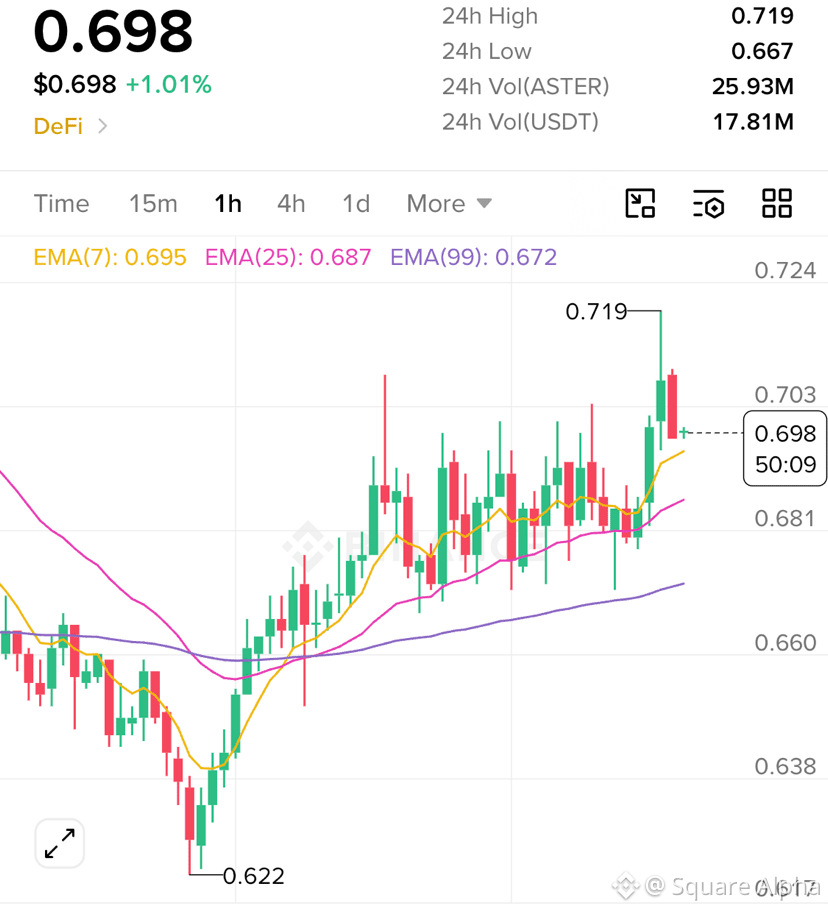
💥 $ASTER только что поставил 0.719 и ловит дыхание — пробои перезаряжаются, они не умирают! 😤
📊 LONG (1H):
→ Вход: 0.690 – 0.698
→ SL: 0.678
→ TP1: 0.719
→ TP2: 0.74 и 0.777 — полный разгон
Считывание: лестничная структура цела, EMA развернуты веером зелёные, а откат удерживается прямо на EMA7, будто стоит на полу. RSI в середине 50 = ещё полно топлива. Чистое закрытие выше 0.719 открывает воздушную яму прямо до 0.74 — а память о 0.777 всё ещё свежа в головах у всех.
Кто едет на пробое? 👇
#Aster
{spot}(ASTERUSDT)
💥 $ASTER только что поставил 0.719 и ловит дыхание — пробои перезаряжаются, они не умирают! 😤
📊 LONG (1H):
→ Вход: 0.690 – 0.698
→ SL: 0.678
→ TP1: 0.719
→ TP2: 0.74 и 0.777 — полный разгон
Считывание: лестничная структура цела, EMA развернуты веером зелёные, а откат удерживается прямо на EMA7, будто стоит на полу. RSI в середине 50 = ещё полно топлива. Чистое закрытие выше 0.719 открывает воздушную яму прямо до 0.74 — а память о 0.777 всё ещё свежа в головах у всех.
Кто едет на пробое? 👇
#Aster
📊 LONG (1H):
→ Вход: 0.690 – 0.698
→ SL: 0.678
→ TP1: 0.719
→ TP2: 0.74 и 0.777 — полный разгон
Считывание: лестничная структура цела, EMA развернуты веером зелёные, а откат удерживается прямо на EMA7, будто стоит на полу. RSI в середине 50 = ещё полно топлива. Чистое закрытие выше 0.719 открывает воздушную яму прямо до 0.74 — а память о 0.777 всё ещё свежа в головах у всех.
Кто едет на пробое? 👇
#Aster
246
·
--
Рост
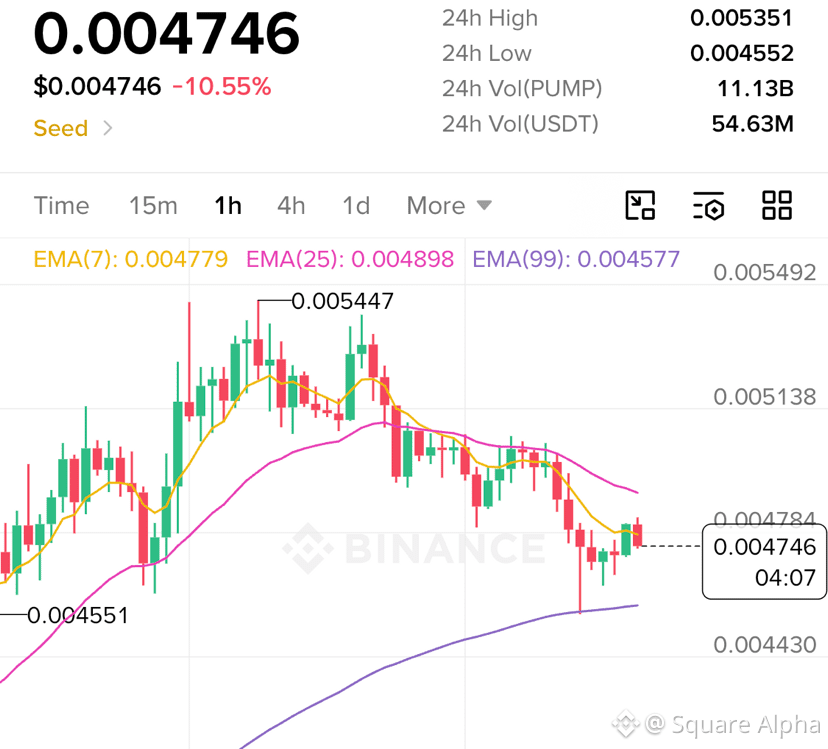
💥 $PUMP только что сбросило -10% прямо в его самый сильный пол — это выброс (shakeout), а не смена тренда! 😤
📊 LONG (1Ч):
→ Вход: 0.00458 – 0.00475
→ SL: 0.00440
→ TP1: 0.00490
→ TP2: 0.00515, и 0.00545 полный разгон
Смысл: EMA99 всё ещё растёт и не “потерялась”, весь восходящий тренд от 0.0036 цел, а RSI на 37 уже “вымытый”. Этот слив сбросил плечо и слабые руки в одной свече. Последний пол + перепроданность + растущий тренд = идеальное место, где отскоки происходят быстро и резко. Просадки здесь пожираются.
Кто покупает этот слив? 👇
#pump #pumpfun
{spot}(PUMPUSDT)
💥 $PUMP только что сбросило -10% прямо в его самый сильный пол — это выброс (shakeout), а не смена тренда! 😤
📊 LONG (1Ч):
→ Вход: 0.00458 – 0.00475
→ SL: 0.00440
→ TP1: 0.00490
→ TP2: 0.00515, и 0.00545 полный разгон
Смысл: EMA99 всё ещё растёт и не “потерялась”, весь восходящий тренд от 0.0036 цел, а RSI на 37 уже “вымытый”. Этот слив сбросил плечо и слабые руки в одной свече. Последний пол + перепроданность + растущий тренд = идеальное место, где отскоки происходят быстро и резко. Просадки здесь пожираются.
Кто покупает этот слив? 👇
#pump #pumpfun
📊 LONG (1Ч):
→ Вход: 0.00458 – 0.00475
→ SL: 0.00440
→ TP1: 0.00490
→ TP2: 0.00515, и 0.00545 полный разгон
Смысл: EMA99 всё ещё растёт и не “потерялась”, весь восходящий тренд от 0.0036 цел, а RSI на 37 уже “вымытый”. Этот слив сбросил плечо и слабые руки в одной свече. Последний пол + перепроданность + растущий тренд = идеальное место, где отскоки происходят быстро и резко. Просадки здесь пожираются.
Кто покупает этот слив? 👇
#pump #pumpfun
210
·
--
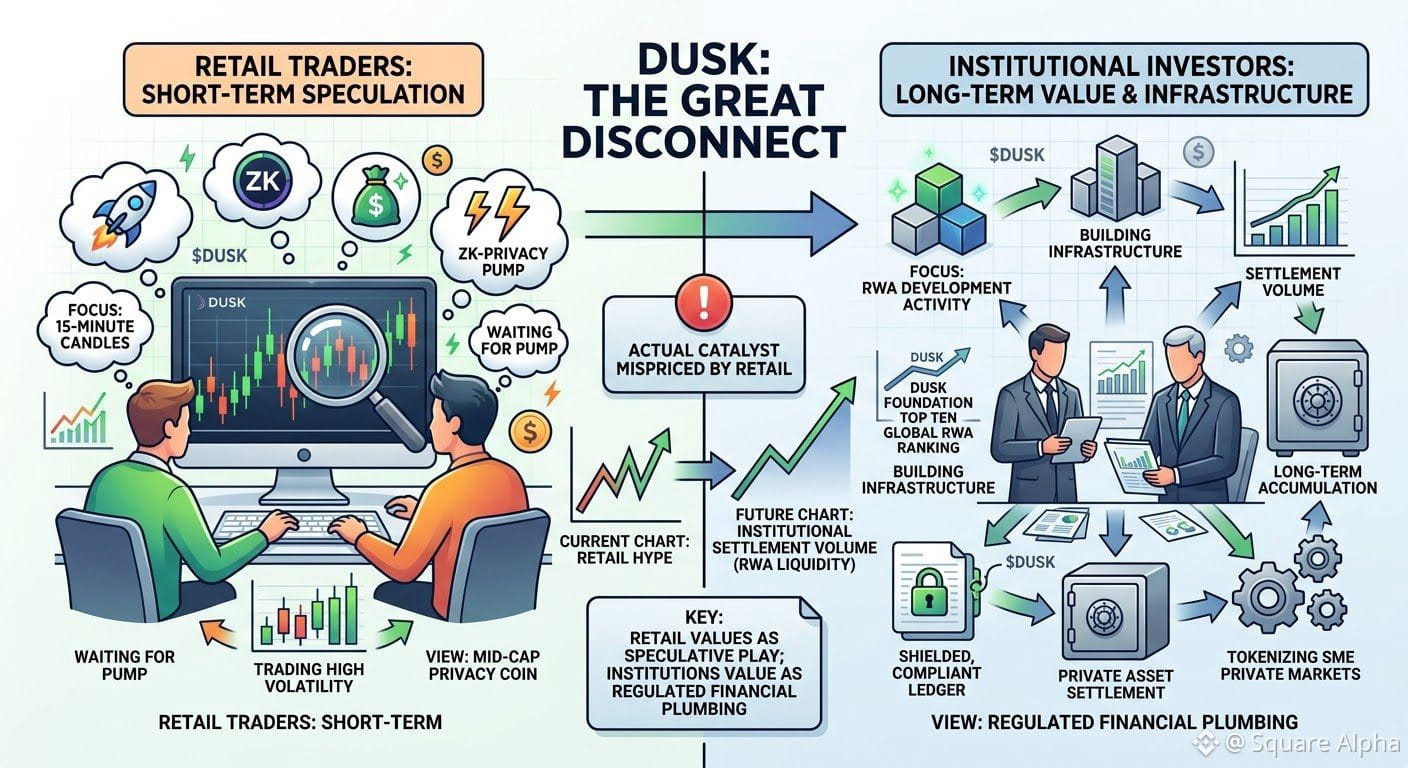
Проверяя график $DUSK сегодня, он колеблется прямо около уровня $0.074. По таймлайну это выглядит как стандартный прорыв mid-cap приватного коина: розничные трейдеры разглядывают 15-минутные свечи и ждут быстрый ZK-приватность-памп.
Но, наблюдая за институциональными заголовками за последние 48 часов, мне стало ясно, что рынок полностью неверно оценивает реальный катализатор.
Пока розница сосредоточена на краткосрочном графике, аналитические фирмы блокчейна тихо включили @Dusk_Foundation в топ-10 в мире по активности в разработке реальных активов (RWA). Параллельно команда активно продвигает инфраструктуру, чтобы токенизировать частные рынки для МСП.
Огромный разрыв между розничным графиком и институциональной реальностью наконец-то сложился в понятную картину, когда я посмотрел на их архитектуру комплаенса. Традиционные финансы не хотят быстрой публичной mempool для корпоративных облигаций. Им нужна сильно защищённая, юридически корректная книга учёта, чтобы урегулировать частные активы, не утёкши данными для ботов высокочастотной торговли.
Мой итоговый вывод о сегодняшнем движении цены прост. Розничный рынок по-прежнему оценивает токен как спекулятивную тех-историю, тогда как реальные покупатели рассматривают его как регулируемую финансовую инфраструктуру. Когда ближе к концу этого года откроются «лидергаты» RWA ликвидности, график перестанет отражать розничный хайп и начнёт отражать институциональный объём расчётов.
#dusk @Dusk_Foundation $DUSK
{spot}(DUSKUSDT)
Проверяя график $DUSK сегодня, он колеблется прямо около уровня $0.074. По таймлайну это выглядит как стандартный прорыв mid-cap приватного коина: розничные трейдеры разглядывают 15-минутные свечи и ждут быстрый ZK-приватность-памп.
Но, наблюдая за институциональными заголовками за последние 48 часов, мне стало ясно, что рынок полностью неверно оценивает реальный катализатор.
Пока розница сосредоточена на краткосрочном графике, аналитические фирмы блокчейна тихо включили @Dusk в топ-10 в мире по активности в разработке реальных активов (RWA). Параллельно команда активно продвигает инфраструктуру, чтобы токенизировать частные рынки для МСП.
Огромный разрыв между розничным графиком и институциональной реальностью наконец-то сложился в понятную картину, когда я посмотрел на их архитектуру комплаенса. Традиционные финансы не хотят быстрой публичной mempool для корпоративных облигаций. Им нужна сильно защищённая, юридически корректная книга учёта, чтобы урегулировать частные активы, не утёкши данными для ботов высокочастотной торговли.
Мой итоговый вывод о сегодняшнем движении цены прост. Розничный рынок по-прежнему оценивает токен как спекулятивную тех-историю, тогда как реальные покупатели рассматривают его как регулируемую финансовую инфраструктуру. Когда ближе к концу этого года откроются «лидергаты» RWA ликвидности, график перестанет отражать розничный хайп и начнёт отражать институциональный объём расчётов.
#dusk @Dusk $DUSK
Но, наблюдая за институциональными заголовками за последние 48 часов, мне стало ясно, что рынок полностью неверно оценивает реальный катализатор.
Пока розница сосредоточена на краткосрочном графике, аналитические фирмы блокчейна тихо включили @Dusk в топ-10 в мире по активности в разработке реальных активов (RWA). Параллельно команда активно продвигает инфраструктуру, чтобы токенизировать частные рынки для МСП.
Огромный разрыв между розничным графиком и институциональной реальностью наконец-то сложился в понятную картину, когда я посмотрел на их архитектуру комплаенса. Традиционные финансы не хотят быстрой публичной mempool для корпоративных облигаций. Им нужна сильно защищённая, юридически корректная книга учёта, чтобы урегулировать частные активы, не утёкши данными для ботов высокочастотной торговли.
Мой итоговый вывод о сегодняшнем движении цены прост. Розничный рынок по-прежнему оценивает токен как спекулятивную тех-историю, тогда как реальные покупатели рассматривают его как регулируемую финансовую инфраструктуру. Когда ближе к концу этого года откроются «лидергаты» RWA ликвидности, график перестанет отражать розничный хайп и начнёт отражать институциональный объём расчётов.
#dusk @Dusk $DUSK
5
5
170
·
--
Рост
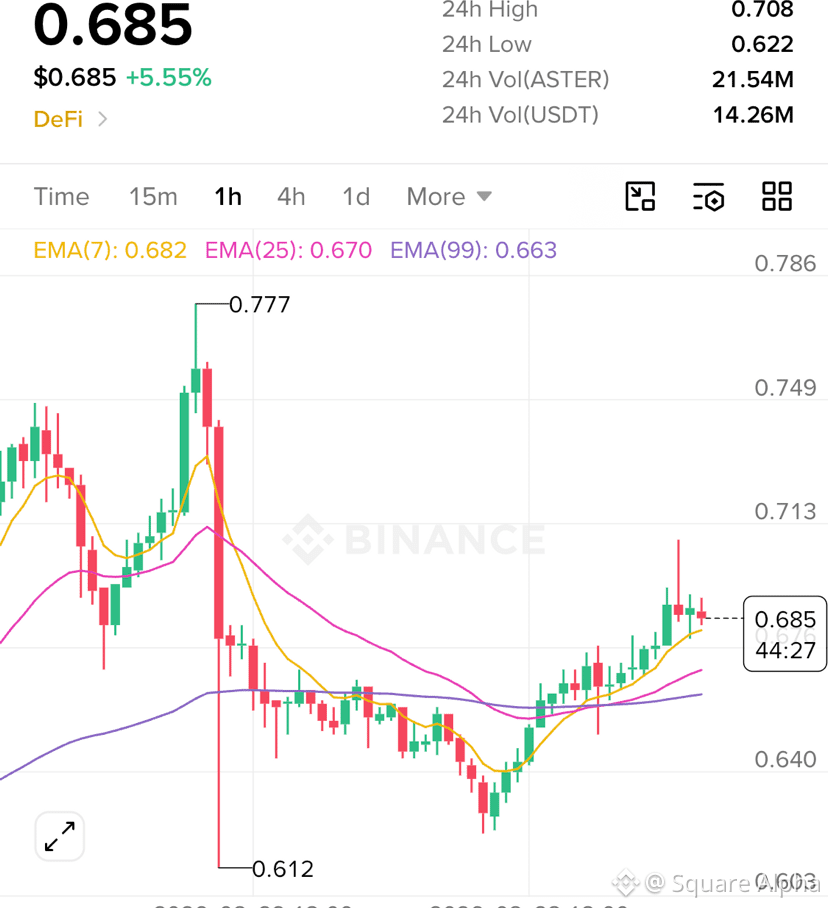
$ASTER спокойно поднялась обратно выше каждой EMA, пока все смотрели на другие монеты 😌
ДЛИННАЯ (1Ч):
→ Вход: 0.675 – 0.685
→ SL: 0.658 — если «стек» EMA сломался = идея сломалась
→ TP1: 0.708
→ TP2: 0.74, а 0.777 если пойдёт на максимум
Сигнал: восстановление от 0.612 — это чистая лестница, «нук» на 0.777 полностью переварен, а RSI ещё имеет запас до «готовности». Закрытие выше 0.708 открывает воздушный карман над.
Если 0.658 пробьёт — значит я ошибся, небольшой царапнул — и дальше. До тех пор катаюсь на спокойном восстановлении.
Снова поставят на ASTER отметку 0.777 на этой неделе? 👇
#Aster #defi
{spot}(ASTERUSDT)
$ASTER спокойно поднялась обратно выше каждой EMA, пока все смотрели на другие монеты 😌
ДЛИННАЯ (1Ч):
→ Вход: 0.675 – 0.685
→ SL: 0.658 — если «стек» EMA сломался = идея сломалась
→ TP1: 0.708
→ TP2: 0.74, а 0.777 если пойдёт на максимум
Сигнал: восстановление от 0.612 — это чистая лестница, «нук» на 0.777 полностью переварен, а RSI ещё имеет запас до «готовности». Закрытие выше 0.708 открывает воздушный карман над.
Если 0.658 пробьёт — значит я ошибся, небольшой царапнул — и дальше. До тех пор катаюсь на спокойном восстановлении.
Снова поставят на ASTER отметку 0.777 на этой неделе? 👇
#Aster #defi
ДЛИННАЯ (1Ч):
→ Вход: 0.675 – 0.685
→ SL: 0.658 — если «стек» EMA сломался = идея сломалась
→ TP1: 0.708
→ TP2: 0.74, а 0.777 если пойдёт на максимум
Сигнал: восстановление от 0.612 — это чистая лестница, «нук» на 0.777 полностью переварен, а RSI ещё имеет запас до «готовности». Закрытие выше 0.708 открывает воздушный карман над.
Если 0.658 пробьёт — значит я ошибся, небольшой царапнул — и дальше. До тех пор катаюсь на спокойном восстановлении.
Снова поставят на ASTER отметку 0.777 на этой неделе? 👇
#Aster #defi
238
·
--
Рост
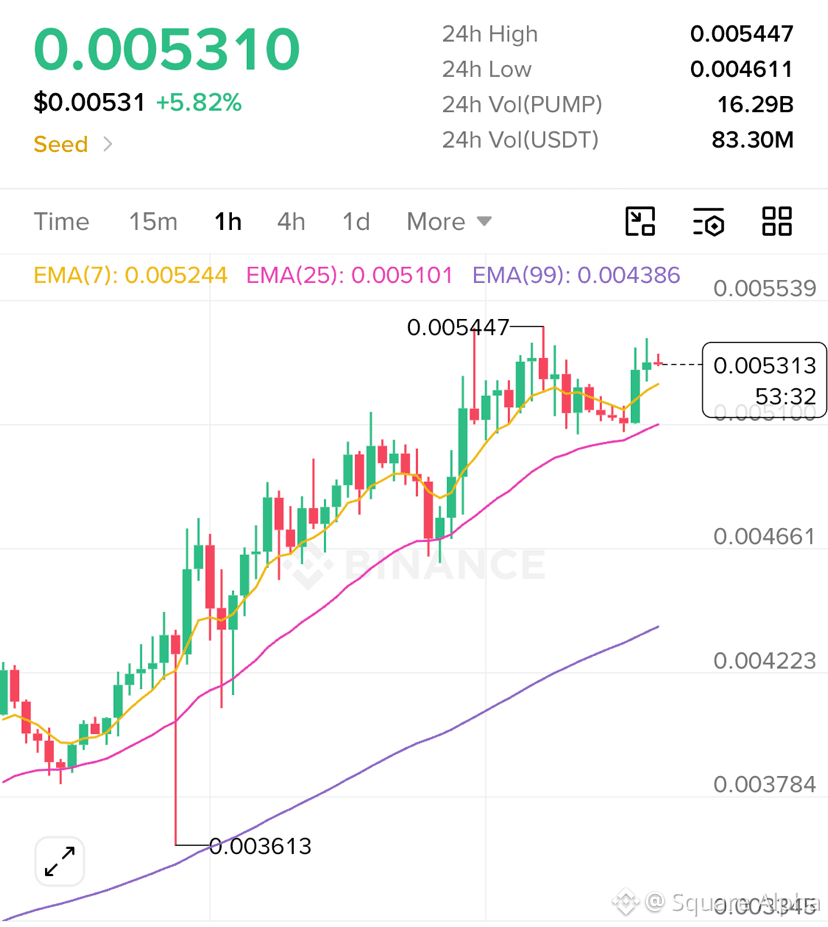
$PUMP снова делает лестницу — закручивая вправо прямо под хай 😌
📊 ДЛИННЫЙ (1H):
→ Вход: 0.0052 – 0.0053
→ SL: 0.00495 — EMA25 исчезла = идея исчезла
→ TP1: 0.00545
→ TP2: 0.0060 полный разгон
Сигнал: более высокие лои, RSI 62 с потенциалом, EMA в стеке зелёные, каждый откат выкупался в течение нескольких свечей. Чистый пробой 0.00545 открывает зону круглого числа выше.
0.00495 пробивается — и я был неправ, небольшой минус, идём дальше. Пока что катаюсь по лестнице.
Кто держит PUMP до 0.006? 👇
#pump #pumpfun $PUMP
{spot}(PUMPUSDT)
$PUMP снова делает лестницу — закручивая вправо прямо под хай 😌
📊 ДЛИННЫЙ (1H):
→ Вход: 0.0052 – 0.0053
→ SL: 0.00495 — EMA25 исчезла = идея исчезла
→ TP1: 0.00545
→ TP2: 0.0060 полный разгон
Сигнал: более высокие лои, RSI 62 с потенциалом, EMA в стеке зелёные, каждый откат выкупался в течение нескольких свечей. Чистый пробой 0.00545 открывает зону круглого числа выше.
0.00495 пробивается — и я был неправ, небольшой минус, идём дальше. Пока что катаюсь по лестнице.
Кто держит PUMP до 0.006? 👇
#pump #pumpfun $PUMP
📊 ДЛИННЫЙ (1H):
→ Вход: 0.0052 – 0.0053
→ SL: 0.00495 — EMA25 исчезла = идея исчезла
→ TP1: 0.00545
→ TP2: 0.0060 полный разгон
Сигнал: более высокие лои, RSI 62 с потенциалом, EMA в стеке зелёные, каждый откат выкупался в течение нескольких свечей. Чистый пробой 0.00545 открывает зону круглого числа выше.
0.00495 пробивается — и я был неправ, небольшой минус, идём дальше. Пока что катаюсь по лестнице.
Кто держит PUMP до 0.006? 👇
#pump #pumpfun $PUMP
160
·
--
Рост
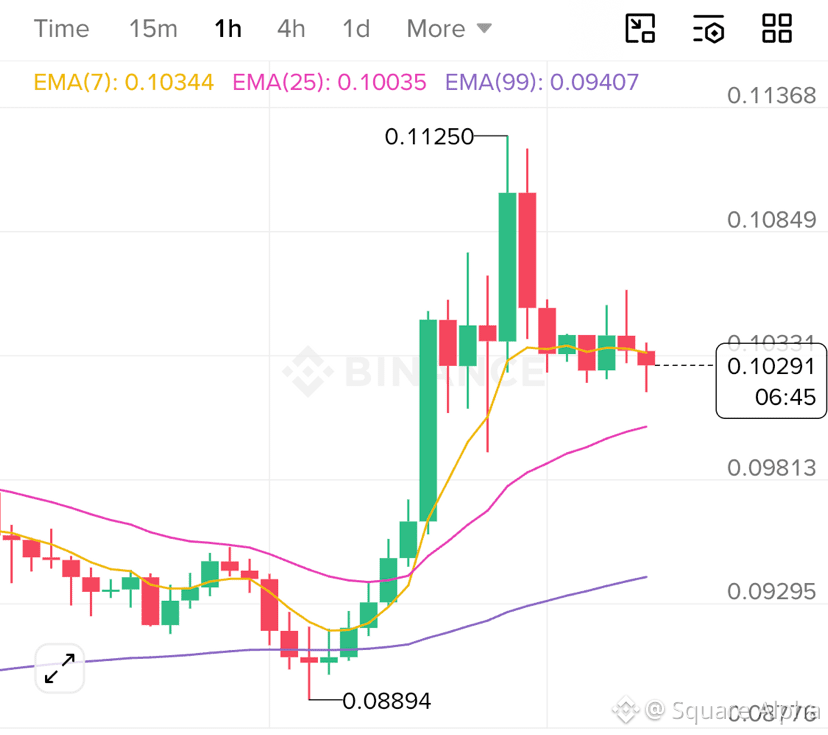
$XPL взлетел до 0.1125, выбил слабые руки, теперь снова сжимается около 0.103 😌
Небольшой спад на низком объёме + сброс RSI = учебная бычья флаговая модель.
📊 LONG (1H):
→ Вход: 0.100 – 0.103 (зона флага, EMA25 как раз здесь)
→ SL: 0.0975 — флаг сломан = я выхожу
→ TP1: 0.1125
→ TP2: 0.12 полный разгон
Сигнал: импульс на реальном объёме, откат “ни на чём”, и EMA25 поднимается прямо в мою зону входа. Это накопление, а не выдох.
Если пробьёт 0.0975, и я ошибся — небольшой минус, двигаемся дальше. Но такие флаги обычно разрешаются вверх, и я в позиции ДО развязки, а не ПОСЛЕ.
Кто держит XPL через это? 👇
#XPL #Plasma
{spot}(XPLUSDT)
$XPL взлетел до 0.1125, выбил слабые руки, теперь снова сжимается около 0.103 😌
Небольшой спад на низком объёме + сброс RSI = учебная бычья флаговая модель.
📊 LONG (1H):
→ Вход: 0.100 – 0.103 (зона флага, EMA25 как раз здесь)
→ SL: 0.0975 — флаг сломан = я выхожу
→ TP1: 0.1125
→ TP2: 0.12 полный разгон
Сигнал: импульс на реальном объёме, откат “ни на чём”, и EMA25 поднимается прямо в мою зону входа. Это накопление, а не выдох.
Если пробьёт 0.0975, и я ошибся — небольшой минус, двигаемся дальше. Но такие флаги обычно разрешаются вверх, и я в позиции ДО развязки, а не ПОСЛЕ.
Кто держит XPL через это? 👇
#XPL #Plasma
Небольшой спад на низком объёме + сброс RSI = учебная бычья флаговая модель.
📊 LONG (1H):
→ Вход: 0.100 – 0.103 (зона флага, EMA25 как раз здесь)
→ SL: 0.0975 — флаг сломан = я выхожу
→ TP1: 0.1125
→ TP2: 0.12 полный разгон
Сигнал: импульс на реальном объёме, откат “ни на чём”, и EMA25 поднимается прямо в мою зону входа. Это накопление, а не выдох.
Если пробьёт 0.0975, и я ошибся — небольшой минус, двигаемся дальше. Но такие флаги обычно разрешаются вверх, и я в позиции ДО развязки, а не ПОСЛЕ.
Кто держит XPL через это? 👇
#XPL #Plasma
216
Войдите, чтобы посмотреть больше материала
Присоединяйтесь к пользователям криптовалют по всему миру на Binance Square
⚡️ Получайте новейшую и полезную информацию о криптоактивах.
💬 Нам доверяет крупнейшая в мире криптобиржа.
👍 Получите достоверные аналитические данные от верифицированных создателей контента.
Эл. почта/номер телефона
В тренде
BitcoinSlipsBelow$80KAgain
Просмотров: 27
4 обсуждают
$TRUMP $XAU Deutsche Bank понижает рекомендацию по акциям
Sainsbury’s
Deutsche Bank понизил рекомендацию по акциям J Sainsbury PLC (LON:SBRY) с «покупать» до «держать», сославшись на слабую уверенность в росте объёмов продаж продуктов питания и ограниченные возможности для увеличения маржи в ближайшей перспективе. Это происходит накануне важного рождественского торгового сезона.
На утренних торгах в Лондоне акции Sainsbury’s подешевели на 1,13%, до 349,20 пенса, показав результат хуже широкого индекса FTSE 100, который также снизился на 1,04%, до 10 655,30 пункта.
#BitcoinSlipsBelow$80KAgain #StrategySkipsBitcoinPurchasesSpends$205MOnSTRCBuybacks #BitmineAdds10452ETH #SouthKoreaConsidersEducationTaxOnCryptoExchanges #RippleWinsFullApprovalAsNationalTrustBank
محلل عملات رقمي
·Лайков: 0
·Просмотров: 10
StrategySkipsBitcoinPurchasesSpends$205MOnSTRCBuybacks
Просмотров: 2,411
62 обсуждают
BitmineAdds10452ETH
Просмотров: 21,876
429 обсуждают