


WasiInsights
Trade | Risk | Real | Insights
Открытая сделка
Трейдер с регулярными сделками
3.1 г
726 подписок(и/а)
777 подписчиков(а)
1.0K+ понравилось
Посты
Портфель
Все
Цитирования
Видео
Активно
PINNED

Bozitari
·
--
Btc💪😱🤗 vote to @Crypto Man MAB
vote here
$BTC #BinancePick #BNB_Market_Update
vote here
$BTC #BinancePick #BNB_Market_Update
WasiInsights
·
--
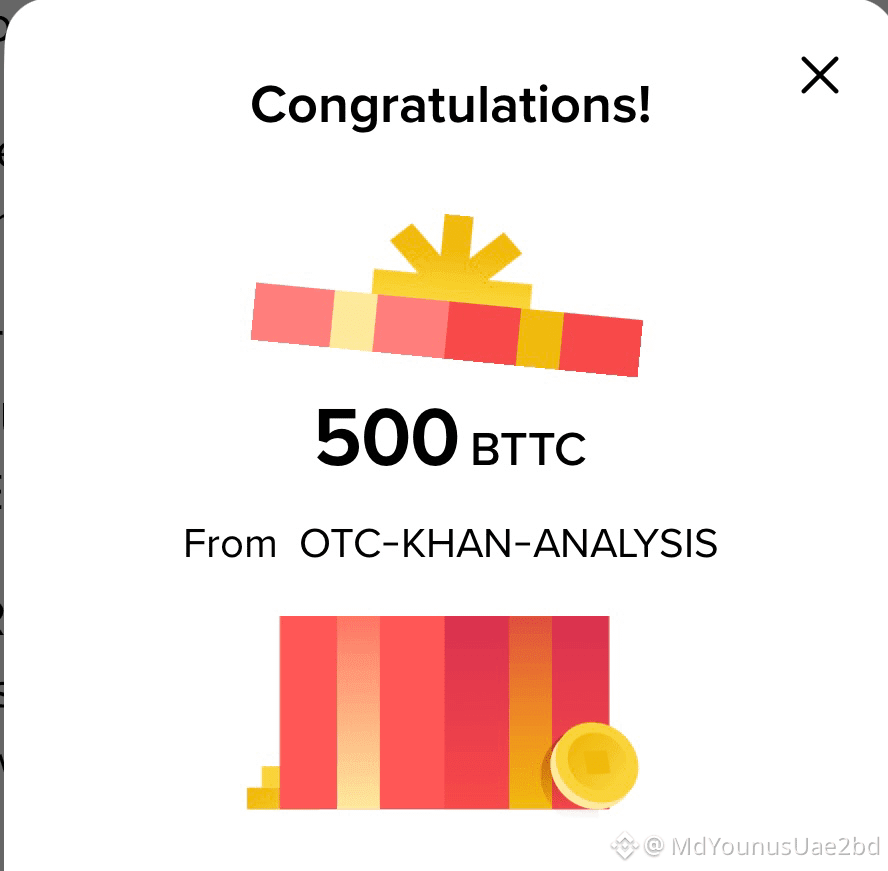
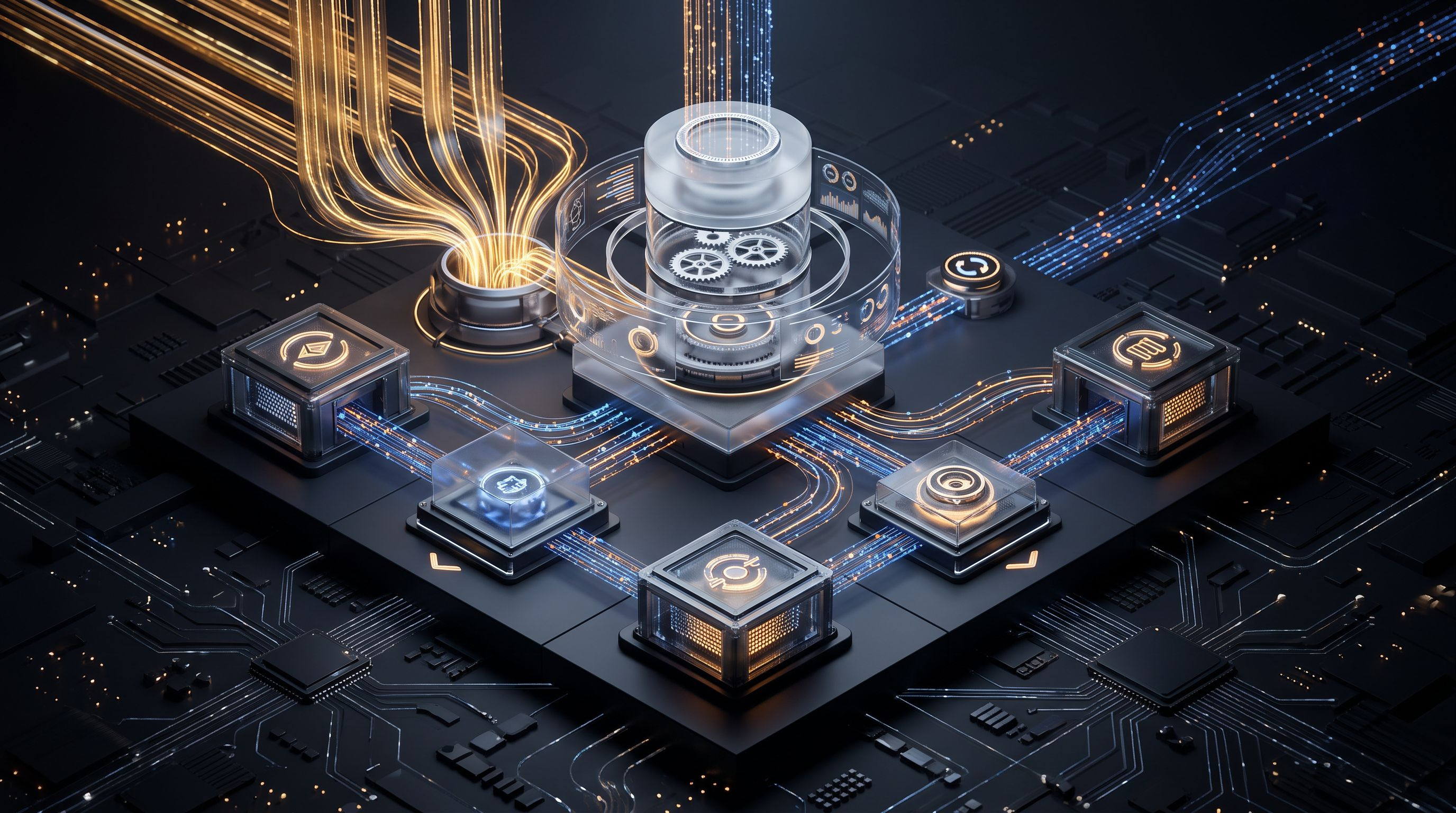
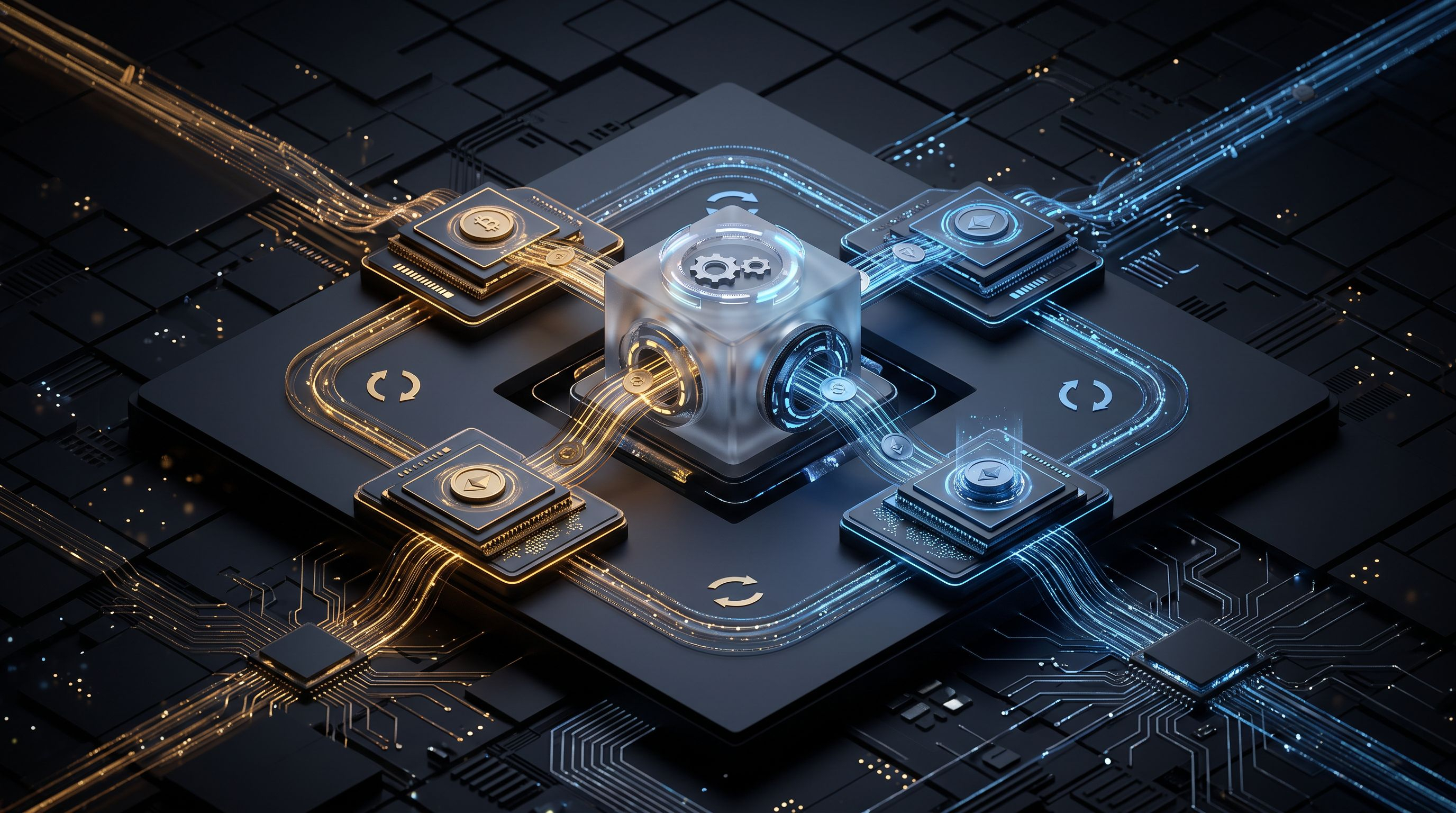
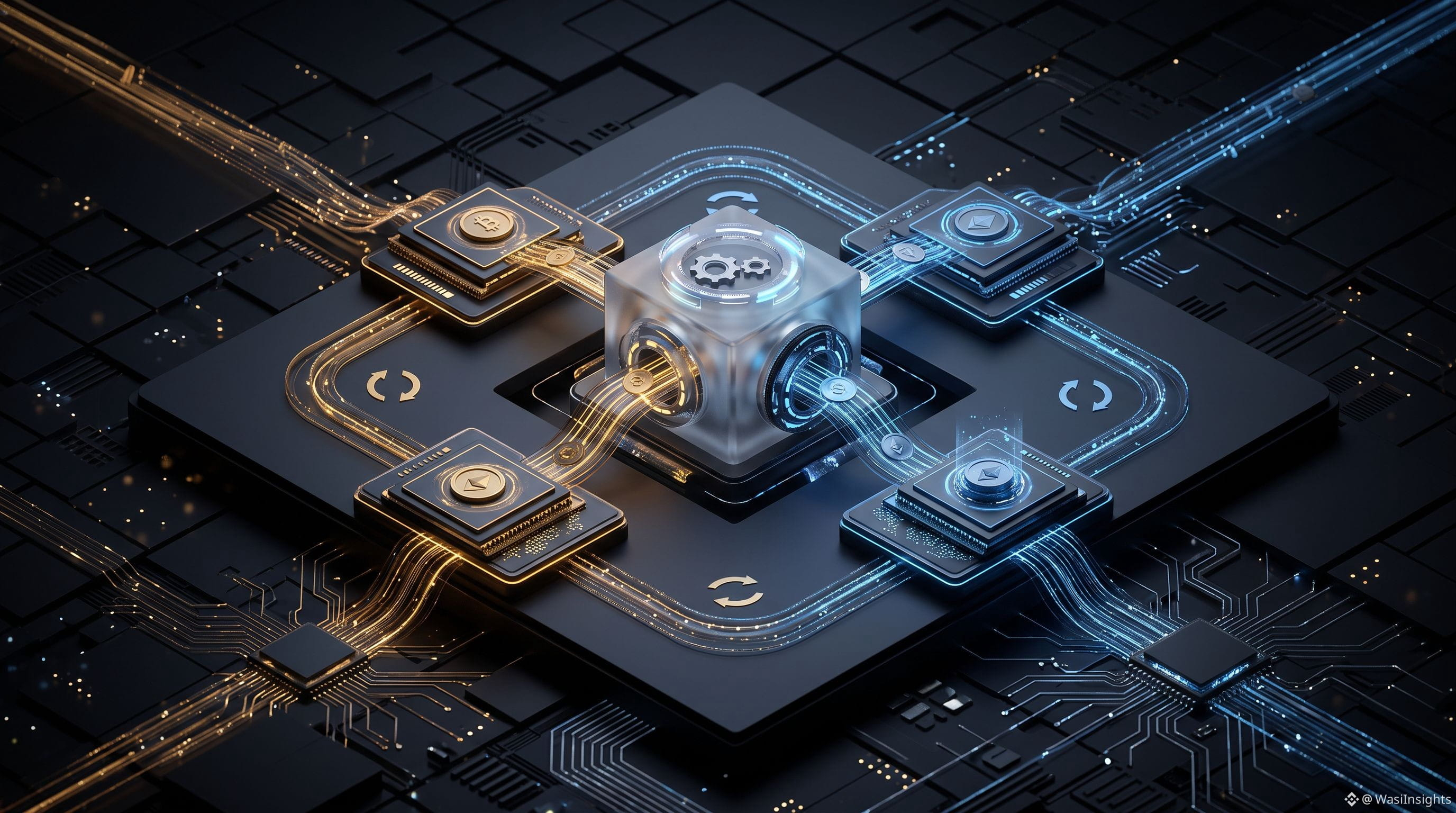
Day 48–50: Let's learn Yield Aggregators & Automated Strategies.
We unlocked capital with liquid staking, but managing multiple DeFi positions manually eats up time and gas fees. ⚙️
Here is how yield aggregators put your crypto on autopilot:
• Automated vault strategies: Smart contracts dynamically shift pooled funds across lending protocols and DEXs to grab the highest APY.
• Auto-compounding gains: They harvest earned rewards and reinvest them into the principal automatically, supercharging compound growth.
• Gas fee batching: Transactions are pooled among hundreds of users, slashing execution fees down to pennies per person.
Quick tip: Check how many protocols your vault routes through; more connections mean compounded smart contract risk. 🛡️
Not financial advice, DYOR always.
Tomorrow: Decentralized Stablecoins. What questions do you have about today's topic?
#Web3 #Crypto #100DaysOfWeb3
WasiInsights
·
--
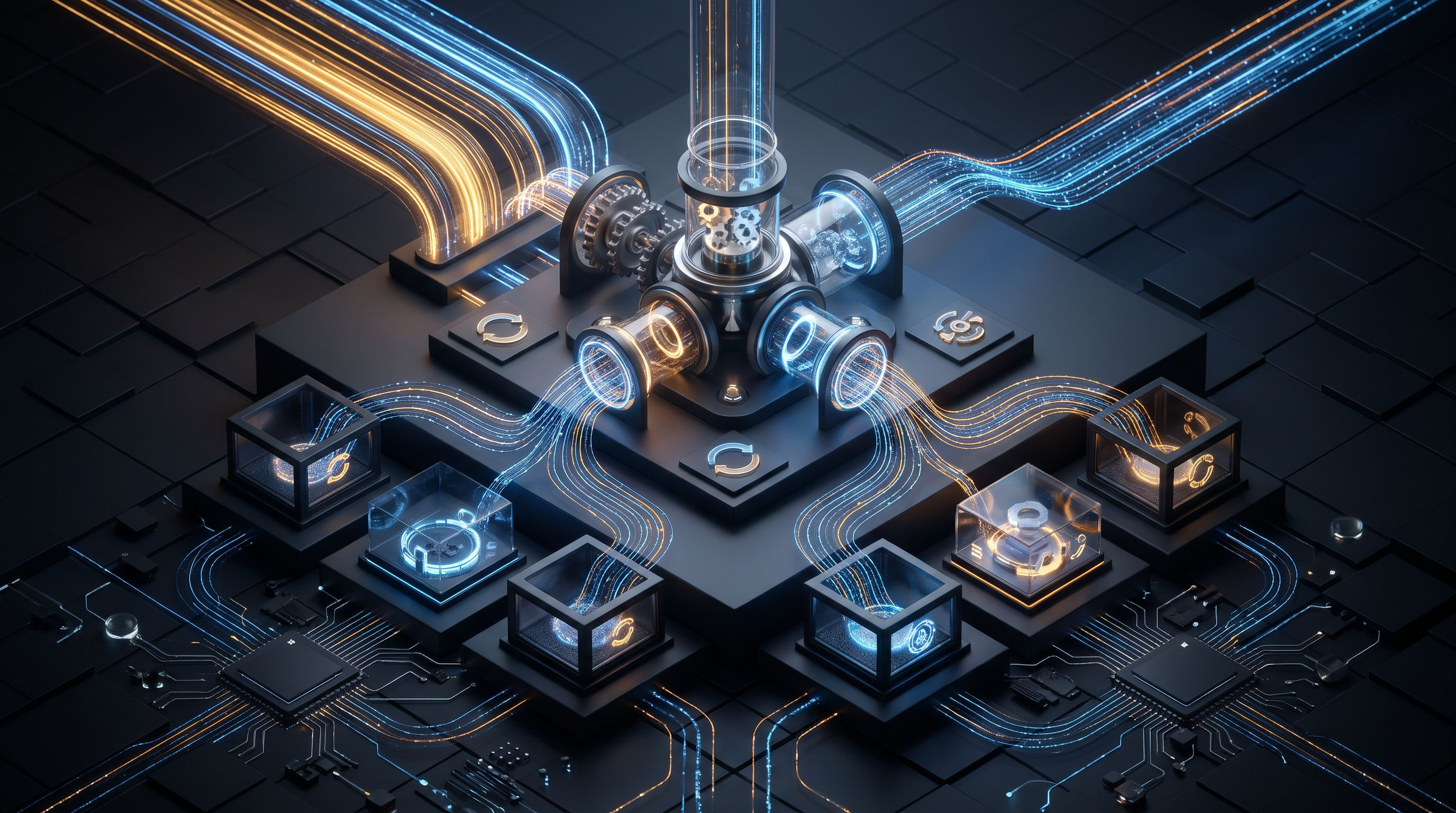
РостDay 47: Let's learn Liquid Staking Derivatives.
Yesterday we saw how oracles bring data on-chain, but DeFi also solves the problem of locked staking capital. 💧
Here is how Liquid Staking Derivatives (LSDs) work:
• Unlock trapped value: Stake tokens to earn network yield while receiving a receipt token with equal value.
• Double your utility: Use those liquid receipt tokens across DeFi to lend, farm, or trade simultaneously.
• Instant flexibility: Exit your staked position anytime by swapping on a DEX without waiting out unbonding periods.
Quick tip: Monitor the de-peg risk between the derivative token and the underlying staked asset. ⚠️
Not financial advice, DYOR always.
Tomorrow: Yield Aggregators. What questions do you have about today's topic?
#Web3 #Binance #LearnWeb3
WasiInsights
·
--
Рост Let's learn Decentralized Exchange
Here is how a DEX works:
Direct peer-to-contract trading: Swap tokens straight from your self-custody wallet without depositing into an exchange.
No KYC verification: Connect your wallet and trade immediately without identity checks or permission.
You hold your keys: Funds never leave your control until the swap transaction confirms on-chain.
Quick tip: Set slippage tolerance carefully to avoid getting front-run by bots on large swaps.
$AMZNB
Not financial advice,
Tomorrow: Impermanent Loss. What questions do you have about today's topic?
#Web3 #Binance

Aimei爱梅2911
·
--
Don't miss out a GIFT 🧧 🎁🧧
follow me @Aimei爱梅2911
like , share ,
chat me here👇
请大家点赞、评论和分享我的置顶帖子!
Holdings: $WLD $SOL $KAITO
follow me @Aimei爱梅2911
like , share ,
chat me here👇
请大家点赞、评论和分享我的置顶帖子!
Holdings: $WLD $SOL $KAITO

zahidhabib
·
--
good

Rida Malik7
·
--
@DuskFoundation, tag token $DUSK and use the hashtag #dusk. The content must be strongly
WasiInsights
·
--
Рост#dusk $DUSK @Dusk
Dusk
is actually building and it’s pretty refreshing.
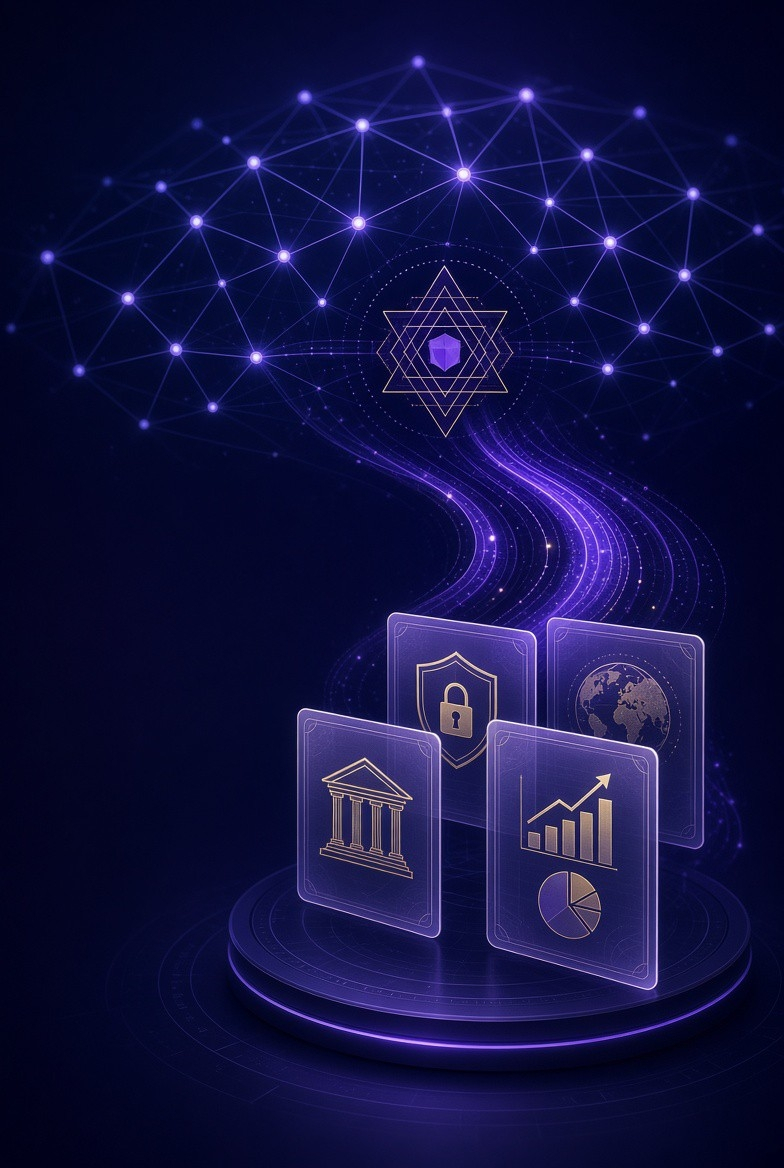
Most blockchains talk about privacy or compliance, but Dusk combines both in a way that actually works for regulated markets. It’s a Layer 1 designed for real financial use cases — privacy where you need it, transparency where it’s useful, and selective disclosure so authorized parties can still review when required.
The upcoming DuskEVM mainnet looks especially interesting. It gives developers a familiar Solidity path while supporting confidential workflows through Hedger. On top of that, Dusk Trade aims to bring tokenized assets like bonds, ETFs and RWAs onchain with instant settlement and proper regulatory structure.
Partnerships with licensed EU institutions also show they’re serious about moving real financial markets onchain, not just tokenizing for the sake of it.
$DUSK
Curious to see how this develops once more of the stack goes live.
Rida Malik7
·
--
Рост#dusk $DUSK @Dusk
The Bigger Difference: Native Issuance
Tokenization sounds like putting an asset onchain. But there is a deeper question: where does the asset actually live?
With traditional tokenization, the blockchain can represent an existing offchain asset while important parts of its lifecycle—ownership records, custody, settlement, and compliance—still depend on separate systems.
Native issuance changes the architecture.
The asset can be created and managed around onchain infrastructure, allowing issuance, transfers, eligibility rules, servicing, and settlement to become part of a more connected workflow. Dusk is building infrastructure for this model, with privacy, access controls, selective disclosure, and deterministic settlement designed around regulated financial markets.
That is why I find Dusk interesting. The real opportunity isn't simply putting securities on a blockchain. It's asking whether the financial lifecycle itself can become programmable.$CATI
$BMT
If that happens at scale, the RWA narrative could become much bigger than tokenization.
Which altcoin do you think has the highest potential in this next phase of crypto?
Rida Malik7
·
--
Рост#dusk $DUSK @Dusk
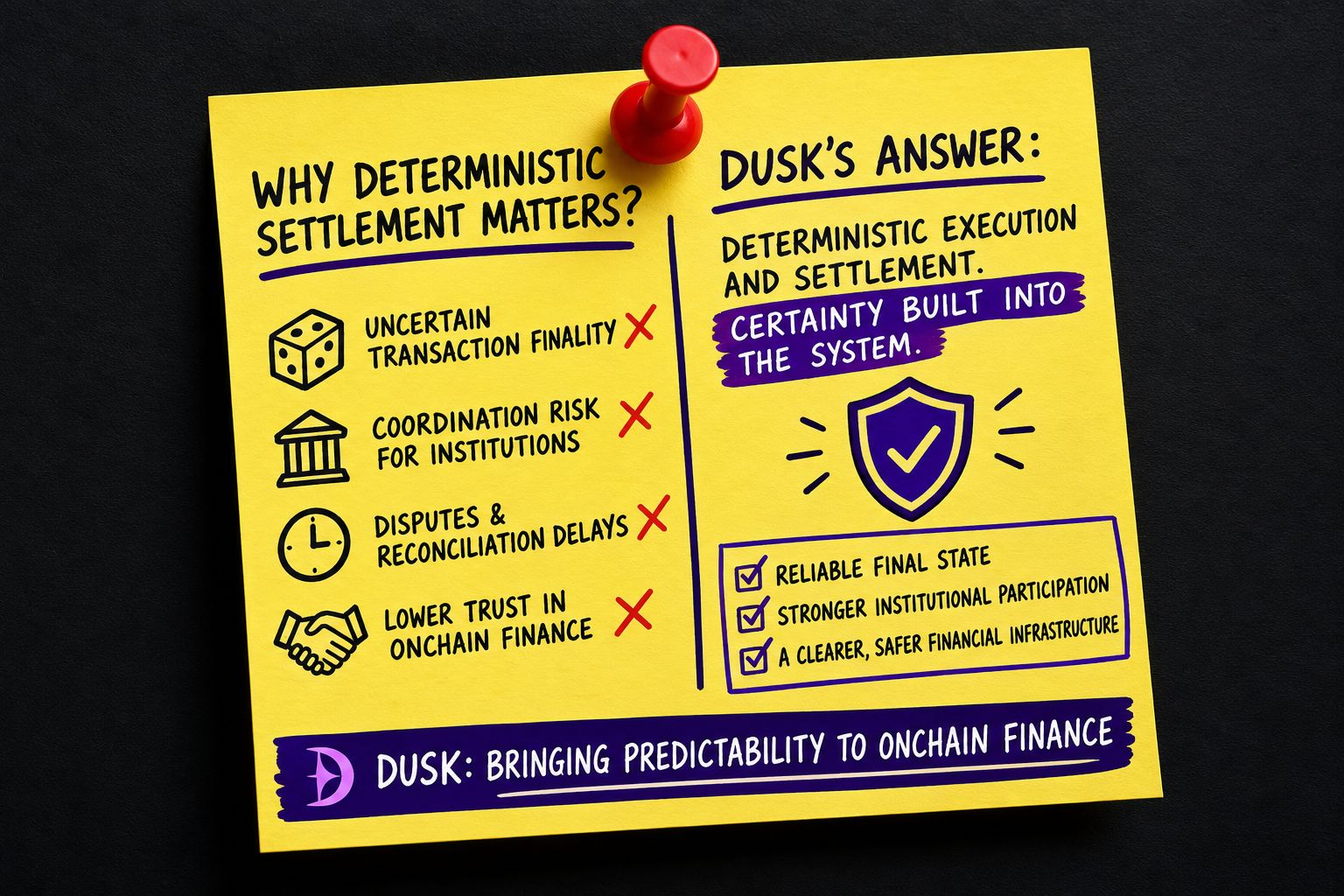
Why Deterministic Settlement Matters to Dusk’s Financial Infrastructure
Markets can survive volatility. What they struggle to survive is uncertainty about what actually settled.
That distinction becomes important when financial assets move onchain. A transaction is not truly useful merely because it was submitted; institutions need confidence about the final state, especially when collateral, ownership, and compliance depend on it.
I keep coming back to this when looking at Dusk. Its infrastructure is designed around deterministic execution and settlement, which changes the question from “Did the network process this?” to “Can every participant reliably agree on the resulting state?”
That sounds subtle, but financial infrastructure is built on exactly this kind of certainty.
Imagine two banks updating the same ledger while remaining unsure whether an earlier transaction might effectively change. The problem isn't speed. It's coordination risk.
Dusk’s approach suggests that deterministic settlement could become less of a technical preference and more of a requirement for regulated markets moving onchain.
But there is a harder question: if financial systems increasingly demand predictable finality, can blockchains that tolerate ambiguity remain competitive?$METAB
$ONG
Dusk, Dusk Network, Dusk blockchain, deterministic settlement, deterministic execution, financial infrastructure, onchain finance, regulated finance, blockchain settlement, transaction finality, institutional blockchain, digital securities, RWA, real world assets, compliant blockchain, financial markets, blockchain infrastructure, DuskEVM, privacy blockchain, predictable settlement, institutional DeFi, tokenized assets
Войдите, чтобы посмотреть больше материала