
Matt Henry 56
3.2k Публикации
Matt Henry 56
Отправить жалобу
Заблокировать пользователя
21 подписок(и/а)
6.8K+ подписчиков(а)
3.3K+ понравилось
Посты
Все
Цитирования
Активно
·
--
Рост
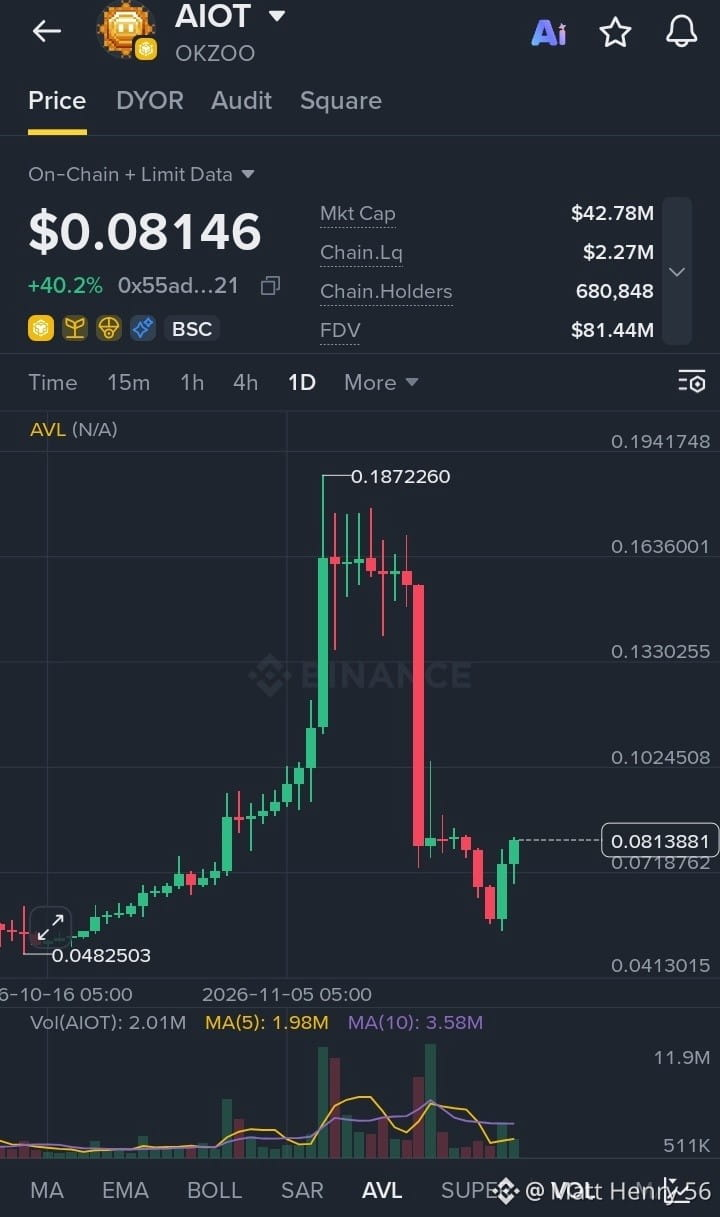
🚀 $AIOT is showing strong recovery with a 40.2% gain, trading around $0.08146. After a major correction, buyers are stepping back in. Can AIOT build momentum and move higher? Keep watching volume and key support levels. 📈🔥
#NVDASoarsOnJensenReturn #NVIDIAReinstatesJensenHuangasCEO #WillMarketsStageAThanksgivingReliefRally?
{alpha}(560x55ad16bd573b3365f43a9daeb0cc66a73821b4a5)
🚀 $AIOT is showing strong recovery with a 40.2% gain, trading around $0.08146. After a major correction, buyers are stepping back in. Can AIOT build momentum and move higher? Keep watching volume and key support levels. 📈🔥
#NVDASoarsOnJensenReturn #NVIDIAReinstatesJensenHuangasCEO #WillMarketsStageAThanksgivingReliefRally?
#NVDASoarsOnJensenReturn #NVIDIAReinstatesJensenHuangasCEO #WillMarketsStageAThanksgivingReliefRally?
147
·
--
Рост
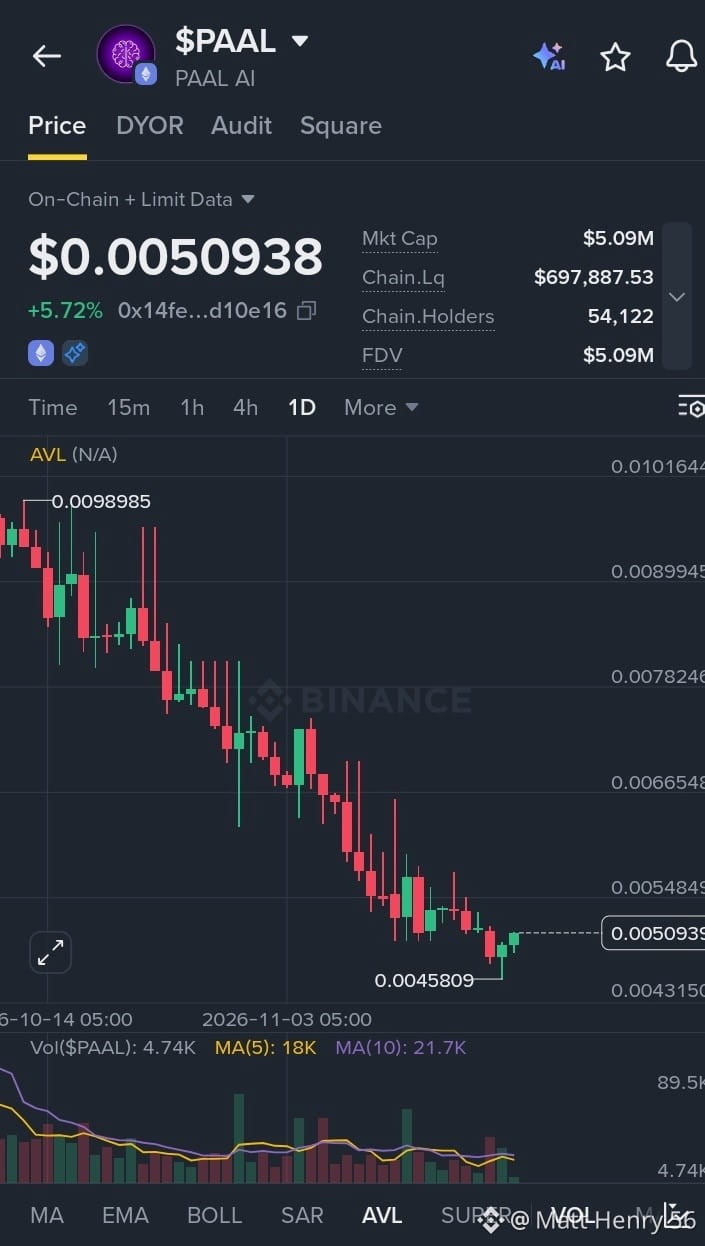
🔥 $PAAA.ETF AI Showing a Small Recovery!
$PAAL is trading at $0.0050938, up 5.72%. After a long downtrend, the price is showing a small bounce from the $0.0045809 low. Buyers are slowly returning, but the trend still needs confirmation.
Can $PAAL build stronger momentum from here? 👀
Watch the next move carefully and manage your risk
#TwentyOneCapitalAdds172.25BTC #AnthropicPlungesTowardIPOPriceonDay2 #BlackRockLaunchesHKDollarDigitalLiquidityFund
115
·
--
Рост
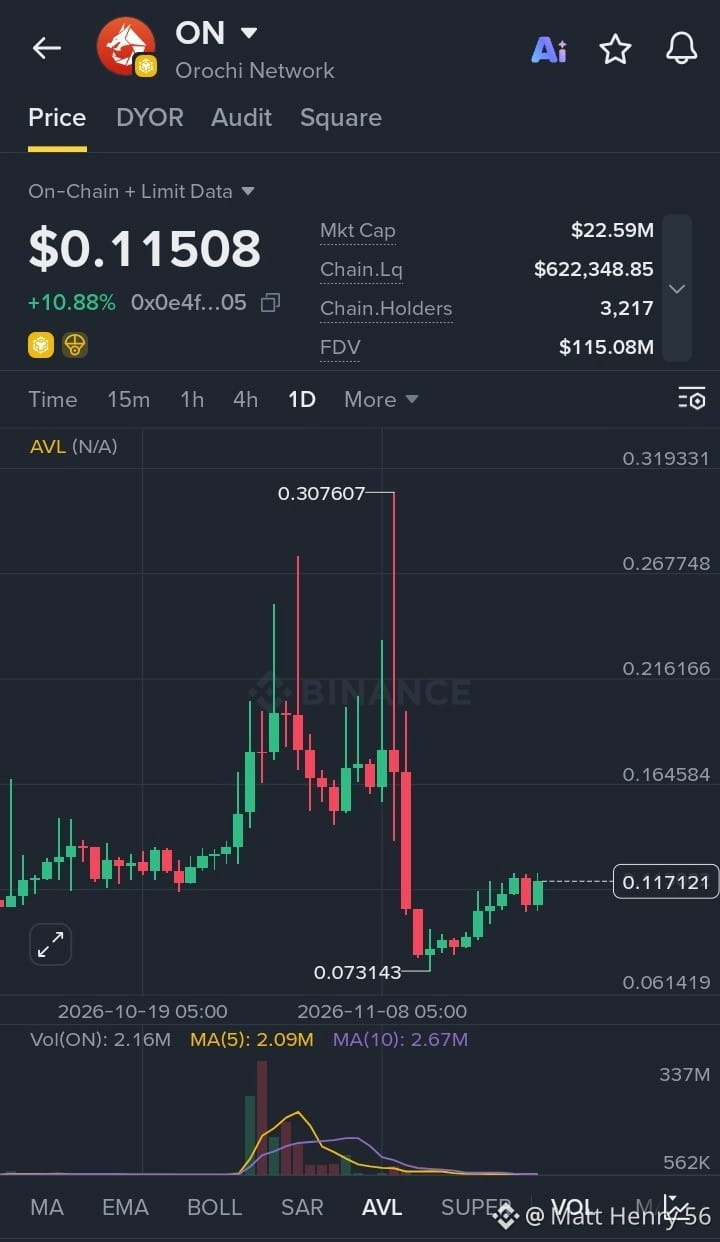
🔥 $ONT (Orochi Network) Showing Signs of Recovery!
ON is trading around $0.11508, up 10.88%. After a sharp correction, the chart is showing signs of recovery. Buyers are slowly stepping back in, and trading activity remains interesting.
Can ON continue its upward move? 👀
Watch the $0.12 resistance closely. A strong breakout could bring more attention. Always manage your risk! 🚀
#SolanaSets2027RoadmapToDoubleComputeCapacity #BlackRockLaunchesHKDollarDigitalLiquidityFund #AnthropicPlungesTowardIPOPriceonDay2
{future}(ONTUSDT)
🔥 $ONT (Orochi Network) Showing Signs of Recovery!
ON is trading around $0.11508, up 10.88%. After a sharp correction, the chart is showing signs of recovery. Buyers are slowly stepping back in, and trading activity remains interesting.
Can ON continue its upward move? 👀
Watch the $0.12 resistance closely. A strong breakout could bring more attention. Always manage your risk! 🚀
#SolanaSets2027RoadmapToDoubleComputeCapacity #BlackRockLaunchesHKDollarDigitalLiquidityFund #AnthropicPlungesTowardIPOPriceonDay2
271
·
--
Рост
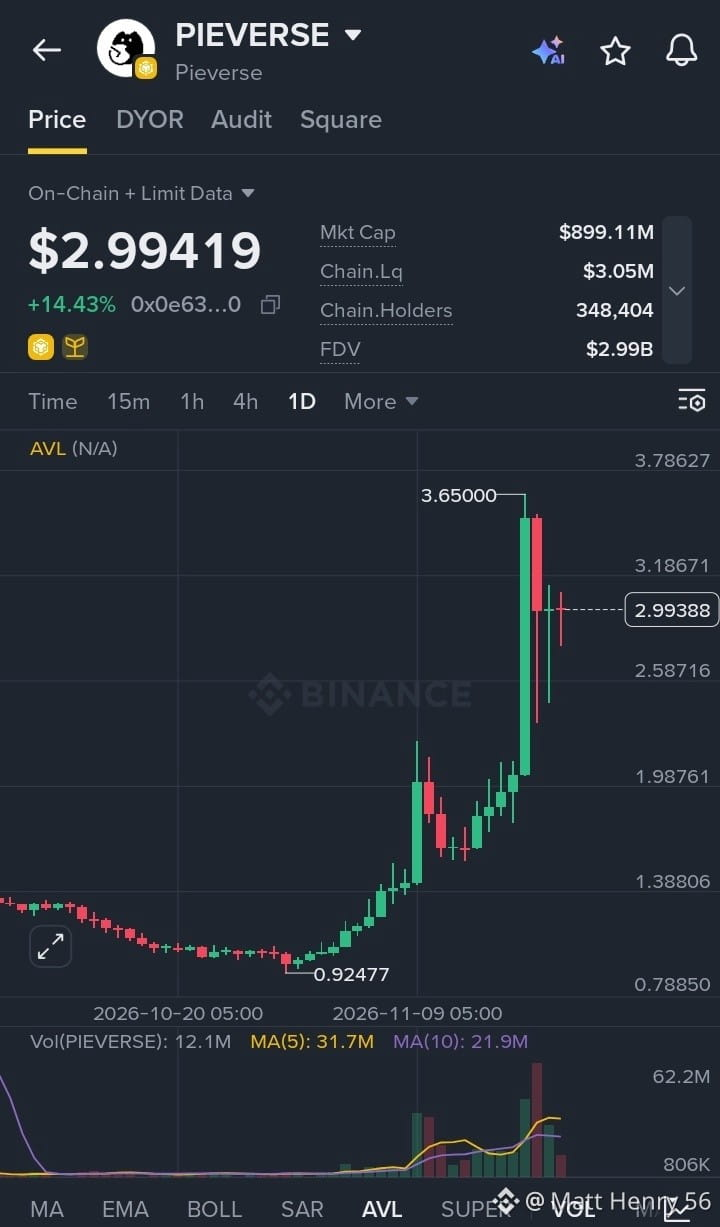
🚀 $PIEVERSE (PIE) Is Showing Strong Momentum!
PIE is trading around $2.99, up 14.43%. After a strong move toward $3.65, the price is now holding near the $3.00 level. With a market cap of $899M and over 348K holders, PIE is getting attention. 👀
Can bulls push it higher? Let's watch the next move! 🔥
#TwentyOneCapitalAdds172.25BTC #AnthropicPlungesTowardIPOPriceonDay2 #GlobalStocksFaceLongestLosingStreakSince2023
225
·
--
Падение
$XRP /USDT – SCALPING TRADE SIGNAL
🔴 SHORT SETUP (Bearish Bias)
╔══════════════════════╗ 💰 Current Price: 0.9992
📍 Entry: 0.9990 – 1.0020
🛑 Stop Loss: 1.0080
🎯 TP1: 0.9950
🎯 TP2: 0.9900
🎯 TP3: 0.9850 ╚══════════════════════╝
📉 Technical Analysis
1H chart shows a bearish trend.
Price recently bounced from 0.9843.
Resistance is around 1.0000–1.0080.
Selling pressure remains dominant.
A rejection near resistance could create another downward move.
#WhoWillSucceedJensenHuangatNvidia? #WhatWillDriveCryptoandStocks’NextRebound? #USPPIMissMayEaseBTCPressure
164
·
--
Рост
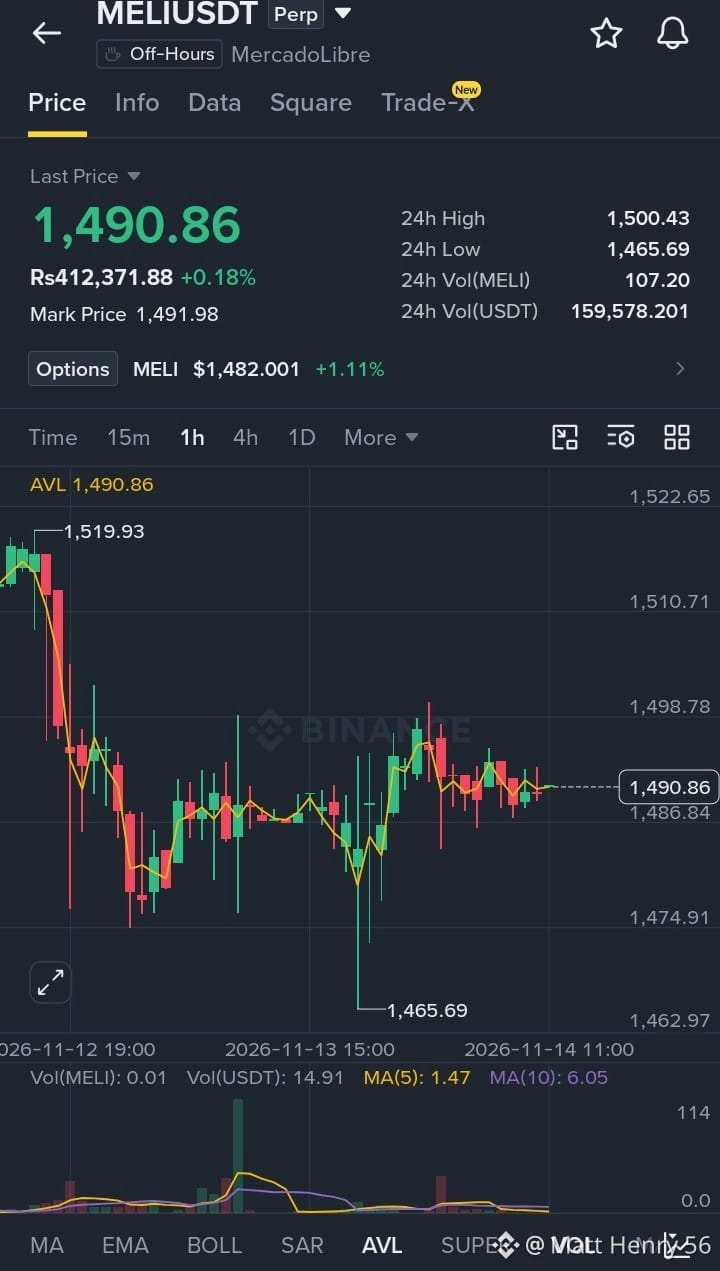
📊 $MELI /USDT – SCALPING TRADE
🟢 LONG SETUP
╔════════════════════╗
Current Price: 1490.86
Entry: 1492–1495
Stop Loss: 1486
TP1: 1498
TP2: 1500
TP3: 1505 ╚════════════════════╝
Technical Analysis: Price is consolidating around 1490 after recovering from 1465.69. Resistance is near 1498–1500. A breakout above 1495 with volume could support a short-term bullish move.
#WhoWillSucceedJensenHuangatNvidia? #TradFiForBeginners #USPPIMissMayEaseBTCPressure
191
·
--
Рост
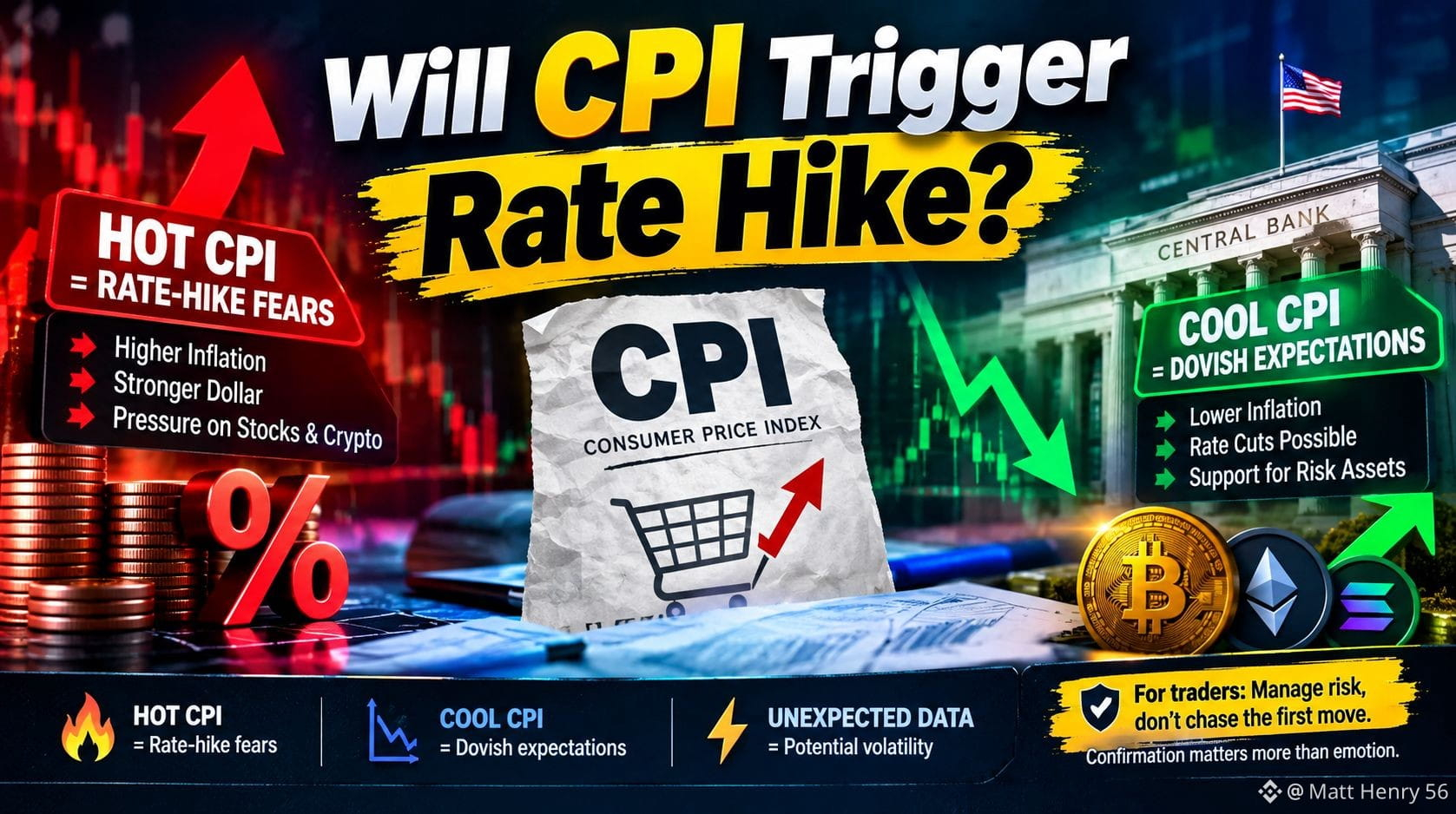
✨ Will CPI Trigger a Rate Hike?
CPI data could become the next major catalyst for financial markets. The big question is simple: will inflation come in hot enough to force the central bank toward another rate hike?
A stronger-than-expected CPI reading could signal that price pressures are still sticky. That may push policymakers toward keeping monetary conditions tighter for longer, which could strengthen the dollar while putting pressure on risk assets such as stocks and crypto.
On the other hand, if CPI comes in softer than expected, markets may start pricing in a more dovish policy path. Lower inflation would give policymakers more room to consider rate cuts or at least maintain current rates without additional tightening. That could improve risk sentiment and potentially support Bitcoin, altcoins, equities, and other growth-sensitive assets.
But the market reaction will not depend on the headline CPI number alone. Core inflation, month-over-month changes, and the details behind price increases will also matter.
🔥 Hot CPI = Rate-hike fears
📉 Cool CPI = Dovish expectations
⚡ Unexpected data = Potential volatility
For traders, this is a moment to manage risk carefully rather than chase the first move. CPI can create sharp swings in both directions, so confirmation matters more than emotion.
$RAYSOL
{future}(RAYSOLUSDT)
$LSK
{future}(LSKUSDT)
$SAGA
{future}(SAGAUSDT)
#CPIWatch
✨ Will CPI Trigger a Rate Hike?
CPI data could become the next major catalyst for financial markets. The big question is simple: will inflation come in hot enough to force the central bank toward another rate hike?
A stronger-than-expected CPI reading could signal that price pressures are still sticky. That may push policymakers toward keeping monetary conditions tighter for longer, which could strengthen the dollar while putting pressure on risk assets such as stocks and crypto.
On the other hand, if CPI comes in softer than expected, markets may start pricing in a more dovish policy path. Lower inflation would give policymakers more room to consider rate cuts or at least maintain current rates without additional tightening. That could improve risk sentiment and potentially support Bitcoin, altcoins, equities, and other growth-sensitive assets.
But the market reaction will not depend on the headline CPI number alone. Core inflation, month-over-month changes, and the details behind price increases will also matter.
🔥 Hot CPI = Rate-hike fears
📉 Cool CPI = Dovish expectations
⚡ Unexpected data = Potential volatility
For traders, this is a moment to manage risk carefully rather than chase the first move. CPI can create sharp swings in both directions, so confirmation matters more than emotion.
$RAYSOL
$LSK
$SAGA
#CPIWatch
1
6
543
·
--
Рост
Проверено
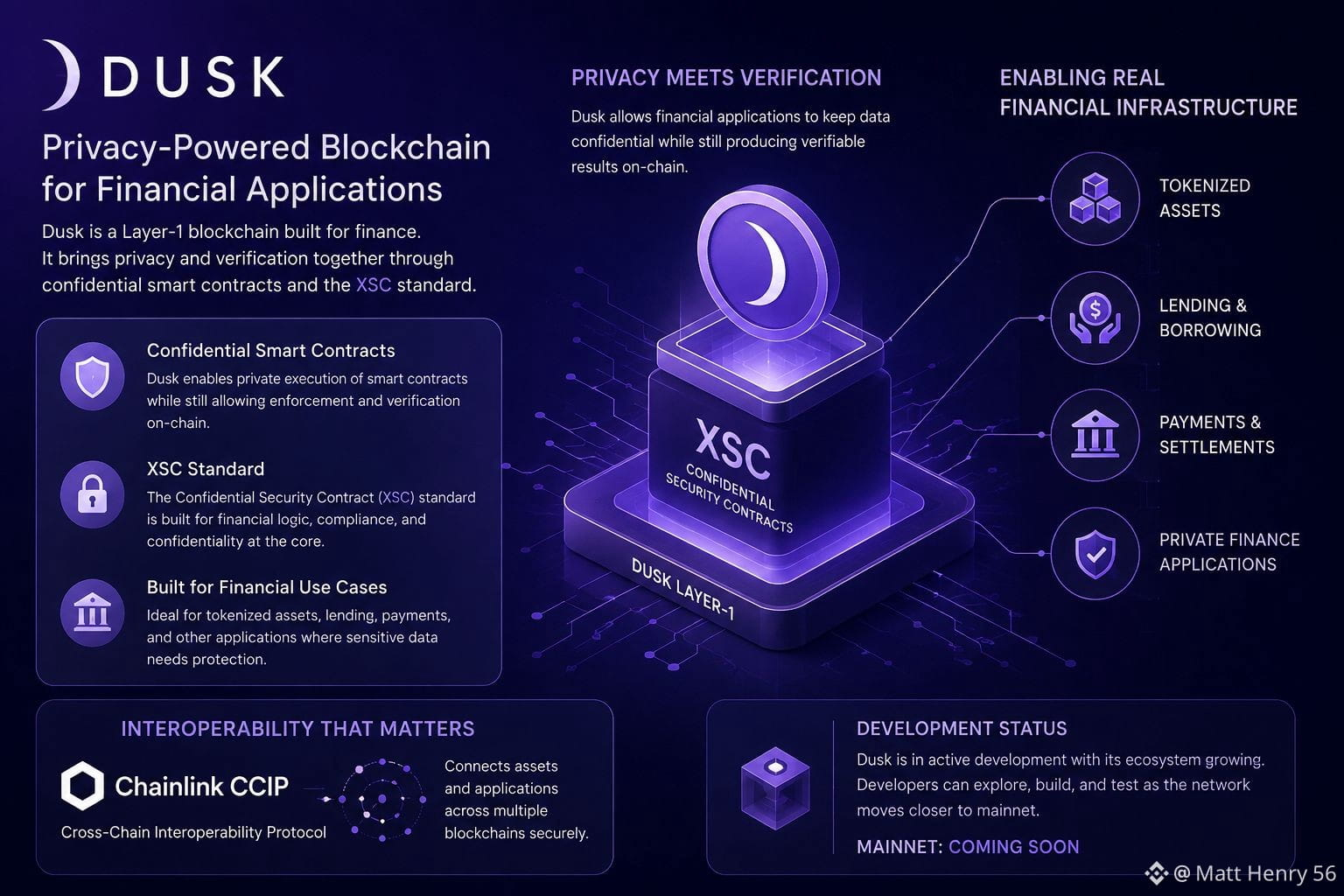
I've been looking into Dusk and initially thought it was mainly another privacy-focused blockchain. But the deeper I went the more interesting the idea became.
Dusk is a Layer-1 designed around financial applications with confidential smart contracts and its XSC standard. The part that caught my attention is the attempt to combine blockchain verification with privacy which could matter for tokenized assets lending and other financial use cases where sensitive data shouldn't always be public.
Interoperability is another piece worth watching. Infrastructure like Chainlink CCIP can help connect applications and assets across different networks, making the broader ecosystem more practical.
What I like about Dusk is that the focus feels less about simply hiding transactions and more about building infrastructure for financial activity where confidentiality can actually be useful.
Of course the real test will be adoption and what developers build around it as the ecosystem develops.
I've been digging deeper into Dusk and now I'm more curious about what its mainnet ecosystem will actually look like.
@Dusk_Foundation #dusk $DUSK
{future}(DUSKUSDT)
I've been looking into Dusk and initially thought it was mainly another privacy-focused blockchain. But the deeper I went the more interesting the idea became.
Dusk is a Layer-1 designed around financial applications with confidential smart contracts and its XSC standard. The part that caught my attention is the attempt to combine blockchain verification with privacy which could matter for tokenized assets lending and other financial use cases where sensitive data shouldn't always be public.
Interoperability is another piece worth watching. Infrastructure like Chainlink CCIP can help connect applications and assets across different networks, making the broader ecosystem more practical.
What I like about Dusk is that the focus feels less about simply hiding transactions and more about building infrastructure for financial activity where confidentiality can actually be useful.
Of course the real test will be adoption and what developers build around it as the ecosystem develops.
I've been digging deeper into Dusk and now I'm more curious about what its mainnet ecosystem will actually look like.
@Dusk #dusk $DUSK
13
10
2.8k
Проверено
At first, I thought Dusk Network was just another privacy-focused blockchain.
But after digging deeper I started looking at it differently.
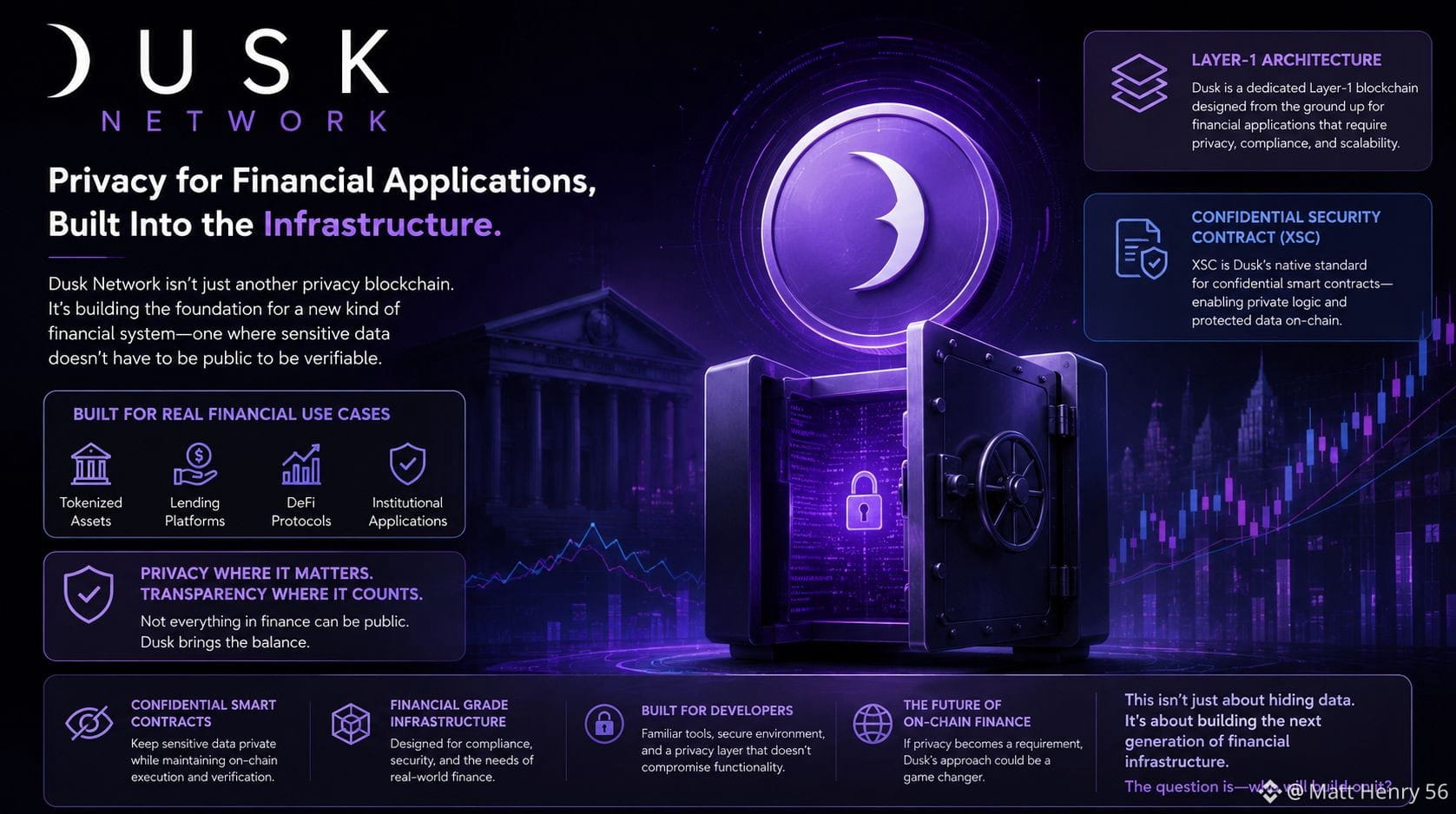
Dusk isn’t simply trying to hide transactions. Its bigger idea is to bring privacy into financial infrastructure where sensitive data can’t always be exposed on a public blockchain.
That’s where its Layer-1 architecture and Confidential Security Contract (XSC) standard become interesting.
The network is built around confidential smart contracts which could make sense for financial applications where privacy and blockchain-based execution need to work together.
Think tokenized assets lending, DeFi and other financial products where users may want the benefits of blockchain without putting every piece of sensitive information in public view.
What I find interesting is that Dusk is focusing on a problem that traditional finance already understands: not everything can be completely public.
I’m not looking at DUSK from a price perspective here. I’m more interested in whether this infrastructure can actually attract developers and real financial applications.
Because if privacy becomes a requirement for on-chain finance Dusk’s approach could become much more interesting.
@Dusk_Foundation #dusk $DUSK
{future}(DUSKUSDT)
At first, I thought Dusk Network was just another privacy-focused blockchain.
But after digging deeper I started looking at it differently.
Dusk isn’t simply trying to hide transactions. Its bigger idea is to bring privacy into financial infrastructure where sensitive data can’t always be exposed on a public blockchain.
That’s where its Layer-1 architecture and Confidential Security Contract (XSC) standard become interesting.
The network is built around confidential smart contracts which could make sense for financial applications where privacy and blockchain-based execution need to work together.
Think tokenized assets lending, DeFi and other financial products where users may want the benefits of blockchain without putting every piece of sensitive information in public view.
What I find interesting is that Dusk is focusing on a problem that traditional finance already understands: not everything can be completely public.
I’m not looking at DUSK from a price perspective here. I’m more interested in whether this infrastructure can actually attract developers and real financial applications.
Because if privacy becomes a requirement for on-chain finance Dusk’s approach could become much more interesting.
@Dusk #dusk $DUSK
8
6
4k
·
--
Рост
Проверено
While researching $DUSK , one thing stood out to me: the story around institutional adoption is much bigger than the trading activity I can see today.
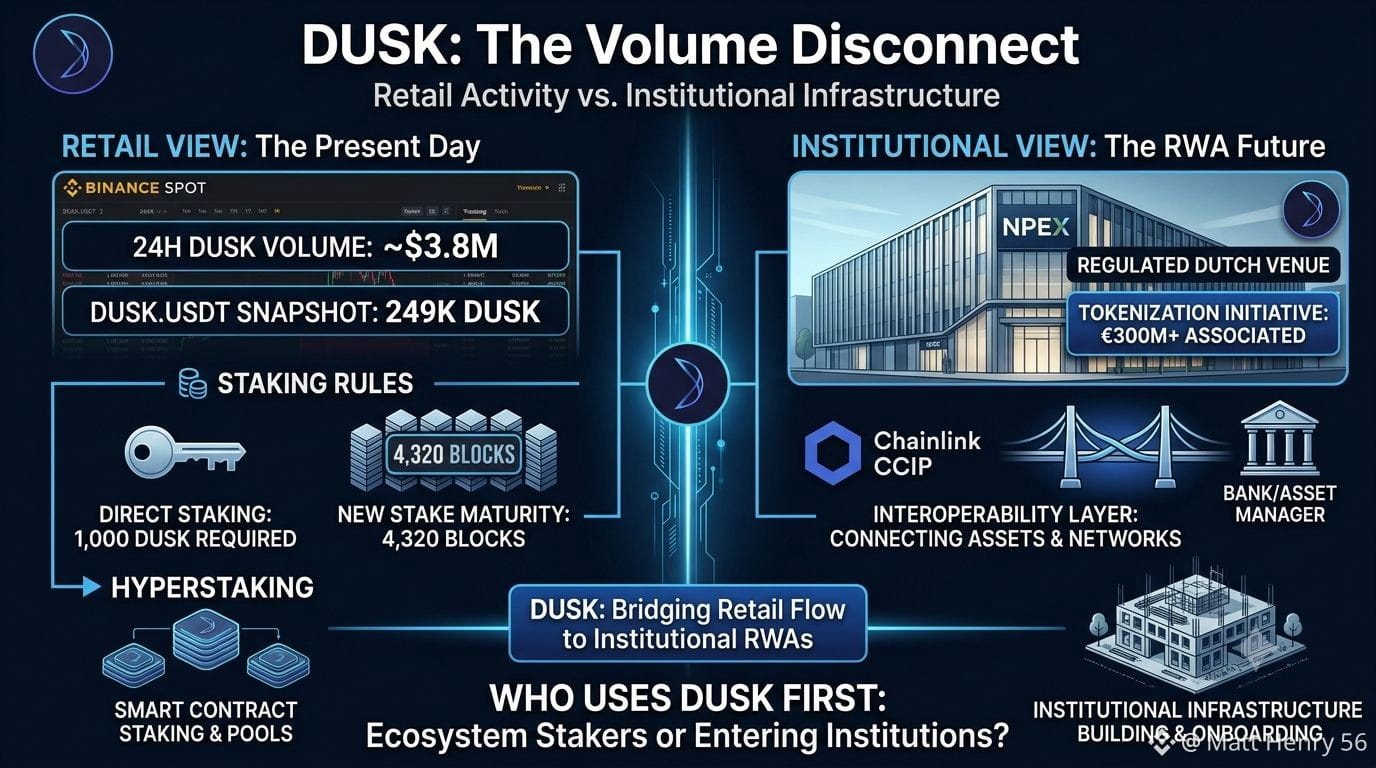
DUSK is doing roughly $3.8M in 24h spot volume across the market, while a Binance spot snapshot showed around 249K DUSK traded on DUSK. That’s not insignificant, but it still feels small compared with Dusk’s broader institutional RWA narrative.
The interesting part is what sits behind that narrative. Dusk has been positioning around NPEX, a regulated Dutch venue, while Chain link CCIP adds an interoperability layer for connecting assets and networks. If institutional adoption really expands, these pieces could become more important than short-term retail volume.
I also find the staking side worth watching. Direct staking currently requires 1,000 DUSK, and newly staked DUSK goes through a maturity period described as 4,320 blocks. Hyper staking adds smart-contract-based staking and pool-style participation, making the staking design more flexible.
What interests me most is the contrast: relatively modest visible retail activity versus the €300M+ NPEX tokenization initiative being associated with Dusk’s institutional push.
To me, this doesn’t mean the thesis is wrong. It may simply mean the institutional infrastructure is still being built and participants are still being onboarded.
The real question is: who uses Dusk’s settlement layer first stakers already inside the ecosystem or institutions still entering it?
@Dusk_Foundation #dusk $DUSK
While researching $DUSK , one thing stood out to me: the story around institutional adoption is much bigger than the trading activity I can see today.
DUSK is doing roughly $3.8M in 24h spot volume across the market, while a Binance spot snapshot showed around 249K DUSK traded on DUSK. That’s not insignificant, but it still feels small compared with Dusk’s broader institutional RWA narrative.
The interesting part is what sits behind that narrative. Dusk has been positioning around NPEX, a regulated Dutch venue, while Chain link CCIP adds an interoperability layer for connecting assets and networks. If institutional adoption really expands, these pieces could become more important than short-term retail volume.
I also find the staking side worth watching. Direct staking currently requires 1,000 DUSK, and newly staked DUSK goes through a maturity period described as 4,320 blocks. Hyper staking adds smart-contract-based staking and pool-style participation, making the staking design more flexible.
What interests me most is the contrast: relatively modest visible retail activity versus the €300M+ NPEX tokenization initiative being associated with Dusk’s institutional push.
To me, this doesn’t mean the thesis is wrong. It may simply mean the institutional infrastructure is still being built and participants are still being onboarded.
The real question is: who uses Dusk’s settlement layer first stakers already inside the ecosystem or institutions still entering it?
@Dusk #dusk $DUSK
8
7
5.7k
·
--
Падение
Проверено
I’ve been digging into Dusk, and what stands out is the gap between the network’s story and what is visibly happening on-chain.
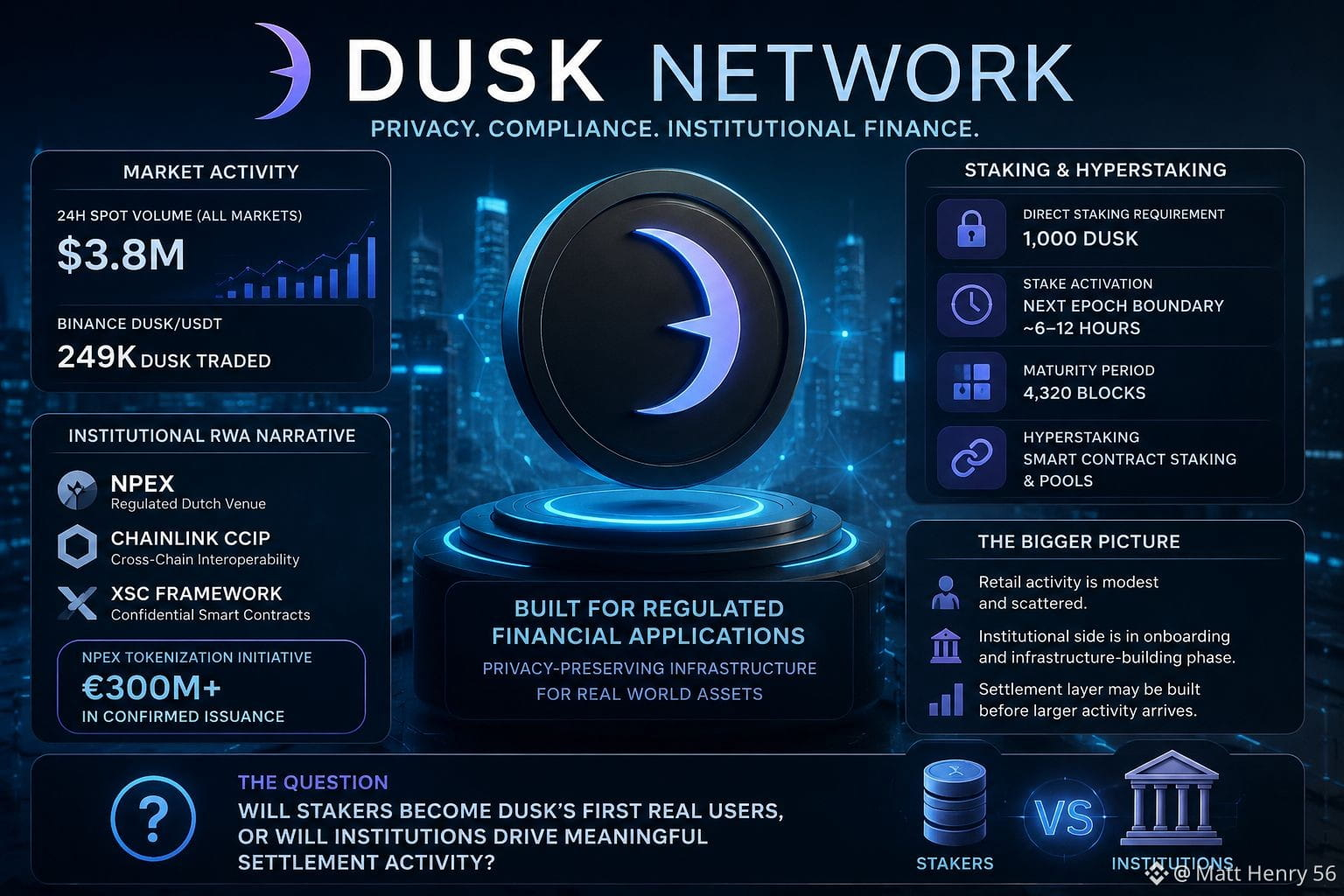
DUSK is doing roughly $3.8M in 24h spot volume across the market, while a Binance snapshot showed around 249K DUSK traded on DUSK/USDT. That is meaningful, but still small beside Dusk’s institutional RWA narrative.
Dusk is positioning itself around regulated financial applications, with NPEX, Chainlink CCIP and its XSC framework forming parts of that story. NPEX is interesting because its tokenization initiative is reported at more than €300M in issuance.
Then there is staking. Direct DUSK staking requires 1,000 DUSK, and new stakes become active around the next epoch boundary, typically 6–12 hours. The protocol also describes a 4,320-block maturity period. Hyperstaking also adds smart-contract staking and pools.
More important to me is who is actually using the network today. Retail trading activity is relatively modest, while the institutional side appears to be in an onboarding and infrastructure-building phase.
That doesn’t mean the thesis is wrong. It may simply mean the settlement layer is being built before larger activity arrives.
The question I’m watching: will stakers become Dusk’s first real users, or will institutions eventually drive meaningful settlement activity?
$DUSK @Dusk_Foundation #dusk
{future}(DUSKUSDT)
I’ve been digging into Dusk, and what stands out is the gap between the network’s story and what is visibly happening on-chain.
DUSK is doing roughly $3.8M in 24h spot volume across the market, while a Binance snapshot showed around 249K DUSK traded on DUSK/USDT. That is meaningful, but still small beside Dusk’s institutional RWA narrative.
Dusk is positioning itself around regulated financial applications, with NPEX, Chainlink CCIP and its XSC framework forming parts of that story. NPEX is interesting because its tokenization initiative is reported at more than €300M in issuance.
Then there is staking. Direct DUSK staking requires 1,000 DUSK, and new stakes become active around the next epoch boundary, typically 6–12 hours. The protocol also describes a 4,320-block maturity period. Hyperstaking also adds smart-contract staking and pools.
More important to me is who is actually using the network today. Retail trading activity is relatively modest, while the institutional side appears to be in an onboarding and infrastructure-building phase.
That doesn’t mean the thesis is wrong. It may simply mean the settlement layer is being built before larger activity arrives.
The question I’m watching: will stakers become Dusk’s first real users, or will institutions eventually drive meaningful settlement activity?
$DUSK @Dusk #dusk
7
7
3.7k
·
--
Рост
Проверено
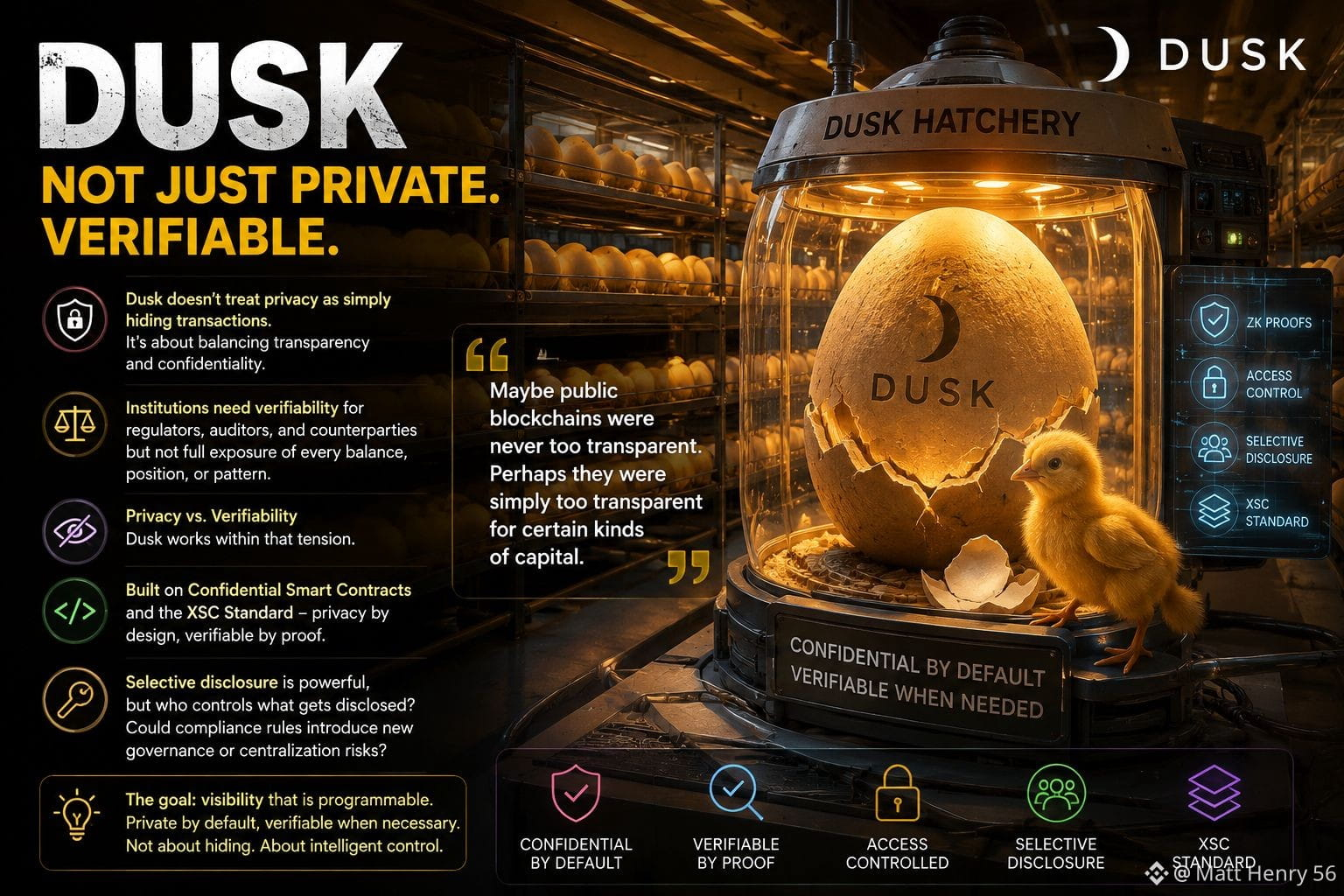
One thing about dusk that caught my attention is that it doesn’t treat privacy as simply hiding transactions.
For financial institutions, the real problem may be more nuanced. A blockchain needs enough transparency for regulators, auditors, and counterparties to verify what is happening. But institutions may not want every balance, position, transaction pattern, or exposure visible to everyone.
That creates an interesting tension: privacy vs. verifiability.
Dusk’s approach built around confidential smart contracts and the XSC standard, is an attempt to work within that tension.
But privacy, confidentiality, zero-knowledge proofs, access control, and selective disclosure are not the same thing. The important question is how these pieces work together in practice.
Selective disclosure sounds useful, but it also raises a harder question: who controls what gets disclosed?
If compliance rules require controlled access, could that introduce new governance or centralization risks?
This is where Dusk becomes interesting. The goal isn’t simply to hide financial activity, but to make visibility more programmable: private by default, while still allowing authorized parties to verify specific information when necessary.
The real test will be implementation. Who controls disclosure, how flexible are the rules, and can the system avoid creating another centralized gatekeeper?
Maybe public blockchains were never too transparent. Perhaps they were simply too transparent for certain kinds of capital.
@Dusk_Foundation #dusk $DUSK
{future}(DUSKUSDT)
One thing about dusk that caught my attention is that it doesn’t treat privacy as simply hiding transactions.
For financial institutions, the real problem may be more nuanced. A blockchain needs enough transparency for regulators, auditors, and counterparties to verify what is happening. But institutions may not want every balance, position, transaction pattern, or exposure visible to everyone.
That creates an interesting tension: privacy vs. verifiability.
Dusk’s approach built around confidential smart contracts and the XSC standard, is an attempt to work within that tension.
But privacy, confidentiality, zero-knowledge proofs, access control, and selective disclosure are not the same thing. The important question is how these pieces work together in practice.
Selective disclosure sounds useful, but it also raises a harder question: who controls what gets disclosed?
If compliance rules require controlled access, could that introduce new governance or centralization risks?
This is where Dusk becomes interesting. The goal isn’t simply to hide financial activity, but to make visibility more programmable: private by default, while still allowing authorized parties to verify specific information when necessary.
The real test will be implementation. Who controls disclosure, how flexible are the rules, and can the system avoid creating another centralized gatekeeper?
Maybe public blockchains were never too transparent. Perhaps they were simply too transparent for certain kinds of capital.
@Dusk #dusk $DUSK
1
4
3k
Проверено
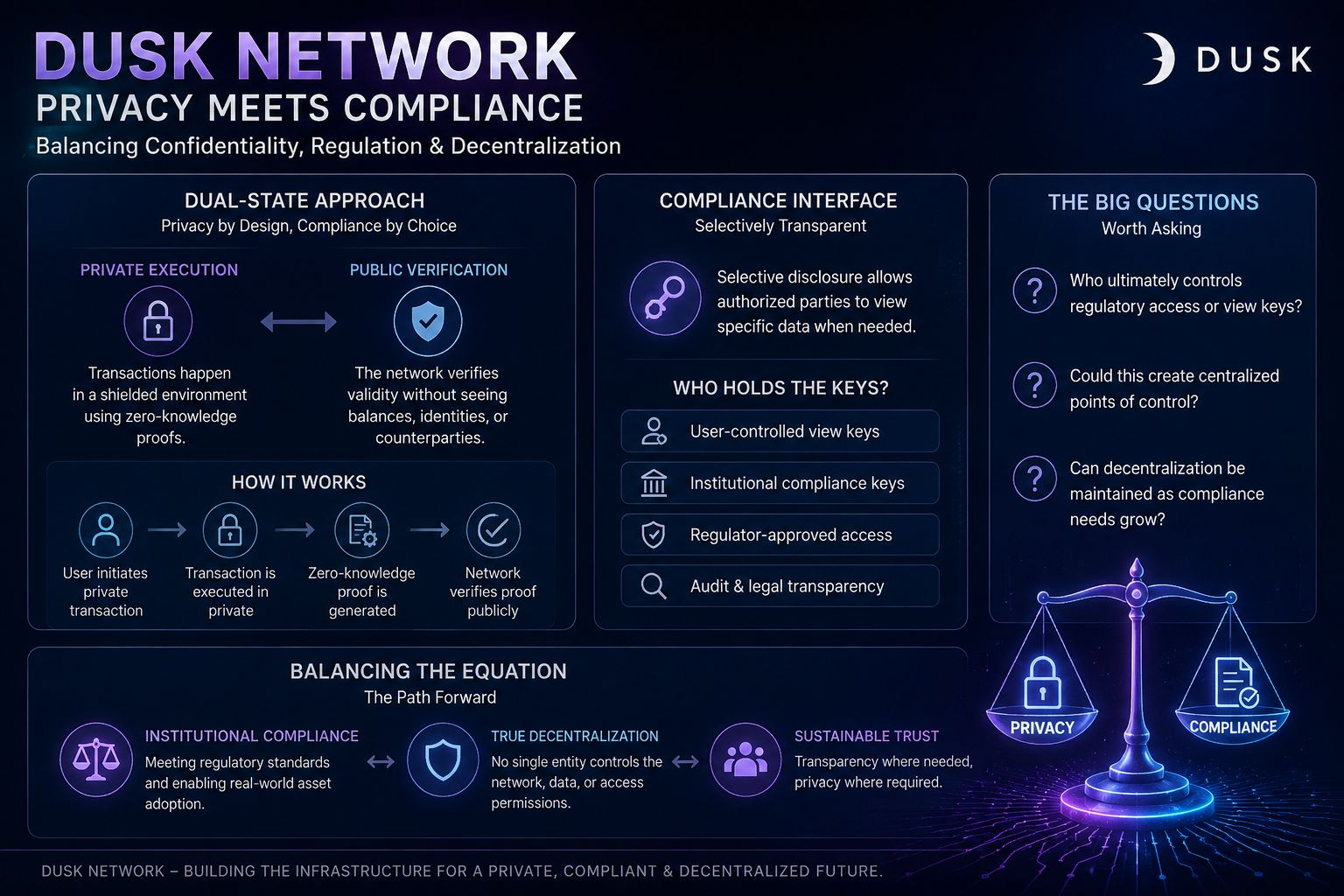
I spent a few hours digging into Dusk’s technical docs last night, trying to understand how they handle privacy for regulated assets beyond the marketing.
I initially assumed it worked like a standard privacy chain, but the dual-state approach caught my attention. Instead of hiding everything, Dusk separates public verification from private execution, using zero-knowledge proofs to verify transactions without exposing balances or counterparties.
What remains unclear to me is the compliance interface. The docs mention selective disclosure, but who ultimately controls regulatory access or view keys?
If authorized entities can access transaction histories, could that eventually create centralized control points?
How do you see Dusk balancing institutional compliance with true decentralization?
@Dusk_Foundation #dusk $DUSK
{future}(DUSKUSDT)
I spent a few hours digging into Dusk’s technical docs last night, trying to understand how they handle privacy for regulated assets beyond the marketing.
I initially assumed it worked like a standard privacy chain, but the dual-state approach caught my attention. Instead of hiding everything, Dusk separates public verification from private execution, using zero-knowledge proofs to verify transactions without exposing balances or counterparties.
What remains unclear to me is the compliance interface. The docs mention selective disclosure, but who ultimately controls regulatory access or view keys?
If authorized entities can access transaction histories, could that eventually create centralized control points?
How do you see Dusk balancing institutional compliance with true decentralization?
@Dusk #dusk $DUSK
1.9k
·
--
Падение
Проверено
I’ve been looking into $DUSK, and what caught my attention is the gap between the story being built around the network and the activity we can actually see today.
DUSK is doing roughly $3.8M in 24h spot volume across the market while a Binance spot snapshot showed about 249K DUSK traded on DUSK/USDT.
That’s not huge retail activity. And it makes the institutional RWA narrative more interesting, not less.
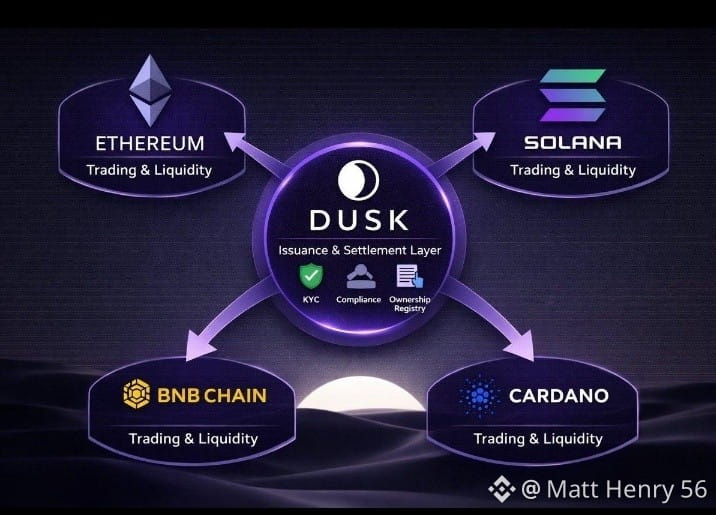
Dusk is working with NPEX and Chainlink around regulated securities cross-chain settlement and on-chain market data. NPEX is a regulated Dutch venue, while Chainlink CCIP is being used as the interoperability layer.
Then there’s the staking side. Direct staking currently requires 1,000 DUSK. New stake becomes active after the next epoch boundary, normally around 6–12 hours, with the protocol describing a 4,320-block maturity period. Hyperstaking adds smart-contract-based staking and pools.
What I find curious is the contrast: relatively small visible retail trading activity versus Dusk reporting €300M+ in confirmed issuance with institutions.
To me, this suggests the institutional infrastructure may still be under construction.
The real question isn’t who is trading DUSK today.
It’s who gets onboarded tomorrow—and whether stakers or institutions become the first major users of Dusk’s settlement layer.
@Dusk_Foundation #dusk $DUSK
{future}(DUSKUSDT)
I’ve been looking into $DUSK , and what caught my attention is the gap between the story being built around the network and the activity we can actually see today.
DUSK is doing roughly $3.8M in 24h spot volume across the market while a Binance spot snapshot showed about 249K DUSK traded on DUSK/USDT.
That’s not huge retail activity. And it makes the institutional RWA narrative more interesting, not less.
Dusk is working with NPEX and Chainlink around regulated securities cross-chain settlement and on-chain market data. NPEX is a regulated Dutch venue, while Chainlink CCIP is being used as the interoperability layer.
Then there’s the staking side. Direct staking currently requires 1,000 DUSK. New stake becomes active after the next epoch boundary, normally around 6–12 hours, with the protocol describing a 4,320-block maturity period. Hyperstaking adds smart-contract-based staking and pools.
What I find curious is the contrast: relatively small visible retail trading activity versus Dusk reporting €300M+ in confirmed issuance with institutions.
To me, this suggests the institutional infrastructure may still be under construction.
The real question isn’t who is trading DUSK today.
It’s who gets onboarded tomorrow—and whether stakers or institutions become the first major users of Dusk’s settlement layer.
@Dusk #dusk $DUSK
1.2k
·
--
Падение
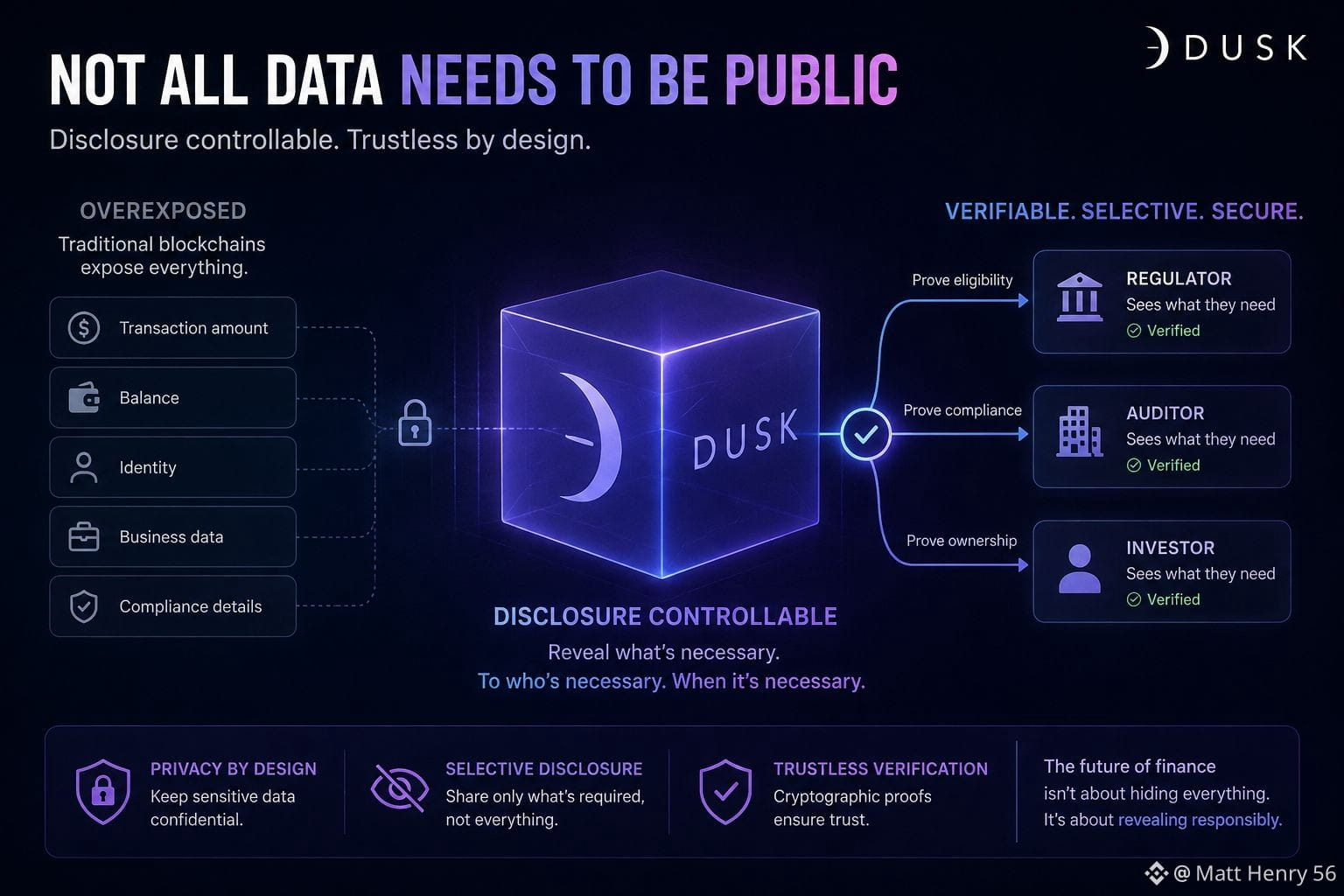
One thing about @Dusk_Foundation that I hadn't thought about before is how much financial data actually needs to be revealed.
A blockchain transaction doesn't always need to expose every detail to prove that something happened correctly.
For a business, you might need to prove ownership, eligibility compliance or that certain conditions were met without putting the underlying financial information in front of everyone.
That makes me think there’s an important difference between making a blockchain completely private and making disclosure controllable.
Who can see the data?
What exactly can they see?
And when should they be allowed to see it?
A financial application might need to prove that an investor is eligible without revealing their entire financial profile. A company might need to demonstrate compliance without publishing sensitive records. The goal isn't necessarily to hide everything it's to reveal only what is necessary to the right party, at the right time.
That kind of verifiable selective disclosure feels much more practical for real-world financial applications than simply putting everything behind a wall of privacy.
The more I look into Dusk, the more I think this distinction could matter for actual blockchain adoption in finance. That's one part of $DUSK I'm quietly interested in following.
@Dusk_Foundation #dusk $DUSK
{future}(DUSKUSDT)
One thing about @Dusk that I hadn't thought about before is how much financial data actually needs to be revealed.
A blockchain transaction doesn't always need to expose every detail to prove that something happened correctly.
For a business, you might need to prove ownership, eligibility compliance or that certain conditions were met without putting the underlying financial information in front of everyone.
That makes me think there’s an important difference between making a blockchain completely private and making disclosure controllable.
Who can see the data?
What exactly can they see?
And when should they be allowed to see it?
A financial application might need to prove that an investor is eligible without revealing their entire financial profile. A company might need to demonstrate compliance without publishing sensitive records. The goal isn't necessarily to hide everything it's to reveal only what is necessary to the right party, at the right time.
That kind of verifiable selective disclosure feels much more practical for real-world financial applications than simply putting everything behind a wall of privacy.
The more I look into Dusk, the more I think this distinction could matter for actual blockchain adoption in finance. That's one part of $DUSK I'm quietly interested in following.
@Dusk #dusk $DUSK
2
2
1.2k
·
--
Рост
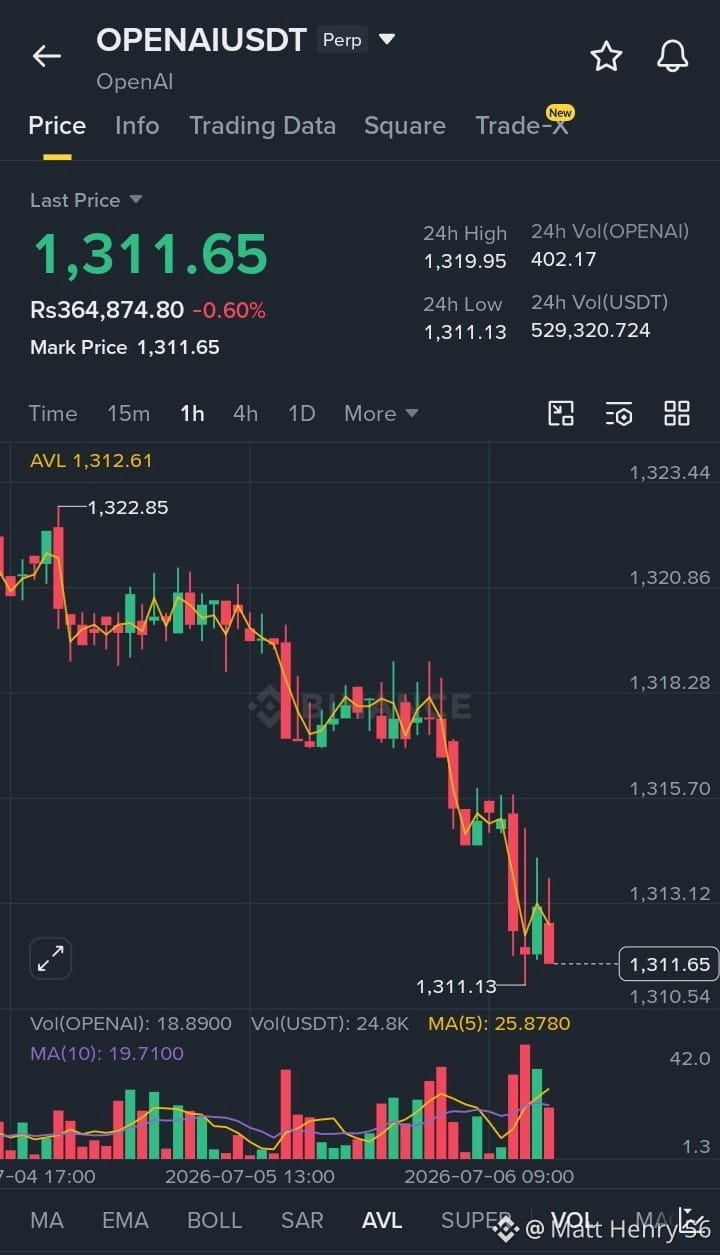
$HEMI re's a thrilling post in exactly 20 words based on the chart:
OPENAIUSDT breaks support as sellers dominate. Bears stay aggressive, volatility rises, traders brace for decisive moves. Risk management remains essential today.
SKHynixSaysFundsEyeUpTo$7BInADR
#OilFalls #LuxshareToPriceHKListingAtTop #IMFWarnsTokenizationShiftsRiskToCode
OPENAIUSDT breaks support as sellers dominate. Bears stay aggressive, volatility rises, traders brace for decisive moves. Risk management remains essential today.
SKHynixSaysFundsEyeUpTo$7BInADR
#OilFalls #LuxshareToPriceHKListingAtTop #IMFWarnsTokenizationShiftsRiskToCode
3
1.2k
·
--
Рост
I have noticed that infrastructure problems rarely show up where you expect them.
When performance starts dropping, the first instinct is usually to blame compute. More GPUs, more power, bigger hardware. But sometimes the real issue is something much simpler.
A lot of memory ends up being occupied by conversations that are not actively doing any work. An agent pauses, waits for a tool, or sits idle for a user response, yet its context is still holding valuable space in memory.
This is why better KV-cache management matters.
It is not about making inference magically cheaper. It is about using existing hardware more efficiently. When memory can be allocated and released in smaller pieces, GPUs can handle more requests at the same time without wasting as much space.
That means longer conversations become easier to support, batching becomes more stable, and the system can do more work on the same hardware.
There are still tradeoffs. Moving memory around adds overhead, and scheduling becomes more complex.
But the real measure is straightforward: as contexts grow longer, can the system complete more useful work without feeling slower to the people using it?
@OpenGradient #OPG $OPG
{future}(OPGUSDT)
$VELVET
{future}(VELVETUSDT)
$AR
{future}(ARUSDT)
I have noticed that infrastructure problems rarely show up where you expect them.
When performance starts dropping, the first instinct is usually to blame compute. More GPUs, more power, bigger hardware. But sometimes the real issue is something much simpler.
A lot of memory ends up being occupied by conversations that are not actively doing any work. An agent pauses, waits for a tool, or sits idle for a user response, yet its context is still holding valuable space in memory.
This is why better KV-cache management matters.
It is not about making inference magically cheaper. It is about using existing hardware more efficiently. When memory can be allocated and released in smaller pieces, GPUs can handle more requests at the same time without wasting as much space.
That means longer conversations become easier to support, batching becomes more stable, and the system can do more work on the same hardware.
There are still tradeoffs. Moving memory around adds overhead, and scheduling becomes more complex.
But the real measure is straightforward: as contexts grow longer, can the system complete more useful work without feeling slower to the people using it?
@OpenGradient #OPG $OPG
$VELVET
$AR
BULLISH 💚
38%
BEARISH ♥️
62%
8 проголосовали • Голосование закрыто
2
4
2.6k
crypto changes the way you look at new projects.
after seeing the same hype cycle play out over and over you stop paying attention to whoever is making the most noise. big promises polished narratives endless excitement most of it disappears once people move on to the next trend.
that's why opengradient stood out to me.
not because it's trying to dominate the conversation, but because it's focused on a problem that feels real. ai is showing up everywhere yet most people have no idea what happens behind the scenes. who actually ran the model? where did it run? can the output be verified or do we just trust whoever provides it?
those questions become important once ai starts being used for things that actually matter.
from my perspective opengradient seems to be exploring a simple idea: make ai systems less of a black box. instead of blindly trusting results, users should be able to see and verify what happened. hosting models, running inference, and proving the process may not sound exciting, but reliable infrastructure rarely does.
there are still plenty of unknowns. will developers adopt it if integration is difficult? can verification happen without slowing everything down? and, like many crypto projects, can the technology stay in focus without speculation taking over?
maybe it struggles because infrastructure is hard and attention moves fast.
or maybe it quietly grows because, in the long run, the systems that last are usually the ones doing the important work in the background.
@OpenGradient #OPG $OPG
{future}(OPGUSDT)
$MAGMA
{future}(MAGMAUSDT)
$HEI
{future}(HEIUSDT)
crypto changes the way you look at new projects.
after seeing the same hype cycle play out over and over you stop paying attention to whoever is making the most noise. big promises polished narratives endless excitement most of it disappears once people move on to the next trend.
that's why opengradient stood out to me.
not because it's trying to dominate the conversation, but because it's focused on a problem that feels real. ai is showing up everywhere yet most people have no idea what happens behind the scenes. who actually ran the model? where did it run? can the output be verified or do we just trust whoever provides it?
those questions become important once ai starts being used for things that actually matter.
from my perspective opengradient seems to be exploring a simple idea: make ai systems less of a black box. instead of blindly trusting results, users should be able to see and verify what happened. hosting models, running inference, and proving the process may not sound exciting, but reliable infrastructure rarely does.
there are still plenty of unknowns. will developers adopt it if integration is difficult? can verification happen without slowing everything down? and, like many crypto projects, can the technology stay in focus without speculation taking over?
maybe it struggles because infrastructure is hard and attention moves fast.
or maybe it quietly grows because, in the long run, the systems that last are usually the ones doing the important work in the background.
@OpenGradient #OPG $OPG
$MAGMA
$HEI
$OPG😭😭😭
24%
$MAGAM👍👍👍👍
44%
$HEI😱😱😱😱😱
32%
25 проголосовали • Голосование закрыто
1
3
1.7k
·
--
Падение
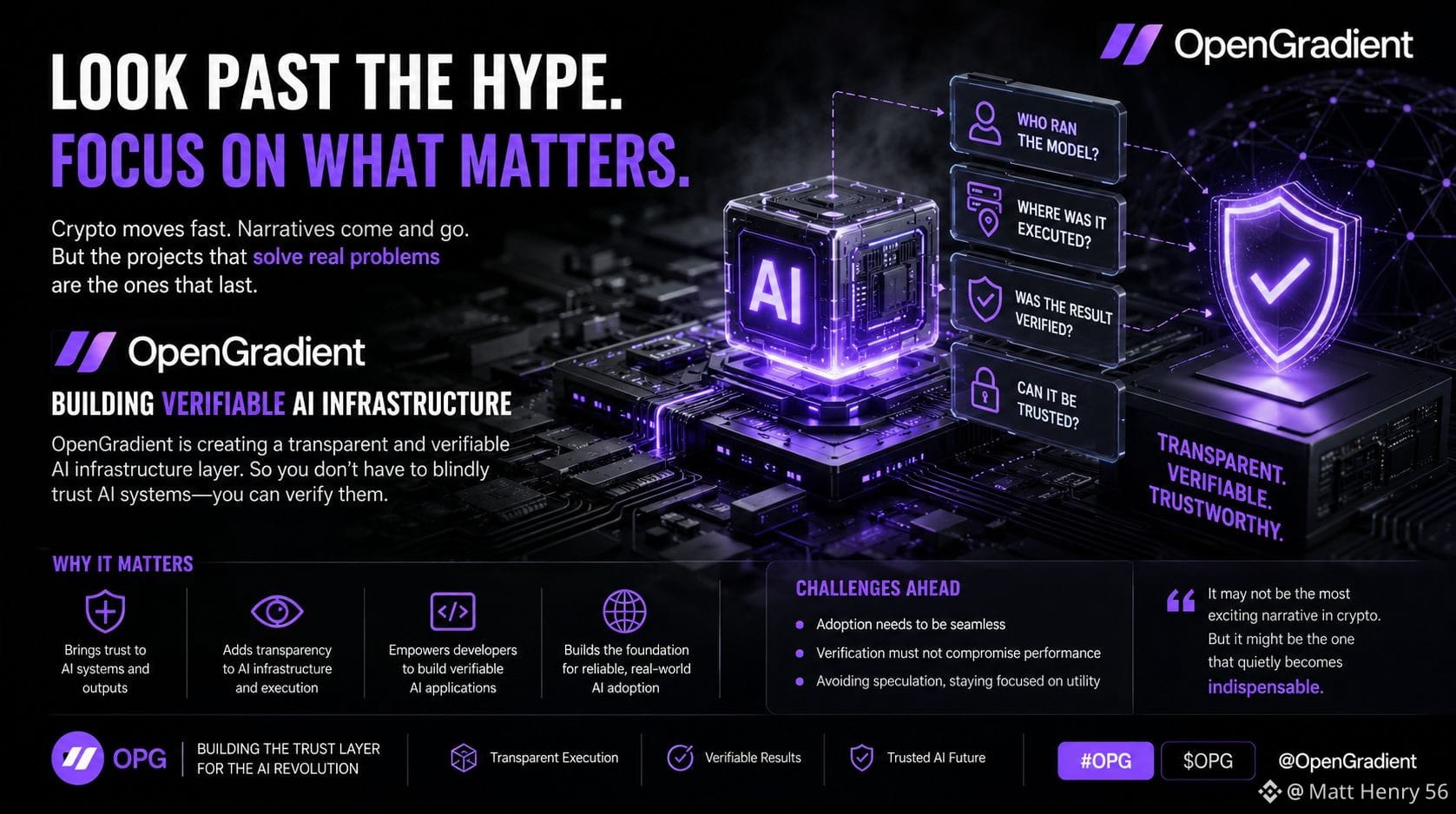
one thing crypto has taught me is to look past the excitement.
every cycle seems to follow the same pattern. a new narrative appears people rush in influencers start talking and suddenly everyone is convinced they've found the next big thing. sometimes it works out. a lot of times it doesn't.
because of that I find myself paying more attention to projects that focus on real problems rather than loud marketing.
that's part of what made opengradient interesting to me.
ai is becoming a bigger part of everyday life, but much of the infrastructure behind it still feels unclear. when an ai system gives an answer, most users have no way to know who ran the model where it was executed, or whether the result can actually be verified.
for casual use, maybe that isn't a big deal. but as ai starts powering more important applications, trust becomes much more important.
from what I understand, opengradient is exploring ways to make ai infrastructure more transparent and verifiable. the idea is straightforward: instead of asking people to blindly trust the system, give them a way to verify what happened.
it's not the most exciting story in crypto, and maybe that's exactly why it stands out.
there are still plenty of challenges ahead. adoption won't be easy. developers will only use it if the experience is simple and verification cannot come at the cost of performance. on top of that every crypto project has to avoid getting lost in pure speculation.
maybe it never reaches mainstream adoption.
or maybe like a lot of infrastructure it quietly becomes valuable because it solves a problem people eventually realize they have.
@OpenGradient #OPG $OPG
{future}(OPGUSDT)
one thing crypto has taught me is to look past the excitement.
every cycle seems to follow the same pattern. a new narrative appears people rush in influencers start talking and suddenly everyone is convinced they've found the next big thing. sometimes it works out. a lot of times it doesn't.
because of that I find myself paying more attention to projects that focus on real problems rather than loud marketing.
that's part of what made opengradient interesting to me.
ai is becoming a bigger part of everyday life, but much of the infrastructure behind it still feels unclear. when an ai system gives an answer, most users have no way to know who ran the model where it was executed, or whether the result can actually be verified.
for casual use, maybe that isn't a big deal. but as ai starts powering more important applications, trust becomes much more important.
from what I understand, opengradient is exploring ways to make ai infrastructure more transparent and verifiable. the idea is straightforward: instead of asking people to blindly trust the system, give them a way to verify what happened.
it's not the most exciting story in crypto, and maybe that's exactly why it stands out.
there are still plenty of challenges ahead. adoption won't be easy. developers will only use it if the experience is simple and verification cannot come at the cost of performance. on top of that every crypto project has to avoid getting lost in pure speculation.
maybe it never reaches mainstream adoption.
or maybe like a lot of infrastructure it quietly becomes valuable because it solves a problem people eventually realize they have.
@OpenGradient #OPG $OPG
3
5
423
·
--
Рост
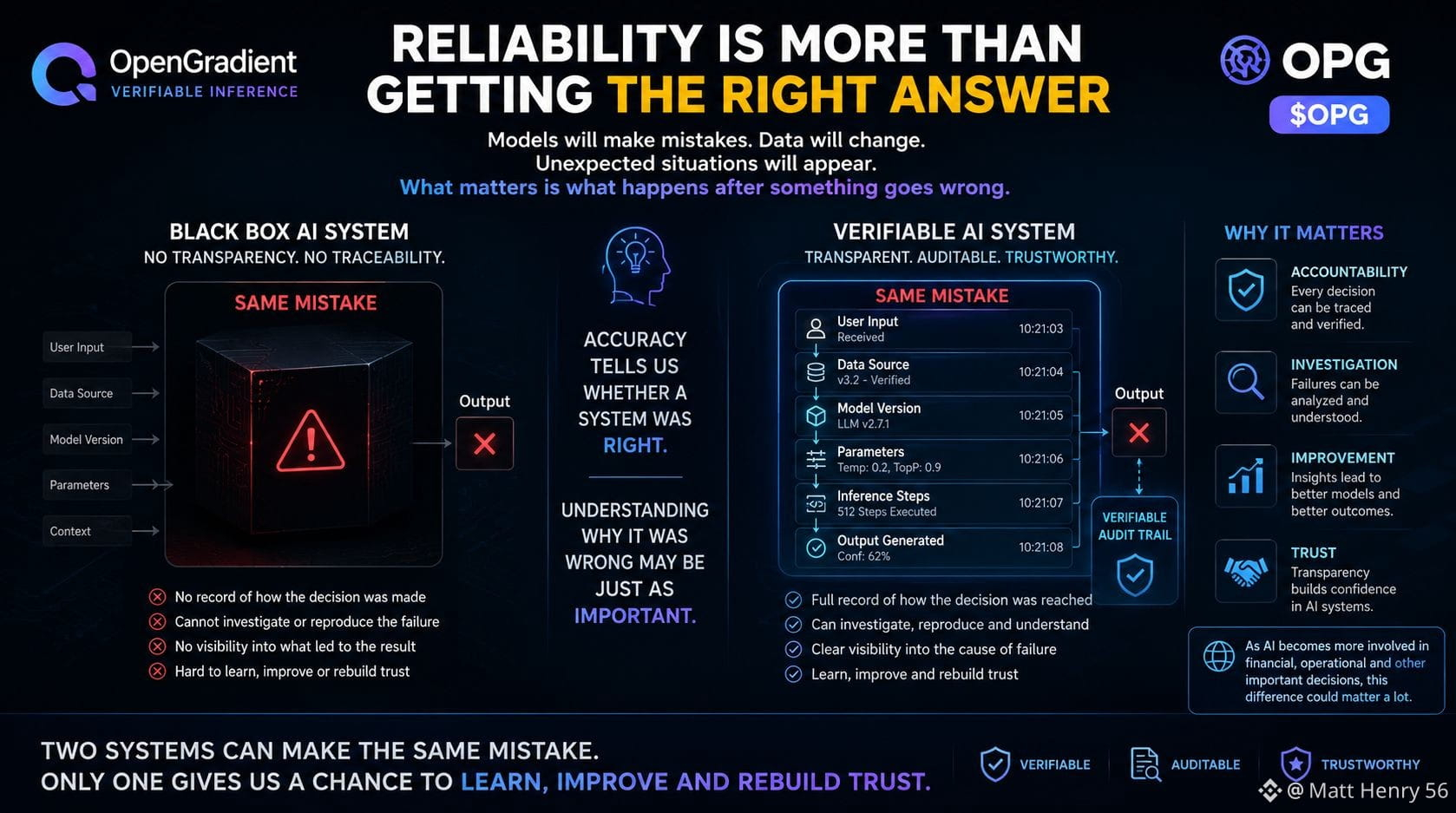
The more time I spend thinking about AI the more I feel that reliability means more than just getting the right answer.
Most conversations still focus on accuracy. How often was the model correct Did it beat a benchmark? Did it perform better than the last version?
Those things matter. But in the real world no system is perfect.
Models will make mistakes. Data will change. Unexpected situations will appear. Failure is part of every complex system.
What interests me more is what happens after something goes wrong.
Can we figure out why the system failed Can we look back and understand what led to that result Is there enough information to investigate what happened or are we left guessing
This is one of the reasons OpenGradient has been on my radar.
At first, I thought verifiable inference was mainly about proving that a computation took place. Now I see it differently. Its real value may be in making AI systems easier to understand and audit when trust is questioned.
Imagine two AI systems making the same mistake.
One leaves behind a clear record showing how the decision was reached.
The other provides only an output with no explanation.
Both failed, but only one gives us a chance to learn, improve and rebuild trust.
As AI becomes more involved in financial, operational and other important decisions, that difference could matter a lot.
Accuracy tells us whether a system was right.
Understanding why it was wrong may be just as important.
@OpenGradient #OPG $OPG
{future}(OPGUSDT)
The more time I spend thinking about AI the more I feel that reliability means more than just getting the right answer.
Most conversations still focus on accuracy. How often was the model correct Did it beat a benchmark? Did it perform better than the last version?
Those things matter. But in the real world no system is perfect.
Models will make mistakes. Data will change. Unexpected situations will appear. Failure is part of every complex system.
What interests me more is what happens after something goes wrong.
Can we figure out why the system failed Can we look back and understand what led to that result Is there enough information to investigate what happened or are we left guessing
This is one of the reasons OpenGradient has been on my radar.
At first, I thought verifiable inference was mainly about proving that a computation took place. Now I see it differently. Its real value may be in making AI systems easier to understand and audit when trust is questioned.
Imagine two AI systems making the same mistake.
One leaves behind a clear record showing how the decision was reached.
The other provides only an output with no explanation.
Both failed, but only one gives us a chance to learn, improve and rebuild trust.
As AI becomes more involved in financial, operational and other important decisions, that difference could matter a lot.
Accuracy tells us whether a system was right.
Understanding why it was wrong may be just as important.
@OpenGradient #OPG $OPG
4
5
409
Войдите, чтобы посмотреть больше материала
Присоединяйтесь к пользователям криптовалют по всему миру на Binance Square
⚡️ Получайте новейшую и полезную информацию о криптоактивах.
💬 Нам доверяет крупнейшая в мире криптобиржа.
👍 Получите достоверные аналитические данные от верифицированных создателей контента.
Эл. почта/номер телефона
В тренде
NVDASoarsOnJensenReturn
Просмотров: 2,963
109 обсуждают
Jensen Huang Returns, Nvidia Jumps 31%. Can the Rally Hold With the Probes Still Open?
Binance News
·Лайков: 6
·Просмотров: 4.5k
Bitcoin'sReboundFadesBelow$60K
Просмотров: 14,097
164 обсуждают
NVIDIAReinstatesJensenHuangasCEO
Просмотров: 284,385
1,849 обсуждают