
ARIES BNB
1k Публикации

ARIES BNB
Трейдер с регулярными сделками
11.5 мес.
301 подписок(и/а)
3.1K+ подписчиков(а)
1.3K+ понравилось
Посты
Все
Цитирования
Активно
🔥 涨幅百分比很醒目,但代币机制往往更加低调。
VELVET 的官方文档介绍了 VELVET 作为生态系统的主要代币,其部分功能通过 veVELVET 质押和治理来实现。
这也意味着,在关注价格走势的同时,代币结构同样值得研究。
📚 产品
📚 实用性
📚 Tokenomics(代币经济学)
看起来最强的走势图,并不一定代表最强的逻辑。
$VELVET
$APR
· $ACU
VELVET 的官方文档介绍了 VELVET 作为生态系统的主要代币,其部分功能通过 veVELVET 质押和治理来实现。
这也意味着,在关注价格走势的同时,代币结构同样值得研究。
📚 产品
📚 实用性
📚 Tokenomics(代币经济学)
看起来最强的走势图,并不一定代表最强的逻辑。
$VELVET
$APR
· $ACU
👀 并不是每一个“Crypto”代码都代表同一种东西。
Binance Futures 上的 QNTX 是一种与 Quantinuum 相关的 IPO 前永续合约,而不是传统意义上的加密代币。后来,Quantinuum 在纳斯达克正式上市,其股票代码为 QNT。
这个区别很重要。
📊 同一个交易界面。
🧩 背后的资产敞口却完全不同。
始终先确认你交易的工具到底代表什么。
$QNTX
$BR
$VELVET
Binance Futures 上的 QNTX 是一种与 Quantinuum 相关的 IPO 前永续合约,而不是传统意义上的加密代币。后来,Quantinuum 在纳斯达克正式上市,其股票代码为 QNT。
这个区别很重要。
📊 同一个交易界面。
🧩 背后的资产敞口却完全不同。
始终先确认你交易的工具到底代表什么。
$QNTX
$BR
$VELVET
🚨 涨幅百分比会吸引注意,但代币背后的故事更值得关注。
BR 与 Bedrock 的多资产收益/再质押生态有关。
APR 则处于 aPriori 在 Monad 上构建的 MEV + 流动性质押基础设施之中。
而 ACU 则为 Acurast 的去中心化计算经济提供支持。
三个完全不同的设计,也可能走出看起来相似的 K 线。
📊 所以,在形成观点之前,我会把价格走势与协议机制分开来看。
$BR
$APR
$ACU
BR 与 Bedrock 的多资产收益/再质押生态有关。
APR 则处于 aPriori 在 Monad 上构建的 MEV + 流动性质押基础设施之中。
而 ACU 则为 Acurast 的去中心化计算经济提供支持。
三个完全不同的设计,也可能走出看起来相似的 K 线。
📊 所以,在形成观点之前,我会把价格走势与协议机制分开来看。
$BR
$APR
$ACU
📝 研究笔记
我一直在思考一个问题:
Tokenomics 不只是“有多少代币”。
更重要的是它们之间的关系:
供应量 → 分配 → 激励 → 实用性 → 需求
其中任何一个环节发生变化,整个代币经济结构都可能完全不同。
这是我目前研究 $VELVET 、$FHE 和 $LUNA2 时采用的框架。
不预测谁会胜出。
只是想先把结构看明白。
我一直在思考一个问题:
Tokenomics 不只是“有多少代币”。
更重要的是它们之间的关系:
供应量 → 分配 → 激励 → 实用性 → 需求
其中任何一个环节发生变化,整个代币经济结构都可能完全不同。
这是我目前研究 $VELVET 、$FHE 和 $LUNA2 时采用的框架。
不预测谁会胜出。
只是想先把结构看明白。
1️⃣ 供应量
0%
2️⃣ 实用性
0%
3️⃣ 激励机制
0%
4️⃣ 代币分配
0%
0 проголосовали • Голосование закрыто
我最近改变了一个习惯:
我不再问:
“这个代币能涨到多高?”
而是开始问:
“需要发生什么,才能让需求消化掉这些供应量?”
这个问题会迫使我去关注:
供应量。
解锁。
激励机制。
代币分配。
实际用途。
以 Velvet 为例,官方的质押/治理机制允许将 $VELVET 锁定为 veVELVET,锁定时间会影响投票权。
这正是我想在形成观点之前先弄明白的机制。
目前我正在研究 $LSK 、$FHE 和 $LUNA2 。
你在研究一个代币之前,通常会先问什么问题? 👀
#MoneyGramExpandsCashCryptoServiceToSolana
我不再问:
“这个代币能涨到多高?”
而是开始问:
“需要发生什么,才能让需求消化掉这些供应量?”
这个问题会迫使我去关注:
供应量。
解锁。
激励机制。
代币分配。
实际用途。
以 Velvet 为例,官方的质押/治理机制允许将 $VELVET 锁定为 veVELVET,锁定时间会影响投票权。
这正是我想在形成观点之前先弄明白的机制。
目前我正在研究 $LSK 、$FHE 和 $LUNA2 。
你在研究一个代币之前,通常会先问什么问题? 👀
#MoneyGramExpandsCashCryptoServiceToSolana
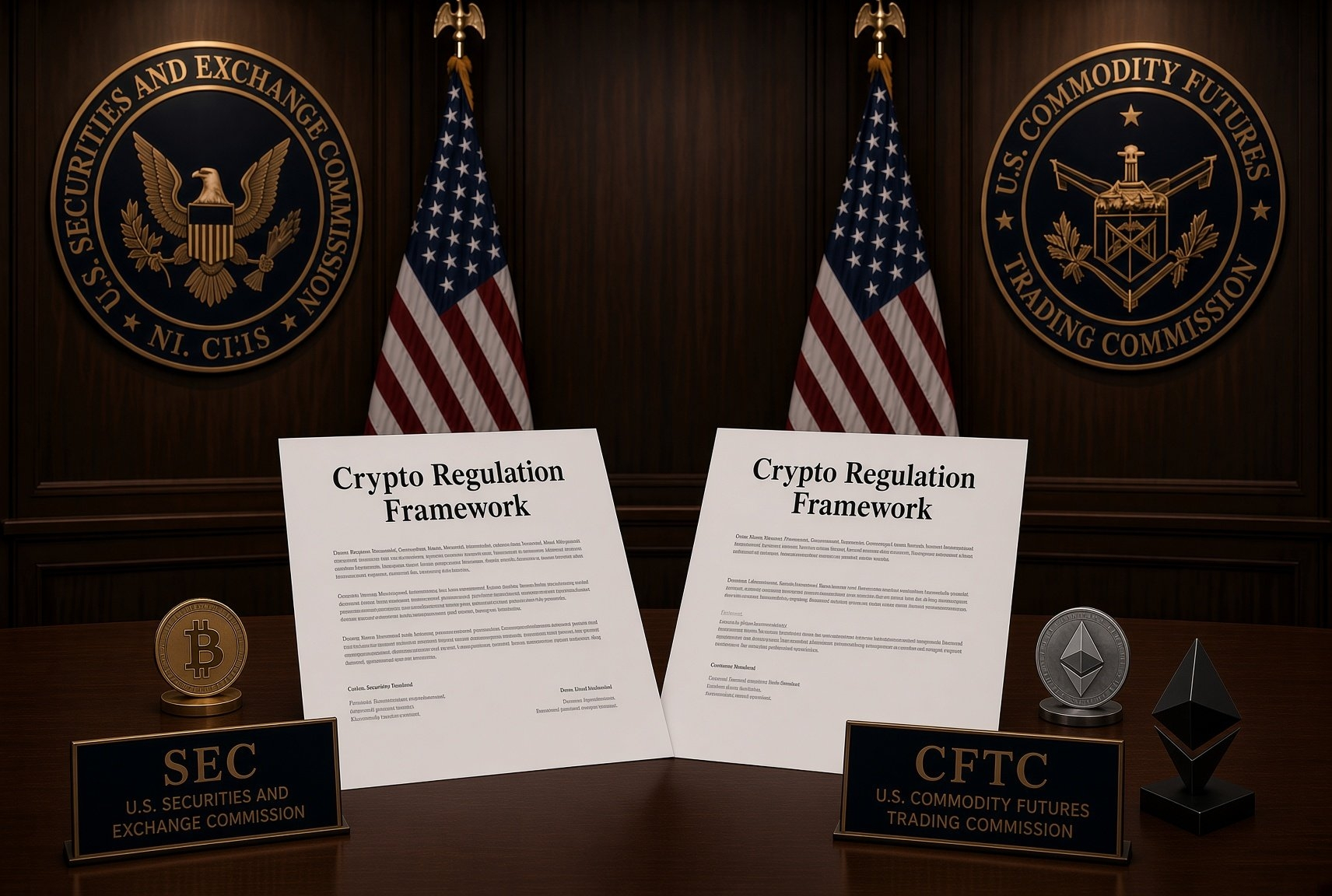
🇺🇸 SEC 与 CFTC 可能推进加密监管规则
如果 CLARITY Act 陷入停滞,两家机构可能通过 Project Crypto 继续推动加密监管规则,而不是无限期等待国会采取行动。 👀
监管路径或许会发生变化,但推动建立更明确的加密规则仍在继续。
#crypto #bitcoin #CLARITYAct
$BTR
$VELVET
$PLAG.US
如果 CLARITY Act 陷入停滞,两家机构可能通过 Project Crypto 继续推动加密监管规则,而不是无限期等待国会采取行动。 👀
监管路径或许会发生变化,但推动建立更明确的加密规则仍在继续。
#crypto #bitcoin #CLARITYAct
$BTR
$VELVET
$PLAG.US
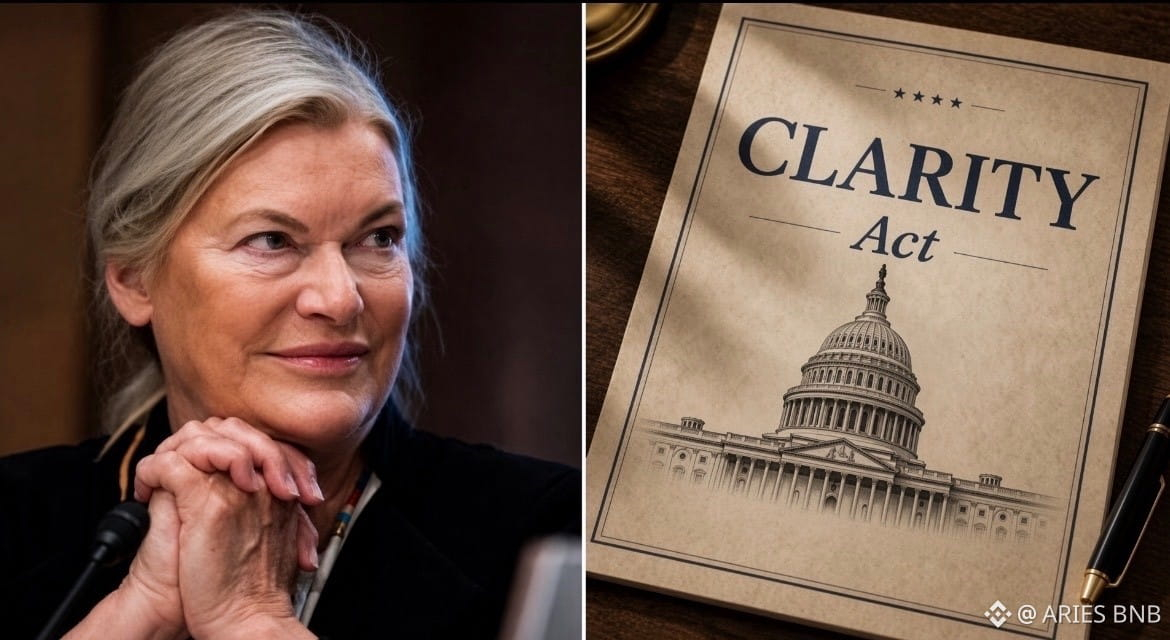
⚡️ 最新动态: 🇺🇸 美国参议员 Cynthia Lummis 表示,稳定币并未导致社区银行出现存款流失,她也继续推动 CLARITY Act。
她还表示,“阻止 CLARITY Act 并不能帮助社区银行。” 👀
稳定币对银行存款的影响,仍是传统银行与加密行业之间的重要争议点。
#CLARITYAct #RobinhoodToOfferCryptoTradingInUK
$DODO
$TUT
$EPIC
她还表示,“阻止 CLARITY Act 并不能帮助社区银行。” 👀
稳定币对银行存款的影响,仍是传统银行与加密行业之间的重要争议点。
#CLARITYAct #RobinhoodToOfferCryptoTradingInUK
$DODO
$TUT
$EPIC
😂 希望他没开空单……这根 K 线直接把屋顶都掀了! 🚀📈
交易员最怕的时刻:刚开空,市场却突然起飞。 💀
#RobinhoodToOfferCryptoTradingInUK
$BLUAI
$GUA
$GWEI
交易员最怕的时刻:刚开空,市场却突然起飞。 💀
#RobinhoodToOfferCryptoTradingInUK
$BLUAI
$GUA
$GWEI

⚡ $ESPORTS 正在呈现一个值得关注的技术面结构。
价格目前在 0.018 美元附近震荡整理,而 Stoch RSI 接近超卖区域。👀
它会成为下一个 $TUT ,还是又一次假突破?
#altcoins
#BIP110SoftForkAttemptBegins
$TUT
价格目前在 0.018 美元附近震荡整理,而 Stoch RSI 接近超卖区域。👀
它会成为下一个 $TUT ,还是又一次假突破?
#altcoins
#BIP110SoftForkAttemptBegins
$TUT
🔥 可能迎来突破
59%
🤔 可能是假突破
41%
29 проголосовали • Голосование закрыто
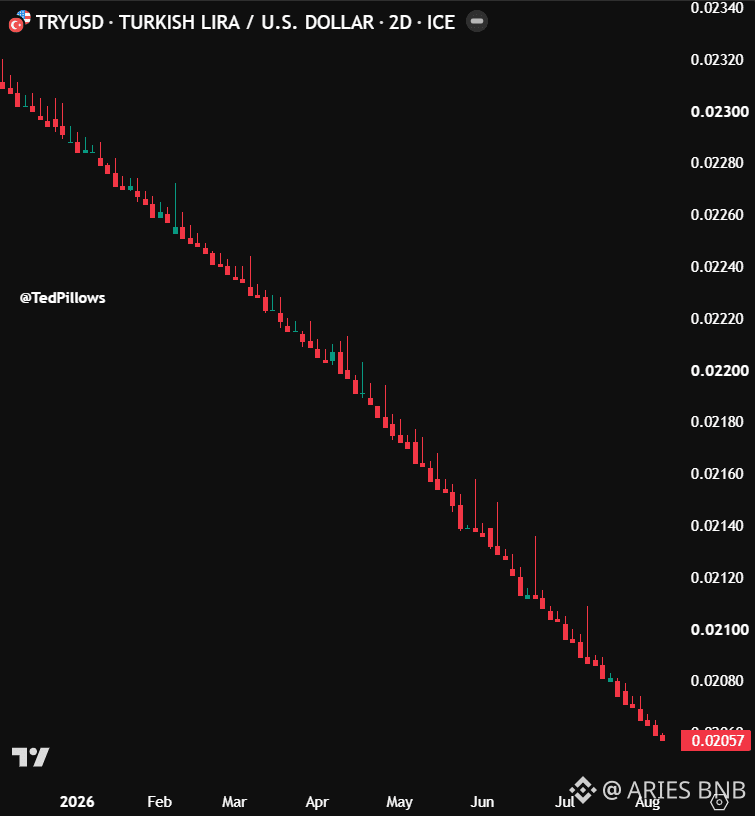
🇹🇷 土耳其一直在出售黄金储备,以应对里拉持续承压。
据世界黄金协会(World Gold Council)数据,截至 2026 年 5 月,土耳其央行年初至今已出售 81 吨黄金。📉🪙
与此同时,土耳其里拉兑美元仍在持续走弱。
#BIP110SoftForkAttemptBegins
$TUT
$IOTX
$ACE
据世界黄金协会(World Gold Council)数据,截至 2026 年 5 月,土耳其央行年初至今已出售 81 吨黄金。📉🪙
与此同时,土耳其里拉兑美元仍在持续走弱。
#BIP110SoftForkAttemptBegins
$TUT
$IOTX
$ACE
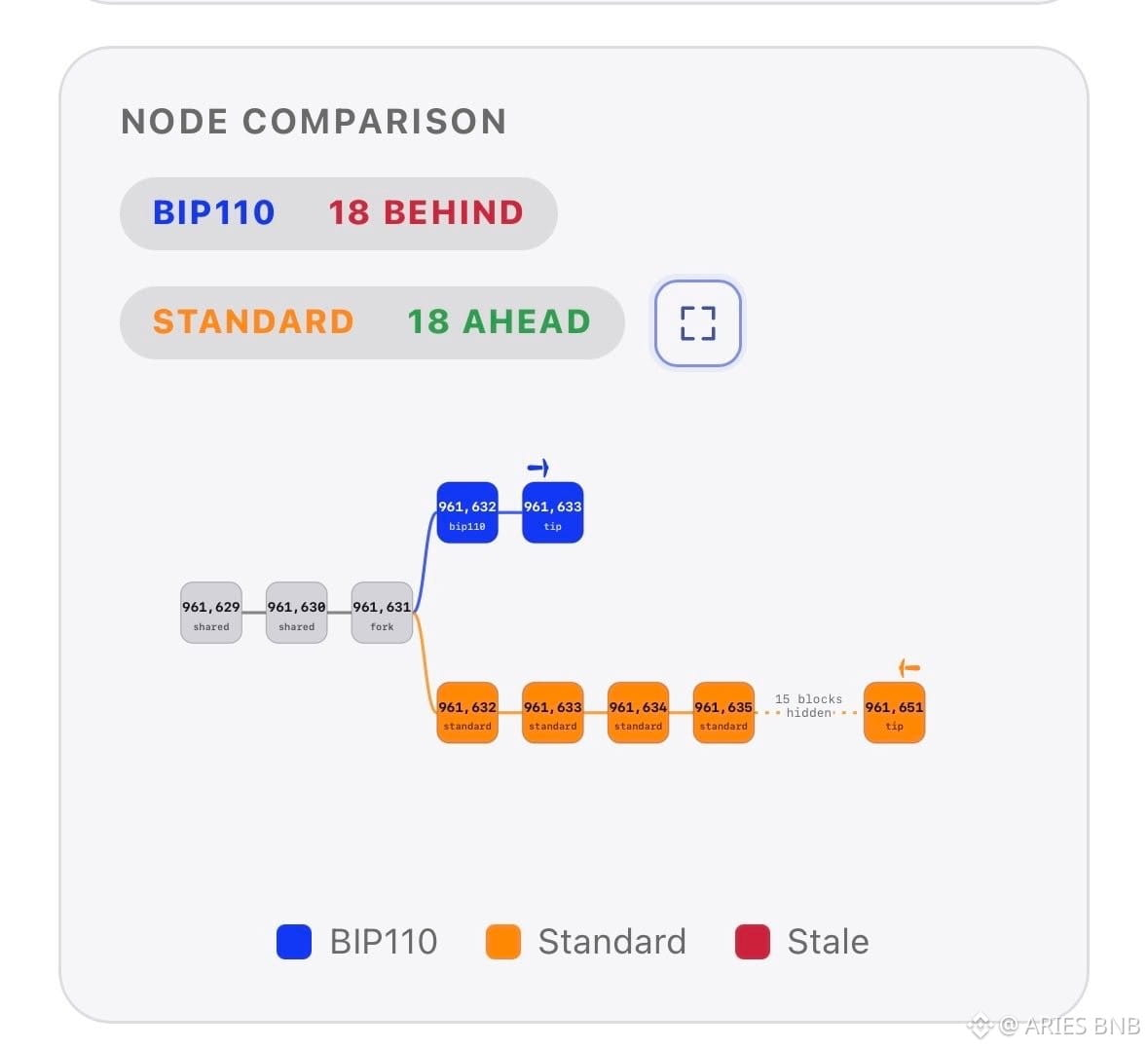
🚨 $BTC 最新动态:BIP-110 少数链目前落后于比特币主链。
由于获得的矿工支持非常有限,其区块生产速度难以跟上主链。⛏️📉
这次链分叉再次凸显了算力与矿工支持对比特币共识的重要性。
#BIP110 #BIP110SoftForkAttemptBegins
$TUT
$BMT
由于获得的矿工支持非常有限,其区块生产速度难以跟上主链。⛏️📉
这次链分叉再次凸显了算力与矿工支持对比特币共识的重要性。
#BIP110 #BIP110SoftForkAttemptBegins
$TUT
$BMT
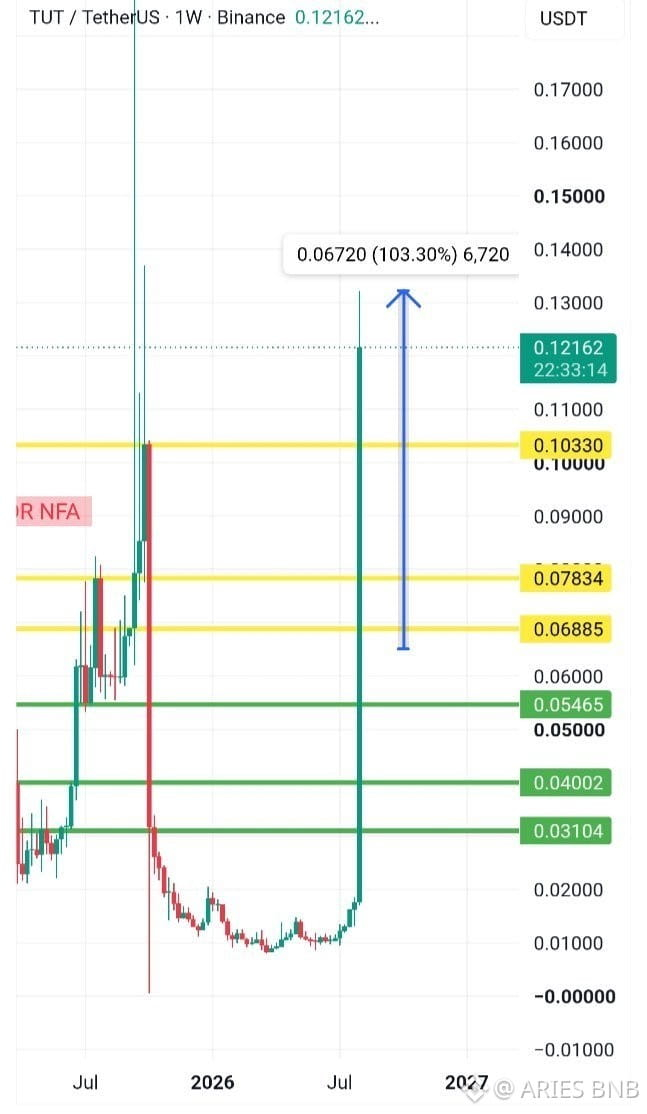
🔷️ $TUT 刚刚突破了我一直关注的阻力位。 📈
目前涨幅约 +103%,但关键在于这次突破能否站稳,并将原来的阻力转化为支撑。
我目前没有持仓,只是在观察这一走势结构。 👀
这是有效突破,还是即将出现假突破?
#TUT $IOTX
目前涨幅约 +103%,但关键在于这次突破能否站稳,并将原来的阻力转化为支撑。
我目前没有持仓,只是在观察这一走势结构。 👀
这是有效突破,还是即将出现假突破?
#TUT $IOTX
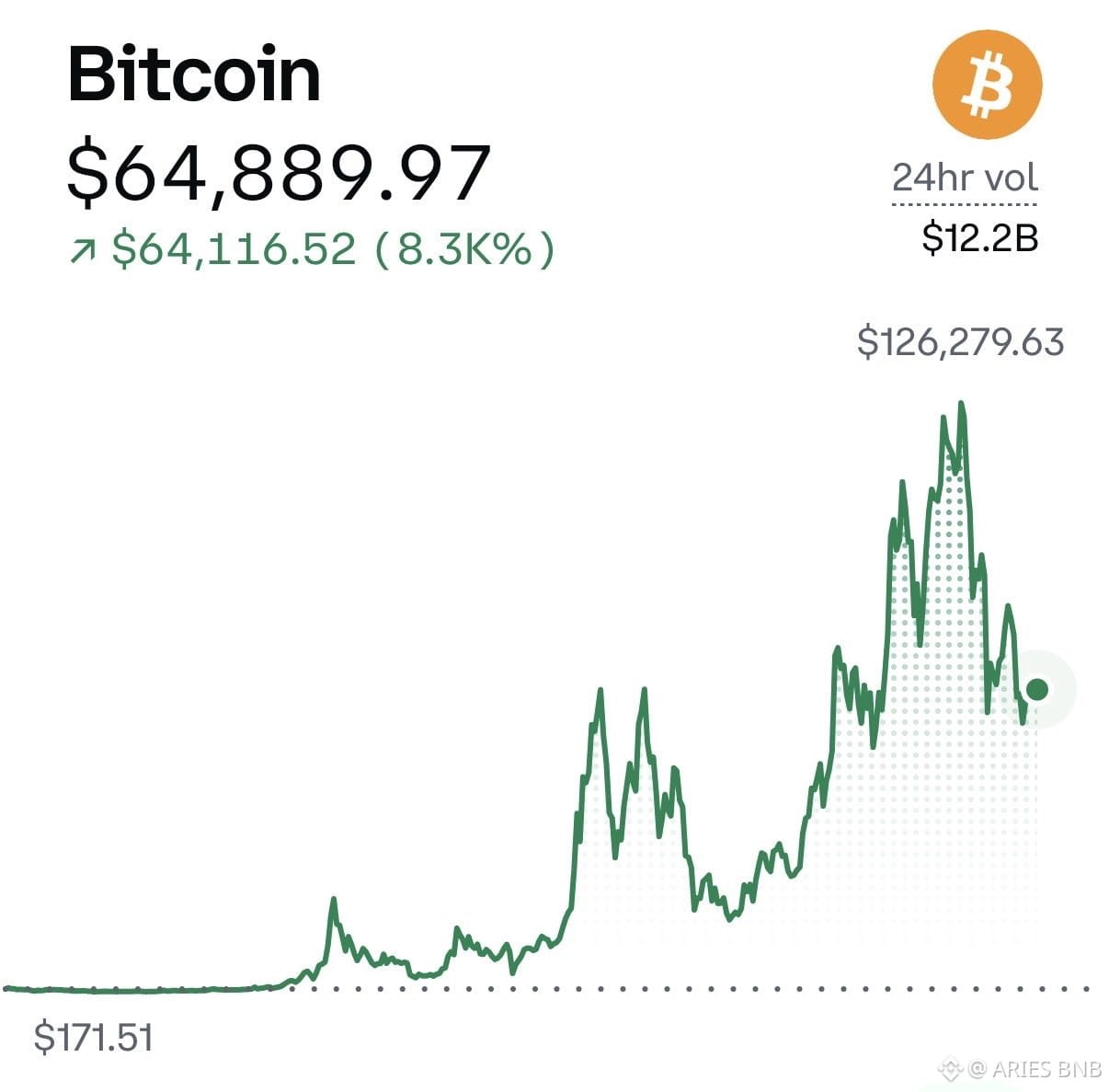
🚀 比特币正在呈现一个值得关注的潜在走势。
BTC 目前回到 65,000 美元附近,但在判断大幅上涨之前,仍需要突破关键阻力位。👀📈
下一次突破是否可能比想象中更近?
#BIP110SoftForkAttemptBegins #crypto
$TUT
$BTC
$IOTX
BTC 目前回到 65,000 美元附近,但在判断大幅上涨之前,仍需要突破关键阻力位。👀📈
下一次突破是否可能比想象中更近?
#BIP110SoftForkAttemptBegins #crypto
$TUT
$BTC
$IOTX
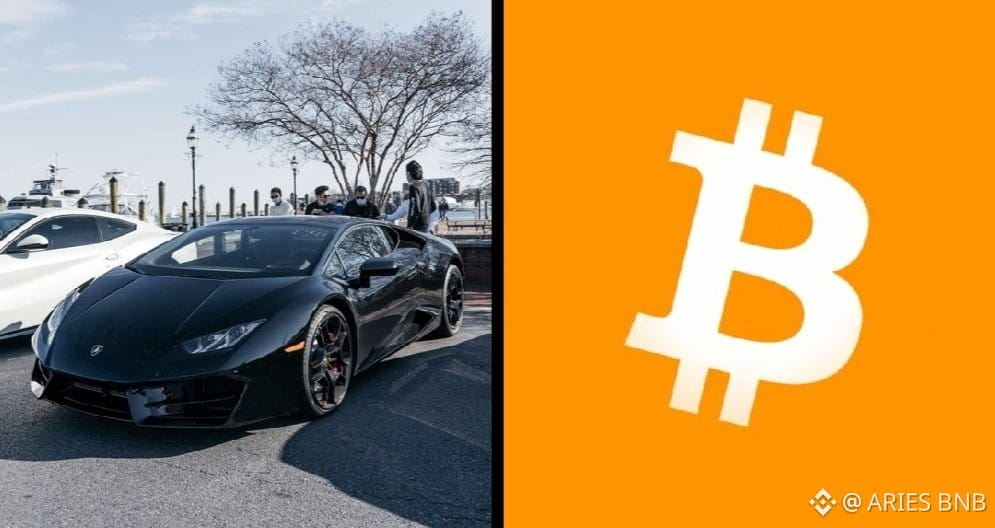
🚨 比特币遇上“什么时候买兰博?”🟠
🇺🇸 美国部分兰博基尼经销商已接受加密货币支付,包括通过 BitPay 使用 BTC。
从“什么时候买兰博?”到真的用比特币支付一辆兰博基尼。👀🔥
如果可以,你会用 $BTC 买一辆兰博基尼吗?
#crypto
$TUT
$1000CAT
🇺🇸 美国部分兰博基尼经销商已接受加密货币支付,包括通过 BitPay 使用 BTC。
从“什么时候买兰博?”到真的用比特币支付一辆兰博基尼。👀🔥
如果可以,你会用 $BTC 买一辆兰博基尼吗?
#crypto
$TUT
$1000CAT
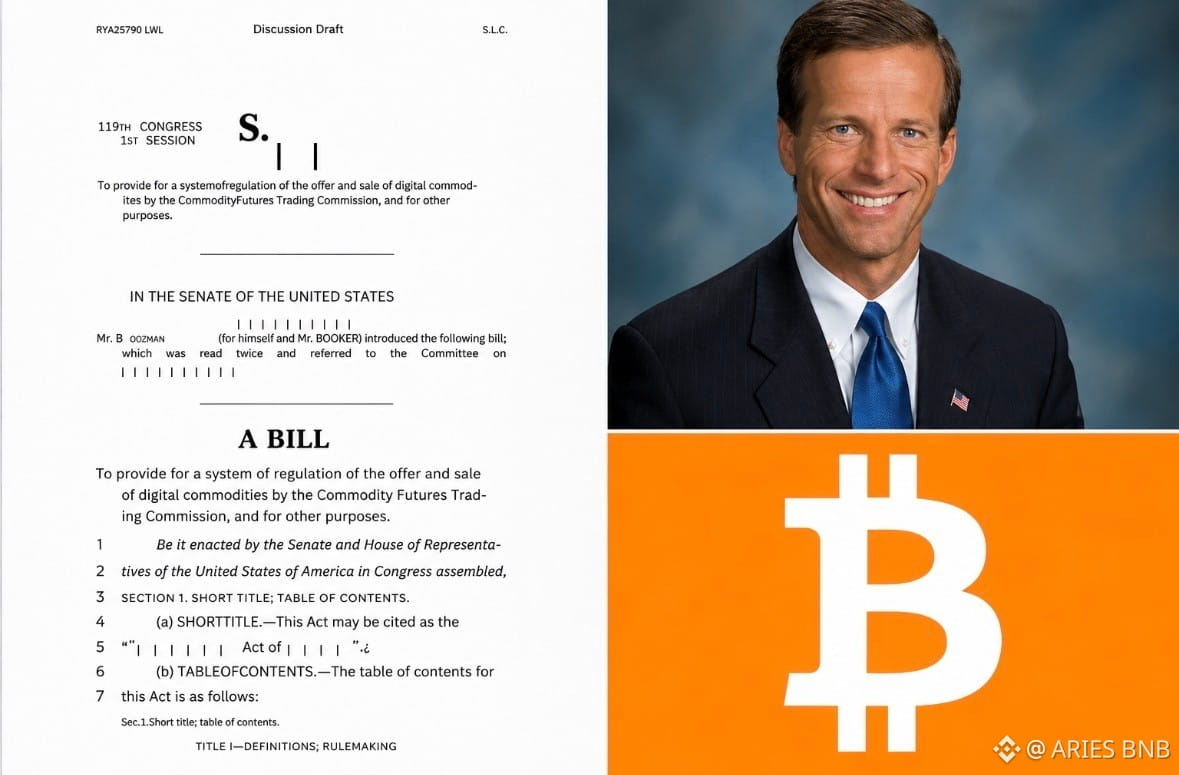
🇺🇸 CLARITY 法案的进程还没有结束。
美国参议院多数党领袖约翰·图恩(John Thune)已启动推进该法案的程序性流程。
参议院预计将在 8 月休会期结束后进行投票,9 月可能成为下一关键时间窗口。 👀
目前法案仍处于推进过程中,最终结果尚未确定。
#crypto #CLARITYAct #IraqOilExportsFall75%
$TUT
$MMT
$SYN
美国参议院多数党领袖约翰·图恩(John Thune)已启动推进该法案的程序性流程。
参议院预计将在 8 月休会期结束后进行投票,9 月可能成为下一关键时间窗口。 👀
目前法案仍处于推进过程中,最终结果尚未确定。
#crypto #CLARITYAct #IraqOilExportsFall75%
$TUT
$MMT
$SYN
Проверено
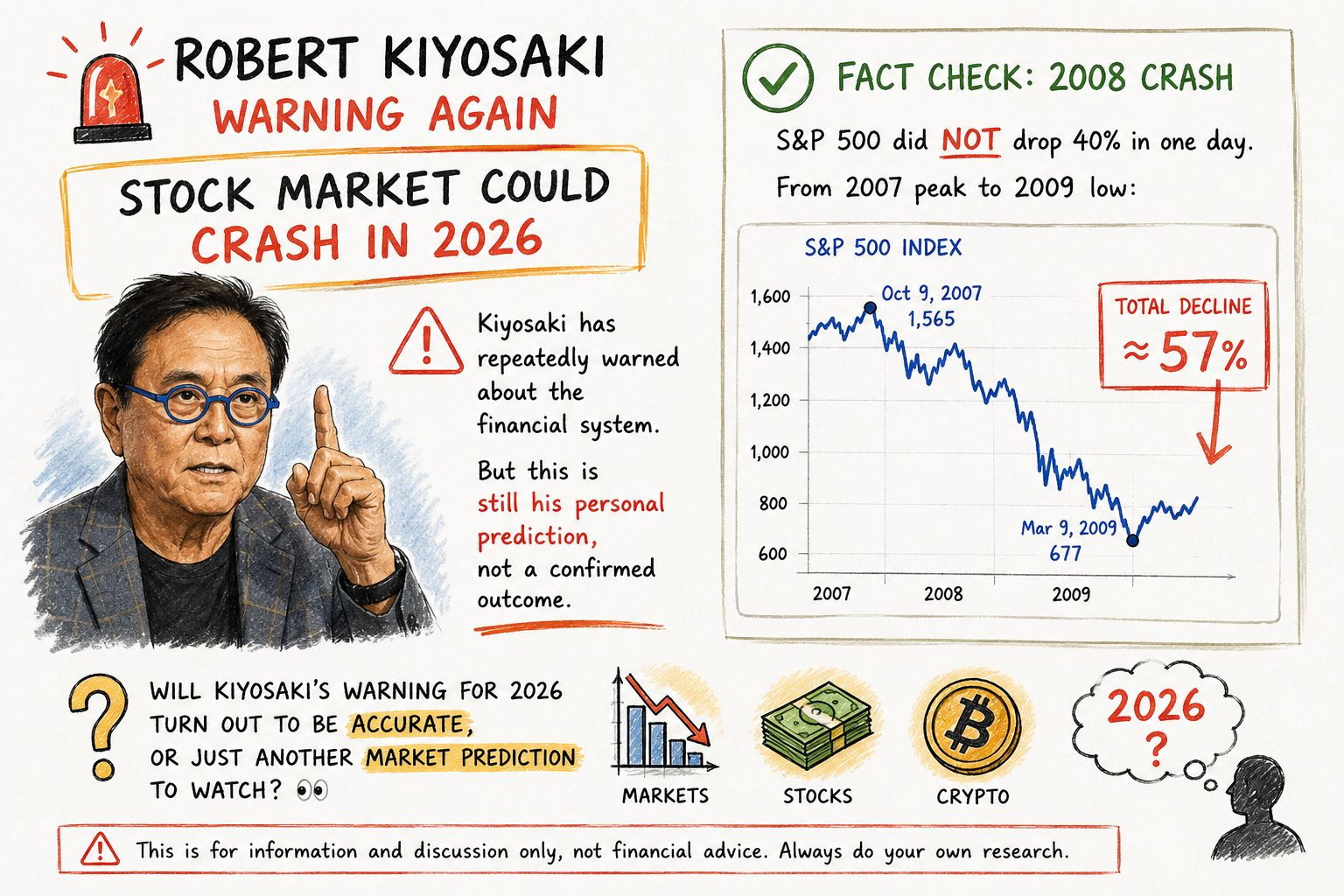
🚨 Robert Kiyosaki 再次警告,2026 年股市可能出现大幅下跌。
他过去曾多次对金融体系发出类似警告,但目前这仍然只是他的个人预测,并非已经得到证实的结果。
一个重要的事实核查:2008 年标普500指数并没有在一天内暴跌 40%。 从 2007 年高点到 2009 年低点,标普500指数累计跌幅约为 57%。
Kiyosaki 对 2026 年的警告最终会被证明准确,还是会成为另一个值得关注的市场预测?👀
#markets #crypto
#FedSplitOnRateHikesDeepens
$ELON
$MMT
$TUT
他过去曾多次对金融体系发出类似警告,但目前这仍然只是他的个人预测,并非已经得到证实的结果。
一个重要的事实核查:2008 年标普500指数并没有在一天内暴跌 40%。 从 2007 年高点到 2009 年低点,标普500指数累计跌幅约为 57%。
Kiyosaki 对 2026 年的警告最终会被证明准确,还是会成为另一个值得关注的市场预测?👀
#markets #crypto
#FedSplitOnRateHikesDeepens
$ELON
$MMT
$TUT
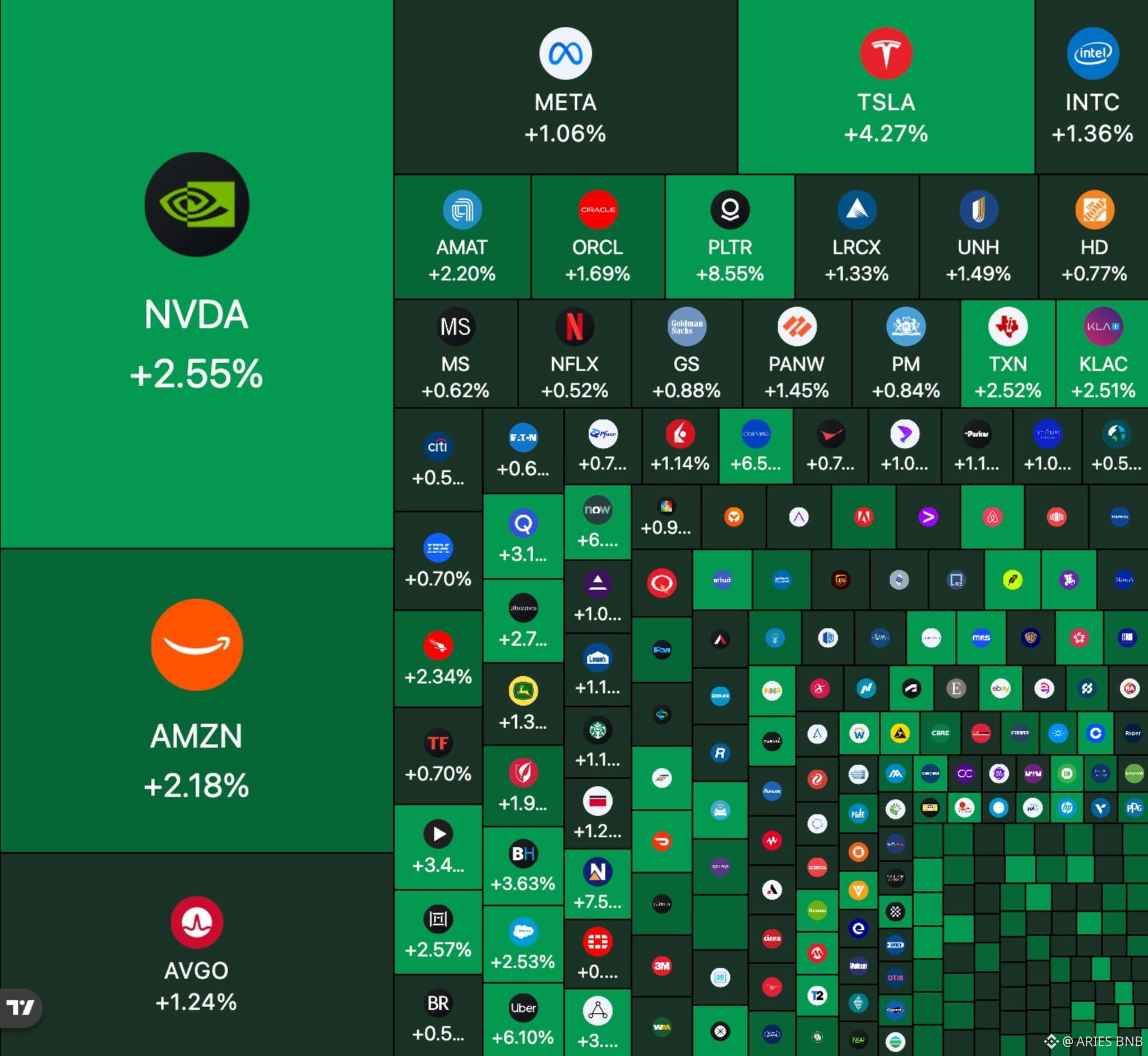
$550 tỷ USD đã được bổ sung vào thị trường chứng khoán Mỹ hôm nay khi dữ liệu việc làm yếu làm giảm khả năng Cục Dự trữ Liên bang (Fed) tăng lãi suất.
$NVDAB $AMZN.US $MB.US
$NVDAB $AMZN.US $MB.US
Войдите, чтобы посмотреть больше материала