
卓越-BTC
978 Публикации
卓越-BTC
 Square Verified
Отправить жалобу
Заблокировать пользователя
Трейдер с регулярными сделками
4.3 г
1.4K+ подписок(и/а)
17.8K+ подписчиков(а)
10.5K+ понравилось
Посты
Все
Цитирования
Видео
Активно
PINNED
·
--
Рост
Braiins称,11月7日至20日期间发现24起比特币算
力劫持事件,影响超过1000个矿场,最多有1.9 EH/s算力被重定向。
据Odaily星球日报报道,攻击者利用未加密的
Stratum V1连接漏洞,将矿工连接引导至未经授权
的矿池,使挖矿收益流向攻击者控制的账户。
Braiins建议矿工升级至Stratum V2,
或通过加密TLS连接使用Stratum V1。
$BNB
#比特币矿场遭算力劫持重定向1.9EH/s
{future}(BNBUSDT)
$BTC
{future}(BTCUSDT)
Braiins称,11月7日至20日期间发现24起比特币算
力劫持事件,影响超过1000个矿场,最多有1.9 EH/s算力被重定向。
据Odaily星球日报报道,攻击者利用未加密的
Stratum V1连接漏洞,将矿工连接引导至未经授权
的矿池,使挖矿收益流向攻击者控制的账户。
Braiins建议矿工升级至Stratum V2,
或通过加密TLS连接使用Stratum V1。
$BNB
#比特币矿场遭算力劫持重定向1.9EH/s
$BTC
力劫持事件,影响超过1000个矿场,最多有1.9 EH/s算力被重定向。
据Odaily星球日报报道,攻击者利用未加密的
Stratum V1连接漏洞,将矿工连接引导至未经授权
的矿池,使挖矿收益流向攻击者控制的账户。
Braiins建议矿工升级至Stratum V2,
或通过加密TLS连接使用Stratum V1。
$BNB
#比特币矿场遭算力劫持重定向1.9EH/s
$BTC
147
3
23
147
·
--
Статья
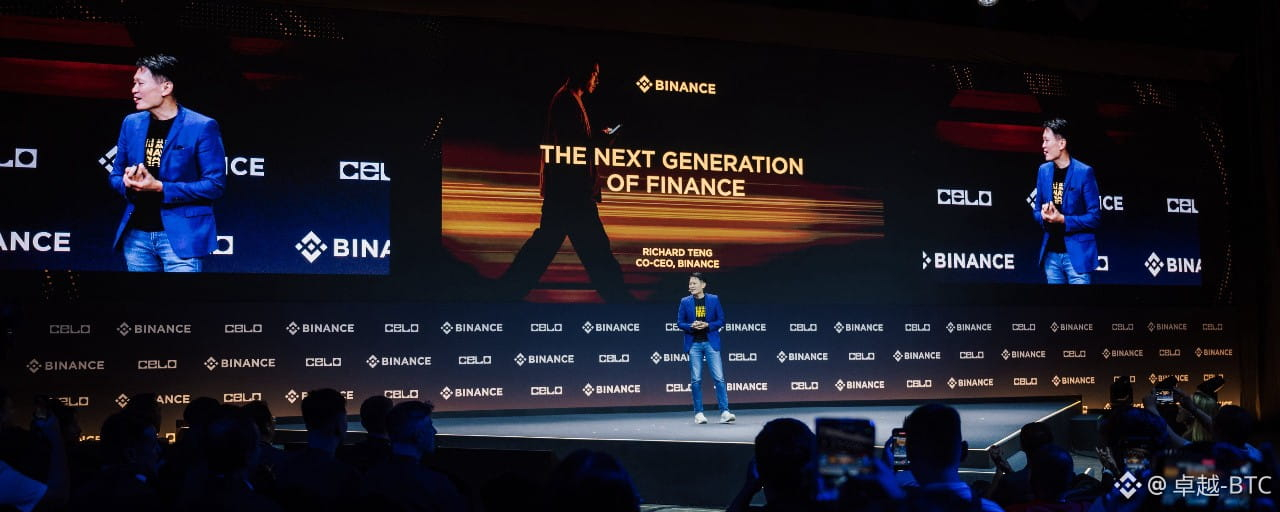
Richard Teng Opens Binance Blockchain Week in BangkokBinance Blockchain Week opened in Bangkok with a keynote from Binance Co-CEO Richard Teng, who outlined how crypto, traditional finance, and digital infrastructure are increasingly converging into what he described as the next generation of finance.
Speaking to an audience of builders, founders, investors, regulators, and users, Teng said the industry is moving beyond a phase where crypto is treated as a standalone category. Instead, blockchain-based tools are becoming part of how people get paid, save, invest, and access global opportunities.
“The next generation of users entering our digital economy industry will not necessarily think of themselves as crypto users,” Teng said. “They won't care whether the asset is on-chain… but what they will care about is this: Can I get paid? Can I protect my savings? Can I invest in opportunities beyond [their home market]? And can I partake in global opportunities?”
That shift in user expectations was central to his message. Rather than framing crypto as a niche sector, Teng argued that the industry is evolving into broader financial infrastructure centered on utility, access, and trust.
### Crypto and Traditional Finance Are Moving Closer
A key theme of Teng’s speech was the growing overlap between blockchain-based finance and traditional markets. He said the pattern mirrors the evolution of the internet, which first connected information, then people, and finally value.
“Crypto is no longer a side rail,” he said. Stablecoins, he noted, are becoming part of payment rails, while tokenized assets are increasingly entering financial portfolios. He added that institutions are no longer waiting on the sidelines. “Institutions are now building in this landscape instead of waiting at the sideline,” he said.
Among the clearest examples of this shift, Teng pointed to tokenized equities, which he described as a fast-growing area. For users who have historically faced barriers to international investing — including access to U.S. equities and other global markets — tokenized assets can open new pathways to participation.
He stressed that the opportunity is not simply to place existing assets on-chain, but to rethink how they are accessed, distributed, traded, settled, and used. In his view, blockchain infrastructure can make financial markets more global, more continuous, and more flexible through fractional access and programmability.
Traditional markets remain powerful, Teng said, but they are still shaped by geography and trading-hour limitations. Against that backdrop, he described Binance as “evolving from a crypto exchange into a 24/7 multi-asset class platform,” where crypto remains the foundation while users can also access stablecoins, payments, tokenized assets, ETFs, equities, and more through a single account.
### Trust, Security, and Regulation as the Foundation
Teng also emphasized that innovation on its own is not enough. “The future of finance cannot be built on innovation alone,” he said. “It must also be built on trust.”
He said trust is earned through action, especially during moments of stress. Referring to a recent coordinated security incident affecting the industry, Teng said Binance moved quickly to protect users, set aside sufficient funds, and cover losses in full. According to his remarks, 95% of impacted assets were replenished within two days, and all have since been restored.
He added that users could verify holdings through proof of reserves, and said Binance published a report on the incident so the wider industry could learn from it. Teng also noted that Binance engaged external security firms Mandiant, SlowMist, and Verichains for audit and review.
“The true test of any financial institution is how it reacts under pressure, what it does to protect consumers, how it pushes for transparency, how it rebuilds and become stronger,” he said.
Teng then broadened the discussion to the changing security environment shaped by AI. He warned that fake recruiters, fake interviews, fake companies, and increasingly realistic digital impersonation are expanding the attack surface for all organizations, not just crypto firms. As a result, he said, companies will need to treat AI infrastructure as part of their critical infrastructure going forward.
He also pointed to the role of stablecoin issuers during the recent incident, saying they froze more than $2 billion in stolen funds, in some cases within minutes. In his view, that showed how blockchain infrastructure can work alongside regulatory frameworks to enable real-time response, cross-border coordination, and enforcement.
### Asia’s Role in the Next Financial Chapter
Teng used the Bangkok stage to highlight Asia’s importance in shaping the future of finance. He said Binance brought Blockchain Week back to Asia because the region is where “the old meets the new, where tradition meets innovation.”
He described Asia as not only one of the world’s most active crypto regions, but also a place where workable models are emerging under clearer rules. Across Asia-Pacific, jurisdictions are moving at different speeds, but they are generating practical lessons on infrastructure, innovation, oversight, and consumer protection.
For Teng, this is why regulation should be viewed as an enabler rather than an obstacle. “Regulation is not a constrain for this industry, it’s a bridge to scale,” he said. In his view, policy clarity brings institutions into the market, and institutions help expand access for the next generation of users.
He tied that point to the real-world use of stablecoins, noting that they are increasingly becoming part of the global settlement layer not only for traders, but also for freelancers receiving income, small businesses making cross-border payments, and families sending money overseas. These are use cases, he suggested, that address financial needs traditional systems have often failed to serve efficiently.
In closing, Teng said the next generation of users will not want separate services for banking, payments, transfers, and investing. They will want a more unified financial experience. Binance’s role, he said, is not to replace traditional finance, but to help build an environment “where finance, all finance, lives on Binance” — one that is open, flexible, interoperable, and designed around user needs.
His keynote set the tone for Binance Blockchain Week in Bangkok with a clear message: the future of finance will be shaped by the convergence of crypto and traditional markets, supported by trust, regulatory clarity, and broader global access.
#EvolveAtBinanceBlockchainWeek
Richard Teng Opens Binance Blockchain Week in Bangkok
Binance Blockchain Week opened in Bangkok with a keynote from Binance Co-CEO Richard Teng, who outlined how crypto, traditional finance, and digital infrastructure are increasingly converging into what he described as the next generation of finance.
Speaking to an audience of builders, founders, investors, regulators, and users, Teng said the industry is moving beyond a phase where crypto is treated as a standalone category. Instead, blockchain-based tools are becoming part of how people get paid, save, invest, and access global opportunities.
“The next generation of users entering our digital economy industry will not necessarily think of themselves as crypto users,” Teng said. “They won't care whether the asset is on-chain… but what they will care about is this: Can I get paid? Can I protect my savings? Can I invest in opportunities beyond [their home market]? And can I partake in global opportunities?”
That shift in user expectations was central to his message. Rather than framing crypto as a niche sector, Teng argued that the industry is evolving into broader financial infrastructure centered on utility, access, and trust.
### Crypto and Traditional Finance Are Moving Closer
A key theme of Teng’s speech was the growing overlap between blockchain-based finance and traditional markets. He said the pattern mirrors the evolution of the internet, which first connected information, then people, and finally value.
“Crypto is no longer a side rail,” he said. Stablecoins, he noted, are becoming part of payment rails, while tokenized assets are increasingly entering financial portfolios. He added that institutions are no longer waiting on the sidelines. “Institutions are now building in this landscape instead of waiting at the sideline,” he said.
Among the clearest examples of this shift, Teng pointed to tokenized equities, which he described as a fast-growing area. For users who have historically faced barriers to international investing — including access to U.S. equities and other global markets — tokenized assets can open new pathways to participation.
He stressed that the opportunity is not simply to place existing assets on-chain, but to rethink how they are accessed, distributed, traded, settled, and used. In his view, blockchain infrastructure can make financial markets more global, more continuous, and more flexible through fractional access and programmability.
Traditional markets remain powerful, Teng said, but they are still shaped by geography and trading-hour limitations. Against that backdrop, he described Binance as “evolving from a crypto exchange into a 24/7 multi-asset class platform,” where crypto remains the foundation while users can also access stablecoins, payments, tokenized assets, ETFs, equities, and more through a single account.
### Trust, Security, and Regulation as the Foundation
Teng also emphasized that innovation on its own is not enough. “The future of finance cannot be built on innovation alone,” he said. “It must also be built on trust.”
He said trust is earned through action, especially during moments of stress. Referring to a recent coordinated security incident affecting the industry, Teng said Binance moved quickly to protect users, set aside sufficient funds, and cover losses in full. According to his remarks, 95% of impacted assets were replenished within two days, and all have since been restored.
He added that users could verify holdings through proof of reserves, and said Binance published a report on the incident so the wider industry could learn from it. Teng also noted that Binance engaged external security firms Mandiant, SlowMist, and Verichains for audit and review.
“The true test of any financial institution is how it reacts under pressure, what it does to protect consumers, how it pushes for transparency, how it rebuilds and become stronger,” he said.
Teng then broadened the discussion to the changing security environment shaped by AI. He warned that fake recruiters, fake interviews, fake companies, and increasingly realistic digital impersonation are expanding the attack surface for all organizations, not just crypto firms. As a result, he said, companies will need to treat AI infrastructure as part of their critical infrastructure going forward.
He also pointed to the role of stablecoin issuers during the recent incident, saying they froze more than $2 billion in stolen funds, in some cases within minutes. In his view, that showed how blockchain infrastructure can work alongside regulatory frameworks to enable real-time response, cross-border coordination, and enforcement.
### Asia’s Role in the Next Financial Chapter
Teng used the Bangkok stage to highlight Asia’s importance in shaping the future of finance. He said Binance brought Blockchain Week back to Asia because the region is where “the old meets the new, where tradition meets innovation.”
He described Asia as not only one of the world’s most active crypto regions, but also a place where workable models are emerging under clearer rules. Across Asia-Pacific, jurisdictions are moving at different speeds, but they are generating practical lessons on infrastructure, innovation, oversight, and consumer protection.
For Teng, this is why regulation should be viewed as an enabler rather than an obstacle. “Regulation is not a constrain for this industry, it’s a bridge to scale,” he said. In his view, policy clarity brings institutions into the market, and institutions help expand access for the next generation of users.
He tied that point to the real-world use of stablecoins, noting that they are increasingly becoming part of the global settlement layer not only for traders, but also for freelancers receiving income, small businesses making cross-border payments, and families sending money overseas. These are use cases, he suggested, that address financial needs traditional systems have often failed to serve efficiently.
In closing, Teng said the next generation of users will not want separate services for banking, payments, transfers, and investing. They will want a more unified financial experience. Binance’s role, he said, is not to replace traditional finance, but to help build an environment “where finance, all finance, lives on Binance” — one that is open, flexible, interoperable, and designed around user needs.
His keynote set the tone for Binance Blockchain Week in Bangkok with a clear message: the future of finance will be shaped by the convergence of crypto and traditional markets, supported by trust, regulatory clarity, and broader global access.
#EvolveAtBinanceBlockchainWeek
454
·
--
【同步 Binance News】Binance Market Update | CZ Calls for a Crypto Security Alliance as Stocks Rally 2.3%, Gold Rebounds and Bitcoin ETFs Bleed an 8th Straight Day
At Binance Blockchain Week in Bangkok, CZ called for an industry-wide security alliance after the exchange's recent incident, and Binance announced plans for a Bhutan Asia hub.
On Wall Street, the Nasdaq closed up 2.31% and Anthropic jumped 10.98%.
Gold futures rose more than 3% and silver 8% as analysts called gold oversold.
US spot bitcoin ETFs lost $389M, their eighth straight outflow day, with IBIT accounting for 84%.
Malaysia's first bitcoin ETF lists December 2.
Binance Blockchain Week Day 1: Teng Puts Trust at the Center, CZ Calls for a Security Alliance, Binance Plans Bhutan Hub.
Co-CEO Richard Teng said crypto and traditional finance are merging into one system and described Binance as "evolving from a crypto exchange into a 24/7 multi-asset class platform."
On the recent security incident, he said Binance covered user losses in full, replenished 95% of affected assets within two days and has since restored all of them.
CZ said attackers targeted "1,000 or more" employees through fake job interviews and a fake "Zoom upgrade" link, then stole source code and analyzed it with AI.
He called for an industry security alliance built on instant response, shared best practices and cross-checking.
On markets, he said "Markets only bottom when there's maximum fear. I think we're pretty close to that."
#BinanceNews #CZ #SecurityAlliance #BitcoinETF #BlockchainWeek
3
1
66
·
--
Richard Teng 在曼谷为币安区块链周揭幕
币安区块链周在曼谷开幕,币安联席首席执行官 Richard Teng 在主题演讲中阐述了加密货币、传统金融和数字基础设施如何日益融合,并称这一趋势正在塑造金融的下一代形态。
Teng 面向开发者、创始人、投资者、监管机构和用户发表讲话时表示,行业正在超越将加密货币视为独立类别的阶段。相反,基于区块链的工具正逐渐融入人们获取报酬、储蓄、投资和把握全球机遇的方式。
#币安区块链周 #RichardTeng #BinanceBlockchainWeek
Richard Teng 在曼谷为币安区块链周揭幕
币安区块链周在曼谷开幕,币安联席首席执行官 Richard Teng 在主题演讲中阐述了加密货币、传统金融和数字基础设施如何日益融合,并称这一趋势正在塑造金融的下一代形态。
Teng 面向开发者、创始人、投资者、监管机构和用户发表讲话时表示,行业正在超越将加密货币视为独立类别的阶段。相反,基于区块链的工具正逐渐融入人们获取报酬、储蓄、投资和把握全球机遇的方式。
#币安区块链周 #RichardTeng #BinanceBlockchainWeek
币安区块链周在曼谷开幕,币安联席首席执行官 Richard Teng 在主题演讲中阐述了加密货币、传统金融和数字基础设施如何日益融合,并称这一趋势正在塑造金融的下一代形态。
Teng 面向开发者、创始人、投资者、监管机构和用户发表讲话时表示,行业正在超越将加密货币视为独立类别的阶段。相反,基于区块链的工具正逐渐融入人们获取报酬、储蓄、投资和把握全球机遇的方式。
#币安区块链周 #RichardTeng #BinanceBlockchainWeek
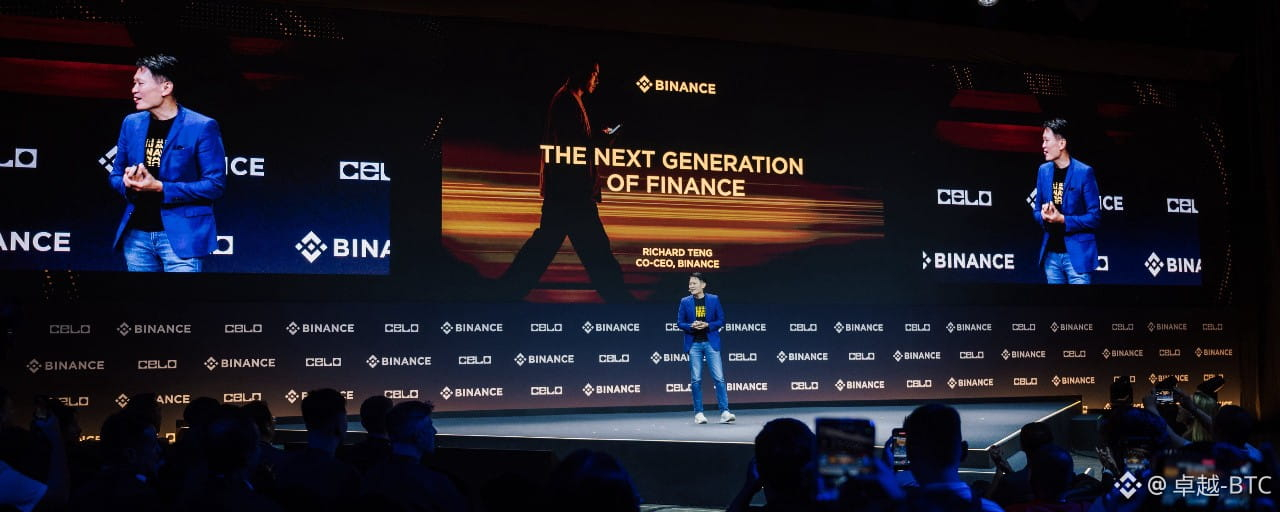
1
3
92
·
--
Рост
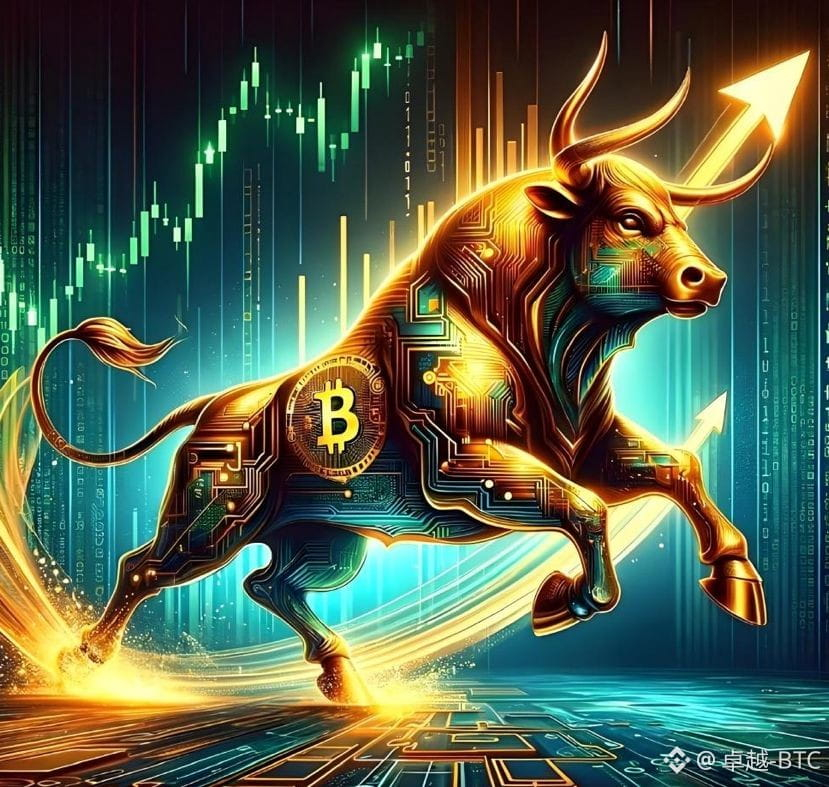
比特币跌破6万美元,机构资金也在加速撤离。
11月至今,美国比特币现货ETF净流出57.8亿美元,创下上市以来单月净流出最高纪录。
几个数据值得关注:
BTC本月累计下跌约23%。
ETF连续8个交易日净流出。
11月27日单日净流出3.89亿美元。
贝莱德旗下IBIT本月净流出48.3亿美元,占总流出规模约83%。
牛市的时候,大家都在期待机构进场,认为机构能够推动比特币走向更高的位置。
如今机构资金持续流出,市场又有多少新增资金能够承接?
目前BTC在59000美元附近,相比价格跌了多少,我更关心ETF资金什么时候能够结束持续净流出的状态。
资金没有明显回流之前,短期反弹不代表趋势反转。
这种行情,控制好仓位,给自己留足子弹,比急着抄底更重要。
大家觉得,机构这轮大规模撤资,是暂时避险,还是熊市远没有结束?
$BTC #比特币 #比特币ETF #加密市场 #熊市
$ETH
#比特币ETF连续八日净流出3.89亿美元
{future}(ETHUSDT)
比特币跌破6万美元,机构资金也在加速撤离。
11月至今,美国比特币现货ETF净流出57.8亿美元,创下上市以来单月净流出最高纪录。
几个数据值得关注:
BTC本月累计下跌约23%。
ETF连续8个交易日净流出。
11月27日单日净流出3.89亿美元。
贝莱德旗下IBIT本月净流出48.3亿美元,占总流出规模约83%。
牛市的时候,大家都在期待机构进场,认为机构能够推动比特币走向更高的位置。
如今机构资金持续流出,市场又有多少新增资金能够承接?
目前BTC在59000美元附近,相比价格跌了多少,我更关心ETF资金什么时候能够结束持续净流出的状态。
资金没有明显回流之前,短期反弹不代表趋势反转。
这种行情,控制好仓位,给自己留足子弹,比急着抄底更重要。
大家觉得,机构这轮大规模撤资,是暂时避险,还是熊市远没有结束?
$BTC #比特币 #比特币ETF #加密市场 #熊市
$ETH
#比特币ETF连续八日净流出3.89亿美元
126
3
20
126
·
--
Рост
何一在2026 Binance区块链周说,Binance升级了网络安全防御体系,一共四项措施。
第一,请第三方团队常态化搞内部钓鱼和社会工程学攻击演练,员工两次违规中招就开除。
第二,强制设备沙盒隔离,外来文件下载都会触发安全告警和威胁情报检测。
第三,引入独立AI系统24小时监督审查内部代码和指令,避免单一AI系统权限重叠。
第四,收紧远程办公权限,再请三家外部权威安全审计机构做全面审查。
她还提到,现在有冒名替身面试、员工入职首日通过异常IP发起渗透的情况。
$BNB
#币安区块链周进化由你
{future}(BNBUSDT)
何一在2026 Binance区块链周说,Binance升级了网络安全防御体系,一共四项措施。
第一,请第三方团队常态化搞内部钓鱼和社会工程学攻击演练,员工两次违规中招就开除。
第二,强制设备沙盒隔离,外来文件下载都会触发安全告警和威胁情报检测。
第三,引入独立AI系统24小时监督审查内部代码和指令,避免单一AI系统权限重叠。
第四,收紧远程办公权限,再请三家外部权威安全审计机构做全面审查。
她还提到,现在有冒名替身面试、员工入职首日通过异常IP发起渗透的情况。
$BNB
#币安区块链周进化由你
第一,请第三方团队常态化搞内部钓鱼和社会工程学攻击演练,员工两次违规中招就开除。
第二,强制设备沙盒隔离,外来文件下载都会触发安全告警和威胁情报检测。
第三,引入独立AI系统24小时监督审查内部代码和指令,避免单一AI系统权限重叠。
第四,收紧远程办公权限,再请三家外部权威安全审计机构做全面审查。
她还提到,现在有冒名替身面试、员工入职首日通过异常IP发起渗透的情况。
$BNB
#币安区块链周进化由你
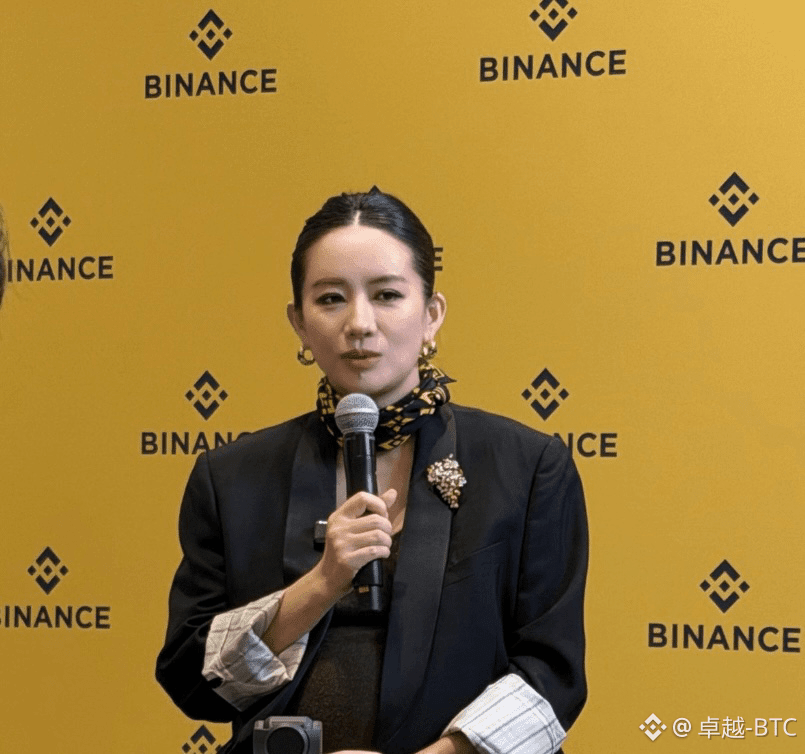
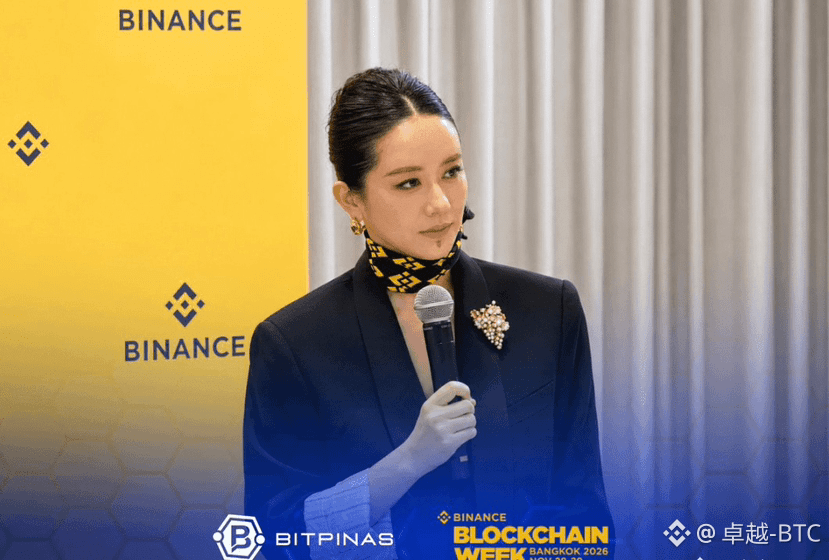
153
2
24
153
·
--

Lisa在看盘
·
--
Рост#红包大派送 周五晚上好,忙碌的一周结束啦!明天周末不聊枯燥的K线,直接给家人们发波 宠粉红包开启快乐周末!🧧🎉
明天(周六)不光能睡个懒觉,2026 曼谷币安区块链周也要正式开幕了!作为把研究K线当“追连续剧”的普通女生,周末打算一边追大会直播吃瓜、一边陪大家放松唠嗑 ✨
👇
1️⃣ 点亮左上角 【关注】 陪 Lisa 冲刺 30,000 粉
2️⃣ 评论区扣一句 “666”沾沾喜气
3️⃣ 直接点击下方红包开抢,祝大家周末全线吃肉!❤️
#币安区块链周进化由你 $BTC $ETH $BNB
明天(周六)不光能睡个懒觉,2026 曼谷币安区块链周也要正式开幕了!作为把研究K线当“追连续剧”的普通女生,周末打算一边追大会直播吃瓜、一边陪大家放松唠嗑 ✨
👇
1️⃣ 点亮左上角 【关注】 陪 Lisa 冲刺 30,000 粉
2️⃣ 评论区扣一句 “666”沾沾喜气
3️⃣ 直接点击下方红包开抢,祝大家周末全线吃肉!❤️
#币安区块链周进化由你 $BTC $ETH $BNB
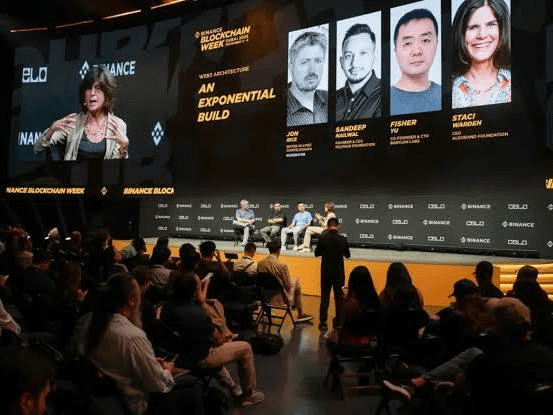
3
630

·
--
Рост
Частичная правда
9375 万枚 $ENA 12 月 5 日解锁,按现在 0.103 的价格算,大概 966 万美元。
我第一反应是去翻日程表,发现这根本不是新消息。按 Ethena 公布的归属计划,核心贡献者这部分每个月 5 号都解一次,1 月 5 日、2 月 5 日还是同样的 9375 万枚。
真正让我在意的是另一件事:同样数量的币,一个月前值多少。30 天前 ENA 合约在 0.175 附近,现在 0.103,中间最低摸到 0.0896。同一批解锁,美元价值少了四成多。
几个数字放一起看:
966 万美元,对比币安 ENAUSDT 合约过去 24 小时约 1.38 亿美元的成交额,不到一成。
它大约是 150 亿枚最大供应量的 0.6%。
合约持仓从昨天中午约 5.18 亿枚降到现在约 4.92 亿枚,资金费率接近 0。
所以我的看法是,这次解锁本身不太像砸盘的量级。热榜上 #ENA将解锁9375万枚代币 看着吓人,主要是“9375 万”这个数字大。解锁不等于卖出,我更想看的是 5 号之后,相关地址有没有把币往交易所转。这个我现在没有数据,到时候再看。
有一点我想不通:价格跌了四成,接收方拿到的美元价值也跟着缩水,这时候他们更愿意卖,还是更愿意捏着?换你会怎么选,为什么?
个人看法,不构成任何建议。
$BTC
#ENA将解锁9375万枚代币
{future}(BTCUSDT)
9375 万枚 $ENA 12 月 5 日解锁,按现在 0.103 的价格算,大概 966 万美元。
我第一反应是去翻日程表,发现这根本不是新消息。按 Ethena 公布的归属计划,核心贡献者这部分每个月 5 号都解一次,1 月 5 日、2 月 5 日还是同样的 9375 万枚。
真正让我在意的是另一件事:同样数量的币,一个月前值多少。30 天前 ENA 合约在 0.175 附近,现在 0.103,中间最低摸到 0.0896。同一批解锁,美元价值少了四成多。
几个数字放一起看:
966 万美元,对比币安 ENAUSDT 合约过去 24 小时约 1.38 亿美元的成交额,不到一成。
它大约是 150 亿枚最大供应量的 0.6%。
合约持仓从昨天中午约 5.18 亿枚降到现在约 4.92 亿枚,资金费率接近 0。
所以我的看法是,这次解锁本身不太像砸盘的量级。热榜上 #ENA将解锁9375万枚代币 看着吓人,主要是“9375 万”这个数字大。解锁不等于卖出,我更想看的是 5 号之后,相关地址有没有把币往交易所转。这个我现在没有数据,到时候再看。
有一点我想不通:价格跌了四成,接收方拿到的美元价值也跟着缩水,这时候他们更愿意卖,还是更愿意捏着?换你会怎么选,为什么?
个人看法,不构成任何建议。
$BTC
#ENA将解锁9375万枚代币

5
6
808
·
--
Рост
比特币又回到 6 万附近,我更想看下一次回踩
6 万美元这两天来回穿了好几次。11 月以来累计跌了约 22%。现在就说 6 万守住了,我觉得有点早。
昨天 Deribit 有约 68 亿美元名义价值的 BTC 期权到期。交割过了,我更关心现货有没有买盘接力。
美国现货比特币 ETF 截至周三已连续 7 个交易日净流出,11 月累计净流出约 53.9 亿美元。下周我会顺手看一眼,这股流出有没有缓下来。
我自己的做法是等它收回 6 万,再看回踩时有没有人接。如果冲上去没多久又掉回来,我就继续等。
要是再破 5.9 万,连拉回来的速度都慢了,这个位置我也不会急着加仓。#BTC一周4度跌破6万美元 $BTC
$BTC
#BTC一周4度跌破6万美元
{spot}(BTCUSDT)
比特币又回到 6 万附近,我更想看下一次回踩
6 万美元这两天来回穿了好几次。11 月以来累计跌了约 22%。现在就说 6 万守住了,我觉得有点早。
昨天 Deribit 有约 68 亿美元名义价值的 BTC 期权到期。交割过了,我更关心现货有没有买盘接力。
美国现货比特币 ETF 截至周三已连续 7 个交易日净流出,11 月累计净流出约 53.9 亿美元。下周我会顺手看一眼,这股流出有没有缓下来。
我自己的做法是等它收回 6 万,再看回踩时有没有人接。如果冲上去没多久又掉回来,我就继续等。
要是再破 5.9 万,连拉回来的速度都慢了,这个位置我也不会急着加仓。#BTC一周4度跌破6万美元 $BTC
$BTC
#BTC一周4度跌破6万美元

1.4k
1
86
1.4k
·
--
Рост
Проверено
Sky 上调 SKY 质押分配、下调 Vault 债务上限
11月28日的消息,MakerDAO改名来的DeFi协议Sky上调了给SKY质押者的代币分配,同时下调Vault的债务上限,新设置11月23日就生效了。
这两项属于质押激励和风险参数调整。另有一项单独的提案,要把2500万USDS转给基金会偿债,到上周五晚还没通过。
两件事分属不同治理事项,不能算作一次决定。此前Sky的stUSDS池资金利用率到了99.99%,
创始人也在为约7700万美元债务卖币筹钱。
相关代码:$SKY
$BTC
#Sky上调SKY质押分配下调Vault债务上限
{future}(BTCUSDT)
Sky 上调 SKY 质押分配、下调 Vault 债务上限
11月28日的消息,MakerDAO改名来的DeFi协议Sky上调了给SKY质押者的代币分配,同时下调Vault的债务上限,新设置11月23日就生效了。
这两项属于质押激励和风险参数调整。另有一项单独的提案,要把2500万USDS转给基金会偿债,到上周五晚还没通过。
两件事分属不同治理事项,不能算作一次决定。此前Sky的stUSDS池资金利用率到了99.99%,
创始人也在为约7700万美元债务卖币筹钱。
相关代码:$SKY
$BTC
#Sky上调SKY质押分配下调Vault债务上限
11月28日的消息,MakerDAO改名来的DeFi协议Sky上调了给SKY质押者的代币分配,同时下调Vault的债务上限,新设置11月23日就生效了。
这两项属于质押激励和风险参数调整。另有一项单独的提案,要把2500万USDS转给基金会偿债,到上周五晚还没通过。
两件事分属不同治理事项,不能算作一次决定。此前Sky的stUSDS池资金利用率到了99.99%,
创始人也在为约7700万美元债务卖币筹钱。
相关代码:$SKY
$BTC
#Sky上调SKY质押分配下调Vault债务上限
1.3k
1
89
1.3k
·
--
Рост
十一月二十八日,马斯克在 X 上回了一条评论。有人猜谷歌从 SpaceX 买的算力迟早会超过另一家头部模型公司,他接了话:不确定谁会买得更多,但谷歌已经表达过想从我们这里租更多算力。
一句话,把 SpaceX 的第二门生意摊到了明面上。
这门生意规模不小。谷歌与 SpaceX 的协议从今年十月起算,到二零二九年六月,每月支付约九亿二千万美元,换的是约十一万张英伟达 GPU,加上 CPU、内存和配套设施。公司在六月的监管文件里披露,与谷歌、另一家头部模型公司签下的算力协议合计价值超过七百亿美元。两份合同都留了提前九十天通知即可终止的口子。
同一条回复里,马斯克还给了更硬的东西:价格。他说,面向高带宽训练、规模大且连贯的算力集群,租金在涨,有时候涨得很明显;五千张 GPU 以下的中小订单,租金在降。两头一平均,SpaceX 算力业务单卡租金仍在往上走。
这句话比谷歌想租更多更值得看。它说明算力市场正在分层:能承接大模型训练的整块产能越来越紧,零散的小集群反而过剩。
十一月二十四日,SemiAnalysis 的短评给出了同一件事的另一面。SpaceX 把中小集群的 Blackwell 现货报价从每小时十五到十五点五美元,下调到十到十二美元,与谷歌这类大客户拿到的大集群报价拉平。另一家客户约五万卡的 H200 集群可能不再续约,这批卡正以每小时五美元左右的价格对外找下家,二零二七年初可交付。消息出来,市场一度担心算力需求见顶。
值得留意的是那个九十天条款。现货定价加上随时可退,意味着这门生意的收入弹性很大,向上向下都快。SpaceX 的单卡租金因此可能比财报更早给出方向:大集群价格继续走高,说明训练需求还在扩张;中小集群价格继续往下掉,说明供给已经跑在了需求前面。
$TSLA #AI算力 #马斯克
$BTC
#马斯克称谷歌拟向SpaceX租更多算力
{future}(BTCUSDT)
十一月二十八日,马斯克在 X 上回了一条评论。有人猜谷歌从 SpaceX 买的算力迟早会超过另一家头部模型公司,他接了话:不确定谁会买得更多,但谷歌已经表达过想从我们这里租更多算力。
一句话,把 SpaceX 的第二门生意摊到了明面上。
这门生意规模不小。谷歌与 SpaceX 的协议从今年十月起算,到二零二九年六月,每月支付约九亿二千万美元,换的是约十一万张英伟达 GPU,加上 CPU、内存和配套设施。公司在六月的监管文件里披露,与谷歌、另一家头部模型公司签下的算力协议合计价值超过七百亿美元。两份合同都留了提前九十天通知即可终止的口子。
同一条回复里,马斯克还给了更硬的东西:价格。他说,面向高带宽训练、规模大且连贯的算力集群,租金在涨,有时候涨得很明显;五千张 GPU 以下的中小订单,租金在降。两头一平均,SpaceX 算力业务单卡租金仍在往上走。
这句话比谷歌想租更多更值得看。它说明算力市场正在分层:能承接大模型训练的整块产能越来越紧,零散的小集群反而过剩。
十一月二十四日,SemiAnalysis 的短评给出了同一件事的另一面。SpaceX 把中小集群的 Blackwell 现货报价从每小时十五到十五点五美元,下调到十到十二美元,与谷歌这类大客户拿到的大集群报价拉平。另一家客户约五万卡的 H200 集群可能不再续约,这批卡正以每小时五美元左右的价格对外找下家,二零二七年初可交付。消息出来,市场一度担心算力需求见顶。
值得留意的是那个九十天条款。现货定价加上随时可退,意味着这门生意的收入弹性很大,向上向下都快。SpaceX 的单卡租金因此可能比财报更早给出方向:大集群价格继续走高,说明训练需求还在扩张;中小集群价格继续往下掉,说明供给已经跑在了需求前面。
$TSLA #AI算力 #马斯克
$BTC
#马斯克称谷歌拟向SpaceX租更多算力
1.1k
2
70
1.1k
·
--
Рост
Проверено
$BTC
又一条跨链桥要关门了
12月1日截止
别等资产被卡住才后悔
卧槽
兄弟们
重要事情要关注啦
现在行情不好
项目方熬不住
交易量下降
平台开始收摊
现在连跨链桥也开始告别舞台了
Chiliz 最近发出提醒
ChainPort 跨链桥将于12月1日正式停止服务
这次最需要注意的是 Chiliz Chain 上持有相关 USDC 的用户
目前官方给出的可转移目标网络包括 Arbitrum、BNB Chain 和 Avalanche
其他目标网络已经没有可用流动性
更关键的是
ChainPort 明确提醒
12月1日之后
将无法保证用户还能从桥接智能合约中释放代币
而且
大额转账可能需要人工审核
最长可能耗时三天
所以
千万别TM想着最后一天再处理
不过
这里也要说清楚
这不是 Chiliz 整条公链关停
也不是所有 CHZ 代币都要消失
而是 ChainPort 这条跨链通道停止运营
卧槽
兄弟们
我也是真TM服了
啥TM事情都会发生
所以别TM光顾着炒币
资产通过什么协议保管
同样很重要
别TM辛辛苦苦搞了点钱
最后钱都TM搞不出来了
那才是真正的恶心
$BTC
#Chiliz跨链桥ChainPort12月1日关停
{future}(BTCUSDT)
$BTC
又一条跨链桥要关门了
12月1日截止
别等资产被卡住才后悔
卧槽
兄弟们
重要事情要关注啦
现在行情不好
项目方熬不住
交易量下降
平台开始收摊
现在连跨链桥也开始告别舞台了
Chiliz 最近发出提醒
ChainPort 跨链桥将于12月1日正式停止服务
这次最需要注意的是 Chiliz Chain 上持有相关 USDC 的用户
目前官方给出的可转移目标网络包括 Arbitrum、BNB Chain 和 Avalanche
其他目标网络已经没有可用流动性
更关键的是
ChainPort 明确提醒
12月1日之后
将无法保证用户还能从桥接智能合约中释放代币
而且
大额转账可能需要人工审核
最长可能耗时三天
所以
千万别TM想着最后一天再处理
不过
这里也要说清楚
这不是 Chiliz 整条公链关停
也不是所有 CHZ 代币都要消失
而是 ChainPort 这条跨链通道停止运营
卧槽
兄弟们
我也是真TM服了
啥TM事情都会发生
所以别TM光顾着炒币
资产通过什么协议保管
同样很重要
别TM辛辛苦苦搞了点钱
最后钱都TM搞不出来了
那才是真正的恶心
$BTC
#Chiliz跨链桥ChainPort12月1日关停

1k
2
82
1.2k
·
--
Рост
Проверено
Solana通报美债规模
Solana认证主页
东八区傍晚六点
发文通报说
链上美债
一年增长了3.5倍
现规模18.8亿美元
数字出自官方原帖
帖里还附了一张图
拿着$SOL的人
可把它看成
链上美债的官方口径
没开申购
也不会让现货账户
凭空多出一笔收益
我对$SOL的看法
把它当规模通报就行
加仓与否另说
对照原帖自己判断
Solana链上代币化美债达18.8亿美元 $SOL
$SOL
#Solana链上代币化美债达18.8亿美元
{future}(SOLUSDT)
Solana通报美债规模
Solana认证主页
东八区傍晚六点
发文通报说
链上美债
一年增长了3.5倍
现规模18.8亿美元
数字出自官方原帖
帖里还附了一张图
拿着$SOL 的人
可把它看成
链上美债的官方口径
没开申购
也不会让现货账户
凭空多出一笔收益
我对$SOL 的看法
把它当规模通报就行
加仓与否另说
对照原帖自己判断
Solana链上代币化美债达18.8亿美元 $SOL
$SOL
#Solana链上代币化美债达18.8亿美元
Solana认证主页
东八区傍晚六点
发文通报说
链上美债
一年增长了3.5倍
现规模18.8亿美元
数字出自官方原帖
帖里还附了一张图
拿着$SOL 的人
可把它看成
链上美债的官方口径
没开申购
也不会让现货账户
凭空多出一笔收益
我对$SOL 的看法
把它当规模通报就行
加仓与否另说
对照原帖自己判断
Solana链上代币化美债达18.8亿美元 $SOL
$SOL
#Solana链上代币化美债达18.8亿美元

1.4k
1
87
1.4k
·
--
Рост
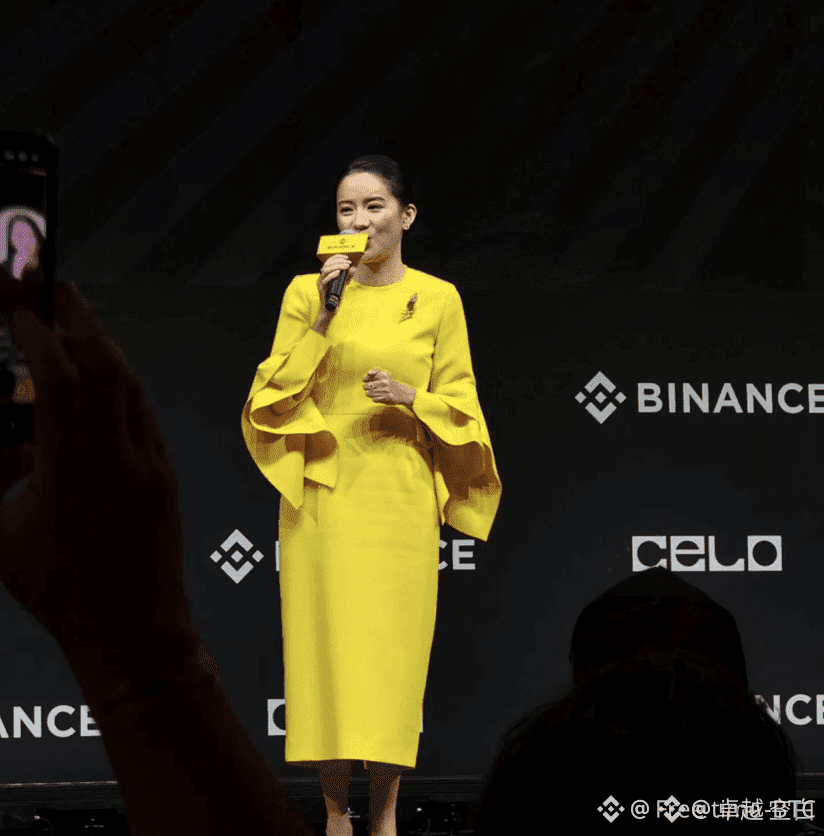
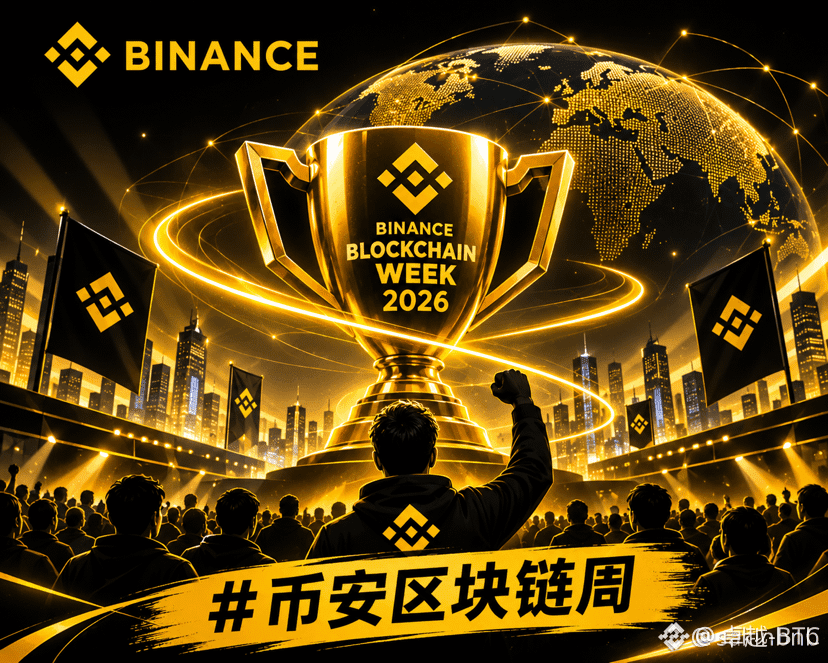
币安区块链周正在进行中!🌍
11月28日至29日,无论你是否身在曼谷,都能在币安广场看直播、参与讨论,一起感受大会氛围!
大会期间精彩看点:
📺看主会场直播
两天全程直播,听行业嘉宾围绕「进化」主题分享前沿观点,从技术创新到实际应用,一起探索加密世界的更多可能。
⚔️看两场交易赛
Aster公开预选赛、币安交易大师赛同步直播,锁定赛场,关注交易员的精彩表现。
🏆看百强创作者颁奖典礼
百强榜单由社区共同选出,一起为他们的创作与分享喝彩!
💬 参与社区话题
带上 #币安区块链周进化由你 发帖,配图分享你的大会期待、行业观察或精彩瞬间,和社区一起交流。
币安区块链周活动页现已上线!欢迎一键订阅直播,不错过精彩时刻👏
$BTC
#币安区块链周进化由你
{future}(BTCUSDT)
币安区块链周正在进行中!🌍
11月28日至29日,无论你是否身在曼谷,都能在币安广场看直播、参与讨论,一起感受大会氛围!
大会期间精彩看点:
📺看主会场直播
两天全程直播,听行业嘉宾围绕「进化」主题分享前沿观点,从技术创新到实际应用,一起探索加密世界的更多可能。
⚔️看两场交易赛
Aster公开预选赛、币安交易大师赛同步直播,锁定赛场,关注交易员的精彩表现。
🏆看百强创作者颁奖典礼
百强榜单由社区共同选出,一起为他们的创作与分享喝彩!
💬 参与社区话题
带上 #币安区块链周进化由你 发帖,配图分享你的大会期待、行业观察或精彩瞬间,和社区一起交流。
币安区块链周活动页现已上线!欢迎一键订阅直播,不错过精彩时刻👏
$BTC
#币安区块链周进化由你
1.3k
1
92
1.3k
·
--
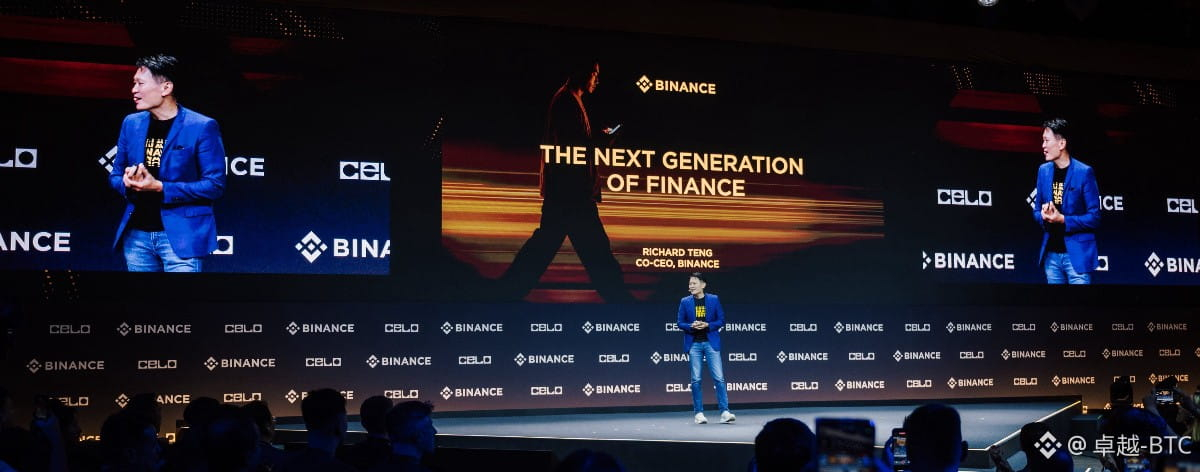
Richard Teng Opens Binance Blockchain Week in Bangkok
Binance Blockchain Week opened in Bangkok with a keynote from Binance Co-CEO Richard Teng, who outlined how crypto, traditional finance, and digital infrastructure are increasingly converging into what he described as the next generation of finance.
“The next generation of users entering our digital economy industry will not necessarily think of themselves as crypto users,” Teng said. “They won't care whether the asset is on-chain… but what they will care about is this: Can I get paid? Can I protect my savings? Can I invest in opportunities beyond [their home market]? And can I partake in global opportunities?”
Teng described Binance as evolving from a crypto exchange into a 24/7 multi-asset class platform. He emphasized trust, security (including recovery from recent incidents), regulation as a bridge to scale, and Asia’s key role.
#EvolveAtBinanceBlockchainWeek #Binance #BBW2026
Full keynote summary available via official Binance News.
5
369
·
--
Binance to Move 7,500 BTC From SAFU and Add 500 Million USDC
According to the announcement from Binance, the Secure Asset Fund for Users (SAFU), an emergency insurance fund established in July 2018 to protect users’ assets, will transfer 7,500 BTC from its SAFU address to Binance’s treasury. Binance will add 500 million USDC from its treasury to SAFU.
Binance said the change is an internal reallocation, not a sale. No BTC will be sold or traded on the market, and the transfer between SAFU and Binance’s own funds will have no market impact.
The change meets a regulatory requirement, and Binance said a larger stablecoin share makes SAFU more stable and immediately usable if needed. SAFU’s purpose of protecting users in an extreme event and Binance’s commitment to replenish the fund remain unchanged.
SAFU remains held and managed by Nest Clearing and Custody Limited, an ADGM-regulated Recognised Clearing House. For more information, please refer to Binance's official announcements.
#Binance #SAFU #BTC #USDC
5
529
·
--
Проверено
Статья
Richard Teng Opens Binance Blockchain Week in BangkokRichard Teng Opens Binance Blockchain Week in Bangkok
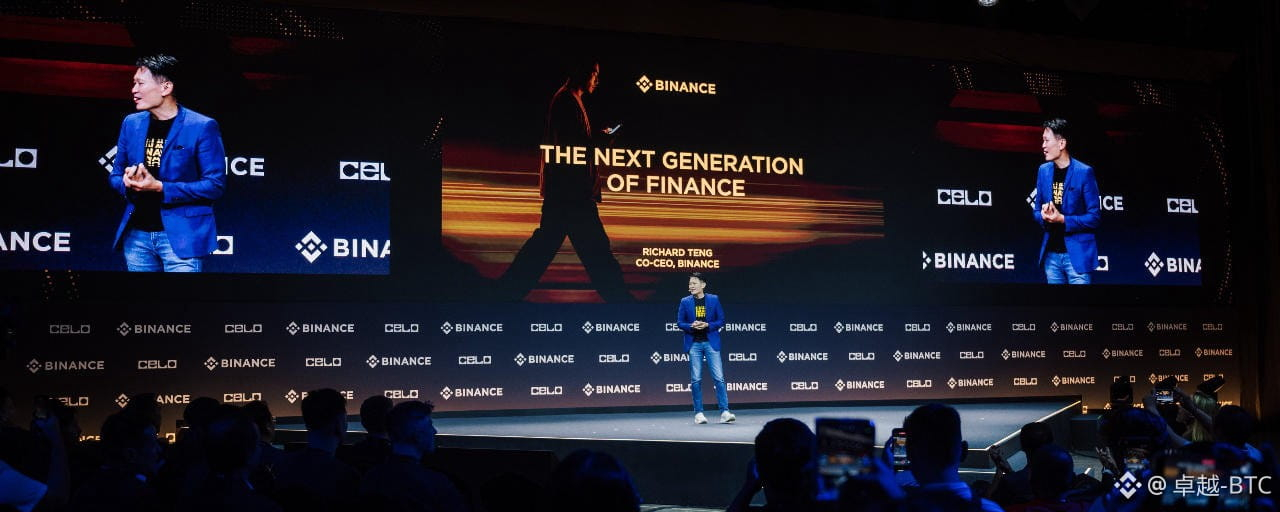
Binance Blockchain Week opened in Bangkok with a keynote from Binance Co-CEO Richard Teng, who outlined how crypto, traditional finance, and digital infrastructure are increasingly converging into what he described as the next generation of finance.
Speaking to an audience of builders, founders, investors, regulators, and users, Teng said the industry is moving beyond a phase where crypto is treated as a standalone category. Instead, blockchain-based tools are becoming part of how people get paid, save, invest, and access global opportunities.
“The next generation of users entering our digital economy industry will not necessarily think of themselves as crypto users,” Teng said. “They won't care whether the asset is on-chain… but what they will care about is this: Can I get paid? Can I protect my savings? Can I invest in opportunities beyond [their home market]? And can I partake in global opportunities?”
That shift in user expectations was central to his message. Rather than framing crypto as a niche sector, Teng argued that the industry is evolving into broader financial infrastructure centered on utility, access, and trust.
### Crypto and Traditional Finance Are Moving Closer
A key theme of Teng’s speech was the growing overlap between blockchain-based finance and traditional markets. He said the pattern mirrors the evolution of the internet, which first connected information, then people, and finally value.
“Crypto is no longer a side rail,” he said. Stablecoins, he noted, are becoming part of payment rails, while tokenized assets are increasingly entering financial portfolios. He added that institutions are no longer waiting on the sidelines. “Institutions are now building in this landscape instead of waiting at the sideline,” he said.
Among the clearest examples of this shift, Teng pointed to tokenized equities, which he described as a fast-growing area. For users who have historically faced barriers to international investing — including access to U.S. equities and other global markets — tokenized assets can open new pathways to participation.
He stressed that the opportunity is not simply to place existing assets on-chain, but to rethink how they are accessed, distributed, traded, settled, and used. In his view, blockchain infrastructure can make financial markets more global, more continuous, and more flexible through fractional access and programmability.
Traditional markets remain powerful, Teng said, but they are still shaped by geography and trading-hour limitations. Against that backdrop, he described Binance as “evolving from a crypto exchange into a 24/7 multi-asset class platform,” where crypto remains the foundation while users can also access stablecoins, payments, tokenized assets, ETFs, equities, and more through a single account.
### Trust, Security, and Regulation as the Foundation
Teng also emphasized that innovation on its own is not enough. “The future of finance cannot be built on innovation alone,” he said. “It must also be built on trust.”
He said trust is earned through action, especially during moments of stress. Referring to a recent coordinated security incident affecting the industry, Teng said Binance moved quickly to protect users, set aside sufficient funds, and cover losses in full. According to his remarks, 95% of impacted assets were replenished within two days, and all have since been restored.
He added that users could verify holdings through proof of reserves, and said Binance published a report on the incident so the wider industry could learn from it. Teng also noted that Binance engaged external security firms Mandiant, SlowMist, and Verichains for audit and review.
“The true test of any financial institution is how it reacts under pressure, what it does to protect consumers, how it pushes for transparency, how it rebuilds and become stronger,” he said.
Teng then broadened the discussion to the changing security environment shaped by AI. He warned that fake recruiters, fake interviews, fake companies, and increasingly realistic digital impersonation are expanding the attack surface for all organizations, not just crypto firms. As a result, he said, companies will need to treat AI infrastructure as part of their critical infrastructure going forward.
He also pointed to the role of stablecoin issuers during the recent incident, saying they froze more than $2 billion in stolen funds, in some cases within minutes. In his view, that showed how blockchain infrastructure can work alongside regulatory frameworks to enable real-time response, cross-border coordination, and enforcement.
### Asia’s Role in the Next Financial Chapter
Teng used the Bangkok stage to highlight Asia’s importance in shaping the future of finance. He said Binance brought Blockchain Week back to Asia because the region is where “the old meets the new, where tradition meets innovation.”
He described Asia as not only one of the world’s most active crypto regions, but also a place where workable models are emerging under clearer rules. Across Asia-Pacific, jurisdictions are moving at different speeds, but they are generating practical lessons on infrastructure, innovation, oversight, and consumer protection.
For Teng, this is why regulation should be viewed as an enabler rather than an obstacle. “Regulation is not a constrain for this industry, it’s a bridge to scale,” he said. In his view, policy clarity brings institutions into the market, and institutions help expand access for the next generation of users.
He tied that point to the real-world use of stablecoins, noting that they are increasingly becoming part of the global settlement layer not only for traders, but also for freelancers receiving income, small businesses making cross-border payments, and families sending money overseas. These are use cases, he suggested, that address financial needs traditional systems have often failed to serve efficiently.
In closing, Teng said the next generation of users will not want separate services for banking, payments, transfers, and investing. They will want a more unified financial experience. Binance’s role, he said, is not to replace traditional finance, but to help build an environment “where finance, all finance, lives on Binance” — one that is open, flexible, interoperable, and designed around user needs.
His keynote set the tone for Binance Blockchain Week in Bangkok with a clear message: the future of finance will be shaped by the convergence of crypto and traditional markets, supported by trust, regulatory clarity, and broader global access.
#EvolveAtBinanceBlockchainWeek
Source: Binance News
Original post: https://www.binance.com/en/square/post/11-28-2026-richard-teng-opens-binance-blockchain-week-in-bangkok-392992790551986
Richard Teng Opens Binance Blockchain Week in Bangkok
Richard Teng Opens Binance Blockchain Week in Bangkok
Binance Blockchain Week opened in Bangkok with a keynote from Binance Co-CEO Richard Teng, who outlined how crypto, traditional finance, and digital infrastructure are increasingly converging into what he described as the next generation of finance.
Speaking to an audience of builders, founders, investors, regulators, and users, Teng said the industry is moving beyond a phase where crypto is treated as a standalone category. Instead, blockchain-based tools are becoming part of how people get paid, save, invest, and access global opportunities.
“The next generation of users entering our digital economy industry will not necessarily think of themselves as crypto users,” Teng said. “They won't care whether the asset is on-chain… but what they will care about is this: Can I get paid? Can I protect my savings? Can I invest in opportunities beyond [their home market]? And can I partake in global opportunities?”
That shift in user expectations was central to his message. Rather than framing crypto as a niche sector, Teng argued that the industry is evolving into broader financial infrastructure centered on utility, access, and trust.
### Crypto and Traditional Finance Are Moving Closer
A key theme of Teng’s speech was the growing overlap between blockchain-based finance and traditional markets. He said the pattern mirrors the evolution of the internet, which first connected information, then people, and finally value.
“Crypto is no longer a side rail,” he said. Stablecoins, he noted, are becoming part of payment rails, while tokenized assets are increasingly entering financial portfolios. He added that institutions are no longer waiting on the sidelines. “Institutions are now building in this landscape instead of waiting at the sideline,” he said.
Among the clearest examples of this shift, Teng pointed to tokenized equities, which he described as a fast-growing area. For users who have historically faced barriers to international investing — including access to U.S. equities and other global markets — tokenized assets can open new pathways to participation.
He stressed that the opportunity is not simply to place existing assets on-chain, but to rethink how they are accessed, distributed, traded, settled, and used. In his view, blockchain infrastructure can make financial markets more global, more continuous, and more flexible through fractional access and programmability.
Traditional markets remain powerful, Teng said, but they are still shaped by geography and trading-hour limitations. Against that backdrop, he described Binance as “evolving from a crypto exchange into a 24/7 multi-asset class platform,” where crypto remains the foundation while users can also access stablecoins, payments, tokenized assets, ETFs, equities, and more through a single account.
### Trust, Security, and Regulation as the Foundation
Teng also emphasized that innovation on its own is not enough. “The future of finance cannot be built on innovation alone,” he said. “It must also be built on trust.”
He said trust is earned through action, especially during moments of stress. Referring to a recent coordinated security incident affecting the industry, Teng said Binance moved quickly to protect users, set aside sufficient funds, and cover losses in full. According to his remarks, 95% of impacted assets were replenished within two days, and all have since been restored.
He added that users could verify holdings through proof of reserves, and said Binance published a report on the incident so the wider industry could learn from it. Teng also noted that Binance engaged external security firms Mandiant, SlowMist, and Verichains for audit and review.
“The true test of any financial institution is how it reacts under pressure, what it does to protect consumers, how it pushes for transparency, how it rebuilds and become stronger,” he said.
Teng then broadened the discussion to the changing security environment shaped by AI. He warned that fake recruiters, fake interviews, fake companies, and increasingly realistic digital impersonation are expanding the attack surface for all organizations, not just crypto firms. As a result, he said, companies will need to treat AI infrastructure as part of their critical infrastructure going forward.
He also pointed to the role of stablecoin issuers during the recent incident, saying they froze more than $2 billion in stolen funds, in some cases within minutes. In his view, that showed how blockchain infrastructure can work alongside regulatory frameworks to enable real-time response, cross-border coordination, and enforcement.
### Asia’s Role in the Next Financial Chapter
Teng used the Bangkok stage to highlight Asia’s importance in shaping the future of finance. He said Binance brought Blockchain Week back to Asia because the region is where “the old meets the new, where tradition meets innovation.”
He described Asia as not only one of the world’s most active crypto regions, but also a place where workable models are emerging under clearer rules. Across Asia-Pacific, jurisdictions are moving at different speeds, but they are generating practical lessons on infrastructure, innovation, oversight, and consumer protection.
For Teng, this is why regulation should be viewed as an enabler rather than an obstacle. “Regulation is not a constrain for this industry, it’s a bridge to scale,” he said. In his view, policy clarity brings institutions into the market, and institutions help expand access for the next generation of users.
He tied that point to the real-world use of stablecoins, noting that they are increasingly becoming part of the global settlement layer not only for traders, but also for freelancers receiving income, small businesses making cross-border payments, and families sending money overseas. These are use cases, he suggested, that address financial needs traditional systems have often failed to serve efficiently.
In closing, Teng said the next generation of users will not want separate services for banking, payments, transfers, and investing. They will want a more unified financial experience. Binance’s role, he said, is not to replace traditional finance, but to help build an environment “where finance, all finance, lives on Binance” — one that is open, flexible, interoperable, and designed around user needs.
His keynote set the tone for Binance Blockchain Week in Bangkok with a clear message: the future of finance will be shaped by the convergence of crypto and traditional markets, supported by trust, regulatory clarity, and broader global access.
#EvolveAtBinanceBlockchainWeek
Source: Binance News
Original post: https://www.binance.com/en/square/post/11-28-2026-richard-teng-opens-binance-blockchain-week-in-bangkok-392992790551986
2
965
·
--
Проверено
### U.S. XRP Spot ETFs Record $5.3977 Million in Daily Net Inflows
U.S. spot XRP ETFs recorded $5.3977 million in net inflows on November 27, U.S. Eastern time. According to Odaily, SoSoValue data showed that Bitwise XRP ETF was the only fund to post an inflow, also totaling $5.3977 million; its cumulative net inflows reached $673 million.
XRP
U.S. spot XRP ETFs recorded $5.3977 million in net inflows on November 27, U.S. Eastern time. According to Odaily, SoSoValue data showed that Bitwise XRP ETF was the only fund to post an inflow, also totaling $5.3977 million; its cumulative net inflows reached $673 million.
XRP
4
633
·
--
Strategy Chairman Michael Saylor and Strive CEO Matt Cole pushed back Friday against economist Jeffrey Tucker’s claim that Bitcoin cannot be money unless it is used in transactions, arguing BTC competes for savings rather than paychecks. Their companies hold about 894,700 BTC combined, giving shareholders exposure through their stocks, according to BeInCrypto. Tucker, an early Bitcoin promoter who later soured on the network after the 2015 to 2017 blocksize wars, said monetary history does not support creating a store of value by belief alone. Cole countered that deficit spending and money printing also undermine the dollar; U.S. public debt topped $40 trillion for the first time in August, while the dollar represented 56.7% of central bank foreign exchange reserves in the second quarter of 2026, according to the IMF. Saylor compared Bitcoin’s savings role with gold held in reserve while gold-backed notes circulated, a system that ended for the U.S. dollar in 1971. Strategy holds 851,305 BTC and Strive 43,404, ranking first and fourth among public-company Bitcoin treasuries. #Bitcoin #Saylor #BTC
Strategy Chairman Michael Saylor and Strive CEO Matt Cole pushed back Friday against economist Jeffrey Tucker’s claim that Bitcoin cannot be money unless it is used in transactions, arguing BTC competes for savings rather than paychecks. Their companies hold about 894,700 BTC combined, giving shareholders exposure through their stocks, according to BeInCrypto. Tucker, an early Bitcoin promoter who later soured on the network after the 2015 to 2017 blocksize wars, said monetary history does not support creating a store of value by belief alone. Cole countered that deficit spending and money printing also undermine the dollar; U.S. public debt topped $40 trillion for the first time in August, while the dollar represented 56.7% of central bank foreign exchange reserves in the second quarter of 2026, according to the IMF. Saylor compared Bitcoin’s savings role with gold held in reserve while gold-backed notes circulated, a system that ended for the U.S. dollar in 1971. Strategy holds 851,305 BTC and Strive 43,404, ranking first and fourth among public-company Bitcoin treasuries. #Bitcoin #Saylor #BTC
3
253
Войдите, чтобы посмотреть больше материала
Присоединяйтесь к пользователям криптовалют по всему миру на Binance Square
⚡️ Получайте новейшую и полезную информацию о криптоактивах.
💬 Нам доверяет крупнейшая в мире криптобиржа.
👍 Получите достоверные аналитические данные от верифицированных создателей контента.
Эл. почта/номер телефона
В тренде
EvolveAtBinanceBlockchainWeek
Просмотров: 2.4M
20,325 обсуждают
Binance Blockchain Week is officially underway! 🌍
On November 28–29, whether you’re in Bangkok or joining from afar, tune in to the livestreams and join the conversation on Binance Square!
Here’s what’s in store 👇
📺 Watch the main stage live
Tune in throughout both days as industry speakers share their perspectives on this year’s theme, “Evolve” From technological innovation to real-world applications, explore what’s next for crypto.
⚔️ Watch two trading competitions
The Aster Open Qualifier and the Binance Trading Master Tournament will both be streamed live. Tune in to follow the traders in action.
🏆 Watch The Blockchain 100 Awards Ceremony
The Blockchain 100 list was selected by the community. Join us in celebrating the creators and the ideas they share!
💬 Join the community conversation
Use #EvolveAtBinanceBlockchainWeek in a post with a photo to share what you’re looking forward to, your views on the industry, or your favorite moments from the event.
The event page is now live! Subscribe to all livestreams with one click so you don’t miss a moment 👏
Binance Blockchain Week
·Лайков: 605
·Просмотров: 931.2k
WorldLibertyActsToCutLiquidationRisk
Просмотров: 25,899
297 обсуждают
LiquidHackerMoves598BTC
Просмотров: 21,036
202 обсуждают