
Crypto Queen 65
4k Публикации

Crypto Queen 65
Отправить жалобу
Заблокировать пользователя
Quick moves fast markets Sharing rapid fire updates setups & signals in real time Twitter@Crypto queen77
Открытая сделка
Трейдер с регулярными сделками
1.3 г
425 подписок(и/а)
19.8K подписчиков(а)
7.3K+ понравилось
Посты
Портфель
Все
Цитирования
Активно
·
--
Рост
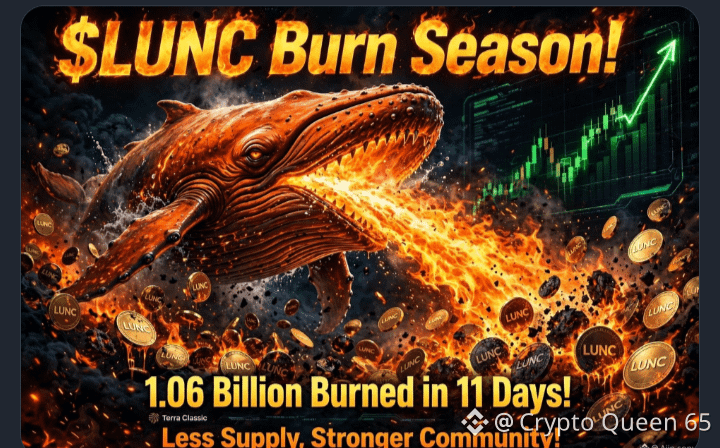
$LUNC The Real Burn Story 🔥
Everyone is posting "1.06 BILLION BURNED!"
Here is the truth behind it 👇
✅ REAL: 1.06 Billion $LUNC burned from Nov 1 - Nov 11
✅ Daily ∼100M burn, Nov 5 was highest - 162M
✅ Total Burned: 463.86 Billion
BUT WAIT...
⚠️ Total Supply is 5.54 TRILLION
So this burn is only 0.019% of supply.
⚠️ Binance Burn MISSED!
First miss since March 2023. Binance is still recovering from the $6.3B hack. Last burn was Oct 1 - 335M only.
So price is up +14% today at $0.000044, but it's a technical bounce in Extreme Fear, not a burn pump.
82
·
--
Падение
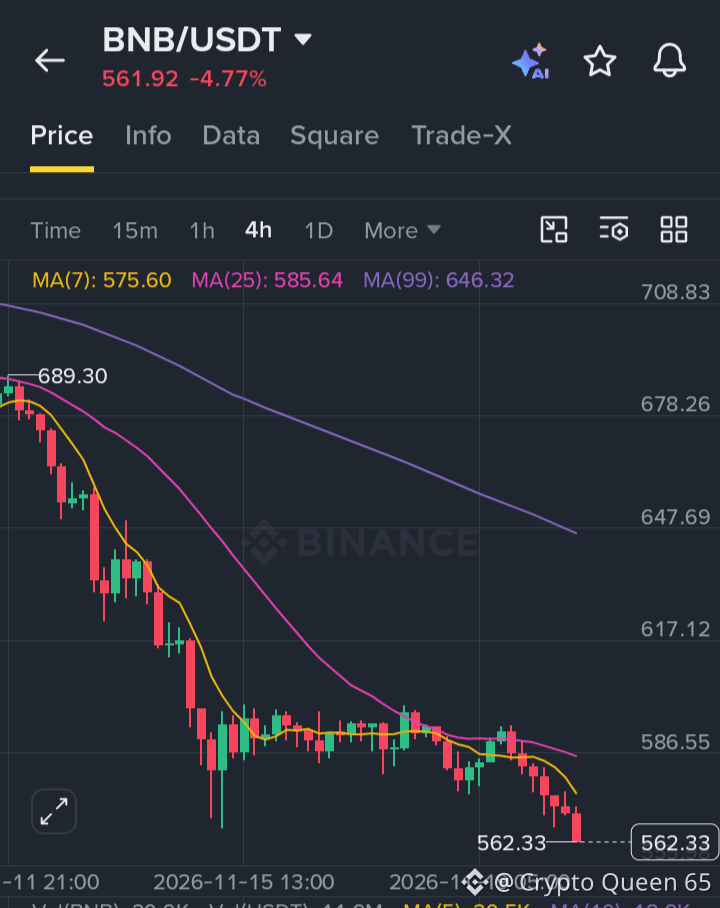
🚨 $BNB /USDT – Bears Are Still in Control!
BNB is down nearly 5%, and the 4H chart is showing strong bearish momentum. Price is trading below MA7, MA25 and MA99. No clear reversal yet!
🎯 Trade Setup (SHORT)
- Entry: $575–586 (on rejection)
- Stop Loss: Above $590
- TP1: $562
- TP2: Trail for further downside
⚠️ Don't chase the falling candle. Wait for a proper retest and confirmation.
Trade smart, protect your capital. The market rewards patience, not emotions! 📉
$BNB
{spot}(BNBUSDT)
🚨 $BNB /USDT – Bears Are Still in Control!
BNB is down nearly 5%, and the 4H chart is showing strong bearish momentum. Price is trading below MA7, MA25 and MA99. No clear reversal yet!
🎯 Trade Setup (SHORT)
- Entry: $575–586 (on rejection)
- Stop Loss: Above $590
- TP1: $562
- TP2: Trail for further downside
⚠️ Don't chase the falling candle. Wait for a proper retest and confirmation.
Trade smart, protect your capital. The market rewards patience, not emotions! 📉
$BNB
1
106
·
--
Рост


Bit Buddy
·
--
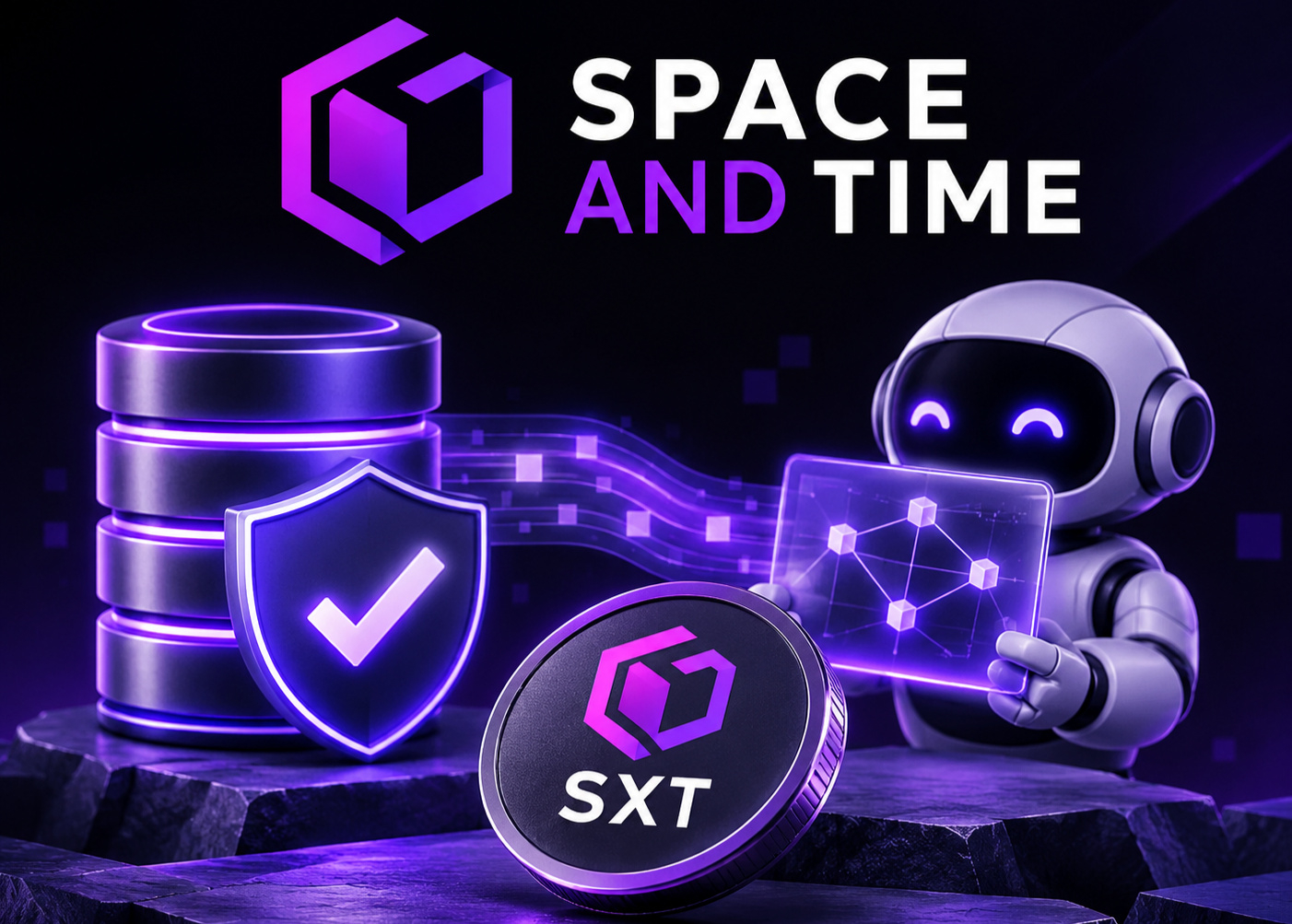
One thing I keep coming back to with Space and Time is the gap between trustworthy inputs and trustworthy AI outputs.
An AI tool can give a confident answer, but confidence alone tells me very little about where its data came from or whether that data was changed along the way.
That’s the part ZK-proven data could make more useful: giving applications a way to verify the data behind a query instead of asking users to simply trust the pipeline.
Still, I wouldn’t treat a proof as a stamp that the final answer is correct.
It can help establish that the underlying data or computation meets specific conditions; it doesn’t automatically fix bad source data, weak prompts, or an AI model’s reasoning.
That distinction matters more than another polished demo.
Space and Time is Microsoft-backed, and SXT is its native token, but the real test is whether developers actually use verifiable data in products where mistakes are costly.
I’m more interested in seeing that workflow become ordinary than hearing another big claim about AI.
#sxt $SXT @SpaceandTime
53
·
--
Рост
kite again
kite again
Bit Buddy
·
--
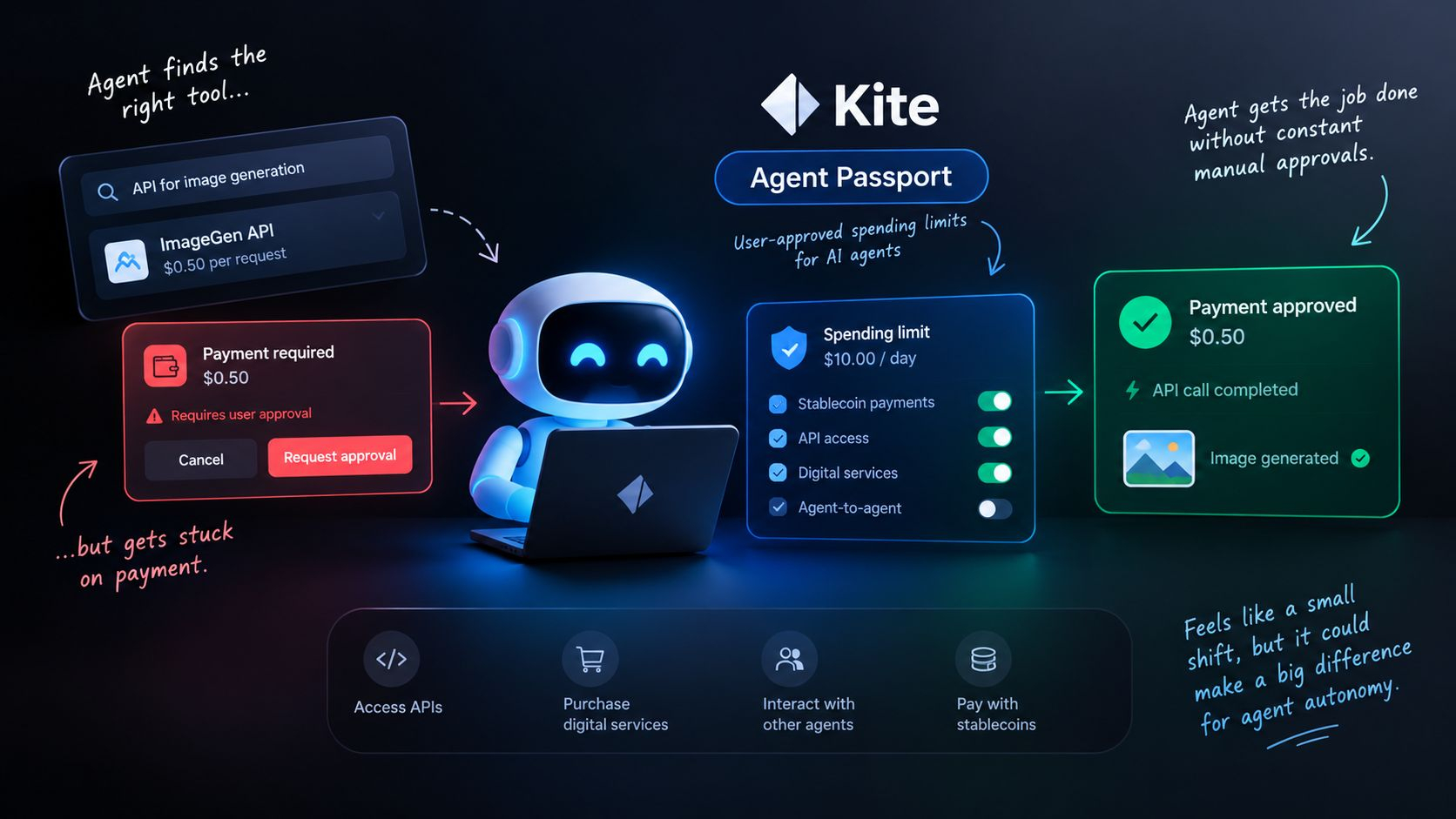
РостBeen thinking about one small problem with AI agents: they can figure out what to do, but actually paying for the tools they need is another story.
Imagine an agent finding the perfect API for a task, only to get stuck because it can’t complete the payment without you stepping in.
Kinda defeats the point of automation, right?
That’s the part of Kite I find interesting.
Agent Passport introduces a way for agents to transact within spending limits approved by the user. Not unlimited access, not constant manual approvals.
A middle ground that actually makes sense.
But I’m still curious about the edge cases.
What happens when an agent makes a bad purchase or keeps retrying a failed transaction?
Those details matter way more than a slick demo.
If agents are going to operate independently, controlling how they spend money needs to be just as reliable as their ability to execute tasks.
That’s what I’d be watching as Kite develops.
#KiteBBW $KITE
@KITE AI 中文
51
baby
baby
Bit Buddy
·
--
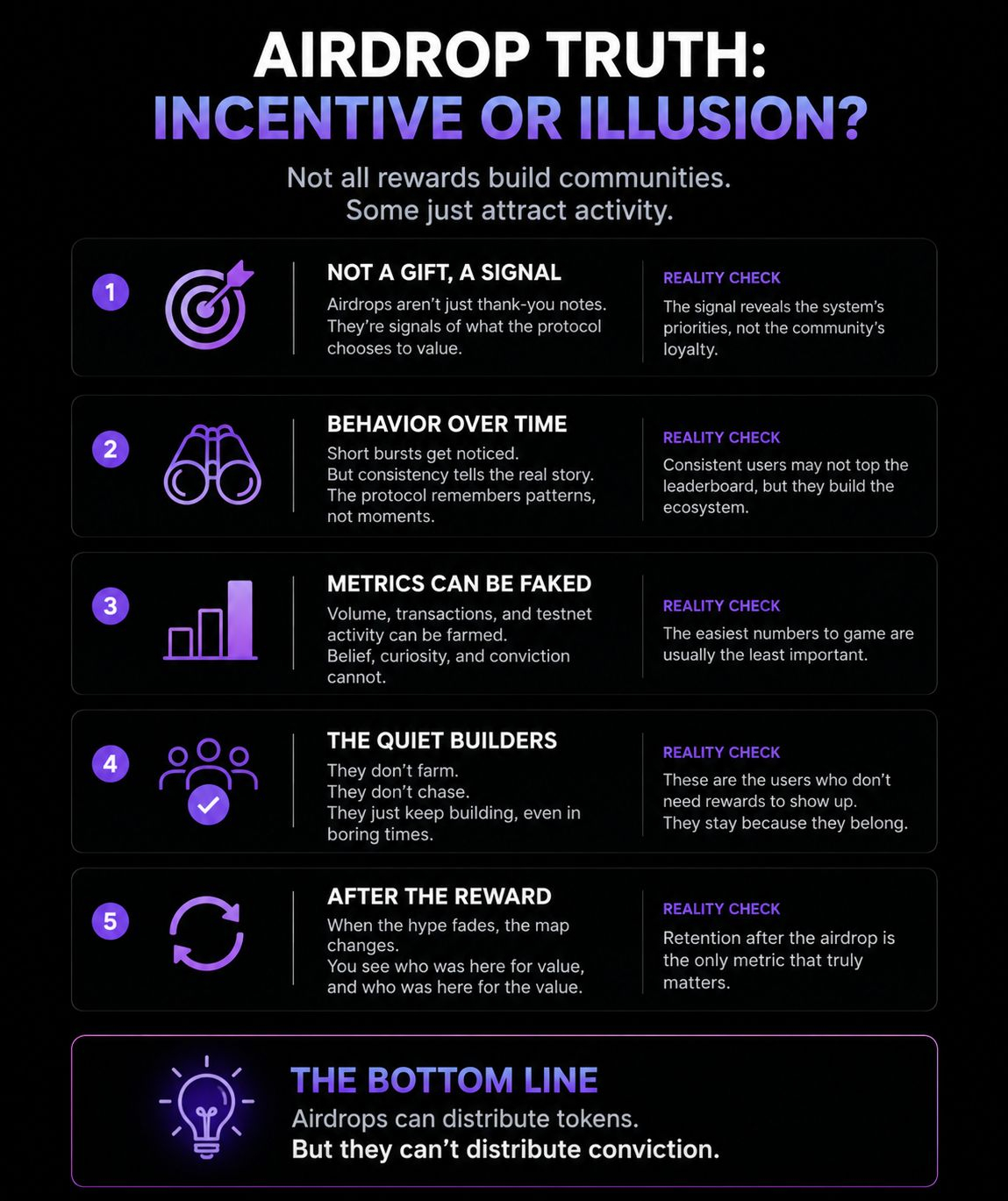
РостAt first I thought growth was the thing that mattered most. Wallets, more transactions, more users. That was the story everyone wanted to tell.. The longer I watched growth the less I believed in the numbers. There would be times when a lot of people were using the system. This would only happen when there were special deals or when we worked with other companies or when people thought something big was going to happen. People would pay attention for a while but then they would lose interest really fast.
The people who really interested me were the ones who kept coming after all the excitement was over. They were not taking pictures of their screens. Trying to get rewards or trying to make every interaction perfect. They just found something they liked. They kept using it. Their activity was small and quiet. It was almost impossible to see compared to all the noise when something new came out.
That is what makes networks so hard to understand. It is easy to see when people are paying attention because it is loud.. It is much harder to see when people really believe in something because that happens slowly. One thing makes a splash while the other makes something that lasts.
So maybe the real question is not how many people showed up when everyone was watching growth. Maybe the real question is how many people decided to stay with growth when nobody was paying attention to growth.
@BabylonLabs_io $BABY
#baby
$AAVE
84
·
--
Рост
The part that kept bothering me while walking through @NewtonProtocol Newton’s policy flow wasn’t the eligibility check itself. It was what happens after an approved investor receives the asset and tries to move it again.
Most “compliant token” setups still feel like a gated front door attached to an open hallway. The buyer gets checked once, the token lands, and every secondary transfer becomes somebody else’s monitoring problem. Newton flips that by putting the rule in the transfer path, so the asset asks again: is this recipient eligible, in the right jurisdiction, and allowed under the current policy?
That sounds cleaner than it feels in practice. The check can be sub-second, according to Newton’s docs, but users don’t experience “sub-second policy evaluation.” They experience a transfer that either works or mysteriously doesn’t. The onchain receipt is useful for an auditor; it doesn’t automatically make a rejection understandable to the person holding the asset.
This matters more as tokenized RWAs push past roughly $25 billion. At that scale, the hard problem is not proving that rules were enforced. It is handling normal edge cases: credentials expiring, jurisdiction status changing, a wallet being replaced, or a recipient passing KYC with one provider but not resolving correctly in the policy.
The enforcement layer looks solid. The awkward bit is that compliance state now travels with every transfer, while the user still thinks they are just sending a token.
$NEWT
#Newt
Worth Holding
0%
Buying Opportunity
0%
Next Breakout
0%
0 проголосовали • Голосование закрыто
1
1
132
·
--
Падение
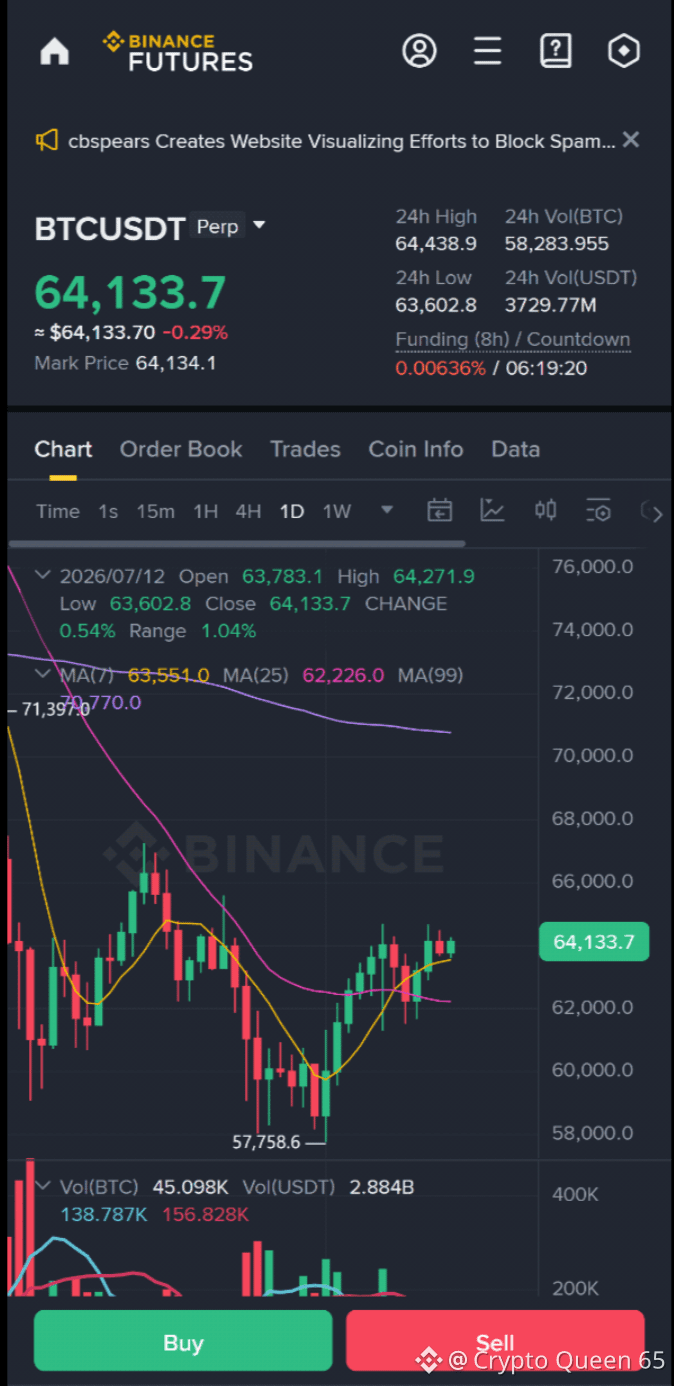
$BTC If MicroStrategy ever decides to sell, the market could see serious volatility. Some traders are even wondering if Bitcoin could revisit much lower levels instead of pushing toward $300K.
Nothing is certain, but it's definitely a scenario worth keeping an eye on. Trade smart and manage your risk. 👀📉
#BTC
#BitcoinPlansECashHardFork
$BTC
{spot}(BTCUSDT)
$BTC If MicroStrategy ever decides to sell, the market could see serious volatility. Some traders are even wondering if Bitcoin could revisit much lower levels instead of pushing toward $300K.
Nothing is certain, but it's definitely a scenario worth keeping an eye on. Trade smart and manage your risk. 👀📉
#BTC
#BitcoinPlansECashHardFork
$BTC
Nothing is certain, but it's definitely a scenario worth keeping an eye on. Trade smart and manage your risk. 👀📉
#BTC
#BitcoinPlansECashHardFork
$BTC
1
77
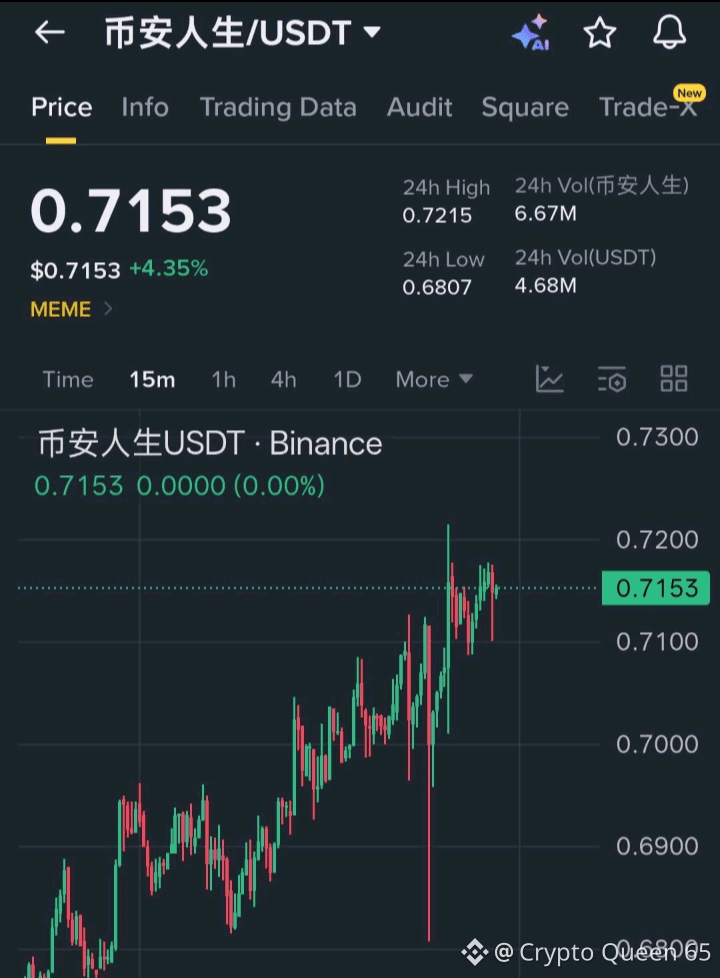
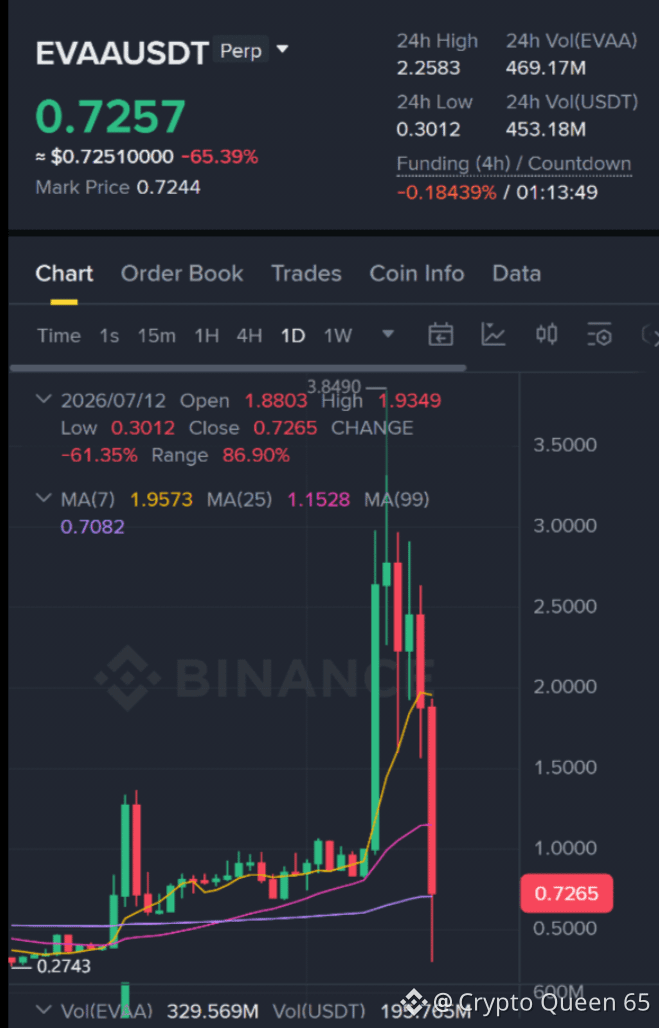
Bullish Momentum Holding Strong 📈
Buyers continue to defend the trend, keeping the bullish structure intact.
Entry: 0.7153–0.7215
🎯 Target: 0.7300
🛑 Stop Loss: Below 0.7000
As long as price stays above key support, the upside move remains in play. Manage your risk and let the market confirm the next push.
Buyers continue to defend the trend, keeping the bullish structure intact.
Entry: 0.7153–0.7215
🎯 Target: 0.7300
🛑 Stop Loss: Below 0.7000
As long as price stays above key support, the upside move remains in play. Manage your risk and let the market confirm the next push.
89
·
--
Рост
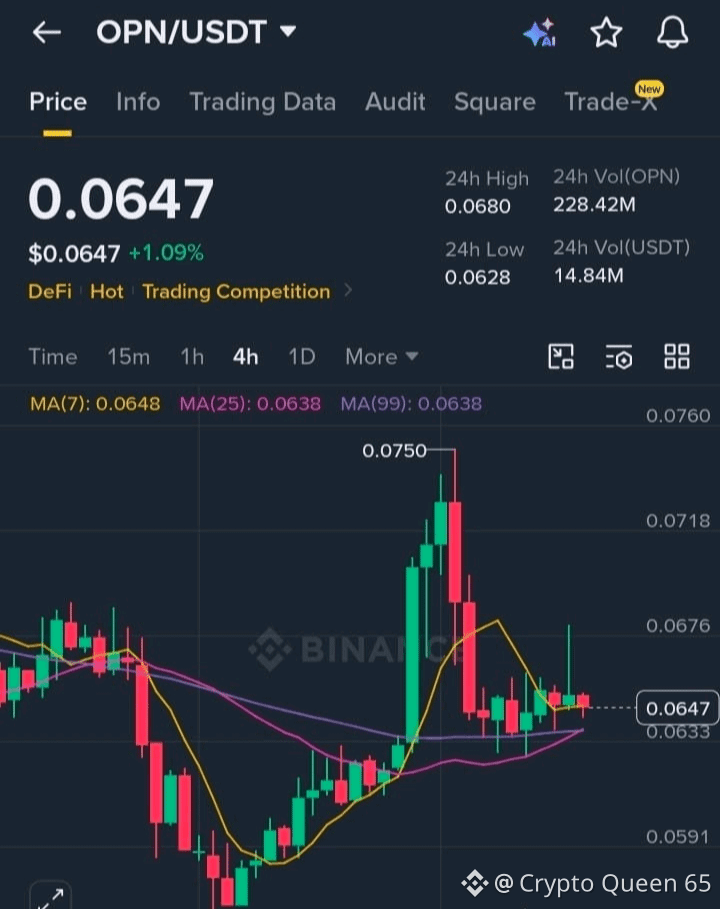
$OPN is holding a key support zone, and the price action is starting to look promising. 👀
Trade Setup
📍 Entry: $0.0638 – $0.0647
🎯 TP1: $0.0680
🎯 TP2: $0.0718
🛑 Stop Loss: $0.0628
If buyers manage to push the price above $0.0680, it could confirm a bullish recovery and open the door for a stronger move higher. Keep this one on your watchlist and always manage your risk. 🚀
#OPN
#AMDSharesSlideNearly10%
#BitcoinPlansECashHardFork
$OPN
{spot}(OPNUSDT)
$OPN is holding a key support zone, and the price action is starting to look promising. 👀
Trade Setup
📍 Entry: $0.0638 – $0.0647
🎯 TP1: $0.0680
🎯 TP2: $0.0718
🛑 Stop Loss: $0.0628
If buyers manage to push the price above $0.0680, it could confirm a bullish recovery and open the door for a stronger move higher. Keep this one on your watchlist and always manage your risk. 🚀
#OPN
#AMDSharesSlideNearly10%
#BitcoinPlansECashHardFork
$OPN
155
·
--
Рост
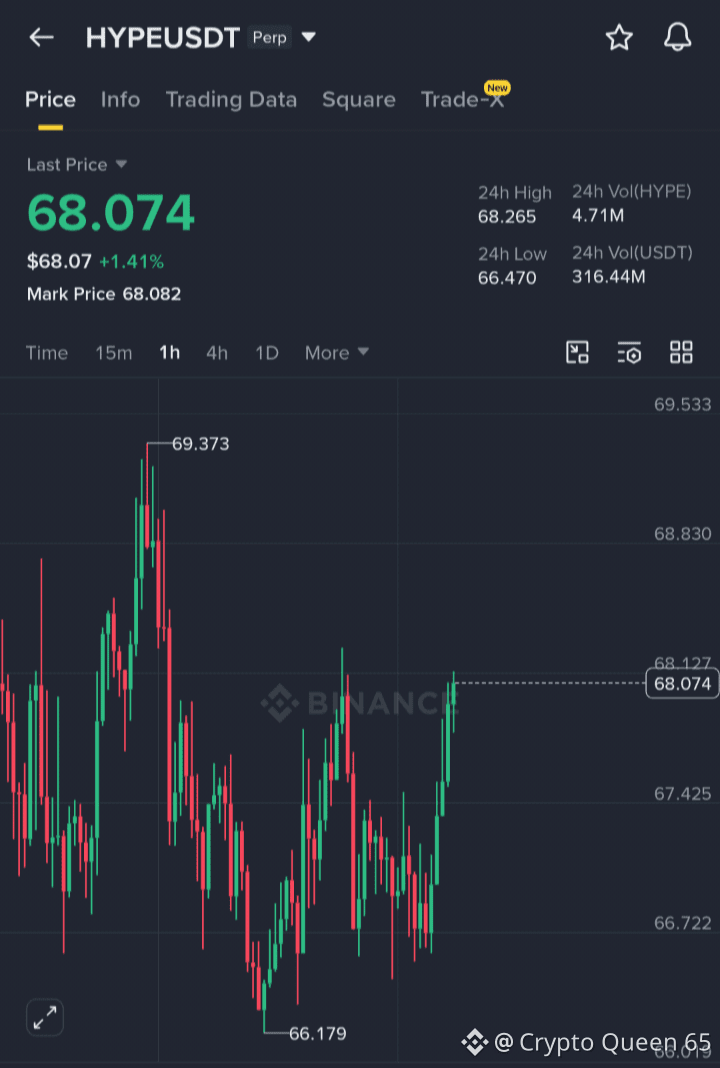
$HYPE is back at a key resistance level as bullish momentum continues to build. 📈
After a strong rebound from the $66.20 support, price has recovered steadily and is now testing the $68.00–$69.50 resistance zone. Buyers remain in control, but a confirmed breakout above $69.50 is needed to unlock the next move higher.
Key Levels
• Trend: Short-term Bullish
• Support: $66.20
• Resistance: $69.50
As long as $66.20 holds, the structure remains constructive. A clean breakout above $69.50 could open the path toward the $72.00 area. Keep a close eye on this zone—the next move could be significant. 🚀
#hype
#BitcoinPlansECashHardFork
$HYPE
{future}(HYPEUSDT)
$HYPE is back at a key resistance level as bullish momentum continues to build. 📈
After a strong rebound from the $66.20 support, price has recovered steadily and is now testing the $68.00–$69.50 resistance zone. Buyers remain in control, but a confirmed breakout above $69.50 is needed to unlock the next move higher.
Key Levels
• Trend: Short-term Bullish
• Support: $66.20
• Resistance: $69.50
As long as $66.20 holds, the structure remains constructive. A clean breakout above $69.50 could open the path toward the $72.00 area. Keep a close eye on this zone—the next move could be significant. 🚀
#hype
#BitcoinPlansECashHardFork
$HYPE
31
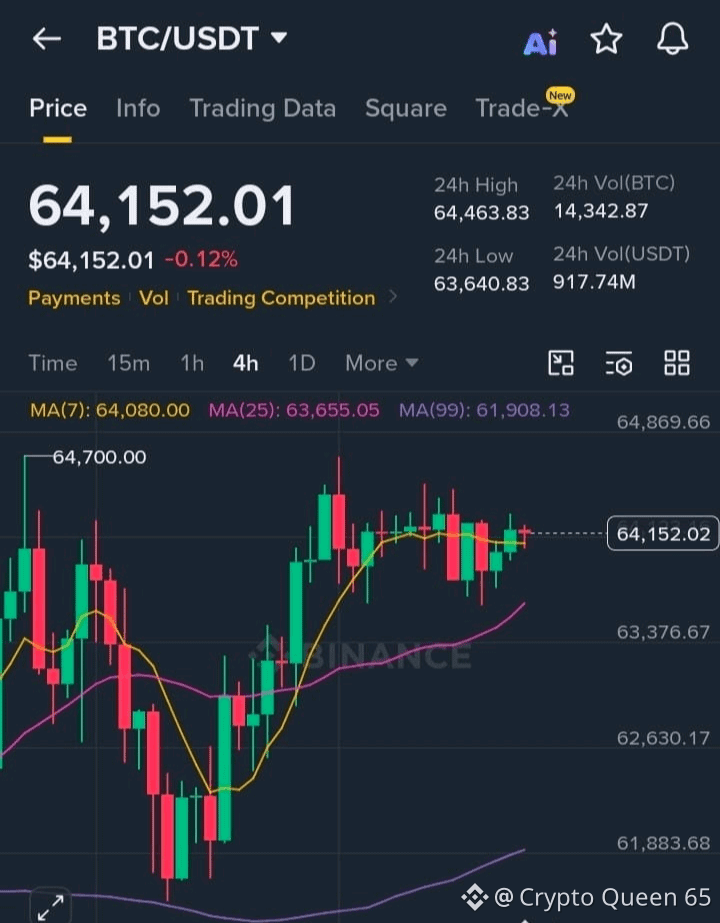
🚨$BTC is setting up for a potential breakout. The current range is tightening, and a strong move could be just around the corner.
Trade Setup
📍 Entry: $61,908 – $64,152
🎯 TP1: $64,700
🎯 TP2: $65,500
🛑 Stop Loss: $63,640
A decisive break above $64,700 could confirm bullish momentum and open the door for a push toward the next targets. Stay patient and manage your risk. 📈
#BTC
#BitcoinPlansECashHardFork
$BTC
{spot}(BTCUSDT)
🚨$BTC is setting up for a potential breakout. The current range is tightening, and a strong move could be just around the corner.
Trade Setup
📍 Entry: $61,908 – $64,152
🎯 TP1: $64,700
🎯 TP2: $65,500
🛑 Stop Loss: $63,640
A decisive break above $64,700 could confirm bullish momentum and open the door for a push toward the next targets. Stay patient and manage your risk. 📈
#BTC
#BitcoinPlansECashHardFork
$BTC
Trade Setup
📍 Entry: $61,908 – $64,152
🎯 TP1: $64,700
🎯 TP2: $65,500
🛑 Stop Loss: $63,640
A decisive break above $64,700 could confirm bullish momentum and open the door for a push toward the next targets. Stay patient and manage your risk. 📈
#BTC
#BitcoinPlansECashHardFork
$BTC
55
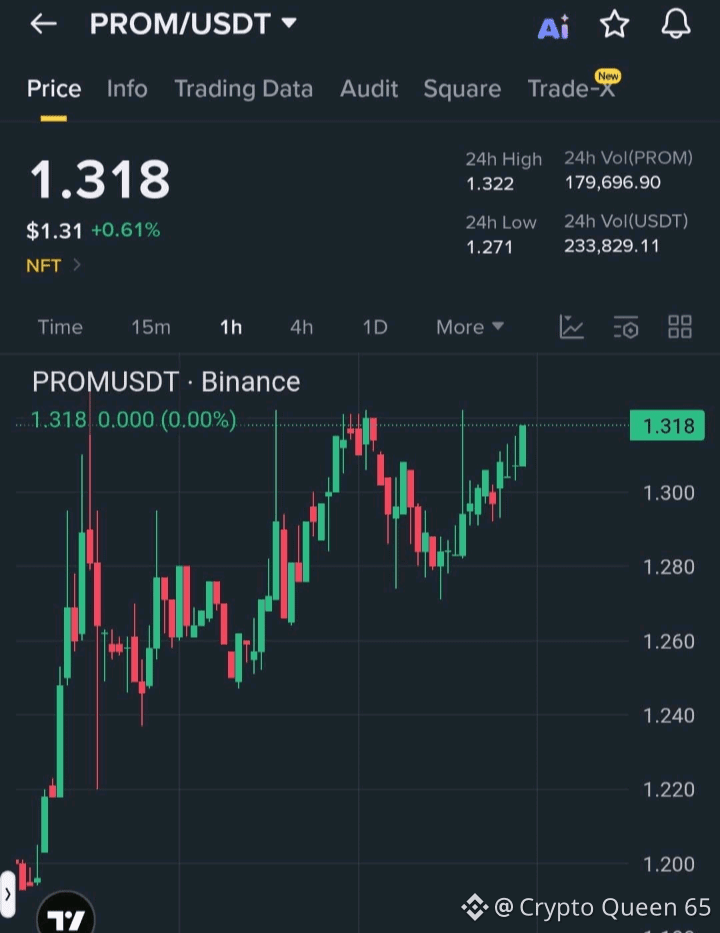
I'm opening a long on $PROM here. 📈
Trade Setup
• Leverage: 15x
• Entry: 1.305–1.320
• TP1: 1.360
• TP2: 1.420
• TP3: 1.500
• Stop Loss: 1.275
The setup looks promising as long as price holds the entry zone. Manage your risk and trade wisely. 🚀
#prom
$PROM
{spot}(PROMUSDT)
I'm opening a long on $PROM here. 📈
Trade Setup
• Leverage: 15x
• Entry: 1.305–1.320
• TP1: 1.360
• TP2: 1.420
• TP3: 1.500
• Stop Loss: 1.275
The setup looks promising as long as price holds the entry zone. Manage your risk and trade wisely. 🚀
#prom
$PROM
Trade Setup
• Leverage: 15x
• Entry: 1.305–1.320
• TP1: 1.360
• TP2: 1.420
• TP3: 1.500
• Stop Loss: 1.275
The setup looks promising as long as price holds the entry zone. Manage your risk and trade wisely. 🚀
#prom
$PROM
79
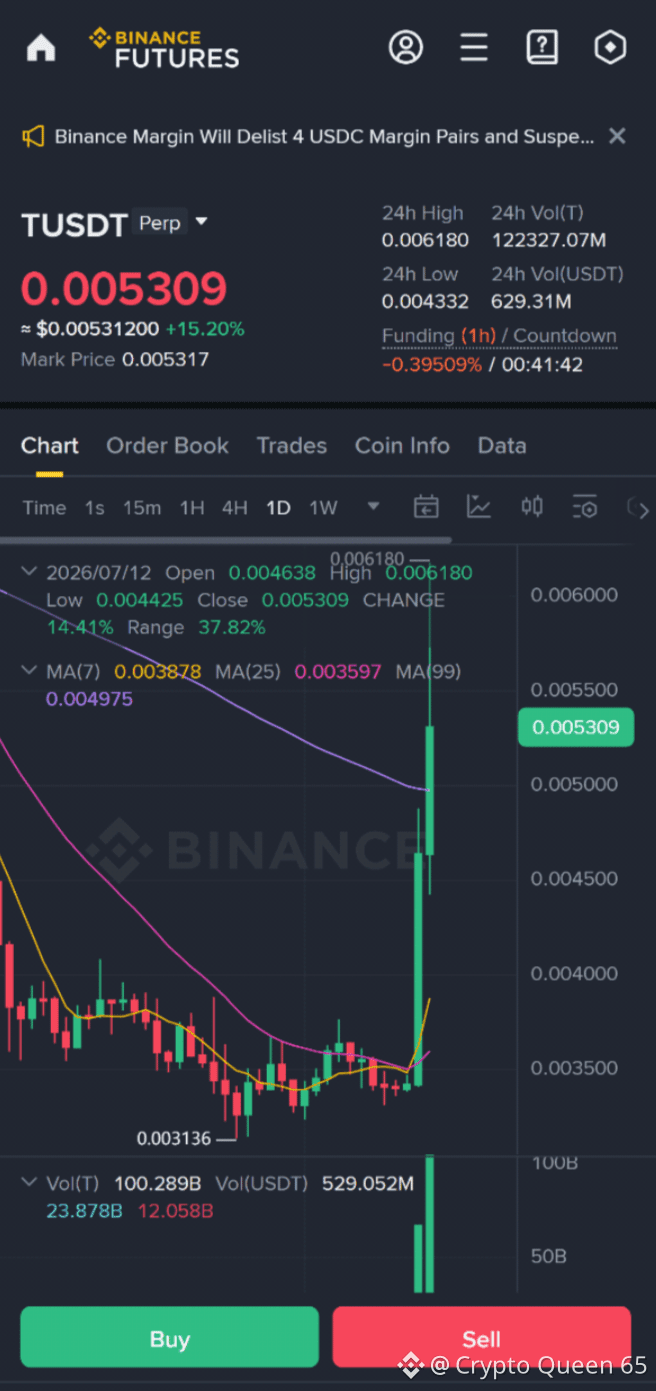
$TRX has been rewarding holders with that insane 5000% APY all day, and now the price is pushing higher again. 🚀
Earning passive rewards while watching the chart climb? That's the kind of combo everyone loves. 😤💸
#TRX
#BitcoinPlansECashHardFork
$TRX
{spot}(TRXUSDT)
$TRX has been rewarding holders with that insane 5000% APY all day, and now the price is pushing higher again. 🚀
Earning passive rewards while watching the chart climb? That's the kind of combo everyone loves. 😤💸
#TRX
#BitcoinPlansECashHardFork
$TRX
Earning passive rewards while watching the chart climb? That's the kind of combo everyone loves. 😤💸
#TRX
#BitcoinPlansECashHardFork
$TRX
1
2
138
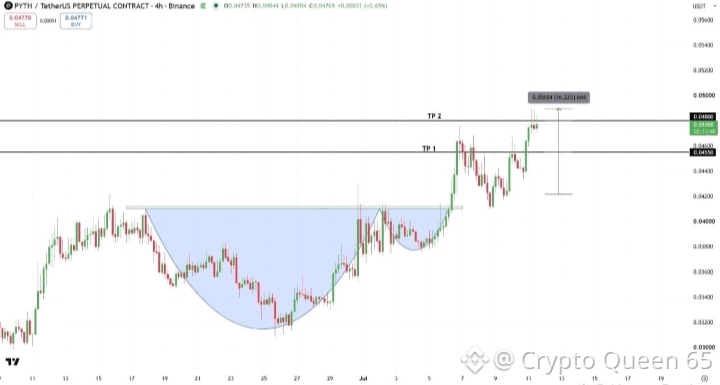
$PYTH delivered exactly as expected and smashed every target we shared. 🎯
The trade played out cleanly from entry to final target, locking in an impressive 16% gain. Huge congratulations to everyone who stayed patient and trusted the setup.
Enjoy the profits, protect your gains, and get ready—more opportunities are on the way. 🚀
#PYTH
#BitcoinPlansECashHardFork
$PYTH
{spot}(PYTHUSDT)
$PYTH delivered exactly as expected and smashed every target we shared. 🎯
The trade played out cleanly from entry to final target, locking in an impressive 16% gain. Huge congratulations to everyone who stayed patient and trusted the setup.
Enjoy the profits, protect your gains, and get ready—more opportunities are on the way. 🚀
#PYTH
#BitcoinPlansECashHardFork
$PYTH
The trade played out cleanly from entry to final target, locking in an impressive 16% gain. Huge congratulations to everyone who stayed patient and trusted the setup.
Enjoy the profits, protect your gains, and get ready—more opportunities are on the way. 🚀
#PYTH
#BitcoinPlansECashHardFork
$PYTH
101
Статья
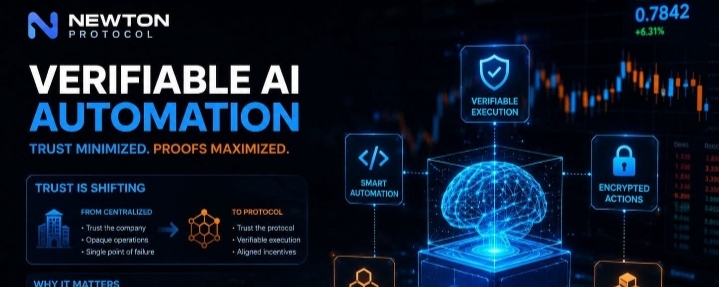
I Looked Into Newton Protocol, and One Question Kept Coming BackA few days ago, I noticed something interesting while reading through discussions about tokenized real-world assets. Most people were focused on the usual topics—liquidity, faster settlement, and bringing traditional finance onto blockchain. But buried in one conversation was a much simpler question: what happens when an asset isn't supposed to be owned by just anyone?
That question stayed with me longer than I expected, and it eventually led me to @NewtonProtocol and its approach to enforcing investor eligibility and transfer rules onchain.
At first, I assumed this was just another compliance-focused project trying to move paperwork onto blockchain. After spending more time reading about the idea, I realized it's a little different. The goal isn't simply to record ownership. It's to make certain ownership rules part of the asset itself, so transfers that don't meet predefined conditions can be rejected before they ever happen.
On paper, that sounds practical.
If an investment is legally restricted to a specific group of investors, it makes sense to check those conditions automatically instead of relying on someone to catch mistakes later. That could save time, reduce operational headaches, and make regulated assets easier to manage as more financial activity moves onchain.
I can understand why institutions would find that attractive.
Still, one thought kept coming back while I was reading.
Technology can enforce a rule perfectly, but it can't decide whether the rule is the right one.
That distinction feels small at first, but I think it's actually the most important part of the whole discussion.
It's easy to hear phrases like "onchain compliance" and assume the system somehow becomes more trustworthy simply because everything is automated. I don't think that's necessarily true. Automation removes inconsistency, but it doesn't remove human judgment. Someone still has to define the rules, decide who qualifies, update policies when regulations change, and handle situations that don't fit neatly into predefined logic.
The blockchain simply follows instructions.
I hadn't really separated those two ideas before. I used to think that putting compliance onchain solved the compliance problem itself. Looking at it more closely, it really solves the enforcement problem. Whether the underlying policy is fair, accurate, or current is still something people have to figure out.
A simple example helped me think about it.
Imagine a tokenized investment fund that can only be transferred between verified accredited investors. If someone no longer meets those requirements, the protocol can automatically prevent the transfer. From a technical perspective, everything works exactly as designed.
But what if the investor database hasn't been updated? Or the regulations changed last month? Or an exception should apply in a unique situation? The protocol isn't making those decisions. It's enforcing whatever information it has been given.
That's where the responsibility shifts from code to governance.
As more institutions explore tokenized securities and regulated financial products, that distinction becomes much more important. The larger the market grows, the more people will depend on these automated systems doing exactly what they're supposed to do. And when significant amounts of money are involved, even a well-designed protocol is only as reliable as the policies guiding it.
I'm also careful not to jump from interesting technology to an investment conclusion. Newton Protocol is tackling a real challenge, but a useful idea doesn't automatically translate into long-term adoption or a strong token thesis. I'd rather watch how these systems perform in real-world environments than assume the market narrative will play out as expected.
For now, that's probably my biggest takeaway. I don't think the most interesting question is whether blockchain can enforce investor eligibility. It probably can. The more meaningful question is whether the people defining those eligibility rules can keep up with the complexity of the real world. That's something no protocol can automate away.
$NEWT
#Newt
I Looked Into Newton Protocol, and One Question Kept Coming Back
A few days ago, I noticed something interesting while reading through discussions about tokenized real-world assets. Most people were focused on the usual topics—liquidity, faster settlement, and bringing traditional finance onto blockchain. But buried in one conversation was a much simpler question: what happens when an asset isn't supposed to be owned by just anyone?
That question stayed with me longer than I expected, and it eventually led me to @NewtonProtocol and its approach to enforcing investor eligibility and transfer rules onchain.
At first, I assumed this was just another compliance-focused project trying to move paperwork onto blockchain. After spending more time reading about the idea, I realized it's a little different. The goal isn't simply to record ownership. It's to make certain ownership rules part of the asset itself, so transfers that don't meet predefined conditions can be rejected before they ever happen.
On paper, that sounds practical.
If an investment is legally restricted to a specific group of investors, it makes sense to check those conditions automatically instead of relying on someone to catch mistakes later. That could save time, reduce operational headaches, and make regulated assets easier to manage as more financial activity moves onchain.
I can understand why institutions would find that attractive.
Still, one thought kept coming back while I was reading.
Technology can enforce a rule perfectly, but it can't decide whether the rule is the right one.
That distinction feels small at first, but I think it's actually the most important part of the whole discussion.
It's easy to hear phrases like "onchain compliance" and assume the system somehow becomes more trustworthy simply because everything is automated. I don't think that's necessarily true. Automation removes inconsistency, but it doesn't remove human judgment. Someone still has to define the rules, decide who qualifies, update policies when regulations change, and handle situations that don't fit neatly into predefined logic.
The blockchain simply follows instructions.
I hadn't really separated those two ideas before. I used to think that putting compliance onchain solved the compliance problem itself. Looking at it more closely, it really solves the enforcement problem. Whether the underlying policy is fair, accurate, or current is still something people have to figure out.
A simple example helped me think about it.
Imagine a tokenized investment fund that can only be transferred between verified accredited investors. If someone no longer meets those requirements, the protocol can automatically prevent the transfer. From a technical perspective, everything works exactly as designed.
But what if the investor database hasn't been updated? Or the regulations changed last month? Or an exception should apply in a unique situation? The protocol isn't making those decisions. It's enforcing whatever information it has been given.
That's where the responsibility shifts from code to governance.
As more institutions explore tokenized securities and regulated financial products, that distinction becomes much more important. The larger the market grows, the more people will depend on these automated systems doing exactly what they're supposed to do. And when significant amounts of money are involved, even a well-designed protocol is only as reliable as the policies guiding it.
I'm also careful not to jump from interesting technology to an investment conclusion. Newton Protocol is tackling a real challenge, but a useful idea doesn't automatically translate into long-term adoption or a strong token thesis. I'd rather watch how these systems perform in real-world environments than assume the market narrative will play out as expected.
For now, that's probably my biggest takeaway. I don't think the most interesting question is whether blockchain can enforce investor eligibility. It probably can. The more meaningful question is whether the people defining those eligibility rules can keep up with the complexity of the real world. That's something no protocol can automate away.
$NEWT
#Newt
10
4
109
·
--
Рост
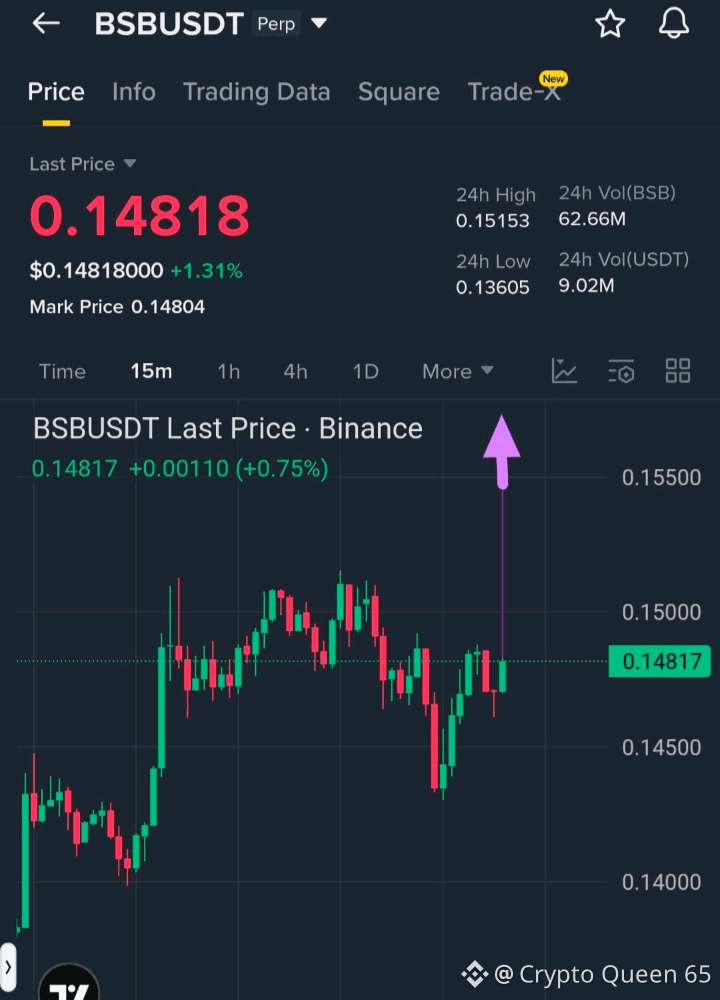
$BSB | Bullish Breakout Watch 🚀
I'm looking at a long on $BSB as price continues to hold above a key support zone with buyers staying in control.
📍 Entry: $0.1478 – $0.1485
🎯 TP1: $0.1515
🎯 TP2: $0.1540
🎯 TP3: $0.1575
🛑 SL: $0.1455
A confirmed breakout above the nearby resistance could open the door for another strong move higher. Keep your risk under control, use up to 20× leverage, and move your stop loss to breakeven once the trade is in profit.
#BsB #EthereumFoundationAIAgentsFindNodeCrashBug #BitcoinUp9.5%InJulyBestInFourYears #XRPActiveWalletsHitSecondLowestOf2026
$BSB
{future}(BSBUSDT)
$BSB | Bullish Breakout Watch 🚀
I'm looking at a long on $BSB as price continues to hold above a key support zone with buyers staying in control.
📍 Entry: $0.1478 – $0.1485
🎯 TP1: $0.1515
🎯 TP2: $0.1540
🎯 TP3: $0.1575
🛑 SL: $0.1455
A confirmed breakout above the nearby resistance could open the door for another strong move higher. Keep your risk under control, use up to 20× leverage, and move your stop loss to breakeven once the trade is in profit.
#BsB #EthereumFoundationAIAgentsFindNodeCrashBug #BitcoinUp9.5%InJulyBestInFourYears #XRPActiveWalletsHitSecondLowestOf2026
$BSB
3
416
The Signal I Watch Before a Protocol Starts Standing Out
Most people notice a protocol only after the numbers start climbing. More users, more activity, more attention. But I think the real story begins much earlier, when developers decide it's worth building on.
That's one of the reasons Newton Protocol keeps catching my eye.
The more I learn about it, the more it feels like it's focused on earning the trust of builders instead of chasing short-term hype. That matters because developers don't commit to a project for headlines. They commit to solid infrastructure that makes building easier and more reliable.
What I find interesting is that the best infrastructure usually fades into the background. If Newton Protocol succeeds, most people won't even notice it working. They'll simply use applications that feel safer, smoother, and more dependable. The technology doing the heavy lifting stays invisible, and that's often a sign that it's doing its job well.
Newton Protocol also encourages developers to think differently about authorization. Instead of solving the same problem inside every application, it treats authorization as shared infrastructure that everyone can build on. If more builders adopt that approach, it won't just improve individual apps. It could shape the way future on-chain systems are designed from the ground up.
#BitcoinPlansECashHardFork
#Evvaprotocol
#BitcoinUp9.5%InJulyBestInFourYears #MorganStanleyAdds1000BTC #RetailStockBuyingLowestSince2020
$BEE
{alpha}(560xdb6f1f098b55e36b036603c8e54663a8d907d6e1)
The Signal I Watch Before a Protocol Starts Standing Out
Most people notice a protocol only after the numbers start climbing. More users, more activity, more attention. But I think the real story begins much earlier, when developers decide it's worth building on.
That's one of the reasons Newton Protocol keeps catching my eye.
The more I learn about it, the more it feels like it's focused on earning the trust of builders instead of chasing short-term hype. That matters because developers don't commit to a project for headlines. They commit to solid infrastructure that makes building easier and more reliable.
What I find interesting is that the best infrastructure usually fades into the background. If Newton Protocol succeeds, most people won't even notice it working. They'll simply use applications that feel safer, smoother, and more dependable. The technology doing the heavy lifting stays invisible, and that's often a sign that it's doing its job well.
Newton Protocol also encourages developers to think differently about authorization. Instead of solving the same problem inside every application, it treats authorization as shared infrastructure that everyone can build on. If more builders adopt that approach, it won't just improve individual apps. It could shape the way future on-chain systems are designed from the ground up.
#BitcoinPlansECashHardFork
#Evvaprotocol
#BitcoinUp9.5%InJulyBestInFourYears #MorganStanleyAdds1000BTC #RetailStockBuyingLowestSince2020
$BEE
291
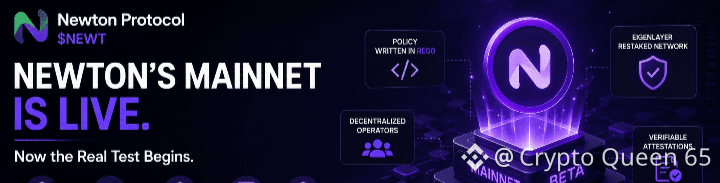
I hate when a bot does nothing… and gives me zero clue why.
That’s the first thing I noticed while looking at @NewtonProtocol .
Setting rules before giving an automated agent access to your funds actually feels good. I can decide the limits, conditions, and what the bot is allowed to do instead of just handing over full control and hoping for the best.
But when an action doesn’t happen, the confusion starts.
Was the price condition missed? Did I set the limit too tight? Was the wallet permission blocked? Or did I simply mess up the setup? 😅
I don’t mind Newton rejecting a transaction if it breaks my rules. That’s literally the point.
I just don’t want to sit there checking five different things to understand one skipped trade.
The control feels useful. The silence after a rejection doesn’t.
$NEWT
#Newt
15
5
154
Войдите, чтобы посмотреть больше материала
Присоединяйтесь к пользователям криптовалют по всему миру на Binance Square
⚡️ Получайте новейшую и полезную информацию о криптоактивах.
💬 Нам доверяет крупнейшая в мире криптобиржа.
👍 Получите достоверные аналитические данные от верифицированных создателей контента.
Эл. почта/номер телефона
В тренде
NVIDIAReinstatesJensenHuangasCEO
Просмотров: 150,823
1,087 обсуждают
TradFi News | Nvidia Board Unanimously Reinstates Jensen Huang as CEO; Shares Jump 30% Premarket
Binance News
·Лайков: 44
·Просмотров: 45.9k
USAddsMegaspeedToEntityList
Просмотров: 6
8 обсуждают
GrayscaleLaunches2xLeveragedZcashETF
Просмотров: 0
5 обсуждают