
Aria Daisy 阿莉娅_黛西
586 Публикации

Aria Daisy 阿莉娅_黛西
Aria Daisy 🌸 | Crypto Trader & Binance Expert Sharing market insights, trading ideas & Web3 opportunities Trade smart • Stay updated • Keep growing | DYOR
Открытая сделка
Трейдер с частыми сделками
1.6 г
379 подписок(и/а)
13.4K+ подписчиков(а)
7.2K+ понравилось
Посты
Портфель
Все
Цитирования
Активно
PINNED

PINNED


Elena神话MUA
·
--
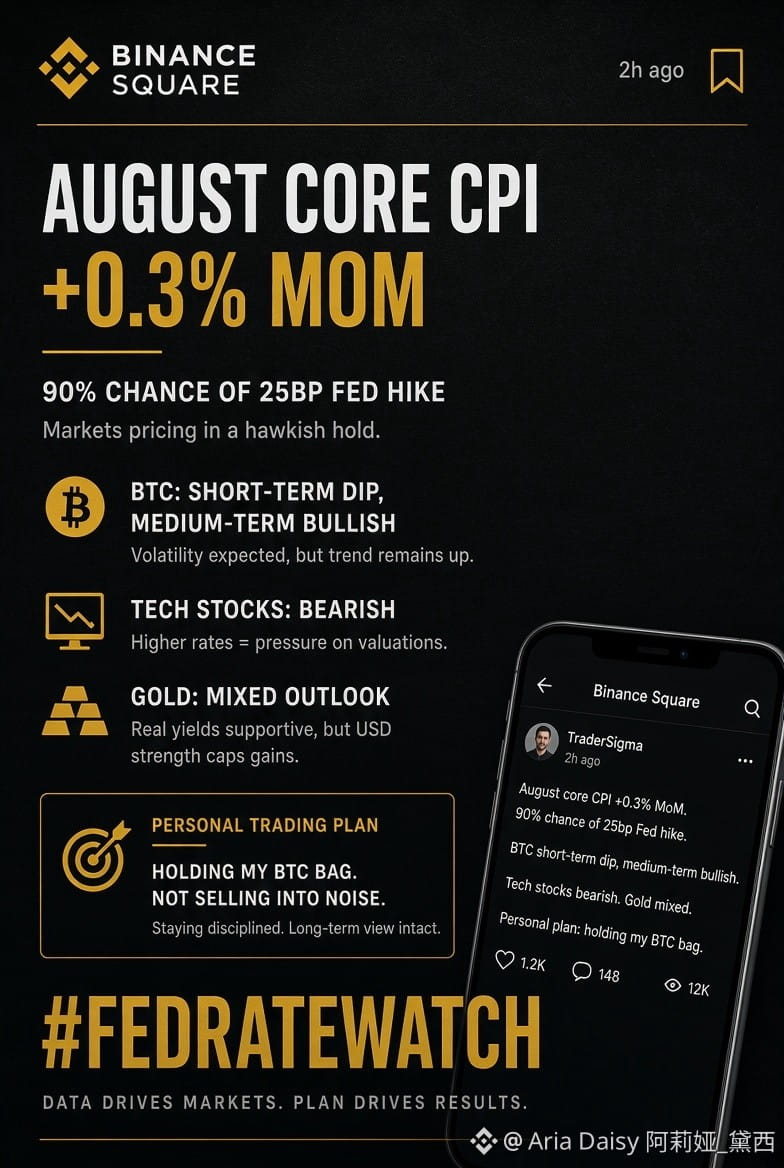
#MUA $BNB (币安币)行情(2026-09-15)
- 现价:约 719美元(折合人民币约4836元)
- 24小时:小幅上涨约+0.51%;24H区间 $717~$733.6
- 7天:-2.80%;30天:+18.40%
- 流通市值:约9672亿人民币
近期要点
1. BNB属于平台币,价格受币安平台运营、监管消息、大盘联动影响很大,波动剧烈
2. 市场消息、监管政策随时会带来大幅涨跌,合约交易风险成倍放大$BTC
- 现价:约 719美元(折合人民币约4836元)
- 24小时:小幅上涨约+0.51%;24H区间 $717~$733.6
- 7天:-2.80%;30天:+18.40%
- 流通市值:约9672亿人民币
近期要点
1. BNB属于平台币,价格受币安平台运营、监管消息、大盘联动影响很大,波动剧烈
2. 市场消息、监管政策随时会带来大幅涨跌,合约交易风险成倍放大$BTC

Mariaaa27
·
--
$DOT
$NVDAB
$NVDL
#BitcoinFalls4%
#ArgentinaCommitsToOECDCryptoReportingBy2029
$NVDAB
$NVDL
#BitcoinFalls4%
#ArgentinaCommitsToOECDCryptoReportingBy2029


AYESHA ABID 阿伊莎 阿比德
·
--
😂 Trying to gain followers on Binance like:
Follow → Post → Wait → Refresh… 😭
Followers: “We’ll think about it.” 🤔
Me: “Guys, I’m still here!” 😂
At this point, even SOL is moving faster than my follower count. 📈🤣
$SOL #SOL
Follow → Post → Wait → Refresh… 😭
Followers: “We’ll think about it.” 🤔
Me: “Guys, I’m still here!” 😂
At this point, even SOL is moving faster than my follower count. 📈🤣
$SOL #SOL


Luke_龙
·
--
Today's Reminder🧧:
Good Things Take Time🌹✨
🚨News Reminder
Twenty-one of the world's biggest banks just did something wild. Goldman Sachs, Bank of America, Citi and others are teaming up to launch their own dollar-pegged stablecoin, targeting a first-half 2027 rollout. That's not a startup move, that's Wall Street admitting the rails have already changed.
Meanwhile the market itself is stuck around $300B after pulling back over the summer, even as Treasury Secretary Bessent keeps talking up stablecoin issuers as future buyers of US government debt. Growth stalling right when that support would matter most is an odd look.
Not every coin is riding the same wave either. RLUSD quietly became the third-fastest-growing stablecoin of 2026, adding over $1B in market cap this year and crossing $2.38B total. USDT still dominates growth in raw dollar terms, up $6.7B. On the flip side, USDe, Falcon's USDf and PayPal's PYUSD have all bled hundreds of millions.
And on the regulated-in-Europe side, Quantoz's USDQ keeps expanding its exchange footprint under full MiCA compliance, fully backed 1:1 with reserves parked in Tier 1 banks. Boring by design, which in this market is kind of the point.
Stablecoins aren't the sideshow anymore. They're becoming the actual plumbing.
Good Things Take Time🌹✨
🚨News Reminder
Twenty-one of the world's biggest banks just did something wild. Goldman Sachs, Bank of America, Citi and others are teaming up to launch their own dollar-pegged stablecoin, targeting a first-half 2027 rollout. That's not a startup move, that's Wall Street admitting the rails have already changed.
Meanwhile the market itself is stuck around $300B after pulling back over the summer, even as Treasury Secretary Bessent keeps talking up stablecoin issuers as future buyers of US government debt. Growth stalling right when that support would matter most is an odd look.
Not every coin is riding the same wave either. RLUSD quietly became the third-fastest-growing stablecoin of 2026, adding over $1B in market cap this year and crossing $2.38B total. USDT still dominates growth in raw dollar terms, up $6.7B. On the flip side, USDe, Falcon's USDf and PayPal's PYUSD have all bled hundreds of millions.
And on the regulated-in-Europe side, Quantoz's USDQ keeps expanding its exchange footprint under full MiCA compliance, fully backed 1:1 with reserves parked in Tier 1 banks. Boring by design, which in this market is kind of the point.
Stablecoins aren't the sideshow anymore. They're becoming the actual plumbing.


Humaira HN
·
--
$SOL Gifts for my followers 💕💕💕💕🎁 💝 💝 🎁 💐 💝 🎁 💐 💝 🎁
click here 👉Join my Chatroom 💞💞
Please Join me 💖💖 on
X 👉 @HumairaHN22800
Join to my Discard 👉 humairahn
click here 👉Join my Chatroom 💞💞
Please Join me 💖💖 on
X 👉 @HumairaHN22800
Join to my Discard 👉 humairahn


Shaheen 69
·
--
🎁 A Little ETH, A Lot of Love ❤️
This red packet is my small way of saying THANK YOU to my amazing community. 🙏 Keep supporting me, keep showing your love, and let’s continue this journey together. Your trust means everything! ❤️
Stay with me — more love, bigger red packets & better rewards are coming! 🚀💎
$ETH
This red packet is my small way of saying THANK YOU to my amazing community. 🙏 Keep supporting me, keep showing your love, and let’s continue this journey together. Your trust means everything! ❤️
Stay with me — more love, bigger red packets & better rewards are coming! 🚀💎
$ETH


白鲨观点
·
--
今天行情跌了,群里又开始哀鸿遍野了。
我想说一句可能不太中听的话:每次大跌都在喊"完了""熊市了"的人,注定赚不到大钱。
为什么?因为他们的眼里只有短期的涨跌,没有长期的逻辑。币圈这十几年,从几块钱的BTC到现在几万刀,中间经历过多少次暴跌?90%以上的跌幅都有过好几次,每次都有人说"比特币死了",结果呢?死的都是人,不是比特币。
当然,我不是说现在就可以无脑抄底。监管的不确定性确实存在,短期可能还会跌,可能还会有更坏的消息出来。谁也不知道底在哪,我也不知道。
但我知道一件事:每一次大的危机,都是捡便宜筹码的好机会。 2022年FTX暴雷的时候,2020年312的时候,2018年熊市最惨的时候——现在回头看,全是黄金坑。但当时身在其中的人,大多数都在恐慌割肉,能敢买的没几个。
所以现在这个时候,别光顾着害怕。
手里有现金的,开始分批建仓了;
手里有筹码的,别瞎割,只要你拿的是BTC、ETH这种主流币,死不了。
行情永远是在恐慌中见底,在犹豫中上涨,在疯狂中结束。
现在这个阶段,更像是"恐慌"还是"犹豫"?
自己品。
晚上九点我在聊天室聊聊"下跌行情中怎么布局",不是喊单,就是分享一下我的思路。想来的点我主页进。
$BTC $ETH #BinanceSquare #行情分析📈 #投资思路
我想说一句可能不太中听的话:每次大跌都在喊"完了""熊市了"的人,注定赚不到大钱。
为什么?因为他们的眼里只有短期的涨跌,没有长期的逻辑。币圈这十几年,从几块钱的BTC到现在几万刀,中间经历过多少次暴跌?90%以上的跌幅都有过好几次,每次都有人说"比特币死了",结果呢?死的都是人,不是比特币。
当然,我不是说现在就可以无脑抄底。监管的不确定性确实存在,短期可能还会跌,可能还会有更坏的消息出来。谁也不知道底在哪,我也不知道。
但我知道一件事:每一次大的危机,都是捡便宜筹码的好机会。 2022年FTX暴雷的时候,2020年312的时候,2018年熊市最惨的时候——现在回头看,全是黄金坑。但当时身在其中的人,大多数都在恐慌割肉,能敢买的没几个。
所以现在这个时候,别光顾着害怕。
手里有现金的,开始分批建仓了;
手里有筹码的,别瞎割,只要你拿的是BTC、ETH这种主流币,死不了。
行情永远是在恐慌中见底,在犹豫中上涨,在疯狂中结束。
现在这个阶段,更像是"恐慌"还是"犹豫"?
自己品。
晚上九点我在聊天室聊聊"下跌行情中怎么布局",不是喊单,就是分享一下我的思路。想来的点我主页进。
$BTC $ETH #BinanceSquare #行情分析📈 #投资思路


圣克斯Lucky1688
·
--
🧧🎁🧧🎁🧧🎁
9月17日加密货币领域迎来了多项备受关注的行业动态与事件,核心新闻主要集中在监管圆桌会议、传统巨头入局以及行业峰会等方面:
1. 美国SEC召开24小时链上股票交易圆桌会议
美国证券交易委员会(SEC)于9月17日举办了一场关于“24小时链上股票交易”的重要圆桌会议,邀请了贝莱德(BlackRock)、纳斯达克、纽约证券交易所以及Robinhood等传统金融巨头与加密机构共同参与。
核心议题:会议旨在探讨未来美股实现全天候24/7链上结算的规则框架。
技术路线竞争:目前市场正聚焦于以太坊(Ethereum)与索拉纳(Solana)谁将承担主要的底层结算基础设施。Solana在代币化美股体量和低手续费上占优,而以太坊则凭借深厚的机构合规基础(如贝莱德的BUIDL基金)受到传统金融青睐。
2. 第四届美国加密银行、合规与稳定币峰会(CBC Summit USA)开幕
第四届年度 CBC Summit USA 于9月17日在华盛顿特区国家新闻俱乐部举行。
会议焦点:本次峰会汇聚了众多行业高管、监管机构及立法者,重点探讨在当前关键节点下的加密银行服务、合规框架、稳定币发展以及传统金融与Web3的深度融合。
3. 传统产业与Web3基础设施深化合作
现代汽车(Hyundai)探索Avalanche生态:继成功进行试点后,现代汽车正考虑在Avalanche(雪崩协议)区块链上进一步拓展其相关业务与应用。
Circle Arc主网正式上线:稳定币发行商Circle的Arc主网近期上线,并引入了Visa和Mastercard等支付巨头的相关生态支撑,为Web3支付领域注入了新的活力。
总体而言,9月17日的Web3行业动态展现了传统金融监管机构与华尔街资本正在加速推进资产上链与合规化进程。
关注我,回答答案1带走$SOL红包。
🧧🎁🧧🎁🧧🎁
9月17日加密货币领域迎来了多项备受关注的行业动态与事件,核心新闻主要集中在监管圆桌会议、传统巨头入局以及行业峰会等方面:
1. 美国SEC召开24小时链上股票交易圆桌会议
美国证券交易委员会(SEC)于9月17日举办了一场关于“24小时链上股票交易”的重要圆桌会议,邀请了贝莱德(BlackRock)、纳斯达克、纽约证券交易所以及Robinhood等传统金融巨头与加密机构共同参与。
核心议题:会议旨在探讨未来美股实现全天候24/7链上结算的规则框架。
技术路线竞争:目前市场正聚焦于以太坊(Ethereum)与索拉纳(Solana)谁将承担主要的底层结算基础设施。Solana在代币化美股体量和低手续费上占优,而以太坊则凭借深厚的机构合规基础(如贝莱德的BUIDL基金)受到传统金融青睐。
2. 第四届美国加密银行、合规与稳定币峰会(CBC Summit USA)开幕
第四届年度 CBC Summit USA 于9月17日在华盛顿特区国家新闻俱乐部举行。
会议焦点:本次峰会汇聚了众多行业高管、监管机构及立法者,重点探讨在当前关键节点下的加密银行服务、合规框架、稳定币发展以及传统金融与Web3的深度融合。
3. 传统产业与Web3基础设施深化合作
现代汽车(Hyundai)探索Avalanche生态:继成功进行试点后,现代汽车正考虑在Avalanche(雪崩协议)区块链上进一步拓展其相关业务与应用。
Circle Arc主网正式上线:稳定币发行商Circle的Arc主网近期上线,并引入了Visa和Mastercard等支付巨头的相关生态支撑,为Web3支付领域注入了新的活力。
总体而言,9月17日的Web3行业动态展现了传统金融监管机构与华尔街资本正在加速推进资产上链与合规化进程。
关注我,回答答案1带走$SOL红包。
🧧🎁🧧🎁🧧🎁


生蚝哥Oyster
·
--
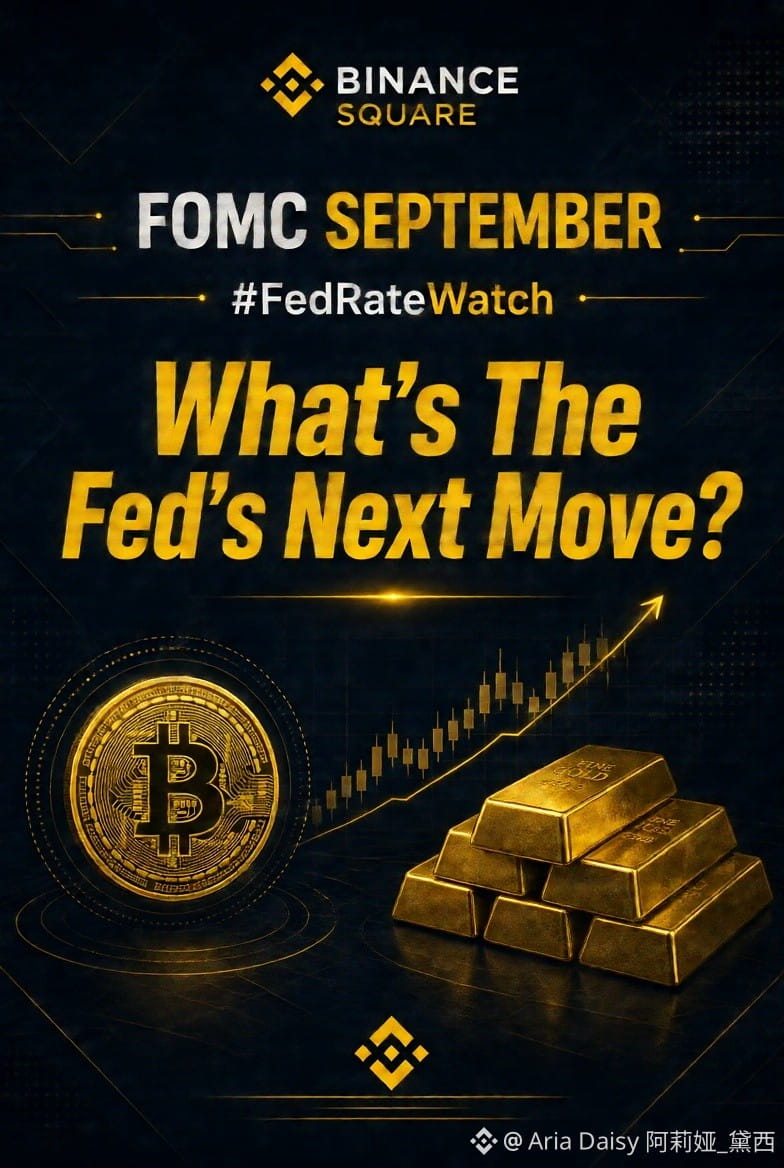
9月17日|美联储时隔三年再度加息,市场迎来鹰派冲击
美联储FOMC会议全票通过加息25个基点,联邦基金利率目标区间来到3.75%‑4.00%,这是自2023年7月之后的首次加息。
最新点阵图透露信号:16位官员认为2026年内大概率还要再加一次息;2026、2027利率中值预期维持4.1%。
美联储主席沃什会后表态,当前美国经济、就业市场依旧韧性十足,但通胀顽疾还未解决,委员会尚未看到通胀稳步向2%目标回落的确凿证据。他直言当下核心矛盾不是经济增长,而是居高不下的通胀。
谈及美债收益率走高,沃什归结三大诱因:美国经济强劲、资本竞争加剧以及地缘政治风险,虽没有直接点评美伊冲突,但承认地缘局势正在改写经济评估。
决议+发布会阶段,市场反应相当剧烈:现货黄金一度暴跌近100美元;美元指数拉升40点,站上100关口;2年期美债收益率上行10bp,10年期收益率走高5bp,美股集体转跌。
利率期货重新定价:市场预期2026年内合计再加息约33个基点,对比决议前上调6个基点;到明年6月,市场定价累计或再有75个基点加息空间,等同于三次25bp加息。
美联储FOMC会议全票通过加息25个基点,联邦基金利率目标区间来到3.75%‑4.00%,这是自2023年7月之后的首次加息。
最新点阵图透露信号:16位官员认为2026年内大概率还要再加一次息;2026、2027利率中值预期维持4.1%。
美联储主席沃什会后表态,当前美国经济、就业市场依旧韧性十足,但通胀顽疾还未解决,委员会尚未看到通胀稳步向2%目标回落的确凿证据。他直言当下核心矛盾不是经济增长,而是居高不下的通胀。
谈及美债收益率走高,沃什归结三大诱因:美国经济强劲、资本竞争加剧以及地缘政治风险,虽没有直接点评美伊冲突,但承认地缘局势正在改写经济评估。
决议+发布会阶段,市场反应相当剧烈:现货黄金一度暴跌近100美元;美元指数拉升40点,站上100关口;2年期美债收益率上行10bp,10年期收益率走高5bp,美股集体转跌。
利率期货重新定价:市场预期2026年内合计再加息约33个基点,对比决议前上调6个基点;到明年6月,市场定价累计或再有75个基点加息空间,等同于三次25bp加息。




Войдите, чтобы посмотреть больше материала