

#imo
imo
Просмотров: 3,771
18 обсуждают
Популярные
Новые

🚨 TRUMP VS. THE GLOBAL SHIPPING RULEBOOK 🌍🚢
A major battle is brewing over the future of international shipping.
Trump has strongly criticized the IMO’s Net-Zero Framework, arguing that international organizations should not impose global taxes or financial burdens on countries.
The proposed framework would introduce:
🔹 Stricter fuel-emission standards
🔹 A global GHG pricing mechanism
🔹 Compliance payments for ships exceeding emission limits
🔹 An IMO Net-Zero Fund to collect and redistribute those payments
🔹 A long-term goal of reaching net-zero shipping around 2050
The rules target ocean-going ships above 5,000 gross tonnage and were approved as draft measures in April 2025. The final adoption process was later delayed, with discussions now continuing toward the 2026 meetings.
⚠️ Supporters describe it as an emissions-pricing system—not a traditional global tax. Critics, including Trump, have framed the mechanism very differently.
📅 DECEMBER 2026 COULD BE CRITICAL.
The outcome could influence shipping costs, global supply chains, energy policy, and the broader debate over international climate rules.
🌐 Global shipping. Global rules. Global consequences.
#Trump #IMO #Bitcoin #Crypto #GlobalEconomy
{spot}(TRUMPUSDT)
{stock_us}(IMO.US)
🚨 TRUMP VS. THE GLOBAL SHIPPING RULEBOOK 🌍🚢
A major battle is brewing over the future of international shipping.
Trump has strongly criticized the IMO’s Net-Zero Framework, arguing that international organizations should not impose global taxes or financial burdens on countries.
The proposed framework would introduce:
🔹 Stricter fuel-emission standards
🔹 A global GHG pricing mechanism
🔹 Compliance payments for ships exceeding emission limits
🔹 An IMO Net-Zero Fund to collect and redistribute those payments
🔹 A long-term goal of reaching net-zero shipping around 2050
The rules target ocean-going ships above 5,000 gross tonnage and were approved as draft measures in April 2025. The final adoption process was later delayed, with discussions now continuing toward the 2026 meetings.
⚠️ Supporters describe it as an emissions-pricing system—not a traditional global tax. Critics, including Trump, have framed the mechanism very differently.
📅 DECEMBER 2026 COULD BE CRITICAL.
The outcome could influence shipping costs, global supply chains, energy policy, and the broader debate over international climate rules.
🌐 Global shipping. Global rules. Global consequences.
#Trump #IMO #Bitcoin #Crypto #GlobalEconomy
A major battle is brewing over the future of international shipping.
Trump has strongly criticized the IMO’s Net-Zero Framework, arguing that international organizations should not impose global taxes or financial burdens on countries.
The proposed framework would introduce:
🔹 Stricter fuel-emission standards
🔹 A global GHG pricing mechanism
🔹 Compliance payments for ships exceeding emission limits
🔹 An IMO Net-Zero Fund to collect and redistribute those payments
🔹 A long-term goal of reaching net-zero shipping around 2050
The rules target ocean-going ships above 5,000 gross tonnage and were approved as draft measures in April 2025. The final adoption process was later delayed, with discussions now continuing toward the 2026 meetings.
⚠️ Supporters describe it as an emissions-pricing system—not a traditional global tax. Critics, including Trump, have framed the mechanism very differently.
📅 DECEMBER 2026 COULD BE CRITICAL.
The outcome could influence shipping costs, global supply chains, energy policy, and the broader debate over international climate rules.
🌐 Global shipping. Global rules. Global consequences.
#Trump #IMO #Bitcoin #Crypto #GlobalEconomy
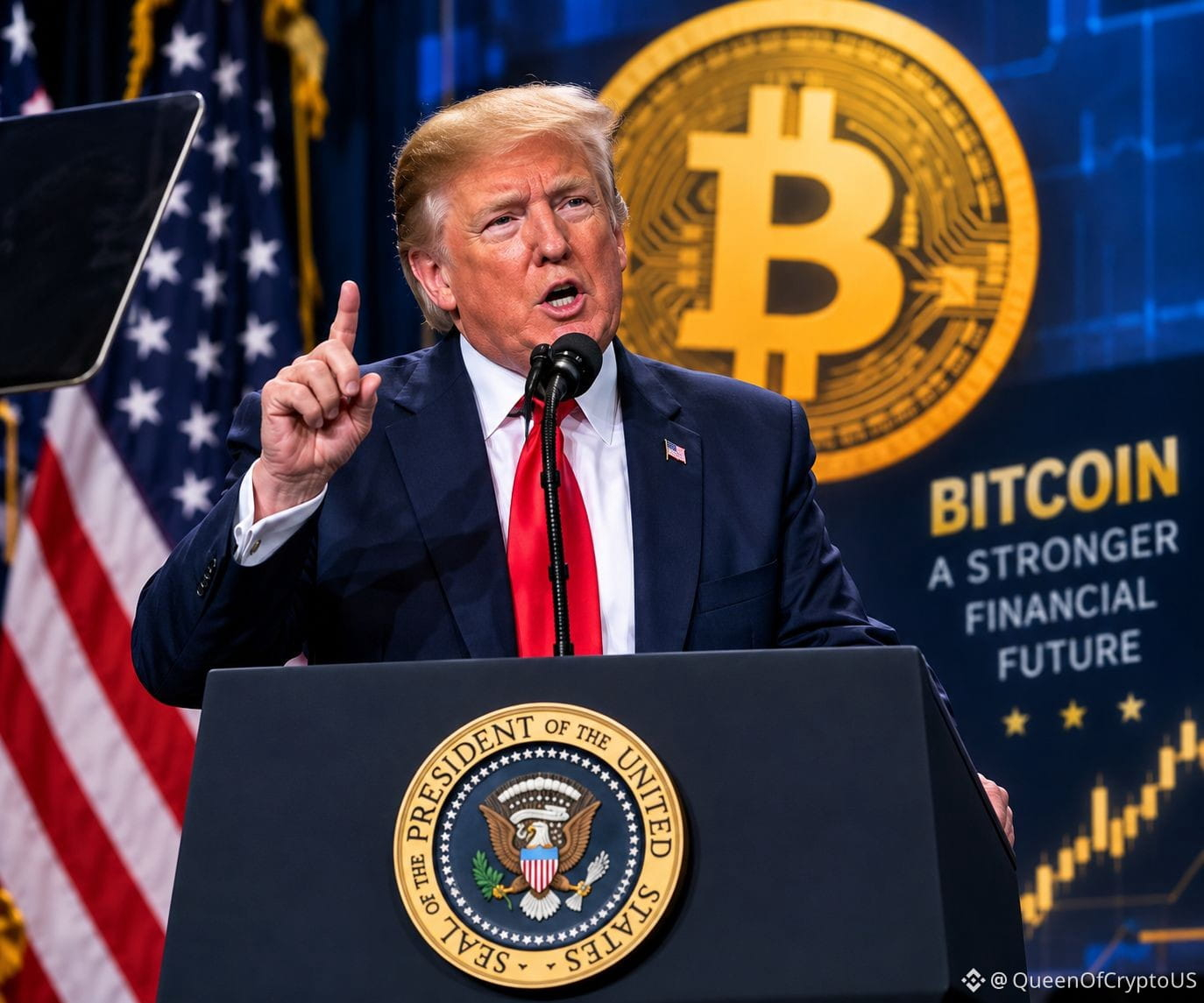
193

·
--
TRUMP JUST DECLARED WAR ON A GLOBAL SHIPPING TAX
Trump has openly rejected the idea of a global government or global taxation system — and his target is the International Maritime Organization’s Net-Zero Shipping Framework.
The framework would introduce global fuel standards for large ships, with carbon pricing and a mechanism requiring vessels that miss targets to purchase remedial units. The goal: net-zero emissions from international shipping by 2050.
Trump argues this could push global shipping costs 10–20% higher or even more, potentially adding pressure to consumer prices and already-sensitive supply chains.
The framework initially passed a preliminary vote 63–16 in April 2025, but US opposition intensified. Supporters describe the mechanism as greenhouse-gas pricing, while Trump has labeled it a global carbon tax.
Now the fight is bigger than climate policy.
🌍 Supporters: Global carbon pricing + net-zero shipping
🇺🇸 US opposition: No global taxation or international control over US interests
⚓ Key issue: The future cost and regulation of global shipping
The next major decision could determine whether the framework moves forward, gets significantly rewritten, or faces further resistance.
December could be a major turning point for global shipping, inflation, and supply chains. 👀
#Trump #IMO #GlobalTrade #Inflation #SupplyChain #Oil #Economy$TRUMP
{spot}(TRUMPUSDT)
TRUMP JUST DECLARED WAR ON A GLOBAL SHIPPING TAX
Trump has openly rejected the idea of a global government or global taxation system — and his target is the International Maritime Organization’s Net-Zero Shipping Framework.
The framework would introduce global fuel standards for large ships, with carbon pricing and a mechanism requiring vessels that miss targets to purchase remedial units. The goal: net-zero emissions from international shipping by 2050.
Trump argues this could push global shipping costs 10–20% higher or even more, potentially adding pressure to consumer prices and already-sensitive supply chains.
The framework initially passed a preliminary vote 63–16 in April 2025, but US opposition intensified. Supporters describe the mechanism as greenhouse-gas pricing, while Trump has labeled it a global carbon tax.
Now the fight is bigger than climate policy.
🌍 Supporters: Global carbon pricing + net-zero shipping
🇺🇸 US opposition: No global taxation or international control over US interests
⚓ Key issue: The future cost and regulation of global shipping
The next major decision could determine whether the framework moves forward, gets significantly rewritten, or faces further resistance.
December could be a major turning point for global shipping, inflation, and supply chains. 👀
#Trump #IMO #GlobalTrade #Inflation #SupplyChain #Oil #Economy$TRUMP
Trump has openly rejected the idea of a global government or global taxation system — and his target is the International Maritime Organization’s Net-Zero Shipping Framework.
The framework would introduce global fuel standards for large ships, with carbon pricing and a mechanism requiring vessels that miss targets to purchase remedial units. The goal: net-zero emissions from international shipping by 2050.
Trump argues this could push global shipping costs 10–20% higher or even more, potentially adding pressure to consumer prices and already-sensitive supply chains.
The framework initially passed a preliminary vote 63–16 in April 2025, but US opposition intensified. Supporters describe the mechanism as greenhouse-gas pricing, while Trump has labeled it a global carbon tax.
Now the fight is bigger than climate policy.
🌍 Supporters: Global carbon pricing + net-zero shipping
🇺🇸 US opposition: No global taxation or international control over US interests
⚓ Key issue: The future cost and regulation of global shipping
The next major decision could determine whether the framework moves forward, gets significantly rewritten, or faces further resistance.
December could be a major turning point for global shipping, inflation, and supply chains. 👀
#Trump #IMO #GlobalTrade #Inflation #SupplyChain #Oil #Economy$TRUMP
232


·
--
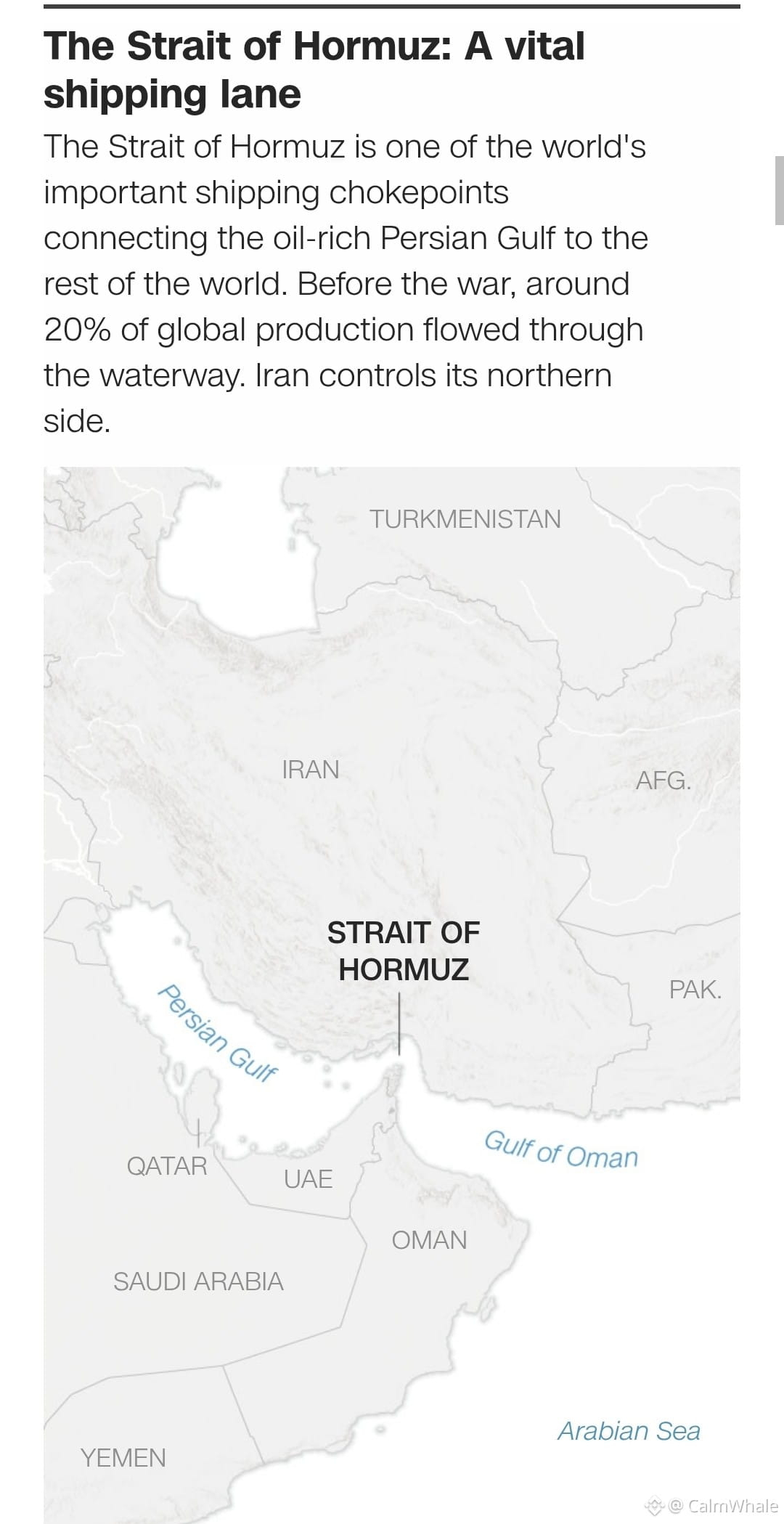
How shipping companies are calculating the dangers in the Strait of Hormuz 🚨
About 1,600 ships are still stuck in the Strait of Hormuz, with shipping companies facing an expensive and risky situation, looking for windows of opportunity to leave the waterway for more than two months.
President Donald Trump’s operation to “guide” ships through the strait lasted just 48 hours. Only two ships were guided through.
Now, on their own again, companies are unwilling to bear the risk of transit — letting ships leave would endanger both cargo and personnel.
Any damage to a multimillion-dollar ship would set companies back financially and logistically. Insurers have wartime clauses in their contracts that do not require them to cover vessels stuck in the middle of a war. So, moving ships without that financial backing risks being extraordinarily costly.
Still, leaving the Strait of Hormuz, even with a US military guide, requires a “very specific assessment” for shipping companies, according to Gene Seroka, executive director of the Port of Los Angeles.
“They’re going to need a lot more confidence in the safety and security of passing through the straight before they take that step,” he said.
Thirty-two ships have been hit with missiles since the beginning of the war, resulting in 10 deaths and at least a dozen injuries, according to the International Maritime Organization, or IMO.
The IMO continues to urge ships to “exercise maximum caution” and says that “naval escorts are not a sustainable long-term solution.”
#BREAKING #iran #Hormuz #oil #IMO
How shipping companies are calculating the dangers in the Strait of Hormuz 🚨
About 1,600 ships are still stuck in the Strait of Hormuz, with shipping companies facing an expensive and risky situation, looking for windows of opportunity to leave the waterway for more than two months.
President Donald Trump’s operation to “guide” ships through the strait lasted just 48 hours. Only two ships were guided through.
Now, on their own again, companies are unwilling to bear the risk of transit — letting ships leave would endanger both cargo and personnel.
Any damage to a multimillion-dollar ship would set companies back financially and logistically. Insurers have wartime clauses in their contracts that do not require them to cover vessels stuck in the middle of a war. So, moving ships without that financial backing risks being extraordinarily costly.
Still, leaving the Strait of Hormuz, even with a US military guide, requires a “very specific assessment” for shipping companies, according to Gene Seroka, executive director of the Port of Los Angeles.
“They’re going to need a lot more confidence in the safety and security of passing through the straight before they take that step,” he said.
Thirty-two ships have been hit with missiles since the beginning of the war, resulting in 10 deaths and at least a dozen injuries, according to the International Maritime Organization, or IMO.
The IMO continues to urge ships to “exercise maximum caution” and says that “naval escorts are not a sustainable long-term solution.”
#BREAKING #iran #Hormuz #oil #IMO
About 1,600 ships are still stuck in the Strait of Hormuz, with shipping companies facing an expensive and risky situation, looking for windows of opportunity to leave the waterway for more than two months.
President Donald Trump’s operation to “guide” ships through the strait lasted just 48 hours. Only two ships were guided through.
Now, on their own again, companies are unwilling to bear the risk of transit — letting ships leave would endanger both cargo and personnel.
Any damage to a multimillion-dollar ship would set companies back financially and logistically. Insurers have wartime clauses in their contracts that do not require them to cover vessels stuck in the middle of a war. So, moving ships without that financial backing risks being extraordinarily costly.
Still, leaving the Strait of Hormuz, even with a US military guide, requires a “very specific assessment” for shipping companies, according to Gene Seroka, executive director of the Port of Los Angeles.
“They’re going to need a lot more confidence in the safety and security of passing through the straight before they take that step,” he said.
Thirty-two ships have been hit with missiles since the beginning of the war, resulting in 10 deaths and at least a dozen injuries, according to the International Maritime Organization, or IMO.
The IMO continues to urge ships to “exercise maximum caution” and says that “naval escorts are not a sustainable long-term solution.”
#BREAKING #iran #Hormuz #oil #IMO
1
252
Войдите, чтобы посмотреть больше материала
Присоединяйтесь к пользователям криптовалют по всему миру на Binance Square
⚡️ Получайте новейшую и полезную информацию о криптоактивах.
💬 Нам доверяет крупнейшая в мире криптобиржа.
👍 Получите достоверные аналитические данные от верифицированных создателей контента.
Эл. почта/номер телефона
В тренде
1
#BinanceKZ
Просмотров: 9,109
50 обсуждают
2
#NvidiaApproves$150BBuyback
Просмотров: 0
2 обсуждают
3
#OpenAIDelaysGPT6.1OverSafetyIssues
Просмотров: 0
6 обсуждают
4
#AMDToAcquireWorldLabsFor$8.2B
Просмотров: 0
10 обсуждают
5
#AnthropicIPOProspectusCouldValueItOver$2T
Просмотров: 830
42 обсуждают
6
#HackersDrainOver12.4MXRPFromDCENTWallets
Просмотров: 6,668
244 обсуждают
7
#SECSaysDecentralizedTokenBuybacksNotInvestmentContracts
Просмотров: 284
15 обсуждают
8
#UKFCAWinsCourtOrderToRecover851400Pounds
Просмотров: 62,108
1,129 обсуждают
9
#ChainlinkLaunchesCCIP2WithEnterpriseVerification
Просмотров: 71,271
1,249 обсуждают
10
#GoldFallsTo$4144
Просмотров: 23,139
183 обсуждают