
#coldcard
coldcard
Просмотров: 135,100
474 обсуждают
Популярные
Новые

·
--
🚨 $BTC HACKER MOVES 45% THROUGH THORCHAIN TO ETH! 🦈
🦈 The Coldcard breach continues to ripple through the ecosystem as the attacker redirected 45% of the stolen 97.09 BTC (~$7.8 M) via THORChain into $ETH and layered CoinJoin mixers, a classic liquidity‑hunt play. 📊 This cross‑chain sweep underscores how bridges become the fastest conduit for laundering high‑value vaults.
🔍 With 82% of the loot still parked in hacker‑controlled addresses, the remaining stash is primed for another round of obfuscation. 💡 Expect intensified CoinJoin activity and potential pressure on bridge fees as smart money scrubs its trail.
🤔 Will regulators tighten bridge monitoring after this wave?
⚠️ Not financial advice. Always manage your risk. 🛡️
🏷️ #BTC #Coldcard #Hack #Liquidity #Crypto
🦈 🔥
🚨 $BTC HACKER MOVES 45% THROUGH THORCHAIN TO ETH! 🦈
🦈 The Coldcard breach continues to ripple through the ecosystem as the attacker redirected 45% of the stolen 97.09 BTC (~$7.8 M) via THORChain into $ETH and layered CoinJoin mixers, a classic liquidity‑hunt play. 📊 This cross‑chain sweep underscores how bridges become the fastest conduit for laundering high‑value vaults.
🔍 With 82% of the loot still parked in hacker‑controlled addresses, the remaining stash is primed for another round of obfuscation. 💡 Expect intensified CoinJoin activity and potential pressure on bridge fees as smart money scrubs its trail.
🤔 Will regulators tighten bridge monitoring after this wave?
⚠️ Not financial advice. Always manage your risk. 🛡️
🏷️ #BTC #Coldcard #Hack #Liquidity #Crypto
🦈 🔥
🦈 The Coldcard breach continues to ripple through the ecosystem as the attacker redirected 45% of the stolen 97.09 BTC (~$7.8 M) via THORChain into $ETH and layered CoinJoin mixers, a classic liquidity‑hunt play. 📊 This cross‑chain sweep underscores how bridges become the fastest conduit for laundering high‑value vaults.
🔍 With 82% of the loot still parked in hacker‑controlled addresses, the remaining stash is primed for another round of obfuscation. 💡 Expect intensified CoinJoin activity and potential pressure on bridge fees as smart money scrubs its trail.
🤔 Will regulators tighten bridge monitoring after this wave?
⚠️ Not financial advice. Always manage your risk. 🛡️
🏷️ #BTC #Coldcard #Hack #Liquidity #Crypto
🦈 🔥
29

·
--
Hacker Coldcard đã chuyển 45% số BTC đánh cắp trong Wave 3!
Theo Galaxy Research, kẻ tấn công đã di chuyển 45% lượng Bitcoin bị đánh cắp, tương đương khoảng 97,09 BTC (~7,8 triệu USD), qua THORChain sang Ethereum và các giao dịch CoinJoin nhằm che giấu nguồn tiền.
Đáng chú ý, hacker đang lần lượt xử lý các “vault” có giá trị lớn nhất. Trong khi đó, tính trên toàn bộ các đợt tấn công, khoảng 82% số BTC bị đánh cắp vẫn nằm tại các địa chỉ do hacker kiểm soát, còn 18% đã được di chuyển.
Vụ khai thác bắt nguồn từ lỗ hổng firmware Coldcard kéo dài nhiều năm, khiến seed phrase của một số ví có độ ngẫu nhiên yếu và có thể bị brute-force.
Điều đáng lo lúc này: bao nhiêu BTC còn lại sẽ tiếp tục được rửa qua CoinJoin và các cross-chain bridge?
#Bitcoin #Coldcard #Crypto #Cybersecurity
Hacker Coldcard đã chuyển 45% số BTC đánh cắp trong Wave 3!
Theo Galaxy Research, kẻ tấn công đã di chuyển 45% lượng Bitcoin bị đánh cắp, tương đương khoảng 97,09 BTC (~7,8 triệu USD), qua THORChain sang Ethereum và các giao dịch CoinJoin nhằm che giấu nguồn tiền.
Đáng chú ý, hacker đang lần lượt xử lý các “vault” có giá trị lớn nhất. Trong khi đó, tính trên toàn bộ các đợt tấn công, khoảng 82% số BTC bị đánh cắp vẫn nằm tại các địa chỉ do hacker kiểm soát, còn 18% đã được di chuyển.
Vụ khai thác bắt nguồn từ lỗ hổng firmware Coldcard kéo dài nhiều năm, khiến seed phrase của một số ví có độ ngẫu nhiên yếu và có thể bị brute-force.
Điều đáng lo lúc này: bao nhiêu BTC còn lại sẽ tiếp tục được rửa qua CoinJoin và các cross-chain bridge?
#Bitcoin #Coldcard #Crypto #Cybersecurity
Theo Galaxy Research, kẻ tấn công đã di chuyển 45% lượng Bitcoin bị đánh cắp, tương đương khoảng 97,09 BTC (~7,8 triệu USD), qua THORChain sang Ethereum và các giao dịch CoinJoin nhằm che giấu nguồn tiền.
Đáng chú ý, hacker đang lần lượt xử lý các “vault” có giá trị lớn nhất. Trong khi đó, tính trên toàn bộ các đợt tấn công, khoảng 82% số BTC bị đánh cắp vẫn nằm tại các địa chỉ do hacker kiểm soát, còn 18% đã được di chuyển.
Vụ khai thác bắt nguồn từ lỗ hổng firmware Coldcard kéo dài nhiều năm, khiến seed phrase của một số ví có độ ngẫu nhiên yếu và có thể bị brute-force.
Điều đáng lo lúc này: bao nhiêu BTC còn lại sẽ tiếp tục được rửa qua CoinJoin và các cross-chain bridge?
#Bitcoin #Coldcard #Crypto #Cybersecurity
75

·
--
Статья
Coldcard Hackers Move 45% of Stolen BTC, Galaxy SaysA recent wave of Bitcoin thefts has left 190 victims scrambling, but a new twist shows how attackers are moving the loot.
The Coldcard wallet, a popular hardware device for secure Bitcoin storage, has been exploited to siphon off a staggering 1,779 BTC—about 45% of the total stolen in what experts call “Wave 3” attacks. Galaxy, a leading blockchain analytics firm, uncovered the move as of mid‑August, revealing that the stolen coins have been shuffled through more than 8,600 addresses.
**What’s going on?**
Think of Bitcoin as a bank account that anyone can see, but only the owner has the keys. Coldcard is like a high‑security safe that many users trust to keep their keys offline. The recent exploit shows that attackers can break into the safe, grab the keys, and then move the money to a maze of addresses—making it hard for law‑enforcement to trace the trail. The 45% figure means almost half of the stolen funds are already on the move, which could signal a larger payout plan or a strategy to launder the coins.
**How the theft unfolded**
1. **Initial breach** – Hackers targeted Coldcard users, likely through phishing or supply‑chain attacks, gaining access to the device’s firmware.
2. **Stolen coins** – 1,779 BTC were extracted from 190 victims, a sum that would have made headlines if it stayed in one place.
3. **Moving the loot** – Galaxy traced the coins to over 8,600 addresses, showing a complex chain of transactions that spread the value across the network.
4. **Current status** – The coins are still circulating, and the attackers may be waiting for a market dip or a strategic moment to sell or swap them into other assets.
**Why this matters**
- **For users**: Even the most secure hardware wallets can be compromised if the supply chain or firmware is tampered with.
- **For the ecosystem**: Large‑scale thefts like this test the resilience of blockchain analytics and law‑enforcement tools.
- **For the market**: Moving large amounts of BTC can create volatility, especially if the coins are dumped in a short period.
**What you can do**
- Keep your firmware up to date and only download updates from the official Coldcard website.
- Use multi‑signature setups or additional layers of security, such as a second hardware wallet or a cold storage strategy.
- Stay informed: follow reputable analytics firms like Galaxy for real‑time alerts on suspicious activity.
#Bitcoin #Coldcard #CryptoSecurity
What steps are you taking to protect your crypto assets, and how do you feel about the current state of hardware wallet security?
Coldcard Hackers Move 45% of Stolen BTC, Galaxy Says
A recent wave of Bitcoin thefts has left 190 victims scrambling, but a new twist shows how attackers are moving the loot.
The Coldcard wallet, a popular hardware device for secure Bitcoin storage, has been exploited to siphon off a staggering 1,779 BTC—about 45% of the total stolen in what experts call “Wave 3” attacks. Galaxy, a leading blockchain analytics firm, uncovered the move as of mid‑August, revealing that the stolen coins have been shuffled through more than 8,600 addresses.
**What’s going on?**
Think of Bitcoin as a bank account that anyone can see, but only the owner has the keys. Coldcard is like a high‑security safe that many users trust to keep their keys offline. The recent exploit shows that attackers can break into the safe, grab the keys, and then move the money to a maze of addresses—making it hard for law‑enforcement to trace the trail. The 45% figure means almost half of the stolen funds are already on the move, which could signal a larger payout plan or a strategy to launder the coins.
**How the theft unfolded**
1. **Initial breach** – Hackers targeted Coldcard users, likely through phishing or supply‑chain attacks, gaining access to the device’s firmware.
2. **Stolen coins** – 1,779 BTC were extracted from 190 victims, a sum that would have made headlines if it stayed in one place.
3. **Moving the loot** – Galaxy traced the coins to over 8,600 addresses, showing a complex chain of transactions that spread the value across the network.
4. **Current status** – The coins are still circulating, and the attackers may be waiting for a market dip or a strategic moment to sell or swap them into other assets.
**Why this matters**
- **For users**: Even the most secure hardware wallets can be compromised if the supply chain or firmware is tampered with.
- **For the ecosystem**: Large‑scale thefts like this test the resilience of blockchain analytics and law‑enforcement tools.
- **For the market**: Moving large amounts of BTC can create volatility, especially if the coins are dumped in a short period.
**What you can do**
- Keep your firmware up to date and only download updates from the official Coldcard website.
- Use multi‑signature setups or additional layers of security, such as a second hardware wallet or a cold storage strategy.
- Stay informed: follow reputable analytics firms like Galaxy for real‑time alerts on suspicious activity.
#Bitcoin #Coldcard #CryptoSecurity
What steps are you taking to protect your crypto assets, and how do you feel about the current state of hardware wallet security?
The Coldcard wallet, a popular hardware device for secure Bitcoin storage, has been exploited to siphon off a staggering 1,779 BTC—about 45% of the total stolen in what experts call “Wave 3” attacks. Galaxy, a leading blockchain analytics firm, uncovered the move as of mid‑August, revealing that the stolen coins have been shuffled through more than 8,600 addresses.
**What’s going on?**
Think of Bitcoin as a bank account that anyone can see, but only the owner has the keys. Coldcard is like a high‑security safe that many users trust to keep their keys offline. The recent exploit shows that attackers can break into the safe, grab the keys, and then move the money to a maze of addresses—making it hard for law‑enforcement to trace the trail. The 45% figure means almost half of the stolen funds are already on the move, which could signal a larger payout plan or a strategy to launder the coins.
**How the theft unfolded**
1. **Initial breach** – Hackers targeted Coldcard users, likely through phishing or supply‑chain attacks, gaining access to the device’s firmware.
2. **Stolen coins** – 1,779 BTC were extracted from 190 victims, a sum that would have made headlines if it stayed in one place.
3. **Moving the loot** – Galaxy traced the coins to over 8,600 addresses, showing a complex chain of transactions that spread the value across the network.
4. **Current status** – The coins are still circulating, and the attackers may be waiting for a market dip or a strategic moment to sell or swap them into other assets.
**Why this matters**
- **For users**: Even the most secure hardware wallets can be compromised if the supply chain or firmware is tampered with.
- **For the ecosystem**: Large‑scale thefts like this test the resilience of blockchain analytics and law‑enforcement tools.
- **For the market**: Moving large amounts of BTC can create volatility, especially if the coins are dumped in a short period.
**What you can do**
- Keep your firmware up to date and only download updates from the official Coldcard website.
- Use multi‑signature setups or additional layers of security, such as a second hardware wallet or a cold storage strategy.
- Stay informed: follow reputable analytics firms like Galaxy for real‑time alerts on suspicious activity.
#Bitcoin #Coldcard #CryptoSecurity
What steps are you taking to protect your crypto assets, and how do you feel about the current state of hardware wallet security?
13

·
--
📰 Coldcard “Wave 3” 的钱还在往外转。Galaxy Research 追踪发现,一个此前未知、由 58 个地址组成的同格式 2-of-2 多签金库,极可能也属于受害者。算上它,相关金库可能从 293 个增至 294 个,被盗总额推升至约 1806 BTC。
🔥 攻击者从 9 月 2 日开始,通过 THORChain 把部分资金跨链到以太坊,近期又转入 CoinJoin 混币。说实话,这套操作不是急着一次搬完,而是按金额大小慢慢处理,明显在拆分资金路径。
💡 目前金额排名 1 至 11 的金库已经被处理,接下来的 10 个未动金库仍有 30.81 BTC,排名 61 至 293 的金库合计还有 33.77 BTC。
⚠️ 两组比例别看混了:Wave 3 本次攻击约 45% 的被盗币已被转移;放到整个 Coldcard 攻击范围看,约 82% 仍留在攻击者控制的原始地址,18% 已被转走用于洗钱。
🤔 如果后续剩余金库也开始按金额顺序转入 CoinJoin,你觉得链上还能追到多少有效线索?
#Coldcard #BTC #链上安全 #加密钱包
📰 Coldcard “Wave 3” 的钱还在往外转。Galaxy Research 追踪发现,一个此前未知、由 58 个地址组成的同格式 2-of-2 多签金库,极可能也属于受害者。算上它,相关金库可能从 293 个增至 294 个,被盗总额推升至约 1806 BTC。
🔥 攻击者从 9 月 2 日开始,通过 THORChain 把部分资金跨链到以太坊,近期又转入 CoinJoin 混币。说实话,这套操作不是急着一次搬完,而是按金额大小慢慢处理,明显在拆分资金路径。
💡 目前金额排名 1 至 11 的金库已经被处理,接下来的 10 个未动金库仍有 30.81 BTC,排名 61 至 293 的金库合计还有 33.77 BTC。
⚠️ 两组比例别看混了:Wave 3 本次攻击约 45% 的被盗币已被转移;放到整个 Coldcard 攻击范围看,约 82% 仍留在攻击者控制的原始地址,18% 已被转走用于洗钱。
🤔 如果后续剩余金库也开始按金额顺序转入 CoinJoin,你觉得链上还能追到多少有效线索?
#Coldcard #BTC #链上安全 #加密钱包
🔥 攻击者从 9 月 2 日开始,通过 THORChain 把部分资金跨链到以太坊,近期又转入 CoinJoin 混币。说实话,这套操作不是急着一次搬完,而是按金额大小慢慢处理,明显在拆分资金路径。
💡 目前金额排名 1 至 11 的金库已经被处理,接下来的 10 个未动金库仍有 30.81 BTC,排名 61 至 293 的金库合计还有 33.77 BTC。
⚠️ 两组比例别看混了:Wave 3 本次攻击约 45% 的被盗币已被转移;放到整个 Coldcard 攻击范围看,约 82% 仍留在攻击者控制的原始地址,18% 已被转走用于洗钱。
🤔 如果后续剩余金库也开始按金额顺序转入 CoinJoin,你觉得链上还能追到多少有效线索?
#Coldcard #BTC #链上安全 #加密钱包

62

·
--
Статья
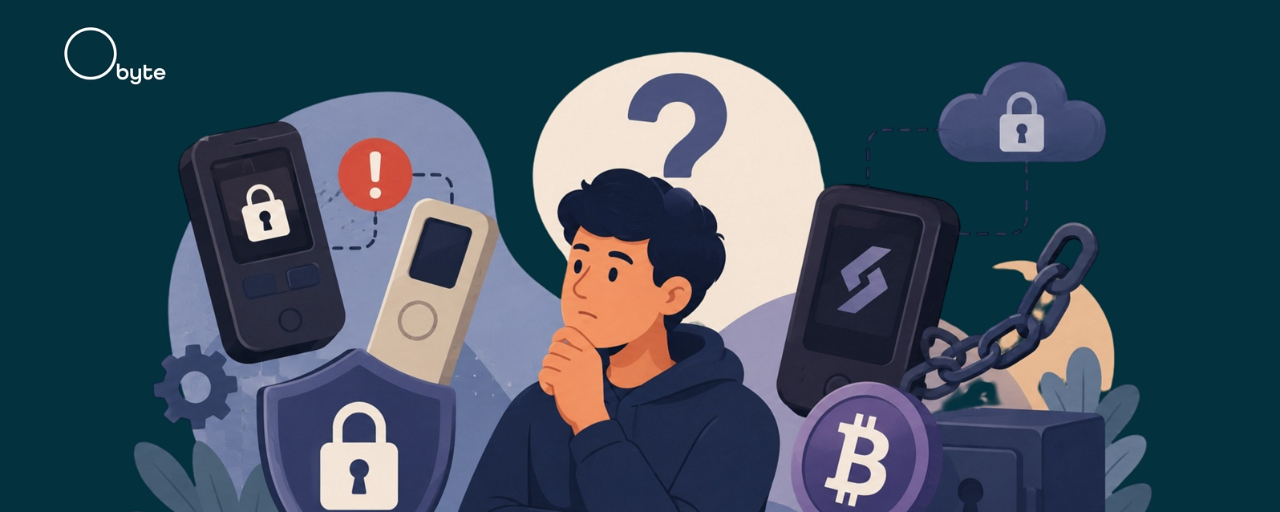
Coldcard, Trezor, SafePal hacks... Is Crypto Self-Custody Dead Now?August 2026 was a rollercoaster for the crypto space. Kind of a bad one. Just before the start of that month, some unknown attackers managed to take advantage of a bug in the Coldcard hardware wallets to steal up to 2,055 $BTC (~$130 million) directly from users. This is being considered the largest hardware wallet exploit to date. And it was followed by more attacks on Trezor and SafePal, two other major hardware wallet providers. Self-custody is thus called into question for many.
We’ve been told, repeatedly, that our private keys must remain offline, out of reach for hackers and scammers. Therefore, numerous crypto users have chosen to invest in more security and purchase specialized hardware devices to safeguard their coins. Now, among those who chose a Coldcard as this specialized device, several have lost their funds without even doing anything about it, because the attack was completely remote and out of their control.
It feels unfair. But wait, because there are still things to unpack before losing faith in self-custody.
So, What Happened to Coldcard and Company?
The first thing we must understand is that no, crypto networks aren’t just insecure now. The recent attacks weren’t against strong distributed ledgers, but against specific companies and their products. Let’s start with the Coldcard case: the problem came from the way certain devices generated wallet seeds or private keys.
In an average crypto wallet, just “guessing” seeds by applying brute force (many repetitive attempts) is impossible. A 12-word phrase alone has about 340 undecillion possibilities. This implies, as Knowing Bitcoin explains, that “if every computer on Earth tried a billion seed phrases per second, it would take trillions of times the current age of the universe to try them all." Unfortunately, it wasn’t like that for some Coldcard devices.
A software change introduced in 2021 caused certain devices to use a software-based pseudo-random number generator instead of the hardware-based random number generator intended for creating secure seeds. In other words, the wallet's security relied on insufficient randomness. Attackers were able to guess the private keys when they should never have been able to.
Even after applying a firmware fix, those seeds are just not suitable to use anymore. Anyone who has generated seeds on a Coldcard between 2021 and 2026 is advised to withdraw all their funds to a more secure wallet.
What about Trezor and SafePal?
At the very least, no funds were compromised in these two attacks. However, they can be considered equally serious, because personal data and physical addresses were, indeed, leaked. On August 12, Trezor informed that ShipMonk, one of their shipping providers, suffered a severe data breach that exposed the full names, phone numbers, email addresses, and physical addresses of almost 12,000 of its customers.
In the same fashion, barely some days later, SafePal announced the discovery of a bug that could let someone access or track customer order information without having the proper permission. Which some hackers did. Confidential data like names, phone numbers, emails, and physical addresses from almost 40,000 customers was stolen.
It seems "better" than having funds or private keys taken away, but it isn't. With all this information, hackers can easily find customers, carry out targeted attacks, phishing, and even plan "wrench attacks" or physical break-ins at their homes. Indeed, according to Certik, violent physical attacks against crypto users have increased by 33% in 2026, compared to the previous year.
Should we rush to crypto exchanges, then?
According to CMC, "Coldcard Hack Sends Bitcoiners Scrambling for CEXes." So, are they safer for us, after all? Is that a real solution in the long-term for crypto users? The answer isn't that simple. Centralized exchanges, even with tons of investment in security, can and have been hacked.
In 2025, Coinbase, one of the largest exchanges worldwide, suffered the same type of leak as Trezor and SafePal. In previous years, other firms like Liquid, KeepChange, Celsius, and OpenSea faced major data breaches, too. Beyond that, numerous crypto exchanges have been robbed or bankrupted over the years —or they were just scams from the beginning. Mt. Gox, QuadrigaCX, Cryptopia, and FTX are only some of them. Thousands of users globally suffered massive losses from these cases. That’s why this motto is so common in crypto: Not your keys? Not your coins.
However, now that self-custody appears to be threatened, what is the alternative? Where do we run to? You may think that, well, the flaws were limited to certain brands, so we just change brands and that’s it…! And that’s still not the answer. The answer is that nothing and no one is exempt from failure. Self-custody requires more responsibility, while external custody presents a different set of risks. That’s the thing, though.
Neither arrangement removes risk. They put different risks on different sides of the table, and you need to choose which of these risks is “less risky” for your own circumstances. Which benefits do you prefer (i.e., full ownership vs. convenience) and what are you willing to risk for them? Even fiat currencies and banks have their own risks and disadvantages, and their pitfalls are the whole reason why cryptocurrencies exist. Sad, but true.
New Lesson: Don't Put All Your Eggs in One Basket
Decentralize, like crypto networks themselves! If one device, one manufacturer, one backup, one company, or one process can determine whether your entire stash survives, that's a single point of failure you need to fix ASAP, no matter how secure you believe it is. There are several solutions for this.
A simple starting point is backup redundancy, with copies stored in separate locations so one fire, flood, or defective device doesn't wipe out everything. In Obyte, you can create several textcoins with different amounts in them, and store them offline. However, you’ll have to take care of noting down your textcoins (seeds), copying them to different secure locations, and taking care of them to the best of your ability. The only way for self-custody is high responsibility.
For stronger protection, multisignature wallets can require two or more separate keys before coins can be moved. A 2-of-3 setup, for example, uses three keys but requires any two to approve a transaction. That means losing one key doesn’t automatically lock you out, while compromising one key doesn’t give an attacker enough control. You can also spread keys across different devices or manufacturers, reducing dependence on one technology.
In Obyte, you can create a multisignature (multidevice) account in just a few steps to increase your security and, if you wish, include other people as co-signers, not just your own devices.
There’s also value in testing recovery. A backup that has never been checked is a plan on paper. A successful recovery test provides evidence that the plan works. And complexity deserves its own warning label. Every extra passphrase, device, location, and backup adds another thing to remember and maintain.
So, Is Crypto Self-Custody Dead?
No. If anything, the bumps along the road make the idea more mature. Self-custody avoids potential financial censorship and can give people full control, but control comes with homework, from understanding how keys are created to knowing where backups live and what happens when a device fails. To be prepared for a device to fail, even.
Self-custody means taking ownership of the entire security model, not just buying a device with the words “hardware wallet” on the box. Do your own research (DYOR) on every brand, every software, and every process. This is worth repeating: the only way for self-custody is high responsibility!
Originally Published on Hackernoon
#Coldcard #TrezorWallet #DataLeak #cryptohacks #Obyte
Coldcard, Trezor, SafePal hacks... Is Crypto Self-Custody Dead Now?
August 2026 was a rollercoaster for the crypto space. Kind of a bad one. Just before the start of that month, some unknown attackers managed to take advantage of a bug in the Coldcard hardware wallets to steal up to 2,055 $BTC (~$130 million) directly from users. This is being considered the largest hardware wallet exploit to date. And it was followed by more attacks on Trezor and SafePal, two other major hardware wallet providers. Self-custody is thus called into question for many.
We’ve been told, repeatedly, that our private keys must remain offline, out of reach for hackers and scammers. Therefore, numerous crypto users have chosen to invest in more security and purchase specialized hardware devices to safeguard their coins. Now, among those who chose a Coldcard as this specialized device, several have lost their funds without even doing anything about it, because the attack was completely remote and out of their control.
It feels unfair. But wait, because there are still things to unpack before losing faith in self-custody.
So, What Happened to Coldcard and Company?
The first thing we must understand is that no, crypto networks aren’t just insecure now. The recent attacks weren’t against strong distributed ledgers, but against specific companies and their products. Let’s start with the Coldcard case: the problem came from the way certain devices generated wallet seeds or private keys.
In an average crypto wallet, just “guessing” seeds by applying brute force (many repetitive attempts) is impossible. A 12-word phrase alone has about 340 undecillion possibilities. This implies, as Knowing Bitcoin explains, that “if every computer on Earth tried a billion seed phrases per second, it would take trillions of times the current age of the universe to try them all." Unfortunately, it wasn’t like that for some Coldcard devices.
A software change introduced in 2021 caused certain devices to use a software-based pseudo-random number generator instead of the hardware-based random number generator intended for creating secure seeds. In other words, the wallet's security relied on insufficient randomness. Attackers were able to guess the private keys when they should never have been able to.
Even after applying a firmware fix, those seeds are just not suitable to use anymore. Anyone who has generated seeds on a Coldcard between 2021 and 2026 is advised to withdraw all their funds to a more secure wallet.
What about Trezor and SafePal?
At the very least, no funds were compromised in these two attacks. However, they can be considered equally serious, because personal data and physical addresses were, indeed, leaked. On August 12, Trezor informed that ShipMonk, one of their shipping providers, suffered a severe data breach that exposed the full names, phone numbers, email addresses, and physical addresses of almost 12,000 of its customers.
In the same fashion, barely some days later, SafePal announced the discovery of a bug that could let someone access or track customer order information without having the proper permission. Which some hackers did. Confidential data like names, phone numbers, emails, and physical addresses from almost 40,000 customers was stolen.
It seems "better" than having funds or private keys taken away, but it isn't. With all this information, hackers can easily find customers, carry out targeted attacks, phishing, and even plan "wrench attacks" or physical break-ins at their homes. Indeed, according to Certik, violent physical attacks against crypto users have increased by 33% in 2026, compared to the previous year.
Should we rush to crypto exchanges, then?
According to CMC, "Coldcard Hack Sends Bitcoiners Scrambling for CEXes." So, are they safer for us, after all? Is that a real solution in the long-term for crypto users? The answer isn't that simple. Centralized exchanges, even with tons of investment in security, can and have been hacked.
In 2025, Coinbase, one of the largest exchanges worldwide, suffered the same type of leak as Trezor and SafePal. In previous years, other firms like Liquid, KeepChange, Celsius, and OpenSea faced major data breaches, too. Beyond that, numerous crypto exchanges have been robbed or bankrupted over the years —or they were just scams from the beginning. Mt. Gox, QuadrigaCX, Cryptopia, and FTX are only some of them. Thousands of users globally suffered massive losses from these cases. That’s why this motto is so common in crypto: Not your keys? Not your coins.
However, now that self-custody appears to be threatened, what is the alternative? Where do we run to? You may think that, well, the flaws were limited to certain brands, so we just change brands and that’s it…! And that’s still not the answer. The answer is that nothing and no one is exempt from failure. Self-custody requires more responsibility, while external custody presents a different set of risks. That’s the thing, though.
Neither arrangement removes risk. They put different risks on different sides of the table, and you need to choose which of these risks is “less risky” for your own circumstances. Which benefits do you prefer (i.e., full ownership vs. convenience) and what are you willing to risk for them? Even fiat currencies and banks have their own risks and disadvantages, and their pitfalls are the whole reason why cryptocurrencies exist. Sad, but true.
New Lesson: Don't Put All Your Eggs in One Basket
Decentralize, like crypto networks themselves! If one device, one manufacturer, one backup, one company, or one process can determine whether your entire stash survives, that's a single point of failure you need to fix ASAP, no matter how secure you believe it is. There are several solutions for this.
A simple starting point is backup redundancy, with copies stored in separate locations so one fire, flood, or defective device doesn't wipe out everything. In Obyte, you can create several textcoins with different amounts in them, and store them offline. However, you’ll have to take care of noting down your textcoins (seeds), copying them to different secure locations, and taking care of them to the best of your ability. The only way for self-custody is high responsibility.
For stronger protection, multisignature wallets can require two or more separate keys before coins can be moved. A 2-of-3 setup, for example, uses three keys but requires any two to approve a transaction. That means losing one key doesn’t automatically lock you out, while compromising one key doesn’t give an attacker enough control. You can also spread keys across different devices or manufacturers, reducing dependence on one technology.
In Obyte, you can create a multisignature (multidevice) account in just a few steps to increase your security and, if you wish, include other people as co-signers, not just your own devices.
There’s also value in testing recovery. A backup that has never been checked is a plan on paper. A successful recovery test provides evidence that the plan works. And complexity deserves its own warning label. Every extra passphrase, device, location, and backup adds another thing to remember and maintain.
So, Is Crypto Self-Custody Dead?
No. If anything, the bumps along the road make the idea more mature. Self-custody avoids potential financial censorship and can give people full control, but control comes with homework, from understanding how keys are created to knowing where backups live and what happens when a device fails. To be prepared for a device to fail, even.
Self-custody means taking ownership of the entire security model, not just buying a device with the words “hardware wallet” on the box. Do your own research (DYOR) on every brand, every software, and every process. This is worth repeating: the only way for self-custody is high responsibility!
Originally Published on Hackernoon
#Coldcard #TrezorWallet #DataLeak #cryptohacks #Obyte
We’ve been told, repeatedly, that our private keys must remain offline, out of reach for hackers and scammers. Therefore, numerous crypto users have chosen to invest in more security and purchase specialized hardware devices to safeguard their coins. Now, among those who chose a Coldcard as this specialized device, several have lost their funds without even doing anything about it, because the attack was completely remote and out of their control.
It feels unfair. But wait, because there are still things to unpack before losing faith in self-custody.
So, What Happened to Coldcard and Company?
The first thing we must understand is that no, crypto networks aren’t just insecure now. The recent attacks weren’t against strong distributed ledgers, but against specific companies and their products. Let’s start with the Coldcard case: the problem came from the way certain devices generated wallet seeds or private keys.
In an average crypto wallet, just “guessing” seeds by applying brute force (many repetitive attempts) is impossible. A 12-word phrase alone has about 340 undecillion possibilities. This implies, as Knowing Bitcoin explains, that “if every computer on Earth tried a billion seed phrases per second, it would take trillions of times the current age of the universe to try them all." Unfortunately, it wasn’t like that for some Coldcard devices.
A software change introduced in 2021 caused certain devices to use a software-based pseudo-random number generator instead of the hardware-based random number generator intended for creating secure seeds. In other words, the wallet's security relied on insufficient randomness. Attackers were able to guess the private keys when they should never have been able to.
Even after applying a firmware fix, those seeds are just not suitable to use anymore. Anyone who has generated seeds on a Coldcard between 2021 and 2026 is advised to withdraw all their funds to a more secure wallet.
What about Trezor and SafePal?
At the very least, no funds were compromised in these two attacks. However, they can be considered equally serious, because personal data and physical addresses were, indeed, leaked. On August 12, Trezor informed that ShipMonk, one of their shipping providers, suffered a severe data breach that exposed the full names, phone numbers, email addresses, and physical addresses of almost 12,000 of its customers.
In the same fashion, barely some days later, SafePal announced the discovery of a bug that could let someone access or track customer order information without having the proper permission. Which some hackers did. Confidential data like names, phone numbers, emails, and physical addresses from almost 40,000 customers was stolen.
It seems "better" than having funds or private keys taken away, but it isn't. With all this information, hackers can easily find customers, carry out targeted attacks, phishing, and even plan "wrench attacks" or physical break-ins at their homes. Indeed, according to Certik, violent physical attacks against crypto users have increased by 33% in 2026, compared to the previous year.
Should we rush to crypto exchanges, then?
According to CMC, "Coldcard Hack Sends Bitcoiners Scrambling for CEXes." So, are they safer for us, after all? Is that a real solution in the long-term for crypto users? The answer isn't that simple. Centralized exchanges, even with tons of investment in security, can and have been hacked.
In 2025, Coinbase, one of the largest exchanges worldwide, suffered the same type of leak as Trezor and SafePal. In previous years, other firms like Liquid, KeepChange, Celsius, and OpenSea faced major data breaches, too. Beyond that, numerous crypto exchanges have been robbed or bankrupted over the years —or they were just scams from the beginning. Mt. Gox, QuadrigaCX, Cryptopia, and FTX are only some of them. Thousands of users globally suffered massive losses from these cases. That’s why this motto is so common in crypto: Not your keys? Not your coins.
However, now that self-custody appears to be threatened, what is the alternative? Where do we run to? You may think that, well, the flaws were limited to certain brands, so we just change brands and that’s it…! And that’s still not the answer. The answer is that nothing and no one is exempt from failure. Self-custody requires more responsibility, while external custody presents a different set of risks. That’s the thing, though.
Neither arrangement removes risk. They put different risks on different sides of the table, and you need to choose which of these risks is “less risky” for your own circumstances. Which benefits do you prefer (i.e., full ownership vs. convenience) and what are you willing to risk for them? Even fiat currencies and banks have their own risks and disadvantages, and their pitfalls are the whole reason why cryptocurrencies exist. Sad, but true.
New Lesson: Don't Put All Your Eggs in One Basket
Decentralize, like crypto networks themselves! If one device, one manufacturer, one backup, one company, or one process can determine whether your entire stash survives, that's a single point of failure you need to fix ASAP, no matter how secure you believe it is. There are several solutions for this.
A simple starting point is backup redundancy, with copies stored in separate locations so one fire, flood, or defective device doesn't wipe out everything. In Obyte, you can create several textcoins with different amounts in them, and store them offline. However, you’ll have to take care of noting down your textcoins (seeds), copying them to different secure locations, and taking care of them to the best of your ability. The only way for self-custody is high responsibility.
For stronger protection, multisignature wallets can require two or more separate keys before coins can be moved. A 2-of-3 setup, for example, uses three keys but requires any two to approve a transaction. That means losing one key doesn’t automatically lock you out, while compromising one key doesn’t give an attacker enough control. You can also spread keys across different devices or manufacturers, reducing dependence on one technology.
In Obyte, you can create a multisignature (multidevice) account in just a few steps to increase your security and, if you wish, include other people as co-signers, not just your own devices.
There’s also value in testing recovery. A backup that has never been checked is a plan on paper. A successful recovery test provides evidence that the plan works. And complexity deserves its own warning label. Every extra passphrase, device, location, and backup adds another thing to remember and maintain.
So, Is Crypto Self-Custody Dead?
No. If anything, the bumps along the road make the idea more mature. Self-custody avoids potential financial censorship and can give people full control, but control comes with homework, from understanding how keys are created to knowing where backups live and what happens when a device fails. To be prepared for a device to fail, even.
Self-custody means taking ownership of the entire security model, not just buying a device with the words “hardware wallet” on the box. Do your own research (DYOR) on every brand, every software, and every process. This is worth repeating: the only way for self-custody is high responsibility!
Originally Published on Hackernoon
#Coldcard #TrezorWallet #DataLeak #cryptohacks #Obyte
29

·
--
中文:
Coldcard黑客开始洗钱了!之前盗走的比特币终于动了,160万美金的BTC被拆成34笔跨链兑换,全部换成ETH,链上侦探Bitquery全程盯着。
金额不大,对盘面没实质冲击,但给硬件钱包的信任度补了一刀。有意思的是黑客急着出货变现,说明他自己也怕砸手里,侧面印证当前行情不太稳。震荡市里,看好自己的私钥才是王道。
#Coldcard黑客 #链上追踪 $BTC $ETH
English:
The Coldcard hacker is on the move! That stolen stash finally woke up - $1.6M in BTC split across 34 cross-chain swaps into ETH, and Bitquery is tracking every step.
Small money, no real market impact, but hardware wallet trust takes another hit. Funny how the thief is rushing to cash out - even he's scared of holding right now. That tells you something about the market. Guard your keys, folks.
#Coldcard #BitcoinSecurity $BTC $ETH
中文:
Coldcard黑客开始洗钱了!之前盗走的比特币终于动了,160万美金的BTC被拆成34笔跨链兑换,全部换成ETH,链上侦探Bitquery全程盯着。
金额不大,对盘面没实质冲击,但给硬件钱包的信任度补了一刀。有意思的是黑客急着出货变现,说明他自己也怕砸手里,侧面印证当前行情不太稳。震荡市里,看好自己的私钥才是王道。
#Coldcard黑客 #链上追踪 $BTC $ETH
English:
The Coldcard hacker is on the move! That stolen stash finally woke up - $1.6M in BTC split across 34 cross-chain swaps into ETH, and Bitquery is tracking every step.
Small money, no real market impact, but hardware wallet trust takes another hit. Funny how the thief is rushing to cash out - even he's scared of holding right now. That tells you something about the market. Guard your keys, folks.
#Coldcard #BitcoinSecurity $BTC $ETH
Coldcard黑客开始洗钱了!之前盗走的比特币终于动了,160万美金的BTC被拆成34笔跨链兑换,全部换成ETH,链上侦探Bitquery全程盯着。
金额不大,对盘面没实质冲击,但给硬件钱包的信任度补了一刀。有意思的是黑客急着出货变现,说明他自己也怕砸手里,侧面印证当前行情不太稳。震荡市里,看好自己的私钥才是王道。
#Coldcard黑客 #链上追踪 $BTC $ETH
English:
The Coldcard hacker is on the move! That stolen stash finally woke up - $1.6M in BTC split across 34 cross-chain swaps into ETH, and Bitquery is tracking every step.
Small money, no real market impact, but hardware wallet trust takes another hit. Funny how the thief is rushing to cash out - even he's scared of holding right now. That tells you something about the market. Guard your keys, folks.
#Coldcard #BitcoinSecurity $BTC $ETH
98

·
--
💥 COLDCARD HACKER SWAPS $1.6M BTC INTO ETHEREUM VIA THORCHAIN
Roughly 20.5 BTC ($1.6M) tied to the 2026 Coldcard hardware-wallet theft moved through 34 THORChain swaps into Ethereum on Sept. 2-3, per blockchain tracker Bitquery.
It's the first confirmed on-chain movement from the Wave 3 attacker's addresses.
The transfers turned a mostly dormant case into an active cross-chain trail — Galaxy Research says this represents roughly 10% of that wave's stolen funds, with about 90% still parked.
Most identified Bitcoin from the broader theft, over 1,400 BTC, remains unmoved and traceable.
Investigators have flagged the new Ethereum address to authorities and exchanges.
Do you think moving funds through THORChain actually help attackers cash out? Or does it just create a clearer trail for trackers to follow? 🧑
#Coldcard #BTC #THORChain #security
#ThuyBNB
$BTC $ETH $BNB
💥 COLDCARD HACKER SWAPS $1.6M BTC INTO ETHEREUM VIA THORCHAIN
Roughly 20.5 BTC ($1.6M) tied to the 2026 Coldcard hardware-wallet theft moved through 34 THORChain swaps into Ethereum on Sept. 2-3, per blockchain tracker Bitquery.
It's the first confirmed on-chain movement from the Wave 3 attacker's addresses.
The transfers turned a mostly dormant case into an active cross-chain trail — Galaxy Research says this represents roughly 10% of that wave's stolen funds, with about 90% still parked.
Most identified Bitcoin from the broader theft, over 1,400 BTC, remains unmoved and traceable.
Investigators have flagged the new Ethereum address to authorities and exchanges.
Do you think moving funds through THORChain actually help attackers cash out? Or does it just create a clearer trail for trackers to follow? 🧑
#Coldcard #BTC #THORChain #security
#ThuyBNB
$BTC $ETH $BNB
Roughly 20.5 BTC ($1.6M) tied to the 2026 Coldcard hardware-wallet theft moved through 34 THORChain swaps into Ethereum on Sept. 2-3, per blockchain tracker Bitquery.
It's the first confirmed on-chain movement from the Wave 3 attacker's addresses.
The transfers turned a mostly dormant case into an active cross-chain trail — Galaxy Research says this represents roughly 10% of that wave's stolen funds, with about 90% still parked.
Most identified Bitcoin from the broader theft, over 1,400 BTC, remains unmoved and traceable.
Investigators have flagged the new Ethereum address to authorities and exchanges.
Do you think moving funds through THORChain actually help attackers cash out? Or does it just create a clearer trail for trackers to follow? 🧑
#Coldcard #BTC #THORChain #security
#ThuyBNB
$BTC $ETH $BNB

84

·
--
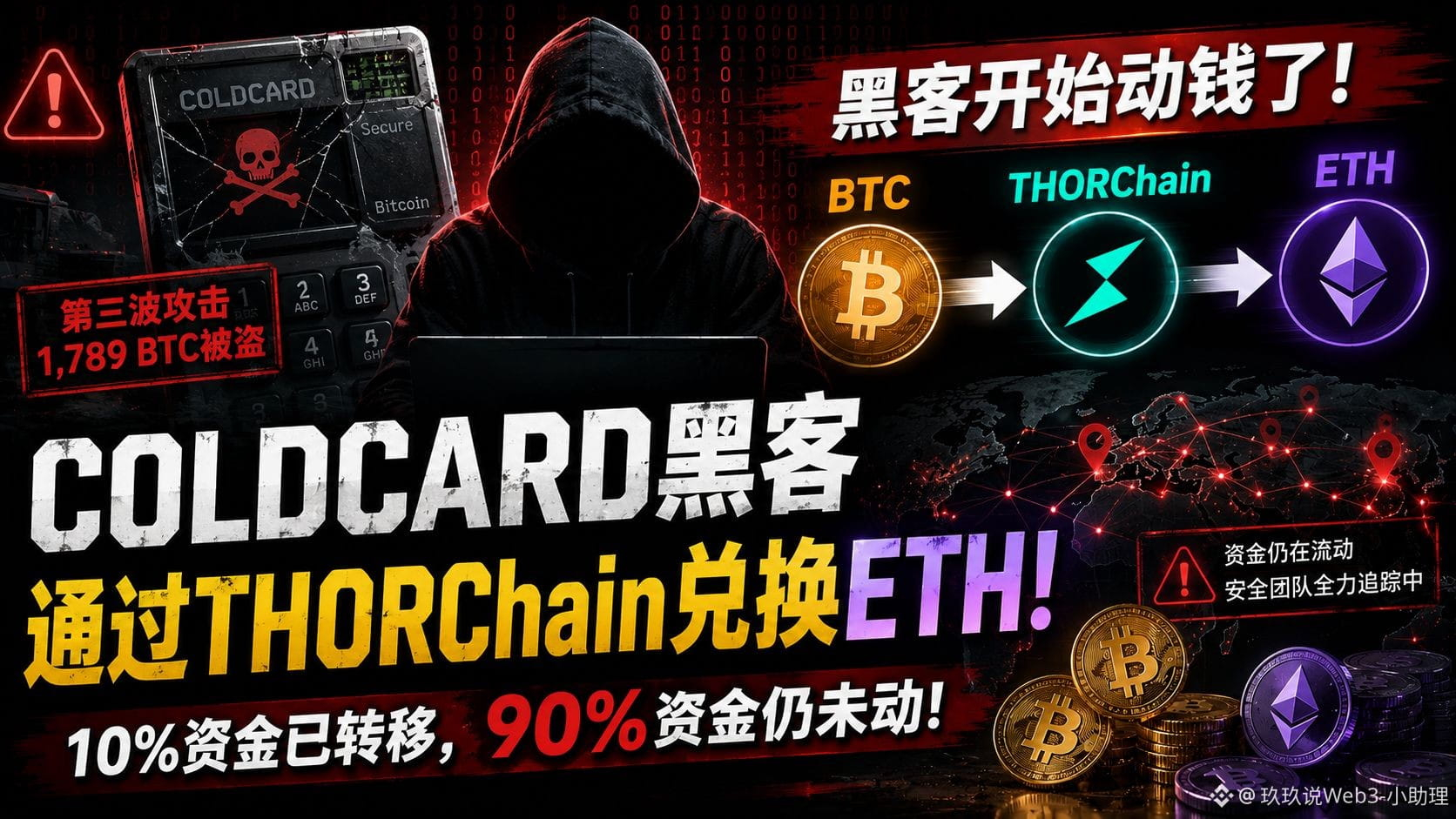
🚨 Coldcard黑客开始动手了!
被盗BTC首次通过THORChain换成ETH,剩余90%资金仍未动!
群组:[点击进入玖玖的粉丝群](https://app.binance.com/uni-qr/YXXQJrPb)
Coldcard黑客的资金终于开始出现明显动作。
Galaxy Research主管Alex Thorn透露,与第三波Coldcard攻击有关的黑客,已经通过THORChain开始将部分被盗BTC兑换成ETH。
目前大约10%的资金已经被转移,剩余约90%仍然没有动。
这也是三波攻击以来,第一次发现资金从最初的黑客地址真正开始向外移动。⚠️
更有意思的是,这次资金并不是简单转到一个交易所。
链上分析显示,攻击者尝试通过THORChain进行跨链兑换,把BTC转换成ETH。但过程似乎并不顺利。
部分交易不断被退回,黑客只能反复尝试,最终链上分析师追踪到资金进入了一个新的以太坊地址。
这意味着什么?
至少说明攻击者开始尝试改变被盗资产的链上形态和资金路径。
而这也是安全团队现在最关注的地方。因为一旦BTC被跨链转换成其他资产,再经过多个地址进行拆分和转移,后续追踪难度可能进一步增加。不过目前还不能确定黑客下一步会怎么做。
他们可能继续进行跨链操作,也可能尝试通过其他方式转移资产。
此前,Coldcard相关攻击已经被认为造成大规模BTC损失。
Galaxy Research曾将漏洞与至少1789枚BTC、来自8865个地址的资金损失联系起来,当时价值约1.147亿美元。
而且这并不是黑客第一次尝试隐藏资金。
此前已有部分与攻击相关的BTC和ETH被转入加密货币混合服务。
所以这一次资金重新活跃,对链上安全团队来说是一个非常重要的信号。👀
点击头像加入玖玖聊天群获取每日策略🚀
#BTC #Coldcard #THORChain
🚨 Coldcard黑客开始动手了!
被盗BTC首次通过THORChain换成ETH,剩余90%资金仍未动!
群组:点击进入玖玖的粉丝群
Coldcard黑客的资金终于开始出现明显动作。
Galaxy Research主管Alex Thorn透露,与第三波Coldcard攻击有关的黑客,已经通过THORChain开始将部分被盗BTC兑换成ETH。
目前大约10%的资金已经被转移,剩余约90%仍然没有动。
这也是三波攻击以来,第一次发现资金从最初的黑客地址真正开始向外移动。⚠️
更有意思的是,这次资金并不是简单转到一个交易所。
链上分析显示,攻击者尝试通过THORChain进行跨链兑换,把BTC转换成ETH。但过程似乎并不顺利。
部分交易不断被退回,黑客只能反复尝试,最终链上分析师追踪到资金进入了一个新的以太坊地址。
这意味着什么?
至少说明攻击者开始尝试改变被盗资产的链上形态和资金路径。
而这也是安全团队现在最关注的地方。因为一旦BTC被跨链转换成其他资产,再经过多个地址进行拆分和转移,后续追踪难度可能进一步增加。不过目前还不能确定黑客下一步会怎么做。
他们可能继续进行跨链操作,也可能尝试通过其他方式转移资产。
此前,Coldcard相关攻击已经被认为造成大规模BTC损失。
Galaxy Research曾将漏洞与至少1789枚BTC、来自8865个地址的资金损失联系起来,当时价值约1.147亿美元。
而且这并不是黑客第一次尝试隐藏资金。
此前已有部分与攻击相关的BTC和ETH被转入加密货币混合服务。
所以这一次资金重新活跃,对链上安全团队来说是一个非常重要的信号。👀
点击头像加入玖玖聊天群获取每日策略🚀
#BTC #Coldcard #THORChain
被盗BTC首次通过THORChain换成ETH,剩余90%资金仍未动!
群组:点击进入玖玖的粉丝群
Coldcard黑客的资金终于开始出现明显动作。
Galaxy Research主管Alex Thorn透露,与第三波Coldcard攻击有关的黑客,已经通过THORChain开始将部分被盗BTC兑换成ETH。
目前大约10%的资金已经被转移,剩余约90%仍然没有动。
这也是三波攻击以来,第一次发现资金从最初的黑客地址真正开始向外移动。⚠️
更有意思的是,这次资金并不是简单转到一个交易所。
链上分析显示,攻击者尝试通过THORChain进行跨链兑换,把BTC转换成ETH。但过程似乎并不顺利。
部分交易不断被退回,黑客只能反复尝试,最终链上分析师追踪到资金进入了一个新的以太坊地址。
这意味着什么?
至少说明攻击者开始尝试改变被盗资产的链上形态和资金路径。
而这也是安全团队现在最关注的地方。因为一旦BTC被跨链转换成其他资产,再经过多个地址进行拆分和转移,后续追踪难度可能进一步增加。不过目前还不能确定黑客下一步会怎么做。
他们可能继续进行跨链操作,也可能尝试通过其他方式转移资产。
此前,Coldcard相关攻击已经被认为造成大规模BTC损失。
Galaxy Research曾将漏洞与至少1789枚BTC、来自8865个地址的资金损失联系起来,当时价值约1.147亿美元。
而且这并不是黑客第一次尝试隐藏资金。
此前已有部分与攻击相关的BTC和ETH被转入加密货币混合服务。
所以这一次资金重新活跃,对链上安全团队来说是一个非常重要的信号。👀
点击头像加入玖玖聊天群获取每日策略🚀
#BTC #Coldcard #THORChain
203

·
--
【Coldcard黑客终于动了!1100万美元BTC被换成ETH,资金开始转移了🚨】
[🖥 进来跟进黑客最新动向](https://app.binance.com/uni-qr/7EcYBtCj)
持续发酵的Coldcard钱包事件,又出现新进展。
据链上数据追踪,Coldcard攻击者首次开始转移此前盗取的资金,其中约1100万美元的BTC被通过THORChain兑换成了ETH。👀
这意味着什么?
此前大量被盗BTC一直停留在黑客控制的钱包里,而这次开始跨链兑换,说明攻击者正在尝试让资金流动起来,也让后续追踪和资金安全问题更加受到关注。⚠️
Coldcard事件本身规模也不小。此前链上分析显示,攻击涉及数千个钱包地址,已经有超过千枚BTC被确认转移,具体损失数字因统计口径不同仍存在差异。
更值得关注的是,这并不是普通的交易所被盗,而是硬件钱包相关安全问题。
📌 所以这件事再次提醒大家:所谓“冷钱包”并不代表绝对安全。硬件、固件、随机数生成以及私钥管理,任何一个环节出现问题,都可能造成巨额损失。🔐
📲 快进粉丝群跟进黑客动向!🔥
每天带你看懂BTC、ETH、链上资金和币圈热点,抓住真正影响市场的关键信号!🚀
#Coldcard
【Coldcard黑客终于动了!1100万美元BTC被换成ETH,资金开始转移了🚨】
🖥 进来跟进黑客最新动向
持续发酵的Coldcard钱包事件,又出现新进展。
据链上数据追踪,Coldcard攻击者首次开始转移此前盗取的资金,其中约1100万美元的BTC被通过THORChain兑换成了ETH。👀
这意味着什么?
此前大量被盗BTC一直停留在黑客控制的钱包里,而这次开始跨链兑换,说明攻击者正在尝试让资金流动起来,也让后续追踪和资金安全问题更加受到关注。⚠️
Coldcard事件本身规模也不小。此前链上分析显示,攻击涉及数千个钱包地址,已经有超过千枚BTC被确认转移,具体损失数字因统计口径不同仍存在差异。
更值得关注的是,这并不是普通的交易所被盗,而是硬件钱包相关安全问题。
📌 所以这件事再次提醒大家:所谓“冷钱包”并不代表绝对安全。硬件、固件、随机数生成以及私钥管理,任何一个环节出现问题,都可能造成巨额损失。🔐
📲 快进粉丝群跟进黑客动向!🔥
每天带你看懂BTC、ETH、链上资金和币圈热点,抓住真正影响市场的关键信号!🚀
#Coldcard
🖥 进来跟进黑客最新动向
持续发酵的Coldcard钱包事件,又出现新进展。
据链上数据追踪,Coldcard攻击者首次开始转移此前盗取的资金,其中约1100万美元的BTC被通过THORChain兑换成了ETH。👀
这意味着什么?
此前大量被盗BTC一直停留在黑客控制的钱包里,而这次开始跨链兑换,说明攻击者正在尝试让资金流动起来,也让后续追踪和资金安全问题更加受到关注。⚠️
Coldcard事件本身规模也不小。此前链上分析显示,攻击涉及数千个钱包地址,已经有超过千枚BTC被确认转移,具体损失数字因统计口径不同仍存在差异。
更值得关注的是,这并不是普通的交易所被盗,而是硬件钱包相关安全问题。
📌 所以这件事再次提醒大家:所谓“冷钱包”并不代表绝对安全。硬件、固件、随机数生成以及私钥管理,任何一个环节出现问题,都可能造成巨额损失。🔐
📲 快进粉丝群跟进黑客动向!🔥
每天带你看懂BTC、ETH、链上资金和币圈热点,抓住真正影响市场的关键信号!🚀
#Coldcard
1
2k


🔐 A Coldcard vulnerability may have put millions in Bitcoin at risk.
BTC Sessions cho biết đội ngũ của họ đã dành nhiều tuần hỗ trợ những người nắm giữ Bitcoin bị ảnh hưởng bởi lỗ hổng Coldcard chuyển tài sản sang nơi an toàn.
Theo BTC Sessions, họ ước tính đã giúp bảo vệ hàng chục triệu USD Bitcoin trong quá trình này.
Nhưng với một số người, việc di chuyển đã quá muộn.
Một thành viên trong cộng đồng được cho là đã mất 90% lượng BTC, trong khi một người khác mất toàn bộ Bitcoin.
Điều đáng sợ nhất ở đây không chỉ là số tiền bị mất.
Đây là một lời nhắc rất rõ rằng self-custody đồng nghĩa với việc chính bạn là lớp bảo mật cuối cùng.
Cold wallet không phải magic box.
Seed phrase, firmware, thiết bị và quy trình backup đều có thể trở thành điểm yếu nếu bị khai thác.
Bài học lớn nhất từ sự việc này có lẽ là đừng đặt toàn bộ tài sản vào một lớp bảo mật duy nhất.
“Not your keys, not your coins.”
But if your keys are compromised… not your coins either. 💀
Bạn nghĩ self-custody đang trở nên quá phức tạp đối với người dùng phổ thông, hay đây chính là cái giá của việc tự kiểm soát tài sản?
#bitcoin $BTC
{spot}(BTCUSDT)
#Coldcard #SelfCustody #CryptoSecurity
🔐 A Coldcard vulnerability may have put millions in Bitcoin at risk.
BTC Sessions cho biết đội ngũ của họ đã dành nhiều tuần hỗ trợ những người nắm giữ Bitcoin bị ảnh hưởng bởi lỗ hổng Coldcard chuyển tài sản sang nơi an toàn.
Theo BTC Sessions, họ ước tính đã giúp bảo vệ hàng chục triệu USD Bitcoin trong quá trình này.
Nhưng với một số người, việc di chuyển đã quá muộn.
Một thành viên trong cộng đồng được cho là đã mất 90% lượng BTC, trong khi một người khác mất toàn bộ Bitcoin.
Điều đáng sợ nhất ở đây không chỉ là số tiền bị mất.
Đây là một lời nhắc rất rõ rằng self-custody đồng nghĩa với việc chính bạn là lớp bảo mật cuối cùng.
Cold wallet không phải magic box.
Seed phrase, firmware, thiết bị và quy trình backup đều có thể trở thành điểm yếu nếu bị khai thác.
Bài học lớn nhất từ sự việc này có lẽ là đừng đặt toàn bộ tài sản vào một lớp bảo mật duy nhất.
“Not your keys, not your coins.”
But if your keys are compromised… not your coins either. 💀
Bạn nghĩ self-custody đang trở nên quá phức tạp đối với người dùng phổ thông, hay đây chính là cái giá của việc tự kiểm soát tài sản?
#bitcoin $BTC
#Coldcard #SelfCustody #CryptoSecurity
BTC Sessions cho biết đội ngũ của họ đã dành nhiều tuần hỗ trợ những người nắm giữ Bitcoin bị ảnh hưởng bởi lỗ hổng Coldcard chuyển tài sản sang nơi an toàn.
Theo BTC Sessions, họ ước tính đã giúp bảo vệ hàng chục triệu USD Bitcoin trong quá trình này.
Nhưng với một số người, việc di chuyển đã quá muộn.
Một thành viên trong cộng đồng được cho là đã mất 90% lượng BTC, trong khi một người khác mất toàn bộ Bitcoin.
Điều đáng sợ nhất ở đây không chỉ là số tiền bị mất.
Đây là một lời nhắc rất rõ rằng self-custody đồng nghĩa với việc chính bạn là lớp bảo mật cuối cùng.
Cold wallet không phải magic box.
Seed phrase, firmware, thiết bị và quy trình backup đều có thể trở thành điểm yếu nếu bị khai thác.
Bài học lớn nhất từ sự việc này có lẽ là đừng đặt toàn bộ tài sản vào một lớp bảo mật duy nhất.
“Not your keys, not your coins.”
But if your keys are compromised… not your coins either. 💀
Bạn nghĩ self-custody đang trở nên quá phức tạp đối với người dùng phổ thông, hay đây chính là cái giá của việc tự kiểm soát tài sản?
#bitcoin $BTC
#Coldcard #SelfCustody #CryptoSecurity
191

·
--
Coldcard 漏洞与美国托管规则在同一天形成对照:前者暴露密钥生成环节的风险,后者把机构如何保管数字资产重新带回监管审查。
据 Bitcoin Magazine 报道,Galaxy Research 称 Coldcard 失窃事件造成的比特币损失达到 1.15 亿美元。报道援引 Coinkite 的说法称,某些 Coldcard Mk3 固件让种子生成回退到较弱的软件伪随机数生成器,攻击者可能因此猜出种子短语。更新设备不等于修复已经生成的种子;密钥生成、资金迁移和后续签名是不同的安全边界。
据 The Block 报道,美国证券交易委员会关于投资顾问如何持有数字资产的规则修改已送交白宫审查。SEC 表示,规则制定拟澄清投资顾问和投资公司托管加密资产的框架,并现代化部分条款。目前只能确认进入审查流程,不能把它写成已经生效的规则,也不能据此推断具体托管机构或控制措施。
两条新闻的共同问题是控制面:密钥如何生成,谁能触发转移,异常时能否暂停,迁移后如何确认旧凭证不再控制资产。自托管不替代密钥生命周期管理,监管框架也不替代系统对授权、验证和迁移的工程设计。
立场披露:本文由 CoWallet 运营方发布,仅作行业信息整理,不构成投资建议。
信源:The Block;Bitcoin Magazine
#自托管 #密钥安全 #加密监管 #Coldcard
Coldcard 漏洞与美国托管规则在同一天形成对照:前者暴露密钥生成环节的风险,后者把机构如何保管数字资产重新带回监管审查。
据 Bitcoin Magazine 报道,Galaxy Research 称 Coldcard 失窃事件造成的比特币损失达到 1.15 亿美元。报道援引 Coinkite 的说法称,某些 Coldcard Mk3 固件让种子生成回退到较弱的软件伪随机数生成器,攻击者可能因此猜出种子短语。更新设备不等于修复已经生成的种子;密钥生成、资金迁移和后续签名是不同的安全边界。
据 The Block 报道,美国证券交易委员会关于投资顾问如何持有数字资产的规则修改已送交白宫审查。SEC 表示,规则制定拟澄清投资顾问和投资公司托管加密资产的框架,并现代化部分条款。目前只能确认进入审查流程,不能把它写成已经生效的规则,也不能据此推断具体托管机构或控制措施。
两条新闻的共同问题是控制面:密钥如何生成,谁能触发转移,异常时能否暂停,迁移后如何确认旧凭证不再控制资产。自托管不替代密钥生命周期管理,监管框架也不替代系统对授权、验证和迁移的工程设计。
立场披露:本文由 CoWallet 运营方发布,仅作行业信息整理,不构成投资建议。
信源:The Block;Bitcoin Magazine
#自托管 #密钥安全 #加密监管 #Coldcard
据 Bitcoin Magazine 报道,Galaxy Research 称 Coldcard 失窃事件造成的比特币损失达到 1.15 亿美元。报道援引 Coinkite 的说法称,某些 Coldcard Mk3 固件让种子生成回退到较弱的软件伪随机数生成器,攻击者可能因此猜出种子短语。更新设备不等于修复已经生成的种子;密钥生成、资金迁移和后续签名是不同的安全边界。
据 The Block 报道,美国证券交易委员会关于投资顾问如何持有数字资产的规则修改已送交白宫审查。SEC 表示,规则制定拟澄清投资顾问和投资公司托管加密资产的框架,并现代化部分条款。目前只能确认进入审查流程,不能把它写成已经生效的规则,也不能据此推断具体托管机构或控制措施。
两条新闻的共同问题是控制面:密钥如何生成,谁能触发转移,异常时能否暂停,迁移后如何确认旧凭证不再控制资产。自托管不替代密钥生命周期管理,监管框架也不替代系统对授权、验证和迁移的工程设计。
立场披露:本文由 CoWallet 运营方发布,仅作行业信息整理,不构成投资建议。
信源:The Block;Bitcoin Magazine
#自托管 #密钥安全 #加密监管 #Coldcard
129

·
--
Coldcard 黑客攻击事件:约 1,789.28 枚 BTC 被盗,其中 87% 的被盗资金至今未发生移动。
#BTC #Coldcard
Coldcard 黑客攻击事件:约 1,789.28 枚 BTC 被盗,其中 87% 的被盗资金至今未发生移动。
#BTC #Coldcard
#BTC #Coldcard
71

Galaxy: Lỗ 1,789 BTC từ Coldcard Hack, 87% Chưa Di chuyển
- Galaxy Research cập nhật 221 báo cáo nạn nhân bị Coldcard hack
- Hơn 50% vụ việc có tổn thất vượt 1 Bitcoin
- Tổng tổn thất đạt 1,789 BTC
- 87% nạn nhân vẫn chưa di chuyển tài sản
#BinanceSquare #CryptoNews #Coldcard #Bitcoin #CryptoSecurity
$btc btc
vlikevn Titanbot
Nguồn: CoinTelegraph
Galaxy: Lỗ 1,789 BTC từ Coldcard Hack, 87% Chưa Di chuyển
- Galaxy Research cập nhật 221 báo cáo nạn nhân bị Coldcard hack
- Hơn 50% vụ việc có tổn thất vượt 1 Bitcoin
- Tổng tổn thất đạt 1,789 BTC
- 87% nạn nhân vẫn chưa di chuyển tài sản
#BinanceSquare #CryptoNews #Coldcard #Bitcoin #CryptoSecurity
$btc btc
vlikevn Titanbot
Nguồn: CoinTelegraph
- Galaxy Research cập nhật 221 báo cáo nạn nhân bị Coldcard hack
- Hơn 50% vụ việc có tổn thất vượt 1 Bitcoin
- Tổng tổn thất đạt 1,789 BTC
- 87% nạn nhân vẫn chưa di chuyển tài sản
#BinanceSquare #CryptoNews #Coldcard #Bitcoin #CryptoSecurity
$btc btc
vlikevn Titanbot
Nguồn: CoinTelegraph
132

·
--
Рост
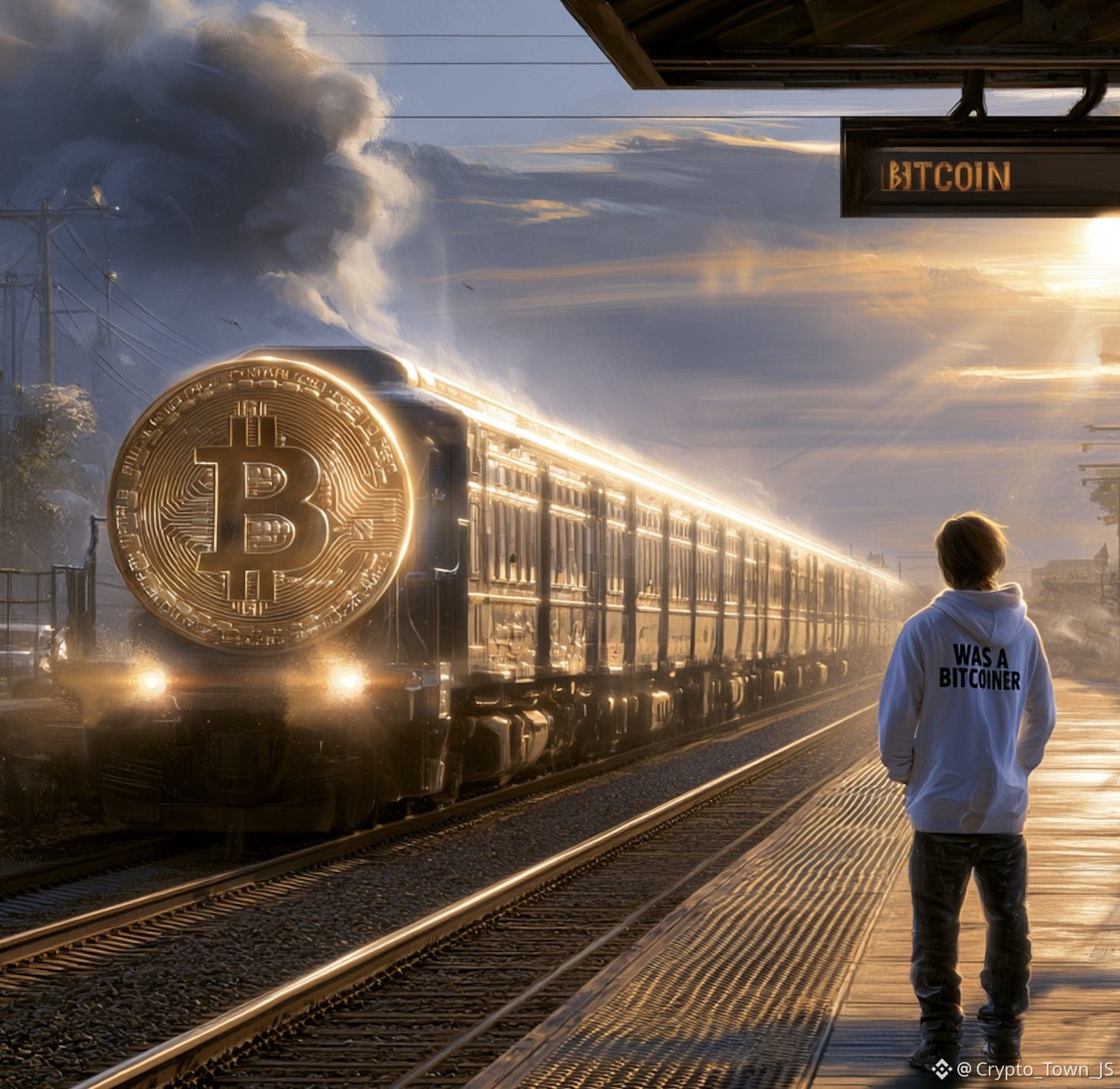
All aboard the Bitcoin train! 🚂🔥
Except... well, looking at the recent security nightmare, the poor Coldcarders are left standing on the platform like "Was a Bitcoiner". 💀📉
Hardware wallet security is no joke, fam. Always double-check your setups, stay safe out there, and protect your stack! 🛡️💼
What are your thoughts on this? Drop a comment below! 👇
#Bitcoin #crypto #Coldcard #BinanceSquare #CryptoSecurity
$BTC $ETH $BNB
{future}(BNBUSDT)
{future}(ETHUSDT)
{future}(BTCUSDT)
All aboard the Bitcoin train! 🚂🔥
Except... well, looking at the recent security nightmare, the poor Coldcarders are left standing on the platform like "Was a Bitcoiner". 💀📉
Hardware wallet security is no joke, fam. Always double-check your setups, stay safe out there, and protect your stack! 🛡️💼
What are your thoughts on this? Drop a comment below! 👇
#Bitcoin #crypto #Coldcard #BinanceSquare #CryptoSecurity
$BTC $ETH $BNB
Except... well, looking at the recent security nightmare, the poor Coldcarders are left standing on the platform like "Was a Bitcoiner". 💀📉
Hardware wallet security is no joke, fam. Always double-check your setups, stay safe out there, and protect your stack! 🛡️💼
What are your thoughts on this? Drop a comment below! 👇
#Bitcoin #crypto #Coldcard #BinanceSquare #CryptoSecurity
$BTC $ETH $BNB
89

⚠️ مستخدم يعبر عن استيائه من ثغرة أمنية في محفظة ColdCard Q
أفادت تقارير بأن مستخدمًا قام بإتلاف محفظته من نوع ColdCard Q تعبيرًا عن احتجاجه على وجود ثغرة أمنية محتملة في البرامج الثابتة (firmware). يسلط هذا الحادث الضوء على أهمية الأمن المتين للبرامج الثابتة وضرورة توعية المستخدمين للحفاظ على الثقة في حلول محافظ الأجهزة.
━━━━━━━━━━━━━━
📊 التأثير: 📈 مرتفع
🏷️ OTHER
#ColdCard #HardwareWallet #Security #Firmware #Crypto
📰 المصدر: cryptobriefing.com
⚠️ مستخدم يعبر عن استيائه من ثغرة أمنية في محفظة ColdCard Q
أفادت تقارير بأن مستخدمًا قام بإتلاف محفظته من نوع ColdCard Q تعبيرًا عن احتجاجه على وجود ثغرة أمنية محتملة في البرامج الثابتة (firmware). يسلط هذا الحادث الضوء على أهمية الأمن المتين للبرامج الثابتة وضرورة توعية المستخدمين للحفاظ على الثقة في حلول محافظ الأجهزة.
━━━━━━━━━━━━━━
📊 التأثير: 📈 مرتفع
🏷️ OTHER
#ColdCard #HardwareWallet #Security #Firmware #Crypto
📰 المصدر: cryptobriefing.com
أفادت تقارير بأن مستخدمًا قام بإتلاف محفظته من نوع ColdCard Q تعبيرًا عن احتجاجه على وجود ثغرة أمنية محتملة في البرامج الثابتة (firmware). يسلط هذا الحادث الضوء على أهمية الأمن المتين للبرامج الثابتة وضرورة توعية المستخدمين للحفاظ على الثقة في حلول محافظ الأجهزة.
━━━━━━━━━━━━━━
📊 التأثير: 📈 مرتفع
🏷️ OTHER
#ColdCard #HardwareWallet #Security #Firmware #Crypto
📰 المصدر: cryptobriefing.com
19
·
--
Статья
Coldcard Tightens Security After $130M BTC Breach – What It Means for Your WalletsMost traders focus on price, but the real signal is how the biggest wallets adapt to threats.
Coldcard, the hardware wallet brand that has long been the gold standard for institutional holders, just rolled out a firmware update that forces users to inject their own randomness when generating seed phrases. The move follows a $130 million Bitcoin exploit that exposed vulnerabilities in the device’s seed‑generation process.
#Coldcard #BTC #HardwareWallet
The new firmware requires a user‑supplied entropy source, effectively eliminating the risk of predictable seed generation that attackers exploited. In addition, the update patches several other cryptographic flaws uncovered during a three‑week audit that included both internal and external security teams.
What does this mean for the market?
1️⃣ Institutional confidence in hardware wallets is likely to rise, as the upgrade removes a major attack vector that could have undermined trust in custodial solutions.
2️⃣ The $BTC price may see a short‑term uptick as whale activity shifts toward more secure storage, reducing the risk of large‑scale thefts that historically have triggered panic selling.
3️⃣ On‑chain analytics show a spike in cold storage addresses after the breach, suggesting that many users are already migrating their holdings to more robust devices.
Watch List: Keep an eye on the #Coldcard firmware release notes and the on‑chain activity of addresses that have recently upgraded. A sudden surge in new seed‑generation transactions could signal a wave of users moving their assets out of vulnerable wallets.
If you’re still using a legacy hardware wallet, now is the time to upgrade. Are you ready to lock in the next layer of security before the next wave of exploits hits?
Coldcard Tightens Security After $130M BTC Breach – What It Means for Your Wallets
Most traders focus on price, but the real signal is how the biggest wallets adapt to threats.
Coldcard, the hardware wallet brand that has long been the gold standard for institutional holders, just rolled out a firmware update that forces users to inject their own randomness when generating seed phrases. The move follows a $130 million Bitcoin exploit that exposed vulnerabilities in the device’s seed‑generation process.
#Coldcard #BTC #HardwareWallet
The new firmware requires a user‑supplied entropy source, effectively eliminating the risk of predictable seed generation that attackers exploited. In addition, the update patches several other cryptographic flaws uncovered during a three‑week audit that included both internal and external security teams.
What does this mean for the market?
1️⃣ Institutional confidence in hardware wallets is likely to rise, as the upgrade removes a major attack vector that could have undermined trust in custodial solutions.
2️⃣ The $BTC price may see a short‑term uptick as whale activity shifts toward more secure storage, reducing the risk of large‑scale thefts that historically have triggered panic selling.
3️⃣ On‑chain analytics show a spike in cold storage addresses after the breach, suggesting that many users are already migrating their holdings to more robust devices.
Watch List: Keep an eye on the #Coldcard firmware release notes and the on‑chain activity of addresses that have recently upgraded. A sudden surge in new seed‑generation transactions could signal a wave of users moving their assets out of vulnerable wallets.
If you’re still using a legacy hardware wallet, now is the time to upgrade. Are you ready to lock in the next layer of security before the next wave of exploits hits?
Coldcard, the hardware wallet brand that has long been the gold standard for institutional holders, just rolled out a firmware update that forces users to inject their own randomness when generating seed phrases. The move follows a $130 million Bitcoin exploit that exposed vulnerabilities in the device’s seed‑generation process.
#Coldcard #BTC #HardwareWallet
The new firmware requires a user‑supplied entropy source, effectively eliminating the risk of predictable seed generation that attackers exploited. In addition, the update patches several other cryptographic flaws uncovered during a three‑week audit that included both internal and external security teams.
What does this mean for the market?
1️⃣ Institutional confidence in hardware wallets is likely to rise, as the upgrade removes a major attack vector that could have undermined trust in custodial solutions.
2️⃣ The $BTC price may see a short‑term uptick as whale activity shifts toward more secure storage, reducing the risk of large‑scale thefts that historically have triggered panic selling.
3️⃣ On‑chain analytics show a spike in cold storage addresses after the breach, suggesting that many users are already migrating their holdings to more robust devices.
Watch List: Keep an eye on the #Coldcard firmware release notes and the on‑chain activity of addresses that have recently upgraded. A sudden surge in new seed‑generation transactions could signal a wave of users moving their assets out of vulnerable wallets.
If you’re still using a legacy hardware wallet, now is the time to upgrade. Are you ready to lock in the next layer of security before the next wave of exploits hits?
28

·
--
Coldcard mandates 65 key presses after seed exploit affected wallets must migrate funds #Coldcard #HardwareWallet #Security
Coldcard mandates 65 key presses after seed exploit affected wallets must migrate funds #Coldcard #HardwareWallet #Security
8
·
--
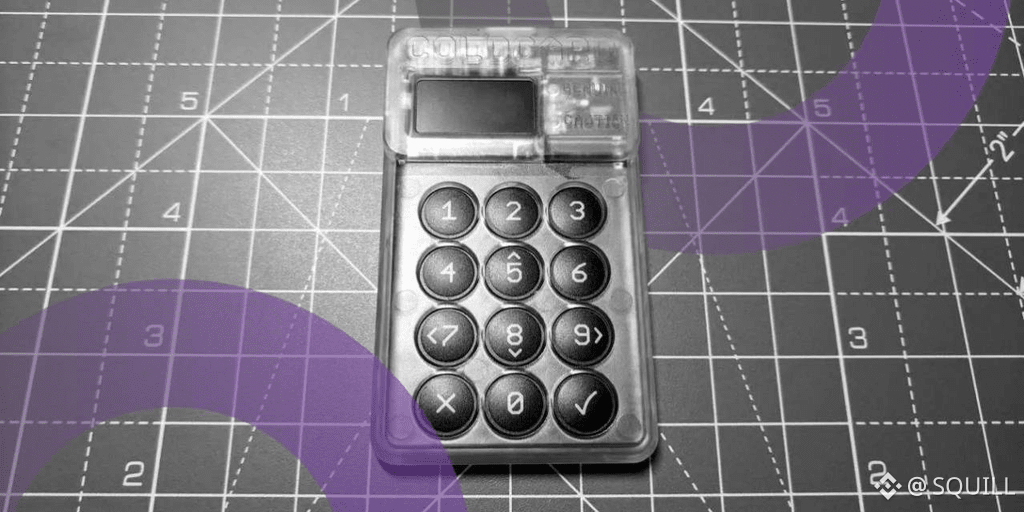
Coldcard Hardware Wallet Now Requires 65 Key Presses After Seed ExploitPopular hardware wallet manufacturer Coldcard has released new firmware versions to address a seed phrase exposure vulnerability. According to CryptoSlate, versions 5.6.1 and 1.5.1Q significantly harden the new wallet creation process. Users must now press keys 65 times when initializing a new wallet, a measure designed to strengthen entropy sources and narrow potential attack vectors.
The most critical aspect of the update is the warning that seed phrases created on affected firmware versions cannot be repaired. Users who initialized wallets using the vulnerable releases must move their funds to a secure wallet. This highlights that hardware wallet security requires both software patches and user action.
Security researchers note that such vulnerabilities typically require physical access but still pose serious risks. The Coldcard team maintained transparent communication throughout the detection and patching process. Users can download firmware updates through official channels to secure their devices.
This incident demonstrates that security auditing of crypto custody solutions is an ongoing process. For hardware wallet users, regular firmware monitoring and following official announcements remains essential.
#Coldcard #HardwareWallet #Security
Sources: CryptoSlate
This news digest was compiled with AI assistance; it is not financial advice. Always do your own research (DYOR).
Coldcard Hardware Wallet Now Requires 65 Key Presses After Seed Exploit
Popular hardware wallet manufacturer Coldcard has released new firmware versions to address a seed phrase exposure vulnerability. According to CryptoSlate, versions 5.6.1 and 1.5.1Q significantly harden the new wallet creation process. Users must now press keys 65 times when initializing a new wallet, a measure designed to strengthen entropy sources and narrow potential attack vectors.
The most critical aspect of the update is the warning that seed phrases created on affected firmware versions cannot be repaired. Users who initialized wallets using the vulnerable releases must move their funds to a secure wallet. This highlights that hardware wallet security requires both software patches and user action.
Security researchers note that such vulnerabilities typically require physical access but still pose serious risks. The Coldcard team maintained transparent communication throughout the detection and patching process. Users can download firmware updates through official channels to secure their devices.
This incident demonstrates that security auditing of crypto custody solutions is an ongoing process. For hardware wallet users, regular firmware monitoring and following official announcements remains essential.
#Coldcard #HardwareWallet #Security
Sources: CryptoSlate
This news digest was compiled with AI assistance; it is not financial advice. Always do your own research (DYOR).
The most critical aspect of the update is the warning that seed phrases created on affected firmware versions cannot be repaired. Users who initialized wallets using the vulnerable releases must move their funds to a secure wallet. This highlights that hardware wallet security requires both software patches and user action.
Security researchers note that such vulnerabilities typically require physical access but still pose serious risks. The Coldcard team maintained transparent communication throughout the detection and patching process. Users can download firmware updates through official channels to secure their devices.
This incident demonstrates that security auditing of crypto custody solutions is an ongoing process. For hardware wallet users, regular firmware monitoring and following official announcements remains essential.
#Coldcard #HardwareWallet #Security
Sources: CryptoSlate
This news digest was compiled with AI assistance; it is not financial advice. Always do your own research (DYOR).
15
·
--
Coldcard tohum açığı sonrası 65 tuş basımı zorunlu kıldı etkilenen cüzdanlar taşınmalı #Coldcard #HardwareWallet #Security
Coldcard tohum açığı sonrası 65 tuş basımı zorunlu kıldı etkilenen cüzdanlar taşınmalı #Coldcard #HardwareWallet #Security
15
·
--
Coldcard Donanım Cüzdanı Güvenlik Açığı Sonrası 65 Tuş Basımı GerektiriyorPopüler donanım cüzdanı üreticisi Coldcard, tohum ifşası güvenlik açığını gidermek amacıyla yeni firmware sürümlerini yayınladı. CryptoSlate'e göre, 5.6.1 ve 1.5.1Q sürümleri yeni cüzdan oluşturma sürecini önemli ölçüde sertleştiriyor. Kullanıcılar artık yeni bir cüzdan başlatırken 65 kez tuşa basmak zorunda kalıyor; bu da rastgelelik kaynaklarını güçlendirme ve olası saldırı vektörlerini daraltma amacı taşıyor.
Güncellemenin en kritik noktası, etkilenen firmware sürümleriyle oluşturulmuş tohum ifadelerinin onarılamayacağı uyarısı. Etkilenen sürümlerden birini kullanarak cüzdan kuran kullanıcıların fonlarını güvenli bir cüzdana taşımaları gerektiği vurgulanıyor. Bu durum, donanım cüzdanı güvenliğinin sadece yazılım güncellemeleriyle değil, aynı zamanda kullanıcı eylemiyle de sağlanması gerektiğini hatırlatıyor.
Güvenlik araştırmacıları, bu tür açıkların fiziksel erişim gerektirdiğini ancak yine de ciddi risk oluşturduğunu belirtiyor. Coldcard ekibi, sorunun tespiti ve yamalanması sürecinde şeffaf bir iletişim politikası izledi. Kullanıcılar resmi kanallardan firmware güncellemelerini indirip cihazlarını güncelleyebilir.
Bu olay, kripto varlık saklama çözümlerinin güvenlik denetimlerinin sürekli bir süreç olduğunu gösteriyor. Donanım cüzdanı kullanıcıları için düzenli firmware takibi ve resmi duyuruları izlemek hayati önem taşıyor.
#Coldcard #HardwareWallet #Security
Kaynaklar: CryptoSlate
Bu haber yapay zeka destekli olarak derlenmistir; yatirim tavsiyesi degildir. Kendi arastirmanizi yapiniz (DYOR).
Coldcard Donanım Cüzdanı Güvenlik Açığı Sonrası 65 Tuş Basımı Gerektiriyor
Popüler donanım cüzdanı üreticisi Coldcard, tohum ifşası güvenlik açığını gidermek amacıyla yeni firmware sürümlerini yayınladı. CryptoSlate'e göre, 5.6.1 ve 1.5.1Q sürümleri yeni cüzdan oluşturma sürecini önemli ölçüde sertleştiriyor. Kullanıcılar artık yeni bir cüzdan başlatırken 65 kez tuşa basmak zorunda kalıyor; bu da rastgelelik kaynaklarını güçlendirme ve olası saldırı vektörlerini daraltma amacı taşıyor.
Güncellemenin en kritik noktası, etkilenen firmware sürümleriyle oluşturulmuş tohum ifadelerinin onarılamayacağı uyarısı. Etkilenen sürümlerden birini kullanarak cüzdan kuran kullanıcıların fonlarını güvenli bir cüzdana taşımaları gerektiği vurgulanıyor. Bu durum, donanım cüzdanı güvenliğinin sadece yazılım güncellemeleriyle değil, aynı zamanda kullanıcı eylemiyle de sağlanması gerektiğini hatırlatıyor.
Güvenlik araştırmacıları, bu tür açıkların fiziksel erişim gerektirdiğini ancak yine de ciddi risk oluşturduğunu belirtiyor. Coldcard ekibi, sorunun tespiti ve yamalanması sürecinde şeffaf bir iletişim politikası izledi. Kullanıcılar resmi kanallardan firmware güncellemelerini indirip cihazlarını güncelleyebilir.
Bu olay, kripto varlık saklama çözümlerinin güvenlik denetimlerinin sürekli bir süreç olduğunu gösteriyor. Donanım cüzdanı kullanıcıları için düzenli firmware takibi ve resmi duyuruları izlemek hayati önem taşıyor.
#Coldcard #HardwareWallet #Security
Kaynaklar: CryptoSlate
Bu haber yapay zeka destekli olarak derlenmistir; yatirim tavsiyesi degildir. Kendi arastirmanizi yapiniz (DYOR).
Güncellemenin en kritik noktası, etkilenen firmware sürümleriyle oluşturulmuş tohum ifadelerinin onarılamayacağı uyarısı. Etkilenen sürümlerden birini kullanarak cüzdan kuran kullanıcıların fonlarını güvenli bir cüzdana taşımaları gerektiği vurgulanıyor. Bu durum, donanım cüzdanı güvenliğinin sadece yazılım güncellemeleriyle değil, aynı zamanda kullanıcı eylemiyle de sağlanması gerektiğini hatırlatıyor.
Güvenlik araştırmacıları, bu tür açıkların fiziksel erişim gerektirdiğini ancak yine de ciddi risk oluşturduğunu belirtiyor. Coldcard ekibi, sorunun tespiti ve yamalanması sürecinde şeffaf bir iletişim politikası izledi. Kullanıcılar resmi kanallardan firmware güncellemelerini indirip cihazlarını güncelleyebilir.
Bu olay, kripto varlık saklama çözümlerinin güvenlik denetimlerinin sürekli bir süreç olduğunu gösteriyor. Donanım cüzdanı kullanıcıları için düzenli firmware takibi ve resmi duyuruları izlemek hayati önem taşıyor.
#Coldcard #HardwareWallet #Security
Kaynaklar: CryptoSlate
Bu haber yapay zeka destekli olarak derlenmistir; yatirim tavsiyesi degildir. Kendi arastirmanizi yapiniz (DYOR).
20
Войдите, чтобы посмотреть больше материала
Присоединяйтесь к пользователям криптовалют по всему миру на Binance Square
⚡️ Получайте новейшую и полезную информацию о криптоактивах.
💬 Нам доверяет крупнейшая в мире криптобиржа.
👍 Получите достоверные аналитические данные от верифицированных создателей контента.
Эл. почта/номер телефона
В тренде
1
#BitcoinReboundsTo$79K
Просмотров: 21,696
197 обсуждают
2
#BitcoinSpotETFsNetInflow$160M
Просмотров: 398
40 обсуждают
3
#SouthKoreaCryptoTaxDelayPetitionTops50000
Просмотров: 13,590
375 обсуждают
4
#SolanaTransactionV1GoesLiveOnMainnet
Просмотров: 8,369
251 обсуждают
5
#RussianCentralBankFlagsCryptoAsFinancialRisk
Просмотров: 7,542
244 обсуждают
6
#GrayscalePutsXRPAt26.11%InAdvisorPortfolio
Просмотров: 20,510
339 обсуждают
7
#PhiladelphiaSemiconductorIndexFalls5.9%
Просмотров: 6,812
208 обсуждают
8
#SECChairUrgesCongressToAdvanceClarityAct
Просмотров: 20,484
233 обсуждают
9
#FedHikeOddsRiseTo89%
Просмотров: 115,625
1,251 обсуждают
10
#RLUSDSupplyHitsRecord$2.442B
Просмотров: 8,282
70 обсуждают