
#eurequireswalletmakersreportflawsin24hours
eurequireswalletmakersreportflawsin24hours
Просмотров: 2,408
76 обсуждают
Популярные
Новые

·
--
Everyone thinks self-custody makes you completely immune to third-party threats, but actually software vulnerabilities can compromise your funds before you even realize a patch is needed.
Many investors hold assets like $DOT or park their stable savings in $USDT thinking their hardware or non-custodial setup is an impenetrable vault, only to find out that a zero-day exploit drained their balance while developers stayed silent.
Think of your favorite crypto wallet like a smart home security system. When a lock maker discovers a master key flaw, you need to know immediately, not three months later when burglars already found the loophole. Under new European regulations forcing wallet providers to report critical security flaws within 24 hours, the way software maintainers handle exposure is shifting rapidly.
First, this mandate removes the common industry habit of quiet patching, giving users holding assets like $ETC transparent disclosure rather than guessing after an incident. Second, it forces developers to treat software maintenance with the same urgency as traditional financial infrastructure. Third, it reminds everyday holders that maintaining security is not just about keeping your seed phrase on paper, but also about staying proactive with timely updates.
How do you think this 24-hour disclosure rule will impact open-source wallet development in the long run?
#EURequiresWalletMakersReportFlawsIn24Hours #ClarityActFacesProceduralVoteSept15
Everyone thinks self-custody makes you completely immune to third-party threats, but actually software vulnerabilities can compromise your funds before you even realize a patch is needed.
Many investors hold assets like $DOT or park their stable savings in $USDT thinking their hardware or non-custodial setup is an impenetrable vault, only to find out that a zero-day exploit drained their balance while developers stayed silent.
Think of your favorite crypto wallet like a smart home security system. When a lock maker discovers a master key flaw, you need to know immediately, not three months later when burglars already found the loophole. Under new European regulations forcing wallet providers to report critical security flaws within 24 hours, the way software maintainers handle exposure is shifting rapidly.
First, this mandate removes the common industry habit of quiet patching, giving users holding assets like $ETC transparent disclosure rather than guessing after an incident. Second, it forces developers to treat software maintenance with the same urgency as traditional financial infrastructure. Third, it reminds everyday holders that maintaining security is not just about keeping your seed phrase on paper, but also about staying proactive with timely updates.
How do you think this 24-hour disclosure rule will impact open-source wallet development in the long run?
#EURequiresWalletMakersReportFlawsIn24Hours #ClarityActFacesProceduralVoteSept15
Many investors hold assets like $DOT or park their stable savings in $USDT thinking their hardware or non-custodial setup is an impenetrable vault, only to find out that a zero-day exploit drained their balance while developers stayed silent.
Think of your favorite crypto wallet like a smart home security system. When a lock maker discovers a master key flaw, you need to know immediately, not three months later when burglars already found the loophole. Under new European regulations forcing wallet providers to report critical security flaws within 24 hours, the way software maintainers handle exposure is shifting rapidly.
First, this mandate removes the common industry habit of quiet patching, giving users holding assets like $ETC transparent disclosure rather than guessing after an incident. Second, it forces developers to treat software maintenance with the same urgency as traditional financial infrastructure. Third, it reminds everyday holders that maintaining security is not just about keeping your seed phrase on paper, but also about staying proactive with timely updates.
How do you think this 24-hour disclosure rule will impact open-source wallet development in the long run?
#EURequiresWalletMakersReportFlawsIn24Hours #ClarityActFacesProceduralVoteSept15
41

The average crypto holder discovers a wallet exploit the same way they discover a crash: after the money is already gone.
You can grind through two bear markets and still lose the lot overnight because a wallet maker sat on a known flaw. That specific fear never really leaves once you have seen it happen around you.
The EU now requires wallet makers to report actively exploited vulnerabilities within 24 hours. It sounds like paperwork until you remember 2016, when some platforms took weeks just to admit they had been drained. People refresh $USDT balances and $DOT charts every hour. Almost nobody checks whether the software holding those coins has a disclosed hole in it.
I have watched this play out in every cycle. Greed is sitting at 65 right now, and that number has a habit of making security feel like someone else's problem. The rule will not kill every exploit. It does end the long silence that used to last until the damage was already irreversible. When $LSK starts ripping, attention goes to the chart and nowhere else.
Where do you keep the bulk of your stack when news like this hits?
#EURequiresWalletMakersReportFlawsIn24Hours #LSKSurgesOver515 #BitcoinThirdSingleBlockReorgInFourWeeks
The average crypto holder discovers a wallet exploit the same way they discover a crash: after the money is already gone.
You can grind through two bear markets and still lose the lot overnight because a wallet maker sat on a known flaw. That specific fear never really leaves once you have seen it happen around you.
The EU now requires wallet makers to report actively exploited vulnerabilities within 24 hours. It sounds like paperwork until you remember 2016, when some platforms took weeks just to admit they had been drained. People refresh $USDT balances and $DOT charts every hour. Almost nobody checks whether the software holding those coins has a disclosed hole in it.
I have watched this play out in every cycle. Greed is sitting at 65 right now, and that number has a habit of making security feel like someone else's problem. The rule will not kill every exploit. It does end the long silence that used to last until the damage was already irreversible. When $LSK starts ripping, attention goes to the chart and nowhere else.
Where do you keep the bulk of your stack when news like this hits?
#EURequiresWalletMakersReportFlawsIn24Hours #LSKSurgesOver515 #BitcoinThirdSingleBlockReorgInFourWeeks
You can grind through two bear markets and still lose the lot overnight because a wallet maker sat on a known flaw. That specific fear never really leaves once you have seen it happen around you.
The EU now requires wallet makers to report actively exploited vulnerabilities within 24 hours. It sounds like paperwork until you remember 2016, when some platforms took weeks just to admit they had been drained. People refresh $USDT balances and $DOT charts every hour. Almost nobody checks whether the software holding those coins has a disclosed hole in it.
I have watched this play out in every cycle. Greed is sitting at 65 right now, and that number has a habit of making security feel like someone else's problem. The rule will not kill every exploit. It does end the long silence that used to last until the damage was already irreversible. When $LSK starts ripping, attention goes to the chart and nowhere else.
Where do you keep the bulk of your stack when news like this hits?
#EURequiresWalletMakersReportFlawsIn24Hours #LSKSurgesOver515 #BitcoinThirdSingleBlockReorgInFourWeeks
191

·
--
Why is nobody talking about how the EU's 24-hour wallet flaw rule could make self-custody riskier, not safer?
Traders already live with the nightmare of waking up to a drained wallet. You finally move $USDT off an exchange, you think you are in control, and then a silent exploit hits before any patch exists.
This is a case study in regulators solving the wrong problem. A 24-hour reporting clock sounds like accountability. In the real world of wallet security, the dangerous window is the time between finding a bug and shipping a fix that does not break signing, recovery, or hardware flows. Compressing that into a day does not create better software. It creates rushed disclosures, incomplete patches, and a bigger attack surface while teams scramble to satisfy a deadline instead of the actual threat.
We have already seen how timing mistakes play out around $DOT tooling and $LSK infrastructure. Money sits on-chain around the clock. There is no freeze button like a bank.
Treating wallet makers like appliance manufacturers misses that. The comfortable take is that Europe is protecting retail. The uncomfortable one is that serious builders will delay features, leave the market, or ship half-baked updates, and users will pay for it.
Where do you think this actually leaves European wallet users from here?
#EURequiresWalletMakersReportFlawsIn24Hours #ClarityActFacesProceduralVoteSept15 #LSKSurgesOver515
Why is nobody talking about how the EU's 24-hour wallet flaw rule could make self-custody riskier, not safer?
Traders already live with the nightmare of waking up to a drained wallet. You finally move $USDT off an exchange, you think you are in control, and then a silent exploit hits before any patch exists.
This is a case study in regulators solving the wrong problem. A 24-hour reporting clock sounds like accountability. In the real world of wallet security, the dangerous window is the time between finding a bug and shipping a fix that does not break signing, recovery, or hardware flows. Compressing that into a day does not create better software. It creates rushed disclosures, incomplete patches, and a bigger attack surface while teams scramble to satisfy a deadline instead of the actual threat.
We have already seen how timing mistakes play out around $DOT tooling and $LSK infrastructure. Money sits on-chain around the clock. There is no freeze button like a bank.
Treating wallet makers like appliance manufacturers misses that. The comfortable take is that Europe is protecting retail. The uncomfortable one is that serious builders will delay features, leave the market, or ship half-baked updates, and users will pay for it.
Where do you think this actually leaves European wallet users from here?
#EURequiresWalletMakersReportFlawsIn24Hours #ClarityActFacesProceduralVoteSept15 #LSKSurgesOver515
Traders already live with the nightmare of waking up to a drained wallet. You finally move $USDT off an exchange, you think you are in control, and then a silent exploit hits before any patch exists.
This is a case study in regulators solving the wrong problem. A 24-hour reporting clock sounds like accountability. In the real world of wallet security, the dangerous window is the time between finding a bug and shipping a fix that does not break signing, recovery, or hardware flows. Compressing that into a day does not create better software. It creates rushed disclosures, incomplete patches, and a bigger attack surface while teams scramble to satisfy a deadline instead of the actual threat.
We have already seen how timing mistakes play out around $DOT tooling and $LSK infrastructure. Money sits on-chain around the clock. There is no freeze button like a bank.
Treating wallet makers like appliance manufacturers misses that. The comfortable take is that Europe is protecting retail. The uncomfortable one is that serious builders will delay features, leave the market, or ship half-baked updates, and users will pay for it.
Where do you think this actually leaves European wallet users from here?
#EURequiresWalletMakersReportFlawsIn24Hours #ClarityActFacesProceduralVoteSept15 #LSKSurgesOver515
162

Picture this: a developer discovers a zero-day vulnerability in your favorite self-custody app at midnight, and an official countdown begins immediately.
Most of us know the sickening feeling of refreshing a balance after hearing exploit rumors, wondering if our funds are safe or if we are already too late. In self-custody, delayed disclosures and silent patches have historically left users completely in the dark while their capital sits on the line.
Under newly surfaced EU rules, wallet providers will be required to report critical security flaws within twenty-four hours. This approach represents a massive departure from traditional vulnerability disclosure, where development teams typically kept quiet for weeks until a patch was fully tested and deployed. Compare this to past wallet exploits where delayed disclosures left millions in assets like $USDT vulnerable to drainers before anyone noticed. While networks like $DOT rely on transparent on-chain governance to address network-level risks, client-side software has long operated under its own unregulated timeline.
Forcing rapid notification certainly puts pressure on teams to act, but it also creates a dangerous paradox. If a maker is forced to report a vulnerability before finishing a security patch, they risk handing an exploit roadmap directly to bad actors before users can safely migrate.
Do you think a strict 24-hour reporting deadline makes self-custody safer, or does it give attackers an unfair advantage?
#EURequiresWalletMakersReportFlawsIn24Hours #ClarityActFacesProceduralVoteSept15
Picture this: a developer discovers a zero-day vulnerability in your favorite self-custody app at midnight, and an official countdown begins immediately.
Most of us know the sickening feeling of refreshing a balance after hearing exploit rumors, wondering if our funds are safe or if we are already too late. In self-custody, delayed disclosures and silent patches have historically left users completely in the dark while their capital sits on the line.
Under newly surfaced EU rules, wallet providers will be required to report critical security flaws within twenty-four hours. This approach represents a massive departure from traditional vulnerability disclosure, where development teams typically kept quiet for weeks until a patch was fully tested and deployed. Compare this to past wallet exploits where delayed disclosures left millions in assets like $USDT vulnerable to drainers before anyone noticed. While networks like $DOT rely on transparent on-chain governance to address network-level risks, client-side software has long operated under its own unregulated timeline.
Forcing rapid notification certainly puts pressure on teams to act, but it also creates a dangerous paradox. If a maker is forced to report a vulnerability before finishing a security patch, they risk handing an exploit roadmap directly to bad actors before users can safely migrate.
Do you think a strict 24-hour reporting deadline makes self-custody safer, or does it give attackers an unfair advantage?
#EURequiresWalletMakersReportFlawsIn24Hours #ClarityActFacesProceduralVoteSept15
Most of us know the sickening feeling of refreshing a balance after hearing exploit rumors, wondering if our funds are safe or if we are already too late. In self-custody, delayed disclosures and silent patches have historically left users completely in the dark while their capital sits on the line.
Under newly surfaced EU rules, wallet providers will be required to report critical security flaws within twenty-four hours. This approach represents a massive departure from traditional vulnerability disclosure, where development teams typically kept quiet for weeks until a patch was fully tested and deployed. Compare this to past wallet exploits where delayed disclosures left millions in assets like $USDT vulnerable to drainers before anyone noticed. While networks like $DOT rely on transparent on-chain governance to address network-level risks, client-side software has long operated under its own unregulated timeline.
Forcing rapid notification certainly puts pressure on teams to act, but it also creates a dangerous paradox. If a maker is forced to report a vulnerability before finishing a security patch, they risk handing an exploit roadmap directly to bad actors before users can safely migrate.
Do you think a strict 24-hour reporting deadline makes self-custody safer, or does it give attackers an unfair advantage?
#EURequiresWalletMakersReportFlawsIn24Hours #ClarityActFacesProceduralVoteSept15
57

·
--
#eurequireswalletmakersreportflawsin24hours 🔐
The EU CRA is raising the bar for connected product security. Starting Sept. 11, 2026, vulnerability and incident reporting obligations begin, including 24-hour reporting to ENISA. See how Lattice FPGAs can help support readiness:$ZRX $INTW $ETHFI
#eurequireswalletmakersreportflawsin24hours 🔐
The EU CRA is raising the bar for connected product security. Starting Sept. 11, 2026, vulnerability and incident reporting obligations begin, including 24-hour reporting to ENISA. See how Lattice FPGAs can help support readiness:$ZRX $INTW $ETHFI
The EU CRA is raising the bar for connected product security. Starting Sept. 11, 2026, vulnerability and incident reporting obligations begin, including 24-hour reporting to ENISA. See how Lattice FPGAs can help support readiness:$ZRX $INTW $ETHFI

246


·
--
Рост
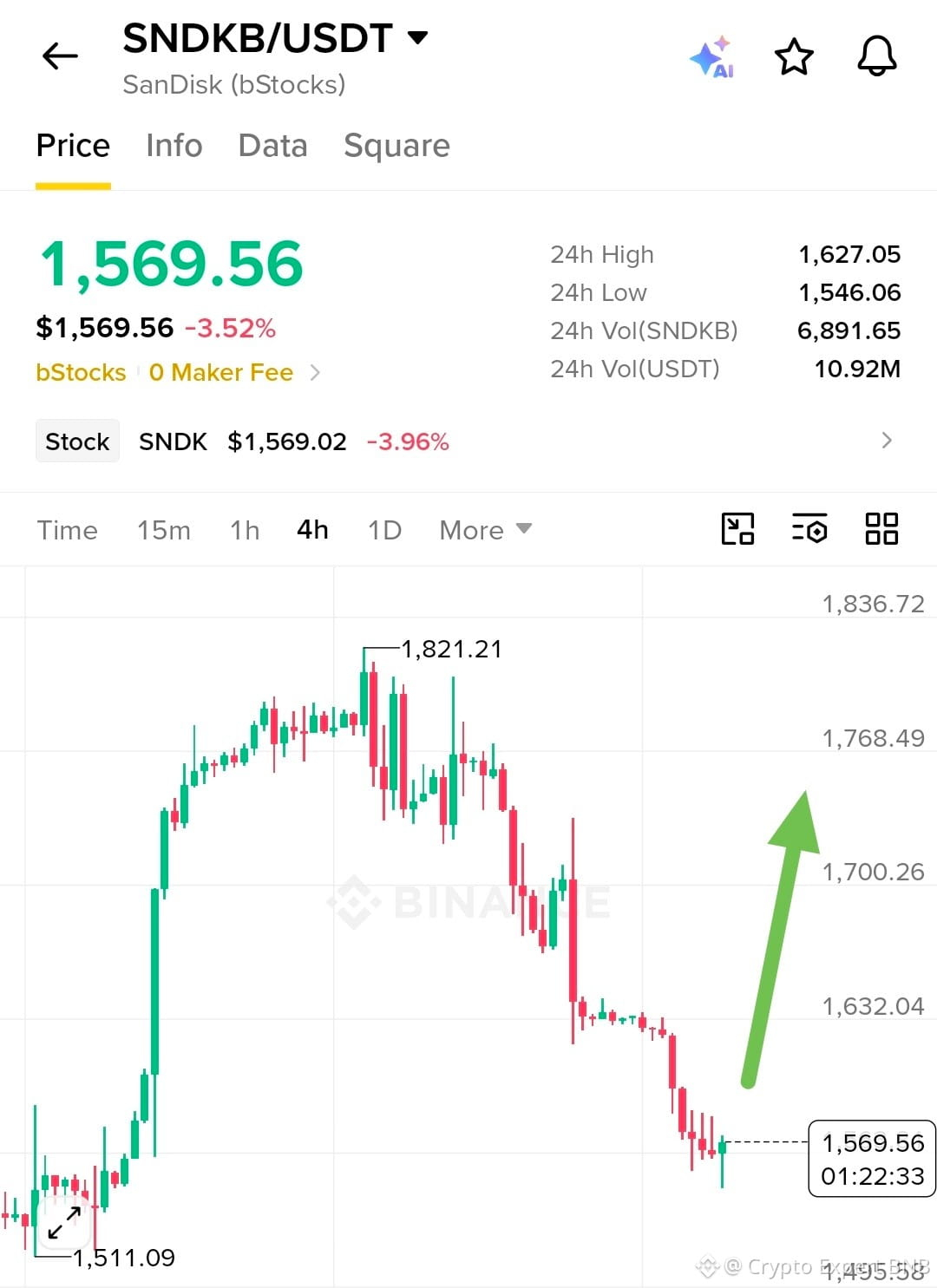
$SNDKB SNDK $1,569 | 1H Trade Setup
$SNDK Buy/Long 🟢
🔹 Entry: $1,550–1,575
🎯 TP1: $1,610
🎯 TP2: $1,665
🎯 TP3: $1,720
🛑 SL: $1,505
$SNDK
Bias: Bullish on a reclaim of the $1,575 area. Recent technical data shows momentum has weakened and RSI is approaching oversold territory, so a bounce setup is possible, but confirmation is important.
⚠️ If SNDK loses $1,505 with strong selling, avoid the long and wait for a new setup.#EURequiresWalletMakersReportFlawsIn24Hours
$SNDKB SNDK $1,569 | 1H Trade Setup
$SNDK Buy/Long 🟢
🔹 Entry: $1,550–1,575
🎯 TP1: $1,610
🎯 TP2: $1,665
🎯 TP3: $1,720
🛑 SL: $1,505
$SNDK
Bias: Bullish on a reclaim of the $1,575 area. Recent technical data shows momentum has weakened and RSI is approaching oversold territory, so a bounce setup is possible, but confirmation is important.
⚠️ If SNDK loses $1,505 with strong selling, avoid the long and wait for a new setup.#EURequiresWalletMakersReportFlawsIn24Hours
$SNDK Buy/Long 🟢
🔹 Entry: $1,550–1,575
🎯 TP1: $1,610
🎯 TP2: $1,665
🎯 TP3: $1,720
🛑 SL: $1,505
$SNDK
Bias: Bullish on a reclaim of the $1,575 area. Recent technical data shows momentum has weakened and RSI is approaching oversold territory, so a bounce setup is possible, but confirmation is important.
⚠️ If SNDK loses $1,505 with strong selling, avoid the long and wait for a new setup.#EURequiresWalletMakersReportFlawsIn24Hours
ABO3ZAM:
تحليل موفق، لكن الحذر واجب عند مستوى 1575؛ فالزخم الحالي يفتقر للسيولة الكافية لتأكيد الارتداد. راقب مناطق الرفض السعري جيداً، وأمن أرباحك جزئياً عند الأهداف الأولى، مع الالتزام الصارم بوقف الخسارة لحماية رأس المال من تقلبات السيولة اللحظية.
1
1
290

·
--
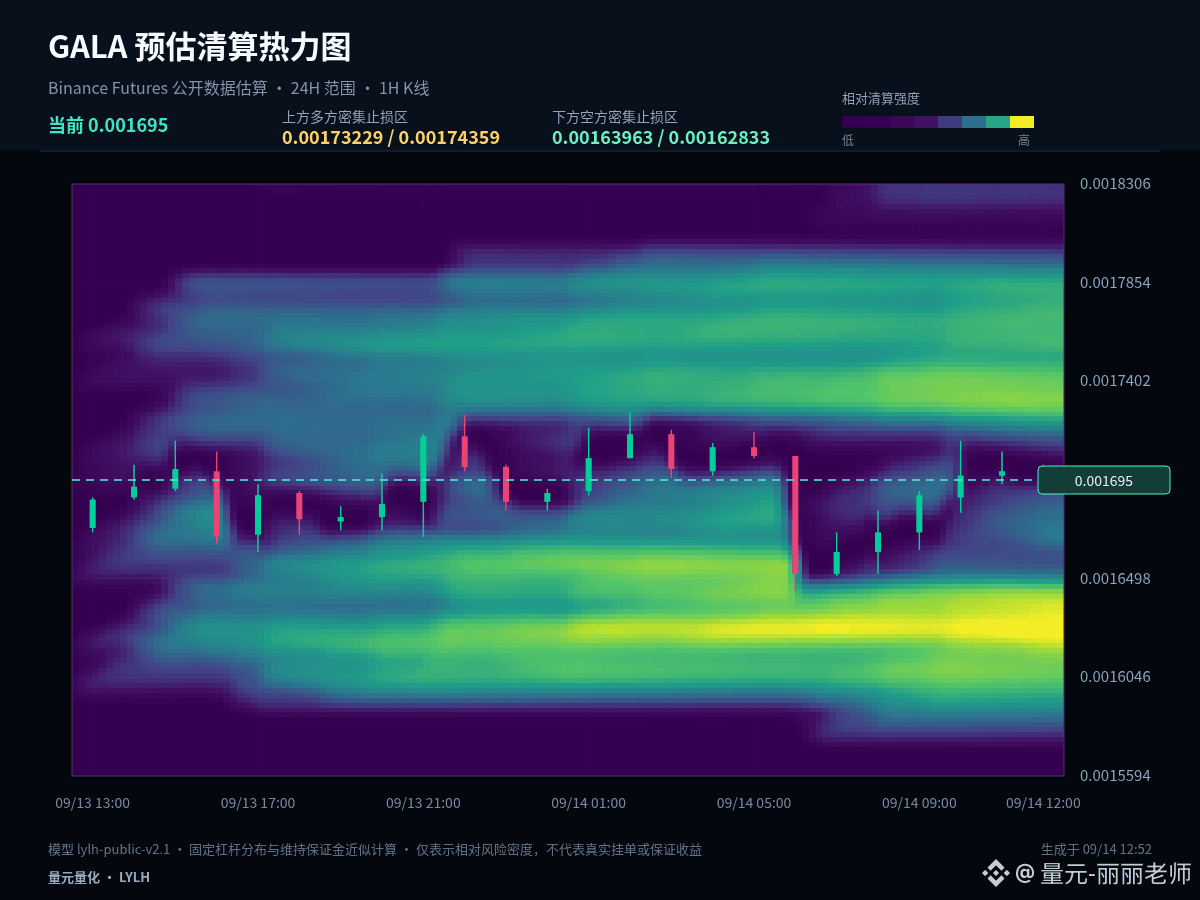
$GALA #GALA 从布局角度看,重点不是追逐已经发生的波动,而是提前确定自己愿意等待的位置。当前价 0.001698,1小时 -0.12%,24小时 +1.49%。
当前1小时 -0.12%、24小时 +1.49%,两个周期没有形成足够清晰的同向配合。区间行情里,追涨杀跌的容错率较低,更适合用上沿确认方向、下沿确认承接,中轴只作为强弱分界。
第一观察区是 0.0016865,用于判断普通回踩是否结束;第二观察区是 0.001646,用于判断更深回撤能否形成承接。向上则关注 0.001727,突破后需要回踩确认,避免把短暂刺穿误认为趋势已经打开。
对已有仓位的人,重点是按支撑是否失效来管理,而不是被每次波动带着走;对空仓的人,优先等待突破回踩或支撑确认。现货可以分批,合约则应缩短决策链条,先确定止损位置,再决定是否参与。
分批的意义不是不断摊低成本,而是在结构仍有效时控制节奏。一旦关键支撑失效,就应停止原来的布局方案,等待新的价格区间形成。
交易计划必须包含失效条件。判断正确可以分段兑现,判断错误也要允许自己退出,不能用加仓掩盖最初逻辑已经变化。行情会更新,观点也应跟随价格证据调整。
#EURequiresWalletMakersReportFlawsIn24Hours
$GALA #GALA 从布局角度看,重点不是追逐已经发生的波动,而是提前确定自己愿意等待的位置。当前价 0.001698,1小时 -0.12%,24小时 +1.49%。
当前1小时 -0.12%、24小时 +1.49%,两个周期没有形成足够清晰的同向配合。区间行情里,追涨杀跌的容错率较低,更适合用上沿确认方向、下沿确认承接,中轴只作为强弱分界。
第一观察区是 0.0016865,用于判断普通回踩是否结束;第二观察区是 0.001646,用于判断更深回撤能否形成承接。向上则关注 0.001727,突破后需要回踩确认,避免把短暂刺穿误认为趋势已经打开。
对已有仓位的人,重点是按支撑是否失效来管理,而不是被每次波动带着走;对空仓的人,优先等待突破回踩或支撑确认。现货可以分批,合约则应缩短决策链条,先确定止损位置,再决定是否参与。
分批的意义不是不断摊低成本,而是在结构仍有效时控制节奏。一旦关键支撑失效,就应停止原来的布局方案,等待新的价格区间形成。
交易计划必须包含失效条件。判断正确可以分段兑现,判断错误也要允许自己退出,不能用加仓掩盖最初逻辑已经变化。行情会更新,观点也应跟随价格证据调整。
#EURequiresWalletMakersReportFlawsIn24Hours
当前1小时 -0.12%、24小时 +1.49%,两个周期没有形成足够清晰的同向配合。区间行情里,追涨杀跌的容错率较低,更适合用上沿确认方向、下沿确认承接,中轴只作为强弱分界。
第一观察区是 0.0016865,用于判断普通回踩是否结束;第二观察区是 0.001646,用于判断更深回撤能否形成承接。向上则关注 0.001727,突破后需要回踩确认,避免把短暂刺穿误认为趋势已经打开。
对已有仓位的人,重点是按支撑是否失效来管理,而不是被每次波动带着走;对空仓的人,优先等待突破回踩或支撑确认。现货可以分批,合约则应缩短决策链条,先确定止损位置,再决定是否参与。
分批的意义不是不断摊低成本,而是在结构仍有效时控制节奏。一旦关键支撑失效,就应停止原来的布局方案,等待新的价格区间形成。
交易计划必须包含失效条件。判断正确可以分段兑现,判断错误也要允许自己退出,不能用加仓掩盖最初逻辑已经变化。行情会更新,观点也应跟随价格证据调整。
#EURequiresWalletMakersReportFlawsIn24Hours
26
Most people assume a confirmed transaction on the blockchain is permanently set in stone the second it appears, but Bitcoin just experienced its third single-block reorganization in the span of four weeks.
If you are someone who moves large balances or trades fast, relying on a single network confirmation to credit deposits can leave you vulnerable to dropped transactions and unexpected settlement discrepancies.
A block reorg happens when two mining pools discover a valid block almost simultaneously. The network briefly splits into two competing paths until the next block resolves which chain is longer, quietly orphaning the discarded block along with any transactions unique to it. While a one-block depth is relatively normal from a technical standpoint, having three occurrences within a month is a sharp reminder that network propagation delays still happen under heavy load.
For anyone moving $BTC or bridging assets like $USDT and $ETC across centralized venues, the real danger is assuming instant finality. Exchanges that rush settlement on minimal confirmations risk accounting errors if an orphaned block drops a deposit back into the mempool. Waiting for at least three to six confirmations on high-value transfers remains the safest rule of thumb against these edge cases.
How many confirmations do you usually wait for before considering a transfer completely settled?
#BitcoinThirdSingleBlockReorgInFourWeeks #EURequiresWalletMakersReportFlawsIn24Hours #ClarityActFacesProceduralVoteSept15
Most people assume a confirmed transaction on the blockchain is permanently set in stone the second it appears, but Bitcoin just experienced its third single-block reorganization in the span of four weeks.
If you are someone who moves large balances or trades fast, relying on a single network confirmation to credit deposits can leave you vulnerable to dropped transactions and unexpected settlement discrepancies.
A block reorg happens when two mining pools discover a valid block almost simultaneously. The network briefly splits into two competing paths until the next block resolves which chain is longer, quietly orphaning the discarded block along with any transactions unique to it. While a one-block depth is relatively normal from a technical standpoint, having three occurrences within a month is a sharp reminder that network propagation delays still happen under heavy load.
For anyone moving $BTC or bridging assets like $USDT and $ETC across centralized venues, the real danger is assuming instant finality. Exchanges that rush settlement on minimal confirmations risk accounting errors if an orphaned block drops a deposit back into the mempool. Waiting for at least three to six confirmations on high-value transfers remains the safest rule of thumb against these edge cases.
How many confirmations do you usually wait for before considering a transfer completely settled?
#BitcoinThirdSingleBlockReorgInFourWeeks #EURequiresWalletMakersReportFlawsIn24Hours #ClarityActFacesProceduralVoteSept15
If you are someone who moves large balances or trades fast, relying on a single network confirmation to credit deposits can leave you vulnerable to dropped transactions and unexpected settlement discrepancies.
A block reorg happens when two mining pools discover a valid block almost simultaneously. The network briefly splits into two competing paths until the next block resolves which chain is longer, quietly orphaning the discarded block along with any transactions unique to it. While a one-block depth is relatively normal from a technical standpoint, having three occurrences within a month is a sharp reminder that network propagation delays still happen under heavy load.
For anyone moving $BTC or bridging assets like $USDT and $ETC across centralized venues, the real danger is assuming instant finality. Exchanges that rush settlement on minimal confirmations risk accounting errors if an orphaned block drops a deposit back into the mempool. Waiting for at least three to six confirmations on high-value transfers remains the safest rule of thumb against these edge cases.
How many confirmations do you usually wait for before considering a transfer completely settled?
#BitcoinThirdSingleBlockReorgInFourWeeks #EURequiresWalletMakersReportFlawsIn24Hours #ClarityActFacesProceduralVoteSept15
Kato Crypto:
three reorgs in one month is a real wake up call 👀 i wait for 3-6 confirmations on anything sizeable, cheap insurance 🙌
1
515

·
--
Рост
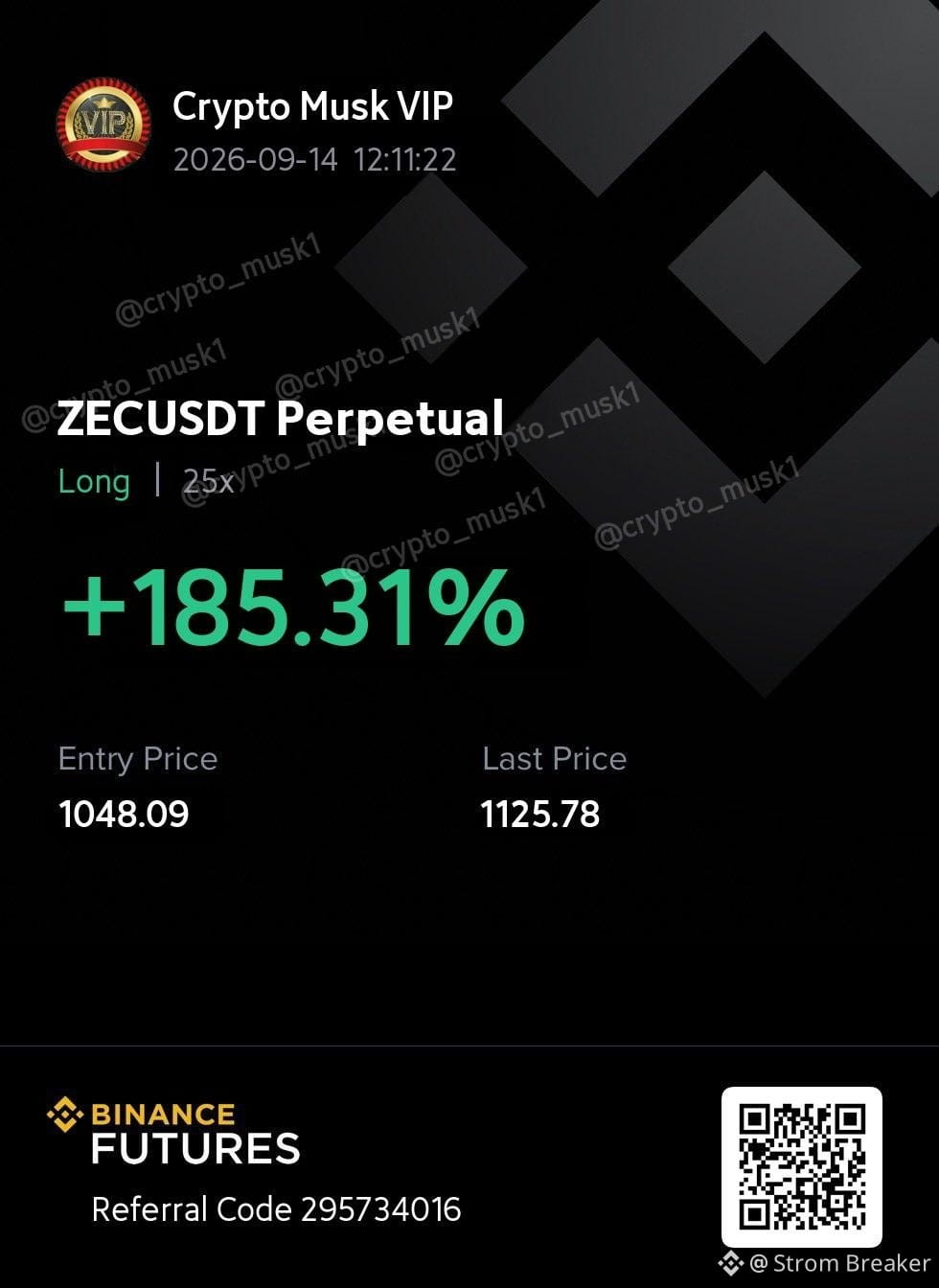
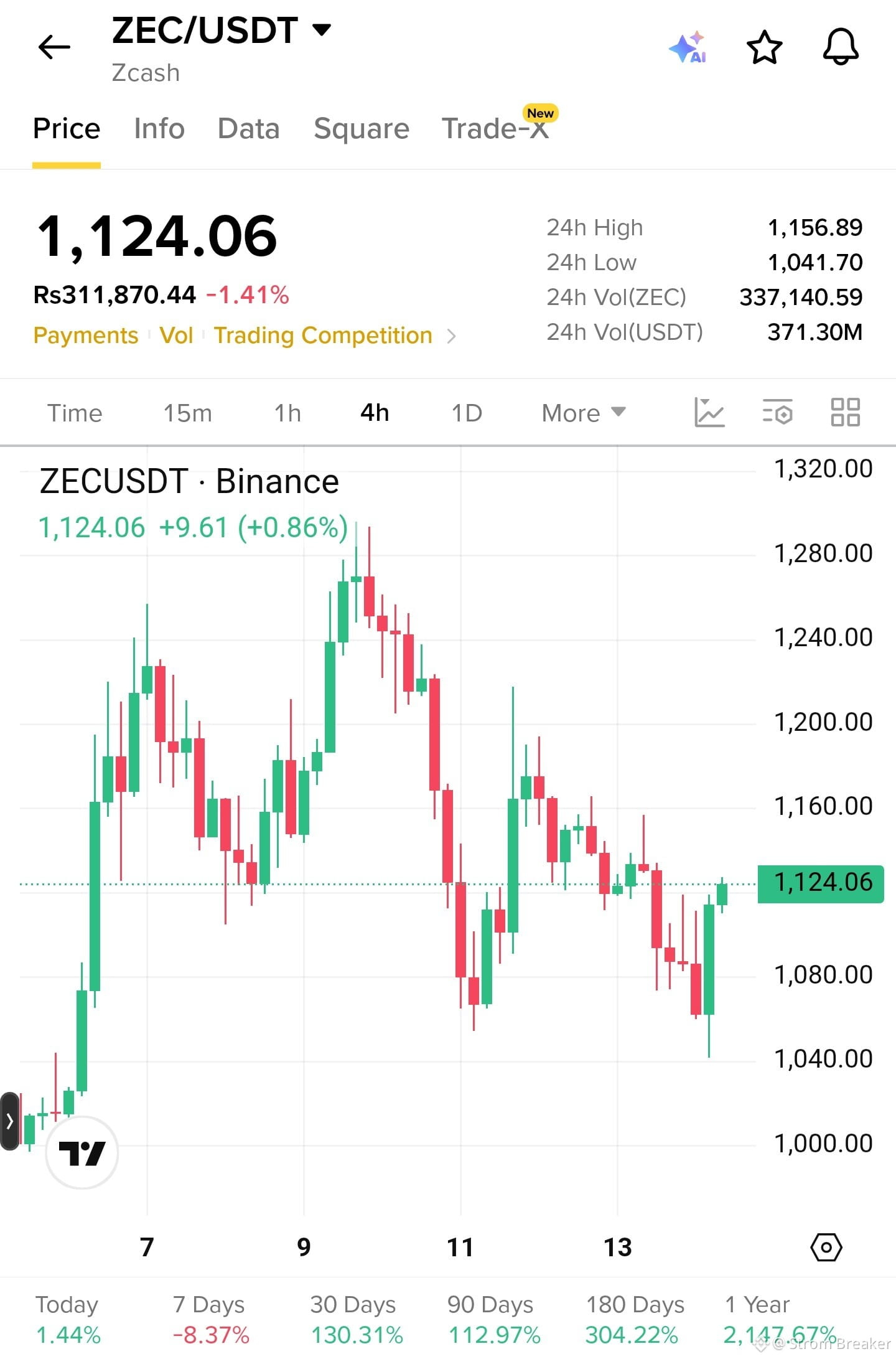
$ZEC is showing a potential bullish setup based on the Thunder Strategy and current price action. The plan is to scale into the position around the two entry zones while keeping risk clearly defined.
🔰 Entry Zones: 1049.46 / 1017.97
🎯 Targets: 1055.48 → 1077.41 → 1099.33 → 1121.25
🛑 Stop Loss: 983.344
⚡ Leverage: 10x Isolated
Trade with proper risk management and avoid overexposure. Always wait for confirmation before entering.
{spot}(ZECUSDT)
#EURequiresWalletMakersReportFlawsIn24Hours #LSKSurgesOver515%In24Hours #AnthropicCEOCallsForAISlowdown #ZcashNU7VoteEndsSeptember14 #ClarityActLawIn2026OddsRiseTo30%
$ZEC is showing a potential bullish setup based on the Thunder Strategy and current price action. The plan is to scale into the position around the two entry zones while keeping risk clearly defined.
🔰 Entry Zones: 1049.46 / 1017.97
🎯 Targets: 1055.48 → 1077.41 → 1099.33 → 1121.25
🛑 Stop Loss: 983.344
⚡ Leverage: 10x Isolated
Trade with proper risk management and avoid overexposure. Always wait for confirmation before entering.
#EURequiresWalletMakersReportFlawsIn24Hours #LSKSurgesOver515%In24Hours #AnthropicCEOCallsForAISlowdown #ZcashNU7VoteEndsSeptember14 #ClarityActLawIn2026OddsRiseTo30%
🔰 Entry Zones: 1049.46 / 1017.97
🎯 Targets: 1055.48 → 1077.41 → 1099.33 → 1121.25
🛑 Stop Loss: 983.344
⚡ Leverage: 10x Isolated
Trade with proper risk management and avoid overexposure. Always wait for confirmation before entering.
#EURequiresWalletMakersReportFlawsIn24Hours #LSKSurgesOver515%In24Hours #AnthropicCEOCallsForAISlowdown #ZcashNU7VoteEndsSeptember14 #ClarityActLawIn2026OddsRiseTo30%
333

·
--
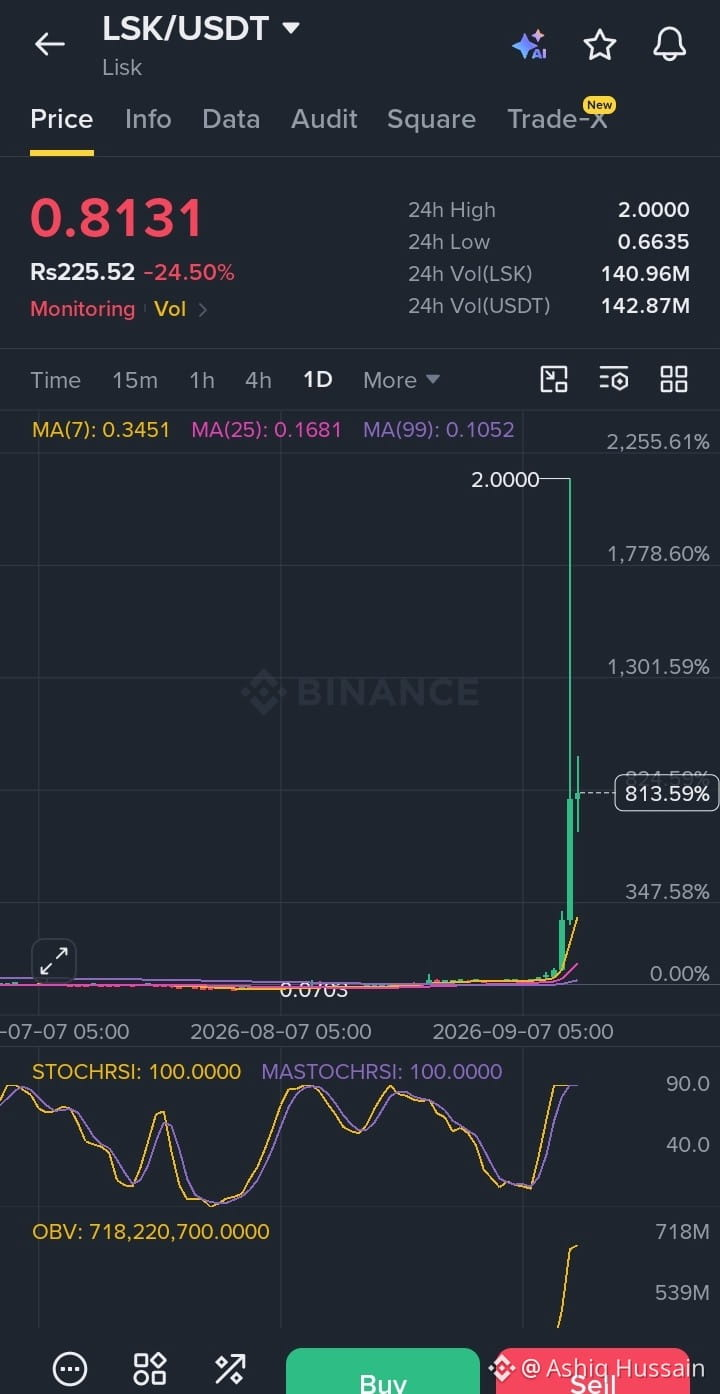
$LSK is trading at $0.8147 on Binance Spot, versus a 24-hour open of $1.0599 (-23.1%). The session range has been unusually wide: $0.6635–$2.0000, with about $143.3M in LSKUSDT turnover. This follows a sharp rally reported in the previous day’s market briefing, where LSK was up +267.6% over 24 hours.
{spot}(LSKUSDT)
#lsk #LSKSurgesOver515%In24Hours #KoreaCryptoTaxDelayPetitionMeetsReviewThreshold #EURequiresWalletMakersReportFlawsIn24Hours #ZcashNU7VoteEndsSeptember14
$LSK is trading at $0.8147 on Binance Spot, versus a 24-hour open of $1.0599 (-23.1%). The session range has been unusually wide: $0.6635–$2.0000, with about $143.3M in LSKUSDT turnover. This follows a sharp rally reported in the previous day’s market briefing, where LSK was up +267.6% over 24 hours.
#lsk #LSKSurgesOver515%In24Hours #KoreaCryptoTaxDelayPetitionMeetsReviewThreshold #EURequiresWalletMakersReportFlawsIn24Hours #ZcashNU7VoteEndsSeptember14
#lsk #LSKSurgesOver515%In24Hours #KoreaCryptoTaxDelayPetitionMeetsReviewThreshold #EURequiresWalletMakersReportFlawsIn24Hours #ZcashNU7VoteEndsSeptember14
92

·
--
Рост
🔴 $FIL LONGS HIT
$7.2986K in long positions were liquidated at $1.00038 on Binance, putting fresh selling pressure around the $1.00 level.
📍 Support: $0.9800
🚧 Resistance: $1.0300
🎯 Next Target: $0.9500
A break below $0.9800 could push $FIL toward $0.9500. Reclaiming $1.0300 would give buyers a chance to recover momentum.
💡 Pro Tip: Watch $0.98 closely. Losing this zone could trigger another liquidation wave.
⚠️ Manage risk. DYOR.
$FIL #AnthropicCEOCallsForAISlowdown #BitcoinThirdSingleBlockReorgInFourWeeks #LSKSurgesOver515%In24Hours #EURequiresWalletMakersReportFlawsIn24Hours #ZcashNU7VoteEndsSeptember14
{future}(FILUSDT)
🔴 $FIL LONGS HIT
$7.2986K in long positions were liquidated at $1.00038 on Binance, putting fresh selling pressure around the $1.00 level.
📍 Support: $0.9800
🚧 Resistance: $1.0300
🎯 Next Target: $0.9500
A break below $0.9800 could push $FIL toward $0.9500. Reclaiming $1.0300 would give buyers a chance to recover momentum.
💡 Pro Tip: Watch $0.98 closely. Losing this zone could trigger another liquidation wave.
⚠️ Manage risk. DYOR.
$FIL #AnthropicCEOCallsForAISlowdown #BitcoinThirdSingleBlockReorgInFourWeeks #LSKSurgesOver515%In24Hours #EURequiresWalletMakersReportFlawsIn24Hours #ZcashNU7VoteEndsSeptember14
$7.2986K in long positions were liquidated at $1.00038 on Binance, putting fresh selling pressure around the $1.00 level.
📍 Support: $0.9800
🚧 Resistance: $1.0300
🎯 Next Target: $0.9500
A break below $0.9800 could push $FIL toward $0.9500. Reclaiming $1.0300 would give buyers a chance to recover momentum.
💡 Pro Tip: Watch $0.98 closely. Losing this zone could trigger another liquidation wave.
⚠️ Manage risk. DYOR.
$FIL #AnthropicCEOCallsForAISlowdown #BitcoinThirdSingleBlockReorgInFourWeeks #LSKSurgesOver515%In24Hours #EURequiresWalletMakersReportFlawsIn24Hours #ZcashNU7VoteEndsSeptember14
77
·
--
Why is everyone celebrating policy headlines when regulatory clarity historically consolidates power rather than distributing it?
Most retail investors get burned by buying the rumor of legal frameworks, only to realize compliance requirements often choke liquidity and restrict open access.
Look at the rising odds for the Clarity Act in 2026 as a classic case study. While mainstream consensus treats a thirty percent probability as a milestone for institutional adoption, the fine print tells a different story. If clear rules mean categorizing major utility assets like $DOT or decentralized storage networks like $FIL under rigid oversight, the compliance burden will naturally favor centralized incumbents over permissionless innovation.
Capital efficiency also shifts dramatically under structured regimes. When regulatory hurdles rise, liquidity tends to retreat into safe harbors like $USDT, leaving mid-cap ecosystems struggling to maintain organic volume. Betting on legal certainty without accounting for the structural friction it introduces is how traders misjudge market cycles.
Do you see formal regulation as the gateway to genuine adoption or the end of permissionless DeFi?
#ClarityActLawIn2026OddsRiseTo30 #EURequiresWalletMakersReportFlawsIn24Hours
Why is everyone celebrating policy headlines when regulatory clarity historically consolidates power rather than distributing it?
Most retail investors get burned by buying the rumor of legal frameworks, only to realize compliance requirements often choke liquidity and restrict open access.
Look at the rising odds for the Clarity Act in 2026 as a classic case study. While mainstream consensus treats a thirty percent probability as a milestone for institutional adoption, the fine print tells a different story. If clear rules mean categorizing major utility assets like $DOT or decentralized storage networks like $FIL under rigid oversight, the compliance burden will naturally favor centralized incumbents over permissionless innovation.
Capital efficiency also shifts dramatically under structured regimes. When regulatory hurdles rise, liquidity tends to retreat into safe harbors like $USDT, leaving mid-cap ecosystems struggling to maintain organic volume. Betting on legal certainty without accounting for the structural friction it introduces is how traders misjudge market cycles.
Do you see formal regulation as the gateway to genuine adoption or the end of permissionless DeFi?
#ClarityActLawIn2026OddsRiseTo30 #EURequiresWalletMakersReportFlawsIn24Hours
Most retail investors get burned by buying the rumor of legal frameworks, only to realize compliance requirements often choke liquidity and restrict open access.
Look at the rising odds for the Clarity Act in 2026 as a classic case study. While mainstream consensus treats a thirty percent probability as a milestone for institutional adoption, the fine print tells a different story. If clear rules mean categorizing major utility assets like $DOT or decentralized storage networks like $FIL under rigid oversight, the compliance burden will naturally favor centralized incumbents over permissionless innovation.
Capital efficiency also shifts dramatically under structured regimes. When regulatory hurdles rise, liquidity tends to retreat into safe harbors like $USDT, leaving mid-cap ecosystems struggling to maintain organic volume. Betting on legal certainty without accounting for the structural friction it introduces is how traders misjudge market cycles.
Do you see formal regulation as the gateway to genuine adoption or the end of permissionless DeFi?
#ClarityActLawIn2026OddsRiseTo30 #EURequiresWalletMakersReportFlawsIn24Hours

80
·
--
Prediction markets giving a 30% chance to regulatory clarity passing by 2026 actually signals a massive 70% risk of prolonged regulatory ambiguity for crypto markets.
Most traders keep front-running legislative rumors and allocating heavily, only to end up holding bags when bills stall in committee for years. It is exhausting to watch political headlines trigger sudden whipsaws across your portfolio while you are trying to execute a clean swing setup.
When odds rise for the Clarity Act, the initial reaction is usually relief that clear asset classifications might finally arrive. But what gets overlooked is how compliance overhead could hit decentralized protocols before the rules even settle. If infrastructure projects like $FIL or interoperability hubs like $DOT get lumped into rigid compliance buckets, liquidity will dry up rapidly as institutional market makers pull their order books.
We have already seen how sudden regulatory shifts force custodians holding $USDT to freeze routing paths across certain jurisdictions. If this legislation drags through 2026 with fragmented enforcement, you are taking on hidden governance risk across almost every layer-1 balance you hold.
Do you think a prolonged regulatory timeline will choke on-chain activity, or does it give teams enough time to adapt?
#ClarityActLawIn2026OddsRiseTo30 #EURequiresWalletMakersReportFlawsIn24Hours
Prediction markets giving a 30% chance to regulatory clarity passing by 2026 actually signals a massive 70% risk of prolonged regulatory ambiguity for crypto markets.
Most traders keep front-running legislative rumors and allocating heavily, only to end up holding bags when bills stall in committee for years. It is exhausting to watch political headlines trigger sudden whipsaws across your portfolio while you are trying to execute a clean swing setup.
When odds rise for the Clarity Act, the initial reaction is usually relief that clear asset classifications might finally arrive. But what gets overlooked is how compliance overhead could hit decentralized protocols before the rules even settle. If infrastructure projects like $FIL or interoperability hubs like $DOT get lumped into rigid compliance buckets, liquidity will dry up rapidly as institutional market makers pull their order books.
We have already seen how sudden regulatory shifts force custodians holding $USDT to freeze routing paths across certain jurisdictions. If this legislation drags through 2026 with fragmented enforcement, you are taking on hidden governance risk across almost every layer-1 balance you hold.
Do you think a prolonged regulatory timeline will choke on-chain activity, or does it give teams enough time to adapt?
#ClarityActLawIn2026OddsRiseTo30 #EURequiresWalletMakersReportFlawsIn24Hours
Most traders keep front-running legislative rumors and allocating heavily, only to end up holding bags when bills stall in committee for years. It is exhausting to watch political headlines trigger sudden whipsaws across your portfolio while you are trying to execute a clean swing setup.
When odds rise for the Clarity Act, the initial reaction is usually relief that clear asset classifications might finally arrive. But what gets overlooked is how compliance overhead could hit decentralized protocols before the rules even settle. If infrastructure projects like $FIL or interoperability hubs like $DOT get lumped into rigid compliance buckets, liquidity will dry up rapidly as institutional market makers pull their order books.
We have already seen how sudden regulatory shifts force custodians holding $USDT to freeze routing paths across certain jurisdictions. If this legislation drags through 2026 with fragmented enforcement, you are taking on hidden governance risk across almost every layer-1 balance you hold.
Do you think a prolonged regulatory timeline will choke on-chain activity, or does it give teams enough time to adapt?
#ClarityActLawIn2026OddsRiseTo30 #EURequiresWalletMakersReportFlawsIn24Hours
74

·
--
everyone thinks regulatory clarity is going to instantly pump our bags, but actually it might just be the cleanest trap for retail this cycle.
most people are sitting in $USDT waiting for the green light, only to fomo buy the exact top once legislation passes and realize market makers front-ran the entire thing months ago. you end up holding heavy bags while trying to figure out an exit that already happened.
ngl look at what happened with previous compliance narratives. people loaded up on infrastructure plays like $DOT and storage giants like $FIL thinking regulatory approval was an automatic ticket to valhalla, but the market priced it in way before the ink even dried. clarity usually means institutional access first and retail liquidity exit second.
if the clarity act odds are climbing to 30% for 2026, the smart money is already positioning behind the scenes while sentiment is riding high. when the rules finally drop, don't be surprised if the actual bill comes with strict compliance filters that choke the wild west liquidity we actually profit from.
are you de-risking into this narrative or betting the market completely misprices regulatory delays?
#ClarityActLawIn2026OddsRiseTo30 #EURequiresWalletMakersReportFlawsIn24Hours
everyone thinks regulatory clarity is going to instantly pump our bags, but actually it might just be the cleanest trap for retail this cycle.
most people are sitting in $USDT waiting for the green light, only to fomo buy the exact top once legislation passes and realize market makers front-ran the entire thing months ago. you end up holding heavy bags while trying to figure out an exit that already happened.
ngl look at what happened with previous compliance narratives. people loaded up on infrastructure plays like $DOT and storage giants like $FIL thinking regulatory approval was an automatic ticket to valhalla, but the market priced it in way before the ink even dried. clarity usually means institutional access first and retail liquidity exit second.
if the clarity act odds are climbing to 30% for 2026, the smart money is already positioning behind the scenes while sentiment is riding high. when the rules finally drop, don't be surprised if the actual bill comes with strict compliance filters that choke the wild west liquidity we actually profit from.
are you de-risking into this narrative or betting the market completely misprices regulatory delays?
#ClarityActLawIn2026OddsRiseTo30 #EURequiresWalletMakersReportFlawsIn24Hours
most people are sitting in $USDT waiting for the green light, only to fomo buy the exact top once legislation passes and realize market makers front-ran the entire thing months ago. you end up holding heavy bags while trying to figure out an exit that already happened.
ngl look at what happened with previous compliance narratives. people loaded up on infrastructure plays like $DOT and storage giants like $FIL thinking regulatory approval was an automatic ticket to valhalla, but the market priced it in way before the ink even dried. clarity usually means institutional access first and retail liquidity exit second.
if the clarity act odds are climbing to 30% for 2026, the smart money is already positioning behind the scenes while sentiment is riding high. when the rules finally drop, don't be surprised if the actual bill comes with strict compliance filters that choke the wild west liquidity we actually profit from.
are you de-risking into this narrative or betting the market completely misprices regulatory delays?
#ClarityActLawIn2026OddsRiseTo30 #EURequiresWalletMakersReportFlawsIn24Hours

69
·
--
Most traders treat network upgrades as simple pump events, yet historically, major protocol forks cause more liquidity bleed than price expansion.
I have watched too many portfolios get wrecked over the last decade buying into governance hype right before voting deadlines, only to be left holding the bag when the actual implementation takes months.
The NU7 community vote for $ZEC closing today is not just another routine governance poll. It addresses fundamental consensus changes and transition mechanisms that determine whether privacy tech can actually survive tightening regulatory scrutiny. When you look back at legacy assets like $ETC or storage protocols like $FIL, structural shifts either rekindle developer activity or permanently fragment network hash power.
Governance votes are fundamentally about long-term network survival, not next week's green candles. The market is currently sitting in Greed territory, which often blinds participants to the technical trade-offs between zero-knowledge scalability and institutional compliance pressure. Passing a vote is merely the blueprint, whereas the real test has always been maintaining miner consensus and node adoption without fracturing the ecosystem.
Do you think privacy coins can still find a viable middle ground with global regulators after this upgrade cycle?
#ZcashNU7VoteEndsSeptember14 #EURequiresWalletMakersReportFlawsIn24Hours #ClarityActFacesProceduralVoteSept15
Most traders treat network upgrades as simple pump events, yet historically, major protocol forks cause more liquidity bleed than price expansion.
I have watched too many portfolios get wrecked over the last decade buying into governance hype right before voting deadlines, only to be left holding the bag when the actual implementation takes months.
The NU7 community vote for $ZEC closing today is not just another routine governance poll. It addresses fundamental consensus changes and transition mechanisms that determine whether privacy tech can actually survive tightening regulatory scrutiny. When you look back at legacy assets like $ETC or storage protocols like $FIL , structural shifts either rekindle developer activity or permanently fragment network hash power.
Governance votes are fundamentally about long-term network survival, not next week's green candles. The market is currently sitting in Greed territory, which often blinds participants to the technical trade-offs between zero-knowledge scalability and institutional compliance pressure. Passing a vote is merely the blueprint, whereas the real test has always been maintaining miner consensus and node adoption without fracturing the ecosystem.
Do you think privacy coins can still find a viable middle ground with global regulators after this upgrade cycle?
#ZcashNU7VoteEndsSeptember14 #EURequiresWalletMakersReportFlawsIn24Hours #ClarityActFacesProceduralVoteSept15
I have watched too many portfolios get wrecked over the last decade buying into governance hype right before voting deadlines, only to be left holding the bag when the actual implementation takes months.
The NU7 community vote for $ZEC closing today is not just another routine governance poll. It addresses fundamental consensus changes and transition mechanisms that determine whether privacy tech can actually survive tightening regulatory scrutiny. When you look back at legacy assets like $ETC or storage protocols like $FIL , structural shifts either rekindle developer activity or permanently fragment network hash power.
Governance votes are fundamentally about long-term network survival, not next week's green candles. The market is currently sitting in Greed territory, which often blinds participants to the technical trade-offs between zero-knowledge scalability and institutional compliance pressure. Passing a vote is merely the blueprint, whereas the real test has always been maintaining miner consensus and node adoption without fracturing the ecosystem.
Do you think privacy coins can still find a viable middle ground with global regulators after this upgrade cycle?
#ZcashNU7VoteEndsSeptember14 #EURequiresWalletMakersReportFlawsIn24Hours #ClarityActFacesProceduralVoteSept15
99
·
--
Why is nobody talking about how governance votes like NU7 could quietly redefine the privacy sector while everyone chases green candles elsewhere?
Most traders spend weeks chasing high-beta momentum plays like $LSK or rotating back into safety with $USDT, only to completely ignore fundamental protocol upgrades that decide whether privacy tech actually survives regulatory scrutiny.
Take the latest $ZEC governance cycle as a textbook case study. While retail attention is split across broader market pumps, the NU7 upgrade vote represents a pivotal architectural fork in Zcash governance. It is not just another routine network maintenance vote; it directly impacts how privacy pools operate and interact with shifting global compliance frameworks.
When fundamental protocol shifts happen in silence, the market usually misprices the risk until liquidity abruptly dries up or surges on major exchange listings. Governance participation is often the clearest leading indicator for network sustainability, yet it remains the most overlooked metric by active participants.
Where do you think privacy assets head once these key architectural votes settle?
#ZcashNU7VoteEndsSeptember14 #EURequiresWalletMakersReportFlawsIn24Hours #LSKSurgesOver515
Why is nobody talking about how governance votes like NU7 could quietly redefine the privacy sector while everyone chases green candles elsewhere?
Most traders spend weeks chasing high-beta momentum plays like $LSK or rotating back into safety with $USDT, only to completely ignore fundamental protocol upgrades that decide whether privacy tech actually survives regulatory scrutiny.
Take the latest $ZEC governance cycle as a textbook case study. While retail attention is split across broader market pumps, the NU7 upgrade vote represents a pivotal architectural fork in Zcash governance. It is not just another routine network maintenance vote; it directly impacts how privacy pools operate and interact with shifting global compliance frameworks.
When fundamental protocol shifts happen in silence, the market usually misprices the risk until liquidity abruptly dries up or surges on major exchange listings. Governance participation is often the clearest leading indicator for network sustainability, yet it remains the most overlooked metric by active participants.
Where do you think privacy assets head once these key architectural votes settle?
#ZcashNU7VoteEndsSeptember14 #EURequiresWalletMakersReportFlawsIn24Hours #LSKSurgesOver515
Most traders spend weeks chasing high-beta momentum plays like $LSK or rotating back into safety with $USDT, only to completely ignore fundamental protocol upgrades that decide whether privacy tech actually survives regulatory scrutiny.
Take the latest $ZEC governance cycle as a textbook case study. While retail attention is split across broader market pumps, the NU7 upgrade vote represents a pivotal architectural fork in Zcash governance. It is not just another routine network maintenance vote; it directly impacts how privacy pools operate and interact with shifting global compliance frameworks.
When fundamental protocol shifts happen in silence, the market usually misprices the risk until liquidity abruptly dries up or surges on major exchange listings. Governance participation is often the clearest leading indicator for network sustainability, yet it remains the most overlooked metric by active participants.
Where do you think privacy assets head once these key architectural votes settle?
#ZcashNU7VoteEndsSeptember14 #EURequiresWalletMakersReportFlawsIn24Hours #LSKSurgesOver515
152

·
--
Падение
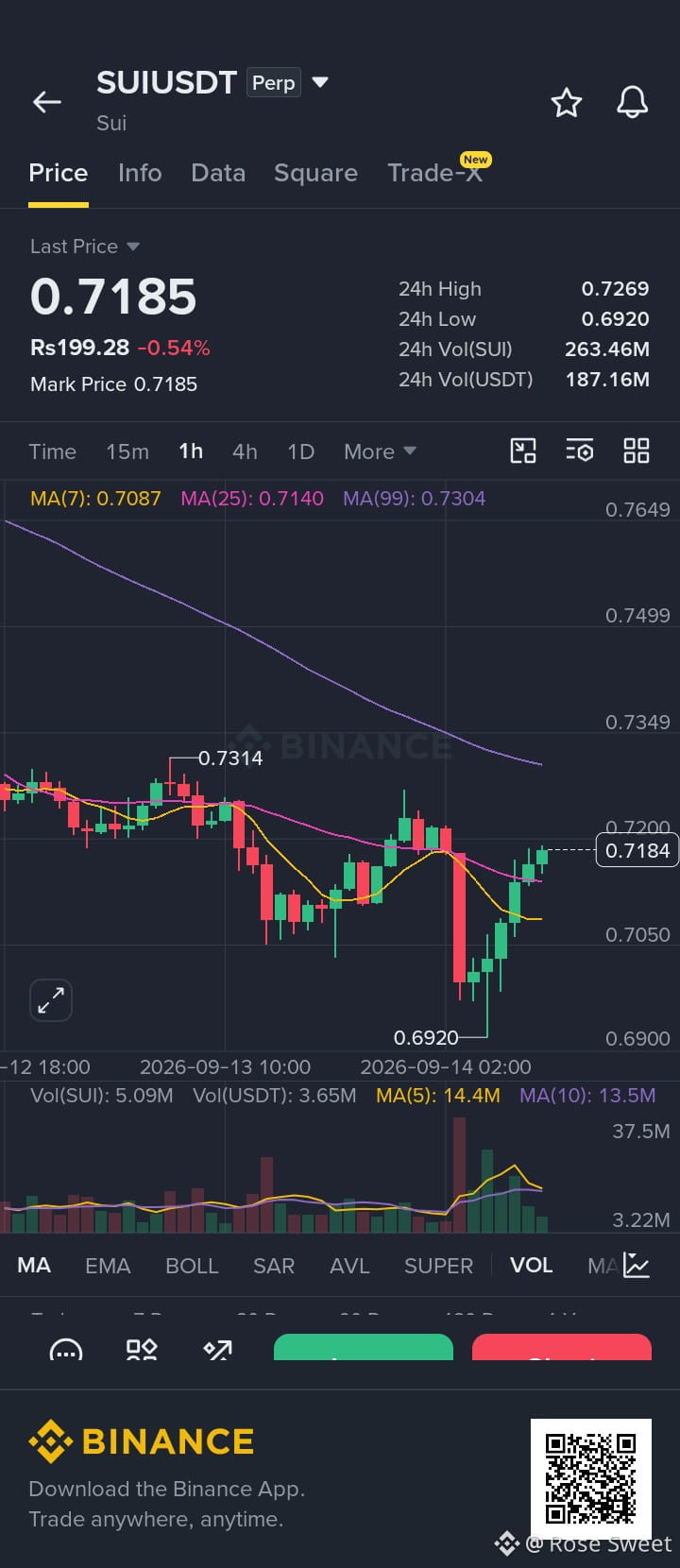
$SUI Long (75x Leverage) | Buying the dip at demand—not chasing the pump.
SUI has reached my target entry zone. At this stage, it’s all about disciplined execution, not guessing the market. I’m in this trade live, but I will exit immediately if the support level breaks.
Entry Zone: 0.71580 – 0.71780
Take Profit 1: 0.72430 (Risk/Reward 1:0.7)
Take Profit 2: 0.72940 (Risk/Reward 1:1.2)
Take Profit 3: 0.73690 (Risk/Reward 1:2.0)
Stop Loss: 0.70670
$SUI
{future}(SUIUSDT)
$ADA
{future}(ADAUSDT)
#AnthropicCEOCallsForAISlowdown #EURequiresWalletMakersReportFlawsIn24Hours
$SUI Long (75x Leverage) | Buying the dip at demand—not chasing the pump.
SUI has reached my target entry zone. At this stage, it’s all about disciplined execution, not guessing the market. I’m in this trade live, but I will exit immediately if the support level breaks.
Entry Zone: 0.71580 – 0.71780
Take Profit 1: 0.72430 (Risk/Reward 1:0.7)
Take Profit 2: 0.72940 (Risk/Reward 1:1.2)
Take Profit 3: 0.73690 (Risk/Reward 1:2.0)
Stop Loss: 0.70670
$SUI
$ADA
#AnthropicCEOCallsForAISlowdown #EURequiresWalletMakersReportFlawsIn24Hours
SUI has reached my target entry zone. At this stage, it’s all about disciplined execution, not guessing the market. I’m in this trade live, but I will exit immediately if the support level breaks.
Entry Zone: 0.71580 – 0.71780
Take Profit 1: 0.72430 (Risk/Reward 1:0.7)
Take Profit 2: 0.72940 (Risk/Reward 1:1.2)
Take Profit 3: 0.73690 (Risk/Reward 1:2.0)
Stop Loss: 0.70670
$SUI
$ADA
#AnthropicCEOCallsForAISlowdown #EURequiresWalletMakersReportFlawsIn24Hours
29
·
--
Everyone thinks a massive green candle means an easy breakout, but actually, chasing parabolic pumps is how most retail portfolios get drained.
We have all watched a coin multiply in hours, panicked about missing the ride, and bought the exact top right before liquidity vanished. Watching your $USDT balance get cut in half while early participants quietly take profits is a painful lesson that catches far too many traders off guard.
Think of a sudden price explosion like a crowded elevator shooting upward. When $LSK surges hundreds of percent in a flash, it rarely means underlying fundamentals transformed overnight. Instead, thin liquidity and forced short liquidations create an artificial vacuum, and when momentum finally stalls, everyone tries to rush through a single narrow exit at the same time.
Experienced capital rarely chases vertical lines. While attention shifts across momentum plays and older networks like $DOT, disciplined traders know that waiting for price structure to form beats impulse buying every single time. Protecting your downside matters far more than catching every fleeting spike.
How do you personally manage risk when an asset goes completely vertical?
#LSKSurgesOver515 #EURequiresWalletMakersReportFlawsIn24Hours #BitcoinThirdSingleBlockReorgInFourWeeks
Everyone thinks a massive green candle means an easy breakout, but actually, chasing parabolic pumps is how most retail portfolios get drained.
We have all watched a coin multiply in hours, panicked about missing the ride, and bought the exact top right before liquidity vanished. Watching your $USDT balance get cut in half while early participants quietly take profits is a painful lesson that catches far too many traders off guard.
Think of a sudden price explosion like a crowded elevator shooting upward. When $LSK surges hundreds of percent in a flash, it rarely means underlying fundamentals transformed overnight. Instead, thin liquidity and forced short liquidations create an artificial vacuum, and when momentum finally stalls, everyone tries to rush through a single narrow exit at the same time.
Experienced capital rarely chases vertical lines. While attention shifts across momentum plays and older networks like $DOT , disciplined traders know that waiting for price structure to form beats impulse buying every single time. Protecting your downside matters far more than catching every fleeting spike.
How do you personally manage risk when an asset goes completely vertical?
#LSKSurgesOver515 #EURequiresWalletMakersReportFlawsIn24Hours #BitcoinThirdSingleBlockReorgInFourWeeks
We have all watched a coin multiply in hours, panicked about missing the ride, and bought the exact top right before liquidity vanished. Watching your $USDT balance get cut in half while early participants quietly take profits is a painful lesson that catches far too many traders off guard.
Think of a sudden price explosion like a crowded elevator shooting upward. When $LSK surges hundreds of percent in a flash, it rarely means underlying fundamentals transformed overnight. Instead, thin liquidity and forced short liquidations create an artificial vacuum, and when momentum finally stalls, everyone tries to rush through a single narrow exit at the same time.
Experienced capital rarely chases vertical lines. While attention shifts across momentum plays and older networks like $DOT , disciplined traders know that waiting for price structure to form beats impulse buying every single time. Protecting your downside matters far more than catching every fleeting spike.
How do you personally manage risk when an asset goes completely vertical?
#LSKSurgesOver515 #EURequiresWalletMakersReportFlawsIn24Hours #BitcoinThirdSingleBlockReorgInFourWeeks

102
·
--
Падение
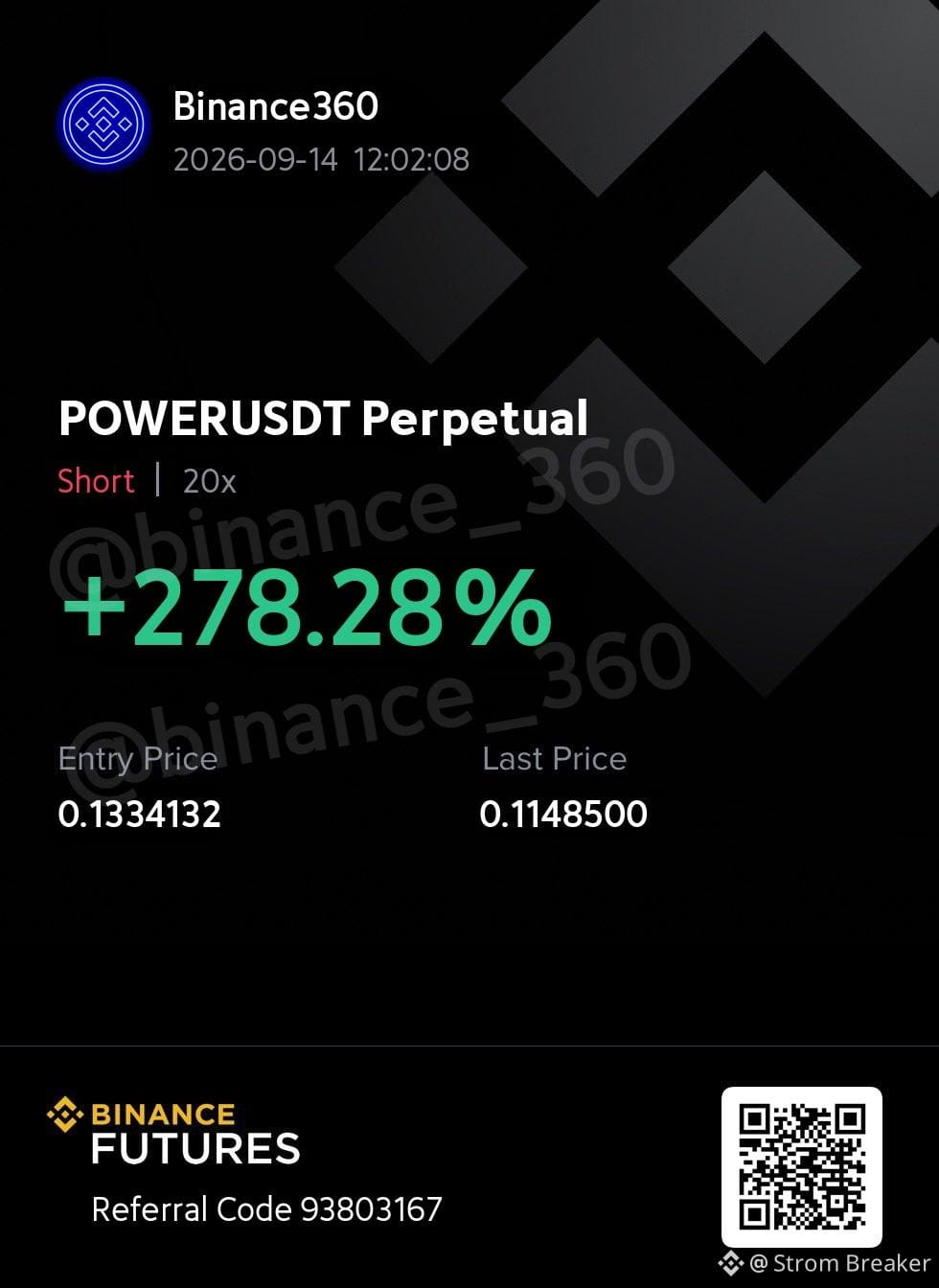
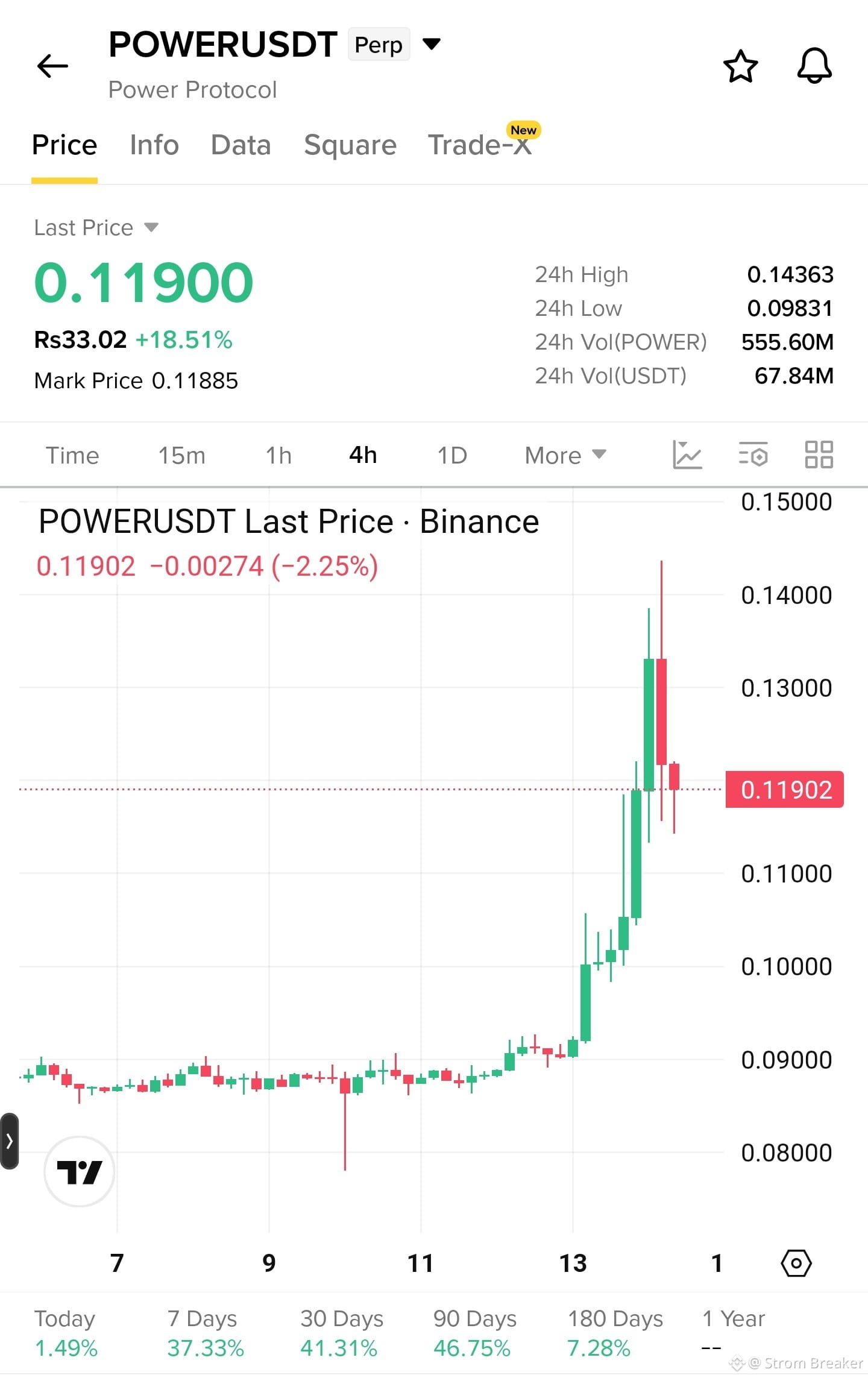
On the 15-minute timeframe, $POWER is showing a bearish setup. The short entry zone is 0.1372372–0.1332400, with downside targets placed progressively at 0.1325671, 0.1285499, 0.1245327, 0.1205155, and 0.1164983.
🛑 Stop Loss: 0.1425668
⚡ Leverage: 10x
📊 Manage risk carefully and avoid overexposure in volatile conditions.
#EURequiresWalletMakersReportFlawsIn24Hours #LSKSurgesOver515%In24Hours #AnthropicCEOCallsForAISlowdown #ZcashNU7VoteEndsSeptember14 #LSKSurgesOver515%In24Hours
{future}(POWERUSDT)
On the 15-minute timeframe, $POWER is showing a bearish setup. The short entry zone is 0.1372372–0.1332400, with downside targets placed progressively at 0.1325671, 0.1285499, 0.1245327, 0.1205155, and 0.1164983.
🛑 Stop Loss: 0.1425668
⚡ Leverage: 10x
📊 Manage risk carefully and avoid overexposure in volatile conditions.
#EURequiresWalletMakersReportFlawsIn24Hours #LSKSurgesOver515%In24Hours #AnthropicCEOCallsForAISlowdown #ZcashNU7VoteEndsSeptember14 #LSKSurgesOver515%In24Hours
🛑 Stop Loss: 0.1425668
⚡ Leverage: 10x
📊 Manage risk carefully and avoid overexposure in volatile conditions.
#EURequiresWalletMakersReportFlawsIn24Hours #LSKSurgesOver515%In24Hours #AnthropicCEOCallsForAISlowdown #ZcashNU7VoteEndsSeptember14 #LSKSurgesOver515%In24Hours
119

🔥 CRYPTO REALITY CHECK
❌ FOMO makes you buy high.
❌ Greed makes you overtrade.
❌ Revenge trading destroys accounts.
✅ Patience
✅ Risk management
✅ Knowledge
✅ Discipline
Your biggest advantage in crypto isn’t money — it’s your mindset. 🧠⚡
#Binance #Crypto #Trading #BTC #Trader
#AnthropicCEOCallsForAISlowdown #BitcoinThirdSingleBlockReorgInFourWeeks #LSKSurgesOver515%In24Hours #ClarityActLawIn2026OddsRiseTo30% #EURequiresWalletMakersReportFlawsIn24Hours 🤑💵💵💵💵💵💵💵🎉🎉🎉🎉🎉
🔥 CRYPTO REALITY CHECK
❌ FOMO makes you buy high.
❌ Greed makes you overtrade.
❌ Revenge trading destroys accounts.
✅ Patience
✅ Risk management
✅ Knowledge
✅ Discipline
Your biggest advantage in crypto isn’t money — it’s your mindset. 🧠⚡
#Binance #Crypto #Trading #BTC #Trader
#AnthropicCEOCallsForAISlowdown #BitcoinThirdSingleBlockReorgInFourWeeks #LSKSurgesOver515%In24Hours #ClarityActLawIn2026OddsRiseTo30% #EURequiresWalletMakersReportFlawsIn24Hours 🤑💵💵💵💵💵💵💵🎉🎉🎉🎉🎉
❌ FOMO makes you buy high.
❌ Greed makes you overtrade.
❌ Revenge trading destroys accounts.
✅ Patience
✅ Risk management
✅ Knowledge
✅ Discipline
Your biggest advantage in crypto isn’t money — it’s your mindset. 🧠⚡
#Binance #Crypto #Trading #BTC #Trader
#AnthropicCEOCallsForAISlowdown #BitcoinThirdSingleBlockReorgInFourWeeks #LSKSurgesOver515%In24Hours #ClarityActLawIn2026OddsRiseTo30% #EURequiresWalletMakersReportFlawsIn24Hours 🤑💵💵💵💵💵💵💵🎉🎉🎉🎉🎉
70
Войдите, чтобы посмотреть больше материала
Присоединяйтесь к пользователям криптовалют по всему миру на Binance Square
⚡️ Получайте новейшую и полезную информацию о криптоактивах.
💬 Нам доверяет крупнейшая в мире криптобиржа.
👍 Получите достоверные аналитические данные от верифицированных создателей контента.
Эл. почта/номер телефона
В тренде
1
#AnthropicCEOCallsForAISlowdown
Просмотров: 113,958
1,914 обсуждают
2
#RevolutDataLeakReportedlyPostedAttackersThreatenDailyReleases
Просмотров: 309
19 обсуждают
3
#BrazilCentralBankRaisesVASPCapitalRequirements
Просмотров: 1,473
129 обсуждают
4
#BitcoinThirdSingleBlockReorgInFourWeeks
Просмотров: 26,413
794 обсуждают
5
#EthereumFallsBelow$2500
Просмотров: 2,209
78 обсуждают
6
#BitcoinDropsToIntradayLow$76367
Просмотров: 939
31 обсуждают
7
#WhiteHouseRejectsAISlowdownCalls
Просмотров: 11,375
334 обсуждают
8
#UKMayExemptTokenizedGoldFromFundRules
Просмотров: 6,594
230 обсуждают
9
#BitcoinSpotETFsRecord$463MNetOutflowLastWeek
Просмотров: 582
19 обсуждают
10
#LSKSurgesOver515%In24Hours
Просмотров: 24,969
400 обсуждают